

On the Origin of Species by Charles Darwin – The Theory That Shook America to Its Core
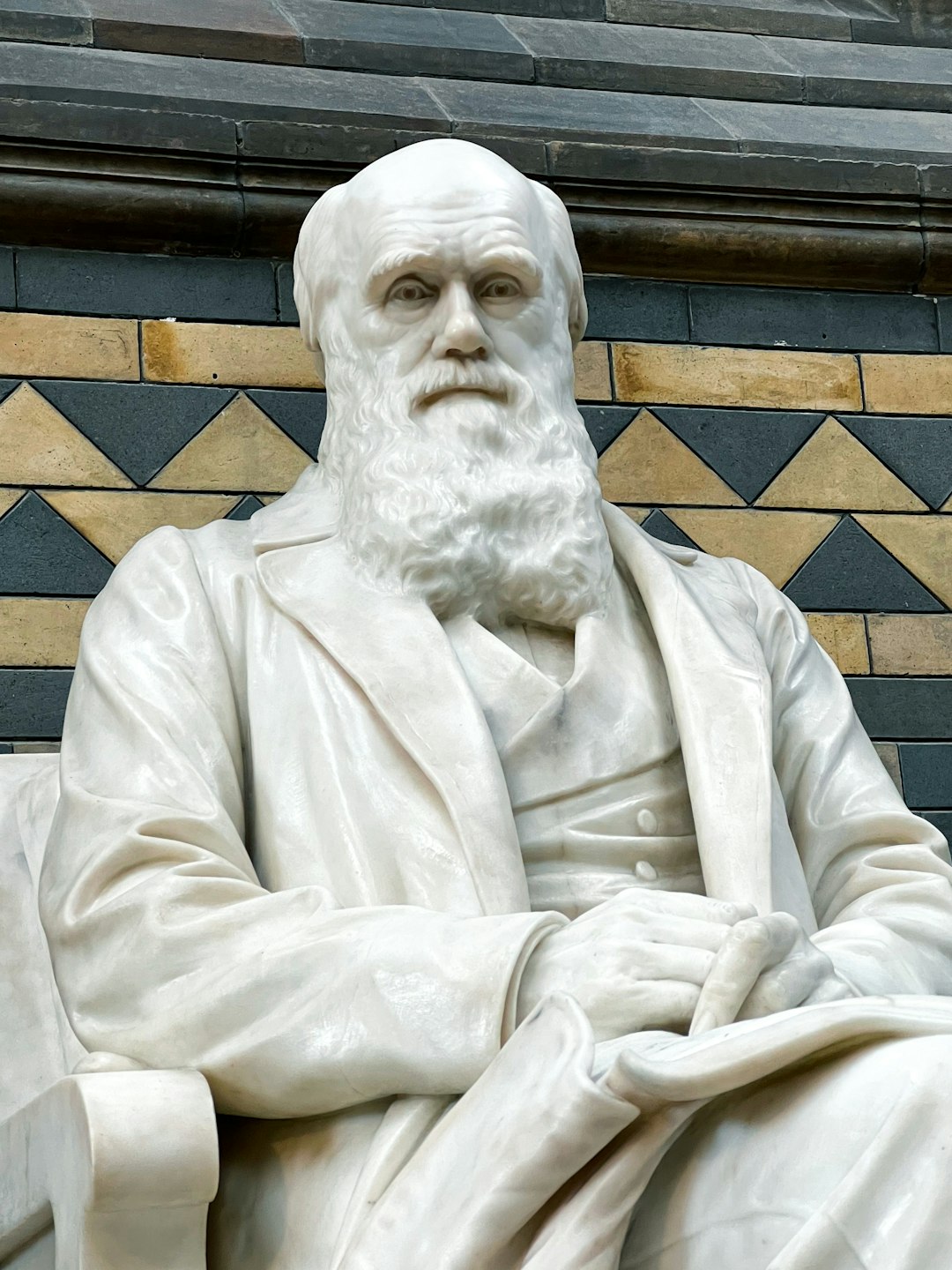
Though Charles Darwin was British, his 1859 masterpiece unleashed a scientific earthquake that’s still rumbling through American classrooms and courtrooms today. You know how one book can completely flip your understanding of everything? That’s exactly what happened when Darwin’s revolutionary ideas about evolution crossed the Atlantic. American scientists suddenly found themselves caught between religious beliefs and hard scientific evidence, creating debates that continue to rage more than 160 years later. The book didn’t just change how Americans thought about biology—it transformed how we approach education, law, and even our understanding of what it means to be human. Picture this: before Darwin, most Americans believed all species were created perfectly and remained unchanged. Then along comes this quiet English naturalist who suggests we’re all connected through millions of years of gradual change. The ripple effects were massive, influencing everything from medicine to psychology in ways Darwin himself never could have imagined.
Silent Spring by Rachel Carson – The Book That Birthed the Environmental Movement

In 1962, a marine biologist named Rachel Carson published what would become one of the most powerful scientific wake-up calls in American history. Silent Spring exposed the devastating effects of DDT and other pesticides, leading to a nationwide ban on DDT and the creation of the Environmental Protection Agency in 1970. Carson wasn’t just writing about dead birds—she was revealing how chemicals were silently poisoning our entire food chain, including us. The book meticulously described how DDT entered the food chain and accumulated in fatty tissues of animals, including humans, causing cancer and genetic damage, with single applications killing insects for weeks and months while remaining toxic even after dilution by rainwater. The chemical industry fought back viciously, calling Carson everything from “hysterical” to a communist, but the science spoke for itself. The book became an instant bestseller, selling more than 100,000 hardcover copies in the first three months and over one million copies in two years. What makes this story even more remarkable is that Carson was already battling breast cancer while writing it, knowing she might not live to see the full impact of her work.
A Brief History of Time by Stephen Hawking – Making the Universe Accessible to Everyone
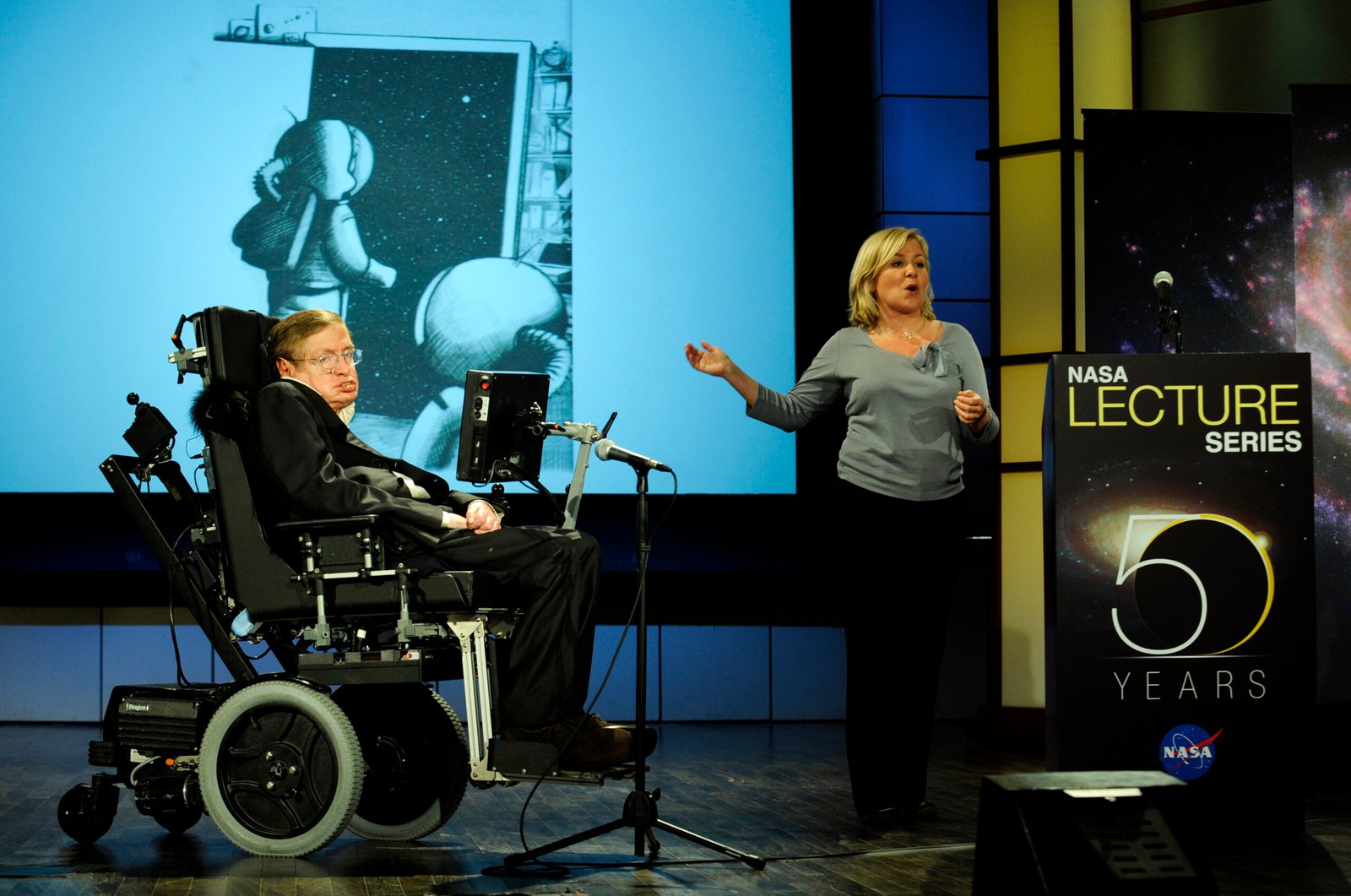
When Stephen Hawking’s “A Brief History of Time” hit bookstores in 1988, something unprecedented happened—theoretical physics became a dinner table conversation. The book became a bestseller and has sold more than 25 million copies in 40 languages, proving that Americans had an enormous appetite for understanding black holes, time travel, and the nature of the universe. Hawking’s publisher warned that every mathematical equation would halve the book’s sales, so he reduced it to just Einstein’s E=mc2, using similes, analogies, and humor to make complex mathematical and physical ideas understandable to lay readers. Here’s the kicker: most people who bought it probably didn’t finish it, but that didn’t matter. The book made cosmology cool and inspired countless Americans to pursue careers in physics and astronomy. It sold out its first print run in days, was translated into more than 35 languages, and sold an estimated 10 million copies worldwide, with Hawking noting he had managed to sell more books on physics than Madonna had on sex. What’s fascinating is how Hawking’s physical limitations actually helped his communication—forced to think visually due to his ALS, he developed ways to explain complex concepts that resonated with ordinary people.
The Double Helix by James D. Watson – The Scandalous Inside Story of DNA
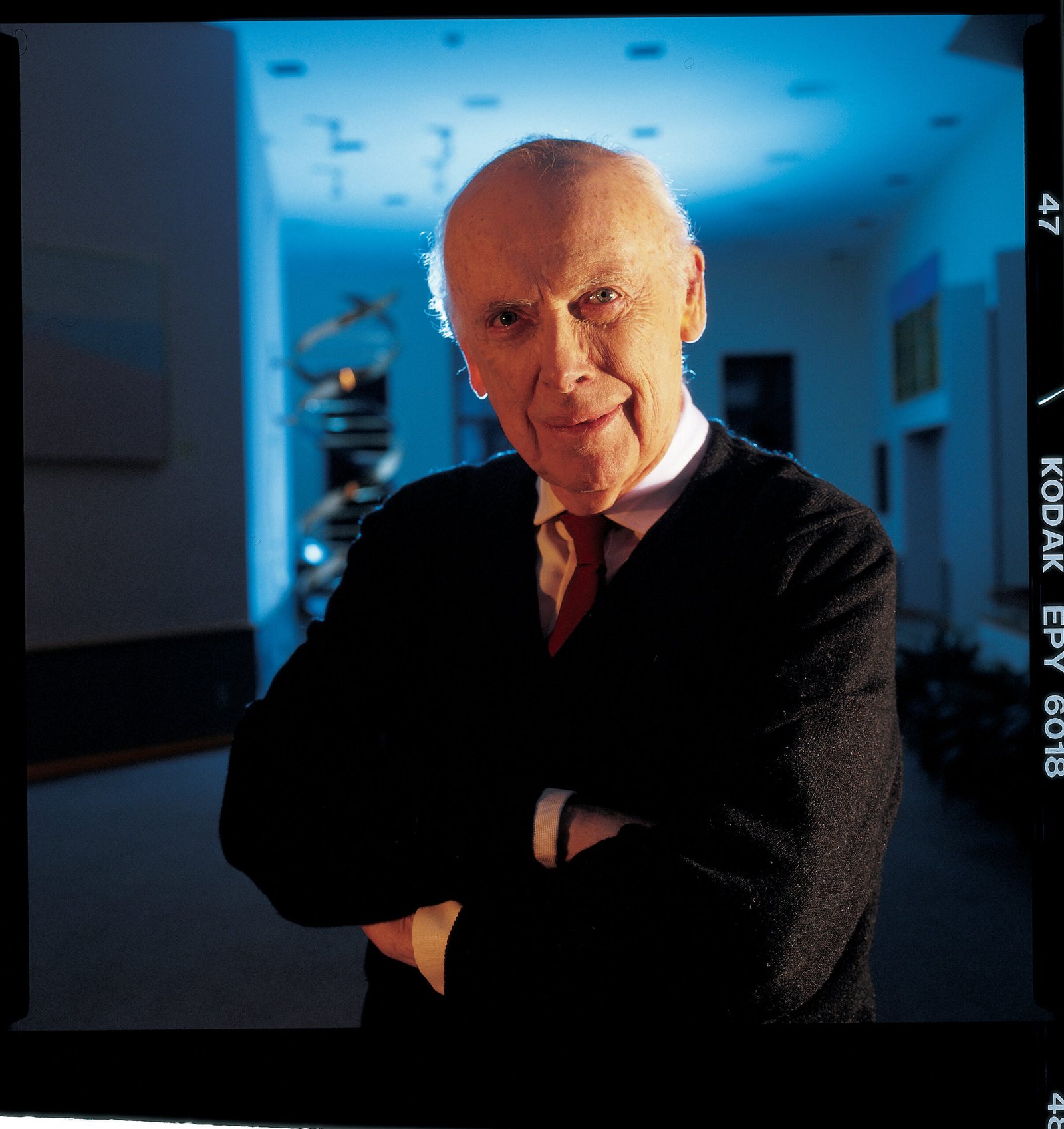
James Watson’s 1968 tell-all about discovering DNA’s structure was unlike any science book Americans had ever read. The book was listed by the Modern Library as number seven in their list of 100 Best Nonfiction books, detailing the story of DNA’s discovery as well as the personalities, conflicts and controversy surrounding their work, including Watson’s private emotional impressions. This wasn’t your typical dry scientific account—Watson dished on rivalries, egos, and the messy human side of groundbreaking research. The book earned both critical and public praise, along with continuing controversy about credit for the Nobel award and attitudes towards female scientists at the time of the discovery. The drama was so intense that Harvard University Press originally planned to publish it, but dropped the arrangement after protests from Francis Crick and Maurice Wilkins. Watson’s brutally honest portrayal of scientific competition, including his treatment of Rosalind Franklin, sparked nationwide discussions about ethics in research and the role of women in science. The book became one of Modern Library’s 100 best non-fiction books, fundamentally changing how Americans viewed scientists—not as objective truth-seekers, but as ambitious, flawed humans driven by the same desires for recognition as everyone else.
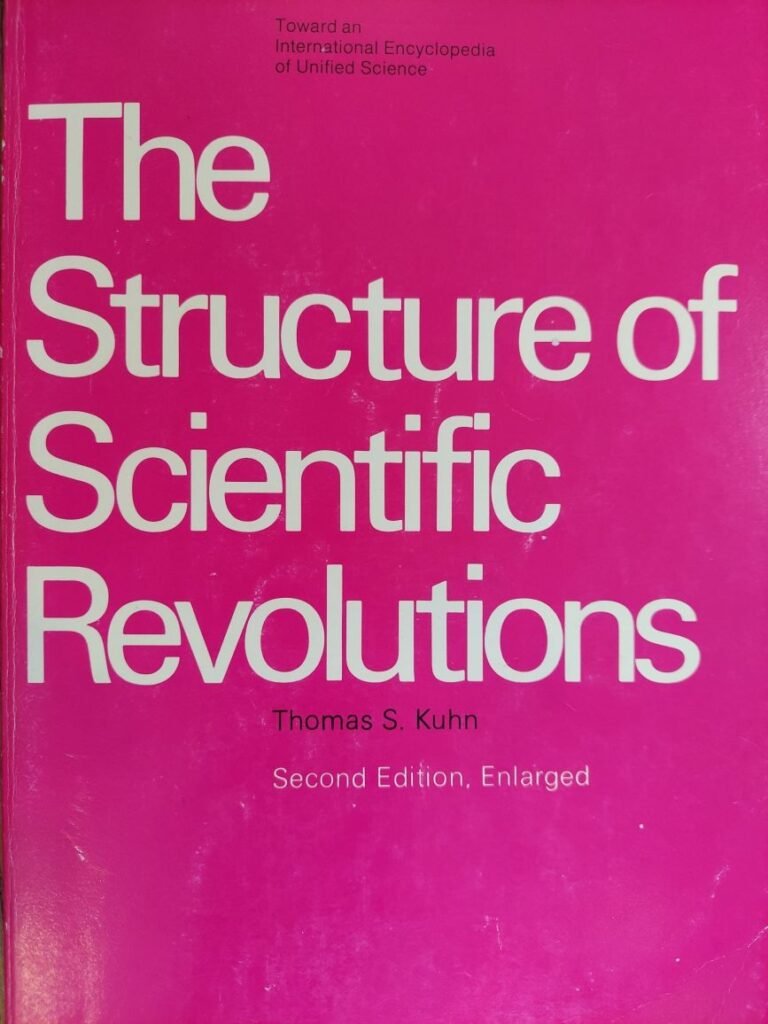
The Structure of Scientific Revolutions by Thomas Kuhn – Changing How America Thinks About Truth
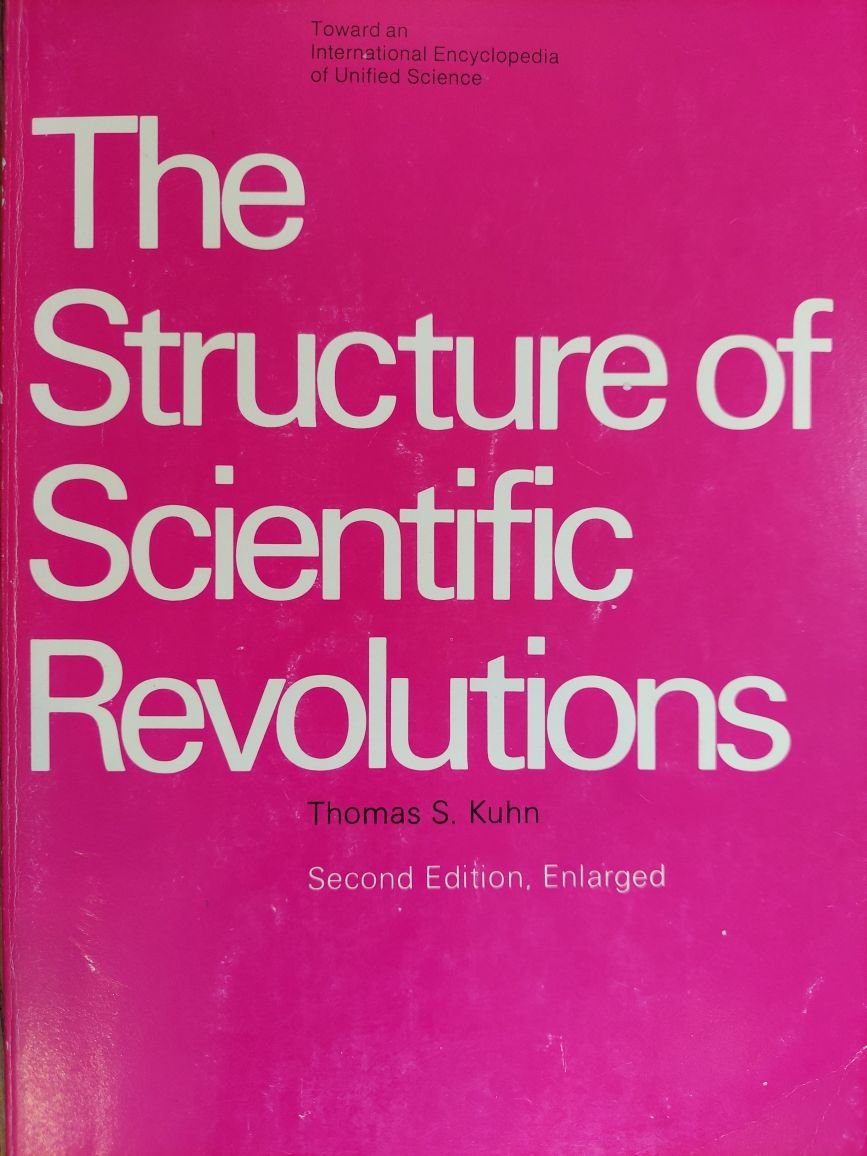
Thomas Kuhn’s 1962 masterpiece didn’t just describe how science works—it completely revolutionized how Americans understand knowledge itself. Before Kuhn, most people thought science progressed in a straight line, with each discovery building neatly on the last. Kuhn shattered this comfortable myth by introducing the concept of “paradigm shifts”—those earth-shaking moments when entire worldviews collapse and rebuild. Think about how we went from believing the sun revolved around Earth to understanding our solar system’s true structure—that’s a paradigm shift in action. Kuhn’s ideas spread far beyond science departments, influencing business, politics, and social movements across America. The book gave us a vocabulary for understanding how revolutionary change happens in any field, not just science. Suddenly, everyone from corporate executives to social activists was talking about paradigm shifts, often without realizing they were quoting a philosophy of science text. What makes Kuhn’s work so powerful is its recognition that scientific truth isn’t discovered so much as constructed through complex social processes involving communities of researchers.
Guns, Germs, and Steel by Jared Diamond – Rewriting American Views on Civilization
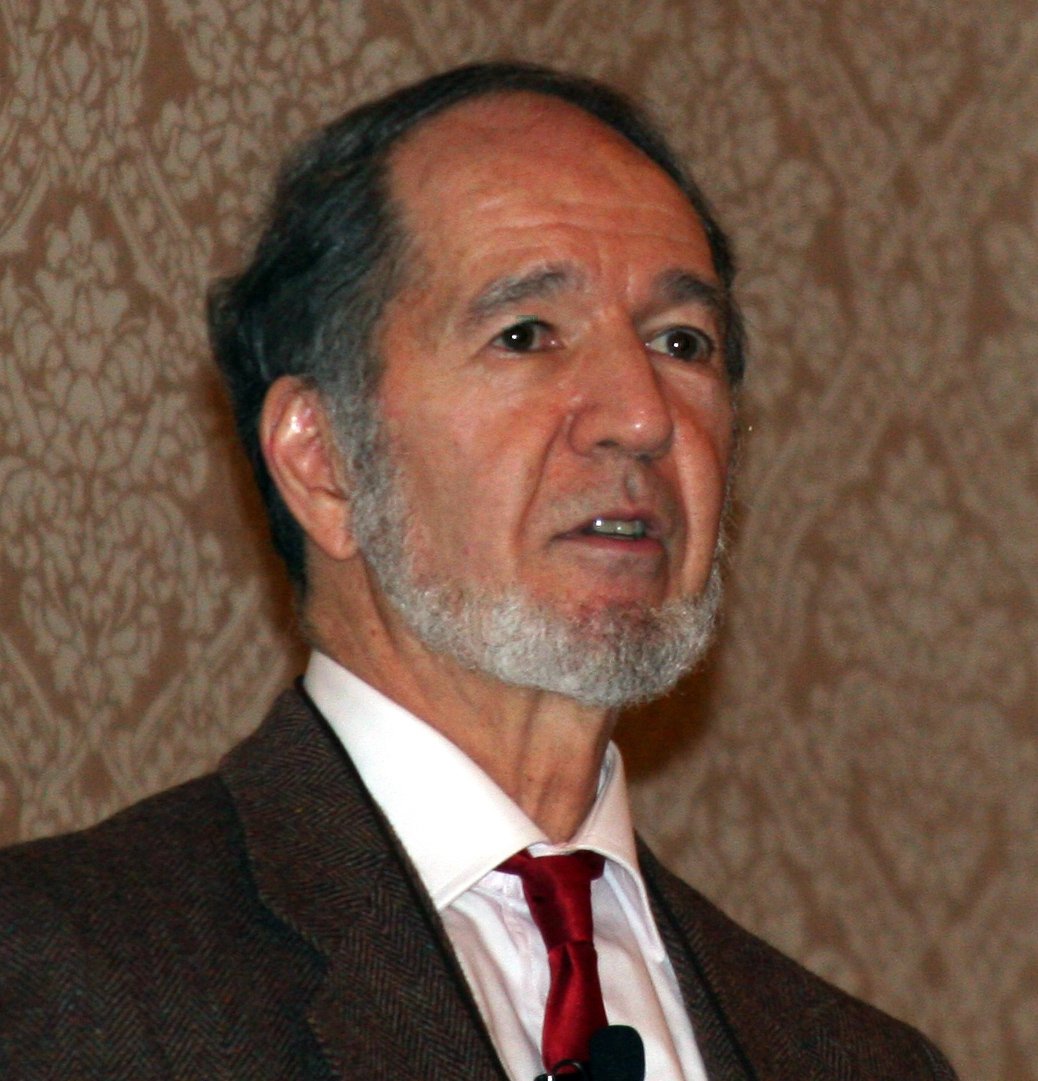
Jared Diamond’s 1997 Pulitzer Prize-winning book tackled one of the most uncomfortable questions in American discourse: why did some societies develop advanced technologies while others didn’t? Diamond’s answer was revolutionary—it wasn’t about intelligence or racial superiority, but about geography, agriculture, and pure luck. He showed how the availability of domesticable plants and animals, along with favorable geography, gave certain civilizations massive advantages that compounded over thousands of years. For American readers, this was mind-blowing because it challenged deeply held assumptions about cultural and racial hierarchies that had shaped everything from immigration policy to educational approaches. Diamond demonstrated how environmental factors like east-west continental orientation (which allowed crops and livestock to spread easily) were far more important than any inherent qualities of different peoples. The book became a bestseller partly because it offered a scientific framework for understanding global inequality without resorting to racist explanations. It forced American academics and policymakers to reconsider how they approached everything from foreign aid to historical education, showing that the patterns of global development were largely determined by factors beyond human control.
Cosmos by Carl Sagan – Bringing Space Into American Living Rooms
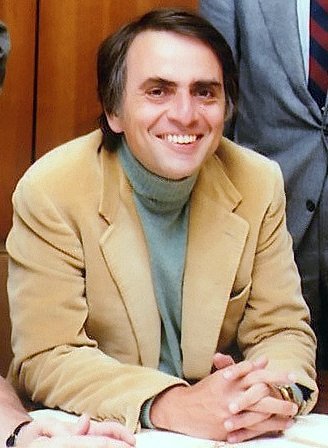
Carl Sagan’s “Cosmos,” published in 1980, didn’t just explain astronomy—it made Americans fall in love with the universe. The book accompanied his groundbreaking PBS television series, reaching millions of households and transforming how everyday people thought about their place in the cosmos. Sagan had this incredible gift for making the vast scales of space and time feel personal and meaningful, using poetic language that rivaled great literature. He famously described humans as “star stuff,” explaining how the carbon in our muscles and iron in our blood were forged in the nuclear furnaces of dying stars billions of years ago. This wasn’t just scientific education—it was spiritual awakening disguised as astronomy. The book spent 70 weeks on the New York Times bestseller list and sold millions of copies, proving that Americans were hungry for cosmic perspective. Sagan’s influence extended far beyond astronomy, inspiring a generation of scientists and shaping how Americans approach everything from environmental protection to the search for extraterrestrial life. His emphasis on scientific skepticism and critical thinking became a cornerstone of American science education, while his wonder-filled approach proved that rigorous science could also be deeply moving.
The Mismeasure of Man by Stephen Jay Gould – Dismantling Scientific Racism in America
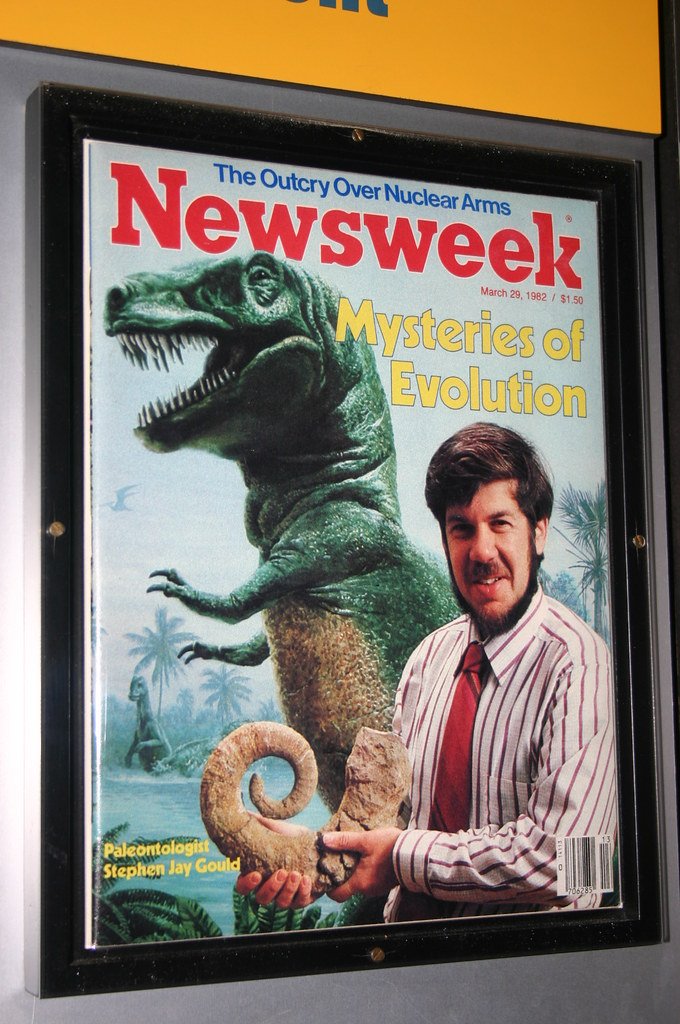
Stephen Jay Gould’s 1981 bombshell systematically destroyed one of the most persistent and dangerous myths in American science—the idea that intelligence can be ranked by race or class through biological measurements. Gould meticulously documented how respected scientists had manipulated data, used flawed methodologies, and ignored contradictory evidence to support their prejudices about human intelligence. He exposed the dark history of craniology, where researchers literally measured skull sizes to “prove” racial hierarchies, and showed how IQ testing had been weaponized to justify discrimination and immigration restrictions. The book was particularly powerful because Gould wasn’t just making political arguments—he was using rigorous scientific analysis to demolish pseudoscientific claims. His work came at a crucial time when debates about intelligence, race, and educational policy were heating up in American society. Gould demonstrated that many of the “objective” scientific studies that had shaped American immigration law, educational tracking, and social policy were fundamentally flawed from the start. The book forced American scientists to confront the uncomfortable reality that their field had often served to legitimize rather than challenge social prejudices, leading to more careful scrutiny of research methods and conclusions.
The Immortal Life of Henrietta Lacks by Rebecca Skloot – Exposing Medical Ethics Failures

Rebecca Skloot’s 2010 masterpiece did something remarkable—it turned a story about cell biology into a gripping tale of medical ethics, racial injustice, and scientific breakthrough. The book revealed how Henrietta Lacks, a poor African American woman, had her cancer cells taken without consent in 1951, leading to revolutionary medical advances while her family remained in poverty and ignorance about her contribution. Skloot spent years building trust with the Lacks family, creating a narrative that was part science education, part social justice exposé, and part human drama. The book became a bestseller and sparked nationwide conversations about informed consent, patient rights, and the commercialization of human biological materials. It forced American medical schools to reexamine their ethics curricula and led to policy changes regarding tissue sample collection and patient notification. What made the book so powerful was Skloot’s ability to explain complex cell biology while never losing sight of the human cost of medical progress. The story resonated particularly strongly in American communities of color, who had long harbored suspicions about medical research based on historical abuses like the Tuskegee experiment. Skloot’s work helped bridge the gap between scientific and lay communities, showing how better communication and ethical practices could benefit everyone.
The Selfish Gene by Richard Dawkins – Revolutionizing How Americans Think About Evolution

Richard Dawkins’ 1976 book completely flipped American understanding of evolution by shifting focus from species and individuals to genes themselves. The title was brilliant but misleading—Dawkins wasn’t arguing that genes are literally selfish, but that evolution makes more sense when viewed from the gene’s perspective rather than the organism’s. This gene-centered view explained puzzling behaviors like altruism, where animals sacrifice themselves for relatives who share their genes. American readers were fascinated by concepts like “evolutionary stable strategies” and the idea that our behaviors might be influenced by ancient genetic programming. The book sparked intense debates about free will, human nature, and the extent to which our genes determine our actions. Dawkins’ clear, engaging prose made complex evolutionary theory accessible to general readers, inspiring countless Americans to pursue careers in evolutionary biology and related fields. His concept of “memes”—ideas that spread like genes through cultural transmission—became part of everyday American vocabulary, especially with the rise of internet culture. The book also fueled ongoing tensions between evolutionary science and religious beliefs in American society, as Dawkins didn’t hesitate to challenge traditional views of human uniqueness and divine creation.
A Sand County Almanac by Aldo Leopold – Founding Modern American Conservation
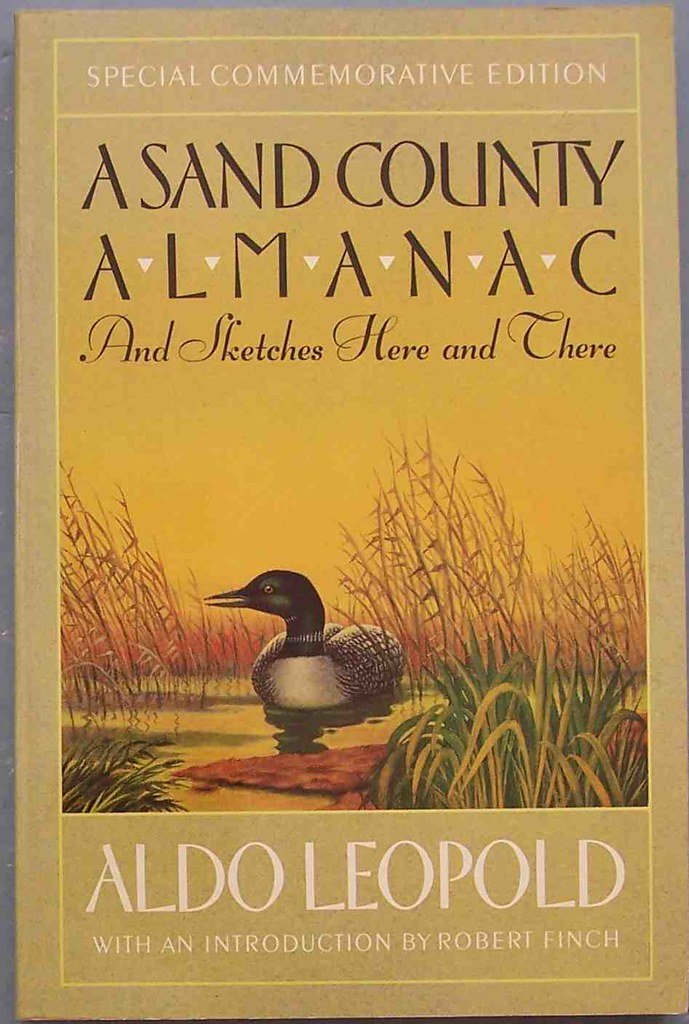
Aldo Leopold’s 1949 collection of essays fundamentally transformed how Americans think about their relationship with the natural world. Writing from his worn-out Wisconsin farm, Leopold introduced the revolutionary concept of “land ethic”—the idea that humans should see themselves as members, not masters, of the biological community. His famous maxim, “A thing is right when it tends to preserve the integrity, stability, and beauty of the biotic community,” became a foundational principle for American environmentalism. Leopold wasn’t just a poetic nature writer—he was a trained forester and wildlife manager who understood ecosystems from both scientific and emotional perspectives. The book showed Americans that conservation wasn’t just about preserving pretty scenery for human enjoyment, but about recognizing the intrinsic value of all species and ecological processes. His monthly observations of seasonal changes, from January thaws to October woodcock migrations, demonstrated how careful attention to natural cycles could deepen our understanding of ecological relationships. The book’s influence extended far beyond environmental circles, shaping American land management policies, wilderness designation, and the growing movement toward sustainable agriculture and forestry practices.
The Making of the Atomic Bomb by Richard Rhodes – America’s Nuclear Reckoning

Richard Rhodes’ 1986 Pulitzer Prize-winning epic didn’t just chronicle the development of nuclear weapons—it forced Americans to grapple with the moral complexities of scientific achievement. The book’s 800+ pages detailed the incredible scientific breakthroughs that led to atomic weapons, while never losing sight of the human consequences of that knowledge. Rhodes masterfully wove together the stories of brilliant physicists like Oppenheimer, Fermi, and Teller with the political pressures of World War II and the horrific aftermath of Hiroshima and Nagasaki. American readers were captivated by the scientific detective story—how researchers gradually unlocked the secrets of atomic fission—while simultaneously confronted with the devastating results of their success. The book appeared during the height of Cold War tensions, when nuclear annihilation felt like a real possibility for many Americans. Rhodes showed how the same scientific curiosity and technical skill that could cure diseases or explore space could also threaten all life on Earth. His detailed portraits of the Manhattan Project scientists revealed them as complex figures wrestling with their own moral responsibility for creating weapons of unprecedented destructive power. The book influenced American debates about nuclear policy, scientific ethics, and the responsibility of researchers for the consequences of their work.
The Demon-Haunted World by Carl Sagan – America’s Guide to Critical Thinking
Carl Sagan’s 1995 final book arrived at a crucial moment when American culture was increasingly susceptible to pseudoscience, conspiracy theories, and magical thinking. Sagan wasn’t content to simply debunk UFO claims or astrology—he wanted to equip Americans with the intellectual tools to think clearly about any extraordinary claim. His “baloney detection kit” became a beloved framework for critical thinking, teaching readers to ask for evidence, consider alternative explanations, and remain skeptical of their own biases. The book tackled everything from alien abductions to recovered memory therapy, showing how easily intelligent people could be misled by impressive-sounding but ultimately empty claims. Sagan’s approach was never condescending—he understood the human need for wonder and meaning, but argued that real science offered far more awe-inspiring truths than any pseudoscientific fantasy. His warning about an America divided between those who understand science and those who fear it proved remarkably prescient in our current era of widespread scientific illiteracy. The book became essential reading in American science classrooms and influenced a generation of science communicators who adopted Sagan’s blend of skepticism and wonder. His emphasis on the “candle in the dark” of scientific reasoning offered hope that education and critical thinking could combat the forces of unreason.
The Gene: An Intimate History by Siddhartha Mukherjee – Genetics Enters the American Mainstream

Siddhartha Mukherjee’s 2016 masterpiece arrived just as genetic technologies were transforming from laboratory curiosities into everyday medical tools. The book brilliantly traced the history of genetic science from Mendel’s pea plants to CRISPR gene editing, making complex molecular biology accessible to general readers through compelling storytelling and personal anecdotes. Mukherjee, himself a physician and researcher, understood that genetics wasn’t just an abstract scientific discipline—it was reshaping how Americans think about identity, disease, and human potential. The book appeared during heated debates about genetic privacy, designer babies, and the ethics of genetic modification, providing crucial context for these discussions. American readers were particularly drawn to Mukherjee’s exploration of how genetic discoveries challenged traditional notions of fate and free will—if our genes influence everything from disease susceptibility to behavioral traits, what does that mean for personal responsibility? The book’s impact extended beyond popular science into policy discussions about genetic discrimination, insurance coverage for genetic testing, and the regulation of emerging biotechnologies. Mukherjee’s balanced approach acknowledged both the tremendous promise and potential dangers of genetic technologies, helping Americans navigate the complex ethical landscape of modern genomics. His work influenced everything from patient advocacy groups to congressional hearings on genetic privacy, showing how effective science communication can shape public policy.
Chaos: Making a New Science by James Gleick – Discovering Hidden Order in American Science

James Gleick’s 1987 bestseller introduced Americans to one of the most revolutionary scientific discoveries of the 20th century—the realization that seemingly random, chaotic systems often contain hidden patterns and order. The book made chaos theory accessible to general readers through vivid examples like weather prediction, population dynamics, and the famous butterfly effect, where tiny changes could produce enormous consequences. American readers were fascinated by the idea that complex systems, from stock markets to ecosystems, might be governed by simple underlying rules that produced unpredictable behavior. Gleick’s work arrived at a time when American science was becoming increasingly specialized and compartmentalized, and chaos theory offered a unifying framework that applied across disciplines from physics to psychology. The book influenced how Americans thought about everything from business strategy to urban planning, as managers and policymakers grappled with the implications of living in a chaotic world where small interventions could have massive effects. Scientists featured in the book, like Mitchell Feigenbaum and Benoit Mandelbrot, became unlikely celebrities as chaos theory captured the American imagination. The visual beauty of fractals and strange attractors, reproduced in the book’s illustrations, made mathematical concepts tangible for readers who had previously considered advanced mathematics beyond their reach. Gleick’s work helped establish chaos theory as a legitimate scientific field while demonstrating how new mathematical tools could reveal hidden connections across seemingly unrelated phenomena.
The Origin of Consciousness in the Breakdown of the Bicameral Mind by Julian Jaynes – A Controversial Theory That Captivated America
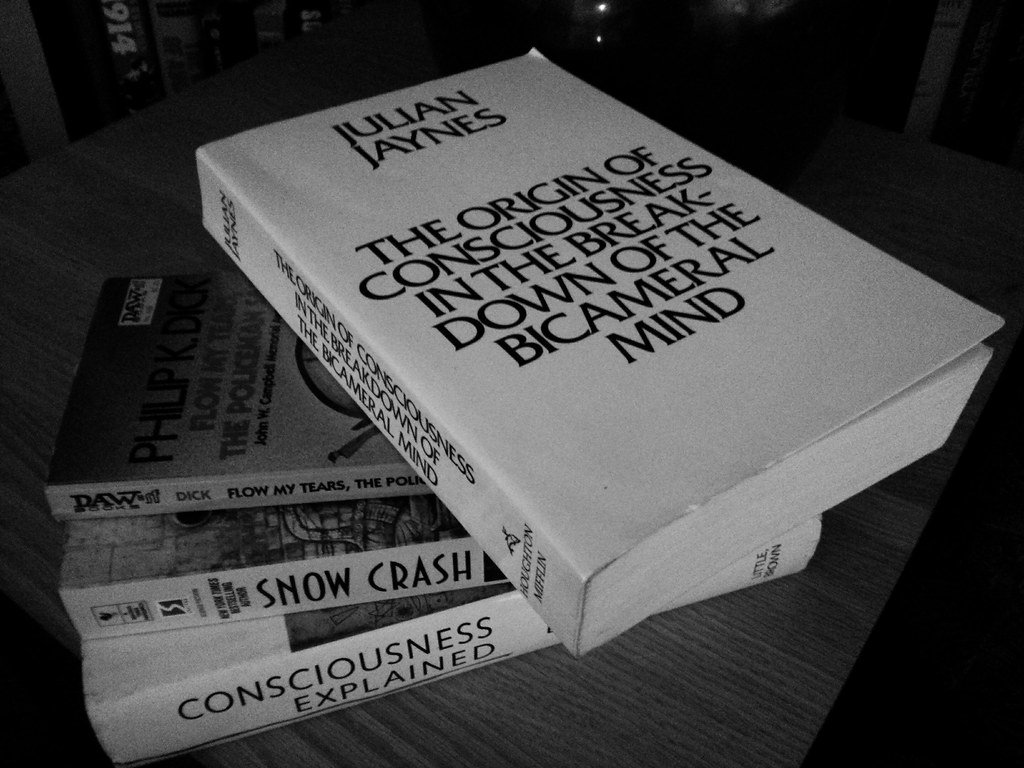
Julian Jaynes’ 1976 theory about the origin of human consciousness was so radical it made mainstream scientists cringe, yet it became a underground sensation among American readers hungry for big ideas about human nature. Jaynes proposed that ancient humans weren’t conscious in the modern sense—instead, they heard the voices of gods (actually their own brain’s right hemisphere) commanding their actions until this “bicameral mind” broke down around 3,000 years ago. The theory was scientifically controversial, with most neuroscientists and psychologists dismissing it as unprovable speculation, but it captured American imaginations because it offered a grand narrative about human development and the nature of consciousness itself. The book influenced everything from science fiction to New Age spirituality, showing how compelling theories can spread far beyond their original scientific context. American readers were particularly drawn to Jaynes’ explanation for why ancient texts describe gods directly communicating with humans—he suggested these weren’t metaphors but literal descriptions of a fundamentally different type of human consciousness. The theory found new audiences with each generation, influencing American pop culture, philosophy, and even approaches to psychology and neuroscience. While never accepted by mainstream science, Jaynes’ work demonstrated the power of bold, imaginative thinking to spark conversations about consciousness, free will, and what makes us uniquely human. The book’s enduring popularity revealed Americans’ fascination with theories that attempt to explain the deepest mysteries of human existence, even when those theories lack rigorous scientific support.
An Inconvenient Truth by Al Gore – Climate Science Becomes American Politics
Al Gore’s 2006 book, tied to his Academy Award-winning documentary, transformed climate change from an abstract scientific concern into America’s most heated political battleground. Gore’s presentation of climate data, featuring his famous graph of atmospheric CO2 levels alongside historical temperature records, made the reality of global warming undeniable for millions of Americans who had previously seen climate change as a distant, uncertain threat. The book’s impact was immediate and polarizing—it galvanized environmental activists while triggering fierce opposition from fossil fuel interests and conservative politicians who attacked both Gore’s science and his motiv

Besides founding Festivaltopia, Luca is the co founder of trib, an art and fashion collectiv you find on several regional events and online. Also he is part of the management board at HORiZONTE, a group travel provider in Germany.
