

- The 20 Impossible 60s–70s Music Quiz for Hardcore Fans - December 21, 2025
- 14 Songs That Were Almost Never Released – And Changed Everything - December 21, 2025
- 20 Epic Coming-of-Age Books You Wish You Read Sooner - December 21, 2025
Ching Shih: The Pirate Queen Who Commanded an Empire
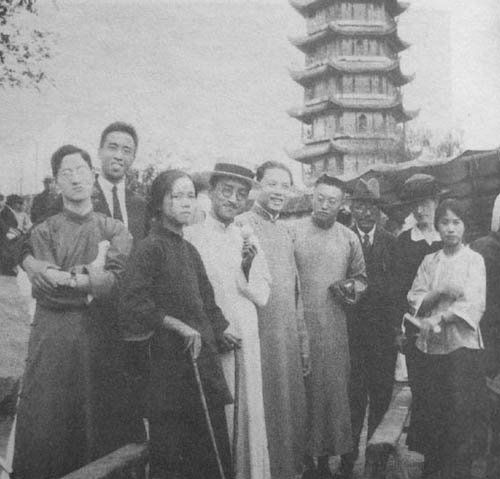
She commanded over 1,800 pirate ships and an estimated 80,000 pirates – a force that dwarfed even the most famous male pirates of her era. In comparison, the famed Blackbeard commanded four ships and 300 pirates. Ching Shih wasn’t just playing pirate; she was running what amounted to a floating nation in the South China Sea between 1801 and 1810.
Born as Shih Yang in 1775 in the poverty-stricken society of Guangdong province, her early life was marked by hardship. Upon reaching puberty, she was forced into sex work to supplement the family income. But fate had bigger plans when notorious pirate commander Zheng Yi encountered 26-year-old Ching Shih in Guangdong in 1801.
What set her apart wasn’t just her naval supremacy but her revolutionary leadership style. Ching Shih’s code of laws was one of the reasons for her fleet’s success, enforcing discipline among her pirates and providing a structure that allowed them to operate efficiently. Any pirate who deserted or disobeyed orders was executed, ensuring loyalty and obedience within the ranks. Based on the huge numbers of pirates that Ching Shih commanded in her heyday and the fact that she managed to retire and live peacefully after her pirate career, it’s been accepted by many historians that Ching Shih was the most successful pirate in human history.
Alice Ball: The Chemist Who Conquered Leprosy
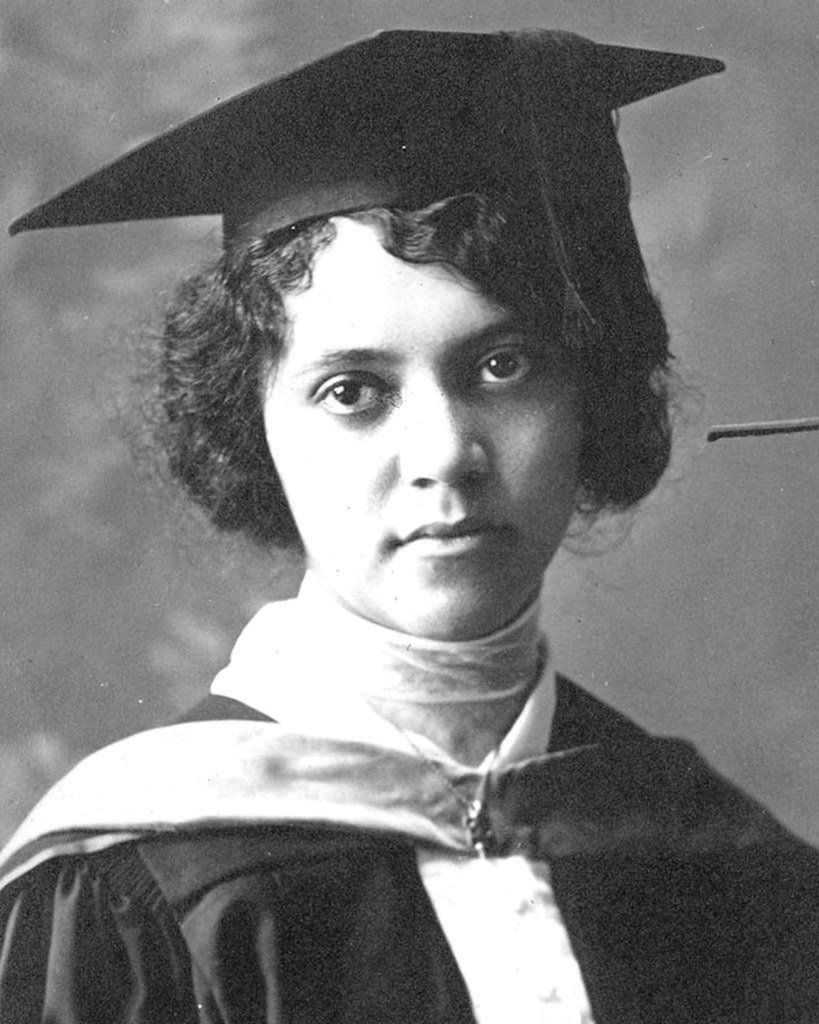
Imagine discovering a life-saving treatment at just 23 years old, only to have your work stolen and credited to a man. That’s exactly what happened to Alice Ball, whose Ball Method was one of the primary treatments for leprosy before the introduction of sulfone antibiotics in the 1940s.
Ball was born on July 24, 1892, in Seattle, Washington, into a family of pioneers. Her grandfather, J.P. Ball, Sr., was among the first African-Americans in the United States to learn the art of daguerreotype, the first successful form of photography. In 1915 she became the first woman and first Black American to graduate with a master’s degree from the College of Hawaii and was also the university’s first female and African-American chemistry professor.
Her breakthrough came when Harry Hollman, a physician and bacteriologist at Hawaii’s Leprosy Investigation Station, contacted Ball to ask for her assistance in investigating the chaulmoogra tree’s chemical properties. She developed one of the first effective treatments for the chronic infection, extracting oil from the chaulmoogra fruit’s seeds for injection into the bloodstream. Tragically, Ball died on December 31, 1916, at age 24, becoming ill during her research and returning to Seattle for treatment a few months before her death.
The injustice came after her death. Her breakthrough was claimed by Arthur Dean, who was then president of the College of Hawaii, and Richard Wrenshall, a chemistry professor. They published her findings in two journals and did not mention her name or her contributions. It took over fifty years for Ball’s contributions to be uncovered and for her to be recognized as the true developer of the chaulmoogra treatment.
Jovita Idár: The Fearless Voice Against Injustice
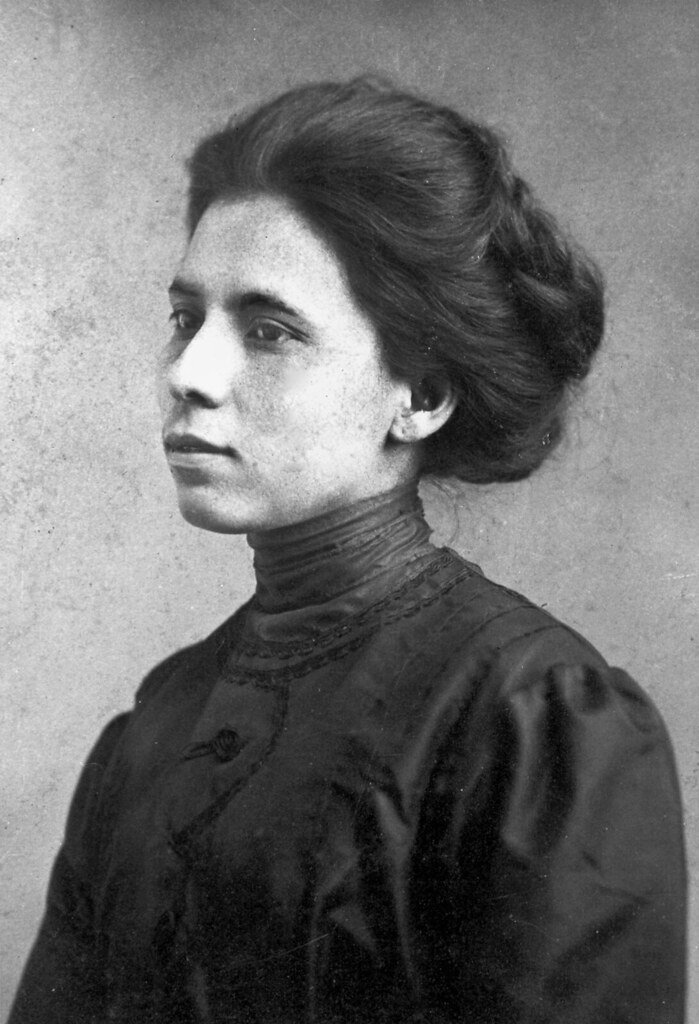
At a time when Mexican-Americans faced systematic discrimination in Texas, Jovita Idár wielded her pen like a sword against oppression. Born in 1885, she was a pioneering journalist who didn’t just report on civil rights violations – she stood directly in the path of those who would silence her.
Idár came from a family of activists; her father founded the Spanish-language newspaper La Crónica in Laredo, Texas. She used this platform to champion women’s rights, education reform, and civil liberties for Mexican-Americans. Her writing was so powerful and threatening to the established order that she eventually caught the attention of the Texas Rangers, the state’s elite law enforcement unit.
In one legendary confrontation, when the Texas Rangers came to shut down her newspaper for its criticism of their brutal treatment of Mexican-Americans, Idár literally stood in the doorway, blocking their entry. Her courage wasn’t just symbolic – it represented the determination of an entire community refusing to be silenced. She understood that the fight for justice required more than words; it demanded the willingness to put your body on the line for your beliefs.
Beyond journalism, she was an educator and civil rights organizer who helped establish schools for Mexican-American children. Idár died in 1946, having spent her entire life fighting for the rights and dignity of her people in an era when such advocacy was both dangerous and revolutionary.
Noor Inayat Khan: The Princess Who Became a Spy
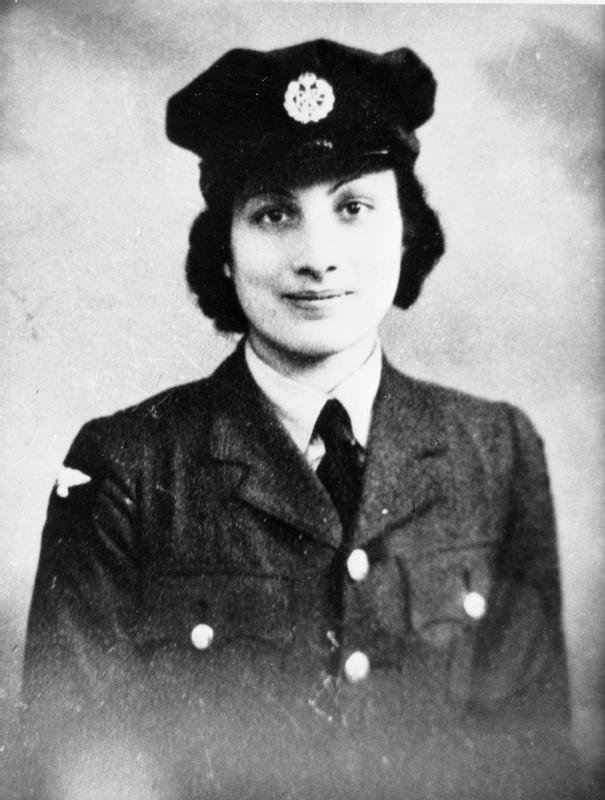
Picture this: a descendant of Indian royalty, raised in luxury, volunteering for one of the most dangerous jobs in World War II. Noor Inayat Khan was born in 1914 to a family that epitomized cultural fusion – her father was an Indian Sufi mystic, her mother American, and she grew up in France writing children’s stories and playing the harp.
When World War II erupted, this gentle soul made an extraordinary decision. She joined Britain’s Special Operations Executive (SOE) as a wireless operator in Nazi-occupied France – arguably the most perilous assignment available. Wireless operators had the shortest life expectancy of any SOE agents; they were constantly hunted by German direction-finding equipment and faced immediate execution if caught.
Khan parachuted into France in June 1943 and became the last remaining SOE wireless operator in Paris after her network was betrayed and her colleagues captured. For months, she single-handedly maintained communication between London and the French Resistance, knowing that every transmission increased her chances of detection. Her code name was “Madeleine,” and she became the most wanted British agent in Paris.
She was eventually betrayed, captured, and tortured by the Gestapo. Despite being subjected to brutal interrogation, she never revealed a single secret or betrayed any of her colleagues. In 1944, at the age of 30, she was executed at Dachau concentration camp. Her final word, witnesses reported, was “Liberté.”
Henrietta Lacks: The Woman Whose Cells Changed Medicine

Previously published: Not published, CC BY-SA 3.0, https://commons.wikimedia.org/w/index.php?curid=25768412)
In 1951, a young Black mother named Henrietta Lacks visited Johns Hopkins Hospital complaining of severe abdominal pain. She couldn’t have imagined that cells taken from her body during treatment would become one of the most important tools in modern medicine – or that her family wouldn’t learn about it for decades.
Lacks was born in 1920 in rural Virginia and spent her life picking tobacco on the same plantation where her ancestors had been enslaved. When doctors at Johns Hopkins took a tissue sample from her cervical tumor, they discovered something unprecedented: her cells could survive and multiply indefinitely outside the human body. This had never been achieved before – human cells typically died within days of being removed from the body.
These “immortal” cells, dubbed HeLa cells (from Henrietta Lacks), became the foundation for countless medical breakthroughs. They were used to develop the polio vaccine, advance cancer research, study the effects of radiation, and test new drugs. HeLa cells have been sent to space, used in gene mapping, and contributed to treatments for hemophilia, leukemia, and HIV.
The tragic irony is that while her cells were making billions of dollars for pharmaceutical companies and enabling medical advances that saved millions of lives, her family remained poor and often couldn’t afford healthcare. It wasn’t until the 1970s that her family even learned that her cells were still alive and being used worldwide. Today, there are more HeLa cells in existence than there ever were cells in Henrietta’s body, yet she died in poverty at age 31, never knowing the monumental impact her biological legacy would have on humanity.
Margaret Hamilton: The Software Engineer Who Prevented Lunar Disaster
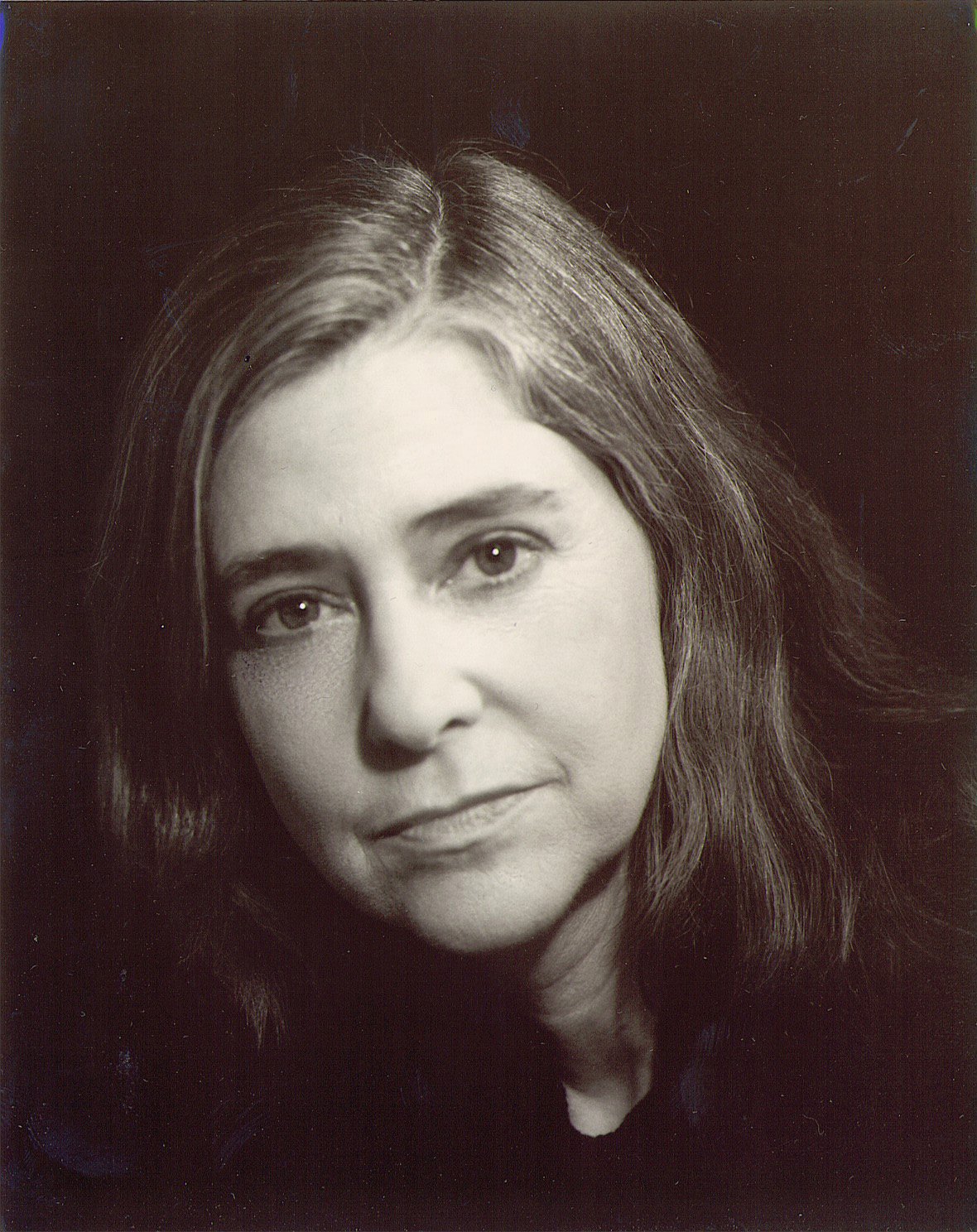
While millions watched Neil Armstrong take his first steps on the moon, few knew that the mission almost failed – and that a 33-year-old software engineer named Margaret Hamilton had written the code that saved it. Hamilton, born in 1936, led the software engineering team at MIT that developed the guidance and navigation system for NASA’s Apollo missions.
In an era when computer programming was considered less prestigious than hardware engineering, Hamilton was pioneering an entirely new field. She essentially invented the discipline of software engineering, coining the term herself to give legitimacy to her work. Working with room-sized computers that had less processing power than a modern calculator, she had to write flawless code – there were no second chances once the spacecraft left Earth.
The closest call came during Apollo 11’s lunar landing. With just minutes of fuel remaining and alarms blaring in the spacecraft, the computer became overloaded with tasks. Hamilton’s priority-setting software automatically focused on the most critical functions, allowing Armstrong and Aldrin to land safely with less than 30 seconds of fuel to spare. Without her foresight in designing robust error-handling systems, the first moon landing would have been a failure.
Hamilton worked on Apollo missions while raising her young daughter, often bringing her to MIT when she had to work nights and weekends. At a time when few women worked in technology, she was leading a team responsible for humanity’s greatest adventure. She later founded her own software companies and continued innovating well into the 21st century, proving that the woman who got us to the moon was just getting started.
Bessie Coleman: The Aviatrix Who Soared Against All Odds
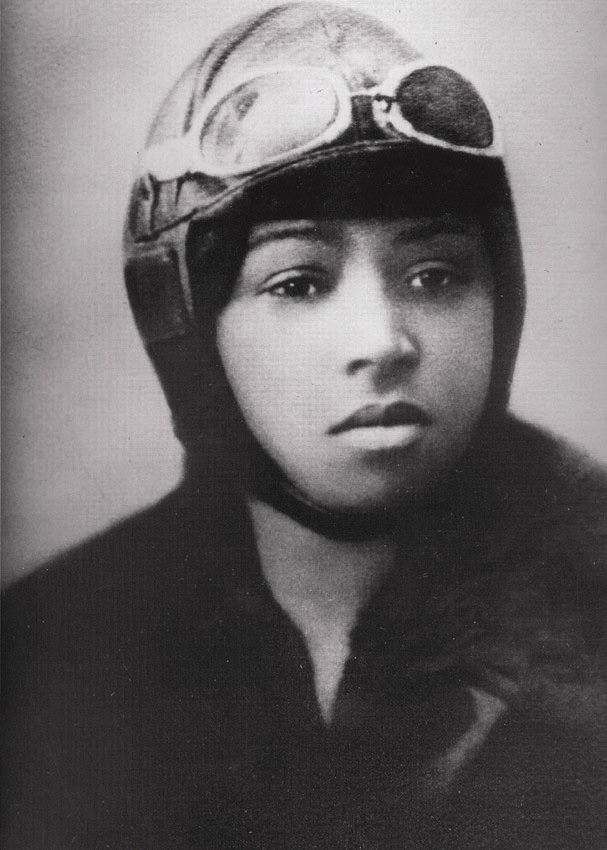
In 1921, when aviation was still in its infancy and discrimination was the law of the land, Bessie Coleman became the first Black and Native American woman to earn a pilot’s license. But here’s the kicker – she couldn’t even train in the United States because American flight schools refused to accept Black students.
Born in 1892 in Atlanta, Texas, to a family of sharecroppers, Coleman picked cotton as a child and walked four miles to a segregated one-room schoolhouse. She was brilliant and ambitious, working as a manicurist in Chicago while teaching herself French because she’d heard that French flight schools were more welcoming to people of color.
In 1920, she traveled to France alone – a bold move for any woman at the time, let alone a Black woman with limited resources. She enrolled at the Caudron Brothers’ School of Aviation and earned her international pilot’s license in just seven months. When she returned to the United States, she became a sensation, barnstorming across the country performing aerial stunts and inspiring countless others.
Coleman refused to perform at any venue that segregated audiences, using her celebrity status to fight discrimination. Her dream was to open a flight school for Black aviators, but tragically, she died in 1926 at age 34 when her plane crashed during a practice flight. Her legacy lived on, inspiring the Tuskegee Airmen and generations of Black pilots. Today, pilots often drop flowers over her grave from their aircraft, honoring the woman who refused to let racism clip her wings.
Ida B. Wells: The Journalist Who Documented America’s Darkest Truth
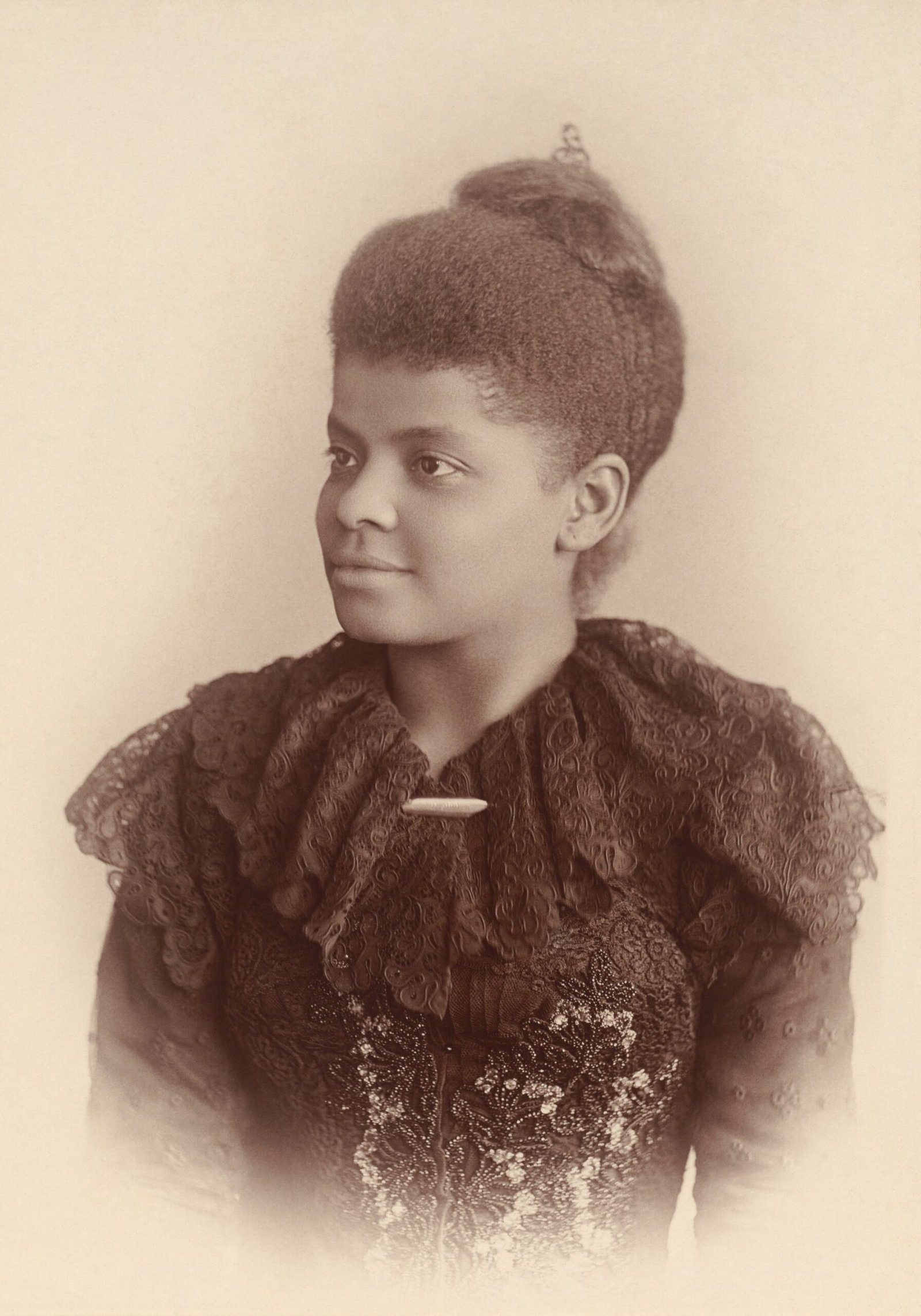
When Ida B. Wells began investigating lynchings in the American South in the 1890s, she wasn’t just challenging racism – she was risking her life to expose a systematic campaign of terror that polite society preferred to ignore. Born into slavery in 1862, she became one of the most fearless journalists in American history.
Wells’s crusade began personally and tragically. In 1892, three of her friends – successful Black businessmen in Memphis – were lynched by a white mob threatened by their economic success. The local white newspapers justified the murders by claiming the men had raped white women, the standard excuse used to legitimize lynching. But Wells investigated and discovered the truth: the men were killed because their grocery store was competing successfully with a white-owned store.
She began documenting lynchings across the South, traveling to interview witnesses and family members at great personal risk. Her research revealed that rape accusations were used in less than 30% of lynchings – most victims were killed for economic competition, political activity, or simply for being “uppity.” Her newspaper, Free Speech, published these findings, including her famous editorial declaring that if white women were really being raped as frequently as claimed, perhaps some of these relationships were consensual.
That editorial nearly got her killed. A white mob destroyed her newspaper office and threatened to lynch her if she ever returned to Memphis. She fled north but continued her anti-lynching campaign from Chicago, eventually helping to found the NAACP. Her meticulous documentation and fearless reporting brought international attention to America’s lynching epidemic and laid the groundwork for the civil rights movement. She understood that sunlight was the best disinfectant – even when shining that light put her own life in mortal danger.
Rosalind Franklin: The Crystallographer Who Unlocked DNA’s Secret
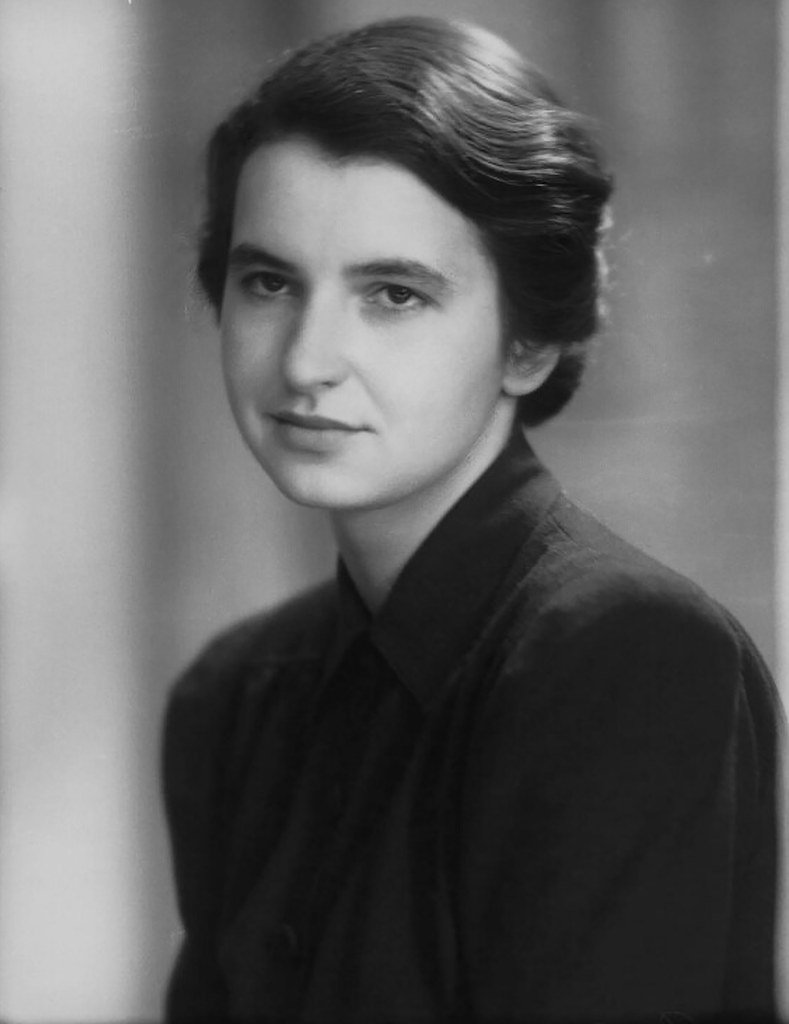
In 1951, Rosalind Franklin captured Photo 51 – an X-ray diffraction image that would unlock one of biology’s greatest mysteries. This photograph revealed the helical structure of DNA, providing crucial evidence that led to understanding the molecule that carries genetic information in all living things.
Born in 1920 into a well-to-do British family, Franklin excelled at science from an early age. She earned her PhD in chemistry from Cambridge University and became an expert in X-ray crystallography, a technique that uses X-rays to determine the structure of molecules. Her work was meticulous and methodical – she spent months perfecting the conditions needed to create crystal-clear images of DNA fibers.
Franklin’s data was crucial to James Watson and Francis Crick’s famous 1953 paper describing DNA’s double helix structure. However, her male colleague Maurice Wilkins showed her unpublished data to Watson without her knowledge or permission. Watson and Crick used her measurements and insights to build their model, but when they published their groundbreaking paper, Franklin received minimal credit.
Franklin died of ovarian cancer in 1958 at age 37, possibly due to her extensive exposure to X-rays during her research. Four years later, Watson, Crick, and Wilkins won the Nobel Prize for their work on DNA structure. Since Nobel Prizes aren’t awarded posthumously, Franklin couldn’t be honored. For decades, her contributions were largely forgotten, mentioned only in footnotes. It’s a classic example of how women’s scientific achievements have been systematically minimized, even when their work was fundamental to major discoveries.
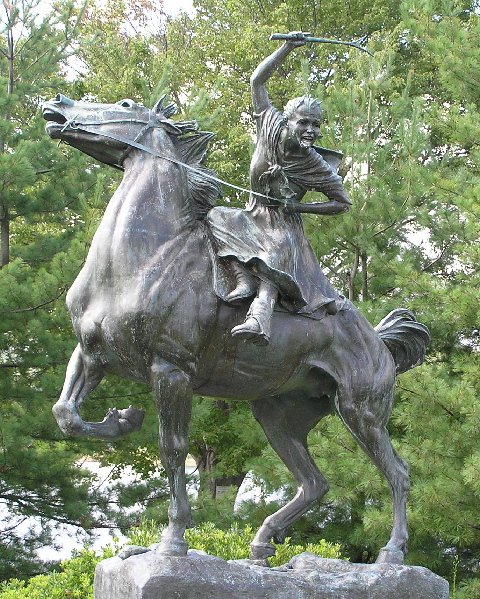
Sybil Ludington: The Sixteen-Year-Old Revolutionary
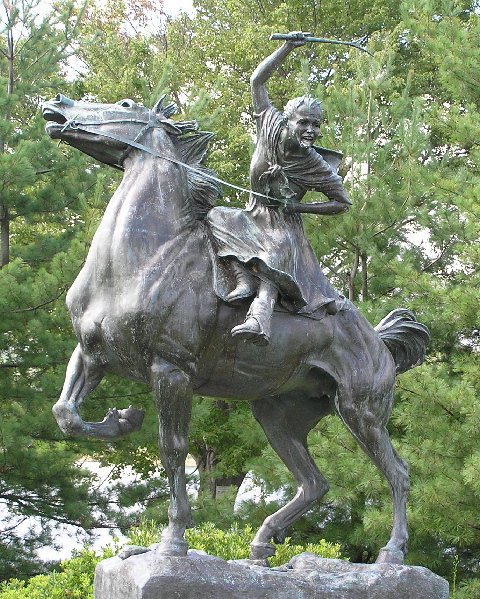
first upload in en wikipedia on 20:08, 23 April 2006 by Anthony22 (I took this photograph of the statue of Sybil Ludington on Gleneida Avenue in Carmel, New York. GFDL-self — GNU Free Documentation License), Public domain, https://commons.wikimedia.org/w/index.php?curid=3139772)
On the night of April 26, 1777, while most sixteen-year-olds were sleeping soundly in their beds, Sybil Ludington was galloping through the dark Connecticut countryside on a mission that would make Paul Revere’s famous ride look like a leisurely jaunt. When British forces attacked Danbury, Connecticut, burning American supplies and terrorizing civilians, someone needed to rally the local militia – and that someone turned out to be a teenage girl.
Ludington was the daughter of Colonel Henry Ludington, a local militia commander who was away when news of the British attack arrived. A exhausted messenger reached their house with urgent word that help was needed immediately. While her father organized the response, Sybil volunteered for the dangerous task of riding through the night to alert scattered militia companies.
What she accomplished that night was extraordinary. She rode nearly forty miles – twice the distance of Paul Revere’s famous ride – through dangerous territory crawling with British troops, loyalist sympathizers, and common criminals who preyed on lone travelers. Armed only with a stick to bang on doors and defend herself, she visited dozens of farmhouses and settlements, rousing militia members and their families.
Her midnight ride was successful – the militia companies assembled and helped drive the British back to their ships. General Washington personally thanked her for her service, and she became a local hero. But unlike Paul Revere, whose ride was immortalized in Longfellow’s poem, Ludington’s story was largely forgotten for nearly two centuries. Today, there are statues and markers commemorating her ride, but she remains far less known than her male counterpart, despite riding farther and achieving her mission just as effectively.
Ada Lovelace: The World’s First Computer Programmer
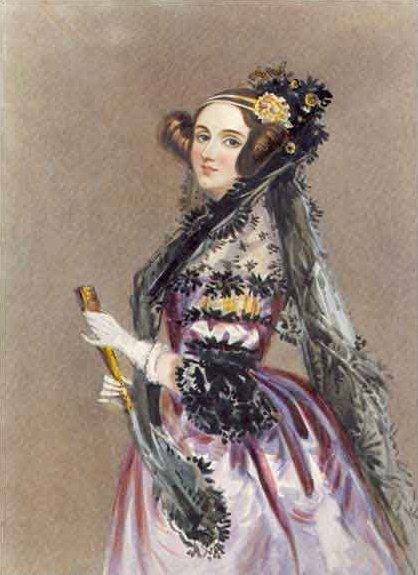
In 1843, nearly a century before the first electronic computer was built, Ada Lovelace wrote the world’s first computer program. She envisioned machines that could compose music, create art, and solve complex problems – concepts so advanced that her contemporaries thought she was engaging in pure fantasy.
Born in 1815 as Augusta Ada Byron, she was the daughter of the infamous Romantic poet Lord Byron, though she barely knew her father. Her mother, determined to suppress any poetic tendencies that might lead Ada down her father’s scandalous path, emphasized mathematics and science in her education. This proved to be a fortunate decision, as Ada showed exceptional mathematical talent from an early age.
At seventeen, she met Charles Babbage, the inventor of the Analytical Engine, a mechanical precursor to the modern computer. While Babbage focused on the machine’s hardware, Lovelace grasped its true potential. She understood that the machine could be programmed to perform any calculation, not just arithmetic. She wrote detailed notes describing how the machine could be instructed through a series of operations – essentially creating the first computer algorithm.
What made Lovelace truly visionary was her insight that computers could manipulate symbols as well as numbers. She wrote, “The Analytical Engine might act upon other things besides number, were objects found whose mutual fundamental relations could be expressed by those of the abstract science of operations.” This concept – that computers could process any information that could be encoded symbolically – wouldn’t be fully appreciated until the 20th century. She died at 36, but her vision of programmable machines laid the intellectual foundation for the digital age.
Mary Anning: The Fossil Hunter Who Rewrote Earth’s History
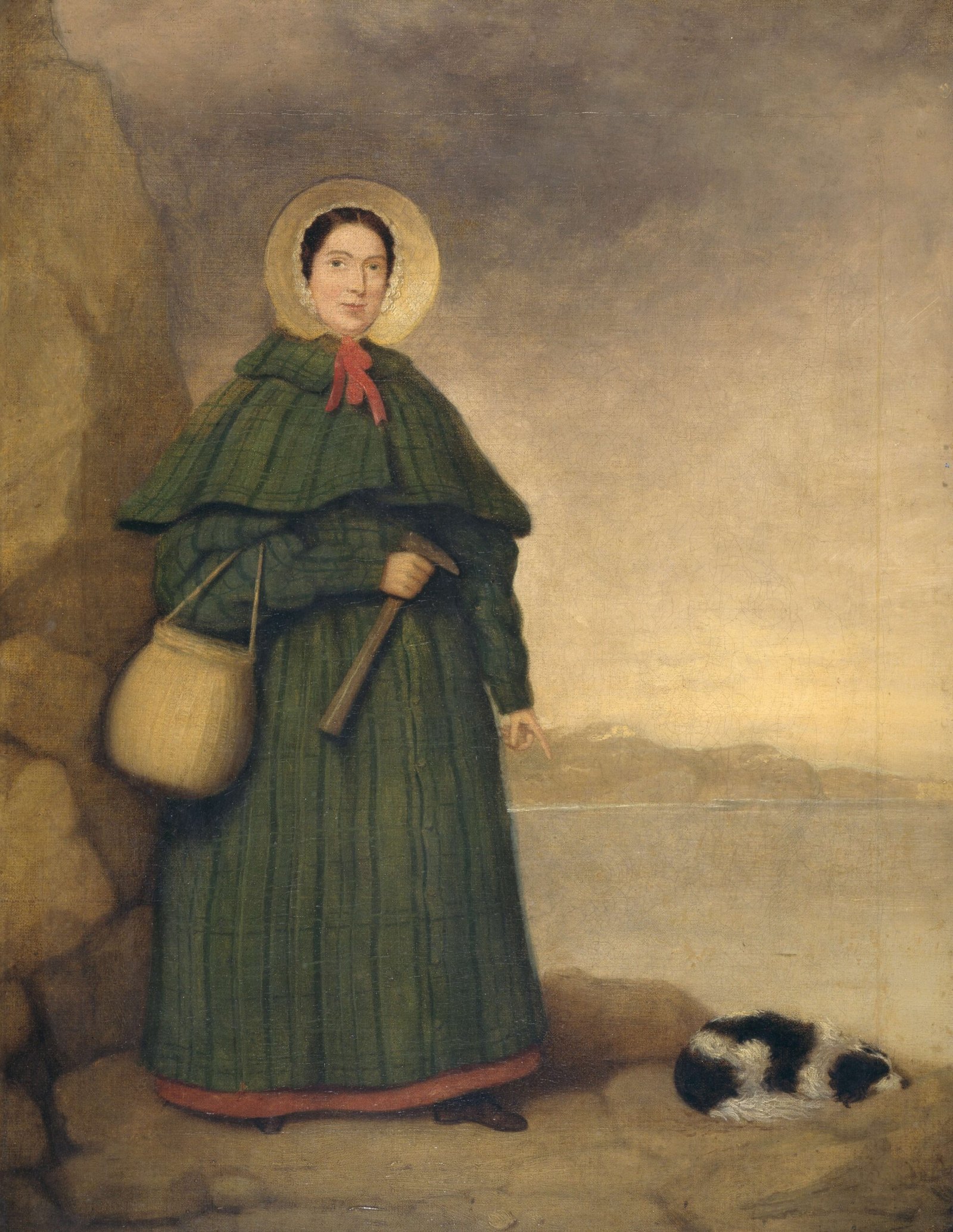
When Mary Anning was twelve years old, she discovered the first complete Ichthyosaurus fossil ever found, a prehistoric marine reptile that looked like a cross between a dolphin and a crocodile. This discovery would launch a career that fundamentally changed our understanding of Earth’s ancient past, even though she received little credit during her lifetime.
Born in 1799 in Lyme Regis, England, Anning grew up in poverty along the Jurassic Coast, where erosion constantly revealed ancient fossils. Her father died when she was eleven, leaving the family in desperate financial straits. Fossil hunting became not just a passion but a necessity – she sold specimens to collectors and tourists to keep her family from starving.
Anning’s discoveries were revolutionary. She found the first British example of a Plesiosaur, a long-necked marine reptile, and the first Pterosaur discovered outside Germany. Her meticulous excavation techniques and detailed observations provided crucial evidence for emerging theories about extinction and the age of the Earth. She understood geology and anatomy better than most university-trained scientists of her day.
The tragedy is that as a working-class woman, she was excluded from the scientific societies that discussed her discoveries. Wealthy male geologists would buy her fossils and publish papers about them without crediting her insights. She once said bitterly, “The world has used me so unkindly, I fear it has made me suspicious of everyone.” Despite providing the evidence that helped establish paleontology as a science, she died in poverty at age 47

Besides founding Festivaltopia, Luca is the co founder of trib, an art and fashion collectiv you find on several regional events and online. Also he is part of the management board at HORiZONTE, a group travel provider in Germany.
