

For any feedback please reach out to info@festivalinside.com
- 10 Best Street Festivals Around the World - April 10, 2026
- 10 Iconic Movie Scenes That Were Completely Improvised by Actors - April 10, 2026
- The Stark Contrasts Between Past and Present Fashion Echo Timeless Cultural Shifts - April 9, 2026
AI-Generated Compositions

AI algorithms are transforming music composition by autonomously creating new pieces. By analyzing extensive datasets of existing songs, these algorithms can generate melodies and harmonies that are both innovative and appealing. Platforms like OpenAI’s MuseNet showcase the potential of AI in generating unique compositions across various genres. This capability not only enhances creativity but also provides a fresh perspective on music creation. Artists can now explore new musical landscapes, diving into genres or styles they might not have attempted before. AI-generated compositions serve as a springboard for human creativity, offering unexpected harmonies and melodies that inspire further innovation.
Assisted Songwriting

Songwriters are increasingly utilizing AI-powered tools to aid in their creative process. These tools can generate lyrics, suggest chord progressions, and even offer melodic ideas, effectively streamlining the songwriting experience. Platforms like Amper Music and AIVA allow songwriters to quickly iterate on ideas, making the process more efficient. Instead of getting bogged down by writer’s block, songwriters can focus on refining their unique voice. AI provides a supportive framework, enhancing creative output while allowing artists to retain their personal touch. This collaboration between human and machine is reshaping how songs are crafted.
Sound Design and Synthesis

AI is playing a pivotal role in sound design, enabling producers to craft unique sounds and textures. By leveraging machine learning algorithms, producers can explore new sonic possibilities previously unattainable. Institutions like the MIT Media Lab are at the forefront of researching AI’s potential in sound synthesis. This leads to innovative tools that expand the sonic palette available to artists. With AI, the creation of distinctive sounds becomes more accessible, setting tracks apart in a crowded music landscape. Producers can now experiment with sounds that evoke different emotions or atmospheres, enhancing the listener’s experience.
Music Mixing and Mastering

Traditionally labor-intensive, the mixing and mastering process is experiencing a transformation through AI-driven platforms. These tools automate various tasks, ensuring polished final products with minimal human intervention. Companies like LANDR offer AI-powered mastering services that analyze tracks and apply optimal adjustments. This technology makes professional-quality mastering accessible to independent artists, democratizing high-quality production. Artists can now focus on the creative aspects of their work, knowing that the technical side is handled efficiently. This shift not only saves time but also enhances the overall quality of music production.
Personalized Music Recommendations
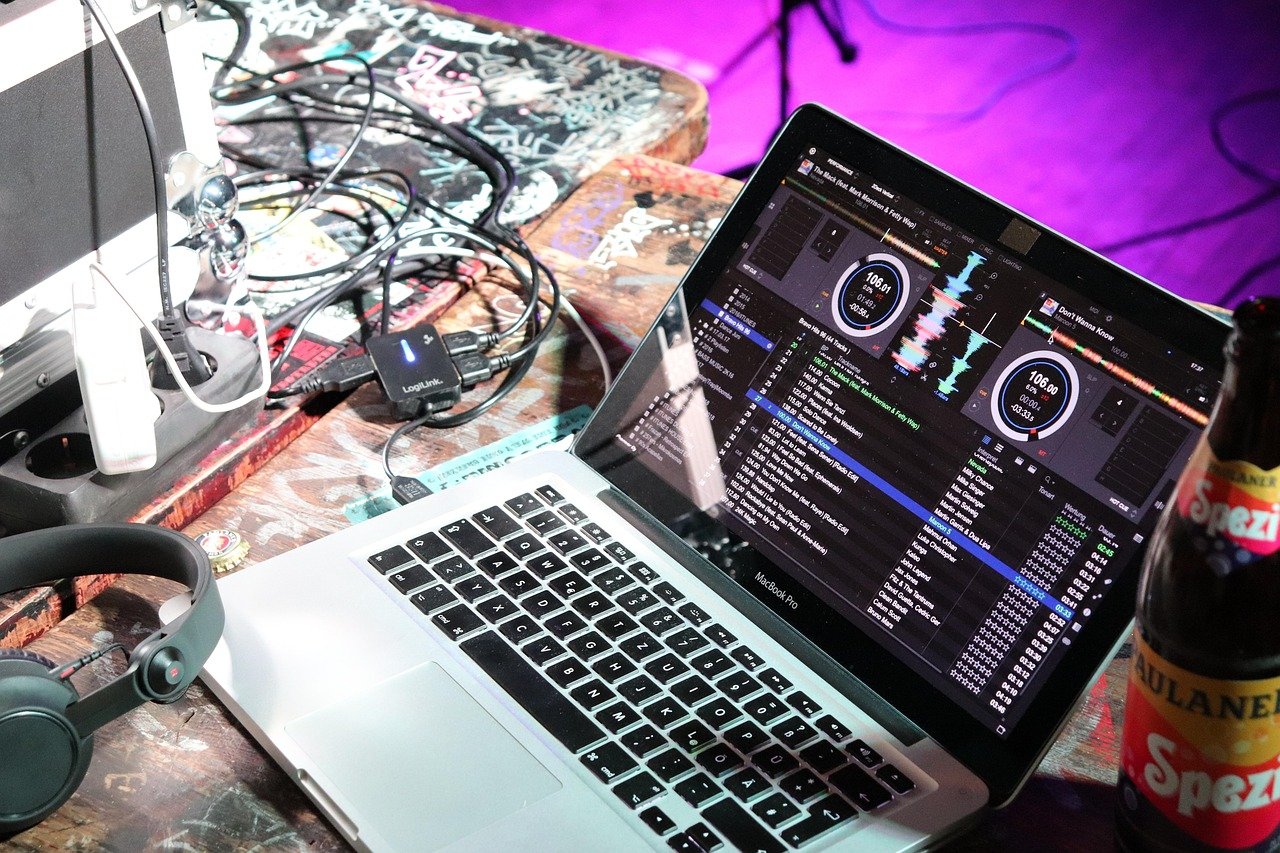
AI is revolutionizing how listeners discover music through personalized recommendations. Streaming platforms such as Spotify and Apple Music use AI algorithms to curate tailored playlists, reflecting user preferences and listening habits. This personalization influences music trends and guides artists on popular styles, aligning with audience tastes. For listeners, it results in a more engaging experience, connecting them with music they are likely to enjoy. Artists benefit by gaining insights into what resonates with their audience, allowing for strategic creative decisions. This interaction between AI and user preferences is shaping the future of music consumption.
Virtual Session Musicians
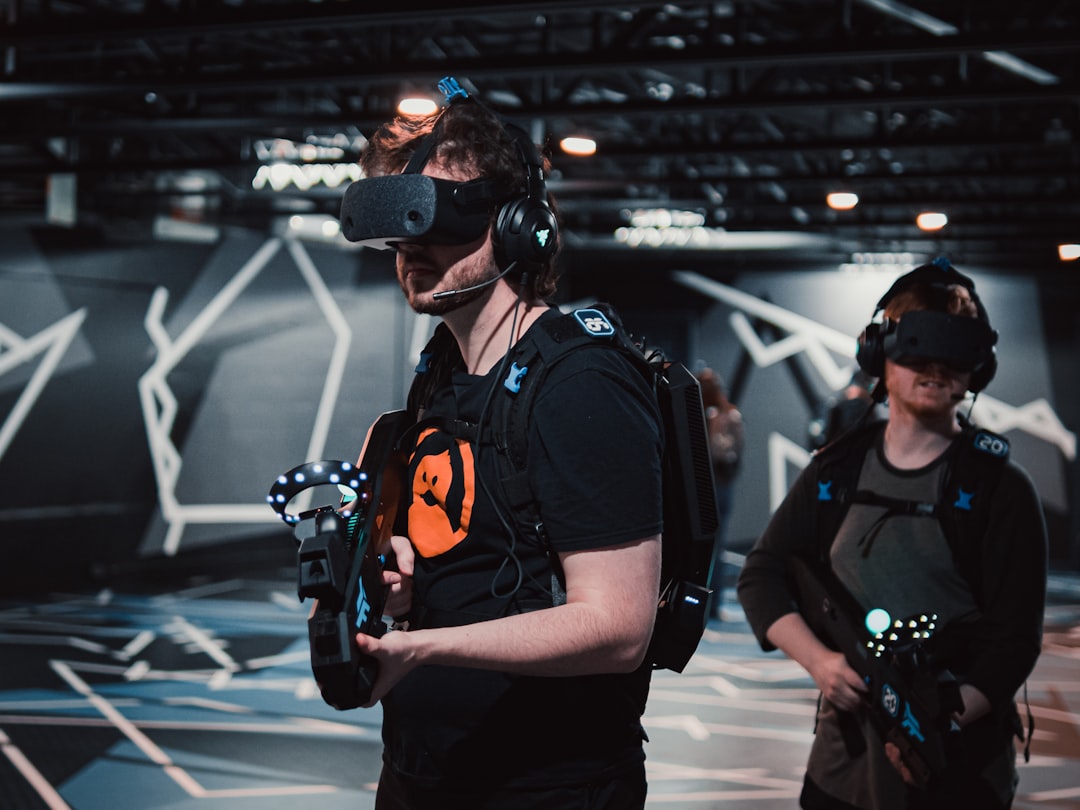
AI models are now capable of replicating instrumental performances, offering producers realistic virtual musicians to incorporate into their tracks. This technology allows for greater flexibility in music production, enabling artists to experiment with different sounds without live musicians. Producers can create complex arrangements and explore diverse musical styles without logistical constraints. Virtual session musicians open up possibilities for artists to blend genres and explore new creative directions. The convenience and versatility provided by AI models is transforming the way music is produced, allowing for more dynamic and innovative compositions.
Real-Time Audio Enhancement

During live performances, AI can enhance sound quality and effects in real-time, ensuring an optimal experience for audiences. By analyzing the acoustics of a venue and adjusting sound parameters on the fly, AI-driven systems significantly improve sound quality. This capability not only enhances live performances but also allows artists to focus on their performance instead of technical issues. AI’s real-time adjustments ensure that audiences receive the best possible auditory experience. This technology is especially beneficial in large venues, where acoustics can vary widely, ensuring consistent sound quality throughout the space.
Music Restoration and Remastering

AI is making significant strides in music restoration and remastering, playing a vital role in preserving musical heritage. Machine learning algorithms can restore old recordings, improving clarity and sound quality. This technology allows historical recordings to be preserved and appreciated by future generations. By enhancing audio quality, AI ensures that the richness and depth of past musical works are not lost over time. This preservation effort is crucial for maintaining the cultural and historical significance of music. AI’s role in restoration ensures that the treasure trove of past music remains accessible and enjoyable.
Interactive Music Experiences
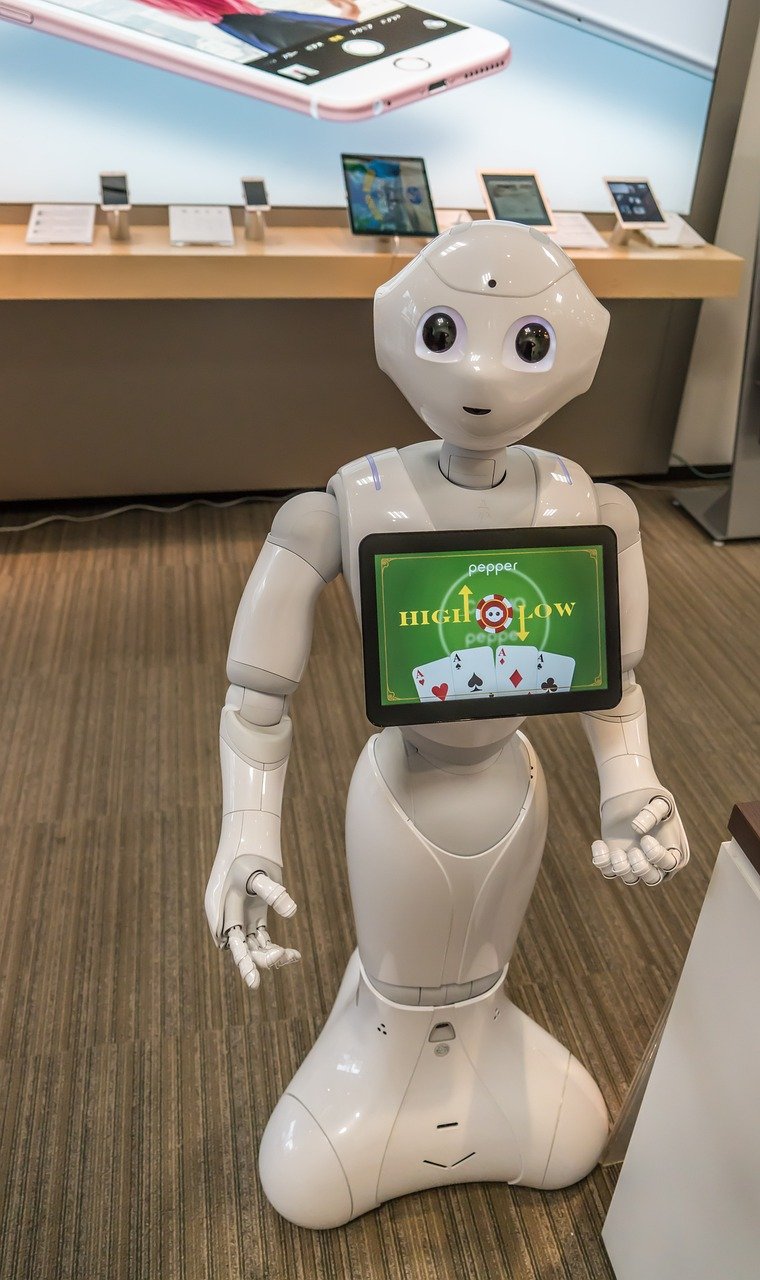
AI is enabling the creation of interactive music experiences in video games and applications. Adaptive soundtracks can respond dynamically to user actions, enhancing the overall experience. This innovation allows for more immersive engagement with music, as soundtracks evolve based on gameplay or user interactions. Each listener receives a unique experience, making music more personal and engaging. This dynamic interaction between user and music is redefining how audiences experience soundtracks, providing a deeper connection to the content. AI’s role in interactive music is opening up new possibilities for creative storytelling through sound.
AI-Generated Vocals

AI technology has advanced to synthesize human-like vocals, enabling the creation of songs without human singers. This capability opens new avenues for music production, allowing artists to experiment with vocal styles and harmonies. AI-generated vocals can be used to create unique soundscapes, exploring new musical ideas that traditional recording methods may not realize. This innovation allows for greater creative freedom, as artists can design vocals that fit their vision perfectly. AI-generated vocals are becoming a powerful tool for artists looking to push the boundaries of conventional music production.
Music Education

AI-powered platforms are transforming music education by providing personalized learning experiences for aspiring musicians. These platforms offer real-time feedback and tailored lessons, allowing students to progress at their own pace. By leveraging AI, educators can create customized curricula addressing individual strengths and weaknesses, enhancing the learning experience. Students gain a deeper understanding of music theory and practice, aiding their development as musicians. AI-driven education tools are making music learning more accessible and effective, inspiring the next generation of musicians.
Plagiarism Detection

AI is crucial in maintaining originality in music composition by analyzing similarities between compositions to detect potential plagiarism. This technology helps artists navigate copyright issues, protecting their intellectual property. By ensuring that creativity is respected within the industry, AI fosters an environment of innovation and originality. Musicians can confidently create knowing that their work is protected and valued. AI’s role in plagiarism detection is vital for maintaining the integrity of the music industry and encouraging genuine artistic expression.
Collaborative Creativity

Artists are increasingly collaborating with AI to explore new creative directions. By blending human intuition with machine-generated suggestions, musicians can push the boundaries of their creativity. This collaboration fosters an environment where artists experiment with new ideas and discover innovative approaches to songwriting and production. AI serves as a partner in the creative process, offering insights and inspiration that may not have been considered otherwise. This synergy between human and machine is leading to groundbreaking musical innovations, reshaping the future of artistic expression.
Automated Transcription

AI is streamlining the transcription process by converting audio recordings into sheet music. This capability facilitates the analysis and reproduction of compositions, making it easier for musicians to learn and share music. Automated transcription tools save time and effort, allowing artists to focus on their creative endeavors rather than manual transcription. By providing accurate and efficient transcription, AI aids musicians in exploring and understanding complex pieces. This technology is invaluable for music education and collaboration, simplifying the process of sharing and analyzing musical works.
Emotion Recognition
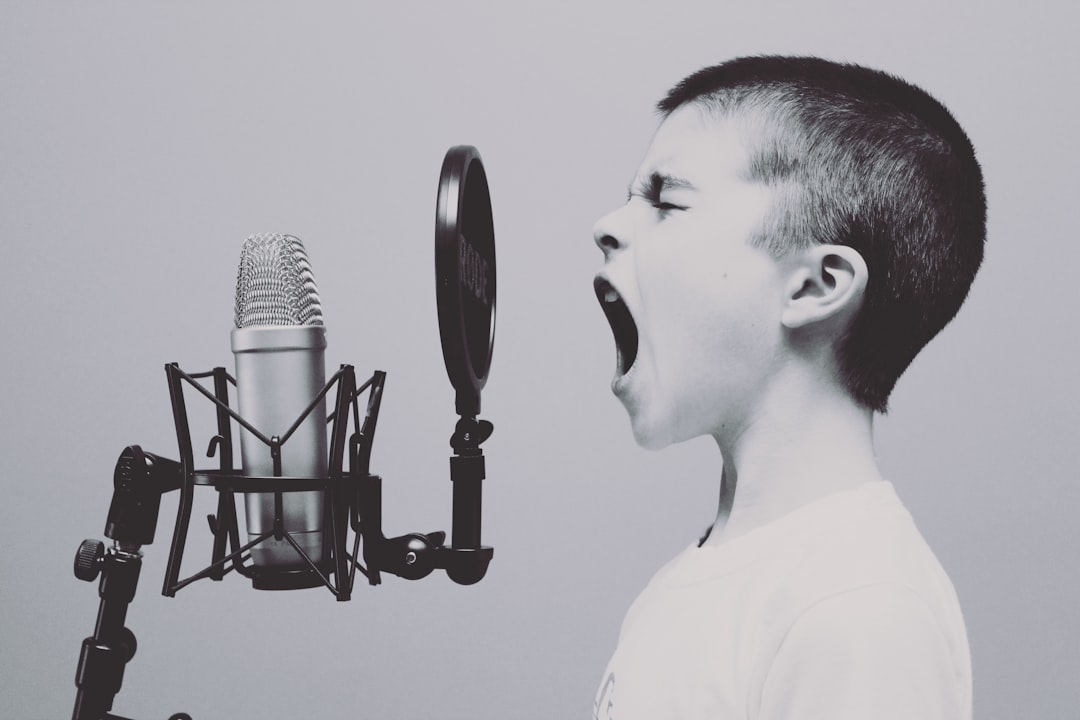
AI’s ability to analyze the emotional content of music assists composers in crafting pieces that evoke specific feelings. By understanding the emotional impact of different musical elements, composers can create music that resonates with listeners on a deeper level. This technology enhances the emotional connection between music and its audience, leading to more impactful compositions. AI’s insights into emotion and music are revolutionizing how composers approach their craft, allowing for more nuanced and expressive works. The integration of emotion recognition in music composition is opening new avenues for artistic exploration and audience engagement.
In summary, AI is profoundly reshaping the landscape of songwriting and music production. From generating compositions to enhancing live performances, the integration of AI technologies is enabling artists to explore new creative horizons and connect with their audiences in innovative ways. As these technologies continue to evolve, the future of music will undoubtedly be influenced by the capabilities of artificial intelligence.

Christian Wiedeck, all the way from Germany, loves music festivals, especially in the USA. His articles bring the excitement of these events to readers worldwide.
For any feedback please reach out to info@festivalinside.com
