

- 15 Forgotten Musical Instruments That Deserve a Comeback on Today’s Charts - March 25, 2026
- 10 Most Iconic American Books Ever Written - March 25, 2026
- 10 Little-Known Gardening Secrets That Professional Growers Swear By - March 25, 2026
Music has a way of feeling deeply personal. You hear a song, it shakes something loose inside you, and suddenly you think you understand it completely. But here’s the thing: the stories behind the music we love are often stranger, more surprising, and far more human than anything we could have guessed.
From the world’s most famous birthday song hiding a secret empire to a rock band that performed on every continent including Antarctica, the hidden history of music is wild. Honestly, some of these facts read less like trivia and more like plot twists in a film you never saw coming. So settle in, because what you’re about to read will change the way you hear music forever. Let’s dive in.
1. “Happy Birthday to You” Was Never Really Free to Sing

Think about how many times you’ve sung “Happy Birthday” at a party, a restaurant, or a family gathering. You’d never suspect for a moment that someone was profiting from every one of those moments. Yet for decades, that’s exactly what was happening.
Today, “Happy Birthday” is considered the most profitable song of all time. The song’s ownership changed hands several times over the past century, but music holding company Warner Chappell bought the rights for $15 million in 1990. The song reportedly brings in $2 million a year in royalties, which works out to roughly $5,000 per day. That’s an extraordinary amount of money for six words and a melody most of us learned before kindergarten.
Using the song in a movie or TV show costs $25,000. I know it sounds crazy, but every time a sitcom character blows out candles on screen, somebody somewhere wrote a check. The original lyrics, by the way, were not about birthdays at all. The original lyrics of the song were actually “Good Morning to You.” The birthday version we know today came later and somehow ended up as one of the most commercially locked-down songs in history.
2. The Beatles Couldn’t Read a Single Note of Music
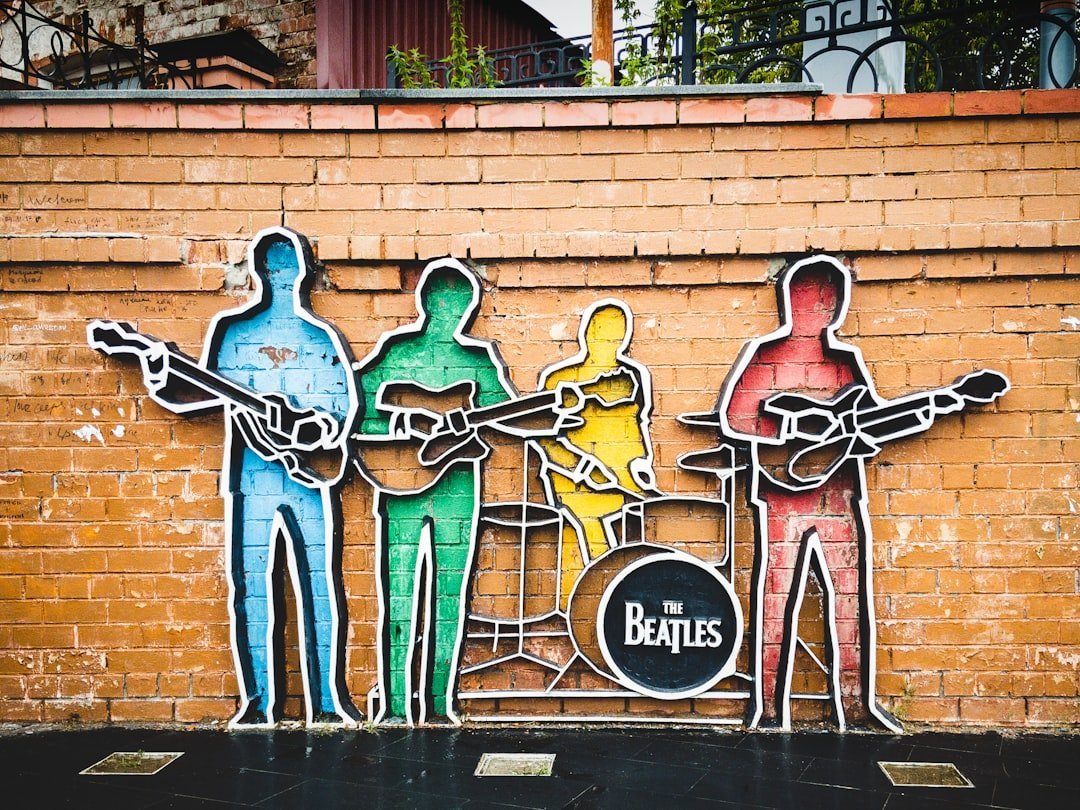
Here is a fact that should, by all logic, be impossible. The band widely regarded as the greatest in history, the group that rewired the entire direction of popular music, produced their catalog without any of them being able to read or write sheet music. Not one of them.
Paul McCartney finally admitted during a 2018 60 Minutes interview that neither he nor any of his Beatles bandmates were able to read or write music, and they never understood music theory. McCartney said that the music just came to him and his bandmates John Lennon, Ringo Starr, and George Harrison, and it was never written down. Think about that for a second. “Yesterday,” “Let It Be,” “Hey Jude” – none of it was notated.
It’s a bit like learning that the architect of the Eiffel Tower couldn’t read blueprints. The whole story of how music actually gets made becomes a lot more mysterious when you realize talent has almost nothing to do with formal training. The Beatles’ “Yesterday” holds the record as the song with the most cover versions in history, with more than 3,000 already in existence. A song that was never written down. Remarkable.
3. Elvis Presley Was Naturally Blond
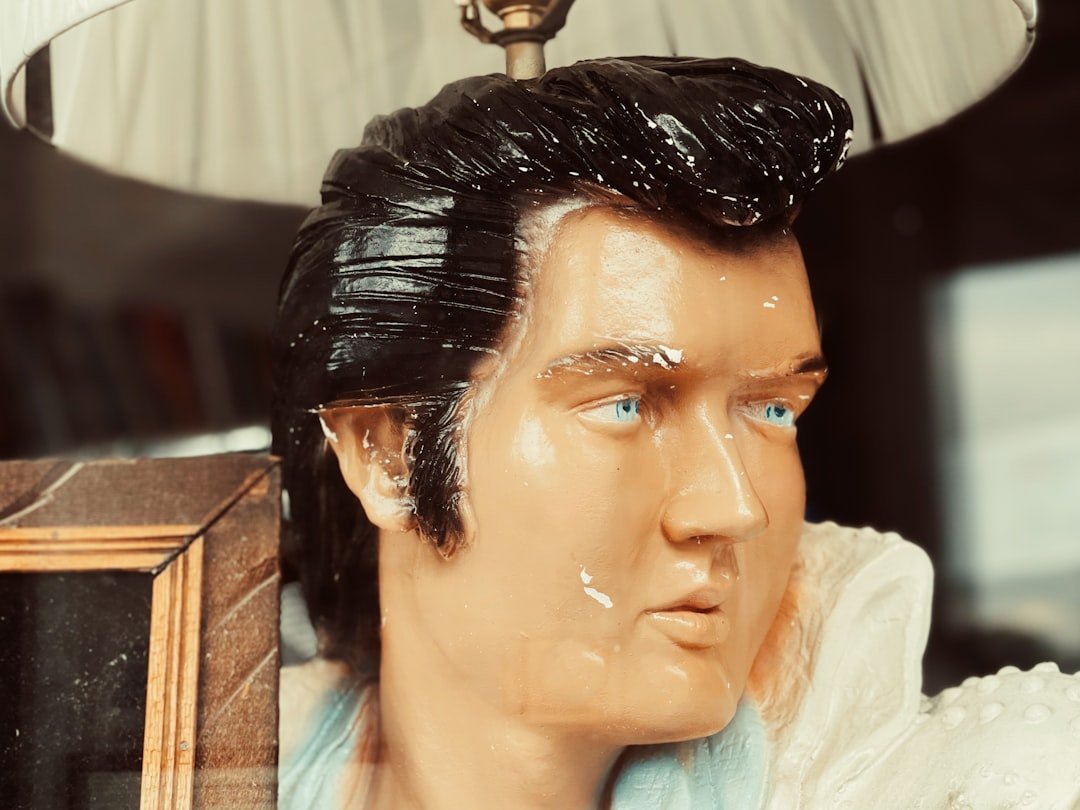
Everyone knows the image. The jet-black hair, the sideburns, the swagger. Elvis Presley’s dark hair was as iconic as his voice. Except, it wasn’t entirely natural. Not even close.
Perhaps the most surprising fact about the King of Rock and Roll is that his jet-black hair came from a bottle, specifically a bottle of Miss Clairol 51D. Born blond, Elvis’ hair naturally grew darker to a sandy blond by his high school years, and was a dark chestnut color during his service in the army. The pitch-black look that defined his image was, in large part, a styling choice.
It’s a surprisingly humanizing detail. Here was the most hyper-masculine rock icon of his era, and he was regularly dyeing his hair like anyone heading to a salon. With over 1 billion sales worldwide, the King is still the best-selling solo artist in the world. Not bad for a naturally sandy-haired kid from Tupelo, Mississippi.
4. Celine Dion’s “My Heart Will Go On” Is Actually a Demo
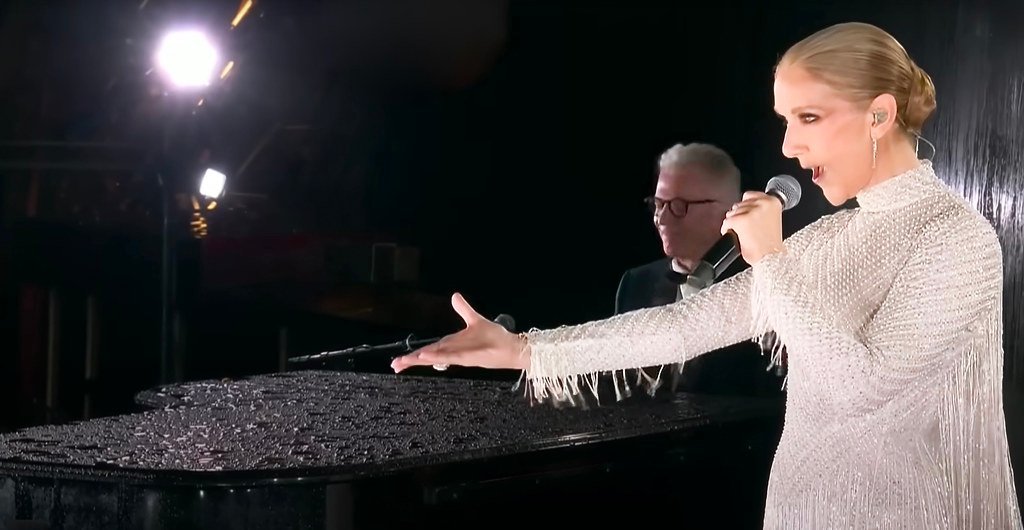
This one genuinely stopped me in my tracks. You know that sweeping, emotional centerpiece of the Titanic soundtrack that sold millions of copies worldwide? It turns out you’ve been listening to a demo recording this entire time.
Now viewed as Celine Dion’s signature song, the ballad almost didn’t happen. Upon hearing the music, the singer didn’t want to record it, and Titanic director James Cameron didn’t want to use it. Producer Simon Franglen opted to record a demo anyway, and Dion was encouraged to sing on the recording by her husband and manager René Angélil.
According to Tommy Mottola, Dion nailed the vocal in one take and never re-recorded it, meaning the global number-one hit is actually a demo. So the version the entire world fell in love with was essentially a warm-up run that nobody was supposed to keep. Sometimes the most accidental things are the most perfect.
5. The World’s Longest Concert Will Last 639 Years
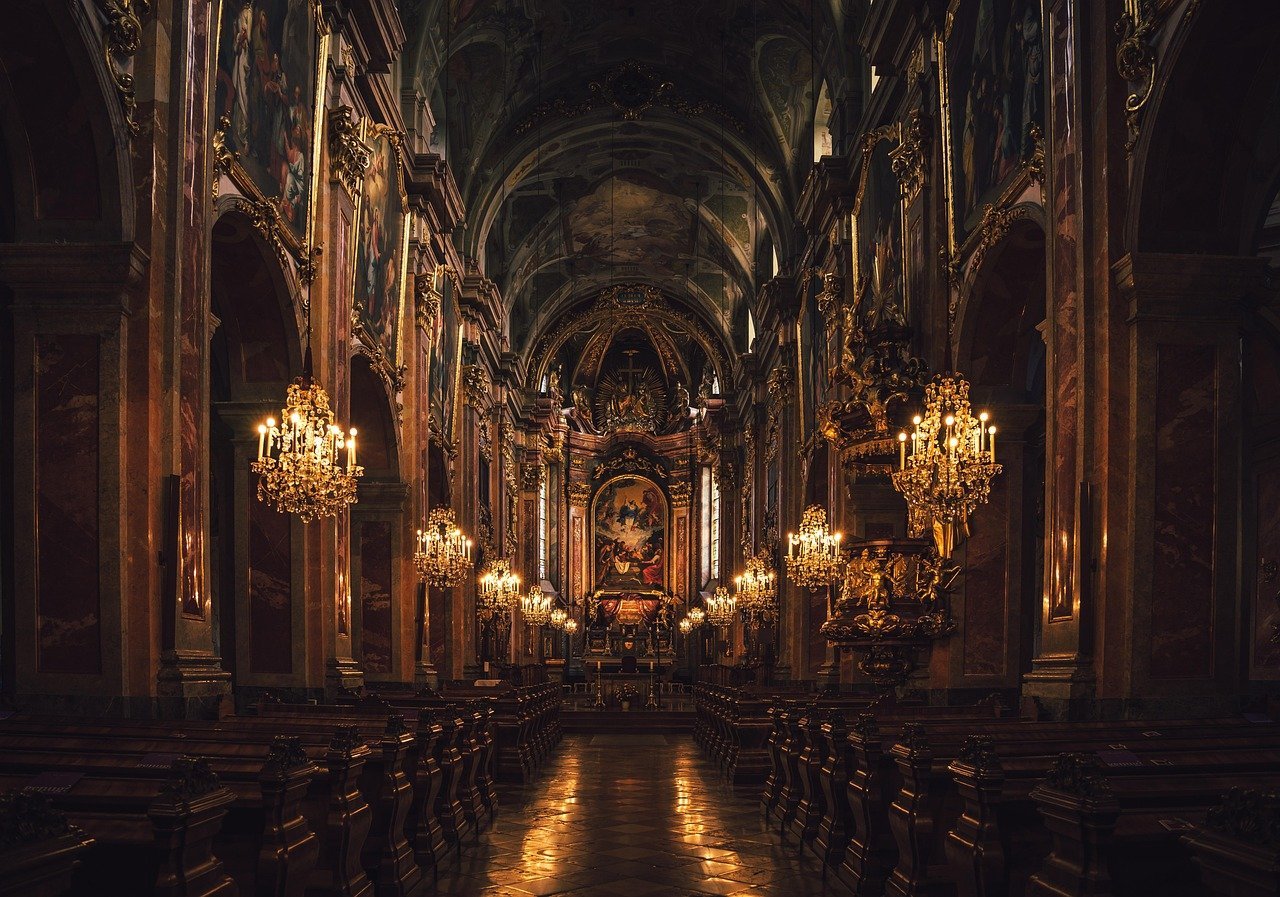
Most concerts last a couple of hours. Some festivals stretch a weekend. Nowhere in your imagination did you probably picture a concert scheduled to run for six centuries. Yet that is exactly what is happening at a church in Germany right now, as you read this.
The world’s longest performance started in September 2001 and is set to end in 2640 – yes, the 27th century. It takes place at St. Burchardi Church in Germany, where an automated organ plays “As Slow As Possible,” a piece by avant-garde composer John Cage. Visitors have to wait for months just to catch a chord change; that is how slow it is.
There is something both absurd and deeply moving about this. A piece of music so slow that no single human being will ever hear it in full. Interestingly, the performance started even before the organ was fully completed, as some pipes were added in 2008, without affecting the music. It is less a concert and more of a philosophical statement dressed up in organ chords.
6. New Order’s Best-Selling Single Lost Them Money on Every Copy
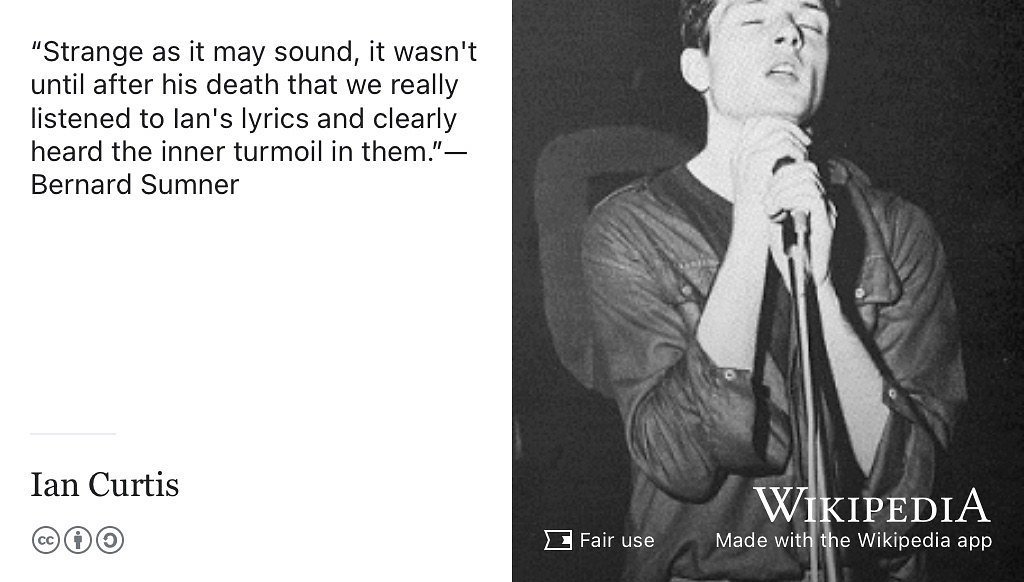
Here is the kind of cruel irony that only the music business could produce. A song becomes a massive hit, sells copies by the truckload, and the band ends up worse off financially for every single one sold. Welcome to the bizarre world of record economics.
New Order’s “Blue Monday” is the best-selling 12-inch single in history. How unfortunate that for every copy sold, the band lost money because the cost of producing its unique die-cut disk cover was higher than the price of the sale. The more successful the single became, the deeper the financial hole it dug.
It’s a perfect metaphor for how broken the music industry’s financial structures have historically been. Success didn’t equal reward. Imagine putting your heart into creating something, watching it fly off shelves worldwide, and then getting an invoice for the privilege. For artists today, the royalty arithmetic is barely less punishing. The share of music industry revenues that goes to artists is small. On average, they take home only about twelve percent of all revenue, with the rest going to distribution platforms and record labels.
7. The Shortest Song Ever Recorded Lasts Just Over One Second

Some songs overstay their welcome at six minutes. Others make their entire artistic statement in just over a single second. There is a Guinness World Record for this exact achievement, and it belongs to a band you probably haven’t heard of.
The shortest recorded song is “You Suffer” by the British grindcore band Napalm Death. Clocking in at just 1.316 seconds, this track is officially recognized by the Guinness World Records as the shortest song ever recorded. To put that in perspective, it is shorter than a sneeze.
There is something wonderfully anarchic about this. In a world obsessed with production value, sweeping arrangements, and radio-friendly running times, a group of musicians decided the most powerful thing they could do was say everything in barely over one second. Whether you call it genius or a joke, it occupies a very real place in music history. Honestly, it’s both.
8. Mozart Out-Sold Beyoncé, Drake, and Adele in 2016

Pop music in 2016 was dominated by some of the biggest names alive. Adele, Drake, Beyoncé – each releasing critically acclaimed, award-winning work. It seems almost absurd to suggest that an 18th-century Austrian composer beat all of them in record sales that year. Yet he did.
Mozart sold the most CDs in 2016, beating out Adele, Drake, and Beyoncé, even though all of those artists had Grammy-winning hits that year. In October 2016, Universal Music Group released a box set commemorating the 225th anniversary of Mozart’s death. Each disc included in the box set counted as one CD sold, and each set contained 200 discs.
It’s a cheeky statistical trick, to be fair. But the result stands in the official numbers. The story also says something fascinating about how we measure success in the music industry. Sales charts and streaming counts can be gamed, packaged, and recontextualized in ways that make historical comparisons nearly meaningless. Still, there’s something delightfully surreal about Mozart topping a modern chart.
9. The U.S. Military Once Used Rock Music as a Weapon

Music as psychological warfare. It sounds like science fiction, but it has actually happened more than once in modern history. One of the most famous examples involved a dictator, a compound, and some very aggressive rock and roll.
In 1989, the U.S. military blared AC/DC music at General Noriega’s compound in Panama for two continuous days. The dictator surrendered. The tactic of using loud, disorienting music to break down resistance has since been documented in multiple military operations around the world.
Stranger still, even pop music has been conscripted. The British Navy apparently used Britney Spears songs to scare off pirates. Somali pirates are known to dislike western culture, including pop music, so British naval officers came up with the idea to play songs like “Oops I Did It Again” and “Baby One More Time” to scare away Somali pirates off Africa’s eastern coast. You genuinely could not write this stuff.
10. Metallica Is the Only Band to Have Performed on All Seven Continents
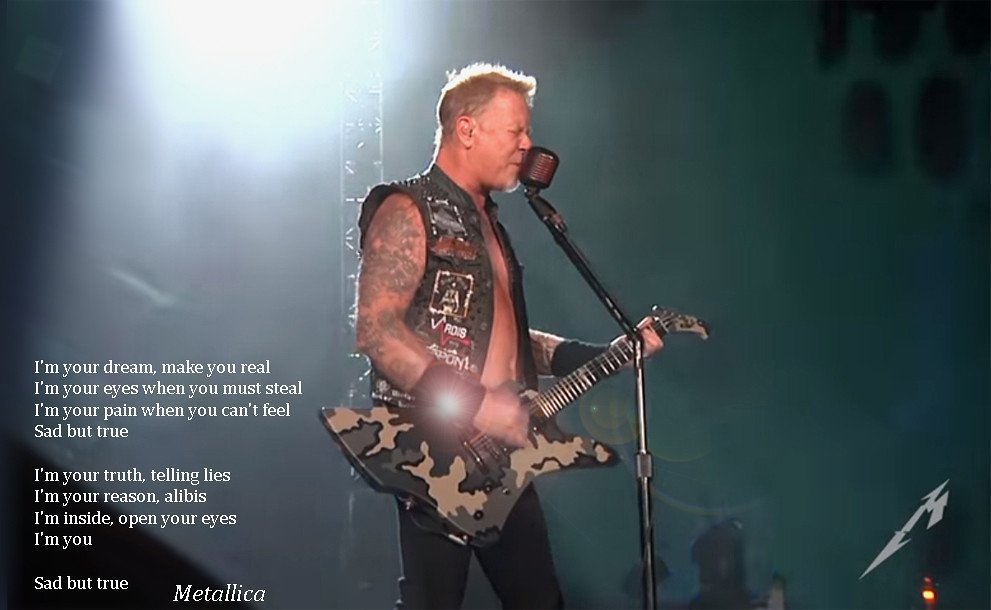
Most bands are happy to sell out arenas in major cities. A few embark on world tours covering multiple continents. Metallica decided that wasn’t enough and added Antarctica to the list, making rock history in the most remote place on Earth.
Metallica is the first and only band to have performed on all seven continents in the world after appearing in Antarctica in 2013. The concert was played for a small audience of scientists and station staff, and the band famously performed through headphones to avoid disturbing the local wildlife with amplified sound.
Think about what it takes to organize a concert in Antarctica. The logistics alone are mind-bending. No commercial flights, extreme weather, limited audience, and no guarantee the equipment would even function in those temperatures. The fact that they pulled it off speaks to a kind of obsessive ambition that is very, very Metallica.
11. Rod Stewart’s Free Concert Drew Over Three Million People
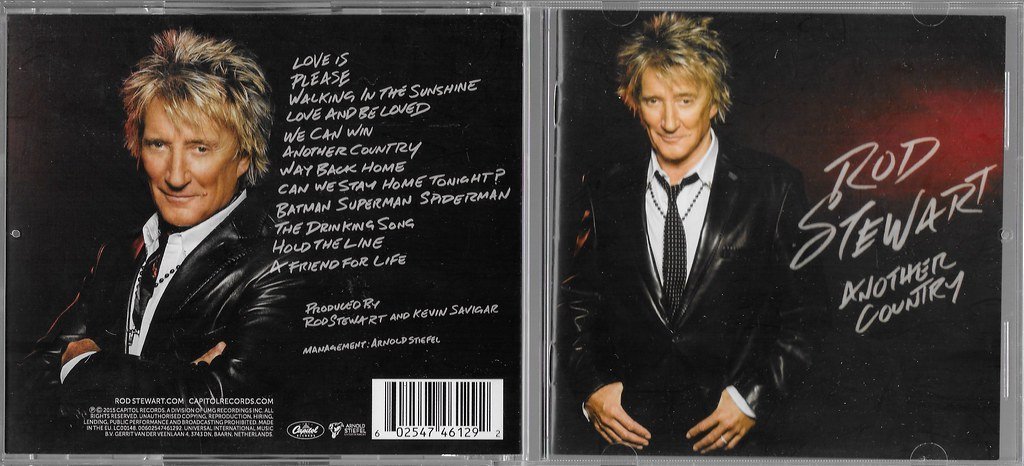
The largest concerts in history tend to be political rallies or religious gatherings. In the world of rock music, the numbers rarely reach beyond a few hundred thousand. Rod Stewart changed that equation with a single New Year’s Eve performance that drew a crowd the size of a small country.
On New Year’s Eve 1994 to 1995, Rod Stewart held a concert on Copacabana Beach in Rio de Janeiro. The concert attracted between 3.5 and 4.2 million people, making it the largest free concert ever held. Stewart set a Guinness World Record for Largest Free Rock Concert Attendance.
To put that number in context, that is more people than currently live in Los Angeles. A single night, one stage, one man with a microphone, and an audience the size of a metropolis. Rod Stewart is among the best-selling artists of all time, so it’s safe to say he could afford it. But the sheer scale of it still feels almost mythological.
12. The Oldest Song Ever Found Is 3,400 Years Old

Music feels contemporary. It feels urgent and present. So it’s strangely humbling to discover that humans were writing notated compositions thousands of years before the invention of the printing press, electricity, or most of civilization as we know it.
The 3,400-year-old Hurrian Hymn No. 6 is recognized as the oldest song in the world. French archaeologists discovered twenty-six clay tablets containing text in the ancient Syrian city of Ugarit in the early 1950s. They appear to include a complete cult hymn and is the oldest preserved song with notation in the world.
There is something profoundly moving about this. Somewhere in ancient Syria, a person sat down and thought: I need to write this melody down so it isn’t lost. It survived wars, empires rising and falling, and thousands of years of silence, and we can still access it today. Music’s impulse to preserve itself is apparently very, very old. The oldest surviving musical instruments are all flutes, some carved from bird bones, others from mammoth ivory.
13. Finland Has More Heavy Metal Bands Per Person Than Any Country on Earth

You might expect the global epicenter of heavy metal to be somewhere like Los Angeles, Birmingham, or perhaps São Paulo. The actual answer is a cold, forested Nordic country better known for saunas, reindeer, and extraordinary education systems.
According to a map created using data from Encyclopedia Metallum’s archive of metal bands, Finland is home to the most bands of this genre, with 53.5 metal bands per 100,000 people. Second place was tied between two other Nordic nations, Sweden and Norway, while Iceland took third. The entire top tier of the metal world, statistically speaking, belongs to Scandinavia.
Nobody has a fully satisfying explanation for this. Some point to the long, dark winters, the cultural tradition of emotional expression through music, or simply the depth of a scene that has been nurtured across generations. Whatever the reason, Finland’s relationship with heavy metal is not just a quirk – it is a defining cultural identity. They even briefly had a metal band perform at a presidential campaign event. Completely seriously.
14. The Spice Girls’ “Wannabe” Is Scientifically the Catchiest Song Ever Recorded

Catchiness in music is one of those qualities everyone recognizes but nobody can quite define. Scientists, it turns out, decided to stop being vague about it and actually run the numbers. The result may or may not surprise you, depending on how much you respect Sporty Spear’s athletic energy.
In 2014, researchers from The Museum of Science and Industry in England released an online test called “Hooked on Music,” containing one thousand excerpts from pop hits going back to the 1940s. They asked 12,000 participants to identify songs as fast as possible and found that “Wannabe” by The Spice Girls was the catchiest song, with people recognizing it in about 2.3 seconds, well below the five-second average for other popular songs.
That is an extraordinary result. Under two and a half seconds to identify a song from a tiny fragment. Honorary second place went to “Mambo Number Five” by Lou Bega, and third place to “Eye of the Tiger” by Survivor. Science has, in its own methodical way, confirmed what the mid-1990s already knew: that opening riff is basically inescapable.
15. Nearly All Albums Ever Released Have Sold Fewer Than 1,000 Copies
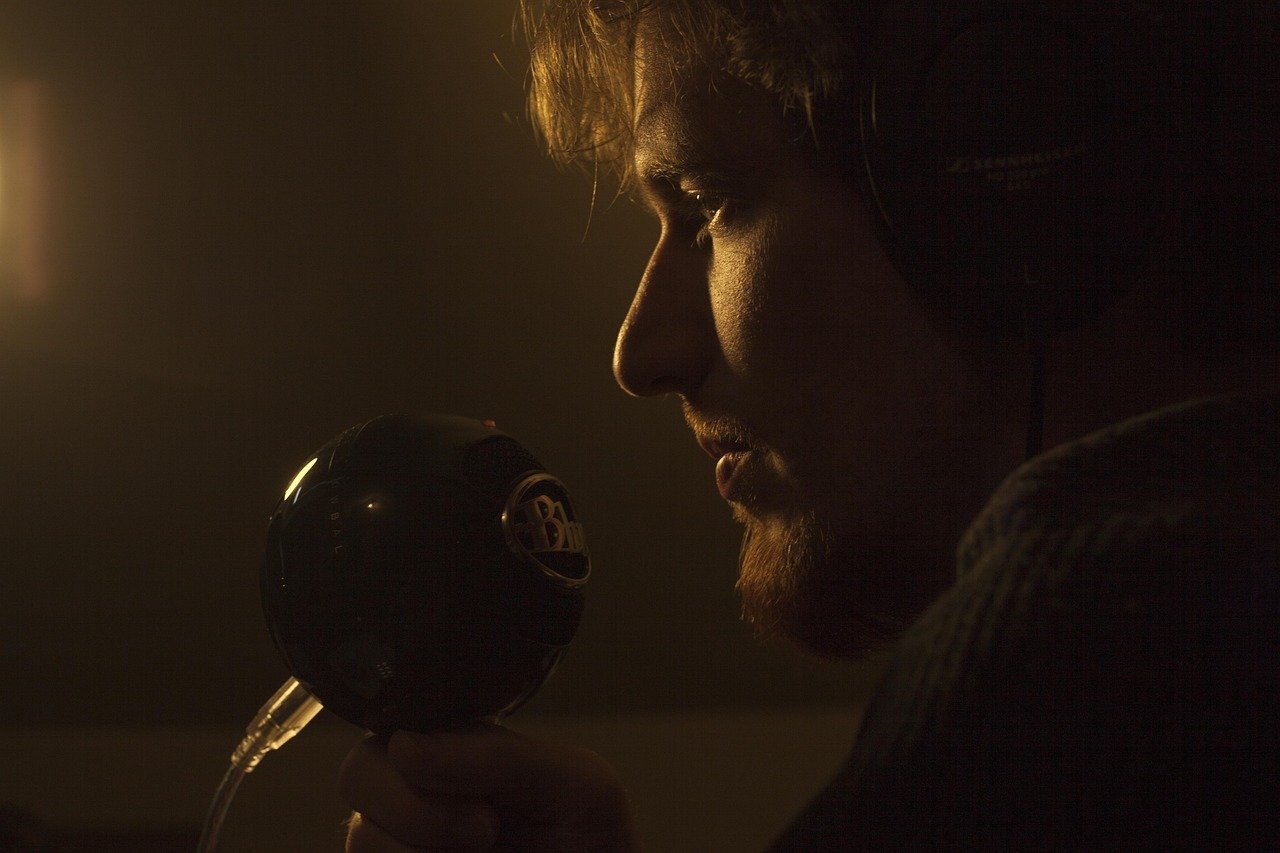
We tend to think of the music industry through the lens of platinum records, stadium tours, and billion-stream milestones. The reality for the vast majority of artists is something staggeringly different – a quiet, invisible world of music that almost nobody hears.
The albums that sell millions of copies are few and far between. According to the IFPI, roughly four out of five albums sell fewer than 100 copies, while more than nine out of ten albums have fewer than 1,000 copies sold. The blockbuster acts we hear on the radio represent an almost comically thin slice of everything that actually gets recorded and released.
This is both sobering and, I think, quietly beautiful. Somewhere out there are hundreds of thousands of albums made with total passion and almost no audience. Music that exists essentially for its own sake. The gap between what the world hears and what musicians actually create is vast beyond imagination. Studies analyzing pop music decade after decade show a gradual decrease in the number of notes, chords, keys, changes, vocabulary, topics, and moods – yet musicians keep creating, keep experimenting, and keep surprising us, whether the charts notice or not.
Conclusion: Music Never Stops Surprising Us
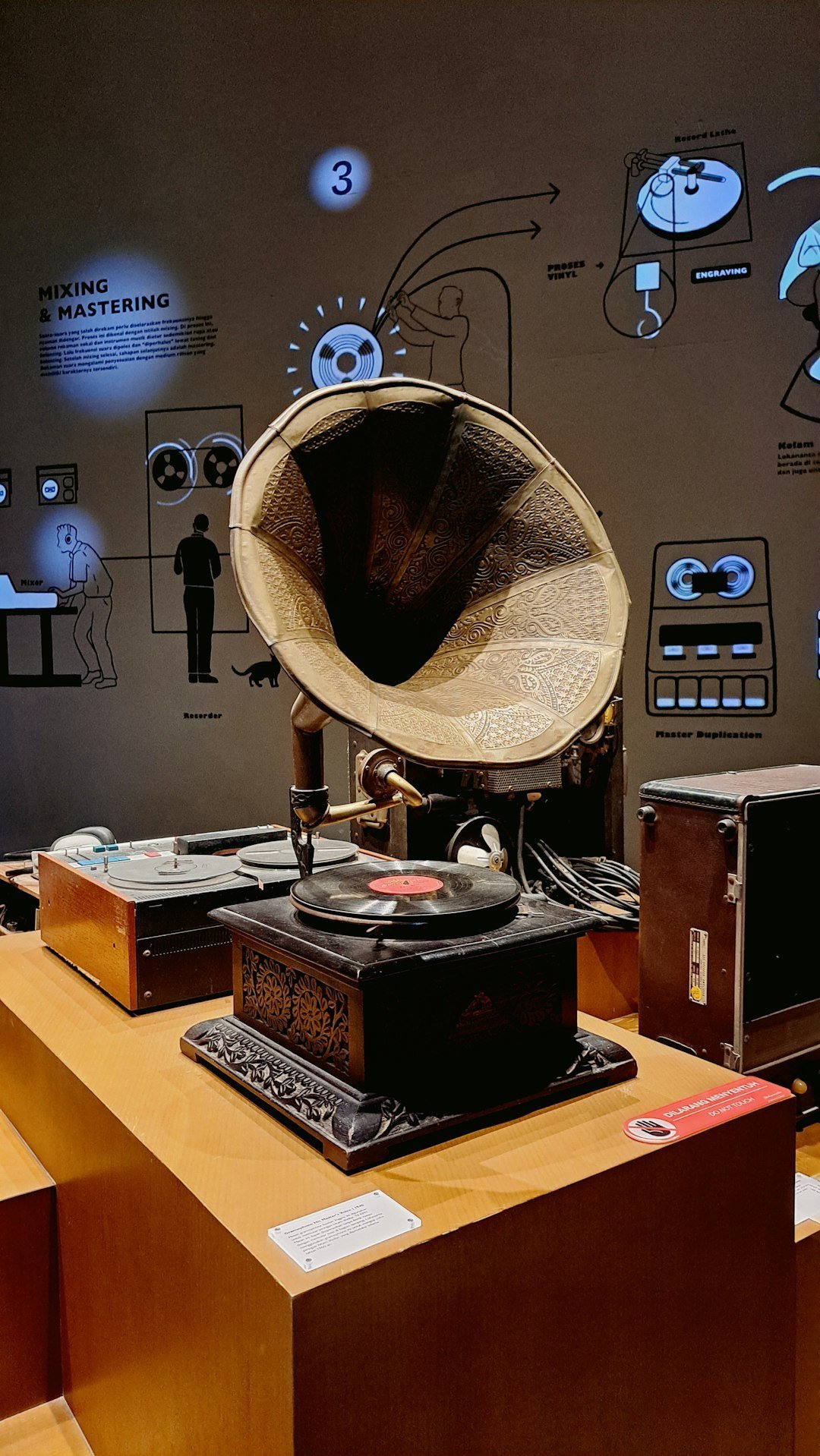
Music history is not a tidy archive of well-documented moments. It is a living tangle of accidents, contradictions, and genuinely jaw-dropping stories that keep surfacing the more you look. The greatest band in history couldn’t read music. The world’s most-sung song was monetized for decades. A concert started in 2001 that won’t end until the year 2640.
What these facts share is a reminder that music exists on two levels simultaneously. There is the song you hear, the emotion it stirs, the memory it triggers. Then there is everything behind it – the deals, the accidents, the science, the ancient clay tablets, the Antarctic stages. Both layers are real, and both are extraordinary.
The deeper you dig into music history, the more it resembles not a catalog but a very long, very strange, and endlessly fascinating novel. And here’s the thing: we’re still only partway through it. What music surprise will define the next chapter? That’s something worth thinking about. What fact from this list shocked you most? Drop it in the comments – we’d genuinely love to know.

Besides founding Festivaltopia, Luca is the co founder of trib, an art and fashion collectiv you find on several regional events and online. Also he is part of the management board at HORiZONTE, a group travel provider in Germany.
