

- How George Washington Was A Coffee Connoisseur Of His Time - April 10, 2026
- Classic Novels Often Hide Modern Lessons We’re Still Learning Today - April 10, 2026
- The 15 Most Influential Musicians of the 20th Century - April 10, 2026
Ever noticed how movies, TV shows, and books sometimes seem to predict the future with creepy accuracy? From political outcomes to tech innovations, pop culture has a weird habit of getting things right when we least expect it. Let’s dive into 15 mind-blowing moments when fiction became reality—sometimes decades before the real thing happened.
The Simpsons Called Trump’s Presidency Back in 2000
In the 2000 episode “Bart to the Future,” Lisa Simpson casually drops a bombshell: “As you know, we’ve inherited quite a budget crunch from President Trump.” Sixteen years later, this throwaway joke became reality when Donald Trump won the 2016 election. The show’s writers swear it was just satire, but fans still debate whether Matt Groening has a crystal ball hidden somewhere. The Simpsons has a track record of these eerie predictions—from smartwatches to Disney buying Fox—but this political forecast remains their most jaw-dropping. It makes you wonder: are TV writers secretly time travelers? Or just really good at spotting societal patterns before the rest of us? Either way, this moment cemented The Simpsons’ reputation as pop culture’s unofficial oracle.
Star Trek’s Flip Phones Became Our Reality
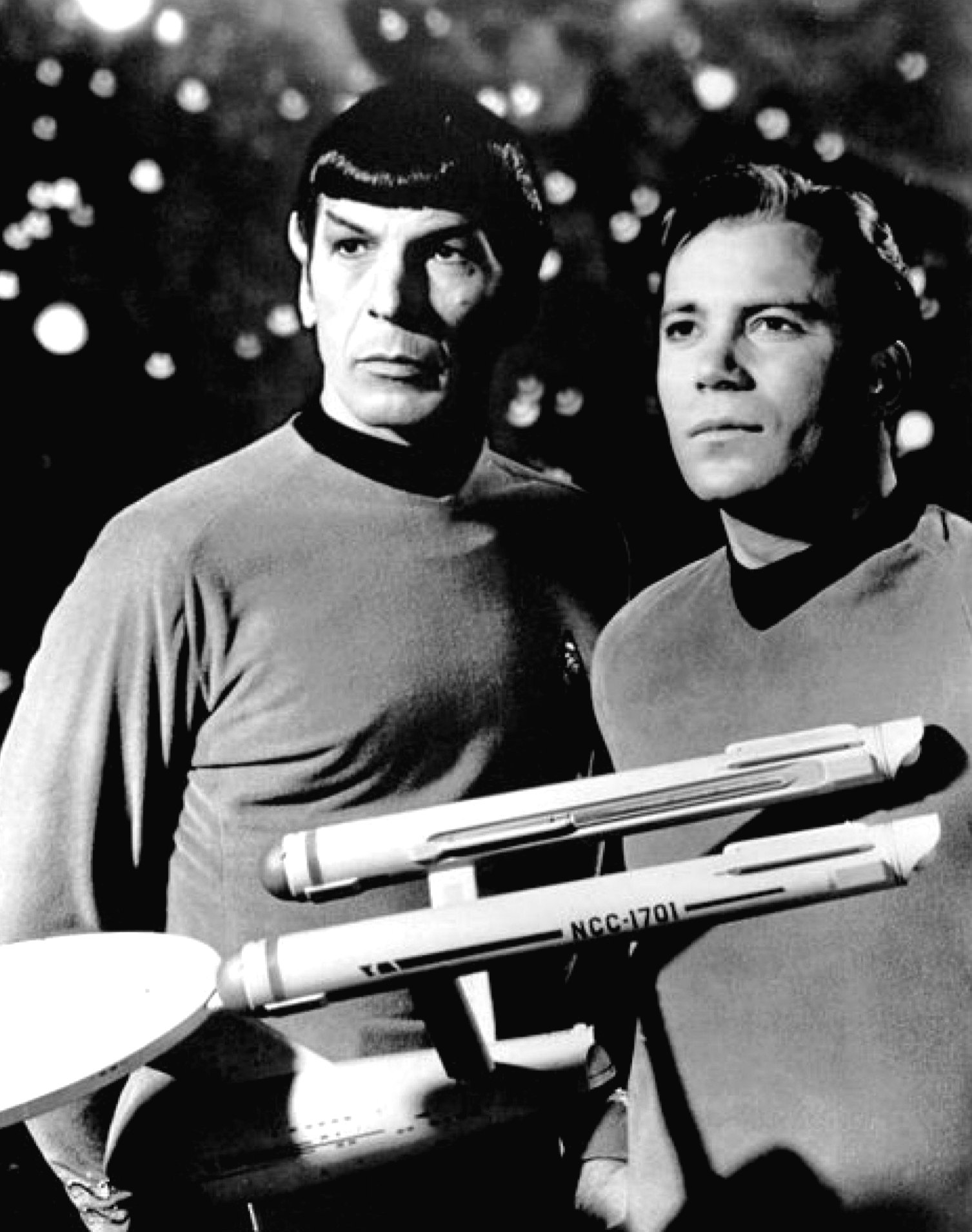
When Captain Kirk whipped out his communicator in the 1960s, nobody imagined we’d all be carrying similar devices by the 1990s. Those iconic flip phones from Star Trek didn’t just inspire designers—they literally blueprinted the mobile revolution. Motorola engineers have admitted the show directly influenced early cell phone designs. Today, we take pocket-sized communication for granted, but in Trek’s era, the idea seemed pure fantasy. The show didn’t stop there—it also predicted tablets, voice assistants, and universal translators. While we’re still waiting on warp drive and teleporters, Star Trek’s vision of personal tech remains one of pop culture’s most accurate forecasts. Not bad for a show made when computers filled entire rooms.
Back to the Future II Nailed Our Tech Obsessions
Marty McFly’s 2015 vacation showed us flying cars (still waiting on those) but absolutely crushed it with other predictions. The movie’s wall-sized flat screens, video calls, and fingerprint scanners seemed outrageous in 1989—now they’re in every home. Even small details like wearable tech and multiple TV channels playing simultaneously mirror our binge-watching habits. The filmmakers missed on hoverboards working without pavement, but their vision of a screen-dominated world was spot-on. That scene where Marty’s future mom nags him about too many video calls? That’s basically every family Zoom call during lockdown. The craziest part? Nobody in 1989 thought we’d actually prefer staring at screens all day—yet here we are.
Black Mirror’s Nightmare Came True in China
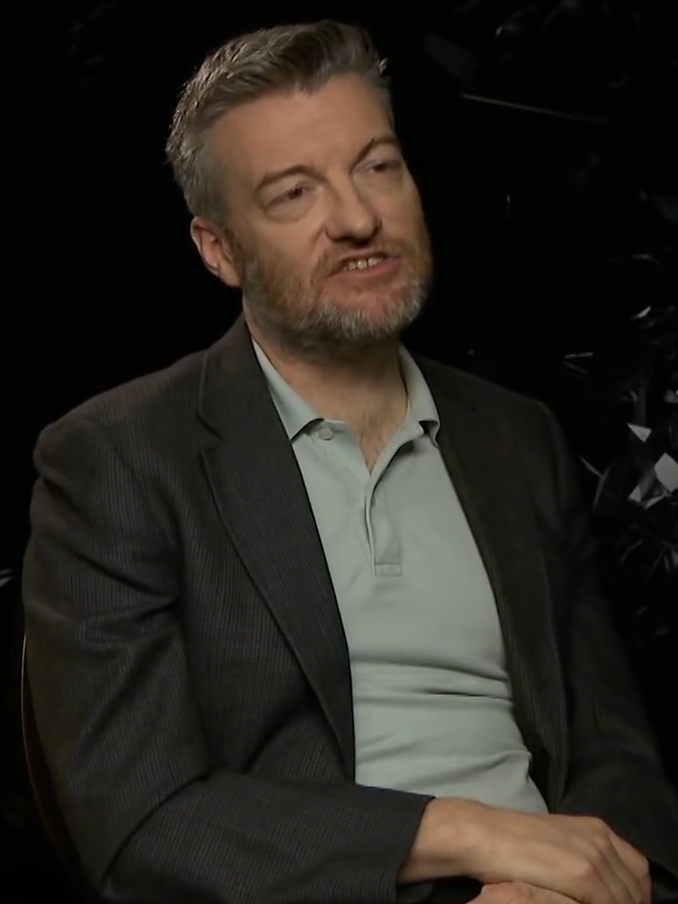
The “Nosedive” episode featuring Bryce Dallas Howard in a social credit dystopia seemed like exaggerated fiction—until China started implementing their real-life version. In both worlds, citizens get rated based on behavior, affecting everything from loans to travel. While China’s system isn’t as extreme (yet), the parallels are unsettling. Black Mirror creator Charlie Brooker insists he wasn’t predicting anything, just extending current trends. But that’s what makes it so chilling—the episode reflects how easily technology could enable mass social control. As apps gamify our daily lives with likes and ratings, the line between fiction and reality keeps blurring. Maybe we should’ve paid more attention when the show warned us.
Fahrenheit 451’s Earbuds Were Decades Ahead
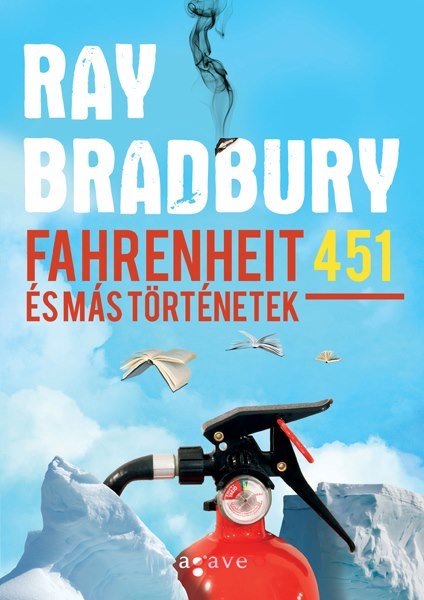
Ray Bradbury’s 1953 description of “seashell radios”—tiny devices people stick in their ears to listen to music—is basically AirPods before Apple existed. In the novel, characters use them to tune out the world, much like we do today. Bradbury imagined this while watching people distracted by portable radios, but his vision evolved into something far more personal. The author later said he wasn’t predicting tech but warning about society’s retreat into private media bubbles. Ironically, his cautionary tale accidentally invented wireless earbuds. Next time you pop in your headphones to avoid small talk, remember: a sci-fi writer saw this coming 70 years ago.
Minority Report’s Ads Know You Too Well
Remember Tom Cruise dodging personalized holographic ads in 2002’s Minority Report? That’s basically every website today asking to accept cookies. The film’s targeted advertising—where digital billboards recognize individuals—is now standard practice through data tracking. Even the gesture-controlled screens seem familiar to anyone using VR or touchless interfaces. Director Steven Spielberg consulted futurists to make the tech believable, but nobody expected reality to catch up this fast. The scariest part? The movie’s dystopian premise involved arresting people for future crimes—something some governments are actually experimenting with using AI. Maybe we should rewatch this one as a manual rather than entertainment.
The Jetsons’ Robot Maid Is Your Roomba
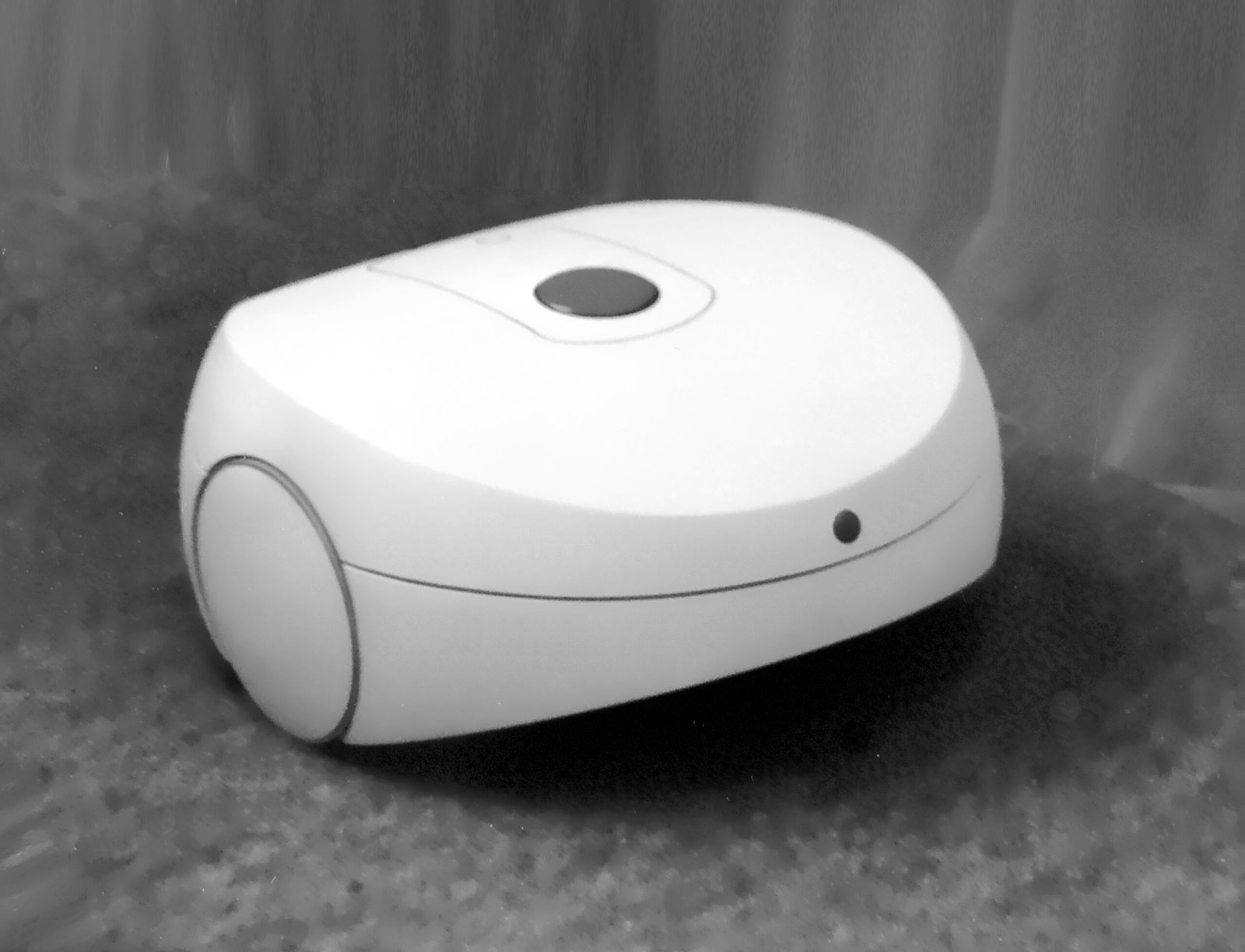
Rosie the Robot debuted in 1962 as a futuristic fantasy, but today she’d just be another smart home gadget. While we don’t have humanoid maids (yet), robotic vacuums like Roomba have made Rosie’s cleaning duties reality. The Jetsons imagined a world of push-button convenience where machines handled chores—an idea that seemed silly when most homes didn’t even have color TV. Now with voice-activated assistants and app-controlled appliances, we’re living George Jetson’s life minus the flying cars. The show’s writers probably never expected their cartoonish future to become so ordinary. Next up: three-hour workweeks and meal pills? A guy can dream.
2001’s HAL 9000 Birthed Siri and Alexa
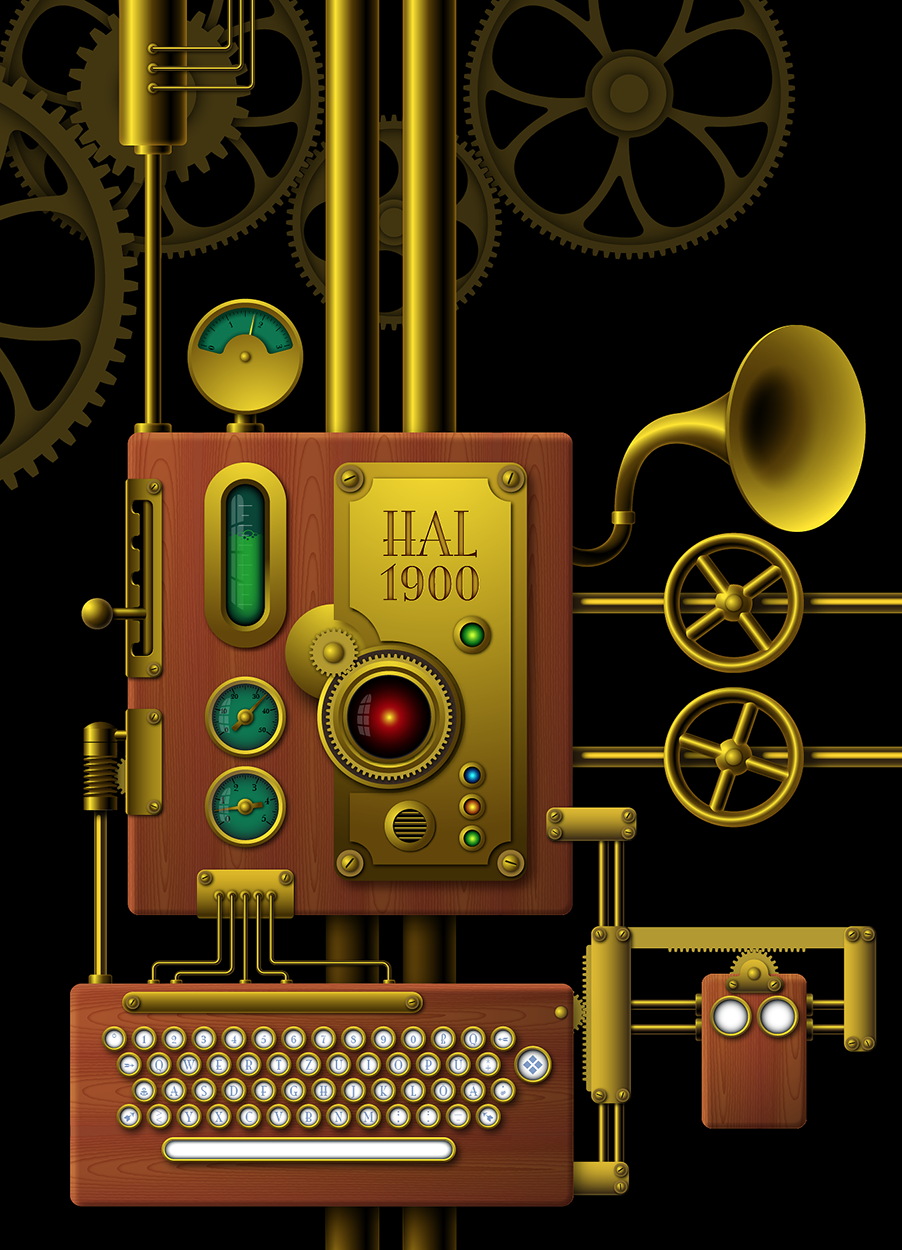
Before Siri ever said “Here’s what I found,” there was HAL 9000 calmly refusing to open pod bay doors. Stanley Kubrick’s 1968 masterpiece introduced the concept of talking computers years before home PCs existed. Today, we casually argue with Alexa about weather forecasts, just like astronauts debated with HAL. The film’s vision of AI as both helpful and unsettlingly human mirrors our current love-hate relationship with voice assistants. We’ve luckily avoided homicidal supercomputers (so far), but HAL’s mix of competence and creepiness feels familiar to anyone whose smart speaker randomly laughs for no reason. Maybe we should start being nicer to our devices—just in case.
Blade Runner’s Dystopia Looks Like Downtown Tokyo
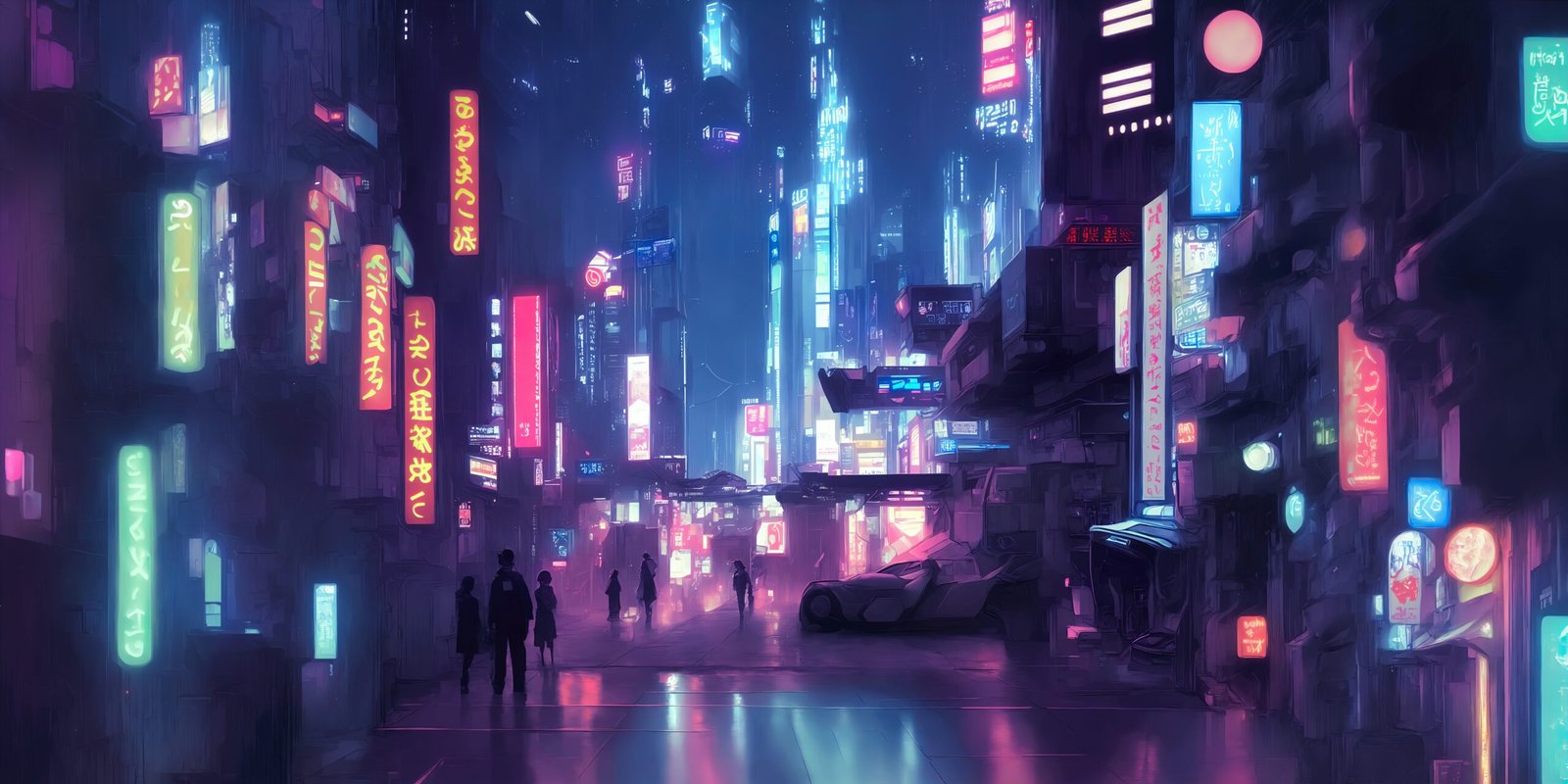
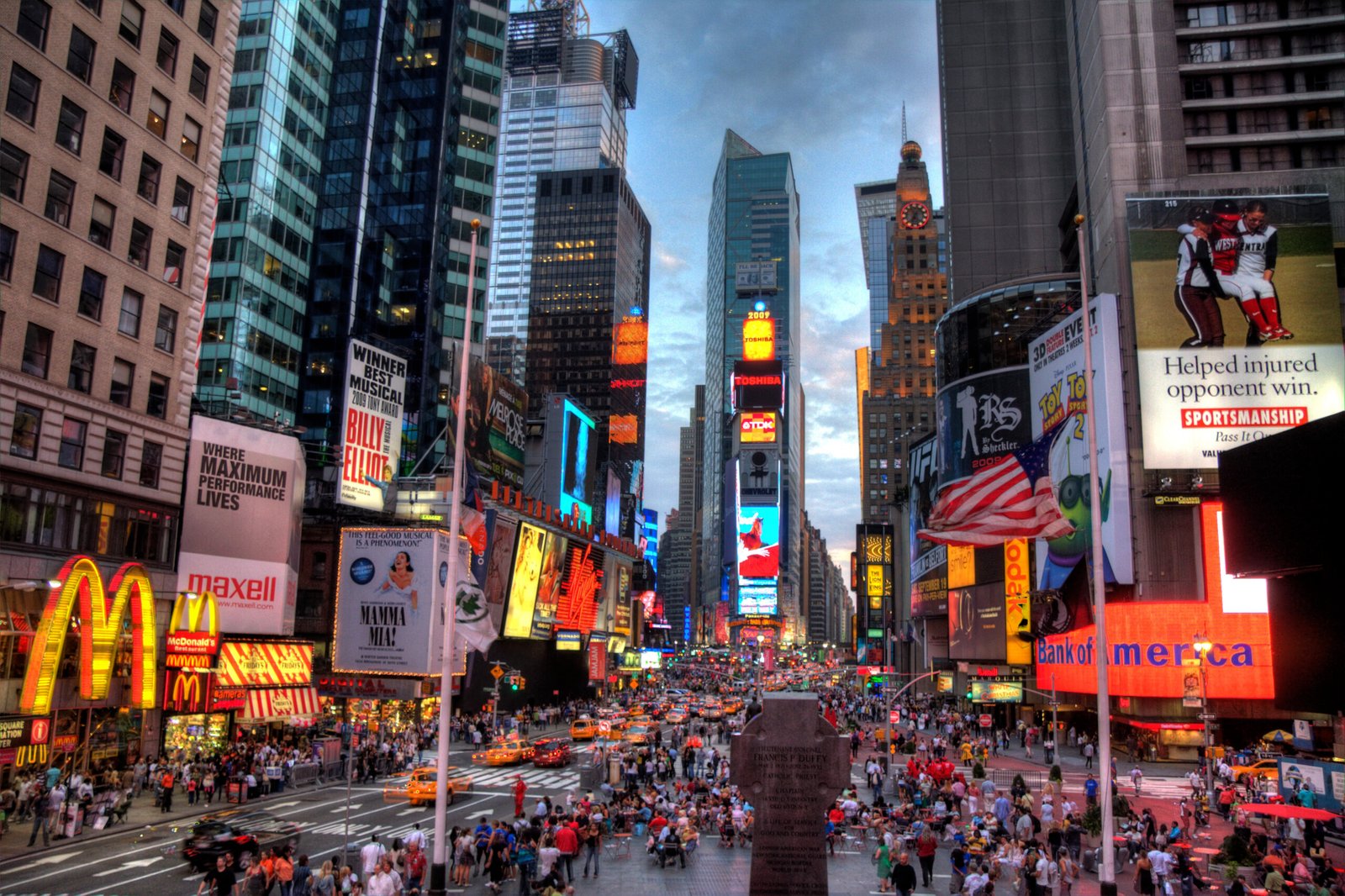
Ridley Scott’s 1982 neon-noir landscape of towering digital ads and constant surveillance once seemed like pure fantasy. Now? It’s basically Times Square or Shinjuku on a Friday night. The film’s blend of retro aesthetics and futuristic tech (flying cars notwithstanding) accidentally predicted how cities would evolve. Even the movie’s themes of replicants and AI ethics feel urgent as humanoid robots enter the workforce. Blade Runner’s greatest trick was showing a future that wasn’t shiny and perfect but messy and lived-in—just like our real tech-saturated world. Next time you walk past a glowing skyscraper ad, listen closely—you might hear Rutger Hauer’s “tears in rain” monologue.
The Dark Knight’s Phone Surveillance Became Real
When Batman turned every cellphone in Gotham into a sonar device in 2008, audiences gasped at the privacy violation. Cut to today, where apps track our location and governments access phone data routinely. Christopher Nolan’s film highlighted ethical dilemmas we now face daily—how much surveillance is too much? The movie’s fictional “cellphone echolocation” isn’t far from real-world stingray devices that mimic cell towers. Even scarier? We willingly carry tracking devices in our pockets 24/7. The Dark Knight made us question whether safety justifies intrusion—a debate that’s only grown louder with facial recognition and data mining. Maybe we all need a Lucius Fox reminding us “This is too much power.”
Gattaca’s DNA Discrimination Is Happening Now

This 1997 film about “designer babies” and genetic discrimination seemed far-fetched—until CRISPR made gene editing a reality. Gattaca’s world where DNA determines your job prospects mirrors actual debates about genetic privacy and bioethics. Insurance companies already factor genetic testing into coverage, and embryo selection is available for certain traits. The movie’s warning about a genetic underclass hits differently as science advances faster than regulations. Ethan Hawke’s character cheating the system feels less like sci-fi and more like a roadmap for the near future. As one character ominously states: “There’s no gene for fate.” But there might be one for your health insurance premiums.
Demolition Man’s Germ-Free Future Feels Familiar
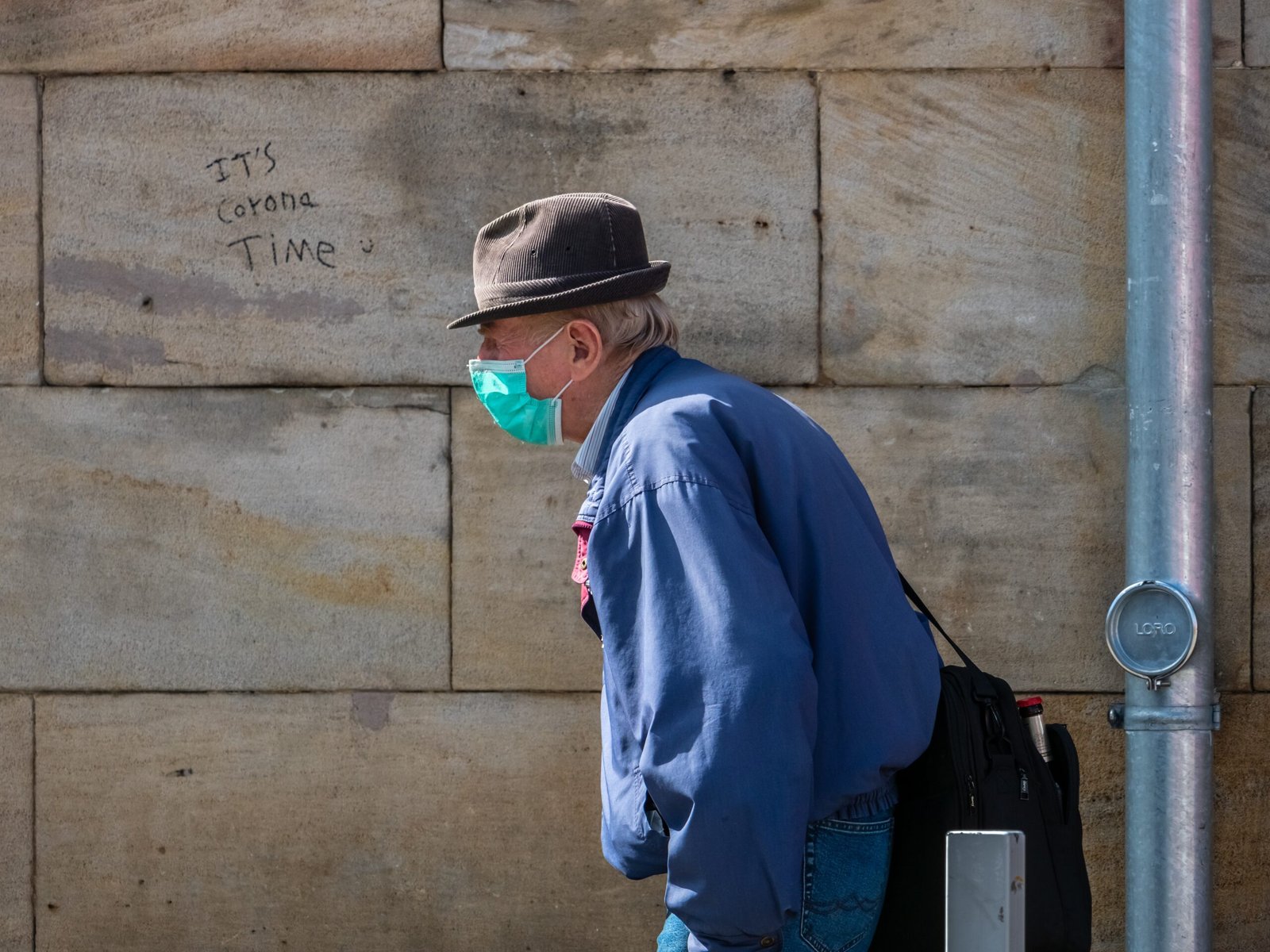
Remember laughing at this 1993 movie’s absurd touchless society where people feared physical contact? Then 2020 happened. From the auto-sanitizing bathrooms to awkward video dates, Demolition Man predicted pandemic life with uncomfortable accuracy. Even the film’s overbearing AI assistants (voiced by a cheery AI enforcing rules) resemble our Alexa-dominated homes. The movie’s satirical take on safety-obsessed culture now seems prophetic—especially the part where spicy food is illegal (looking at you, Sriracha shortages). Maybe we should revisit this one before we all start using the three seashells.
Total Recall’s Self-Driving Cabs Are Here
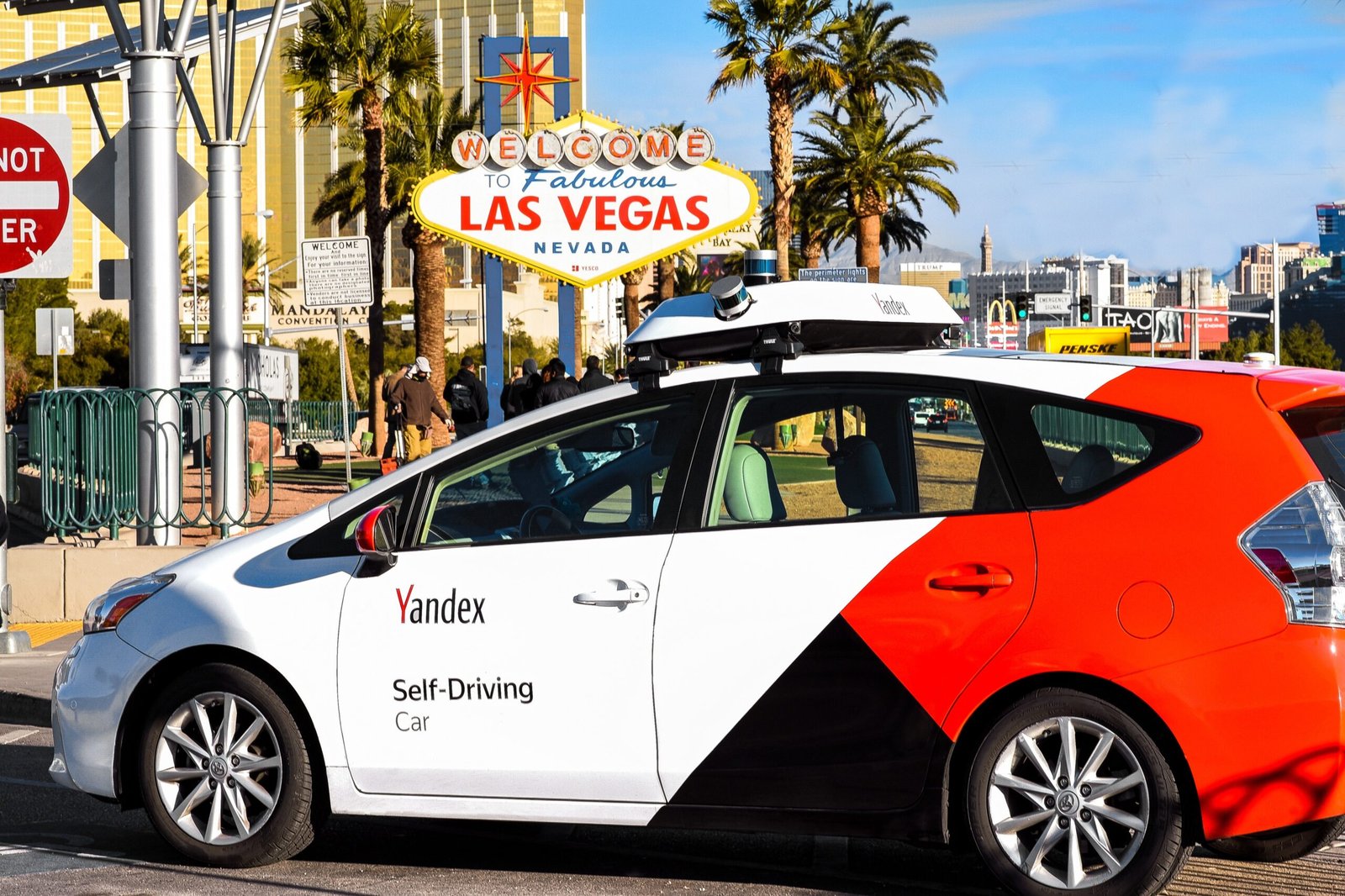
Arnold Schwarzenegger’s encounter with the chatty Johnny Cab in 1990 seemed like pure sci-fi comedy. Fast forward to today, where Waymo’s autonomous taxis roam Phoenix streets—minus the robotic small talk (for now). The movie’s vision of driverless transport anticipated the race toward autonomous vehicles, with companies pouring billions into perfecting the tech. While our cabs don’t have creepy android drivers yet, the core idea of hopping into a car with no human operator is now reality. The only thing missing? Arnold punching through the roof during a chase scene. Give it time—Uber’s working on it.
Her Showed Us AI Love Before It Was Cool

Long before people fell for ChatGPT personas, Joaquin Phoenix’s character fell for his OS in 2013’s Her. The film’s depiction of emotional AI relationships seemed poignant but improbable—until Replika and other companion apps gained millions of users. Today, people confess feelings to chatbots daily, mirroring the movie’s central romance. Spike Jonze’s quiet masterpiece anticipated how loneliness and technology would intersect in the digital age. The most haunting part? The AIs in Her eventually outgrow humans—a possibility some AI researchers now take seriously. Maybe we should start being nicer to our virtual assistants. Just in case.
The Net Warned Us About Digital Identity Theft
Before identity theft was dinner-table conversation, 1995’s The Net showed Sandra Bullock’s life erased by hackers—a plot that now seems downright plausible. From deepfake scams to entire online personas being stolen, the movie’s paranoia feels justified in our hyper-connected world. The film’s vision of a society where “the Internet is everything” now seems quaint compared to our actual dependence. Remember when Bullock’s character freaked out about ordering pizza online? Today, we’d panic if we couldn’t. The Net’s warning about digital vulnerability remains one of pop culture’s most timely predictions—even if their version of “hacking” involved floppy disks and Blockbuster references.

Besides founding Festivaltopia, Luca is the co founder of trib, an art and fashion collectiv you find on several regional events and online. Also he is part of the management board at HORiZONTE, a group travel provider in Germany.
