


Abraham Lincoln’s Gettysburg Address – When 272 Words Redefined a Nation

Imagine standing in a field where over 50,000 soldiers had fallen just months before, listening to a president deliver a speech that would last less than three minutes but echo through eternity. Lincoln’s Gettysburg Address comprised only 271 words and took less than two minutes before a crowd of approximately 15,000 people. The crowd that gathered wasn’t expecting history—most came to hear Edward Everett, the day’s main speaker, who talked for two hours. The Gettysburg Address reflected Lincoln’s recent evolution that the Civil War was no longer just a fight to preserve the Union, but a battle for the survival of democracy and full abolition of slavery. What Lincoln achieved in those brief moments was nothing short of revolutionary. Lincoln’s historic address redefined the Civil War as a struggle not just for the Union, but also for the principle of human equality. The speech transformed a brutal conflict into a sacred mission, forever changing how Americans understood their nation’s purpose. During World War I, World War II, the Cold War and the fight for Civil Rights—when Americans were facing really tough odds—the Gettysburg Address was one of the go-to texts to explain what the fight was all about.
Winston Churchill’s “We Shall Fight on the Beaches” – The Voice That Refused to Surrender
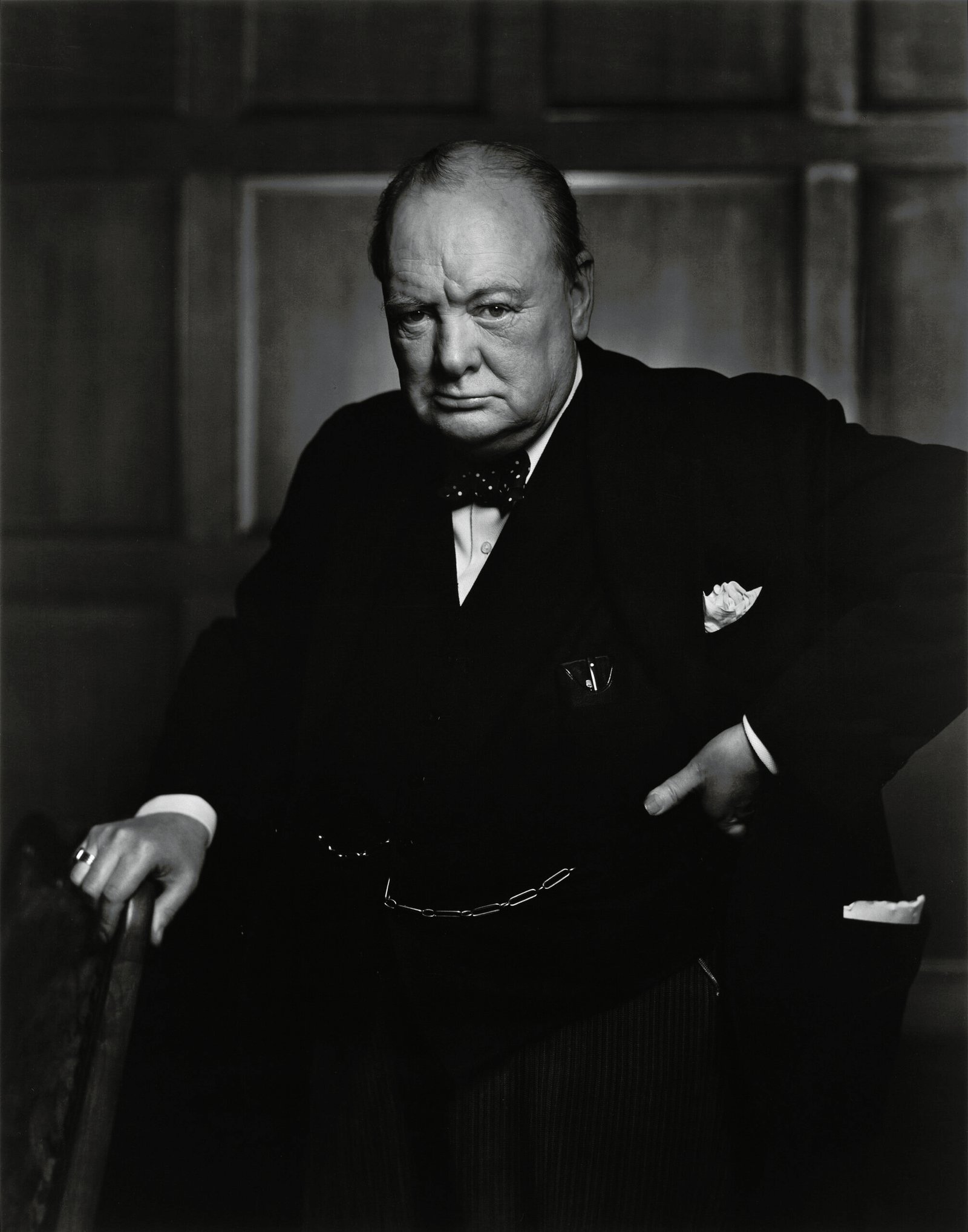
Picture Britain in 1940, standing alone against Nazi Germany as France collapsed and invasion seemed imminent. Mass-Observation reported civilian morale in many areas as zero, with only half the population expecting Britain to fight on, and the feelings of thousands summed up as: “This is not our war – this is a war of the high-up people”. On June 4, 1940, Winston Churchill walked into the House of Commons with a message that would steel British resolve when all seemed lost. The Allies had just pulled off the “miracle of Dunkirk,” rescuing some 338,000 troops from a dire situation in France, but this victory was hollow. The speech that followed became legendary, though most Britons never actually heard it delivered live. The recording that everyone has heard of Churchill urging Britain to “fight on the beaches” was not created in 1940. It was made in 1949, from the comfort of Churchill’s country home in Chartwell. Despite this, Churchill’s words galvanized a nation, promising to fight in every conceivable location rather than surrender. In the dark early days of the Second World War, British Prime Minister Winston Churchill had few real weapons. Allied armies were in full retreat before a powerful German Army and invasion of Britain seemed very likely. Never one to shirk a challenge though, Churchill did battle with words instead.
Martin Luther King Jr.’s “I Have a Dream” – The Speech That Awakened America’s Conscience

On a sweltering August day in 1963, something extraordinary happened at the Lincoln Memorial that would forever change the trajectory of American civil rights. Delivered to over 250,000 civil rights supporters from the steps of the Lincoln Memorial in Washington, D.C., the speech was one of the most famous moments of the civil rights movement and among the most iconic speeches in American history. What made this moment even more remarkable was that King’s most famous lines weren’t in his prepared text. Toward the end of the speech, King departed from his prepared text for an improvised peroration on the theme “I have a dream”. In the church spirit, Mahalia Jackson lent her support from her seat behind him, shouting, “Tell ’em about the dream, Martin!” The impact was immediate and profound. The speech was ranked the top American speech of the 20th century in a 1999 poll of scholars of public address. The speech has also been described as having “a strong claim to be the greatest in the English language of all time”. Celebrated as one of the greatest — if not the greatest — speech of the 20th century, Dr. King’s celebrated speech, “I Have a Dream,” was carried live by television stations across the country. The legislative impact was swift and decisive. Many believed the speech helped secure passage of the Civil Rights Act in 1964.
John F. Kennedy’s “Ich bin ein Berliner” – A Declaration That Echoed Across the Iron Curtain

Two years after the Berlin Wall went up, dividing families and symbolizing the Cold War’s brutal reality, President Kennedy arrived in West Berlin with a message that would define America’s commitment to freedom. More than 400,000 citizens waited in front of the Schöneberg City Hall for the address of John F. Kennedy. What they heard was more than just political rhetoric—it was a promise that would resonate for decades. “Ich bin ein Berliner” is a speech by United States President John F. Kennedy given on June 26, 1963, in West Berlin. It is one of the best-known speeches of the Cold War and among the most famous anti-communist speeches. The speech marked a crucial moment in Cold War diplomacy. Kennedy’s speech marked the first instance where the U.S. acknowledged that East Berlin was part of the Soviet bloc along with the rest of East Germany. The emotional impact on the crowd was extraordinary. Unbelievable rejoicing, people had tears in their eyes. It was like a liberation. Even Kennedy was moved by the experience. When we departed he said ‘Phew! We’ll never have another day like this as long as we live.’ Interestingly, Kennedy’s advisors weren’t thrilled with his departure from the conciliatory tone. The President, who had been working to woo the Soviets into nuclear test ban negotiations, had just alienated the Communist Bloc. Soviet Premier Nikita Khrushchev declared Kennedy a war monger. In 674 words, Kennedy had snatched back all the good will offered in his “Peace Speech” at American University.
Franklin D. Roosevelt’s First Inaugural – “The Only Thing We Have to Fear”

March 4, 1933, was a dark day in American history. The Great Depression had brought the nation to its knees, with banks failing, unemployment soaring, and despair gripping millions of Americans. Into this crisis stepped Franklin Delano Roosevelt with a message that would become one of the most memorable lines in presidential history. The new president faced a nation where fear itself had become the greatest enemy. Roosevelt’s famous phrase about fear being the only thing to fear wasn’t just poetry—it was a psychological prescription for a nation paralyzed by economic catastrophe. His words provided the foundation for the New Deal programs that would reshape American government and society. The speech worked because it acknowledged the pain while offering hope, giving Americans permission to believe that their government could and would act decisively. This wasn’t just political rhetoric; it was the beginning of a fundamental shift in how Americans viewed the role of federal government in their daily lives.
Nelson Mandela’s “I Am Prepared to Die” – The Trial That Became a Testament
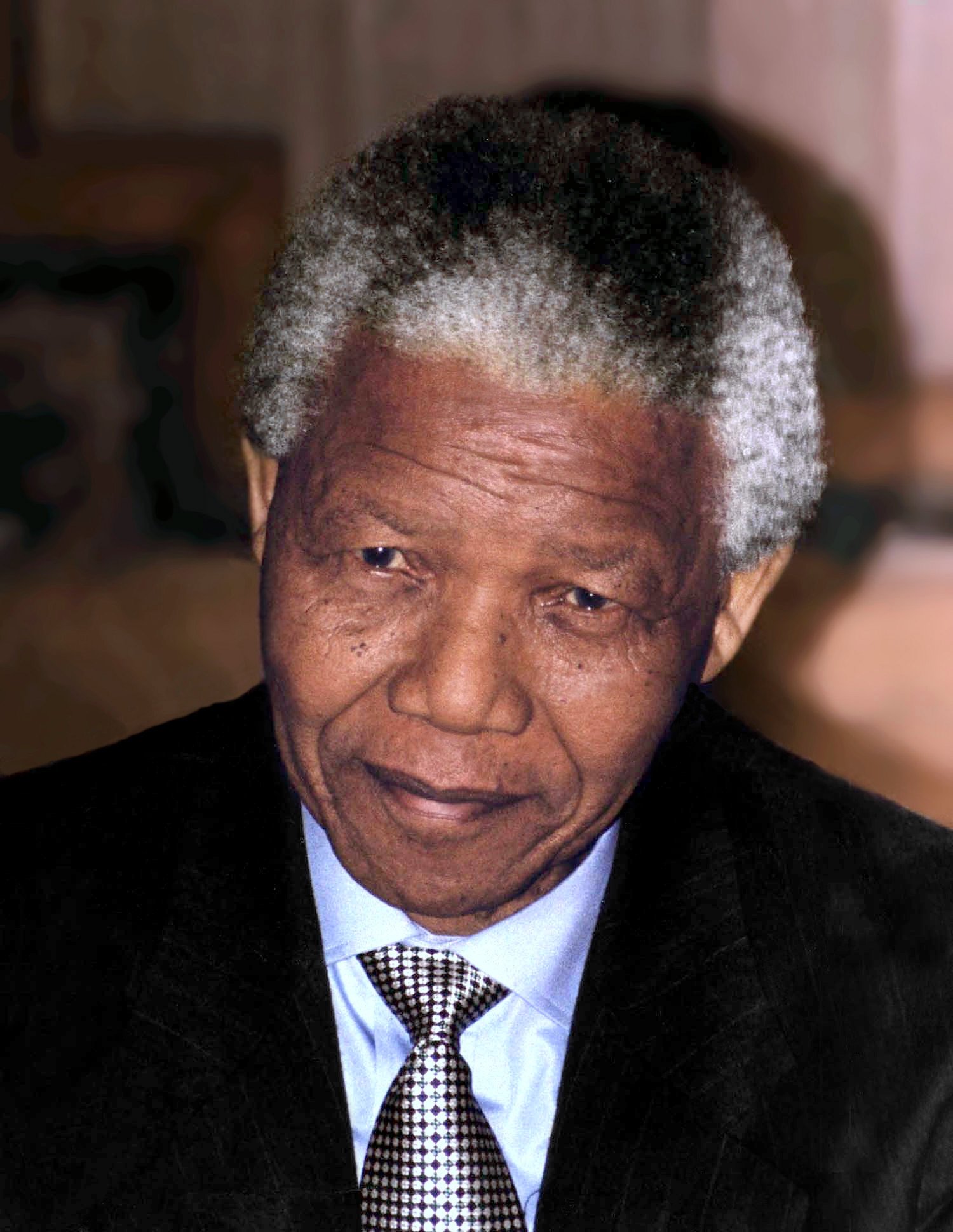
Standing in a South African courtroom in 1964, facing the possibility of execution, Nelson Mandela delivered what would become one of the most powerful speeches against apartheid ever spoken. This wasn’t a campaign speech or a rallying cry—it was a man’s final statement before potentially facing death for his beliefs. The three-hour address from the defendant’s dock became a manifesto that defined the anti-apartheid struggle for generations. Mandela’s words didn’t save him from 27 years in prison, but they accomplished something far more significant: they transformed him from a defendant into a symbol of resistance. The speech articulated the moral case against apartheid with such clarity and conviction that it became impossible for the world to ignore South Africa’s racial injustices. International pressure built, sanctions were imposed, and the apartheid system began its slow collapse. When Mandela finally walked free in 1990, he wasn’t just a former prisoner—he was a living embodiment of the principles he had articulated in that courtroom decades earlier. His words had literally helped bring down a government.
Barack Obama’s “A More Perfect Union” – The Speech That Saved a Campaign
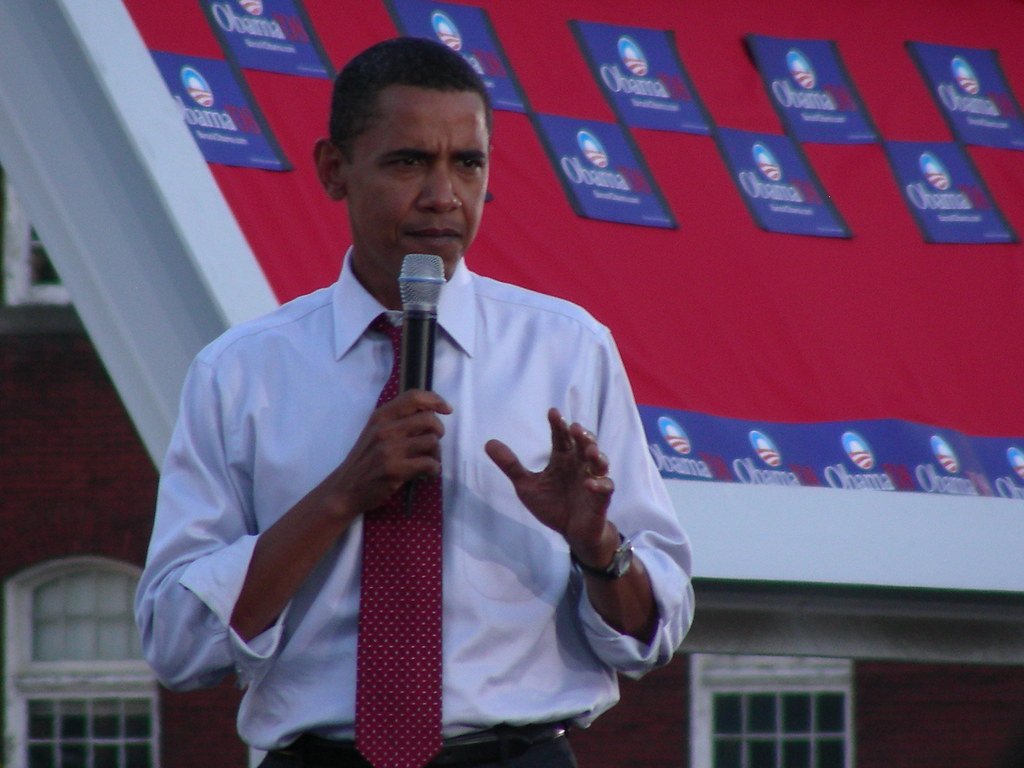
In March 2008, Barack Obama’s presidential campaign faced its greatest crisis when videos surfaced of his pastor, Reverend Jeremiah Wright, making inflammatory comments about America. Many politicians would have simply distanced themselves and moved on, but Obama chose a different path entirely. He delivered a 37-minute speech about race in America that was both deeply personal and profoundly political. The speech didn’t just address the Wright controversy—it opened up a national conversation about race that had been simmering beneath the surface for decades. Obama’s willingness to tackle the subject head-on, acknowledging both black anger and white resentment, demonstrated a political courage that was rare in American politics. The speech worked because it trusted the American people to handle a complex, nuanced discussion about race rather than offering simple solutions or easy answers. It reinforced Obama’s image as a different kind of politician, one who could bridge divides rather than exploit them. The crisis that could have ended his campaign instead became a defining moment that helped propel him to the presidency.
Ronald Reagan’s “Tear Down This Wall” – The Challenge That Became Reality
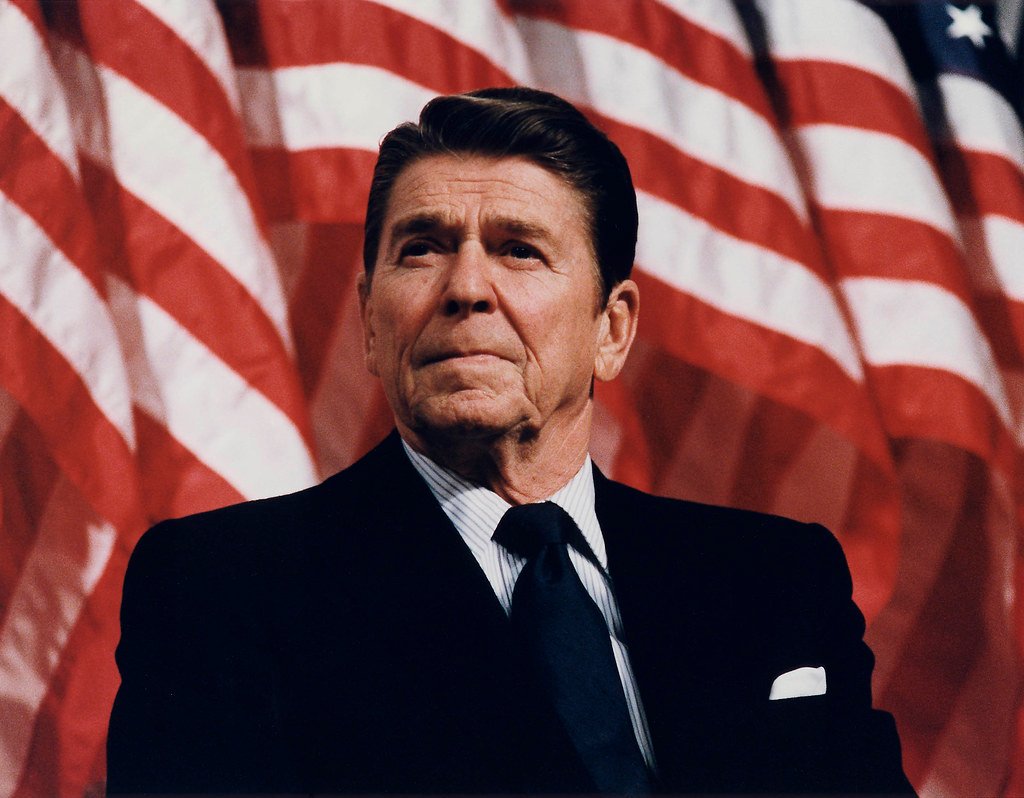
Standing just 100 yards from the Berlin Wall in 1987, President Ronald Reagan issued a challenge that many dismissed as mere political theater. His speechwriters had crafted careful, diplomatic language, but Reagan insisted on including the dramatic demand that would make history. The State Department opposed the famous line, worried it was too provocative, but Reagan overruled them. The speech came at a time when the Soviet Union was already showing signs of internal strain under Mikhail Gorbachev’s reforms, but Reagan’s words crystallized the moment’s significance. The visual impact was crucial—an American president standing before the symbol of communist oppression, demanding its destruction. While critics argued the wall would have fallen anyway due to Soviet economic pressures, Reagan’s speech gave the moment a clarity and urgency that accelerated change. Two years later, when East Germans began tearing down the wall with hammers and pickaxes, Reagan’s words seemed prophetic. The speech became a perfect example of how the right words, delivered at the right moment, can help shape history’s direction.
Sojourner Truth’s “Ain’t I a Woman?” – The Intersection of Race and Gender
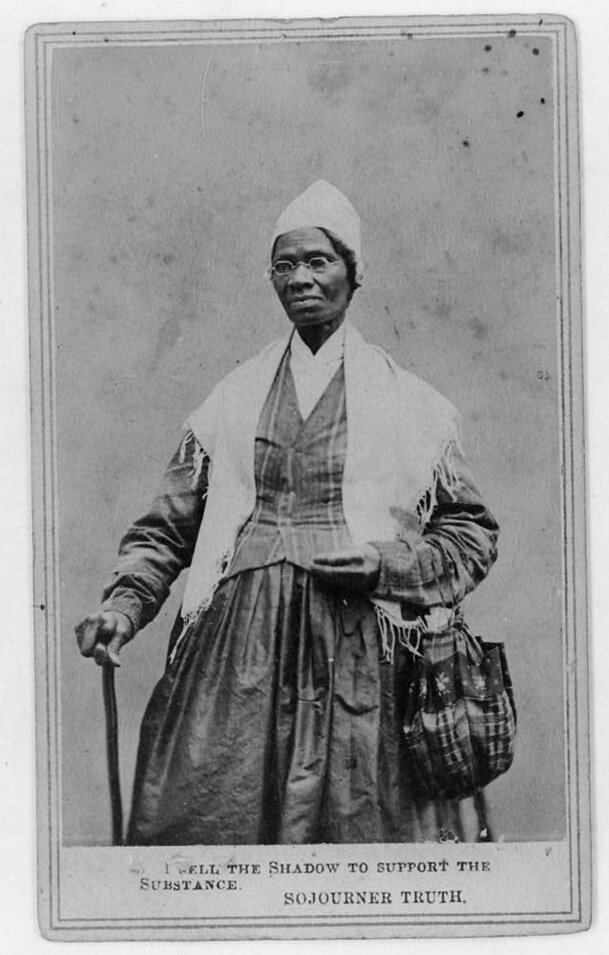
At the 1851 Women’s Rights Convention in Akron, Ohio, a woman who had been born into slavery rose to speak, and her words would echo through history. Sojourner Truth’s speech was reportedly delivered extemporaneously, responding to male speakers who had argued that women were too delicate and weak to deserve equal rights. Her simple question—”Ain’t I a woman?”—cut through the hypocrisy of the time with surgical precision. Truth’s speech was revolutionary because it forced people to confront the intersection of racism and sexism in American society. While white women were fighting for their rights, black women were fighting for their humanity. Her words challenged both white supremacists and white feminists to examine their assumptions and prejudices. The speech’s power lay in its lived experience—Truth spoke from a position of having endured slavery, hard labor, and the loss of children, yet she stood before that audience with dignity and strength. Her words helped shape the abolitionist movement and early women’s rights activism, proving that the most powerful speeches often come from those who have the most to lose by speaking out.
Emmeline Pankhurst’s “Freedom or Death” – The Militant Suffragette’s Declaration
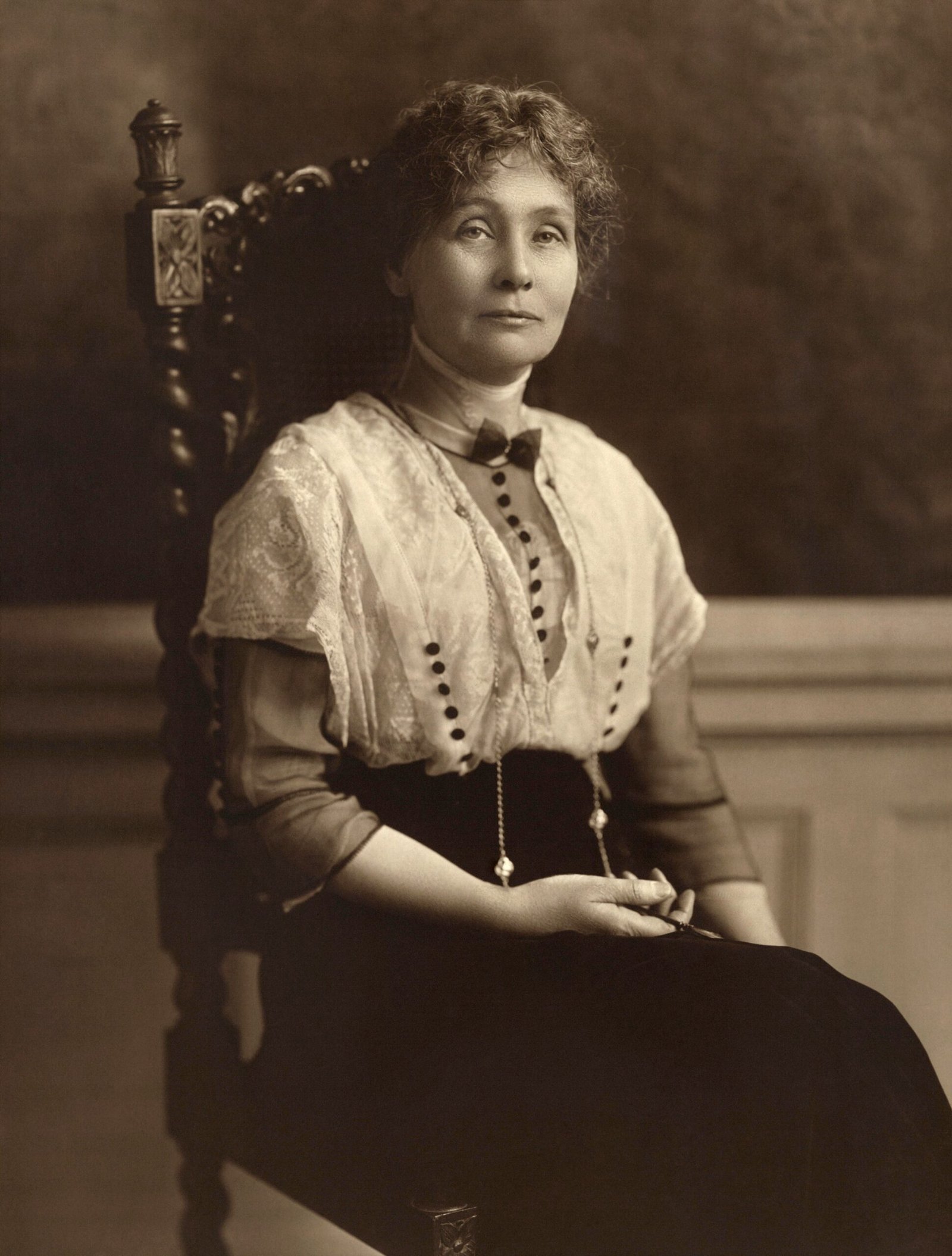
In 1913, British suffragette leader Emmeline Pankhurst delivered a speech in Hartford, Connecticut, that would define the militant approach to women’s suffrage. Speaking to an American audience, Pankhurst justified the increasingly radical tactics of the British suffragette movement, including property destruction and hunger strikes. The speech was remarkable for its unflinching embrace of militancy as a necessary tool for social change. Pankhurst argued that when peaceful protest fails, more drastic measures become morally justified. Her words gave intellectual and emotional weight to the suffragette movement’s most controversial tactics. The speech helped American suffragettes understand that their British sisters weren’t simply troublemakers but strategic revolutionaries. Pankhurst’s willingness to face imprisonment, forced feeding, and social ostracism demonstrated the depth of her commitment to the cause. Her speech helped legitimize the idea that sometimes democracy requires citizens to break unjust laws. The impact extended far beyond women’s suffrage, influencing later civil rights movements and protests around the world. The speech proved that sometimes the most powerful words are those that refuse to apologize for demanding justice.
Chief Joseph’s “I Will Fight No More Forever” – The End of Native American Resistance
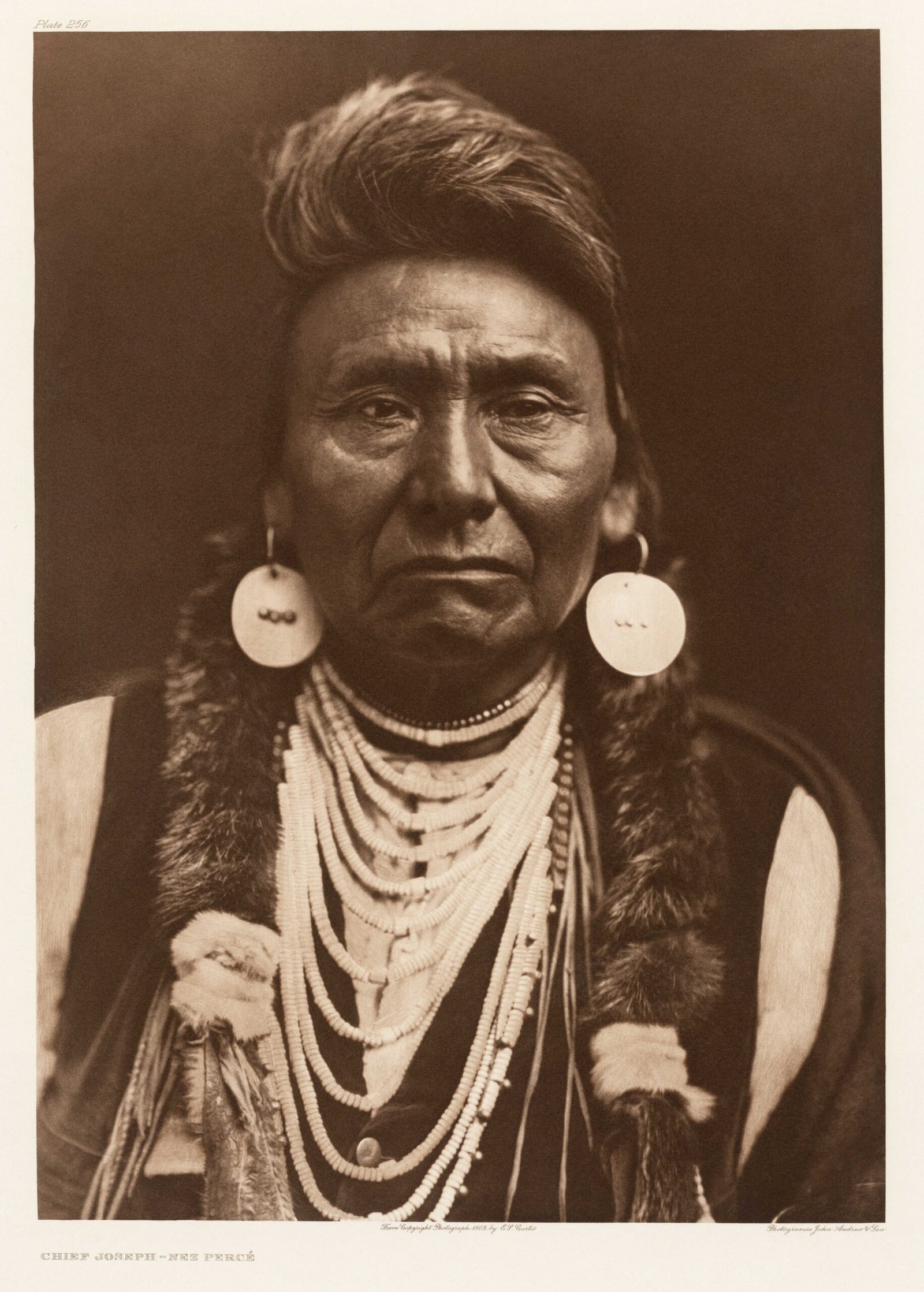
In October 1877, Chief Joseph of the Nez Perce delivered one of the most heartbreaking surrenders in American history. After leading his people on a 1,170-mile fighting retreat toward Canada, he was finally cornered just 40 miles from the border. His words of surrender were both a military capitulation and a profound statement about the end of an era. The speech was reported by General Howard’s aide-de-camp, who was present at the surrender, and its poetic language captured the tragedy of Native American displacement. Chief Joseph’s words became a symbol of dignity in defeat, showing how even in surrender, a leader could maintain honor and speak truth to power. The speech humanized Native Americans for many white Americans who had seen them only as obstacles to westward expansion. It marked the symbolic end of Native American military resistance to U.S. expansion, though the struggle for Native rights would continue in different forms. The speech’s impact was amplified by its timing—coming at the end of the Indian Wars, it served as an epitaph for a way of life that was disappearing. Chief Joseph’s words reminded Americans that their nation’s expansion came at a tremendous human cost.
Theodore Roosevelt’s “The Man in the Arena” – A Philosophy of Action
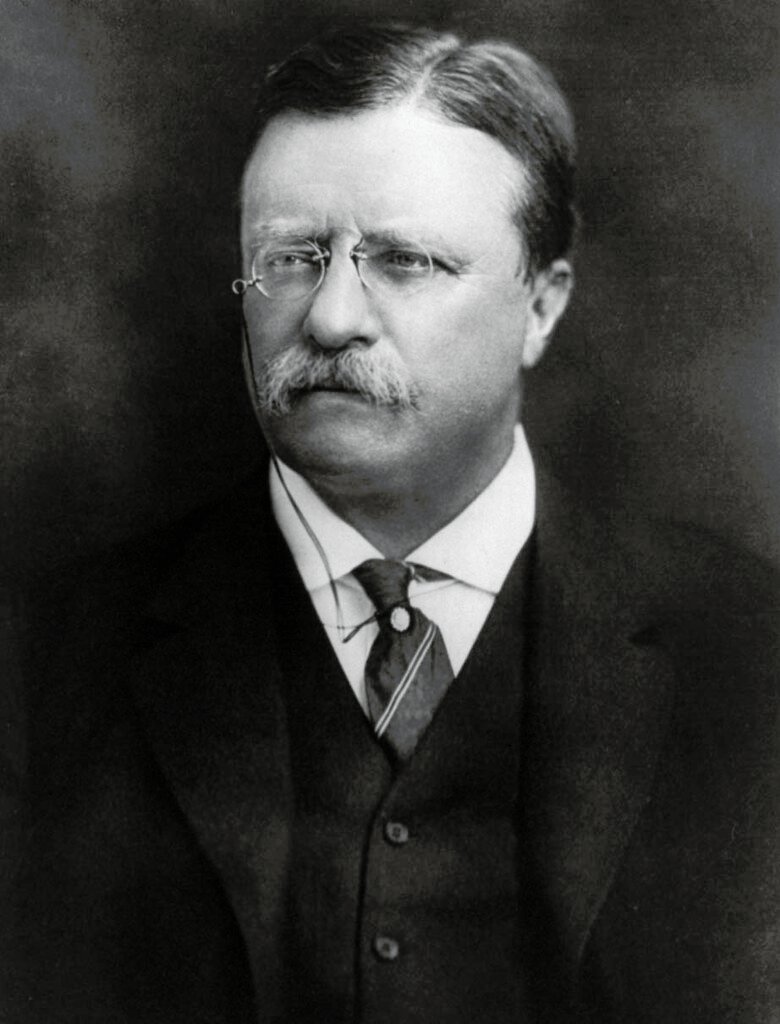
Speaking at the Sorbonne in Paris in 1910, Theodore Roosevelt delivered a speech that would inspire generations of leaders and activists. The famous “Man in the Arena” passage has been quoted by everyone from business leaders to athletes to politicians, but the entire speech was a comprehensive philosophy of citizenship and engagement. Roosevelt argued that criticism is easy, but actually trying to make a difference requires courage and carries the risk of failure. The speech reflected Roosevelt’s own philosophy of life—he was a man who threw himself into everything from politics to exploration to military service. His words became a rallying cry for those who choose action over criticism, participation over spectatorship. The speech was particularly influential in American politics, where it helped define the ideal of the engaged citizen-leader. Roosevelt’s message that “the credit belongs to the man who is actually in the arena” became a standard for measuring leadership. The speech’s enduring popularity demonstrates how certain words can transcend their original context to become universal principles. Roosevelt’s vision of active citizenship helped shape American political culture for the next century.
Lou Gehrig’s “Luckiest Man” – Grace Under Fire
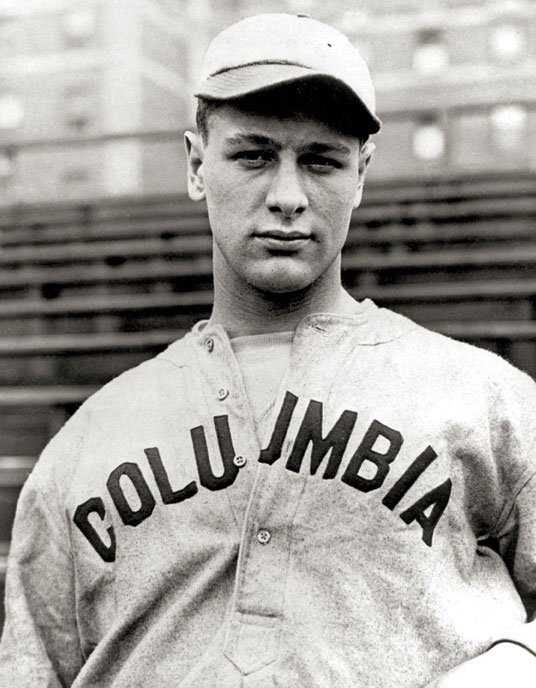
On July 4, 1939, Lou Gehrig stood before 62,000 fans at Yankee Stadium to deliver what would become one of the most moving speeches in sports history. Diagnosed with ALS, the disease that would later bear his name, Gehrig had just seen his consecutive games streak end at 2,130 games. Instead of self-pity, he delivered a speech that exemplified grace under pressure. The speech was remarkable for what it didn’t contain—no bitterness, no self-pity, no anger at the unfairness of his situation. Instead, Gehrig focused on gratitude, counting his blessings rather than his losses. His words transformed a tragic situation into an inspiring example of human dignity. The speech had an immediate impact on how Americans viewed disability and illness, showing that even in the face of terminal disease, a person could maintain their dignity and perspective. Gehrig’s courage in the face of ALS helped raise awareness about the disease and inspired countless others facing similar challenges. The speech became a template for how public figures should handle personal tragedy—with grace, humility, and gratitude. It proved that sometimes the most powerful speeches are those that find light in the darkest moments.
Patrick Henry’s “Give Me Liberty or Give Me Death!” – The Spark of Revolution
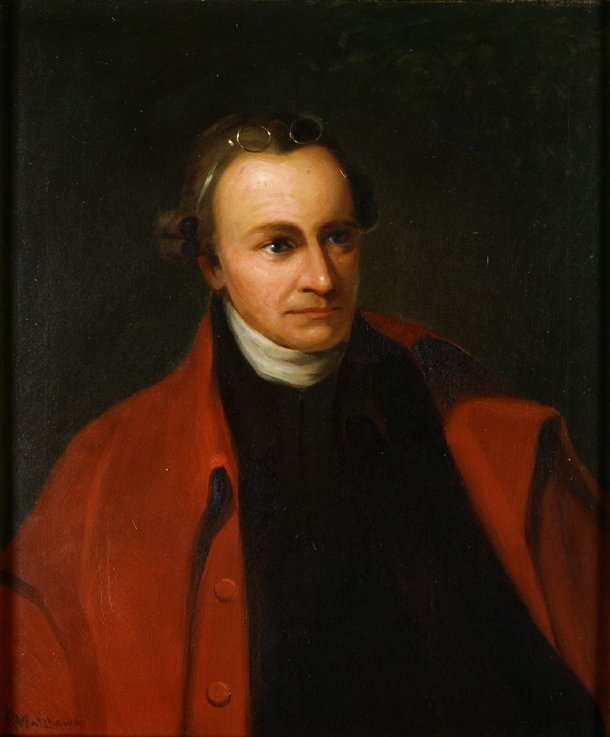
On March 23, 1775, Patrick Henry rose in the Virginia House of Burgesses and delivered words that would help ignite the American Revolution. His famous ultimatum—liberty or death—crystallized the colonists’ growing frustration with British rule into a stark choice. The speech came at a crucial moment when the colonies were still debating whether armed resistance was justified. Henry’s words helped tip the balance toward revolution. The speech was particularly powerful because Henry was known as one of the greatest orators of his generation, and his passionate delivery made the words even more compelling. Young Thomas Jefferson and George Washington were both present to hear the speech, and it undoubtedly influenced their thinking about independence. Henry’s stark framing of the choice—submit to tyranny or fight for freedom—helped convince wavering colonists that there was no middle ground. The speech demonstrated how the right words at the right moment can push a society toward dramatic action. Henry’s willingness to stake his life on the principle of liberty gave others courage to do the same. The speech became a rallying cry for the Revolution and helped transform a colonial dispute into a war for independence.
Malala Yousafzai’s UN Speech – A Teenager’s Call to Action
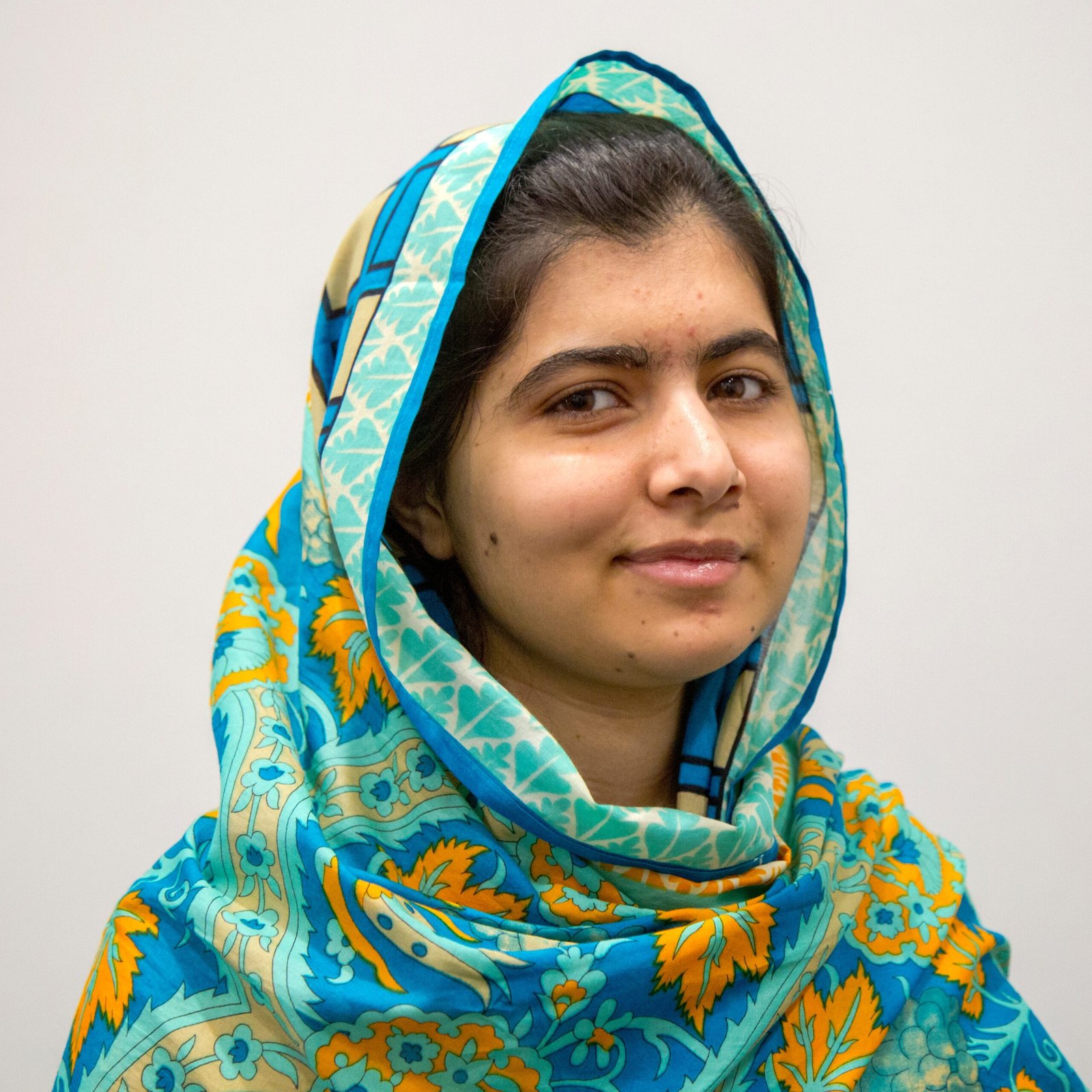
On July 12, 2013, just months after being shot by the Taliban for advocating girls’ education, 16-year-old Malala Yousafzai addressed the United Nations on her birthday. Her speech was remarkable not just for its message but for the courage it took to deliver it. Having survived an assassination attempt, Malala could have chosen to remain silent and safe. Instead, she used her global platform to amplify the cause that had nearly cost her life. The speech was powerful because it came from someone who had pai

Besides founding Festivaltopia, Luca is the co founder of trib, an art and fashion collectiv you find on several regional events and online. Also he is part of the management board at HORiZONTE, a group travel provider in Germany.
