


The Great Wall of China (China)

Picture this: you’re standing on one of the world’s most famous architectural wonders, watching The Rolling Stones belt out “Start Me Up” with ancient Chinese stones as the backdrop. The 2024 Beijing Great Wall Concert kicked off at the Wangjing Culture Square of the Badaling Great Wall, proving that this historic location continues to host musical performances. Great Wall Festival will return in May,2025 Stay Tuned, showing that concerts at this remarkable location are becoming more regular.
What makes this venue truly special isn’t just the obvious wow factor – it’s the incredible acoustics that the wall’s structure provides. The ancient stones create a natural amplification system that’s been tested by centuries of wind and weather. Artists often describe the experience as surreal, playing to crowds while thousands of years of history literally surround them.
The Icehotel (Sweden)
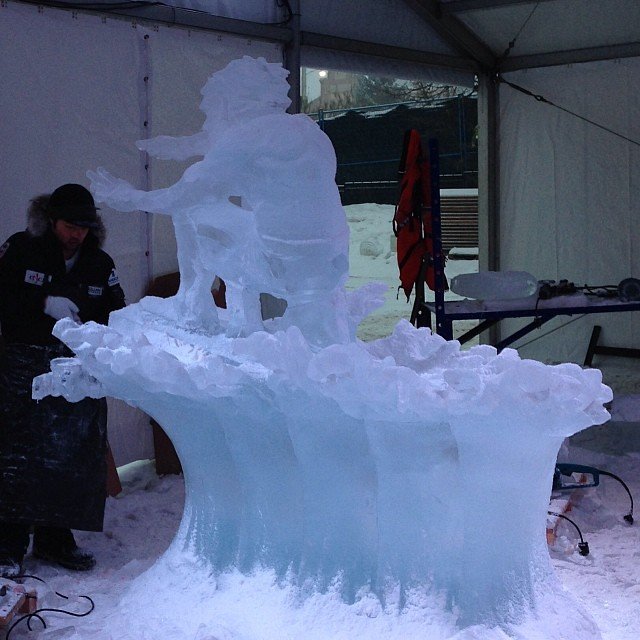
If you thought outdoor concerts were chilly, wait until you experience live music inside a building made entirely of ice and snow. Celebrating its 35th anniversary this year, Icehotel 35 opened its doors on 13 December 2024 revealing a collection of magnificent new Art Suites created around the iconic main hall. The venue maintains a constant temperature of -5°C (23°F), making it one of the most challenging places for both performers and their instruments.
Musicians have to deal with frozen fingers, instruments that go out of tune in seconds, and audiences bundled up in thermal sleeping bags. Despite these challenges, artists describe the experience as magical – their breath creates visible steam clouds as they sing, and the acoustics in the ice halls create an ethereal, almost otherworldly sound quality. On December 12th, 2025 we are opening ICEHOTEL 36, and this year we offer an exclusive opening package, suggesting that musical performances will continue to be part of the unique experience.
The Catacombs (Paris, France)
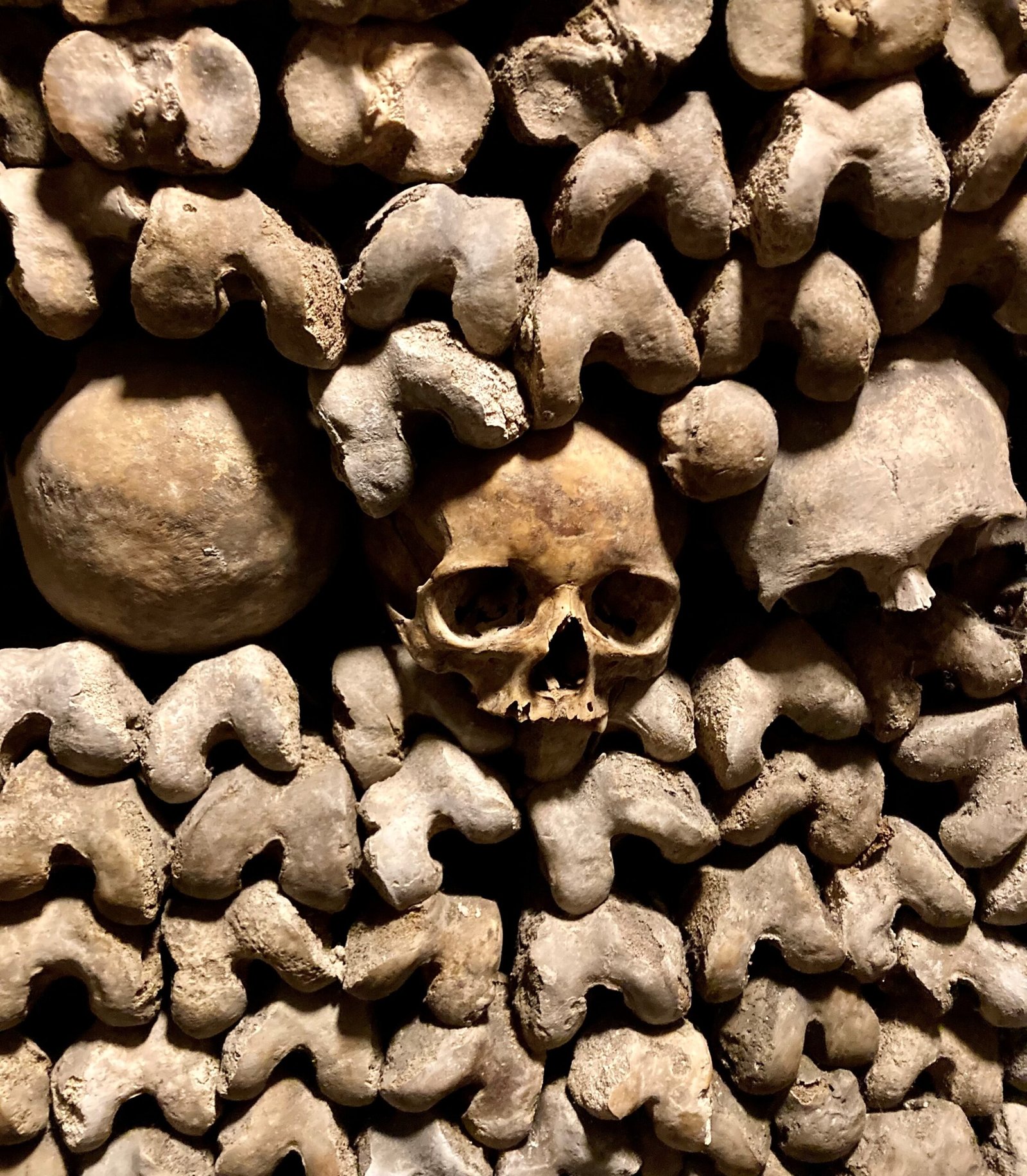
Deep beneath the streets of Paris lies a network of limestone tunnels lined with the bones of over six million people – and it’s become one of the most atmospheric concert venues on Earth. The darkness is so complete that audiences can’t see their own hands, creating an intimacy between performer and listener that’s impossible to replicate elsewhere. Musicians often perform by candlelight, with the flickering flames casting eerie shadows on the walls of skulls.
The acoustic properties are extraordinary – every whisper, every guitar strum, every drumbeat reverberates through the tunnels in ways that give music an almost supernatural quality. Artists who’ve performed here describe it as both terrifying and transcendent, with the presence of death somehow making the music feel more alive. The temperature remains constant at around 14°C (57°F) year-round, but the psychological chill of performing surrounded by human remains creates an atmosphere unlike anywhere else on Earth.
The Grand Canyon (USA)
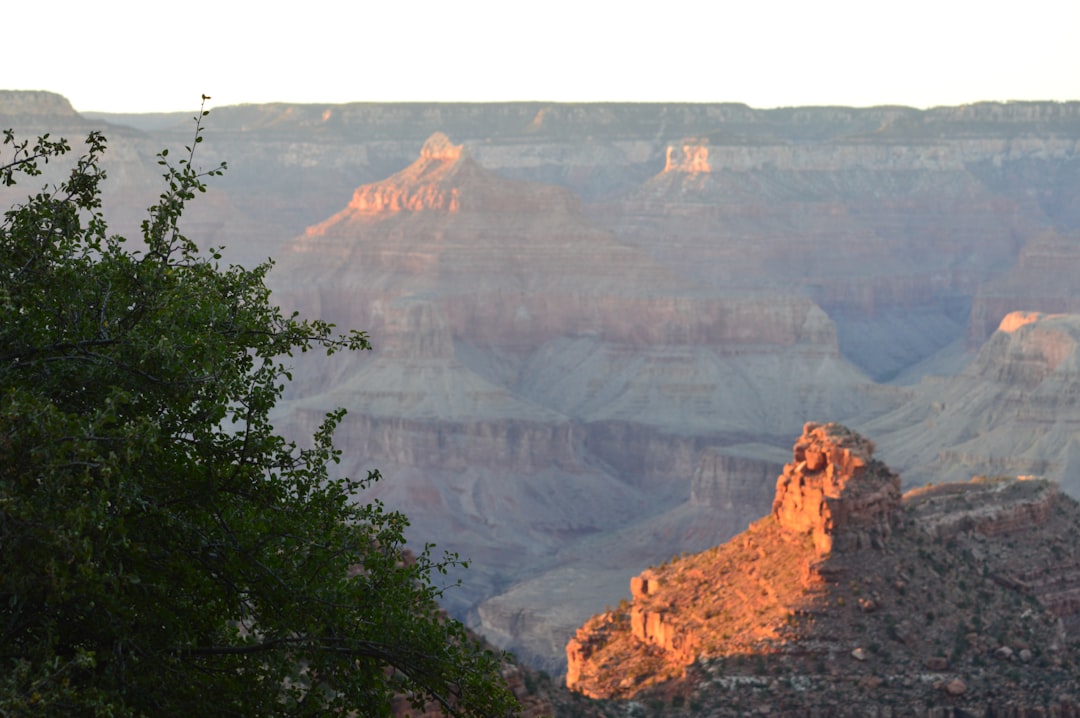
Standing on the edge of one of nature’s most spectacular creations, artists have discovered that the Grand Canyon provides natural acoustics that rival any concert hall. The massive rock formations create complex echo patterns that can make a single guitar sound like an entire orchestra. Jason Mraz famously performed a surprise acoustic set on the canyon’s edge, with his voice carrying across the vast expanse and returning as haunting echoes.
The visual experience is equally stunning – performers play against a backdrop of layered rock that tells the story of millions of years of geological history. Sunset concerts are particularly magical, with the changing light painting the canyon walls in brilliant oranges and reds while music floats through the desert air. The thin air at high altitude can affect both vocal performance and instrument tuning, adding another layer of challenge to this already extraordinary venue.
A Submarine (Various Locations)
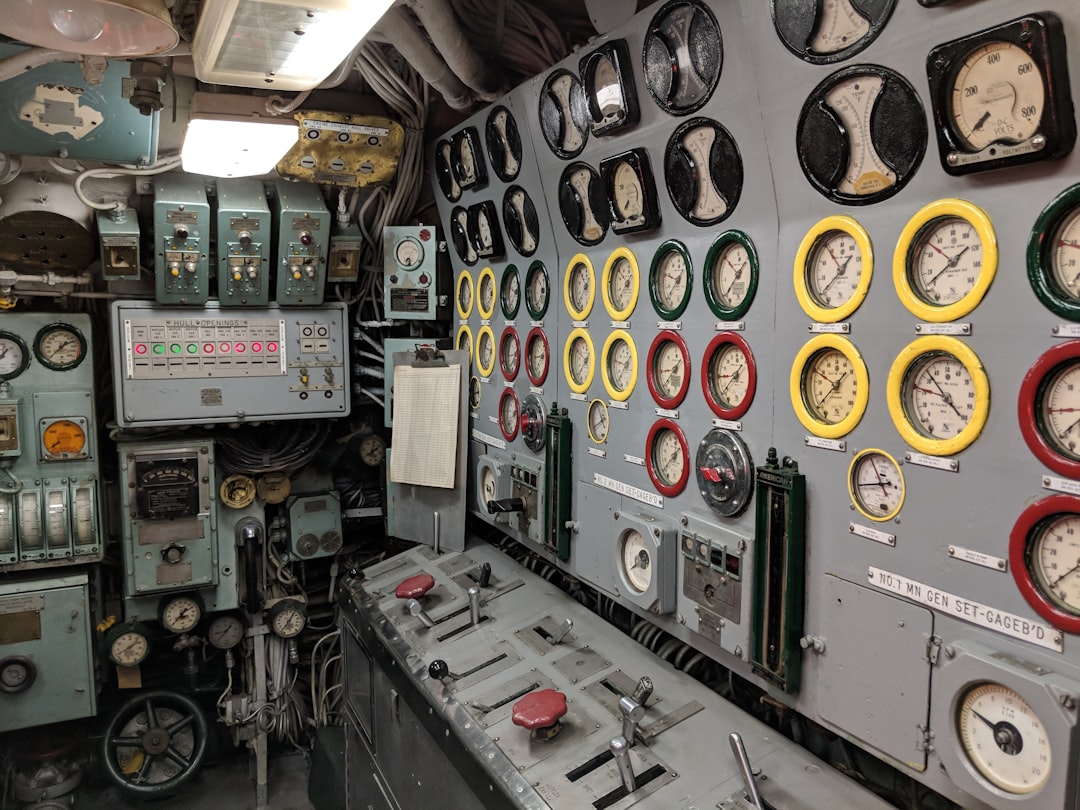
Imagine being packed into a metal tube 100 feet underwater while your favorite band plays in the cramped quarters around you. Metallica made the Guinness Book Of World Records by being the only band ever to play all seven continents on earth in a year, and their Antarctic performance shows how artists are pushing the boundaries of unusual venues. Submarine concerts push the envelope even further, with artists performing in spaces designed for warfare, not music.
The claustrophobic environment creates an intimacy that’s impossible to achieve anywhere else – you’re literally trapped with the music, with no escape until the submarine surfaces. The metal walls create unique reverb patterns, and the constant hum of the submarine’s systems adds an industrial backdrop to every performance. Artists describe the experience as both exhilarating and nerve-wracking, knowing that they’re completely dependent on the submarine’s crew for their safety while they perform.
The North Pole (Arctic)
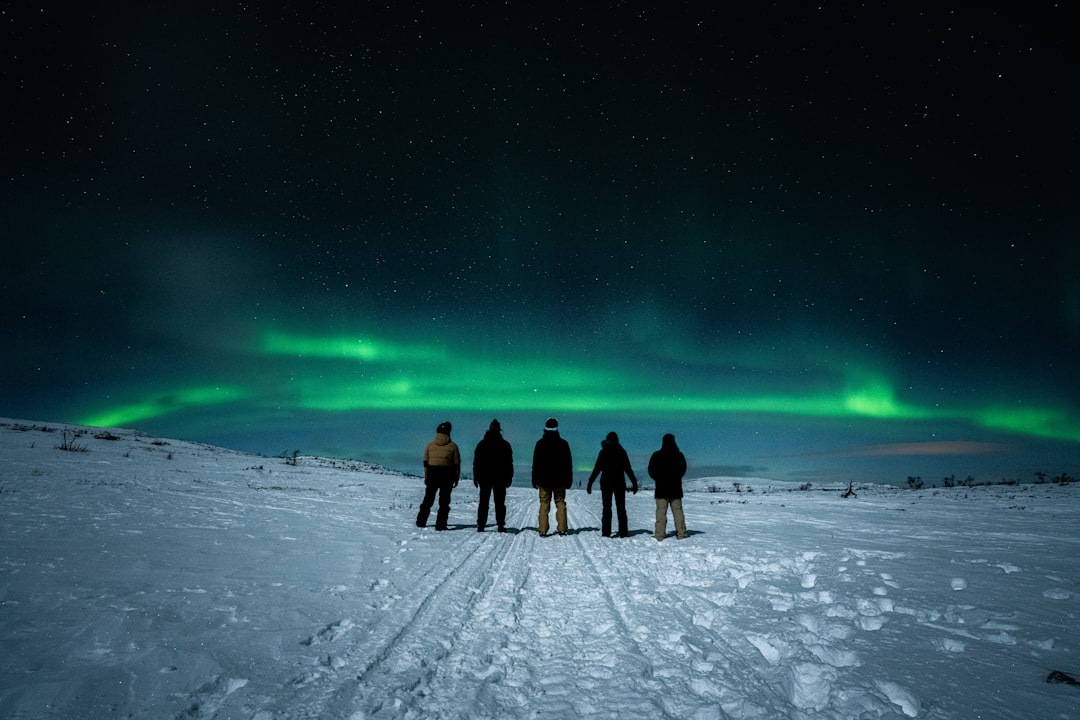
At the literal top of the world, where temperatures can drop to -40°C (-40°F), a few daring musicians have performed for environmental awareness campaigns. Metallica made the Guinness Book Of World Records by being the only band ever to play all seven continents on earth in a year. It’s quite a feat, and James Hetfield said “We were literally at the bottom of the earth for one of the most unique, special and unforgettable days in our 30+ years as a band.” While this quote refers to Antarctica, it shows how extreme location concerts have become part of major artists’ careers.
Equipment failures are common in these extreme conditions – strings snap from the cold, electronic equipment malfunctions, and performing in heavy arctic gear limits mobility. But the few who’ve braved these conditions describe an almost spiritual experience, playing music at the point where all time zones converge. The aurora borealis often provides a natural light show, creating one of the most spectacular concert backdrops imaginable.
The Underwater Concert (Maldives)
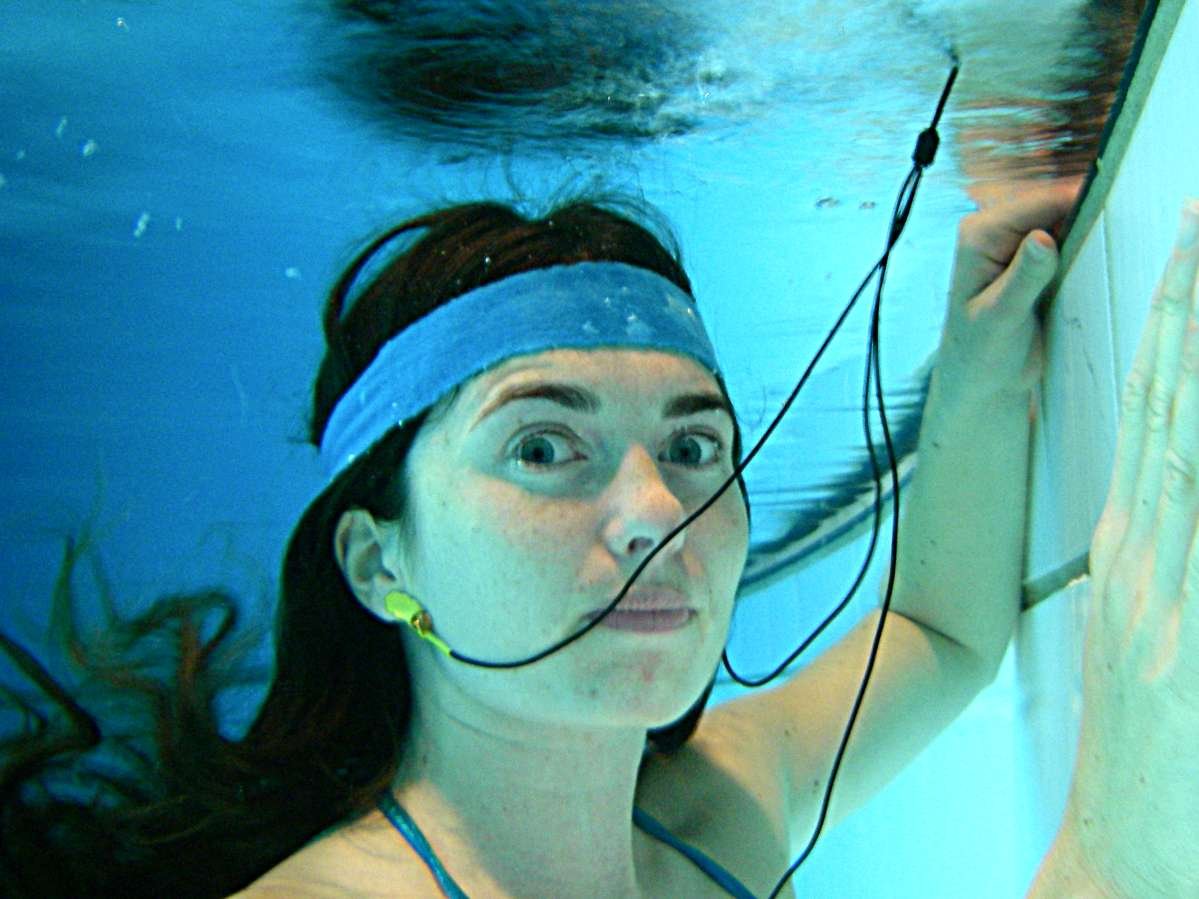
Taking the concept of immersive music to its logical extreme, underwater concerts in the Maldives feature musicians performing on a submerged stage while audiences float above them with snorkeling gear. The sound travels through the water in ways that create entirely new musical experiences – bass notes become physical vibrations that you feel in your chest, while higher frequencies create shimmering effects that dance through the water.
The logistics are mind-boggling: instruments must be specially waterproofed, and musicians need to be accomplished divers as well as performers. The visual element is equally stunning, with colorful tropical fish often swimming through the performance space, creating a living, breathing backdrop that changes throughout the show. The limited air supply adds urgency to the performance, making every note precious and every moment count.
The Chernobyl Exclusion Zone (Ukraine)
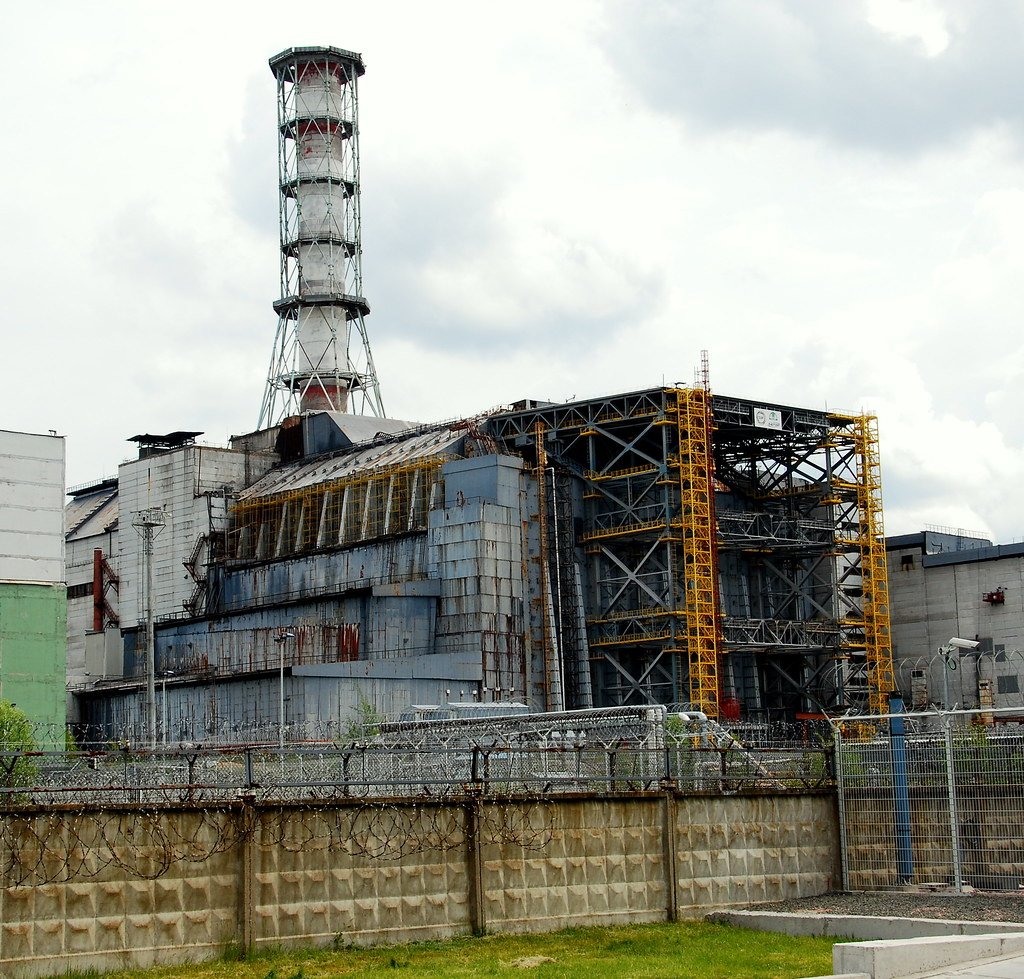
In one of the most controversial concert locations ever chosen, some artists have performed near the abandoned Chernobyl nuclear power plant, surrounded by the remnants of the 1986 disaster. Sex Pistols weren’t the first musical act to play in a prison – Johnny Cash was fond of showing up to entertain the inmates – but they were certainly one of the more bizarre examples. On 17 September 1976, the group performed at Chelmsford prison, showing how unusual venues have long been part of music history.
The haunting atmosphere of abandoned buildings, overgrown with vegetation and slowly being reclaimed by nature, creates a post-apocalyptic setting that’s both beautiful and disturbing. Musicians describe the experience as emotionally overwhelming, playing in a place where human tragedy and environmental disaster intersect. The Geiger counter clicks adding a rhythmic backdrop to the music, while the empty city of Pripyat stretches out like a concrete ghost town.
The Salt Mines (Wieliczka, Poland)
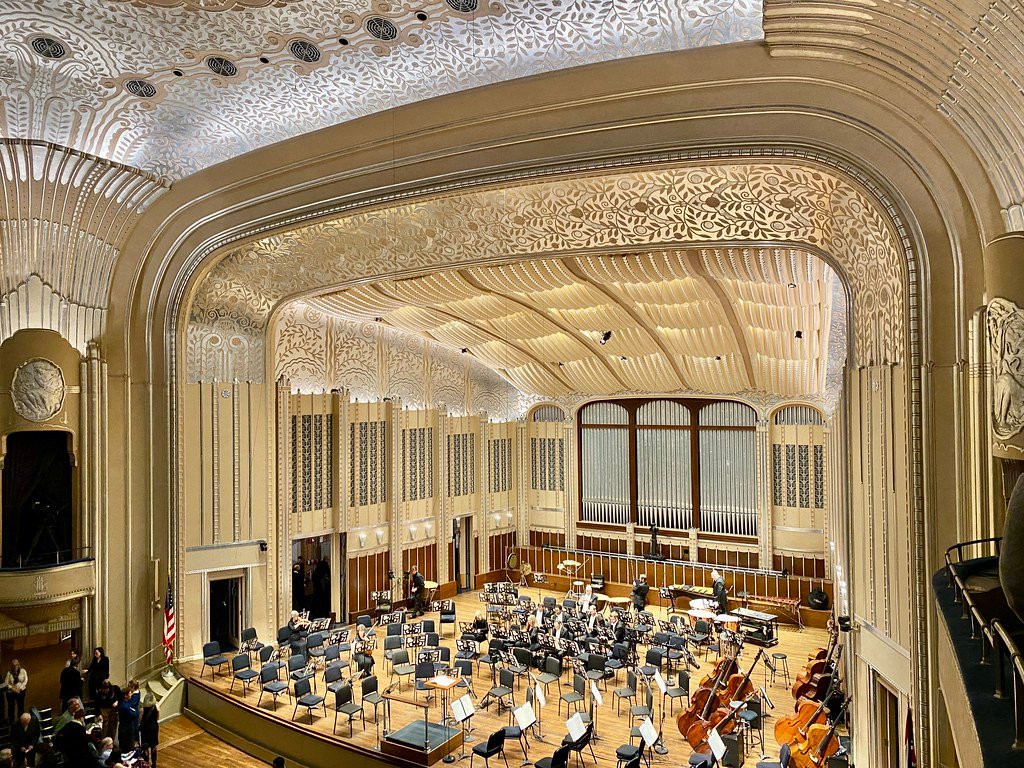
Deep underground in chambers carved entirely from salt, musicians have discovered acoustic properties that rival the world’s greatest concert halls. The salt walls create natural reverb that enhances every instrument, while the massive underground chambers provide space for full orchestras. These mines have been in operation for over 700 years, and the carved salt formations create an otherworldly backdrop for performances.
The constant temperature and humidity make it an ideal environment for instruments, though the salt air can affect vocal cords in unexpected ways. Musicians often describe their voices feeling different in the salt-heavy atmosphere, with some claiming it actually improves their vocal quality. The visual impact is stunning – entire chambers lit by crystal chandeliers, with walls that sparkle like diamonds and floors polished smooth by centuries of use.
The International Space Station (Space)

Taking concerts to literally new heights, NASA astronauts have performed live music in zero gravity aboard the International Space Station. The complete lack of gravity creates unique challenges – instruments float away if not secured, and the physics of sound work differently in the enclosed, pressurized environment. Acoustic guitars sound different when both the instrument and the player are floating, and wind instruments behave unpredictably in microgravity.
The view from the “venue” is unparalleled – Earth slowly rotating beneath the performers as they play, with the sun rising and setting every 90 minutes. The psychological impact on both performers and the limited audience is profound, with many describing it as a transcendent experience that changes their perspective on music and life. The performances are often broadcast live to Earth, creating a unique connection between space and terrestrial audiences.
A Moving Train (Various Locations)
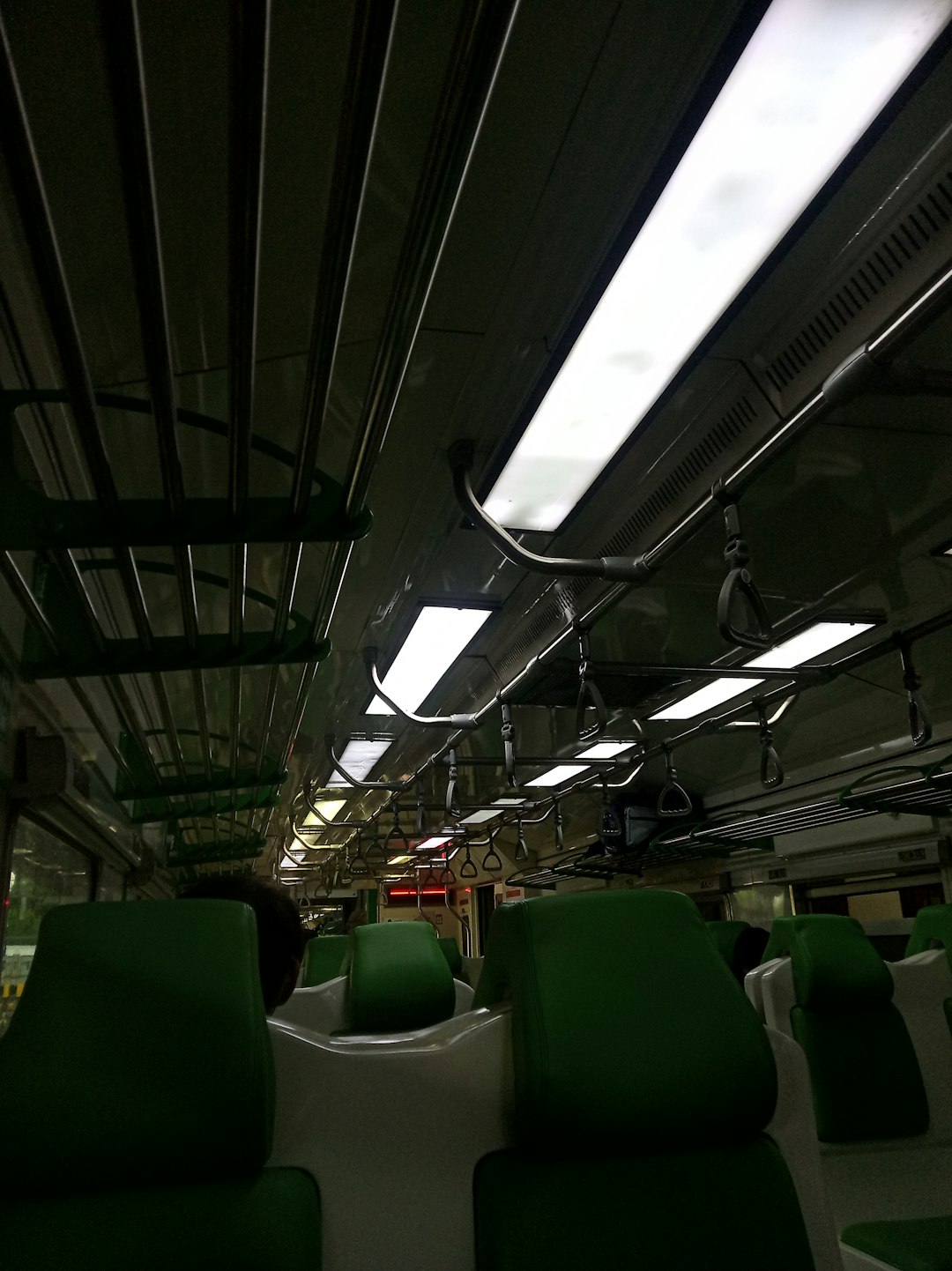
Folk and blues musicians have long embraced the romance of railway travel, creating moving concerts that travel hundreds of miles while the music plays. The rhythmic clacking of wheels on tracks provides a natural percussion backdrop, while the changing landscape outside the windows creates a constantly shifting visual experience. These concerts capture the wandering spirit of traditional American music, connecting performers and audiences to the historical roots of train travel.
The acoustic challenges are significant – the noise of the train, the swaying motion that affects both performers and instruments, and the limited space that forces intimate performances. Musicians adapt by using the train’s natural sounds as part of their performance, incorporating the whistle blows and track rhythms into their music. The journey becomes part of the experience, with different landscapes inspiring different songs and the arrival at each station marking natural intermissions in the performance.
The Bottom of a Pool (London, UK)
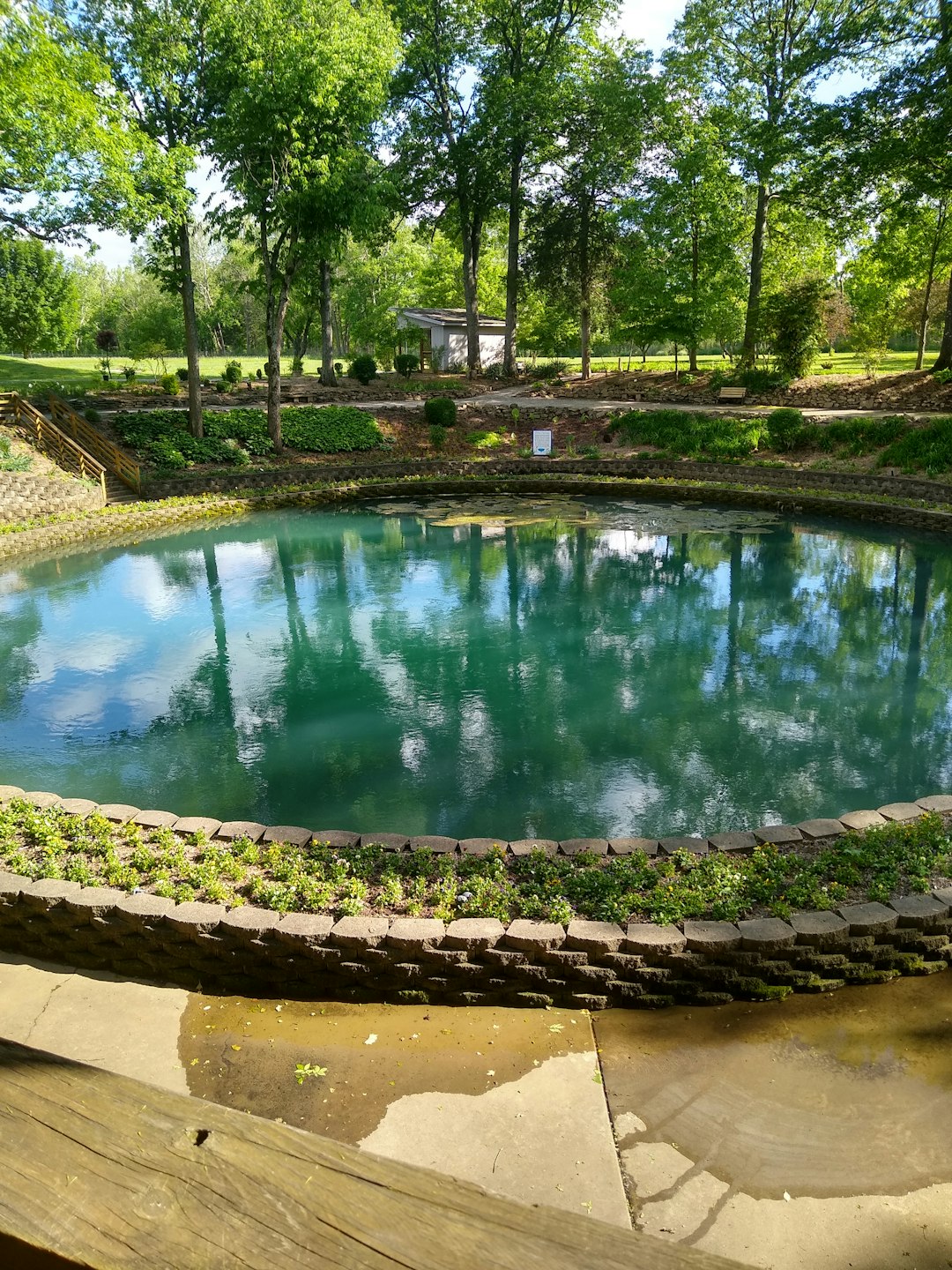
In empty swimming pools converted into concert venues, artists perform while audiences sit or stand in the deep end, creating an amphitheater-like setting with unique acoustic properties. The curved walls and hard surfaces create complex echo patterns that can make a solo performer sound like a full band. It’s gearing up to be a great summer of music in 2024 – but where are the weirdest places your favourite artists have put on a show? Venues are soooo last year, showing how alternative venues are becoming increasingly popular.
The visual impact is striking – performers literally at the bottom of the pool, with audiences looking down at them from the pool’s edge or sitting on the sloped sides. The acoustics are phenomenal, with sound bouncing off the walls and floor in ways that create natural reverb and amplification. The psychological aspect is equally interesting, as both performers and audiences must adapt to being in a space normally filled with water, creating an almost surreal concert experience.
The Treehouse Stage (Sweden & USA)
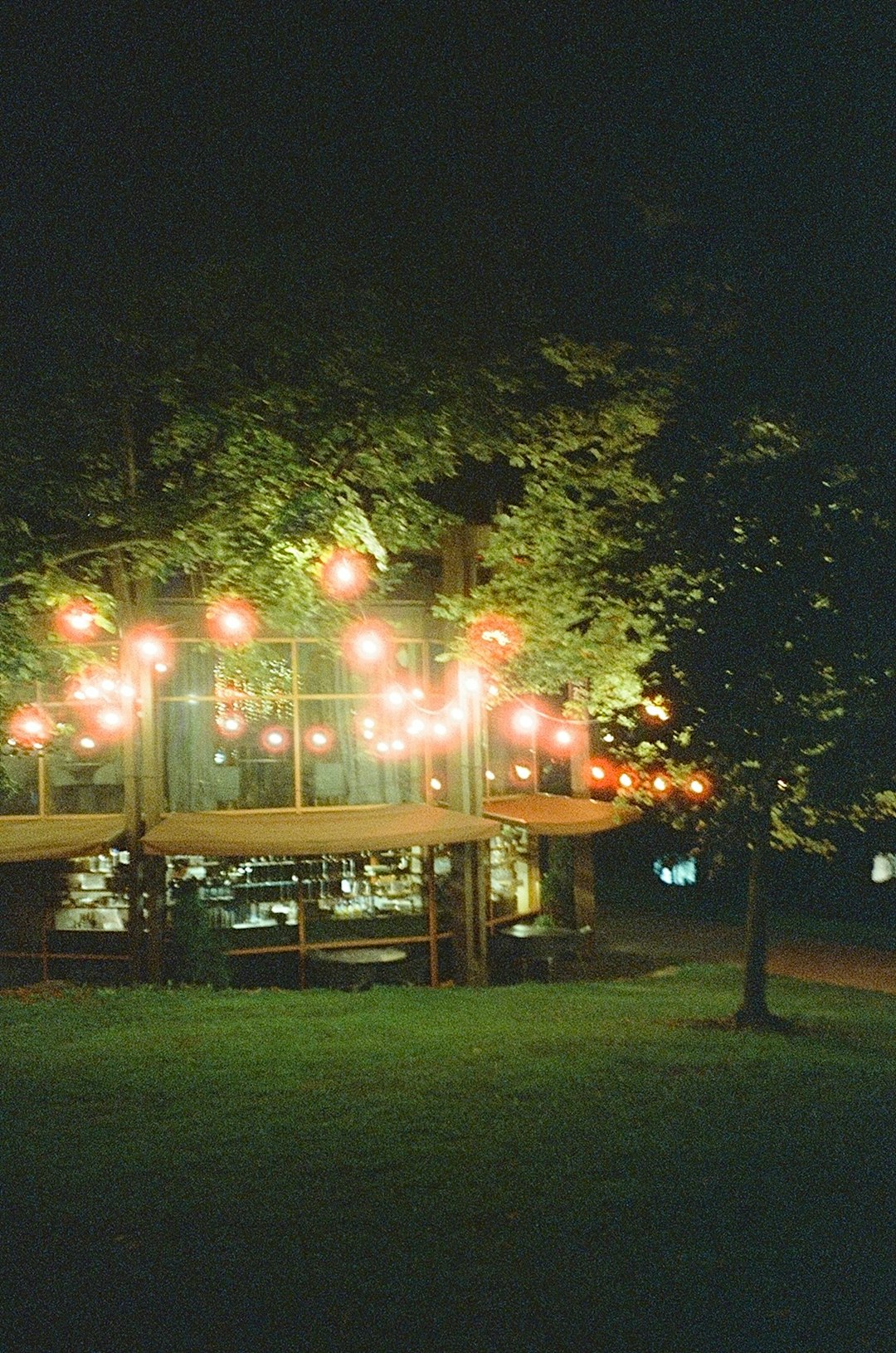
High above the forest floor, some of the world’s most unique concert venues are built into massive trees, creating performances that literally elevate the audience into the canopy. Dalhalla is a spectacular open-air concert venue in a former limestone quarry near Rättvik in Dalarna. Surrounded by dramatic natural rock formations, it offers a breathtaking backdrop for performances by both local and international artists, showing how unique natural venues are becoming part of Sweden’s music scene.
The swaying of the trees in the wind adds a natural rhythm to the performance, while the sounds of birds and rustling leaves create an organic backdrop. Musicians describe the experience as primal and peaceful, reconnecting them with nature while sharing their music. The limited audience size creates intense intimacy, with every person able to see and hear the performance clearly. The challenge of getting instruments and equipment up into the trees adds an element of adventure to every show.
A Prison (Folsom, USA)
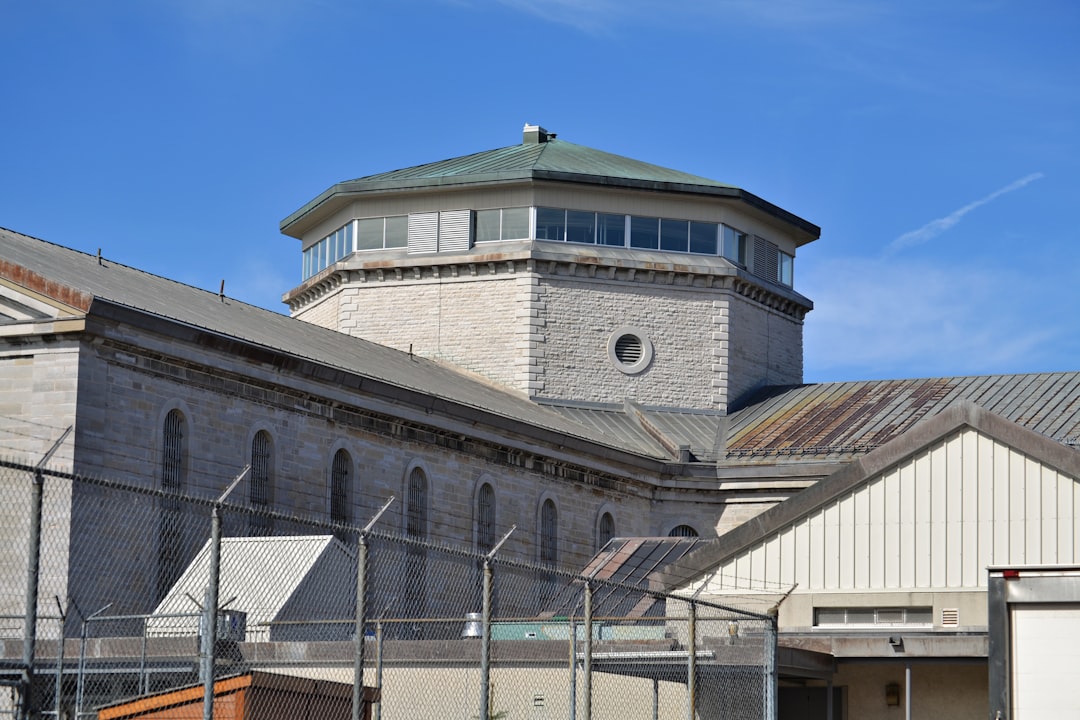
Johnny Cash’s legendary performance at Folsom Prison in 1968 proved that some of the most powerful concerts happen in the most unlikely places. Sex Pistols weren’t the first musical act to play in a prison – Johnny Cash was fond of showing up to entertain the inmates – but they were certainly one of the more bizarre examples. On 17 September 1976, the group performed at Chelmsford prison. They didn’t even have a record out and the prisoners were bemused by the primeval racket they came out with.
The atmosphere in prison concerts is electric in ways that normal venues can’t match – the audience is literally captive, creating an intensity and focus that’s impossible to replicate. Musicians describe feeling the weight of the inmates’ experiences, with songs taking on new meanings in the context of confinement and loss of freedom. The security restrictions add challenges, but also create an authenticity that strips away the usual concert artifice, leaving only the raw connection between performer and audience.
Inside a Volcano (Iceland)
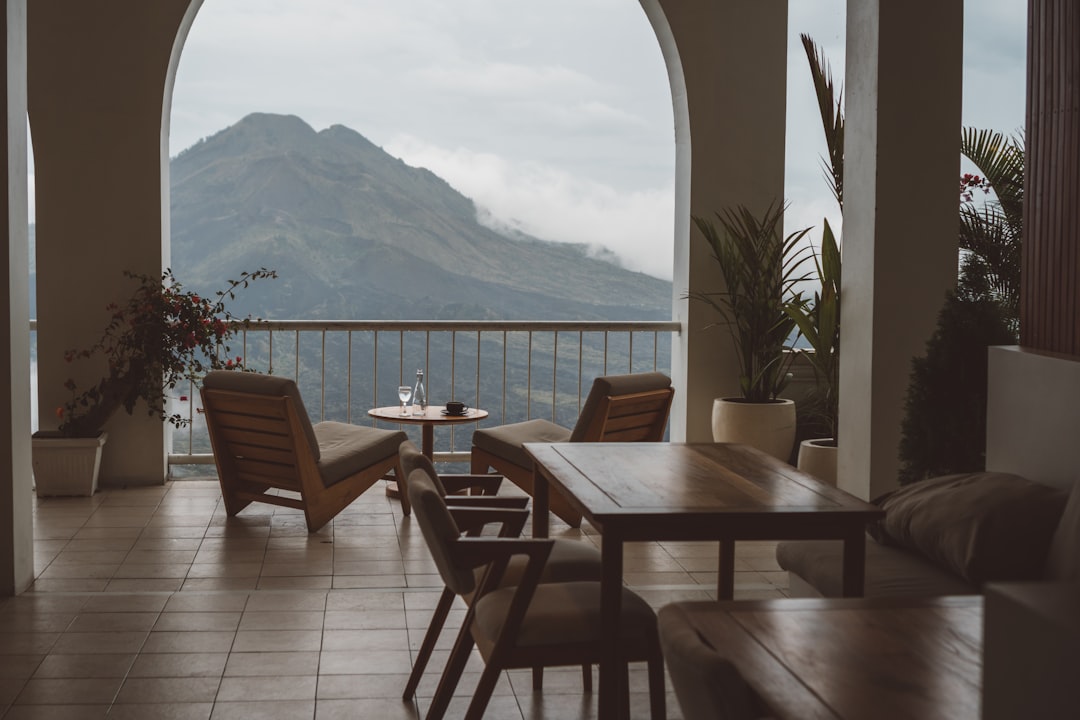
Deep inside the magma chamber of a dormant volcano in Iceland, musicians have performed in what might be the most extreme concert venue on Earth. The Þríhnúkagígur volcano, which last erupted 4,000 years ago, offers a cathedral-like space with natural acoustics that are both powerful and otherworldly. The mineral-rich walls create colors that shift and change as lighting moves across them, providing a backdrop that’s both beautiful and terrifying.
Getting to the venue requires descending 120 meters into the Earth via a specialized elevator, and the temperature remains constant at around 5-6°C (41-43°F) year-round. The psychological impact of performing inside a volcano – even a dormant one – is profound, with musicians describing feelings of being connected to the raw power of the Earth itself. The acoustic properties are extraordinary, with the large chamber creating natural reverb that can make a whisper sound like a roar, and the unique mineral composition of the walls adding subtle harmonic qualities to the music.
Conclusion
From the depths of the ocean to the heights of space, musicians continue to push the boundaries of where and how music can be performed. These extraordinary venues prove that the right location can transform a simple song into a transcendent experience, creating memories that last a lifetime for both performers and audiences. Each of these strange concert locations offers something that traditional venues cannot – a connection to history, nature, or human experience that makes the music more meaningful.
The trend toward unusual concert venues shows no signs of slowing down, with artists constantly seeking new ways to surprise and delight their audiences. Whether it’s the practical challenges of performing in extreme conditions or the emotional impact of playing in historically significant locations, these venues remind us that music is about more than just sound – it’s about creating moments that touch the soul. What’s the strangest place you’d be willing to hear your favorite band play?
CEO-Co-Founder
