
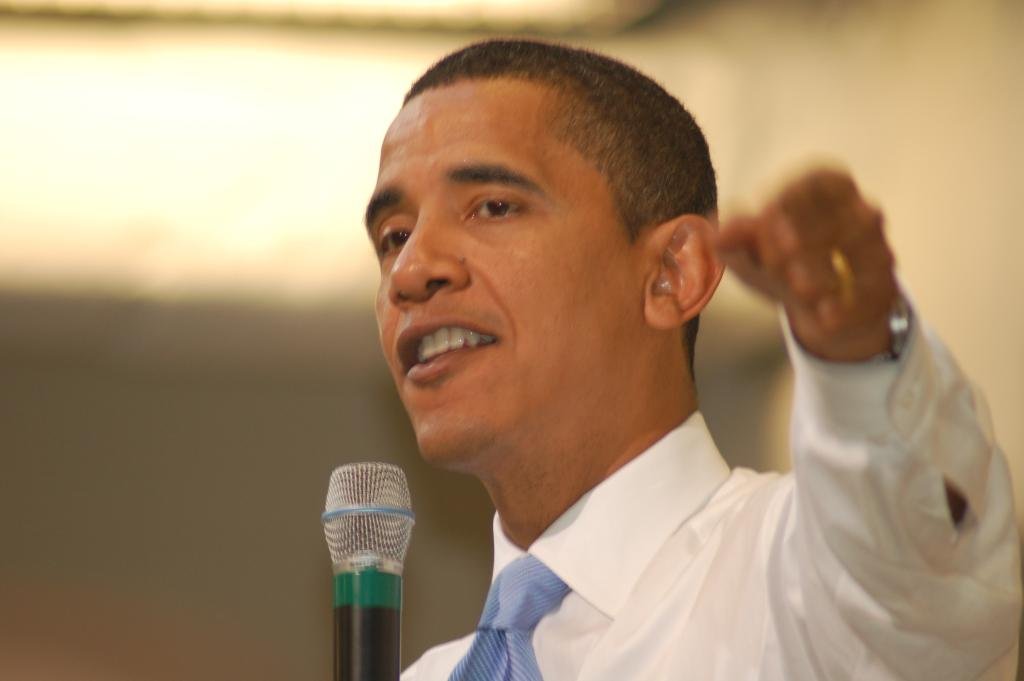

The Jackson Portrait That Redefined Presidential Power
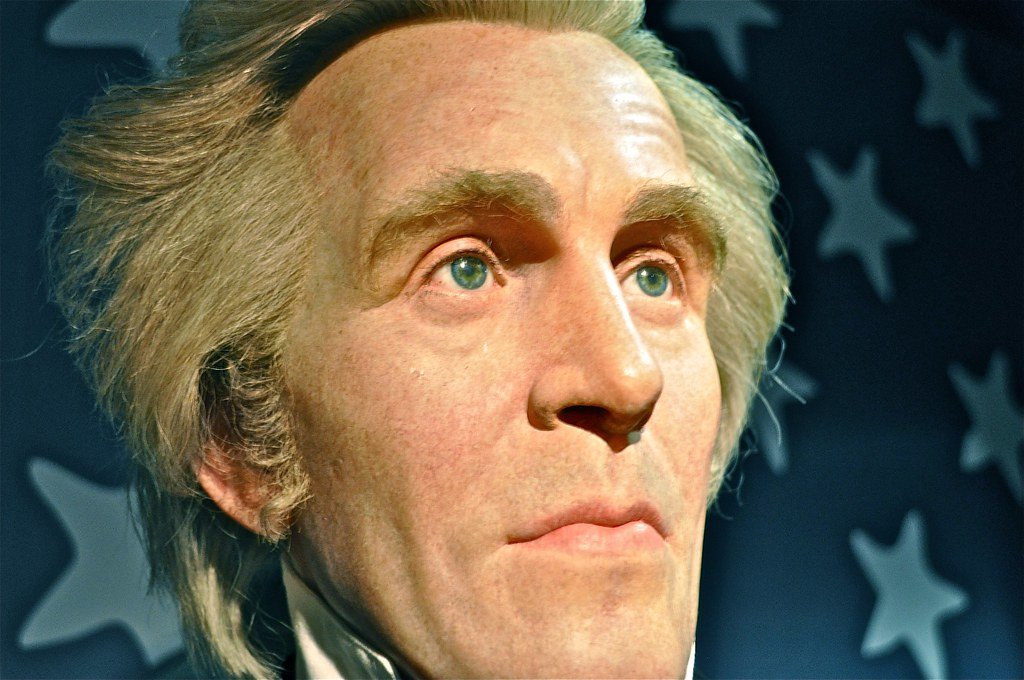
When James Parton released his massive biography of Andrew Jackson in 1860, he unknowingly created the template for how Americans would forever view their presidents. The book humanized Jackson and helped elevate the idea of the “self-made man” in American politics. Unlike previous presidential accounts that focused on policy achievements or formal history, Parton painted Jackson as a flawed but genuine American hero who rose from humble beginnings through sheer determination.
This wasn’t just another political biography—it was a revolutionary approach to understanding power. Parton’s Jackson emerged as a man of the people, someone who understood their struggles because he had lived them. The timing proved crucial, as America was heading toward Civil War and needed leaders who could connect with ordinary citizens. The book’s influence stretched far beyond its publication date, shaping how future candidates would present themselves to voters.
The “Jackson myth” that Parton created became the gold standard for political reinvention. Every subsequent presidential candidate who claimed to be an outsider or man of the people was borrowing from Parton’s playbook. This single biography transformed American political discourse from aristocratic civility to populist authenticity.
Henry Adams and the Intellectual’s Dilemma
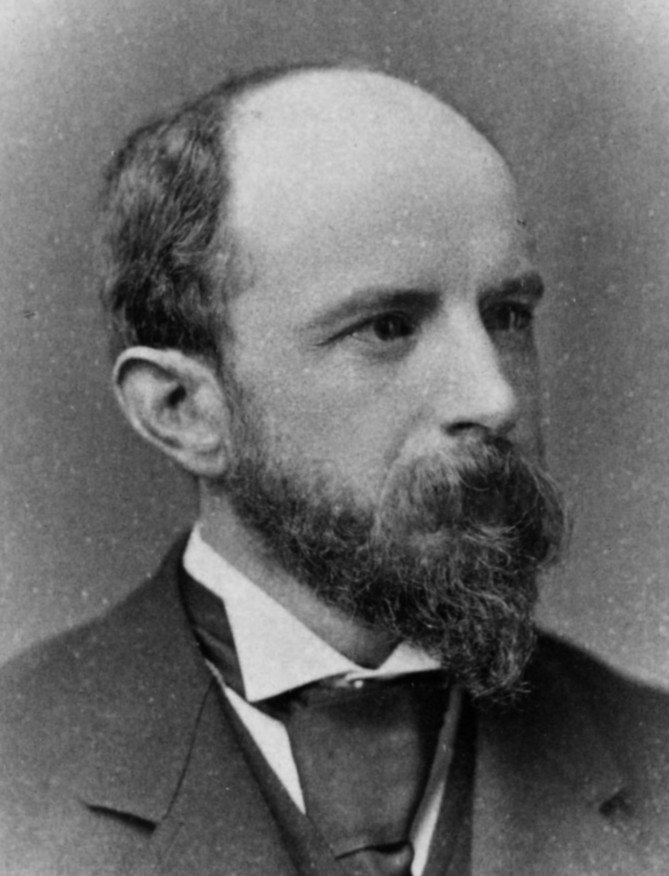
Henry Adams never intended “The Education of Henry Adams” to become a political game-changer when he privately published it in 1907, then released it publicly in 1918. Yet this introspective masterpiece fundamentally altered how Americans thought about leadership, power, and the relationship between intellect and politics. Adams, descendant of two presidents, wrote with the bitter wisdom of someone who had witnessed the corruption of American ideals.
The book’s impact on political thought was profound and lasting. Adams argued that traditional education and aristocratic breeding were inadequate for understanding the modern world’s complexities. His pessimistic view of democracy and technological progress influenced generations of political thinkers who grappled with similar questions about America’s direction.
Politicians began to realize that appearing too intellectual could be a liability, while simultaneously recognizing that voters craved authentic reflection on the challenges facing the nation. Adams had unknowingly created a new category of political memoir—one that questioned rather than celebrated American exceptionalism.
Coolidge’s Conservative Blueprint

Calvin Coolidge’s 1929 autobiography might seem like a relic from a bygone era, but it established the conservative political memoir as a distinct genre. Published during the tumultuous transition from the Roaring Twenties to the Great Depression, Coolidge’s restrained prose and emphasis on limited government resonated with Americans seeking stability. His famous declaration that “the business of America is business” became a rallying cry for conservative politicians for decades.
The book’s influence extended far beyond its immediate reception. Coolidge portrayed himself as the ideal restrained leader—someone who governed through careful inaction rather than dramatic intervention. This philosophy directly influenced Ronald Reagan’s approach to the presidency and continues to shape conservative political strategy today.
What made Coolidge’s memoir particularly powerful was its timing. As America faced economic uncertainty, his vision of principled minimalism offered an alternative to the activist government that would soon emerge under FDR. The book became a conservative Bible, consulted by politicians seeking to understand how restraint could be presented as strength.
Kennedy’s Courage and Political Calculation
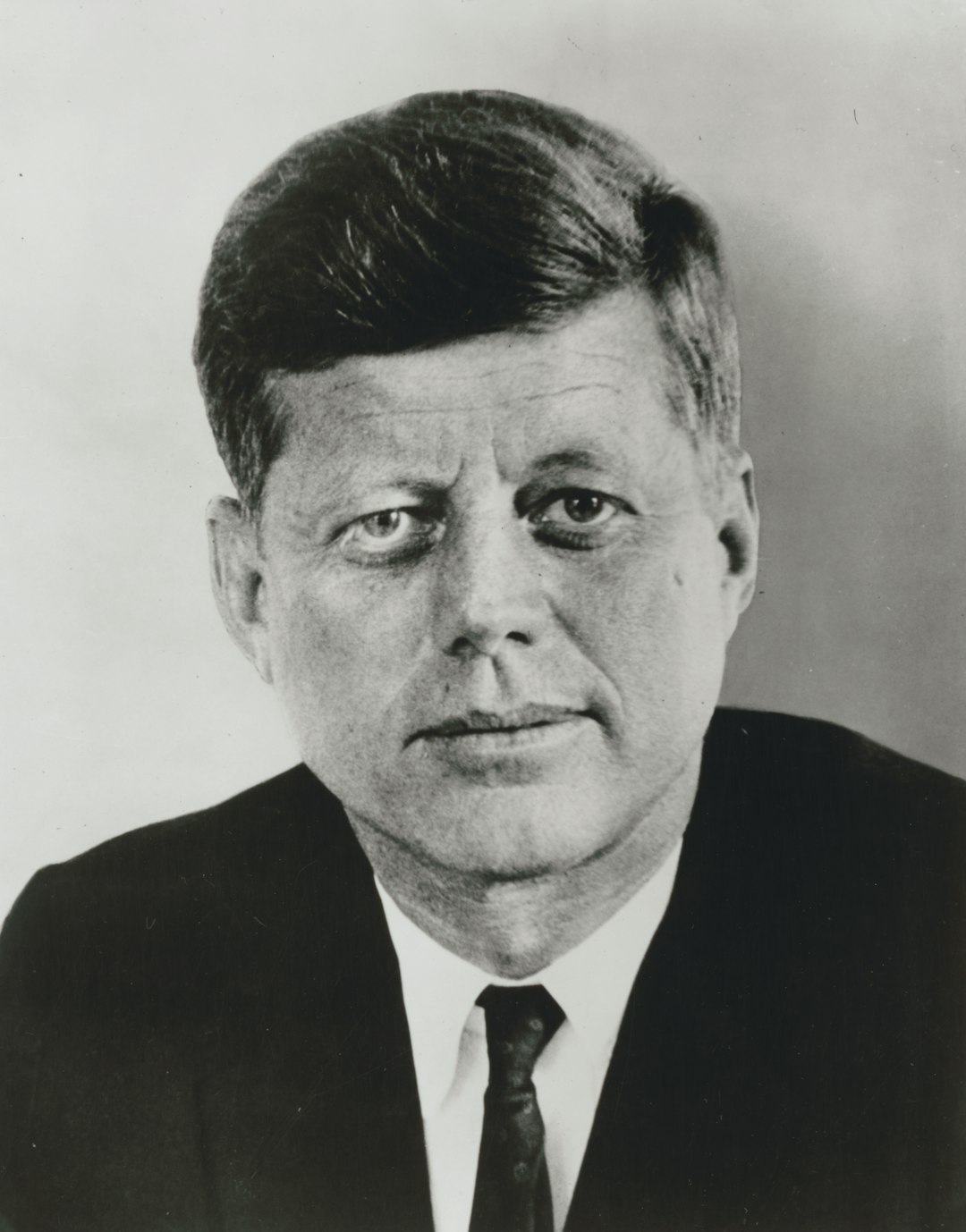
John F. Kennedy’s “Profiles in Courage” accomplished something unprecedented in American politics—it won the Pulitzer Prize for a sitting politician and helped launch a presidential campaign. Published in 1956, the book ostensibly celebrated senators who had risked their careers for principled stands, but it actually served as Kennedy’s audition for national leadership.
The book’s real genius lay in its subtle self-promotion. By championing political courage, Kennedy positioned himself as someone who possessed this rare virtue. After Obama won the U.S. Senate Democratic primary victory in Illinois in 2004, the book was re-published that year. He gave the keynote address at the 2004 Democratic National Convention (DNC) and won the US Senate seat in the fall. Kennedy’s approach became the template for how politicians could use biography to establish their credentials and moral authority.
The book’s impact on the 1960 election was immeasurable. It gave Kennedy intellectual credibility that helped him compete with more experienced politicians like Lyndon Johnson and Hubert Humphrey. More importantly, it established the idea that presidential candidates needed to be authors as well as politicians—a requirement that persists today.
Goldwater’s Conservative Manifesto
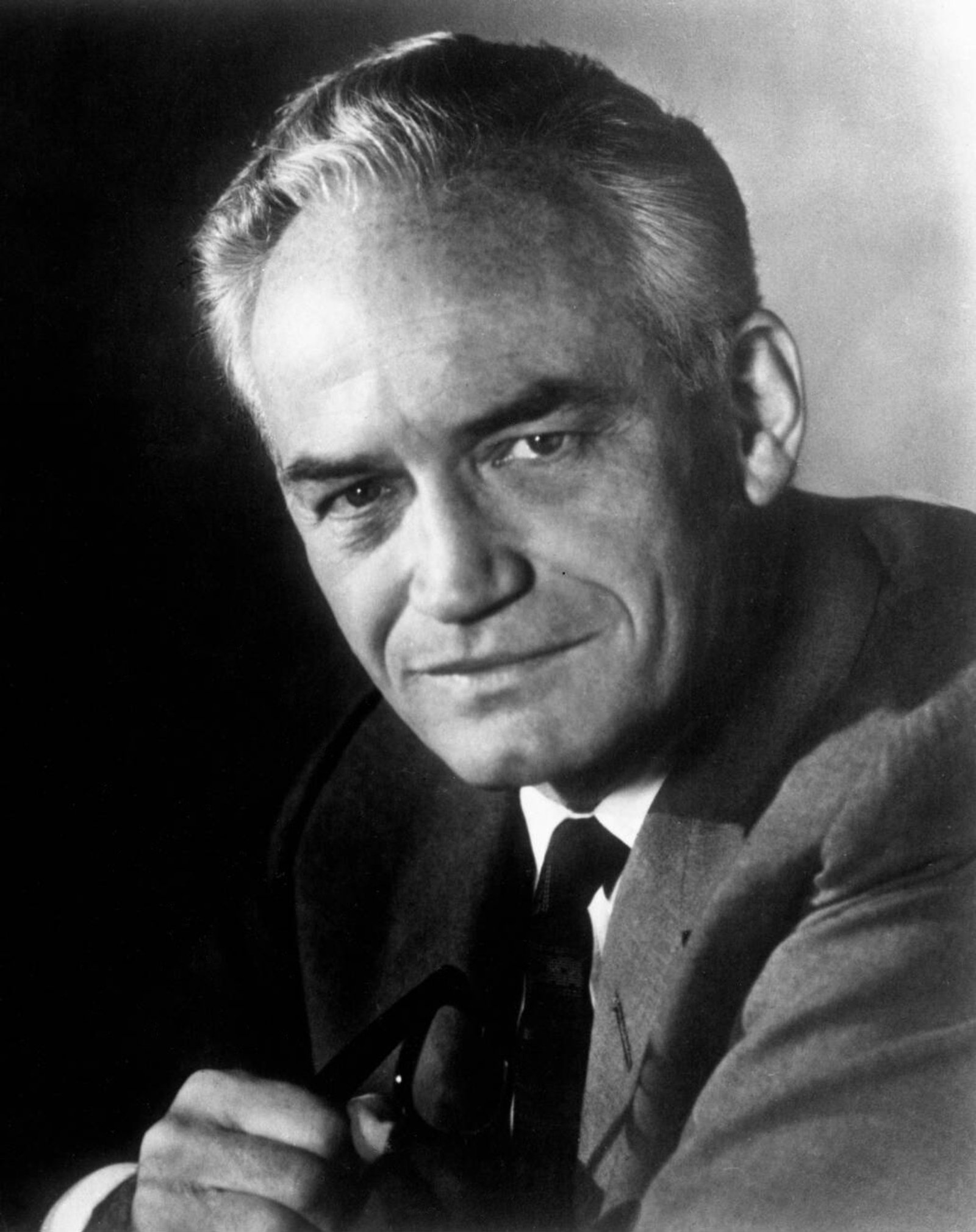
Barry Goldwater’s “The Conscience of a Conservative” wasn’t technically a biography, but it functioned as one by defining modern American conservatism through Goldwater’s personal philosophy. Published in 1960 and actually written by L. Brent Bozell, the book became the bible of the conservative movement and directly influenced the Reagan revolution of the 1980s.
The book’s power came from its uncompromising vision of limited government and individual liberty. Goldwater didn’t apologize for conservative principles or try to moderate them for mass appeal. Instead, he presented a clear alternative to the liberal consensus that had dominated American politics since the New Deal. This approach revolutionized how politicians could use ideological purity as a campaign strategy.
Although Goldwater lost the 1964 election badly, his book’s influence grew over time. It provided the intellectual framework for conservative politicians who followed, from Ronald Reagan to Newt Gingrich to the Tea Party movement. The book proved that losing an election didn’t mean losing the ideological war.
Theodore White’s Campaign Revolution
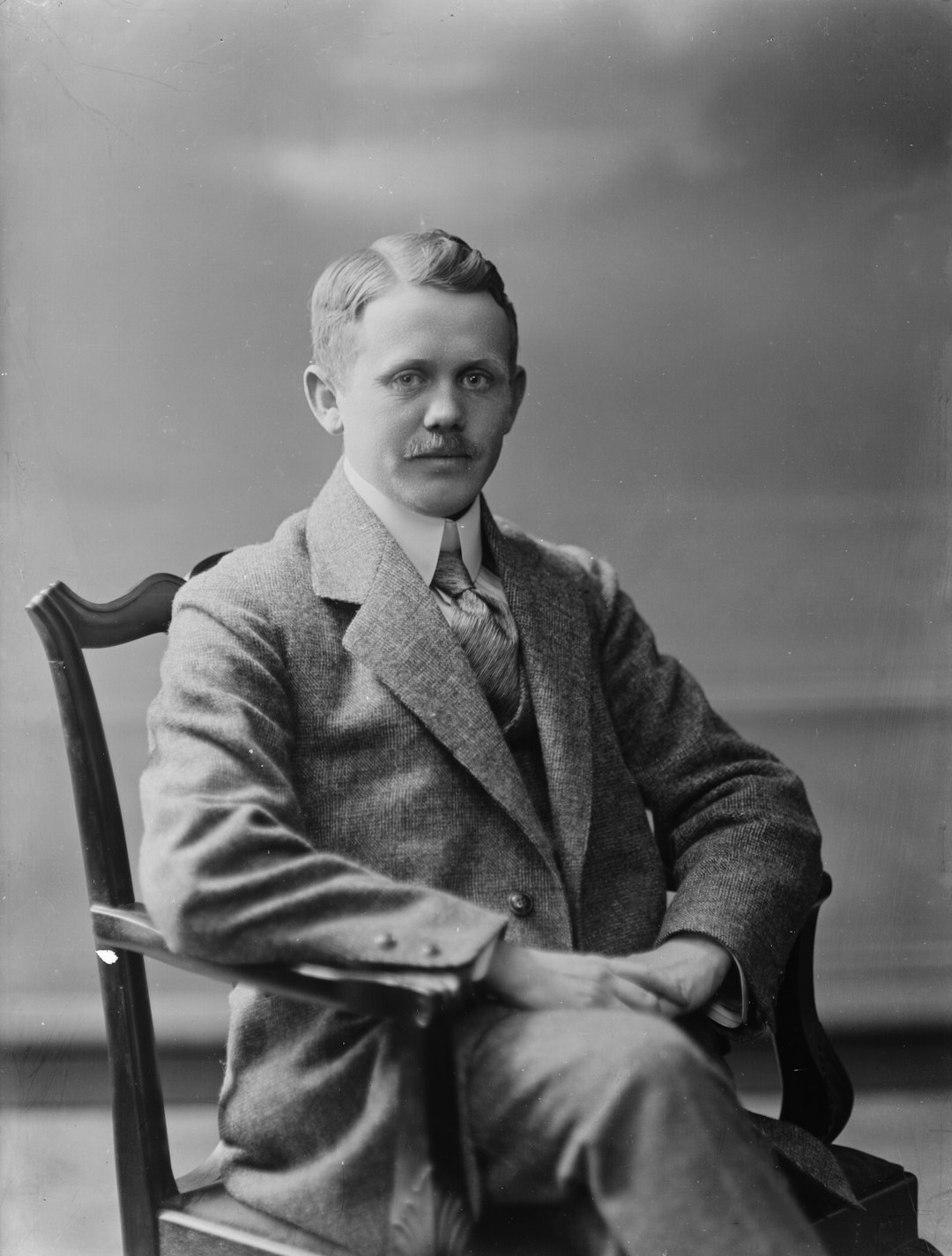
The Making of the President 1960, written by journalist Theodore H. White and published by Atheneum Publishers in 1961, is a book that recounts and analyzes the 1960 election in which John F. Kennedy was elected President of the United States. The book won the 1962 Pulitzer Prize for General Nonfiction and was the first in a series of books by White about American presidential elections. But this wasn’t just excellent journalism—it was a biography that changed how Americans understood their political process.
The Making of the President 1960 is the book that revolutionized—even created—modern political journalism. Granted intimate access to all parties involved, Theodore White crafted an almost mythic story of the battle that pitted Senator John F. Kennedy against Vice-President Richard M. Nixon—from the decisive primary battles to the history-making televised debates, the first of their kind. White’s approach transformed political reporting from dry policy analysis to compelling human drama.
The book’s influence on political biography was revolutionary. White’s intimate style of journalism, which had its critics as well as its supporters, had a great influence on campaign coverage. He won the 1962 Pulitzer Prize for general nonfiction for The Making of the President, 1960; he was also acclaimed for his exclusive interview with Jacqueline Kennedy in the aftermath of her husband’s assassination, in which White compared the short-lived presidency of John F. Kennedy with the legend of Camelot. White proved that political biographies could be both informative and entertaining, setting the standard for all future campaign coverage.
Robert Kennedy’s Martyred Legacy
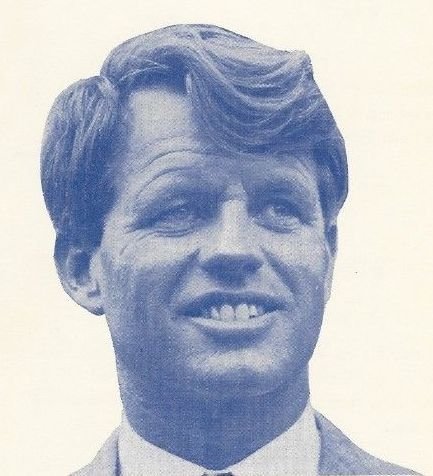
Arthur Schlesinger Jr.’s “Robert Kennedy and His Times” didn’t just chronicle the life of a fallen political figure—it created the template for how progressive politicians could claim the mantle of moral leadership. Published in 1978, a decade after RFK’s assassination, the book transformed Bobby Kennedy from a controversial political figure into a saint of American liberalism.
Schlesinger’s portrayal of Kennedy as a champion of civil rights and social justice became the gold standard for progressive political identity. The book’s influence extended far beyond its immediate readership, shaping how future Democratic politicians like Barack Obama and Bernie Sanders would present themselves to voters. Kennedy’s journey from ruthless political operator to compassionate advocate became a model for political redemption.
The book’s timing was crucial. Published during the conservative backlash of the late 1970s, it reminded liberal readers of what progressive politics could achieve. The biography didn’t just preserve RFK’s memory—it created a political archetype that continues to influence Democratic politics today.
Reagan’s Masterful Self-Mythology
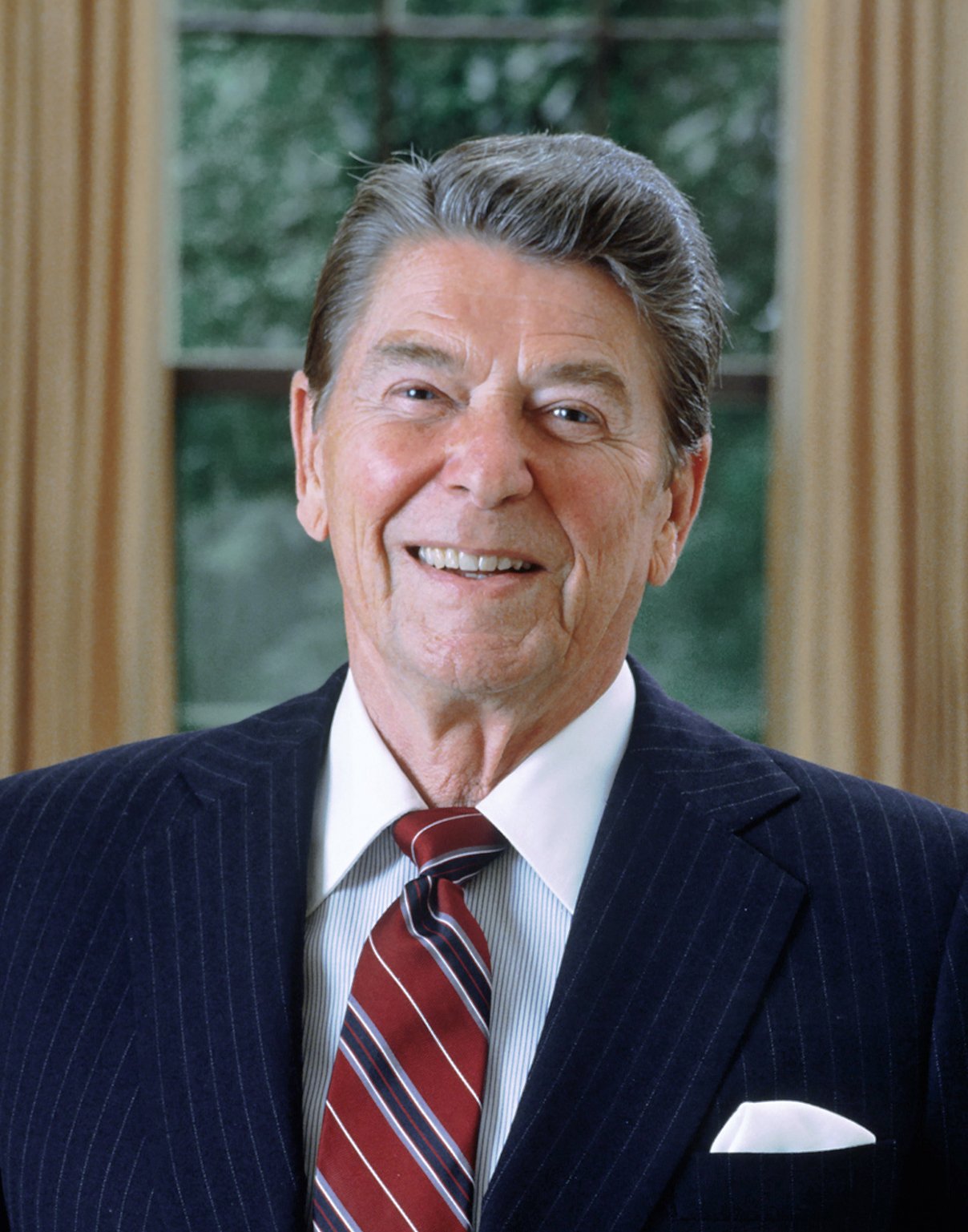
Ronald Reagan’s “An American Life,” published in 1990, represented the ultimate in political biography as image management. Written with the help of ghostwriters, the book carefully crafted Reagan’s legacy as the “Great Communicator” who restored American confidence and ended the Cold War. The memoir’s real achievement was transforming Reagan from a controversial political figure into a beloved American icon.
The book’s influence on conservative politics was profound. Reagan presented himself as the embodiment of American optimism and traditional values, creating a template that Republican politicians still follow today. The memoir’s emphasis on Reagan’s humble origins and Hollywood success story reinforced the idea that anyone could achieve greatness in America.
More importantly, the book established the post-presidential memoir as a crucial component of political legacy-building. Reagan showed how former presidents could use biography to shape historical memory and influence future political debates. The book’s success encouraged other politicians to view their memoirs as final campaigns rather than simple recollections.
Obama’s Journey to the Presidency

Dreams from My Father: A Story of Race and Inheritance (1995) is a memoir by Barack Obama that explores the events of his early years in Honolulu and Chicago until his entry into Harvard Law School in 1988. Obama originally published his memoir in 1995, when he was starting his political campaign for the Illinois Senate. The book’s initial reception was modest, but its impact on American politics would prove revolutionary.
Reprinted in 2004 and boosted by Obama’s speech at the Democratic National Convention in Boston, Dreams from My Father quickly climbed to the top of the New York Times bestseller list and sold millions of copies. It was followed two years later by The Audacity of Hope (2006), in which Obama formulated his thoughts on what he called “reclaiming the American dream” and which launched his successful presidential campaign. The book’s literary quality distinguished it from typical political memoirs, with critics comparing it to works of literature.
In 2008, The Guardian’s Rob Woodard wrote that Dreams from My Father “is easily the most honest, daring, and ambitious volume put out by a major US politician in the last 50 years.” Michiko Kakutani, the Pulitzer Prize-winning critic for The New York Times, described it as “the most evocative, lyrical and candid autobiography written by a future president.” Obama’s memoir proved that political biography could be both deeply personal and universally appealing, creating a new standard for presidential candidates.
Clinton’s Strategic Revisionism
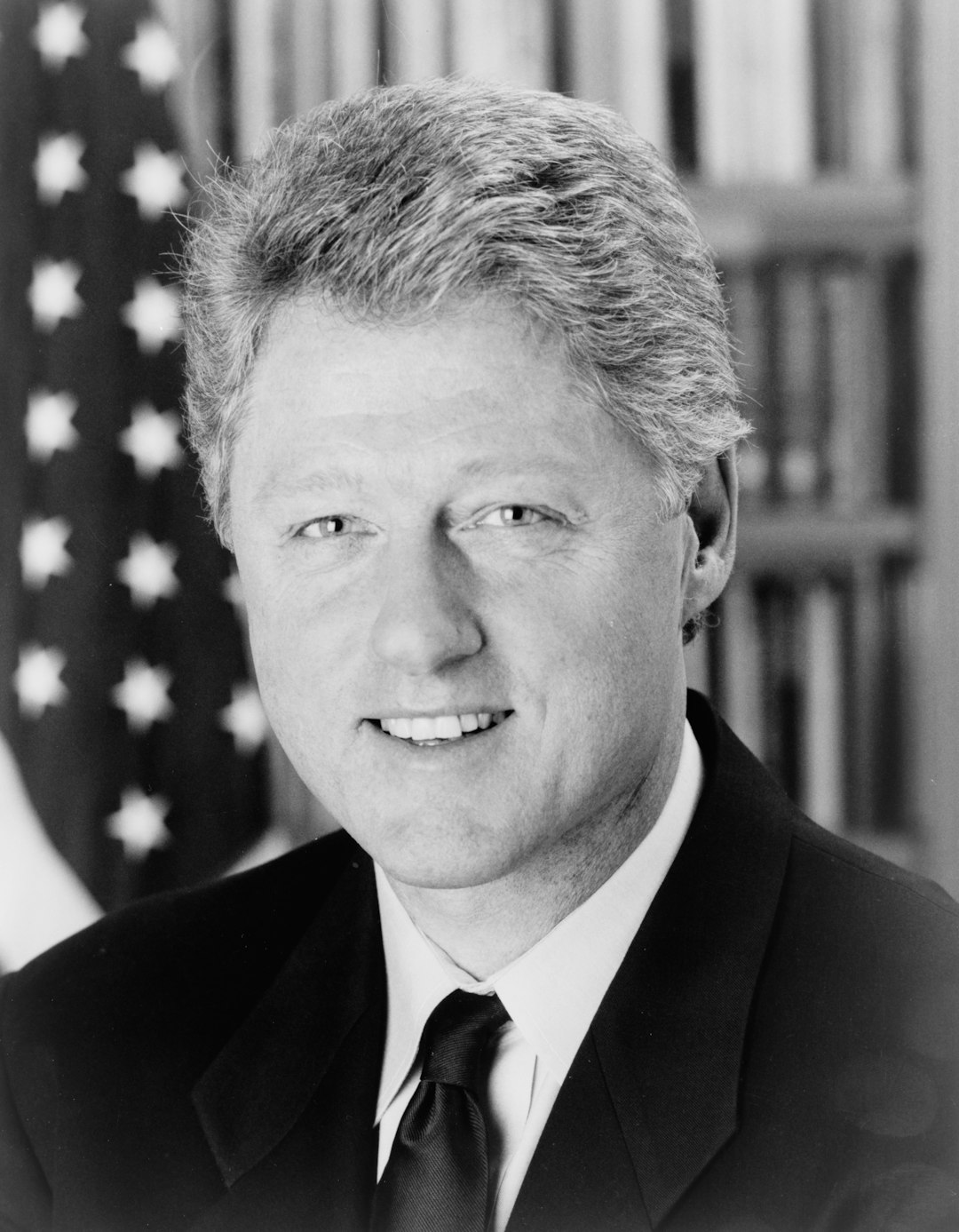
Bill Clinton’s “My Life,” published in 2004, represented a masterclass in political damage control disguised as autobiography. At over 900 pages, the book attempted to reframe Clinton’s presidency and personal scandals through his own narrative voice. The memoir’s timing was strategically perfect—published just as Hillary Clinton was positioning herself for a presidential run.
The book’s impact extended far beyond Clinton’s personal reputation. It established the idea that political figures could use biography to relitigate their historical legacy and influence contemporary political debates. Clinton’s detailed defense of his policies and personal conduct became a template for how politicians could use memoirs to shape public memory.
More importantly, the book’s commercial success proved that there was a massive market for political biography as entertainment. Clinton’s folksy storytelling and willingness to discuss personal details in unprecedented depth changed readers’ expectations for political memoirs. Future politicians would be expected to provide similar levels of personal revelation.
Obama’s Presidential Vision
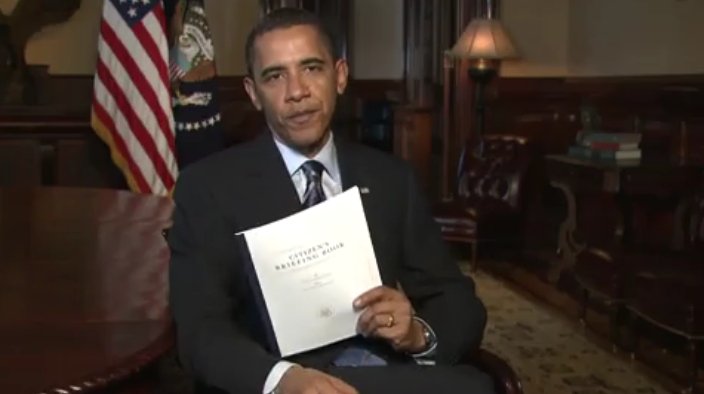
“The Audacity of Hope,” published in 2006, served as Barack Obama’s unofficial campaign platform for the 2008 presidential election. Unlike his deeply personal first memoir, this book focused on Obama’s policy vision and political philosophy. The book’s title became a campaign slogan, and its contents provided the intellectual framework for Obama’s presidential campaign.
The book’s influence on the 2008 election was direct and measurable. Obama used the memoir to establish his credibility on foreign policy, economics, and social issues. The book allowed him to present detailed policy positions while maintaining the personal narrative that had made him famous. This dual approach—combining policy expertise with personal storytelling—became the new template for presidential campaign books.
The memoir’s success also demonstrated the power of political biography in the digital age. Obama’s book tour became a series of campaign events, and the book’s themes were integrated into his speeches and advertisements. The line between political memoir and campaign strategy had completely disappeared.
Palin’s Populist Playbook

Sarah Palin’s “Going Rogue,” published in 2009, became an unexpected bestseller that energized the emerging Tea Party movement. The book’s success demonstrated the power of populist political biography to mobilize grassroots support and challenge establishment politics. Palin’s unfiltered style and direct attacks on political elites created a new template for outsider campaigns.
The book’s influence on Republican politics was profound. Palin showed how politicians could use biography to build media brands and monetize political fame. Her approach to political memoir—combining personal grievance with policy criticism—became the standard for populist political figures who followed, including Donald Trump.
More significantly, the book proved that political biography could be more powerful than electoral success. Despite losing the 2008 vice presidential election, Palin used her memoir to maintain political relevance and influence Republican politics for years. The book established the idea that political figures could use biography to build alternative power bases outside traditional political structures.
Hillary Clinton’s Preparation Campaign

“Hard Choices,” published in 2014, was designed to position Hillary Clinton as the inevitable Democratic nominee for president in 2016. The book focused on Clinton’s tenure as Secretary of State, emphasizing her foreign policy experience and global leadership credentials. The memoir’s strategic purpose was transparent—to establish Clinton as the most qualified candidate for president.
The book’s reception was mixed, but its influence on the 2016 election was undeniable. Clinton’s emphasis on her extensive government experience became a central theme of her campaign, and the book’s policy discussions provided material for her debate preparations. The memoir also attempted to address potential vulnerabilities, particularly regarding her handling of international crises.
The book’s ultimate impact was more complicated than Clinton intended. While it established her foreign policy credentials, it also reinforced perceptions of her as a calculating politician who approached every decision through a political lens. The memoir’s careful language and strategic omissions reminded readers of Clinton’s reputation for political calculation rather than authentic leadership.
Woodward’s Trump Exposé
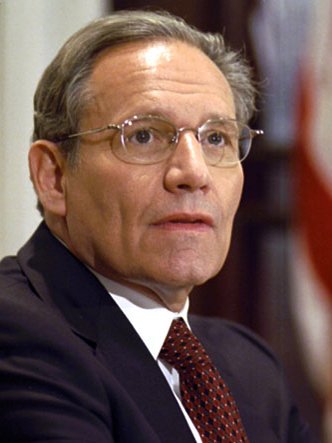
Bob Woodward’s “Fear: Trump in the White House,” published in 2018, represented a new type of political biography—one written by a journalist rather than the subject himself. The book’s insider account of Trump’s presidency provided unprecedented access to the chaos and dysfunction of his administration. Woodward’s reputation for accuracy and his use of detailed reporting made the book particularly influential.
The book’s impact on the 2020 election was significant. According to an October 25 ABC/Ipsos poll, 49% of Americans saw Trump as a fascist, described as “a political extremist who seeks to act as a dictator, disregards individual rights and threatens or uses force against their opponents”. Meanwhile, only 22% saw Harris as a fascist by this definition. Woodward’s detailed reporting provided ammunition for Trump’s critics and reinforced concerns about his fitness for office.
The book also established the power of investigative political biography to influence electoral outcomes. Woodward’s access to administration insiders and his meticulous documentation of Trump’s behavior provided voters with information they couldn’t get from traditional campaign coverage. The book proved that political biography could be a form of opposition research.
Bolton’s Explosive Revelations
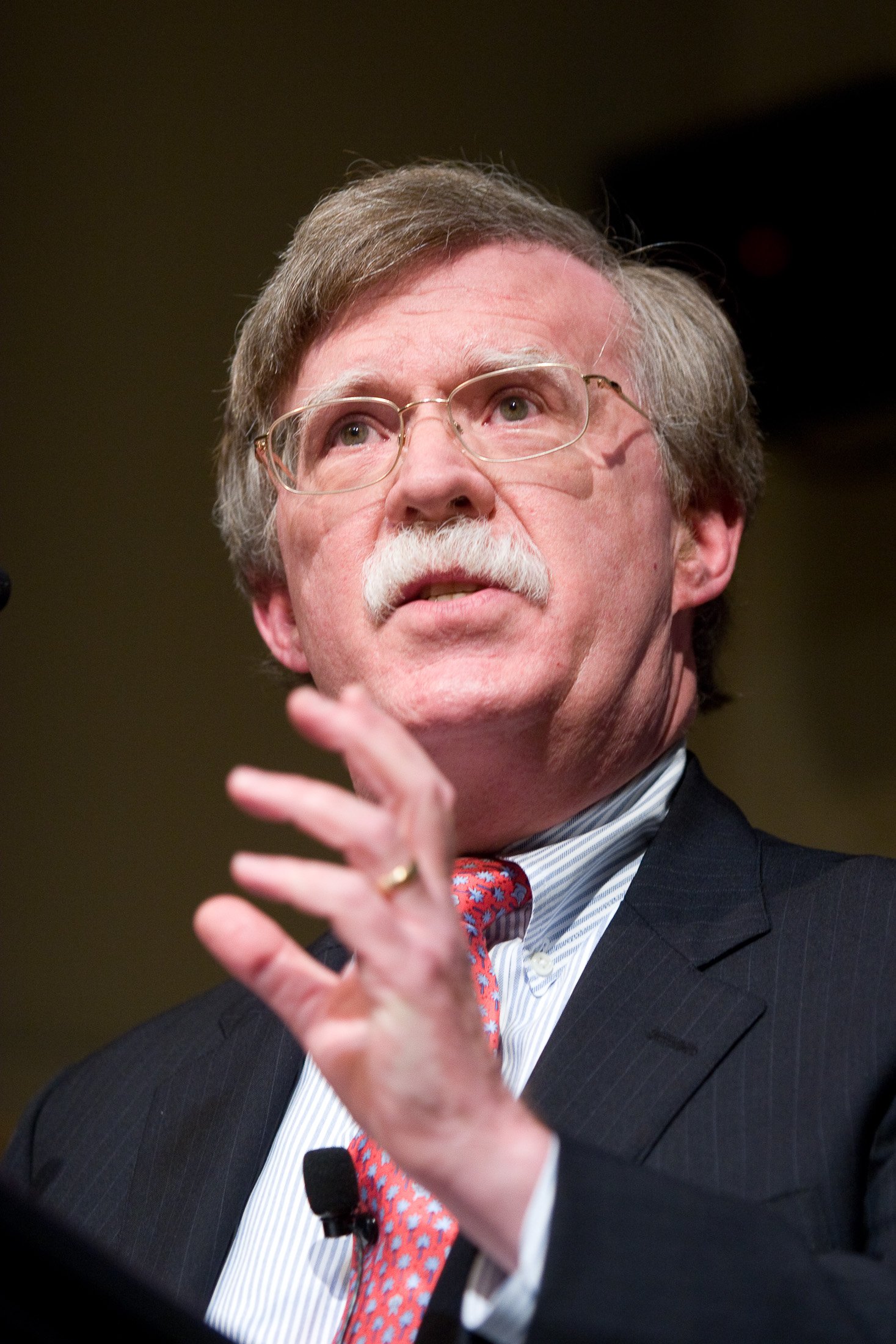
“The Room Where It Happened,” published in 2020, represented the ultimate insider’s account of the Trump presidency. John Bolton’s memoir provided detailed evidence of Trump’s impeachable conduct and his chaotic approach to foreign policy. The book’s publication during the 2020 election cycle was strategically timed to maximum political impact.
The book’s influence on political discourse was immediate and dramatic. Bolton’s detailed accounts of Trump’s conversations with foreign leaders and his willingness to trade national security for political advantage provided new evidence for Trump’s critics. The memoir’s publication sparked renewed calls for impeachment and dominated news coverage during the crucial months before the election.
More importantly, the book demonstrated how political biography could be weaponized by former government officials. Bolton’s memoir established the precedent that high-ranking officials could use tell-all books to influence elections and settle political scores. The book’s success encouraged other former Trump officials to consider similar publishing strategies.

Besides founding Festivaltopia, Luca is the co founder of trib, an art and fashion collectiv you find on several regional events and online. Also he is part of the management board at HORiZONTE, a group travel provider in Germany.
