


For any feedback please reach out to info@festivalinside.com
- 25 Festival Moments So Wild They Changed Event History - February 25, 2026
- 20 Classic Novels People Say They’ve Read (But Usually Haven’t) - February 24, 2026
- Sadhguru Crowns Osho Among 20th Century’s Sharpest Minds in Rare Endorsement - February 24, 2026
Saturday Night Fever (1977): When Disco Ruled the World
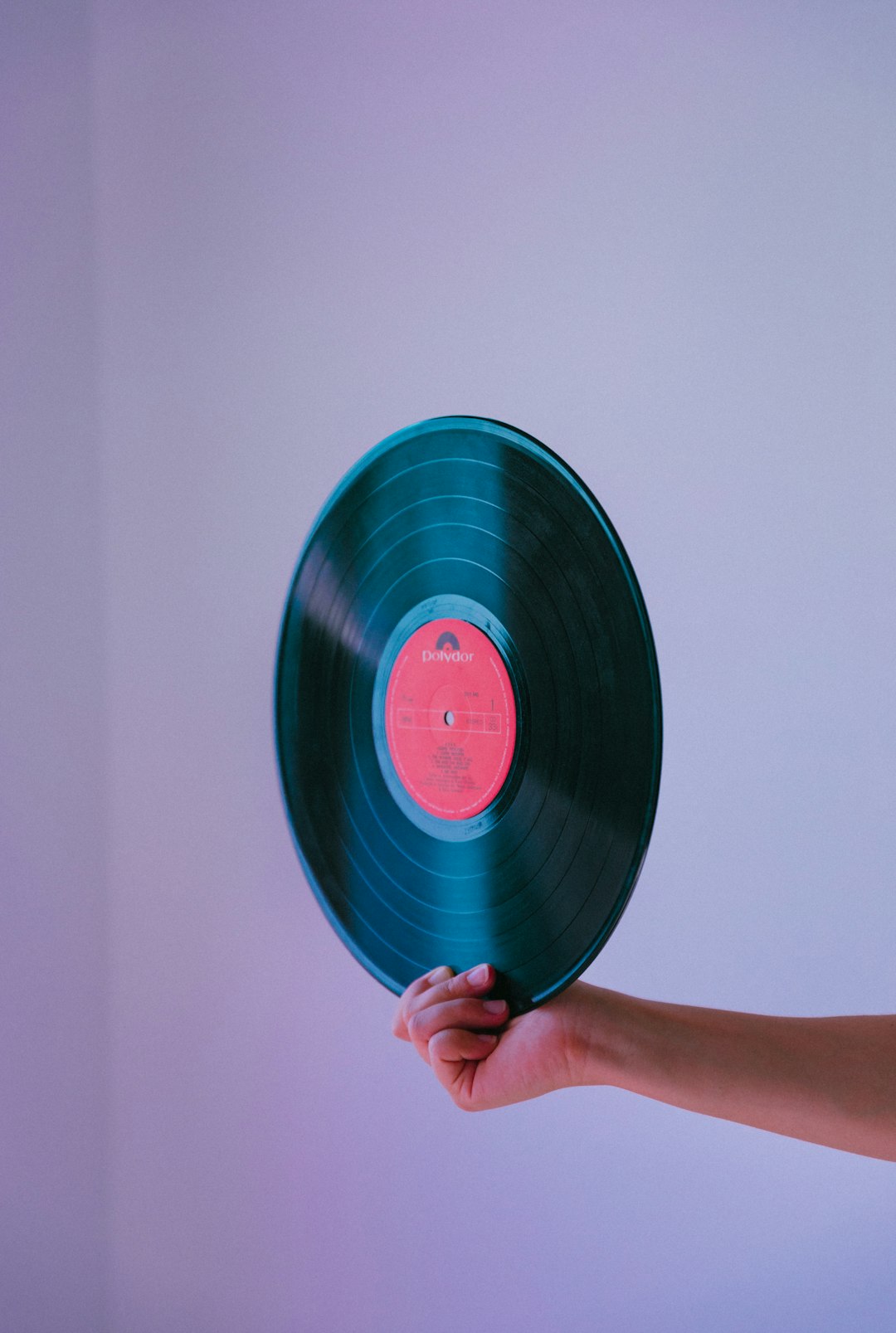
You know that moment when music doesn’t just accompany a movie – it becomes the movie? That’s exactly what happened with Saturday Night Fever. The soundtrack became the best-selling album before Michael Jackson’s Thriller and epitomized the disco phenomenon on both sides of the Atlantic. With over 40 million copies sold worldwide, it stayed atop the Billboard charts for 24 straight weeks from January to July 1978. The Bee Gees didn’t just write songs – they created a cultural earthquake that had people strutting down sidewalks everywhere.
The soundtrack was the highest-selling soundtrack album of all time by a very wide margin, and disco fever was truly viral – it infected everyone and everything it touched. There was no man of a certain age who didn’t hear “Stayin’ Alive” in his head whenever he walked down the street, and every car radio blared the tunes. Even the most unlikely musicians found themselves playing disco at parties and weddings across America.
Purple Rain (1984): The Royal Treatment
Prince wasn’t just making music with Purple Rain – he was making magic. The album debuted at number 11 on the Billboard 200 in July 1984, reached number one in August, and spent 24 consecutive weeks at the top. It sold over 25 million copies worldwide and remained in the top 10 for 32 weeks. This wasn’t just commercial success; it was cultural dominance.
The impact was undeniable: four top ten singles, two number one songs, a number one album, two Grammy awards, and millions upon millions of sales. Purple Rain became a defining album for the time, and Prince’s career would always be defined as pre and post Purple Rain. The album didn’t just showcase Prince’s talents – it proved that an artist could be experimental and mainstream simultaneously.
The Bodyguard (1992): Whitney’s Vocal Masterpiece
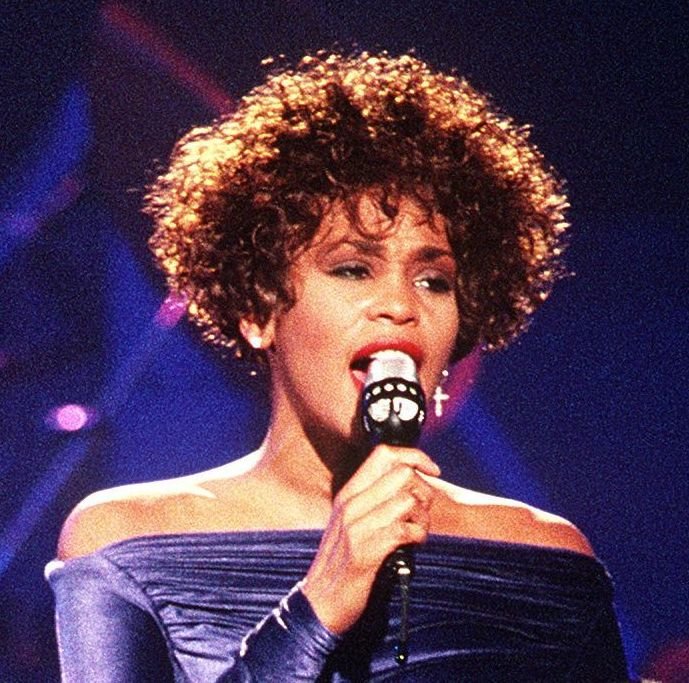
Sometimes a soundtrack becomes bigger than the movie it’s meant to promote. The Bodyguard soundtrack became the best-selling soundtrack of all time, with more than 45 million copies sold worldwide. Whitney Houston became the first artist in music history to have an album sell over a million copies in a single week, and the album was certified diamond by the RIAA. That’s not just success – that’s history being made.
“I Will Always Love You” became the biggest-selling single by a female artist in history, staying at number one on the Billboard Hot 100 for a record-breaking 14 weeks. Houston set another chart record when she spent the most cumulative weeks simultaneously on both the Billboard 200 and Billboard Hot 100. The movie might have been criticized, but the soundtrack was pure gold.
Titanic (1997): Love Songs That Conquered the World
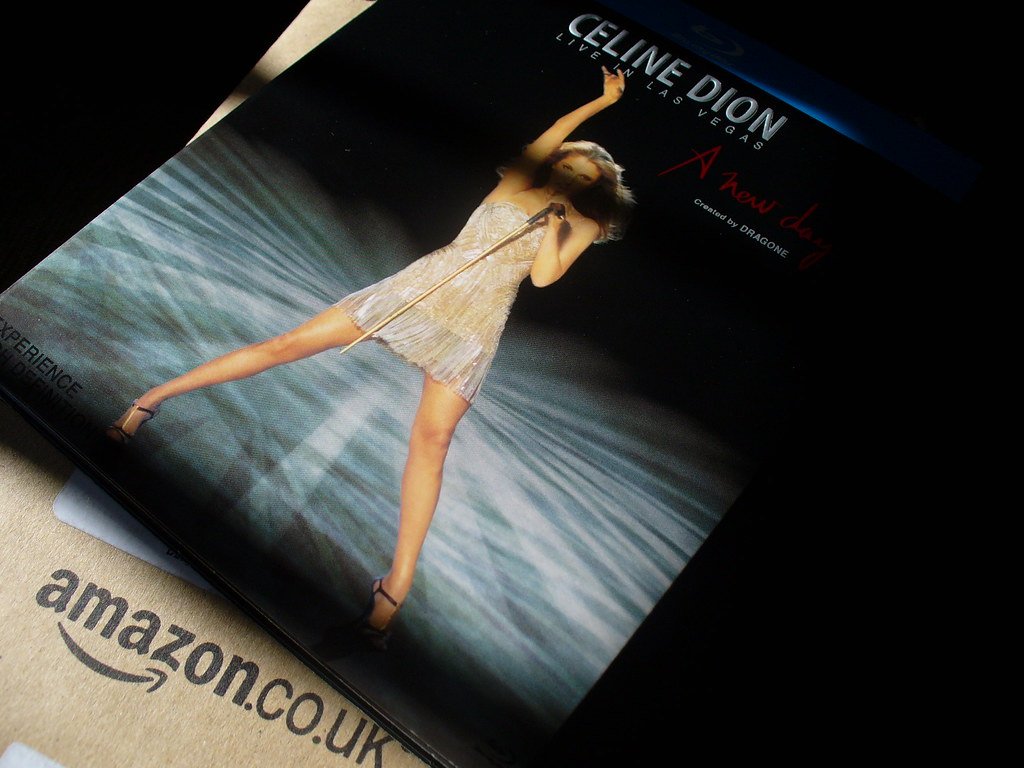
James Cameron’s epic disaster romance needed music that could match its emotional scope, and Céline Dion delivered with “My Heart Will Go On.” The soundtrack became a global phenomenon, dominating radio stations and music charts worldwide. The orchestral grandeur combined with Dion’s powerhouse vocals created an anthem that transcended the movie itself.
The success of Titanic’s soundtrack proved that movie music could still create genuine cultural moments. Radio stations couldn’t escape the song, and it became the soundtrack to countless romantic moments around the world. Dion’s career reached new heights, establishing her as a global superstar who could sell out arenas from Vegas to Europe.
The Lion King (1994): Disney’s African-Inspired Triumph
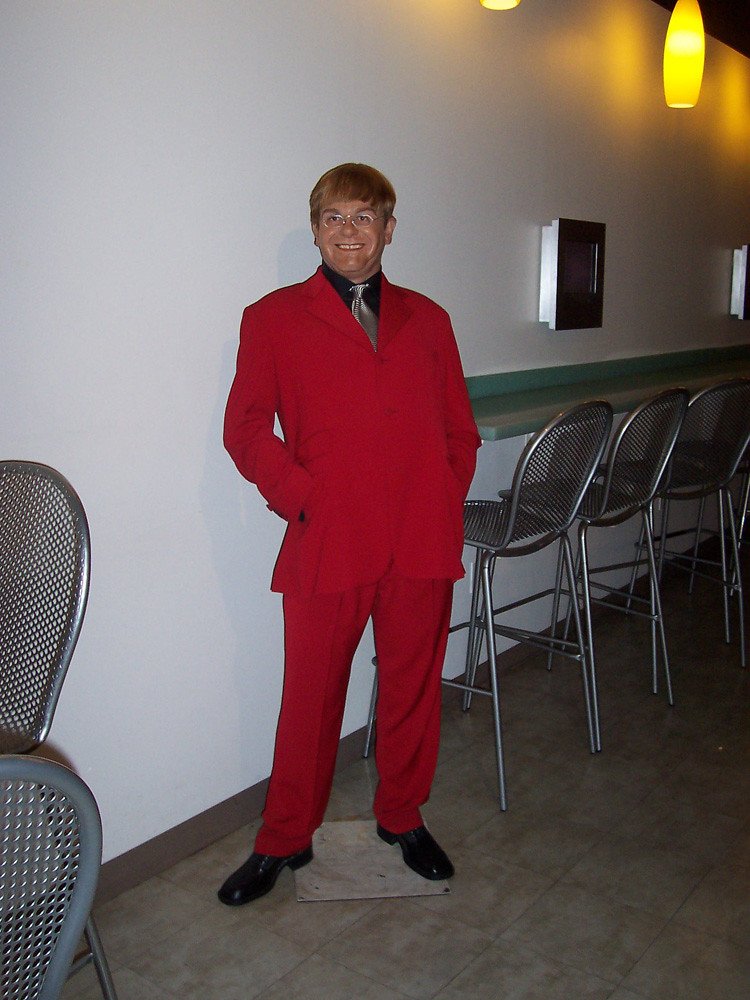
When Disney decided to tell the story of a young lion in Africa, they knew they needed music that honored the continent’s rich musical heritage. Elton John’s collaboration with Hans Zimmer created something magical. “Circle of Life” opened the film with such power that audiences knew they were witnessing something special from the first note.
The soundtrack didn’t just entertain – it educated. By incorporating African musical elements and languages, it introduced mainstream audiences to sounds they’d never heard before. The album became a gateway for many listeners to explore world music, proving that animated films could be culturally significant beyond their target demographic.
Trainspotting (1996): The Sound of British Youth
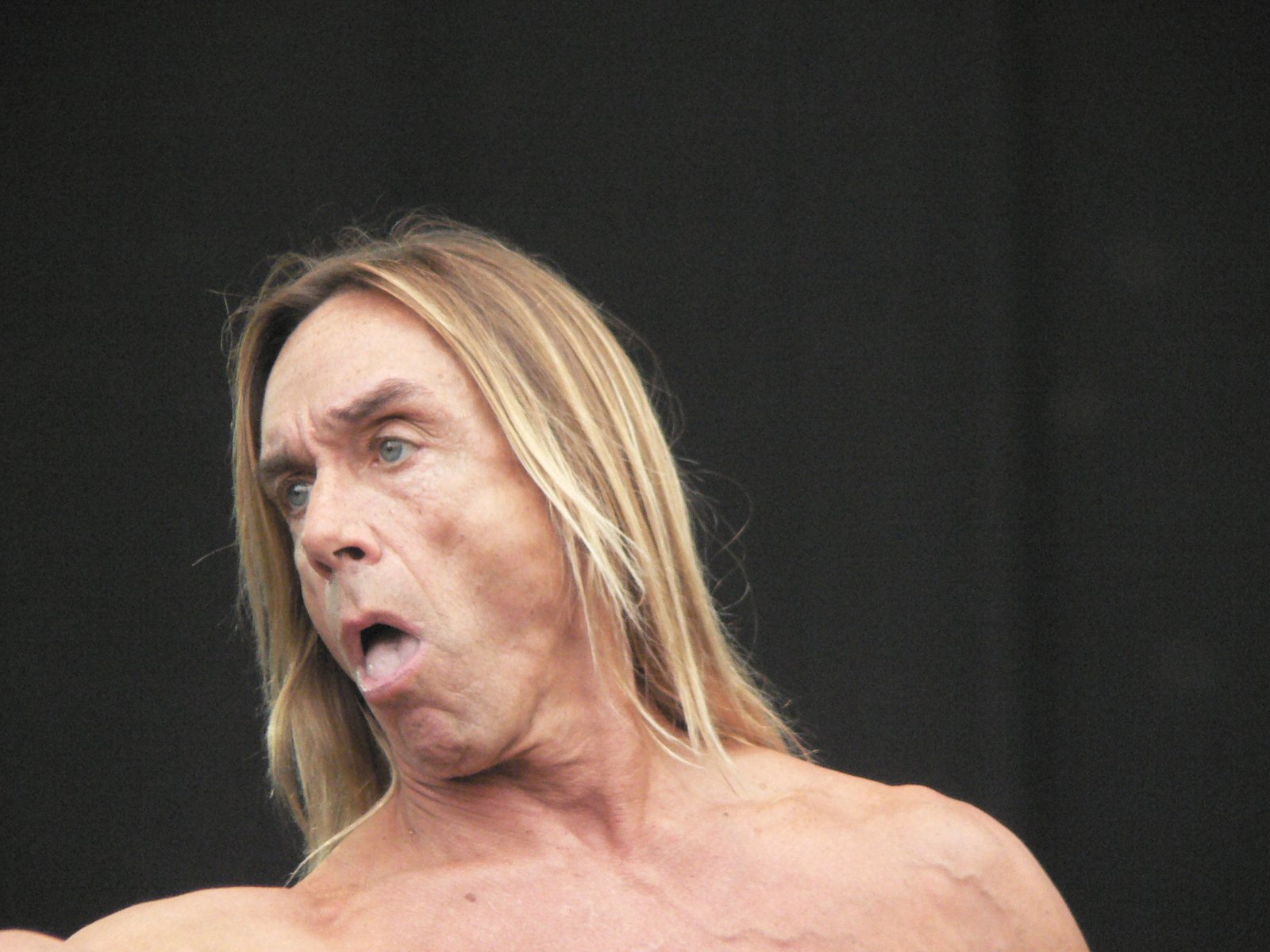
Trainspotting captured the gritty reality of 1990s British youth culture, and its soundtrack became the perfect audio companion to that world. Underworld’s “Born Slippy” wasn’t just a song – it was an anthem for a generation struggling with identity and purpose. The electronic beats matched the film’s frenetic energy perfectly.
The soundtrack mixed established artists like Iggy Pop with emerging electronic acts, creating a collection that felt both nostalgic and futuristic. It became the unofficial soundtrack to UK clubbing culture, with DJs spinning these tracks in warehouses and underground venues across Britain. The album proved that movie soundtracks could capture the zeitgeist of an entire generation.
Garden State (2004): The Indie Folk Revolution
Zach Braff’s directorial debut might have been a small independent film, but its soundtrack had massive cultural impact. The Shins’ “New Slang” became an anthem for twenty-somethings searching for meaning in their lives. The carefully curated collection of indie folk artists created a template for what would become known as “indie sleaze” culture.
The soundtrack introduced mainstream audiences to artists like Iron & Wine, Frou Frou, and Zero 7. It became the musical equivalent of a hipster starter pack, influencing fashion, coffee shop playlists, and the rise of indie music festivals. Record stores couldn’t keep copies in stock, and the album became a cultural touchstone for millennials.
Dirty Dancing (1987): The Time of Everyone’s Life
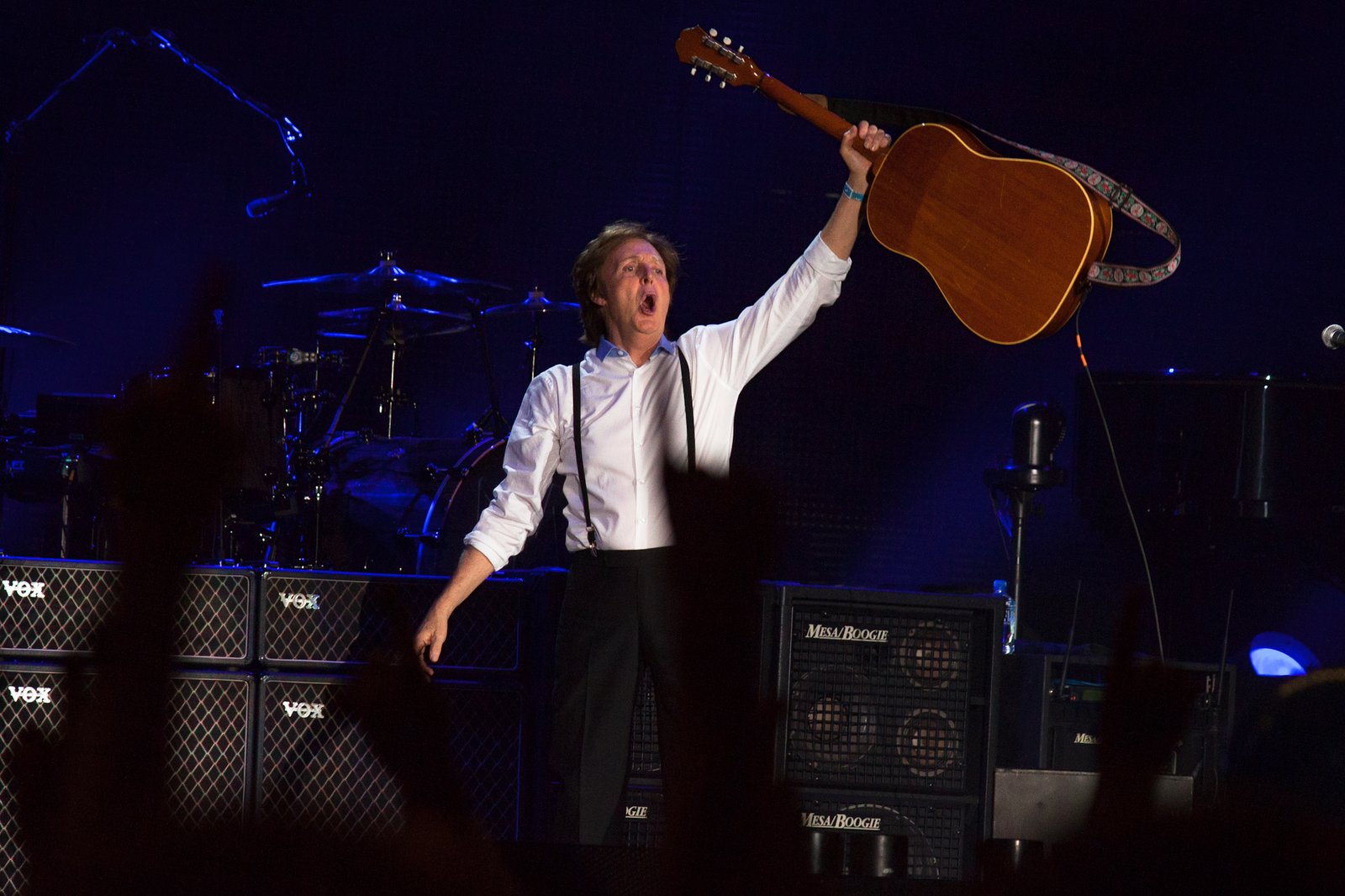
Patrick Swayze and Jennifer Grey’s on-screen chemistry was electric, but the soundtrack provided the emotional heartbeat of their romance. “(I’ve Had) The Time of My Life” became more than just a song – it became a wedding reception staple that still gets people on the dance floor today. The combination of 1960s soul and 1980s pop created a timeless sound.
The soundtrack revived interest in classic American soul music for a new generation. Songs that had been forgotten were suddenly topping charts again, proving that great music never really goes out of style. Dance studios across America reported increased enrollment as people tried to recreate the movie’s iconic dance sequences.
Guardians of the Galaxy (2014): Retro Hits Find New Life
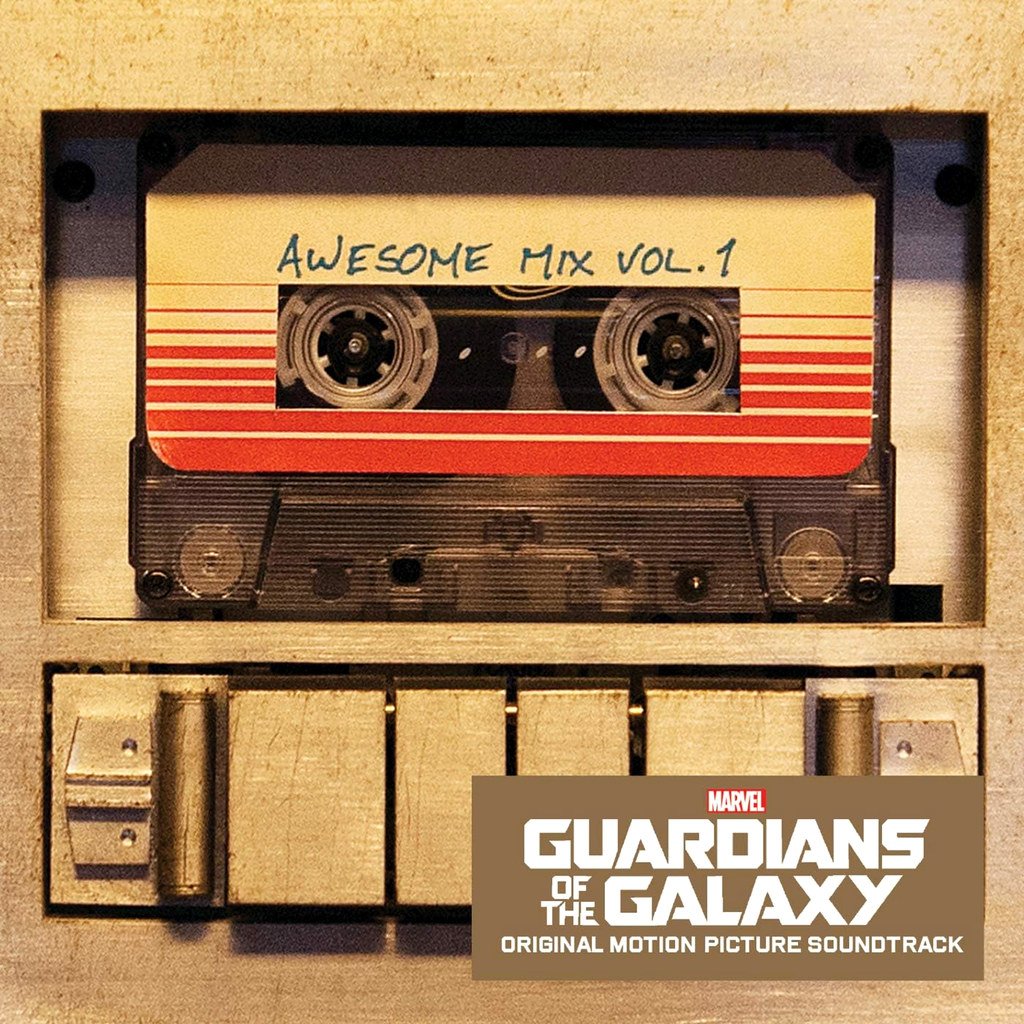
Marvel’s space adventure succeeded partly because of its killer soundtrack of 1970s hits. “Awesome Mix Vol. 1” became a character in its own right, with Star-Lord’s cassette tape serving as his connection to Earth and his mother. Blue Swede’s “Hooked on a Feeling” and Redbone’s “Come and Get Your Love” found new audiences decades after their original releases.
The soundtrack’s success proved that older music could still connect with younger audiences when presented in the right context. Vinyl sales of these classic tracks surged, and streaming platforms saw massive increases in plays for these vintage songs. The film’s approach to music supervision became a template for other Marvel movies.
Pulp Fiction (1994): Tarantino’s Musical Time Machine
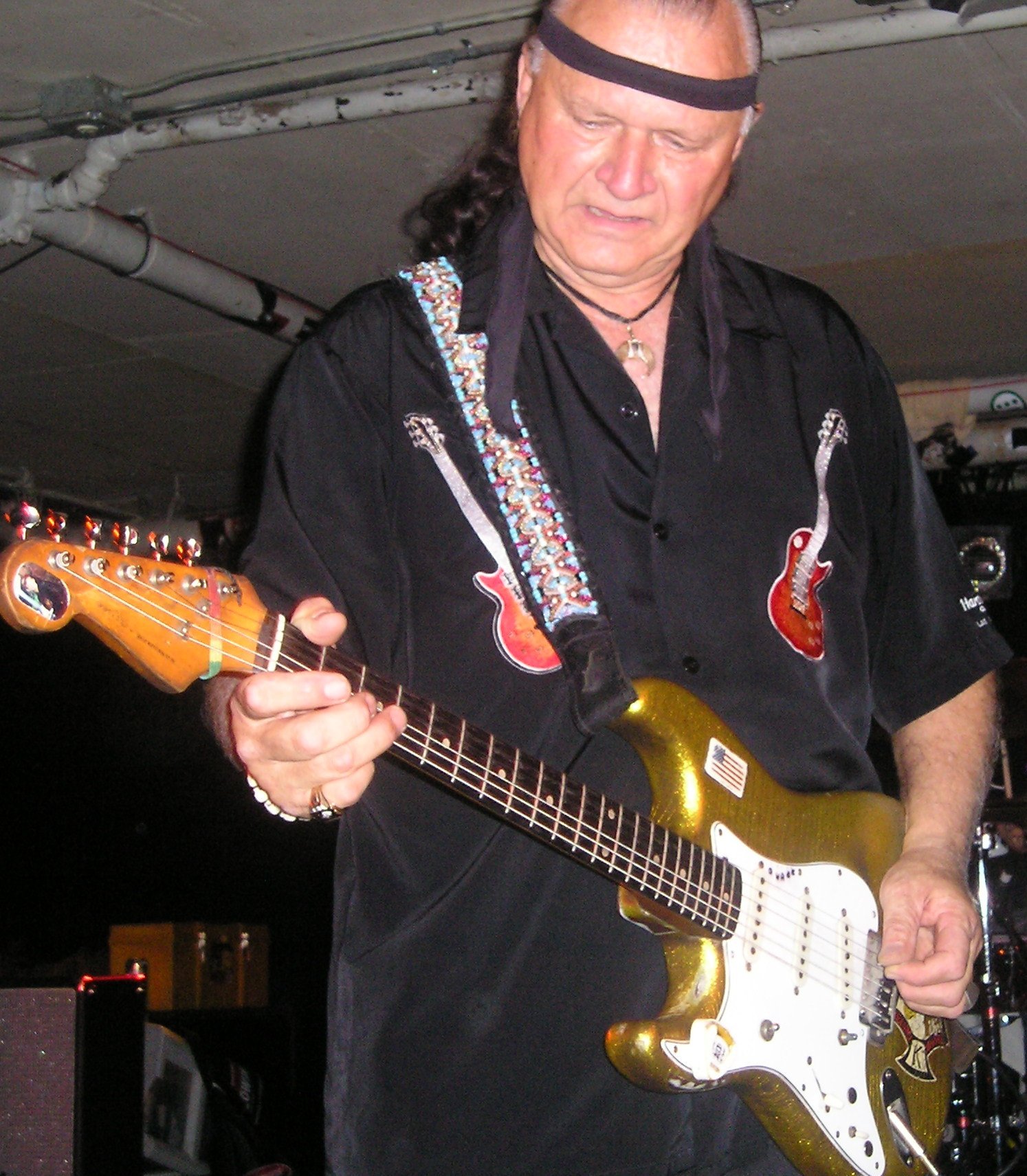
Quentin Tarantino has always been a master of using music to enhance his storytelling, and Pulp Fiction was his masterpiece. Dick Dale’s “Misirlou” opened the film with such intensity that audiences knew they were in for something special. The soundtrack mixed surf rock, soul, and pop in ways that shouldn’t have worked but absolutely did.
The album reintroduced forgotten gems to new audiences while creating unexpected connections between different musical eras. Chuck Berry’s “You Never Can Tell” became the soundtrack to one of cinema’s most memorable dance scenes. The soundtrack proved that movie music could be both nostalgic and innovative simultaneously.
8 Mile (2002): Hip-Hop’s Oscar Moment
Eminem’s semi-autobiographical film needed music that could capture the raw energy of Detroit’s hip-hop scene. “Lose Yourself” became an instant classic, proving that rap music could create genuine cinematic moments. The song’s message about seizing opportunities resonated far beyond the film’s urban setting.
The soundtrack’s success helped legitimize hip-hop in mainstream Hollywood. When “Lose Yourself” won the Academy Award for Best Original Song, it marked a watershed moment for rap music’s cultural acceptance. The album became a blueprint for how hip-hop artists could successfully cross over into film.
Top Gun (1986): High-Flying 80s Rock
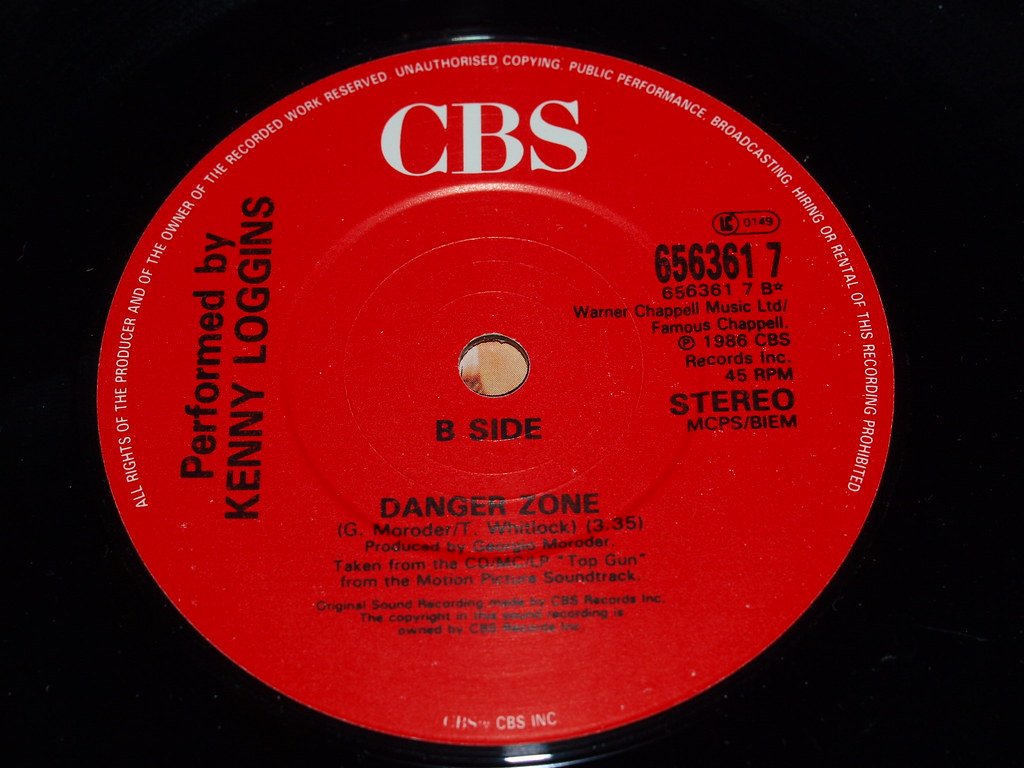
Tom Cruise’s fighter pilot needed music that could match the adrenaline rush of high-speed aerial combat. Kenny Loggins’ “Danger Zone” became synonymous with 1980s action movies, while Berlin’s “Take My Breath Away” provided the romantic counterpoint. The soundtrack perfectly captured the decade’s obsession with synthesizers and power ballads.
The album became the unofficial soundtrack to Reagan-era America, with its themes of patriotism and individual excellence. Radio stations couldn’t get enough of these songs, and they became staples of classic rock playlists. The soundtrack’s success helped establish the template for action movie music that lasted well into the 1990s.
The Social Network (2010): Digital Age Anxiety
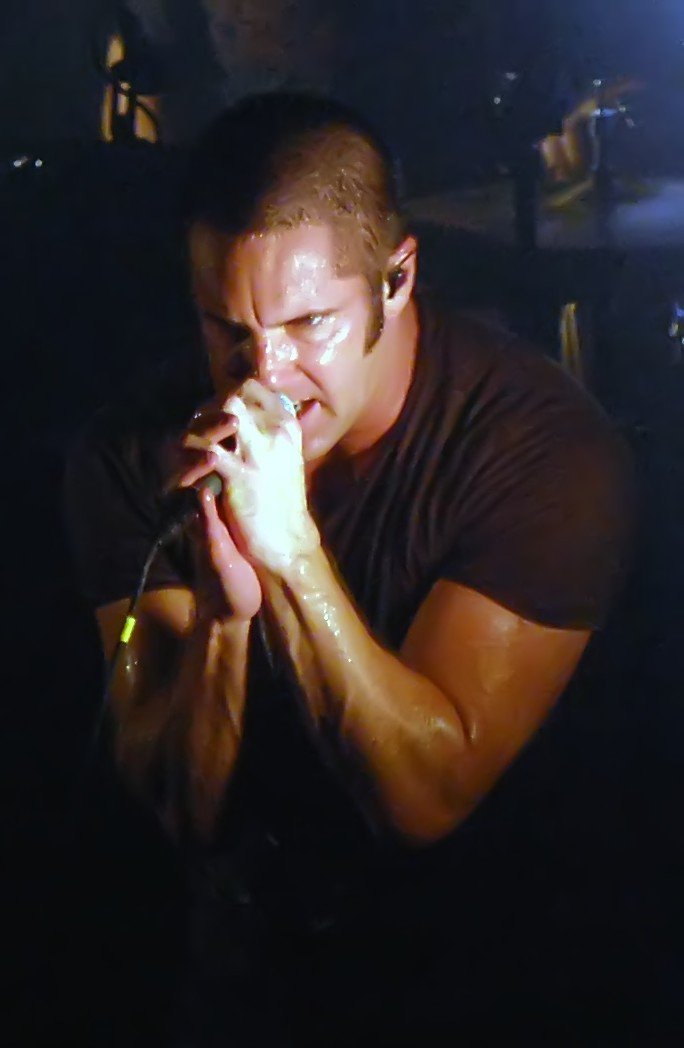
David Fincher’s film about Facebook’s creation needed music that could capture the digital age’s underlying tension. Trent Reznor and Atticus Ross created an electronic score that felt both futuristic and melancholic. Their ambient compositions perfectly matched the film’s themes of connection and isolation in the internet age.
The soundtrack redefined what film scores could be in the 21st century. Instead of traditional orchestral arrangements, the duo used electronic instruments and found sounds to create atmosphere. Their work influenced countless other composers and helped establish electronic music as a legitimate film scoring option.
Black Panther (2018): Hip-Hop Meets Afrofuturism
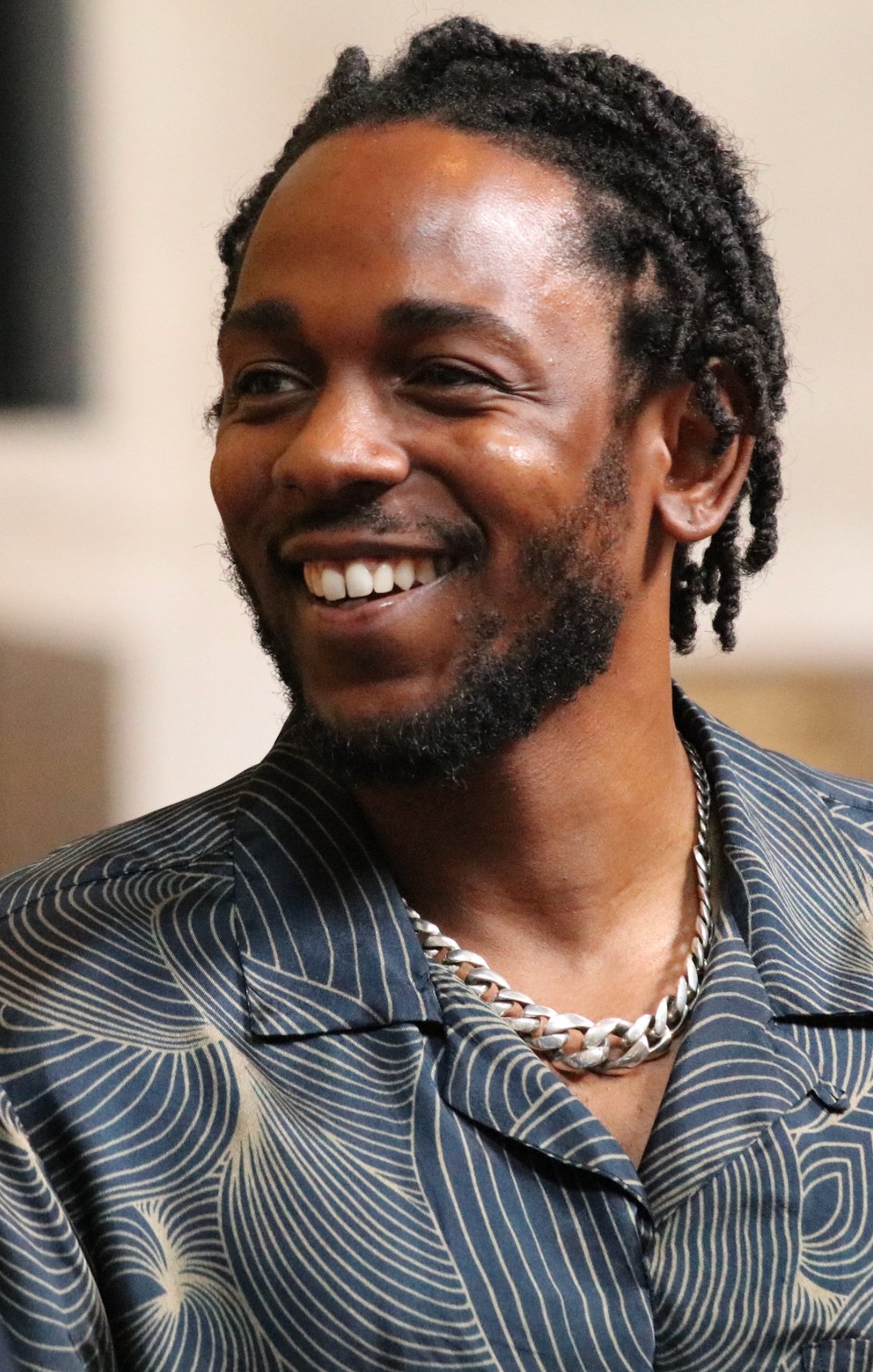
Kendrick Lamar’s soundtrack was released as Black Panther: The Album on February 9, 2018, to large sales, including the top position on the Billboard 200 chart, and was praised by critics as a milestone for film soundtracks. The album hit number one on the Billboard 200 with 154,000 equivalent album units. This wasn’t just a collection of songs – it was a cultural statement.
The soundtrack currently sits atop the Billboard 200 and stands as a crowning achievement for Kendrick Lamar, who produced and curated the album alongside label head Anthony “Top Dawg” Tiffith. The album featured disparate sounds including R&B, pop, trap, UK soul, international hip-hop, and South African gqom, showcasing unity through diversity. The soundtrack proved that superhero movies could have serious artistic and cultural ambitions.
Footloose (1984): The Sound of Teen Rebellion
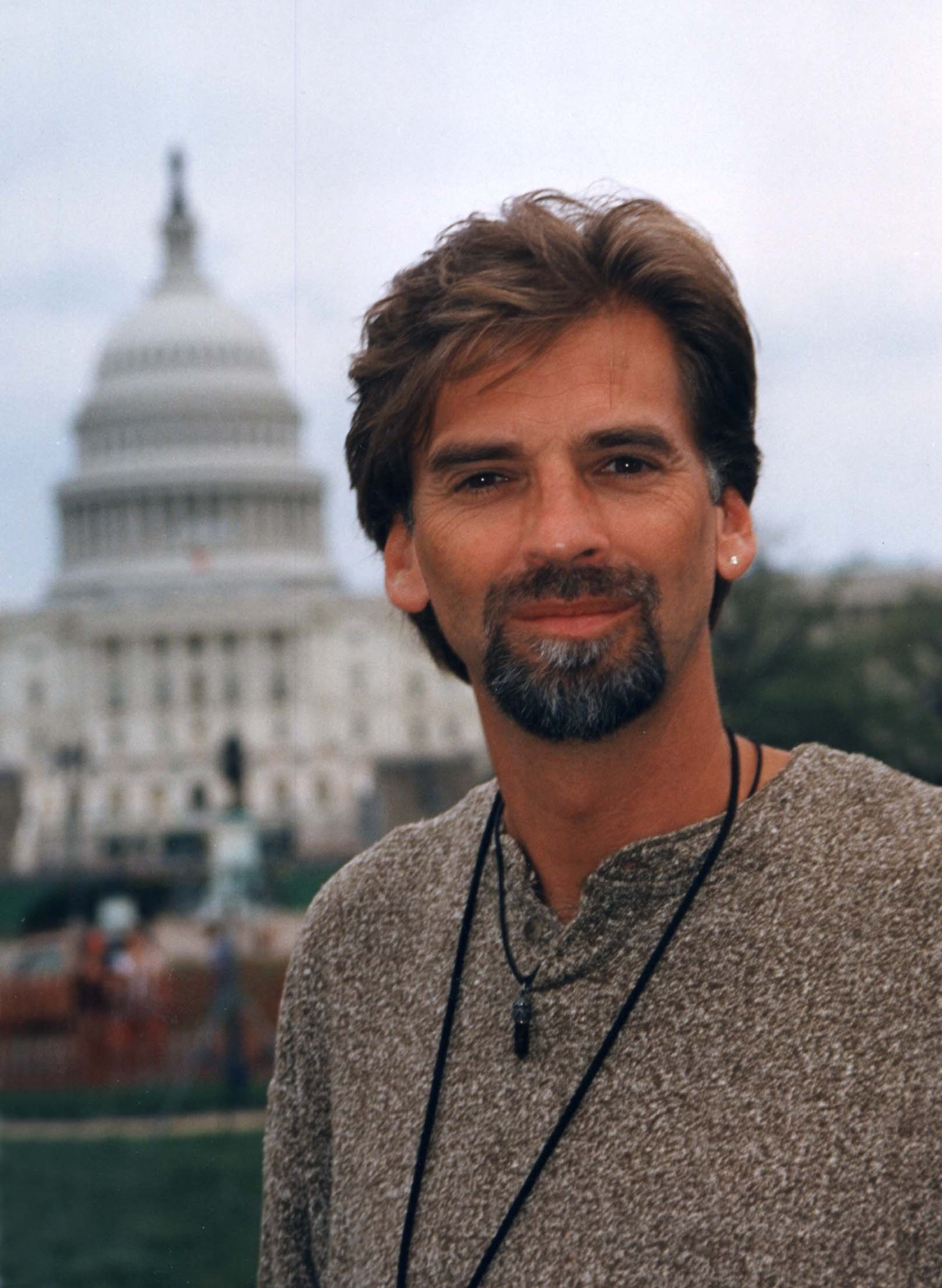
Kevin Bacon’s small-town dancer needed music that could capture the joy and frustration of teenage rebellion. Kenny Loggins’ title track became an anthem for young people everywhere who felt constrained by adult authority. The soundtrack mixed rock, pop, and dance music in ways that perfectly captured the 1980s teen experience.
The album became the soundtrack to high school dances and prom nights across America. Its themes of breaking free from restrictive rules resonated with teenagers who felt misunderstood by their parents and communities. The soundtrack’s success helped establish the template for teen movie music that influenced countless films throughout the 1980s and beyond.

Christian Wiedeck, all the way from Germany, loves music festivals, especially in the USA. His articles bring the excitement of these events to readers worldwide.
For any feedback please reach out to info@festivalinside.com
