

- 12 Iconic Protest Songs That Shaped History and Still Resonate Today - March 12, 2026
- 15 Movie Soundtracks That Are Better Than the Film Itself - March 12, 2026
- The 5 Most Expensive US Cities to Live In (and Why People Still Flock There) - March 12, 2026
There is something almost unfair about it. A film spends years in production, millions of dollars, armies of cast and crew, all pouring their energy into a story. Then the music comes along and steals the whole show. Audiences walk out of the theater humming the songs, forget the plot within weeks, and still have the album on repeat years later.
The right movie score can elevate a picture, set the right tone, and guide viewers towards the right mood. The right song can even turn a movie scene into an iconic and memorable moment. Occasionally though, that music reaches a level the film itself simply cannot match. These are the fascinating cases where the soundtrack became the real legacy.
From disco legends to electronic pioneers, from bluegrass revivals to mixtapes made among the stars, the following fifteen soundtracks didn’t just support their films. They outran them entirely. Let’s dive in.
1. Saturday Night Fever (1977) – The Bee Gees Steal the Disco Crown
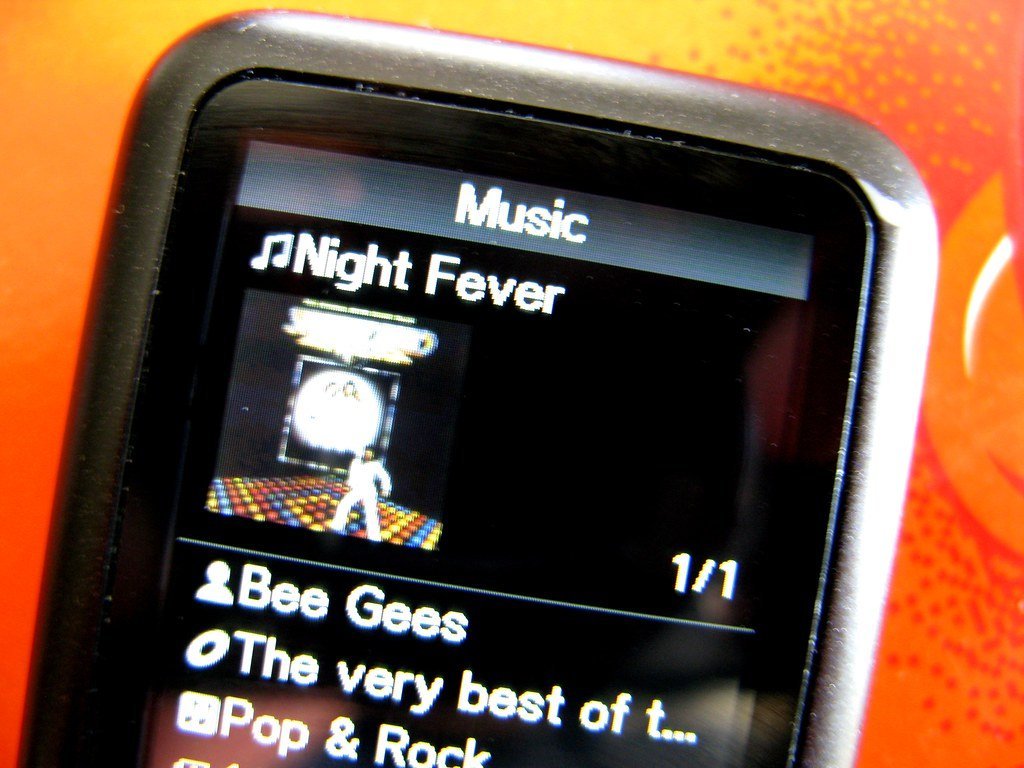
Here’s the thing about Saturday Night Fever: the film is raw, gritty, and honestly a bit bleak for something most people associate with glittery fun. It follows a working-class Brooklyn kid trying to escape his suffocating life through dance. Not exactly the feel-good party anthem you’d expect. Yet the music that accompanies it became nothing short of the defining sound of an entire decade.
The Bee Gees-dominated soundtrack transcended the film to become the definitive audio document of the disco era. The album spent 24 consecutive weeks at number one on the Billboard charts and remains one of the best-selling soundtracks of all time. Think about that for a second. Nearly half a year, sitting at the very top.
The Bee Gees had originally written and recorded five of the songs used in the film as part of a regular album, having no idea at the time they would be making a soundtrack and saying that they basically lost an album in the process. The soundtrack also won a Grammy Award for Album of the Year, making it the only disco album to do so, and one of only three soundtrack albums ever to receive that honor. The movie gave John Travolta a career. The music gave the world a cultural era.
2. The Bodyguard (1992) – Whitney Houston’s Greatest Gift
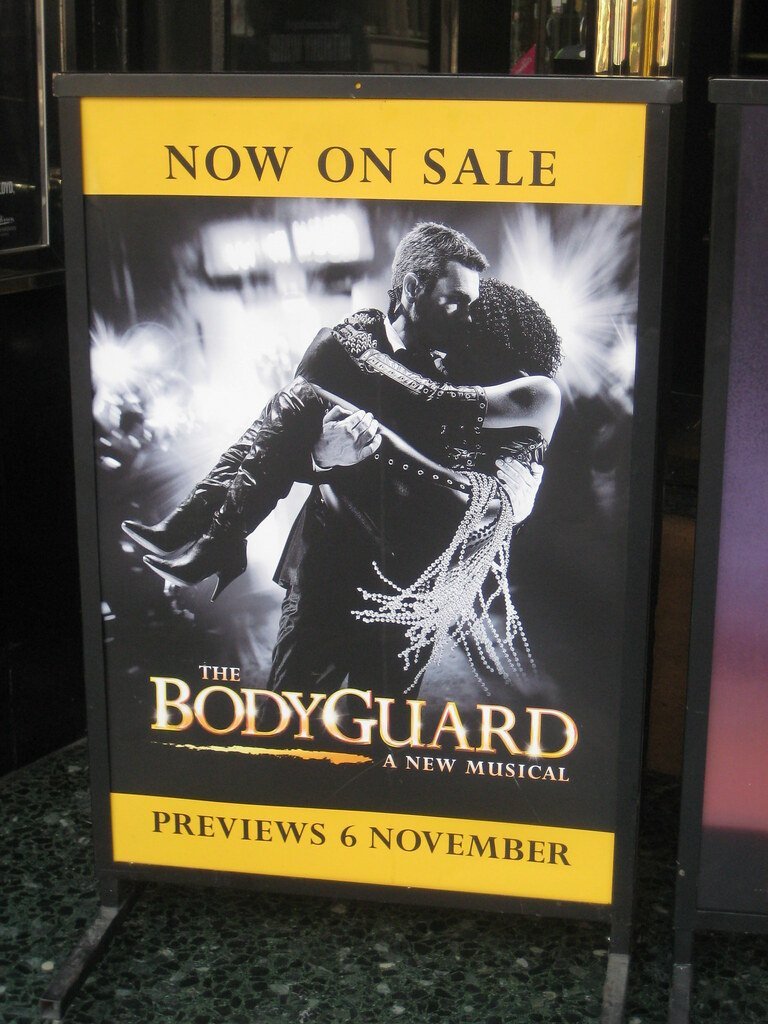
The Bodyguard is not a good movie, but it is not an especially bad one either. Holding a Rotten Tomatoes score of only 38%, the film works best when embracing its cheesiness and melodrama, allowing the Kevin Costner and Whitney Houston romance to play out as a mostly forgettable popcorn thriller. Honestly, most people would struggle to recall a single plot point. But the music? Everyone remembers the music.
The album became the best-selling soundtrack of all time, with more than 45 million copies sold worldwide. That number is almost incomprehensible. As of 2026, music videos for “I Have Nothing” and “I Will Always Love You” have surpassed 1 billion views on YouTube, making the soundtrack the first 1990s album to have two videos with over 1 billion views. Houston is the first artist ever to have two 1990s videos to do so.
With unforgettable tracks such as “I Have Nothing” and a new rendition of Dolly Parton’s “I Will Always Love You,” both powerfully performed by Houston, the film’s soundtrack dominated radio play in 1992. Other tracks, including “I’m Every Woman” and “Run to You,” were also memorable hits. The film was a vehicle. The soundtrack was the destination.
3. Guardians of the Galaxy (2014) – A Mixtape From Another Galaxy

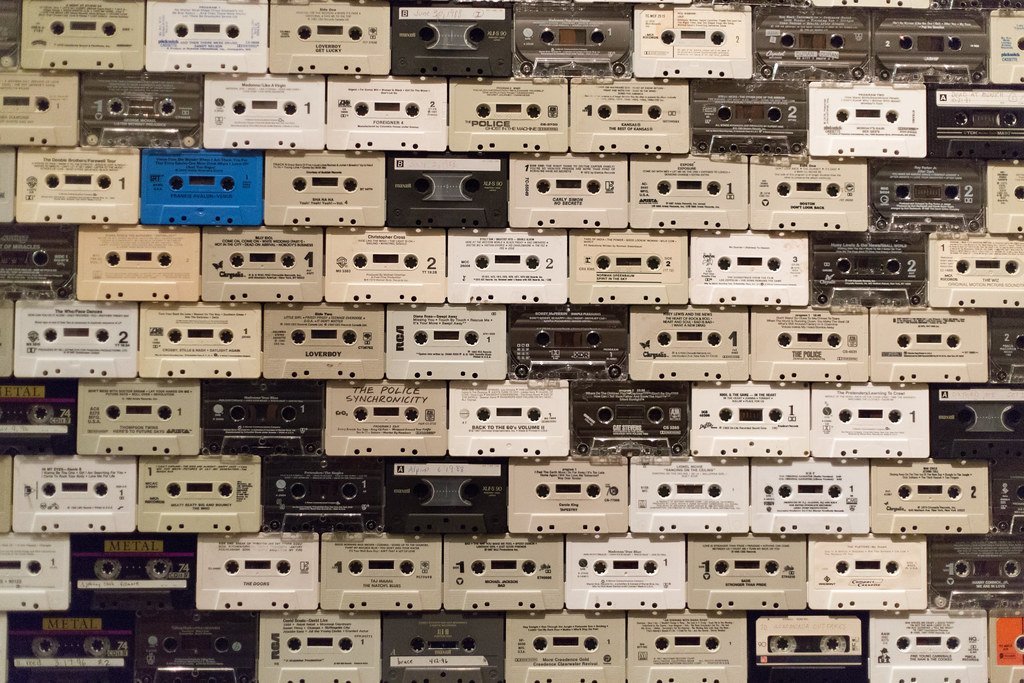
Marvel made a bet in 2014. Take an obscure group of comic book characters nobody outside of fandom knew, set them in outer space, and anchor the entire emotional universe of the film to a cassette tape full of 1970s pop songs. It sounds ridiculous. It was absolutely brilliant.
The soundtrack album reached number one on the US Billboard 200 chart, becoming the first soundtrack album in history consisting entirely of previously released songs to top the chart. The album topped the Billboard Top Soundtracks chart for 11 consecutive weeks and 16 weeks in total. The soundtrack introduced old classics to a younger audience, with “Come and Get Your Love” and “Hooked on a Feeling” specifically finding enormous success.
The tape plays no mere incidental role in Guardians of the Galaxy. It’s the movie’s emotional core. The compilation comes from Star-Lord’s deceased mother, and it represents his last tether to his past. The soundtrack helped shape the way music is now incorporated into blockbuster movies. James Gunn’s innovative use of music showed how songs could become integral parts of storytelling. I think it’s fair to say no Marvel film before it had used music quite so boldly.
4. Trainspotting (1996) – Britpop’s Finest Hour on Film
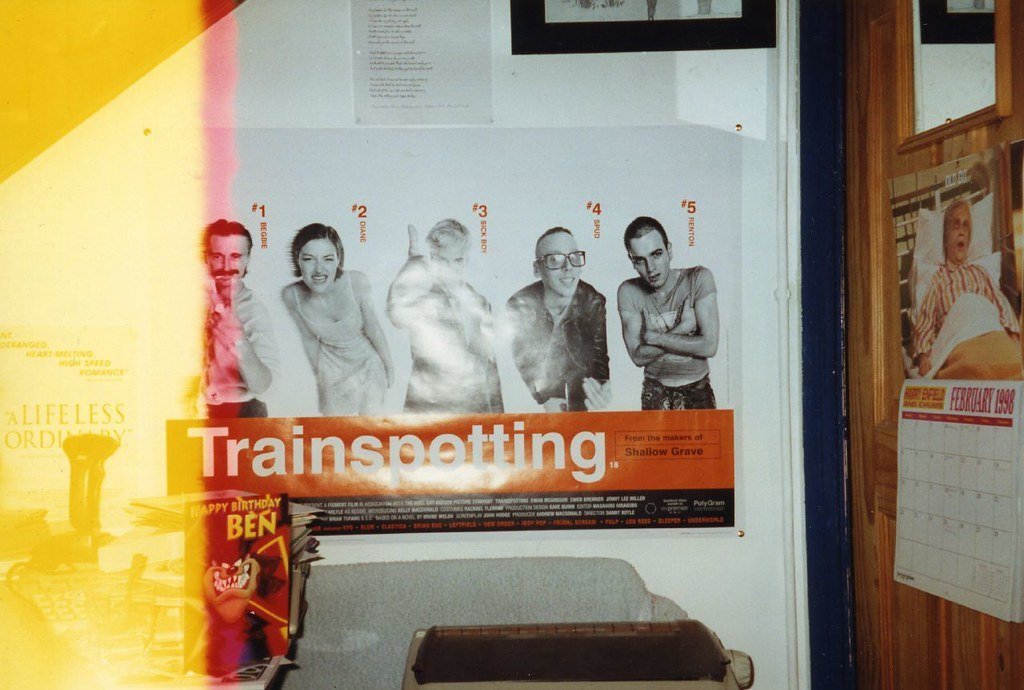
Danny Boyle’s unflinching dive into Edinburgh’s heroin subculture is undeniably powerful filmmaking. Yet the experience of watching Trainspotting is inseparable from what you’re hearing. The opening sequence alone, fuelled by a furious pulse of Iggy Pop, is one of the most energizing things cinema has ever produced. The film is visceral. The music is transcendent.
Danny Boyle’s cinematic stomach-punch triggered a rebirth in gritty UK productions and ushered in a Britpop soundtrack that sold well in the UK and beyond. Although the soundtrack carries an eclectic mix of songs, it’s hard not to think of the film without hearing the aggressive drumming in the first few bars of Iggy Pop’s “Lust for Life.”
Its soundtrack deftly combines the music of contemporary bands such as Blur, Pulp and Elastica with earlier sounds by Iggy Pop and Lou Reed, and it sold so well that a second volume, featuring songs from the film that didn’t make it onto the first one, was released the following year. Spiked with tracks by electronica acts like Underworld and Leftfield, Trainspotting helped introduce American audiences to ’90s British music beyond Oasis and the Spice Girls. That’s a cultural bridge built entirely through sound.
5. O Brother, Where Art Thou? (2000) – Bluegrass Comes Roaring Back
The Coen Brothers’ quirky Depression-era comedy is genuinely wonderful. Still, even its biggest fans would admit that the soundtrack didn’t just complement the film. It completely overshadowed it in the cultural conversation. The Coen Brothers’ satirical comedy-drama about three Great Depression-era chain gang escapees, loosely based on Homer’s Odyssey, prominently features the music of Alison Krauss, Ralph Stanley, and many others.
Produced by T-Bone Burnett, the soundtrack to that Oscar-winning 2000 film sold 8 million copies and spent 683 weeks on the Billboard 200, where it stayed at Number One for months at a time. It also won the 2002 Grammy for Album of the Year and was ranked Number 13 on Rolling Stone’s list of the 101 Greatest Soundtracks of All Time.
The O Brother, Where Art Thou? soundtrack sparked “a renaissance of roots music, bringing bluegrass, gospel, blues, country and folk all back into the spotlight.” From the very start, the soundtrack was conceived as integral to the film, and it was for this reason that it was recorded before filming began. Burnett’s ideas were designed to inform the filming and to give shape to the cinematography, and it works wonderfully. A film pre-scored by its music. That alone tells you everything.
6. Tron: Legacy (2010) – Daft Punk’s Electrifying Masterclass

Let’s be real: Tron: Legacy is a visually stunning film that ultimately disappoints anyone expecting a gripping story. Tron: Legacy should have been an enormous hit for Disney in 2010. The sequel to the 1982 film was poised as a big, colorful follow-up to the video game-inspired classic, bringing in brighter visuals and exciting 3D imagery. Unfortunately, while the Joseph Kosinski picture was mostly liked, it did not live up to the expectations that Disney had for the brand.
Tron: Legacy’s 2010 soundtrack was composed by French electronic duo Daft Punk. Their unique blend of orchestral music with techno beats created a futuristic soundscape that earned widespread acclaim. The album reached number 4 on the Billboard 200. It became one of the most celebrated video game-style film scores of its decade and introduced Daft Punk to a wider movie audience.
The iconic score by Daft Punk encapsulated the futuristic world of the film and elevated it to new heights. One tune that really caught attention was “Derezzed,” which became a stepping stone for the duo’s place in the music industry. The unique blend of electronic beats and futuristic sounds made this soundtrack a standout and a must-listen for fans of the genre. The grid may have been fictional. The music was very much real.
7. Purple Rain (1984) – Prince at His Absolute Peak
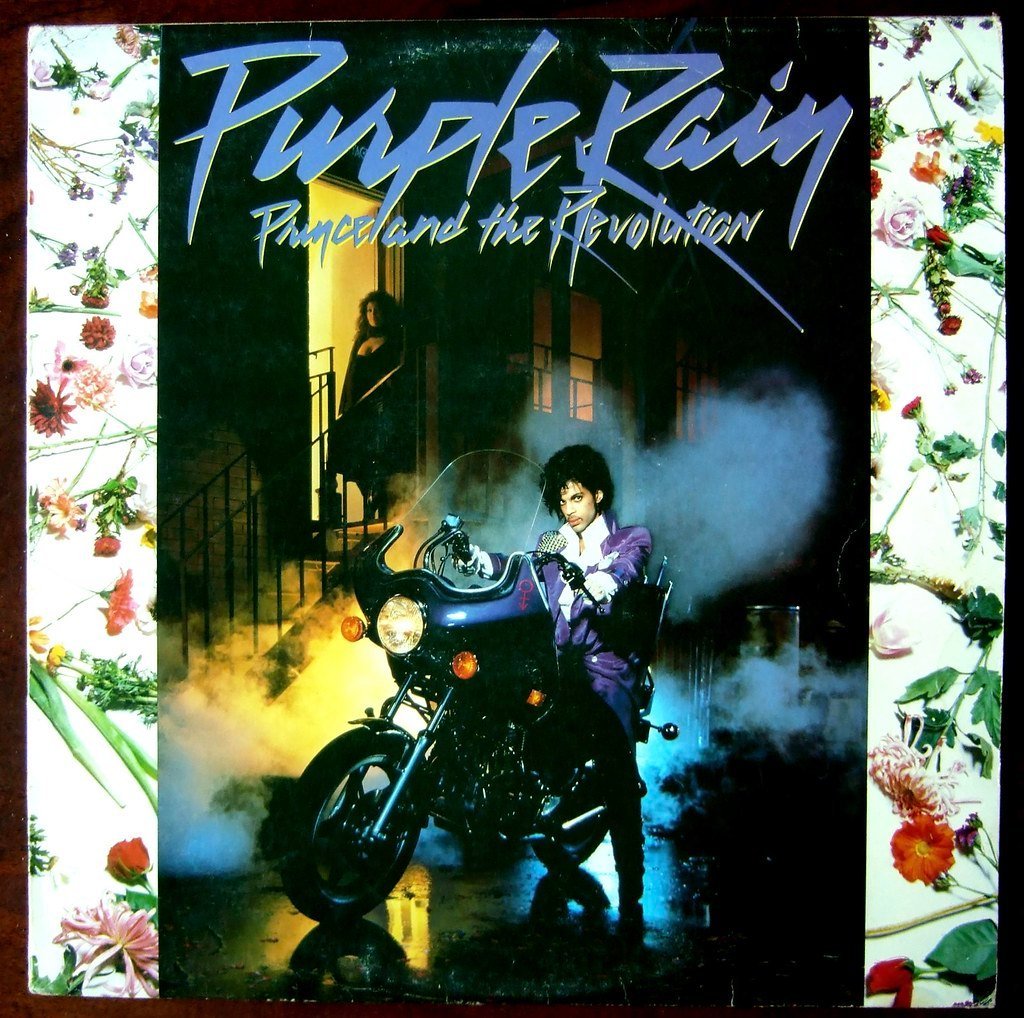
There is a version of this conversation where we debate whether Purple Rain even belongs on this list, because the film isn’t terrible. Prince is electrifying on screen, and the story of a young musician battling his demons while rising to stardom has genuine emotional pull. However, be honest with yourself. When was the last time someone suggested watching Purple Rain for the acting? Exactly.
Purple Rain is Prince’s best album and one of the greatest records of all time, but the movie is only just okay. The performances in the film, especially the concert sequences, exist primarily as vessels to deliver the music. And what music it is. The title track alone contains enough emotional weight to carry an entire era.
Purple Rain has been certified Diamond by the RIAA with 13 million copies sold, placing it among the top certified soundtrack albums in history. It essentially transformed Prince from a pop star into an icon. The film was the excuse. The record was the event.
8. Dirty Dancing (1987) – Unexpectedly Unstoppable
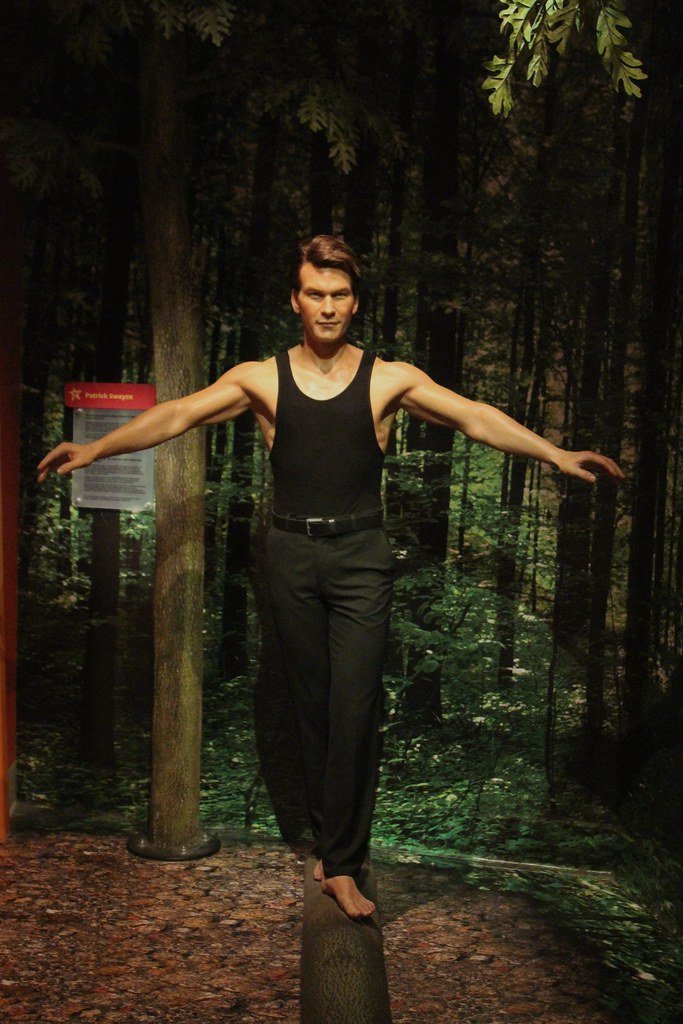
Nobody put Dirty Dancing in a corner, and nobody expected its soundtrack to become one of the all-time bestsellers either. Who would’ve thought that a low-budget film starring the then-relatively unknown Patrick Swayze and Jennifer Grey would become a cultural landmark? The plot is charming but thin. Girl from wealthy family falls for working-class dance instructor at a summer resort. That’s basically the whole thing.
Even more surprising was the soundtrack, parking itself at number one on the Billboard charts for over four months and selling 11 million copies. The Dirty Dancing soundtrack has been certified Diamond by the RIAA with 14 million copies sold. That is a staggering number for a film that many critics at the time dismissed as lightweight entertainment.
The mix of original songs and revived early 1960s classics gave the album a timeless quality that the film, for all its warmth, never quite achieved. Songs like “(I’ve Had) The Time of My Life” became so embedded in popular culture that they now live entirely independently of the movie. People who have never seen Dirty Dancing know that song by heart.
9. Footloose (1984) – The Town Banned Dancing, Not the Album
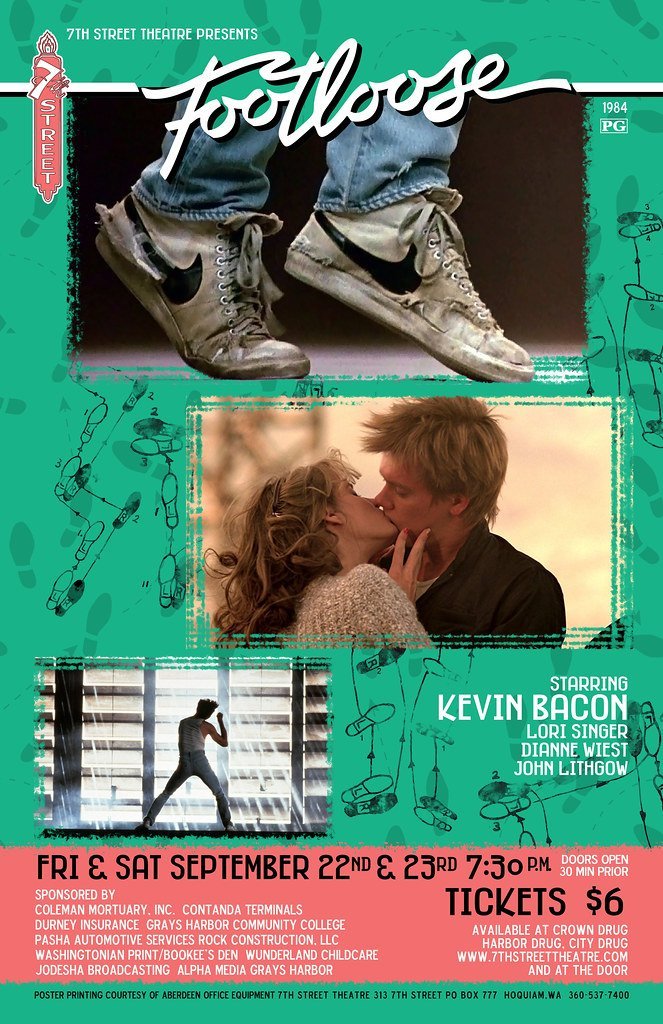
Footloose is one of those films that exists in a permanent state of cheerful ridiculousness. The premise, a small midwestern town where a strict reverend has banned dancing and a rebellious teenager wages musical war against the establishment, is so gloriously over the top that it practically dares you to take it seriously. Most people wisely don’t.
Nothing quite says “80s” like this cheery romp plotting the battle between a small midwest town that has banned dancing and a musical group of teenagers. With charting songs from Kenny Loggins, Bonnie Tyler, and Sammy Hagar, the soundtrack ruled the airwaves from 1984 to 1986 and sold over 9 million copies. Footloose made a star out of Kevin Bacon, but otherwise, there’s little culturally significant outside of the music.
The title track by Kenny Loggins became one of the most recognizable opening chords in pop history. It’s the kind of song that can pull someone physically out of their seat. The film, meanwhile, is a fun relic of the decade. Together they’re inseparable. Separately, the music wins by a country mile.
10. Juno (2007) – The Quirky Indie Film That Launched a Thousand Mixtapes
Juno was a phenomenon in 2007, no question about it. The screenplay was sharp, the performances were great, and audiences responded warmly. Yet if you asked most people what they remember most vividly about it, the answer is usually the music. That specific acoustic, slightly off-kilter warmth that soundtracked the whole film became its lasting identity.
After thinking about the music Juno would listen to, director Jason Reitman sent the screenplay to musician Kimya Dawson. Dawson sang tracks on her own and with her bands, Antsy Pants and The Moldy Peaches. Reitman also contacted Mateo Messina, who worked with him on Thank You for Smoking, and had Messina compose “the sound of the film” based on Dawson’s work.
Juno made twee mainstream by introducing millions of people to Belle & Sebastian and The Moldy Peaches, but the soundtrack also includes classic songs by Cat Power, Sonic Youth, and The Velvet Underground. Juno’s soundtrack is one of the most identifiable and iconic movie scores of the 2000s. The film was a good coming-of-age story. The soundtrack was a generation-defining playlist.
11. Twilight (2008) – Fangs Optional, Playlist Required
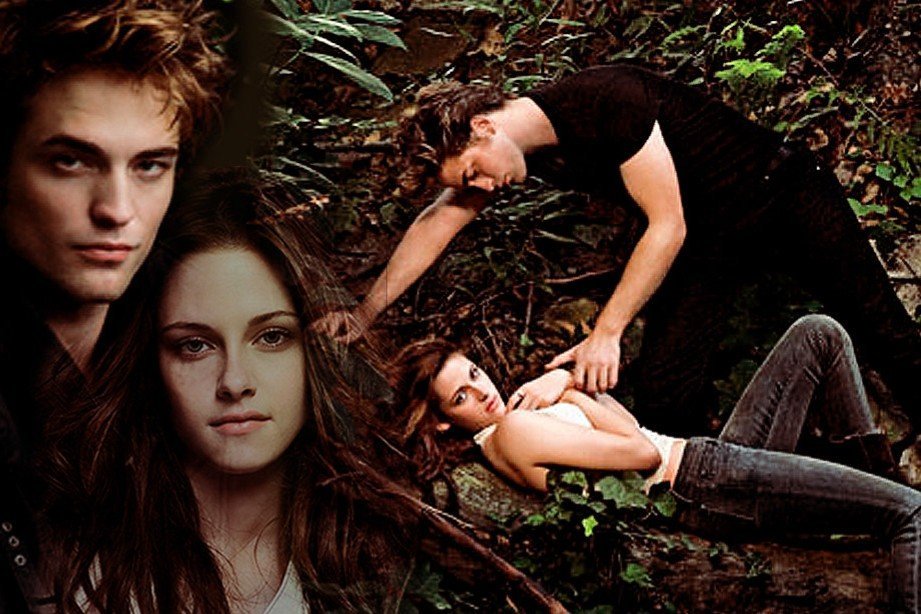
I know it sounds crazy, but stay with me here. Twilight is objectively not a great film. The performances are wooden in places, the pacing drags, and the romantic tension between a teenage girl and a vampire who watches her sleep strikes modern audiences as, at best, uncomfortable. The film has not aged gracefully. The soundtrack, however, is a different story entirely.
While Twilight still has a bad rap, there’s no denying that it has an iconic soundtrack filled with great songs. The soundtrack includes alternative songs from bands like Linkin Park and Paramore, as well as music from Robert Pattinson, who stars in the film. The soundtrack debuted on the US Billboard 200 at Number 1, becoming the best-selling theatrical movie soundtrack since Chicago.
The soundtrack was also nominated for a Grammy. Notable songs include “Supermassive Black Hole” by Muse, which is featured in Twilight’s iconic baseball scene. Additionally, “Decode” by Paramore was released as a single following the release of Twilight. The vampires may have sparkled. The music genuinely shone.
12. Scott Pilgrim vs. the World (2010) – A Film That Lives and Dies by Its Music
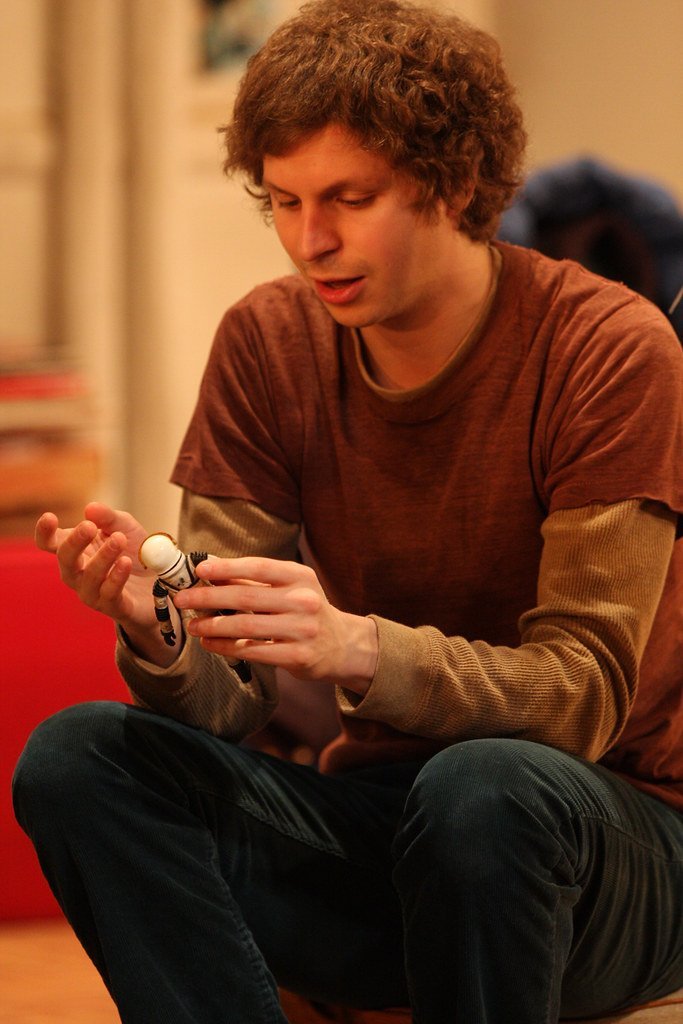
Edgar Wright’s hyperkinetic, video game-flavored romance is an acquired taste as a film. It’s frenetic, often exhausting, and its plot is essentially a series of increasingly surreal boss fights dressed in relationship metaphors. It’s the kind of movie that cult audiences adore and general audiences find baffling. Yet the music? Everyone can agree on the music.
Edgar Wright’s film Scott Pilgrim vs. the World is inherently driven by its music, so without a top-tier soundtrack, there is no movie. What the film lacks in plot, it makes up for with its expertly-written music. Wright supervised the music production along with Marc Platt and music producer Nigel Godrich. Artists in the soundtrack include Beck, the Rolling Stones, Plumtree, and Metric.
Many songs in Scott Pilgrim vs. the World were recorded as full-length songs and added to albums. One of the most popular songs, “Black Sheep” by Metric, was sung by Brie Larson’s character in the film. There is something remarkable about a movie soundtrack that functions equally well as a standalone listening experience. This one absolutely does.
13. Empire Records (1995) – The Box Office Flop That Found Eternal Life
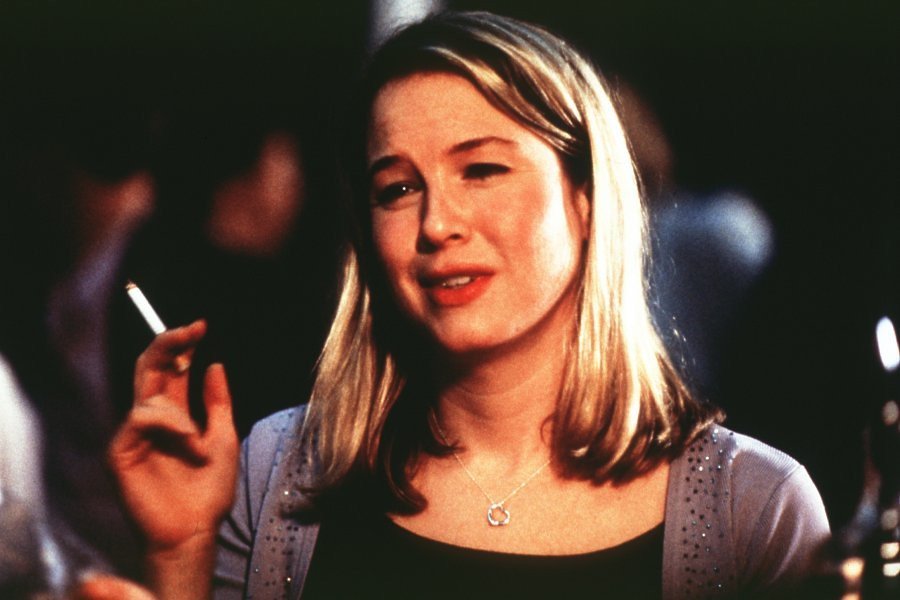
Empire Records tanked at the box office. There is no polite way to dress that up. The story of a group of misfit record store employees trying to save their beloved indie shop from a corporate buyout was dismissed by critics, ignored by most audiences, and vanished quickly from theaters. It should have been a footnote. Instead, it became a cult phenomenon, and the reason is almost entirely the music.
Empire Records is known for its soundtrack and has been cited as a source of inspiration for others, including Emerald Fennell when she was working on the Promising Young Woman soundtrack. While the film was a box office flop, it has become a cult classic, largely thanks to the soundtrack.
The score features artists such as The Cranberries, Gin Blossoms, Drill, and Coyote Shivers. Some tracks, such as “Sugarhigh” and “The Ballad of El Goodo” feature vocals from members of the cast, adding to the immersion of Empire Records’ musical aspect. It’s a mid-90s alt-rock time capsule, capturing a very specific energy that nobody knew they needed preserved until the film disappeared and the album refused to.
14. The Last of the Mohicans (1992) – A Score That Outlasted Its Own Story
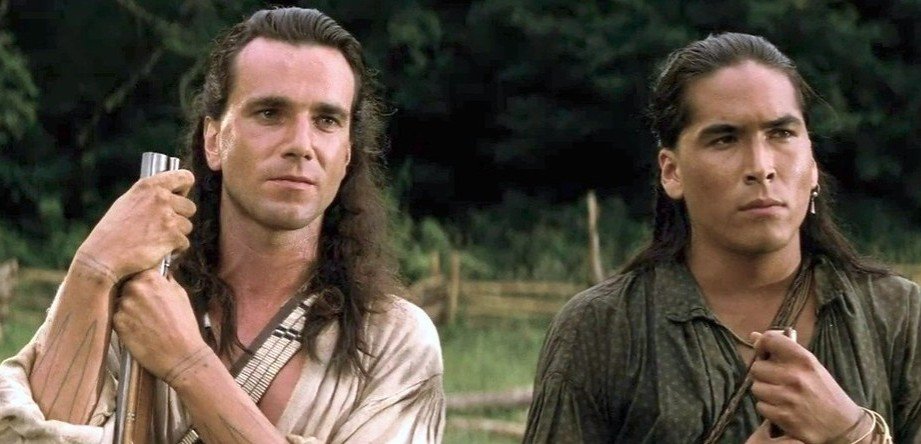
Michael Mann’s historical epic is a visually stunning and earnest piece of filmmaking. Daniel Day-Lewis commands the screen as always. The action sequences are impressively staged. Yet if you ask anyone who saw it what has stayed with them across the decades, the honest answer is almost never the story. It’s that soaring, unforgettable score that hits somewhere deep in the chest.
The soundtrack, composed by Trevor Jones and Randy Edelman, features soaring orchestral pieces, traditional Native American chants and drumming, and Irish-inspired folk music, all blending together to create something wholly original. It’s genuinely hard to think of another score that so successfully weaves together such wildly different musical traditions into something that feels completely unified.
The main theme has transcended its origins entirely. It’s been used in commercials, sports broadcasts, political campaigns, and has been covered hundreds of times. That’s the mark of music that has become bigger than the work it was made for. The film was good. The music is genuinely great.
15. Sucker Punch (2011) – The Most Uneven Trade in Cinema History
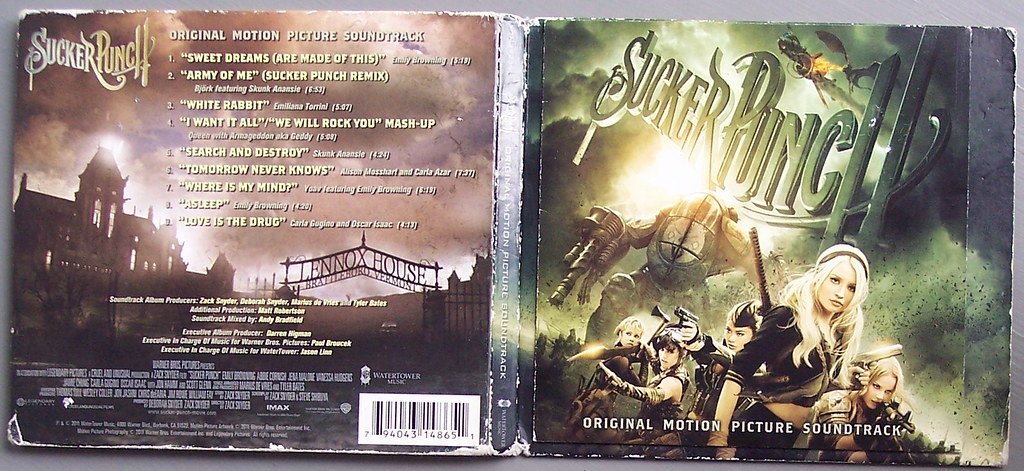
Zack Snyder’s action-fantasy is perhaps the most extreme example on this entire list, because the gap between the quality of the film and the quality of its soundtrack is almost comically wide. Even among Snyder’s most devout supporters, Sucker Punch is generally acknowledged as a miss among his movies. Filled with the director’s signature dark and slow-motion-riddled imagery, the film tells a difficult story about abuse and power fantasies that left most viewers feeling cold, confused, and uncomfortable.
Zack Snyder’s action-fantasy was greeted with a lot of expectations prior to its release, but Sucker Punch failed to live up to its hype. However, despite the film’s shortcomings, it managed to deliver some fun hits. Featuring a diverse lineup of rock and metal hits from the likes of Bjork, Queen, and more, the soundtrack effortlessly captured the intensity and chaos of the film.
The standout track on this soundtrack was “Sweet Dreams (Are Made of This)” by Emily Browning, which also helped launch the actress’s singing career. It’s a genuinely bold and inventive collection of reimagined rock classics. Stripped away from the film’s messy narrative, the album holds up remarkably well. It’s the rare case where the soundtrack is simply better by every conceivable measure.
The Bigger Picture: When Music Outlives the Movie
What does it mean when a soundtrack outshines its film? It’s not always a sign of failure. Sometimes, as with Guardians of the Galaxy or Trainspotting, the music and the movie rise to different heights simultaneously. Other times, as with Sucker Punch or Empire Records, the music becomes a kind of rescue operation, salvaging something permanent from a story that didn’t quite land.
A film can have flaws in its plot, characters, or themes, and the soundtrack can still become a success. Music operates on a different emotional frequency than narrative. It bypasses logic, skips over plot holes, and lands directly in the part of the brain that stores memory and feeling. A song can transport you somewhere a scene never could.
Honestly, I think this phenomenon is one of cinema’s most quietly beautiful accidents. Nobody sets out to make a film where the music eclipses everything else. It just happens, when the right artist, the right director, and the right cultural moment collide. The films on this list are proof that sometimes the score is not just the soundtrack to the story. It IS the story.
So here’s a question worth sitting with: of all the films you’ve ever seen, which one do you think had music that deserved a far better movie? Tell us in the comments.
CEO-Co-Founder
