

- 9 Historical Mysteries That Still Baffle Experts to This Very Day - April 5, 2026
- 15 Legendary Authors Whose Personal Lives Were as Gripping as Their Novels - April 5, 2026
- Top Tips to Experience the 2026 California Superbloom - April 5, 2026
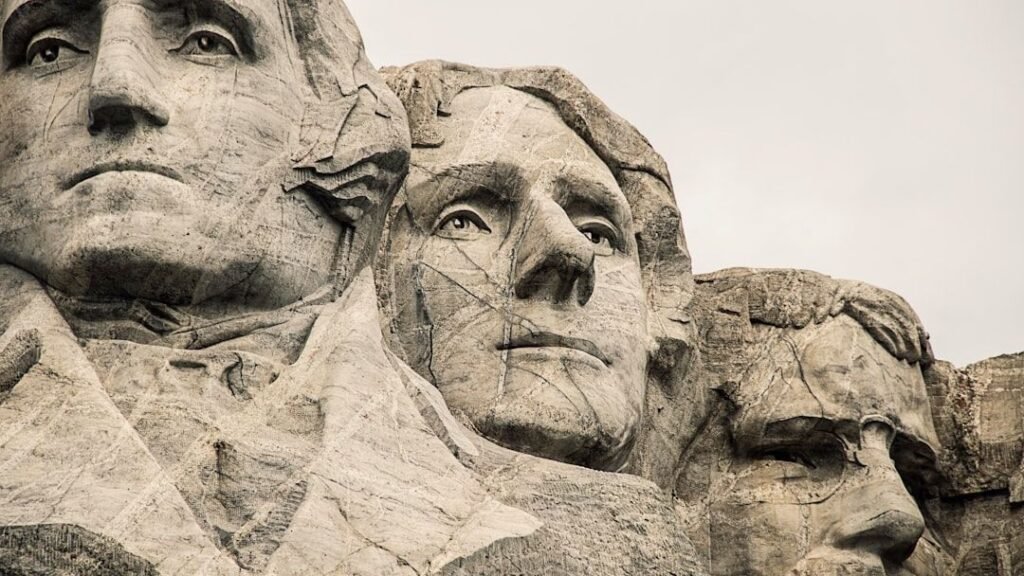
We tend to think of the Founding Fathers as marble statues. Literally and figuratively. They stare down from courthouse walls, peer out from dollar bills, and occupy some almost mythical space in American memory. They are simultaneously everywhere and, oddly, deeply unknown.
The truth is far messier, stranger, and in many ways more fascinating than the polished version we learned in school. Behind the powdered wigs and parchment proclamations were real men with bad teeth, crushing debts, wild inventions, and astonishing contradictions. The stories that textbooks quietly leave out are often the most revealing of all. Let’s dive in.
1. The Term “Founding Fathers” Was Not Coined Until the 20th Century
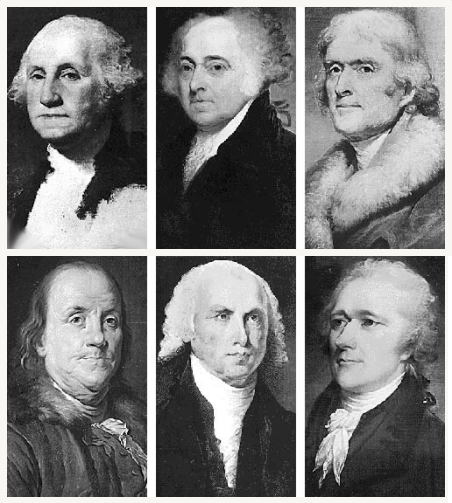
Here’s a mind-bending place to start. The very phrase we use to describe these men is far younger than most people assume. The term wasn’t coined until 1916, when then-Senator Warren G. Harding was giving a speech at the Republican National Convention. So the men themselves never used that title. They never self-identified as “Founding Fathers” at all.
It was 1941 before the phrase became more widely known, when historian and lawyer Kenneth Bernard Umbreit published his book “Founding Fathers: Men Who Shaped Our Tradition.” From there it entered the American lexicon permanently. Honestly, there’s something humbling about that. A label we treat as ancient and sacred is barely a century old.
None of them self-identified as a Founding Father, which means the very grouping is a retroactive invention. The whole concept was constructed after the fact, assembled from fragments of memory and national pride.
2. George Washington Was Not Actually the “Father of His Country” in a Literal Sense
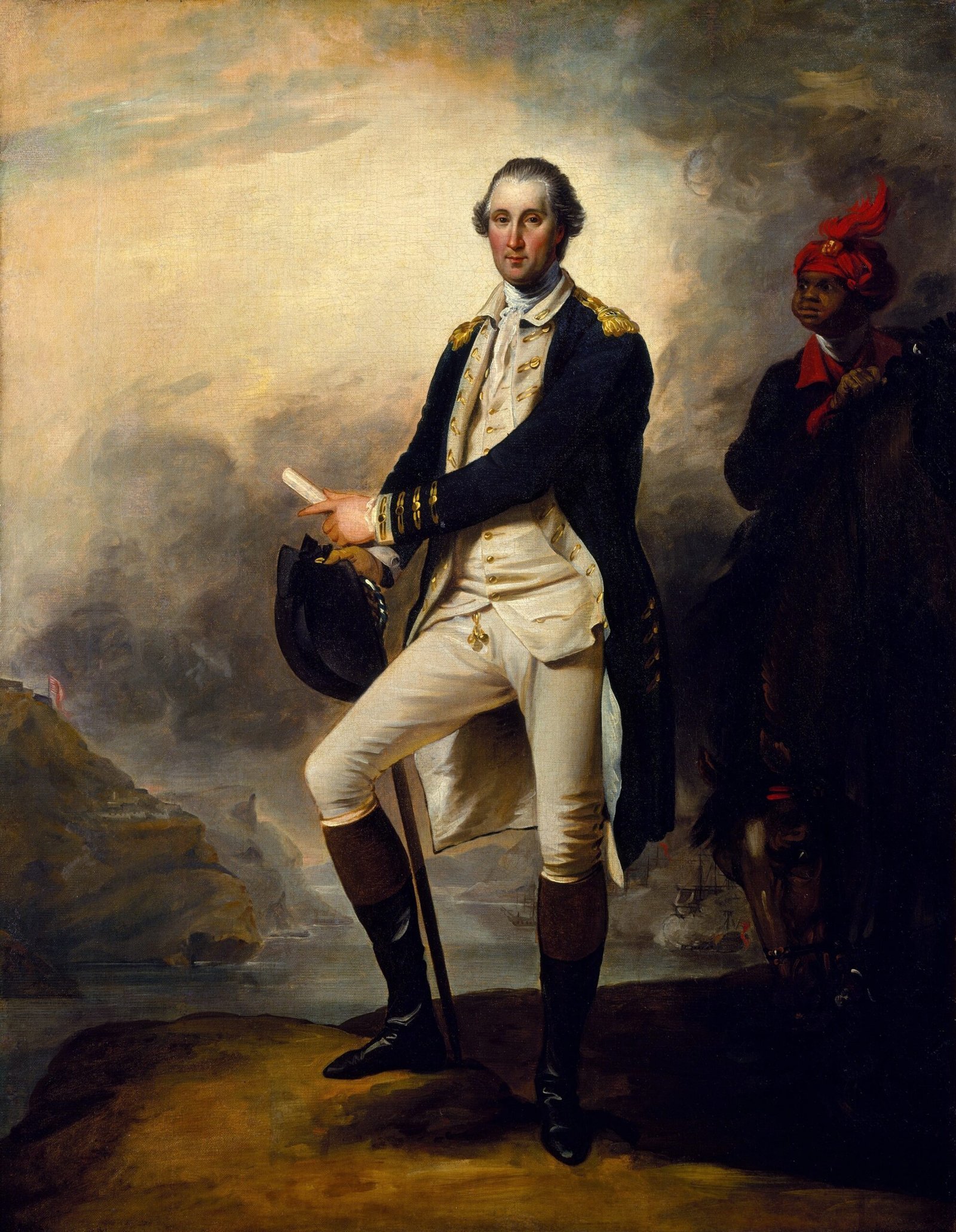
Washington did not father any children, although he had a loving match with Martha. Martha Washington had children from her first marriage and was still of childbearing age when she married George. This has long puzzled historians, and the reasons have never been definitively resolved.
It’s never been definitively established why the Washingtons couldn’t conceive. Theories range from George’s early bouts with smallpox or tuberculosis to Martha’s case of measles. Washington raised Martha’s children as his own, becoming a devoted stepfather figure who was genuinely grief-stricken when tragedy struck the family.
He was extremely fond of them and was bereft when 17-year-old Patsy died of an epileptic seizure. As a father figure, he was especially fond of dispensing advice via letters, on everything from education to romance. The “Father of His Country” was, in every real sense, a father to children not his own by blood.
3. Washington’s Dentures Were Not Made of Wood
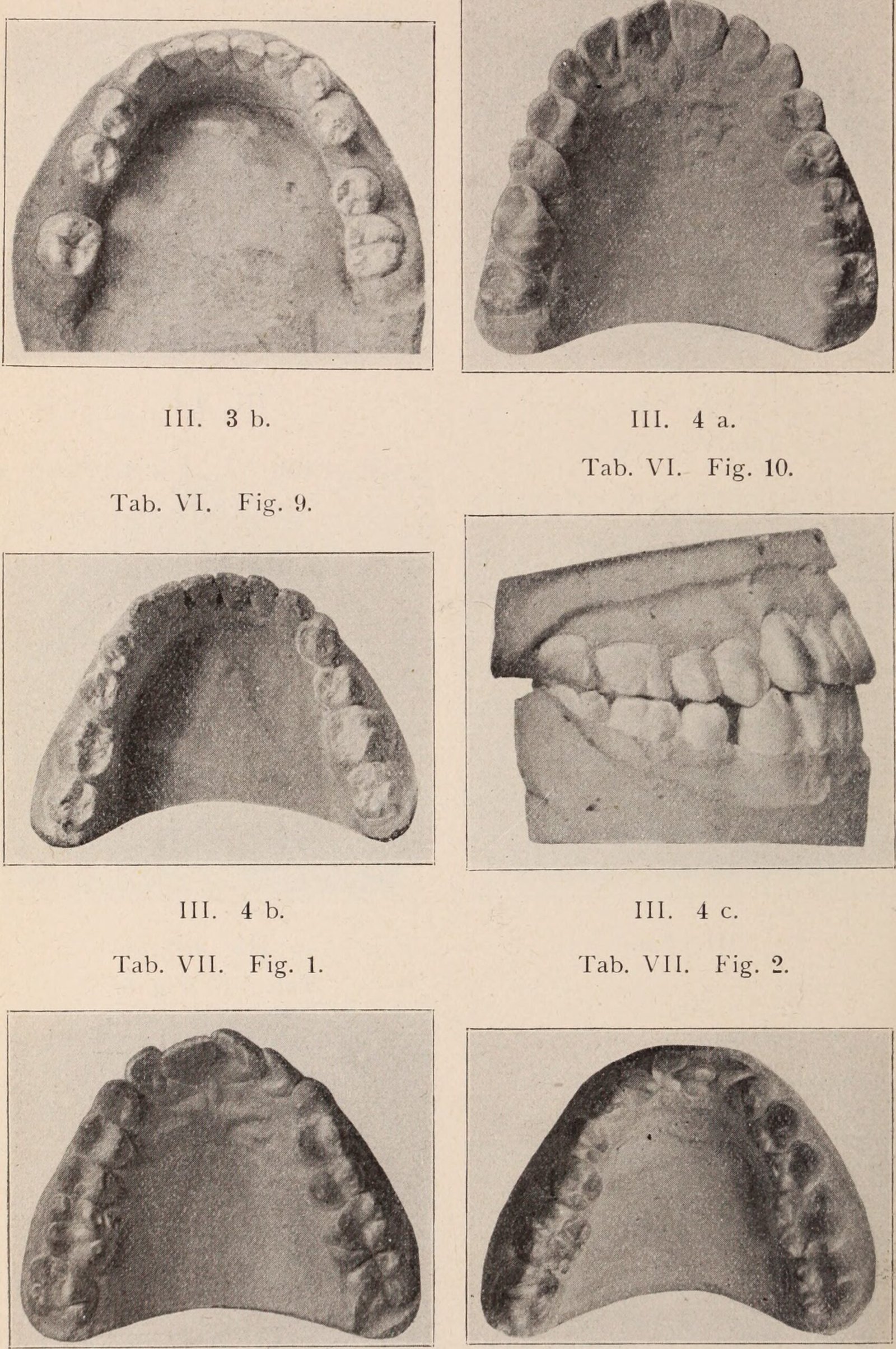
Almost everyone has heard the story of George Washington’s wooden teeth. It’s one of the most persistent myths in American history. The reality is both more fascinating and more disturbing than the legend.
By the end of his life, Washington had only one natural tooth left in his mouth. The rest were made from a variety of materials, including ivory, bone, silver, and even human teeth, just taken from other humans, most likely from his slaves. That detail lands with a particular weight. The first president’s very smile was built, in part, on the bodies of enslaved people.
The dentures opened and closed by way of a heavy-duty spring. In order to keep his mouth shut and overpower the spring, Washington would have to keep his mouth clenched. This would have affected the way he looked and spoke. That stiff-jawed portrait we’ve all seen? That wasn’t dignity alone. That was dental hardware.
4. Washington Was a Successful Whiskey Distiller

Most people know George Washington as a general and a president. Far fewer know he was also, by the end of his life, the largest whiskey producer in America. It’s the kind of detail that makes history feel unexpectedly human.
In 1797, one of Washington’s estate managers suggested opening a whiskey distillery at Mount Vernon. Washington agreed, and by the time of his death in 1799, the distillery produced nearly 11,000 gallons of whiskey a year, making it the largest producer in America at the time. Not bad for a retired general in his late sixties.
The distillery still churns out a limited number of bottles each year using its original recipe. So in a very literal sense, you can still drink Washington’s whiskey today. That feels like a fact worth raising a glass to.
5. Washington Lost More Battles Than He Won During the Revolution
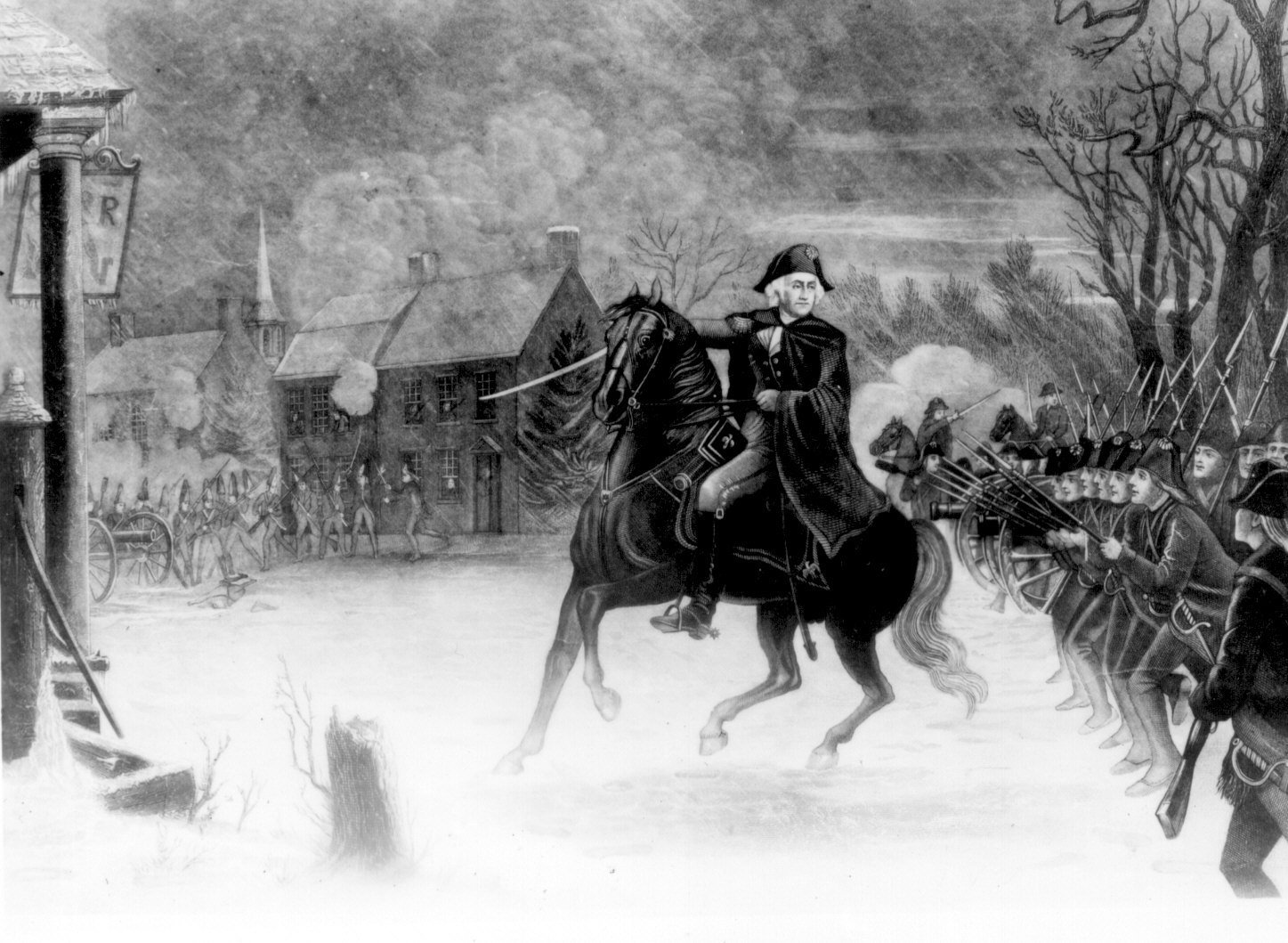
The narrative of Washington as an unstoppable military genius needs a bit of revising. Let’s be real about the historical record here. General George Washington embodies the phrase “losing the battle but winning the war,” because during the American Revolution, he lost more battles than he won. His record on the battlefield was, objectively, mixed at best.
Washington struggled mightily to win the Revolutionary War with an army that was perpetually undermanned, undertrained, and undersupplied. So to triumph over one of the world’s most powerful military forces, he relied increasingly on his unseen weapon: a secret intelligence network. Throughout the conflict, Washington’s spies helped him make bold, canny decisions that would turn the tide of the conflict.
The story of Washington’s underground spy network is replete with intrigue: there were letters written in invisible ink, a rare female agent who went by the mysterious moniker Agent 355, an African-American double agent, a patriot tailor who collected dirt while making clothes for British officers, and the gruesome execution of the spy Nathan Hale. The real genius wasn’t just on the battlefield. It was in the shadows.
6. Benjamin Franklin Wanted to Redesign the English Alphabet
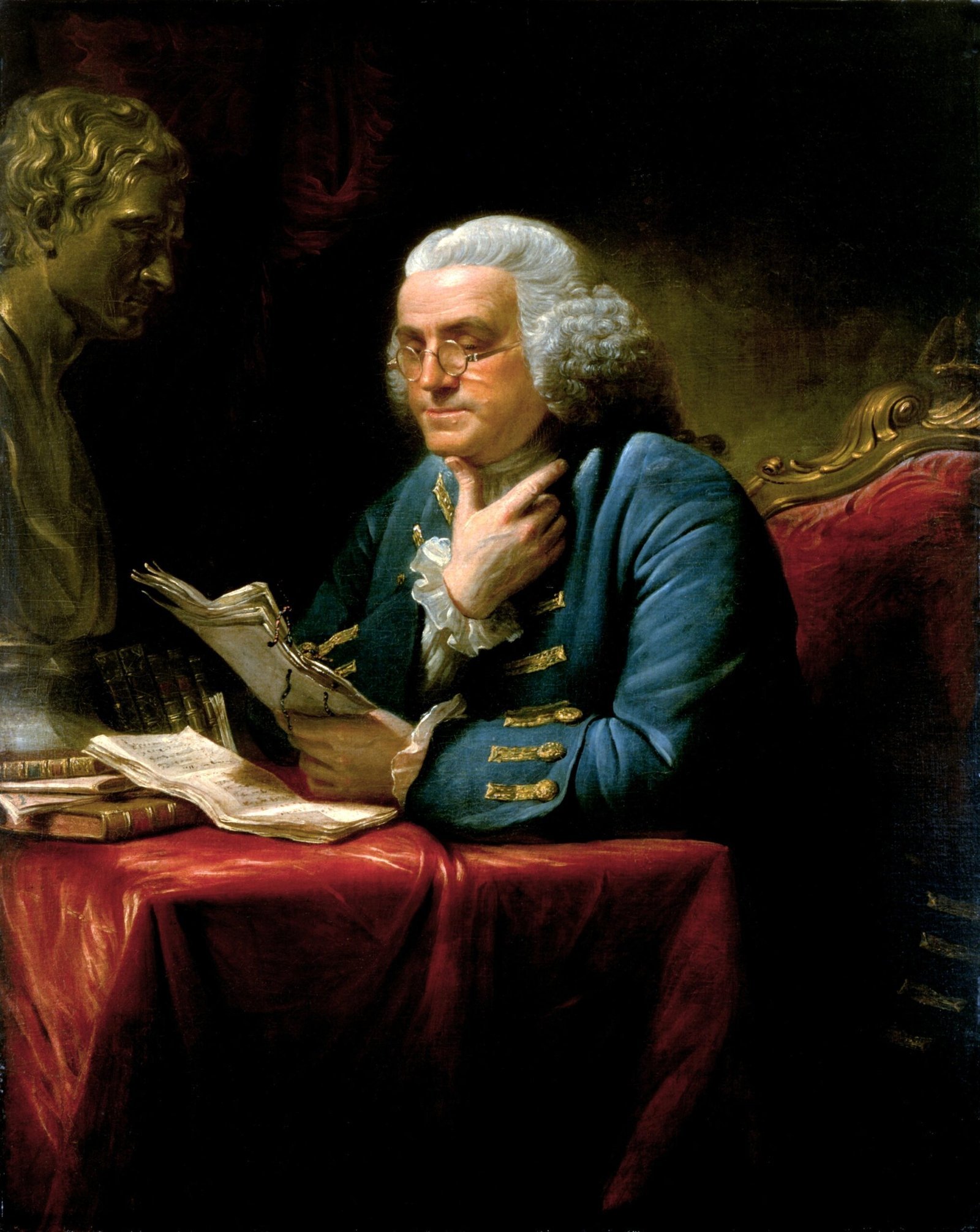
Benjamin Franklin’s restless brilliance is well documented. He invented bifocals, mapped the Gulf Stream, and helped secure French military support for the Revolution. Still, not every idea was a winner. He once had a plan to rearrange the English alphabet by eliminating the letters C, J, Q, W, X, and Y, declaring them redundant. It didn’t catch on.
This was not an offhand thought, either. Franklin genuinely devoted real intellectual energy to the idea of phonetic spelling reform. He designed replacement characters and tried to promote the new system to friends and colleagues. They were not persuaded. It’s a good reminder that even the greatest minds produce spectacular misfires.
A more reasonable Franklin contribution: bifocals, which he invented in order to both see from a distance and read text up close without having to switch lenses. When Franklin focused on practical problems, the results were rather more enduring than reformed alphabets.
7. Franklin Invented a Musical Instrument That Mozart and Beethoven Wrote Music For
Here’s one that I think genuinely catches people off guard. Franklin is remembered as a statesman and a scientist. Almost no one knows he was also an instrument inventor whose creation attracted the attention of two of history’s greatest composers.
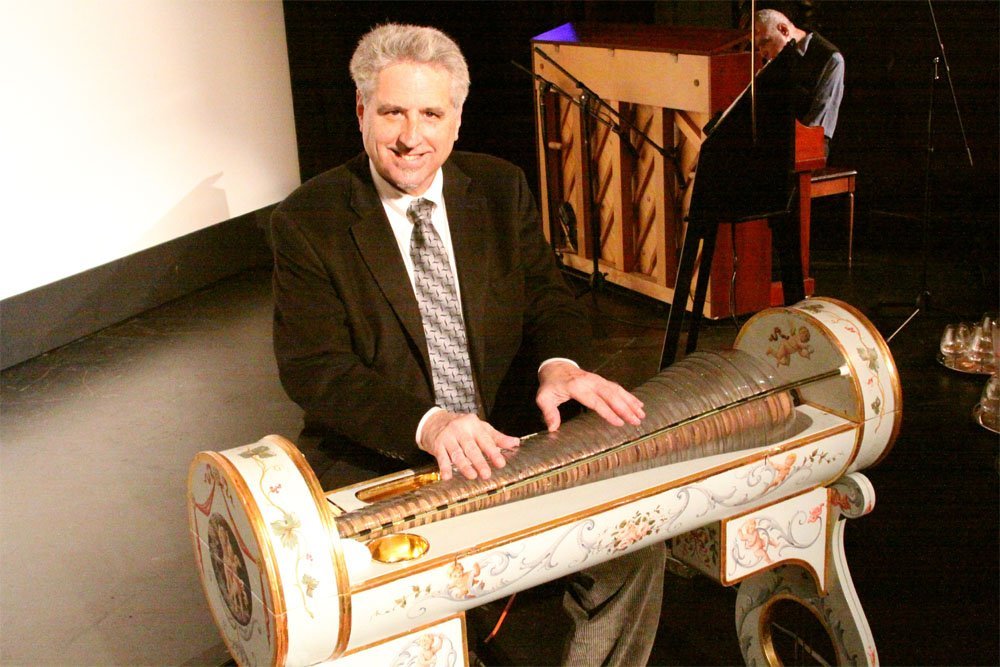
In the mid-1700s, while serving as a delegate for the American colonies in Europe, Benjamin Franklin experienced a popular musical performance using singing glasses. Intrigued by the beautiful sound of a wet finger on glass, Franklin developed an instrument known as a “glass armonica” in 1761. Working with a glassblower in London, Franklin altered the thickness of glass bowls, interlocked along a rod, in order to produce a range of pitches.
Far from being one of Franklin’s odder ideas, the glass armonica was an 18th-century sensation. Some of the era’s greatest composers, including Wolfgang Amadeus Mozart and Ludwig van Beethoven, wrote music for the instrument. However, it was largely forgotten by the 1820s. Many musicians complained of dizziness and other symptoms after playing it, with some blaming lead poisoning or the instrument’s vibrations as the cause.
8. Franklin Owned Slaves But Later Became a Leading Abolitionist
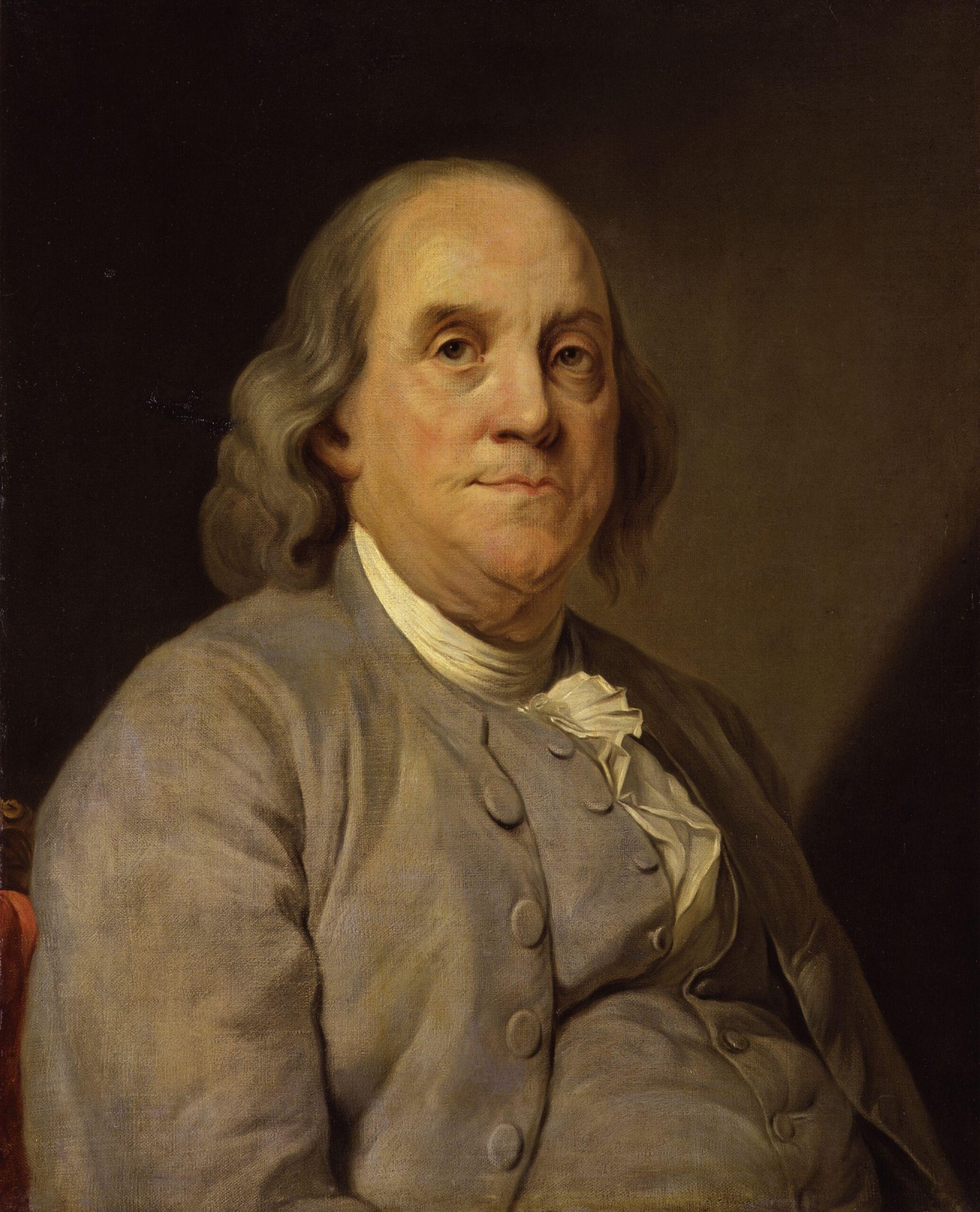
As such, use of this image in the jurisdiction of the claimant or other countries may be regarded as copyright infringement. Please see Commons:When to use the PD-Art tag for more information., Public domain)
The contradiction here is profound, and it deserves to be looked at directly. In 1787, Franklin became President of the Pennsylvania Anti-Slavery Society. In earlier years he had not only owned enslaved people but had profited from including slave advertisements in his newspapers. However, his views changed over time and he became first an advocate of education for freed people and then of abolition.
Benjamin Franklin, who owned slaves early in his life, later became president of the first abolitionist society in the United States. That arc, from slave owner to abolitionist leader, is genuinely remarkable. It doesn’t erase the earlier chapter, but it does complicate any simple narrative.
Franklin was also something of an eccentric in his personal habits. Franklin took “air baths” in front of an open window on the first floor, and thus also introduced this practice to many of his neighbors, whether they wanted to learn about the practice or not. A lightning rod inventor who sat naked in front of open windows. History, at its most endearing.
9. Thomas Jefferson Originally Condemned Slavery in the Declaration of Independence
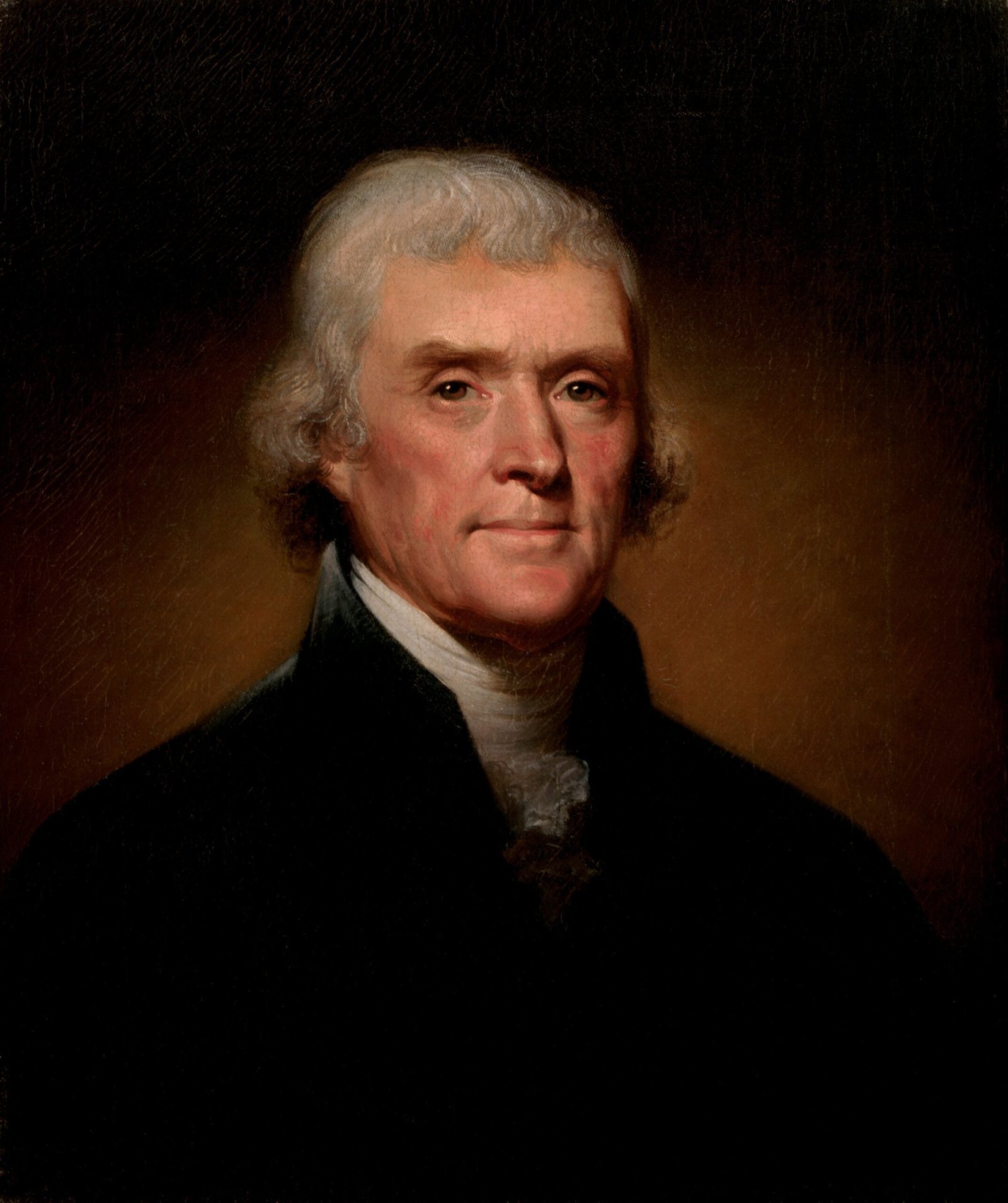
What isn’t widely known is that Founding Father Thomas Jefferson, in an early version of the Declaration, drafted a 168-word passage that condemned slavery as one of the many evils foisted upon the colonies by the British crown. The passage was cut from the final wording. Think about how different American history might have been had those words survived.
Despite his philosophical abhorrence of slavery and his ongoing legislative efforts to abolish the practice, Jefferson over his lifetime enslaved more than 600 people, including his own children with his enslaved concubine Sally Hemings. The gap between Jefferson’s written ideals and lived reality is one of the most agonizing contradictions in all of American history.
Despite his wish to end slavery, Jefferson never personally freed his slaves. When he died in 1826, his estate was in so much debt that his slaves were sold off to the highest bidder. The man who wrote that all men are created equal died leaving behind debts paid in human lives.
10. Jefferson Was Buried Under a Mountain of Debt
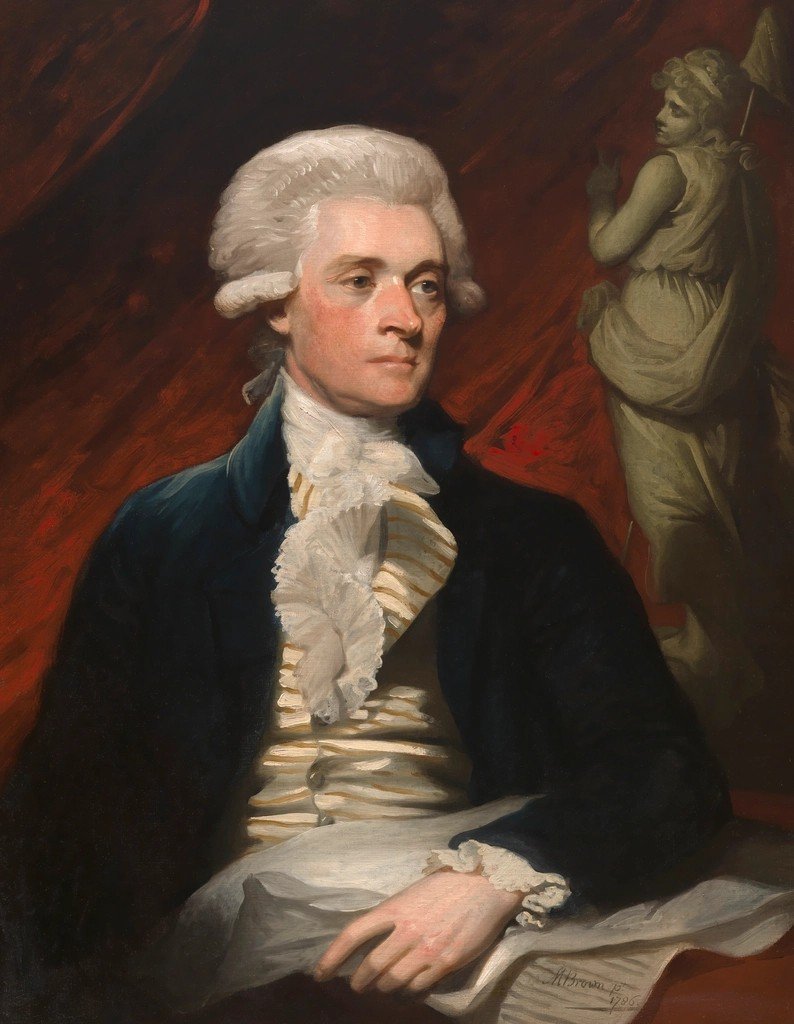
Jefferson’s financial recklessness was extraordinary even by the standards of the era’s plantation class. He was, for much of his life, genuinely broke, despite living in extraordinary luxury at Monticello. That tension is hard to fully comprehend.
This debt was due to his lavish lifestyle, long construction and changes to Monticello, imported goods, art, and lifelong issues with debt, from inheriting the debt of his father-in-law John Wayles to signing two large financial notes late in life to assist a dear friend, which proved to be his financial ruin.
Privately, one of Jefferson’s reasons for not freeing more of the people he enslaved was his considerable debt, while his more public justification was his fear that their release into American society would cause civil unrest. Debt, in other words, became a justification for enslavement. The cruelty of that logic is difficult to sit with.
11. Alexander Hamilton Founded the United States Coast Guard
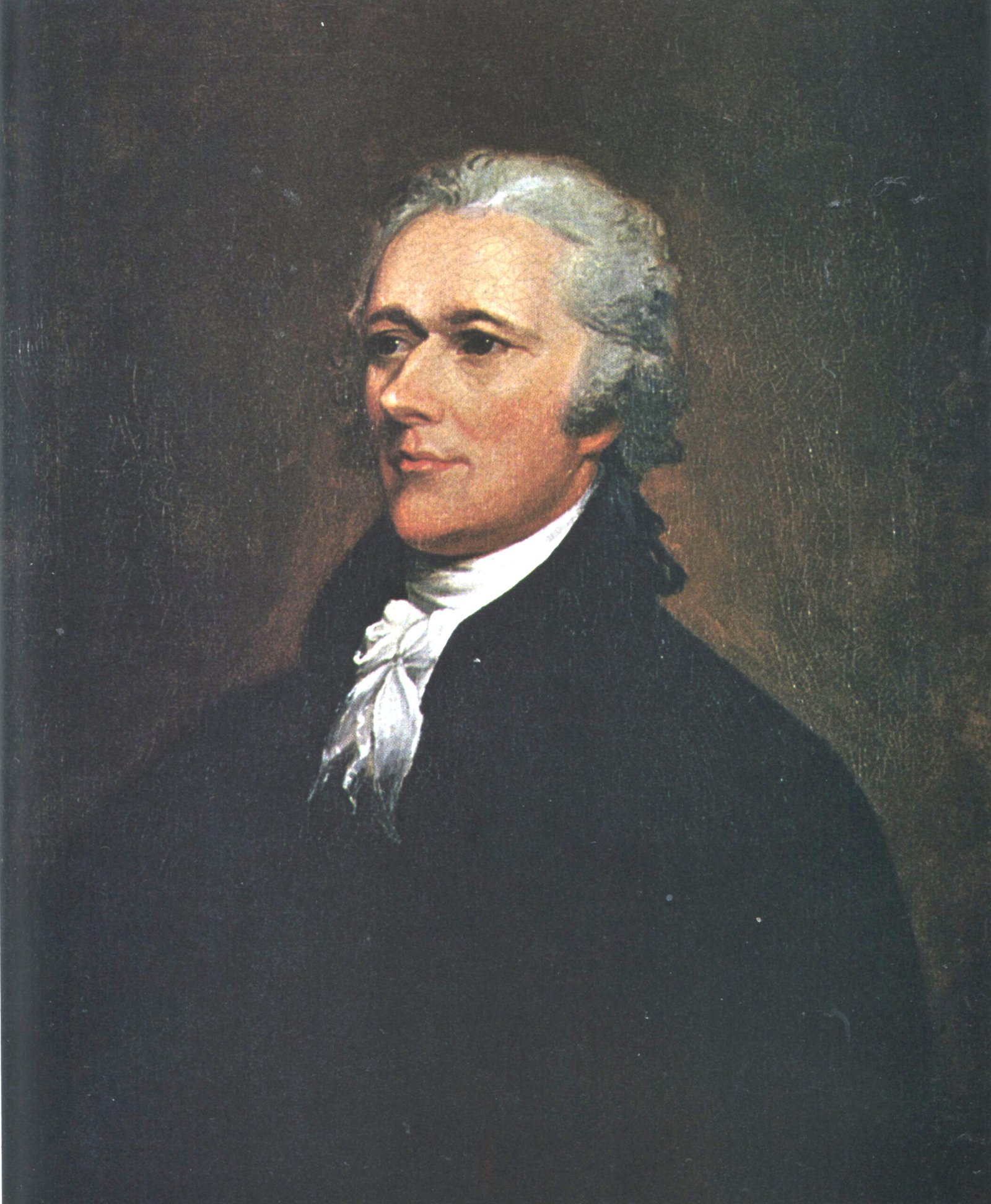
Most people know Hamilton as a Revolutionary War hero, the first Secretary of the Treasury, and the man who died in a duel with Aaron Burr. Far fewer know that he is also the founding father of one of America’s oldest military services.
Originally called the “Revenue Marine” and then the “Revenue Cutter Service,” the Coast Guard was one of Hamilton’s many bold ideas for funding the U.S. federal government, which was mired in debt after the costly Revolutionary War. There was no federal income tax at the time, and tariffs on imported goods were the chief source of revenue for the fledgling government. Smugglers evaded tax collection by landing ships at night or by bribing customs officials.
The Coast Guard received its current name in 1915 when the Revenue Cutter Service was merged with the U.S. Life-Saving Service. So the next time you see a Coast Guard vessel, you are looking at Alexander Hamilton’s practical legacy, riding the waves more than two centuries after his death.
12. Hamilton and Aaron Burr Once Teamed Up as Defense Lawyers
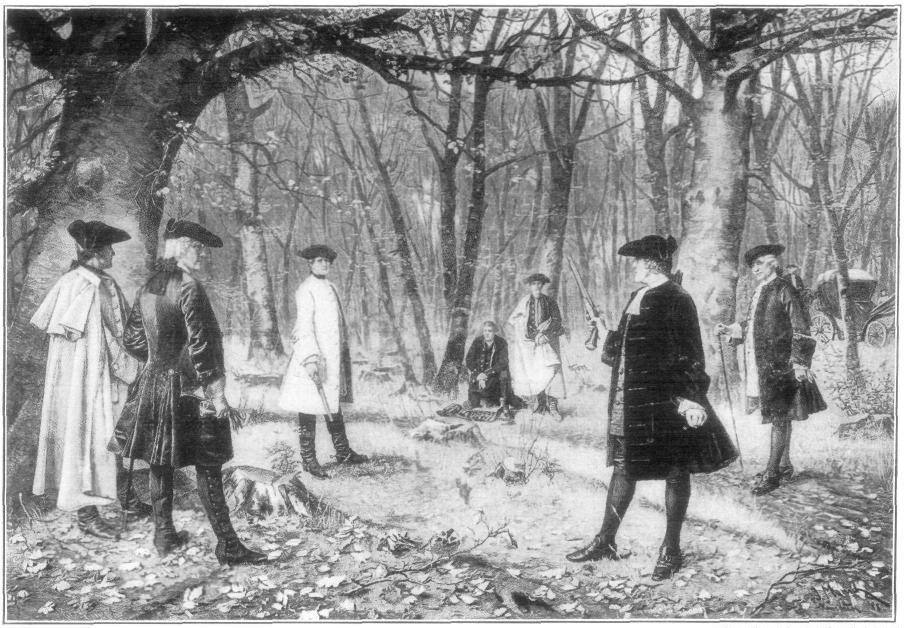
Before their legendary duel ended Hamilton’s life in 1804, Hamilton and Aaron Burr were not simply rivals. They shared a complicated, sometimes cooperative legal relationship. This part of the story almost never gets told.
As a practicing lawyer in New York, Hamilton teamed with future dueling foe Aaron Burr in what is believed to be the United States’ first murder trial on record. After the body of Elma Sands was discovered, a grand jury indicted her boyfriend, Levi Weeks, for the crime. The wealthy Weeks enlisted Hamilton, Burr, and Henry Livingston for his defense. He was acquitted, though public opinion largely declared him guilty.
Dueling was part of the Hamilton family long before Alexander’s fateful encounter with Aaron Burr. Three years prior, Hamilton’s son Philip challenged a lawyer named George Eacker to a pistol fight after Eacker was overheard criticizing his father. Eacker shot Philip, who died the next day. The Hamilton family’s connection to dueling was, tragically, a family tradition.
13. Sam Adams Was Not Actually a Brewer
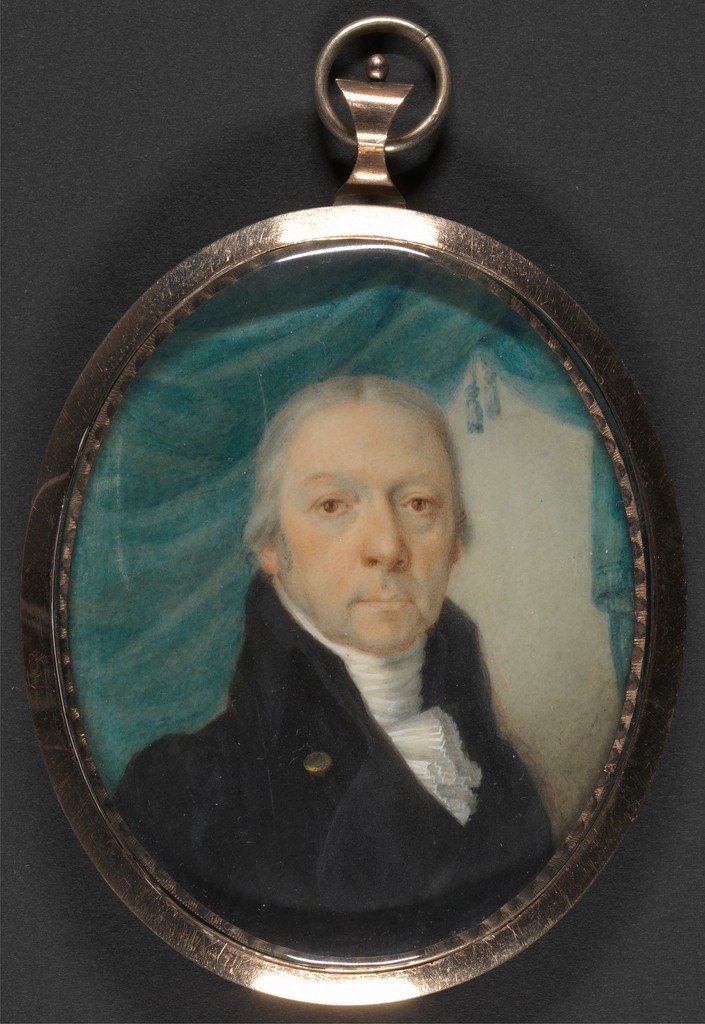
Few historical misconceptions are as stubbornly persistent as the idea that Sam Adams was a brewer. There’s a massively popular American beer brand built on exactly that image. Here’s the thing though. It’s not really true.
In terms of Founding Father extracurricular activities, Sam Adams is frequently credited with being a beer brewer. That’s not really true, though. Adams’ father did make malted barley that was sold to breweries, and his son inherited the business and became known as a “maltster.” A maltster processes grains. He did not craft the finished beer.
Within only a few years, the business was bankrupt and the malt house itself was crumbling. Adams proved more effective as a political firebrand than as a “maltster.” Sam Adams had quite an early start intellectually. He was admitted into Harvard College at age 14 and earned a bachelor’s degree in 1740. A Harvard-educated political revolutionary who ran a failing malt house. That’s the real Sam Adams.
14. John Adams and Thomas Jefferson Died on the Very Same Day
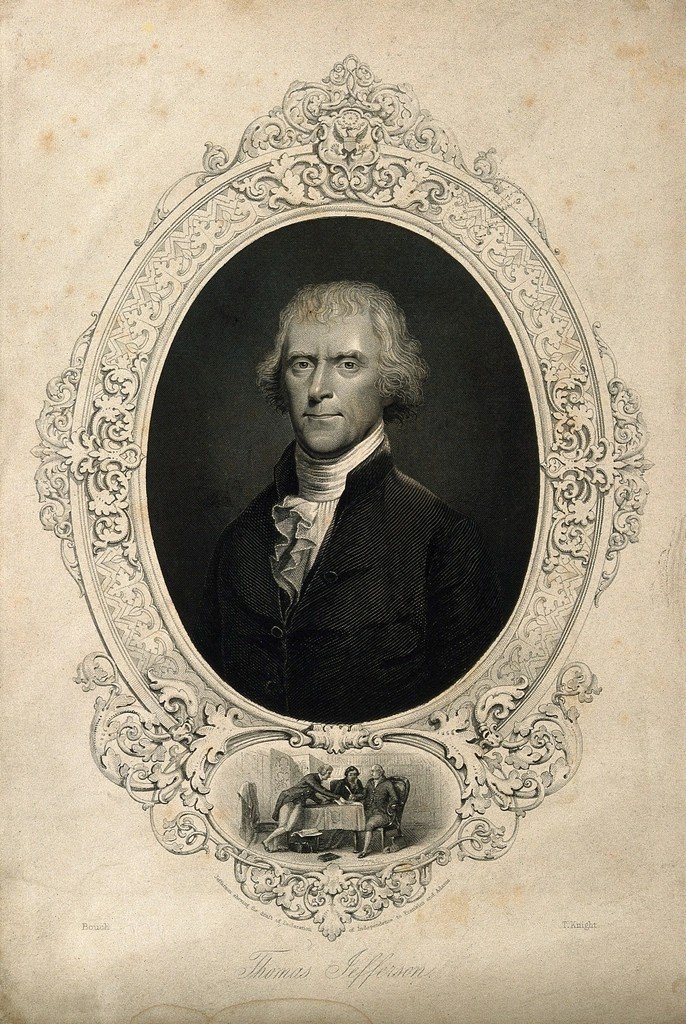
If you were writing this as a novel, no editor would let it stand. It would seem too contrived, too perfectly symbolic. John Adams and Thomas Jefferson, bitter political rivals and, at times, close friends, died on the very same day: July 4, 1826, fifty years after signing the Declaration of Independence. The two were the last surviving of the original revolutionaries who helped forge a new nation after breaking with the British Empire.
The synchronicity is genuinely staggering. These two men, who had been allies, then fierce enemies, then reconciled friends in old age, both closed their eyes for the last time on Independence Day. On the anniversary of the document they both helped to create. The probability of that happening by chance is almost incomprehensibly small.
In his last message to America, on June 24, 1826, ten days before he died on July 4, the same day that John Adams died, Jefferson declined an invitation to be in Washington for the 50th anniversary of the Declaration of Independence. He would mark that anniversary in a very different way than anyone expected.
15. Button Gwinnett’s Signature Is Worth More Than John Hancock’s
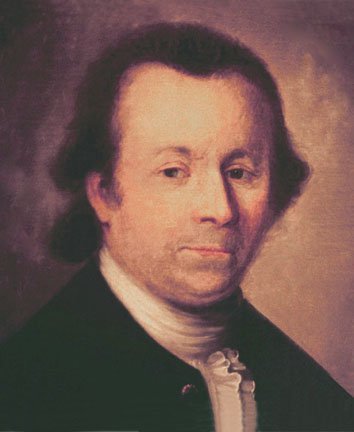
Everyone knows the phrase “John Hancock” as a synonym for a signature. John Hancock’s large, dramatic autograph on the Declaration of Independence is the most famous signature in American history. Yet his signature is not the most valuable one on that document. Not even close.
That title goes to a little-known Founding Father named Button Gwinnett, a delegate from Georgia who died within a year of signing the Declaration of Independence. The most recent sale of Gwinnett’s signature was for $722,500. Because he died so young and signed so few documents, his autograph is extraordinarily rare.
Hancock’s name takes up six square inches on the Declaration of Independence, a massive piece of real estate compared to the rest of the signers. Sam Adams, for example, needed just 0.6 square inches. No one knows for sure why Hancock used such broad strokes, although it’s possible he didn’t realize the document would eventually need 56 signatures. Fame, it turns out, is not always the same as rarity. And rarity is what drives value.
Conclusion: The Founding Fathers Were Fascinatingly, Frustratingly Human
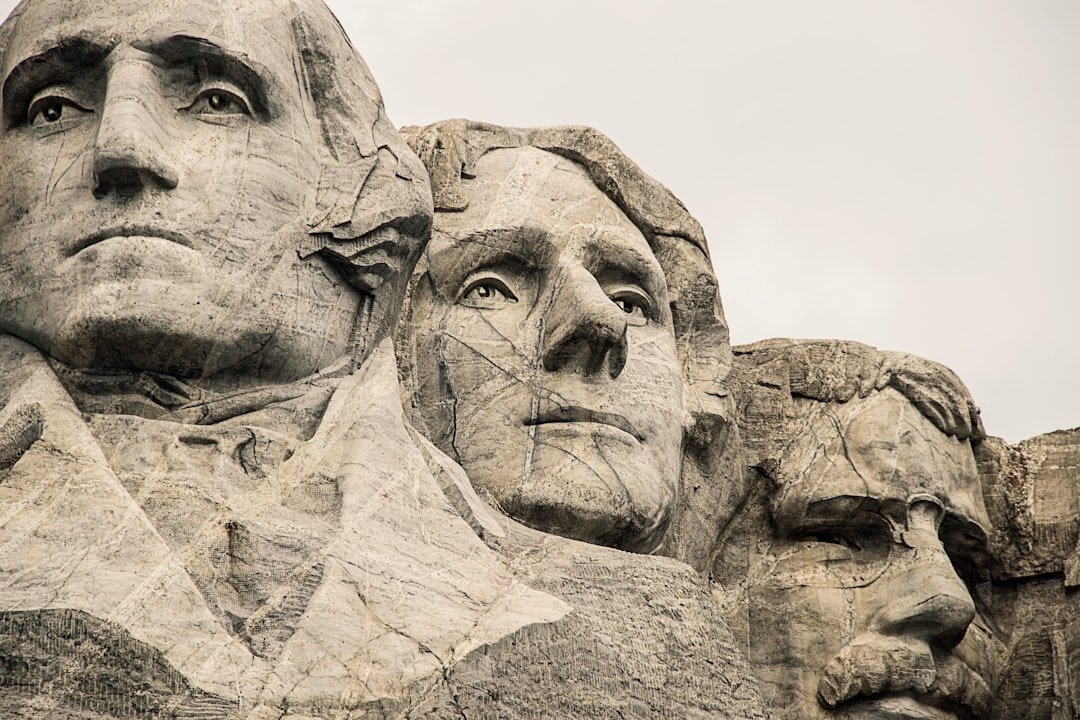
What strikes me most, after pulling all of this together, is how completely the sanitized version of these men fails them and us. The real Founding Fathers were inventors who failed spectacularly, debtors who preached freedom while practicing enslavement, military commanders who lost more than they won, and statesmen with eccentric personal habits that would raise eyebrows today.
Understanding these lesser-known details doesn’t diminish the genuine achievements of the founding era. If anything, it makes those achievements more impressive. They built something lasting despite being fully, messily human. Despite their contradictions. Despite their failures. That’s a more honest, and ultimately more inspiring, story than any marble statue can tell.
The real question these facts leave behind is a personal one: how much of what we believe about history is the actual record, and how much is the myth we needed to believe? What would you have guessed?
CEO-Co-Founder
