

- 9 Historical Mysteries That Still Baffle Experts to This Very Day - April 5, 2026
- 15 Legendary Authors Whose Personal Lives Were as Gripping as Their Novels - April 5, 2026
- Top Tips to Experience the 2026 California Superbloom - April 5, 2026
There is something endlessly compelling about the lives behind the literature. We read a novel, get swept away by the characters, and rarely stop to wonder what storms were raging in the author’s own world while they were writing it. Biographies often reveal the personal experiences and emotions that inform the writing of famous writers. The truth, it turns out, is often more dramatic than the fiction itself.
An author is influenced by their past when they write, and gender, race, and socioeconomic status also have a huge impact on their work. Think of it this way: every great book is a kind of autobiography in disguise. Strip away the invented names and fictional places, and what you usually find underneath is a raw, beating human heart. So let’s dive in.
1. Ernest Hemingway: A Life at War With Itself
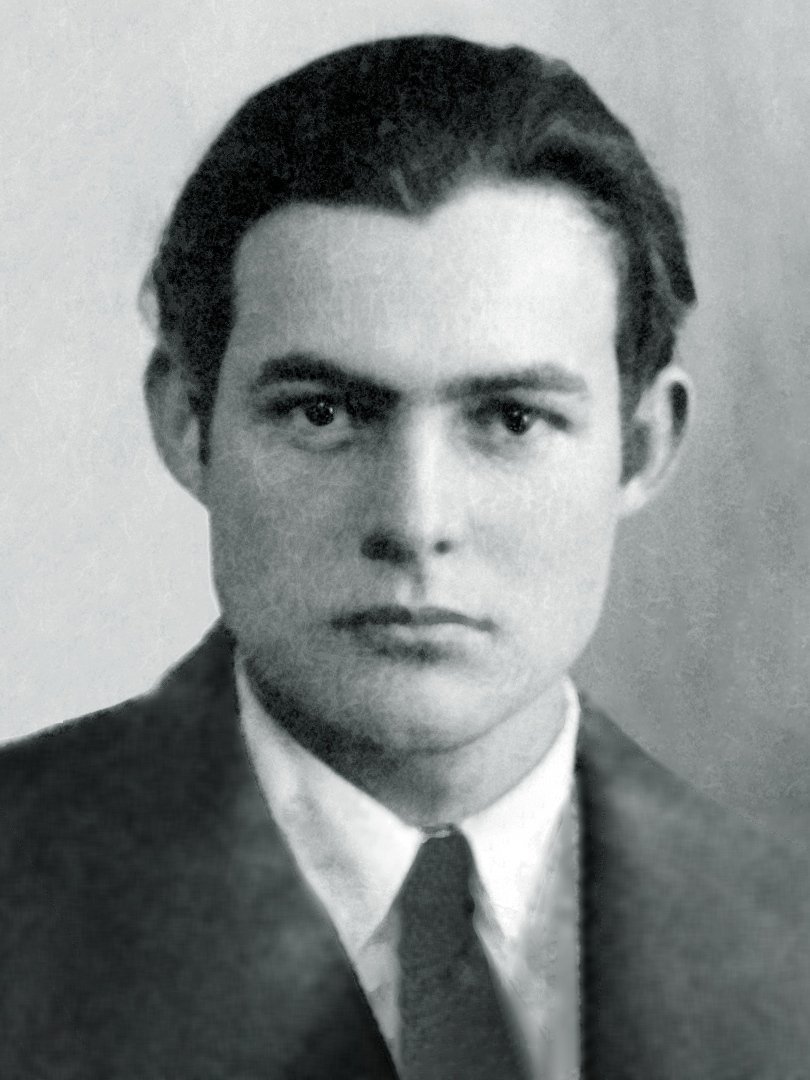
If there was ever a man who lived as hard as he wrote, it was Hemingway. He served as an ambulance driver on the Italian Front in World War I and was seriously wounded by shrapnel in 1918. In 1921, he moved to Paris, where he worked as a foreign correspondent and was influenced by the modernist writers and artists of the “Lost Generation” expatriate community. He was hunting, boxing, fishing, war-reporting, and falling in love, all while building one of the most recognizable literary voices of the twentieth century.
Hemingway’s personal experiences were a critical foundation of his works. His time as an ambulance driver during World War I influenced his views on life and death and inspired his novel A Farewell to Arms. His involvement in the Spanish Civil War as a correspondent enriched his understanding of the human condition and influenced For Whom the Bell Tolls. Then there was the darker side. Behind the façade, Hemingway faced a lifelong battle against depression, alcoholism, and mental health issues, all of which contributed to his death by suicide on July 2, 1961. Several generations of his family confronted similar issues, in what one of his granddaughters called the “Hemingway curse.” I honestly think no other author’s life so completely explains every word of their fiction.
2. Sylvia Plath: The Bell Jar Was Not Just a Metaphor
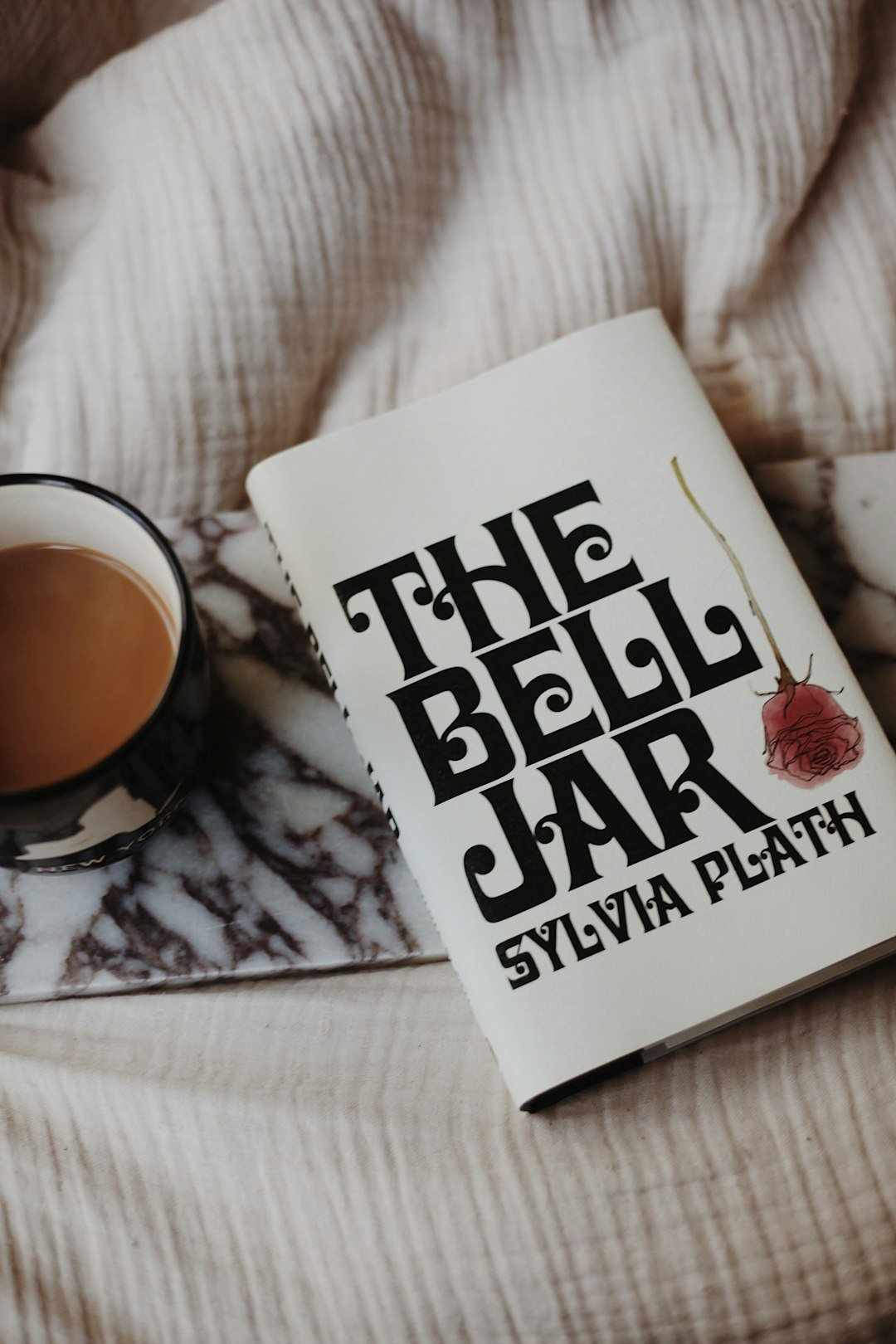
Plath is one of those authors where the life and the work become almost impossible to separate. Her father, Otto Plath, was an entomology professor at Boston University. In 1940, when Plath was eight years old, her father died, which forced her mother to enter the workforce. That early loss haunted everything she wrote, and the father figure loomed large in her poetry as both god and monster.
Despite her success, Plath suffered from depression, and after her junior year at Smith, she attempted suicide, an experience that appears metaphorically in her later poems. The end of her marriage in 1962 left Plath with two young children to care for and, after an intense burst of creativity that produced the poems in Ariel, she committed suicide by inhaling gas from a kitchen oven. After her death, Plath’s writing gained significant acclaim, contributing to the confessional poetry movement and resonating deeply within feminist literary circles. Her exploration of personal anguish and societal expectations continues to inspire and provoke discussions about gender, mental health, and artistry today.
3. Virginia Woolf: Genius Swimming in Dark Waters
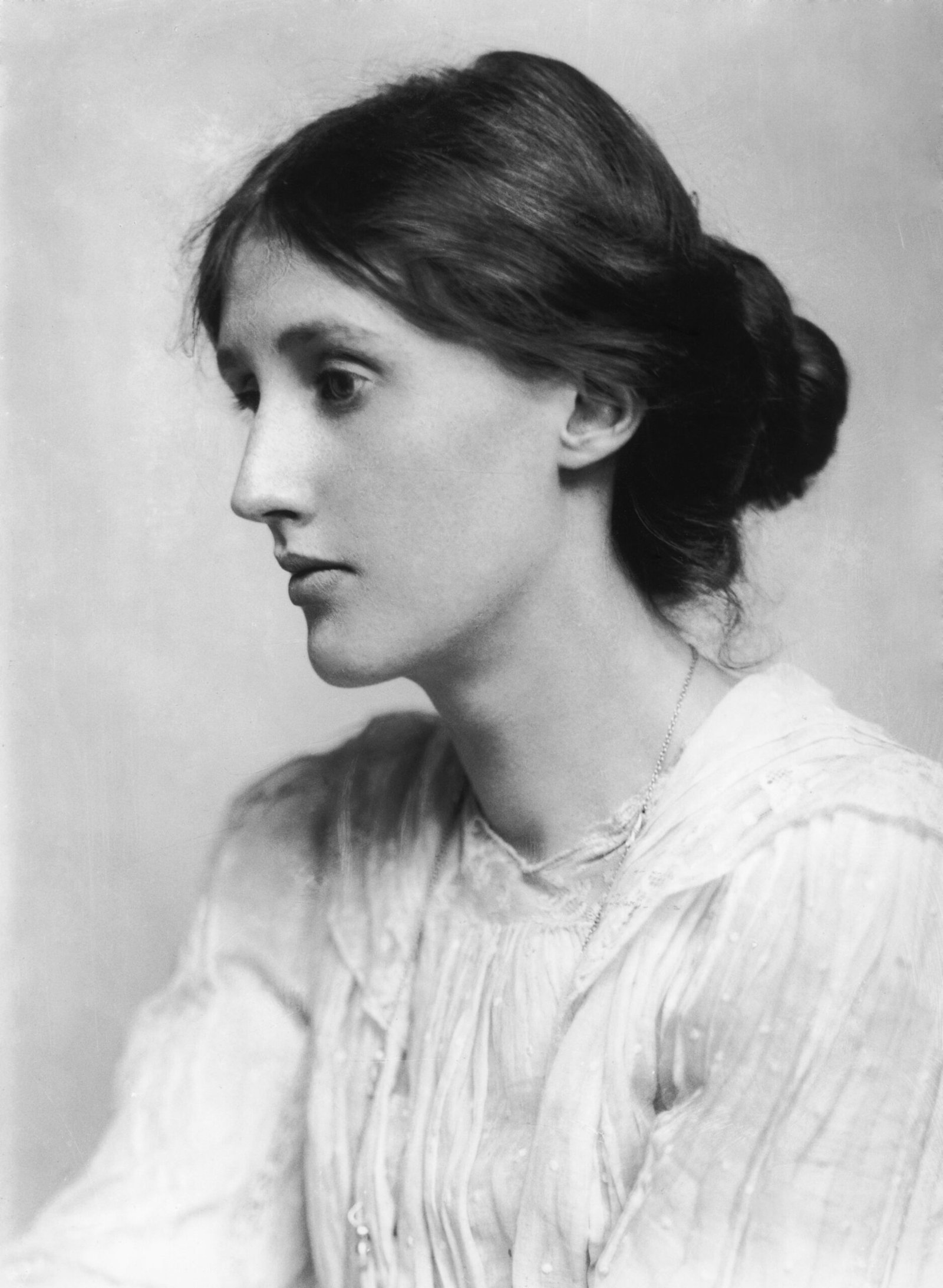
Virginia Woolf is often romanticized as a figure of cool, intellectual brilliance. The reality was far messier and far more human. Mental illness and creativity were deeply intertwined for Woolf, who explored depression, suicidal ideation, and emotional instability as subject matter, treating mental distress not only autobiographically but as a lens on artistic consciousness and modern experience.
Woolf was often accused of being too experimental with her writing style, which some critics believed made her work difficult to understand. Woolf’s writing is known for its stream-of-consciousness style, which can be challenging for readers who are used to more traditional forms of storytelling. Yet that same tortured, restless inner world produced some of the century’s most luminous prose. Despite the criticism, Woolf’s work has endured, and she is now considered one of the most important modernist writers of the 20th century. She drowned herself in the River Ouse in 1941, but her ideas about women, creativity, and consciousness survived her by decades and still feel urgent today.
4. F. Scott Fitzgerald: Living Inside the Dream He Destroyed
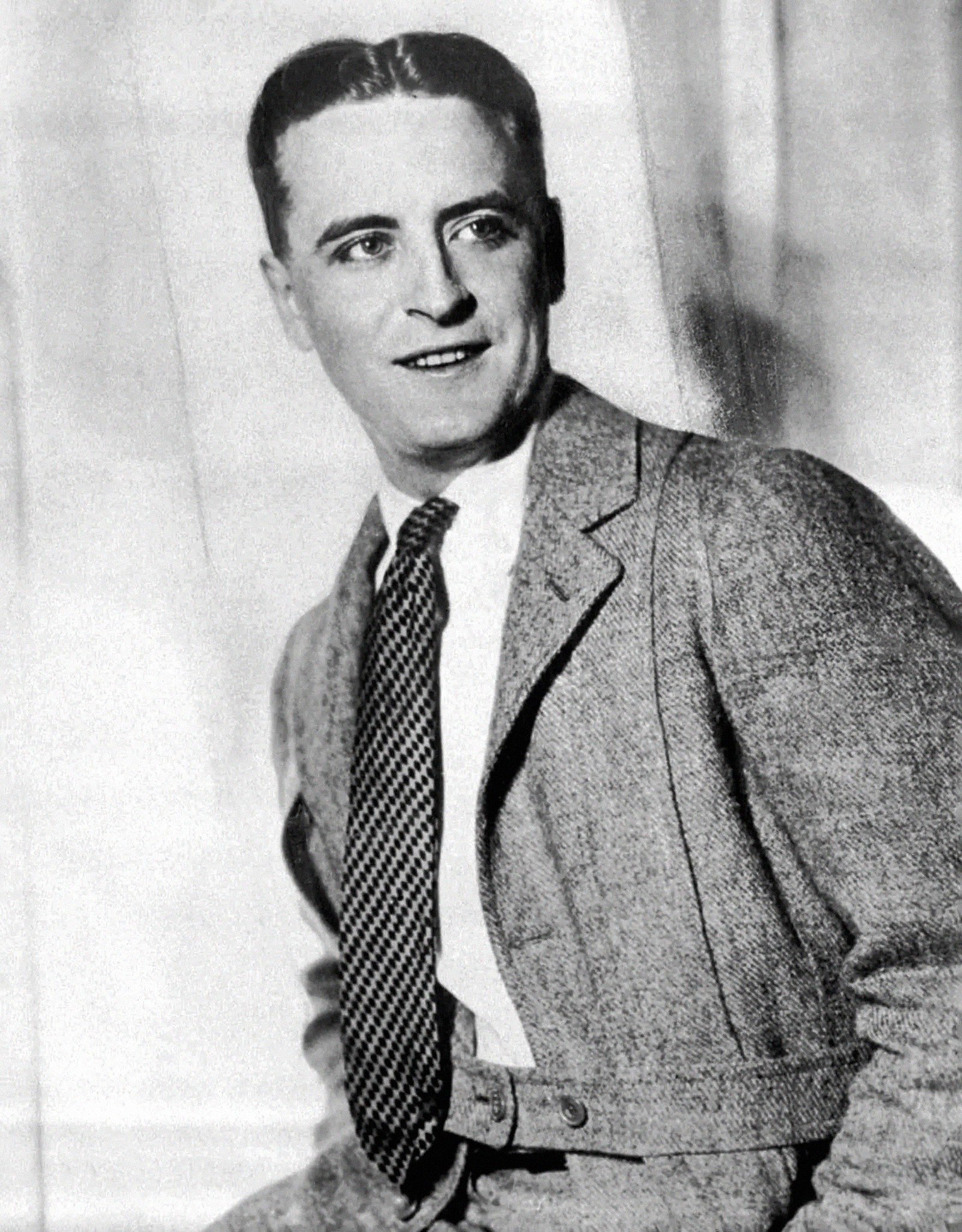
Fitzgerald didn’t just write about the glittering, doomed world of the Jazz Age. He lived it, drank it, crashed it, and burned down everything he loved inside it. F. Scott Fitzgerald’s turbulent marriage to Zelda is widely seen as a major influence on his writing, particularly in his famous novel The Great Gatsby. Fitzgerald’s relationship with Zelda was marked by infidelity, alcoholism, and mental illness, all of which are themes that can be seen in his work.
Zelda Sayre was a titan of the Jazz Age in her own right, a Southern belle who was also a fiercely talented author. Yet her own career was overshadowed by that of her husband’s, F. Scott Fitzgerald. Zelda’s life was both triumph and tragedy, as she rose to the top of the literary world and plunged into depression and instability, spending the final decades of her life in hospital care before perishing in a blazing inferno. There is something almost unbearably poetic about the fact that the man who wrote about the impossibility of recapturing the past spent his whole life desperately trying to do exactly that.
5. Charles Dickens: The Champion of the Poor Who Was Never Quite At Peace
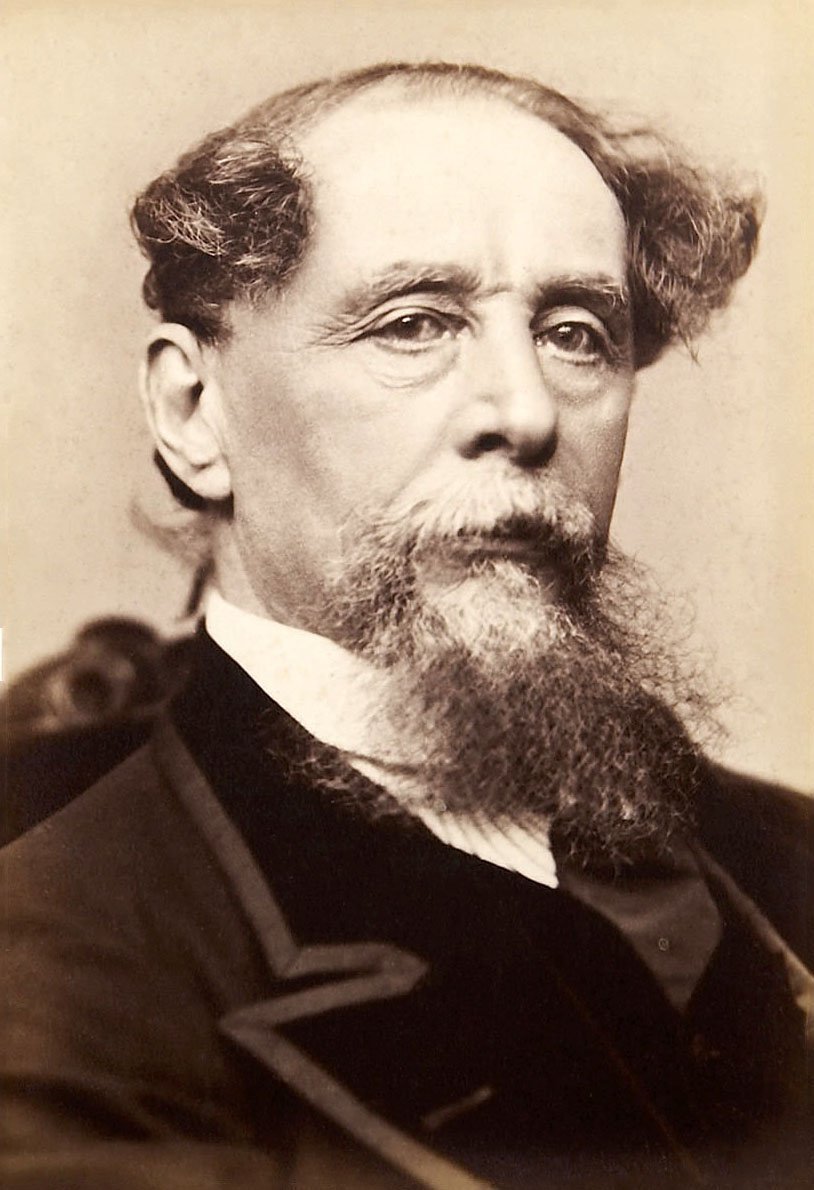
Everyone knows Dickens as the great Victorian moralist, the champion of orphans and the poor. Fewer people know how much of that fury was personal. As a young boy, he was pulled out of school and sent to work in a blacking factory while his family languished in debtor’s prison. His personal experience as a labeler in a bottle factory inspired him to write a horrific scene of child labor in Oliver Twist. The humiliation never left him.
The author David Lodge called him the “first writer to be an object of unrelenting public interest and adulation.” Juliet John backed the claim for Dickens to be the first self-made global media star of the age of mass culture. The word “celebrity” first appeared in the Oxford English Dictionary in 1851, and the BBC states Charles Dickens was one of the first figures to be called one. His private life was equally dramatic: he abandoned his wife of many years for a much younger actress, kept the affair secret for years, and lived with simmering guilt that some scholars believe sharpened the moral complexity of his fiction. Charles Dickens is often seen as the literary voice of Victorian England. His ability to create unforgettable characters and his commitment to exposing social injustices make him both entertaining and historically significant.
6. Edgar Allan Poe: Terror From the Inside Out
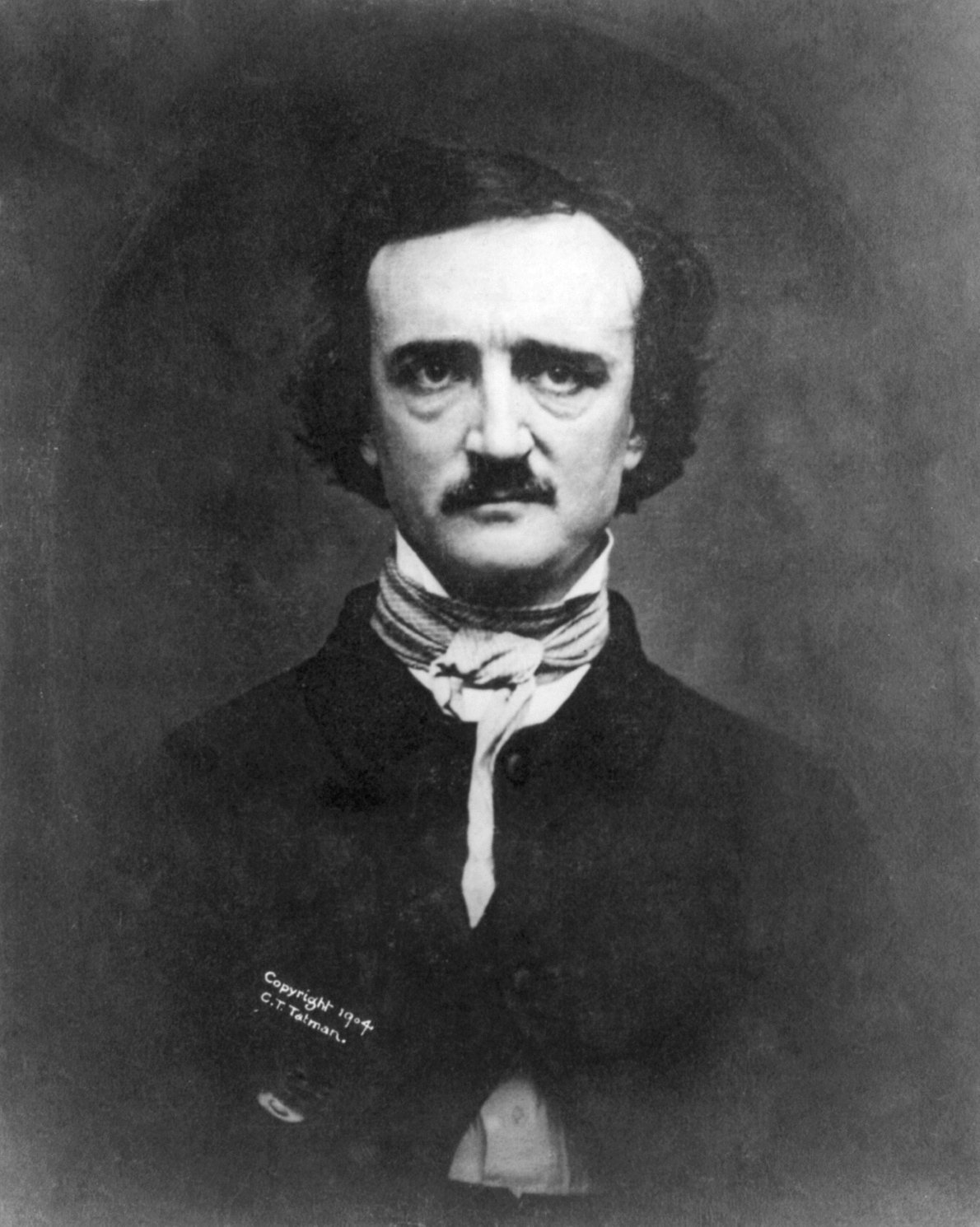
Poe invented the modern detective story, practically birthed Gothic fiction, and shaped the horror genre as we know it. He did all of this while living a life of staggering personal wreckage. He was orphaned as a child, raised by a foster father who never formally adopted him, and married his thirteen-year-old cousin Virginia Clemm. When Virginia died of tuberculosis, Poe’s already fragile mental state collapsed entirely.
Before the formal field of psychology existed, Poe’s stories explored guilt, paranoia, delusions, and obsessions. Poe helped create the overlapping moods and genres of horror, mystery, historical fiction, slipstream, and science fiction and fantasy as we know them today. He died in 1849 under mysterious circumstances in Baltimore, delirious and found wearing someone else’s clothes. Arguably, no American figure has influenced as many brilliant writers as Poe. The entire genres of horror, science fiction, and the detective story might be quite different, and not for the better, without Poe’s example. His suffering, it seems, was the furnace that fired everything.
7. Fyodor Dostoevsky: Sentenced to Death, Then Given a Pen
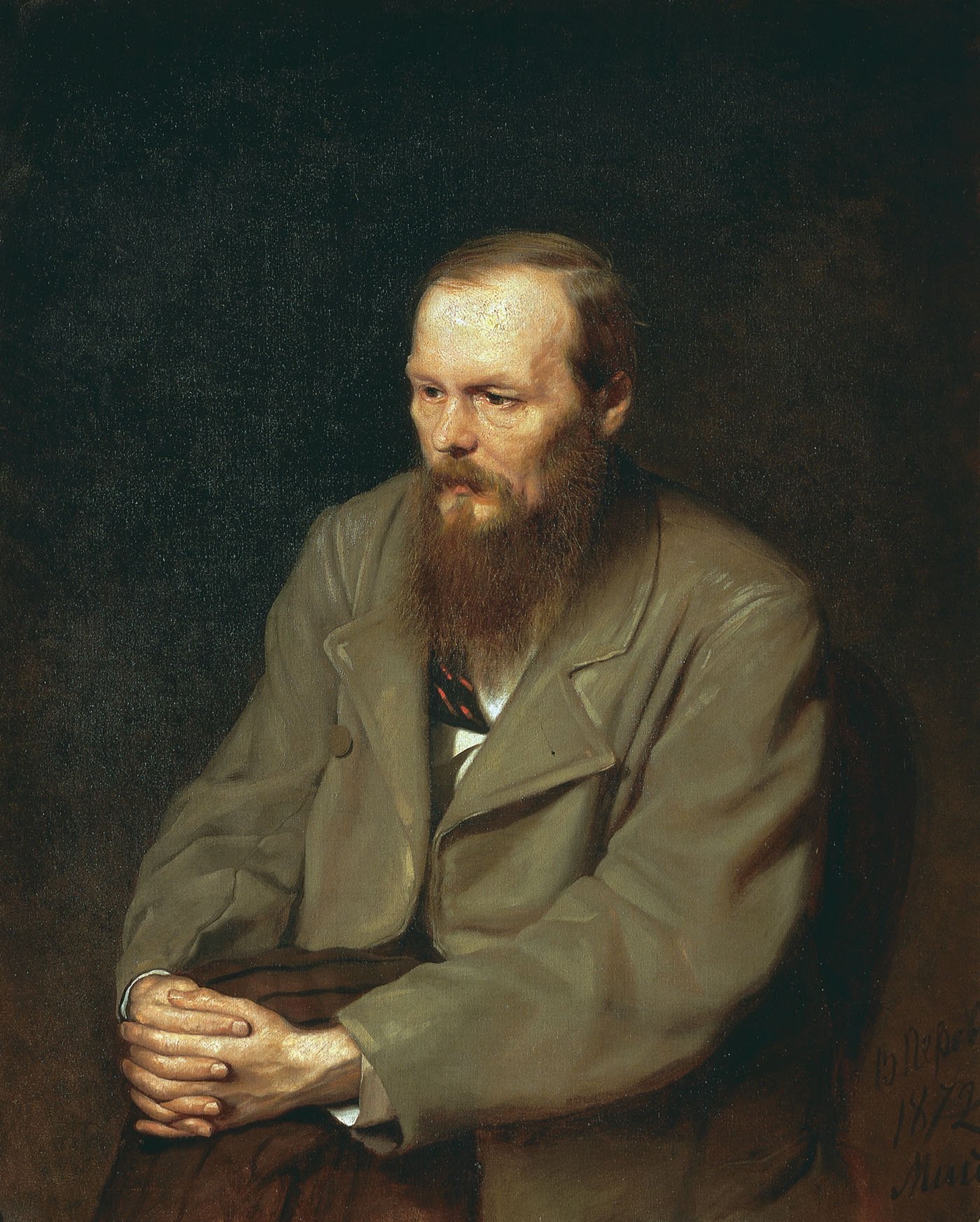
Dostoevsky’s biography reads like something he might have invented. He was arrested as a young man for his involvement in a radical literary circle, sentenced to death, led to the execution ground, and then had his sentence dramatically commuted to a Siberian labour camp at the last possible moment. That experience of staring death in the face and surviving transformed his entire philosophical outlook.
Dostoevsky explored the depths of human psychology, morality, and spirituality. His experiences with poverty, political imprisonment, and epilepsy informed his intense, philosophical narratives. Notable works include Crime and Punishment, which delves into guilt and redemption, and The Brothers Karamazov, a profound meditation on faith and doubt. Dostoevsky’s creative development was forcibly interrupted by four years of Siberian exile in Omsk prison between 1850 and 1854. It is hard to imagine those novels of suffering, faith, and moral reckoning existing without that time in Siberia. The prison didn’t break him; it made him.
8. Mary Shelley: Tragedy as the Mother of Monsters
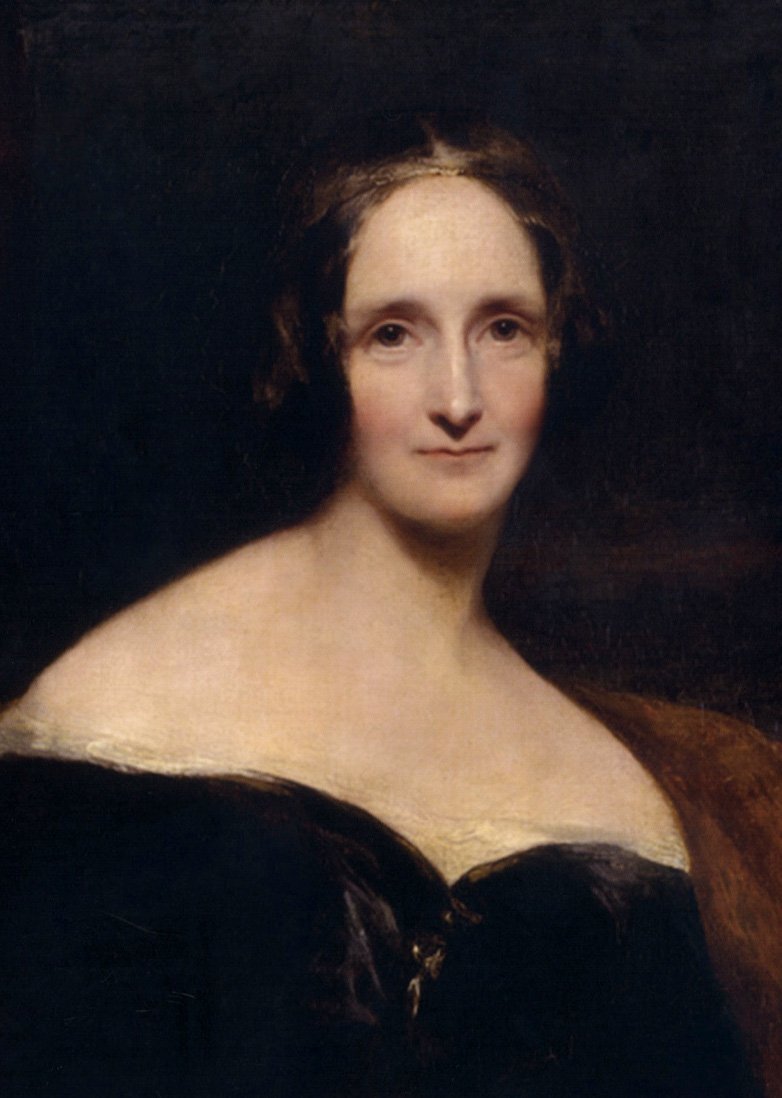
Mary Shelley was only eighteen years old when she began writing Frankenstein, and her life by that point had already been marked by loss that most people never experience in a lifetime. Her mother, the pioneering feminist Mary Wollstonecraft, died shortly after giving birth to her. She eloped with poet Percy Bysshe Shelley, watched two of their children die in infancy, and lived in a social circle where scandal and tragedy were almost routine.
The famous ghost story competition at Lake Geneva, during the dreary “Year Without a Summer” of 1816, gave birth to Frankenstein. The novel’s themes of creation, abandonment, and the cruelty of rejection are impossible to read without thinking of a young woman who never knew her own mother, watching her children die, and feeling profoundly unloved by a world that didn’t understand her. It was precisely these kinds of lives that produce stories like Frankenstein. The creature’s anguished plea to his creator mirrors Shelley’s own longing for belonging with an emotional intensity that no purely imagined story could have achieved.
9. Leo Tolstoy: The Aristocrat at War With Himself
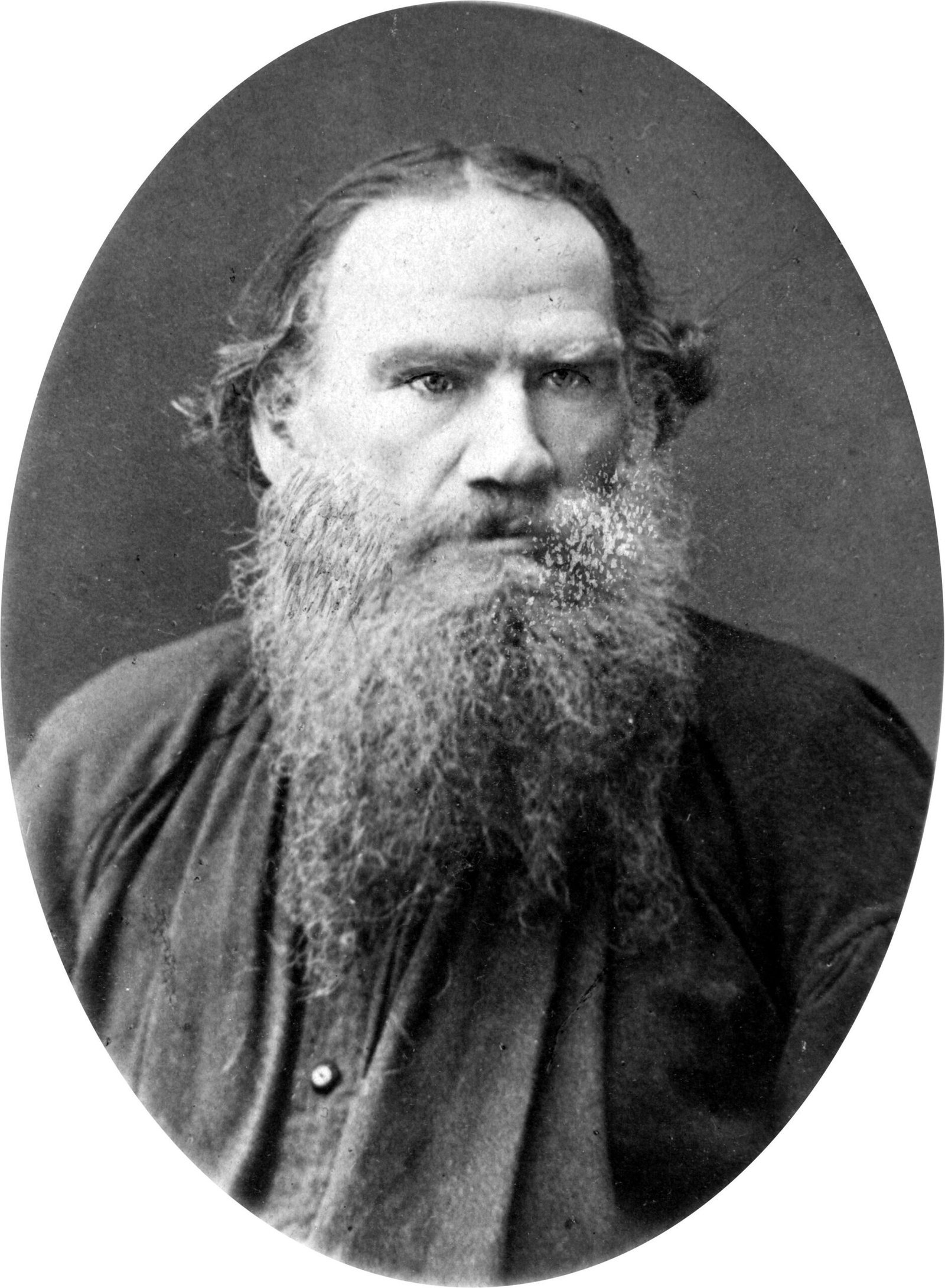
Tolstoy was a contradiction so vast it could have filled several novels, and it did. Born into Russian aristocracy, he grew to despise privilege, eventually giving away his estate and living like a peasant. Born into an aristocratic family, Tolstoy led a complex life filled with military service, spiritual searching, and literary brilliance. He served in the Crimean War, witnessed scenes of carnage that haunted him forever, and became one of the most radical pacifists in European intellectual history.
His masterpiece, War and Peace, is a sprawling epic capturing the Napoleonic Wars’ impact on Russian society. Equally monumental is Anna Karenina, a tragic tale of love and social hypocrisy. Tolstoy’s exploration of morality, faith, and human nature in these works has influenced writers worldwide. His marriage to Sophia Behrs was one of the great, tortured love affairs of literary history. They had thirteen children together, fought ferociously, and yet were inseparable. He fled their home in the dead of night at the age of 82, caught pneumonia, and died in a remote railway station. Even his death was dramatic.
10. Oscar Wilde: Brilliance Crushed by a Hypocritical World
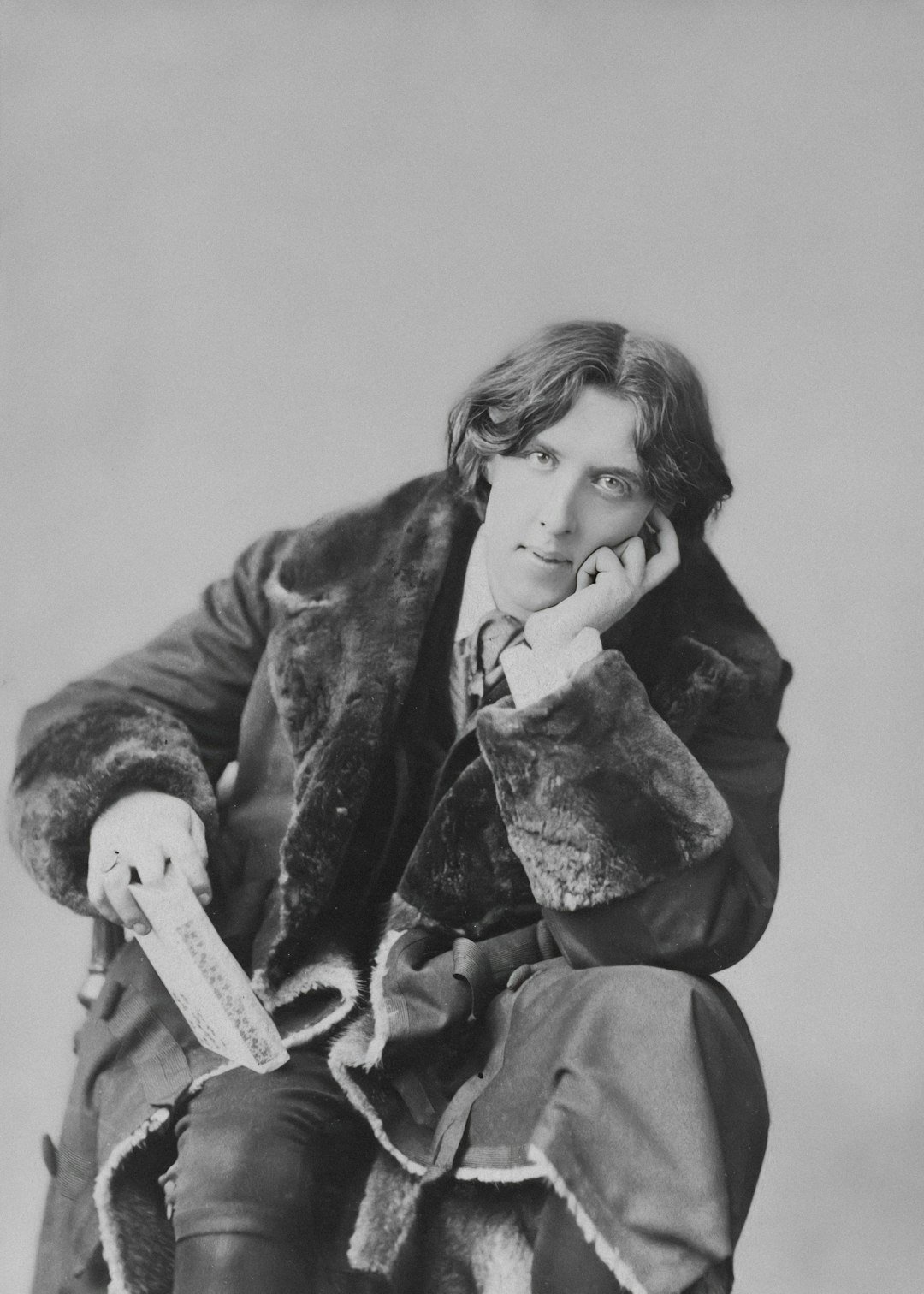
Oscar Wilde was one of the wittiest, most dazzling figures that English literature has ever produced. He was also destroyed by it, by society’s cruelty, by his own refusal to conceal who he was, and by a legal system that criminalized his very identity. Wilde’s plays, including The Importance of Being Earnest, remain popular for their clever dialogue and satirical edge. His life and works continue to fascinate for their boldness and tragedy.
He was convicted of “gross indecency” in 1895, sentenced to two years of hard labor, and emerged from prison a broken man. His health destroyed, his finances gone, and exiled from polite society, he died in a Paris hotel room in 1900 at the age of 46. The plays he wrote before his imprisonment sparkle with the confidence of a man who believed wit could conquer everything. The work he wrote afterward, especially De Profundis, written in prison, reveals something far more wounded and far more human. Oscar Wilde was known for his wit, style, and playful critiques of Victorian society, but underneath all that glittering armor was someone who paid an enormous price for living honestly.
11. Maya Angelou: Silence Broken Into Song
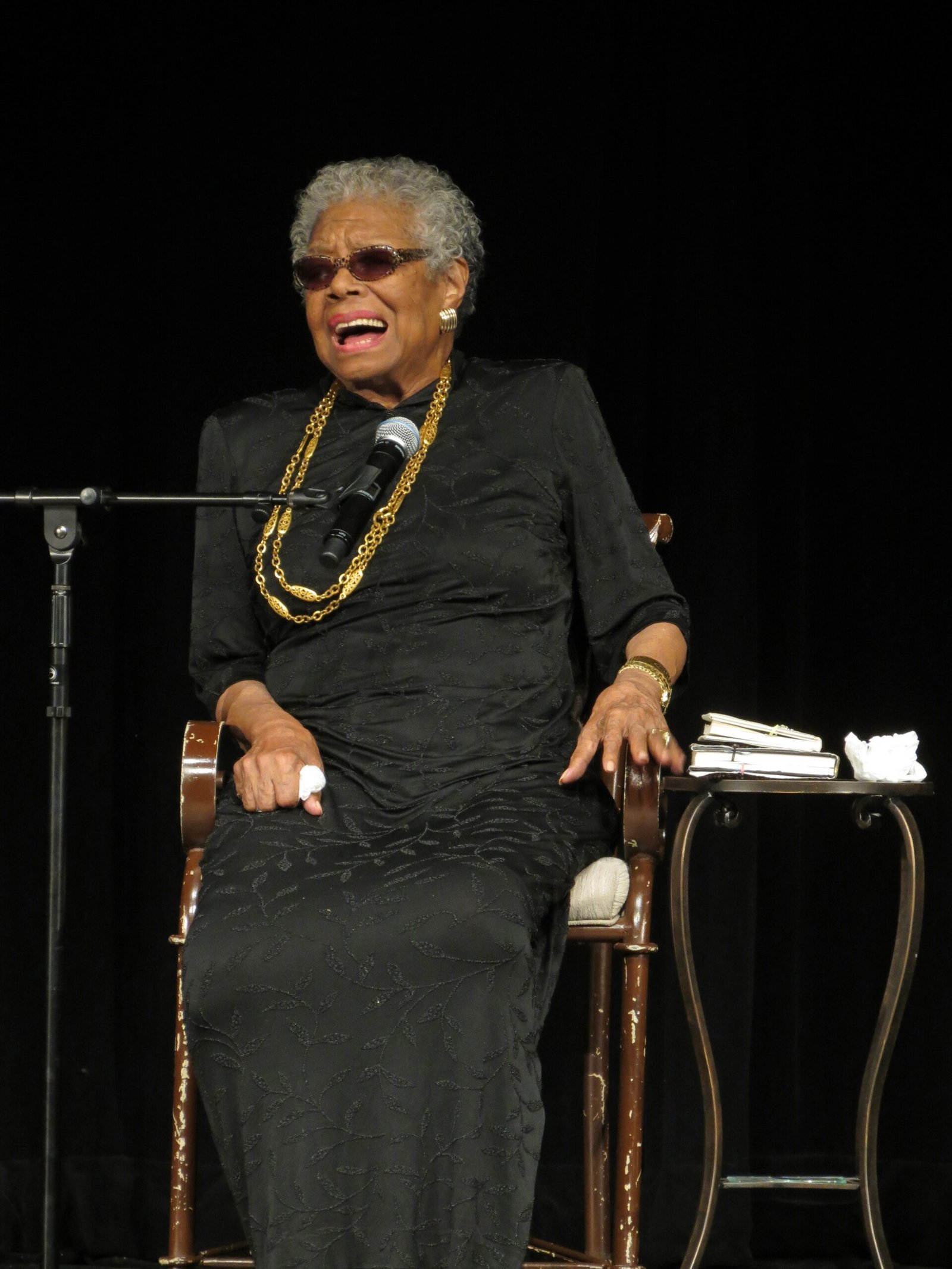
Maya Angelou faced discrimination and poverty as a young African-American woman in the Jim Crow South. At age eight, she was sexually assaulted by her mother’s boyfriend. After she told her family, the man was killed, and the traumatized young Maya believed her voice had caused his death. She became mute for nearly five years. It is one of the most startling facts in all of literary biography.
Angelou’s life experiences were a major influence on her writing. She wrote about the struggles and triumphs of being a Black woman in America, and her work is celebrated for its honesty and authenticity. Despite these challenges, she went on to become one of the most beloved writers of our time, inspiring millions with her words of hope and resilience. That a woman who lost her voice for years became one of the most powerful voices in American literature is not just inspiring. Honestly, it’s almost miraculous.
12. Charlotte Brontë: Writing Through the Dark
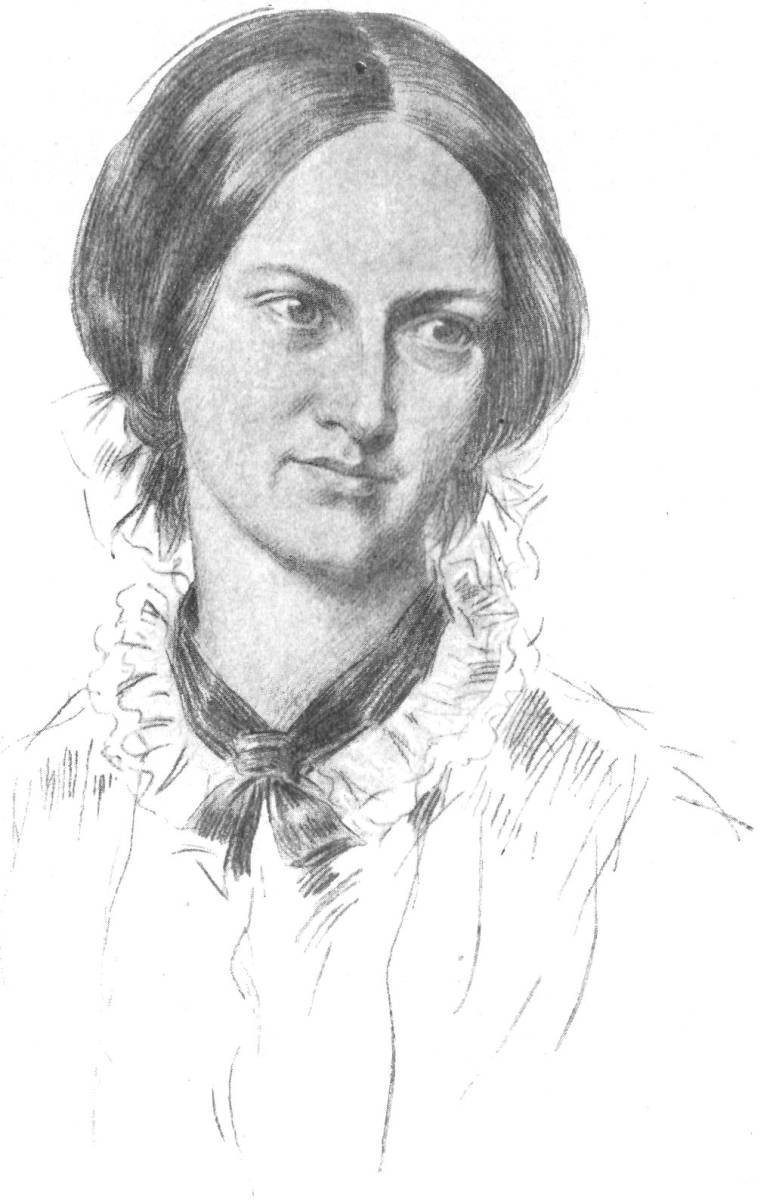
Charlotte Brontë’s story is one of survival against grief so relentless it would have silenced most people. She grew up in a remote Yorkshire parsonage with her sisters Emily and Anne, watching siblings die one by one. Her brother Branwell, once considered the family genius, descended into opium addiction and alcohol, dying a wreck at thirty-one. Emily and Anne followed within months. The lives of the Brontë literary family are shrouded in myth: Was Reverend Brontë truly as cruel as people say, and is there any truth to the stereotypes surrounding Emily, Anne, and Charlotte?
Charlotte published Jane Eyre in 1847 to thunderous acclaim, and yet she continued to write through grief that most people could never survive. The passionate independence of Jane Eyre, the refusal to accept a lesser life, to submit to circumstances that deny dignity, feels unmistakably like the voice of someone who had already survived enormous pain and knew what it cost. Charlotte died at thirty-eight, likely of complications from pregnancy. She had been married less than a year. The tragedy of her life is almost operatic in its accumulation.
13. Langston Hughes: Celebrated and Invisible at Once
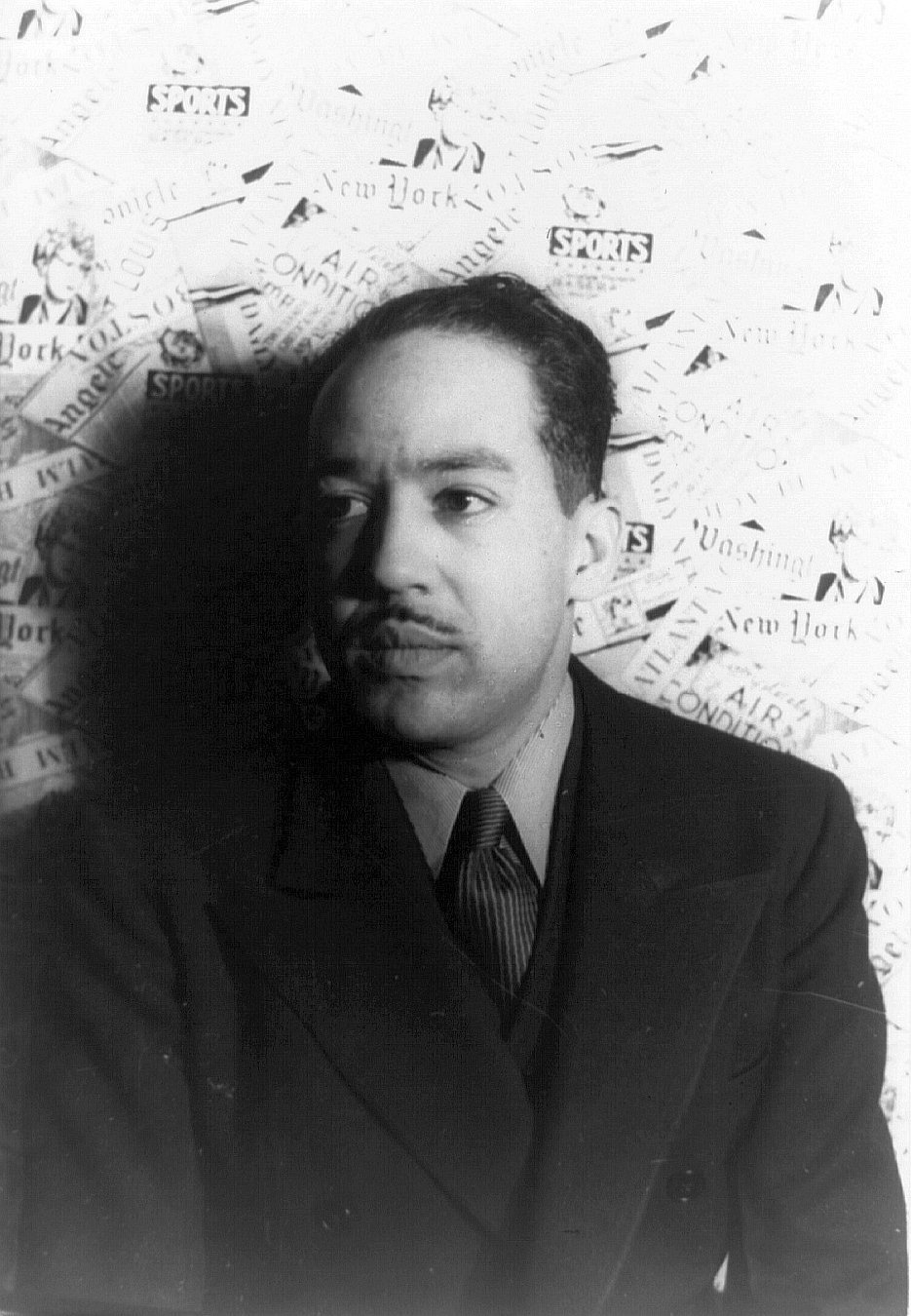
Reading about Langston Hughes’s incredible life provides fascinating insight into his beloved poetry. From his travels throughout Mexico, Africa, the Soviet Union, Japan, and beyond, to his integral role in the Harlem Renaissance, his life experiences influenced his writings in more ways than meets the eye. He was a central architect of an entire cultural movement, and yet throughout his life he navigated racism, poverty, and the painful contradiction of being celebrated in literary circles while being denied dignity in daily American life.
Langston Hughes shows his background in works that focus on and celebrate the pride of Black heritage and culture. He never publicly acknowledged his sexuality, living under the constant pressure of a society that would have used it against him. What he did instead was pour everything into his work: the jazz rhythms, the blues, the anguish, and the defiant joy. His poems about Black American life resonate today with the same electric charge they had when he first wrote them, because they came from a place of genuine, lived experience that no amount of imagination alone could have created.
14. Jane Austen: The Quiet Revolutionary
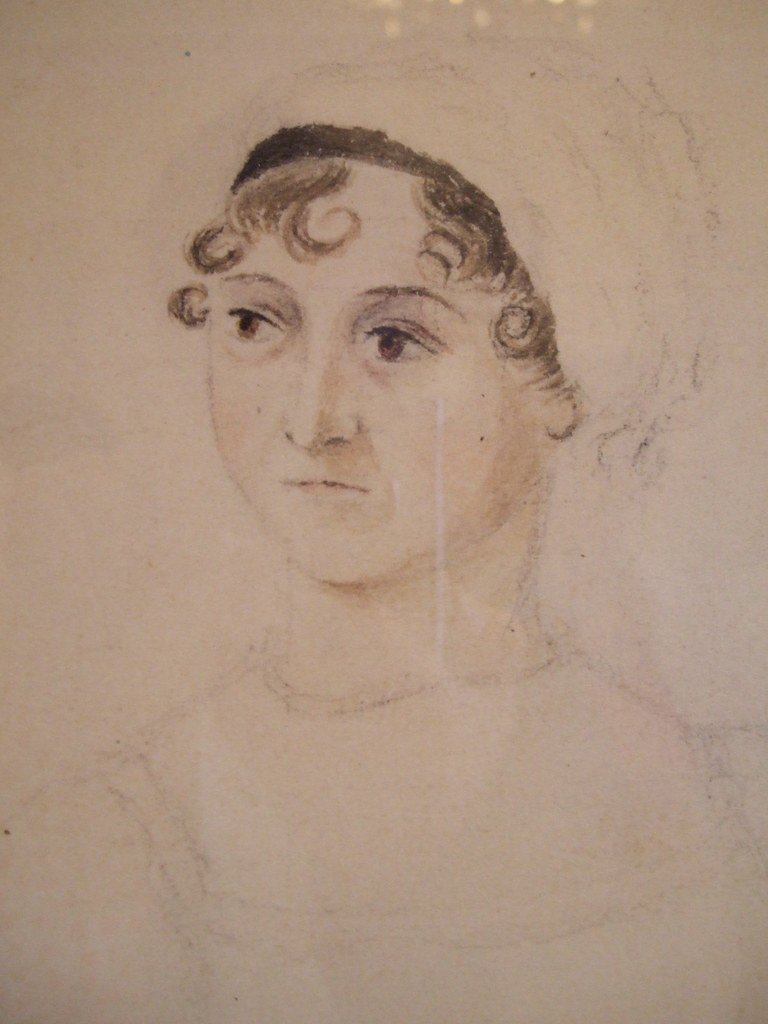
Here’s the thing about Austen. People tend to imagine her as a gentle, tea-sipping spinster in a quiet parlor, producing polite comedies of manners. The reality is considerably more interesting. She wrote some of the sharpest social satire in the English language while living in a society that gave women almost no economic independence, no political voice, and no path to a meaningful life outside of marriage. Jane Austen’s novels often explore themes of marriage and family life, perhaps reflecting her own experiences as an unmarried woman in 18th-century England. Austen’s novels are known for their wit and social commentary, and many of her characters struggle with the societal pressures of marriage and family.
She herself turned down a marriage proposal from a wealthy man, choosing creative freedom and financial precarity over security. She wrote her novels while sitting in the family sitting room, hiding her manuscript under blotting paper whenever someone entered. Released to coincide with the 200th anniversary of Austen’s death in 2017, one biography seemingly disproves the widely held belief that she lived a “life without incident.” Her quiet life, it turns out, was quietly revolutionary. She died at forty-one, having published six novels that would outlast empires.
15. James Joyce: The Exile Who Never Left Home
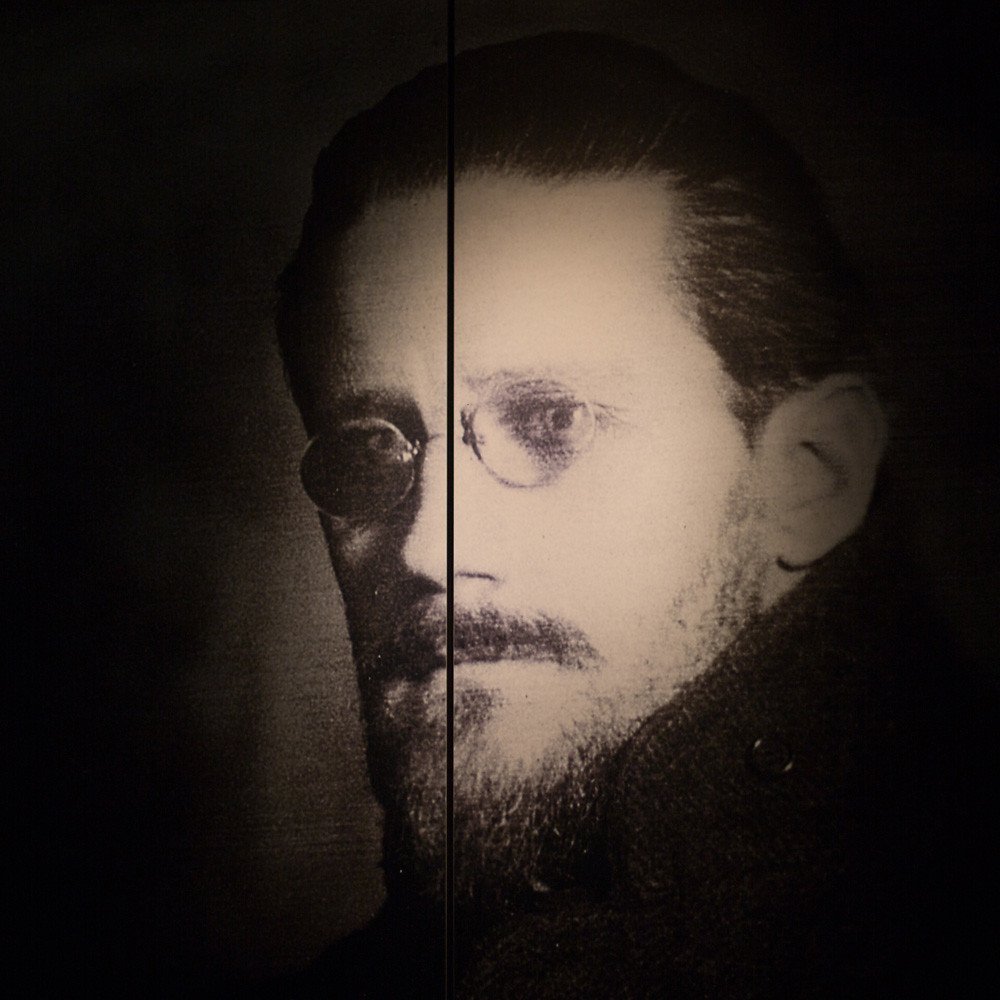
Joyce spent most of his adult life in self-imposed exile from Ireland, living in Trieste, Zurich, and Paris. He was nearly blind for much of his writing life, dictating passages of Finnegans Wake to Samuel Beckett among others. He was chronically poor, perpetually depending on the generosity of patrons, and engaged in a decades-long struggle to get his work published in the face of censorship and scandal. James Joyce biography provides a comprehensive look at the life of the influential modernist writer, known for works such as Ulysses and Dubliners.
The paradox at the heart of Joyce is that the man who fled Ireland filled every page he wrote with it. Dublin’s streets, its people, its Catholic guilt, and its political frustrations saturate Ulysses so completely that city tour guides use the novel as a map to this day. His relationship with Nora Barnacle, the woman who became his lifelong companion and eventually his wife, provided the warm human center beneath all his literary experimentation. She is widely believed to have inspired Molly Bloom. Reading about an author’s life is sure to throw a fresh light on their work, giving you a keen perspective on the choices they made in their writing, and why their writing was so provocative at the time it was published. With Joyce, that has never been more true.
Conclusion: The Life Behind the Page
Like most of us, artists and writers lived lives rife with nuance, and through even-handed, well-researched biographies, readers can take a peek into the minds that have created some of the stories we love. These fifteen authors remind us that the greatest literature rarely emerges from comfort. It tends to come from the edge of things, from grief, exile, prejudice, addiction, loss, and the desperate human need to make meaning out of suffering.
We often put authors on pedestals, painting them in our minds as god-like beings with full knowledge of the world and its beauties and horrors. But the most humanizing thing about reading literary biographies is discovering how truly human they were. Every scar, every broken relationship, every bout of madness or despair left fingerprints on the page. When you read their novels knowing what you now know, the words carry a weight that theory alone can never explain.
The life and the literature are never really separate. They never were. Does knowing the person behind the prose change how you read the book? For most of us, the honest answer is: more than we ever expected.
CEO-Co-Founder
