

History textbooks have a way of turning complicated human beings into manageable legends. The battles get dates, the inventions get diagrams, and the people themselves get reduced to a handful of approved adjectives. Brilliant. Courageous. Visionary. What rarely makes the chapter summary is the stranger material: the obsessive rituals, the bizarre beliefs, the habits that made those closest to these figures quietly shake their heads.
That gap between the monument and the person underneath it is worth closing. History books typically focus on the accomplishments, innovations, and world-changing decisions of influential figures while glossing over their more peculiar personal characteristics. Yet behind many great achievements lurked some truly bizarre behaviors that humanize these legendary individuals in unexpected ways. What follows are fifteen people whose real lives were considerably stranger than the version you encountered in school.
Nikola Tesla: The Man Who Loved a Pigeon
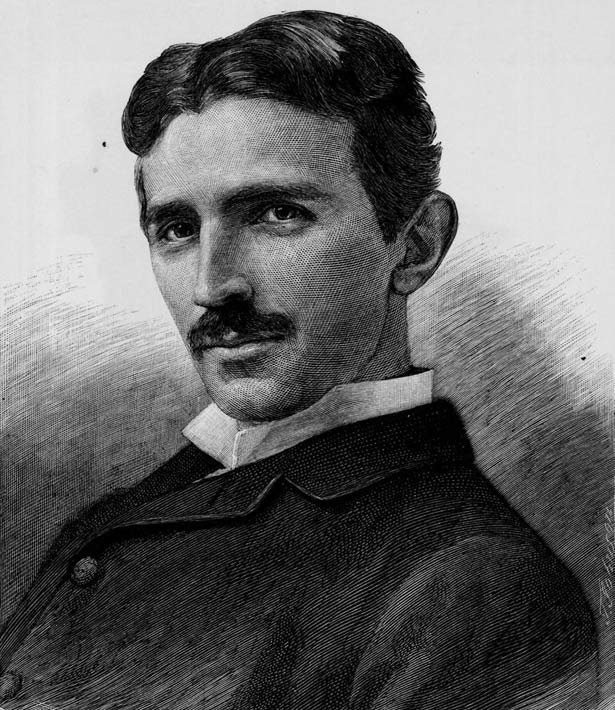
Nikola Tesla was known not just for his revolutionary work in electricity but also for his deep-seated obsession with the number three. He believed the number had a special, almost mystical significance. He was reported to walk around a block three times before entering a building and insisted on staying in hotel rooms with numbers divisible by three. He also used exactly 18 napkins to clean his dining utensils.
Tesla was particularly concerned with germs, cleanliness, and avoiding disease. He obsessively washed his hands, and in his later life ensured that all his food was boiled before he would touch it. He often refused to shake hands when he met someone, and usually wore gloves to avoid any physical contact. Still, perhaps the most touching detail is that among Tesla’s quirks was his fondness for pigeons. When living in New York, he spent hours each week feeding pigeons in the park and routinely took home any that were injured so he could nurse them back to health.
Isaac Newton: The Alchemist Who Poked His Own Eye
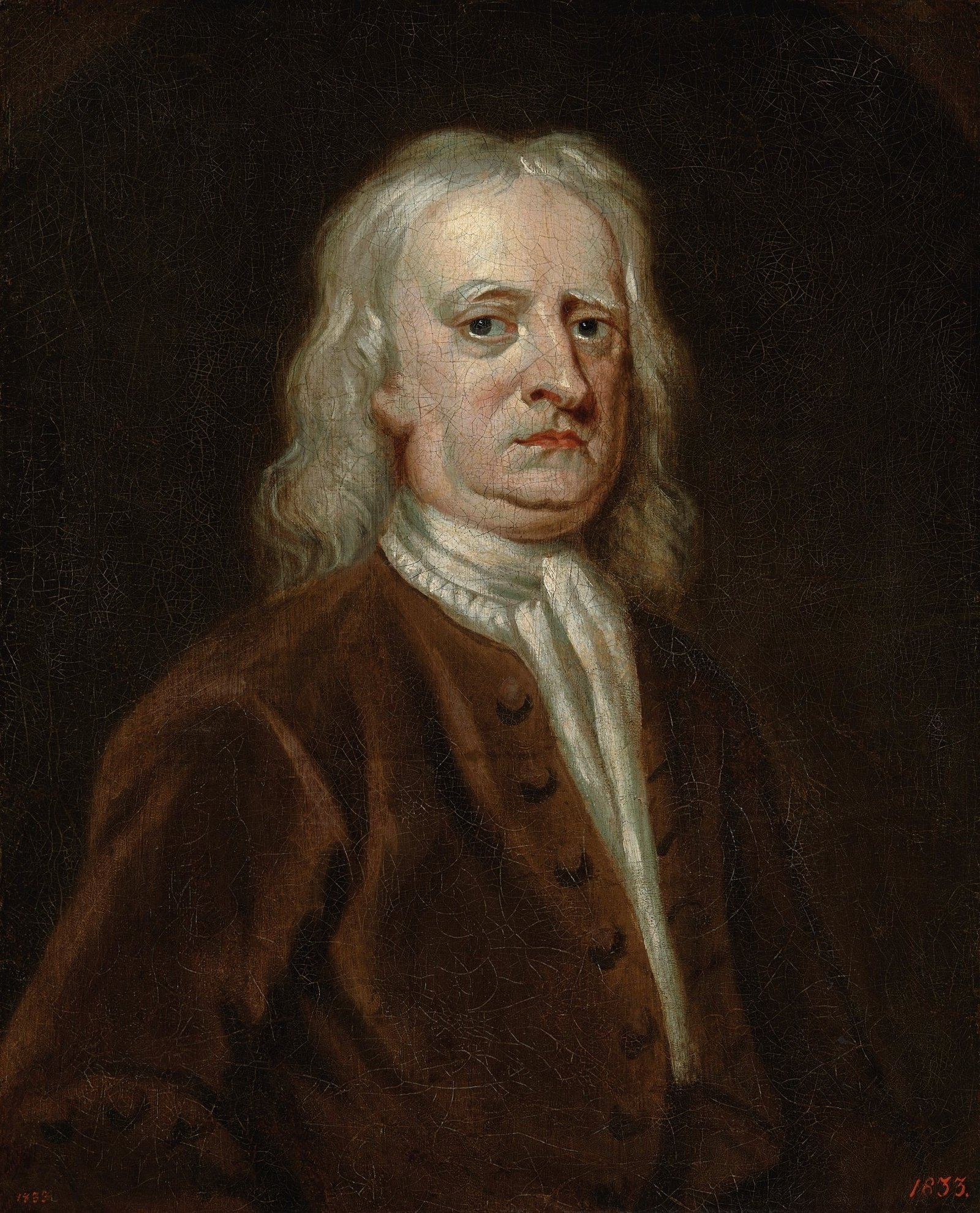
Newton used himself as a guinea pig in what might have been a rather ill-advised attempt to better understand color and vision. To deform his eyeball, he placed a bodkin, a kind of blunt needle, under his eyelid. By carefully moving the bodkin, he pushed his eye around, producing odd circles of color and other images. He considered this a successful experiment and recorded it in his diary with a diagram.
Much of Newton’s studies were directed not towards science or mathematics but towards the occult. Newton versed himself in religious esoterica and alchemical lore and spent the greater part of his life attempting to complete the “Great Work,” the creation of the philosopher’s stone. Newton wrote more words on alchemy and religious mysticism than on all his scientific and mathematical works combined. A DNA test of one of Newton’s hairs found that Newton had 40 times more mercury in his hair than an average individual. Newton’s eccentricity in his later life has been attributed to mercury poisoning.
Benjamin Franklin: Naked at the Window Every Morning
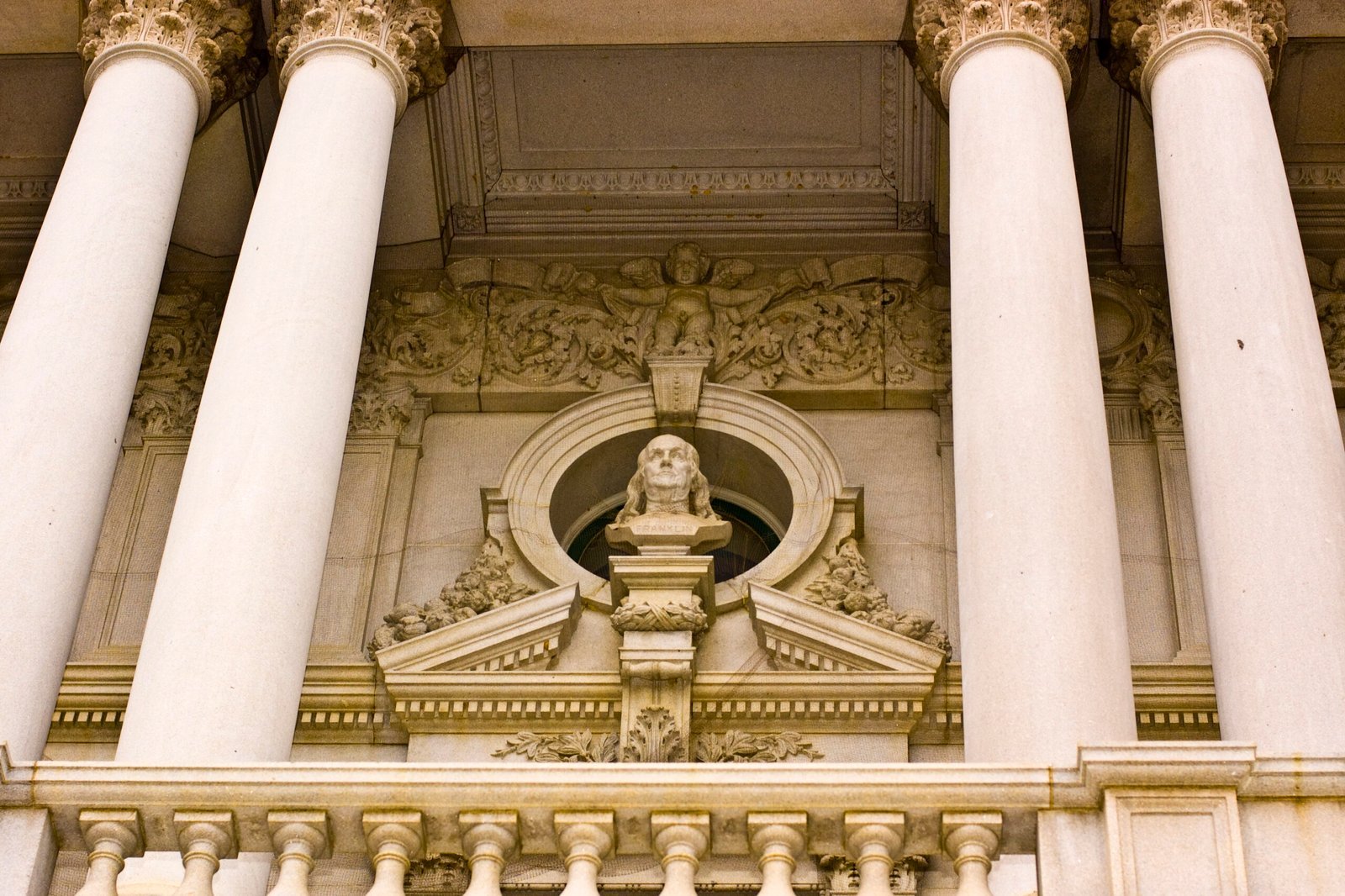
America’s founding father enjoyed what he called “air baths,” standing completely unclothed by an open window for up to an hour each morning. Franklin believed this practice strengthened his immune system and prevented illness, considering it an essential part of his daily routine regardless of weather. His London neighbors reportedly found the sight of one of the era’s greatest minds standing bare in front of his window somewhat alarming.
Franklin was no ordinary experimenter when it came to personal health beliefs. Franklin, a polymath known for his experiments and inventions, had an eccentric health routine. He believed in the invigorating power of fresh air and sunlight. His unique approach involved taking “air baths,” during which he sat naked in his home with windows wide open, breathing in the crisp, outdoor air as part of his daily health regimen. The man who helped draft the U.S. Constitution was, by his own morning routine, a committed nudist.
Ludwig van Beethoven: Coffee Beans, Cold Water, and Eviction Notices
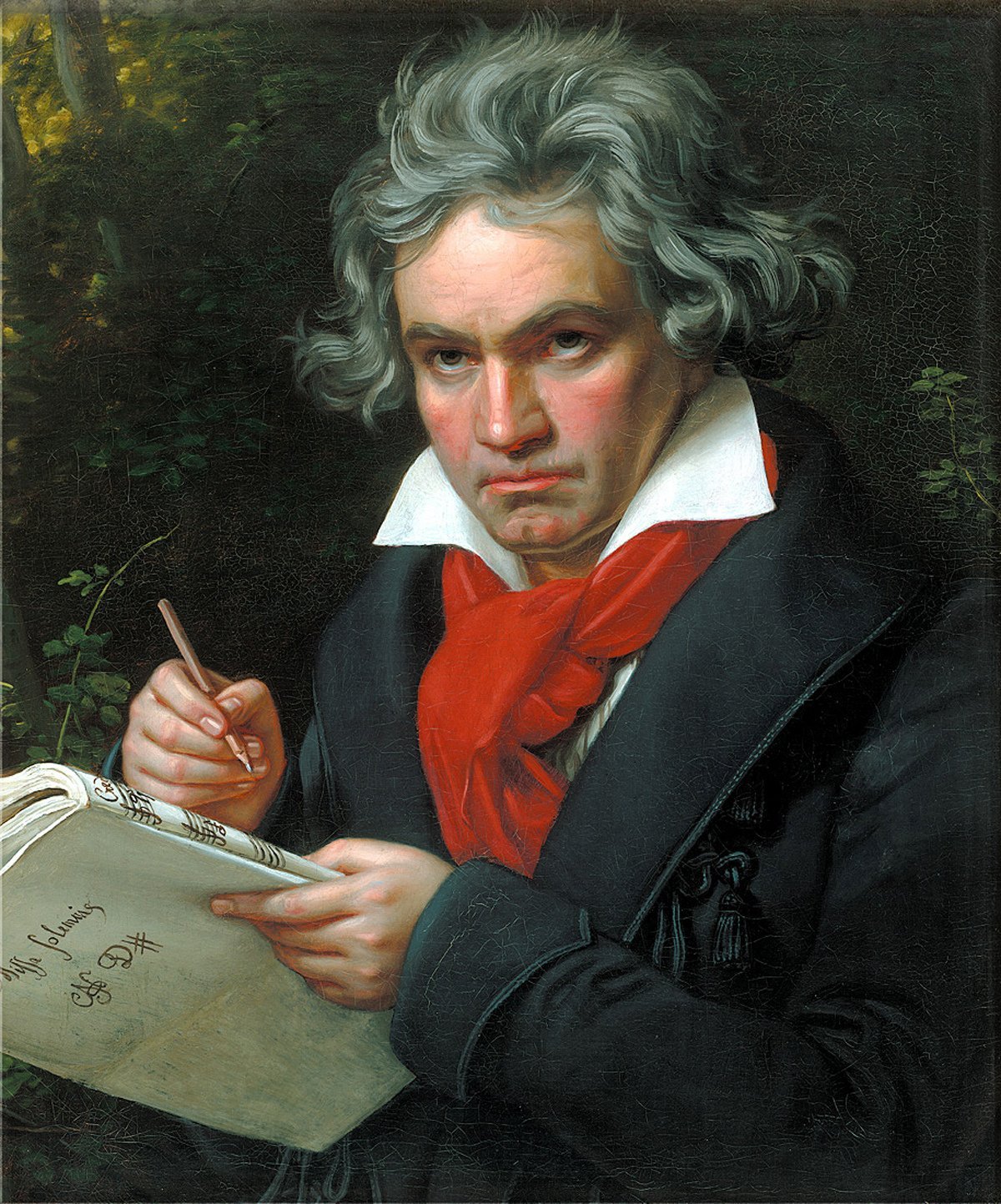
The legendary composer had a bizarre morning ritual involving precisely counting out 60 coffee beans for each cup he brewed. When inspiration struck while composing, Beethoven would pour ice water over his head to stay alert, often soaking his clothes. After a daily breakfast of coffee, the composer would put in a few hours at his desk before heading out for long, meandering walks. These countryside jaunts supposedly helped spur his creativity, and as he walked, he often stopped to jot down a few measures of music in a large sketchbook.
When inspiration struck while composing, Beethoven would pour ice water over his head to stay alert, often soaking his clothes and causing water damage to the floors of his apartments. His landlords frequently evicted him due to these habits and his tendency to leave food scraps lying around until they molded. The man wrote some of the most sublime music in Western history while being regularly thrown out of his lodgings for flooding the floors.
Charles Dickens: Compass in the Bedroom, Talismans on the Desk
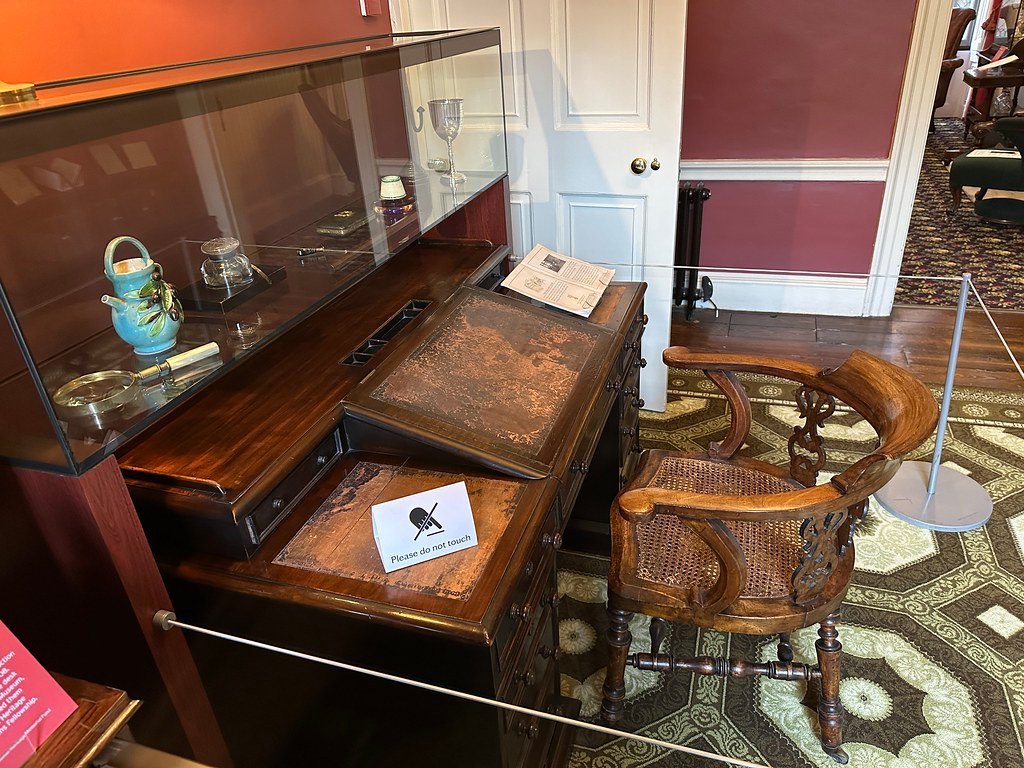
The author of “A Tale of Two Cities” and “A Christmas Carol” was notoriously fussy about his working conditions. He kept to a military-strict schedule, always writing in his study between 9 a.m. and 2 p.m. before striking off on three-hour walks. Dickens demanded total silence in his house during his work hours and required that his pens, ink, and a small collection of statuettes be specially arranged on his desk to help him think. The author carried these talismans with him wherever he traveled, and he would even rearrange the furniture in hotels and guesthouses to recreate the layout of his home office as closely as possible.
Dickens’ bizarre habits also extended to his bedroom: he only slept facing north, believing that it better aligned him to the electrical currents of the Earth. Dickens went so far as to travel with a compass so he would always be in the right position. For one of the most celebrated novelists in the English language, the line between creative discipline and full-blown compulsion was rather thin.
Salvador Dalí: Keys, Bells, and a Pet Anteater
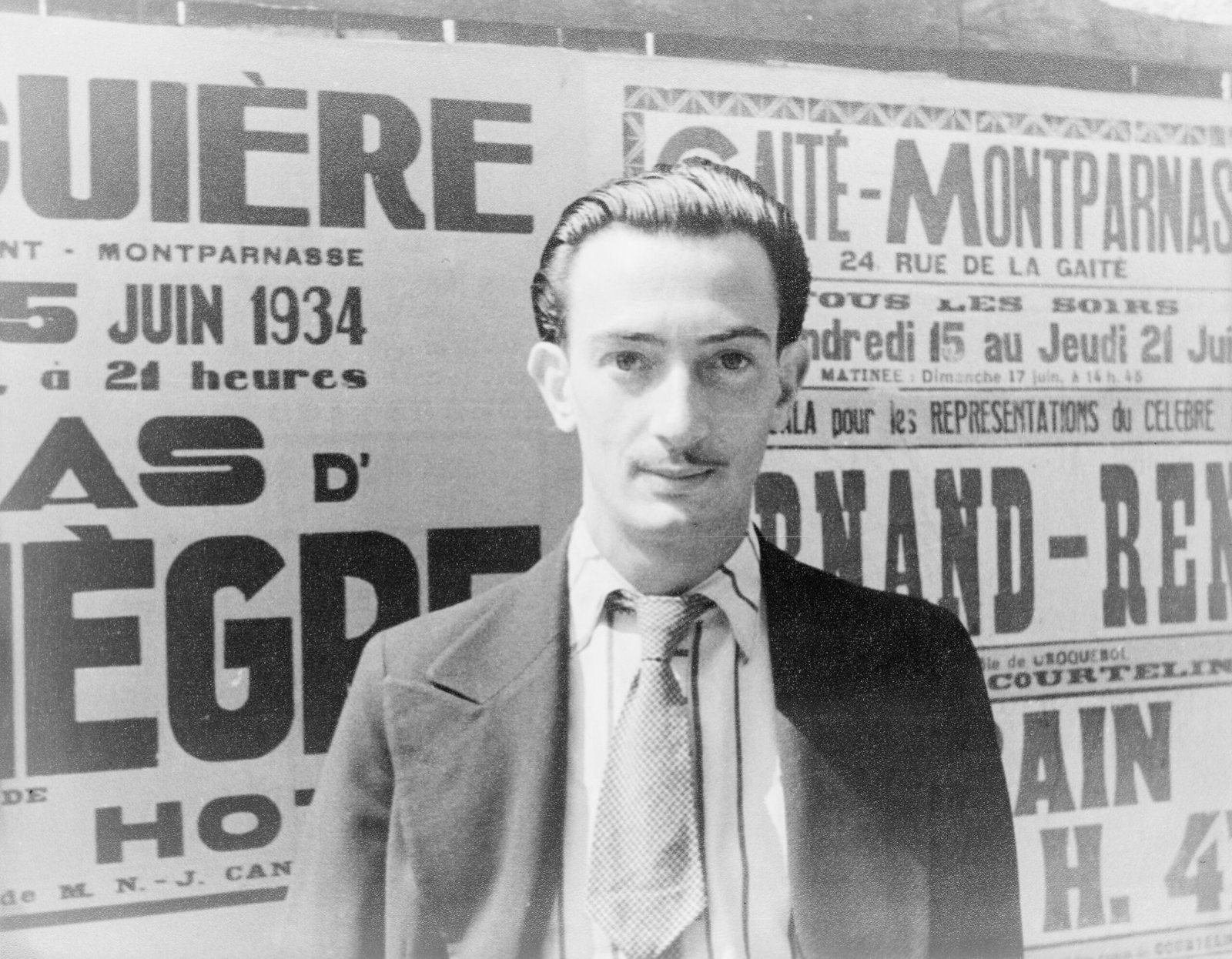
One of Dalí’s tried and true techniques involved holding a metal key over a tin pan while napping. As soon as the artist began to drift away, he would drop the key and wake up, giving him a chance to record the strange images that had flashed through his mind. Dalí also devised what he called the “Paranoid-Critical” method, a creative approach that required him to work himself into a paranoid state by intentionally brooding over bizarre and illogical thoughts. Once feelings of “concrete irrationality” overwhelmed him, he would paint the unusual visions they produced in his mind’s eye.
Dalí turned daily life into theater. Before speaking, he’d ring a bell to announce himself. He walked pet anteaters through Paris, calling it performance art. For Dalí, the bizarre wasn’t occasional – it was a ritual he curated obsessively. Dalí also famously kept a pet ocelot named Babou that accompanied him to restaurants and public events, often alarming those around him.
Winston Churchill: Running a War from Bed
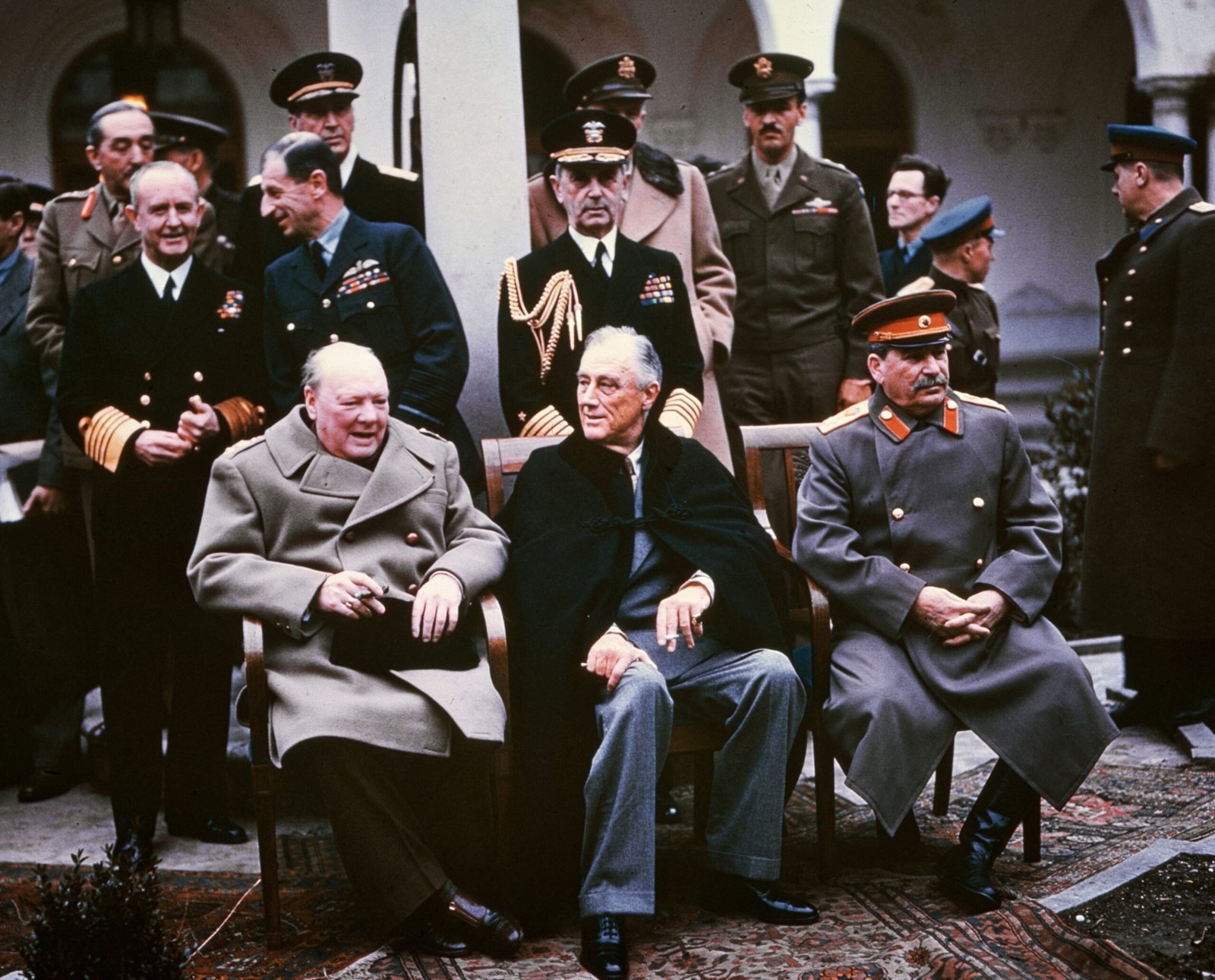
The British Prime Minister spent a lot of his day working in bed. Churchill tended to dictate speeches, read reports, and even conduct meetings while never leaving the safety of his sheets. He stood by this habit, stating that it provided him with the endurance to lead through World War II.
Leadership during wartime didn’t stop Churchill from sticking to his rituals. He’d often emerge from the bath and dictate speeches completely without clothing. He kept his writing schedule like clockwork, even during bombings. The prime minister also made a point to nap for at least an hour each afternoon, even when his country was in the midst of World War II. He found that this nap was crucial for him to work well into the evening.
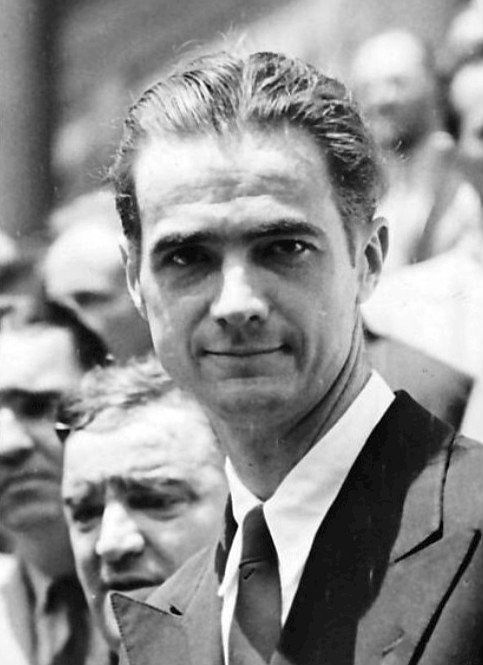
Howard Hughes: Tissue Boxes, Jars, and the Architecture of Fear
front
back, Public domain)
The aviation pioneer and business magnate became increasingly germaphobic as he aged, developing elaborate protocols for handling everyday objects. Hughes would wrap tissues around doorknobs before touching them, wear tissue boxes on his feet to protect them from floor germs, and provide detailed written instructions to servants about how to handle his food. His fear of contamination eventually contributed to his transformation from a dashing industrialist to a reclusive eccentric hiding from the world.
The aviation tycoon became obsessed with cleanliness, refusing to touch objects without tissues and isolating himself in dark rooms for months. He stored his own urine in jars and trimmed his nails obsessively. Those habits turned his brilliance into a prison of compulsions. Many individuals previously considered merely eccentric, such as Hughes, have recently been retrospectively diagnosed as having had mental disorders, obsessive-compulsive disorder in Hughes’ case.
Queen Elizabeth I: Lead on Her Face, Sugar Rotting Her Teeth
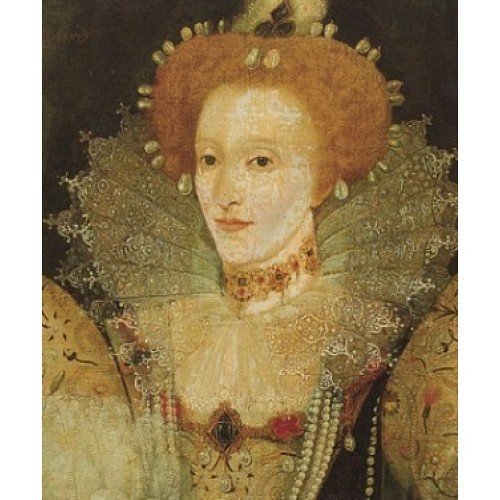
Queen Elizabeth I was known for her extraordinarily pale complexion, but achieving this look came at a significant cost. The queen used a concoction of white lead and vinegar as makeup. It was a combination that was bizarre and dangerous to her health. The consequences of using such toxic substances were dire. Its use often led to skin damage, poisoning, and even death.
Queen Elizabeth I was known for her love of sugar. She would consume vast amounts of sweet treats every day, including marzipan, candied fruit, and sugar sculptures. In fact, it is said that her teeth were so badly decayed by the time of her death that they had to be removed. The image of England’s great Renaissance monarch – iron-willed, magnificently dressed, and essentially poisoning herself from both ends – is not one that makes it into most school portraits.
Florence Nightingale: Reforming Healthcare from Her Mattress
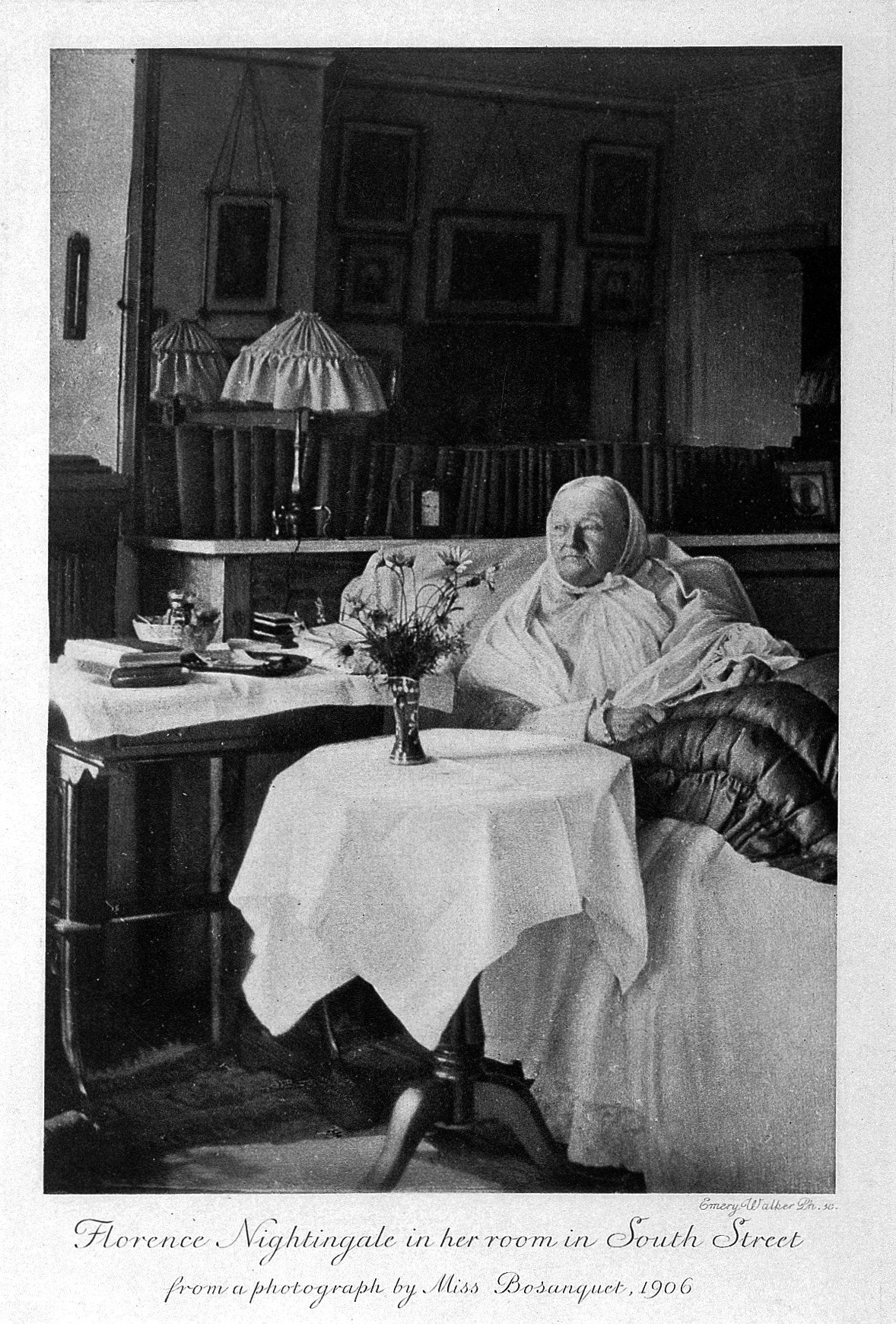
The founder of modern nursing spent the last 50 years of her life mostly bedridden, despite not suffering from any physical ailment that required such restriction. Nightingale conducted her revolutionary work from bed, receiving important visitors while lying down and dictating thousands of letters to reform healthcare. Some historians believe she may have had chronic fatigue syndrome, while others suggest her reclusiveness may have been a strategic choice to focus entirely on her work without social distractions.
Nightingale conducted her revolutionary work from bed, receiving important visitors while lying down and dictating thousands of letters to reform healthcare. The sheer scale of her output under those conditions is remarkable. She essentially rebuilt British military and civilian health systems from a single room, which makes the standard textbook image of her as a lamp-carrying ward nurse feel like only half the story.
Lord Byron: A Bear at Cambridge
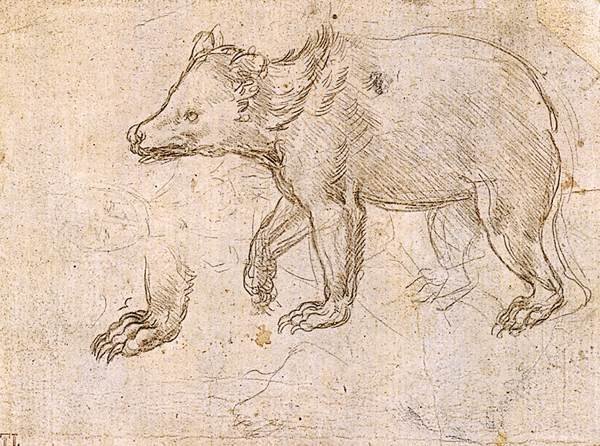
When Lord Byron attended Cambridge, dogs were banned on campus. Rather than conforming to regulations, he brought along a pet bear. Because there was no policy against bears, he maintained it was within the law. Byron was said to walk around with the creature to shock his fellow students.
Cambridge banned pet dogs, so Byron brought a bear. Not just for show, he walked it like a loyal companion. He later even traveled with monkeys and a fox. Byron’s love for animals was extravagant, poetic, and defiantly nonconformist. He once reportedly mused about enrolling the bear as a fellow student. Whether or not the story is apocryphal, it fits the man entirely.
Napoleon Bonaparte: Cold Baths and a Fear of Cats
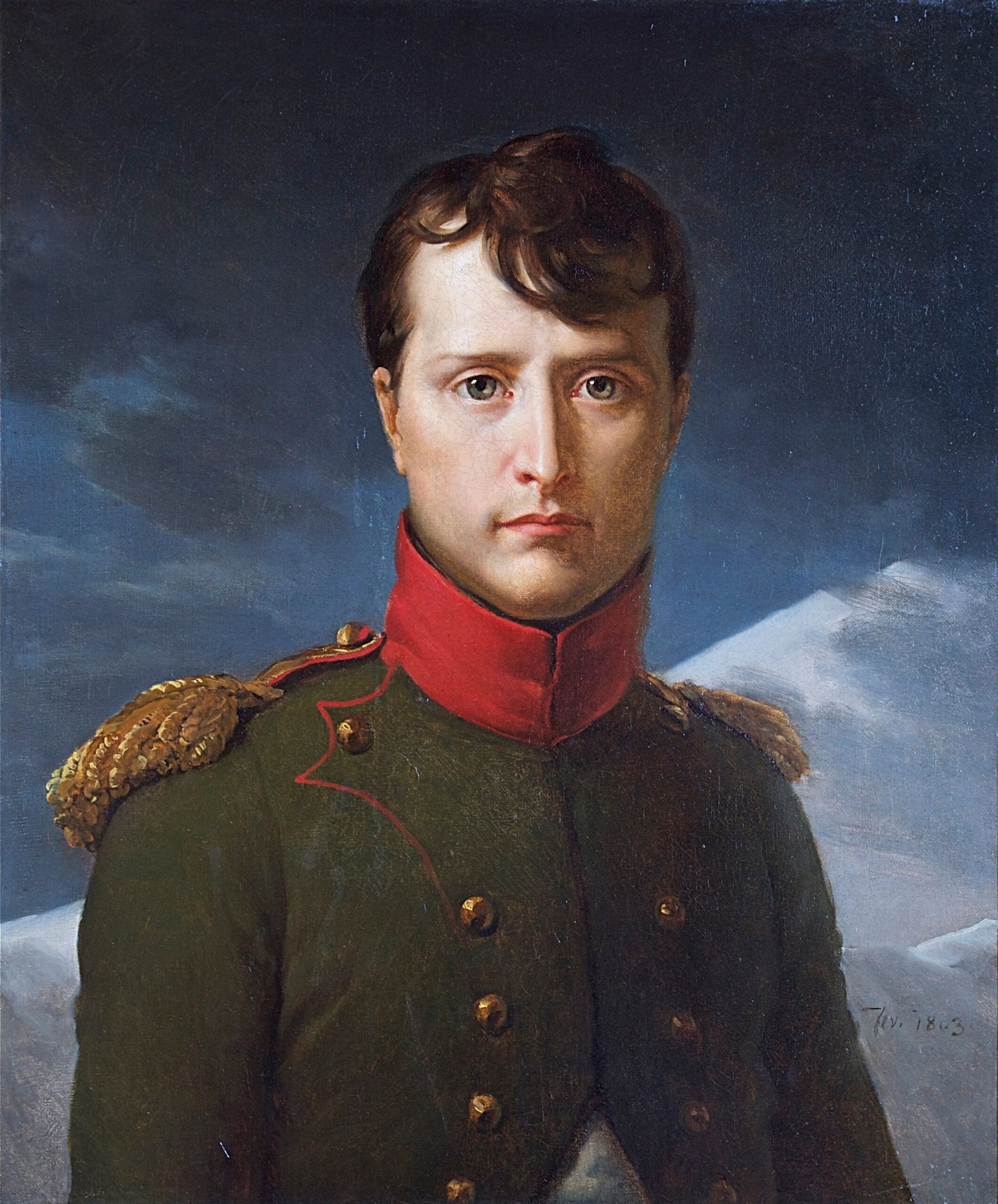
Napoleon Bonaparte, the famous French military leader and emperor, had a bizarre habit of taking a cold bath every morning. He believed that this practice helped to invigorate his body and mind, and even had a special bathtub designed for this purpose.
Napoleon was renowned for his bravery on the battlefield, but he reportedly had an irrational fear of cats. Although some historians debate the extent of his fear, stories about Napoleon’s terror at the sight of cats have persisted for centuries. Interestingly, Napoleon was not alone; other powerful figures like Julius Caesar and Alexander the Great were also rumored to fear felines. Whether fact or exaggeration, it’s a curious contrast to Napoleon’s image as a fearless conqueror.
King Ludwig II of Bavaria: Living Inside a Fantasy

King Ludwig II of Bavaria spent his fortune building elaborate castles, including Neuschwanstein. He preferred fantasy over reality and often avoided public life. The castle that would later inspire Disneyland was never intended as a tourist attraction. It was Ludwig’s personal refuge from a world he found almost intolerably dull.
Ludwig built a world of fantasy to live in. He constructed artificial ruins and dreamlike castles and often rode alone through the night in a sleigh under moonlight. Conversations were often with long-dead medieval kings in his imagined court, where reality bent to beauty and loneliness. His government eventually declared him unfit to rule, and he died under mysterious circumstances just days later. The castles remain, though their builder was always really somewhere else entirely.
Marie Curie: Carrying Radioactivity in Her Pockets
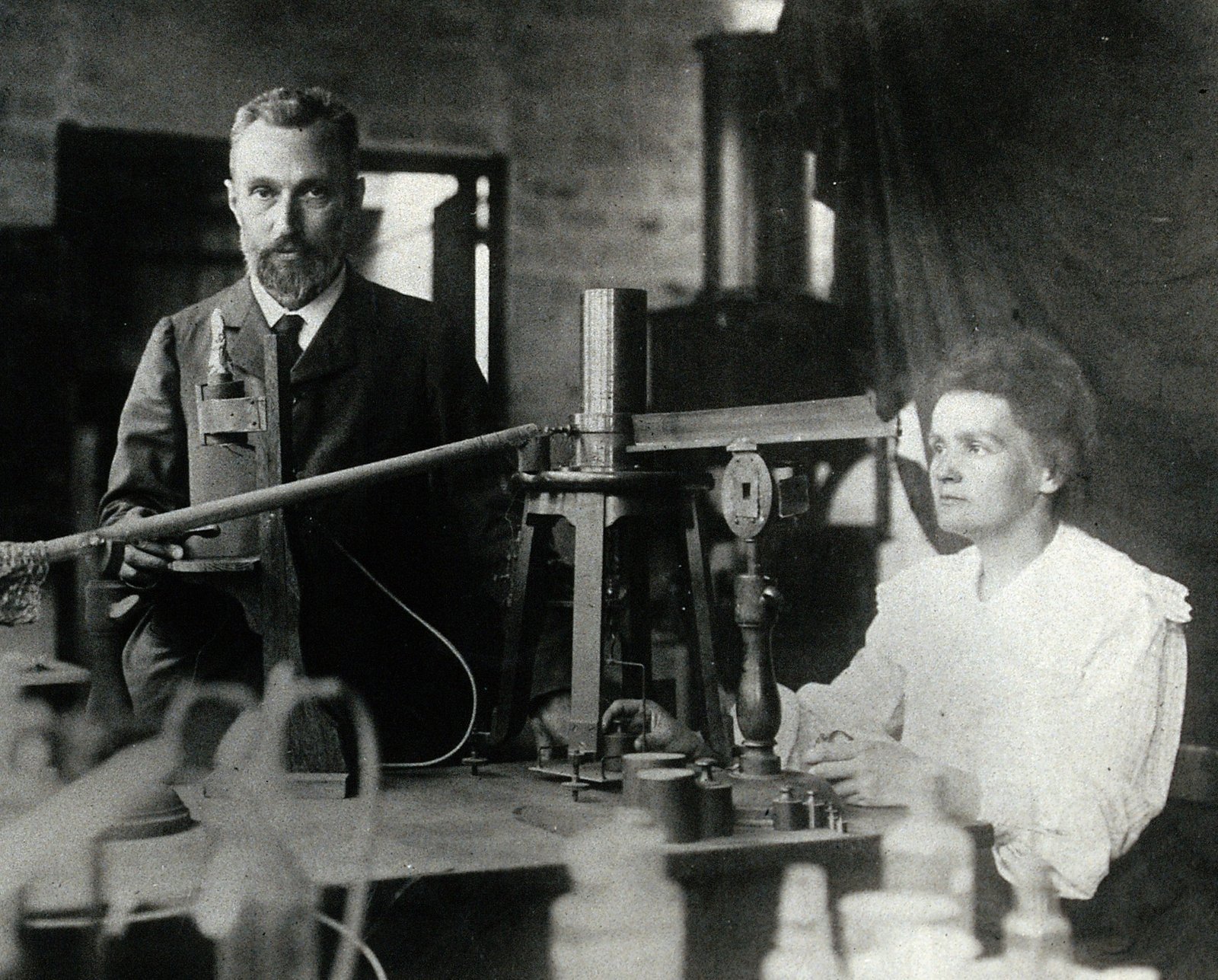
Marie Curie, the Polish-born physicist and chemist, had a habit of carrying test tubes full of radioactive substances in her pocket. She would often use these test tubes in her experiments, exposing herself to dangerous levels of radiation in the process.
Curie, a trailblazing scientist in the field of radioactivity, unintentionally left a peculiar legacy. Her personal belongings, including notebooks and even her cookbook, are considered too dangerous to handle due to radioactive contamination. This poignant detail reflects the sacrifices Curie made in her pursuit of scientific discovery. Curie’s inadvertent creation of “radioactive artifacts” underscores the unexpected consequences of groundbreaking scientific exploration. Her notebooks are still stored in lead-lined boxes in Paris and require protective gear to access.
Peter the Great: Pranks, Autopsies, and a Museum of Oddities

To force Russia into modernity, Peter used shock and spectacle. He collected human oddities and insisted nobles watch autopsies to toughen them. He also staged fake executions as pranks. For Peter, transformation required both terror and twisted humor, all in the name of progress.
Peter personally performed dental extractions on those around him, whether they needed them or not, driven by a fascination with medicine that bordered on compulsion. He built the Kunstkamera, Russia’s first museum, partly to house his collection of biological curiosities and deformed specimens, which he believed would cure his people of their superstitions through exposure to scientific fact. The method was, by any measure, unsettling. The museum still exists in Saint Petersburg.
Conclusion: The Stranger Side of Greatness
There’s something genuinely reassuring in all of this. The people who changed history were not polished figures operating above ordinary human weakness. They were obsessive, fearful, contradictory, and occasionally baffling even to those who admired them most. What appears eccentric to contemporaries might represent unconventional thinking that enables breakthroughs in politics, science, art, or literature. While modern observers might pathologize many of these behaviors as symptoms of recognizable conditions, the unusual habits of these historical figures served various purposes. Their quirks challenge us to reconsider the thin line between brilliance and peculiarity, suggesting that unusual personal habits may sometimes be the unexpected companions of exceptional accomplishment.
The monuments and textbook portraits are useful shorthand, but they leave out the person underneath. Getting to know the stranger, more human version of these figures doesn’t diminish them. If anything, it makes their achievements feel less like fate and more like something worth understanding.

Besides founding Festivaltopia, Luca is the co founder of trib, an art and fashion collectiv you find on several regional events and online. Also he is part of the management board at HORiZONTE, a group travel provider in Germany.
