

History is supposed to be a straight line. Cause leads to effect. Wars start, wars end. People are born, people die. Simple enough. Except, every so often, something happens that makes you stop dead in your tracks and wonder if someone upstairs has a twisted sense of humor. A forgotten stamp causes a world war. Two founding fathers die hours apart on the exact same symbolic day. A man survives not one, but two atomic bombs.
These are not legends or myths dressed up as history. They are documented, verifiable, real events that happened to real people. Yet they feel more like the carefully orchestrated plot points of a Hollywood screenwriter than anything chance could produce. From eerie similarities in historical figures’ lives to uncanny repetitions of major world events, coincidences have fascinated people for centuries. Sometimes, chance alone can explain such patterns, but other times, the alignment of details is so precise it defies logical explanation. So buckle up, because what follows is a journey through fifteen moments in history that should, by all reasonable accounts, be impossible. Let’s dive in.
1. Lincoln and Kennedy: History’s Most Haunting Mirror
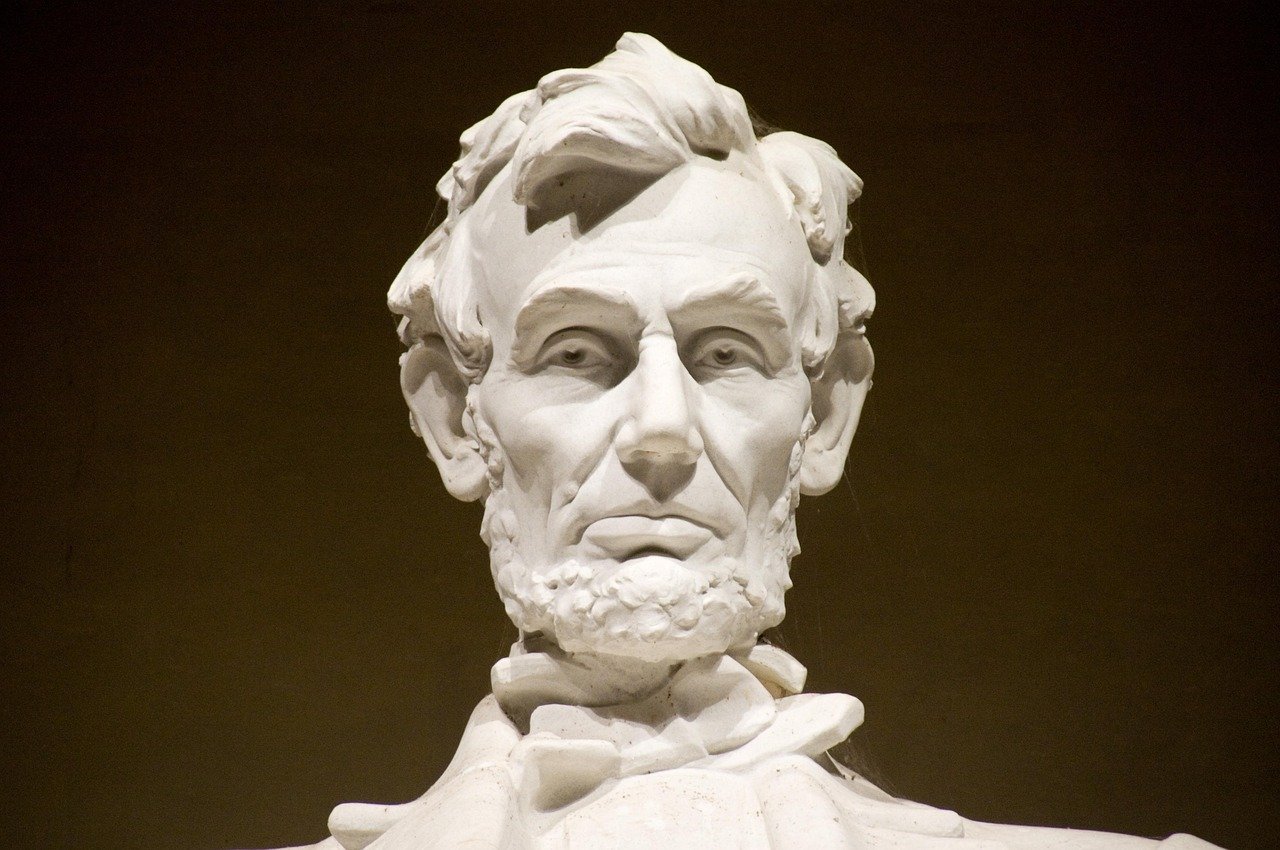
Few historical coincidences are as chilling as the parallels between Abraham Lincoln and John F. Kennedy. Both were elected to Congress in a “46” year – Lincoln in 1846, Kennedy in 1946 – and rose to the presidency in a “60” year, precisely one hundred years apart. That alone is enough to raise an eyebrow. But it does not stop there, not even close.
Both presidents were shot in the back of the head, on the Friday before a major holiday, while seated beside their wives, neither of whom were injured. Both were in the presence of another couple, and in each case that man was also wounded by the assassin. Then there is the almost comedic reversal with their killers: Booth shot Lincoln in a theatre and fled to a warehouse. Oswald shot Kennedy from a warehouse and fled to a theatre. It sounds like someone wrote this on purpose. Honestly, it almost seems too neat to be accidental.
2. The Founding Fathers’ Impossible Farewell
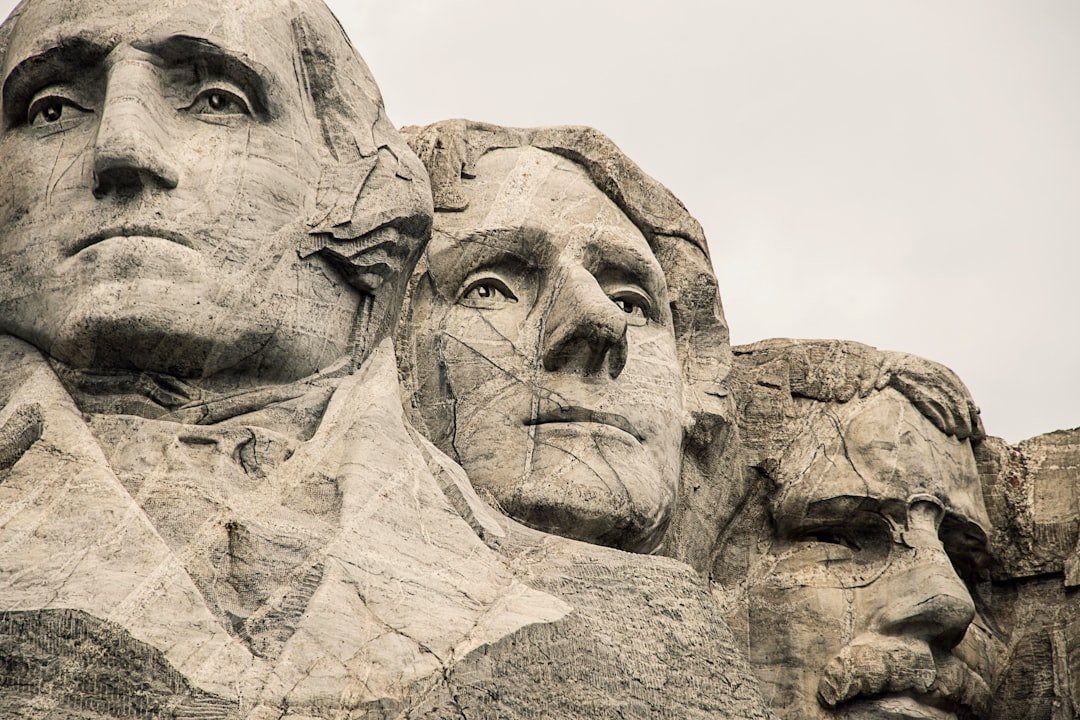
On July 4, 1826, former Presidents Thomas Jefferson and John Adams, who were once fellow Patriots and then adversaries, died on the same day within five hours of each other. Thomas Jefferson and John Adams were the last surviving members of the original American revolutionaries who had stood up to the British empire and forged a new political system in the former colonies.
Here is the part that makes the whole thing go from incredible to completely surreal. Adams lay on his deathbed while the country celebrated Independence Day. His last words were “Thomas Jefferson still survives.” He was mistaken. Jefferson had died five hours earlier at Monticello at the age of 83. And if that is not enough, exactly five years later, on July 4, 1831, former U.S. President James Monroe also died. Three presidents. Three July 4ths. I know it sounds crazy, but how do you even begin to explain that?
3. The Man Who Survived Two Atomic Bombs
Though the apocalyptic terrors of the bombings took place three days apart in cities separated by more than 200 miles, there were dozens of people who actually survived both bombings, including a man named Tsutomu Yamaguchi. Though the Japanese government recognizes some 650,000 people as hibakusha, or people directly affected by the atomic bombings, Yamaguchi is the one person officially recognized as having survived both blasts after actually being at ground zero for each.
Yamaguchi was preparing to leave Hiroshima when the first atomic bomb fell. The 29-year-old naval engineer was on a three-month-long business trip for his employer, Mitsubishi Heavy Industries, and August 6, 1945, was supposed to be his last day in the city. He survived the Hiroshima blast, crawled to safety, and returned home to Nagasaki. Then, still wounded and heavily bandaged, Yamaguchi returned to work on August 9, the day Nagasaki was bombed. He was providing his supervisor a detailed account of the Hiroshima bombing when the landscape outside the office suddenly lit up in blinding light, and Yamaguchi fell to the floor as shockwaves destroyed the windows. He died of stomach cancer on January 4, 2010, at the age of 93.
4. The Novel That Predicted the Titanic

In 1898, author Morgan Robertson penned a novella titled “Futility,” telling the story of an “unsinkable” ship called the Titan that met its end after hitting an iceberg. Strikingly, just fourteen years later, the Titanic suffered a nearly identical fate. The eerie similarities between the fictional Titan and the real Titanic disaster have fueled debate about prediction, chance, and the power of coincidence.
Published in 1898, Morgan Robertson’s novella imagined the sinking of a British ocean liner named Titan. Like the Titanic, it hit an iceberg in April, was considered “unsinkable,” and lacked lifeboats. The Titanic’s real sinking occurred 14 years later. Think about that for a second. This was not a vague prophecy. It was specific: the name, the month, the very cause of sinking. Robertson always insisted it was just an educated guess, based on the trend of bigger and faster ships being built at the time. Sure. An educated guess. Of course.
5. The Sandwich That Started World War I
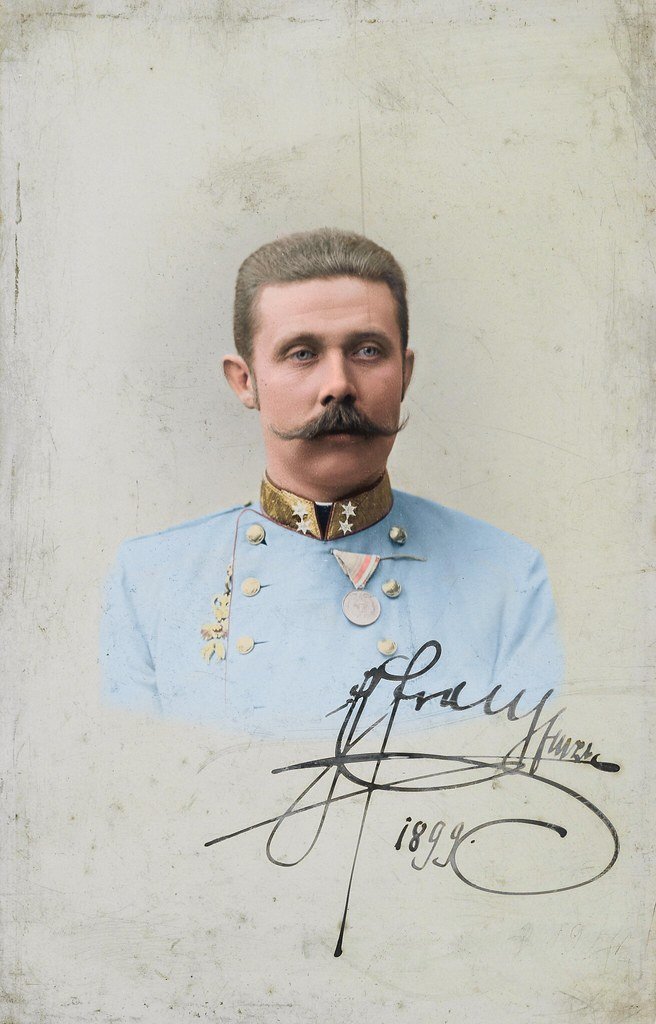
Let’s be real, nobody expects a lunch break to change the course of human civilization. Yet that is essentially what happened in Sarajevo on June 28, 1914. Gavrilo Princip, the would-be assassin of Archduke Franz Ferdinand, had already failed his first attempt earlier that morning. He stepped away, frustrated, and stopped at a deli to eat.
As Princip chewed on his sandwich, the Archduke’s car, thanks to a serendipitous wrong turn and a stalled engine, ended up parked right outside the very same cafe. Seizing this incredible chance, Princip fired, changing the course of history. It’s bewildering to think how the mundane act of eating a sandwich coincided with the catalyst of World War I. A wrong turn. A stalled car. A hungry man. World War One. History has never felt quite so absurdly fragile.
6. Violet Jessop: The Woman Who Could Not Drown
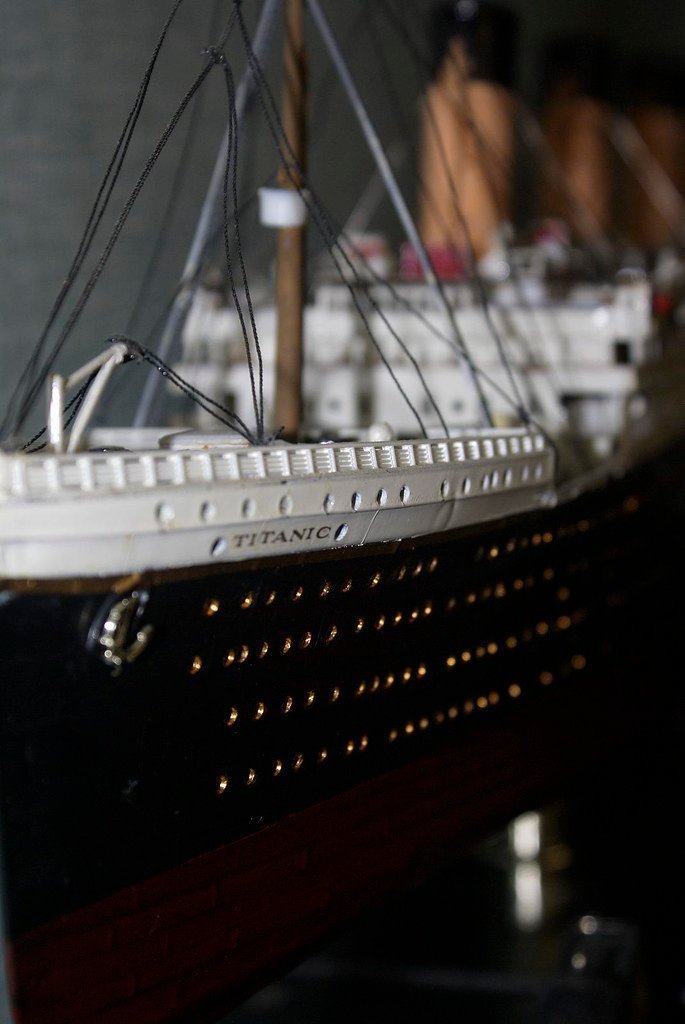
Depending on your perspective, Violet Jessop is either the luckiest or unluckiest woman to ever live. She was a stewardess and nurse who managed to be aboard three ships. Three ships that all sank. As a stewardess and a nurse, she was aboard the HMS Olympic when it collided with the HMS Hawke, she was aboard the HMHS Britannic when it struck a mine at sea, and she was aboard the RMS Titanic when it famously hit an iceberg. The three ships were sister ships, and Jessop survived all three encounters.
During World War I, she served as a stewardess for the British Red Cross, and in 1916, she was aboard the HMHS Britannic when it struck a mine and sank in the Aegean Sea. Once again, Jessop survived, although she nearly lost her life when she was sucked under the ship’s keel by a propeller. The odds of one person surviving three major shipwrecks, including two of the most famous maritime disasters in history, are so astronomical that Jessop’s story seems more like fiction than fact. The sea tried three times. It never got her.
7. Edgar Allan Poe Predicted a Real Murder Victim’s Name
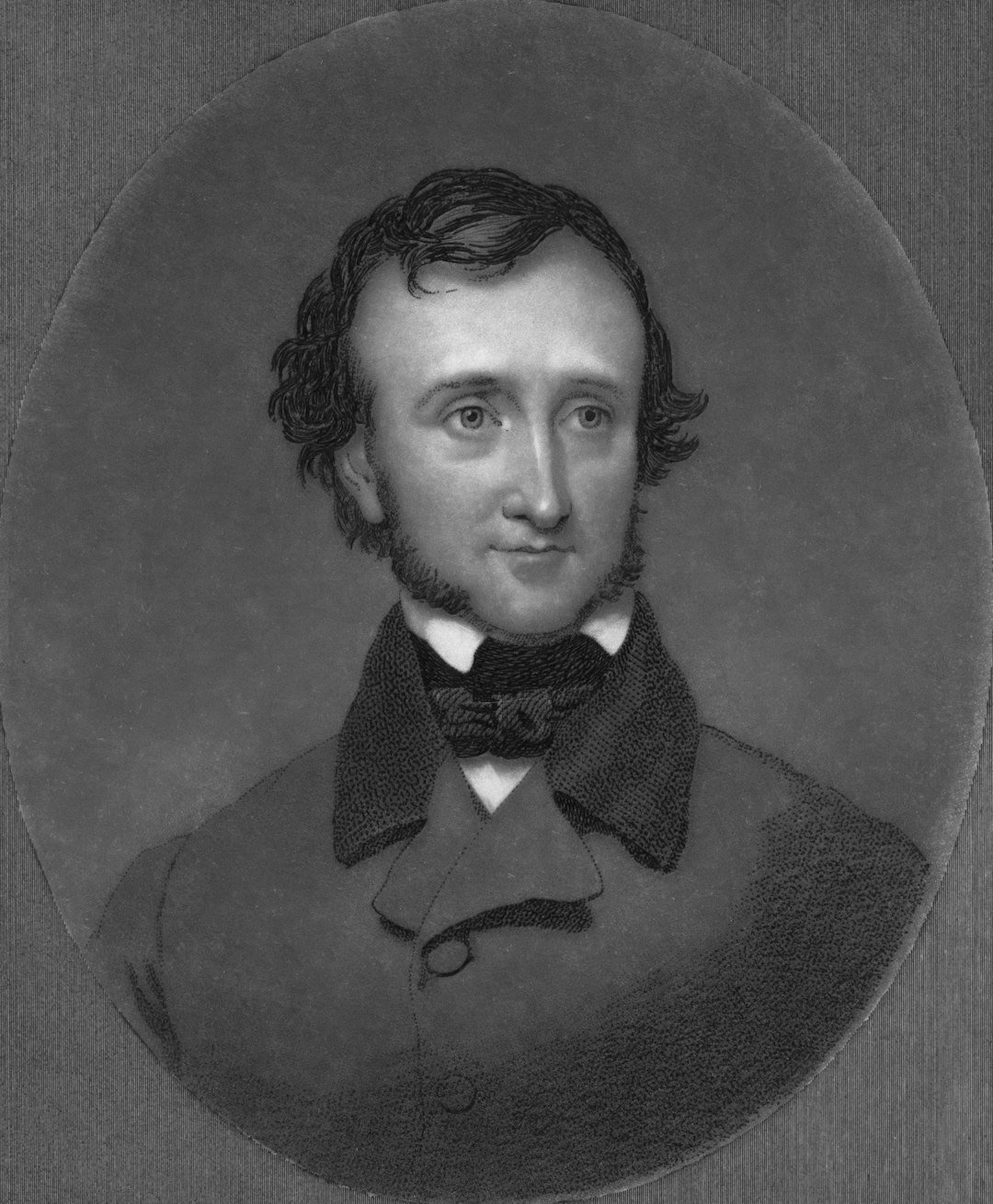
In a chilling example of life imitating art, Edgar Allan Poe’s 1838 novel “The Narrative of Arthur Gordon Pym of Nantucket” contained a disturbing scene that would later play out in real life with uncanny similarity. In Poe’s fictional tale, four shipwrecked sailors, driven to desperation by hunger, draw lots to decide who among them should be sacrificed and eaten. The unfortunate victim of this grim lottery is a young cabin boy named Richard Parker.
Fast forward to 1884, nearly half a century after Poe penned his novel, when a real-life yachting disaster unfolded off the coast of Africa. The Mignonette, a small yacht, sank during a voyage from England to Australia. The four-man crew escaped in a lifeboat but found themselves stranded at sea without food or water. In a horrifying turn of events that mirrored Poe’s fiction, three of the men decided to kill and eat the weakest among them to survive. The real victim’s name was Richard Parker. Astonishingly, a real shipwreck echoed this grim scenario, right down to the victim’s name. Poe himself died in 1849, long before any of this happened. Make of that what you will.
8. Mark Twain and His Comet
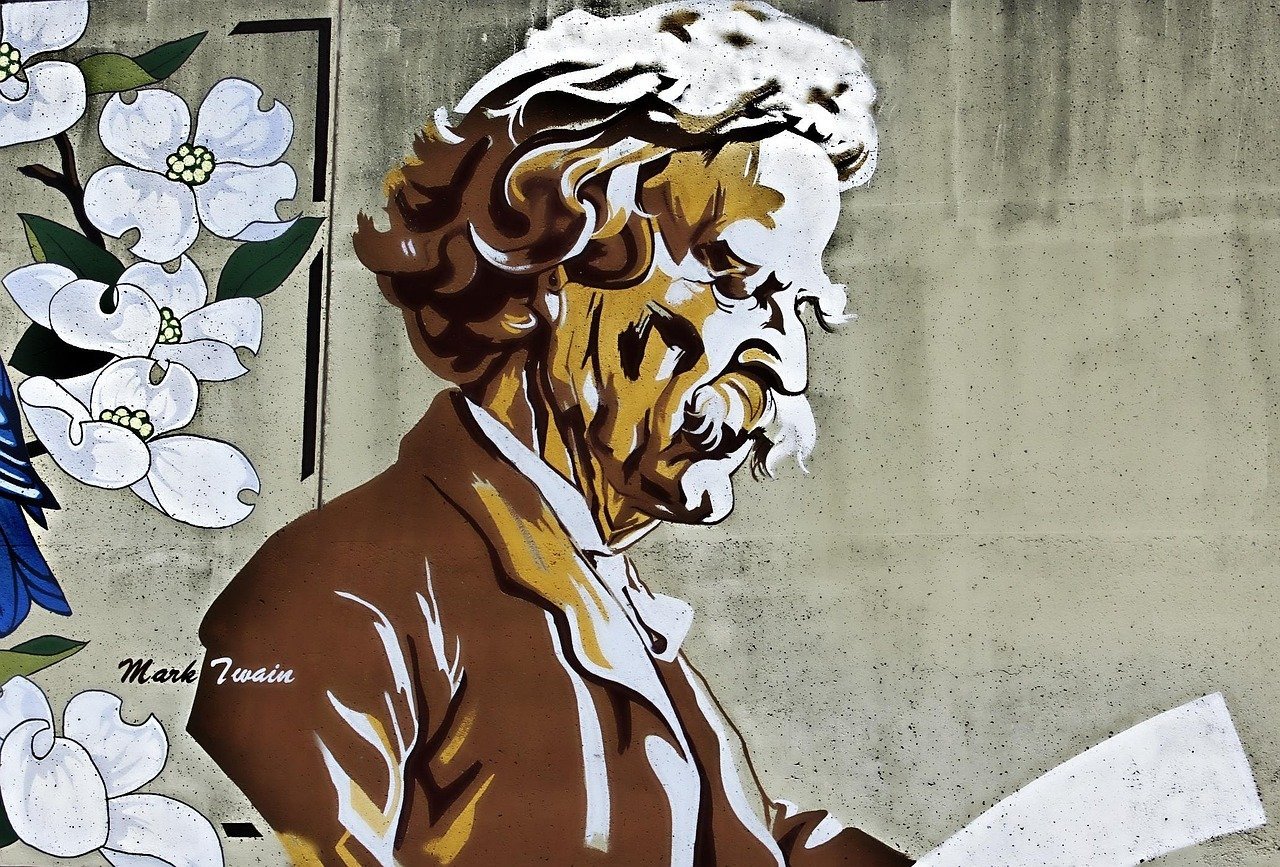
Some people joke about how they’ll go out. Mark Twain, characteristically, made his prediction with complete seriousness. Author Mark Twain was born in 1835, a year that Halley’s Comet was visible from the Earth, a phenomenon that occurs just once every 76 years. The day after the next appearance of the comet, in 1910, Twain died. Perhaps this alone is not a huge coincidence, but the year before his death, Twain had actually predicted and hoped for this very outcome.
Twain once joked he would “go out with Halley’s Comet.” He was born in 1835, the same year the comet passed Earth. In 1910, Twain died of a heart attack the day after its closest approach. The alignment still stands as an astonishingly personal astronomical coincidence. You could argue he simply willed it to happen. The human body is remarkable. Or, perhaps, the universe was just listening.
9. Paul McCartney Met John Lennon Next to a Grave Named Eleanor Rigby
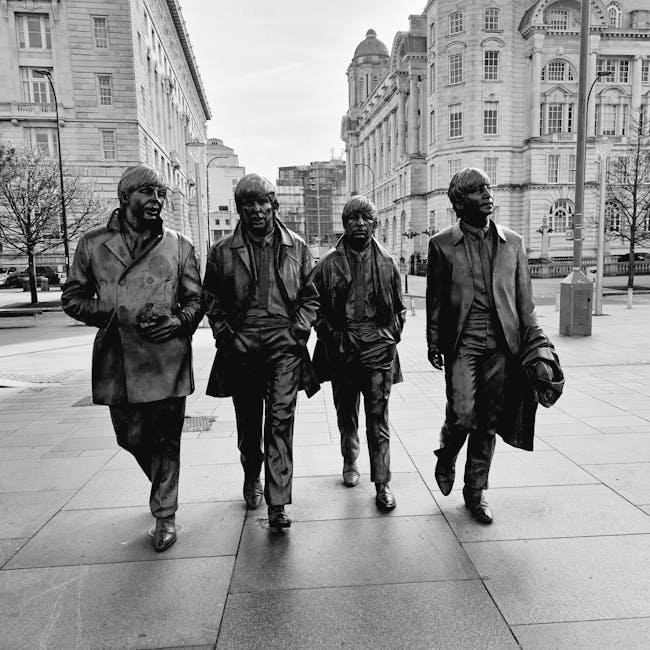
The year was 1957, and a very young Paul McCartney had just met a very young John Lennon at a party at St. Peter’s Church in Woolton, England. It was, of course, a meeting that would become one of the most important moments in the history of modern music, considering the duo would soon thereafter form the Beatles. But that’s not the coincidence here. The coincidence is that literally a few feet away from where John and Paul met that day, in the church graveyard, was a very prominent gravestone for a woman long ago dead named Eleanor Rigby.
Nine years later, McCartney wrote the song “Eleanor Rigby.” He claimed he named the character after the actress Eleanor Bron, and a store in Bristol named Rigby and Evens Ltd. Later, he admitted that the grave may have played a subliminal part in his song’s namesake. Whether intentional or completely accidental, it remains one of pop music history’s most poetic little mysteries. A gravestone. A chance meeting. One of the most famous songs ever written. Sometimes history rhymes in melody.
10. The Jim Twins: Two Strangers Living the Exact Same Life

In 1940, a set of twin boys was put up for adoption. The boys were adopted by different families, both of whom named their sons James. They grew up completely apart, with no knowledge of each other. Each Jim knew that he’d been born with a twin, and when they were 37 years old, one of them found contact details for his brother. They met in 1979, and that was when they learned just how similar their lives had been.
Both Jims had been named James by their adoptive parents, both had married women named Linda, divorced, and then remarried women named Betty. They each had sons, one named James Alan and the other named James Allan. Both had owned dogs named Toy at different times in their lives. The coincidences extended to their habits and preferences: both smoked Salem cigarettes, drank Miller Lite beer, and had vacationed on the same Florida beach. They even shared similar occupations, with both working as sheriff’s deputies. Genetics, fate, or something else entirely? Science still wrestles with what the Jim Twins actually prove.
11. The Archduke’s License Plate Predicted the War’s End
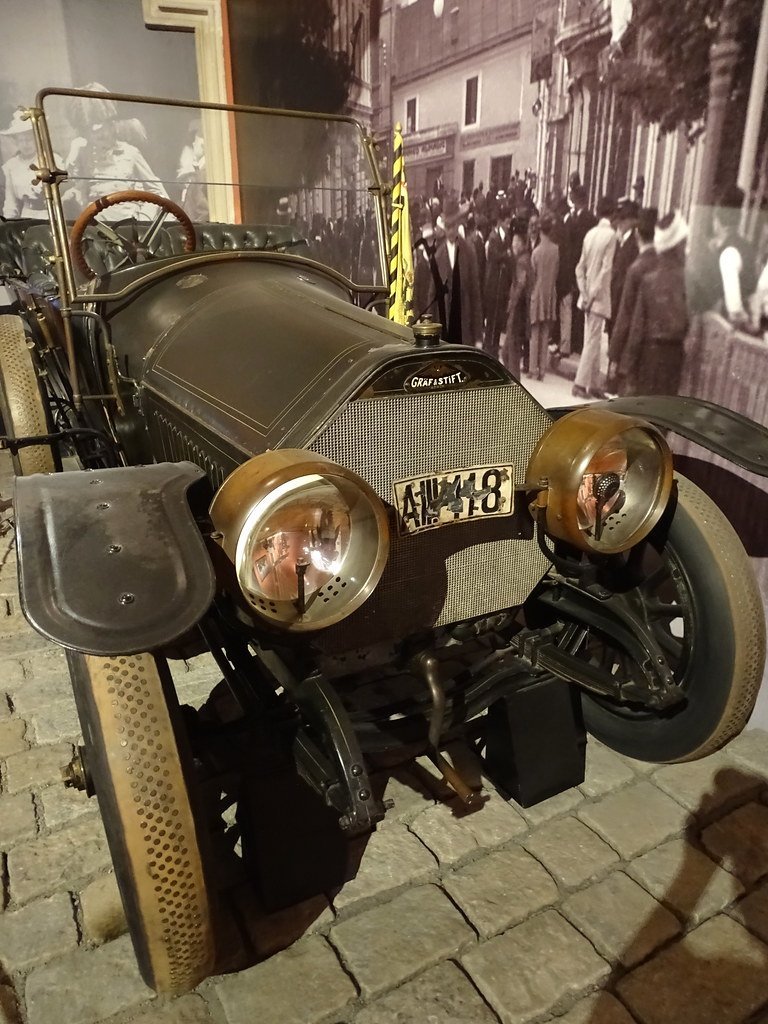
A license plate may seem like trivia unless it reads “AIII 118.” That belonged to the car Archduke Franz Ferdinand rode in when he was assassinated in 1914. The Great War began. Four years later, World War I ended on 11/11/18.
The car in which he was traveling at the time of his murder bore a license plate with the number A III 118. What is so strange about that? World War I officially ended on Armistice Day, 11th November 1918, otherwise written as 11/11/18. The war began in the car bearing those numbers. The war ended on the date those numbers spell out. It’s hard to say for sure if this is destiny or the world’s most unsettling numerical coincidence, but it is impossible to look at without feeling a chill.
12. Napoleon and Hitler: 129 Years of Parallel Catastrophe
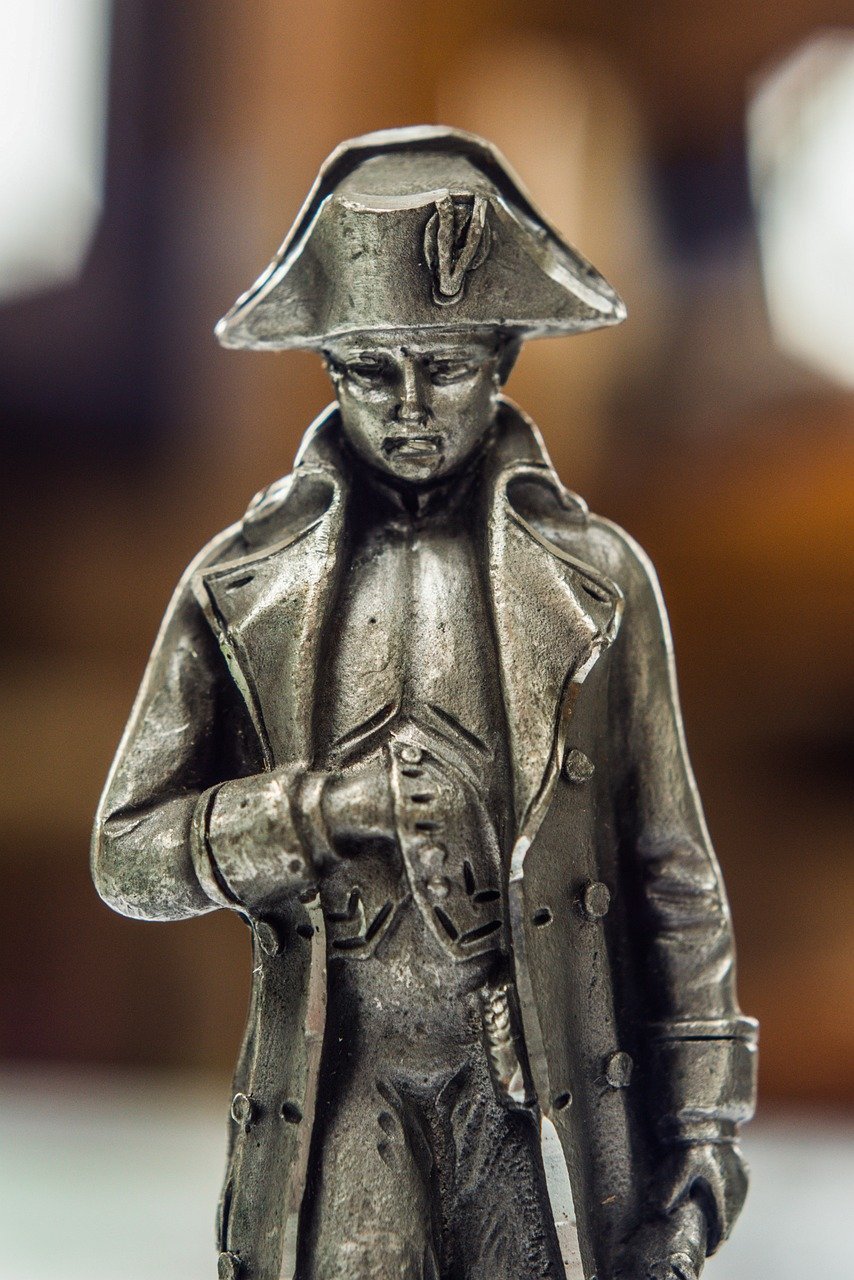
Russia’s winter did not discriminate. It swallowed Napoleon’s Grand Armée in 1812, then turned on Hitler’s forces in 1941. Separated by 129 years, both invasions began in summer and ended in frozen disaster. The parallels in strategy and failure remain among the most analyzed coincidences in modern military history.
Adolf Hitler was born 129 years after Napoleon Bonaparte. Hitler’s rise to power took place 129 years after Napoleon’s; he invaded Russia 129 years after Napoleon, and he was ultimately defeated 129 years after the defeat of Napoleon. Two dictators, separated by more than a century, mirroring each other’s catastrophic overreach with near-perfect timing. History, it seems, tried very hard to warn them. They were both far too proud to notice.
13. The First and Last British Soldiers of WWI Buried Side by Side
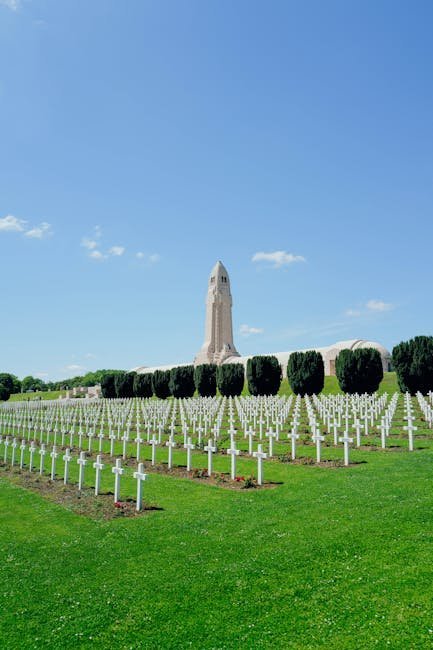
Millions upon millions of people died in the First World War, which makes this historical coincidence all the more incredible. The first recorded British soldier to die in the war is buried in Belgium’s St. Symphorien military cemetery, mere feet from the grave of the last recorded British soldier to die in the war.
Private John Parr died, reportedly in a German cavalry strike, on August 21, 1914. Four years of bloody combat later, George Edwin Ellison was killed at 9:30 in the morning on November 11, 1918, a mere hour and a half before the call for a ceasefire that would end the war. The whole terrible arc of a war that consumed an entire generation, bookended by two men buried within walking distance of each other. No one planned it. No one could have. That is exactly what makes it so overwhelming.
14. Germany’s Day of Fate: November 9

Germans have their own coincidentally significant day: November 9. A number of famous or infamous events in German history have fallen on that day, from the announcement of Kaiser Wilhelm II’s abdication of the throne in 1918, which put an end to the German monarchy, to the horrors of Kristallnacht in 1938. In 1989, the Berlin Wall fell on November 9, cementing the day’s standing in the German public consciousness.
Germans even have a word for it: “Schicksalstag,” or “The Day of Fate.” The end of a monarchy, the beginning of the Holocaust’s open terror, and the fall of the most iconic symbol of the Cold War. Three enormously defining moments in one nation’s history, all landing on the same calendar date across seven decades. Other nations have unlucky days. Germany has a whole identity wrapped around one.
15. Stephen Hawking’s Death: The Most Perfectly Timed Exit in Science History
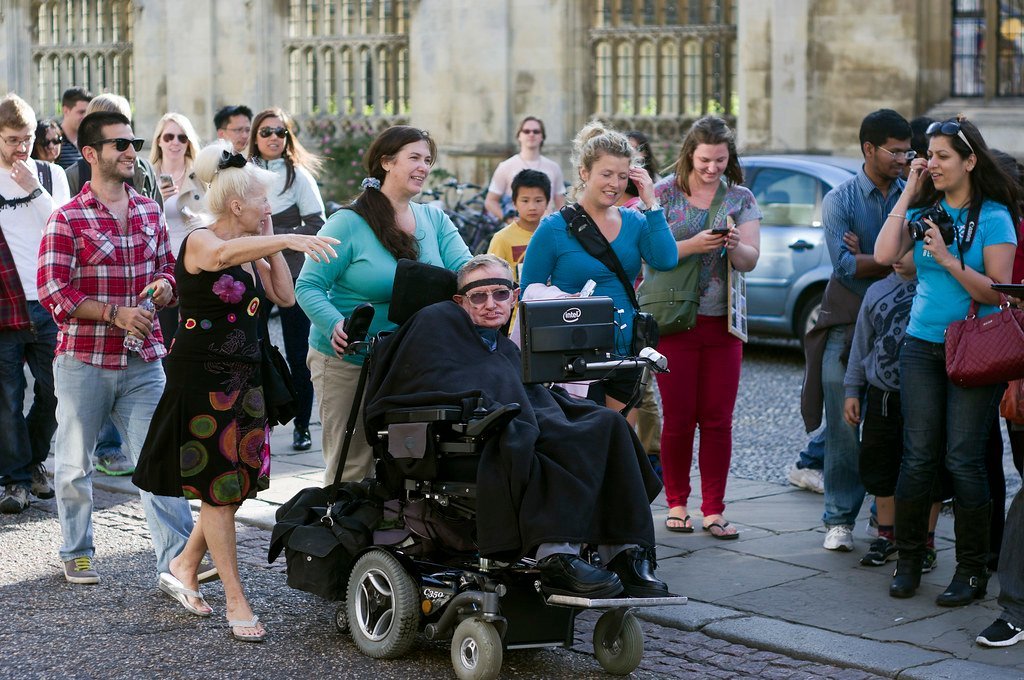
As Stephen Hawking himself would tell you, time is relative. But that does not quite explain why his death occurred on what many consider a fairly significant day: Einstein’s 139th birthday, Galileo’s 300th death-day, and Pi Day, March 14, when the date reads 3.14.
Think about what that means for a moment. The world’s most celebrated physicist of his generation died on the exact date that honors the three most towering figures and concepts in all of science. Pi Day. Galileo’s death anniversary. Einstein’s birthday. Scientists suggest coincidences stand out in our memory because our brains are programmed to identify connections. That said, with stories like these, it is enough to make one think differently about whether history has its own perplexing rhythm. It is as though the universe itself paused, briefly looked up, and said goodbye to one of its most dedicated students.
Conclusion: Does History Have a Script?
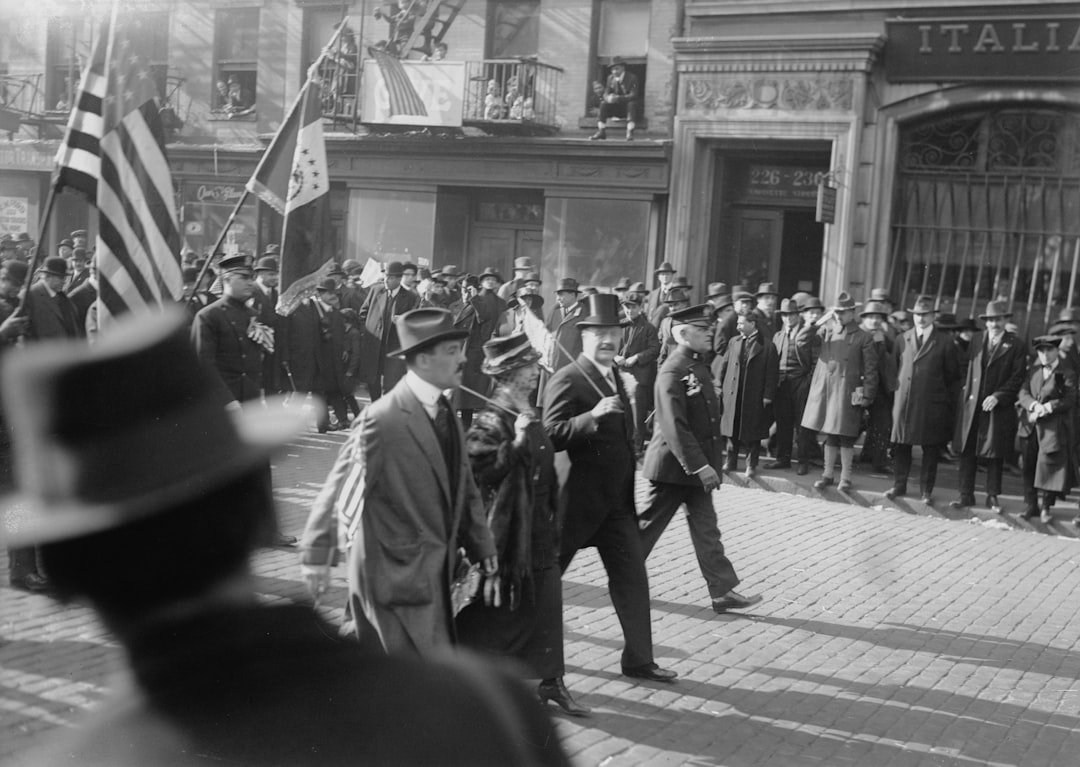
Here is the thing about coincidences. Taken one at a time, many of them can be explained away. Coincidences that seem too strange to be true happen more often than we think. The Law of Large Numbers dictates that random events like these are bound to happen, but that does not make it any less amazing when they do. Our brains are pattern-finding machines, and the psychological phenomenon of apophenia, defined as “the tendency to perceive order in random configurations,” has been proposed as a possible reason such stories hold such enduring power.
Yet some of these stories go beyond pattern recognition. The first and last soldiers of a world war buried side by side. A man surviving both atomic bombs because he forgot a stamp at the office. A novelist naming a murder victim decades before the murder actually happened. These are not just optical illusions of the mind. Coincidences fascinate us because they feel like small glimpses into a larger hidden pattern within the universe. Some people look at coincidences as fate, while others recognize them as good or bad luck.
Maybe history does not repeat itself so much as it rhymes, stumbles, and occasionally whispers the same name twice across a century. Whatever the explanation, these fifteen moments remind us that reality, at its strangest, needs no embellishment at all. What do you think, is this all just chance, or does history have a script nobody told us about? Tell us in the comments.
CEO-Co-Founder
