

Every year, the conversation about great cinema circles the same familiar names. The Godfathers, the Kubricks, the crowd-pleasing blockbusters that dominate streaming queues and dinner table debates. Meanwhile, a quietly remarkable parallel history of filmmaking sits mostly untouched, full of work that burned briefly on release and then faded – not because it was bad, but because timing, marketing, or simple bad luck conspired against it.
The nature of the industry makes it so that while some films skyrocket to blockbuster or instant classic status, others flare and then fizzle out, thanks to low box offices, overshadowing big releases, or just the passage of time. That’s a genuine loss. These films still hold their power. The performances haven’t dimmed. The ideas haven’t dated. They’re just waiting to be found, and 2026 is as good a time as any to go looking.
Manhunter (1986)

Before Anthony Hopkins made Hannibal Lecter a household name, Michael Mann introduced the character to audiences through a film that most people have never seen. The Thomas Harris character actually showed up five years earlier than The Silence of the Lambs, portrayed by Brian Cox in Michael Mann’s underrated Manhunter. The film, somewhat incredulously, bombed at the box office, though it’s largely seen today as a forward-thinking exercise in style from the ever-reliable Mann.
Manhunter is a sleek, neon-drenched fever dream that prioritizes atmosphere and psychological dread over traditional slasher tropes. Brian Cox plays Hannibal Lecter by trading theatricality for a quiet, mundane menace that makes his manipulative streak feel truly dangerous. While his understated work has since been overshadowed by the more iconic turns from Anthony Hopkins and Mads Mikkelsen, Cox’s portrayal remains a masterclass in psychological subtlety. Michael Mann builds tension through color, framing, editing, and sound with such skill that his actors can underplay their emotions – and it works superbly.
Moon (2009)
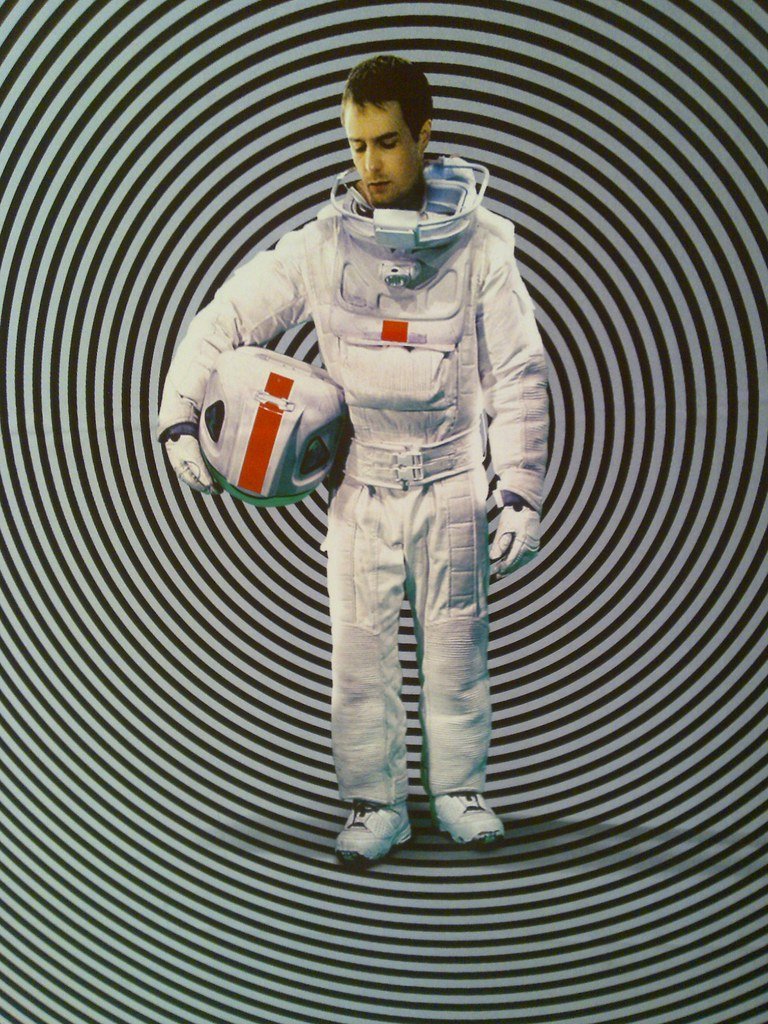
Duncan Jones’ sci-fi thriller Moon might look like an indie drama about a lonely astronaut, but it is actually one of the most brilliant critiques of modern capitalism ever filmed. Released in the same year as James Cameron’s Avatar and the gritty District 9, Moon took a quieter approach, using an impressive yet claustrophobic production design and a modest budget to tell a story that is much more than a space voyage.
Sam Rockwell stars as Sam Bell, a man who experiences a personal crisis as he nears the end of a three-year solitary stint mining helium-3 on the far side of the Moon. The film deals with issues of identity, memory, corporate ethics, and, above all, loneliness in utterly gratifying ways. Rockwell does wonders with this role, playing all aspects of a human personality without ever hamming it up. The film won numerous film critic and festival awards and was nominated for the BAFTA Award for Best British Film, winning the Hugo Award for Best Dramatic Presentation in 2010 – yet most casual moviegoers still haven’t heard of it.
Ghost Dog: The Way of the Samurai (1999)
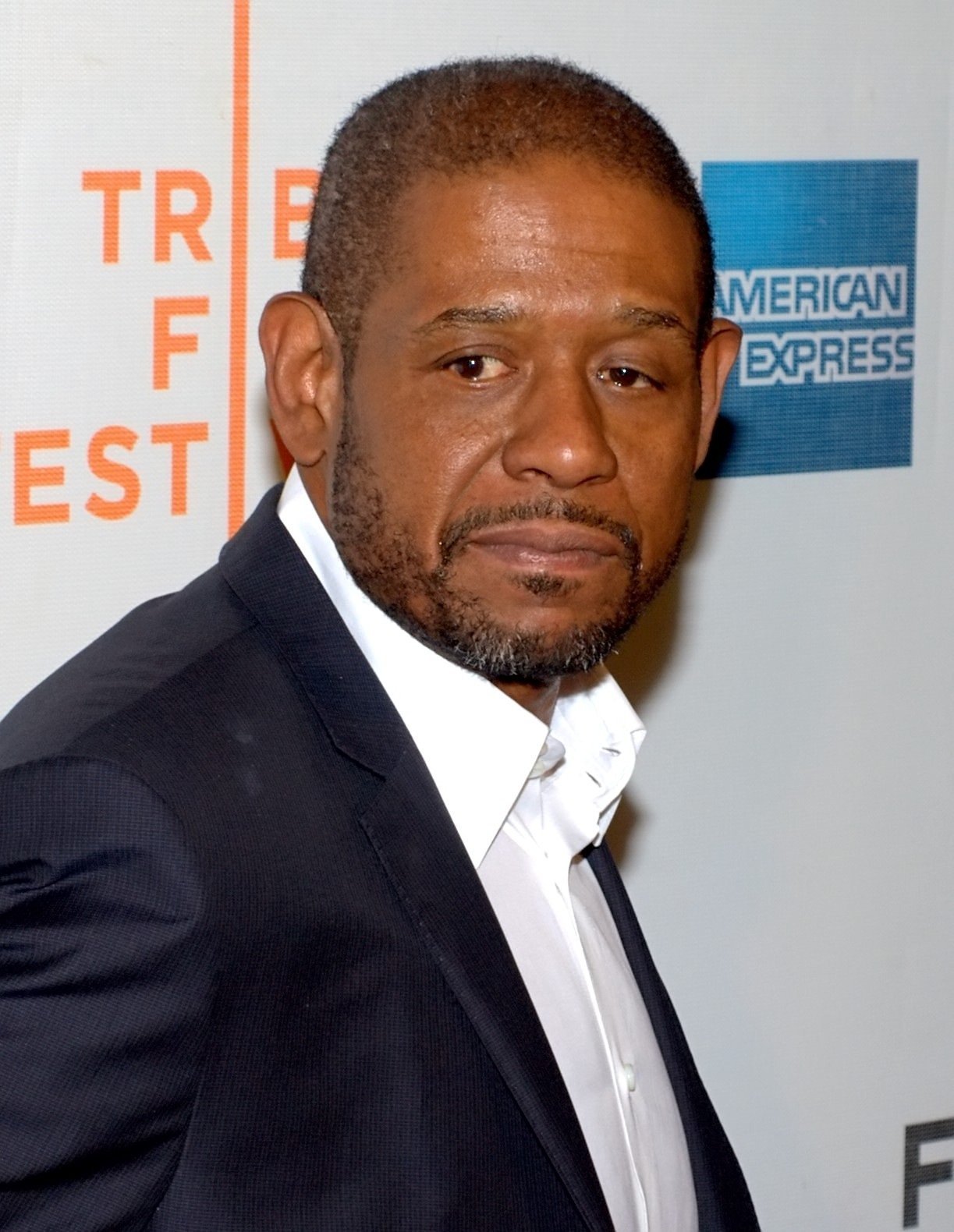
A Jim Jarmusch film, Ghost Dog: The Way of the Samurai follows a hitman who lives by the code of the samurai and works for the mafia. It’s a little bit crime drama, a little bit philosophical meditation, and a lot of terrific filmmaking, brought together by a strong and underrated performance by Forest Whitaker.
Jarmusch has always been a filmmaker who operates slightly outside the mainstream, and Ghost Dog is perhaps his most purely pleasurable film to watch. It moves with the patience of someone who isn’t interested in cheap thrills, yet it never drags. Films like this one flare and then fizzle out thanks to low box offices and being overshadowed by bigger releases, which is precisely what happened here. Revisiting it now, the film feels remarkably assured and strangely timeless.
Brick (2005)
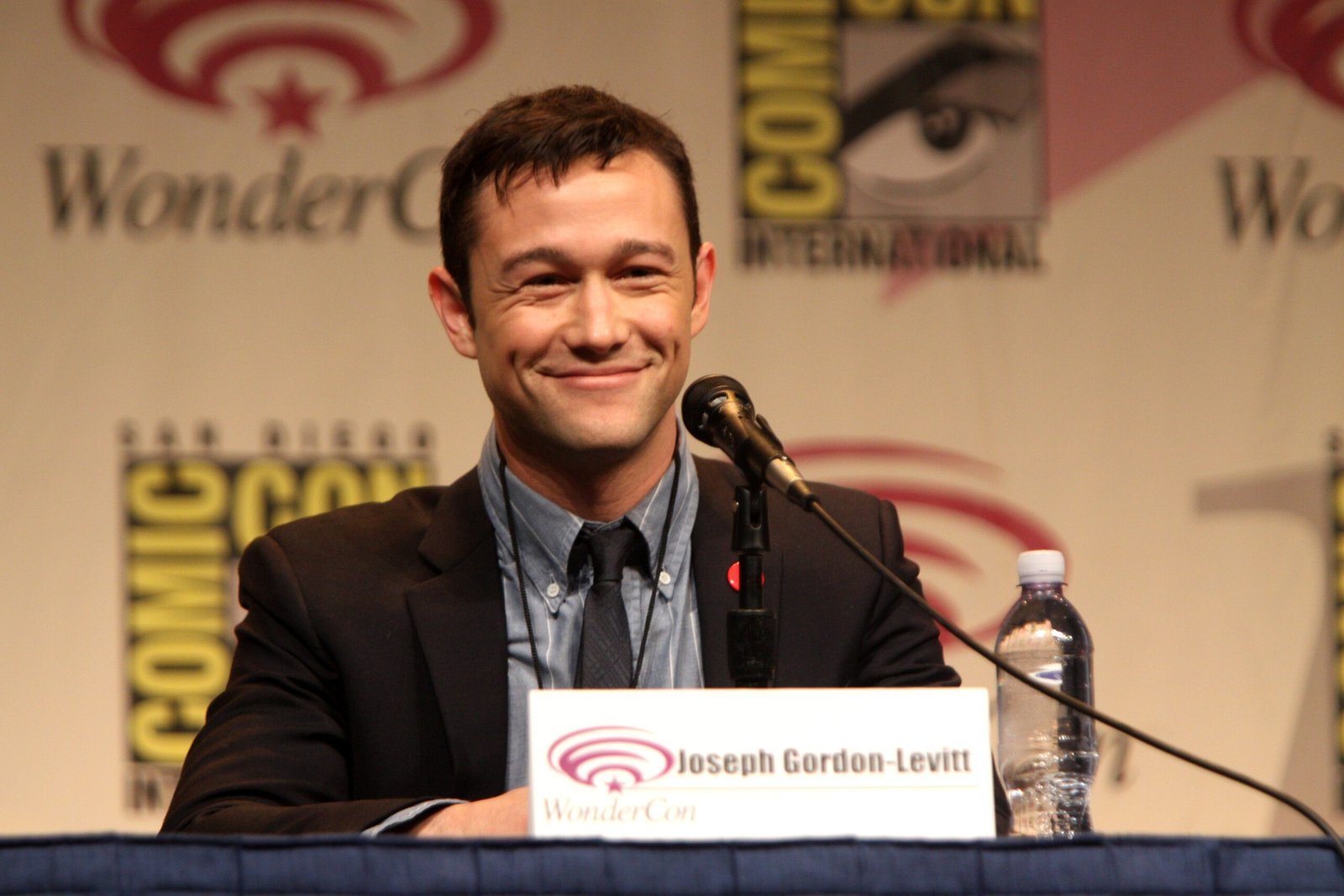
Uploaded by maybeMaybeMaybe, CC BY-SA 2.0)
Rian Johnson’s directorial debut cleverly adapts film noir clichés to a modern high school environment. As a young loner searching for his ex-girlfriend’s killer, Joseph Gordon-Levitt gives an engrossing performance. This genre-defying movie is on the verge of deserving cult classic status because of its gorgeous cinematography, witty dialogue, and gripping intrigue.
After a phone call from his ex-girlfriend, teenage loner Brendan Frye learns that her dead body was found. Vowing to solve her murder himself, he must infiltrate high-school cliques that he previously avoided. His search for the truth brings him before some of the school’s roughest characters. The genius of Brick is how seriously it commits to its genre premise without winking at the audience. It trusts viewers to follow along, and that trust is fully rewarded.
The Fall (2006)
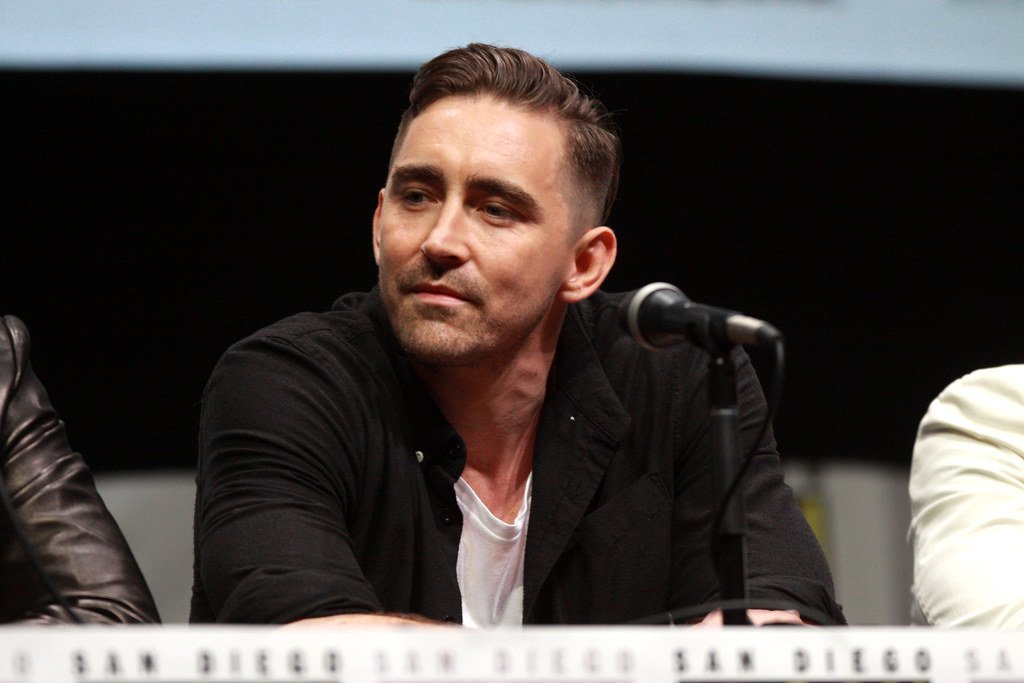
The Fall follows a stuntman named Roy Walker who meets a young child when he’s bedridden after having an accident. Alexandria is infatuated with his stories, and with her fueled imagination, viewers are treated to how she sees the stories and characters. In cinema, there has never been such a profound depiction of the imagination. Created by visionary director Tarsem, The Fall is unlike anything you have ever seen.
The film was shot in many locations across multiple countries, and most of the budget came from Tarsem’s own funds. You would think this would show in the final product, but The Fall looks anything but cheap. It is a fantasy film about storytelling within storytelling, and it is absolutely gorgeous – everything shot on location across the world, giving it a visual scope that feels nearly impossible for an independent production.
The Sweet Hereafter (1997)

Based on the Russell Banks novel of the same name and directed by Atom Egoyan, this heart-wrenching, haunting film about a small town dealing with the aftermath of a tragic school bus accident is a genuine slow burn. With a score of 98 percent on Rotten Tomatoes, it may take patience, but it is absolutely worth the watch.
Egoyan structured the film in a fractured, nonlinear way that mirrors how grief actually works: in fragments, looping back to moments before everything changed. It’s quiet and deeply uncomfortable in the best possible sense. Few films have captured the way collective tragedy reshapes a community with such measured, unsparing honesty. This one deserves to be spoken of alongside the great films of the 1990s.
Hard Eight (1996)
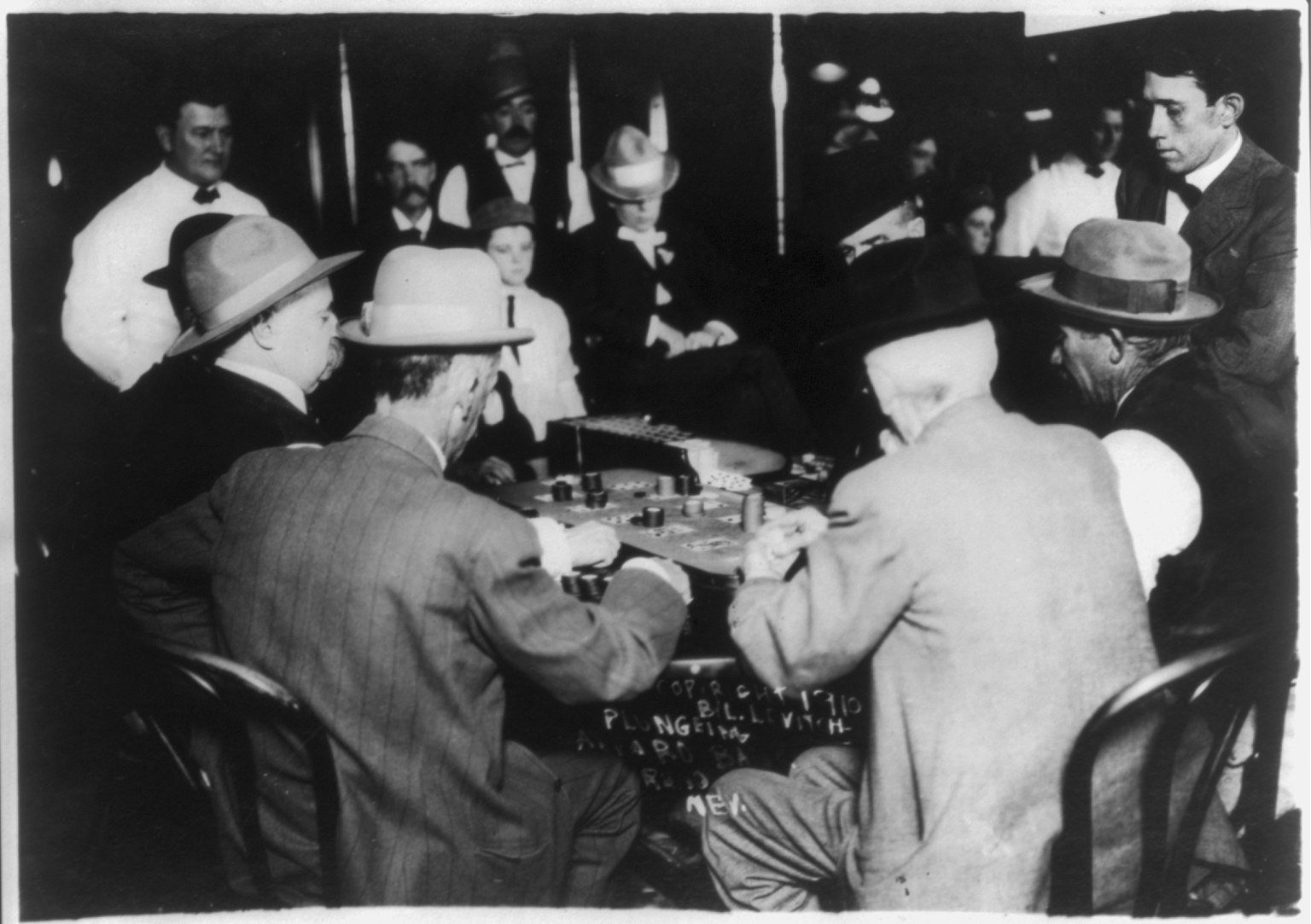
Catalog: https://lccn.loc.gov/2003677182
Image download: https://cdn.loc.gov/service/pnp/cph/3b10000/3b12000/3b12200/3b12223r.jpg
Original url: https://www.loc.gov/pictures/item/2003677182/, Public domain)
Paul Thomas Anderson’s mastery of filmmaking was clear even in his feature debut, Hard Eight. The crime film featured a small but stacked cast, including John C. Reilly, Gwyneth Paltrow, Samuel L. Jackson, and Philip Seymour Hoffman. Alongside Philip Baker Hall, they each give stellar performances, upholding the film’s small-scale story of gambling and deceit with ease.
Sure, it’s not PTA’s strongest film, but that’s hardly saying much considering just how impressive the rest of his filmography has been. Hard Eight still accomplishes far more than the average film and is more than worth a watch. It’s a film defined by mood and quiet menace, anchored by Philip Baker Hall in a lead performance that should have made him a star. If you’ve worked your way through Boogie Nights and Magnolia but haven’t circled back to this one, now’s the time.
Fruitvale Station (2013)
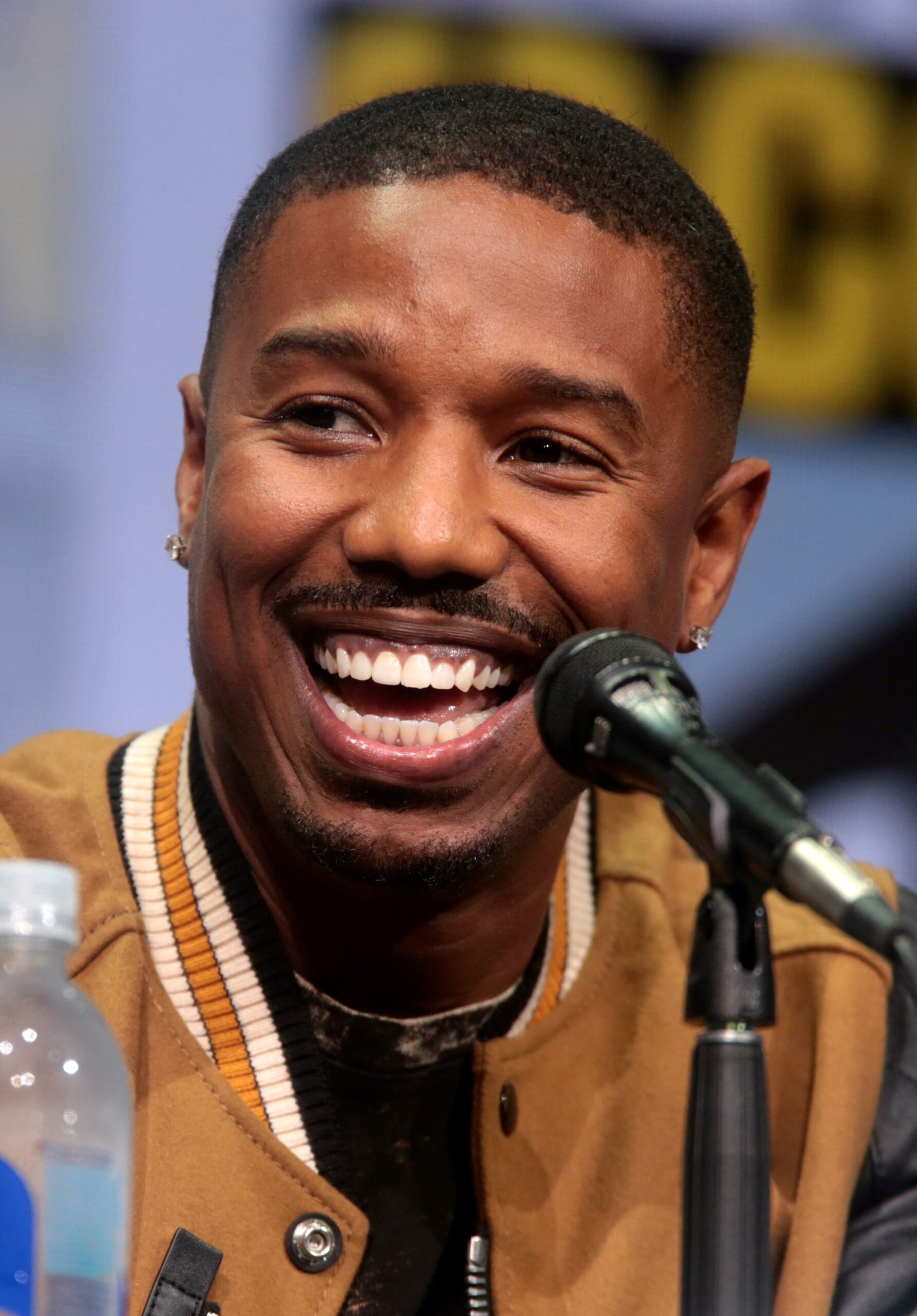
Produced by Academy Award winner Forest Whitaker and compassionately told, Fruitvale Station surpasses the sadness of its subject matter and amounts to an extraordinary celebration of life. The film tells the true story of Oscar Grant, a 22-year-old man killed by BART police in Oakland on New Year’s Day 2009. Director Ryan Coogler made his feature debut here, and even knowing how the story ends, the film commands every second of your attention.
What makes Fruitvale Station so striking is its refusal to reduce its subject to a symbol. Grant is rendered as a fully complicated human being, someone with flaws and dreams and people who love him. The film earned enormous critical praise on release but never quite reached the wide audience it deserved. Given how resonant its themes remain, it’s hard to think of a film more worth revisiting right now.
Mississippi Masala (1991)
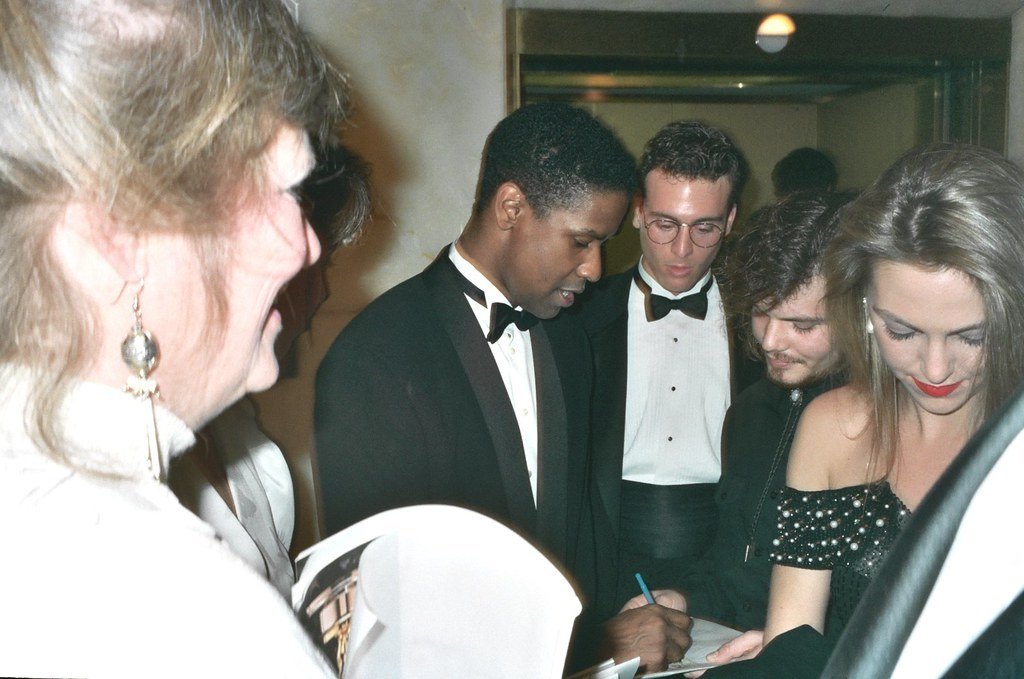
Denzel Washington was arguably at his most magnetic in the underrated romantic drama Mississippi Masala. The low-key film explores the connection between an interracial couple in the Deep South, from their romantic storyline to the drama that unfolds when the news about their secret relationship becomes fodder for the local community. Directed by Mira Nair, the film is equally concerned with questions of belonging and displacement, particularly for a Ugandan-Indian family uprooted by Idi Amin’s expulsions.
Mississippi Masala handles multiple intersecting identities with a lightness that many films on similar themes still struggle to achieve. It’s warm, funny in places, and genuinely moving. Washington gives a performance that feels almost effortless, though effortless performances are usually the hardest to pull off. This is a film that simply fell through the cracks of cultural memory, and it shouldn’t have.
Mommy (2014)

Director Xavier Dolan’s fifth feature film follows Steve, an abusive ADHD adolescent who just got out of a juvenile care facility. His mother Diane is a volatile, fiercely loving presence, and when sparks fly between them, help comes from an unexpected place: a neighbor named Kyla, an anxious teacher who gets drawn into their chaotic world. Mommy won the Cannes Jury Prize for its originality.
Beyond the awards recognition, what stays with you is Dolan’s formal audacity. He filmed the entire movie in a narrow 1:1 aspect ratio, and at a pivotal moment, the frame expands. It sounds gimmicky in description, but in context it’s one of the most emotionally overwhelming sequences in recent cinema. The performances are ferociously alive. Mommy is the kind of film that demands something of you and gives back far more in return.
The People Under the Stairs (1991)
The People Under the Stairs follows Fool Williams, a young boy whose family is being evicted by a greedy couple who buys properties and resells them at a higher price. Fool is convinced to break into their home to steal cash, only to discover that the couple hides a very dark secret beneath the walls. When people talk about Wes Craven’s films, this one doesn’t always get mentioned.
The social commentary, along with a terrific balance between comedy and horror, make it a unique presentation of Craven’s storytelling techniques. It is time that has proven its worth, with many critics praising the film’s commentary on gentrification and social issues. Craven was always better at embedding real anxieties into horror than most gave him credit for, and this film may be his most overtly political work. It still crackles with energy and dark wit.
Serial Mom (1994)
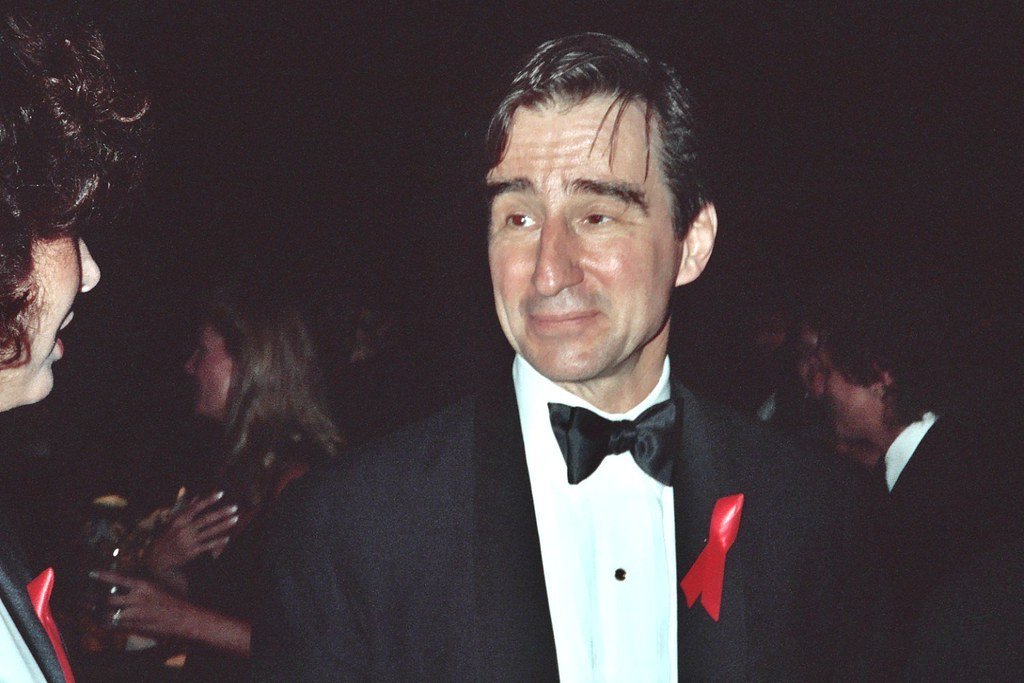
One film that deserves far more appreciation from director John Waters is Serial Mom, a brilliantly satirical slasher with a phenomenal Kathleen Turner in the lead role. Campy and full of bite, yet never sacrificing its cleverness, Serial Mom is a wildly underappreciated gem.
Starring Kathleen Turner in the title role along with Sam Waterston, Ricki Lake, Matthew Lillard, Suzanne Somers, and Joan Rivers, Serial Mom is a unique dark comedy that doesn’t pull any punches. The film flopped at the box office and failed to capture the attention of many critics. In retrospect, it’s actually a hilarious attack on suburban American conformity and the culture that produces it. Turner is having the absolute time of her life, and that energy is infectious.
Harold and Maude (1971)
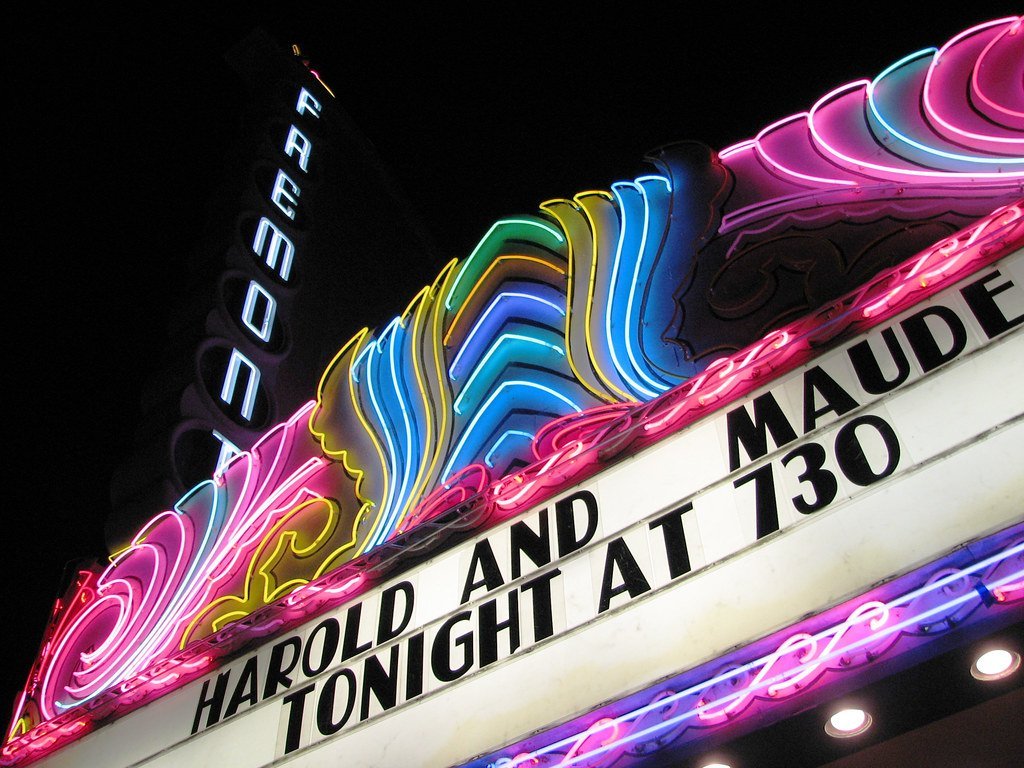
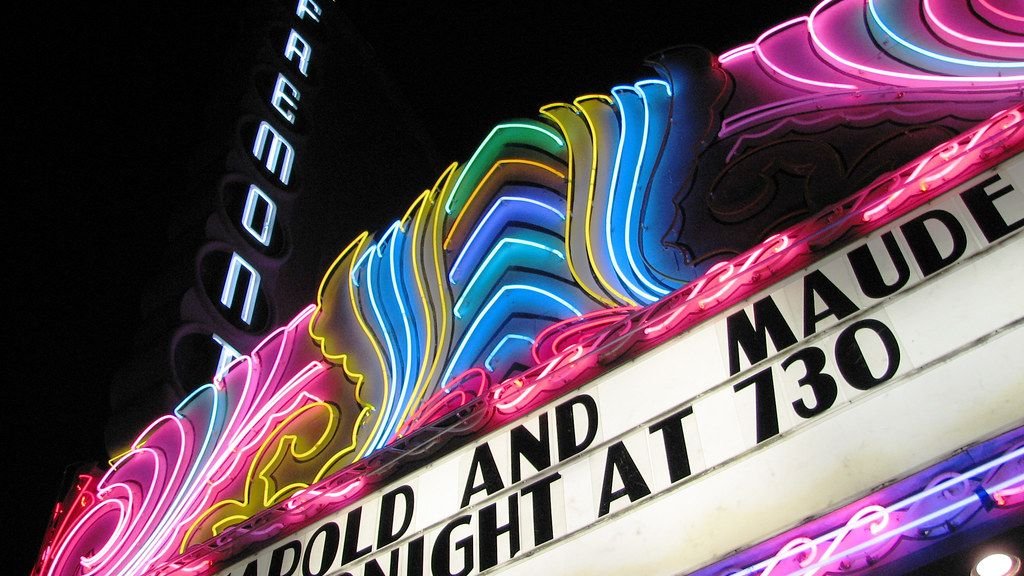
When looking at the textbook definition of a cult classic, one might not look far past this Hal Ashby dark romantic comedy. Far from a box office and critical success on release, Harold and Maude was revitalized through showings in repertory theaters. The May-September relationship between the young, death-obsessed Harold and 79-year-old free spirit Maude just seems to work – and in the cinematic world, it proves that life is worth living, even to those who don’t believe that’s the case.
The film’s premise sounds immediately off-putting on paper, which is perhaps why it struggled so badly upon release. Audiences in 1971 weren’t ready for it. But Hal Ashby crafted something rare here: a film that is genuinely funny and genuinely wise about mortality in equal measure. Ruth Gordon’s performance as Maude remains one of the most joyful in American film history, and the Cat Stevens soundtrack gives the whole thing a warmth that’s hard to resist.
Overlord (2018)

With a pulpy poster and a logline that screams B-movie, 2018’s Overlord was almost completely overlooked in its day. It is more than worth revisiting, as this ambitious genre mashup features great early performances from future superstars and treats its subject matter more seriously than you might expect. Similar to films like From Dusk Till Dawn, Overlord plays it straight in its first half, dedicating itself to a realistic and exciting WWII drama without tipping its hand to the supernatural events to come.
We follow a young GI parachuting into Germany and getting separated from his squad, only to eventually uncover a secret Nazi lab that is resurrecting fallen soldiers as undead killing machines. A lazier filmmaker would have leaned into the cheese of this premise, but director Julius Avery maintains an incredible sense of tension throughout. Overlord is a film that genuinely earns its genre pleasures by first making you care about the people in danger.
Woman in the Moon (1929)

Just as worthy of praise as some of Fritz Lang’s other silent classics, Woman in the Moon is both wild and wildly underrated. The premise involves a trip to the moon done to mine gold, with quite a bit of romantic melodrama thrown in, but it is so engaging and inventive once the story really gets going. Remarkably, Woman in the Moon got quite a bit right in terms of the kind of space travel it depicted, and the stuff that doesn’t hold up by modern standards is still creative and understandable, since this movie came out so long before people actually went to space.
Lang is remembered primarily for Metropolis and M, both deserving of their canonical status. Woman in the Moon tends to live in their shadow. Yet there’s an ambition here that feels genuinely forward-looking, a serious attempt to imagine space travel as a physical and human undertaking rather than a fantasy. For silent film enthusiasts and science fiction devotees alike, it’s a quietly essential piece of cinema history that rarely gets its due.
The Quiet Pull of the Overlooked
There’s something genuinely rewarding about watching a film that nobody told you to watch. No accumulated expectations, no cultural pressure, just the work itself. One of the true joys of the streaming era is that movies now have a much longer tail, and underseen gems still stand a chance to find a loyal and appreciative audience.
The term “cult classic” serves a very specific function, designating a film that gains a slow-burning fandom as the years drag on after its initial release, thus receiving reevaluation or simply more fervent enthusiasm from critics and fans. Every film on this list has earned that kind of attention, even if the crowd hasn’t fully caught up yet.
The mainstream will always offer plenty of options. The classics will always be there, familiar and reliable. But cinema is a much larger conversation than the titles that dominate it, and the films listed here are proof that some of the most powerful storytelling happens just off the beaten path. The only thing required to find it is a willingness to look a little further than usual.
CEO-Co-Founder
