

- Celebrities With Surprisingly Impressive Academic Backgrounds - December 9, 2025
- The Surprising Origins of Your Favorite Childhood Nursery Rhymes - December 9, 2025
- Forgotten Pop Culture Trends That Deserve a Comeback - December 9, 2025
The Library of Congress – America’s Literary Cathedral
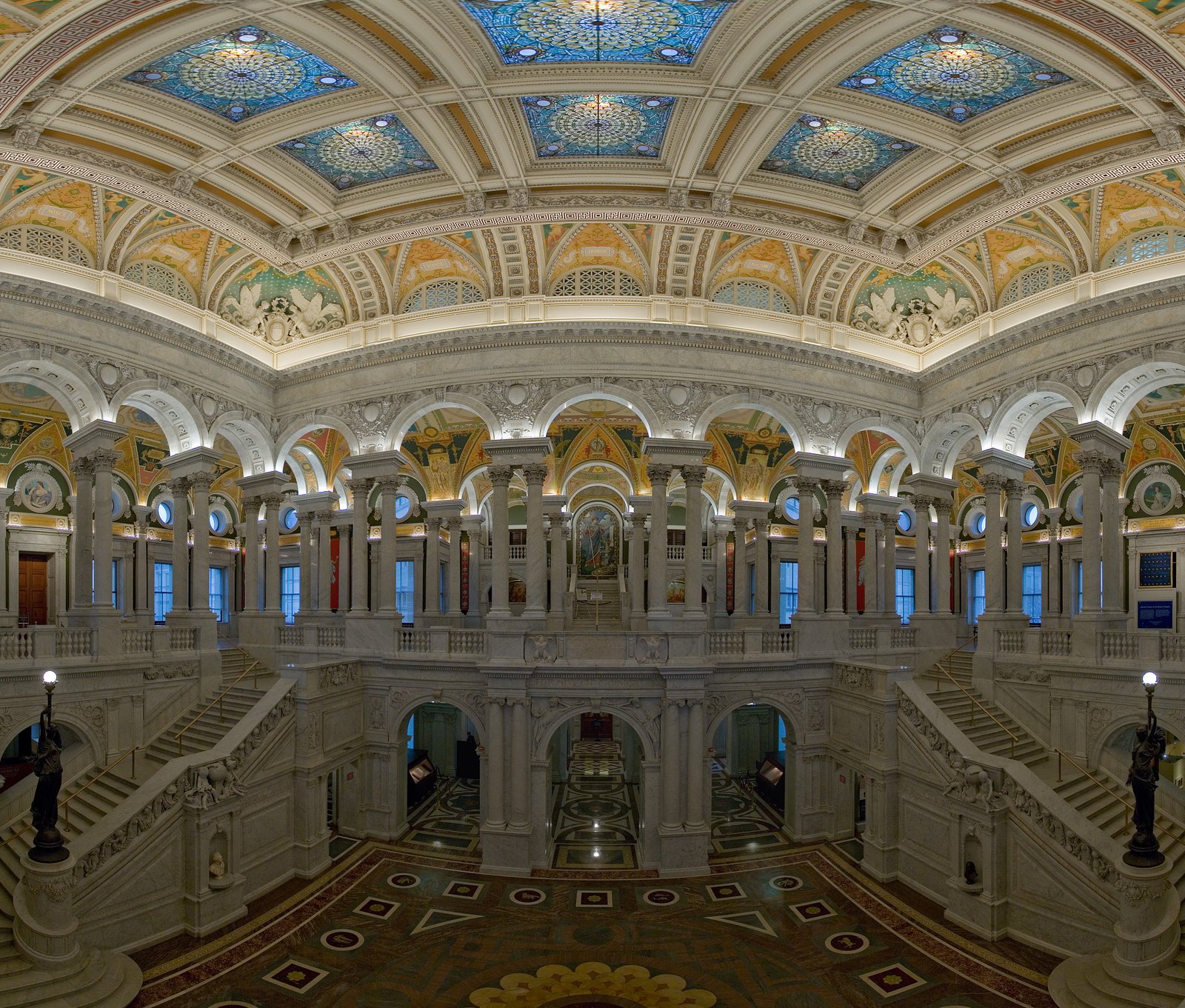
Walking into the Library of Congress feels like stepping into a temple dedicated to human knowledge. Over the next few years, our 1.5 million yearly visitors will continue to experience the breathtaking Great Hall that rises 75 feet from marble floor to stained glass ceiling. Marble columns, staircases, mosaics and paintings make this one of the most beautiful public buildings in America. The stunning Jefferson Building houses millions cataloged books and other print materials in 470 languages; millions of manuscripts; the largest rare book collection in North America; and the world’s largest collection of legal materials, films, maps, sheet music and sound recordings. With free timed-entry tickets required to enter the Library’s Thomas Jefferson Building, visitors can explore America’s greatest repository of knowledge.
Each working day the Library receives some 15,000 items and adds more than 10,000 items to its collections. The impressive Main Reading Room is available to view on the first floor of the Thomas Jefferson Building every Tuesday – Friday, 10:30 a.m. – 11:30 a.m. and 2:00 p.m. – 3:00 p.m. What makes this library truly special is that The Library is open late every Thursday evening from 5 p.m. – 8:00 p.m. for those who want to experience its grandeur in a different atmosphere.
Trinity College Old Library – Where Medieval Magic Lives

The Trinity College Old Library in Dublin remains one of the most visited libraries in the world, attracting over a million visitors annually to see its crown jewel – the Book of Kells. It’s one of the most famous manuscripts in history, a UNESCO Memory of the World item, and is described by the 11th century Annals of Ulster as “the most precious object in the Western world”. This exquisitely illuminated manuscript contains the four Gospels of the New Testament in Latin and dates back to around 800AD. The library’s Long Room is one of the most photographed rooms in Ireland with its stunning barrel vaulted ceiling.
Currently, the library is undergoing a historic landmark conservation project, the majority of the books in the Long Room have been temporarily removed. The Old Library remains open to visitors during this time, and the Book of Kells is on display. Visitors can still experience Gaia by Luke Jerram, the spectacular illuminated sculpture of Earth, is on display at the Old Library. Despite the ongoing restoration, we recommend allowing an hour and a half for your entire visitor experience from start to finish.
Bibliothèque Sainte-Geneviève – Iron and Inspiration
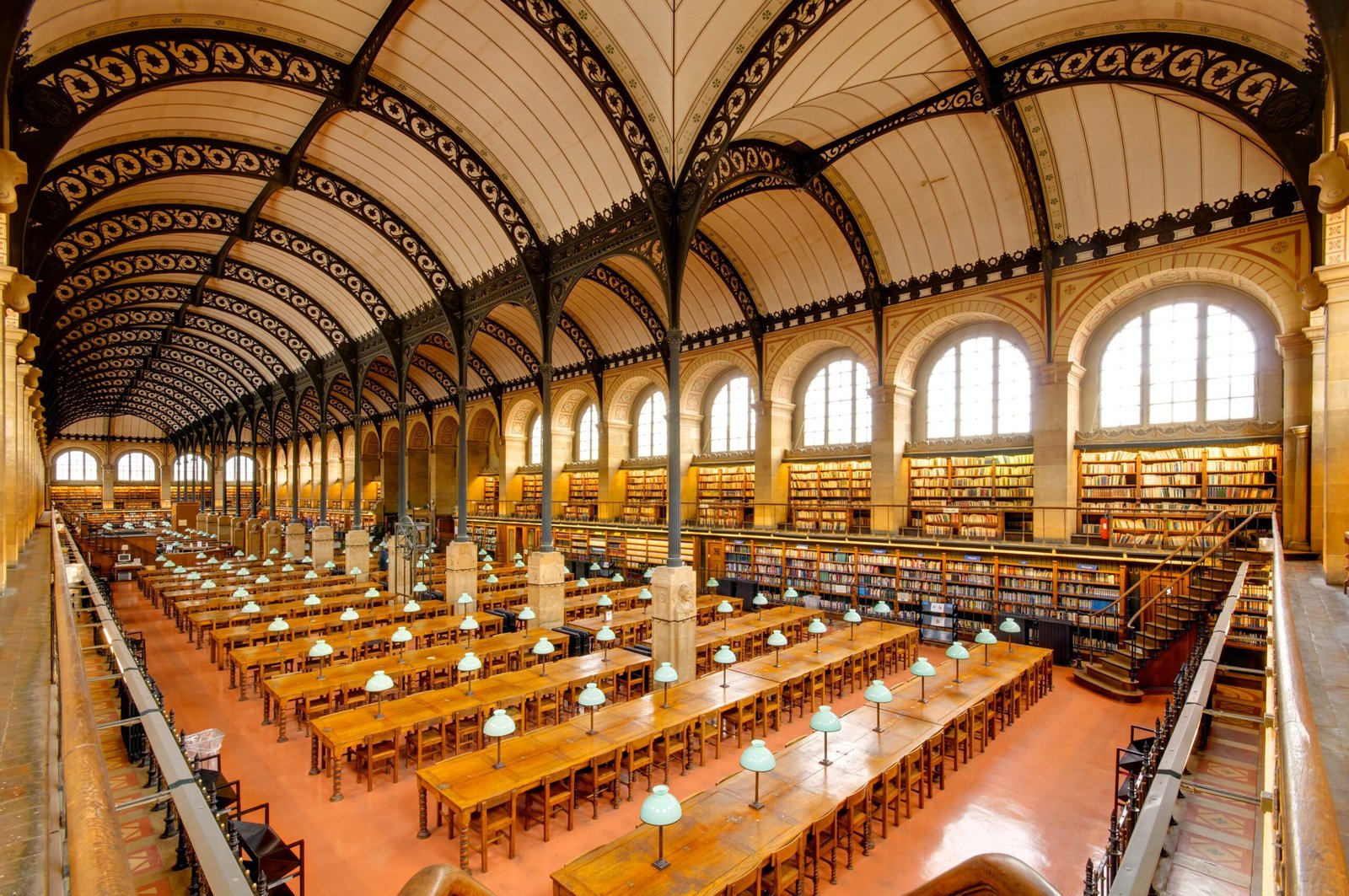
This Parisian gem stands as a masterpiece of 19th-century industrial architecture, showcasing how iron and glass can create spaces that inspire learning and contemplation. The library’s revolutionary design influenced countless libraries worldwide, including the Boston Public Library, proving that functional architecture can be both beautiful and groundbreaking. Its soaring iron framework creates an atmosphere that feels both intimate and grand, perfect for deep research and quiet study.
The reading room’s unique design demonstrates how architects of the era embraced new materials to create spaces that were both practical and aesthetically stunning. Natural light floods through the iron-framed windows, creating patterns that change throughout the day and making each visit feel different. The library remains open to researchers and visitors, offering a glimpse into how 19th-century architects envisioned the future of learning spaces.
Admont Abbey Library – Baroque Splendor in Austria

The world’s largest monastic library is a feast for the senses, where every surface tells a story through intricate Baroque artistry. The ceiling frescoes create an otherworldly atmosphere, depicting scenes of divine knowledge and earthly wisdom in vivid detail that has survived for centuries. The library’s wooden galleries and ornate carvings demonstrate the monks’ dedication to preserving knowledge as both a spiritual and artistic endeavor.
Walking through this sacred space feels like entering a cathedral dedicated to learning, where books are treated as precious artifacts worthy of the most beautiful housing. The library’s collection includes ancient manuscripts and early printed books that have been carefully preserved by generations of monks. Visitors often report feeling overwhelmed by the sheer beauty of the space, where architecture and scholarship combine to create something truly transcendent.
Strahov Monastery Library – Prague’s Twin Treasures
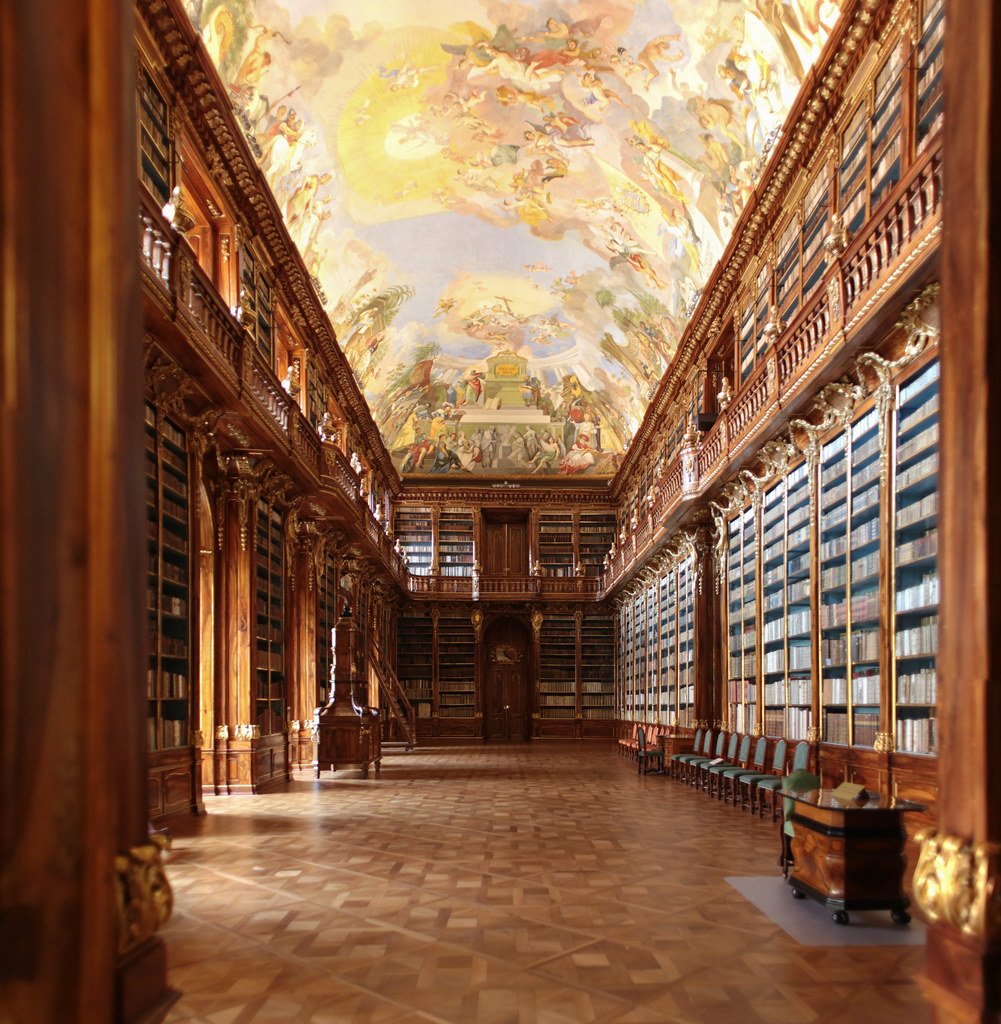
The Strahov Monastery houses two of the most breathtaking library halls in Europe – the Philosophical Hall and the Theological Hall, each with its own distinct character and magnificent collections. The Philosophical Hall, with its soaring ceiling and elaborate decorations, creates an atmosphere of intellectual grandeur that has inspired visitors for centuries. Ancient globes and beautifully preserved manuscripts line the walls, creating a museum-like experience that showcases the monastery’s commitment to preserving knowledge.
The Theological Hall offers a more intimate experience, with its baroque woodwork and carefully arranged collections creating a sense of scholarly contemplation. The library’s rare books and manuscripts represent centuries of monastic scholarship and dedication to learning. Visitors can explore both halls, experiencing how different architectural approaches can create equally powerful spaces for reflection and study.
New York Public Library – The People’s Palace of Books

The Stephen A. Schwarzman Building stands as a testament to democratic access to knowledge, with its iconic marble lions “Patience” and “Fortitude” greeting millions of visitors each year. The Rose Main Reading Room stretches like a golden cathedral, where countless New Yorkers have pursued their dreams and educated themselves for over a century. The library’s free exhibitions and programs make it a true community hub, where tourists and locals alike can experience the magic of one of America’s greatest cultural institutions.
The building’s beautiful architecture, from the marble staircases to the intricate ceiling details, creates an atmosphere that elevates the simple act of reading into something sacred. The library’s special collections and regular exhibitions showcase treasures from around the world, making each visit an opportunity for discovery. Walking through its halls, you can feel the weight of history and the promise of knowledge that has drawn people here for generations.
Biblioteca Joanina – Golden Books and Protective Bats
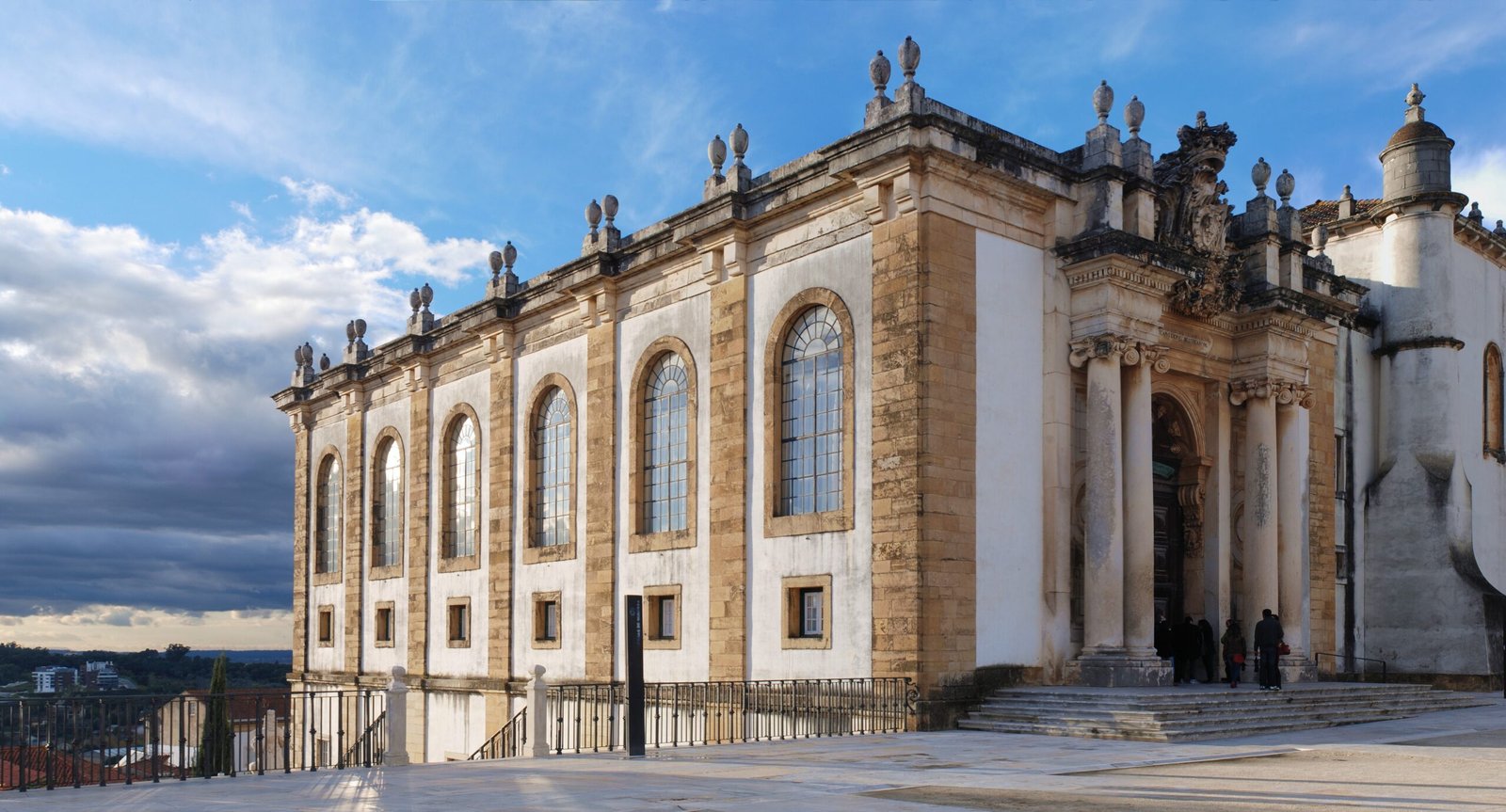
The University of Coimbra’s Biblioteca Joanina is a golden wonder that takes your breath away with its baroque magnificence and gilded shelves that seem to glow with their own inner light. The library’s most fascinating feature isn’t just its stunning architecture – it’s the colony of bats that live within its walls, serving as natural pest control to protect the precious books from insects. This unique ecosystem demonstrates how traditional knowledge preservation methods can be both practical and poetic.
The library’s three rooms, each more spectacular than the last, showcase how Portuguese royalty viewed the importance of learning and scholarship. The intricate painted ceilings and ornate furnishings create an atmosphere of reverence for knowledge that has been maintained for over 300 years. Visitors often describe feeling transported to another era, where books were treasured as the most precious possessions a society could own.
Stuttgart City Library – A Vision of the Future

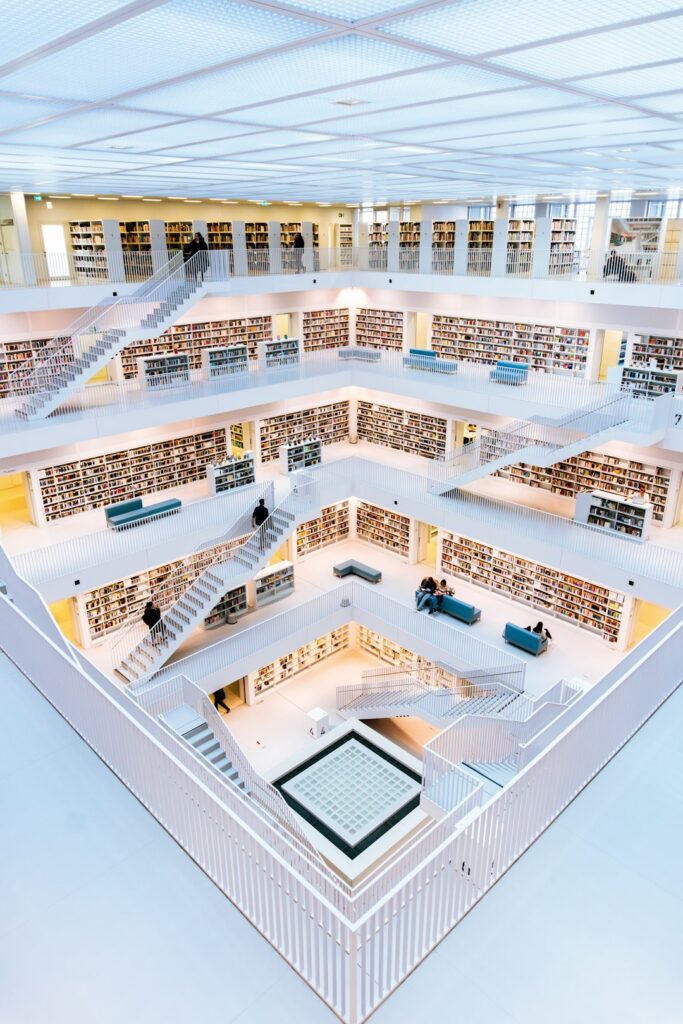
The Stuttgart City Library looks like it was designed by aliens who understood the perfect environment for human learning – a stunning white cube that seems to glow from within with knowledge and possibility. The building’s minimalist exterior conceals a complex interior that challenges every preconception about what a library should look like. Its stark white surfaces and geometric forms create a sense of calm and focus that encourages deep thinking and concentration.
The library’s innovative design includes spaces for every type of learner, from quiet study areas to collaborative workspaces that encourage community engagement. The building’s unique architecture has made it a pilgrimage site for architecture enthusiasts and book lovers alike. Its success proves that radical design can enhance rather than detract from the fundamental purpose of a library – to serve as a sanctuary for learning and reflection.
Bodleian Library – Oxford’s Academic Heart
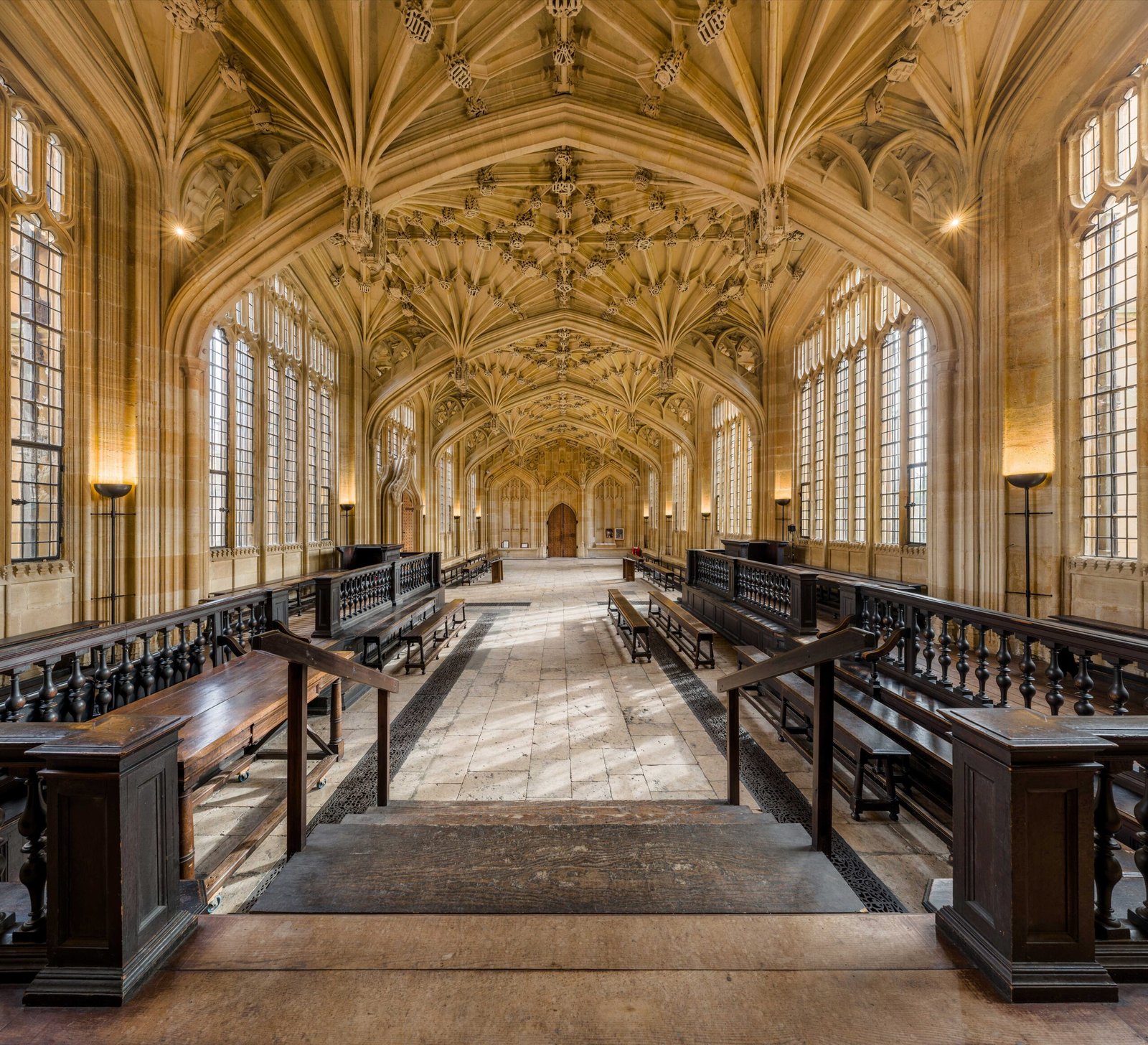
Founded in 1602, the Bodleian Library represents over four centuries of academic excellence and scholarly dedication at one of the world’s most prestigious universities. The iconic Radcliffe Camera, with its distinctive circular design, has become synonymous with Oxford itself and serves as a powerful symbol of the pursuit of knowledge. The library’s vast collections have supported countless scholars, researchers, and students who have gone on to shape the world.
Walking through the Bodleian’s ancient halls, visitors can feel the weight of history and the continuous thread of learning that connects past and present. The library’s reading rooms maintain the atmosphere of scholarly contemplation that has inspired generations of academics. Its role as a working library means that visitors can witness the ongoing process of research and discovery that has made Oxford a center of learning for centuries.
Tianjin Binhai Library – The Eye of Knowledge

Designed by the renowned Dutch architectural firm MVRDV, the Tianjin Binhai Library has become a viral sensation with its futuristic “eye-shaped” design that seems to peer into the future of human knowledge. The building’s floor-to-ceiling bookshelves create waves of literature that flow throughout the space, making books themselves part of the architectural experience. This innovative approach to library design has influenced architects worldwide and represents a new way of thinking about how physical spaces can enhance the digital age.
The library’s central atrium, with its spherical auditorium that serves as the “pupil” of the eye, creates a dramatic focal point that draws visitors deeper into the space. The flowing, organic design challenges traditional notions of library architecture while still maintaining the essential function of housing and organizing knowledge. Its popularity on social media has introduced a new generation to the beauty and importance of library architecture.
Bibliotheca Alexandrina – Reborn from Ancient Ashes

The modern Bibliotheca Alexandrina stands as a powerful symbol of revival and hope, built near the site of the ancient Library of Alexandria that was once considered the center of learning in the classical world. This contemporary interpretation houses millions of books alongside museums, art galleries, and a planetarium, creating a multi-faceted cultural complex that serves the entire region. The building’s unique design, with its massive tilted disk facing the Mediterranean, creates a sense of movement and dynamism that reflects the flow of knowledge across cultures.
The library’s mission to serve as a bridge between cultures and civilizations echoes the cosmopolitan spirit of ancient Alexandria, where scholars from around the world once gathered to share knowledge. Its extensive digital initiatives and international partnerships demonstrate how modern libraries can honor their historical legacy while embracing new technologies. Visitors often describe feeling inspired by the building’s ambitious vision and its role in Egypt’s cultural renaissance.
The Morgan Library & Museum – Where Wealth Met Wisdom

J.P. Morgan’s former private library represents the pinnacle of what individual wealth and passion for knowledge can create when combined with unlimited resources and refined taste. The building’s luxurious interiors, with their Renaissance-inspired decorations and intimate study spaces, create an atmosphere of scholarly privilege that transports visitors to the Gilded Age. The library’s collection of original manuscripts, including Gutenberg Bibles and medieval illuminated texts, represents some of the most important written works in human history.
The Morgan’s transformation from private collection to public museum demonstrates how great libraries can evolve to serve broader communities while maintaining their essential character. The building’s intimate scale allows for close encounters with literary treasures that would be impossible in larger institutions. Visitors often report feeling a personal connection to the great writers and thinkers whose works are preserved here, making it a uniquely moving library experience.
The Royal Portuguese Reading Room – Rio’s Literary Jewel
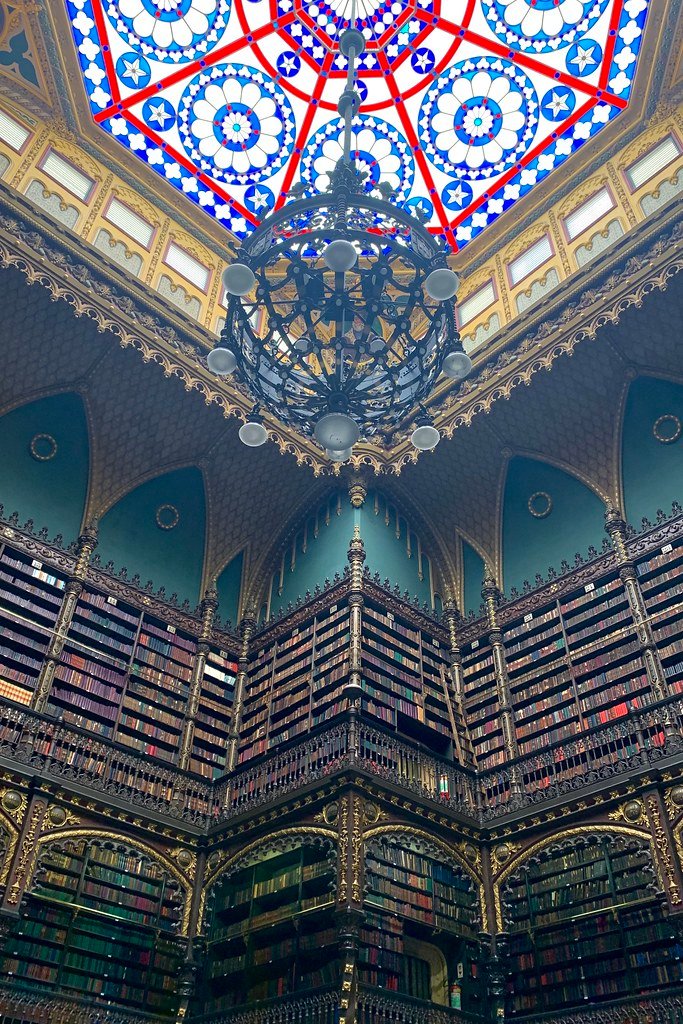
This neo-Manueline masterpiece in Rio de Janeiro houses the largest collection of Portuguese literature outside of Portugal itself, creating a cultural bridge between two nations united by language and heritage. The library’s stunning blue-and-gold ceiling creates an atmosphere of royal grandeur that reflects the importance of Portuguese culture in Brazilian society. The building’s intricate architectural details, from the carved wooden galleries to the ornate metalwork, demonstrate the craftsmanship and artistry that defined 19th-century library design.
The library serves as both a research institution and a cultural symbol, representing the enduring connections between Portugal and Brazil despite their political separation. Its collections include rare manuscripts, first editions, and historical documents that chronicle the Portuguese-speaking world’s literary heritage. Visitors often describe feeling transported to a different era, where books were treated as treasures worthy of the most beautiful architectural settings.
National Library of Austria – Habsburg Grandeur
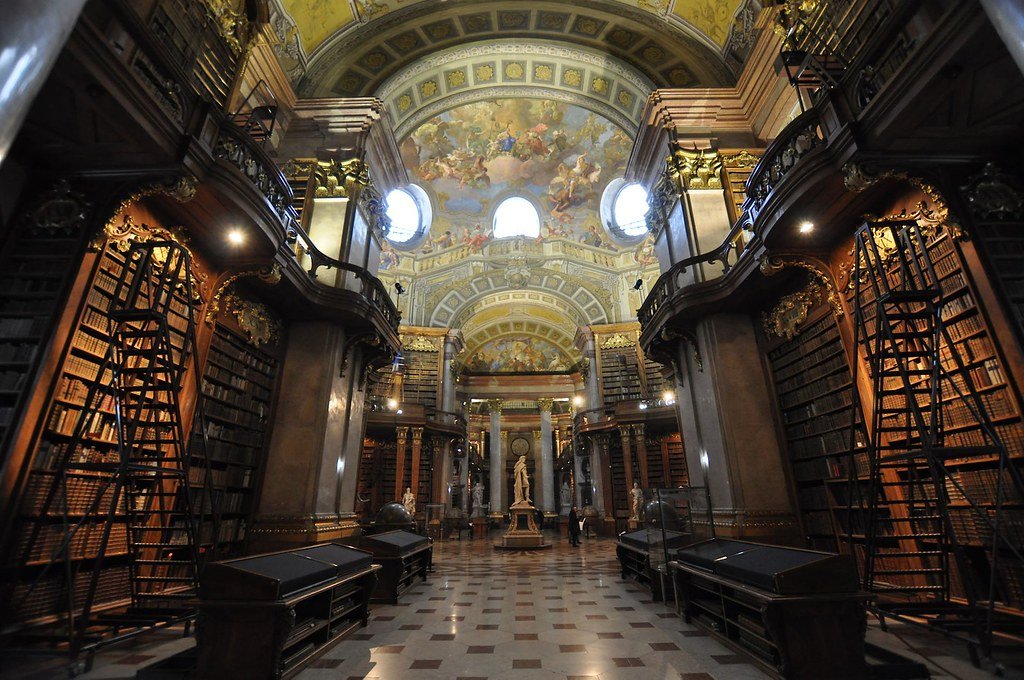
The Prunksaal (State Hall) of the National Library of Austria represents the absolute pinnacle of baroque library architecture, where the Habsburg dynasty’s wealth and power were expressed through their commitment to learning and scholarship. The hall’s soaring frescoed ceilings and marble columns create a sense of imperial grandeur that has impressed visitors for centuries. The library’s collection includes some of the most important manuscripts and books in European history, reflecting the Habsburgs’ role as patrons of arts and sciences.
The building’s architectural details, from the elaborate ceiling frescoes to the ornate wooden galleries, demonstrate how rulers once used libraries to project their power and sophistication. The library continues to serve as both a working research institution and a monument to the European Enlightenment’s ideals. Walking through its halls, visitors can experience the atmosphere of scholarly prestige that once attracted the greatest minds of the continent.
Seattle Central Library – Glass Cathedral of Innovation
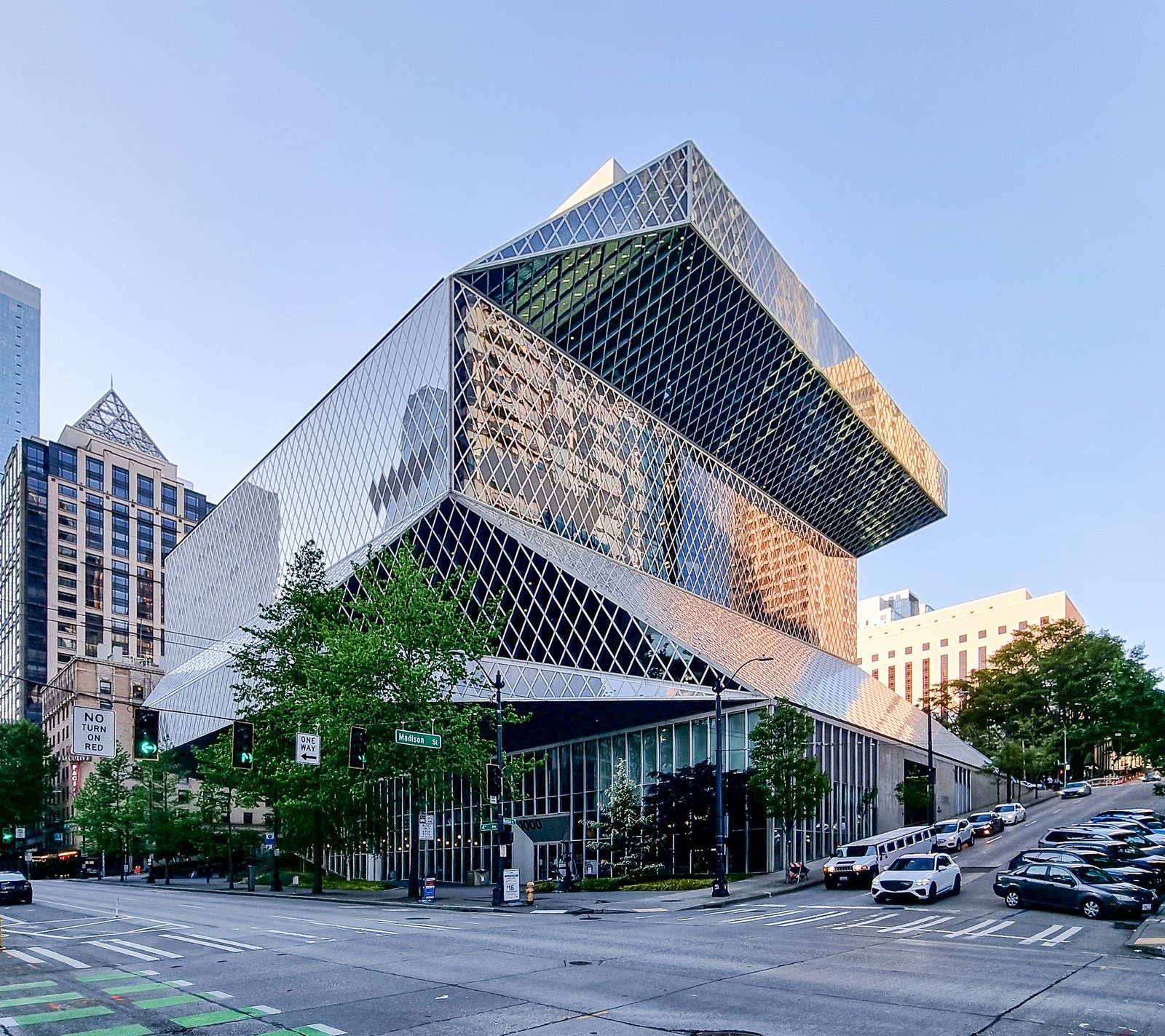
Designed by world-renowned architect Rem Koolhaas, the Seattle Central Library attracted over two million people during its first year and continues to draw visitors with its radical reimagining of what a library can be. The building’s unique glass-and-steel design creates several discrete “floating platforms” seemingly wrapped in a large steel net around glass skin, making it look like a crystal palace that has landed in downtown Seattle. In 2007, the building was voted #108 on the American Institute of Architects’ list of Americans’ 150 favorite structures in the U.S.
The library’s innovative Book Spiral contains an innovative, four-story Book Spiral, a 275-seat auditorium, the Library Equal Access Program (LEAP) lab for assistive technology, music practice and meeting rooms, a Writers’ Room for resident artists, world languages collections, local history collections in the Seattle Room, and distinctive open spaces where patrons can meet, study, search the web or read. The building has been both praised and criticized, with Paul Goldberger, writing in The New Yorker, declared the Seattle Central Library “the most important new library to be built in a generation, and the most exhilarating.” In its first year of operation, it attracted more than 8,000 visitors a day — double the average attendance in the old building.
Conclusion
These fifteen extraordinary libraries prove that in our digital age, physical spaces for learning and reflection remain more important than ever. Each library tells a unique story about how different cultures have chosen to honor knowledge and create spaces that inspire the human spirit. From the ancient wisdom preserved in Trinity College to the futuristic vision of Seattle’s glass cathedral, these institutions demonstrate that libraries are far more than mere repositories of books – they are temples of human curiosity and achievement.
Whether you’re drawn to the baroque splendor of European monasteries or the cutting-edge architecture of contemporary designs, these libraries offer experiences that no digital screen can replicate. They remind us that knowledge is not just information to be consumed, but wisdom to be contemplated in spaces designed to elevate the human mind and spirit.
What surprises you most about these architectural wonders – that bats protect ancient books or that modern libraries can look like spaceships?

Besides founding Festivaltopia, Luca is the co founder of trib, an art and fashion collectiv you find on several regional events and online. Also he is part of the management board at HORiZONTE, a group travel provider in Germany.
