

Some things grip an entire generation so tightly that it’s hard to imagine they could ever loosen their hold. Then, quietly or sometimes with a bang, they’re gone. The hallways no longer buzz with the same chatter. The shelves go empty for different reasons. The ritual that once organized a Friday night or a school recess becomes something you struggle to explain to someone younger without sounding like you’re making it up.
We tend to define decades by fads and fashions, and the 1990s are no different. The 80s and 90s were particularly fertile ground for cultural moments that seemed, in the moment, completely permanent. They defined how a generation dressed, played, argued, and felt. Most of them are gone now, surviving only in memory and the occasional ironic revival. Here are fifteen of those moments, examined honestly for what they were and how they disappeared.
MTV Actually Playing Music Videos
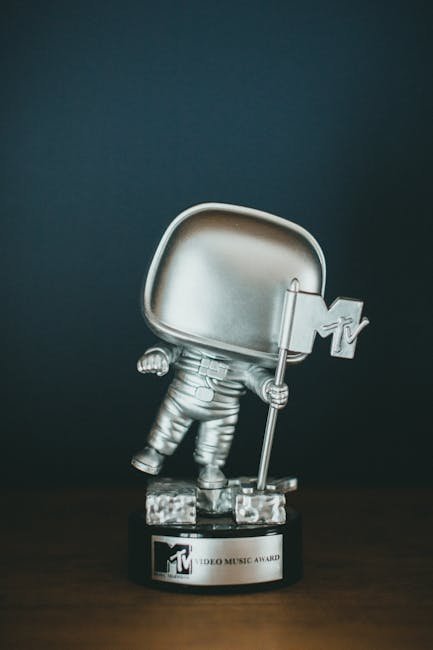
There was a time when MTV was something genuinely radical. Back in the 80s and 90s, MTV was an enormous trend-making force, and having a popular video on the channel could catapult an unknown band to fame overnight. The channel didn’t just reflect pop culture. It manufactured it. A band could go from unknown to inescapable within a single heavy rotation cycle.
The 1980s saw the creation of MTV, and the technology, business, and creators of the era revolutionised popular culture. For almost two decades, the channel was the single most powerful tastemaker in music. Then reality programming took over. In the years leading to its decline, even MTV saw the change in viewing patterns coming, decreasing air time devoted to music and videos in favor of original and reality programming, as audiences splintered and viewership shifted to online spaces. What was once a music revolution became a reality TV network that happened to share a name.
The Rubik’s Cube Obsession

In the early 80s, the Rubik’s Cube was a cultural phenomenon with competitions, cartoons, and merchandise galore. Within a few years, most cubes were abandoned half-solved in desk drawers. At its peak, it wasn’t just a toy. It was a status symbol, a social event, a way of demonstrating intelligence in public.
Solving it required strategy and patience, becoming a global craze, with competitions emerging and showcasing the fastest solvers. The puzzle itself never fully disappeared, and dedicated speedcubing communities exist today. The mainstream obsession, though, evaporated as quickly as it had arrived, leaving behind a generation of people who remembered the frenzy but couldn’t quite explain what drove it.
Jane Fonda’s Aerobics Revolution

Jane Fonda made at-home aerobics huge, with leggings, leotards, and headbands dominating living rooms. While home workouts never vanished, the specific neon aerobics aesthetic flamed out by the end of the decade. For a few years in the early-to-mid 80s, the workout video was the center of its own cultural universe, blending fitness, fashion, and celebrity in a way that felt genuinely new.
The phenomenon reshaped how Americans thought about exercise, normalizing the idea of fitness as a consumer lifestyle rather than a purely athletic pursuit. Its visual language, those saturated colors, the high-cut leotards, the leg warmers, became so embedded in the decade’s identity that it now reads almost exclusively as costume. The content survived. The aesthetic did not.
The Acid Wash Denim Takeover

Acid wash took over jackets, skirts, and even furniture. The blotchy, high-contrast denim screamed 1980s. By the early 90s, darker and simpler denim styles made acid wash feel dated. It was everywhere so fast that the saturation almost guaranteed its expiration. When a look becomes that ubiquitous, the backlash tends to be swift and merciless.
Acid wash jeans were a staple of 80s fashion, embodying the era’s bold and rebellious spirit. Their unique patterns made each pair distinct, and the denim trend was embraced by rock stars and fashionistas alike, reflecting a desire to stand out. The irony is that standing out eventually required abandoning the very look everyone had adopted for that purpose. By 1992, wearing acid wash placed you firmly in the past tense.
Shoulder Pads as Power Dressing

Power dressing meant exaggerated shoulders. Blazers, dresses, and even casual tops came equipped with padding that made silhouettes sharp and boxy. As fashion softened in the 90s, oversized shoulders deflated. The look carried real cultural weight in its time, embodying the decade’s complicated relationship with female ambition and corporate aspiration.
The 1980s were a time marked by certain extreme fashion trends that now look dated and funny. Shoulder pads sewn into clothes was one of those. By the mid to late 80s, it was almost impossible to find a jacket that didn’t have huge shoulder pads built into it. The transition out was gradual, then sudden. One season the pads were everywhere; the next, they were absent from every rack, as though the entire fashion industry had agreed to forget they existed.
Blockbuster Video Friday Nights
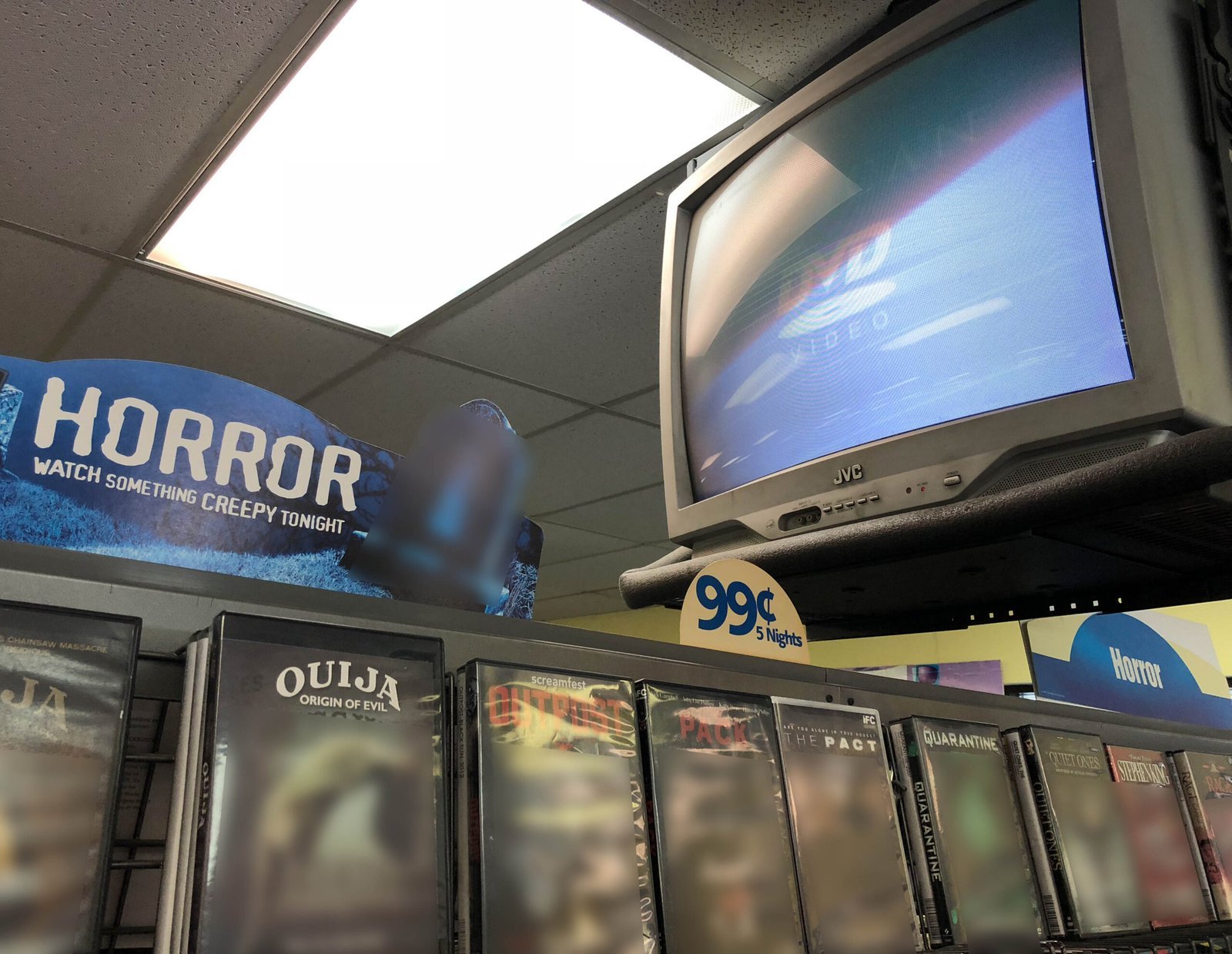
Blockbuster Video, once the titan of the video rental industry, was a classic example of a business that soared to great heights before experiencing a dramatic decline. Founded in 1985, Blockbuster became a cultural phenomenon and dominated the home entertainment market for nearly two decades. Choosing a movie for the weekend was a social event in itself, a ritual complete with the smell of the store, the thrill of the new release wall, and the inevitable disappointment when someone else had already taken the last copy.
Blockbuster dominated the 1990s with over 9,000 stores worldwide and an $8 billion valuation. Several critical missteps marked its decline, including dismissing Netflix: in 2000, Blockbuster had the opportunity to buy Netflix for $50 million but declined. Netflix’s innovative business model and eventual transition to streaming proved to be game-changers. Today, the last remaining Blockbuster store in Bend, Oregon, operates as a nostalgic tribute to the bygone era of video rentals, attracting visitors from around the world.
The Beanie Baby Investment Mania
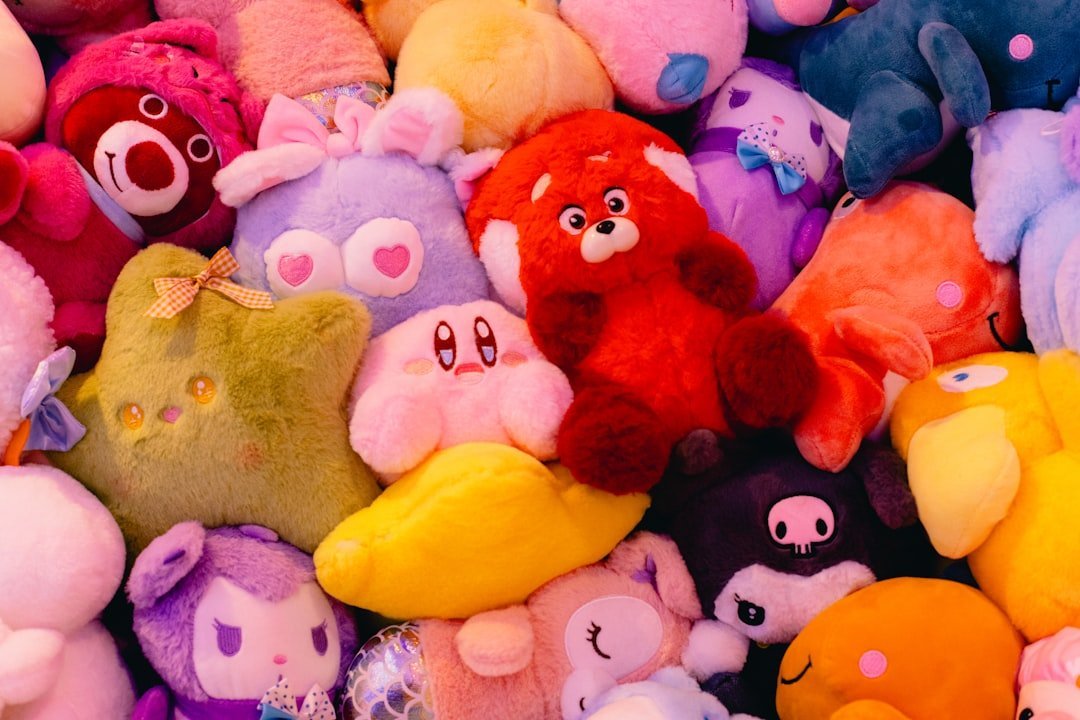
The Beanie Baby craze began around 1995 when Ty Inc. released a limited-edition line of Beanie Babies, creating a sense of rarity and exclusivity. As the demand for these cute critters grew, Ty started to retire specific designs, further fueling the frenzy among collectors. People went to great lengths to find and acquire rare Beanie Babies, resulting in long lines, scalping, and intense online trading.
These toys tapped into the overwhelming power of marketing, from high-energy TV commercials to viral word-of-mouth fueled by playground chatter. Mass media amplified the frenzy, while early e-commerce platforms and chatrooms introduced a new way to hunt for the hottest items, making the act of collecting part of the thrill. Then the bubble collapsed completely. Collectors who had once paid exorbitant prices for these toys found their investments worth far less than anticipated. The Beanie Baby market essentially collapsed, leaving many people with collections that were no longer worth what they had paid for them.
MTV’s Total Request Live
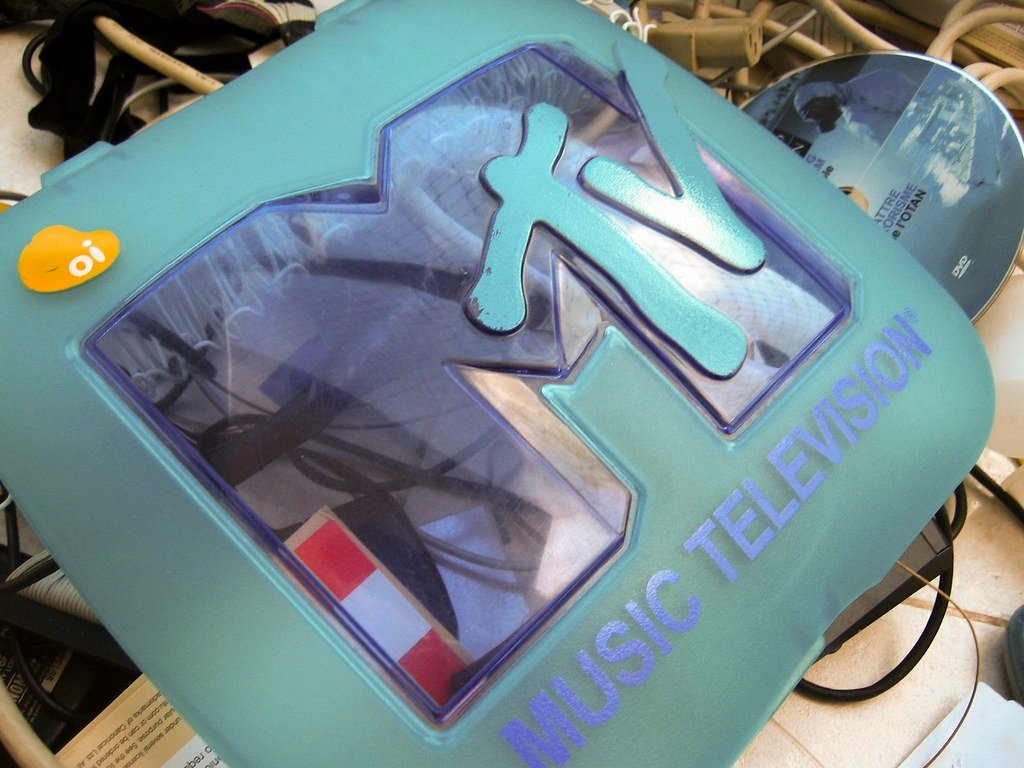
Total Request Live premiered on MTV on September 14, 1998. The early version of TRL featured popular music videos played during its countdown and was also used as a promotion tool by musicians, actors, and other celebrities. During the original run, TRL played the ten most requested music videos of the day, as voted on by viewers via phone or online. It was appointment television in the truest sense, a place where careers were launched or accelerated in real time.
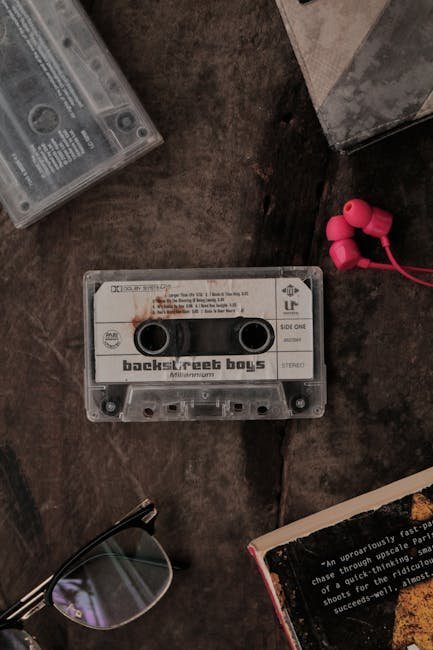
Even though late 1990s boy bands like Backstreet Boys and NSYNC released albums before TRL began in the fall of 1998, both groups only reached their commercial peaks after their videos were seen on TRL. In 1999, the Backstreet Boys’ second LP, Millennium, achieved the highest first week sales ever from an LP at the time. Due to declining ratings, and the larger decline of music-based television in favor of online services, MTV announced the cancellation of TRL on September 15, 2008. YouTube had simply made its core function redundant.
Tamagotchi: The Virtual Pet Responsibility Crisis
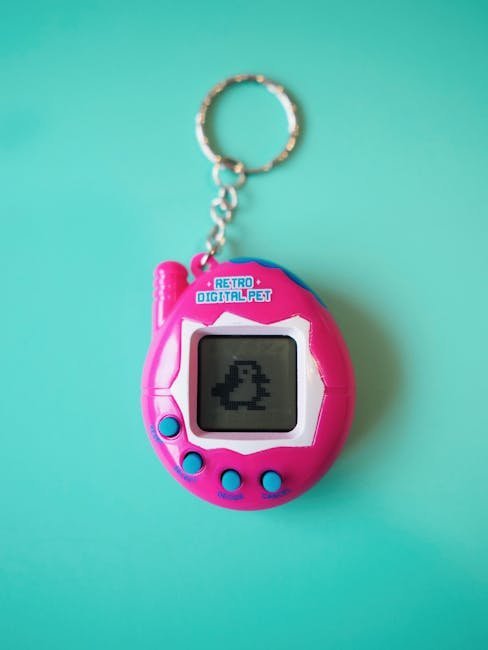
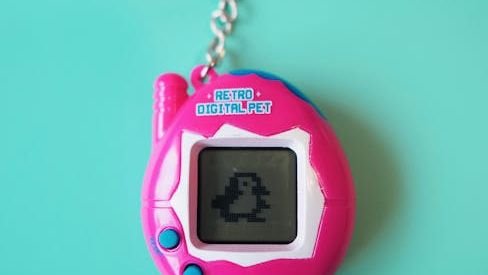
Tamagotchi, released by Bandai in 1996, was a handheld digital pet that required feeding, cleaning, and playing with regularly to keep it from “dying.” This virtual pet craze swept across schools, with kids obsessively checking on their pixelated pets. Teachers confiscated them. Parents begrudgingly accepted the constant beeping. For a brief, strange moment, a keychain-sized device created something that felt like genuine emotional stakes.
The Tamagotchi craze swept through the 90s, captivating both children and adults alike. These pocket-sized digital pets required daily care, teaching users the basics of responsibility and time management. With their simple yet addictive gameplay, Tamagotchis became a cultural phenomenon, sparking a wave of similar virtual pet games. The concept was eventually absorbed by smartphones and gaming apps, which offered infinitely more sophisticated versions of the same emotional loop. The original hardware became a relic, though Bandai has issued periodic revivals aimed squarely at nostalgia.
Grunge Fashion as a Mainstream Force
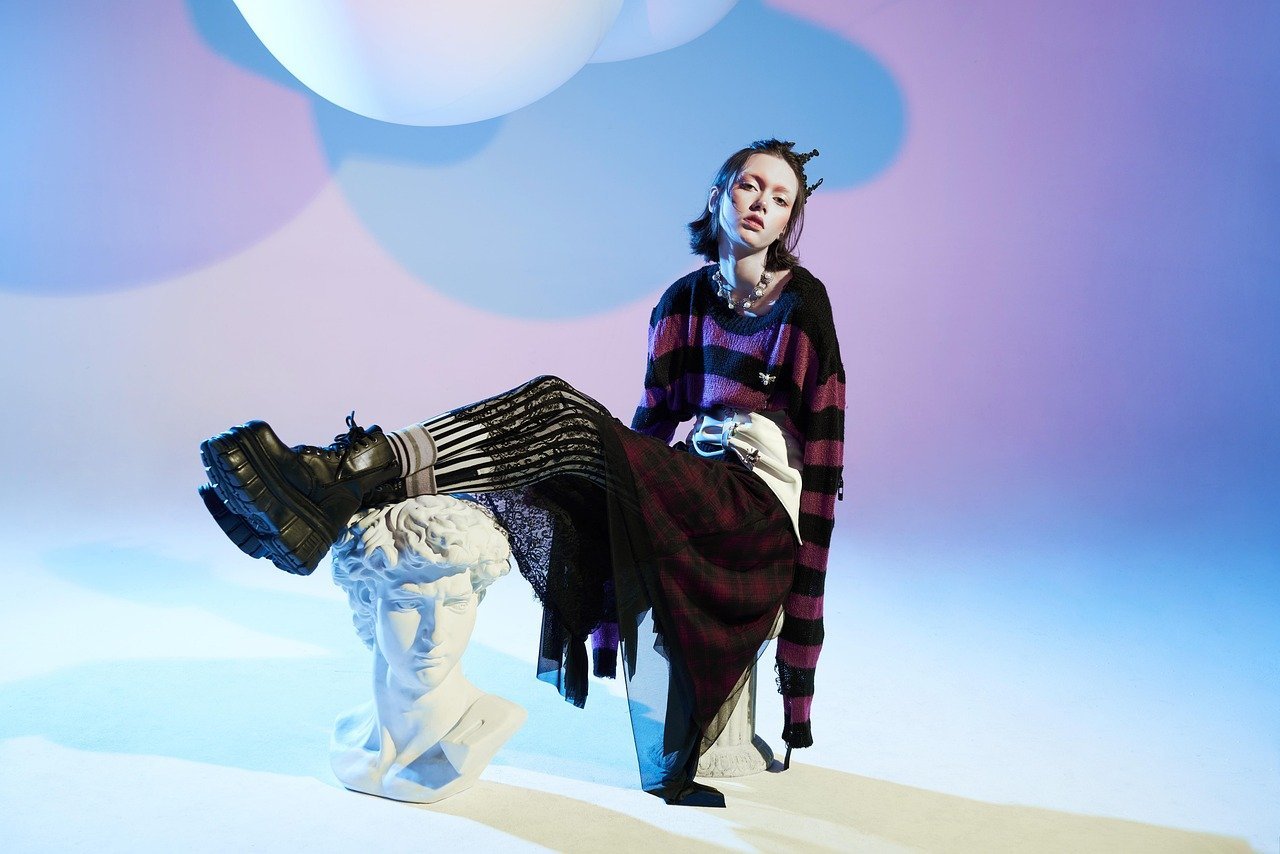
Grunge fashion, characterized by flannel shirts, ripped jeans, and combat boots, became a defining style for Generation X in the early 90s. Influenced by bands like Nirvana and Pearl Jam, this look embodied a rebellious spirit and a rejection of mainstream fashion. What began in the Pacific Northwest as an organic expression of a music scene was rapidly commodified, appearing in mall stores and high-fashion runways within months of going mainstream.
Plaid flannel shirts became synonymous with 90s grunge fashion, popularized by musicians and embraced by teens. Often worn oversized, these shirts offered comfort and a sense of rebellion. Whether tied around the waist or layered over a band tee, flannel shirts were a wardrobe staple. The trend was more than just a fashion statement; it represented youth culture’s desire for authenticity. The moment the anti-fashion look became a fashion trend, its original meaning eroded. By the mid-90s, grunge aesthetics were being sold to the people who had originally been the target of its rejection.
Pogs: The Playground Economy
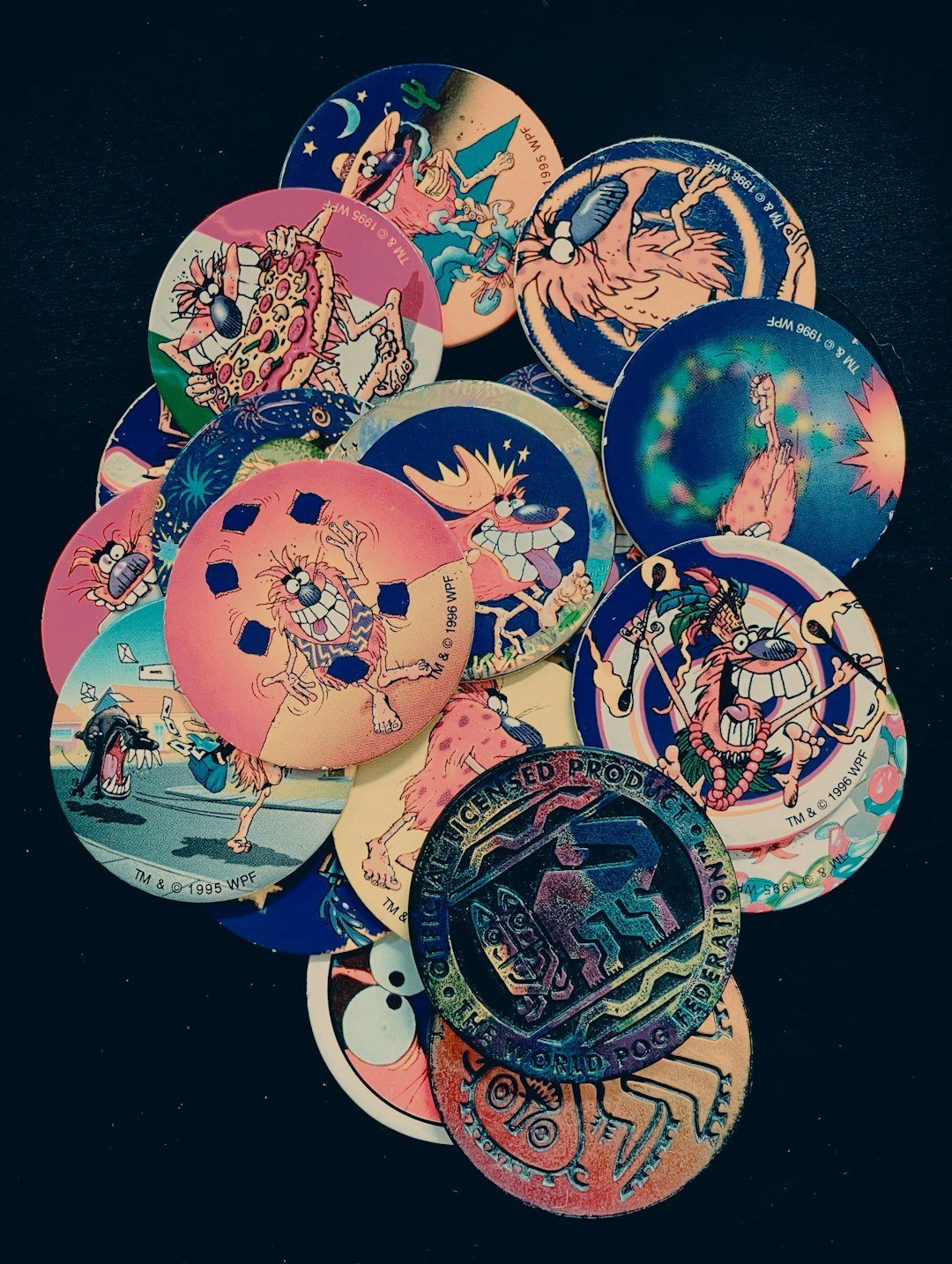
Pogs were the ultimate 90s playground craze. These small, circular cardboard discs featured various designs and were collected and played with by kids everywhere. Players would stack their pogs and use a heavier disc called a slammer to flip them. Whoever flipped the most pogs won the stack. The game was simple but incredibly addictive. For a year or two, pogs functioned as a genuine currency among children.
Pogs became a cultural phenomenon, with different themes from cartoons to sports teams. Despite being banned in many schools, the pogs fad thrived, creating a community of collectors and players, each eager to own the rarest discs. The speed at which the craze evaporated was remarkable even by fad standards. Within a couple of years, the discs sat forgotten in shoeboxes, replaced by the next thing to dominate recess. No revival has ever really taken hold.
Swatch Watch Stacking

Swatches were colorful, affordable, and collectible. Soon, people wore multiple watches at once, sometimes three or four on one wrist. The stacking trend burned bright but cooled quickly when minimalism returned. It was one of the more genuinely eccentric fashion moments of the decade, the idea that more watches meant more style, that accessories could be layered to the point of absurdity without irony.
Swatch had tapped into something real: the desire for everyday objects to carry personality and be treated as rotating collections rather than permanent possessions. That instinct didn’t disappear. It migrated to sneakers, phone cases, and eventually to digital avatars. The specific Swatch stacking ritual, though, belongs entirely to a particular window of the 1980s that shows no appetite for revival.
The Boy Band Wars
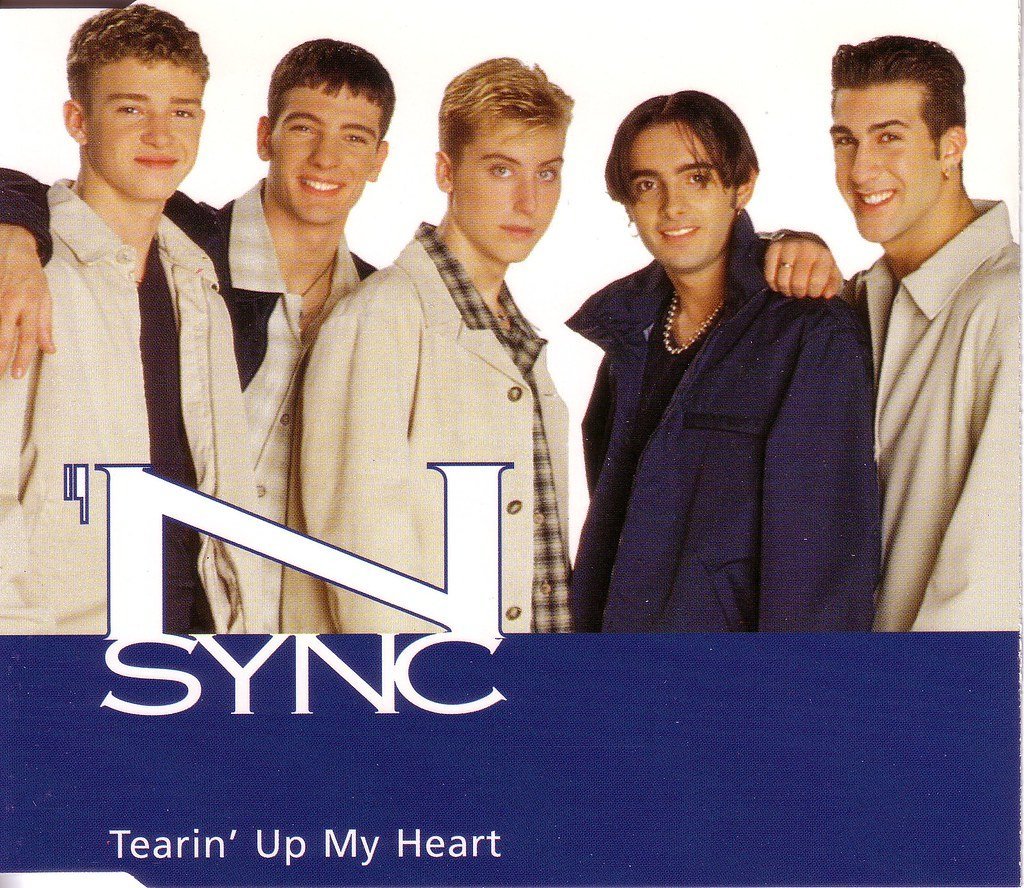
The 90s were defined by boy band mania, with groups like Backstreet Boys and NSYNC dominating music charts worldwide. Their catchy tunes, synchronized dance moves, and charming personas captivated fans, leading to sold-out concerts and screaming crowds. These bands not only created a massive cultural impact but also set the stage for future pop acts. The era of boy bands was more than just music; it was a phenomenon that sparked intense fandom and unforgettable memories.
In the twelve months that preceded TRL’s inception, the pop music industry found itself on the cusp of the boy-band boom. It marked the boy-band era’s transition from pop-music outlier to an all-consuming cultural and commercial force. The intensity of that rivalry between fandoms was real and consuming. When the boy band boom faded in the early 2000s, it did so quickly. The genre hasn’t truly recaptured that specific cultural gravity since, despite occasional attempts at revival.
Breakdancing Goes Mainstream
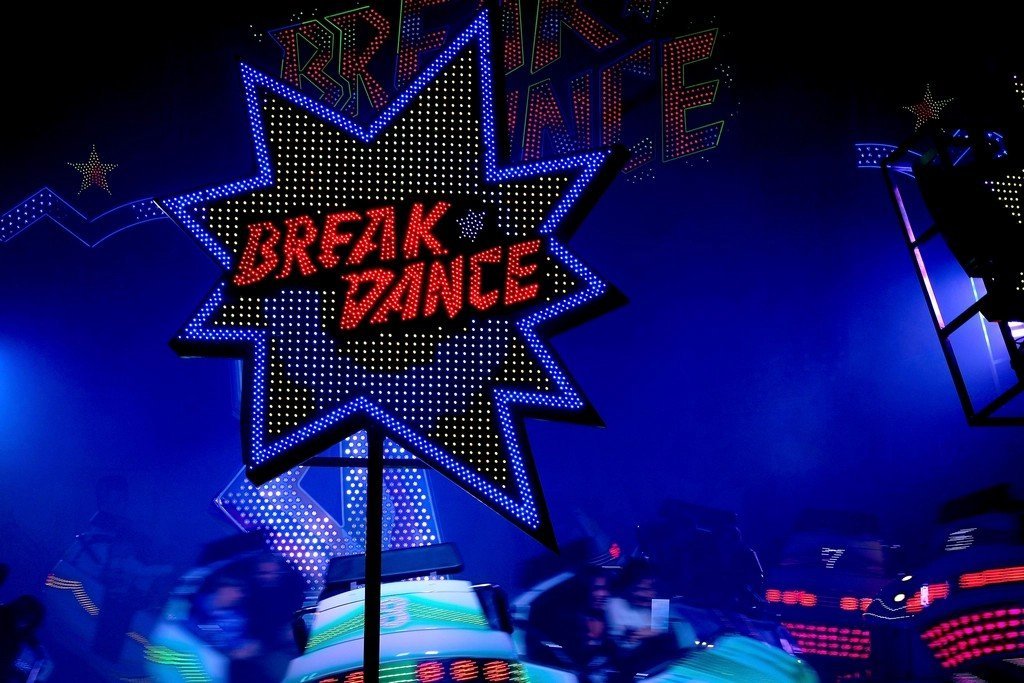
Breakdancing was a legitimate art form rooted in hip-hop culture. Its brief mainstream explosion led to suburban talent shows and cardboard-in-the-driveway performances everywhere. The commercial craze faded, though the culture endured. The distinction matters. What disappeared was the mainstream novelty version: the after-school specials, the department store demonstrations, the films that treated it as a quirky subplot.
The actual practice never vanished from the communities that had always taken it seriously. It gained recognition as an Olympic sport, debuting at the Paris 2024 Games. Still, the specific moment when breakdancing was a mainstream craze that every kid attempted in their garage or at a school talent show belongs to a narrow window of the mid-80s that felt simultaneously breathless and brief. Its commercial phase lasted roughly three years before the novelty wore off entirely.
Saturday Morning Cartoon Marathons

Saturday mornings in the 90s were synonymous with cartoon marathons that kept kids glued to their televisions. Iconic shows like Teenage Mutant Ninja Turtles and DuckTales became staples of weekend routines, delivering action-packed adventures and unforgettable characters. The structure of the Saturday morning itself was the cultural artifact. Children organized their entire week around it. The cartoons were almost secondary to the ritual.
Federal regulations in the United States that required educational programming on broadcast television in the mid-90s gradually eroded the classic model, pushing entertainment-focused cartoons to cable and changing what Saturday morning meant for a generation of kids. By the early 2000s, the unified cultural experience of millions of children watching the same programming block at the same time had fractured completely into dozens of cable options. The communal ritual, not just the shows themselves, was what vanished and what remains genuinely irreplaceable.
Conclusion: What Memory Keeps and What It Lets Go
There’s a quiet pattern in how these moments ended. Very few of them died because they were replaced by something obviously better. Nostalgia is a strange thing. People who live through a particular decade sometimes either embrace its trends or find themselves eager to see their demise, only to find themselves with an odd longing for them a couple of decades later. The gap between living through something and looking back at it changes the shape of it entirely.
Capturing the aesthetic or other spirit of an era is a difficult task. It is not easy to do when one does not actually know what will be remembered and stand the test of time. Analyses carried out years later run the risk of focusing on what is most expressive but not necessarily defining of the times. Cultural memory is selective almost by necessity. It collapses decades into symbols, a Blockbuster bag, a Tamagotchi, a TRL countdown clock, as a way of managing how much a person can carry forward.
What these fifteen moments share is the quality of having felt, while they lasted, genuinely total. They weren’t fringe interests. They were the texture of ordinary life for millions of people simultaneously. That shared experience, the sense that everyone around you was inside the same cultural moment, is itself a thing that has grown rarer. The fragmentation of media and attention means the next generation may struggle to point to fifteen things everyone was doing at once. In that sense, the loss isn’t just of specific trends. It’s of a particular kind of collective presence that the 80s and 90s managed to produce before the world became too wide and too fast to hold it together.
CEO-Co-Founder
