

For any feedback please reach out to info@festivalinside.com
Charles Dickens – The Pickwick Papers (1836–1837)
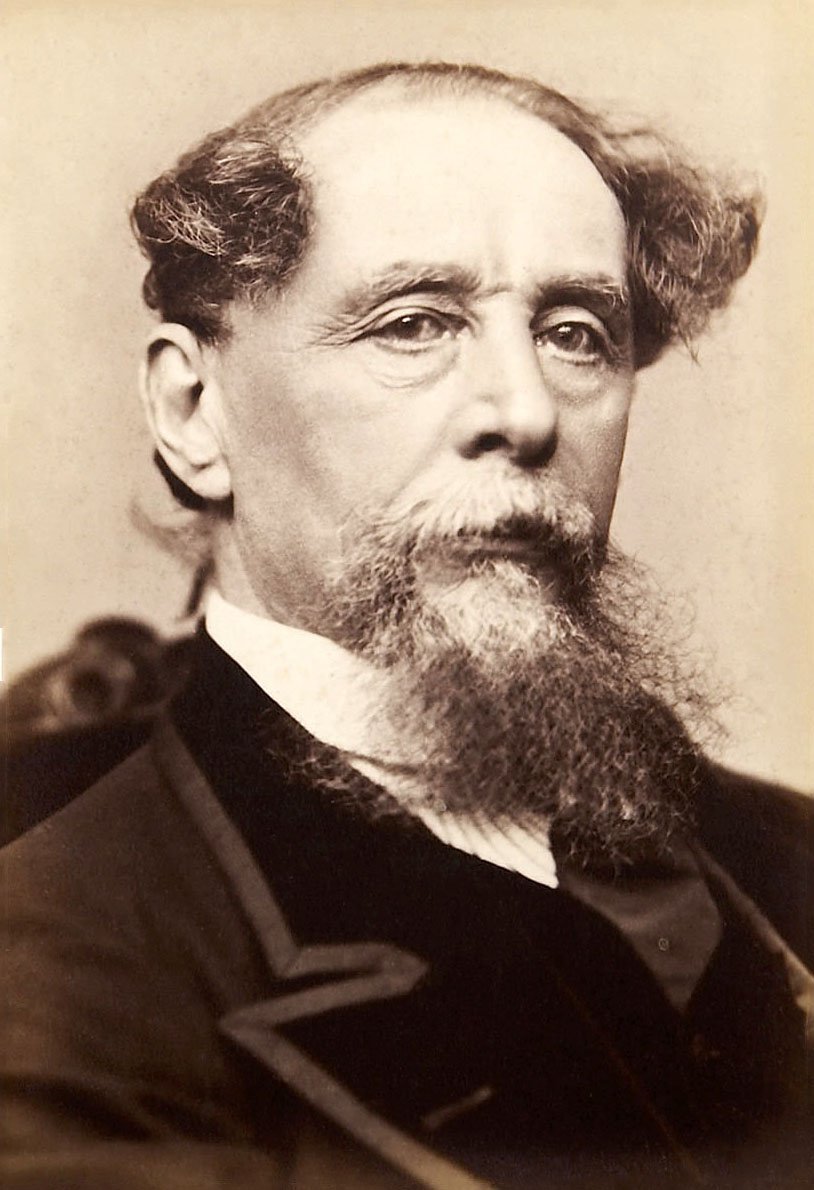
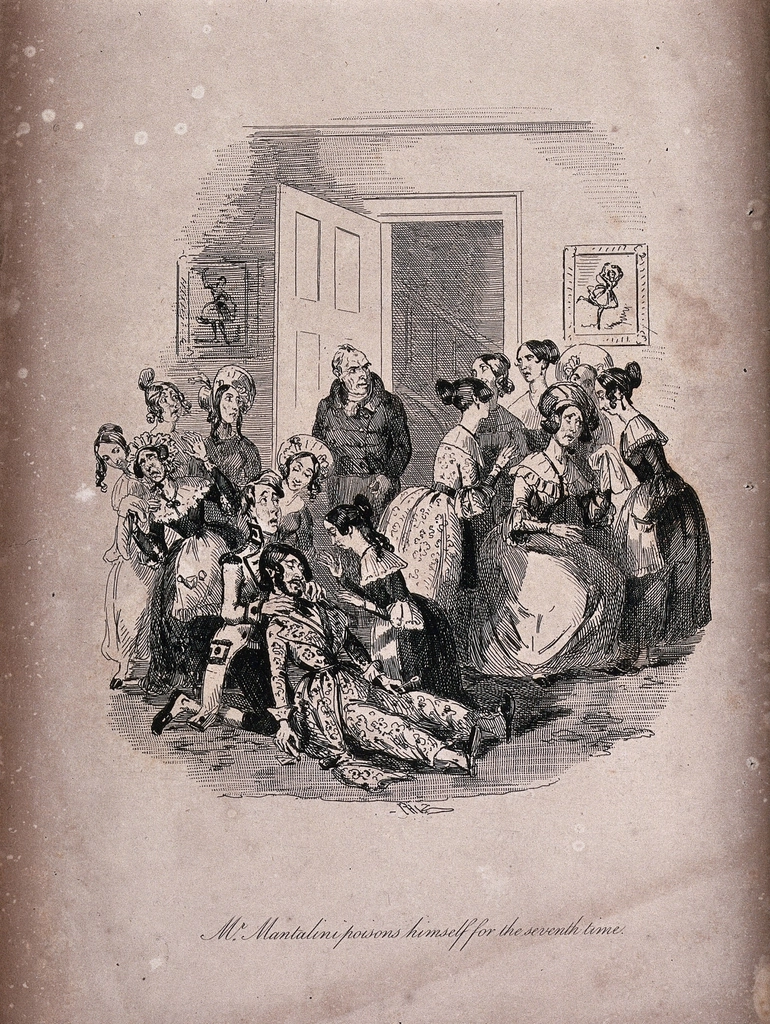
“The Pickwick Papers” holds a special place in literary history as the work that launched Charles Dickens into stardom. Published in monthly installments, this novel quickly became a household favorite in Victorian England. Readers eagerly anticipated each new part, gathering in groups to discuss the latest adventures of the eccentric Mr. Pickwick and his friends. The humor, warmth, and social satire woven throughout the story struck a chord with people from all walks of life. Serialization made storytelling democratic, putting literature within reach for many who could not afford whole books. The format also allowed Dickens to adjust his narrative in response to public opinion and feedback. By the time the final installment was released, Dickens was recognized as one of the leading voices of his generation.
Charles Dickens – Oliver Twist (1837–1839)
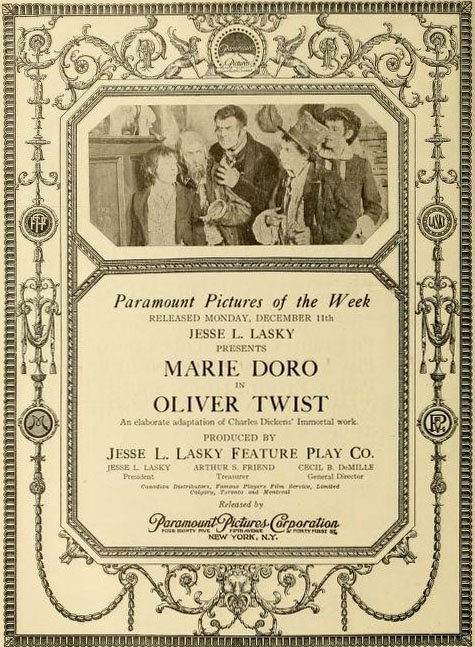
“Oliver Twist” appeared in Bentley’s Miscellany, captivating readers with its dark yet touching look at the lives of orphans and the poor. Dickens broke new ground by putting a vulnerable child at the center of his story, something rarely seen in literature before. The serialized chapters allowed Dickens to build suspense, leaving readers desperate to know what would happen to Oliver next. The novel’s portrayal of workhouses, criminal gangs, and the underbelly of London served as a critique of Victorian society’s failures. Readers were not just entertained; they were outraged and moved to demand social change. The story’s memorable characters, such as Fagin and the Artful Dodger, became cultural icons. The impact of serialization was clear, as each issue sold out quickly and made a direct impact on public debate about poverty and child welfare.
Charles Dickens – David Copperfield (1849–1850)
Running over nineteen monthly installments, “David Copperfield” is arguably Dickens’s most personal and beloved novel. Dickens poured much of his own life into the story, making the protagonist’s journey from troubled childhood to maturity both genuine and relatable. The slow release of each part allowed readers to grow alongside David, forming a strong emotional bond with his struggles and triumphs. Serialization also gave Dickens the time to develop his vast array of characters and intricate plotlines, making the story feel immersive and real. The public’s anticipation for each new chapter was palpable, often resulting in debates and letters to the editor. Themes of resilience, friendship, and personal growth resonated deeply with the Victorian audience. The novel’s success in serial form solidified Dickens’s reputation as a master storyteller.
Leo Tolstoy – Anna Karenina (1875–1877)
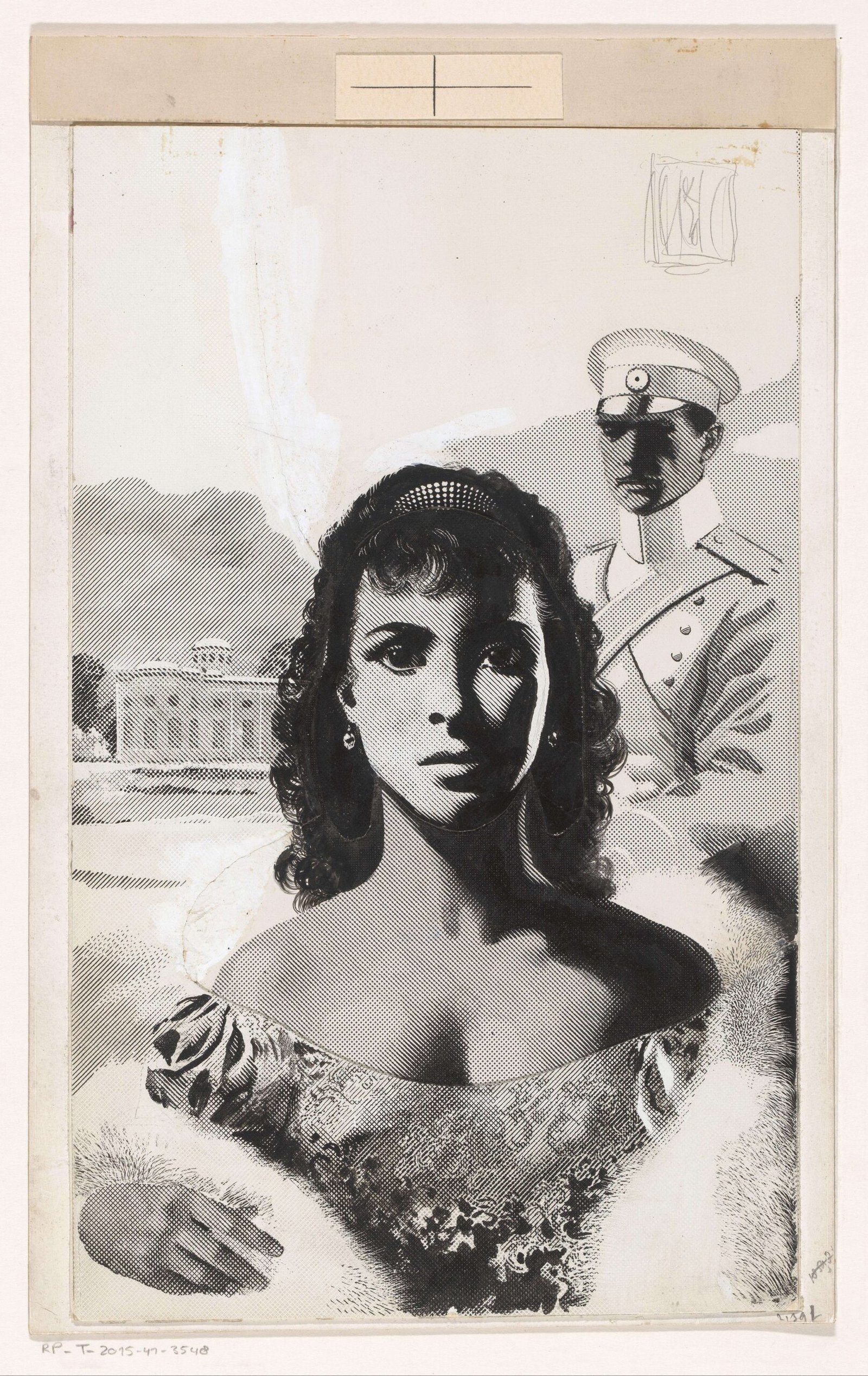
“Anna Karenina” first appeared in the Russian journal The Russian Messenger, drawing readers into a complex web of romance, betrayal, and social expectation. The now-legendary opening line, “All happy families are alike; each unhappy family is unhappy in its own way,” immediately set the tone for a deep exploration of human nature. Serialization allowed Tolstoy to adjust elements of the plot based on feedback and current events, making the story feel alive and relevant. Russian readers were gripped by Anna’s doomed love affair and the novel’s frank treatment of topics like adultery, class, and morality. Each installment generated lively discussion in literary circles and among ordinary people alike. The serialized nature also made the story accessible to a broader audience, spreading its influence even further. Tolstoy’s masterpiece became a touchstone for debates about social norms and personal happiness.
Fyodor Dostoevsky – The Brothers Karamazov (1879–1880)
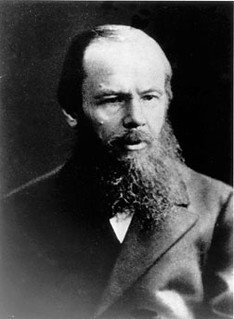
“The Brothers Karamazov,” serialized in The Russian Messenger, is one of Dostoevsky’s most ambitious works, delving into philosophy, religion, and the nature of good and evil. The novel follows the lives of the Karamazov brothers, each representing a different aspect of the human spirit. Serialization gave readers time to digest the novel’s weighty ideas, sparking debates on morality and the existence of God. Dostoevsky’s willingness to tackle controversial subjects made each installment a talking point across Russia. The story’s exploration of free will and responsibility resonated with people struggling to make sense of rapid social and political changes. The gradual release of the chapters allowed Dostoevsky to respond to reactions and refine his narrative. The serialized format contributed to the novel’s enduring influence on both literature and philosophy.
Harriet Beecher Stowe – Uncle Tom’s Cabin (1851–1852)
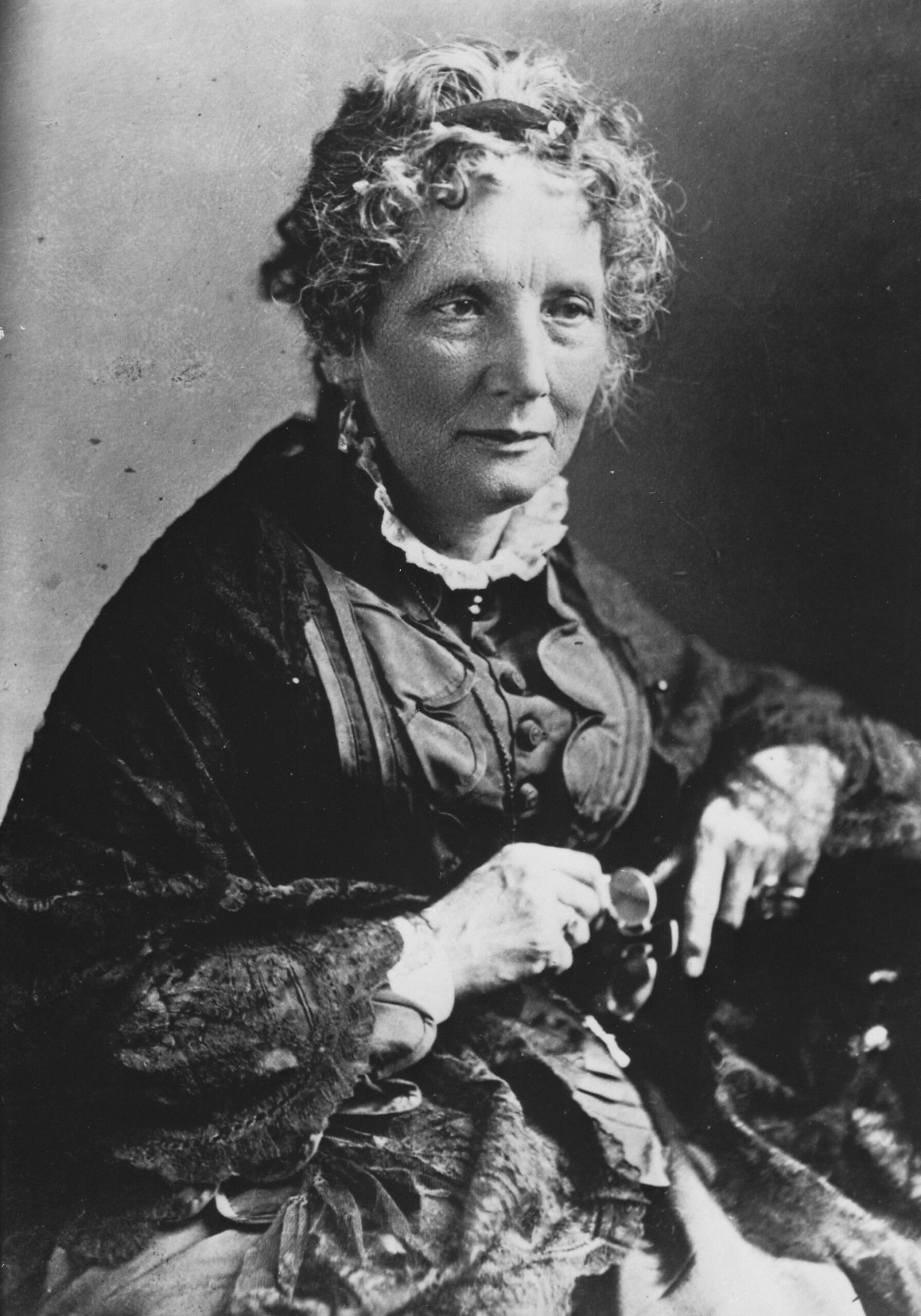
“Uncle Tom’s Cabin” made its debut in The National Era, an abolitionist newspaper, and changed the course of American history. Stowe’s powerful depiction of slavery awakened the conscience of a nation, with readers waiting anxiously each week for the next episode. The serialization gave the story a sense of urgency, keeping the horrors of slavery in the public eye over many months. The novel’s characters, especially Uncle Tom, became symbols of both suffering and hope. Its emotional impact was so great that it is often credited with fueling the abolitionist movement and even influencing the outbreak of the Civil War. Stowe’s work reached readers who might not otherwise have picked up a book on the subject. The format allowed her to react to current events and public sentiment, making the novel a living document of its time.
Wilkie Collins – The Woman in White (1859–1860)
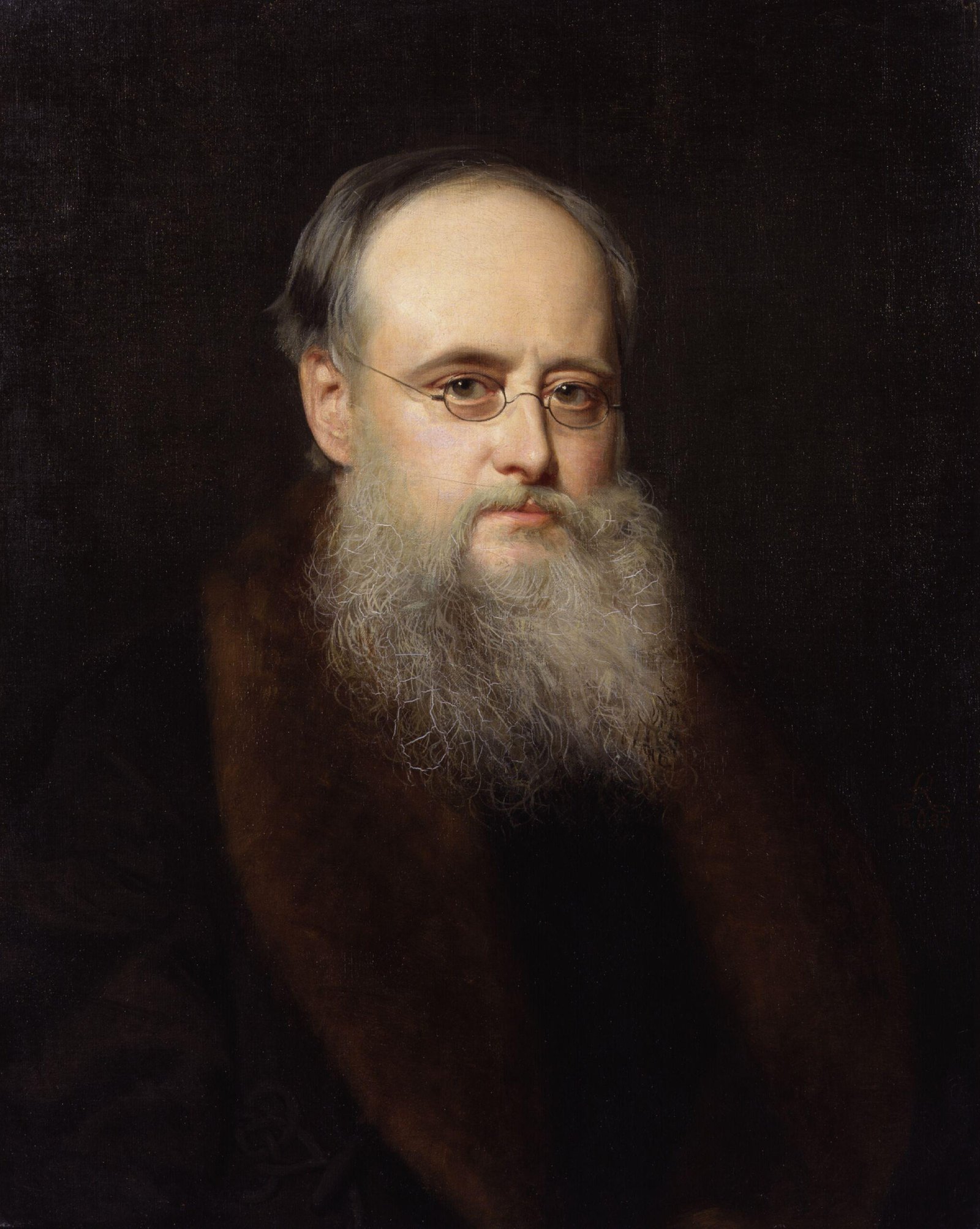
“The Woman in White,” serialized in All the Year Round and edited by Dickens, is considered a pioneering work in the genres of mystery and sensation fiction. Collins employed multiple narrators and cliffhangers at the end of each installment, keeping readers on edge and eager for more. The story’s blend of psychological suspense, secrets, and legal intrigue was unlike anything readers had encountered before. Serialization helped build public excitement, with people speculating about the mysterious woman’s identity and fate. Collins’s innovative narrative structure set the stage for future detective and crime literature. The novel’s success in serial form led to a surge in demand for similar stories, forever changing popular fiction. Readers were drawn not just to the plot, but to the social commentary on gender and power.
Alexandre Dumas – The Count of Monte Cristo (1844–1846)
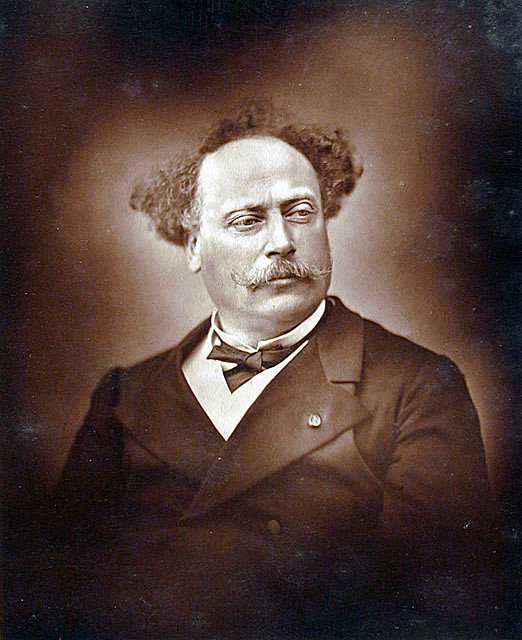
“The Count of Monte Cristo” first appeared in the French newspaper Le Journal des Débats, thrilling audiences with its tale of betrayal, revenge, and redemption. Dumas’s episodic storytelling style was perfect for serial publication, with each installment ending in a dramatic twist or revelation. The story of Edmond Dantès’s transformation from innocent prisoner to mysterious avenger captured the imaginations of readers across France and beyond. Serialization made the novel accessible to people of all classes, turning it into a cultural phenomenon. The intense suspense and colorful characters kept readers coming back week after week. The serialization also allowed Dumas to develop subplots and secondary characters in rich detail. The novel’s enduring popularity speaks to the power of storytelling in serial form.
Alexandre Dumas – The Three Musketeers (1844)
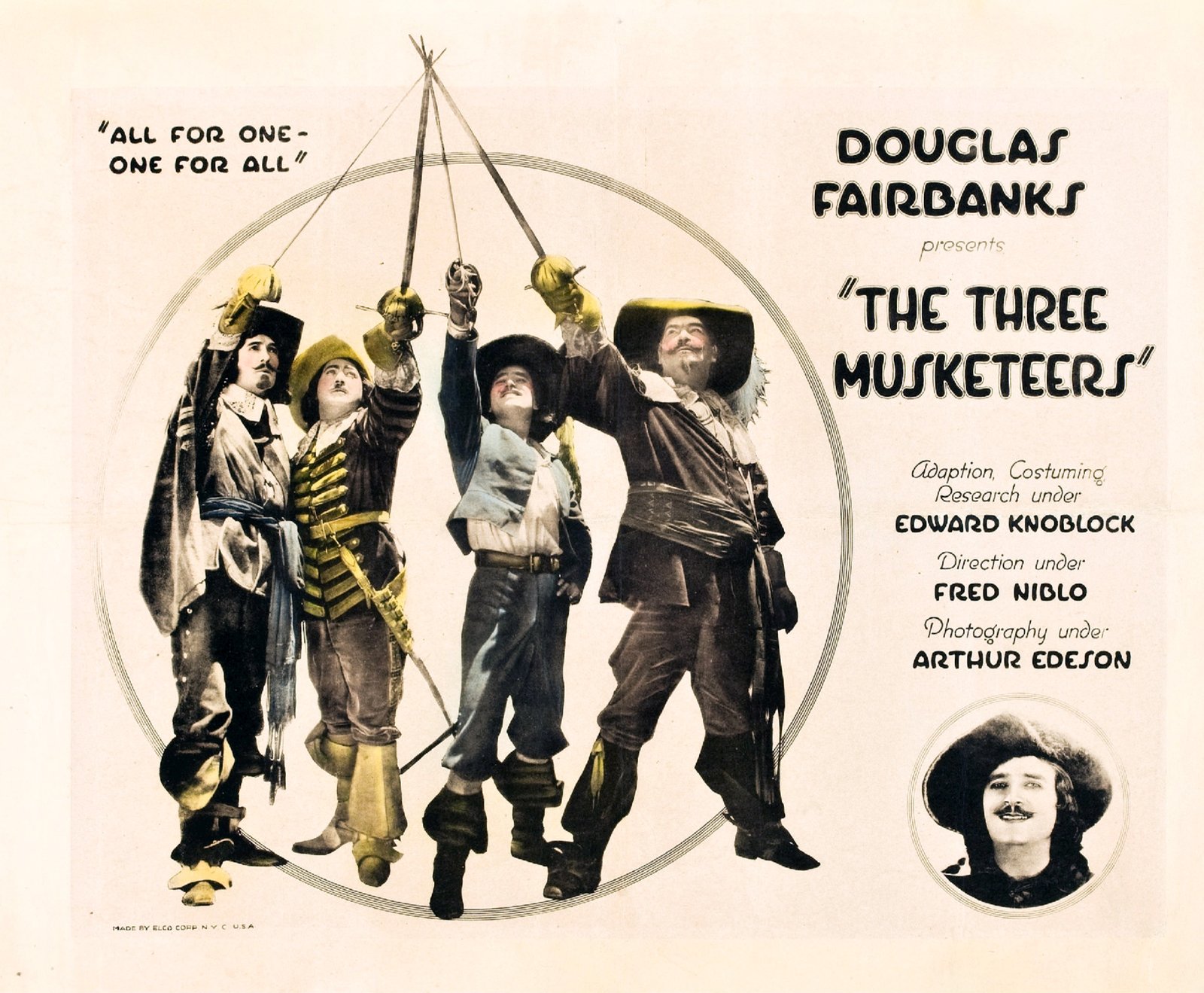
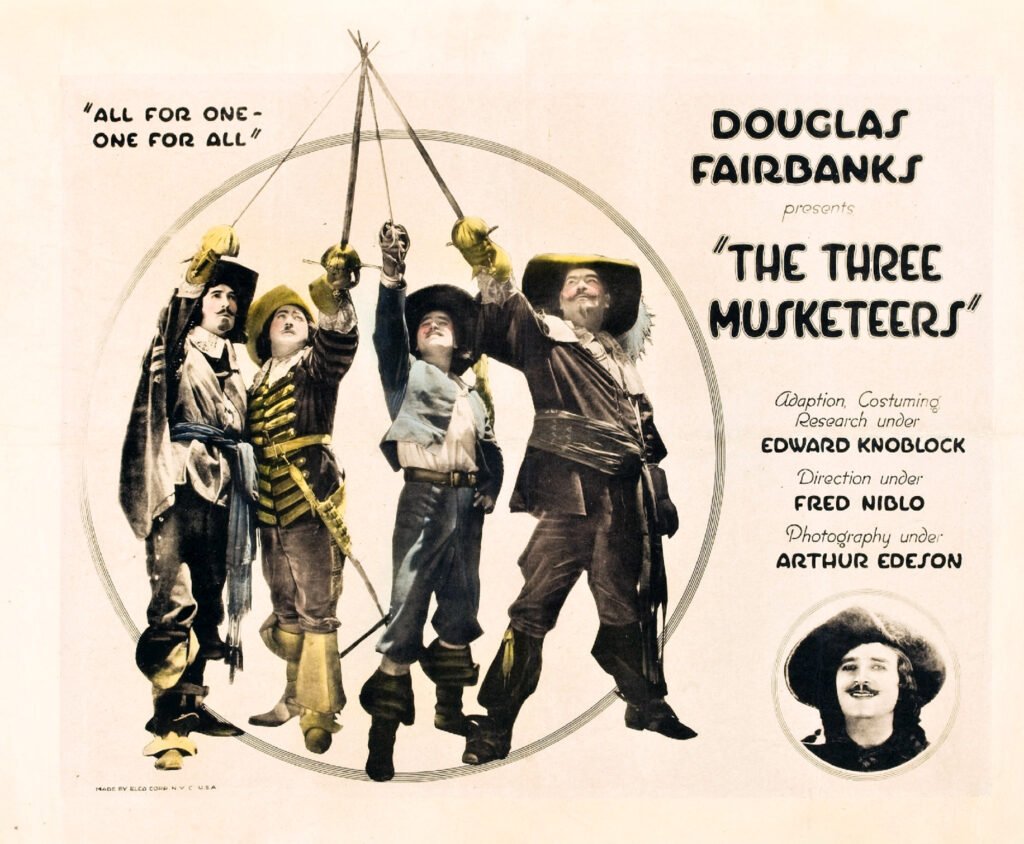
“The Three Musketeers” was serialized in Le Siècle, quickly becoming one of the most beloved adventure stories in world literature. Readers were drawn to the camaraderie of d’Artagnan and his companions as they faced intrigue, treachery, and romance in the court of Louis XIII. The serialized installments kept the public eagerly awaiting the next swordfight or plot twist. Dumas’s skill at blending historical events with fictional drama set a new standard for adventure writing. Serialization also meant that the story could be enjoyed by people who might never have bought the entire book. The novel’s catchphrases and characters, like “All for one, and one for all,” became part of popular culture. The excitement and accessibility of serial publication helped ensure the novel’s lasting fame.
Herman Melville – Typee (1845–1846)
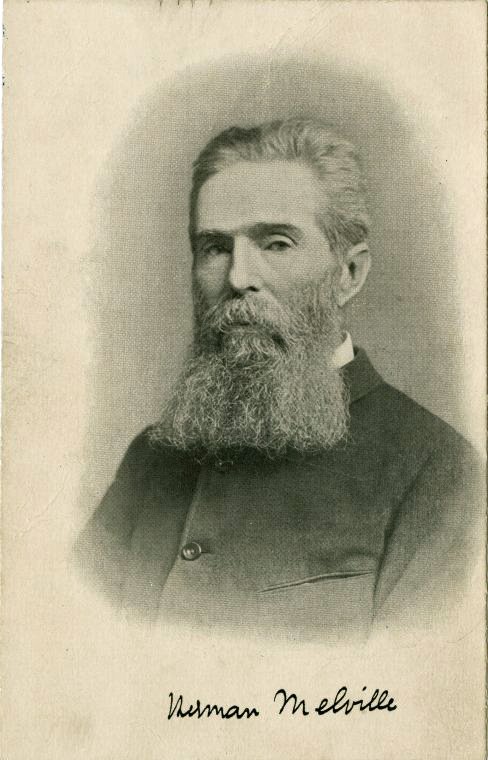
“Typee,” serialized in Putnam’s Monthly Magazine, offered American readers a fascinating glimpse into the South Pacific, based on Melville’s own adventures among the native people of Nuku Hiva. The story challenged Western stereotypes about so-called “savages,” presenting the Typee community as complex and dignified. Serialization enabled Melville to capture readers’ imaginations with vivid descriptions of exotic landscapes and customs. Each new chapter invited readers to reconsider their assumptions about civilization and barbarism. The suspense of Melville’s escape from the island kept audiences hooked. The novel’s mixture of travelogue, autobiography, and social commentary was innovative for its time. Serialization helped bring Melville’s bold and unconventional ideas to a wider audience.
Elizabeth Gaskell – North and South (1854–1855)
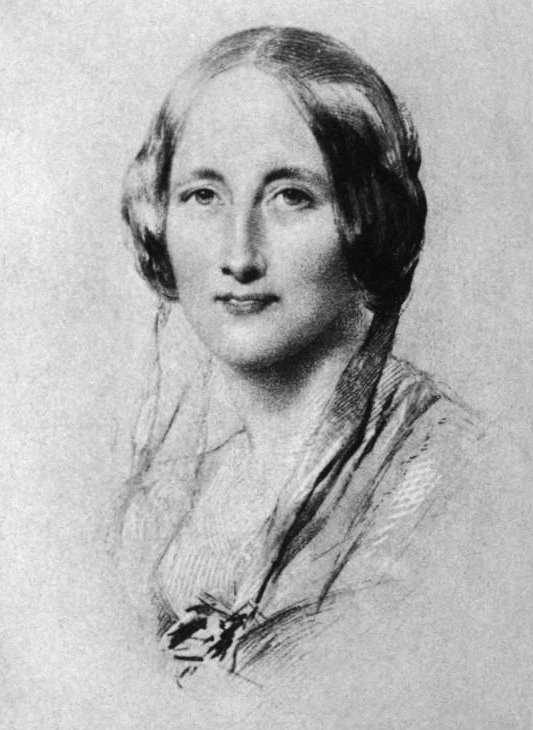
Serialized in Household Words and overseen by Dickens, “North and South” tackled pressing issues of industrialization, class conflict, and gender roles in Victorian England. The story follows Margaret Hale as she moves from rural southern England to the industrial North, witnessing firsthand the struggles of mill workers and factory owners. Each installment highlighted the tensions and misunderstandings between different classes and regions. Gaskell’s sympathetic characters and realistic depictions of hardship made the novel a touchstone for debates about social reform. Serialization allowed readers to follow the evolving relationships and conflicts in real time, fostering empathy and reflection. The novel’s influence extended beyond literature, prompting discussions about workers’ rights and women’s roles in society. The format made the story accessible to a broad and diverse readership.
Thomas Hardy – Tess of the d’Urbervilles (1891)
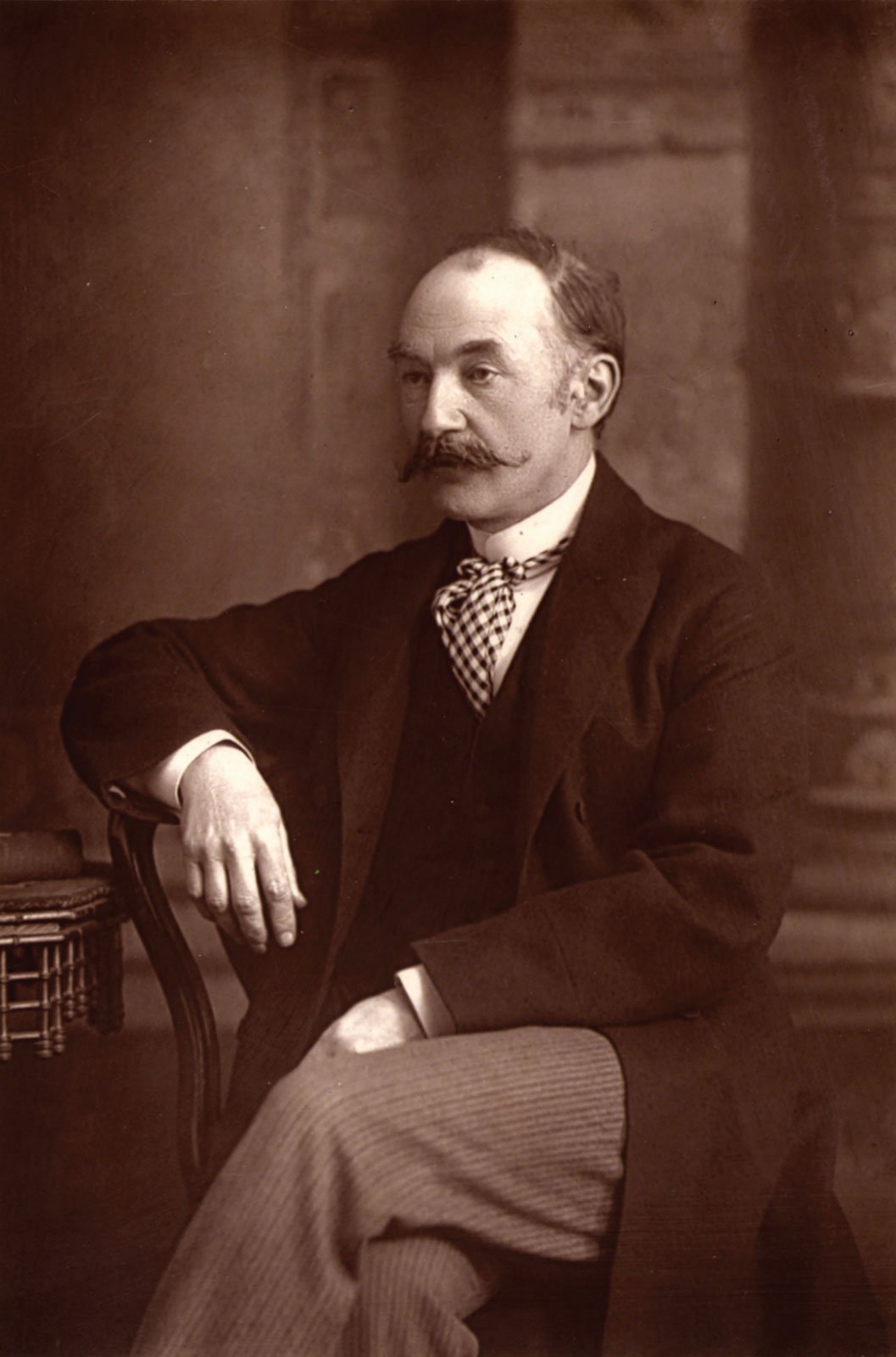
“Tess of the d’Urbervilles” appeared first as a heavily edited serial in The Graphic, due to its controversial subject matter. Hardy’s story of Tess, a woman doomed by fate and social prejudice, shocked and challenged Victorian sensibilities. Serialization forced Hardy to tone down some elements, but even in this form, the novel’s power was unmistakable. The public’s reaction was divided: some were scandalized, while others sympathized deeply with Tess’s plight. The serialized chapters sparked intense debate about morality, justice, and the treatment of women. When Hardy later published the unabridged version, the novel’s impact grew even stronger. Serialization had set the stage for a national conversation about the need for greater compassion and understanding.
Henry James – The Portrait of a Lady (1880–1881)
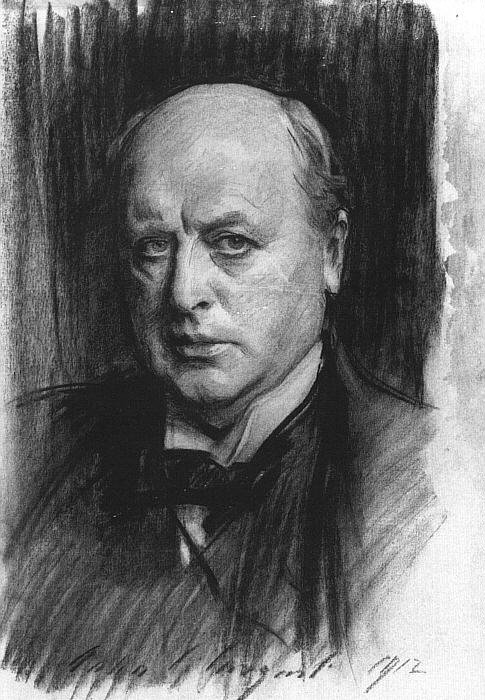
“The Portrait of a Lady” ran in both The Atlantic Monthly and Macmillan’s Magazine, bringing Henry James’s psychological insight to a broad audience. The story follows Isabel Archer, a spirited American woman navigating the complexities of European society. Serialization allowed readers to experience Isabel’s choices and dilemmas as they unfolded, deepening their engagement with her character. The novel’s exploration of independence, identity, and cultural clash resonated with readers on both sides of the Atlantic. James’s subtle, layered prose benefited from the leisurely pace of serial publication, giving readers time to savor and reflect on each development. The format also encouraged discussion about the roles and expectations placed on women. The novel remains a landmark in the portrayal of women’s autonomy and self-discovery.
Arthur Conan Doyle – The Hound of the Baskervilles (1901–1902)
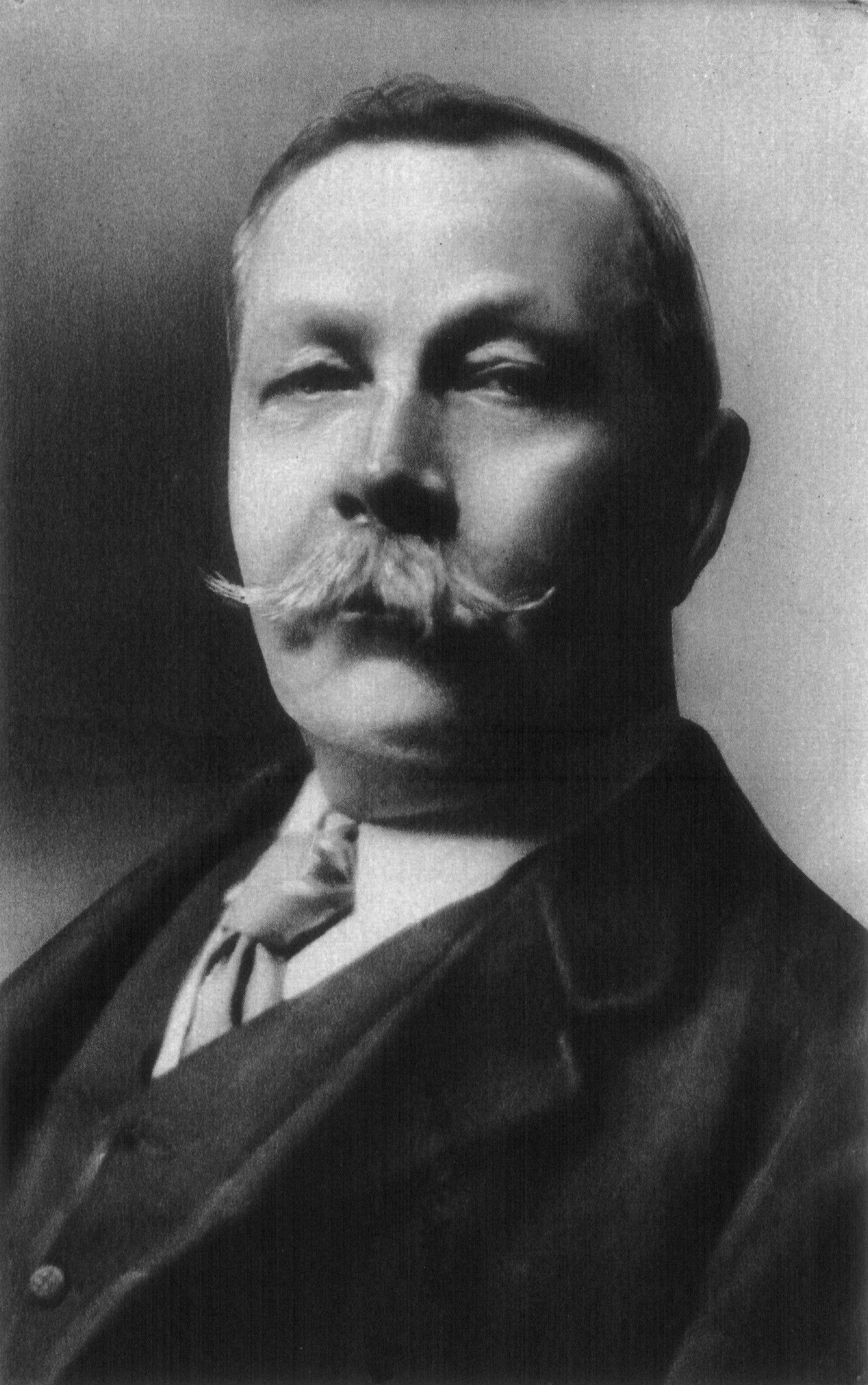
Serialized in The Strand Magazine, “The Hound of the Baskervilles” reignited public enthusiasm for Sherlock Holmes after the detective’s apparent death in an earlier story. Readers could hardly contain their excitement as each new installment revealed more clues in the chilling case on the moors of Devon. The magazine’s circulation soared, and people lined up at newsstands to get the latest episode. Doyle’s masterful use of suspense and atmosphere made the story unforgettable. Serialization amplified the sense of mystery, as readers speculated and theorized between installments. The story’s blend of gothic horror and detective work set a new standard for the genre. “The Hound of the Baskervilles” remains one of the most popular and influential Holmes adventures.
Honoré de Balzac – Père Goriot (1834–1835)
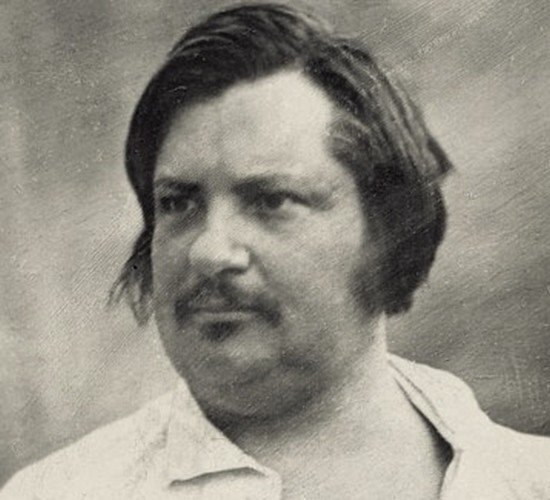
“Père Goriot” was serialized in La Revue de Paris, quickly becoming a cornerstone of Balzac’s ambitious series, La Comédie Humaine. The novel offers a penetrating portrait of ambition, social climbing, and the cost of success in 19th-century Paris. Serialization made Balzac’s sweeping vision of society more accessible, allowing readers to follow the fates of characters over time. The story’s intricate plots and vivid personalities encouraged readers to see themselves reflected in its pages. Balzac’s attention to detail and psychological depth set a new standard for realism in fiction. Each installment fueled curiosity about the interconnected world he created. “Père Goriot” remains a defining work in the study of human behavior and the pursuit of happiness.

Christian Wiedeck, all the way from Germany, loves music festivals, especially in the USA. His articles bring the excitement of these events to readers worldwide.
For any feedback please reach out to info@festivalinside.com
