

For any feedback please reach out to info@festivalinside.com
Hollywood has always been two things at once: a dream factory spinning golden illusions for the world, and a place where some of the darkest human dramas quietly – or not so quietly – play out behind the scenes. Before celebrities spent their free time scrolling through social media feeds, in the twentieth century, they were the ones out there creating news headlines. From illicit affairs to mysterious deaths, Old Hollywood was practically more dramatic off the screen than on it.
The plethora of old Hollywood scandals that have since come to light prove that the movie industry has always been a dark place behind its bright lights. Some of these stories were buried for decades. Others exploded in real time, reshaping careers, public morality, and even the law itself. From the silent era all the way through the latter half of the twentieth century, these are the fifteen scandals that shook the world – and are still talked about today. Let’s dive in.
1. Roscoe “Fatty” Arbuckle and the Death of Virginia Rappe (1921)
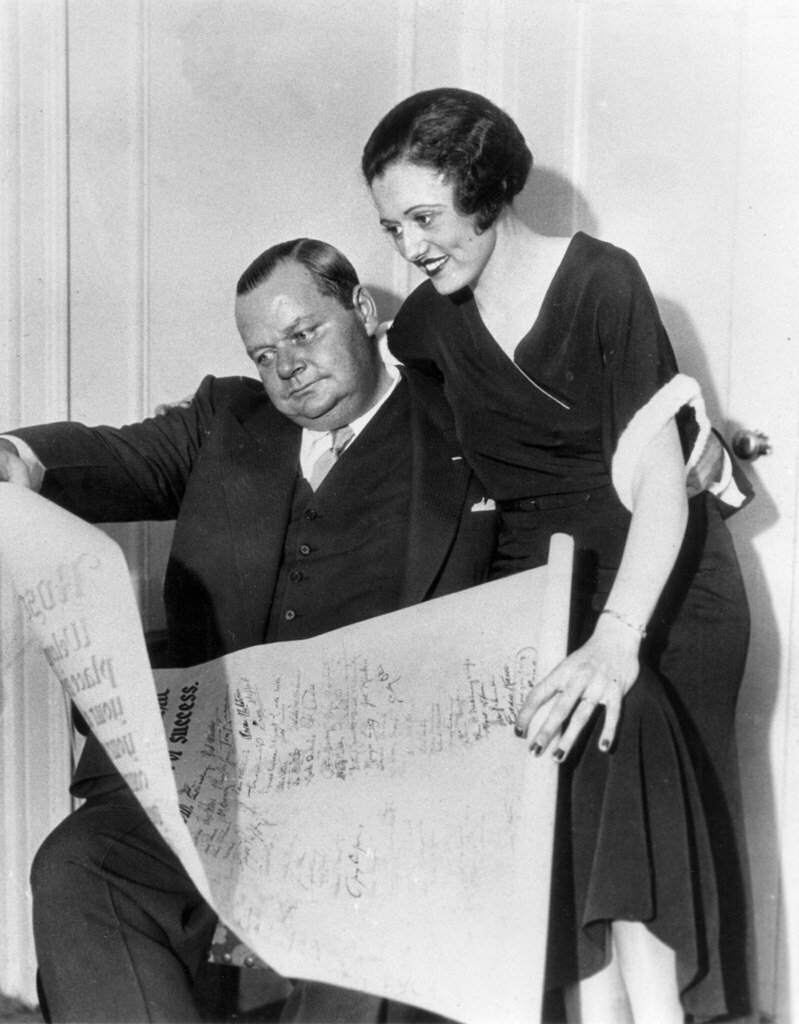
If there is one scandal that truly opened the world’s eyes to Hollywood’s dark underbelly, it is this one. In 1921, Roscoe “Fatty” Arbuckle was one of the world’s most famous film stars and the top actor at Paramount Pictures. After leading a hardscrabble life on the vaudeville theater circuit, he had finally achieved enormous fame. Paramount Pictures had paid him an unprecedented $3 million over three years to star in 18 silent films.
Comedian Roscoe Arbuckle was at a party with an unknown actress, Virginia Rappe, and they ended up in a hotel bedroom together. After guests heard screaming from the room, they rushed in and found Rappe writhing in agony. A few days later, she died with a ruptured bladder, and her friend accused Arbuckle of raping and accidentally killing her. He was the defendant in three widely publicized trials between November 1921 and April 1922.
The first two trials resulted in hung juries, but the third trial acquitted Arbuckle – and the third jury took the unusual step of giving Arbuckle a written statement of apology for his treatment by the justice system. Yet the damage was done. The scandal had profound repercussions, leading to Arbuckle’s blacklisting from Hollywood and the establishment of the Hays Code, which imposed strict regulations on film content.
The three dramatic trials that followed bankrupted him, destroyed his career, introduced Hollywood to morals clauses, and fascinated the Prohibition-era public in the first no-holds-barred media circus of its kind. Arbuckle was on the verge of a comeback when he suffered a heart attack in his sleep and died. Honestly, his story is one of the most tragic in Hollywood history – a man acquitted by the courts but convicted forever by public opinion.
2. Charlie Chaplin’s Marriages, Exile, and Fall from Grace
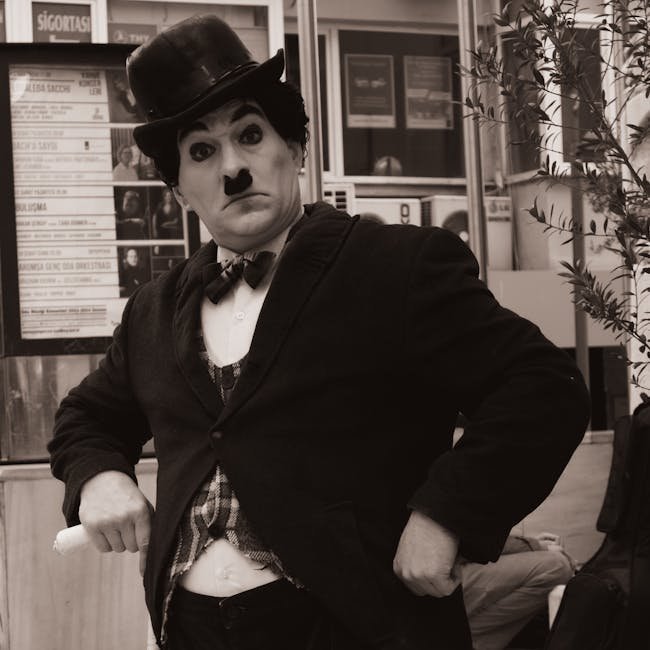
History remembers Charlie Chaplin as one of the most influential figures in Hollywood history, but his split from second wife Lita Grey opened the doors to his reputation being torn to shreds in front of the entire world. He married two 16-year-old girls – Mildred Harris in 1918 and Lita Grey in 1924. In 1936, he married 21-year-old Paulette Goddard. Then in 1943, when Chaplin was 53, he married 18-year-old Oona O’Neill, the daughter of American playwright Eugene O’Neill.
Lita Grey claimed she endured “cruel and inhumane treatment” during their marriage. During divorce proceedings she stated that he had tried to push her to have an illegal abortion, had committed numerous acts of infidelity, forced her into unwanted sexual acts, and generally neglected her. The divorce cost Chaplin $950,000 – and it was the largest divorce settlement in California history up to that time.
During the Cold War, Chaplin’s progressive activities and alleged ties to communism made him a target of the era’s anti-communist fervor. The FBI launched an investigation into Chaplin in 1947, following public accusations of his communist leanings. Another scandalous headline involving Chaplin came after he was scorned by U.S. Attorney General James P. McGranery, who believed Chaplin was anti-American. McGranery subsequently banned Chaplin from re-entering the country following his 1952 visit to the U.K., and Chaplin eventually surrendered his permit for re-entry, settling in Switzerland.
Reflecting on Chaplin’s fall, one historian wrote that it “may be the most dramatic in the history of stardom in America.” Chaplin returned to America in 1972 to accept a special Academy Award for “the incalculable effect he has had on making motion pictures the art form of this century.” Still, the story of his personal conduct – particularly toward young women – continues to be debated fiercely.
3. The Black Dahlia Murder (1947)
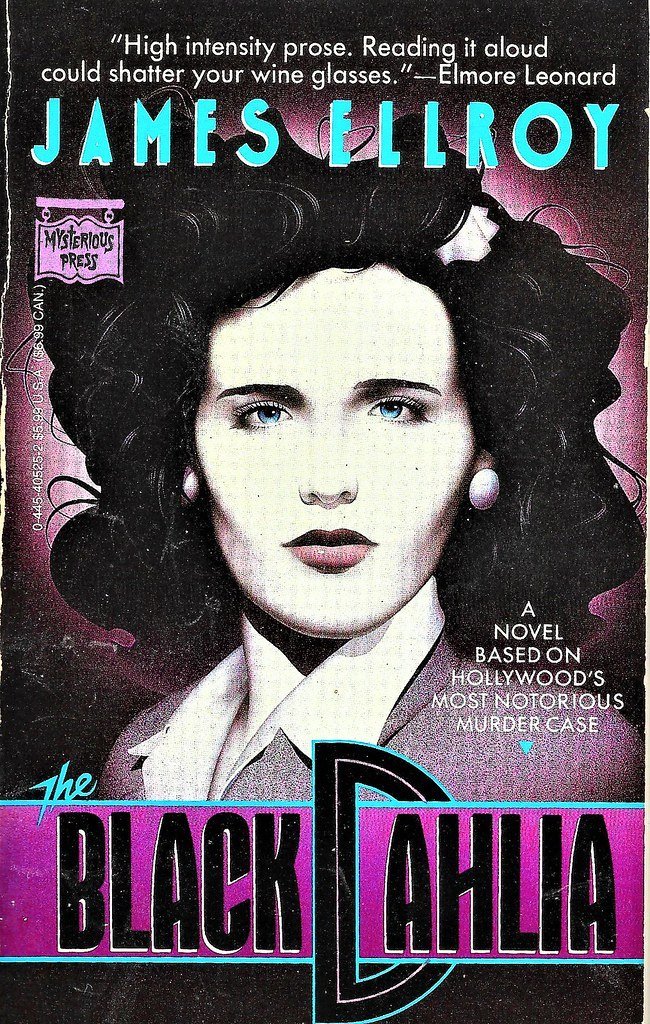
One of the most famous unsolved murders in pop culture history, the discovery of Elizabeth Short’s mutilated and dismembered body shocked the nation. The press descended on the case like nothing Los Angeles had ever seen before, and things only spiraled further from there. The press and public alike combed through every scrap of information they could find regarding the harrowing crime, with accusations being levelled towards a number of potential killers, although the real culprit has never been found.
The case captured something uniquely disturbing about how the public consumed tragedy in post-war America. Eight decades later, sleuths are still seeking to find the truth behind the “Black Dahlia,” with the sensationalist nature of the crime and its resulting coverage turning it into one of the most scandalous moments Los Angeles has ever witnessed. The tabloid frenzy became so all-encompassing that even respected names in the film world found themselves dragged into accusations with zero evidence to support them.
4. Ingrid Bergman’s Affair with Roberto Rossellini (1949)
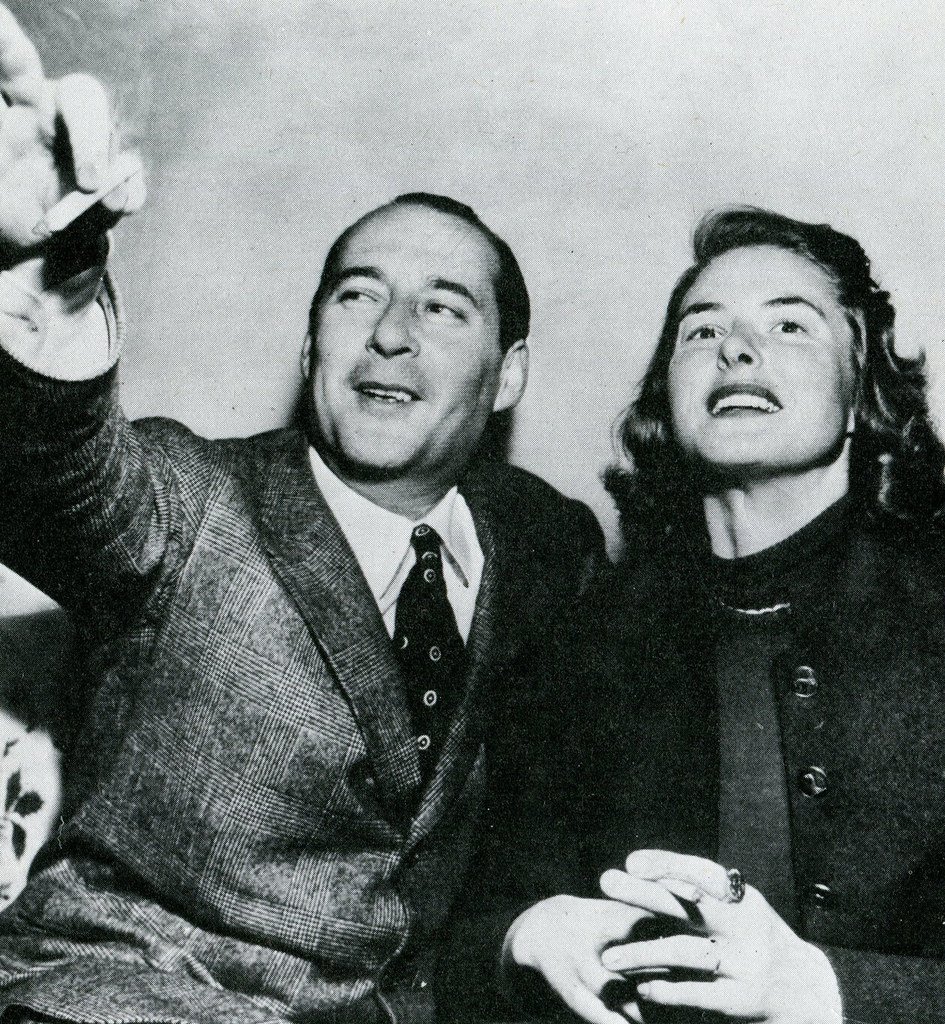
Here is a scandal that today sounds almost quaint, yet at the time it practically ended one of the most celebrated careers in Hollywood. Actress Ingrid Bergman had a very public affair with Italian director Roberto Rossellini after meeting him on the set of the 1949 film Stromboli. They were both married at the time and, after she got pregnant with his child, they left their spouses for each other. They were divorced by 1957.
The public vitriol for Bergman was so strong that her films were boycotted, she was banned from The Ed Sullivan Show, and she received endless amounts of hate mail. The biggest blow to her career came when she was publicly shamed on the Senate floor. During this time, she and Rossellini welcomed twin daughters – one of whom is acclaimed actor Isabella Rossellini. Bergman returned to Hollywood in 1956, and she and Rossellini ended their scandalous marriage in 1957. Surprisingly, her career recovered rather quickly, and she went on to win two more Oscars.
5. MGM and the Abuse of Judy Garland
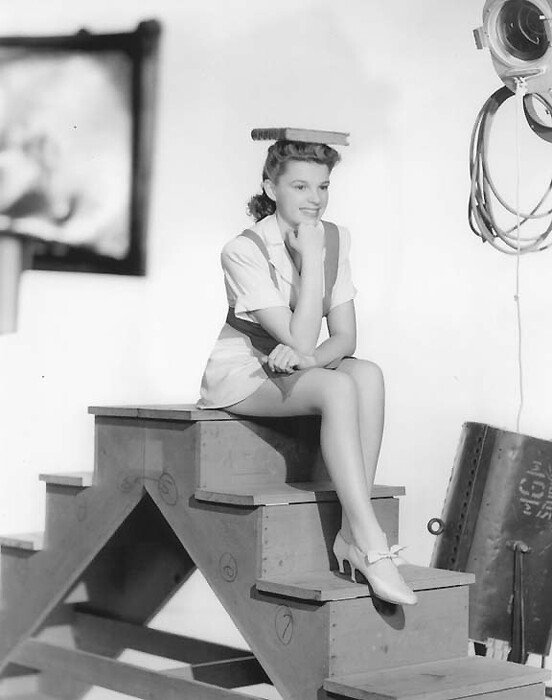
This one is less a single explosive moment and more a slow, systemic horror story. One of the most famous accounts of Hollywood abuse was of Judy Garland, who was forced on amphetamines to stay awake for long rehearsals then given barbiturates to sleep, all before she was 16. Every component of a classic Hollywood star’s life was under the supervision of the studio that owned their contract. Judy Garland was only thirteen when she signed with MGM. She was still a teenager when the studio began systematically destroying her self-confidence and pumping her full of uppers and downers.
According to author Gerald Clarke, who wrote “Get Happy: The Life of Judy Garland,” Garland was pawed and propositioned for sex by studio bigwigs at MGM between the ages of 16 and 20. One of the most notorious alleged harassers was Louis B. Mayer, the head of the studio. Garland even acquiesced when the studio insisted she terminate two pregnancies, as they might disrupt her shooting schedule. Her treatment at the studio that made her a star also destroyed her life. The tragic details of her circumstances and substance use disorder are well-known, but at the time, couldn’t be seen through all the glitz and shine of Hollywood glamour.
6. Clark Gable’s Secret Love Child with Loretta Young
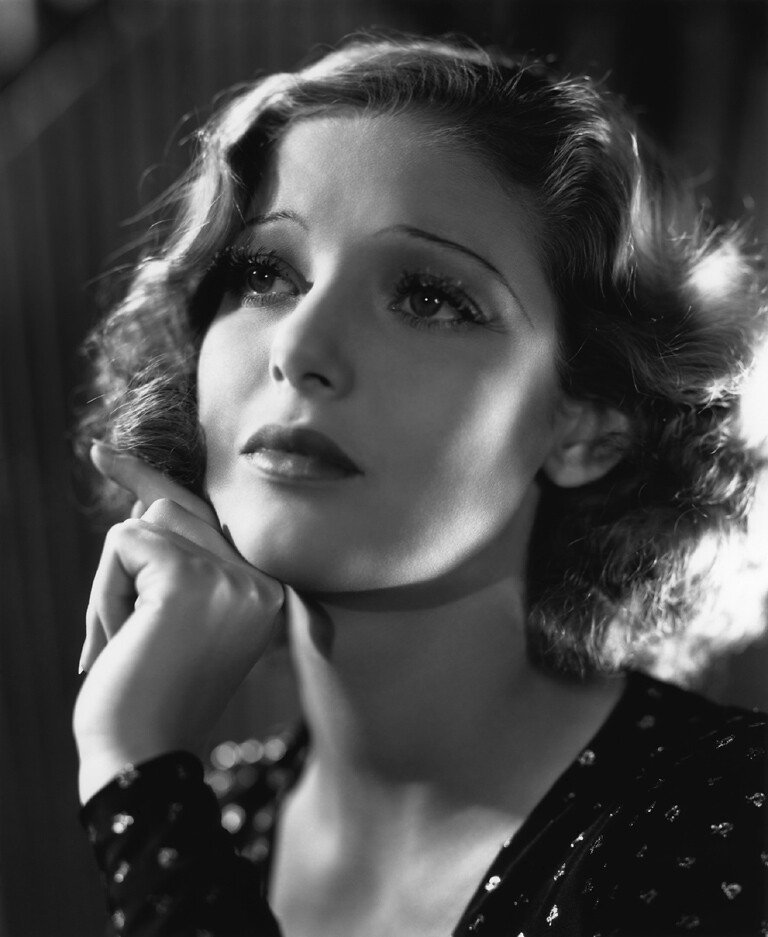
Clark Gable, notorious for his womanizing as much as his acting, met actress Loretta Young on the set of Call of the Wild, during which they had an encounter that left her pregnant at age 23. This was not a mutual, openly acknowledged affair. It was a secret that would haunt Loretta Young for decades. Gable was still married at the time and refused to publicly acknowledge his role in what happened.
Young secretly gave birth to a daughter named Judy Lewis, then quietly placed her in an orphanage before re-adopting her, allowing both stars to protect their reputations. Young also eventually admitted their relationship was not consensual. The fact that this story remained buried for so many years says everything about how Hollywood’s studio system operated – protecting the powerful at extraordinary cost to everyone else.
7. Marilyn Monroe and President John F. Kennedy
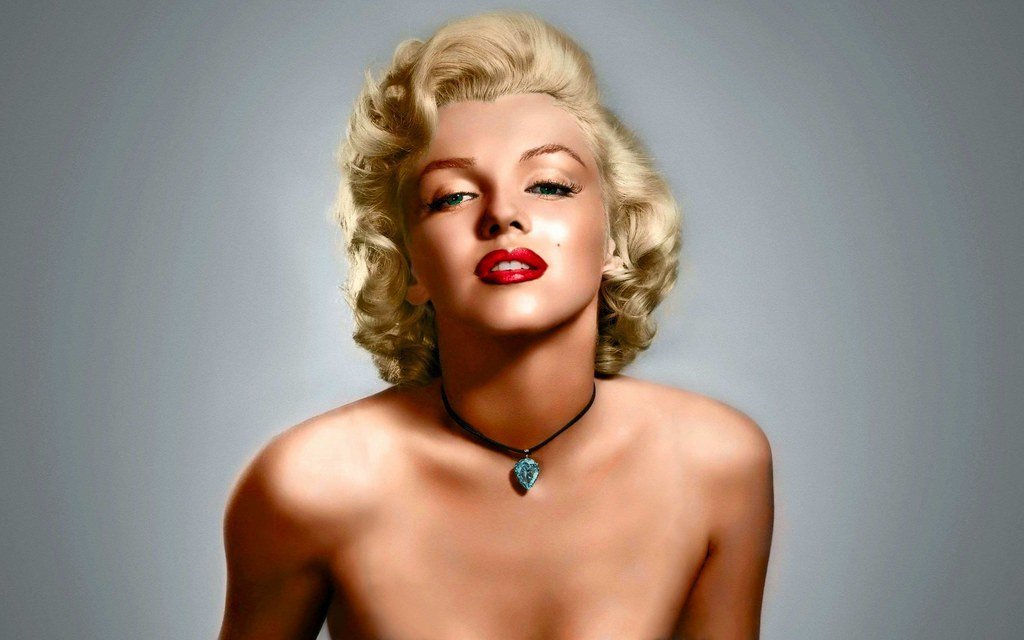
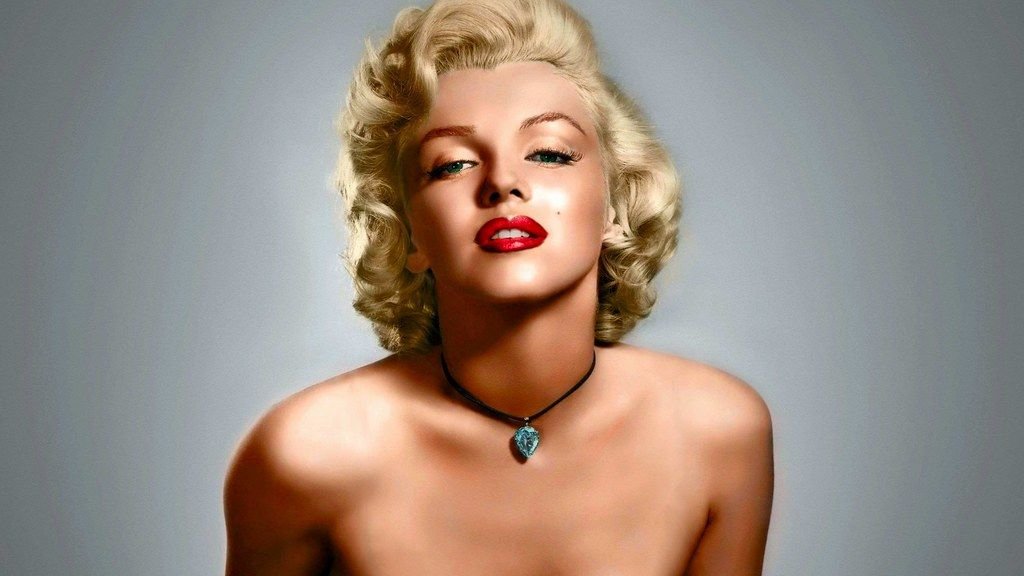
In the early 1960s, with the United States’ most dashing president in the White House, it was only a matter of time before Marilyn Monroe found her way to Washington. It began in February of 1962, when Monroe was invited to a dinner party held in Kennedy’s honor. This wasn’t the first time they’d met, and in their previous encounters, observers had noticed their flirtatiousness.
Monroe was a legendary blond bombshell, the pinnacle of Hollywood glamour and sexiness, and when she sang “Happy Birthday, Mr. President” in a slinky dress so stunning that Kim Kardashian later wore it to the Met Gala, tongues were set wagging. Some say that after Kennedy ended their rumored affair, Monroe went into a downward spiral that ended in her suicide. Others still insist her death wasn’t a suicide at all. The intersection of Hollywood glamour and political power has never looked more dangerous.
8. The Debbie Reynolds, Eddie Fisher, and Elizabeth Taylor Love Triangle
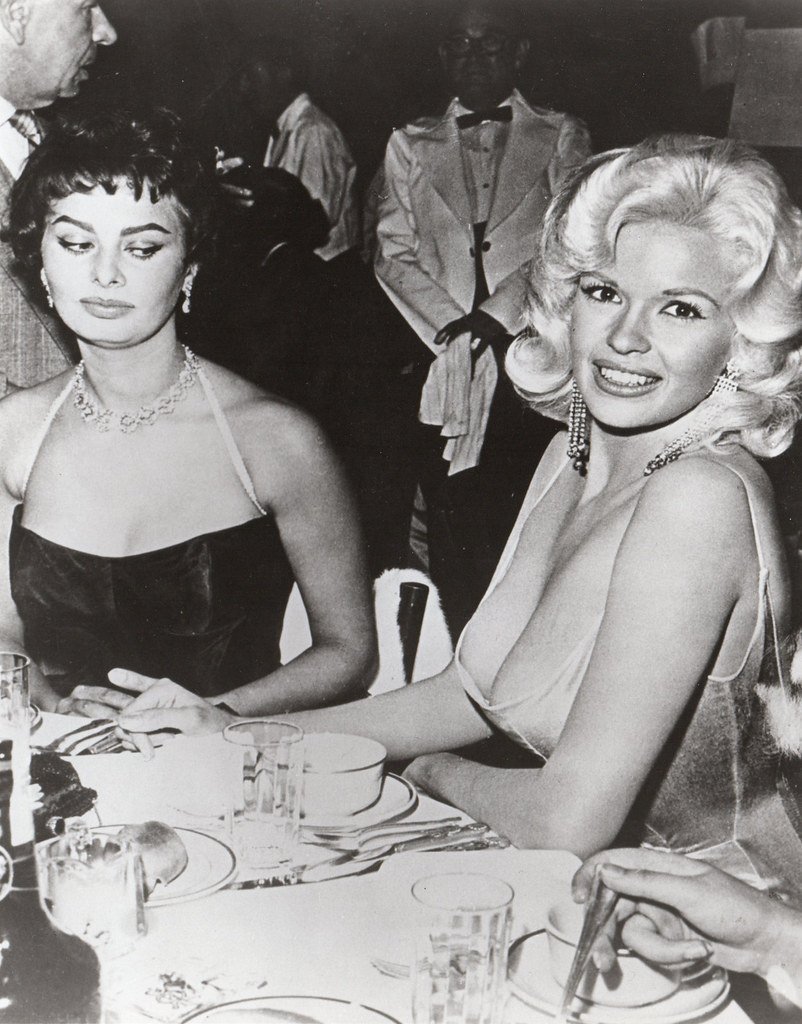
This is the scandal that split Hollywood into camps. After meeting at the MGM studio lot high school when they were 17, Hollywood legends Debbie Reynolds and Elizabeth Taylor quickly became friends and were inseparable. In 1955, Reynolds married crooner Eddie Fisher, and two years later, Taylor married her third husband, producer Mike Todd. The couples maintained a friendship until 1958, when Mike Todd tragically passed away in a private plane crash.
Fisher began comforting the recently widowed Taylor, and the pair fell in love. The stars were embroiled in a national scandal, with Reynolds being portrayed as the “good girl” who was left behind with two children, while Taylor was cast as the “bad girl.” The actors’ longstanding friendship was left in tatters and not repaired for several decades. Taylor and Fisher divorced in 1964 when she first fell in love with and married Cleopatra co-star Richard Burton.
9. The Sammy Davis Jr. and Kim Novak Interracial Relationship (1957)
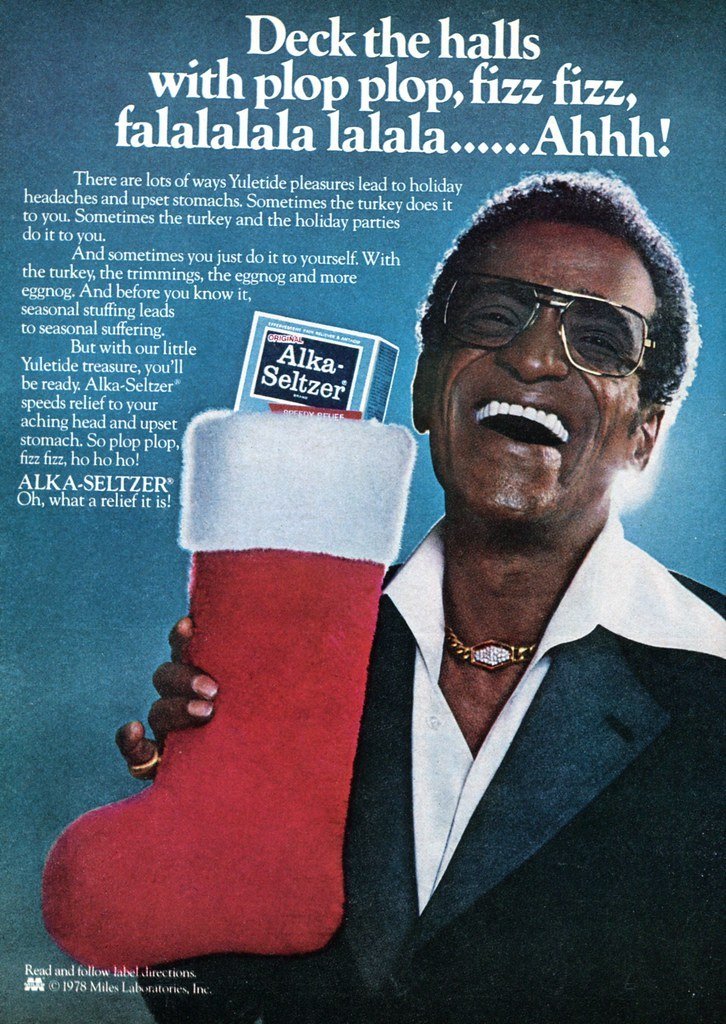
Let’s be real – this particular scandal says far more about 1950s America than it does about either person involved. In 1957, Sammy Davis Jr. was embroiled in a scandal that had to do with how openly racist Hollywood was at the time. Blind gossip items paired him with Kim Novak, the star of Alfred Hitchcock’s Vertigo, and the interracial relationship sent shockwaves through the studio system.
The backlash was swift and brutal. Studio executives reportedly intervened aggressively to break up the relationship, with some accounts suggesting that Davis was pressured or threatened into ending it. The episode exposed the iron grip that studio heads and industry figures had over the private lives of performers, regardless of their talent or status. It remains one of the most uncomfortable illustrations of institutionalized racism ever documented in American entertainment history.
10. Roman Polanski’s Conviction and Flight from Justice (1977)
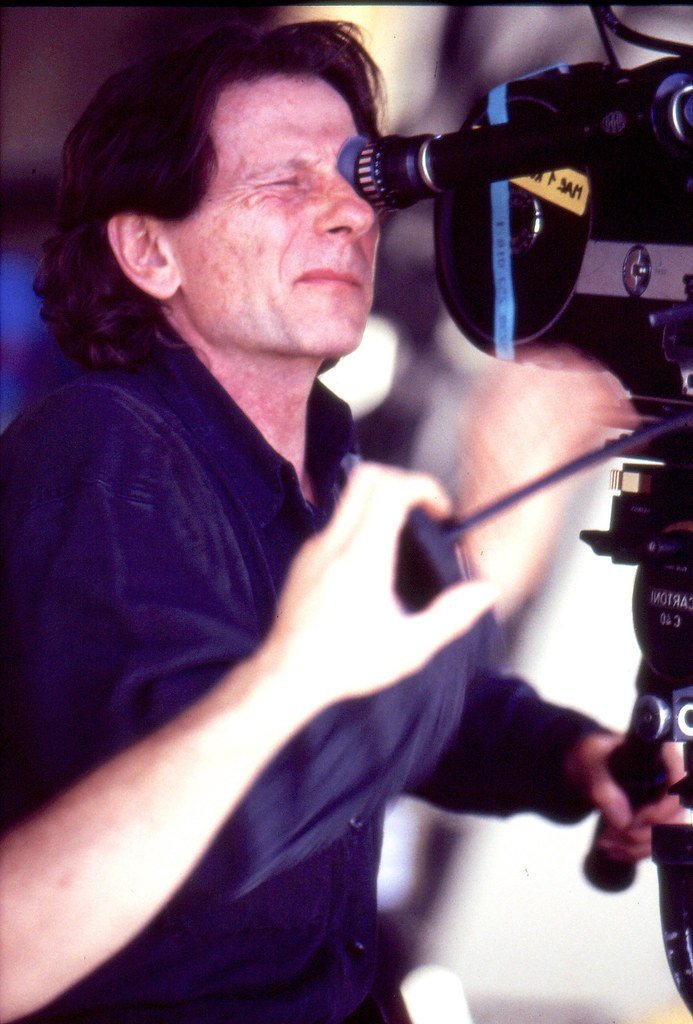
In 1977, Samantha Geimer, then 13 years old, accused director Roman Polanski of forcing her to have sex with him. Geimer stated that the director took her to the house of actor Jack Nicholson in Los Angeles, under the pretense of wanting her as a model for a photo shoot for Vogue magazine. Polanski was accused of sexual abuse of a minor, drug use, perversion and sodomy, but only convicted pursuant to a plea of unlawful sexual intercourse.
Polanski fled to Europe before his sentencing, after reportedly learning that the judge in the case would renege on a probation agreement and instead impose a jail sentence. Polanski settled in his native France, where his French nationality prevented him from being extradited to the United States. Despite the arrest, conviction, and fleeing from justice, Polanski still had a prolific film career. Academy voters went so far as to nominate and award him the 2003 Best Director Oscar for The Pianist. The industry’s treatment of this case remains one of the most debated and controversial chapters in Hollywood’s history.
11. The Mysterious Death of Natalie Wood (1981)
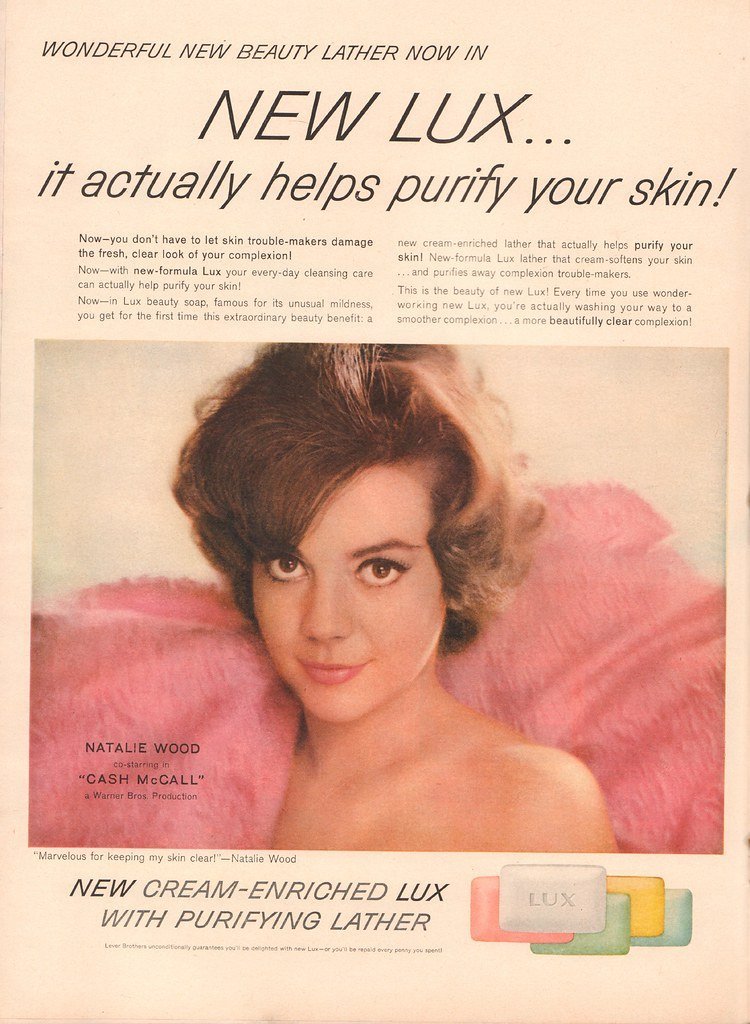
The 1981 death of Hollywood legend Natalie Wood is probably the greatest mystery and scandal of Tinseltown history. On a boat ride with actor and husband Robert Wagner – who she had married twice, in 1957 and 1972 – and fellow actor Christopher Walken, Wood drowned under very mysterious circumstances at the age of 43.
Somehow, no one has ever figured out exactly how she died, which is partly what makes it so memorable. Initially ruled as an accidental drowning, the case was reopened in 2011 after the boat captain alleged that Wagner was responsible, though no one was ever charged and the case went cold. Wood’s death certificate was amended in 2012, citing the cause as “drowning and other undetermined factors.” It’s hard to say for sure what happened that night, but the unanswered questions have never stopped haunting the public.
12. Joan Crawford and the Suppressed Early Film Scandal
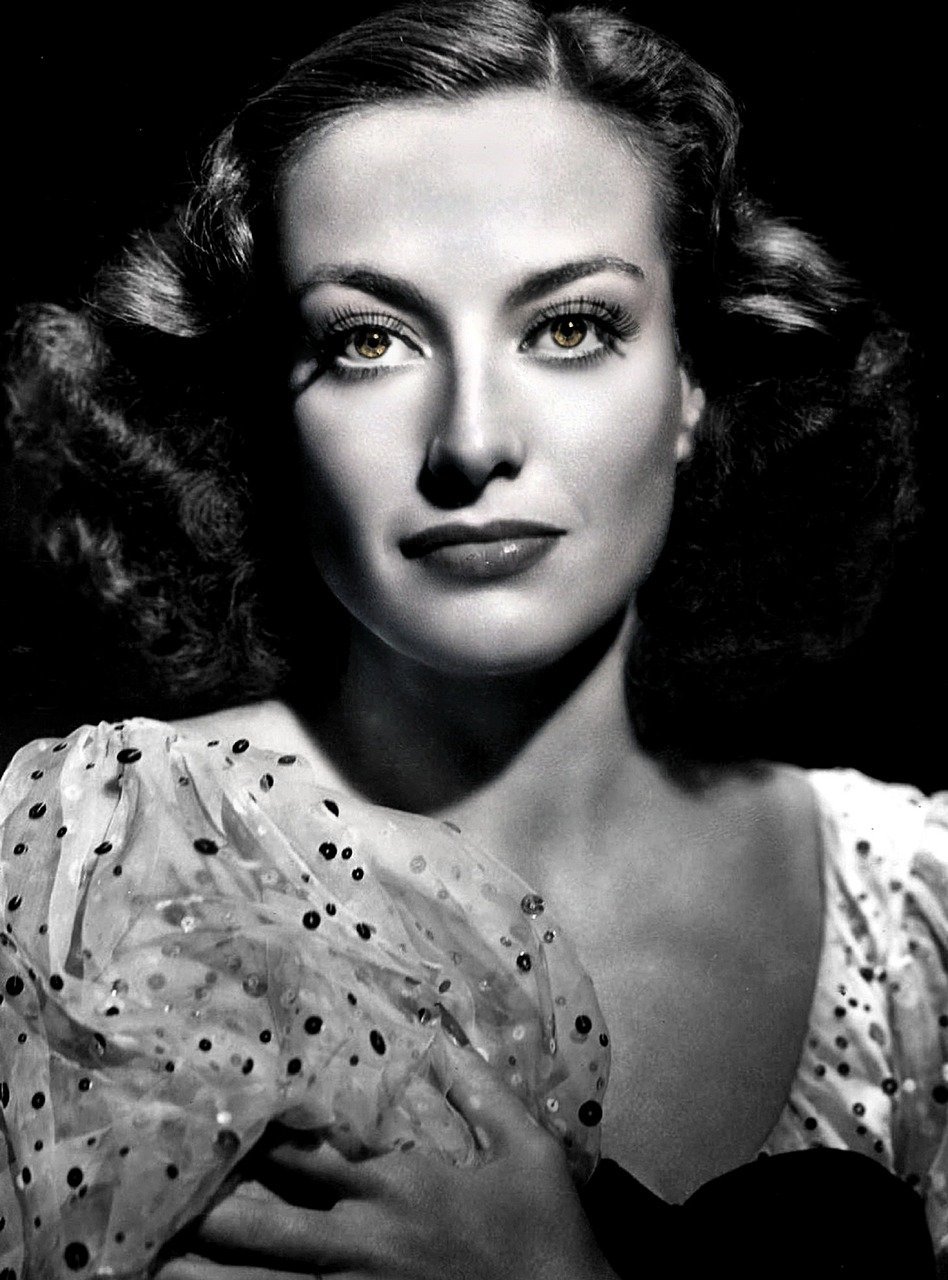
Joan Crawford was so invested in her own mythology that she never confirmed exactly what year she was born. When she made it big, somebody somewhere sensed a money-making opportunity, with testimony from her former husbands and the contents of FBI reports providing evidence that she’d made at least one film of a somewhat pornographic nature.
Lawyer J. Robert Rubin allegedly saw one of these films and denied it was her after she had been threatened with an exposé. MGM reportedly worked quietly behind the scenes to suppress and buy back this footage. It is a compelling early example of how the studio system functioned almost like an insurance company for its stars – protecting its investments at all costs. The Crawford case showed that even the most carefully constructed Hollywood image could crack under the right pressure.
13. The Orson Welles and William Randolph Hearst Feud
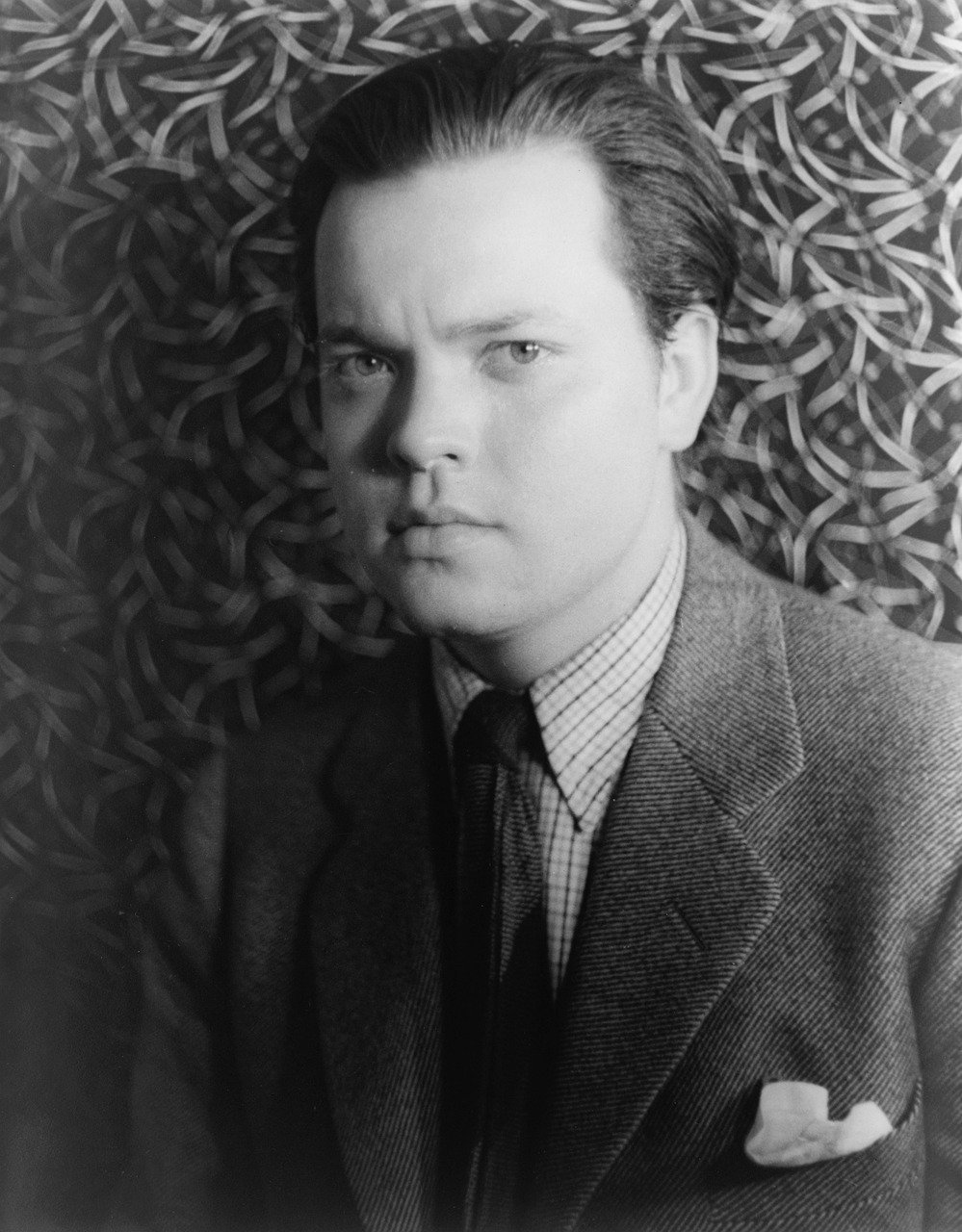
Film director, writer, actor, and producer Orson Welles and founder of Hearst Communications William Randolph Hearst feuded back in the 1940s to the point of blackmail. In 1941, Orson Welles produced, directed, and starred in the movie Citizen Kane, a movie about a media mogul born rich who went on to create a massive newspaper empire. It was a classic story about how corruptive too much power can be.
Hearst threatened to expose long-buried Hollywood scandals that were only kept quiet at the request of studios; he used Orson’s private life against him; he basically told everyone Orson was a communist; and he also had major theaters refusing to play Citizen Kane. At the 1942 Oscars, when Orson and the film were mentioned, he was booed. The movie was nominated for nine Academy Awards and only won Best Original Screenplay. After the display at the Academy Awards, RKO silently retired Citizen Kane into their vault. The movie wasn’t revived until almost 25 years later.
14. George Reeves: The Superman Mystery Death (1959)
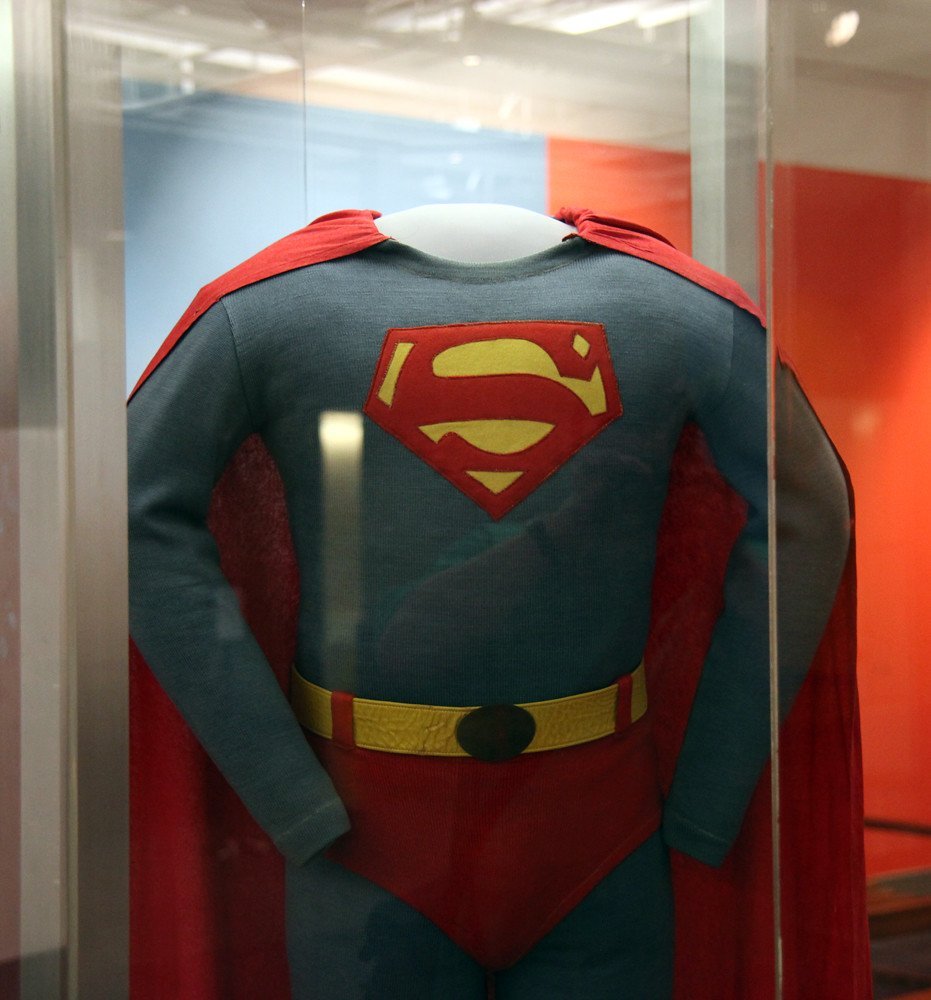
Superheroes don’t die, which made it all the more engrossing for the public when Superman actor George Reeves was discovered dead of a self-inflicted gunshot wound. The star’s suicide would have been gossipy enough on its own, but it was the rumours that emerged afterwards that made it such a talking point.
After hanging up his superhero cape, Reeves apparently struggled personally while looking for work. Many believed there was foul play, and some pointed fingers at his fiancée, Leonore Lemmon. Lemmon and her guests reportedly waited 45 minutes before calling the cops after hearing the gunshot. Another theory is that Hollywood bigwig Eddie Mannix ordered a hit on Reeves, who allegedly had an affair with his wife. With no fingerprints on the weapon, this mystery remains unsolved. The death of a man once beloved as an American superhero carries an almost unbearable irony.
15. The Walter Wanger Shooting of Jennings Lang (1951)
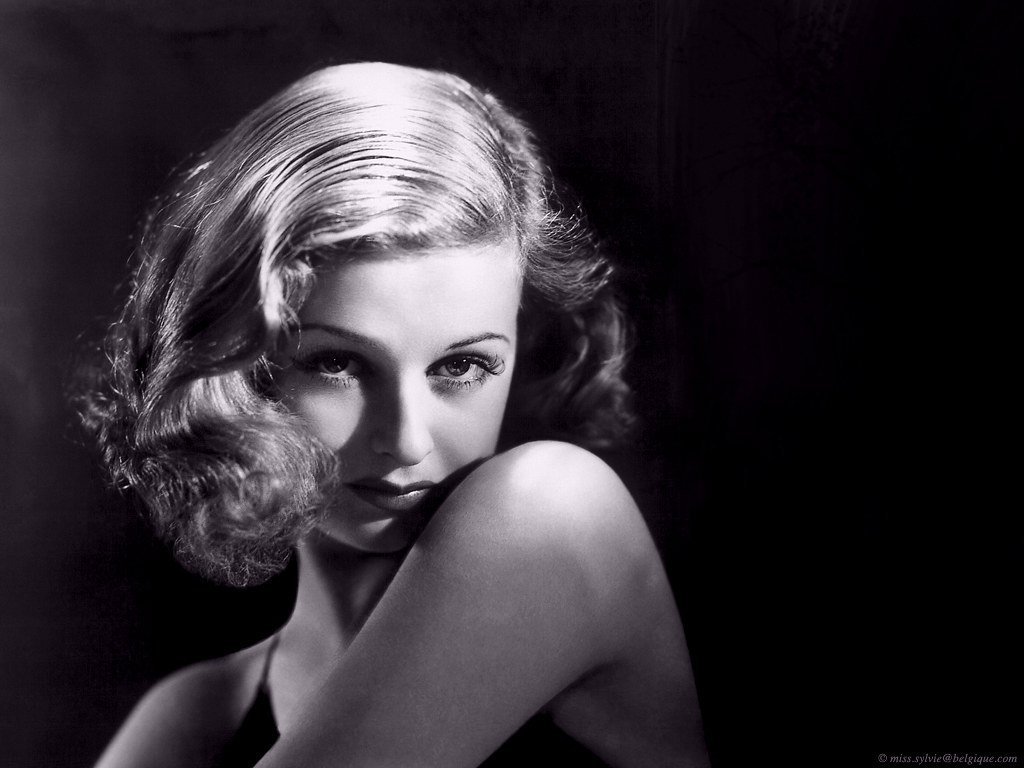
Actress Joan Bennett starred in 1933’s Little Women alongside Katharine Hepburn and married the film’s producer, Walter Wanger. In 1951, Bennett found herself at the center of a scandal after Wanger witnessed her chatting to her long-time agent, Jennings Lang. Overcome with jealousy, Wanger reportedly started firing a gun at Lang’s groin. Lang recovered in the hospital, Wanger served four months in jail, and Bennett’s career took a nosedive.
It sounds like a scene from a screwball comedy, but the consequences were devastatingly real. Bennett, who had done nothing wrong, watched her career effectively collapse while Wanger served a relatively short sentence and eventually resumed his producing work. The double standard was glaring and painful. This scandal is not as widely remembered as some of the others on this list, but in many ways it captures everything that was wrong with the Golden Age power structure in one shocking, bizarre moment.
A Lasting Shadow Over the Silver Screen
Looking back at these fifteen scandals, a clear picture emerges – one that is far more complicated than the polished, glamorous mythology Hollywood once sold to the world. The incidents marked turning points in how the private lives of celebrities were portrayed in the media, influencing future practices in journalism and the entertainment industry. The patterns repeat themselves across decades: the silencing of victims, the protection of the powerful, and the public’s insatiable appetite for drama involving those they had once idolized.
What is perhaps most striking, looking at all of this from 2026, is how many of these stories directly foreshadowed the seismic cultural reckonings of more recent years. In October 2017, the issue gained extensive media coverage after producer Harvey Weinstein was accused of sexually abusing more than 80 women. The accusations led to dozens of men and women publicly denouncing sexual aggressions, in what became known as the MeToo movement. The seeds of that reckoning were planted in hotel rooms and studio lots a century ago.
Hollywood’s scandals are not just gossip. They are a mirror. They reflect the values, prejudices, and power structures of each era they emerge from. The fact that we still talk about Arbuckle, Chaplin, Monroe, and Polanski is proof that these stories mattered – and still do. What do you think: does knowing about these scandals change how you watch classic Hollywood films? Drop your thoughts in the comments.

Christian Wiedeck, all the way from Germany, loves music festivals, especially in the USA. His articles bring the excitement of these events to readers worldwide.
For any feedback please reach out to info@festivalinside.com
