
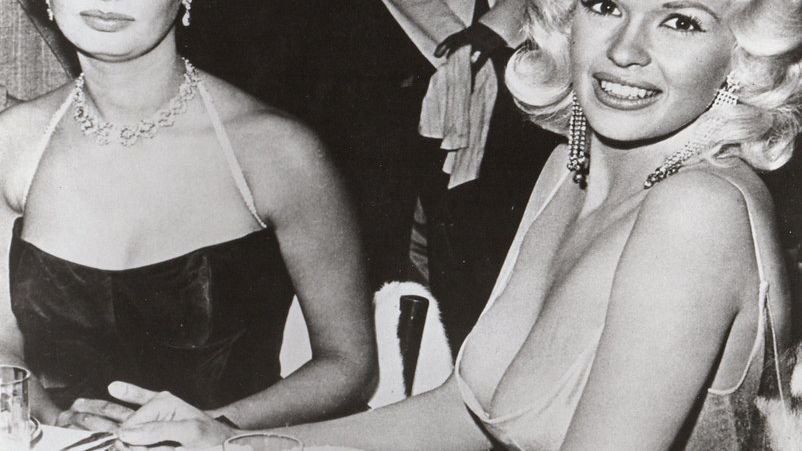

Hollywood has always sold one thing above everything else: a dream. Glittering lights, polished smiles, and stories carefully crafted to make audiences believe that the people on screen were somehow more than human. Studios invested enormous energy into constructing those myths, employing entire departments devoted to nothing but image control.
Honestly, what makes the golden era so endlessly fascinating is the collision between that manufactured perfection and the chaotic, messy reality lurking just behind the studio gates. Classic Hollywood may have looked polished in old photos, but the reality behind studio gates was often messy, complicated, and far more public than people expected. Gossip columns, courtroom headlines, and whispered rumors could spread fast, shaping careers long before modern tabloids and social media existed. These are the 15 scandals that cracked the facade wide open. Let’s dive in.
1. The Fatty Arbuckle Affair: Hollywood’s Original Trial of the Century
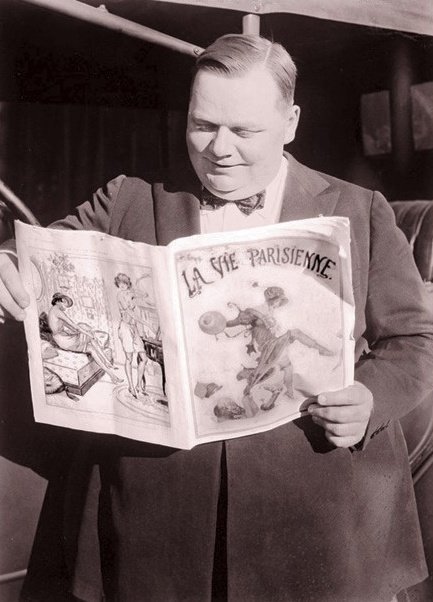
In 1921, Roscoe “Fatty” Arbuckle was one of the world’s most famous film stars and the top actor at Paramount Pictures. That summer, his new contract promised him an annual salary of one million dollars, making him the highest paid film star in the history of cinema at the time. In other words, he had everything. Then, in a matter of days, he had nothing.
On September 9, 1921, a young actress named Virginia Rappe died of a ruptured urinary bladder, days after a Labor Day party where she alleged that Arbuckle had assaulted her. Arbuckle was the defendant in three widely publicized trials between November 1921 and April 1922. The first two resulted in hung juries, but the third trial acquitted him, with the jury taking the unusual step of giving him a written statement of apology for his treatment by the justice system. Still, the damage was done. As a result of the scandal, the White House established the Hays Office as the movie industry’s moral arbiter and censor. One man’s ruin reshaped an entire industry.
2. The Murder of William Desmond Taylor: A Mystery That Never Died
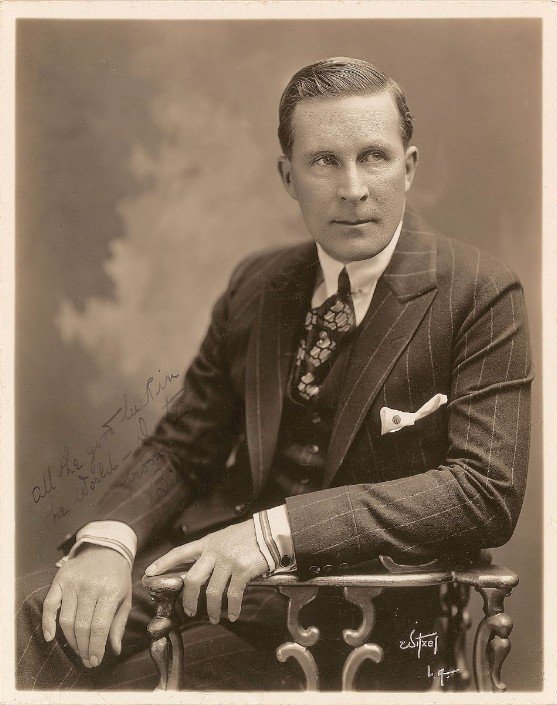
Director William Desmond Taylor was found shot dead in his Los Angeles home in 1922, creating one of Hollywood’s greatest mysteries. Actress Mabel Normand was the last known person to see him alive, and suspicion fell on several people. Police never solved the case, but the scandal wrecked careers and reputations. Normand’s career plummeted despite no evidence linking her to the crime.
The prolific silent film director was found dead at his Los Angeles apartment on February 2nd, 1922. Strangeness occurred almost immediately, when someone identifying themselves as a doctor suddenly appeared from the crowd and pronounced Taylor’s death due to a stomach hemorrhage, despite the bullet hole that would soon be found on the director’s back. There was clearly foul play, with a laundry list of well-known Hollywood types all with potential motives to kill Taylor. Yet, thanks to alleged corruption and crime-scene disruption, the case was never solved. A century later, it still hasn’t been.
3. Charlie Chaplin and His Underage Marriages: A Dark Side to a Comic Genius
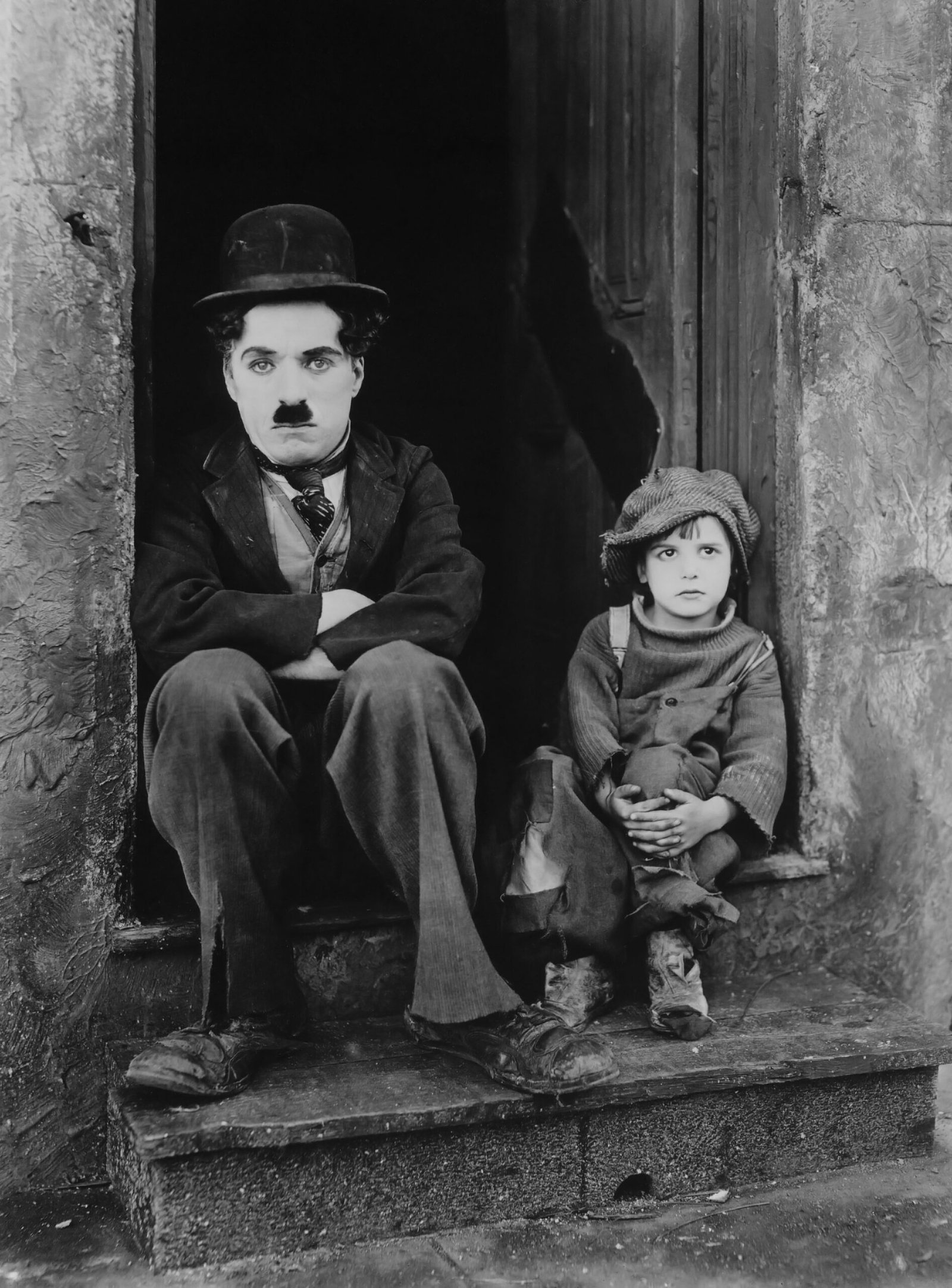
History remembers Charlie Chaplin as one of the most influential figures in Hollywood history, but his split from his second wife Lita Grey opened the doors to his reputation being torn to shreds in front of the entire world. The actor and filmmaker had married his first two wives when they were only 16 years old, and in the case of the latter, the nuptials were rushed through when she claimed to be pregnant. The whole thing was staggering even by the loose moral standards of the era.
When they headed to the courtroom to finalize their divorce, the public was presented with the image of Chaplin as a terrible husband, absent father, abuser, and rampant womanizer with a penchant for teenage girls. Grey ended up with an $800,000 settlement, the largest in American history at the time, while his persona as a popular star had been forever tarnished. In the early 1950s, the actor moved to Switzerland after the U.S. denied him re-entry over his political beliefs. The fall from grace was as complete as any Hollywood has ever seen.
4. The Death of Olive Thomas: A Silent Era Tragedy Wrapped in Mystery
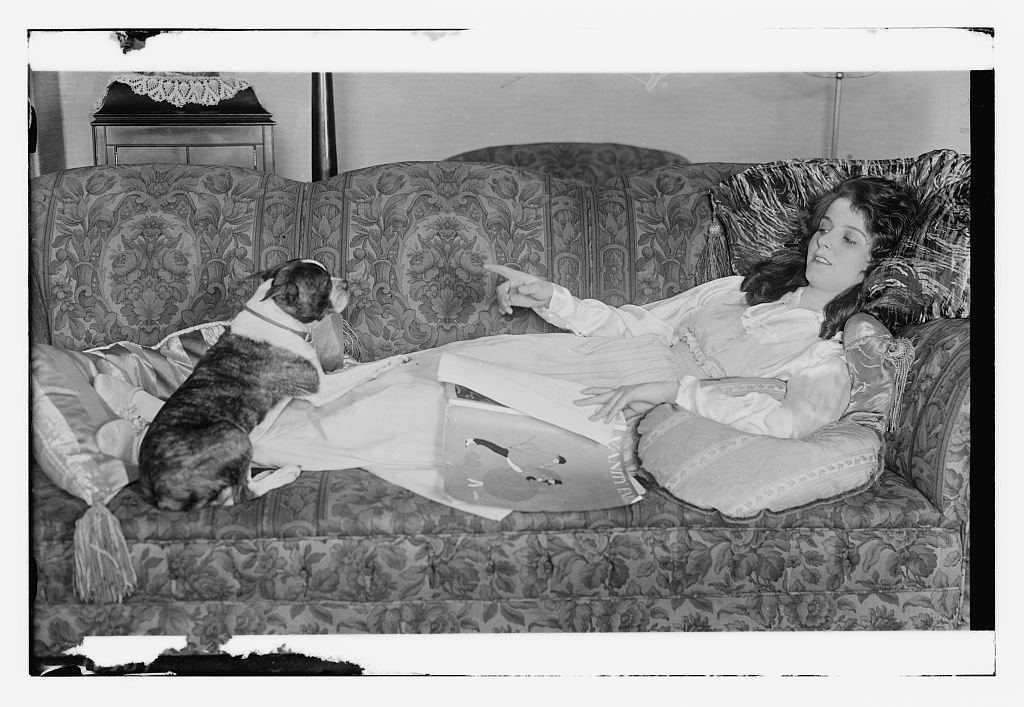
Silent film star Olive Thomas died in Paris in 1920 after swallowing mercury bichloride, a poison used for medical purposes. Whether it was accident or something darker became the subject of wild speculation. Her glamorous image clashed with the tragic circumstances, fueling endless tabloid stories. Fans mourned the beautiful actress while gossip columnists filled pages with scandalous theories about her final moments.
Thomas had been one of the most photographed women in America, the ideal of Jazz Age beauty. Her death at just 25 years old was shocking on its own terms. The swirling rumors about her private life, including her husband Jack Pickford’s alleged connections to drug trafficking, ensured that the story never quietly faded. It was an early lesson in how Hollywood’s brightest lights could burn out in the most disturbing ways imaginable.
5. Wallace Reid’s Morphine Addiction: When Studios Created Their Own Monsters
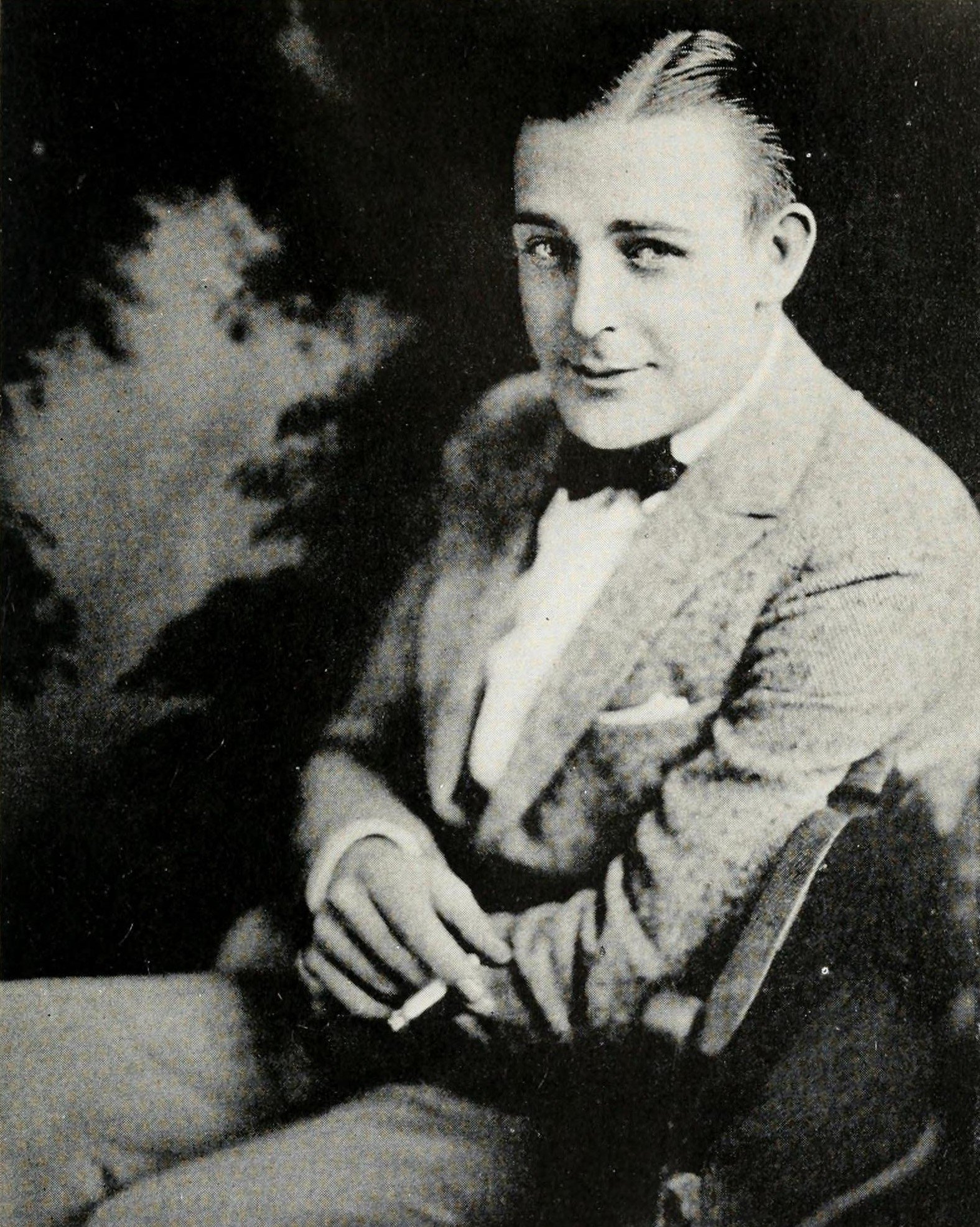
Matinee idol Wallace Reid became addicted to morphine after a film set injury in the early 1920s. Studios kept supplying him to maintain their profitable star, but his health collapsed publicly. Here’s the thing that makes this scandal different from most: the studio itself was complicit. He wasn’t a cautionary tale of personal failure. He was a man deliberately kept hooked so he could keep working.
Reid died in 1923 at just 31 years old, his body ravaged by addiction. His wife Dorothy Davenport turned his death into an anti-drug film called “Human Wreckage,” one of the first serious attempts to address substance abuse in American popular culture. The whole story laid bare a brutal truth: studios viewed stars as assets, not people, and they would sacrifice a man’s life before they’d sacrifice a box office return. I think that’s the most chilling detail of all.
6. The Ingrid Bergman Exile: America Turns on Its Sweetheart

Swedish actress Ingrid Bergman left her husband for Italian director Roberto Rossellini in 1949, creating international outrage. She became pregnant before her divorce was finalized, which scandalized conservative America. Politicians condemned her on the Senate floor, calling her a powerful influence for evil. Studios blacklisted her, and she was exiled from Hollywood for years before eventually making a triumphant comeback that restored her career.
She and Rossellini had a child, actor Isabella Rossellini, out of wedlock, to the horror of conservative, postwar American society. What strikes me about this one is the sheer scale of the overreaction. Here was a woman who fell in love, and the United States Senate felt the need to weigh in. It tells you everything about how celebrities were treated as public property in that era. Bergman returned triumphantly years later, winning the Academy Award for Best Actress, which felt like a small but meaningful measure of justice.
7. Errol Flynn’s Statutory Rape Trial: Scandal That Somehow Spared a Career
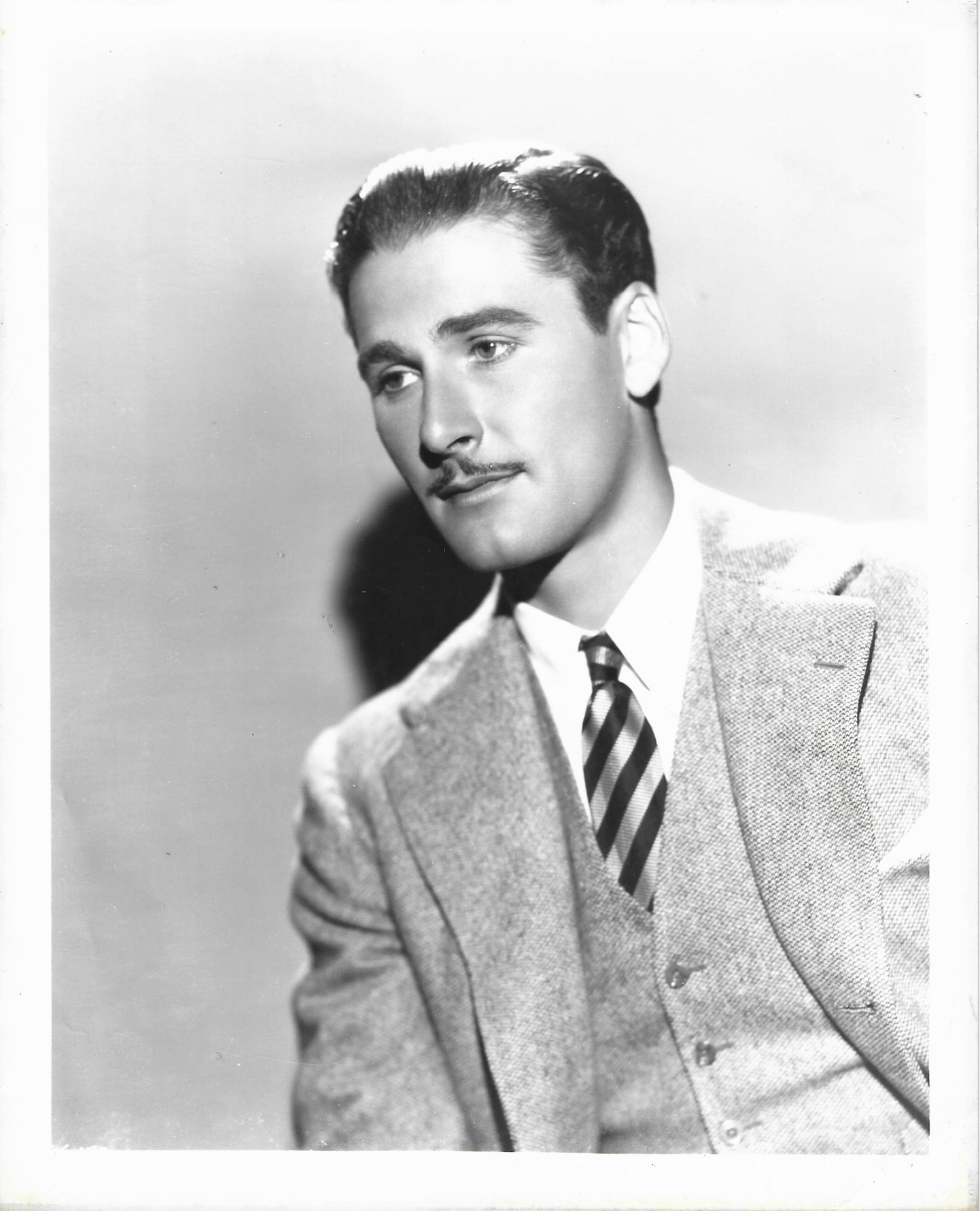
In 1943, Errol Flynn, one of the biggest Hollywood stars of the late 1930s and early 1940s, best known for roles in swashbuckling pictures like Robin Hood and Captain Blood, stood trial for statutory rape. Flynn was accused of sleeping with two 17-year-old girls. He denied the charges, and his lawyers worked hard to turn the jury against the accusers.
The scandal did little to stop Flynn’s appetite for younger women. At the courthouse during the trial, he even met a 19-year-old he married. It’s hard to say for sure how something like this was accepted so broadly, but it reveals how profoundly different the standards were, and how studios could successfully spin almost anything. Flynn’s acquittal became a dark cautionary tale about power, celebrity, and who gets believed in a courtroom. The phrase “in like Flynn,” which was slang for easy success, took on a deeply uncomfortable meaning after that.
8. MGM and the Forced Abortions Scandal: The Industry’s Darkest Secret
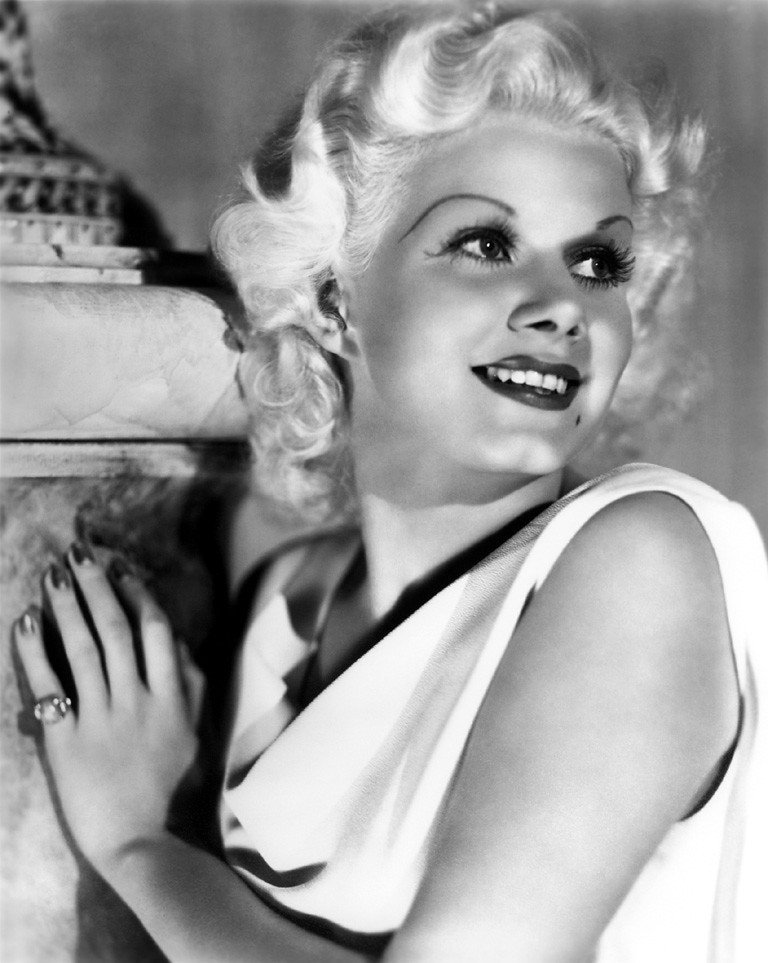
In old Hollywood, the studios controlled the lives of actors, and they strongly believed a bombshell couldn’t get married or, most especially, pregnant. When Jean Harlow became pregnant during an affair with William Powell, the studio arranged for her to enter a hospital under a pseudonym to “get some rest.” Bette Davis, Joan Crawford, Judy Garland, Tallulah Bankhead, Jeanette McDonald, Lana Turner, and Dorothy Dandridge all had abortions arranged by the studios, often against their wishes.
Ava Gardner wrote in her 1990 autobiography that MGM had “all sorts of penalty clauses about their stars having babies.” This procedure was not yet legal to the average American woman, yet film studios readily used them to control their female stars. In some cases, studios apparently also added clauses giving them the right to decide when or even whether their stars could marry. Let’s be real: this wasn’t Hollywood gossip. This was institutional abuse on an enormous scale, and it operated in plain sight for decades.
9. Judy Garland and MGM’s Pill Regime: Childhood Stardom at a Devastating Price
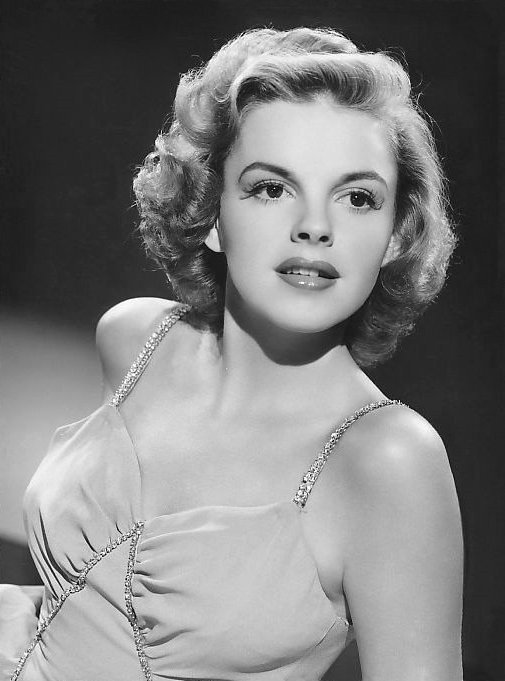
Same photo published in ad on page 138 of Billboard 1944 Music Yearbook, without copyright notice specific to ad (and hence PD-no-notice)., Public domain)
Judy Garland appeared in dozens of movies for MGM. Back then, child labor laws weren’t really adhered to. Instead, the studio forced her to take “pep pills” to keep her energized during long shoots, which were also used to control her weight. While filming “The Wizard of Oz,” various studio executives would body shame the actress, driving her further toward a reliance on these substances.
Garland won a special Academy Award for her performance as Dorothy Gale and was launched into stardom, becoming her generation’s “girl next door.” But at what cost? Think about that. A child was drugged, humiliated, and worked to exhaustion to produce one of the most beloved films in cinema history. Garland spent her adult life battling the addiction that the studio created in her. She died in 1969 at just 47 years old. The scandal isn’t simply what happened to her. It’s that everyone knew, and no one stopped it.
10. Joan Crawford’s Secret Past: The Studio That Buried Its Own Star’s History
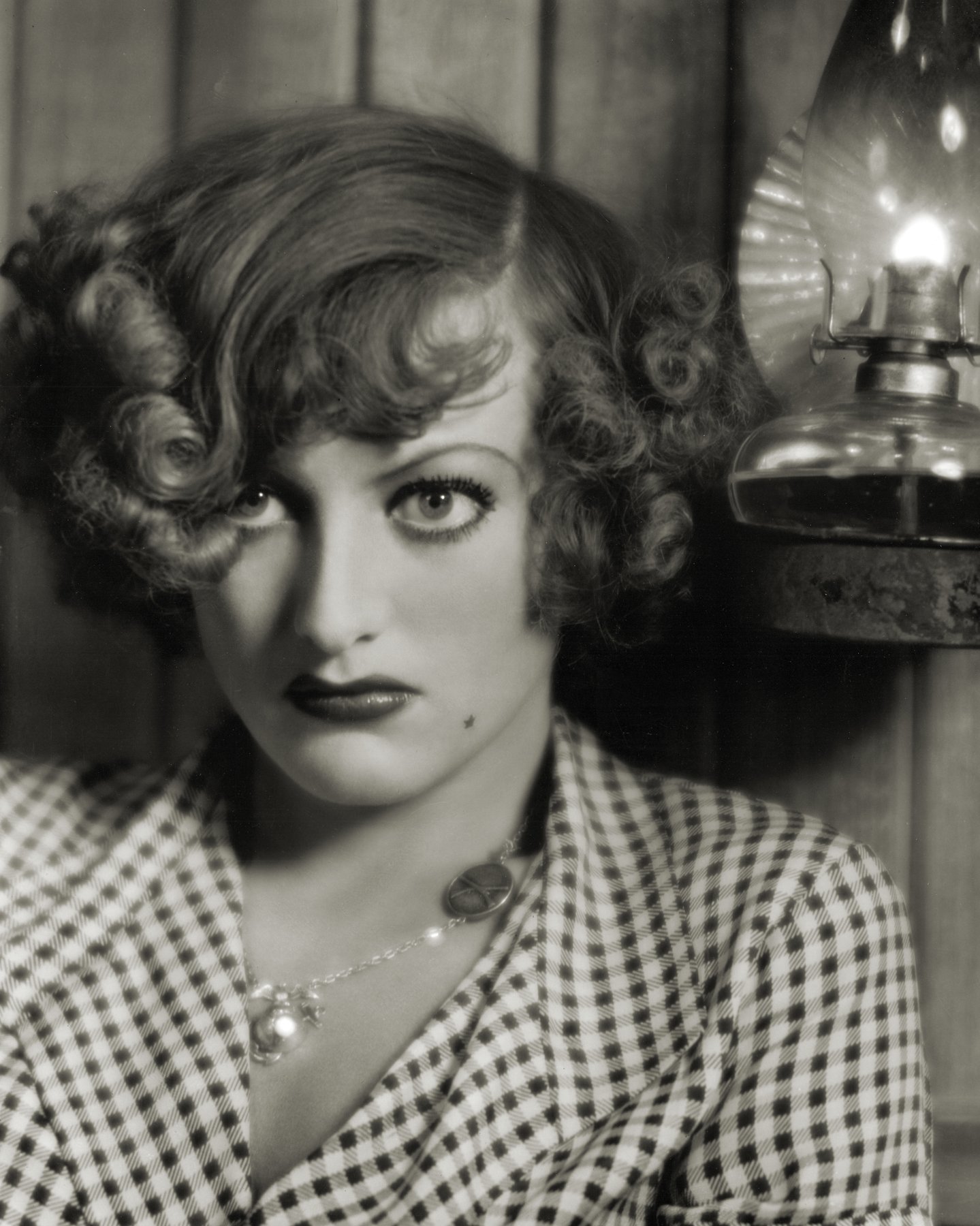
Before she became a movie star, Joan Crawford appeared in at least one pornographic film. As the story goes, MGM spent years, and hundreds of thousands of dollars, tracking the movie down and destroying it. Crawford was one of MGM’s biggest stars, so when studio brass found out she starred in pornographic short Velvet Lips as a teenager, probably while underage, the gloves were off.
When Crawford left MGM in 1943, she paid the studio $50,000, an unusual move. Many historians believe she paid the studio back for acquiring and destroying the negatives to Velvet Lips. It’s a staggering story when you think about it. An entire corporate machine was deployed to erase a young woman’s past, and the woman herself ended up footing the bill. Crawford went on to become one of Hollywood’s most enduring icons, but the machinery of her reinvention was as ruthless as anything on screen.
11. The Clark Gable and Loretta Young Cover-Up: A Child Kept Secret for Years
While filming the 1935 flick “Call of the Wild,” Gable’s co-star Loretta Young became pregnant, reportedly with his child. However, Gable was married at the time, and Young worried that if the studio found out, they’d force her to terminate and ruin both their careers. Young disappeared for a while and kept the baby hidden for about 19 months, eventually claiming to have adopted the child. However, the infant shared her father’s features, and Young even had her daughter’s ears surgically pinned back to hide the likeness.
Years later, Young’s daughter-in-law Linda Lewis shared that a 1998 episode of “Larry King Live” led Young to understand that her child had been conceived during a non-consensual interaction. That detail reframes everything. A story that was already remarkable for its elaborate cover-up became something far darker in its final telling. It’s a reminder that the real consequences of studio-era scandals weren’t always felt immediately. Sometimes they took decades to fully surface.
12. The Death of Thelma Todd: Carbon Monoxide, Conspiracy, and No Answers
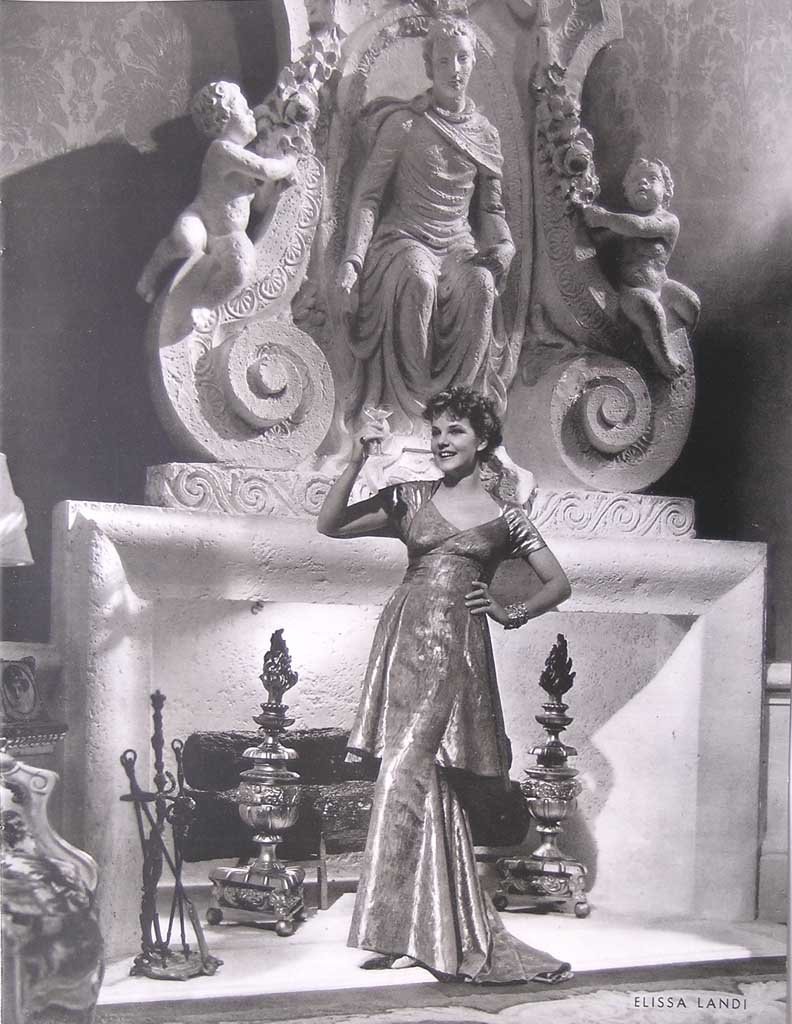
Known as the “Ice Cream Blonde,” Thelma Todd was beloved for her comedic roles alongside the Marx Brothers in Horse Feathers and Monkey Business, as well as several other successful comedies. The actress was found dead in her automobile on December 16, 1935, at age 29, from carbon monoxide poisoning after attending a party. To this day, the circumstances surrounding her death still remain a mystery.
Although her death was determined to be either accidental or a result of suicide, she had bruises around her throat, a broken nose, and cracked ribs. Conspiracists point to the fact that on the night of her death, she attended a party in Hollywood where she was observed having an unpleasant exchange with her ex-husband, Pat DiCicco. The ambiguity fueled tabloid obsession and persistent conspiracy theories. A broken nose and cracked ribs don’t exactly suggest a peaceful night alone in a car. The case was never conclusively resolved, and in many ways it became a template for how Hollywood would handle uncomfortable deaths: quietly, quickly, and incompletely.
13. Lana Turner and Johnny Stompanato: Glamour Meets the Mob
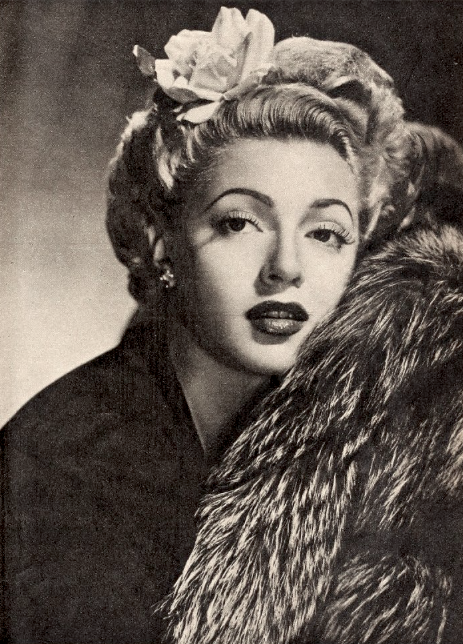
Although the passionate affair between hoodlum Johnny Stompanato and screen goddess Lana Turner had virtually finished, Stompanato burst into the star’s Beverly Hills home on Good Friday in 1958 demanding that she pay his gambling debts. When Stompanato threatened to slash Turner with a razor blade, her fourteen-year-old daughter Cheryl used a kitchen butcher knife to stab him in the stomach, wounding him fatally. At the ensuing inquest, Turner’s emotional testimony led to her daughter’s exoneration, with the coroner’s jury ruling the death justifiable homicide in protection of her mother.
With near-legendary status in the annals of Hollywood crime stories, the murder not only shocked and disillusioned the 1950s public by disclosing the less-than-ideal private life of a glamorous movie queen, but also revealed in a more general way an unexpected relationship between the underworld of organized crime and Hollywood’s elite. In the intervening years, Stompanato’s homicide has been the subject of conspiracy theories that Turner had in fact stabbed him, and that Crane had taken the blame to protect her mother, though Crane has denied this. The truth, it seems, remains somewhere between the script and the courtroom floor.
14. The Death of Marilyn Monroe: An Unsolved Mystery for the Ages
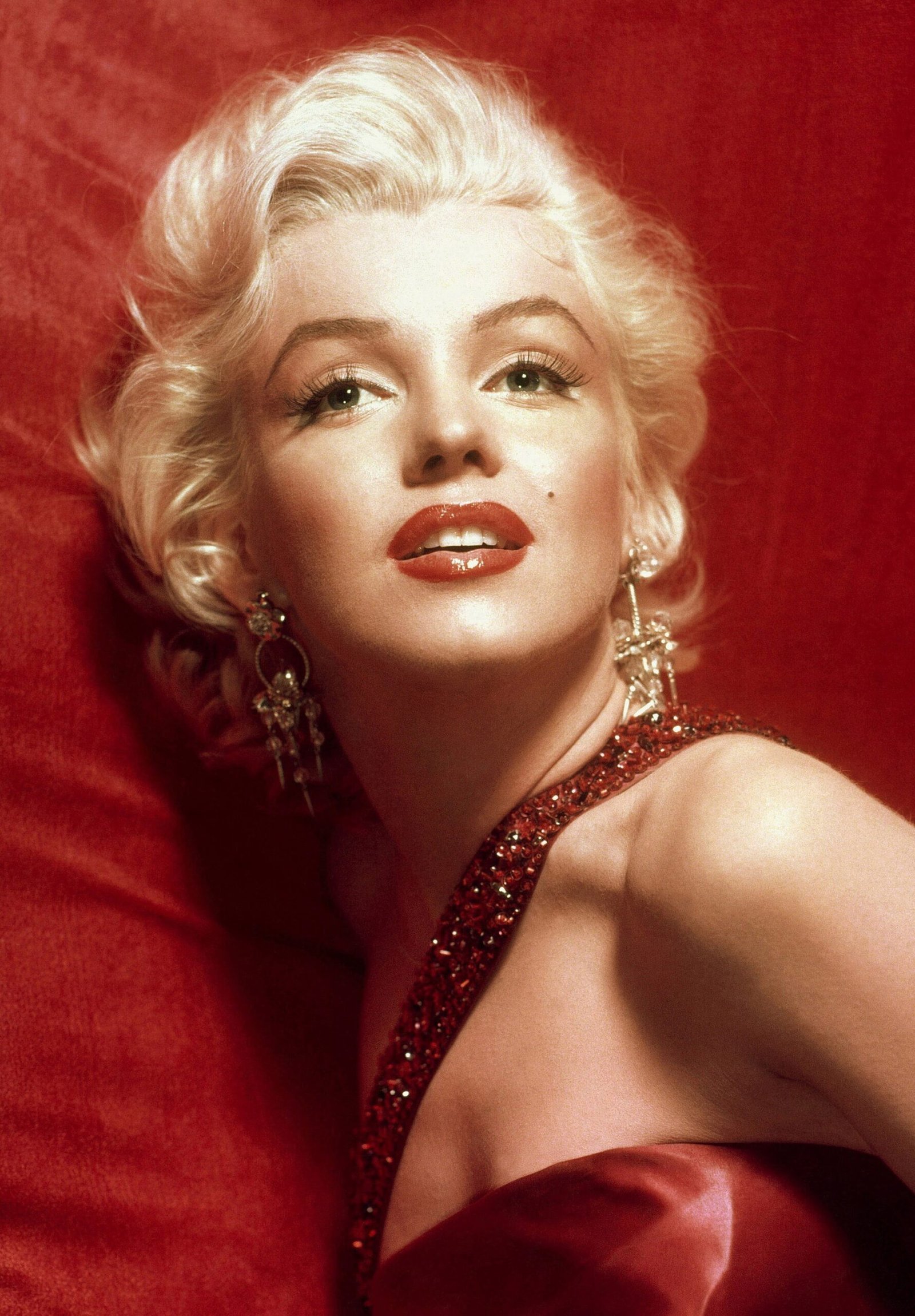
On August 5, 1962, Marilyn Monroe was found dead in her Brentwood, Los Angeles home. The official cause was “acute barbiturate poisoning” and a ruling of probable suicide. Empty pill bottles were discovered by her bedside, and her personal struggles with depression, anxiety, and insomnia were well-documented.
Although her demise has officially been attributed to self-destruction, conspiracy theories continue to swirl around Monroe’s barbiturate overdose on the evening of August 4th, 1962. Monroe’s private life was the subject of equal speculation, particularly her romantic involvements, mental health struggles, and issues with substance dependency. Everyone from organized crime to the FBI has been accused at one point or another of having some sort of hand in Monroe’s death. Any cover-up, some researchers suspect, was due to her connection with the Kennedy brothers. Decades of investigations have yielded no definitive answers. Monroe’s death remains perhaps the single most debated moment in all of celebrity history.
15. The Orson Welles and William Randolph Hearst Feud: When Power Tried to Erase a Masterpiece
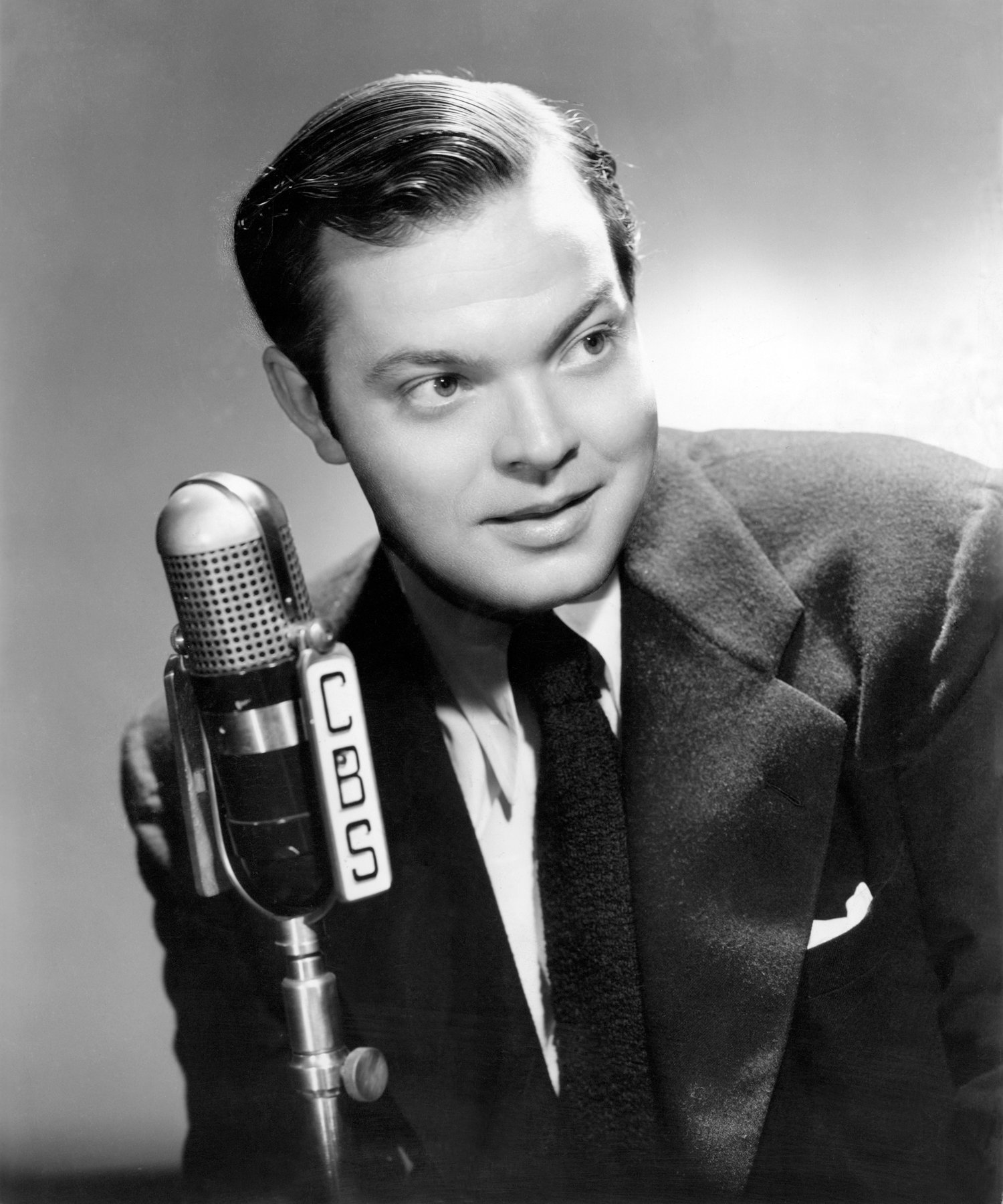
Film director, writer, actor, and producer Orson Welles and founder of Hearst Communications William Randolph Hearst feuded back in the 1940s to the point of blackmail. In 1941, Welles produced, directed, and starred in “Citizen Kane,” a movie about a media mogul born rich who went on to create a massive newspaper empire. It was a classic story about how corruptive too much power can be.
Hearst threatened to expose long-buried Hollywood scandals that were only kept quiet at the request of studios, used Welles’ private life against him, basically told everyone Welles was a communist and unwilling to fight for his country, and also had major theaters refusing to play Citizen Kane. At the 1942 Oscars, when Welles and the film were mentioned, he was booed. The movie was nominated for nine Academy Awards and only won Best Original Screenplay. After the horrible display at the Academy Awards, RKO silently retired Citizen Kane into their vault, and the movie wasn’t revived until almost 25 years later. It is a sobering reminder that even artistic genius was not immune to the reach of a powerful man’s rage.
Conclusion: The Mirror Behind the Curtain
Looking back at these 15 scandals, the thing that strikes me most isn’t the drama itself. It’s how much the industry worked to contain, suppress, and spin every single one of them. Many of these secret old Hollywood scandals were swept under the rug when they happened and sealed in airtight boxes for several subsequent generations in an attempt to erase them from history. In other cases, the public got wind, and then, not soon thereafter, simply forgot. But as the years have passed, many of these secrets and cover-ups have been revealed, showing a darker side to the studios and stars of old Hollywood.
What has truly changed in the century since Arbuckle’s trial? Social media has made the spread of scandal instantaneous, but the underlying mechanics remain eerily similar: power protects itself, image wars with reality, and the public consumes it all. Celebrity culture has simply inherited the same hunger that drove audiences to devour tabloid headlines in 1921. The glitter has changed. The darkness beneath it hasn’t.
Which of these 15 scandals surprised you the most? What do you think about the role studios played in both creating and covering up these moments? Tell us in the comments.

Besides founding Festivaltopia, Luca is the co founder of trib, an art and fashion collectiv you find on several regional events and online. Also he is part of the management board at HORiZONTE, a group travel provider in Germany.
