

- 10 Most Romantic Glamping Getaways In America - April 4, 2026
- These 12 Musical Genres Defined Generations, But Are Now Rarely Heard - April 4, 2026
- These 8 Abandoned Historical Sites Hold More Secrets Than Modern Cities. - April 4, 2026
Some books are pleasant company for an afternoon. Others arrive quietly, sit down beside you, and rearrange the furniture of your mind. This is a list of the second kind. These are books that readers describe with a specific vocabulary: “before” and “after.” Before I read it. After I read it. The world felt different.
Across fiction and nonfiction, from Holocaust memoirs to dystopian futures, from the deep psychology of human decision-making to the long arc of civilization itself, these fifteen titles share one quality. They refuse to let you stay the same. Whether you’re a lifelong reader or just getting started, be prepared. Let’s dive in.
1. Sapiens: A Brief History of Humankind – Yuval Noah Harari
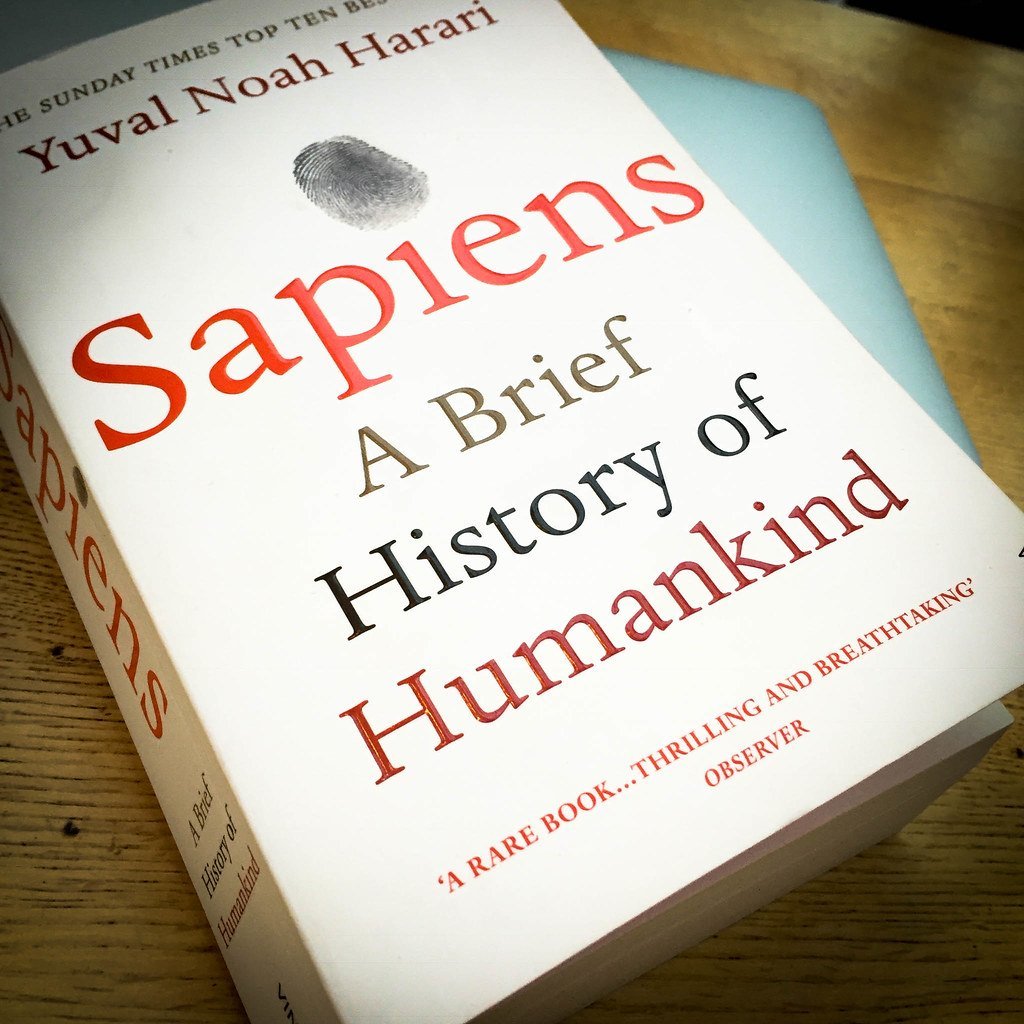
There are few books that attempt to explain the entire story of humanity in a single volume. Sapiens is a brilliant, thought-provoking odyssey through human history, painting enormous scenarios across time with huge, confident brush strokes. Dr. Harari breaks the mold with an approach that begins about 70,000 years ago with the appearance of modern cognition, integrating history and science to reconsider accepted narratives and connect past developments with contemporary concerns.
Originally published in Hebrew in 2011, Sapiens was then released in English in 2014 and has since been translated into some 45 languages. Recommending it on CNN in 2016, President Barack Obama said that Sapiens gave him “a sense of perspective” on our extraordinary civilization. Honestly, not everyone agrees with Harari’s sweeping conclusions. Sapiens has sparked debate among critics for its speculative arguments and perceived lack of scientific rigor. Still, whether you accept every claim or argue with every page, no reader finishes it the same way they started.
2. Man’s Search for Meaning – Viktor E. Frankl
According to The New York Times, this is “an enduring work of survival literature” – Viktor Frankl’s riveting account of his time in Nazi concentration camps, and his exploration of the human will to find meaning in spite of the worst adversity, has offered solace and guidance to generations of readers since it was first published in 1946. The work is divided into two parts: the first recounts Frankl’s harrowing experiences in Nazi concentration camps, detailing the psychological impact of extreme suffering, while emphasizing that maintaining a sense of meaning was crucial for survival amidst brutality.
The second part introduces Frankl’s therapeutic approach, known as logotherapy, which posits that the search for meaning is a fundamental human drive, arguing that even in the face of unavoidable suffering, individuals can find purpose through their attitudes and actions. The book has been called “one of the outstanding contributions to psychological thought” by Carl Rogers, has been translated into more than 50 languages, and has sold over 16 million copies. Few books in history have earned that reach – and fewer still have deserved it this completely.
3. 1984 – George Orwell & Brave New World – Aldous Huxley
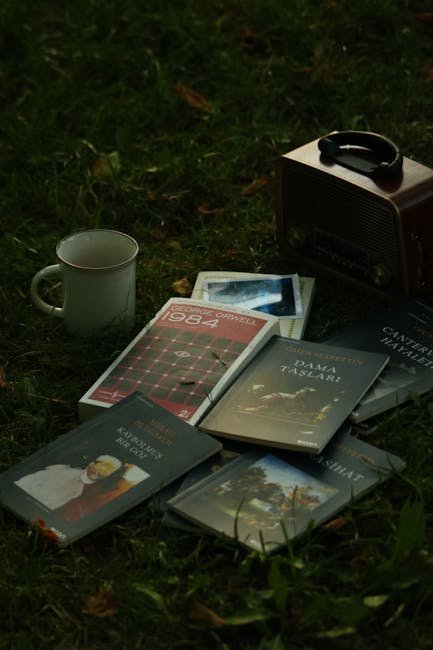
Here’s the thing – these two novels are far more powerful together than apart. These two books exist as two sides of one debate between student and teacher, both feeling that governments might trend toward tyranny following World War II, but disagreeing about exactly how that tyranny would manifest itself. The themes explored in both novels – surveillance, censorship, the manipulation of truth, the loss of individuality, and the dehumanizing effects of technology – are increasingly pertinent in an era of rapid technological advancement and growing concerns about government and corporate power.
The debate between their visions is really the debate about the world we live in today. In 1932, Huxley published Brave New World, in which the future masses love their mindless oppression, blissfully drifting through life on artificially induced happiness; seventeen years later, Orwell published 1984, envisioning a dictatorial jackboot surveillance society where humanity is controlled through external force under the watchful gaze of Big Brother. As scholars writing for The Conversation noted in 2026, Orwellian hard-edged and Huxleyan soft-edged approaches to control and social engineering can be and often are combined, visible in countries such as China, where crude repressive methods coexist with a Brave New World consumer state. Read them back to back. You won’t sleep easily, but you will see the world with sharper eyes.
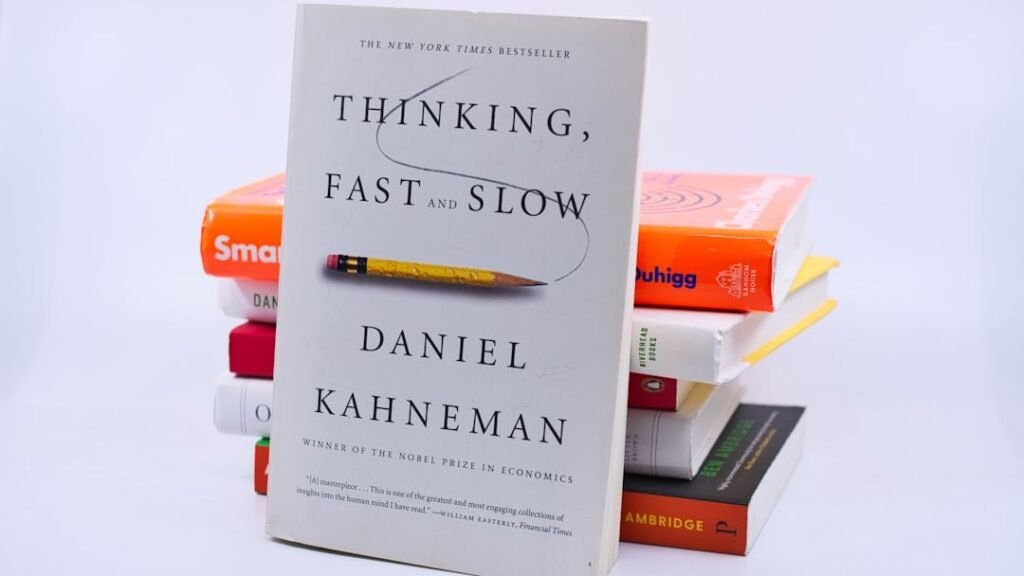
4. Thinking, Fast and Slow – Daniel Kahneman
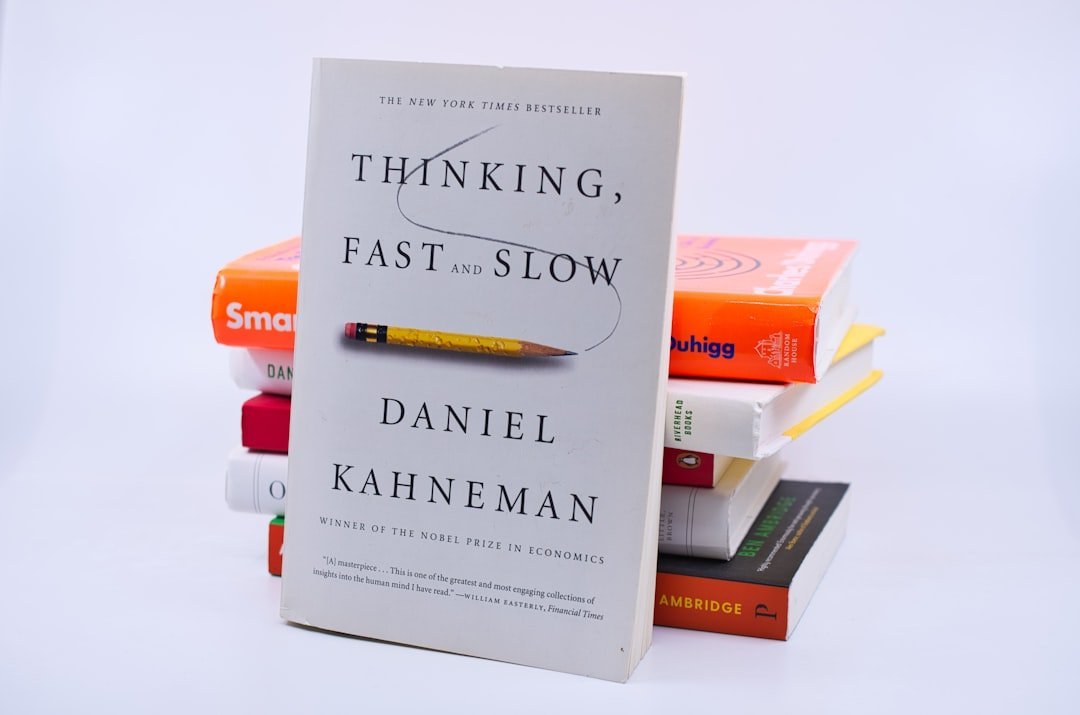
Most of us believe our decisions are rational. We believe we weigh evidence, consider options, and arrive at sensible conclusions. This book will dismantle that belief so efficiently you’ll feel almost embarrassed. Nobel Prize-winning psychologist Daniel Kahneman draws on decades of behavioral research to reveal that the human mind operates on two systems: a fast, intuitive system driven by instinct and bias, and a slow, deliberate system that does the hard analytical work but is far lazier than we think. The gap between these two systems explains nearly every cognitive error we make – from overconfidence in forecasting to systematic failures in risk assessment.
What makes this book transformative rather than merely interesting is the specificity. Kahneman doesn’t speak in generalities. He lays out the mechanics of mental shortcuts called heuristics, explains how they lead us astray, and shows how even experts – doctors, judges, financial analysts – fall victim to the same predictable errors. After reading it, you will never again trust your gut quite the way you used to. I think that’s a genuinely good thing, even if it’s occasionally uncomfortable.
5. The Structure of Scientific Revolutions – Thomas S. Kuhn
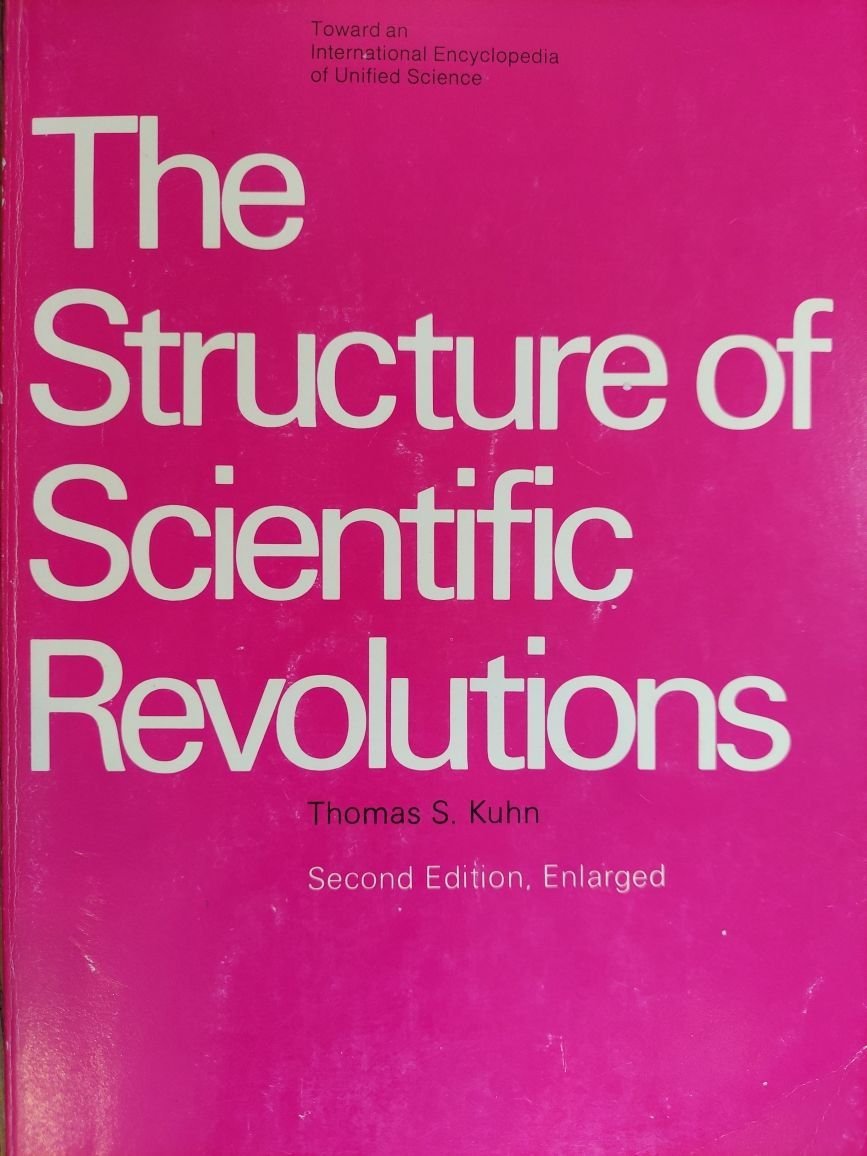
This one is a genuine intellectual earthquake disguised as a quiet academic work. Published in 1962 by philosopher and historian of science Thomas Kuhn, this book introduced the concept of the “paradigm shift” to the world, a phrase now so widely used that most people have no idea it came from a single, brilliant book about how science actually progresses. Kuhn’s argument is deeply unsettling: science does not advance through the steady accumulation of knowledge, but through periodic revolutions in which old frameworks are violently overthrown and replaced.
The implication is staggering. If even the most rigorous human endeavor – science – is not a steady march toward truth but a series of social and intellectual upheavals, then what does that mean for everything else we believe with confidence? This is the kind of question that changes how you read the news, how you evaluate expertise, and how you relate to the knowledge you thought you had. It’s hard to say for sure how many fields this book has reshaped, but the language alone has entered philosophy, sociology, economics, and even popular culture in ways that are still expanding today.
6. Invisible Man – Ralph Ellison
Published in 1952 and winner of the National Book Award, Ralph Ellison’s novel follows an unnamed Black narrator navigating a society that refuses to truly see him. The novel’s opening line is one of the most famous in American literature, establishing immediately the core experience the book investigates: the peculiar invisibility imposed on a person not by darkness, but by the willful blindness of others. Literary critics have consistently ranked it among the most important American novels ever written, and its analysis of race, identity, and the psychological experience of marginalization remains strikingly relevant to conversations happening right now.
What separates this book from a political document is its depth as a novel. Ellison builds a world of surreal intensity that operates simultaneously as a gripping story and as a diagnosis of American society. It asks the reader to confront what it feels like to be defined by how others see you rather than who you are. That experience, rendered in Ellison’s extraordinary prose, creates empathy at a cellular level – the kind that changes not just what you think, but how you feel walking through the world.
7. The Diary of a Young Girl – Anne Frank
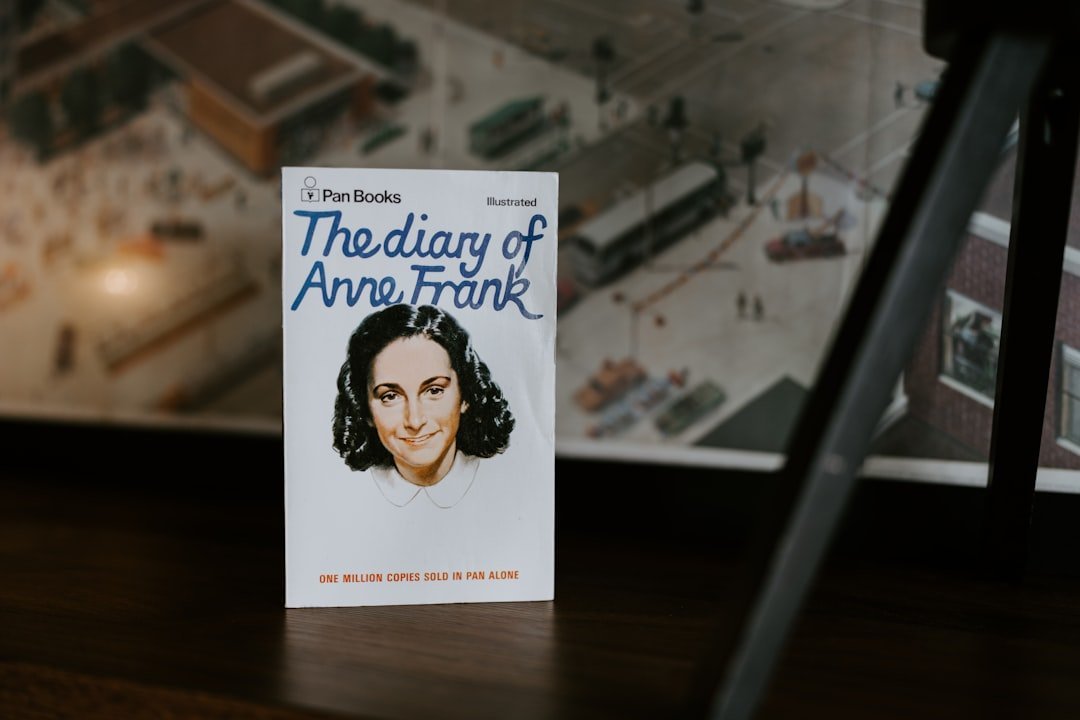
No list about books that change your worldview can omit this one. Written between 1942 and 1944 by Anne Frank while she and her family were hiding from Nazi occupation in Amsterdam, this diary has been translated into more than 70 languages and read by tens of millions of people across generations. What makes it so devastatingly powerful is not history alone but intimacy. Anne writes like a teenager who is funny, frustrated, dreaming, in love, and full of hope – which makes the knowledge of what is coming feel almost physically unbearable.
The diary does something no history textbook can. It collapses the vast horror of the Holocaust into the inner life of one 13-year-old girl and, in doing so, forces the reader to understand atrocity not as statistics but as the destruction of a singular, irreplaceable human voice. That shift in scale – from the historical to the deeply personal – is the book’s most enduring gift. It teaches you to read history differently, to look for the human being behind every number.
8. The Feminine Mystique – Betty Friedan & The Second Sex – Simone de Beauvoir
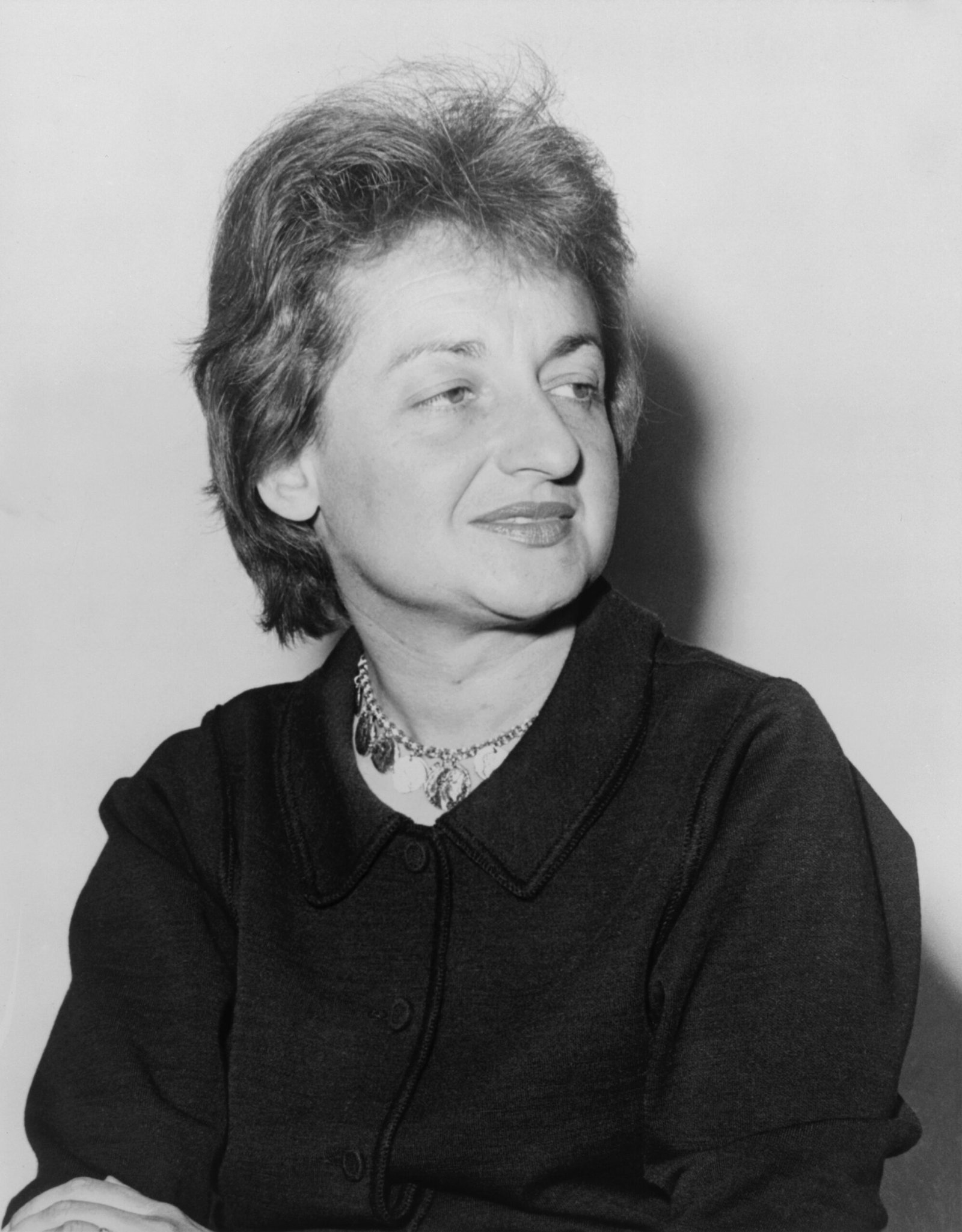
These two foundational texts of feminist thought are paired here not because they are identical but because together they constitute a complete interrogation of how gender shapes the experience of being human. De Beauvoir’s 1949 philosophical treatise examined what it means to be defined as “other” in a society constructed around male experience – a framework so penetrating that it influenced not just feminist theory but existentialist philosophy, sociology, and cultural criticism for decades. Friedan’s 1963 book then brought this analysis into American domestic life, identifying what she called “the problem that has no name” – the quiet suffocation of educated women confined to suburban domesticity.
Reading these books in 2026, what strikes most forcefully is how much has changed and how much has not. Both texts retain the power to make readers see invisible structures that shape daily life – not just for women, but for everyone trapped inside social roles they never consciously chose. Academic literary analysis has consistently cited both works as foundational texts not just of gender studies but of modern critical thinking itself. They are, in the truest sense, books that teach you to see what you were trained not to notice.
9. The Tipping Point – Malcolm Gladwell & Thinking in Systems – Donella Meadows
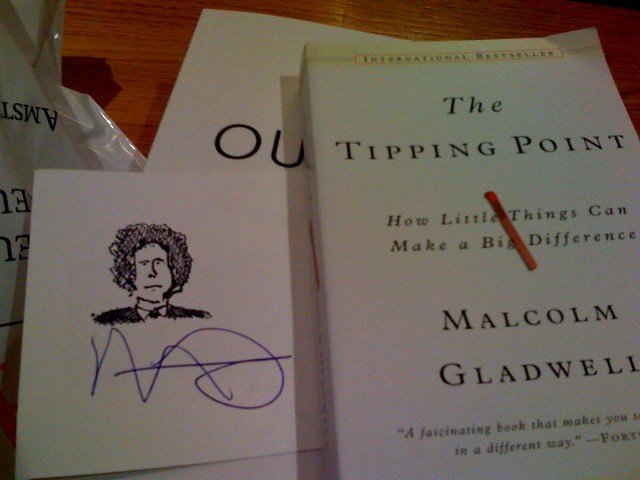
I know it sounds like an odd pairing, but stay with me. Both of these books fundamentally change how you understand causality, scale, and change. Gladwell’s 2000 bestseller explores how small, specific factors cause ideas, products, and behaviors to spread exponentially, introducing readers to concepts like the role of connectors and the stickiness factor in cultural contagion. It’s the kind of book that makes you rethink every social phenomenon you’ve witnessed, from the spread of a viral idea to the sudden collapse of a trend.
Meadows’ work is quieter, more technical, and arguably more profound. A systems thinker at MIT, she explains how complex systems – economies, ecosystems, organizations – behave in ways that consistently defy linear prediction. The feedback loops, delays, and emergent behaviors she describes are the invisible architecture beneath everything from financial crises to climate change. Together, these two books offer something rare: a genuinely new grammar for understanding how the world actually works, at every scale from a neighborhood to a civilization.
10. To Kill a Mockingbird – Harper Lee & Their Eyes Were Watching God – Zora Neale Hurston
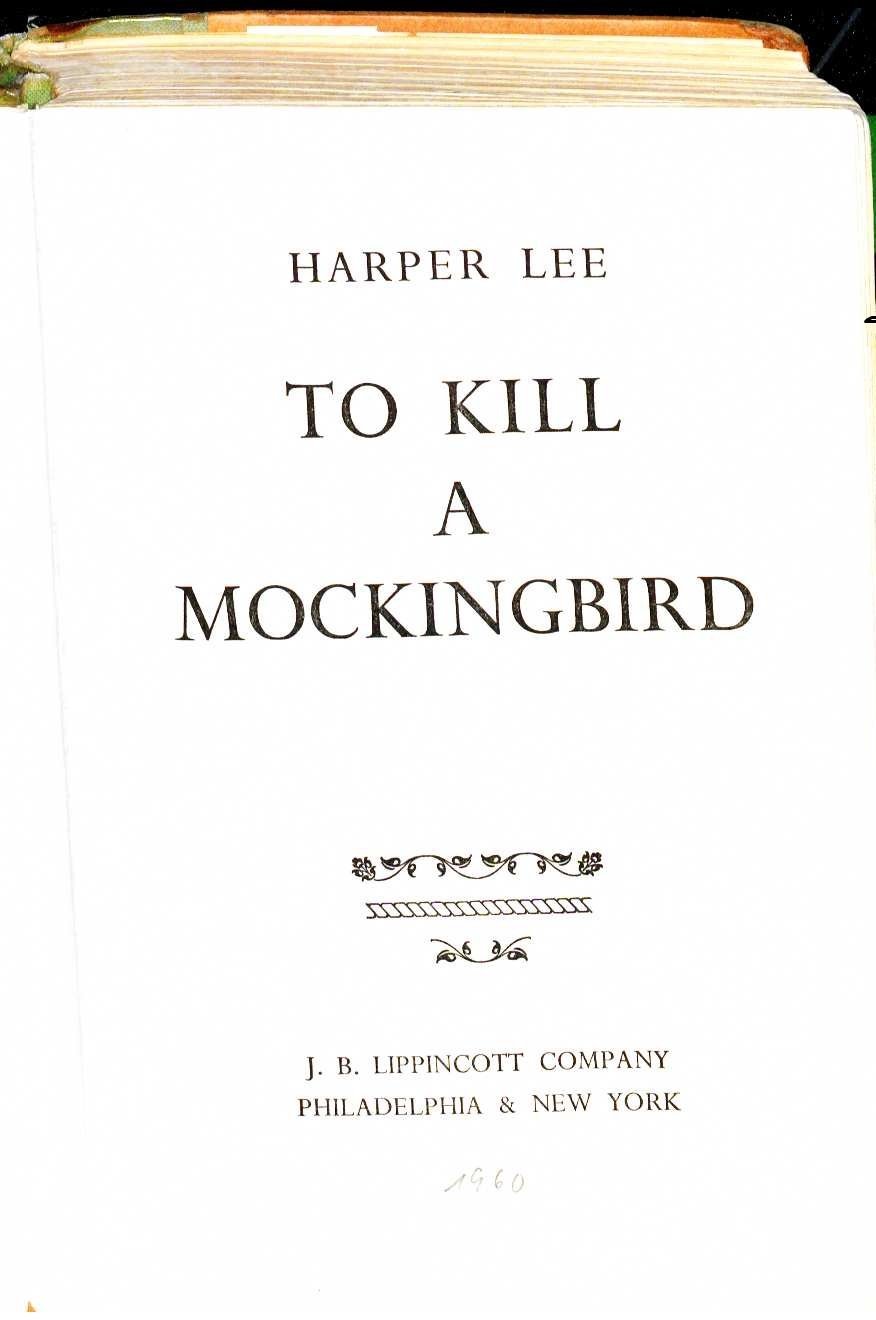
Great literature allows us to see through the eyes of others and experience ways of living that can transform our original view of the world – from reflecting on our individual actions to understanding the complexities of life and how our past can influence the future, books can inherently change us. Few titles illustrate this more vividly than these two American classics. Harper Lee’s 1960 Pulitzer Prize-winning novel, told through the eyes of young Scout Finch in the racially divided American South, places moral courage and the injustice of prejudice at the center of a story accessible to readers of almost every age. Its power to build empathy across divides remains, in the view of most literary scholars, essentially unmatched in American fiction.
Hurston’s 1937 novel, long undervalued and now rightly celebrated as a masterwork of African American literature, follows Janie Crawford through three marriages and a journey toward self-discovery and voice. Literary retrospectives in the early 2020s consistently described Their Eyes Were Watching God as one of the most unjustly overlooked novels of the 20th century, an assessment that has since driven renewed readership. Read together, these two books offer what the greatest literature always offers: the full, complicated, gorgeous difficulty of being human in a world that would rather reduce you to a category.
What do you think – are there books missing from this list that changed the way you see everything? Tell us in the comments.
CEO-Co-Founder
