

- 9 Historical Mysteries That Still Baffle Experts to This Very Day - April 5, 2026
- 15 Legendary Authors Whose Personal Lives Were as Gripping as Their Novels - April 5, 2026
- Top Tips to Experience the 2026 California Superbloom - April 5, 2026
There’s something almost darkly comic about the fact that some of the greatest books ever written were, at one point, considered too dangerous to read. Too sexy, too political, too honest, too strange. Governments burned them. Courts declared them obscene. Librarians locked them away or simply refused to stock them. And yet, here we are – those very same books now occupy the most prestigious shelves in literary history, assigned in universities and celebrated around the world.
Banned books are works that have been prohibited by law or restricted in other ways, and the practice of banning books is a form of censorship driven by political, legal, religious, moral, or commercial motives. What makes this especially fascinating is how dramatically those motives shift with time. What one era calls dangerous, the next calls indispensable. What one generation burns, another generation teaches. Let’s dive into 15 extraordinary books that were once forbidden – and are now considered among the finest achievements in all of literature.
1. Ulysses by James Joyce (1922)
Ulysses is widely considered one of the greatest works of English-language literature of the past century. That’s a remarkable statement when you consider what the book went through before readers could even get their hands on it. James Joyce’s radical, stream-of-consciousness story of Leopold Bloom’s daylong journey across Dublin stoked a fiery reaction – literally – on both sides of the Atlantic Ocean after its 1922 publication.
Government authorities in the United States and England not only banned what is now considered a modernist masterpiece, they also confiscated and burned more than 1,000 copies. The New York Society for the Suppression of Vice asked a court to declare the book obscene in 1920, and all distribution of the book stopped pending the resolution of that lawsuit. Until a federal judge ruled in 1933 that Ulysses was not obscene, Americans were forced to track down smuggled copies of Joyce’s novel in order to read it. Imagine going to those lengths just to read a book. Honestly, that alone tells you everything about its power.
2. Lady Chatterley’s Lover by D.H. Lawrence (1928)
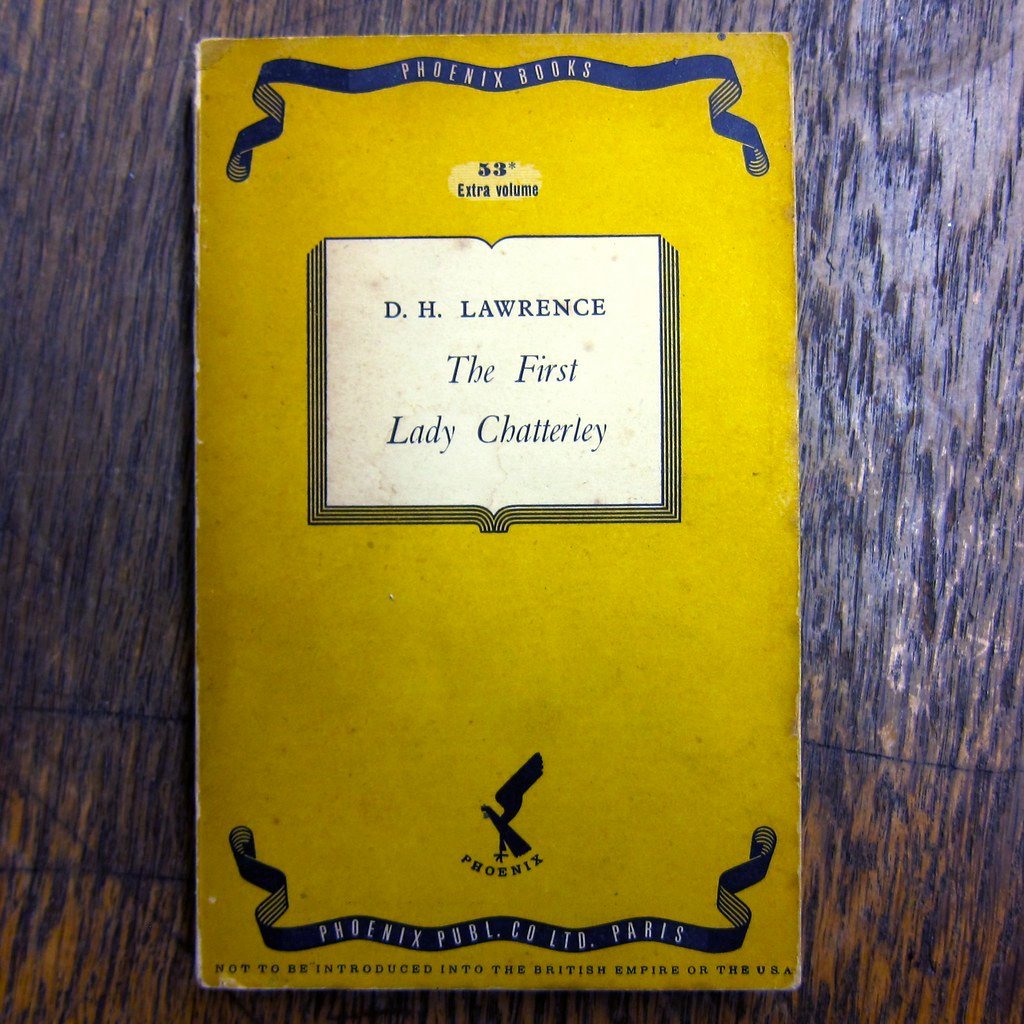
Lady Chatterley’s Lover is the final novel by D.H. Lawrence, first published privately in 1928 in Florence, Italy. An unexpurgated edition was not published openly in the United Kingdom until 1960, when it was the subject of a watershed obscenity trial against publisher Penguin Books, which won the case and quickly sold three million copies. The trial itself became a cultural earthquake.
The book was also banned for obscenity in the United States, Canada, Australia, India, and Japan. It soon became notorious for its story of the physical and emotional relationship between a working-class man and an upper-class woman, its explicit descriptions of sex and its use of then-unprintable profane words. The trial opened the proverbial floodgates to less restriction of sexual discussion in entertainment, especially theater and television. Penguin sold more than three million copies of Lawrence’s book in the months following the trial. Today, Lawrence is studied as a towering figure of literary modernism, and his novel is recognized as a bold exploration of class, desire, and freedom.
3. Nineteen Eighty-Four by George Orwell (1949)
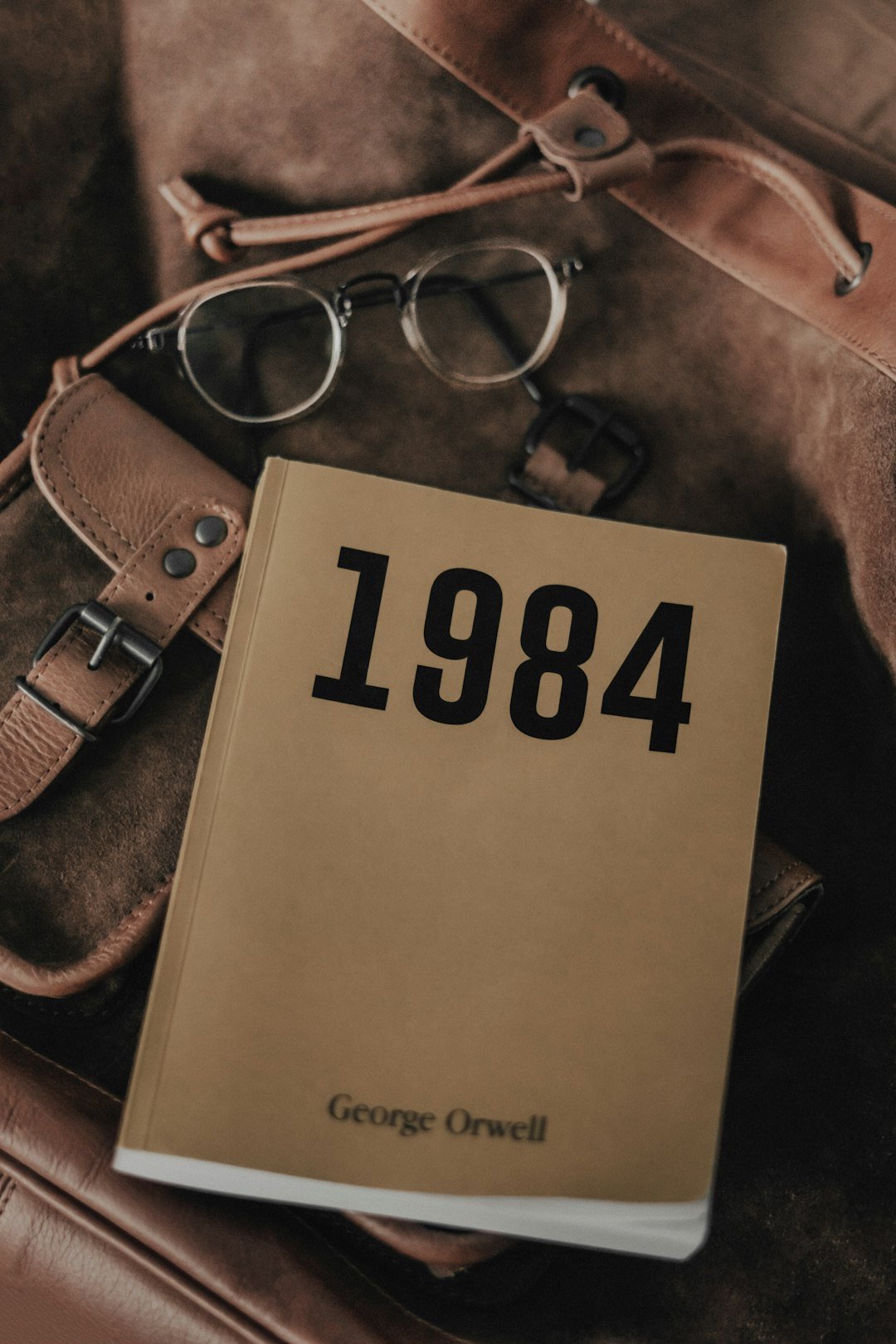
Let’s be real – few books in human history have proven more eerily prophetic than this one. Nineteen Eighty-Four is a dystopian speculative fiction novel by the English writer George Orwell, published on 8 June 1949. Thematically, it centres on totalitarianism, mass surveillance, and repressive regimentation of people and behaviours.
Throughout its publication history, Nineteen Eighty-Four has been banned and legally challenged as subversive or ideologically corrupting. It was first banned in the USSR, which was quite obvious, but also in 2022 in Belarus and the USA at the local level. It popularised “Orwellian” as an adjective, and many terms used in it have entered common usage, including “Big Brother,” “doublethink,” “Thought Police,” “thoughtcrime,” and “Newspeak.” Time magazine included it on its list of the 100 best English-language novels published from 1923 to 2005, and it was placed on the Modern Library’s 100 Best Novels list. A book that was suppressed by the very forces it warned against – you genuinely can’t make this up.
4. Brave New World by Aldous Huxley (1932)
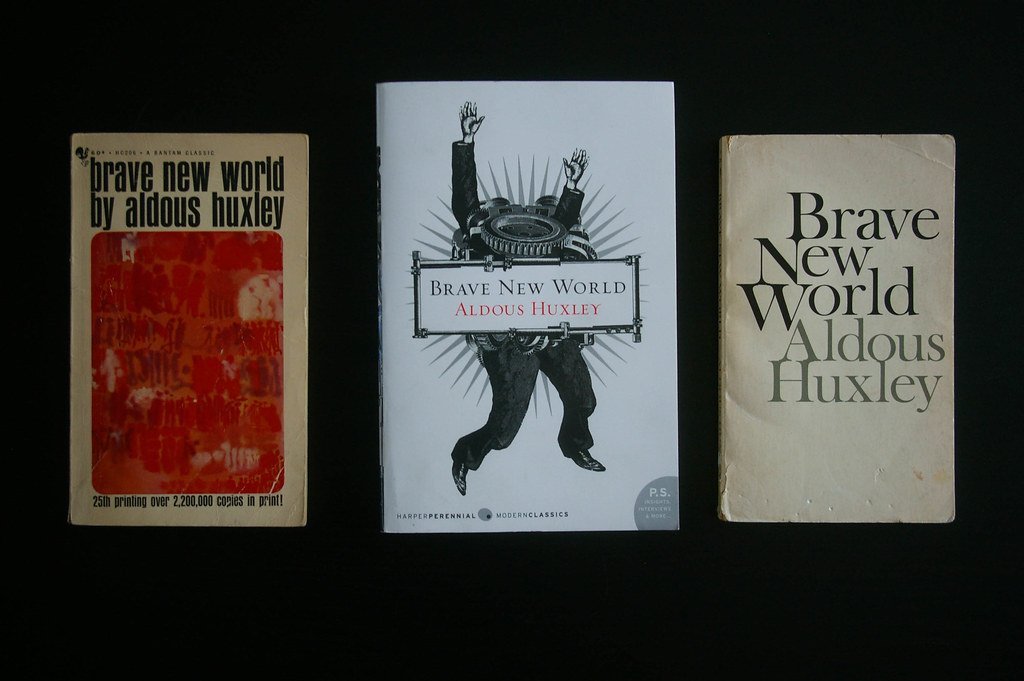
Brave New World is a dystopian novel by English author Aldous Huxley, written in 1931 and published in 1932. Largely set in a futuristic World State, whose citizens are environmentally engineered into an intelligence-based social hierarchy, the novel anticipates huge scientific advancements in reproductive technology, sleep-learning, psychological manipulation, and classical conditioning.
Aldous Huxley’s Brave New World was banned in Australia and Ireland in the 1930s. It was also banned in countries like India and at the local level in the US. Ireland and Australia regarded it as blasphemous and demoralizing to family values, while sexual content was also cited as a reason. Despite all that controversy, in 1998 and 1999 the Modern Library ranked Brave New World at number 5 on its list of the 100 Best Novels in English of the 20th century, and in 2003, Robert McCrum writing for The Observer included Brave New World in “the top 100 greatest novels of all time.” It’s a sobering irony: a book about the suppression of free thought, itself suppressed.
5. To Kill a Mockingbird by Harper Lee (1960)
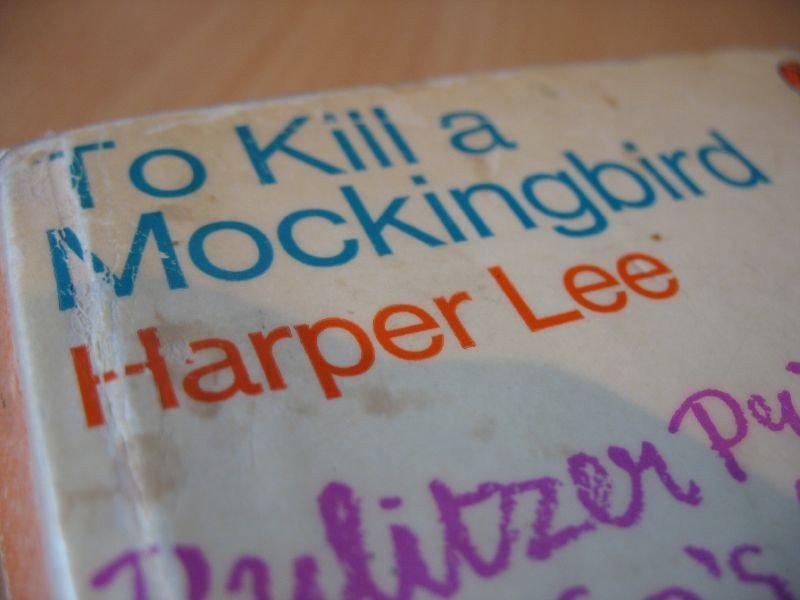
Harper Lee’s 1960 Pulitzer Prize-winning novel has been repeatedly challenged and banned in schools amid complaints of profanity, racial epithets, and a description of a rape. School boards across America argued it was inappropriate for young readers, missing the point so badly it would be almost funny if it weren’t so serious.
Its portrayal of Atticus Finch defending justice against bigotry became a moral compass for civil rights discussions. Through the young eyes of Scout and Jem Finch, Harper Lee explores with rich humor and unswerving honesty the irrationality of adult attitudes toward race and class in the Deep South of the 1930s. The conscience of a town steeped in prejudice, violence, and hypocrisy is pricked by the stamina and quiet heroism of one man’s struggle for justice. One of the best-loved classics of all time, To Kill a Mockingbird has won the Pulitzer Prize, been translated into more than forty languages, sold more than forty million copies worldwide, and been named the best novel of the twentieth century by librarians across the country.
6. The Grapes of Wrath by John Steinbeck (1939)
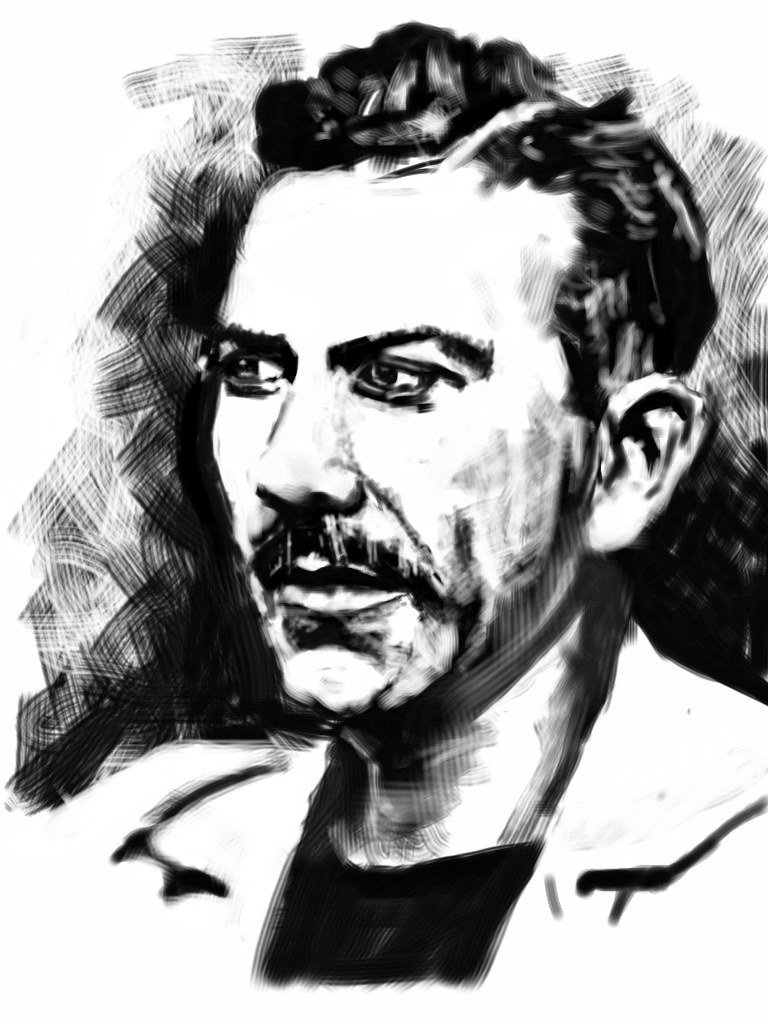
Residents of Kern County, California, were less than thrilled with the unflattering depiction of their local area in John Steinbeck’s 1939 Pulitzer Prize-winning novel and banned it for being libelous. That reaction is almost endearing in its smallness when you consider the scale of what the book achieved.
The library board in East St. Louis ordered the city’s three copies burned because the “objectionable” language was “not fit for anyone’s daughter to read.” The classic tale of Dust Bowl migrants was also banned in Kansas City and Buffalo for its “vulgar words” and sexual references. The American Library Association also reports that Ireland banned The Grapes of Wrath in 1953, and in 1973, Turkish booksellers stood trial for hawking copies of the book. A portrait of the conflict between the powerful and the powerless, it captures the horrors of the Great Depression, probing into the very nature of equality and justice in America. Steinbeck went on to win the Nobel Prize in Literature. That alone says everything.
7. Leaves of Grass by Walt Whitman (1855)
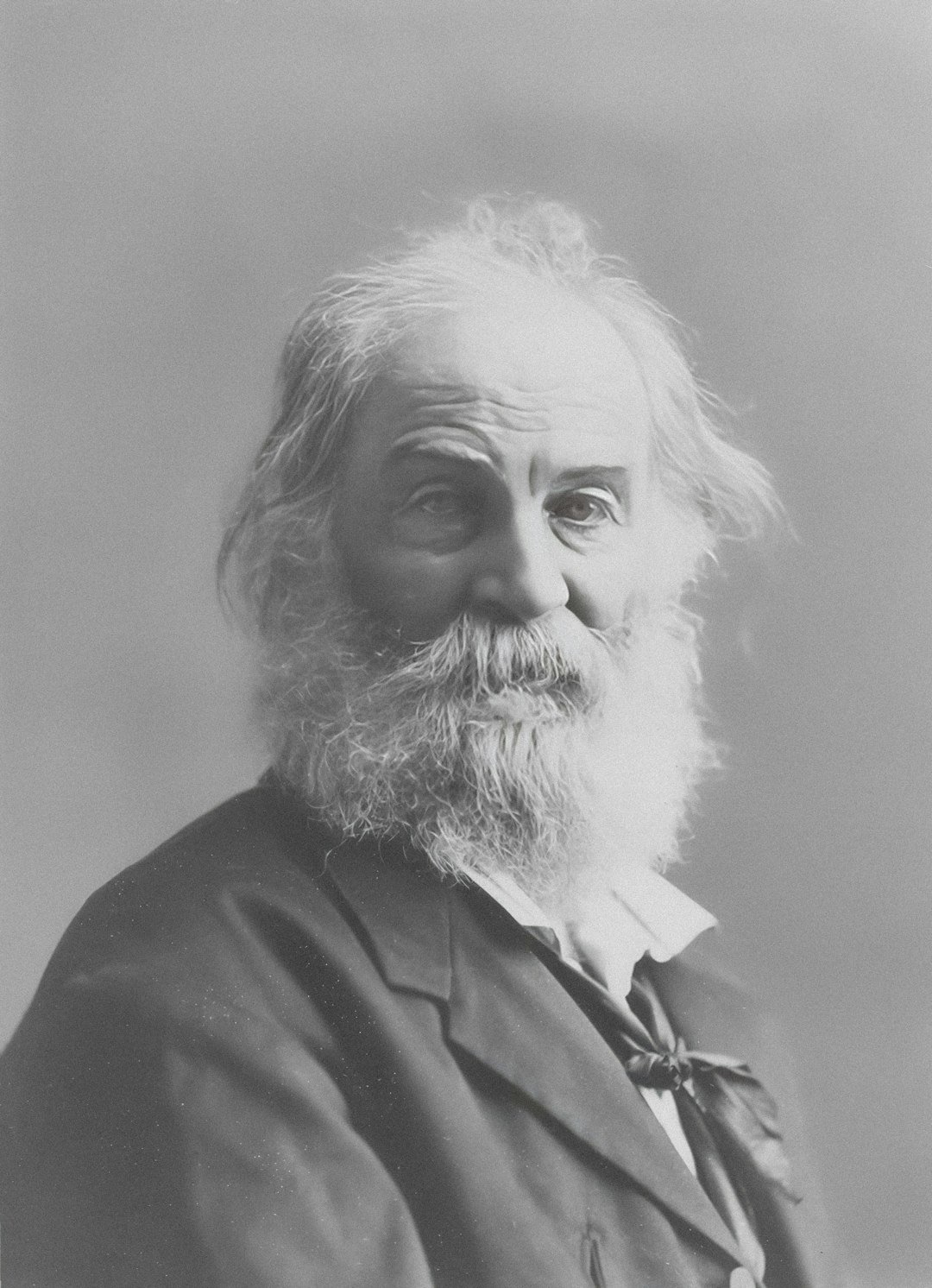
Walt Whitman’s poetry collection shocked much of America when the first edition was published in 1855. Its frank depiction of sexuality and homoerotic overtones was far “too sensual” for the Victorian Age. The idea of celebrating the human body in verse – simply, openly, joyfully – was considered outrageous by the standards of the time.
Yale University President Noah Porter believed Leaves of Grass to be the literary equivalent of “walking naked through the streets.” Nearly every American library refused to purchase a copy, and the book even cost Whitman his job as a clerk with the Bureau of Indian Affairs in 1865 after Secretary of the Interior James Harlan read it and found it obscene and immoral. Today, Whitman is celebrated as one of the most important poets in American literary history, and Leaves of Grass is recognized as a foundational text of American identity. Fired for a poem. Just let that sink in for a moment.
8. Their Eyes Were Watching God by Zora Neale Hurston (1937)
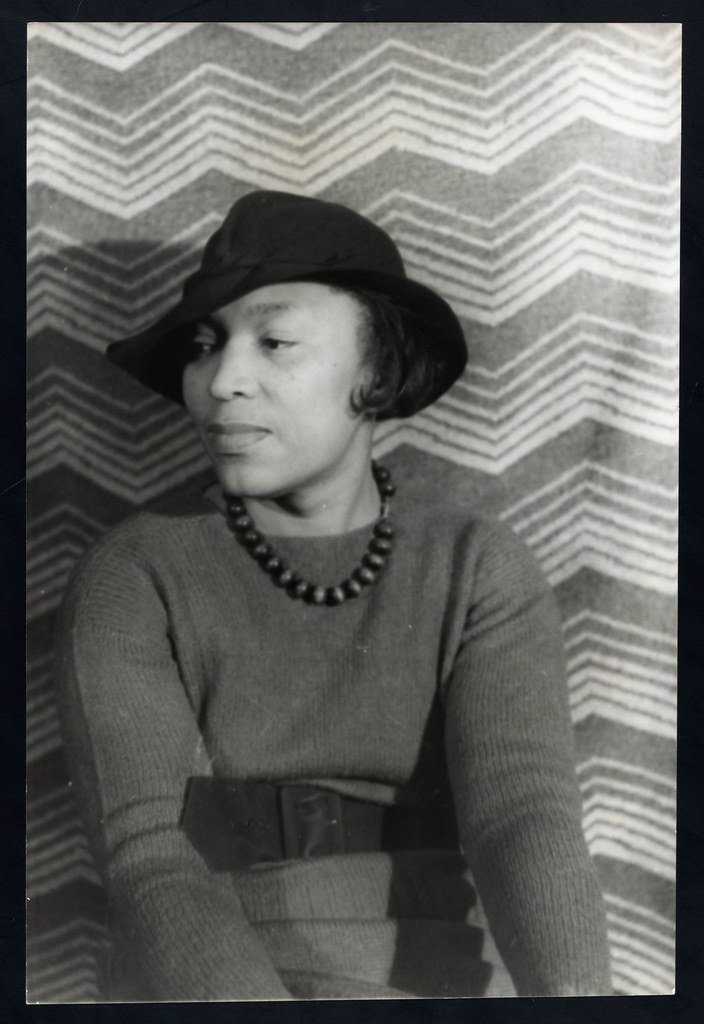
This one is particularly painful to think about, because the suppression of this work was driven not just by content concerns but by the racial and gender politics of the era. Zora Neale Hurston’s lyrical masterpiece about a woman’s determined struggle for love and independence employs a striking range of tones and voices to give the story of Janie and Tea Cake the poetic intensity of a myth.
Their Eyes Were Watching God by Zora Neale Hurston was challenged for sexual explicitness, but retained on a high school’s academically advanced reading list in Virginia in 1997. The book was marginalized for decades after its initial publication, dismissed by some of Hurston’s own contemporaries. It was only through a resurgence of interest in the 1970s, largely championed by writer Alice Walker, that the novel received the recognition it deserved. Today, it stands as a cornerstone of African American literature and a celebrated masterpiece of 20th-century writing.
9. Slaughterhouse-Five by Kurt Vonnegut (1969)
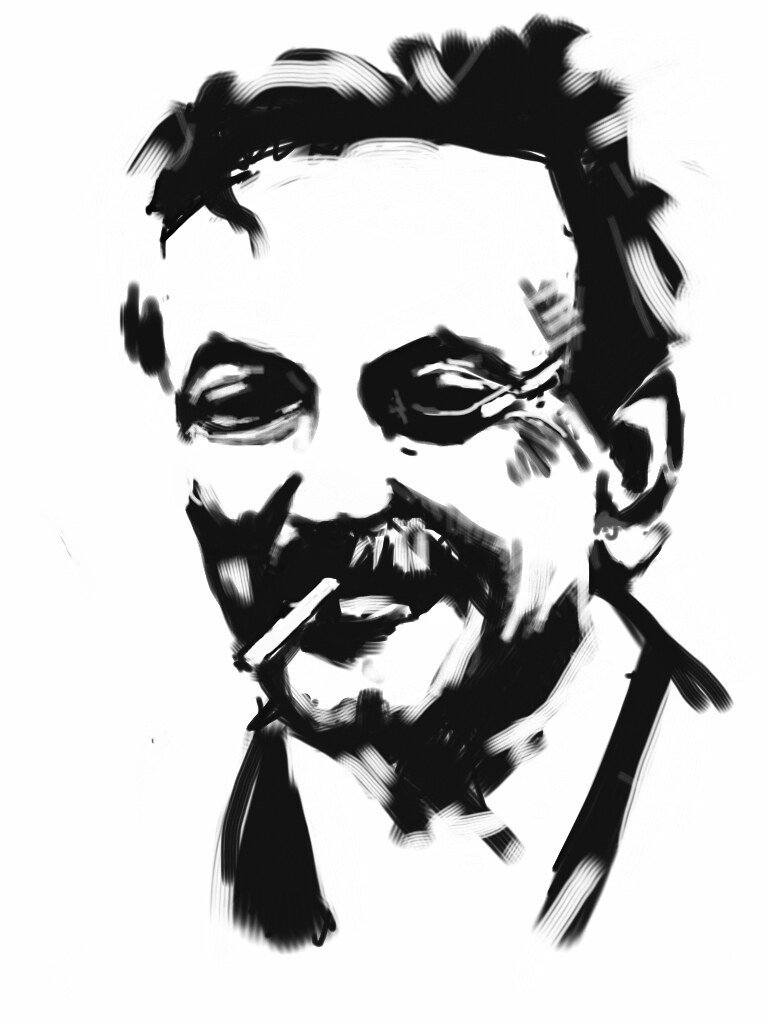
Selected by the Modern Library as one of the 100 best novels of all time, Slaughterhouse-Five centers on the infamous World War II firebombing of Dresden and is the result of what Kurt Vonnegut described as a twenty-three-year struggle to write a book about what he had witnessed as an American prisoner of war. It combines historical fiction, science fiction, autobiography, and satire in an account of the life of Billy Pilgrim.
An instant bestseller, Slaughterhouse-Five made Kurt Vonnegut a cult hero in American literature, a reputation that only strengthened over time, despite his being banned and censored by some libraries and schools for content and language. Kurt Vonnegut’s masterpiece is described as “a desperate, painfully honest attempt to confront the monstrous crimes of the twentieth century.” It was selected by the Modern Library as one of the 100 best novels of all time and is one of the world’s great antiwar books. Banning an antiwar novel written by a man who survived a war. The irony is staggering.
10. The Sun Also Rises by Ernest Hemingway (1926)
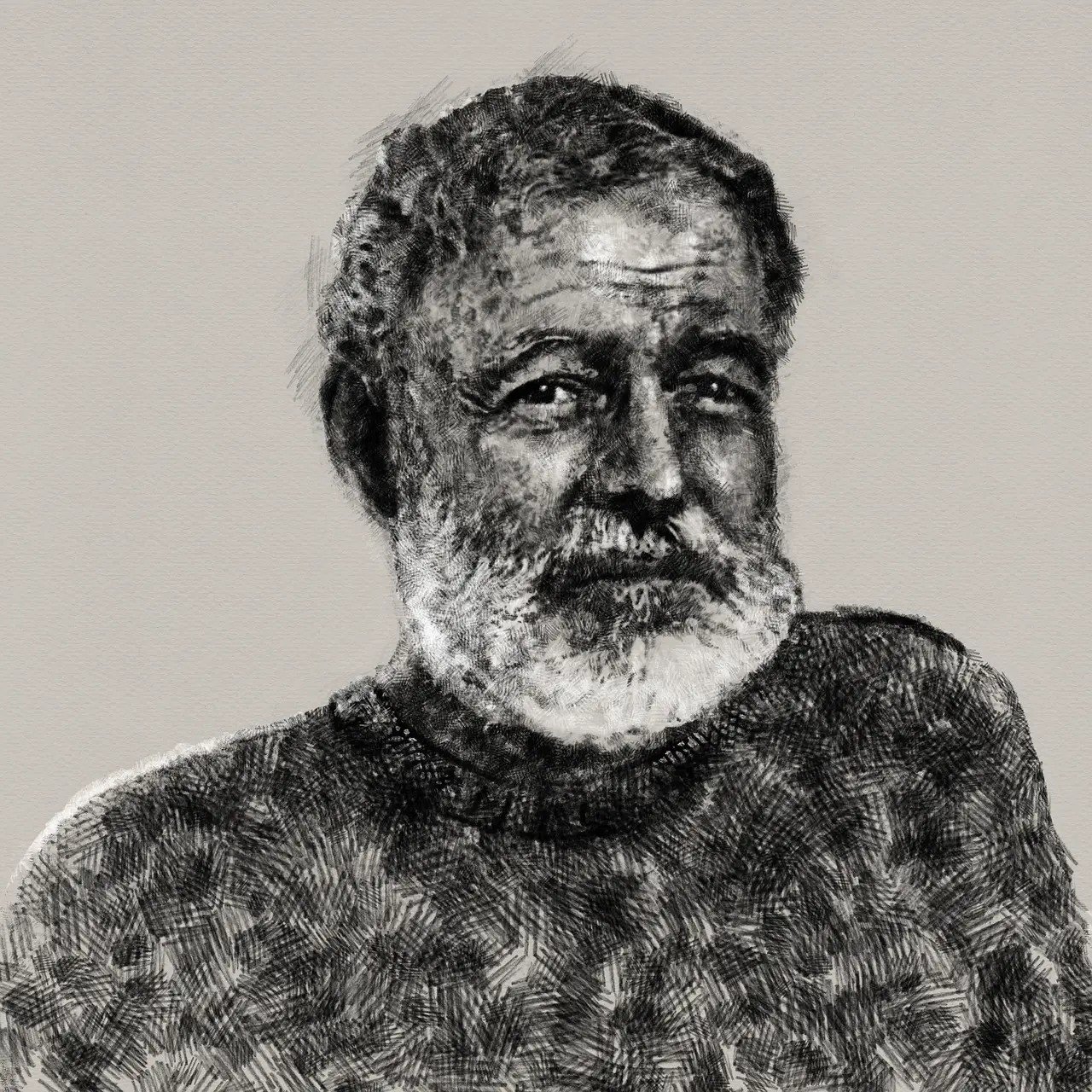
The quintessential novel of the Lost Generation, The Sun Also Rises is one of Ernest Hemingway’s masterpieces and a classic example of his spare but powerful writing style – a poignant look at the disillusionment and angst of the post-World War I generation.
First published in 1926, The Sun Also Rises helped to establish Hemingway as one of the greatest writers of the twentieth century. It was burned in Nazi bonfires for being “a monument of modern decadence.” Think about that framing for a second. A book about lost, directionless young people wandering through Europe – burned for decadence. The Nazis managed to make Hemingway’s novel sound even more thrilling than it already was. Today, it remains a definitive study of post-war disillusionment and one of the most important American novels ever written.
11. Tropic of Cancer by Henry Miller (1934)
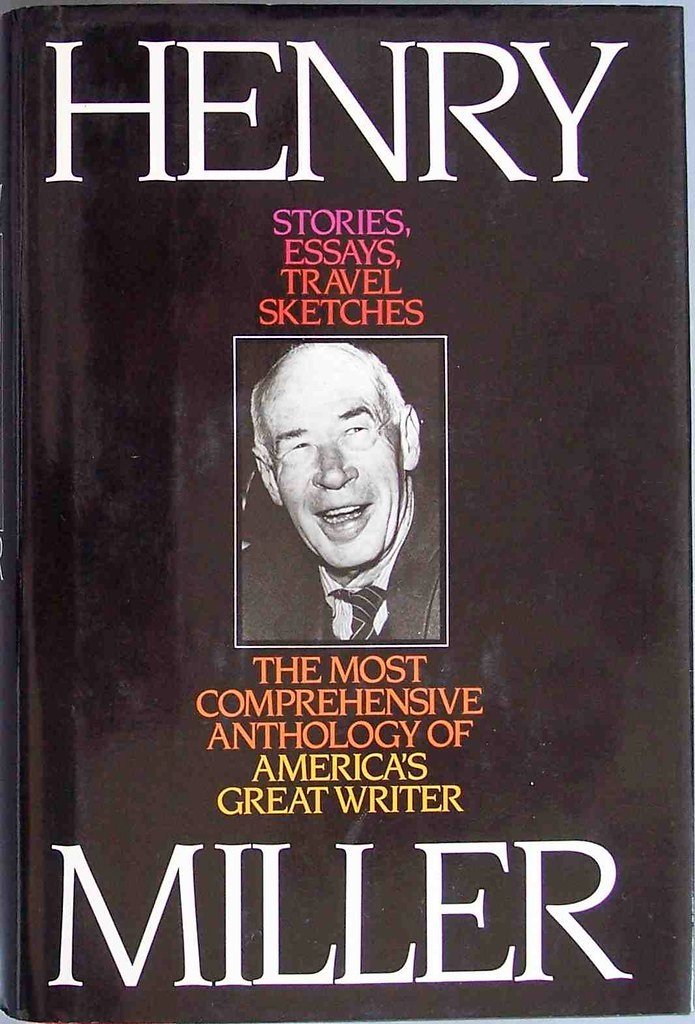
Henry Miller’s novel Tropic of Cancer is a semi-autobiographical portrait of the author’s own experience living as an expatriate in Paris, France in the early 1930s. The novel interweaves moments of intense philosophical thought, descriptions of the European lifestyle, and moments of epiphany – alongside numerous sexually explicit scenes.
After enduring some 100 U.S. obscenity cases along with a plethora of bans in other countries, Henry Miller’s autobiographical account of his sexual exploits as an expatriate in France has been deemed not obscene and enjoys the freedom to be shelved next to the most influential texts in literary history. In 1964, Miller’s novel was finally deemed non-obscene in a US Supreme Court ruling, and Tropic of Cancer paved the way for literary free speech. That phrase – “paved the way for literary free speech” – is not a small thing. It echoes through every daring novel published in the decades that followed.
12. Naked Lunch by William S. Burroughs (1959)
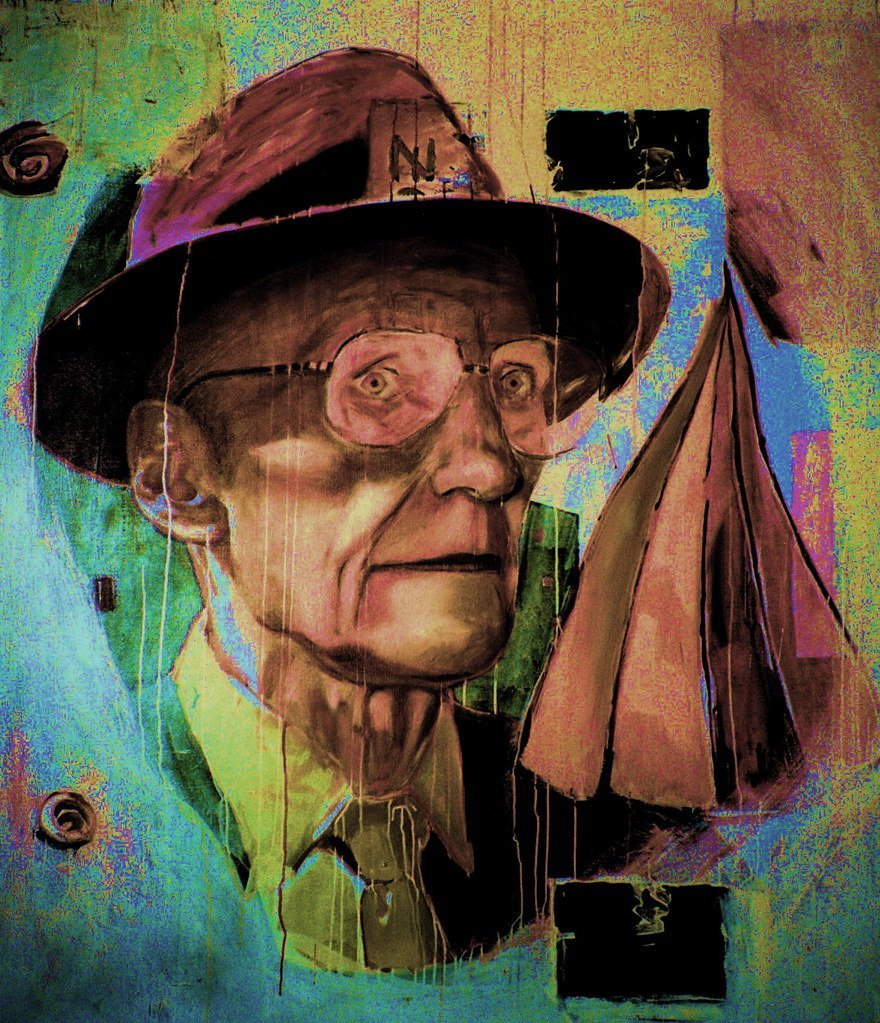
William S. Burroughs is considered one of the pioneers of the Beat Generation, along with Jack Kerouac and Allen Ginsberg. His work was raw, experimental, and deeply uncomfortable – which, I’d argue, is exactly what the best literature should sometimes be. Collectively, their works have inspired many icons of popular culture like Bob Dylan, John Lennon, and Norman Mailer.
Naked Lunch was banned due to violations of the American Comstock law, which prohibited sending pornographic material through the post. It was banned in both Boston and Los Angeles at the time of its initial publication in 1959 for being both obscene and pornographic. The book started as a series of short stories and was first published as a book in France. When a publisher tried to bring it to the U.S. for publication in 1962, government officials in Massachusetts used wide latitude afforded to them under local law to prevent it from being distributed. Today, Naked Lunch is studied as a landmark of experimental literature and a groundbreaking challenge to conventional narrative form.
13. The Bluest Eye by Toni Morrison (1970)
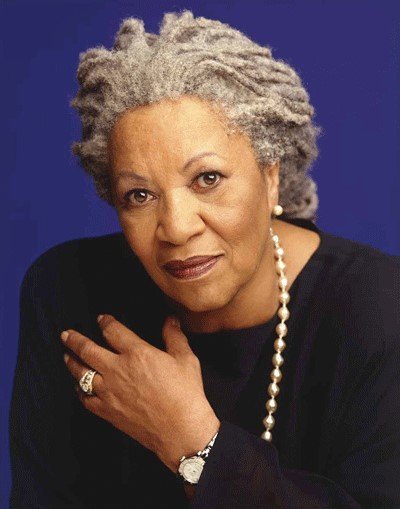
The Bluest Eye is a work of tremendous emotional, cultural, and historical depth, with passages rich in allusions to Western history, media, literature, and religion, told using a unique structure and frequent shifts in perspective. Morrison’s debut novel announced the arrival of a writer of astonishing power – and the response from some quarters was immediate hostility.
Since its publication in 1970, there have been and continue to be numerous attempts to ban The Bluest Eye from schools and libraries because of its depictions of sex, violence, racism, incest, and child molestation, and it frequents the American Library Association’s list of banned and challenged books. Toni Morrison went on to win the Nobel Prize in Literature in 1993. Her work is now considered essential reading, required study in universities worldwide, and a cornerstone of American literature. The contrast between the reception then and the recognition now is, honestly, a lesson worth learning every single generation.
14. The Satanic Verses by Salman Rushdie (1988)
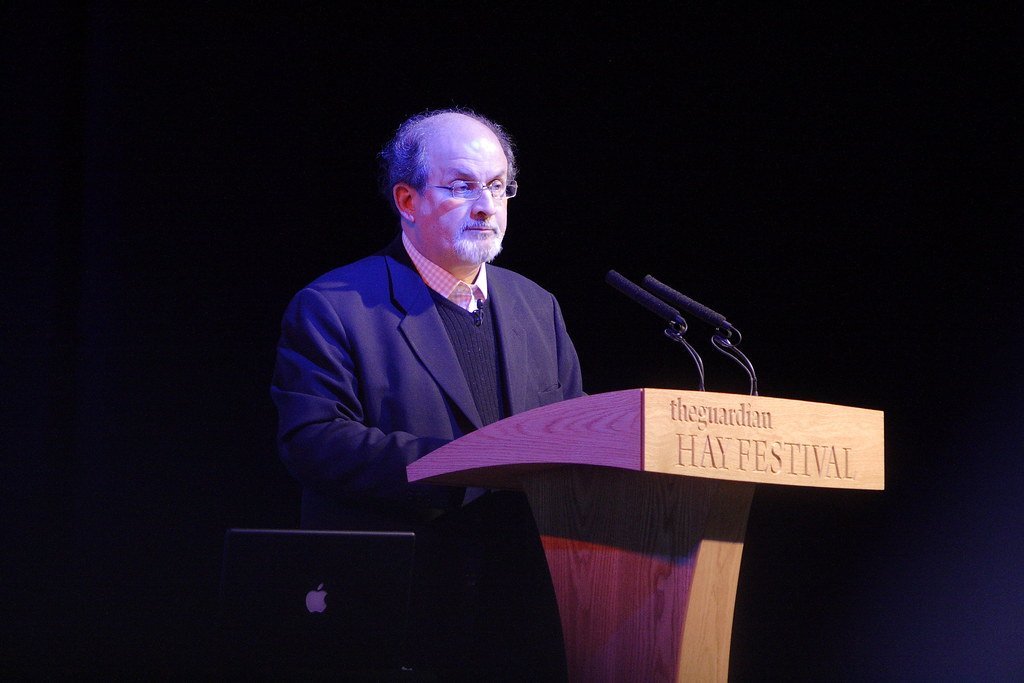
Few books in the 20th century generated a reaction as extreme – or as genuinely dangerous – as this one. The Satanic Verses drew scrutiny around the world, most notably in Iran, for its depictions of the Prophet Mohammad and Islam that some Muslims found blasphemous. It also forced Rushdie into hiding after Iran’s supreme leader issued a fatwa against him, calling for the death of him and his publishers.
Some countries burned the book and refused to publish it. Even in the U.S., where Rushdie fled from the U.K., some schools and libraries declined to use the book out of fear of the fatwa. Some private bookstores in the U.S. refused to carry it or were attacked for selling it. The book was banned in Pakistan, Saudi Arabia, Egypt, Somalia, Sudan, Bangladesh, Malaysia, Qatar, Indonesia, South Africa, and India because of its criticism of Islam. In 1991, Rushdie’s Japanese translator was stabbed to death and his Italian translator was seriously wounded. Despite all of this – or perhaps because of it – the novel is now widely studied as a daring work of postcolonial fiction and a testament to the irreplaceable value of creative freedom.
15. A Farewell to Arms by Ernest Hemingway (1929)
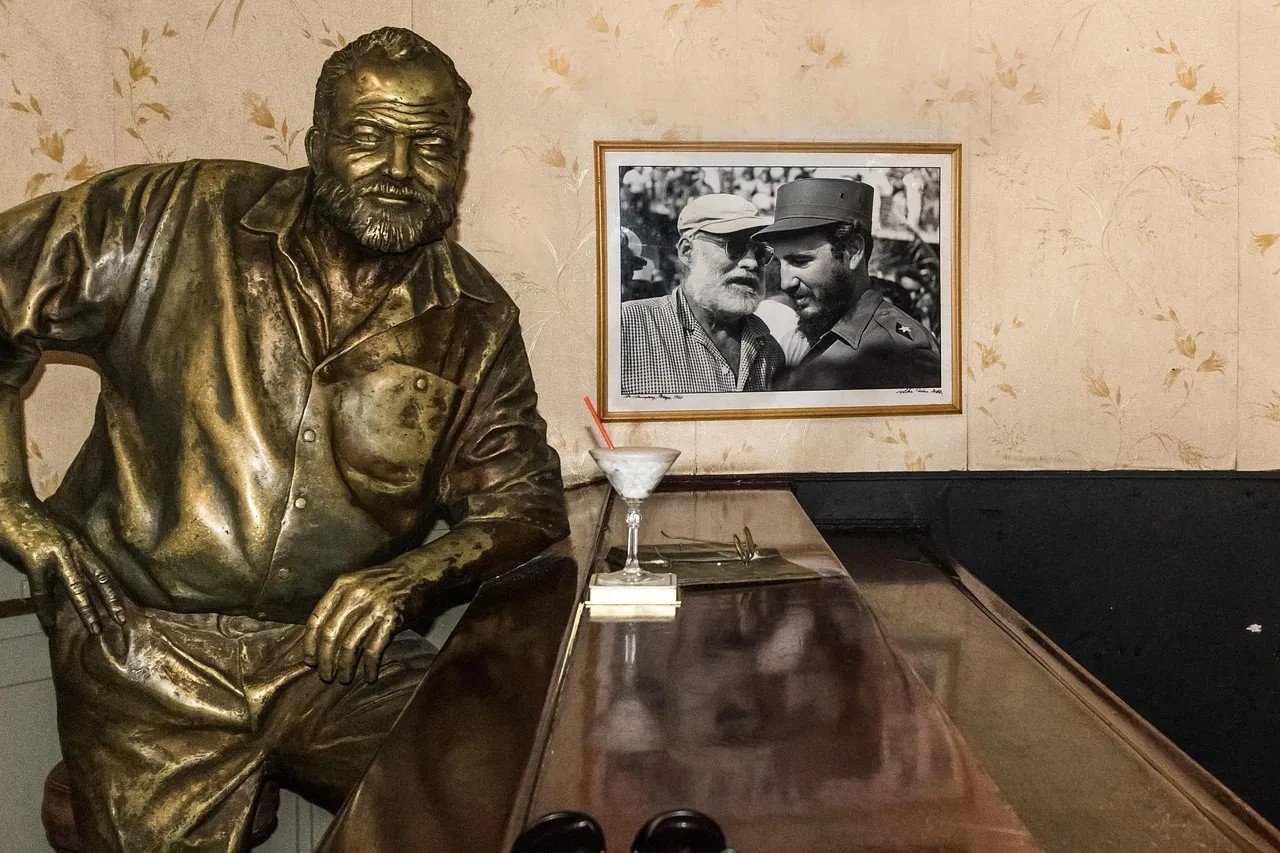
Ernest Hemingway’s 1929 novel based on his experiences as an ambulance driver on the Italian front during World War I was banned by Italy’s fascist regime for nearly 20 years because of its depiction of the country’s terrible defeat at the Battle of Caporetto as well as its anti-militarism theme, that led to its burning by the Nazis in 1933 as a “corrupting foreign influence.”
Even before its official release, the book was under fire. Boston police barred the sale of issues of Scribner’s magazine that serialized the “salacious” novel before its official publication. Today, A Farewell to Arms is taught in classrooms across the world as a definitive anti-war novel and one of the most moving love stories in American literature. The irony that a book about the tragedy and futility of war was banned by regimes that thrived on war is almost too on-the-nose. Hemingway would probably have appreciated the dark humor in it.
The Lasting Power of Words That Couldn’t Be Silenced
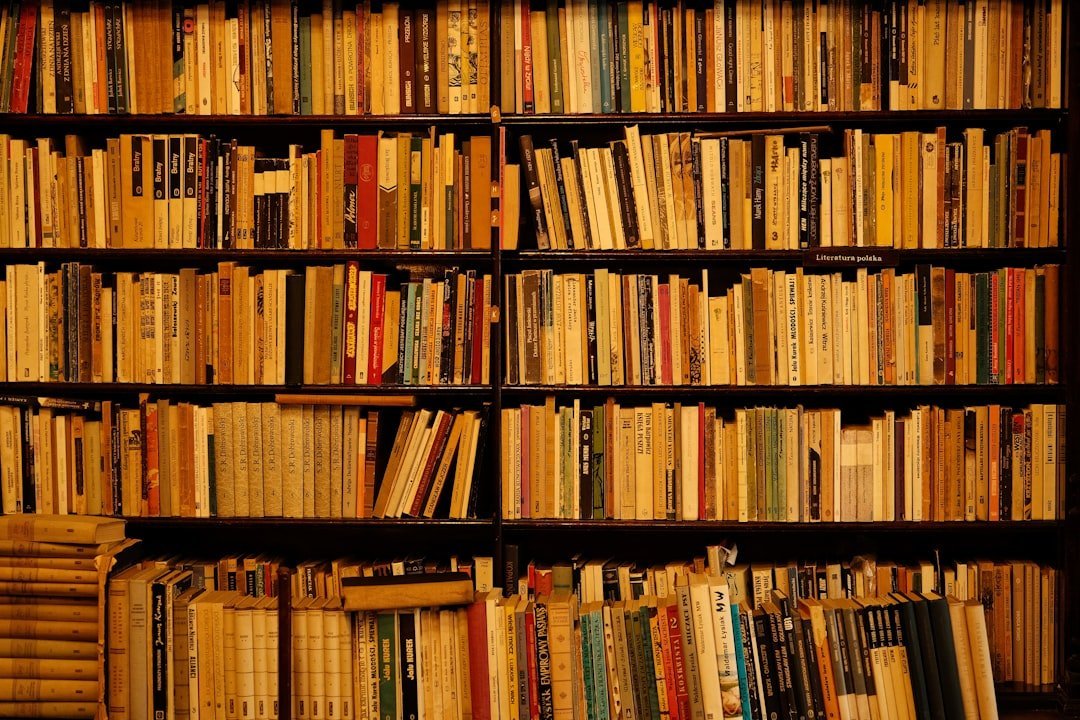
Here’s the thing about literary censorship: it almost never works. In fact, the practice of banning books is a form of censorship driven by political, legal, religious, moral, or commercial motives – but history shows repeatedly that suppression tends to increase curiosity rather than extinguish it. Of the Modern Library’s 100 Best Novels published since 1900 in the English language, 9 of the top 10 have been banned at some point. Let that number wash over you for a moment.
Books have been banned for a variety of different reasons – from a misunderstanding of progressive themes by conservative systems to a variety of other prejudices. Every era has its own blind spots, its own fears, its own reflexive instinct to silence what it doesn’t yet understand. The 15 books on this list represent something much larger than individual stories. They are proof that ideas have a gravity of their own. You can burn a copy, but you cannot burn the thought it contains.
Intellectual freedom isn’t a luxury – it’s the soil in which human understanding grows. PEN America has documented 22,810 cases of book bans in U.S. public schools since it began counting in 2021, wiping out everything from classic literature to children’s picture books. The battle is far from over. Every generation must choose, again and again, whether to reach for the book or for the match. The books in this article survived both. And they are more powerful for it.
What’s the most surprising banned book on this list for you? Drop your thoughts in the comments – it’s a conversation worth having.
CEO-Co-Founder
