

- 10 Most Romantic Glamping Getaways In America - April 4, 2026
- These 12 Musical Genres Defined Generations, But Are Now Rarely Heard - April 4, 2026
- These 8 Abandoned Historical Sites Hold More Secrets Than Modern Cities. - April 4, 2026
There is something almost magical about cracking open a book and feeling the present dissolve entirely. The noise of daily life fades. Your chair disappears. Suddenly you are standing in the fog of Tudor England or watching snow fall outside a Moscow hotel. The best historical fiction does not just describe the past – it reconstructs it, brick by brick, breath by breath, until you are living inside it.
The best historical novels give us a look into the lives of people we’ve never met, in eras we’ll never live through, with emotions that feel as real today as they did back then. Honestly, I think that is the whole point. History taught in school gives you dates and battles. Great historical fiction gives you the smell of gunpowder, the weight of a corset, the fear of a knock at the door.
The greatest historical fiction books combine meticulous research with compelling storytelling, creating narratives that feel both authentic and engaging. These novels transport readers to different eras while exploring universal themes of love, loss, courage, and human resilience. From ancient courts to WWII ruins, from Korean fishing villages to locked hotel rooms in Soviet Moscow, these fifteen books are your passport. Let’s dive in.
1. Wolf Hall by Hilary Mantel
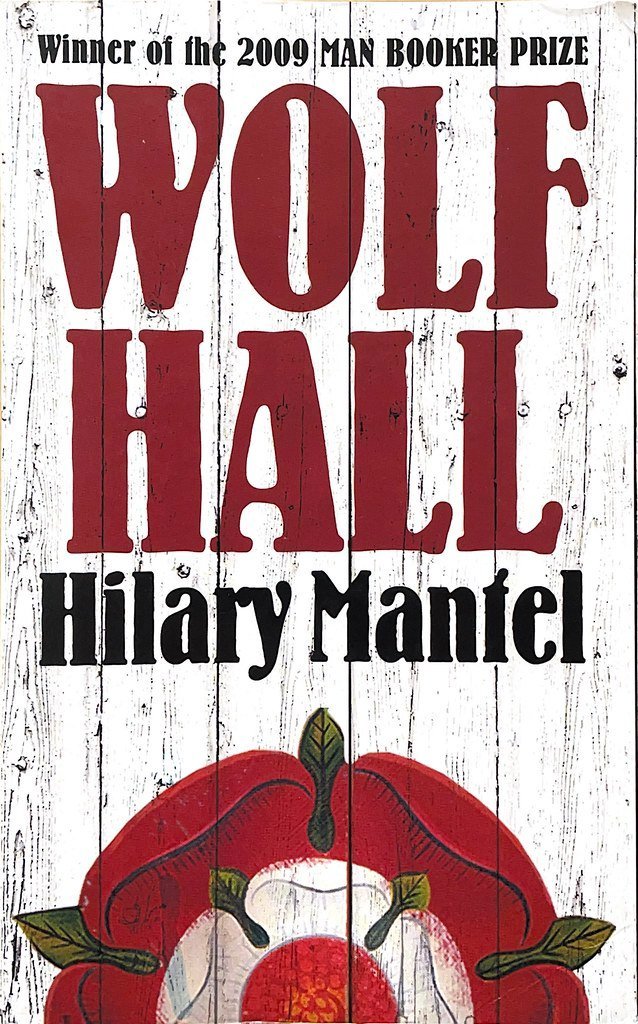
If you only read one book about Tudor England in your lifetime, make it this one. Set in 16th century England, Wolf Hall follows the rise of Thomas Cromwell, a shrewd and capable commoner, in the court of King Henry VIII. As Henry VIII seeks to annul his marriage to Catherine of Aragon and marry Anne Boleyn, Cromwell becomes instrumental in navigating the complex political and religious landscape of the time. The book delves into the intricate power struggles, religious conflicts, and personal ambitions of the characters and provides a fresh perspective on the events leading to the English Reformation.
Mantel’s novel offers an alternative portrayal, an intimate portrait of Cromwell as a tolerant, pragmatic, and talented man attempting to serve King, country, and family amid the political machinations of Henry’s court and the religious upheavals of the Reformation. What makes this book so disorienting – in the very best way – is Mantel’s unconventional use of the present tense and the pronoun “he,” placing you inside Cromwell’s perspective without ever letting you feel comfortable. Mantel spent five years researching and writing the book, trying to match her fiction to the historical record. To avoid contradicting history she created a card catalogue, organised alphabetically by character, with each card containing notes indicating where a particular historical figure was on relevant dates.
With a vast array of characters overflowing with incidents, the novel re-creates an era when the personal and political were separated by a hairbreadth, where success brings unlimited power, but a single failure means death. That tension never lets up. It is a book that makes you forget you are reading at all.
2. A Gentleman in Moscow by Amor Towles

Picture being sentenced to spend the rest of your life inside a luxury hotel, never allowed to step outside. That is the deceptively elegant premise of this remarkable novel. When, in 1922, he is deemed an unrepentant aristocrat by a Bolshevik tribunal, the count is sentenced to house arrest in the Metropol, a grand hotel across the street from the Kremlin. Rostov, an indomitable man of erudition and wit, has never worked a day in his life, and must now live in an attic room while some of the most tumultuous decades in Russian history are unfolding outside the hotel’s doors.
Set against the backdrop of Soviet Russia, the novel spans several decades, offering a unique perspective on some of the most tumultuous years in the country’s history. Towles’s meticulous research and elegant prose bring to life the opulent world of the Metropol, where the Count’s confinement becomes a journey of self-discovery and purpose. The hotel becomes a world unto itself, like a snow globe of pre-revolutionary Russia slowly filling with cracks.
Through the character of Count Alexander Rostov, Towles explores themes of class, privilege, and the power of human connections in the face of adversity. Rostov’s journey from aristocratic grandeur to humble confinement is a poignant exploration of resilience and adaptability. Few novels manage to be simultaneously confined and sweeping. This one does it brilliantly.
3. Pachinko by Min Jin Lee
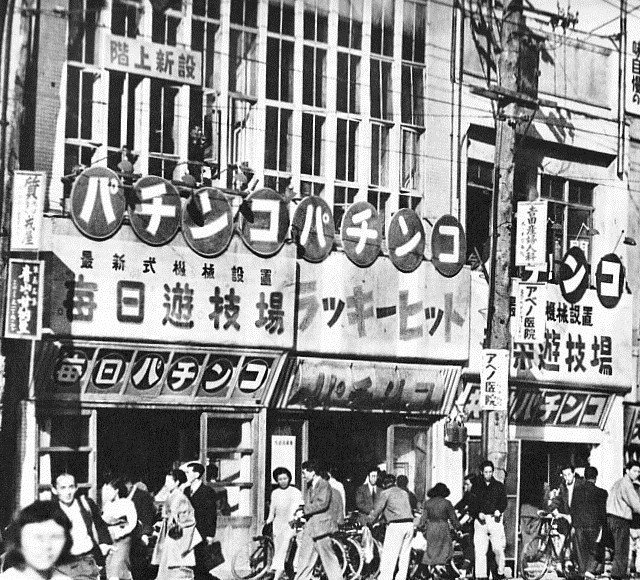
This is not just a novel – it is an experience. Published in 2017, Pachinko is an epic historical fiction novel following a Korean family who immigrates to Japan. The story features an ensemble of characters who encounter racism, discrimination, stereotyping, and other aspects of the 20th-century Korean experience of Japan. The story opens in a coastal Korean village and stretches across four generations, each one carrying the wounds of the last.
Pachinko is set in a particularly rich era of modern East Asian history, encompassing colonial Korea, World War II, the Allied Occupation of Japan, the Korean War, and Japan’s high-growth and “bubble economy” periods. What makes Lee’s approach so powerful is her restraint. Where other writers might try to dazzle with wordplay, Lee maintains an almost journalistic narration that is deceptively straightforward. Nothing is overstated; everything that happens is important; every detail illuminates.
The novel also highlights the motif of the game pachinko, and the unpredictable and uncontrollable nature of the game is a metaphor for the characters’ stories. It’s hard to say for sure which part of this novel will hit you hardest, but I can guarantee something will. Pachinko is a deeply moving journey through generations, inviting readers to witness the enduring power of love, the pursuit of belonging, and the indomitable human spirit that thrives even in the face of adversity.
4. The Pillars of the Earth by Ken Follett
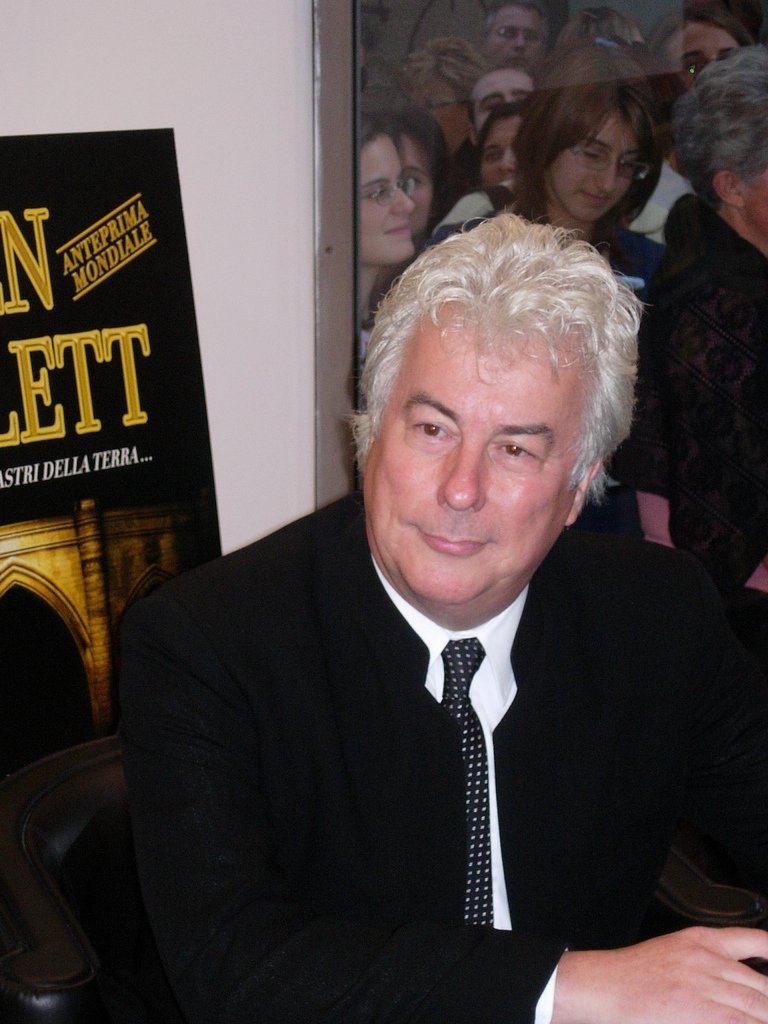
Medieval England is not the most glamorous setting on paper. Mud, plague, superstition, brutal class hierarchies. Yet Ken Follett transforms all of that into one of the most compelling reading experiences in modern fiction. The Pillars of the Earth is Ken Follett’s epic historical fiction novel set in medieval England. Prior Philip, a monk with perseverance and a vision, wants to build the world’s most glorious, Gothic cathedral. He enlists Tom Builder, a stone mason, to make his vision a reality. Building a magnificent cathedral is a complex undertaking made even more complicated by politics and power struggles.
Ken Follett crafts an immersive historical drama centered around the construction of a medieval cathedral. With vivid prose and memorable characters, Follett creates a world for readers to get lost in with this seldom explored part of history. The cathedral itself becomes a character, a slow-rising monument to human ambition and faith, surrounded by intrigue and violence that feels thoroughly modern in its dynamics. Pillars of the Earth spans multiple decades, introduces characters who also have a stake in the cathedral, and immerses readers into life in the middle ages.
5. Atonement by Ian McEwan
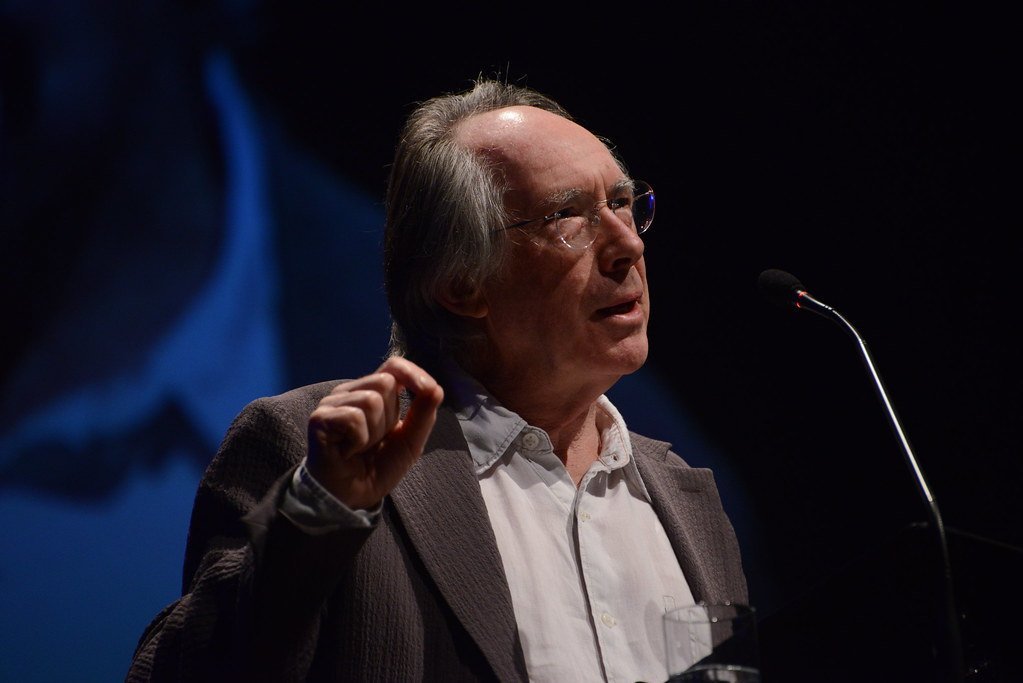
Not every historical novel is about armies or kings. Sometimes the most devastating historical fiction is about one terrible misunderstanding and the lifelong consequences that follow. One of the Guardian’s 100 best books of the 21st century, Atonement is a formidable modern classic. On the hottest day of the summer of 1935, thirteen-year-old Briony Tallis sees her sister Cecilia strip off her clothes and plunge into the fountain in the garden of their country house. Watching her too is Robbie Turner who, like Cecilia, has recently come down from Cambridge. By the end of that day, the lives of all three will have been changed for ever, as Briony commits a crime for which she will spend the rest of her life trying to atone.
McEwan writes the pre-war English countryside with an almost unbearable sensory richness. You can feel the heat shimmer off those manicured lawns. Then the war arrives, and everything sunlit turns to ash and rubble. The shift is nauseating – intentionally so. McEwan uses the contrast between those two worlds to show exactly what was lost when Europe chose catastrophe, and the result is one of the most emotionally devastating novels in the English language.
6. The English Patient by Michael Ondaatje
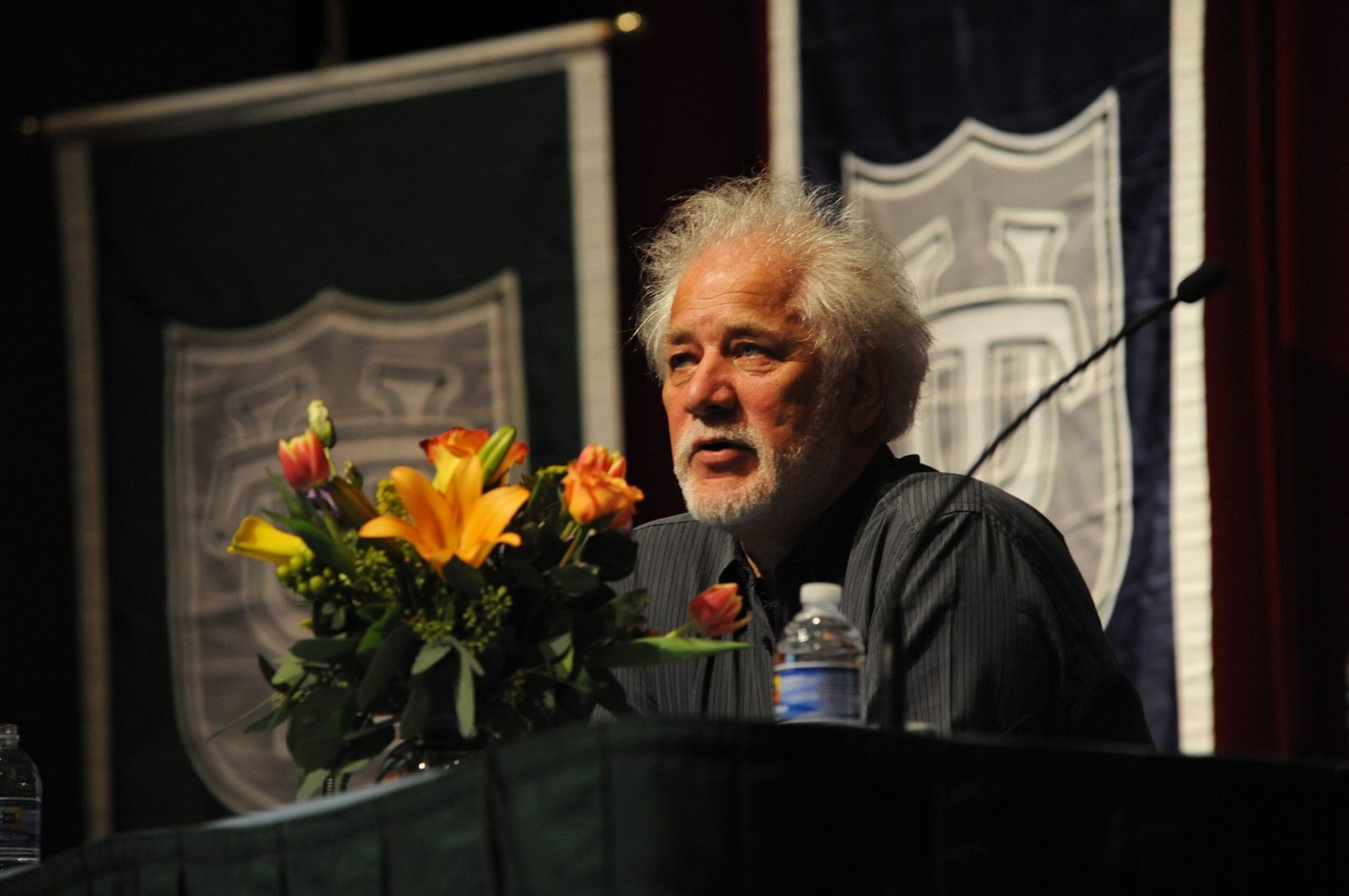
There are novels that tell a story, and there are novels that wash over you like weather. The English Patient is the second kind. Winner of the Booker Prize, the Governor General’s Award and the Golden Man Booker, this 1992 novel tells the story of four unlikely characters brought together during the Italian Campaign of World War II. Secrets, romance and mystery abound.
Ondaatje writes in a style that feels more like poetry than prose, circling the past in fragments rather than marching through it in straight lines. The war-ravaged Italian villa where the four characters converge becomes a kind of liminal space, haunted by memory and desire and guilt. I think the book rewards patient readers enormously. It demands you slow down, and when you do, the historical atmosphere seeps into every sentence. The desert flashbacks in particular feel like dispatches from another civilisation entirely.
7. Things Fall Apart by Chinua Achebe
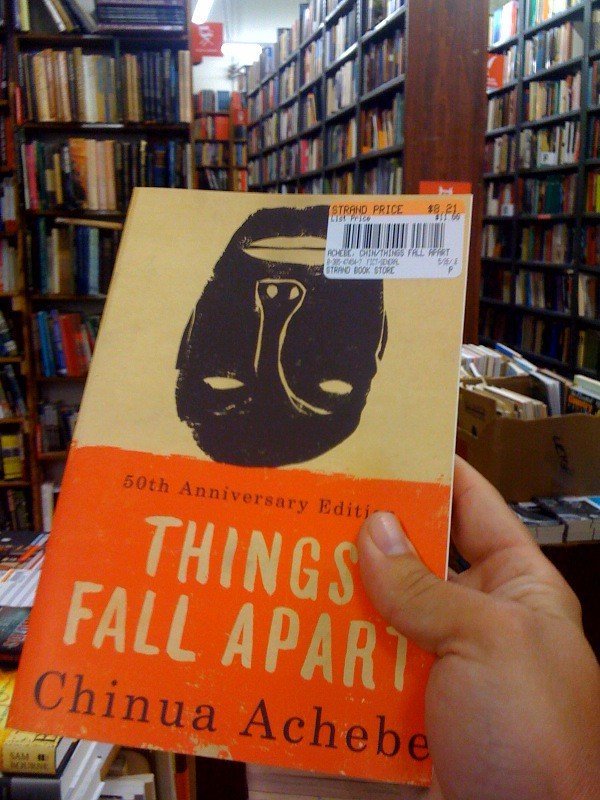
Published in 1958, this novel remains one of the most important books ever written – full stop. First published in 1958, Chinua Achebe’s stark, coolly ironic novel reshaped both African and world literature. Okonkwo is the greatest wrestler and warrior alive, and his fame spreads throughout West Africa like a bush-fire in the harmattan. But when he accidentally kills a clansman, things begin to fall apart.
What Achebe achieves here is something no textbook ever could. He places the reader inside an Igbo community in late 19th-century Nigeria, not as an outsider looking in, but as a full participant in its rhythms, its values, its dignity. Then colonialism arrives. The devastation it brings is made so much more real because we have already come to love what is being destroyed. The writing is deceptively simple, almost mythic in tone, and utterly unforgettable in its impact.
8. Hamnet by Maggie O’Farrell
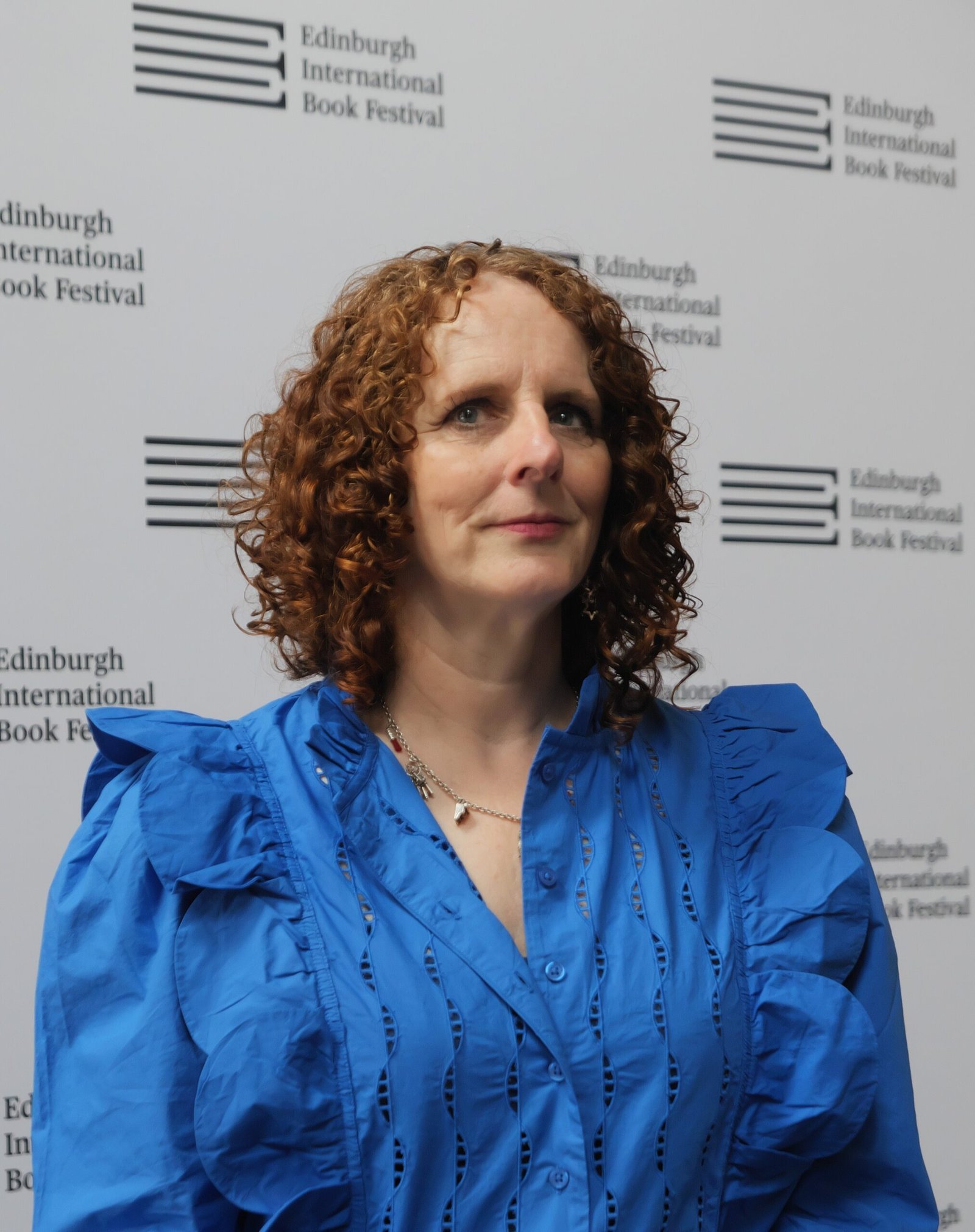
Here is a book that takes a single biographical footnote from history and transforms it into something heartbreaking and luminous. A meditation on the inspiration borne of tragedy and the story of the indomitable woman behind an iconic visionary. Gorgeous writing, a magnificent plot and the exquisite exploration of love and loss make this a can’t-miss novel from the talented, praise-worthy voice of O’Farrell. Without giving too much away, this is a book that must be savored.
The novel imagines the life of Hamnet Shakespeare, William Shakespeare’s young son who died aged eleven, and his mother Agnes. O’Farrell renders 16th-century Stratford-upon-Avon with extraordinary specificity – the herb gardens, the candle-lit rooms, the constant proximity of plague and death. Agnes is one of the most vividly realised women in all of literary fiction. The book is a grief novel, yes, but it is also a portrait of a marriage, a household, an era. It will flatten you.
9. All Quiet on the Western Front by Erich Maria Remarque
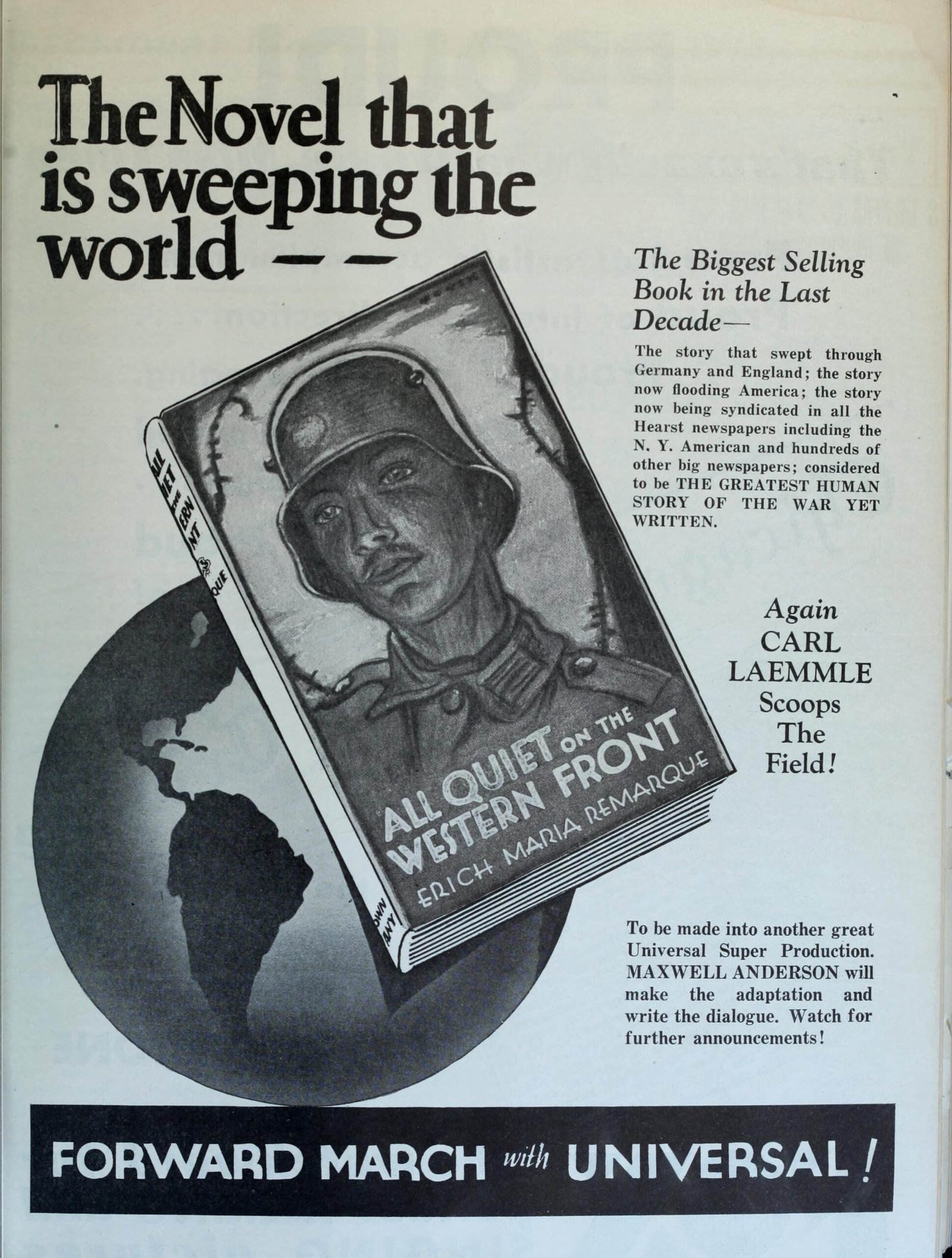
There are books about war, and there is this book. Published in 1929, it remains the most shattering account of World War I ever written, told from the perspective of a young German soldier. Classic historical fiction titles that appear on most “100 books everyone should read” lists include “All Quiet on the Western Front,” combining literary merit with historical significance and offering insights into different cultures, time periods, and human experiences that have shaped our world.
Remarque does not romanticise anything. The trenches smell of rot and fear. The camaraderie is real but fragile. The prose is stripped bare of flourish, which is exactly right, because the boys in it have had everything stripped from them too. The novel transports you into the mud and the noise of the Western Front with a visceral immediacy that no documentary can replicate. Reading it in 2026, the anti-war rage at its core still burns.
10. The Miniaturist by Jessie Burton
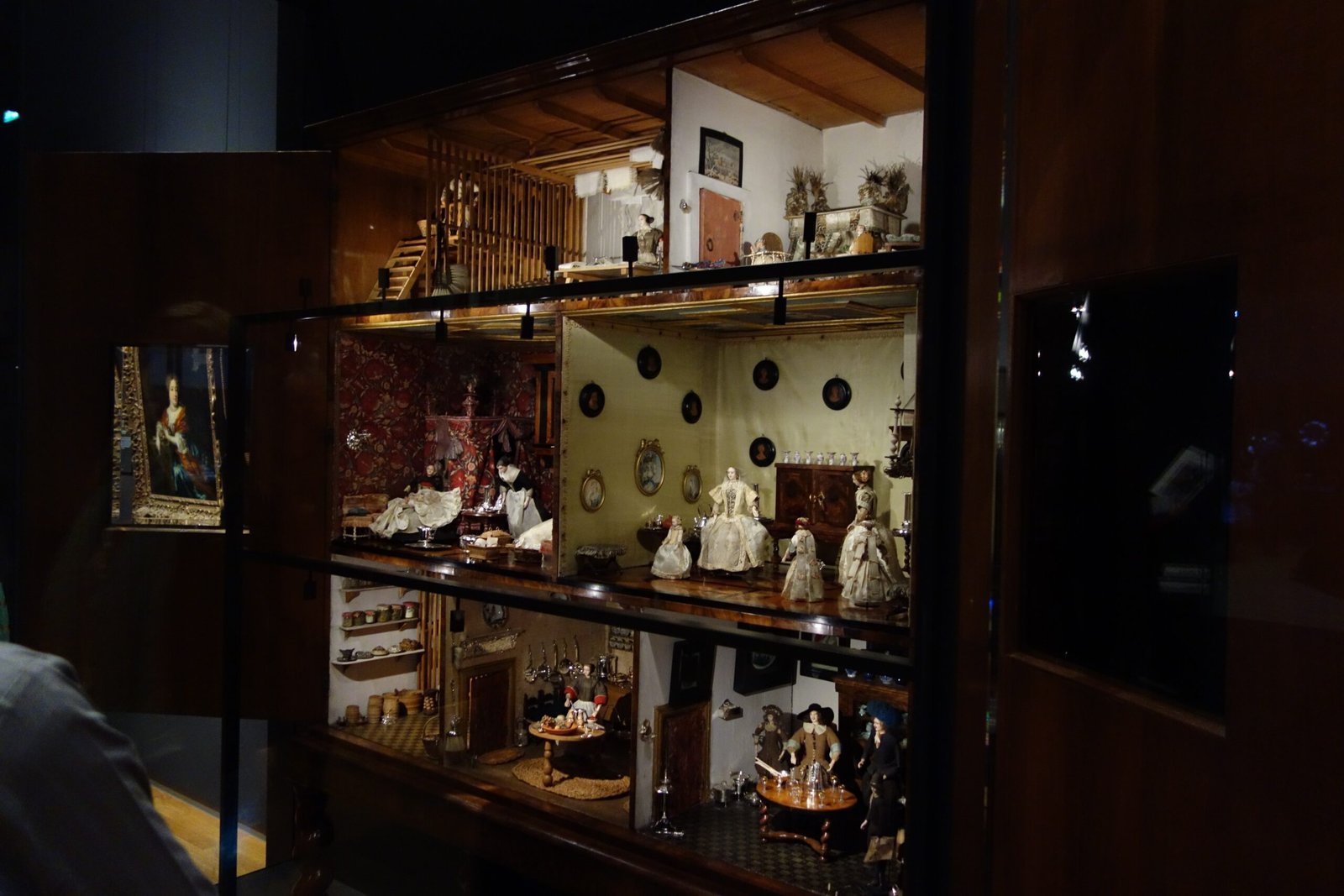
Golden Age Amsterdam in all its mercantile splendour and hidden shadows. In 1686, eighteen-year-old Nella Oortman knocks at the door of a house in the wealthiest quarter of Amsterdam. She has come from the country to marry merchant trader Johannes Brandt, but instead she is met by his sharp-tongued sister, Marin. Only later does Johannes appear and present her with an extraordinary wedding gift: a cabinet-sized replica of their home. It is to be furnished by an elusive miniaturist, whose tiny creations mirror their real-life counterparts in unexpected ways.
Burton researched her novel through a real cabinet doll’s house displayed at the Rijksmuseum in Amsterdam, and that level of grounded detail shows on every page. The city itself – its canals, its commerce, its crushing social conformity – is as much a character as Nella herself. The novel is also a thriller of sorts, building dread so quietly you barely notice until you cannot put it down. Does the miniaturist hold their fate in her hands? And will she be the key to their salvation or the architect of their downfall?
11. Kindred by Octavia Butler
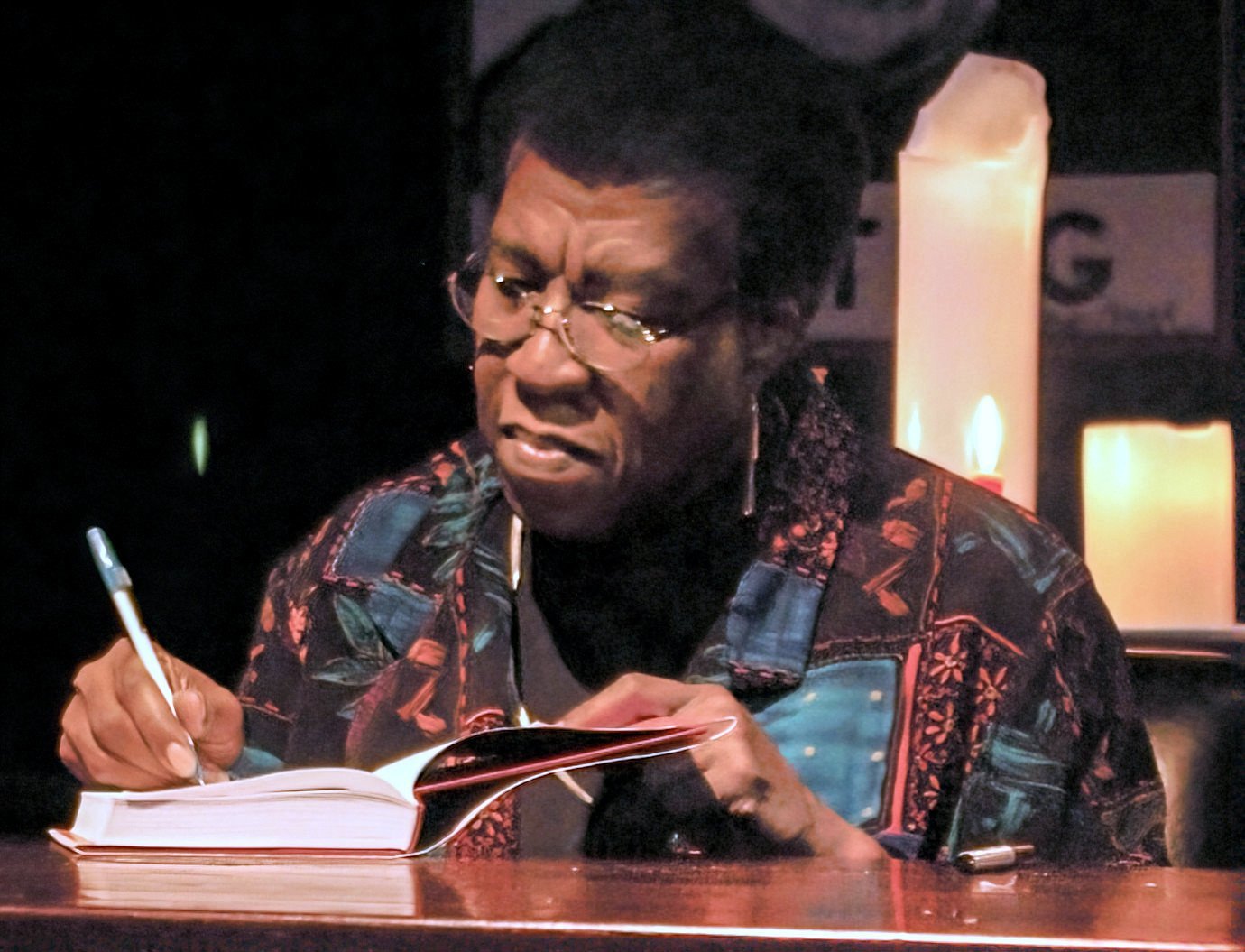
No novel makes the horror of American slavery more viscerally, uncomfortably real than this one. First published in 1979, Kindred is a novel that has aged well, still feeling fresh and current. It’s both a time travelling novel and a slave narrative, as well as being a bona fide page turner. The story is told by Dana, a black woman living in the Twentieth Century who is repeatedly transported back in time to the antebellum south where she is forced to live as a slave. The journeys into the past become increasingly perilous and will have you on the edge of your seat.
Butler uses the science fiction conceit not as a gimmick but as a philosophical device. By placing a modern Black woman into the 19th-century plantation South, she forces the reader to feel the distance between “knowing” about slavery and experiencing its daily mechanics. The result is profoundly disorienting in a way purely realist fiction often cannot be. Kindred is uncomfortable to read. It is supposed to be. That discomfort is the whole point.
12. The Paris Wife by Paula McLain
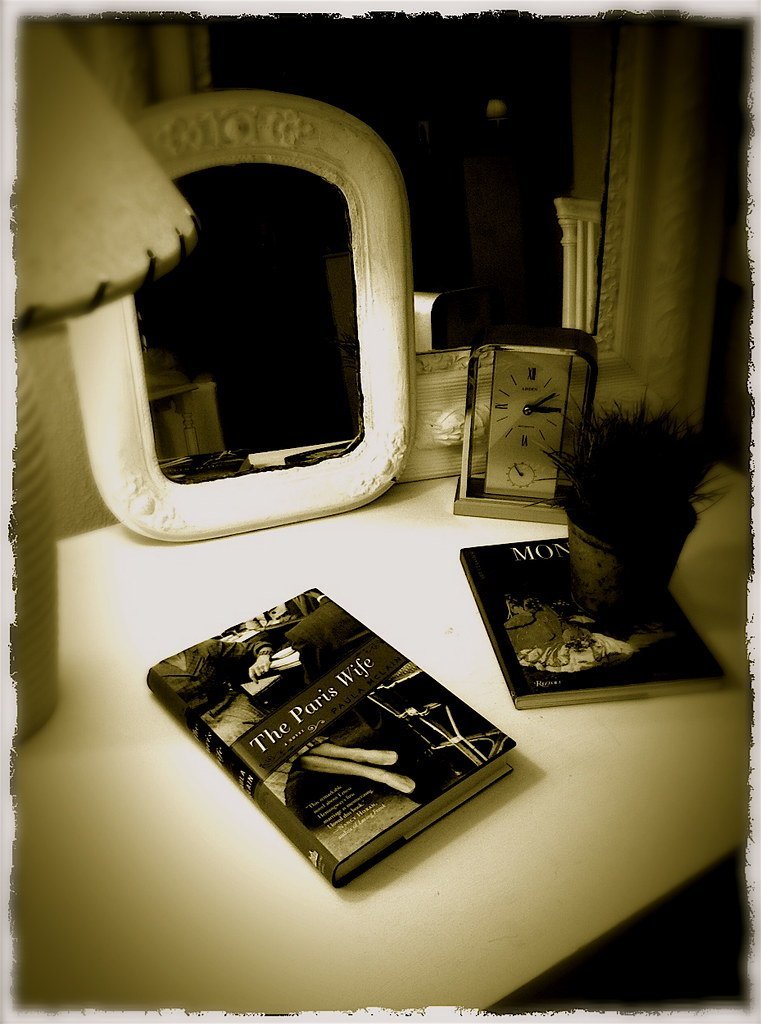
1920s Paris. Jazz, art, ambition, and the particular cruelty of being married to a genius. The Paris Wife is tender, heartbreaking, and beautifully written. It tells the story of Hadley Richardson, Ernest Hemingway’s first wife, and what it was like to love a man destined for greatness – and self-destruction. Set against the glittering backdrop of 1920s Paris, this book captures love, ambition, and loss in such a raw, human way.
McLain recreates the Montparnasse literary scene of the so-called Lost Generation with a level of cultural and social specificity that makes you feel you are sitting in Sylvia Beach’s bookshop alongside Gertrude Stein and F. Scott Fitzgerald. The historical atmosphere is impeccably rendered, but what makes the book soar is its emotional honesty. Hadley Richardson was a real woman, too often reduced to a footnote in Hemingway’s biography, and McLain restores her fully to life.
13. Water for Elephants by Sara Gruen
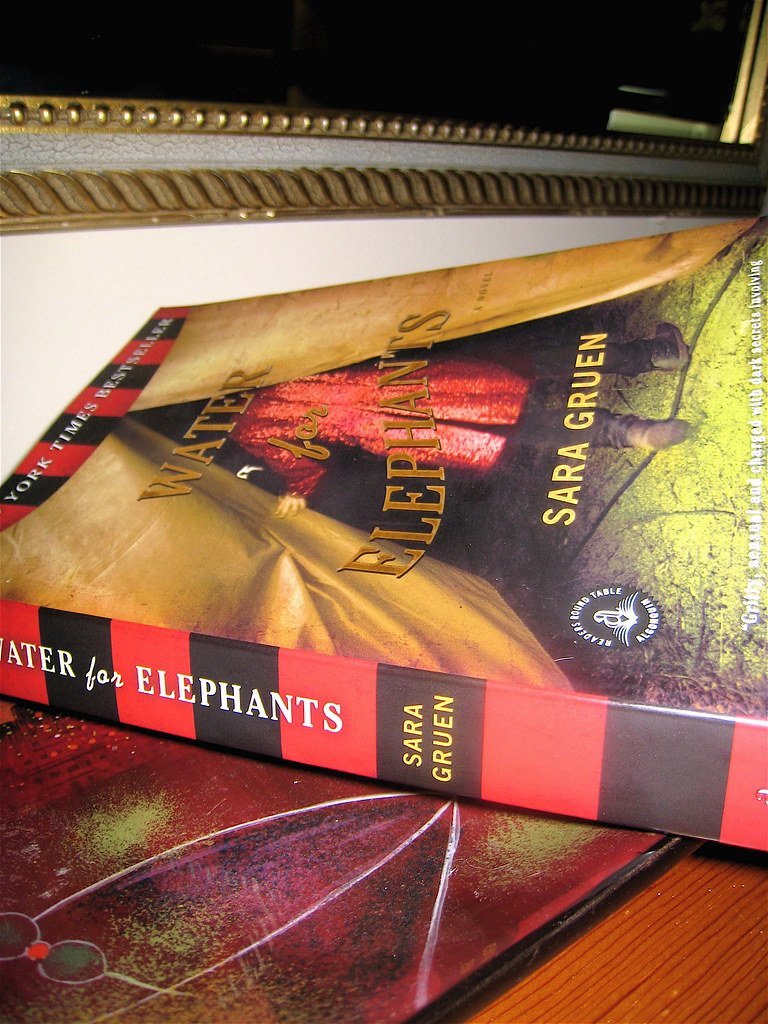
The Great Depression makes for an unexpectedly thrilling historical backdrop when filtered through the peculiar world of a travelling circus. A modern classic, this Depression-era tale drops us into the dazzling and deeply dysfunctional world of a traveling circus. Young Jacob finds heartbreak, hope, and an unforgettable elephant named Rosie. Between star-crossed love, brutal animal tamers, and the smell of sawdust, Water for Elephants is both a romance and a survival story – with just enough grit to keep you turning pages late into the night.
Gruen researched actual circus practices of the 1930s extensively, and the period detail is wonderfully granular – right down to the hierarchies of circus workers, the hobo culture along the rail lines, and the particular economics of Depression-era entertainment. The dual timeline structure, switching between the 1930s and the present day, gives the reader a powerful sense of how much time can change the world around a person. This one is more fun than most on this list, and sometimes that is exactly what you need.
14. The Alienist by Caleb Carr
New York City at the very end of the 19th century: electric streetcars, Tammany Hall corruption, gaslit streets, and the first tentative stirrings of criminal psychology. The Alienist is riveting historical suspense fiction set in New York in the late 1800s, a time when the concept of “serial killer” was just emerging. Newspaper reporter John Schuyler Moore and psychologist (aka “alienist”) Dr. Laszlo Kreizler team up to find a killer, using the novel approach of developing a psychological profile of the murderer. Before they can find him, he strikes again, and New York City has a serial killer on its hands.
Praised for its immersive setting, The Alienist will appeal to mystery lovers who love period pieces. Carr did extraordinary research into Gilded Age New York, and the city in this novel practically sweats off the page. The contrast between the era’s opulent architecture and its shocking poverty and violence gives the thriller a social depth that lifts it well above the average genre novel. It reads like a Victorian-era detective procedural set in America, and it is utterly gripping.
15. The House at Riverton by Kate Morton
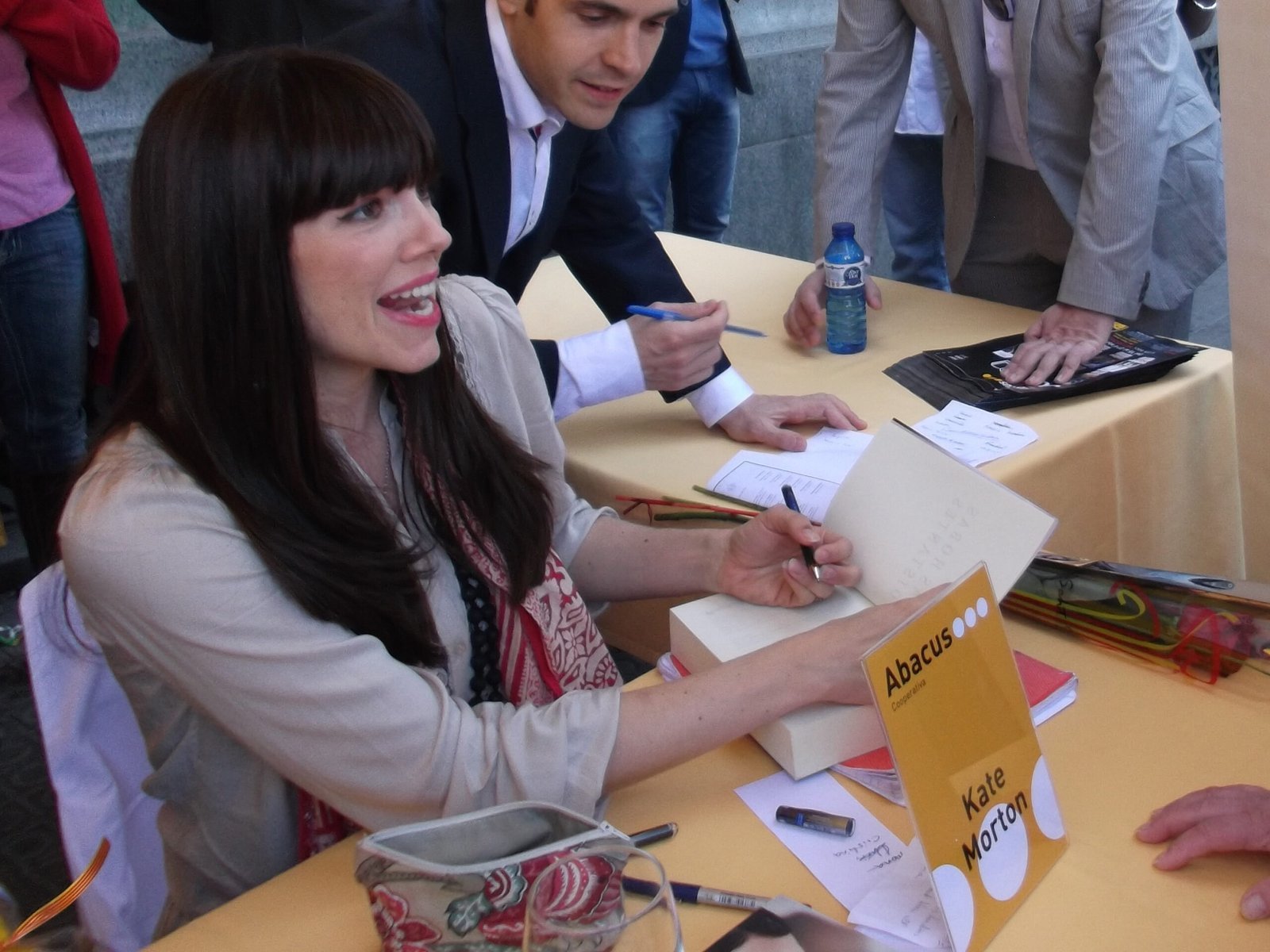
Few writers conjure historical atmosphere quite like Kate Morton, and this novel is perhaps her most beautifully constructed exercise in literary time-travel. The House at Riverton shifts between the present and the past, a structure author Kate Morton is very adept at handling. Grace Bradley is living out her days in a nursing home when she’s approached by a woman who wants to write a story about a tragic event that took place in the house where Grace was employed as a maid. When Grace revisits the scene, she relives the memories of those times and the secrets surrounding the death of a young poet. The House at Riverton immerses you in a time when the English aristocracy was fading and should appeal to historical novel fans who like stories with plenty of secrets.
Morton’s genius lies in using the architecture of a crumbling English estate as a metaphor for an entire social order in collapse. The Edwardian and inter-war periods are rendered with lush, almost melancholy precision – the rigid class distinctions of domestic service, the trauma left behind by the First World War, the slow erosion of a world that believed it would last forever. Readers can smell the coal smoke, see the swing of a flapper’s pearls as she dances the Charleston, and feel the weight of social conventions. Few books nail that era so thoroughly.
Why Historical Fiction Remains the Greatest Literary Time Machine
There is a reason these books endure. History, taught as fact, stays at arm’s length. History told through a character you love – one with doubts, desires, and a breakfast they can’t finish – becomes something you carry with you. Historical fiction invites us into beautifully imagined worlds where past events come alive through unforgettable characters. It helps us understand different cultures, experience historical turning points, and see the ripple effects of decisions made long ago.
The best historical fiction books feature meticulous historical research, compelling characters, authentic dialogue, and immersive period details. Great historical novels balance accuracy with storytelling, avoid anachronisms, and explore universal themes through historical settings. They transport readers to different eras while remaining relevant to contemporary audiences. That last part matters enormously. The best of these fifteen books do not just recreate the past – they illuminate the present.
There is also something quietly humbling about realising that the fears and loves and injustices of another century are not that different from our own. Although there is certainly enjoyment in nonfiction about historical events, there’s something special about the way a fictional story illuminates a piece of history. Fictional characters spark our imaginations and immerse us in the setting, inviting us to empathize with their journeys while we learn something new on every page. That is why historical fiction will never go out of fashion. It reminds us that every era felt urgent and real to the people living through it – just as ours does to us.
Which of these fifteen books surprised you most? Drop your thoughts in the comments – we’d love to know which era you’d most want to get lost in.
CEO-Co-Founder
