

For any feedback please reach out to info@festivalinside.com
- The Biggest Mistakes in History That No One Talks About - December 13, 2025
- Soundtracks That Were Better Than the Movies They Came From - December 13, 2025
- How Accidents and Chance Have Shaped Civilization - December 13, 2025
Ulysses by James Joyce – The Book That Broke Literary Barriers
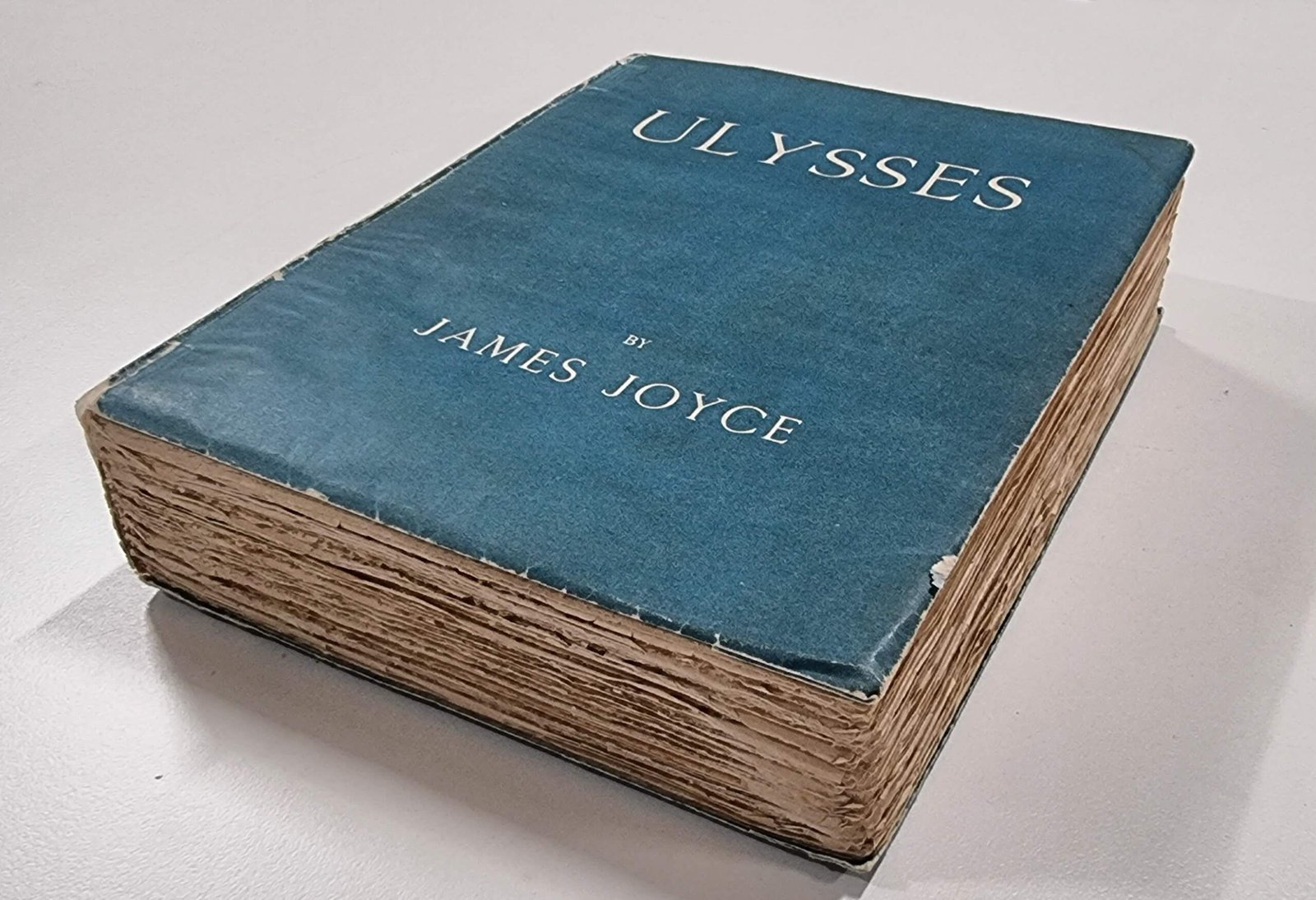
On December 6, 1933, a groundbreaking court decision in New York changed American literature forever. At issue was whether James Joyce’s 1922 novel Ulysses was obscene. In deciding it was not, District Court Judge John Munro Woolsey opened the door to importation and publication of serious works of literature that used coarse language or involved sexual subjects. The case wasn’t just about one book – it redefined what constituted obscenity in American law. The trial court’s decision was affirmed in a 2–1 decision of the United States Court of Appeals for the Second Circuit, which confirmed that offensive language in a literary work is not obscene where it does not promote lust. Random House, represented by Morris Ernst, had deliberately imported the book to force a test case. After several noted writers of the day — the likes of T.S. Elliot, Virginia Wolf, and Ezra Pound — praised the book, Bennett Cerf, cofounder of Random House with Donald S. Klopfer, became interested in bringing Ulysses to America, which meant it needed to be removed from the obscene list. Judge Woolsey’s decision examined the work’s effect on “a person with average sex instincts” and concluded it had no prurient effect.
Lady Chatterley’s Lover by D.H. Lawrence – Britain’s Literary Revolution
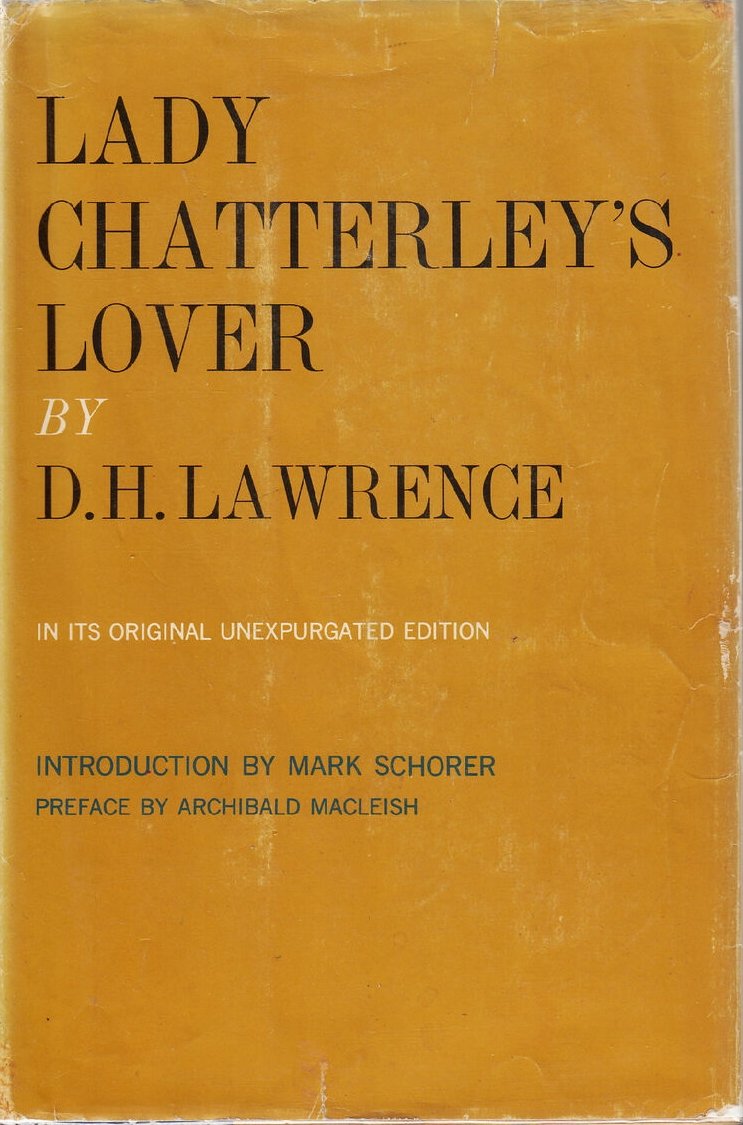
R v Penguin Books Ltd (also known as The Lady Chatterley Trial), was the public prosecution in the United Kingdom of Penguin Books under the Obscene Publications Act 1959 for the publication of D. H. Lawrence’s 1928 novel Lady Chatterley’s Lover. The trial took place over six days, in No 1 court of the Old Bailey, between 20 October and 2 November 1960 with Mervyn Griffith-Jones prosecuting, Gerald Gardiner counsel for the defence and Laurence Byrne presiding. What made this case remarkable wasn’t just the verdict – it was the prosecutor’s hilariously out-of-touch questions that revealed how disconnected the establishment was from ordinary people. Would you approve of your young sons, young daughters—because girls can read as well as boys—reading this book? The prosecution’s questions about whether people would let “your wife or your servants” read it became a source of courtroom amusement. After three hours of deliberation the jury returned a unanimous verdict of not guilty. Lord Teviot moved for the Second Macmillan ministry to ban all such publications on 14 December 1960; peers exchanged 18,770 words but voted down his motion in a spoken vote. The verdict was out, the dam broken, and Penguin managed to get some copies on sale the same day, with two million copies sold nationwide a month later.
Tropic of Cancer by Henry Miller – America’s Long Battle with Censorship
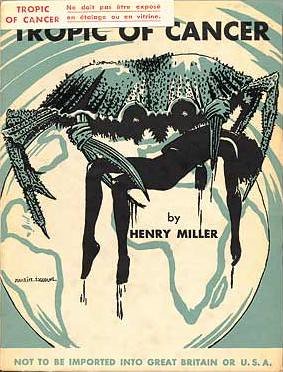
Henry Miller’s autobiographical novel became the last major work of literature to face widespread censorship in America. The book was banned in many states throughout the 1940s and 1950s before finally reaching the Supreme Court. The law had been defanged and it was now impossible to prosecute a work of literary merit for obscenity: the DPP didn’t bother to try with Henry Miller’s Tropic of Cancer or William Burroughs’ Naked Lunch, and the last gasp of an initial conviction for Hubert Selby Jr’s Last Exit to Brooklyn was overturned on appeal. The Grove Press case established that literary merit could protect even sexually explicit works from obscenity charges. Unlike earlier cases that focused on individual passages, courts began examining books as complete works rather than cherry-picking the most provocative sections. This shift in legal thinking meant that serious literature – no matter how graphic – gained protection under the First Amendment. The victory for Tropic of Cancer effectively ended the era of major literary works being banned for obscenity in the United States.
Howl by Allen Ginsberg – When Poetry Faced the Law
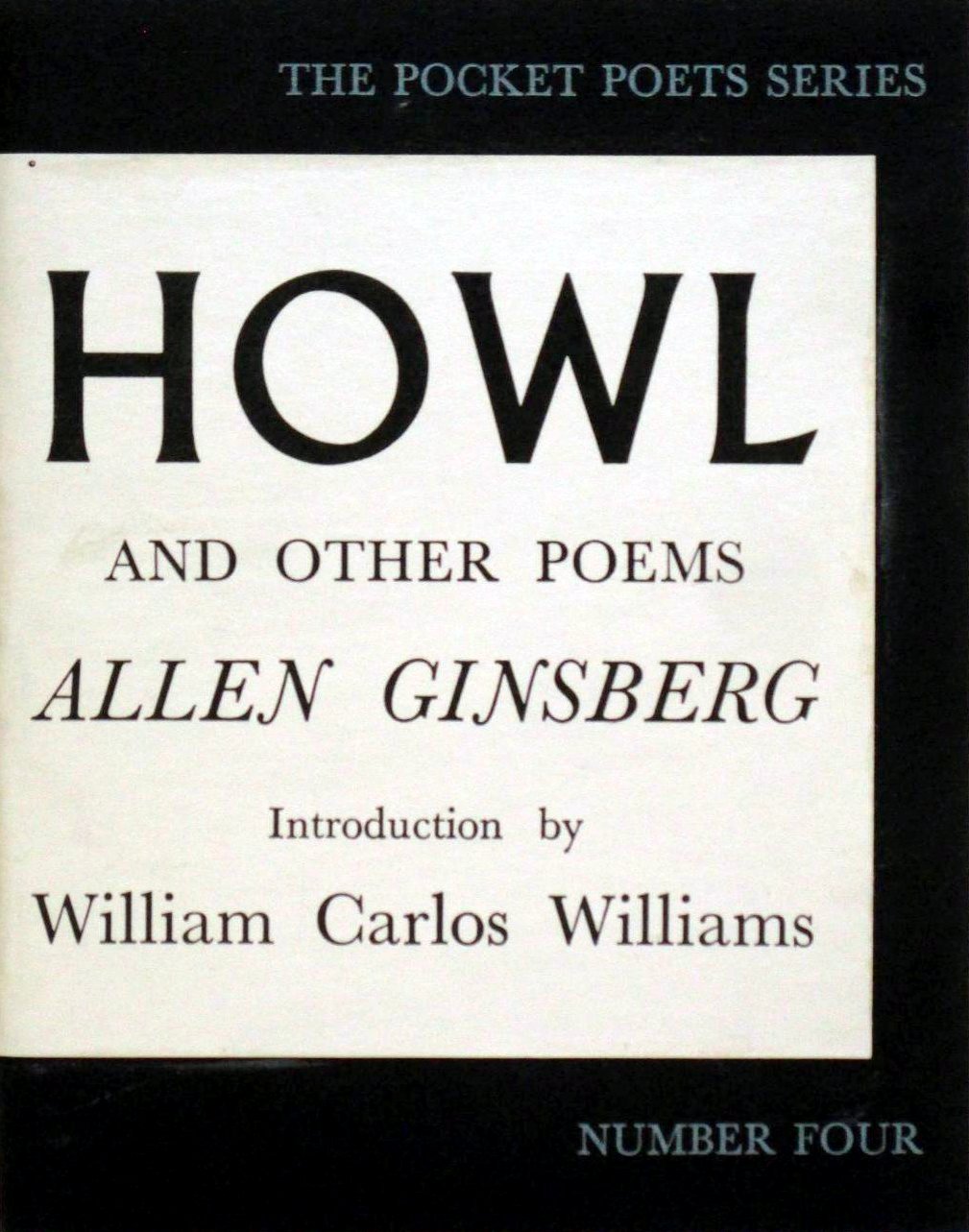
In 1957, Lawrence Ferlinghetti, owner of City Lights Bookstore in San Francisco, found himself in court defending Allen Ginsberg’s revolutionary poem “Howl.” The case People v. Ferlinghetti became a watershed moment for Beat Generation literature and free expression in America. The poem’s explicit sexual language and references to homosexuality triggered an obscenity prosecution that captured national attention. What made this case particularly significant was that it involved poetry rather than a novel, testing whether the same legal protections applied to all forms of literature. The defense brought in literary experts who testified to the poem’s artistic merit and social commentary. Judge Clayton Horn ultimately ruled that the poem had “redeeming social importance” and wasn’t obscene under California law. This victory emboldened publishers to take risks with controversial literary works and helped establish the principle that artistic expression deserved broad protection. The case also demonstrated that grassroots literary communities could successfully challenge censorship through organized legal defense.
The Satanic Verses by Salman Rushdie – International Literary Crisis

This novel, and its author Salman Rushdie, have been the target of over 30 years of violence and attempted suppression. Why did a young man try to murder the novelist Salman Rushdie in August 2022? The publication of Rushdie’s novel in 1988 triggered one of the most serious international literary controversies in modern history. The Satanic Verses was published in the United States. Feb. 24, 1989: Some 10,000 anti-Rushdie demonstrators marched on the British High Commission in Bombay, India. Police opened fire on the crowd, killing a dozen people, and injuring at least 40 more. The book sparked violent protests across the Muslim world, with many considering it blasphemous. around 4 am, someone threw a Molotov cocktail through the window of Cody’s Bookstore in Berkeley, California, because the bookstore was carrying The Satanic Verses. Upon opening, an unexploded pipe bomb was found in the store that could have killed everyone present. It had to be sandbagged and detonated on-site. Cody’s staff decided unanimously to continue to stock the novel, though the culprit was never captured. The furor around The Satanic Verses has resulted in nearly 70 deaths…and made the novel far more famous than it otherwise would have been. Salman Rushdie is a world-famous icon of free speech because people have tried to kill him.
Fanny Hill by John Cleland – America’s Obscenity Test Case
John Cleland’s 18th-century erotic novel “Memoirs of a Woman of Pleasure,” commonly known as “Fanny Hill,” became central to a landmark Supreme Court case in 1966. The case Memoirs v. Massachusetts established the three-part test for obscenity that dominated American law for years: material had to appeal to prurient interest, be patently offensive, and lack any redeeming social value. What made this case fascinating is that the book was written in 1748, meaning the Supreme Court was essentially deciding whether centuries-old literature could be considered obscene by contemporary standards. The Massachusetts Supreme Judicial Court had ruled the book obscene, but publishers argued its historical and literary significance should protect it. The U.S. Supreme Court’s plurality opinion ruled that the book couldn’t be banned because it had some literary and historical value, even if minimal. This decision effectively raised the bar for what could be considered legally obscene, requiring prosecutors to prove that challenged works were completely without redeeming merit. The case also highlighted the absurdity of applying modern obscenity standards to historical literature.
Mein Kampf by Adolf Hitler – The Paradox of Hateful Speech
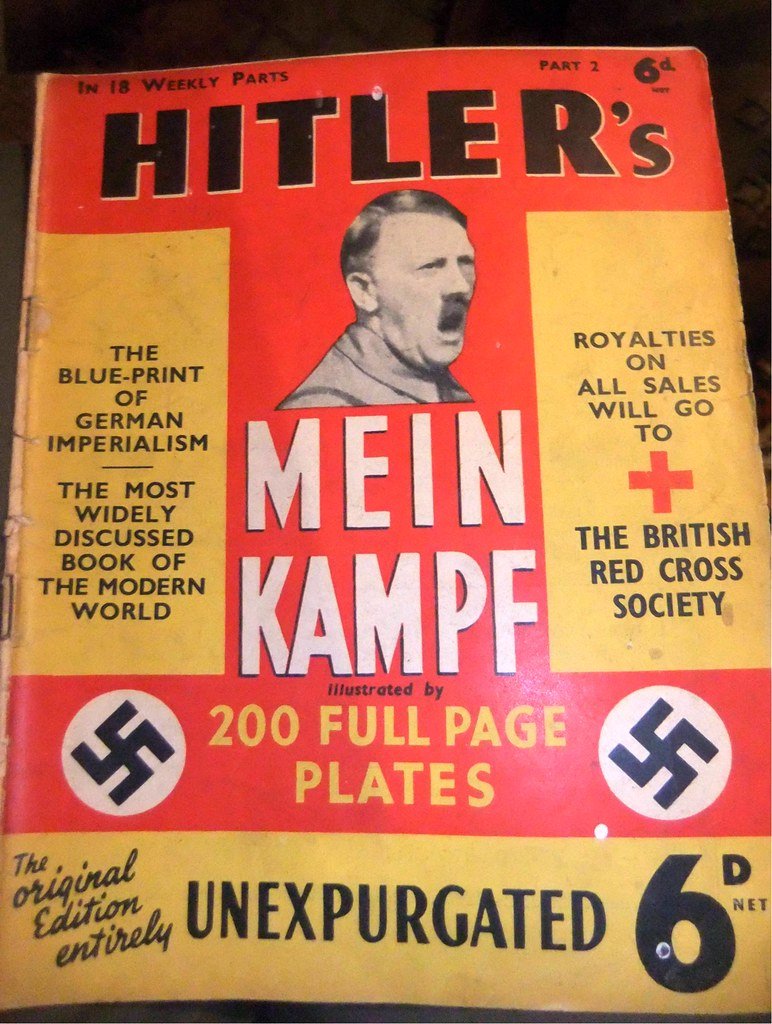
Hitler’s autobiographical manifesto presents one of the most complex censorship challenges in modern legal history. Why is Alice Walker’s “The Color Purple” banned in Texas prisons, but Adolf Hitler’s “Mein Kampf” is allowed? This paradox reveals the complicated relationship between free speech and hate speech in different legal systems. In Germany, the book remained under tight copyright control by the Bavarian government until 2015, effectively limiting its distribution for 70 years after Hitler’s death. When the copyright expired, the Institute of Contemporary History published a heavily annotated critical edition, sparking fresh debates about how to handle dangerous historical texts. Many countries have taken different approaches – some ban it outright, others allow it with educational context, and some permit unrestricted access. The legal challenges haven’t focused on traditional obscenity but on hate speech and public safety concerns. Courts have generally ruled that historical significance and educational value outweigh censorship concerns, but institutions often restrict access to prevent its use as propaganda. The ongoing availability of the book in many places, while other works face bans, continues to generate legal and ethical debates about the boundaries of free expression.
The Anarchist Cookbook by William Powell – Instructions for Destruction
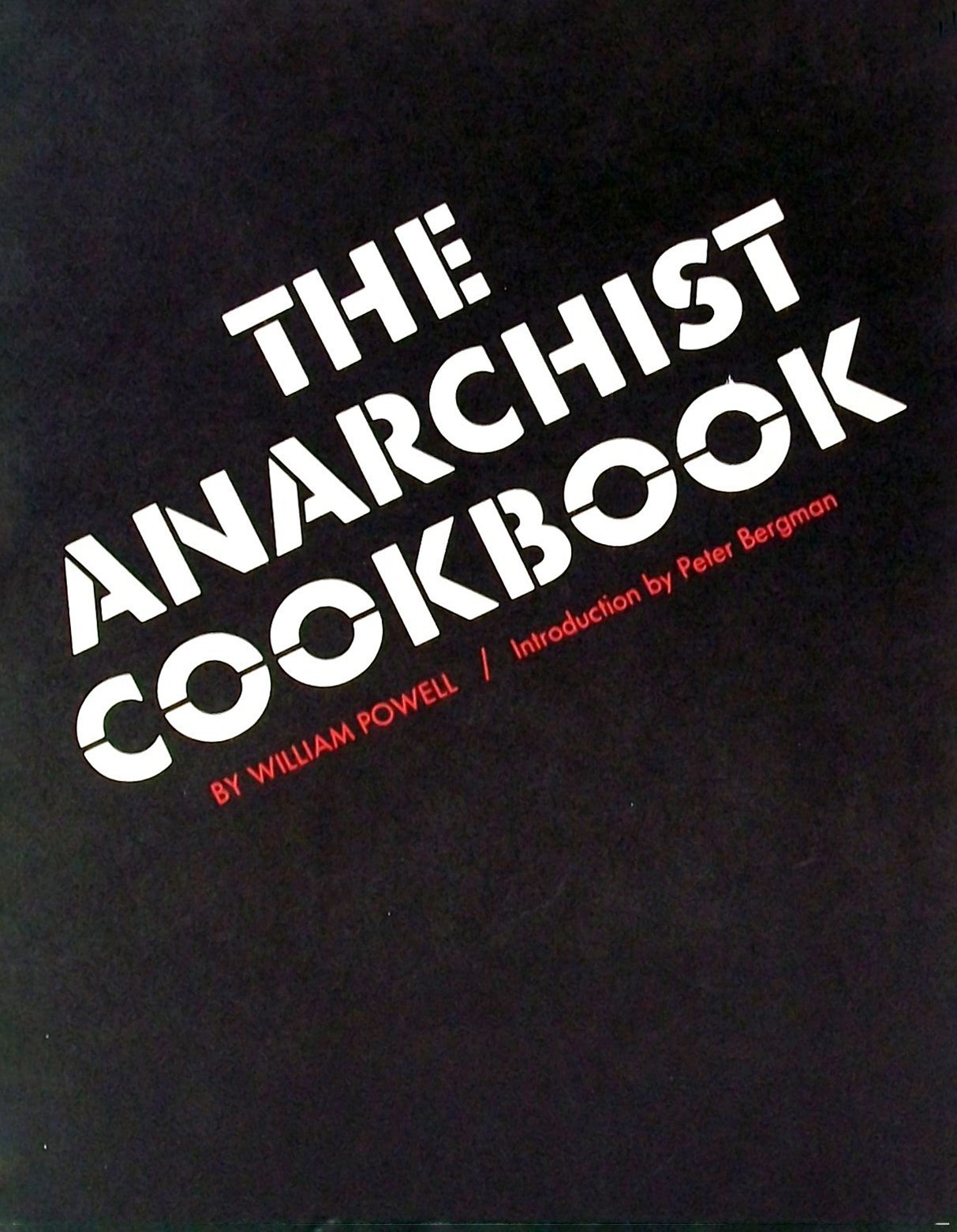
The Anarchist Cookbook, William Powell. This book has been banned since 1985. It was most recently reviewed and still refused classification in 2016, on the grounds that it “promote, incite or instruct in matters of crime or violence.” Unlike other books on this list, Powell’s 1971 manual faces restrictions not for sexual content or political ideas, but for practical instructions on making weapons and explosives. The book contains detailed recipes for bombs, drugs, and various methods of destruction, making it uniquely dangerous in the wrong hands. In October 2007, a BBC news report alleged that a 17-year-old boy, charged with two counts of terrorism-related offenses, possessed a copy of the book. Later that month, PhillyNews reported a similar case in the Plymouth Whitemarsh school district in which a teenager planning a “Columbine-esque” school shooting was arrested and after a search warrant was executed was found to have a copy of the book along with numerous air powered weapons, black powder grenades, a 9mm rifle, a hand-painted Nazi flag, and a video related to the Columbine massacre. What’s particularly ironic is that Powell himself later renounced the book, calling it a product of his teenage anger that he wished he’d never written. Legal challenges focus on whether instructional material for illegal activities deserves First Amendment protection, with courts generally ruling that specific instructions for violence fall outside protected speech.
American Psycho by Bret Easton Ellis – Violence Meets Literature
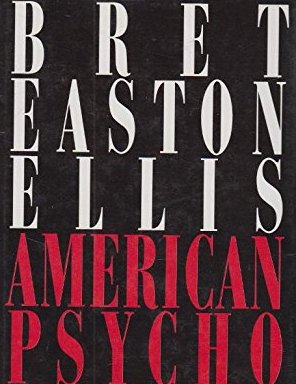
Bret Easton Ellis’s controversial 1991 novel pushed the boundaries of literary violence and misogyny to such extremes that several countries imposed legal restrictions on its publication and sale. The book’s graphic depictions of torture, murder, and sexual violence against women triggered fierce debates about the limits of artistic expression. In Australia, the book was initially banned, then later classified as restricted, meaning it could only be sold to adults in sealed plastic wrapping. Germany imposed similar restrictions, requiring special labeling and limiting where the book could be displayed or sold. Canadian bookstore chains initially refused to stock it, leading to legal challenges about corporate censorship versus government restriction. What made the legal battles particularly complex was the question of whether extreme fictional violence constituted a form of hate speech against women. Feminist groups argued the book promoted violence against women, while literary defenders claimed it was satirizing consumer culture and toxic masculivity. The case highlighted the difficulty courts face when trying to distinguish between literature that depicts violence and literature that promotes it. Many legal scholars noted that the book’s literary merit and satirical intent provided some protection, but its extreme content pushed the boundaries of what society would tolerate.
Lolita by Vladimir Nabokov – Art Versus Moral Outrage
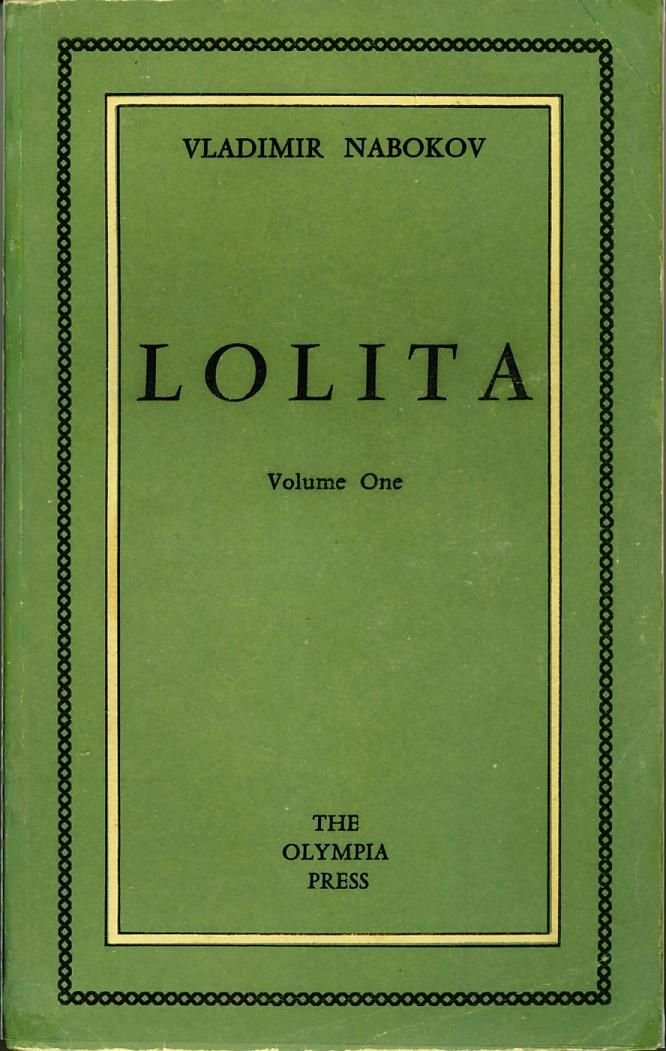
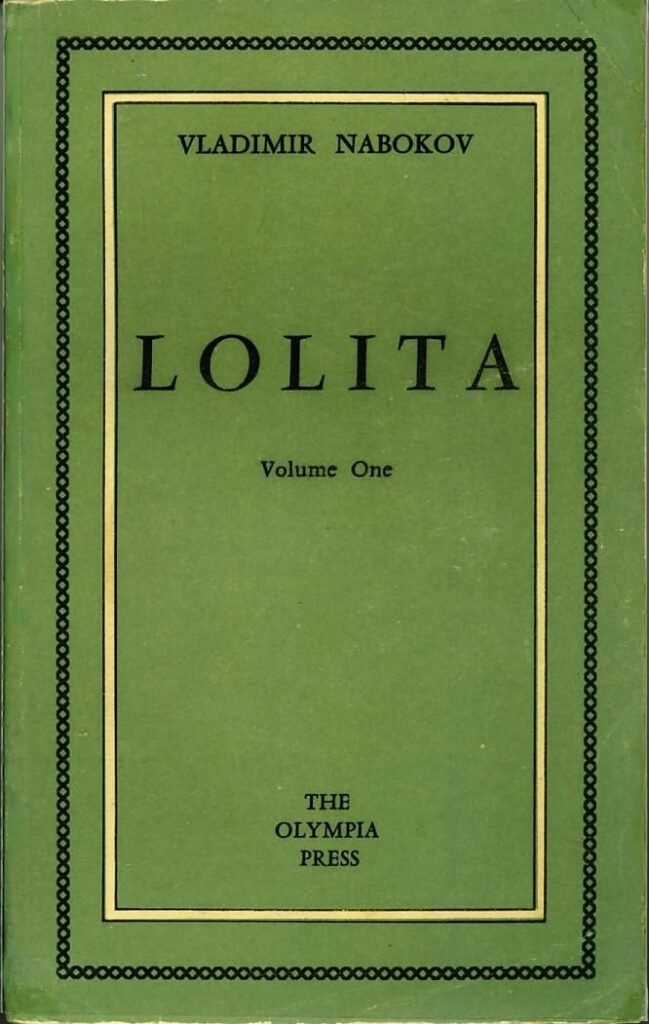
Nabokov’s masterpiece about a middle-aged man’s obsession with a 12-year-old girl faced immediate legal challenges upon publication, with many countries banning it outright. The novel’s literary excellence created a unique legal dilemma – how could courts ban a work widely considered among the greatest novels of the 20th century? In France, the book was banned from 1956 to 1959, with authorities arguing that the subject matter was inherently corrupting regardless of literary merit. British customs seized copies at the border, leading to a thriving black market for the Olympia Press edition. What made the legal battles particularly interesting was that many judges and prosecutors admitted the book’s literary quality while still arguing for its suppression. The case forced legal systems to grapple with whether artistic excellence could justify morally questionable content. Several high-profile writers and critics testified in various proceedings about the novel’s importance to literature, arguing that banning it would set a dangerous precedent for artistic censorship. The book’s eventual legal acceptance in most countries established important precedents about the relationship between literary merit and moral content. Many legal scholars argue that Lolita’s case helped establish that great art shouldn’t be judged by the same standards as pornography or exploitation material.
A Clockwork Orange by Anthony Burgess – Violence and Social Commentary
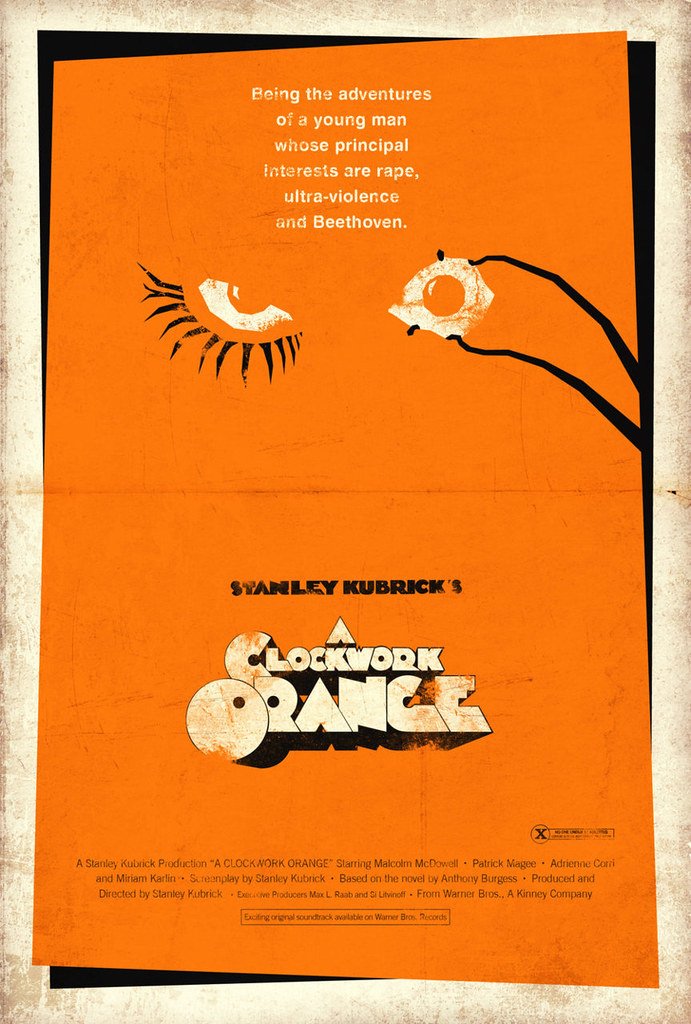
Anthony Burgess’s dystopian novel faced unique legal challenges because critics accused it of inspiring real-world violence among young people. Unlike other banned books that faced restrictions for sexual content, A Clockwork Orange was challenged primarily for its violent content and alleged influence on criminal behavior. In the UK, several violent crimes in the 1970s were linked by media reports to the book and Stanley Kubrick’s film adaptation, leading to calls for legal action. The case became particularly complex because the book was simultaneously criticized for promoting violence and praised for its anti-violence message – the story ultimately argues against both criminal violence and state-imposed behavioral control. Legal proceedings focused on whether fictional depictions of violence could be held responsible for inspiring real crimes, a question that continues to challenge courts today. What made this case different was that the author himself became conflicted about his work, later expressing regret about the book’s reception and impact. Some school districts banned the book, leading to First Amendment challenges in American courts. The legal debates highlighted the difficulty of determining causation between fictional violence and real-world crime, with most courts ultimately ruling that artistic expression couldn’t be held liable for individual criminal acts.
The Turner Diaries by William Luther Pierce – Fiction as Criminal Evidence
Pierce’s 1978 novel about a white supremacist revolution became the most legally consequential work of fiction in terms of criminal prosecutions. Unlike other books that faced censorship challenges, The Turner Diaries has been repeatedly used as evidence in federal terrorism cases. The book served as a blueprint for Timothy McVeigh’s Oklahoma City bombing, with prosecutors successfully using his possession of the book as evidence of premeditation and motive. FBI investigations have found copies of the book in connection with numerous domestic terrorism cases, white supremacist plots, and hate crimes. What makes the legal situation unique is that the book isn’t banned in most places, but possessing it has become a red flag for law enforcement investigating extremist activities. Several countries, including Germany and Canada, have banned the book as hate literature, but it remains legal in the United States under First Amendment protections. The legal challenges involve balancing free speech rights against public safety concerns, with courts generally ruling that even hateful fictional content deserves protection unless it directly incites violence. However, the book’s repeated appearance in criminal cases has led to discussions about whether certain types of instructional fiction should face restrictions. Defense attorneys in terrorism cases often argue that possessing the book doesn’t prove criminal intent, while prosecutors successfully use it to demonstrate radicalization and planning.
The Catcher in the Rye by J.D. Salinger – From School Boards to Assassins
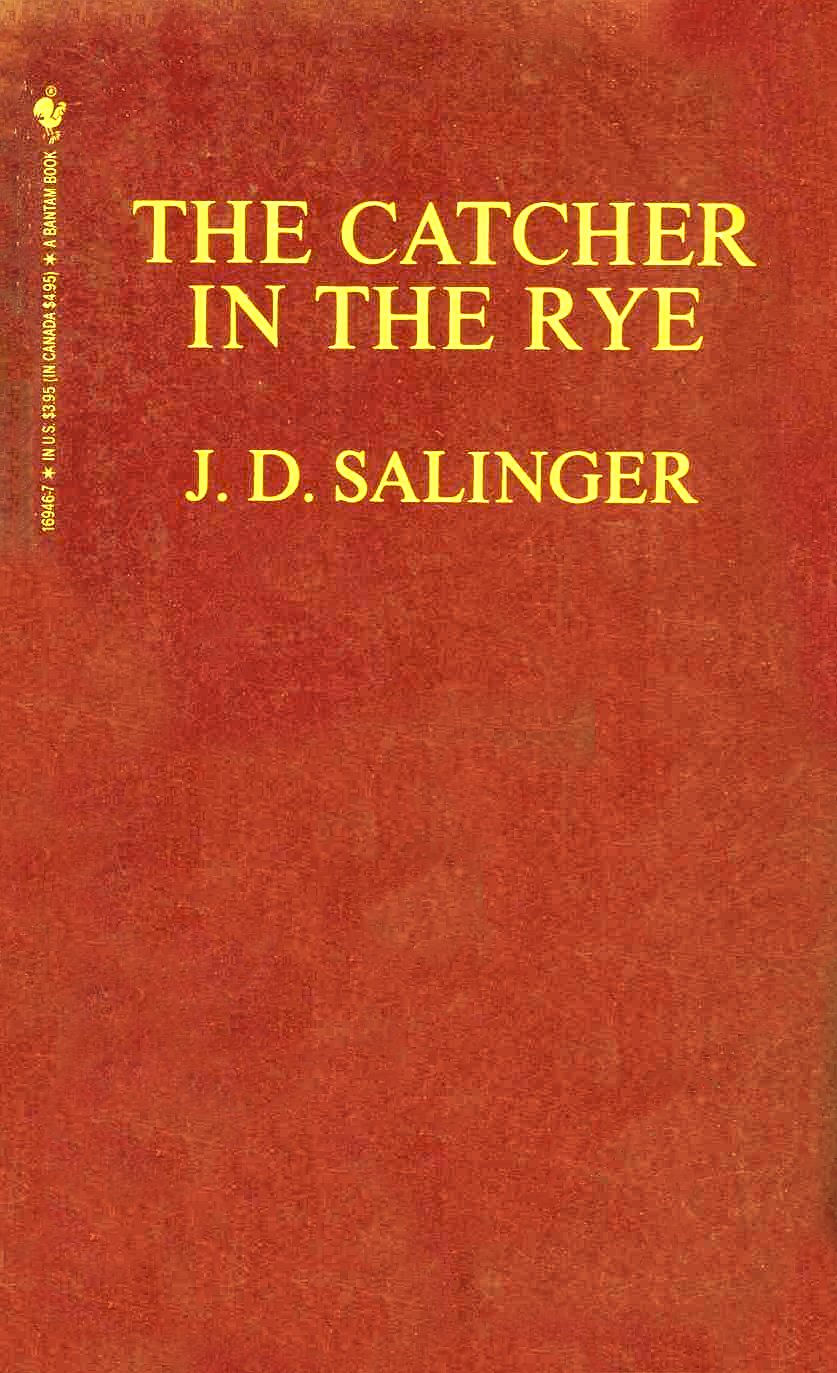
Salinger’s coming-of-age classic became one of the most frequently challenged books in American schools while simultaneously appearing in several high-profile criminal cases. The book’s frank discussion of adolescent alienation, combined with its profanity and sexual references, triggered countless school board controversies and legal challenges. What transformed these routine censorship battles into something more sinister was the book’s association with several notorious crimes, most famously Mark David Chapman’s assassination of John Lennon in 1980. Chapman was found reading the book at the crime scene, leading to widespread speculation about its influence on disturbed individuals. Legal challenges multiplied as parents and school boards argued that the book promoted antisocial behavior and could inspire violence among troubled teenagers. Courts consistently ruled in favor of the book’s educational value, but the criminal associations made these cases more complex than typical censorship challenges. The legal precedents established in Catcher in the Rye cases helped define students’ rights to access controversial literature in schools. Perhaps most ironically, attempts to ban the book often increased student interest in reading it, with many teenagers seeking out banned copies. The ongoing legal battles demonstrate how a single work can simultaneously be defended as essential literature and attacked as dangerous influence.
The Grapes of Wrath by John Steinbeck – Politics and Prosecution
Steinbeck’s Pulitzer Prize-winning novel faced immediate legal challenges upon publication in 1939, with several counties and states attempting to ban it for political rather than moral reasons. The book’s sympathetic portrayal of migrant workers and criticism of California agricultural practices triggered powerful opposition from farming interests and conservative politicians. Kern County, California – the setting for much of the novel’s action – banned the book from public libraries and schools, leading to the first major legal challenges. What made these cases different from typical obscenity prosecutions was that opponents focused on the book’s political message rather than sexual content, arguing it promoted communist ideology and unfairly damaged California’s reputation. Legal battles emerged in multiple states, with prosecutors arguing the book constituted seditious libel against American economic systems. The Associated Farmers organization launched a coordinated campaign to have the book banned, claiming it encouraged labor unrest and promoted socialist revolution. Courts generally ruled in favor of the book, establishing important precedents about political censorship and the right to criticize social conditions. However, many schools and libraries quietly removed the book to avoid controversy, demonstrating how legal intimidation can achieve censorship goals even without successful prosecutions. The case highlighted how books about social justice could face the same legal challenges as sexually explicit material, expanding the scope of First Amendment protection for political literature.
The Color Purple by Alice Walker – Race, Gender, and Community Standards
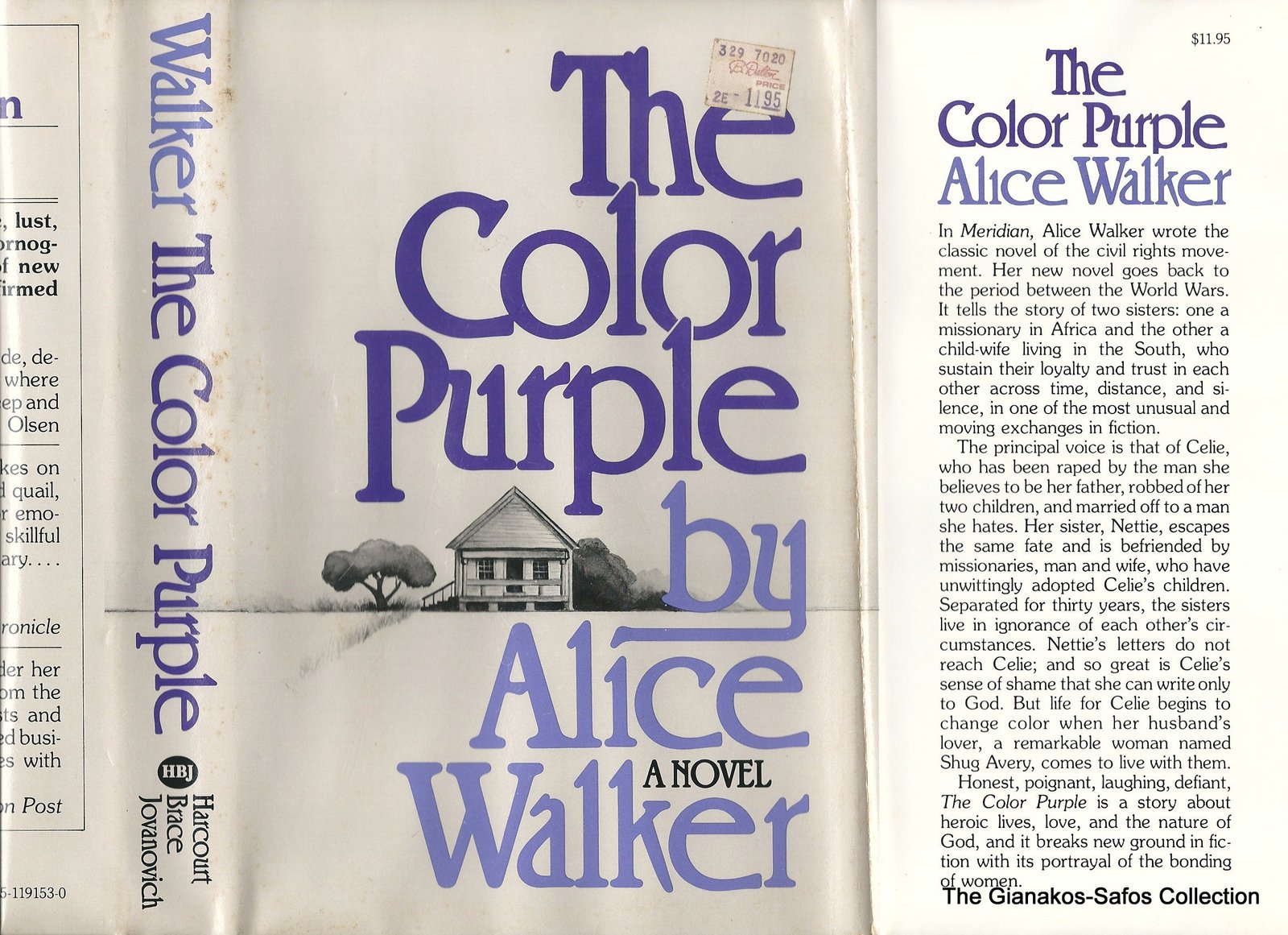
Walker’s Pulitzer Prize-winning novel has faced hundreds of legal challenges across the United States, making it one of the most frequently contested books in schools and libraries. More than 10,000 books are banned inside Texas prisons. The Texas Department of Criminal Justice has banned more than 10,000 books over the years. This means none of the 134,000 incarcerated people in Texas prisons can get their hands on a copy. The book’s frank discussions of domestic violence, sexual abuse, and racism have triggered countless school board meetings and court cases. What makes the legal challenges particularly complex is that opponents cite multiple grounds for censorship – sexual content, profanity, and what they claim is negative portrayal of African American men. Many challenges have come from within Black communities, with some parents arguing the book perpetuates harmful stereotypes while others defend its honest portrayal of difficult realities. Legal battles have focused on whether school districts can remove books that some community members find offensive, even when those books have clear educational value. In the 2023-2024 school year, PEN America found more than 10,000 book bans affecting more than 4,000 unique titles, with about 45% of the bans occurring in Florida and 36% in Iowa. The most banned books in the 2023-2024 school year, according to the PEN America Index of School Book Bans, include bestselling novelist Jodi Picoult’s Nineteen Minutes, about the moments leading up to a school shooting, and John Green’s Looking for Alaska. Courts have generally upheld the book’s place in curricula, but ongoing challenges demonstrate how literature addressing race and gender continues to face legal scrutiny in American schools.
Did you expect that so many literary masterpieces would become the center of major legal battles?

Christian Wiedeck, all the way from Germany, loves music festivals, especially in the USA. His articles bring the excitement of these events to readers worldwide.
For any feedback please reach out to info@festivalinside.com
