

- The 10 Most Dramatic Concert Comebacks That Shook the Music World - March 23, 2026
- 15 Most Expensive Music Videos Ever Made - March 23, 2026
- 10 Most Beautiful Libraries in the World - March 22, 2026
Imagine a world where your favorite novels vanish from shelves because they rattle the status quo. Throughout history, governments, schools, and libraries have censored books that dared to challenge norms, expose injustices, or simply depict life too honestly. These works sparked outrage, faced court battles, and even burnings, yet time proved their worth.
Cultural winds shift, turning yesterday’s taboo into tomorrow’s treasure. What made these stories so threatening then? Let’s dive into 15 that survived the flames and reshaped our thinking.[1][2]
Ulysses by James Joyce
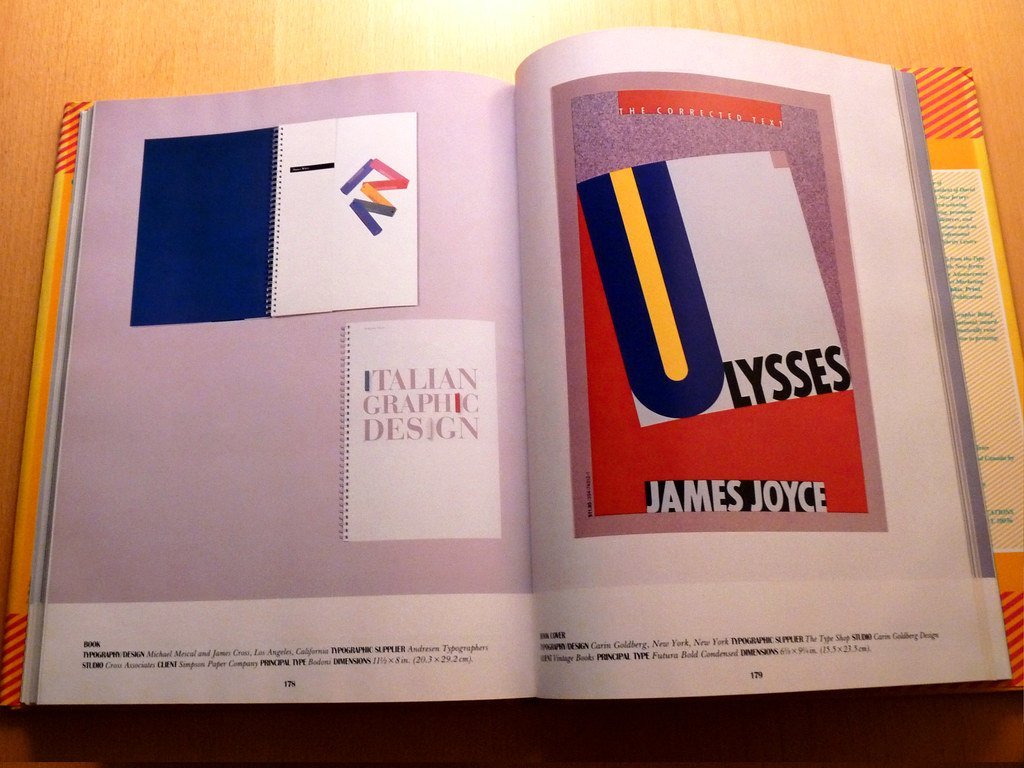
James Joyce’s groundbreaking novel hit U.S. shores in 1922, only to face immediate backlash for its raw depictions of sex and profanity. The New York Society for the Suppression of Vice labeled it obscene, securing a court order that blocked publication and distribution for over a decade. Copies were seized and burned at customs. A federal court finally overturned the ban in 1933, deeming it not obscene.[1]
Today, Ulysses stands as one of the greatest English-language works, revolutionizing stream-of-consciousness narrative. It captures a single day in Dublin with unmatched depth, influencing countless writers. Honestly, its experimental style still daunts readers, but that’s part of its power. This book reminds us how pushing literary boundaries can redefine art.[2]
The Catcher in the Rye by J.D. Salinger
Published in 1951, J.D. Salinger’s tale of teenage angst drew fire for profanity, sexual content, and perceived promotion of rebellion. Schools in Wyoming, North Dakota, and California yanked it from shelves in the 1980s. A teacher in Oklahoma lost her job for assigning it, though she got reinstated. Critics even blamed it for inspiring violence, like the killer of John Lennon.[1]
Its raw voice of Holden Caulfield captures adolescent alienation like nothing else. Generations of readers find solace in its honesty about growing up. I think it nails that phony-adult world we all navigate. The novel endures as a rite of passage, sparking endless debates on youth and morality.[2]
To Kill a Mockingbird by Harper Lee
Harper Lee’s 1960 masterpiece faced bans for racial slurs, themes of rape, and depictions of Black characters that some called uncomfortable. In 2022, a California school district dropped it from required reading. Mississippi schools pulled it in 2018 over parental complaints. Rooted in Jim Crow-era South, it hit nerves on prejudice.[1]
Scout’s journey teaches empathy and justice, making it essential for understanding racism’s scars. It shaped civil rights discussions and won a Pulitzer. Though challenges persist, its moral clarity inspires action. Let’s be real, in today’s divided world, its lessons feel more urgent than ever.[2]
1984 by George Orwell
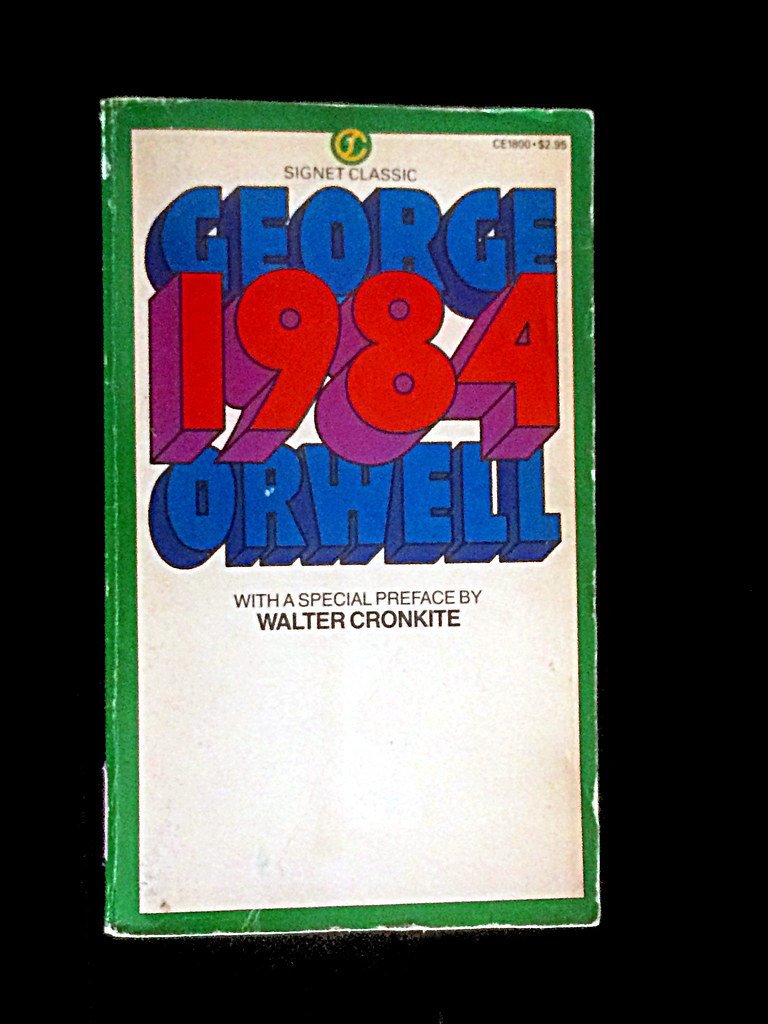
George Orwell’s dystopian warning about totalitarianism got banned in the USSR for critiquing surveillance and thought control. Some U.S. schools challenged it for political ideas. Governments feared its “Big Brother” concept too closely mirrored their tactics.
Now, it dominates conversations on privacy, fake news, and authoritarianism. Terms like “Orwellian” entered everyday language. Its grip on imagination proves how fiction predicts reality. You can’t scroll social media without seeing its shadow.[2]
Fahrenheit 451 by Ray Bradbury
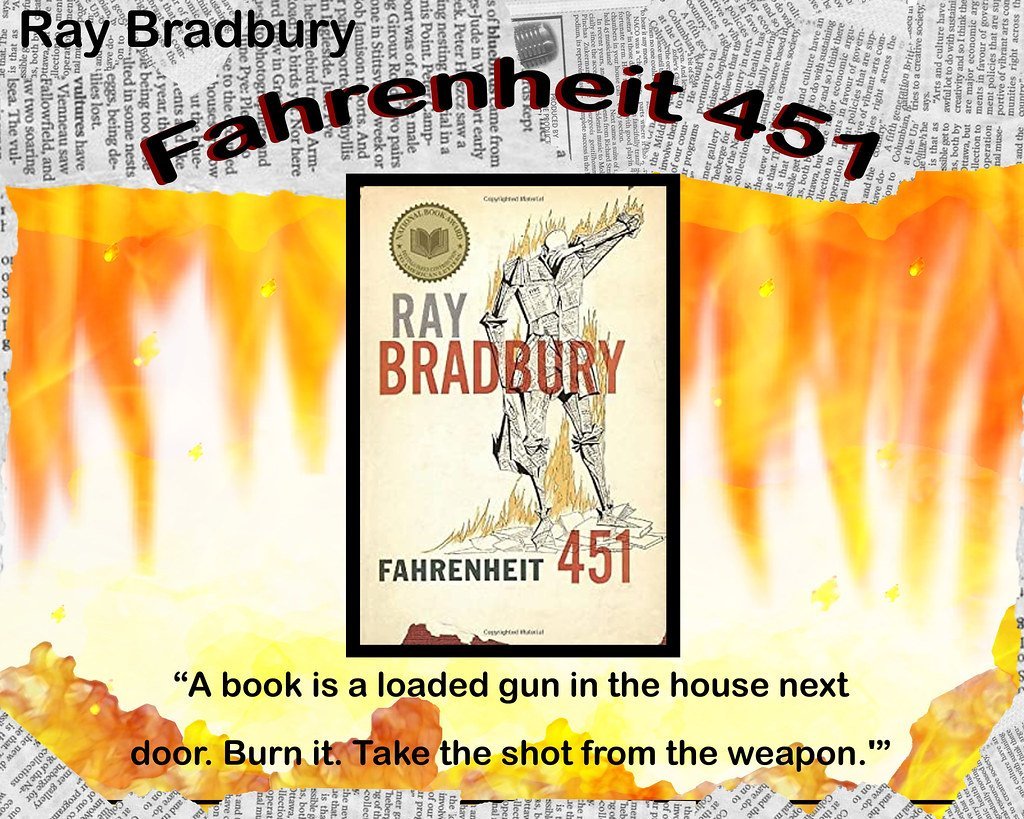
Ironically, Ray Bradbury’s anti-censorship story faced school bans for language and themes indicting book burning. Challenged repeatedly, it hit lists for promoting rebellion against conformity.
This fireman’s quest for forbidden knowledge warns of anti-intellectualism’s dangers. It fuels fights against modern book challenges. Picture society without stories, like a library in flames. That’s why it burns bright today.[2]
The Grapes of Wrath by John Steinbeck
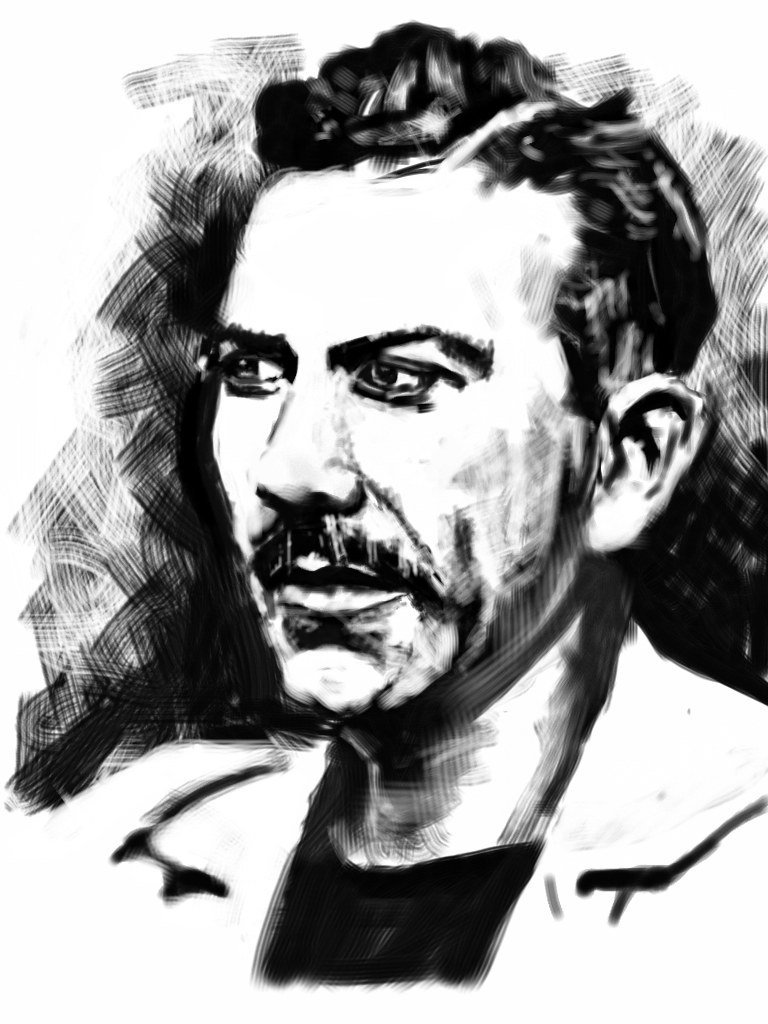
John Steinbeck’s Dust Bowl epic drew bans and burnings in U.S. states for portraying poverty, labor strife, and social injustice. Libraries and schools rejected it as too radical in the 1930s.
It humanizes the American Dream’s dark side, earning a Pulitzer. Resonates with economic struggles now. Like a migrant family’s truck on endless roads, it drives home resilience. Essential for grasping inequality’s roots.[2]
Brave New World by Aldous Huxley
Aldous Huxley’s vision of a pleasure-driven dystopia shocked Ireland and Australia with sexuality, drugs, and anti-religion vibes. Banned for eroding traditional values.
Contrasts freedom’s cost with numb happiness, influencing sci-fi forever. In our tech-saturated age, its soma-like distractions hit home. Provokes thought on what progress really costs. A must-read for questioning utopia.[2]
Animal Farm by George Orwell
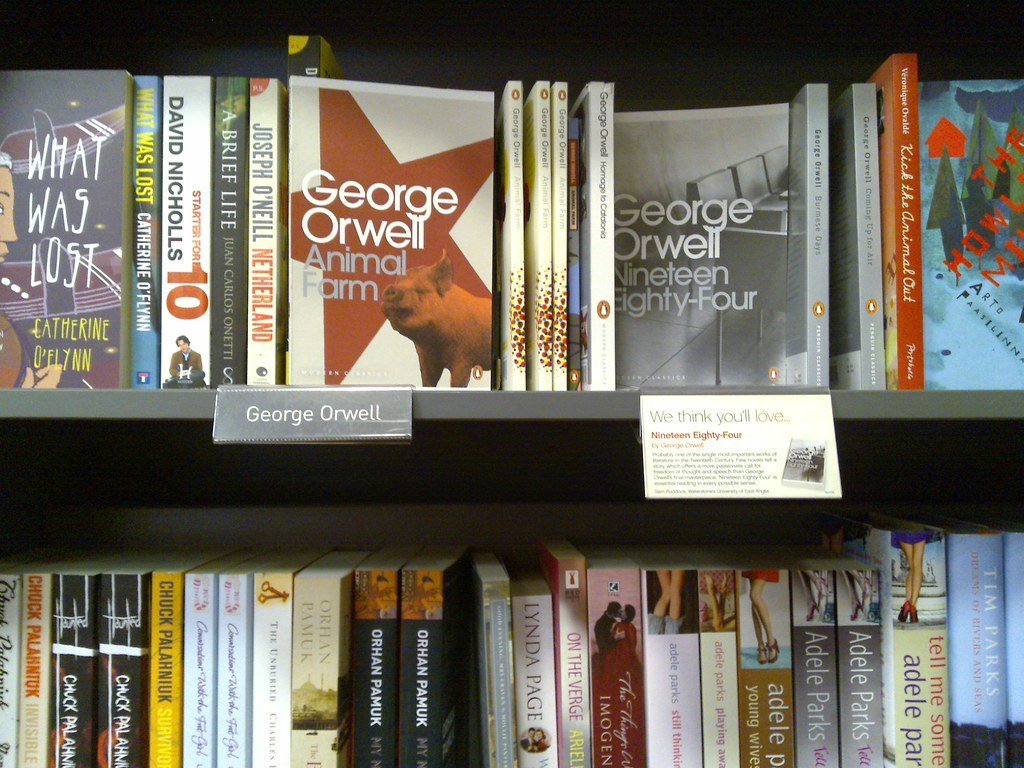
Orwell’s barnyard satire on Stalinism got banned in the USSR and UAE for mocking authority and revolutions gone wrong.
Simple fable packs punch on power corruption. “All animals equal, but some more equal” echoes globally. Teaches vigilance against tyranny. Its brevity makes it timelessly sharp.[2]
Lolita by Vladimir Nabokov
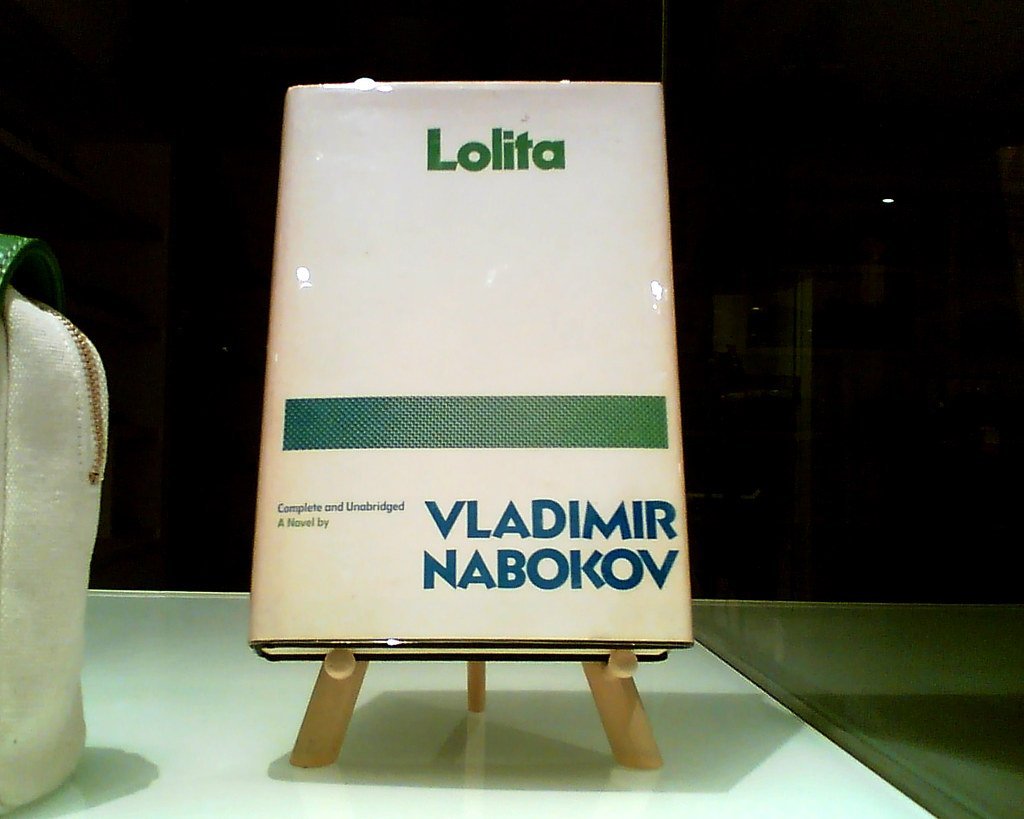
Vladimir Nabokov’s tale of obsession faced obscenity bans in France, UK, Argentina, and more for its provocative pedophilia theme.
Masterful unreliable narrator dissects desire’s darkness. Literary gem despite shock value. Challenges readers’ morals head-on. Still debated as art versus exploitation.[2][3]
The Satanic Verses by Salman Rushdie
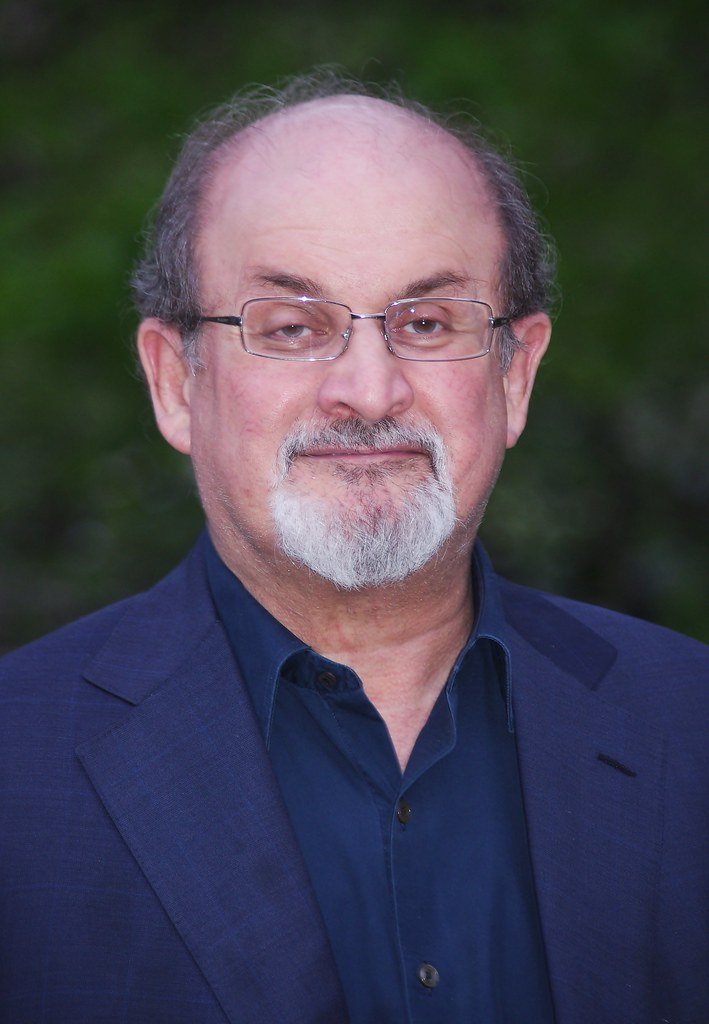
Salman Rushdie’s blend of magic and Islam sparked a fatwa from Iran for blasphemy, bans across Muslim countries, and U.S. bookstore attacks.
Explores faith, identity, migration boldly. Symbol of free speech’s perils. Post-2022 attack, it topped bestsellers again. Defies silencing with vibrant storytelling.[1][2]
Lady Chatterley’s Lover by D.H. Lawrence
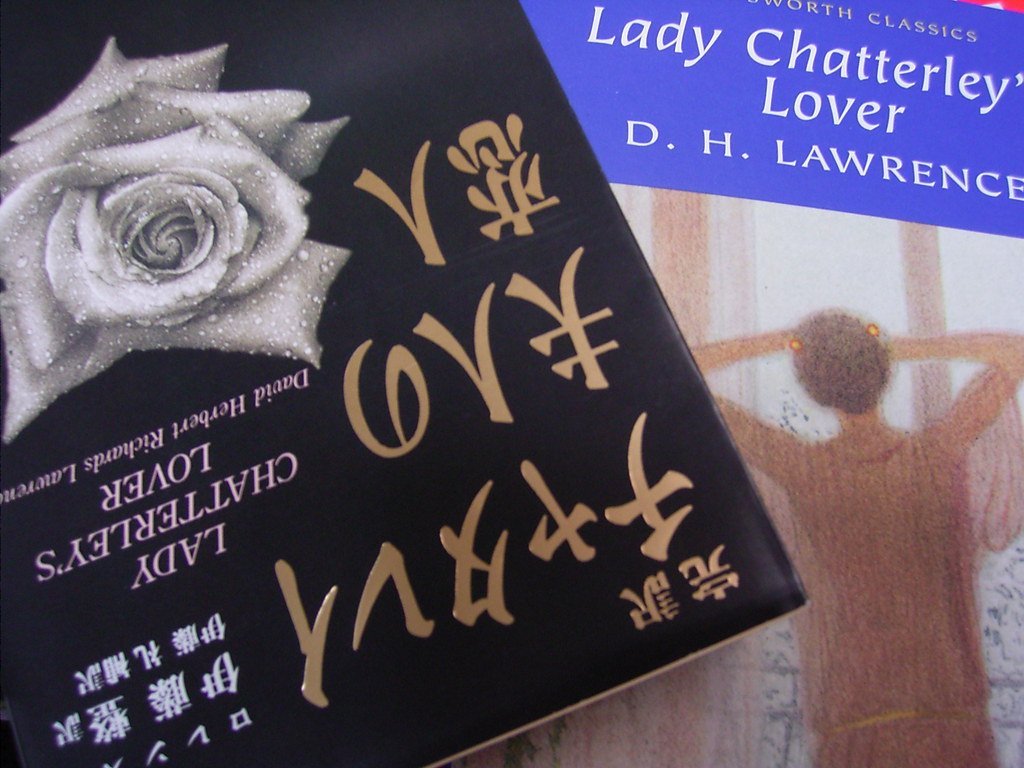
D.H. Lawrence’s explicit class-crossing romance got banned in Canada and UK for obscenity, challenging 1960 Penguin trial.
Celebrates body and emotion against industrial sterility. Pushed erotic literature forward. Its passion questions societal prudery. Feels fresh in body-positivity era.[3]
Adventures of Huckleberry Finn by Mark Twain
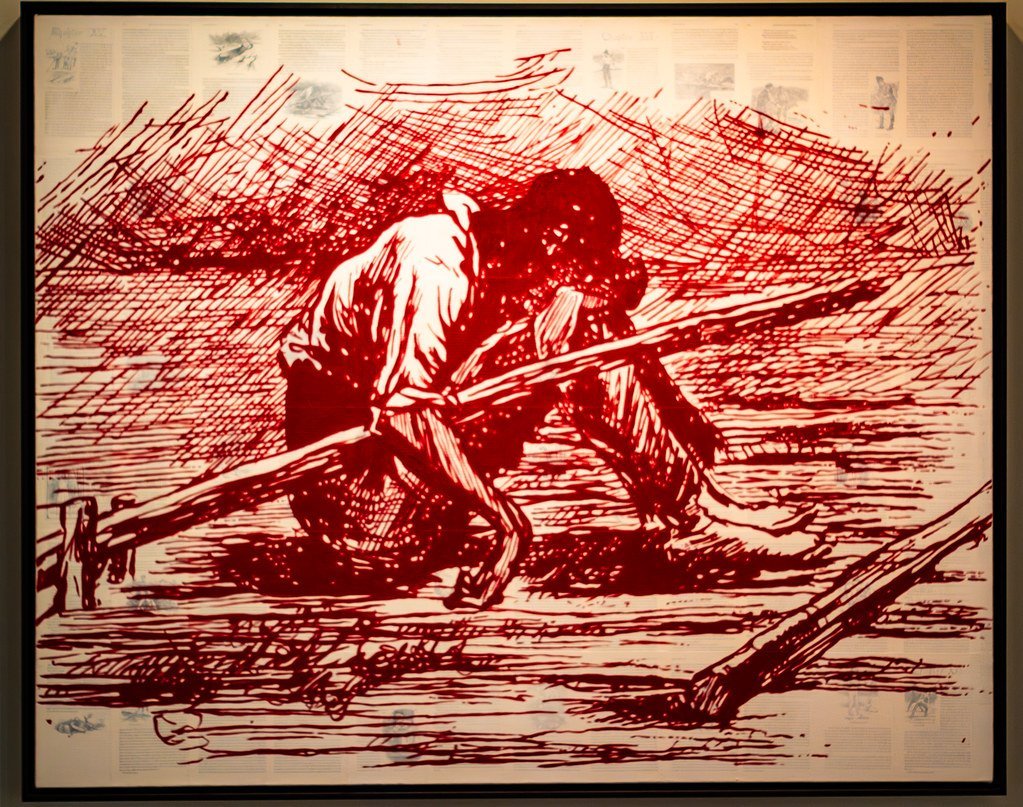
Mark Twain’s 1885 adventure faced 2022 California school removals for racial slurs and slavery themes, despite NAACP complaints decades ago.[1]
Huck and Jim’s river journey critiques racism profoundly. Shaped American lit canon. Dialect rings authentic, forcing tough talks. Vital for racial reckoning.[1]
Of Mice and Men by John Steinbeck
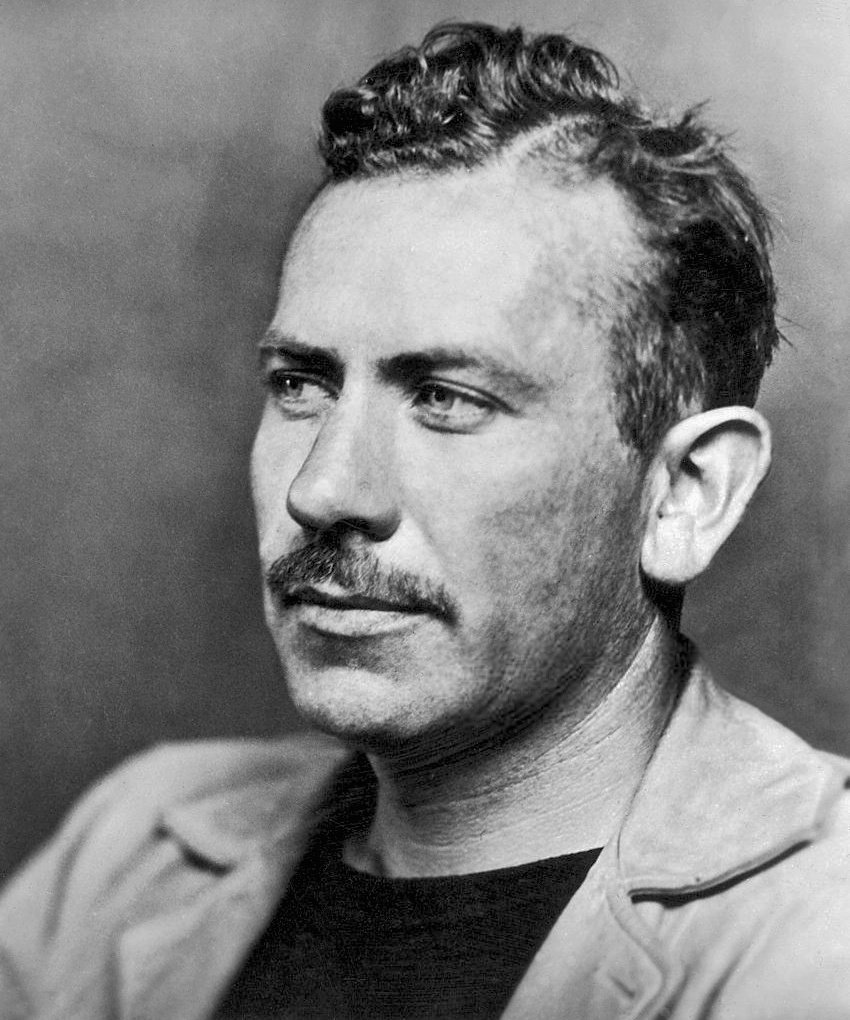
Photograph is flipped horizontally for magazine publication, Public domain)
Steinbeck’s Depression-era tragedy hit bans for language, violence, and mercy killing debates in schools.
George and Lennie’s bond explores dreams crushed by hardship. Sparks empathy for outsiders. Short but gut-wrenching, like a Steinbeck punch. Endures in theater and film.[4]
The Color Purple by Alice Walker
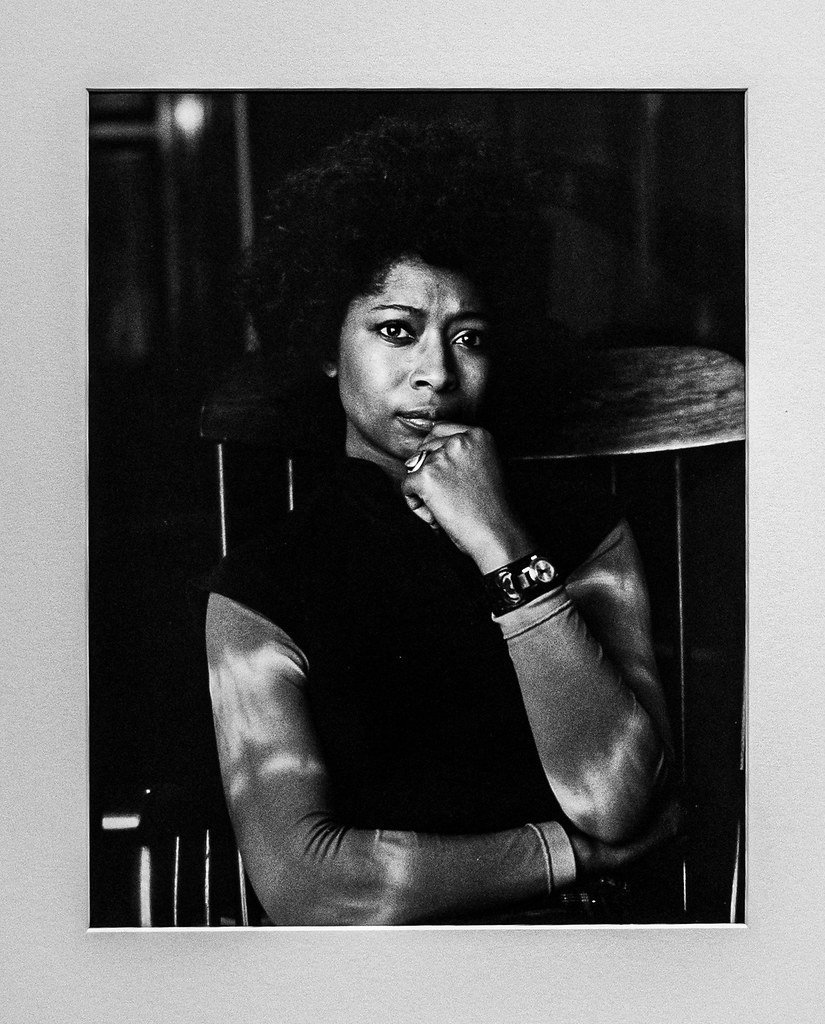
Alice Walker’s Pulitzer winner faced school challenges for abuse, sexuality, racism depictions.
Celie’s empowerment through sisterhood heals generational trauma. Black women’s voices amplified. Musical adaptation keeps it alive. Inspires resilience worldwide.[2]
Slaughterhouse-Five by Kurt Vonnegut
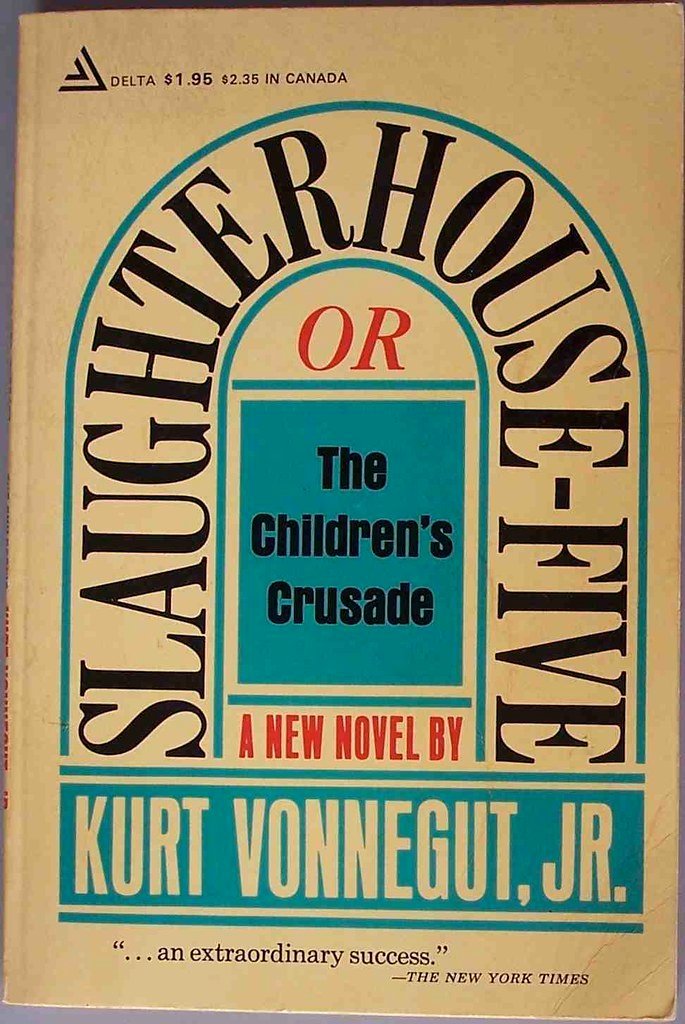
Kurt Vonnegut’s war nonlinear tale got school shelf removals for language, sex, anti-authority critique.
Dresden bombing survivor Billy Pilgrim “unstuck in time.” Questions war’s absurdity. “So it goes” mantra haunts. Anti-war beacon forever.[2]
The Lasting Power of Banned Books
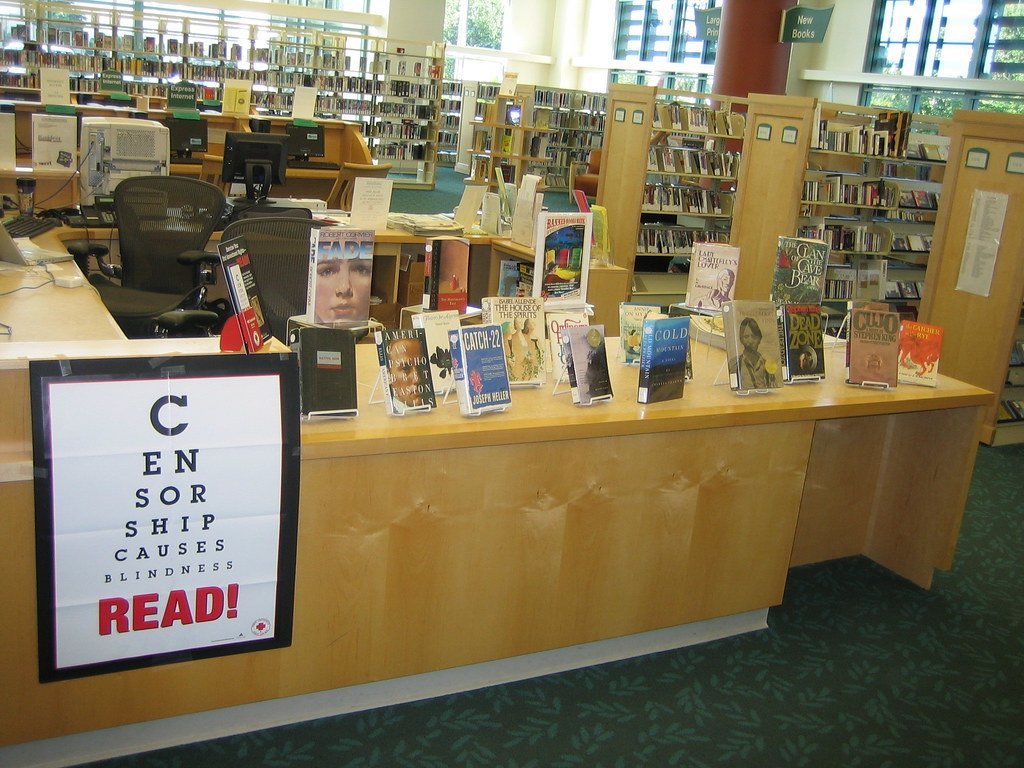
These 15 titles prove censorship often backfires, amplifying voices it seeks to silence. From obscenity trials to school board fights, they highlight intellectual freedom’s fragility. Yet, their survival underscores literature’s role in challenging power and fostering empathy.
In 2026, with new bans rising, their relevance screams louder. Protecting access honors human curiosity. What banned book changed your view? Share in the comments.[1]
CEO-Co-Founder
