

- 15 Top Saddest Movies of All Time That Make You Cry - March 21, 2026
- 10 Groundbreaking Scientific Discoveries That Changed the World Forever - March 21, 2026
- 15 Best Protest Songs of All Time - March 21, 2026
There is something uniquely powerful about a song that makes you feel, in your chest, that the world is broken and needs fixing. Music has always been more than entertainment. Throughout history, it has marched alongside movements, amplified voices that were being suppressed, and forced entire societies to confront uncomfortable truths. From the fields of the American South to the streets of London, from jazz clubs in New York to stadium stages, musicians have used their art as a weapon, a comfort, and a rallying cry.
Protest songs in the United States alone trace back to the early 18th century, and many American social movements have inspired protest songs spanning a variety of musical genres including rap, folk, rock, and pop music. The tradition of using music as a tool for political and social change is as old as injustice itself. What follows is a look at fifteen songs that didn’t just reflect their time but actively shaped it. Some of these will surprise you. Let’s dive in.
1. “Strange Fruit” – Billie Holiday (1939)
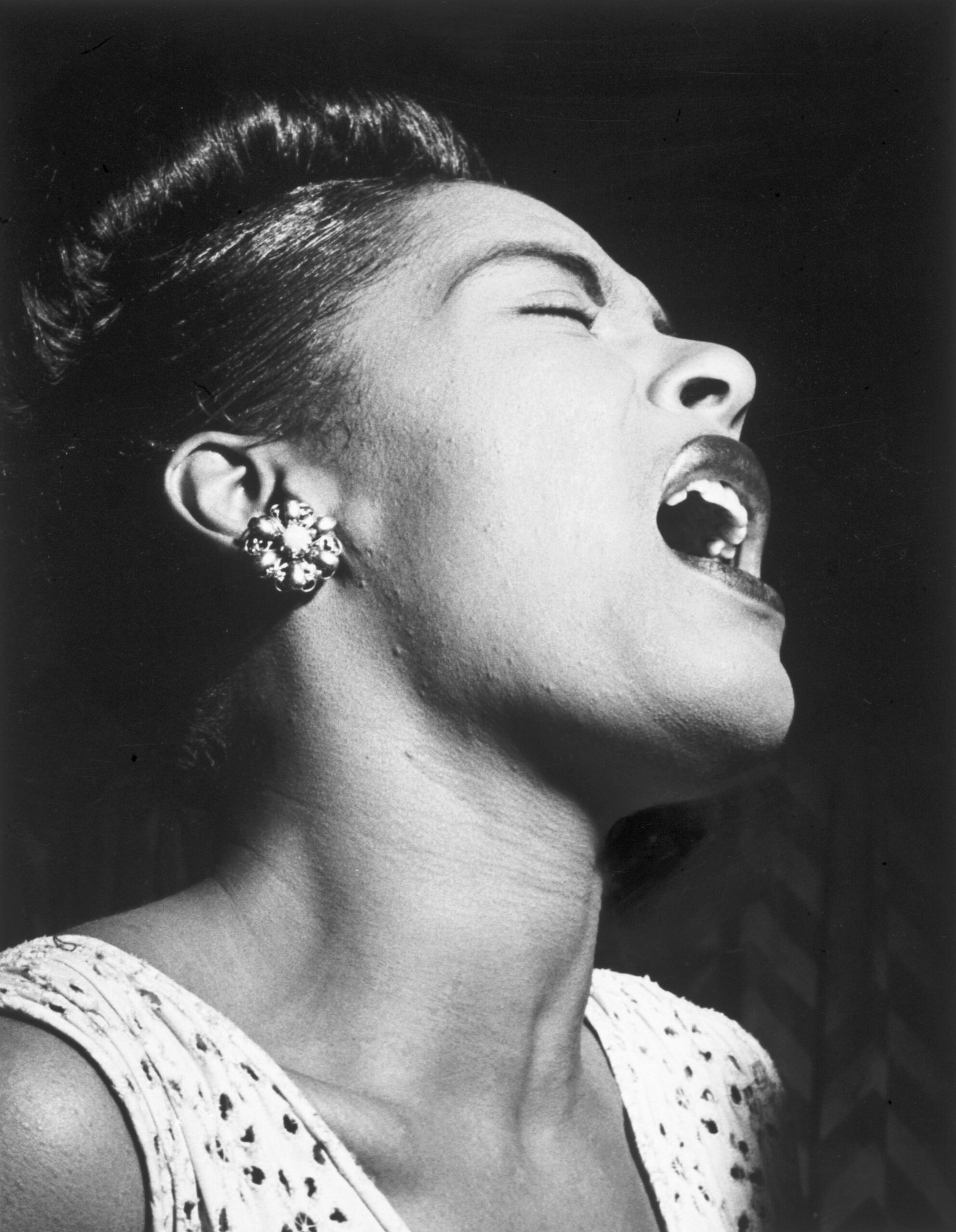
If there is one song that changed what music could be and do, this is it. Written and composed by Abel Meeropol and recorded by Billie Holiday in 1939, the lyrics were drawn from a poem published in 1937, protesting the lynching of African Americans with imagery that compares the victims to the fruit of trees. It was the first song to carry an explicit political message in an entertainment space.
Holiday’s own record label, Columbia, refused to record it out of fear of reaction from Southern retailers, and even her producer John Hammond refused, so she turned to her friend Milt Gabler, owner of the Commodore label. It became a powerful protest anthem that irked the conservative US government, and the racist Federal Bureau of Narcotics commissioner Harry Anslinger made it his mission to destroy the singer and shut down her message about racism.
In 1999, Time magazine named “Strange Fruit” as the “Best Song of the Century.” Because of its personable quality, “Strange Fruit” helped the Civil Rights Movement get involved in the music scene, inspiring other artists to voice dissent in their lyrics, and it has since been covered by more than 60 artists. Honestly, calling it just a “protest song” almost feels like an understatement.
2. “Blowin’ in the Wind” – Bob Dylan (1962)
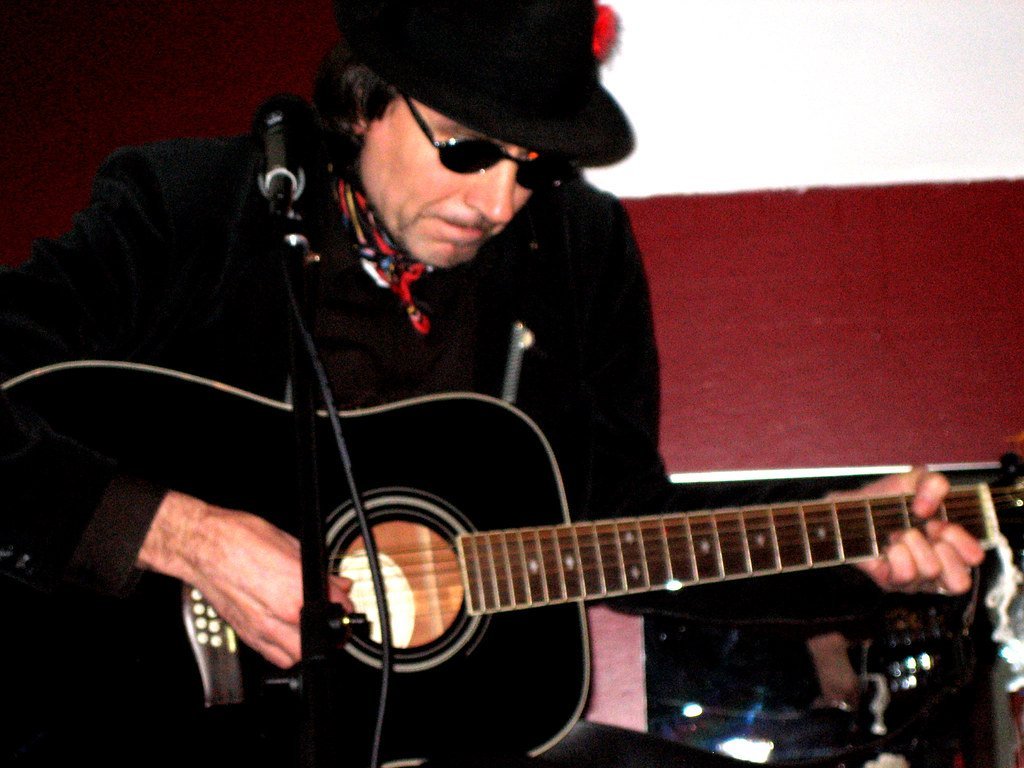
Written by Bob Dylan in 1962 and released on his album The Freewheelin’ Bob Dylan in 1963, it poses a series of rhetorical questions about peace, war, and freedom. Dylan himself famously introduced it onstage by insisting it was not a protest song. It went on to become the defining protest song of its decade, which says everything.
The song was played at the Lincoln Memorial before Martin Luther King Jr. gave his “I Have a Dream” speech. It became an anthem of both the Civil Rights and anti-war movements, and Sam Cooke said it directly inspired him to write his own civil rights anthem “A Change Is Gonna Come.”
In 1994 the song was inducted into the Grammy Hall of Fame, and in 2004 it was ranked number 14 on Rolling Stone magazine’s list of the “500 Greatest Songs of All Time.” One critic described it as the first anti-war song to make the charts, arguing it “changed the whole concept of what could or couldn’t be attempted in a hit song,” and that pop writers could suddenly go beyond three-chord love songs.
3. “A Change Is Gonna Come” – Sam Cooke (1964)
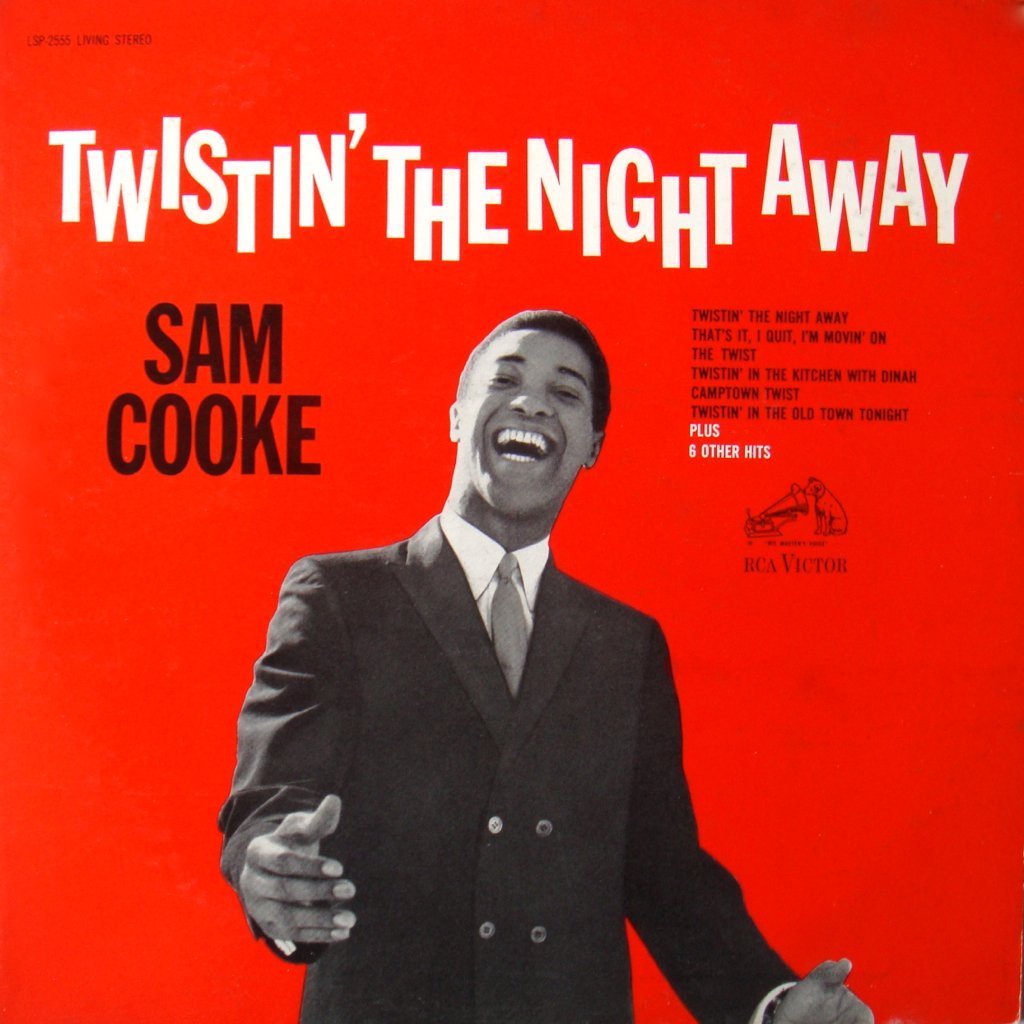
This early 1964 track was a departure for Sam Cooke, who hadn’t previously addressed the Civil Rights Movement in his music. He was inspired by both Dylan’s “Blowin’ in the Wind” and Dr. Martin Luther King Jr.’s “I Have a Dream” speech, and Cooke wrote the song after his band was turned away from a whites-only motel in Louisiana. That personal wound became one of the most soul-shaking records in American history.
Inspired by Dylan’s song, gospel prodigy turned soul star Cooke blended gospel hope and blues anguish in a magisterial statement of aspiration for social justice, something he never lived to see, as he was fatally shot less than a year after recording the song. The tragedy of that timing still hits hard, decades later.
The song addressed the struggles faced by African Americans during the Civil Rights Movement, and its powerful melody made it a classic of American music that continues to be celebrated as a landmark of protest music. It is the sound of heartbreak refusing to give up.
4. “We Shall Overcome” – Pete Seeger (popularized, 1963)
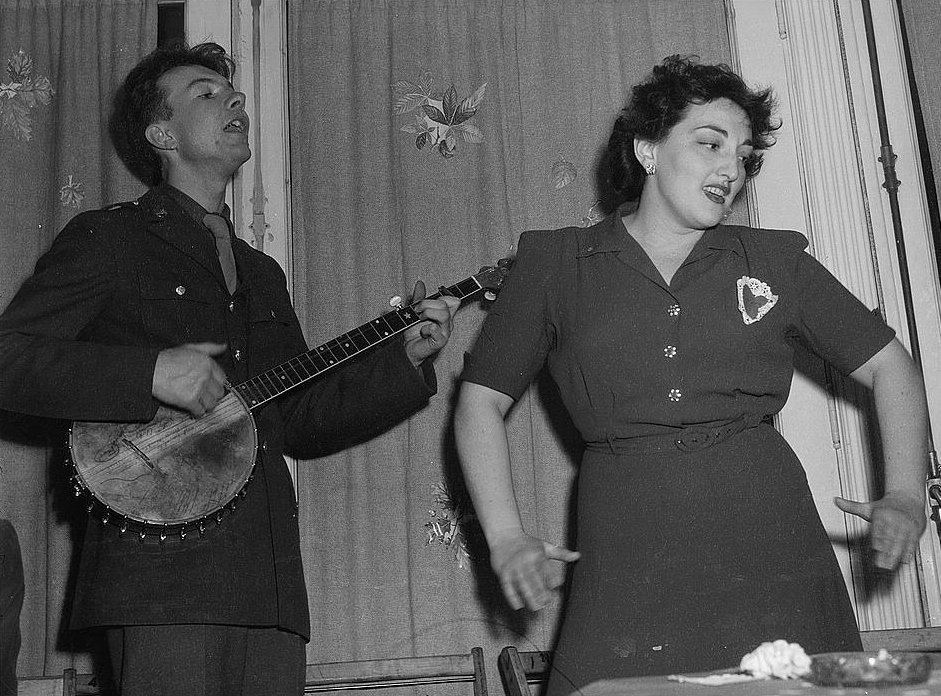
Originating as a gospel song, “We Shall Overcome” made its true cultural debut as a protest song, first sung in protest by striking tobacco workers in Charleston, South Carolina in 1945, led by Lucille Simmons, a Black worker and activist who led the picketers in singing the hymn. Think about that. A hymn sung on a picket line became the anthem of one of the most important civil rights movements in history.
Pete Seeger first heard the song from folklorist and activist Zilphia Horton, who had seen the striking tobacco workers sing it in South Carolina. The song became an anthem of the Civil Rights Movement, with its message of hope and resilience inspiring countless activists and protesters. Its power is rooted in its simplicity. There are no complicated metaphors, just a declaration of collective will.
5. “This Land Is Your Land” – Woody Guthrie (1940)
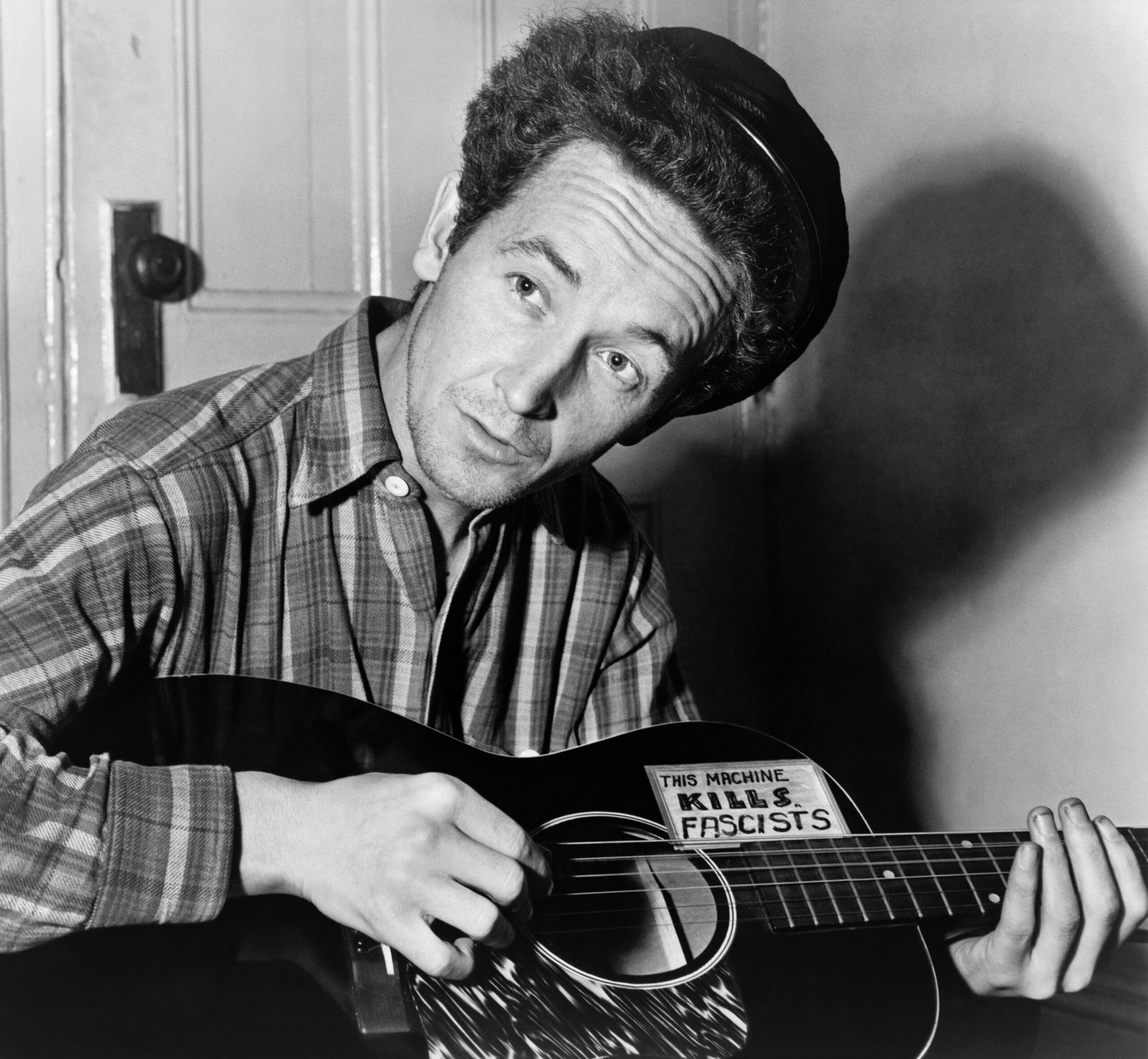
A folk classic, “This Land Is Your Land” critiques economic inequality while celebrating America’s landscape, and was written as a response to the patriotic song “God Bless America,” highlighting the socioeconomic disparities in the country. Guthrie was something of a quiet revolutionary. On the surface, the song sounds like a wholesome ode to America. Underneath, it is a searing indictment.
Written in response to Irving Berlin’s “God Bless America,” “This Land Is Your Land” presented an alternative socialist version of the American Dream. The vast majority of American protest music from the first half of the 20th century was based on the struggle for fair wages and working hours for the working class, and Guthrie’s song sits squarely in that tradition. It is perhaps one of the most misunderstood protest songs ever written, often sung by people who have no idea what it was actually saying.
6. “Say It Loud – I’m Black and I’m Proud” – James Brown (1968)
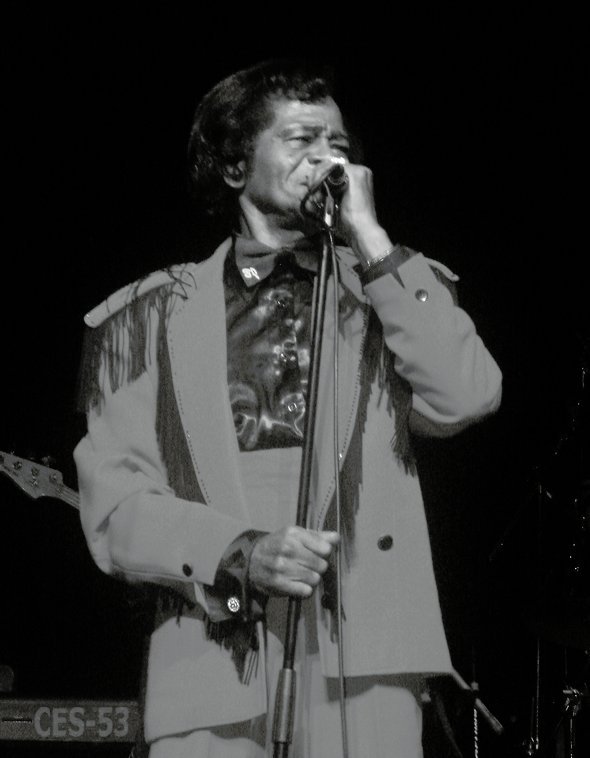
Though Brown had changed the face of Black music several times by 1968, “Say It Loud – I’m Black and I’m Proud” was the first song on which he made an overt statement on civil rights. The tone of the civil rights movement had so far been one of a request for equality, but Brown came out defiant and proud, not asking politely for acceptance. That shift in tone was seismic.
The song went to number 10 on the Billboard charts and set the blueprint for funk, and like later Stevie Wonder classics of the 1970s, it was a political song that also burned up the dancefloor – an unapologetic stormer that would influence generations. Let’s be real: very few artists have ever managed to make a demand for dignity sound this joyful and this furious at the same time.
7. “What’s Going On” – Marvin Gaye (1971)
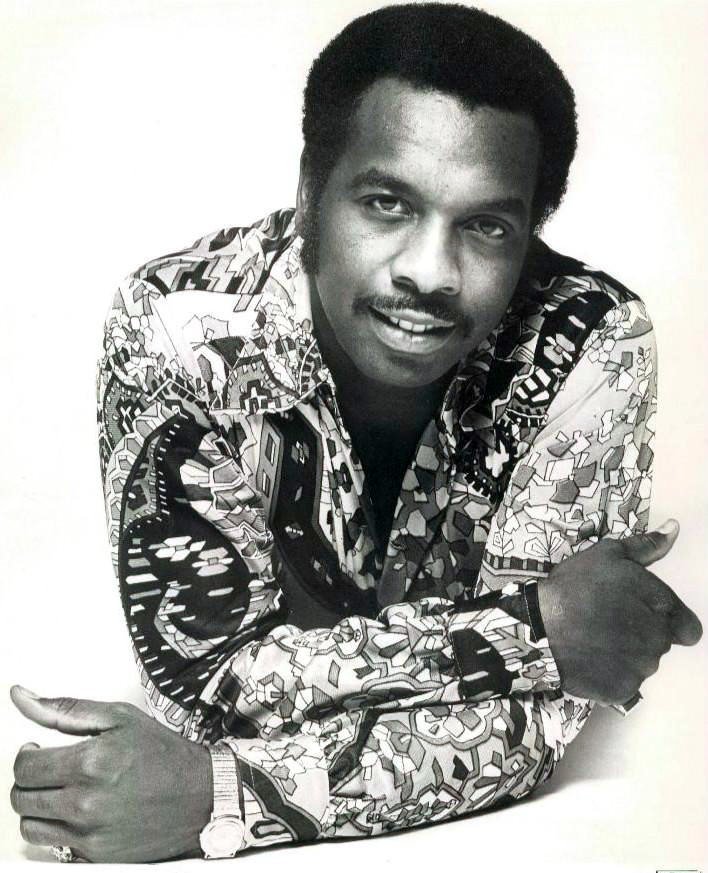
photo front
photo back, Public domain)
Obie Benson of The Four Tops was present at the University of California in Berkeley when he saw police attacking anti-Vietnam War protesters, wrote a song about the incident, and it was quickly adapted by Marvin Gaye, who used the bewildered, baffled track to kick off his socially conscious album of 1971. The album it launched became one of the most important records ever made.
Gaye’s genius was in how gently he delivered his fury. I think that’s what makes “What’s Going On” so devastating even now. It doesn’t scream. It asks. And somehow, asking feels more damning than screaming ever could. The song folded together the pain of the Vietnam War, racial inequality, and environmental neglect into one sweeping, gorgeous masterpiece that has never lost its relevance.
8. “Fight the Power” – Public Enemy (1989)
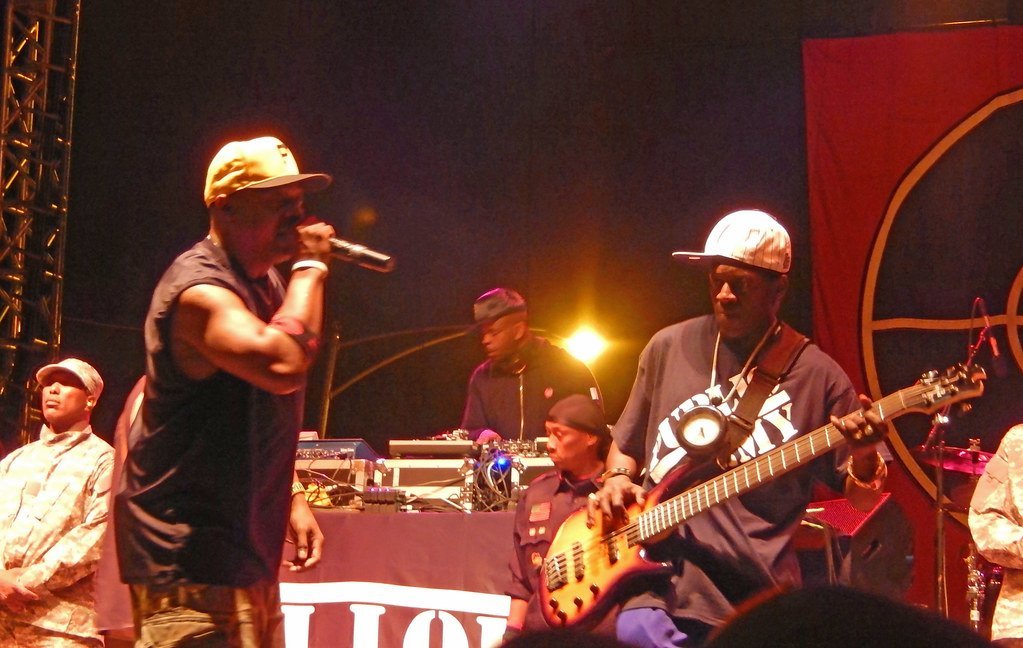
Released by hip-hop group Public Enemy in 1989, “Fight the Power” has been called one of the greatest , with lyrics that hotly criticize the abuse of power, particularly by law enforcement. Its explosive collage of funk, noise, and incendiary beats provided a backdrop to immediately iconic lyrics, with Chuck D acknowledging that the song was their most important, playing a huge role in capturing the social and psychological struggles facing young Black Americans at the time.
The song was originally created for Spike Lee’s film “Do the Right Thing,” which placed it right at the center of one of the most charged cultural conversations of the late 1980s. It didn’t just protest, it confronted. It named names. It refused to be subtle, and that directness hit audiences like a freight train. Hip-hop had always had a social edge, but “Fight the Power” turned that edge into something that cut the entire mainstream culture wide open.
9. “Killing in the Name” – Rage Against the Machine (1992)
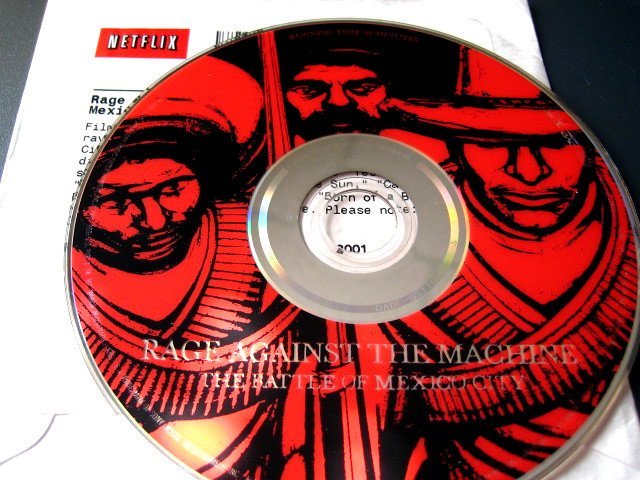
The lyrics were inspired by the police brutality suffered by Rodney King and the subsequent 1992 Los Angeles riots, and the refrain draws a direct link between the Los Angeles Police Department and the Ku Klux Klan. Few songs have ever expressed institutional rage with this kind of ferocity. Released as the first single off their debut album, it was a rap-metal song of protest against the abuses of power.
In January 2025, “Killing in the Name” became the first Rage Against the Machine song to surpass one billion streams on Spotify. Now more than 30 years after its release, the song continues to be as relevant as it was in 1992, most recently making a resurgence with the Black Lives Matter movement following the death of George Floyd in 2020. A billion streams for a song about police brutality and systemic racism. The numbers alone tell you something about how unresolved these issues remain.
10. “Mississippi Goddam” – Nina Simone (1964)
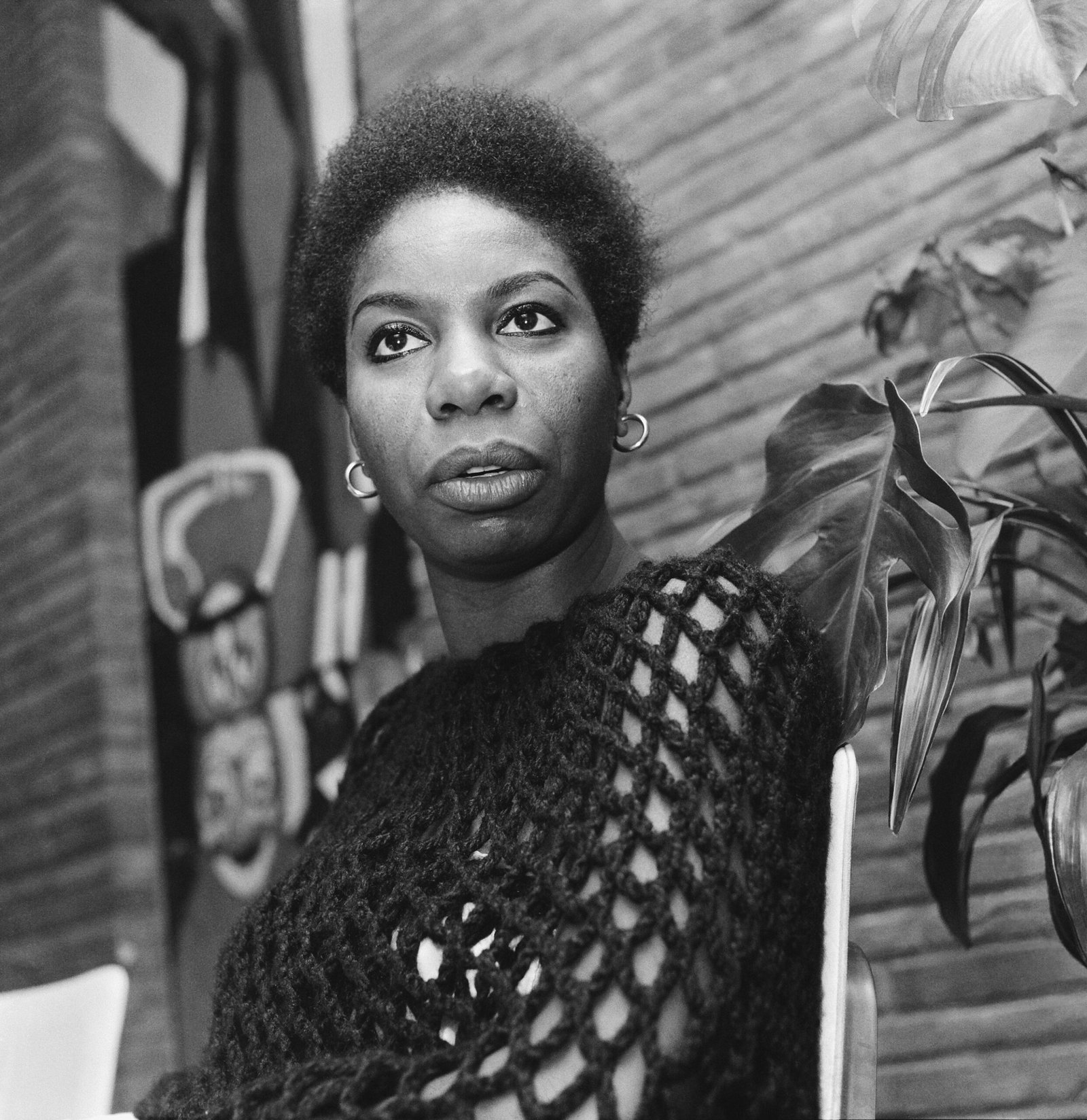
Original by: National Archives of the Netherlands, https://www.nationaalarchief.nl/onderzoeken/fotocollectie/aad229e2-d0b4-102d-bcf8-003048976d84, CC0)
Nina Simone called it her first civil rights song, and she wrote it in a fury after the 1963 bombing of the 16th Street Baptist Church in Birmingham, Alabama, which killed four young Black girls. The Civil Rights Movement saw the rise of notable protest songs including “Mississippi Goddam” by Nina Simone. What made the song shocking at the time was not just its message but its title – Simone put the word “Goddam” right in the name, daring radio stations and venues to ban it, and many did.
The song’s fury was different from the measured hopefulness of many Civil Rights anthems. Simone wasn’t asking. She was demanding. She was furious. The song was reportedly sent to Southern radio stations as a promotional record, and many of those stations sent the records back in pieces. That reaction may be the most eloquent testimony to the song’s power. It made people so uncomfortable they literally had to destroy it.
11. “The Revolution Will Not Be Televised” – Gil Scott-Heron (1970)
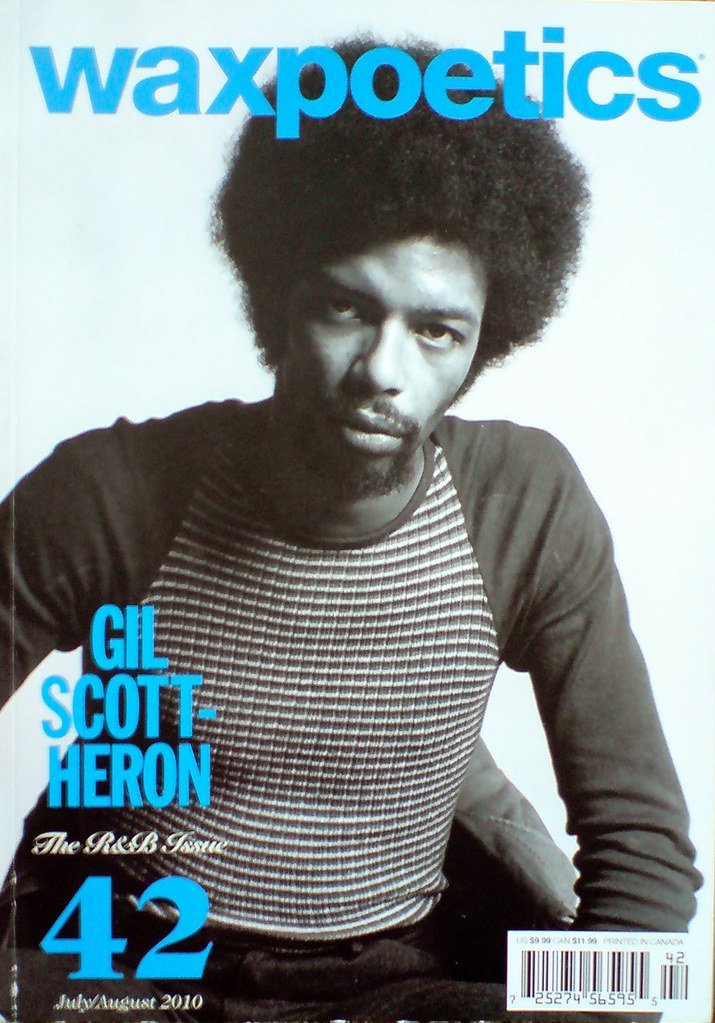
As the US Civil Rights Movement gained momentum in the late 1960s, Gil Scott-Heron recorded this musical poem that attacks the lethargy of the nation, contrasting the seriousness of the struggle with the apathy of the media. Scott-Heron was a poet first and a musician second, and it shows. Every line of this song lands like a punch in the solar plexus.
The song is essentially a broadside against consumerism, passive spectatorship, and the way television had begun to pacify American society. It was spoken word over percussion, which was nothing like anything on the radio at the time. Arguably, it planted the seed for what would eventually become hip-hop, making its protest impact far larger than the song alone. Scott-Heron didn’t just write a protest song; he accidentally invented a genre.
12. “Sunday Bloody Sunday” – U2 (1983)
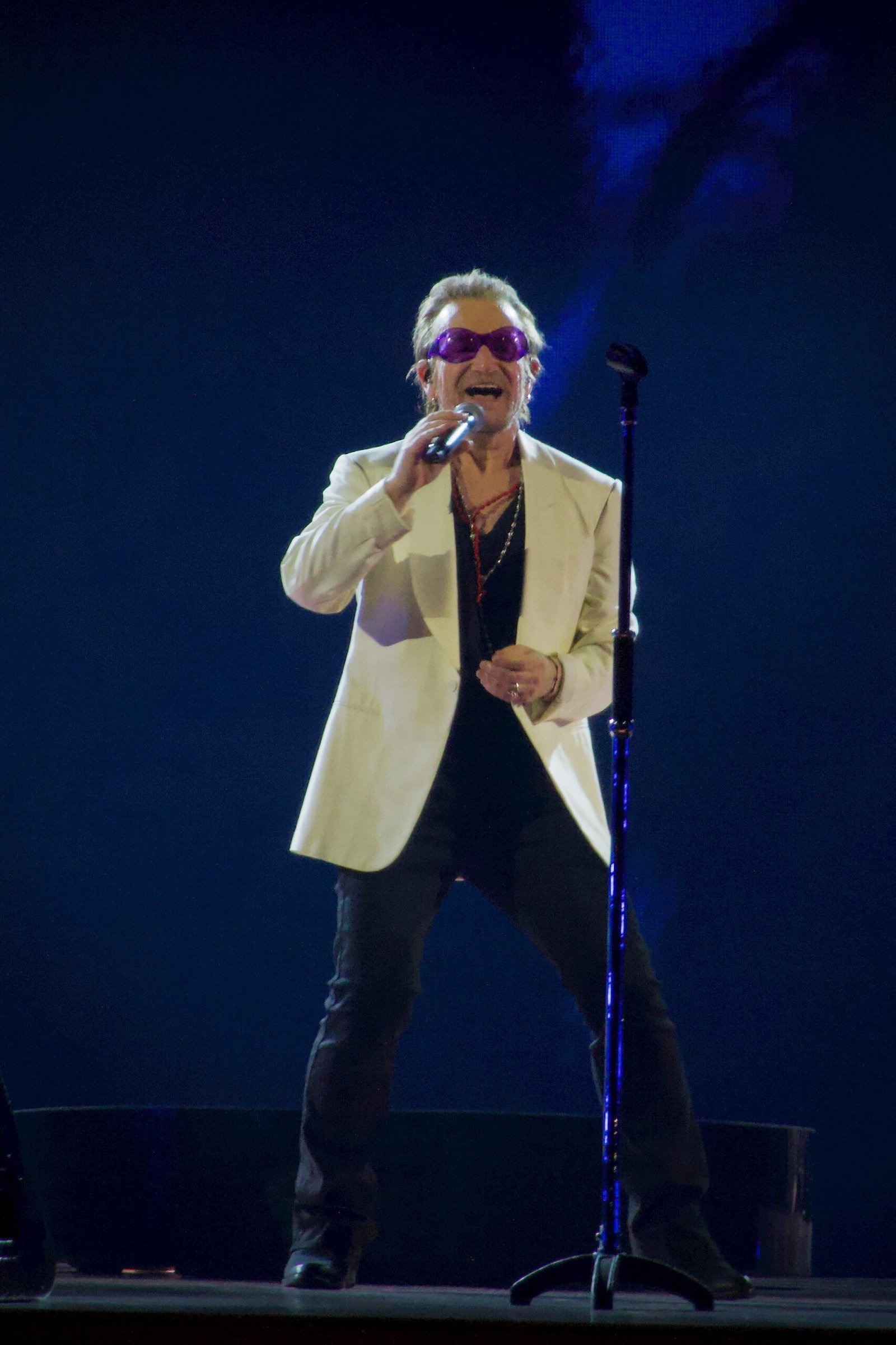
The song was written in response to “Bloody Sunday,” which became a notorious incident that increased membership of the IRA and was one of the key moments in “The Troubles.” Both John Lennon and Paul McCartney wrote songs in the immediate aftermath of the massacre, but it was Dublin band U2 who penned the definitive protest song eleven years later, making it the opening track on their third album War.
Bono was keen to emphasize that the track was “not a rebel song” but a humanitarian plea against the killing that continued throughout the decade and beyond. That distinction matters enormously. U2 weren’t glorifying violence or taking sides in a sectarian conflict. They were expressing horror at human suffering, full stop. That moral clarity gave the song a universal quality that made it resonate far beyond Ireland, far beyond 1983, and far beyond the specific events that inspired it.
13. “Alright” – Kendrick Lamar (2015)
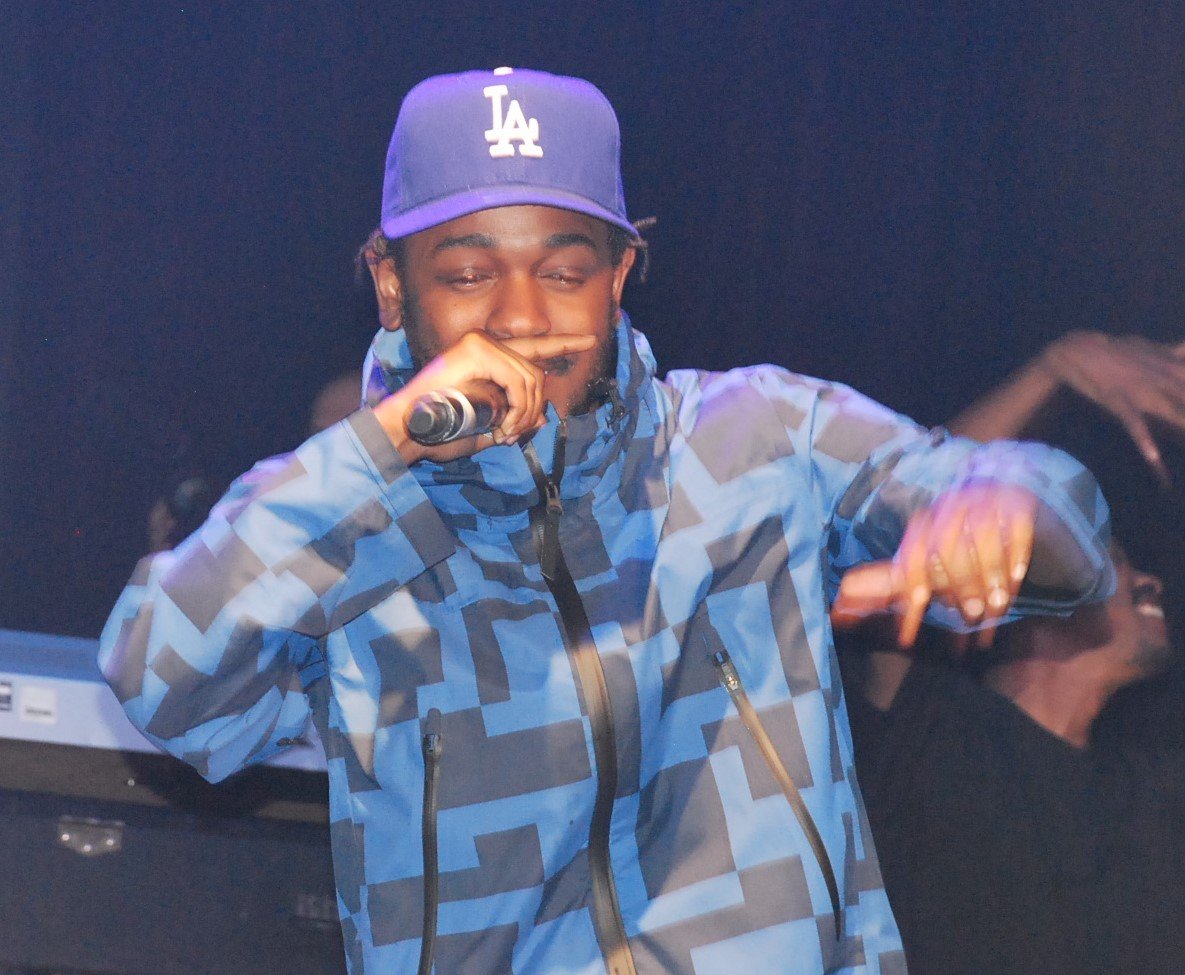
In the lead-up to the March 2015 release of Kendrick Lamar’s landmark album “To Pimp a Butterfly,” the United States was suffering a period of serious civil unrest. In November 2014, the decision not to indict the police officer who fatally shot Michael Brown ignited protests and riots. That same month, 12-year-old Tamir Rice was shot and killed by police. The Black Lives Matter movement was gaining momentum daily, and on the release of the album, “Alright” became deeply intertwined with that movement.
As one of the hit singles off Lamar’s 2015 masterpiece, “Alright” became an anthem for the Black Lives Matter movement and is often chanted at BLM protests to capture pride in the face of incredible, unrelenting adversity. It’s hard to say for sure what makes a protest anthem stick, but “Alright” had something rare: it offered hope without pretending the pain wasn’t real. That balance is almost impossibly difficult to pull off.
14. “Free Nelson Mandela” – The Specials (1984)
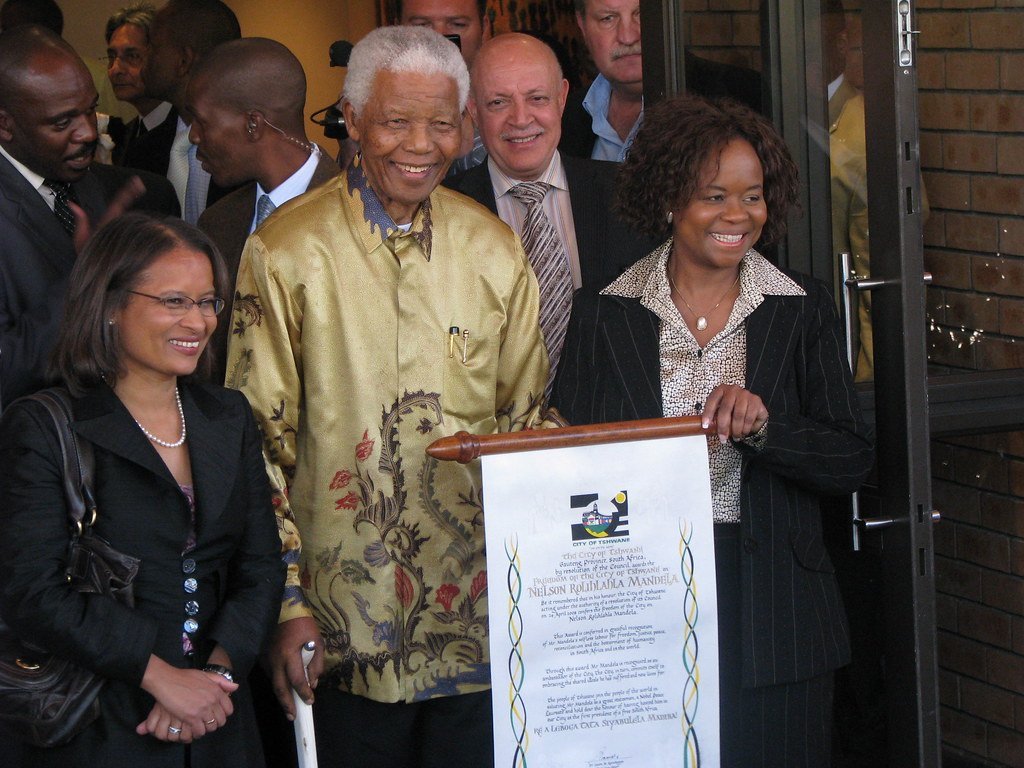
Proving that political songs can simultaneously sway hips and broaden minds, Jerry Dammers’ “Free Nelson Mandela” was a joyous-sounding, upbeat dancefloor hit that became the unofficial anthem for the international anti-apartheid movement. Remarkably, despite its uncompromising political message, it reached number 6 in the UK charts while becoming immensely popular across the world, including in South Africa itself.
When the song was released, Mandela had already been in prison for 20 years on charges of sabotage and attempting to overthrow the South African government. The song raised both Mandela’s profile and his cause, reaching those who might not have been engaged enough with world issues to be familiar with his story and inspiring them to learn more. There is something almost absurd and wonderful about the fact that a ska song with a horn section helped bring down apartheid. Music can do things nothing else can.
15. “I Am Woman” – Helen Reddy (1971)
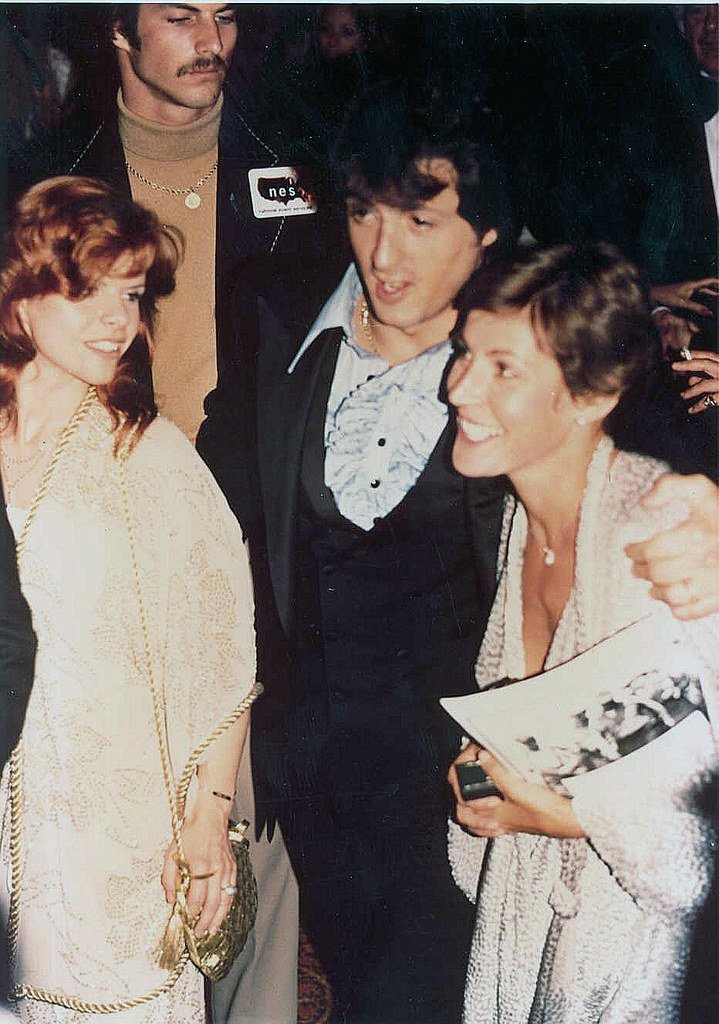
Helen Reddy’s “I Am Woman” is a fighting song, written during and for the women’s liberation movement of the 1970s, and it has endured from its original release through to Hillary Clinton’s presidential run decades later. The song became the unexpected anthem of second-wave feminism, turning up in marches, courtrooms, and living rooms all at once.
It reached number one on the Billboard Hot 100 in 1972, making it a genuinely mainstream protest song at a time when women’s lib was still dismissed by large swaths of the cultural establishment. The simplicity of its declaration – “I am woman, hear me roar” – gave women a phrase they could actually use, chant, and claim as their own. That kind of linguistic gift is rarer than it sounds. The 1990s saw a sizable movement of pro-women’s rights protest songs as part of the Third-wave feminism movement, and Reddy’s earlier anthem helped build the path for all of them.
The Enduring Power of the Protest Song
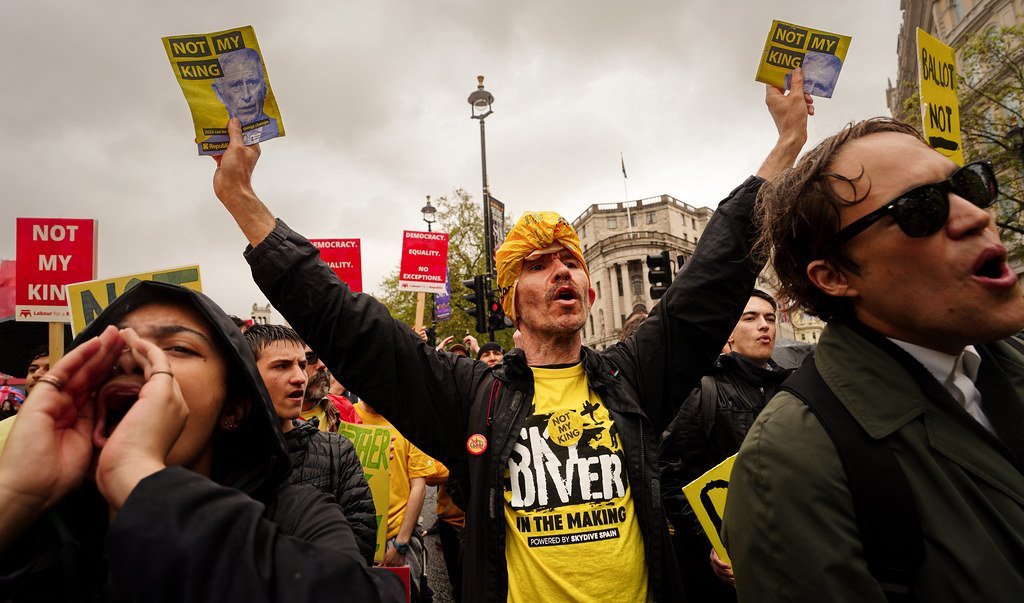
Protest songs don’t just document history. They make it. From Billie Holiday daring to sing about lynching in a room full of white people to Kendrick Lamar giving the Black Lives Matter movement its rallying cry, music has consistently proven that it can reach places that speeches and pamphlets never can. It bypasses the rational mind and goes straight to the gut, the heart, the soul.
What strikes me, looking across this list, is how many of these songs are still being streamed, chanted at marches, and played on radio stations today. These songs not only reflect their times but continue to inspire movements for change across generations, and political songs have evolved significantly over time, conveying powerful messages related to social justice and political movements. That longevity is not accidental. The injustices that inspired them, in many cases, haven’t fully disappeared.
The tradition is very much alive in 2026. Just recently, Bruce Springsteen released “Streets of Minneapolis,” a protest song denouncing what he described as state terror being visited on the city, recording and releasing it within days of the events that inspired it. Protest music doesn’t belong to one era. It belongs to every moment when someone with a voice decides to use it. The only question is: what song will you be listening to the next time history needs changing?

Besides founding Festivaltopia, Luca is the co founder of trib, an art and fashion collectiv you find on several regional events and online. Also he is part of the management board at HORiZONTE, a group travel provider in Germany.
