

- 10 Ways Technology Is Making Our Lives Easier and More Efficient - December 28, 2025
- These 20 Backup Singers Made the Song – But You’ve Never Heard Their Names - December 28, 2025
- The 20 Longest Songs Ever to Chart – And Why They Worked Anyway - December 28, 2025
Edgar Allan Poe: The Father of Detective Fiction
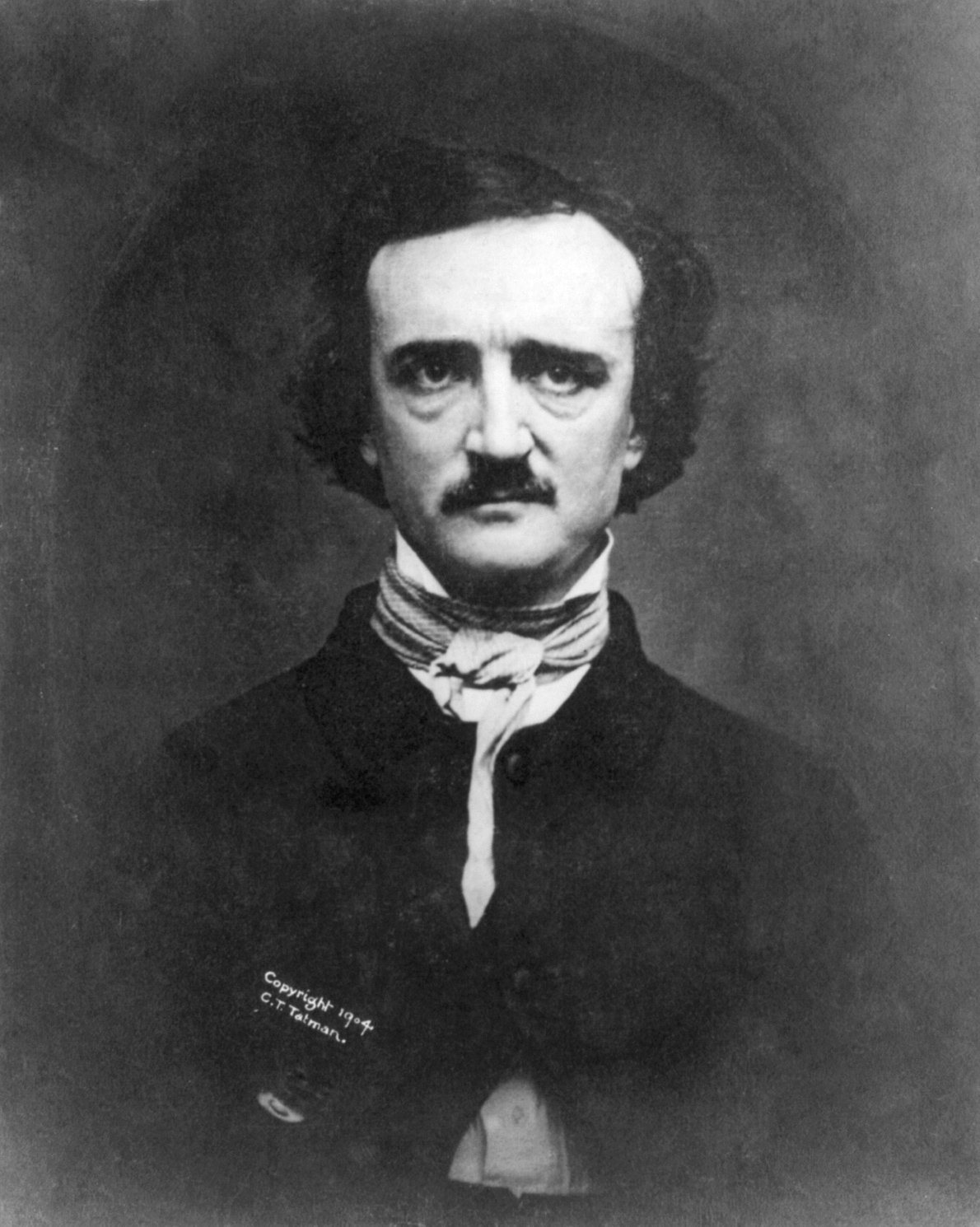
Poe biographer Jeffrey Meyers sums up the significance of “The Murders in the Rue Morgue” by saying it “changed the history of world literature” as it is often cited as the first detective fiction story, with the character of Dupin becoming the prototype for many future fictional detectives, including Arthur Conan Doyle’s Sherlock Holmes and Agatha Christie’s Hercule Poirot. Edgar Allan Poe’s “The Murders in the Rue Morgue,” published on April 23, 1841, in Graham’s Lady’s and Gentleman’s Magazine, is celebrated as the world’s first detective story, which established a foundational genre in popular fiction. Think about it – this was 1841, and Poe was inventing an entire literary format that would dominate bookstores for centuries. The story also established many tropes that would become common elements in mystery fiction: the eccentric but brilliant detective, the bumbling constabulary, the first-person narration by a close personal friend. He didn’t just write horror stories; he basically created the blueprint for every mystery novel you’ve ever read. At the time Poe wrote his story, the word “detective” was not even in common usage, as Poe called his work “a tale of ratiocination,” meaning logical deductive reasoning.
Emily Dickinson: The Secret Modernist
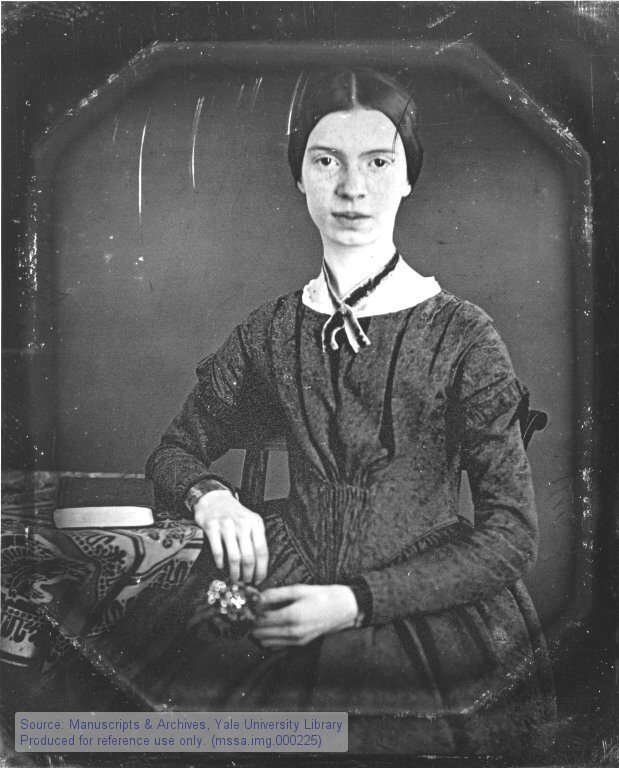
American poet Emily Dickinson (1830-1886) is today best known for her use of slant-rhyme, conceits, and unconventional punctuation, as well as her near-legendary reclusive habits. But here’s the thing that’s absolutely wild – she was basically writing modernist poetry decades before modernism was even a thing. Rhyme that is not perfect is called “slant rhyme” or “approximate rhyme,” which is quite common in modern poetry, but it was less often used in poetry written by Dickinson’s contemporaries. Emily Dickinson is now considered a powerful and persistent figure in American culture, becoming widely acknowledged as an innovative, proto-modernist poet. She was scribbling away in her room in Amherst, creating poetry that wouldn’t be understood or appreciated until the 20th century rolled around. Emily Dickinson did not become known as a poet until after her own death, as she had asked Lavinia to burn her papers after her death, but when Lavinia discovered the massive number of poems in a drawer, she passed them instead to Thomas Wentworth Higginson and Mabel Loomis Todd who published three volumes of Dickinson’s poetry in the 1890s. She is considered a precursor to modernist poetry, as her experimental forms paved the way for later movements that embraced free verse and unconventional structures.
Herman Melville: The Misunderstood Genius
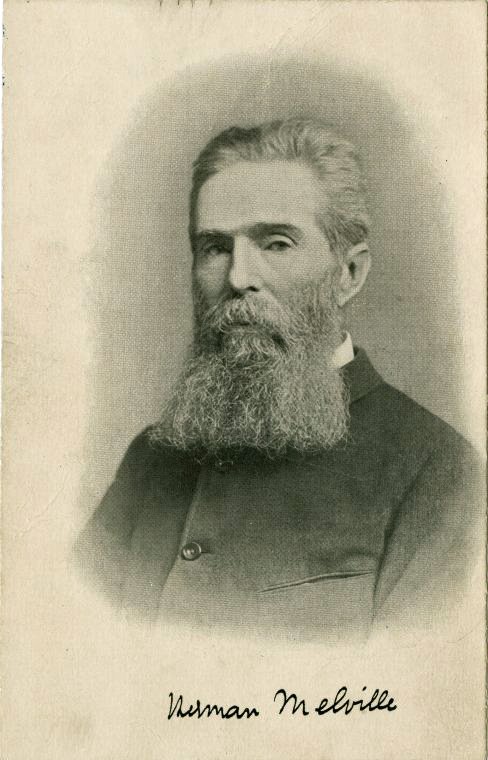
Here’s a writer who really got the short end of the stick during his lifetime – Herman Melville basically wrote what many consider the Great American Novel, and nobody cared. “Moby-Dick,” published in 1851, was this massive, philosophical whale of a book (pun intended) that explored existential themes and ecological consciousness way before anyone was talking about such things. The book was dense, experimental, and filled with chapters that read more like philosophical treatises than traditional narrative. Melville was wrestling with questions about man’s relationship to nature, the meaning of obsession, and the very nature of existence itself. Critics and readers of his time found it confusing and self-indulgent – they wanted straightforward adventure stories, not deep meditations on the human condition. Today, scholars recognize “Moby-Dick” as a groundbreaking work that anticipated modernist techniques and environmental awareness by decades. It’s a perfect example of how sometimes being ahead of your time means being completely misunderstood by it.
Walt Whitman: America’s Radical Poet

Walt Whitman basically exploded onto the American literary scene in 1855 with “Leaves of Grass,” and people had no idea what hit them. He threw out every poetic convention that existed – no regular rhyme schemes, no traditional meter, and definitely no Victorian propriety. Instead, he wrote these sprawling, celebratory verses about democracy, the human body, and sexuality that made his contemporaries clutch their pearls. Whitman was writing free verse before it had a name, celebrating the working class and common people when literature was still focused on the upper classes. He wrote openly about the body and sexual desire in ways that were considered scandalous, even pornographic by some. His poems embraced America in all its messy, democratic glory – immigrants, laborers, everyone who was usually ignored by “serious” literature. Ralph Waldo Emerson called “Leaves of Grass” the most extraordinary piece of wit and wisdom America had yet produced, but many others found it crude and offensive. Whitman was essentially creating a new kind of American poetry that wouldn’t be fully appreciated until the 20th century.
Kate Chopin: The Feminist Voice Before Feminism
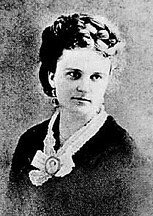
“The Awakening,” published in 1899, was so ahead of its time that it basically killed Kate Chopin’s literary career. The novel follows Edna Pontellier, a married woman who begins to question the roles society has assigned to her as wife and mother. Chopin wrote about female sexuality and independence with a frankness that was absolutely shocking for the Victorian era. Edna has affairs, abandons her domestic duties, and ultimately chooses death rather than return to a life of conventional respectability. Critics were horrified – they called it vulgar, disagreeable, and morally repugnant. Libraries banned it, and Chopin found herself essentially blacklisted from literary circles. What’s remarkable is how Chopin captured the psychological complexity of a woman’s awakening to her own desires and potential. She was exploring themes that wouldn’t become mainstream until the women’s liberation movement of the 1960s. The novel disappeared from public view for decades until feminist scholars rediscovered it in the 1960s and 1970s, recognizing it as a groundbreaking work of feminist literature.
Charlotte Perkins Gilman: The Mental Health Revolutionary
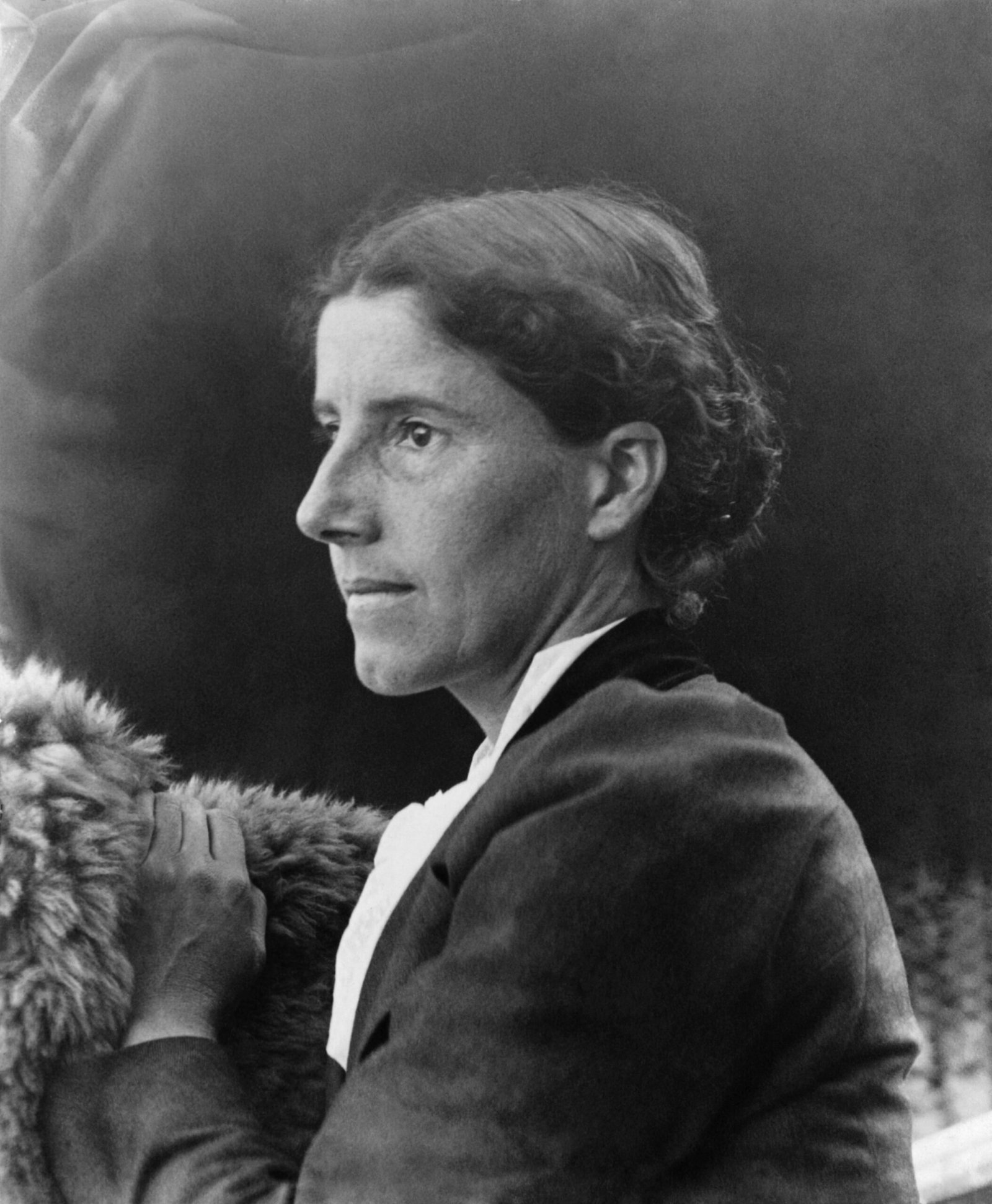
“The Yellow Wallpaper,” published in 1892, reads like a horror story, but it’s actually one of the most important critiques of women’s medical treatment ever written. Gilman based the story on her own experience with the “rest cure,” a popular treatment for what was then called “female hysteria.” The treatment involved complete isolation, no intellectual stimulation, and basically treating women like delicate flowers who needed to be protected from the world. In the story, a woman slowly descends into madness while confined to a room with hideous yellow wallpaper, forbidden from writing or any creative activity. Gilman was calling out the medical establishment for pathologizing women’s intelligence and creativity. She understood that what doctors were calling “hysteria” was often just women’s natural response to being trapped in restrictive social roles. The story was so disturbing that many publications refused to print it, and when it was published, readers found it too upsetting. Today, “The Yellow Wallpaper” is recognized as a masterpiece of feminist literature and a pioneering work in understanding mental health. Gilman was essentially writing about psychological oppression decades before anyone had the vocabulary to discuss it properly.
Zora Neale Hurston: The Authentic Voice
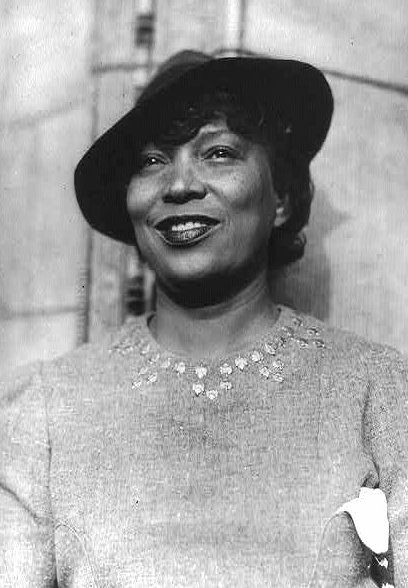
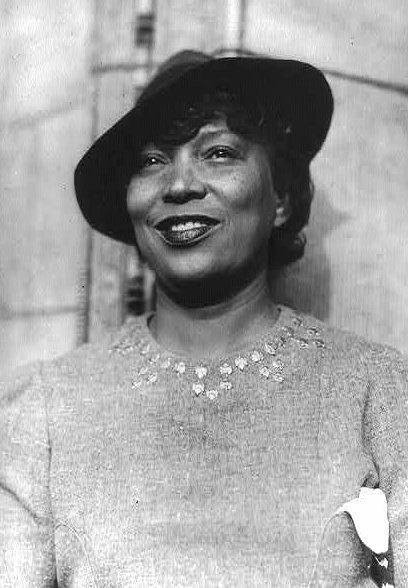
Zora Neale Hurston was doing something absolutely revolutionary in “Their Eyes Were Watching God” (1937) – she was writing Black characters as complex, fully realized human beings rather than symbols or stereotypes. At a time when many Black writers felt pressure to present their characters as either noble victims or perfect examples of respectability, Hurston wrote about Janie Crawford’s journey toward self-discovery with unflinching honesty. She celebrated Black Southern dialect and culture when the prevailing attitude was that such things were embarrassing or backward. The novel explores female agency and sexuality in ways that made both Black and white critics uncomfortable. Many in the Harlem Renaissance criticized Hurston for focusing on folk culture rather than presenting more “uplifting” portrayals of Black life. Richard Wright famously dismissed the novel as having “no theme, no message, no thought.” But Hurston understood something that wouldn’t be widely appreciated until the Civil Rights and Black Power movements – that authentic Black voices and experiences were valuable in themselves, not as arguments for equality. She was writing intersectional feminism before anyone had coined the term, exploring how race and gender intersected in Janie’s experience.
Mark Twain: The Great Social Critic
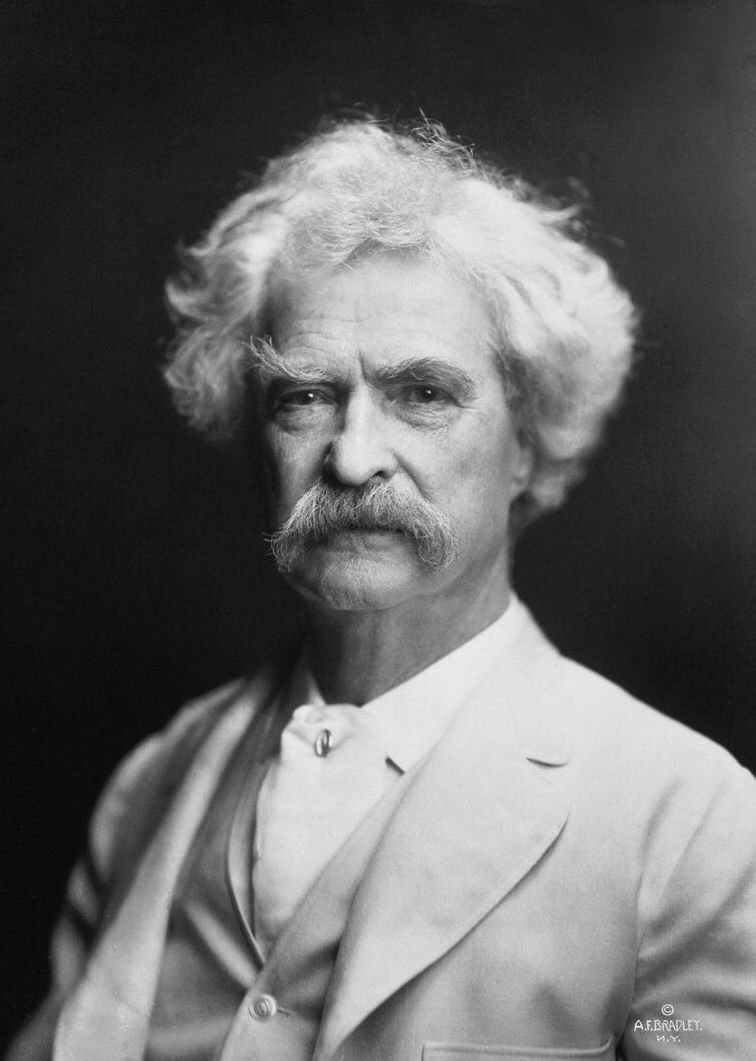
“The Adventures of Huckleberry Finn” (1884) might be the most misunderstood masterpiece in American literature – then and now. Twain was using vernacular speech and dialect in ways that revolutionized American prose, but more importantly, he was mounting a devastating attack on American racism. The genius of the novel lies in how Twain uses Huck’s innocent narration to expose the moral bankruptcy of “civilized” society. When Huck decides he’d rather go to hell than turn in his friend Jim, Twain is showing us that a supposedly ignorant boy has more moral courage than the entire adult world around him. The book was immediately controversial – banned from libraries for being coarse and vulgar. But Twain was intentionally crude because he was trying to show the hypocrisy of a society that prized politeness over human decency. He was writing social satire disguised as a children’s adventure story, using humor to make points about racism and moral cowardice that couldn’t be made directly. The novel’s use of dialect and its child narrator influenced generations of American writers who wanted to capture authentic American voices. Twain understood that sometimes you have to make people laugh before you can make them think.
William S. Burroughs: The Literary Outlaw
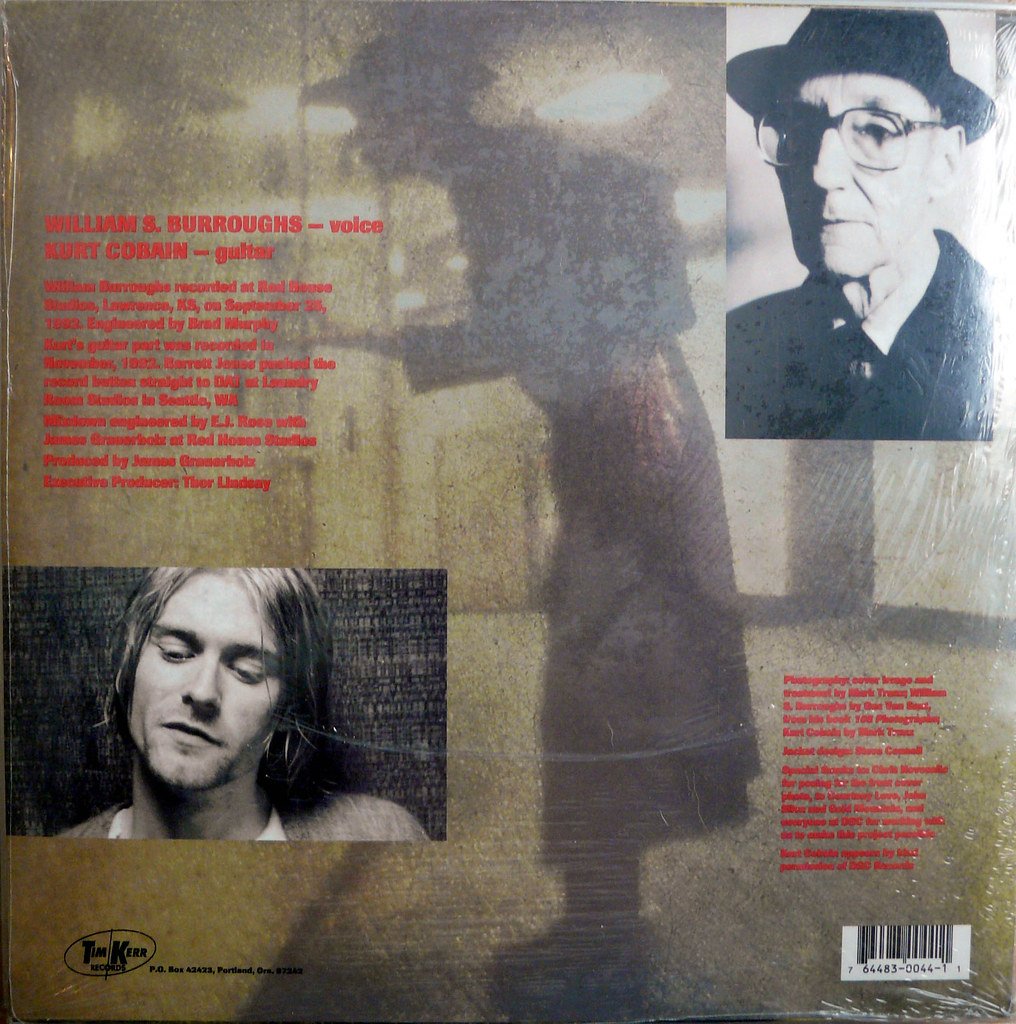
“Naked Lunch” (1959) was so far ahead of its time that it literally had to go to court to prove it wasn’t obscene. Burroughs was experimenting with narrative techniques that wouldn’t become mainstream until postmodernism hit its stride – fragmented storylines, stream-of-consciousness passages, and what he called the “cut-up” method of composition. The novel reads like a fever dream, jumping between scenes and characters without traditional plot structure. Burroughs was writing about drug culture, government control, and social conformity in ways that predicted the counterculture movement of the 1960s. His paranoid vision of authority and control systems anticipated everything from surveillance culture to the ways advertising manipulates consciousness. The book was banned in many places and fought lengthy legal battles over obscenity charges. But Burroughs was trying to capture the fractured nature of modern consciousness and the way media and drugs were reshaping human experience. His influence can be seen in cyberpunk fiction, experimental literature, and even music – artists like David Bowie and Lou Reed cited him as a major influence. He was essentially writing about information overload and media saturation decades before the internet made these concerns universal.
Flannery O’Connor: The Dark Prophet
Flannery O’Connor’s Southern Gothic stories were so disturbing and morally complex that readers didn’t know what to make of them. Her characters are often grotesque – physically, morally, or both – and her stories typically end in violence or revelation, sometimes both. What made O’Connor ahead of her time was how she used brutal situations to explore theological and philosophical questions about grace, redemption, and human nature. She wasn’t writing simple moral tales where good triumphs over evil; instead, she created scenarios where divine grace might appear through the most unexpected and violent means. Critics often focused on the violence in her work, missing the deeper spiritual dimensions. O’Connor was grappling with questions about faith in a secular world, the nature of evil, and how revelation might come to people who think they already have all the answers. Her technique of using shocking physical events to trigger spiritual recognition influenced later writers who wanted to explore serious themes through genre fiction. She understood that sometimes you have to destroy your characters’ comfortable assumptions before they can experience any kind of genuine transformation. Her work anticipated postmodern questions about meaning and faith while maintaining a deeply Catholic worldview.
Philip K. Dick: The Reality Questioner
Philip K. Dick’s novel “Do Androids Dream of Electric Sheep?” can be read as a symptom of the postmodern era we live in, taking as the main clues the ideas of cultural theorist Slavoj Žižek, who combines Marxism with the psychoanalysis of Jacques Lacan, as well as his account of “postmodernism,” discussing how, contrary to what capitalism dubs a “post-ideological” era, we are more than ever dominated by ideology through its cynical function. Dick was writing about simulated reality, artificial intelligence, and the nature of consciousness decades before these became urgent contemporary concerns. “Do Androids Dream of Electric Sheep?” is a 1968 dystopian science fiction novel by American writer Philip K. Dick set in a post-apocalyptic San Francisco, where Earth’s life has been greatly damaged by a nuclear global war. The central question of the novel – what makes someone human – has become increasingly relevant as AI technology advances. Dick started thinking of people who lacked any empathy as “androids,” with empathy being the main theme of his novel and the crux upon which his reflection of life hangs, as the storyline revolves around androids being almost identical to humans and the question of what it means to be empathetic and whether that allows someone to be valued as a living thing. Postmodernism has been referred to as a “major symptom of Late Capitalism,” with fragmentation seen as a sign of being lost in a world of globalization and of mass communication where there’s no longer an obvious “centre” and space isn’t easily mapped. Dick was essentially predicting our current anxieties about technology, surveillance, and what it means to be human in a digital age.
Ursula K. Le Guin: The Gender Pioneer
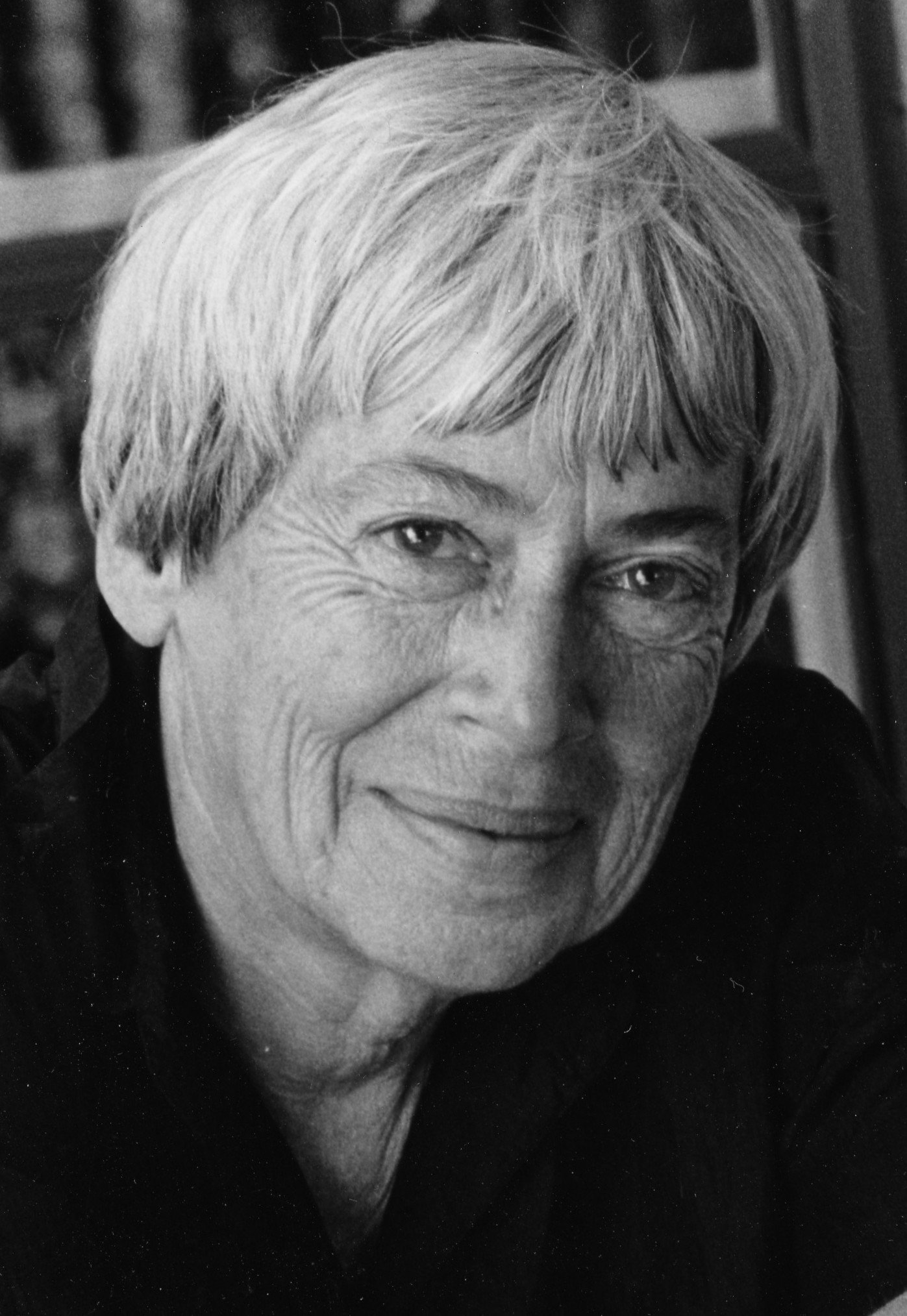
“The Left Hand of Darkness” (1969) completely revolutionized science fiction by using the genre to explore gender and sexuality in ways that were absolutely groundbreaking. Le Guin created a world where the inhabitants have no fixed gender – they can become male or female during their fertile period, then return to an androgynous state. This wasn’t just a clever science fiction concept; it was a thought experiment that forced readers to examine their assumptions about gender roles and sexuality. The novel appeared just as second-wave feminism was gaining momentum, but Le Guin was ahead of even progressive thinking about gender. She was exploring ideas about gender fluidity and the social construction of gender roles that wouldn’t become mainstream until decades later. The book won both the Hugo and Nebula awards, establishing Le Guin as a major voice in science fiction, but more importantly, it showed how speculative fiction could be used to examine real social issues. Le Guin was also dealing with themes of cultural difference, communication across cultures, and the nature of political systems. She transformed science fiction from escapist entertainment into serious literature that could tackle philosophical and social questions. Her influence extends far beyond genre fiction – she’s cited by feminist theorists, anthropologists, and political scientists.
Thomas Pynchon: The Paranoia Prophet

“Gravity’s Rainbow” (1973) is probably one of the most challenging novels ever written, and that was exactly Pynchon’s point. He was trying to capture the paranoid, fragmented nature of post-World War II consciousness through a sprawling, encyclopedic narrative that jumps between characters, time periods, and levels of reality. The novel deals with themes of conspiracy, entropy, and the ways technology and bureaucracy control human behavior – themes that have become central to our understanding of contemporary life. Pynchon was writing about information overload, media manipulation, and the feeling that vast, invisible forces control our lives decades before the internet made these concerns universal. The book is famously difficult to read, filled with technical passages about physics, chemistry, and engineering, mixed with pop culture references, dirty jokes, and profound philosophical insights. Many readers found it impenetrable, and even critics weren’t sure what to make of it. But Pynchon was trying to create a literary equivalent of the chaos and complexity of modern life. His techniques – multiple plotlines, unreliable narrators, mixing high and low culture – became standard elements of postmodern fiction. He understood that traditional narrative techniques couldn’t capture the experience of living in a world of mass media, global capitalism, and technological acceleration.
Octavia Butler: The Afrofuturist Visionary
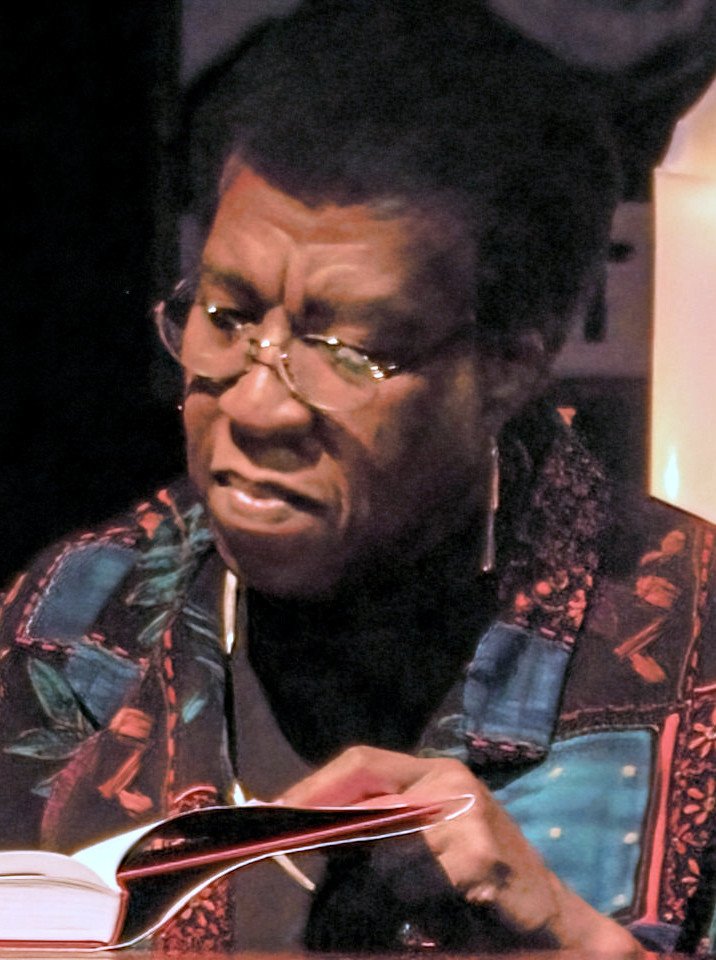
In 1993 when her tenth novel “Parable of the Sower” first appeared, 2024, the year in which it is set, must have seemed far enough away to hold a dystopian world of unprecedented crime, acute global warming, soaring joblessness, police services limited to the wealthy, and a pervasive fear of going outside, but in 2020, the future Butler described is at our doorsteps and all too real. Octavia Butler’s alternate realities and ‘speculative fiction’ reveal striking, and often devastating parallels to the world we live in today, as she was a deep observer of the human condition, perplexed and inspired by our propensity towards self-destruction, and was also fascinated by the cyclical nature of history, often looking to the past when writing about the future. Butler was writing climate fiction before it had a name, exploring how environmental collapse would intersect with social inequality and political authoritarianism. Parable of the Sower, which was published in 1993 and explores a world grappling with climate disaster, economic collapse, and violent social chaos, has regained popularity in recent years for its relevance to today’s challenges of global warming and the pandemics of COVID-19, racial inequity, and social chaos. She did not predict the future but observed what was happening around her, and then she extrapolated from what she knew.

Besides founding Festivaltopia, Luca is the co founder of trib, an art and fashion collectiv you find on several regional events and online. Also he is part of the management board at HORiZONTE, a group travel provider in Germany.
