


For any feedback please reach out to info@festivalinside.com
- Senator Hawley Targets Minnesota AG Keith Ellison in Explosive Somali Fraud Exposé - February 26, 2026
- Bill Gates Comes Clean: Rare Apology for Epstein Ties and Extramarital Affairs Shocks the World - February 26, 2026
- Ohio Home Health Firm Draws Fire Over $1.2 Million PPP Windfall With No Digital Trail - February 26, 2026
Edgar Allan Poe – Gothic Horror and Detective Fiction
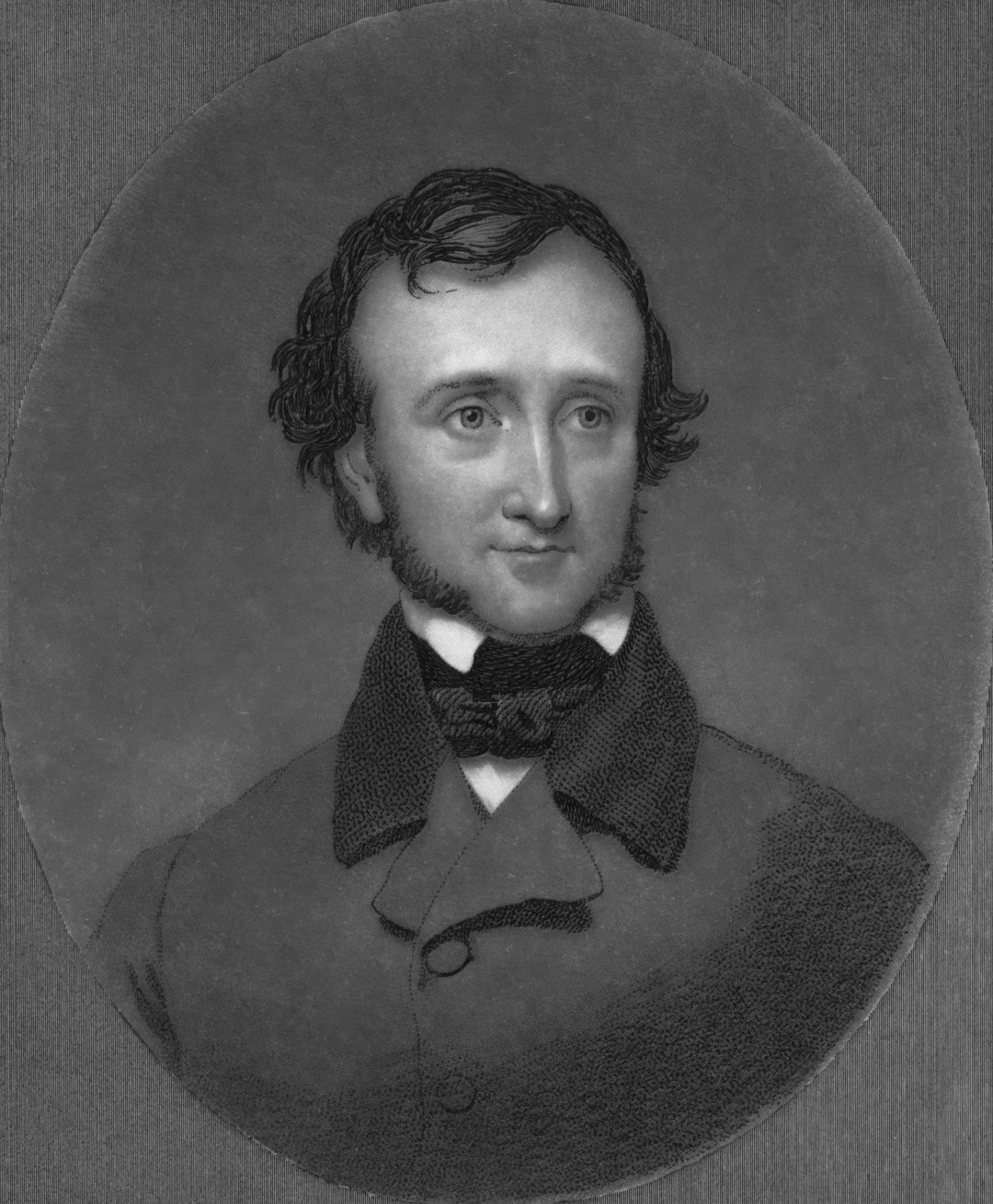
Picture a dark room in 1841 Philadelphia, where a mysterious writer named Edgar Allan Poe is about to change literature forever. With “The Murders in the Rue Morgue,” Poe created the modern detective story and is generally considered to be the inventor of the detective fiction genre. His detective C. Auguste Dupin became literature’s first intellectual crime-solver, using pure reasoning instead of luck or brute force. Sir Arthur Conan Doyle acknowledged Poe’s influence, saying “Each [of Poe’s detective stories] is a root from which a whole literature has developed…. Where was the detective story until Poe breathed the breath of life into it?”
Beyond detective fiction, Poe revolutionized horror writing with stories like “The Fall of the House of Usher” and “The Tell-Tale Heart.” His use of psychological terror and first-person narration created what we now know as Gothic horror. The influence of Poe’s tales may be seen in the work of later writers, including Ambrose Bierce and H.P. Lovecraft, who belong to a distinct tradition of horror literature initiated by Poe. What’s remarkable is how Poe’s innovations in both genres continue to shape modern storytelling – from crime shows to horror films, his fingerprints are everywhere.
H.P. Lovecraft – Cosmic Horror
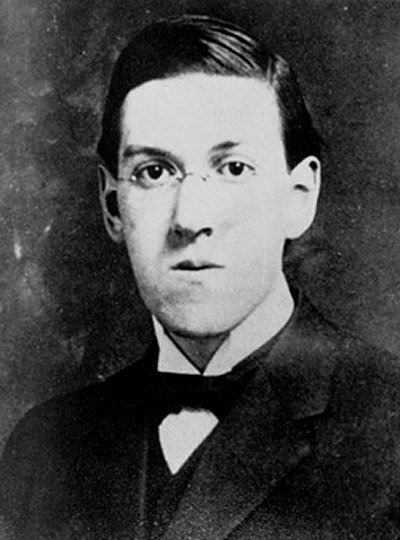
While others wrote about ghosts and vampires, Howard Phillips Lovecraft dared to ask a different question: what if humanity isn’t the center of the universe? Horror author and historian H. P. Lovecraft was heavily influenced by Poe’s horror tales, dedicating an entire section of his long essay, “Supernatural Horror in Literature”, to his influence on the genre. In his letters, Lovecraft described Poe as his “God of Fiction”. But Lovecraft took horror in an entirely new direction, creating cosmic horror – a subgenre that focuses on humanity’s insignificance in the face of ancient, unknowable forces.
His stories like “The Call of Cthulhu” introduced readers to a universe where mathematics-defying entities exist beyond human comprehension. Unlike traditional horror that relies on jump scares or gore, cosmic horror creates dread through the realization that we’re powerless against forces we can’t even understand. This existential terror has influenced everything from modern horror films to video games. Lovecraft’s invention of cosmic horror gave writers permission to explore fears that go beyond the personal – fears about our place in an indifferent universe.
Mark Twain – American Realism and Frontier Satire
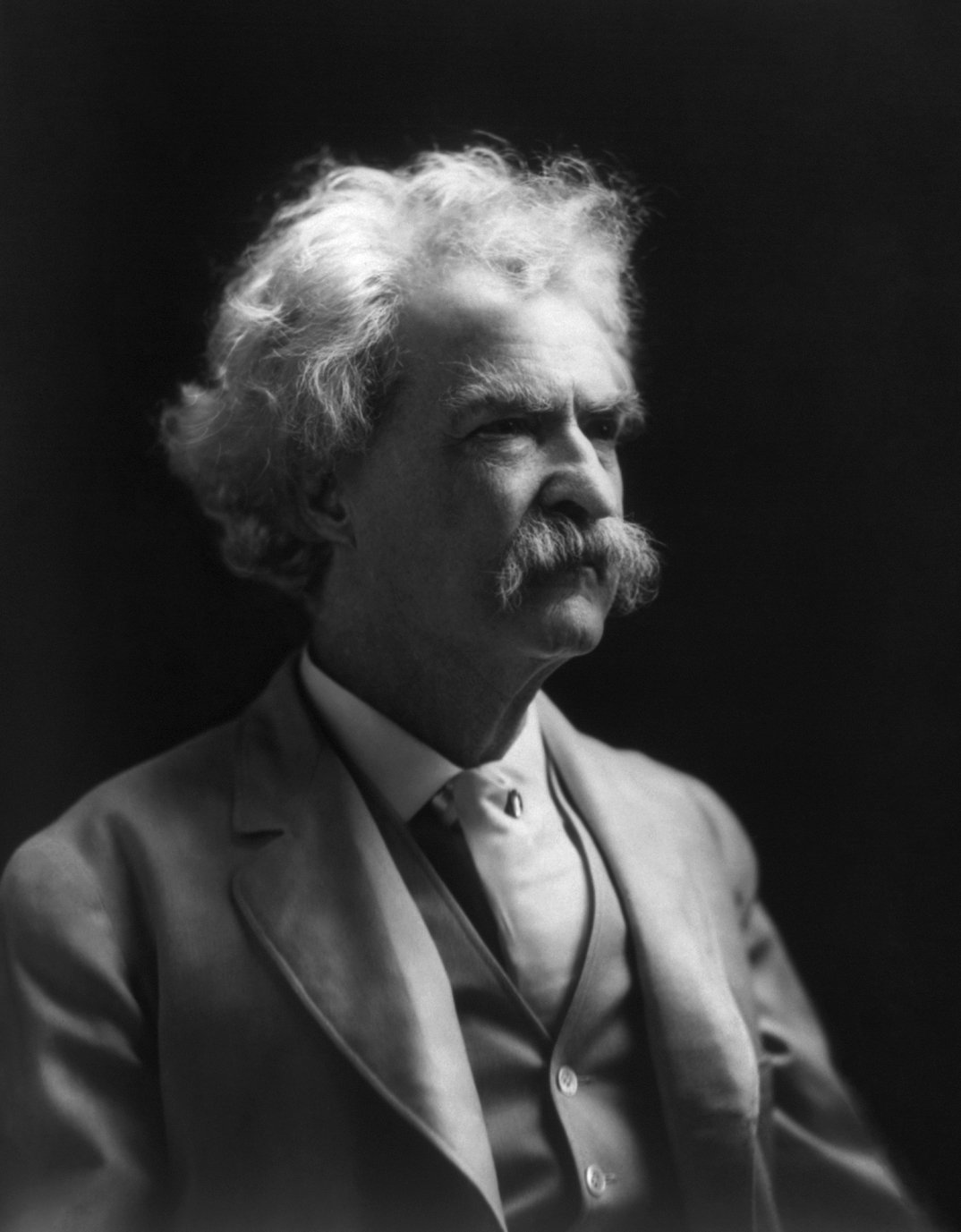
Samuel Clemens, better known as Mark Twain, didn’t just write stories – he captured the authentic voice of America. The writer and critic John Neal in the early-to-mid-19th century helped to advance America toward a unique literature and culture, by criticizing his predecessors, such as Washington Irving, for imitating their British counterparts and by influencing writers such as Edgar Allan Poe. Twain took this further by creating American Realism, using regional dialects and colloquial speech that had never been seriously attempted in literature before.
“Adventures of Huckleberry Finn” wasn’t just a story about a boy and a runaway slave – it was a revolutionary work that used authentic American speech patterns to tell a deeply satirical tale about society. Twain proved that literature didn’t need fancy European language to be profound. His blend of humor, social criticism, and realistic dialogue created a template that American writers still follow today. Think about it – every time you read a novel with authentic regional dialogue or biting social satire disguised as humor, you’re seeing Twain’s influence.
William S. Burroughs – Cut-Up Method and Interzone Science Fiction
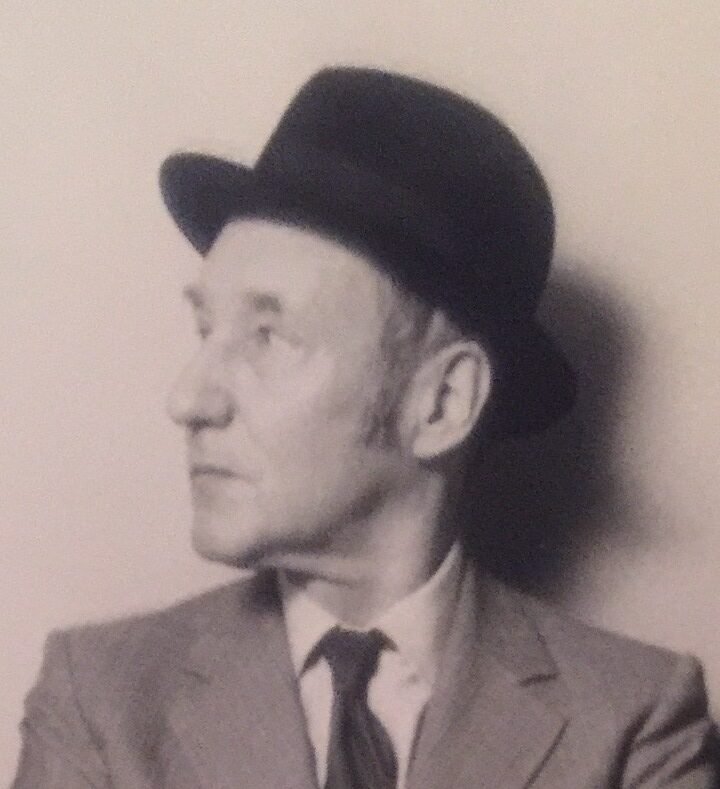
In the 1950s, when most writers were following traditional narrative structures, William Burroughs literally cut up his manuscripts with scissors and rearranged them randomly. This “cut-up” technique, developed with artist Brion Gysin, challenged everything readers thought they knew about how stories should work. His novel “Naked Lunch” became a landmark of experimental literature, creating what we now call postmodern science fiction.
Burroughs didn’t just write about the future – he wrote in a way that felt like the future, using fragmented, non-linear storytelling that mirrored the chaos of modern life. His “Interzone” stories created a hallucinatory blend of science fiction and beat culture that influenced everyone from David Cronenberg to cyberpunk writers. The advent of digital platforms and self-publishing has democratized the literary world. Authors no longer need to rely solely on traditional publishing houses to reach their audience. Burroughs pioneered this kind of experimental approach decades before digital technology made it mainstream.
Octavia E. Butler – Afrofuturism and Speculative Black Feminism
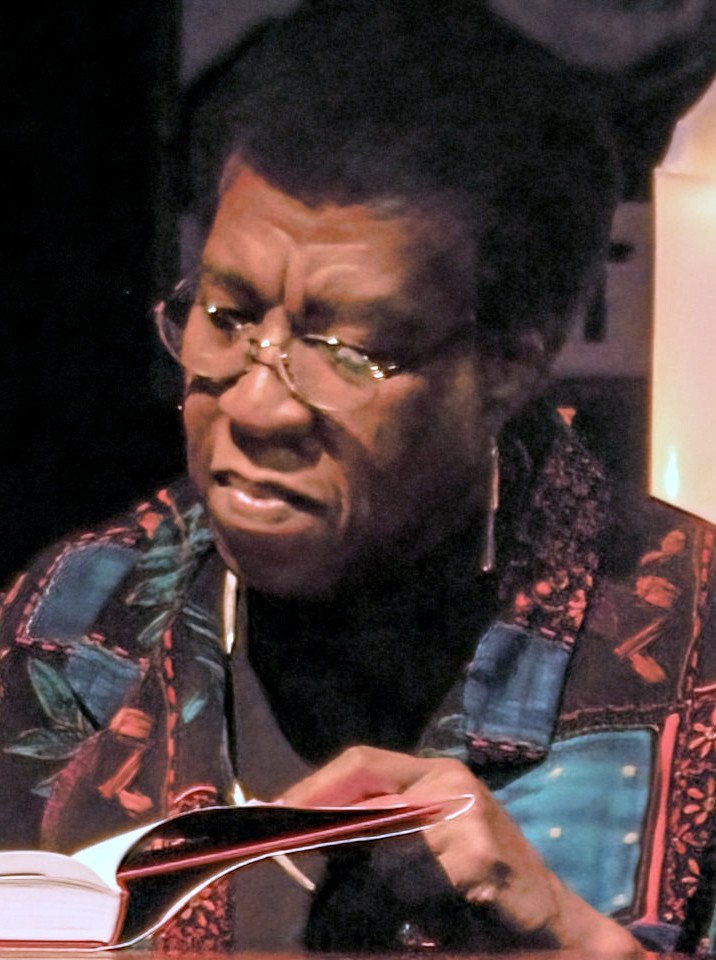
Butler helped expand the genre of science fiction and create the earliest literary examples of Afrofuturism. Today, Butler is considered the “mother of Afrofuturism,” and her vision remains relevant and critical in conversations about racial equity and social justice. Working in the 1970s when science fiction was dominated by white male authors, Butler created a new subgenre that centered Black women as heroes and explored themes of power, identity, and survival through a distinctly African-American lens.
Her novels like “Kindred” and “Parable of the Sower” didn’t just add diversity to science fiction – they fundamentally changed what science fiction could be. Butler carved a space in a genre historically dominated by white men and reshaped it as the mother of Afrofuturism. Her stories define worlds beyond our imagination while addressing the human condition through themes of identity, power, kinship, and survival. Butler’s work proved that speculative fiction could be a powerful tool for examining real-world issues of race, gender, and class. Published in 1993, Parable of the Sower is largely set in 2025. The post-apocalyptic USA presented in Parable of the Sower is an anarchic wasteland ravaged by the effects of climate change and complete disunification as people struggle to survive amidst violence, prejudice, and the impossibly high cost of living.
Raymond Chandler – Hardboiled Detective Fiction
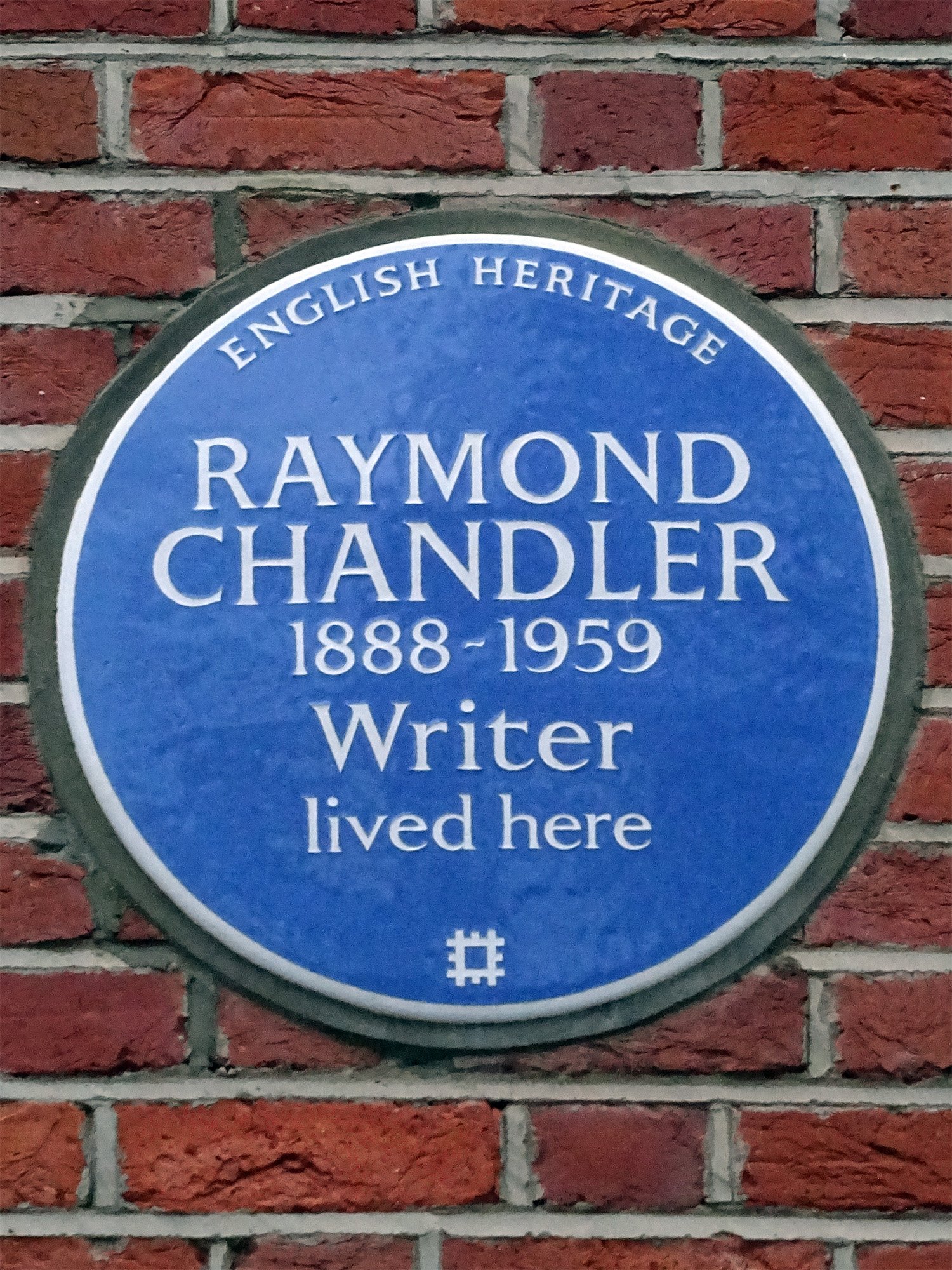
While Poe invented the detective story, Raymond Chandler transformed it into something grittier and more realistic. His private eye Philip Marlowe wasn’t a brilliant aristocrat solving puzzles for fun – he was a working-class hero navigating the corrupt streets of Los Angeles. Chandler’s hardboiled detective fiction stripped away the genteel puzzle-solving of earlier detective stories and replaced it with cynical realism and poetic prose.
Stories like “The Big Sleep” and “Farewell, My Lovely” created a new type of detective fiction that was both tough and literary. Chandler proved that crime fiction could be art, using noir atmosphere and snappy dialogue to explore themes of corruption and morality. His influence extends far beyond literature – every gritty police drama, every cynical private eye in movies and TV shows, owes a debt to Chandler’s innovations. The hardboiled detective became an American archetype, and it started with Chandler’s Philip Marlowe walking down those mean streets.
Ralph Ellison – Existential African-American Fiction
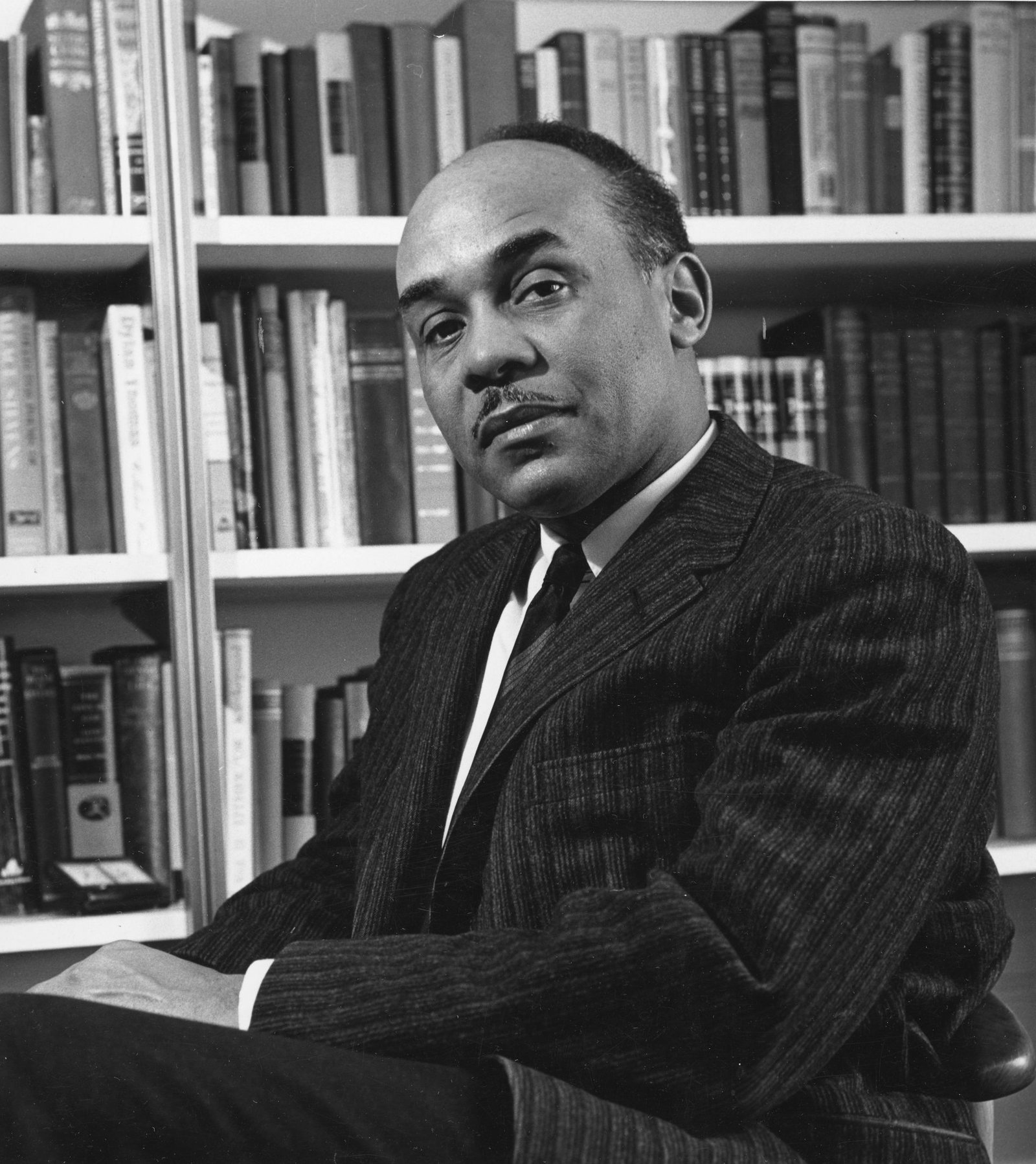
https://blogs.loc.gov/folklife/files/2017/05/Ralph_Ellison_photo_portrait_seated.jpg
The image is originally from NARA (reference number 306-PSA-61-8989)., Public domain, https://commons.wikimedia.org/w/index.php?curid=654328)
Ralph Ellison’s “Invisible Man” didn’t just tell the story of a Black man in America – it created an entirely new literary approach that blended existential philosophy with African-American experience. Published in 1952, the novel introduced a unique narrative style that combined social realism with symbolic storytelling and existential themes about identity and meaning.
Ellison’s innovation was to take the existential questions that dominated European literature – Who am I? What is my purpose? – and ground them in the specific experience of being Black in America. His unnamed narrator’s journey from the South to Harlem becomes a meditation on visibility, identity, and social alienation. This fusion of existentialism with African-American social commentary created a template that influenced generations of writers. Ellison showed how philosophical themes could be deeply personal and culturally specific at the same time.
Zora Neale Hurston – Anthropological Fiction
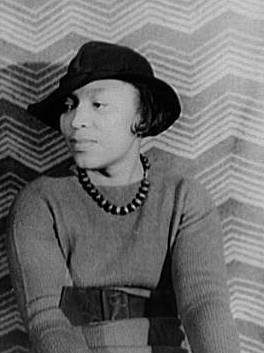
Before Zora Neale Hurston, most literature about Black communities was written by outsiders. Hurston, trained as an anthropologist, brought scholarly rigor to fiction writing, creating what we now call anthropological fiction. Her novel “Their Eyes Were Watching God” wasn’t just a love story – it was a carefully crafted document of Black Southern culture, complete with authentic dialect and cultural practices.
Hurston’s genius was combining her anthropological fieldwork with lyrical storytelling. She collected folklore, studied cultural practices, and then wove these elements into narratives that were both scientifically accurate and emotionally powerful. Her work preserved Black oral traditions while creating compelling fiction. This approach influenced later writers to see their own communities as worthy of serious literary treatment. Hurston proved that fiction could be both art and cultural documentation, creating a model that writers from marginalized communities still follow today.
L. Frank Baum – American Fairy Tale
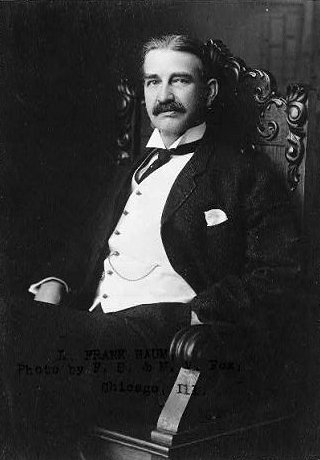
When L. Frank Baum wrote “The Wonderful Wizard of Oz” in 1900, he deliberately set out to create an American fairy tale that would rival the European stories of the Brothers Grimm and Hans Christian Andersen. Unlike the dark, moralistic European fairy tales, Baum’s Oz stories were optimistic and modern, reflecting American values of self-reliance and democracy.
Baum’s innovation was creating a fantasy world that felt distinctly American. Dorothy wasn’t a princess in a castle – she was a farm girl from Kansas. The Wizard wasn’t a mysterious magical figure – he was a fraud, a very American type of con man. Baum’s Oz books established a tradition of American fantasy that emphasized individual empowerment over royal bloodlines. This democratic approach to fantasy influenced everything from comic books to modern young adult fiction. Baum showed that American stories could be just as magical as European ones, but with their own unique character.
Philip K. Dick – Paranoid Science Fiction and Reality-Bending Fiction

Philip K. Dick wrote science fiction that was less about cool technology and more about questioning the nature of reality itself. His stories like “Do Androids Dream of Electric Sheep?” and “The Man in the High Castle” created a new subgenre: paranoid science fiction that constantly asked whether what we experience is real or simulated.
Dick’s innovation was using science fiction to explore philosophical questions about consciousness, memory, and identity. His characters rarely knew for certain whether they were human or android, whether their memories were real or implanted, whether they lived in reality or simulation. This paranoid uncertainty influenced the entire cyberpunk movement and continues to shape science fiction today. Every movie about artificial intelligence or virtual reality, from “Blade Runner” to “The Matrix,” owes a debt to Dick’s reality-bending approach to storytelling.
Isaac Asimov – Robot Ethics and Hard Science Fiction
![Isaac Asimov – Robot Ethics and Hard Science Fiction (image credits: United States Library of Congress. New York World-Telegram and the Sun Newspaper Photograph Collection. Call number: NYWTS - BIOG--Asimov, Isaac, Dr. <item> [P&P]. Reproduction number: LC-USZ62-115121, Public domain, https://commons.wikimedia.org/w/index.php?curid=84073)](https://festivaltopia.com/wp-content/uploads/2025/07/1751493751874_Isaac.Asimov01-scaled.jpg)
Isaac Asimov didn’t just write about robots – he created the ethical framework that still governs how we think about artificial intelligence. His famous “Three Laws of Robotics” weren’t just plot devices; they were serious attempts to solve the moral problems that would arise when humans create intelligent machines.
Asimov’s approach to science fiction was rigorously scientific. He called it “hard science fiction” because it was based on real scientific principles rather than fantasy disguised as science. His robot stories and Foundation series showed that science fiction could be both entertaining and intellectually rigorous. The trend toward speculative fiction will expand into more sub-genres and hybrid forms, with a notable rise in hopepunk (stories focused on positive action in bleak settings), cli-fi (climate fiction), and biopunk (focusing on the intersections of biology and technology). While high fantasy and space operas remain staples, we will see a demand for more emotional exploration and philosophical themes within speculative worlds. Asimov’s influence on modern AI discussions is profound – computer scientists still reference his Three Laws when discussing robot ethics.
Anne Rice – Gothic Erotica and Modern Vampire Fiction

Before Anne Rice, vampires in literature were monsters to be feared and destroyed. Rice’s “Interview with the Vampire” revolutionized vampire fiction by making vampires sympathetic, sensual, and psychologically complex. Her vampires weren’t just bloodthirsty killers – they were tragic figures struggling with immortality, loneliness, and moral questions about their existence.
Rice’s innovation was blending Gothic atmosphere with erotic themes and psychological depth. Her vampires were beautiful, cultured, and tormented, more like romantic heroes than monsters. This approach created modern vampire fiction as we know it, influencing everything from “Buffy the Vampire Slayer” to “Twilight.” Rice proved that horror could be romantic and that monsters could be protagonists. Her lush, sensual prose style and complex vampire mythology set the template for decades of vampire fiction that followed.
Jack Kerouac – Beat Fiction and Spontaneous Prose
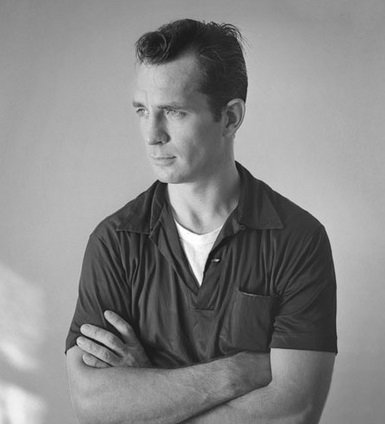
Jack Kerouac didn’t just write differently – he invented a completely new way of writing. His “spontaneous prose” technique, developed for novels like “On the Road,” rejected traditional literary structure in favor of a jazz-influenced, stream-of-consciousness style that captured the rhythm of actual speech and thought.
Kerouac’s innovation was making the act of writing itself a form of rebellion. He wrote long, flowing sentences that mimicked the improvisational nature of jazz music, creating what became known as Beat fiction. This wasn’t just a literary technique – it was a cultural movement that influenced music, art, and lifestyle. The Beat Generation’s emphasis on spontaneity, travel, and spiritual seeking created a counterculture that still influences American literature today. Every time you read a novel with unconventional narrative structure or stream-of-consciousness passages, you’re seeing Kerouac’s influence.
Tom Clancy – Techno-Thriller
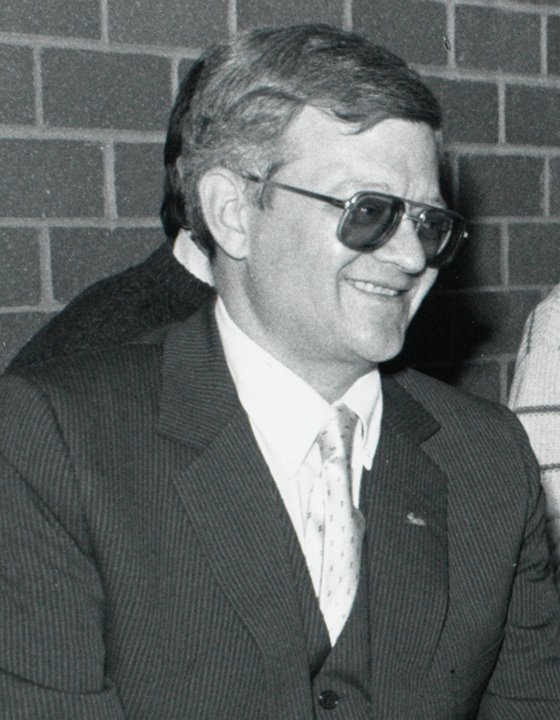
Tom Clancy transformed spy fiction by adding unprecedented technical detail and geopolitical accuracy. His novel “The Hunt for Red October” wasn’t just an adventure story – it was a meticulously researched exploration of submarine warfare, Cold War politics, and military technology that created the techno-thriller genre.
Clancy’s innovation was treating military and intelligence operations with the same detailed attention that hard science fiction writers gave to space technology. His novels read like accurate documentaries about classified operations, complete with technical specifications and realistic political scenarios. This approach influenced not just literature but also video games, movies, and even military training simulations. Clancy showed that readers hungered for realistic detail in their fiction, paving the way for countless writers who combine entertainment with educational content about specialized fields.
Toni Morrison – Mythic African-American Fiction
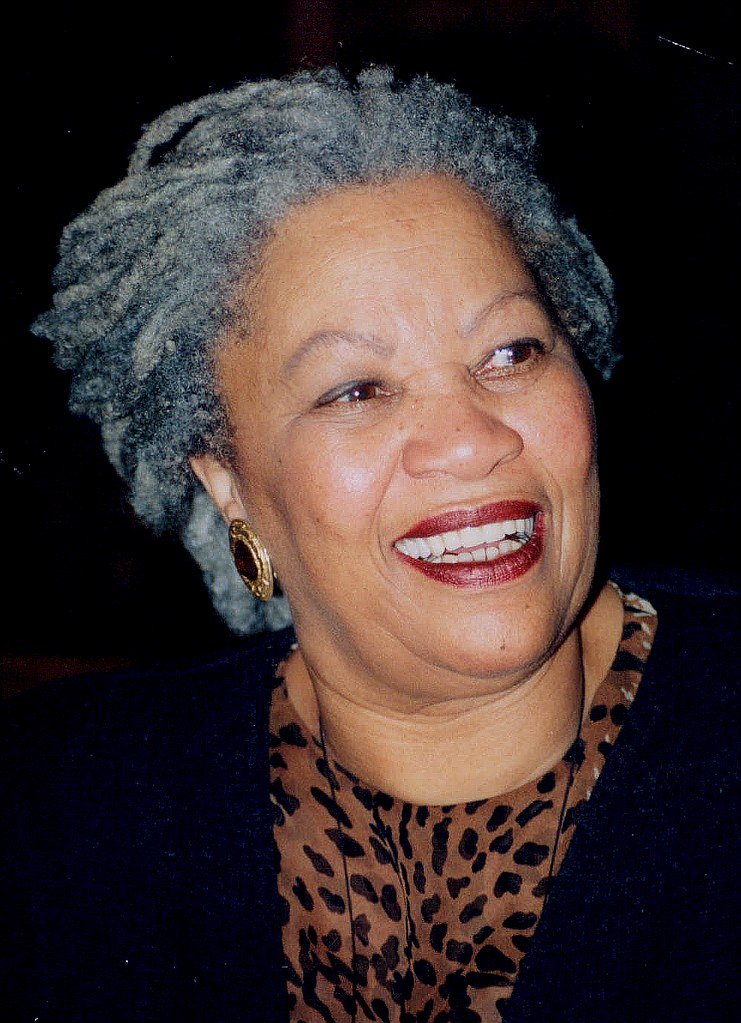
Toni Morrison created a unique literary approach that blended magic realism, historical fiction, and African-American folklore into something entirely new. Novels like “Beloved” and “Song of Solomon” weren’t just stories – they were mythic explorations of African-American experience that treated trauma, memory, and cultural identity with the same epic scope traditionally reserved for European myths.
Morrison’s innovation was showing that African-American stories could be mythic and universal while remaining deeply rooted in specific cultural experience. Her use of supernatural elements wasn’t fantasy – it was a way of expressing truths about trauma and memory that realistic fiction couldn’t capture. Another fabulous example of this was found in one of the best books of 2024, James, a fresh and beloved take on the Mark Twain classic that explored Huckleberry Finn through the lens of the enslaved man, Jim. Thinking of the stories that have been told, but finding a new way to tell them is likely to continue to grow in popularity. Morrison’s influence extends far beyond literature – her work has shaped how we think about historical memory, cultural identity, and the relationship between past and present.

Christian Wiedeck, all the way from Germany, loves music festivals, especially in the USA. His articles bring the excitement of these events to readers worldwide.
For any feedback please reach out to info@festivalinside.com
