

- 10 Most Beautiful Libraries in the World - March 22, 2026
- 14 Wild Facts About Famous Music Festivals That Will Surprise You - March 22, 2026
- The Enduring Power of a Well-Told Fable Continues to Captivate Hearts and Minds - March 22, 2026
Music festivals are more than just concerts. They are living, breathing moments in history, capable of reshaping culture overnight, producing legends out of chaos, and somehow turning muddy fields into sacred ground. From half a million strangers peacefully sharing a farm in upstate New York to a billionaire’s dream implosion on a remote Bahamian island, the stories behind the world’s most famous festivals are genuinely astonishing.
Honestly, even if you think you already know everything about Woodstock or Glastonbury, there’s a very good chance something on this list will catch you completely off guard. So let’s dive in.
Woodstock Wasn’t Even Supposed to Happen in Woodstock
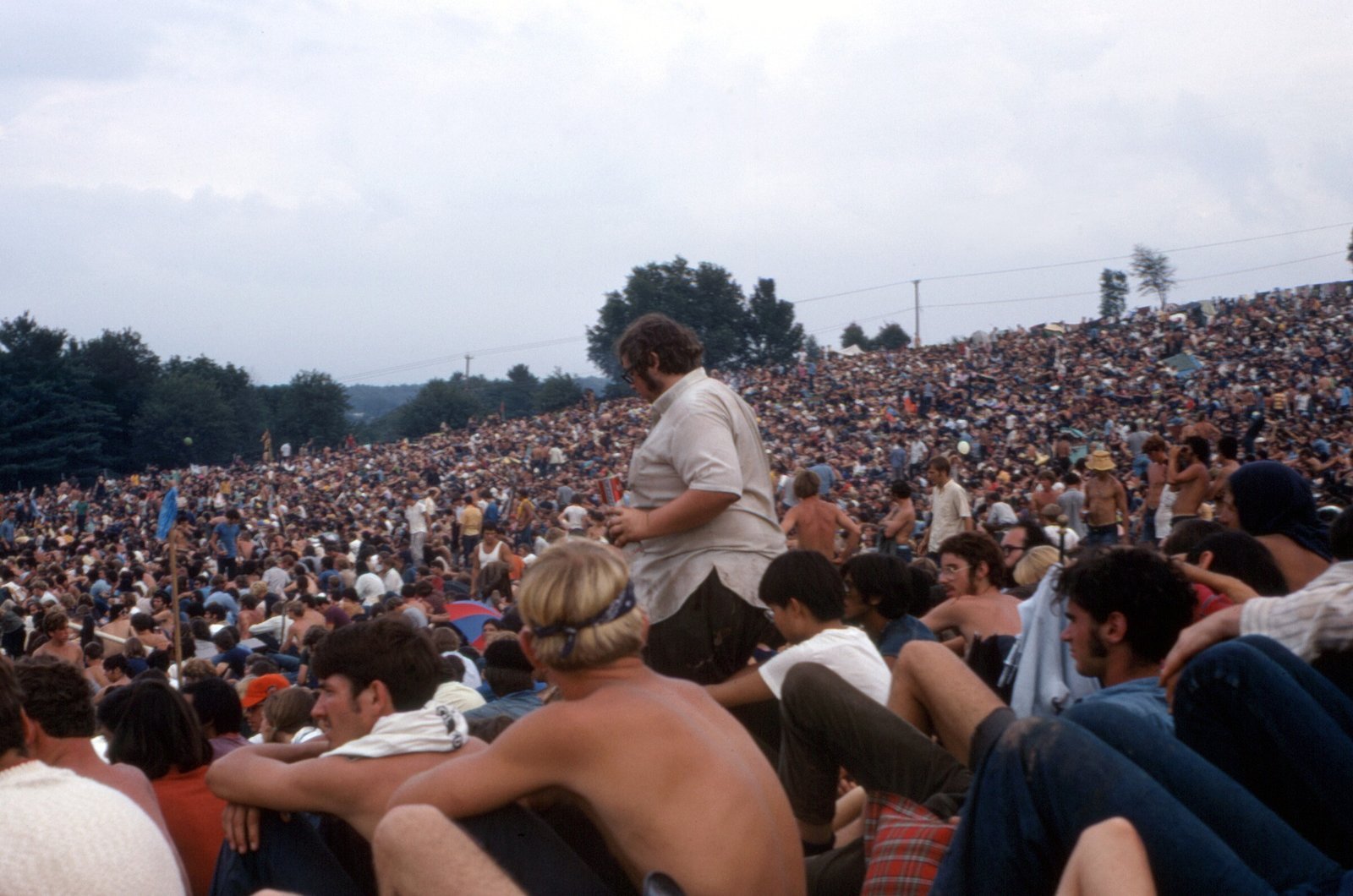
Here’s the thing that most people don’t realize: the festival that defined a generation wasn’t held anywhere near the town it was named after. Woodstock didn’t actually happen in Woodstock, but on a farm in Bethel, New York, about an hour outside the town of Woodstock. The name was kept for its association with the counterculture scene that had already built up around the area.
Unable to find a suitable spot in Woodstock itself, the organizers signed a deal to hold the festival in an industrial park in nearby Wallkill. However, when local officials began to realize the festival was expected to draw 50,000 people, they balked and just a month before the concert passed a law prohibiting the event. The whole thing nearly collapsed completely. It was saved only when a dairy farmer named Max Yasgur agreed to lease his sprawling land at the last minute.
Think about that for a second. One of the most iconic events in music history was nearly killed by local zoning laws. Without a last-minute farm deal, there would be no Woodstock legend at all.
Woodstock Was Originally a For-Profit Venture That Accidentally Became Free
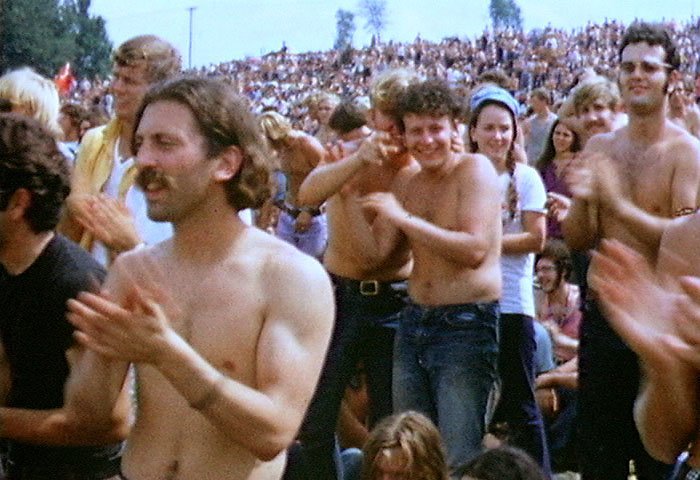
Woodstock was conceived as a profit-making venture. It became a “free concert” when circumstances prevented the organizers from installing fences and ticket booths before opening day. Tickets for the three-day event cost US$18 in advance and $24 at the gate. Nobody planned the free festival. The sheer scale of the crowd simply made collecting tickets impossible.
More than 100,000 tickets were sold, but nearly half a million people descended upon the 600-acre farmland in New York. Organisers were running out of time, so they had to decide between completing the venue’s fencing or building the stage. They opted for the latter. That single decision, stage over fence, accidentally gifted free entry to hundreds of thousands of people and cemented Woodstock’s reputation as an act of communal generosity.
Jimi Hendrix Performed to an Audience That Had Mostly Already Left
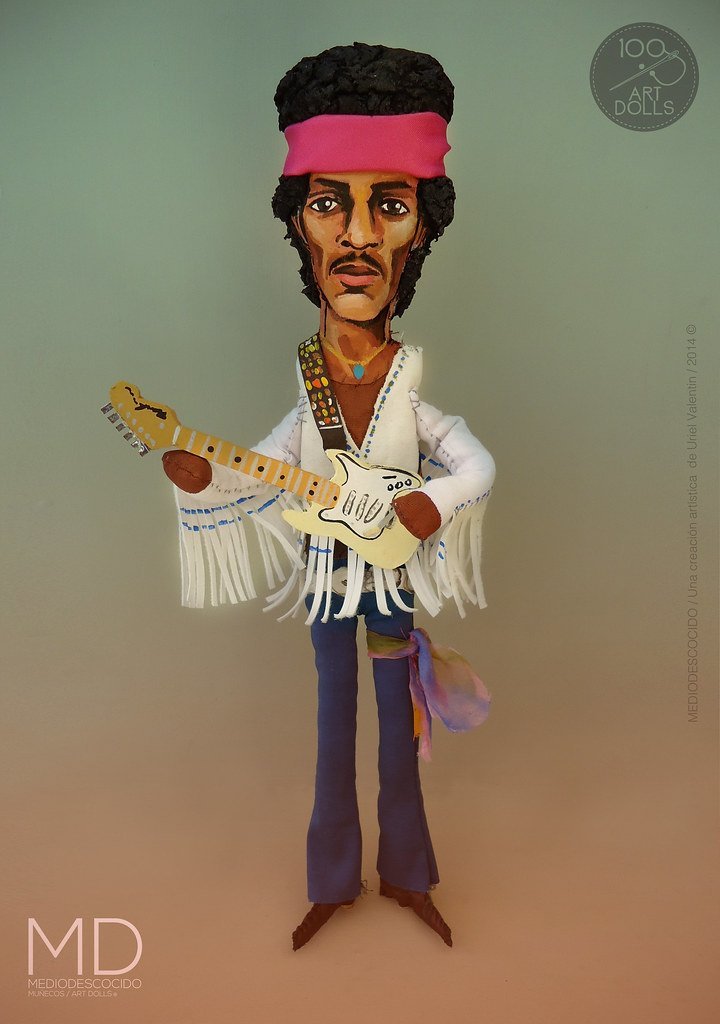
This one genuinely stings. One of the most iconic performances in rock history happened in front of a fraction of the festival’s crowd. Hendrix was scheduled to be the final performer, but due to a clause in his contract that stipulated that no act could perform after him, organizers were unable to move him to a Sunday evening slot, and by the time Hendrix took the stage at 9 a.m. Monday morning, most of the festivalgoers had headed home.
Woodstock 1969 was plagued by stormy weather and technical problems, but it produced a string of musical performances that resonate a half-century later. Hendrix chose to honor his contractual right to close the show, even when it meant performing at an almost absurd hour of the morning. His legendary rendition of “The Star-Spangled Banner” has gone down as one of the greatest guitar moments ever recorded, yet most of the crowd who paid to see it had already packed up and gone home.
The First Glastonbury Festival Opened the Day After Jimi Hendrix Died
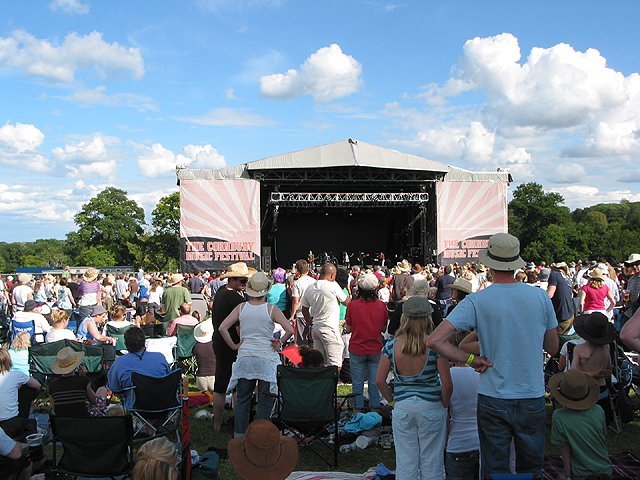
The timing is almost too haunting to believe. In a macabre twist of cultural serendipity, the festival opened the day after the death of rock guitarist Jimi Hendrix, who headlined several seminal music festivals in the 1960s. The shadow of his sudden death hung over the entire first day.
Over 50 years ago, the first Glastonbury Festival, called ‘The Pilton Pop, Blues and Folk Festival,’ was held in 1970 the day after rock legend Jimi Hendrix died. Dairy farmer Michael Eavis hosted the festival on his farm, inspired by the counterculture movements of the 60s. Little did Eavis know that this experiment would evolve into one of the world’s most celebrated music festivals. It’s a bittersweet origin story that gives the whole thing an almost mythological quality.
The First Glastonbury Ticket Cost Just £1 and Included Free Milk
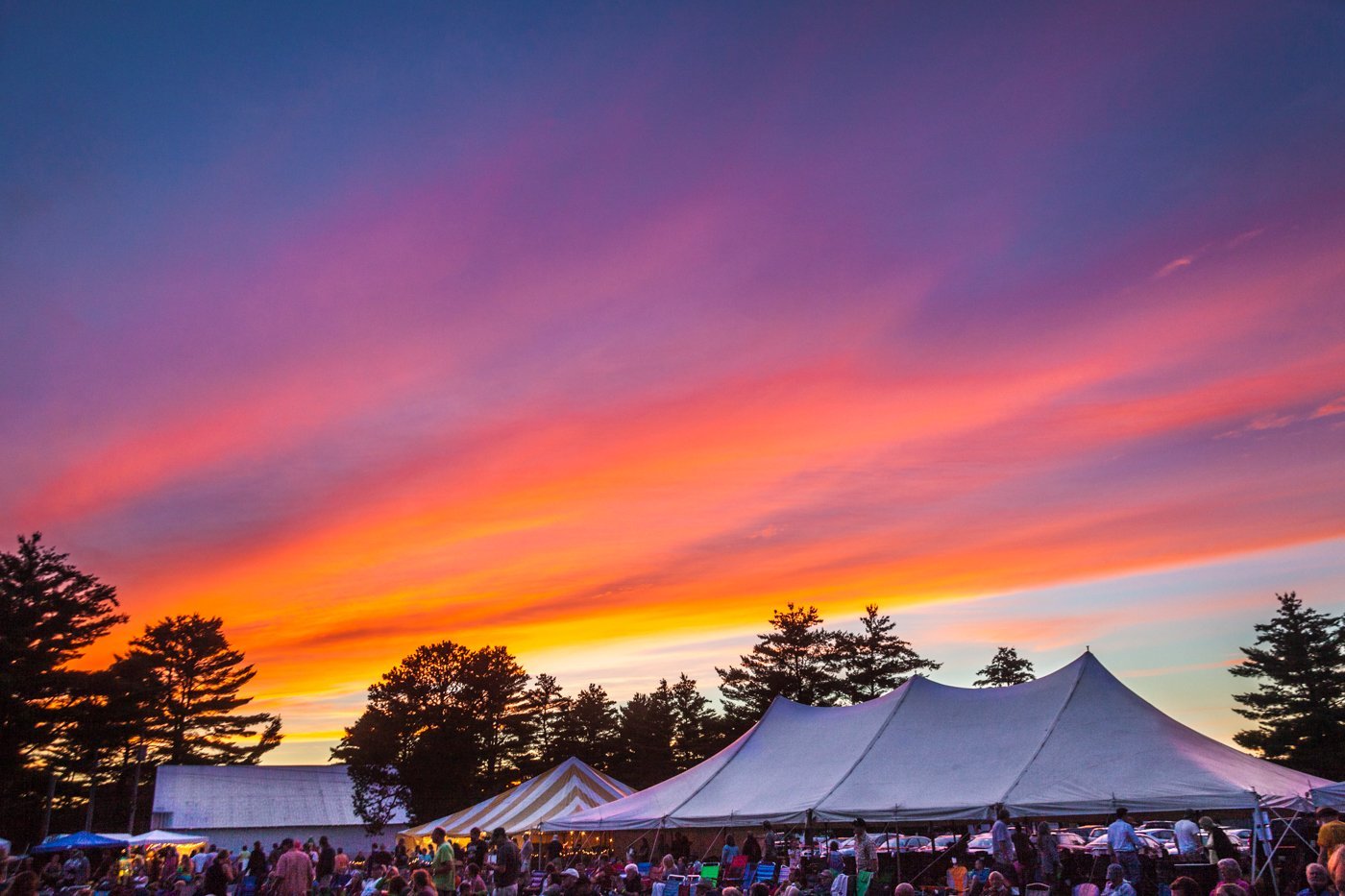
If you’ve ever winced at the price of a modern Glastonbury ticket, this will either comfort you or make you incredibly jealous. Originally named the Pilton Pop, Folk and Blues Festival, Eavis’s event took place in September. Tickets were priced at £1, which included free camping space and free milk from Eavis’s dairy. A pound. For entry and camping. With milk thrown in.
Even in its inaugural year, the Festival was popular and was attended by over 1,500 people. Not much compared to the number of attendees these days, but still for the very first event, it’s an impressive start. Today the festival sprawls across more than a thousand acres, costs tens of millions to produce, and regularly sells out within the hour. The distance from a dairy farm handout to a global cultural institution is, to put it mildly, remarkable.
Glastonbury’s Iconic Pyramid Stage Is Aligned With Stonehenge
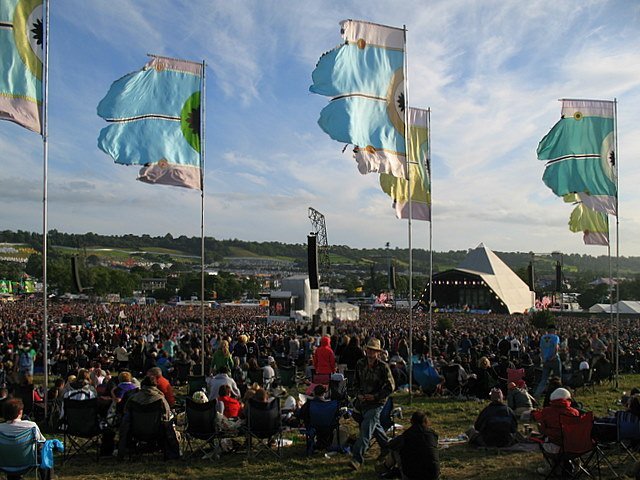
This is one of those facts that sounds made up but is entirely real. The shape of the iconic Pyramid Stage was inspired by the pyramids of Giza in Egypt. The stage is located to align on the same ley line as Stonehenge and Glastonbury Abbey. It’s a deliberate design choice rooted in the festival’s deep connection to mysticism and ancient British landscape traditions.
In 1971, the first Pyramid Stage, a replica of the Great Pyramid of Giza in Egypt, was designed and built by Bill Harkin and crew out of scaffolding, expanded metal and plastic sheeting. It looked nothing like the polished structure you see today. In 1981, the festival built a permanent version of it, which sadly burned down in 1994. In 2000, the stage was re-built to what we see to this day, which is four times the size of the original. Still spiritually aligned with Stonehenge, just considerably larger.
Lollapalooza Was Born From a Band’s Farewell Tour
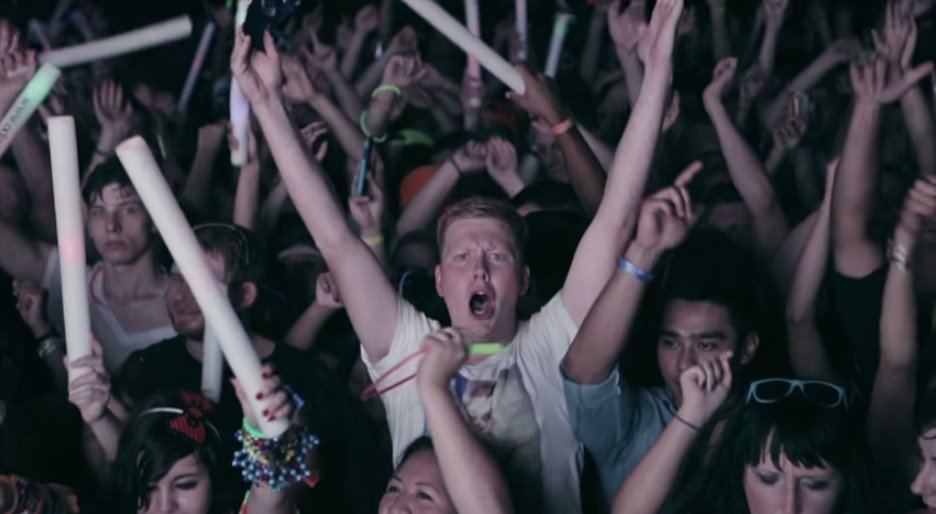
Sometimes the greatest festivals are accidents of emotional desperation. When the US band Jane’s Addiction decided to split in 1991, singer Perry Farrell conceived a farewell tour. But when 250,000 fans showed up, it sparked the idea for the annual Lollapalooza festival instead. The end of one thing became the beginning of something enormous.
Lollapalooza began as a touring festival in 1991. It was initially conceived by Perry Farrell, lead singer of Jane’s Addiction, as a farewell tour for his band. The concept evolved into a stationary festival in Chicago, growing in size and influence. With around 400,000 fans turning up to Lollapalooza in Chicago each year, the festival now also takes place in six other different countries. Not bad for a going-away party.
The Fyre Festival Was Sold as Luxury Paradise and Delivered Emergency Tents

Let’s be real, no list of wild music festival facts would be complete without the most spectacular implosion in festival history. The Fyre Festival was hyped as a luxurious event featuring top-tier musical acts, gathering celebrity and influencer attendees, and offering gourmet food. Tickets were priced at thousands of dollars, with VIP packages costing tens of thousands of dollars. However, upon arrival, festival-goers were met with disorganization and chaos. Instead of the promised luxury villa, many guests were housed in emergency relief tents.
The food, water, and electricity were nowhere to be found, leaving attendees stranded and desperate. These led to the festival’s cancellation and legal repercussions for its organizers, including multiple lawsuits and criminal charges. The Fyre Festival has become a cautionary tale illustrating the potential consequences of overselling and under-delivering promises. It sounds almost too outrageous to be real. Yet every bit of it happened, captured on camera by the very influencers who’d been paid to promote it.
The World’s Oldest Music Festival Has Been Running Since 1719
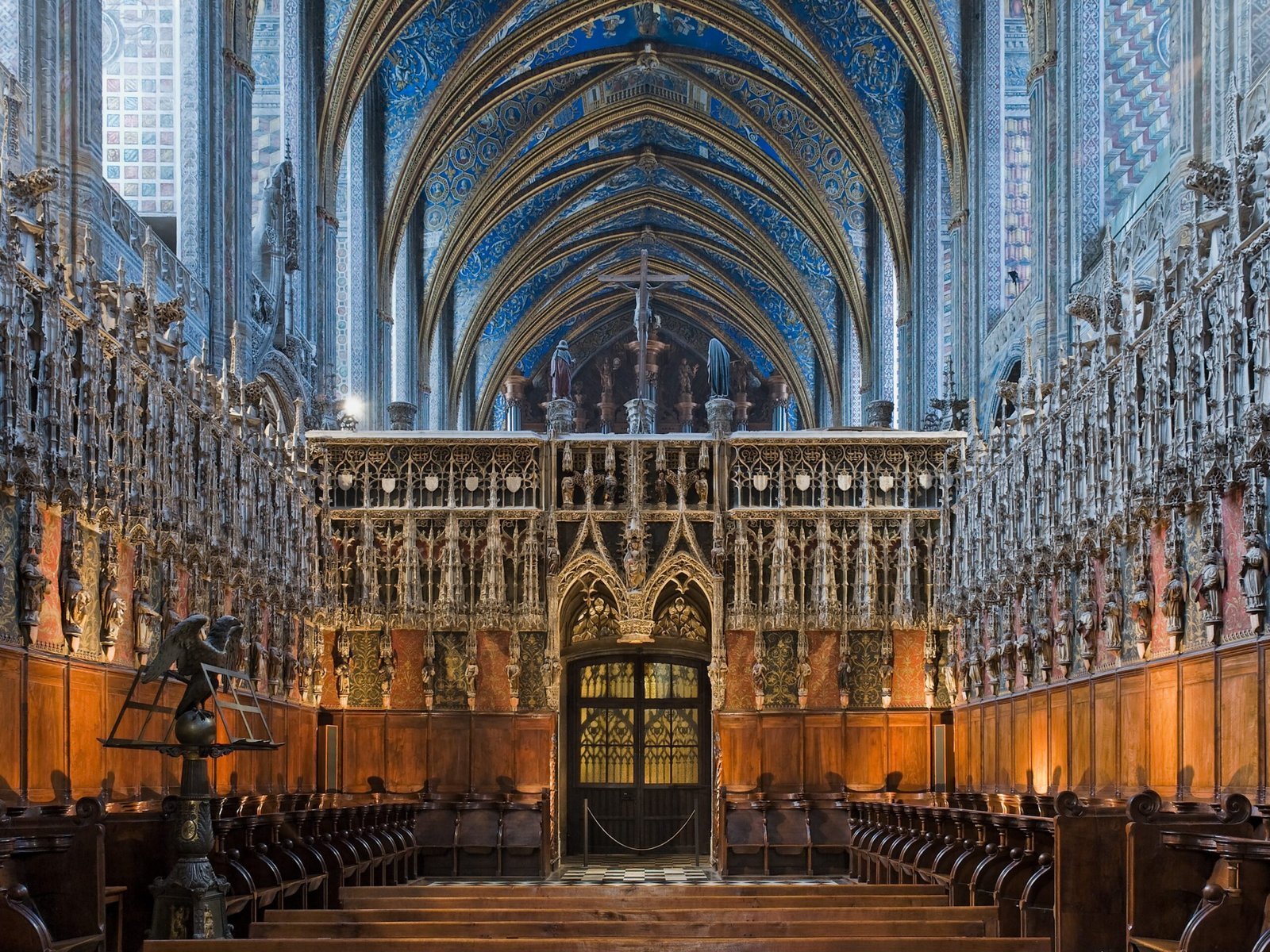
While everyone argues about Coachella versus Glastonbury, a completely different kind of festival has been quietly running for over 300 years. The Three Choirs Festival is the oldest classical choral festival in the world, having run every year since 1719, rotating each summer between the English cathedral cities of Hereford, Gloucester and Worcester. That’s over 300 years of continuous musical tradition. The festival has survived wars, plagues, technological revolutions, and every conceivable change society could throw at it.
Three centuries. Wars, plagues, the Industrial Revolution, two World Wars, and the invention of the internet, and this festival just kept going. I think that puts the “will Glastonbury sell out in time” drama into a slightly humbling perspective. This festival represents an unbroken chain connecting modern audiences to musical traditions from the early 18th century.
Woodstock Was Nearly Cancelled Mid-Festival Due to Money
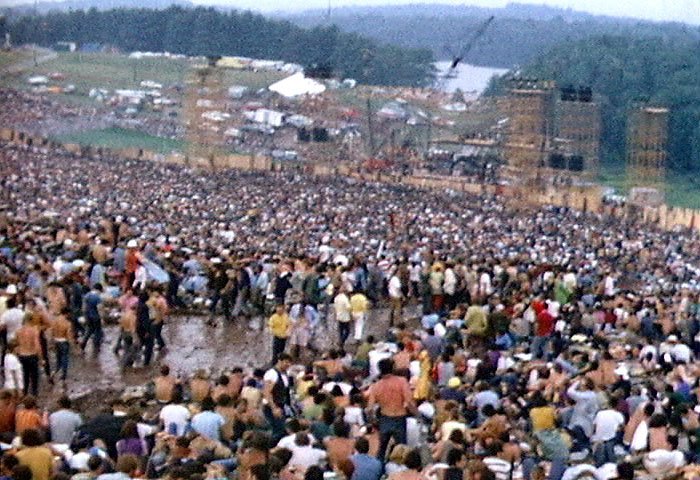
It wasn’t just logistical chaos that threatened to bring Woodstock down. The festival was almost cancelled halfway through the event due to financial reasons, since festival organizers grossly underestimated the cost of providing food and water for so many guests. With hundreds of thousands of unexpected attendees showing up, the budget was being obliterated in real time.
Woodstock cost an estimated $3 million to fund, but turned only a $1.8 million profit. It took festival organizers years to pay off debts incurred during the festival. Yet somehow, against all financial reason, the promoters managed to recover their losses through a completely unexpected source. They had held onto the film and recording rights and more than made their money back when Michael Wadleigh’s documentary film Woodstock (1970) became a smash hit. The movie saved them.
Rock in Rio Drew Nearly 700,000 People to a Single Edition
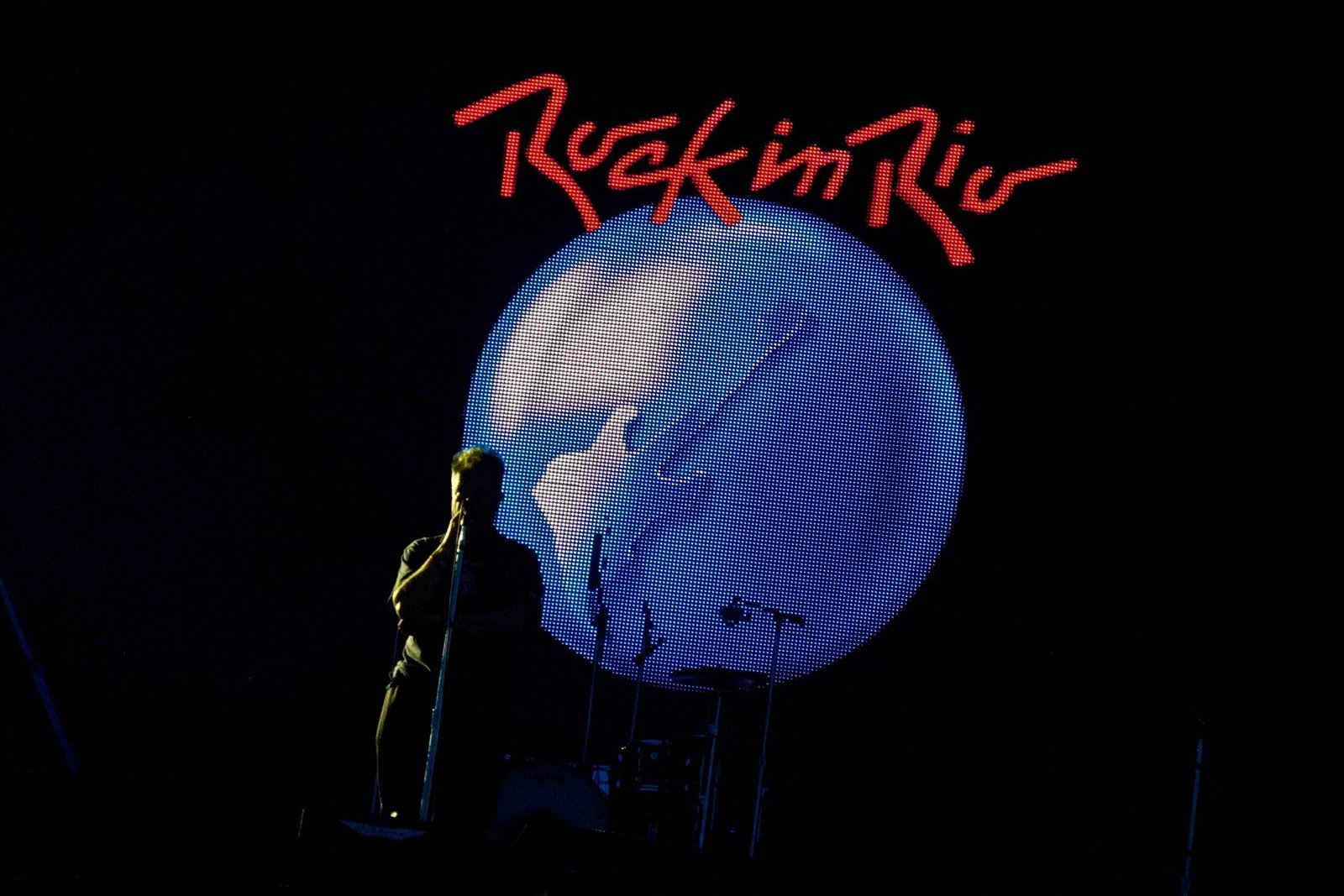
When people think of the world’s biggest festivals, they often think of Glastonbury or Coachella. But Rock in Rio operates on a different scale entirely. First held in Rio de Janeiro, Brazil in 1985, Rock in Rio has since become a global phenomenon, with events held in Lisbon, Madrid, and Las Vegas. The festival has featured some of the biggest names in music, including Queen, Iron Maiden, Metallica, and Rihanna. The 2019 edition of the festival in Brazil drew about 700,000 people over seven days.
Seven hundred thousand people. Over a single festival run. That’s the population of a mid-sized city, all in one place, for one week of music. It’s hard to wrap your head around the logistics involved, let alone the noise levels. Rock in Rio doesn’t just compete with the biggest festivals in the world. In pure attendance terms, it regularly leaves them behind.
Joni Mitchell Wrote the Most Famous Woodstock Song Without Ever Being There
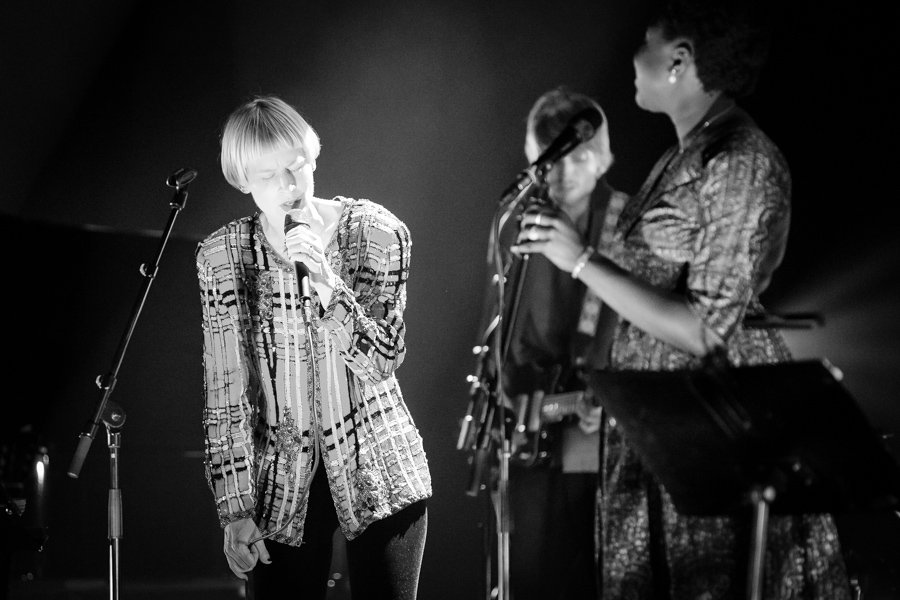
This one is a genuine shocker for most people. Joni Mitchell never actually attended or performed at Woodstock. Her famous hit “Woodstock” was based on the account of her boyfriend Graham Nash of the band Crosby, Stills and Nash. She wrote the song that essentially defined the festival’s legacy from a distance, filtering someone else’s experience into one of the most emotionally powerful pieces in rock history.
It’s a stunning reminder that the myth of a festival can sometimes be more powerful than the event itself. Mitchell’s song gave Woodstock a poetic permanence that even the documentary film couldn’t fully achieve. It’s hard to say for sure, but the song arguably did more for Woodstock’s cultural immortality than almost anything that actually happened on that farm.
Glastonbury Once Had a Murder Trial Postponed So a Juror Could Attend
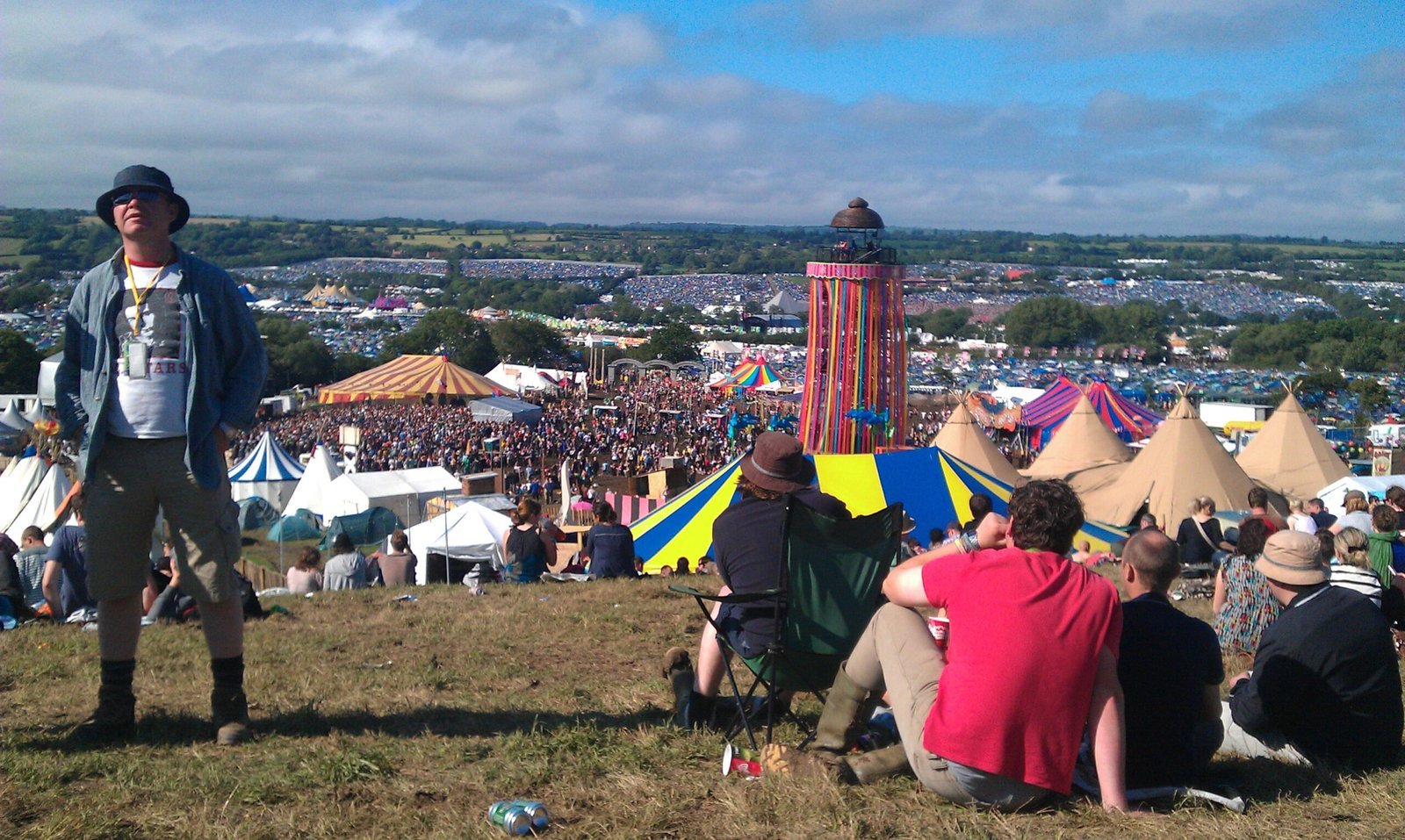
This might be the most surreal entry on this entire list. Unbelievably, a murder trial in London was put on hold to allow a member of the jury to attend the festival. The case was halted in 2009 so the juror could benefit from the £200 they spent on the ticket. A murder trial. Postponed. For Glastonbury tickets. The British legal system, apparently, understands sunk costs.
It sounds absurd, and honestly it is. It speaks to something genuinely unique about Glastonbury’s cultural grip on the UK. There are very few events in the world where the justice system bends around the festival schedule. The fact that this actually happened says everything about how deeply embedded Glastonbury is in British life, almost like a national institution that even the courts can’t quite bring themselves to ignore.
The World’s Largest Music Festival Attracts Nearly a Million People Each Year
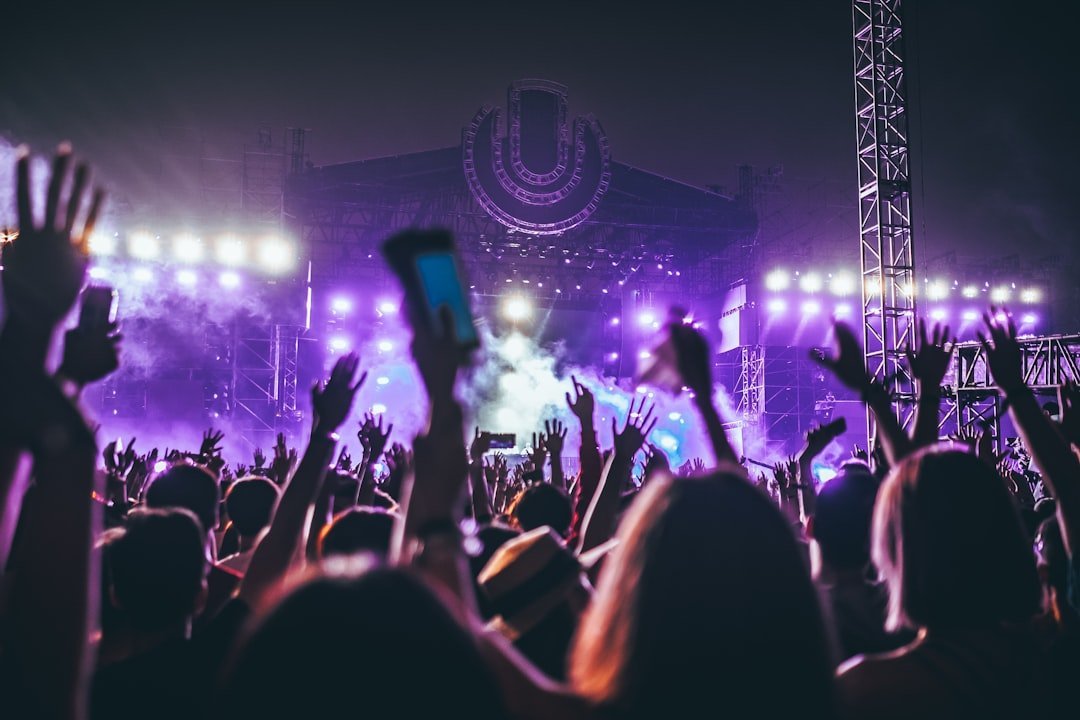
Most people have never heard of Summerfest, and that’s a bit of an injustice. The world’s largest music festival is Summerfest in the USA. It attracts between 800,000 and 1,000,000 people each year. With more than 800 acts and 1,000 performances over 11 days, this really is a festival on a different level. Nearly a million people, over a thousand performances. That’s not a festival, that’s practically a small civilization.
Celebrating its 50th anniversary in recent years, Summerfest was created to revitalise Milwaukee’s downtown and bring the community together. It began as an urban renewal project, a civic dream to give people a reason to gather. It turned into the single largest annual music event on the planet. Most of the world’s attention goes to Coachella and Glastonbury, but Summerfest quietly outdraws them both, year after year, on the shores of Lake Michigan.
Conclusion: Why Festivals Matter More Than We Realize
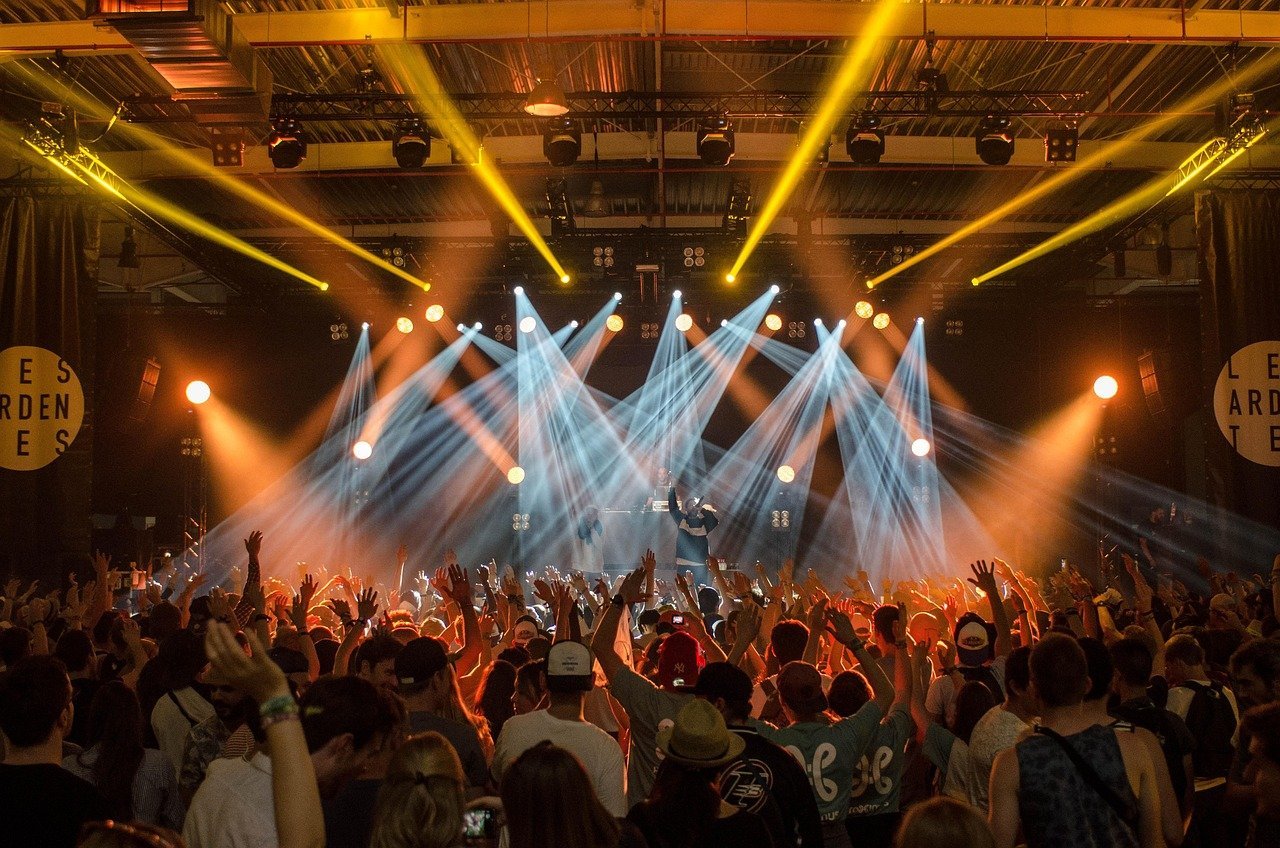
Music festivals are, at their core, a deeply human impulse. Music festivals have transformed over millennia, shaping and reflecting cultural evolution. They guide us through significant milestones and their role in unifying communities and cultures across the globe. From ancient Greek competitions in 582 BC to a chaotic dairy farm in Bethel, New York, to the Nevada desert, the form keeps changing but the impulse never does.
What strikes me most, looking at all of this, is how many of these legendary events were barely hanging together behind the scenes. Woodstock almost didn’t happen, almost ran out of money, and accidentally became free. Glastonbury started with a debt and a pound coin. Lollapalooza emerged from a goodbye. The chaos, the improvisation, and the sheer stubbornness of the people involved are what made these moments extraordinary.
Festivals don’t just reflect culture. They create it, preserve it, and sometimes completely reinvent it when no one’s watching. The mud, the logistics, the absurd drama, it all seems like part of the deal. And somehow, every time, the music makes it worth it.
Which of these facts surprised you the most? Drop your thoughts in the comments – we’d love to know.
CEO-Co-Founder
