

- The 5 Most Underrated Literary Figures You Absolutely Need to Read Now - March 24, 2026
- 14 Practical Gardening Tips That Reduce Pests Naturally - March 24, 2026
- The Sad Truth Behind Glen Campbell’s “I’m Not Gonna Miss You” - March 24, 2026
There’s a quiet revolution happening in backyards and allotment plots all over the world. More and more gardeners are putting down the chemical sprays and picking up a more thoughtful, nature-first approach to pest management. Honestly, it’s about time.
Each year, North American homes alone use approximately 136 million pounds of pesticides on lawns, gardens, and in the home – a staggering number when you consider that most pest problems can be tackled without any of it. Pesticides, herbicides, and fungicides interrupt a natural cycle, and unfortunately there are consequences for humans, other mammals, pollinators, and even our water supply.
The good news? Nature has had billions of years to figure out pest control, and it turns out she’s pretty good at it. These 14 practical tips will show you exactly how to work with your garden’s natural systems instead of fighting against them. Let’s dive in.
1. Practice Companion Planting to Confuse and Repel Pests
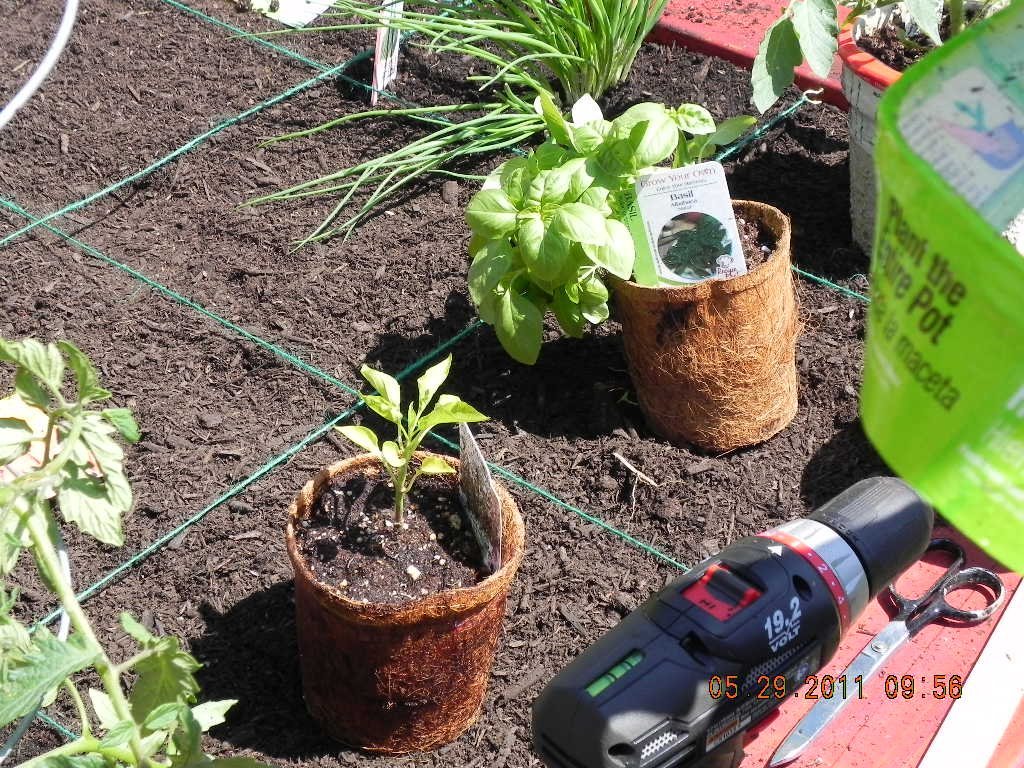
Here’s a fun fact that surprised me when I first learned it: some plants essentially act as bodyguards for others. Companion planting is a time-honored horticultural strategy that involves placing specific plants together to create a mutually beneficial ecosystem, leveraging natural properties such as scents and chemical compounds to repel harmful insects and attract beneficial predators.
This approach works by confusing pests and disrupting their ability to locate their preferred host plants. It’s a proactive, preventative measure that builds resilience directly into the structure of your garden.
Think of it like throwing a party where every guest brings a friend who cancels out the bad guys. Mixing crops can confuse pests and reduce damage, and USDA research shows intercropping helps limit pest outbreaks. Classic examples include planting basil alongside tomatoes, or dill near cabbage to keep problem insects at bay.
Pests have an easier time locating host plants when there are a large number of them planted closely together. To make it harder for pests to find a particular host plant, the practice of intercropping can be very effective. Intermingling different crops with flowers and herbs with fragrant foliage, such as basil, onions, catmint, garlic, and tansy, helps significantly.
2. Plant Marigolds as a Natural Pest Barrier
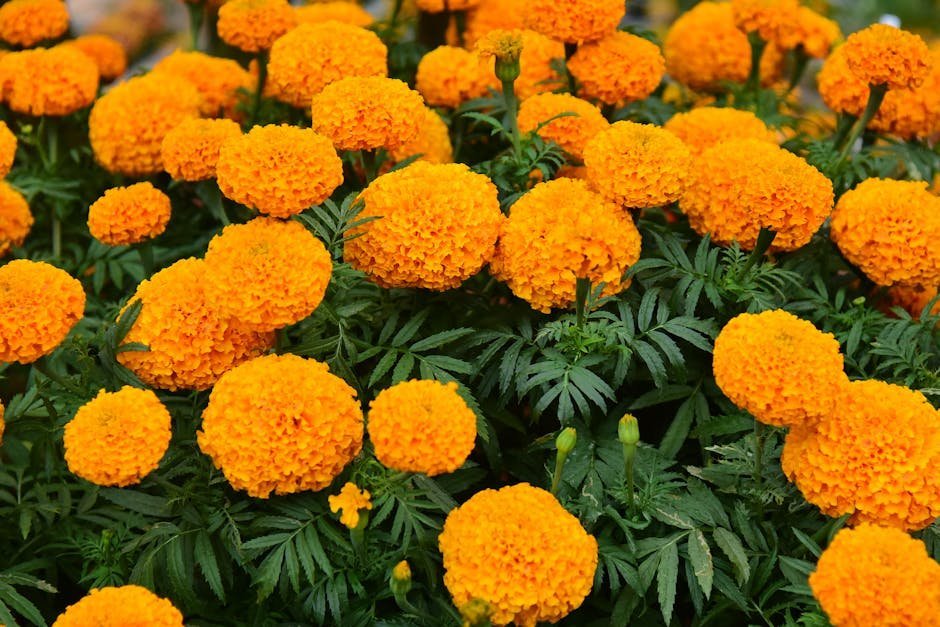
If there’s one plant every vegetable gardener should have in their arsenal, it’s the humble marigold. These cheerful, affordable flowers do far more than look pretty. Marigolds are one of the most famous companion flowers for vegetables. They are known to repel deer and rabbits, as well as insects like squash bugs, aphids, and bean beetles, and they attract pollinators, boost pollination rates, and increase squash harvest yields.
The cabbage moth, which produces small worms in broccoli, Brussels sprouts, cabbage, and kale, can be almost entirely controlled by planting marigolds right in the beds with the plants. It’s best to put them at both ends and in the middle of very large beds.
I think of marigolds as the Swiss Army knife of the garden. They pull double and triple duty, protecting crops, drawing in pollinators, and even adding color. Marigolds planted with tomatoes can reduce pest pressure by a significant margin, while aromatic herbs like basil confuse aphids and beetles. Plant them generously and plant them early.
3. Use Neem Oil as a Safe Organic Spray
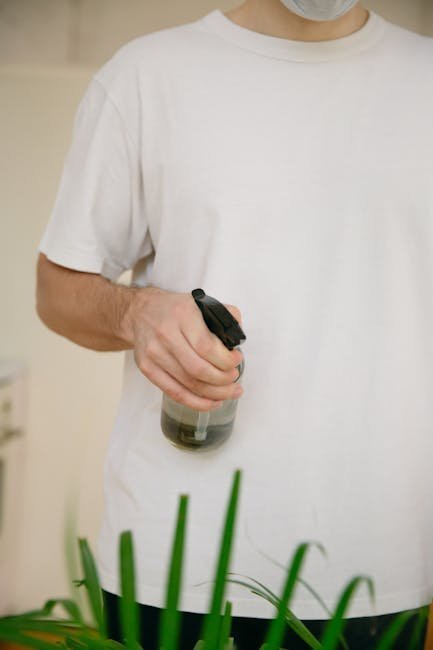
Neem oil is a powerful, plant-based pesticide derived from the seeds of the neem tree. It works by disrupting the life cycle of insects, with its active compound, azadirachtin, acting as an anti-feedant, growth regulator, and repellent, making it effective against a wide range of common garden pests.
Neem oil is unique in that it kills insects at all stages – adult, larvae, and egg. The active chemical azadirachtin works as a feeding deterrent, a disruptor, and by smothering the eggs. That is genuinely impressive for something you can buy at your local garden center.
It can help control over 200 species of insects including mealybugs, aphids, thrips, whiteflies, mites, and more. Spray it in the early morning or around dusk to prevent harm to beneficial insects.
Because neem oil must be ingested to be fully effective, it is generally safe for beneficial pollinators like bees and ladybugs, which do not feed on plant leaves. Reapply weekly or after rainfall for consistent protection.
4. Rotate Your Crops Every Season
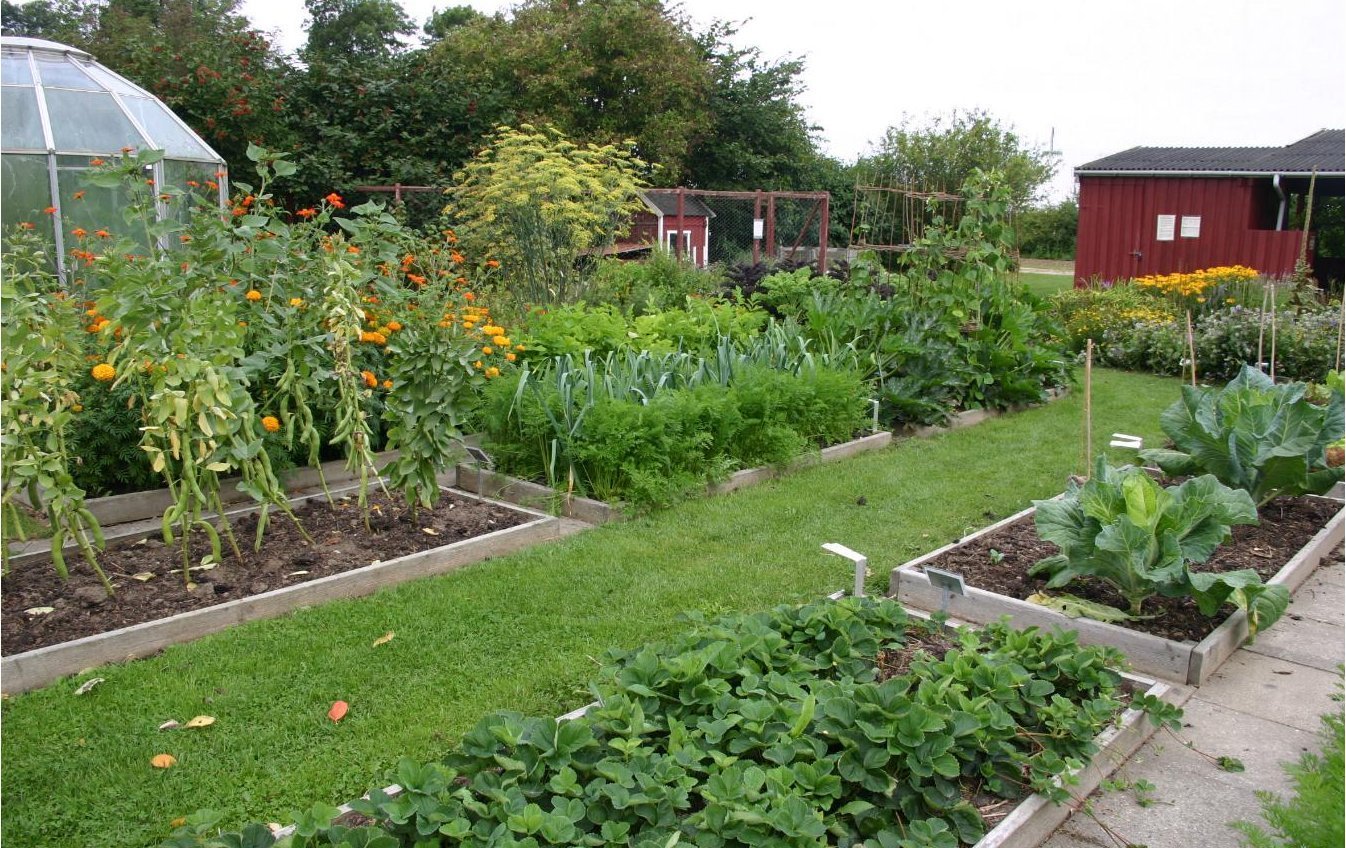
Crop rotation is one of those “old farmer wisdom” tips that has been proven right over and over again by modern science. It is one of the oldest tricks in food production to help control pests, reduce disease, keep soil healthy, and produce abundant harvests, with records of Belgian farmers using it as early as the 16th century.
Growing the same crop in the same soil year after year will give pests and disease time to get well-established in the soil. It will also deplete the soil of essential nutrients and reduce your plant health and crop yield over time.
Picture pests like tenants who have been given a lifetime lease on your garden bed. Rotating crops is like evicting them and changing the locks. Switching crops each year interrupts pest life cycles, gradually reducing their numbers and creating a more balanced garden environment. For example, alternating corn with other crops can disrupt pests like rootworms that specifically target corn.
Pests may remain in the soil for quite some time, waiting for their required host to be planted; therefore, a crop should only be grown in the same spot a maximum of once every three years. While a three-year rotation is the minimum recommended, a four or five-year rotation will be even better at reducing the buildup of soil-borne pests.
5. Attract and Protect Beneficial Insects
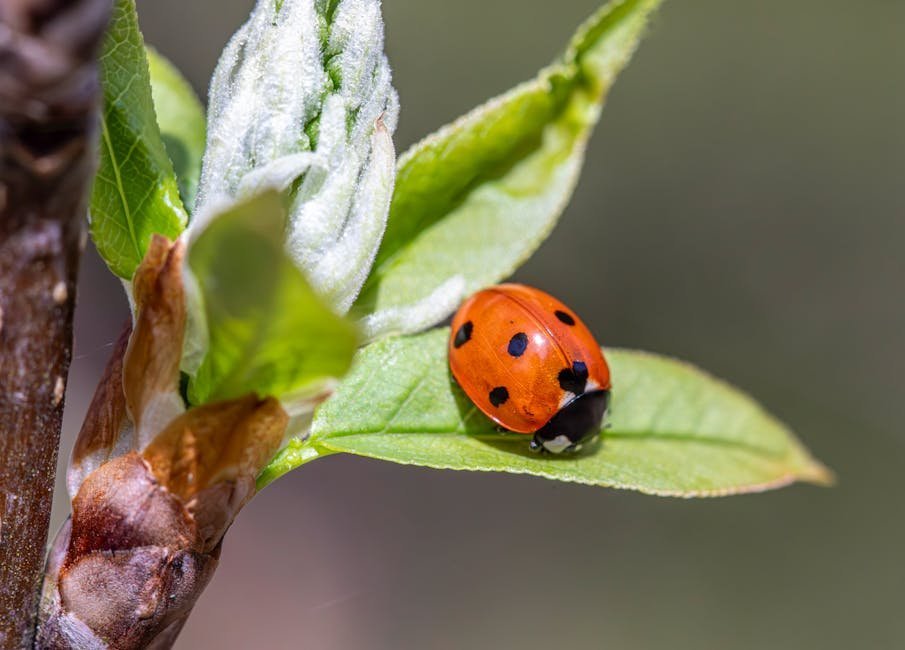
Let’s be real: not all bugs are your enemy. Many of them are actively working for you. You can set aside a small garden plot of flowering plants designed to attract and harbor beneficial insects. These ‘good’ insects prey on many common garden insect pests and offer the gardener a safer, natural alternative to pesticides.
Welcoming natural predators might mean you plant lots of nectar-rich flowers to attract beneficial insects like ladybugs and lacewings if you have an aphid problem. You might also add a bird fountain or feeder to draw in more birds to take care of slugs, snails, and caterpillars.
Dill plants, along with fennel flowers, are a big pull for beneficial bugs. Many herbs, if allowed to flower, will pull in the good guys: parsley, thyme, mint, basil, oregano – they’re all powerful plants to include for this reason alone – and, of course, you can eat them too.
6. Use Diatomaceous Earth as a Physical Pest Barrier
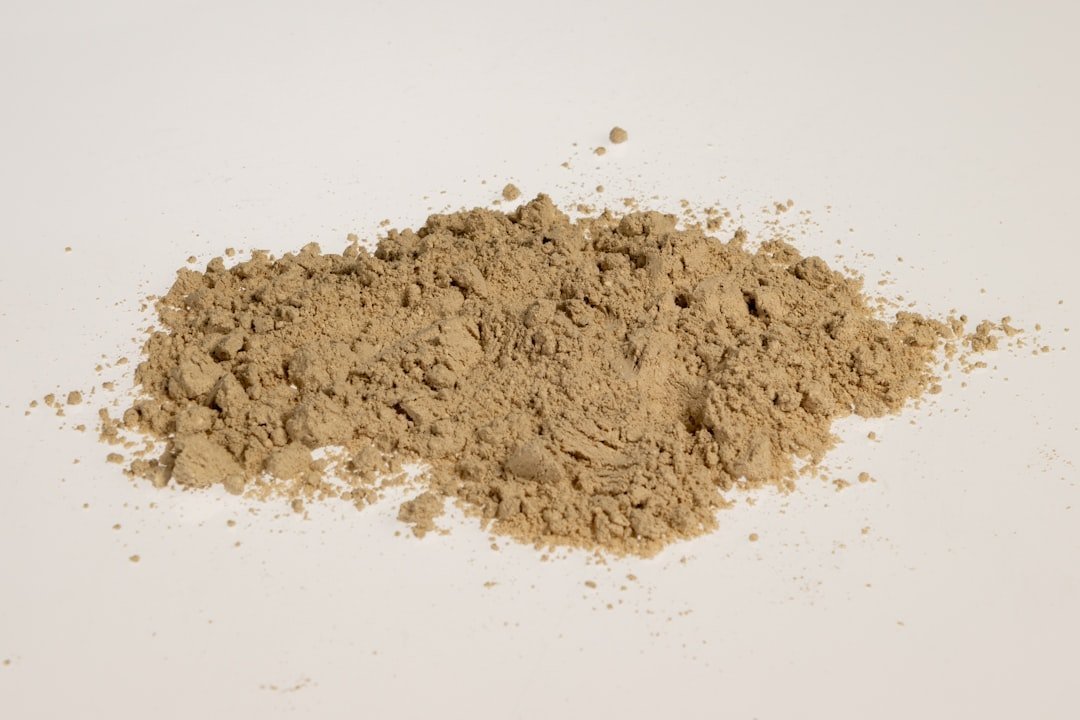
Diatomaceous earth is a naturally occurring powder that has gained popularity in recent years, particularly in pest control. This fine, powdery substance consists of the fossilized remains of diatoms, microscopic single-celled aquatic plants. Its unique characteristics make it an effective and natural alternative to chemical-based pest control methods.
DE works mechanically, not chemically. Its microscopic sharp edges damage insects’ outer layers and joints, causing them to lose moisture and dehydrate. Think of it as rolling out a carpet made of microscopic broken glass for slugs and crawling insects to cross. Unpleasant for them, completely harmless for your vegetables.
Although harmless to pets, humans, and plants when used correctly, diatomaceous earth can get rid of all sorts of garden pests, including slugs, snails, roaches, mites, ants, millipedes, earwigs, silverfish, crickets, and aphids.
The downside to DE is that it does not discriminate between pests and beneficial insects. Ladybugs, green lacewings, butterflies, bees, and other “good guys” can also be killed by DE if they come into contact with it. So apply it with precision and keep it away from flowers where pollinators forage.
7. Make a DIY Garlic Spray
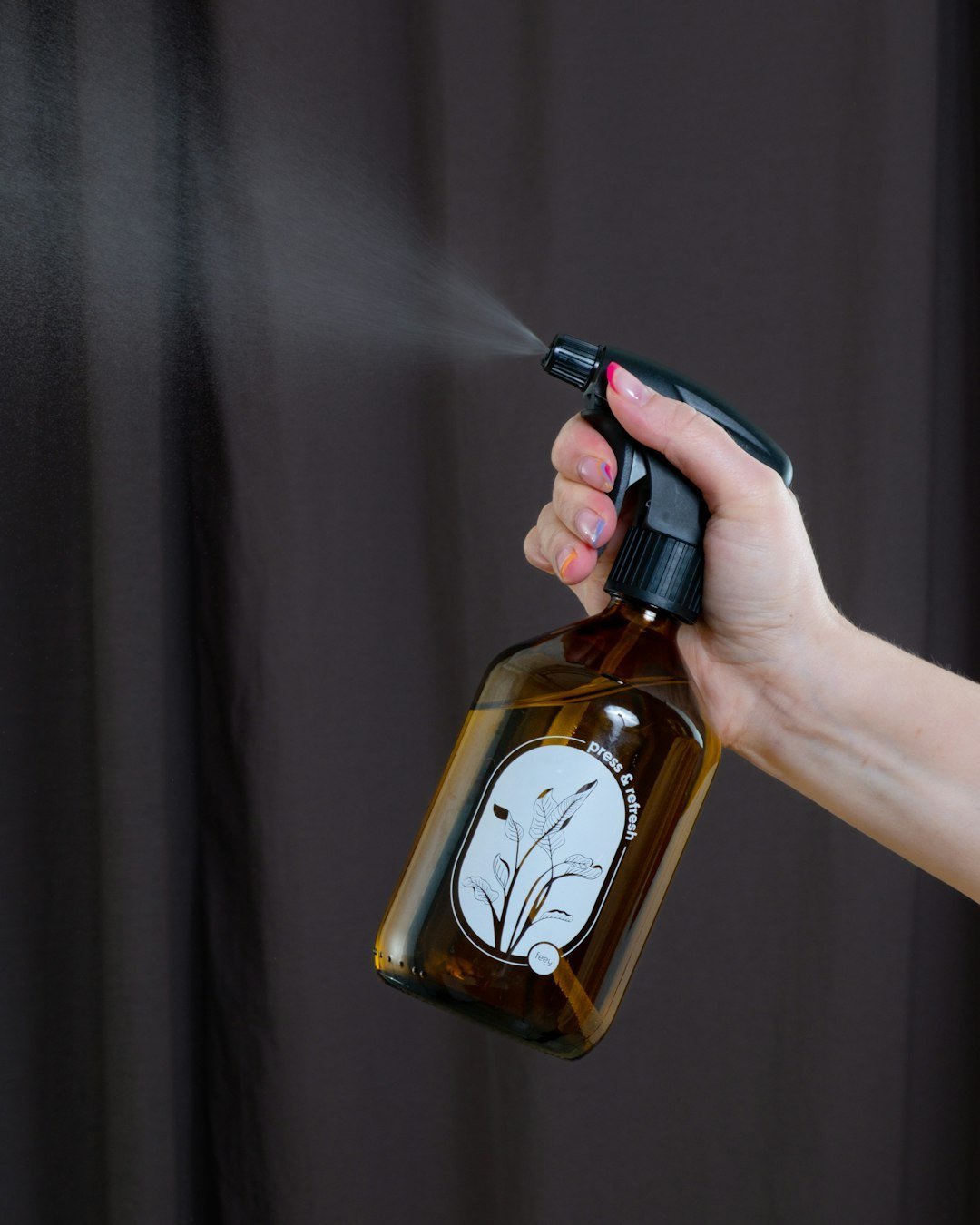
Your kitchen is a pest control laboratory waiting to happen. Garlic, that humble bulb sitting in your pantry, is one of the most powerful natural deterrents you can use in the garden. Garlic spray can help keep damaging insects and fungus off your plants.
Garlic and other Alliums in the garden have been found to deter the green peach aphid. When an insect is searching for its host and encounters vegetables companion-planted with Alliums, the pest primarily smells the overpowering volatile Allium semiochemicals. Essentially, the garlic throws pests off the scent entirely.
Making your own garlic spray is almost embarrassingly simple. The process is incredibly simple: smash garlic up and add it to a jar peels and all. Then fill the jar with water, shake it well, and let it soak for a few days. After it has steeped, strain the liquid, add it to a spray bottle, and a quick spritz on any pest-affected plants is all it takes to deter critters like cabbage loopers.
8. Apply Soap and Water Spray for Soft-Bodied Insects
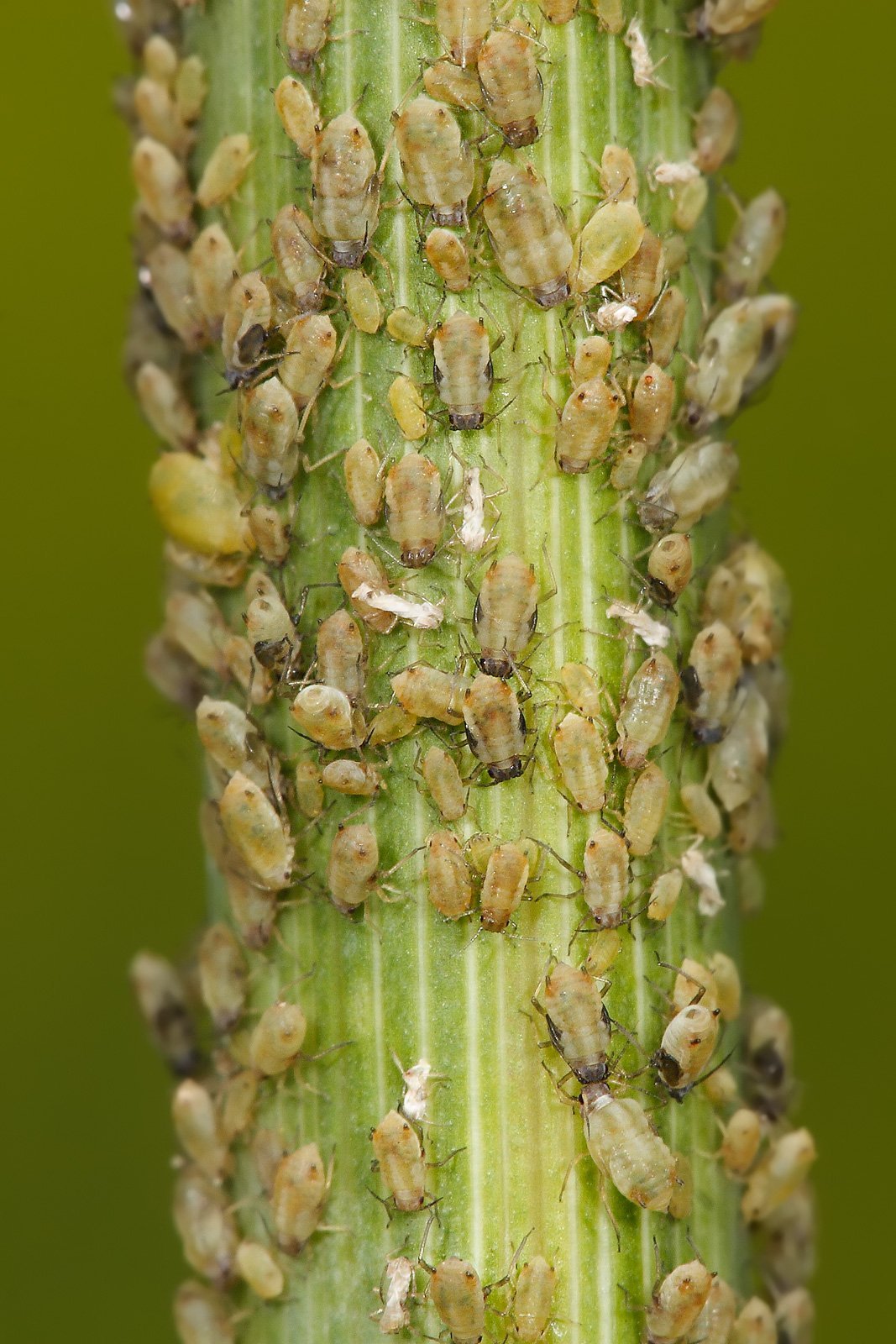
Sometimes the most effective solutions are also the most economical. A basic soap spray targets soft-bodied pests like aphids, mites, and whiteflies without leaving toxic residue behind. You don’t need to use expensive, potentially toxic chemicals to deter insect garden pests. There are plenty of natural sprays you can make at home that will help deter aphids, ants, and other garden-destroying insects.
A simple kitchen soap spray uses 2.5 tablespoons of liquid dish soap without bleach and 2.5 tablespoons of vegetable oil in a gallon of distilled water. The oil helps the spray cling to the plants. Spray plants thoroughly, under leaves as well as on top, plus buds and blooms, and repeat every week or two as needed.
It’s hard to say for sure why so many gardeners overlook this one, since it genuinely works beautifully on dense aphid colonies. The soap essentially breaks down the waxy coating that protects soft-bodied insects, causing them to dehydrate quickly. Liquid soap isn’t great for the garden in large amounts, so use it only in limited amounts as a kind of break-glass-in-case-of-emergency solution.
9. Use Row Covers and Physical Barriers
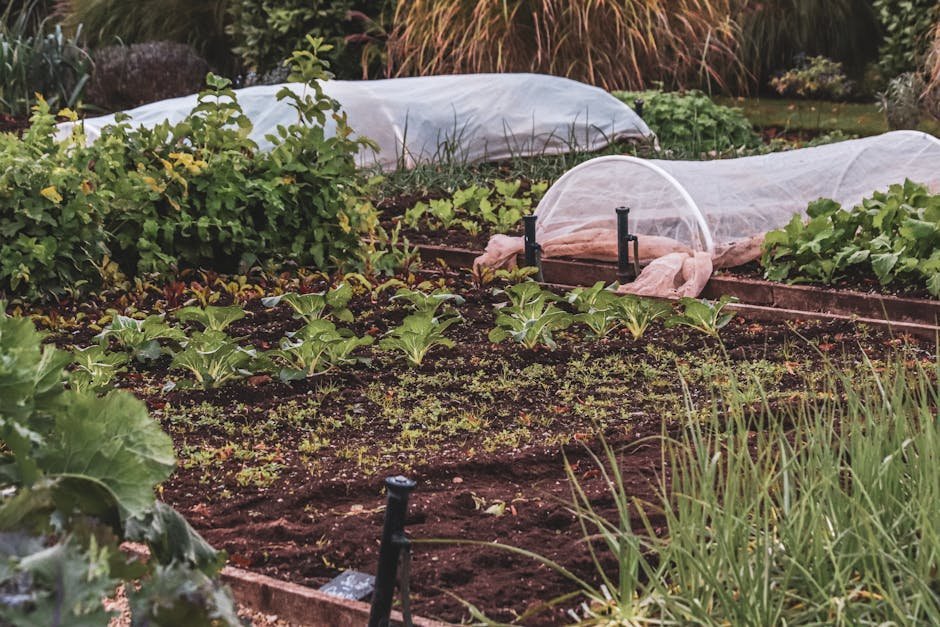
Sometimes the most direct solution really is the best one: if you don’t want bugs on your plants, simply stop them from getting there. The very simplest way to avoid pest problems is to simply cover your crops so nothing can get at them. It sounds almost too obvious, but physical barriers are among the most reliable pest control methods available.
Insect mesh is a go-to cover during the growing season. It stops everything in its tracks, from neighborhood cats to flying insect pests, and it’s a lot more durable than fleece covers, which inevitably snag and tear. You can use insect mesh to stop carrot flies from landing on carrots and burrowing down into the roots. It’s also a lifeline for keeping butterflies and moths responsible for caterpillar damage off brassicas.
Cover plants the moment they’re planted and keep them covered until your plants are well-established and have begun flowering, at which point you’ll need to remove covers to let the pollinators in. Think of row covers as a screen door for your garden: fresh air and sunlight get in, but the uninvited guests stay out.
10. Build Healthy Soil to Grow Stronger Plants
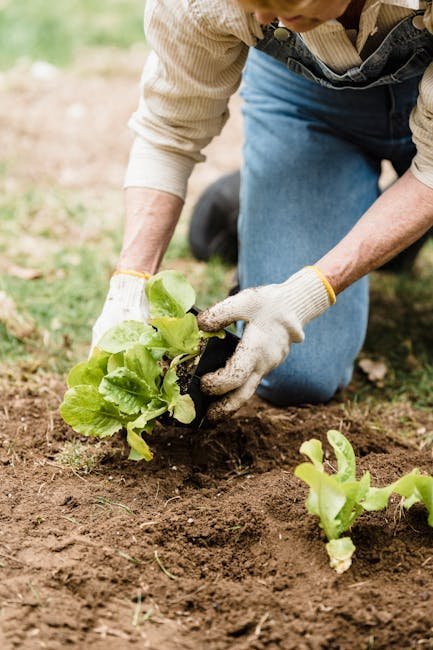
Here’s a perspective shift that changed how I garden forever: the best pest control starts underground. A healthy plant is to pests what a strong immune system is to disease. The easiest way to prevent insect damage in your garden is to discourage them from coming in the first place. Natural composting methods, mulching, and top-dressing your soil with compost or natural fertilizer is the best way to develop strong, vigorous plants.
Weak, stressed plants are like a flashing “all you can eat” sign for insects. Strong, well-nourished plants can withstand and even recover from pest pressure that would devastate a struggling crop. Practicing no-dig or no-till gardening will help minimize the introduction of pests to the soil and increase the beneficial microbes.
Seaweed contains trace elements such as iron, zinc, barium, calcium, sulphur, and magnesium, which promote healthy development in plants. Seaweed fertilizer in mulch or spray form will enhance growth and give plants the strength to withstand disease. Seaweed mulch also repels slugs. It’s a multi-benefit amendment worth adding to any organic garden routine.
11. Remove Garden Debris and Eliminate Pest Habitats
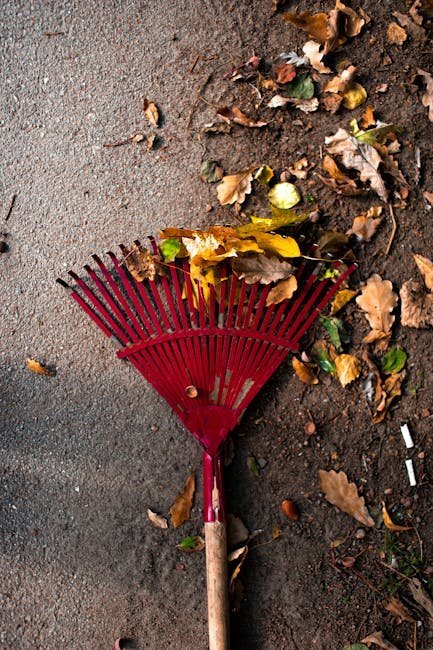
This is one of those unglamorous tips that people often skip, but it genuinely makes a significant difference. Pests love a mess. Old leaves, spent plants, and debris piles are essentially free five-star hotels for slugs, beetles, and overwintering insects. Clearing your garden area of debris and weeds removes the breeding places for insects. Always use clean mulch.
One of the biggest attractors of pests is old plants. As your plants near the end of their growing season, they’re the most susceptible to pests. That’s why it’s ideal to get these plants out of the garden as soon as their production slows.
A clean garden in the fall is your greatest gift to next spring’s garden. Remove any infested plant matter promptly, and be strategic about what goes into your compost. Compost piles may not get hot enough to kill off pests and diseases, so it’s best to avoid composting diseased or infested plant matter. Instead, destroy these materials by burning or bag them and throw them in the trash.
12. Try Nasturtiums as Trap Crops
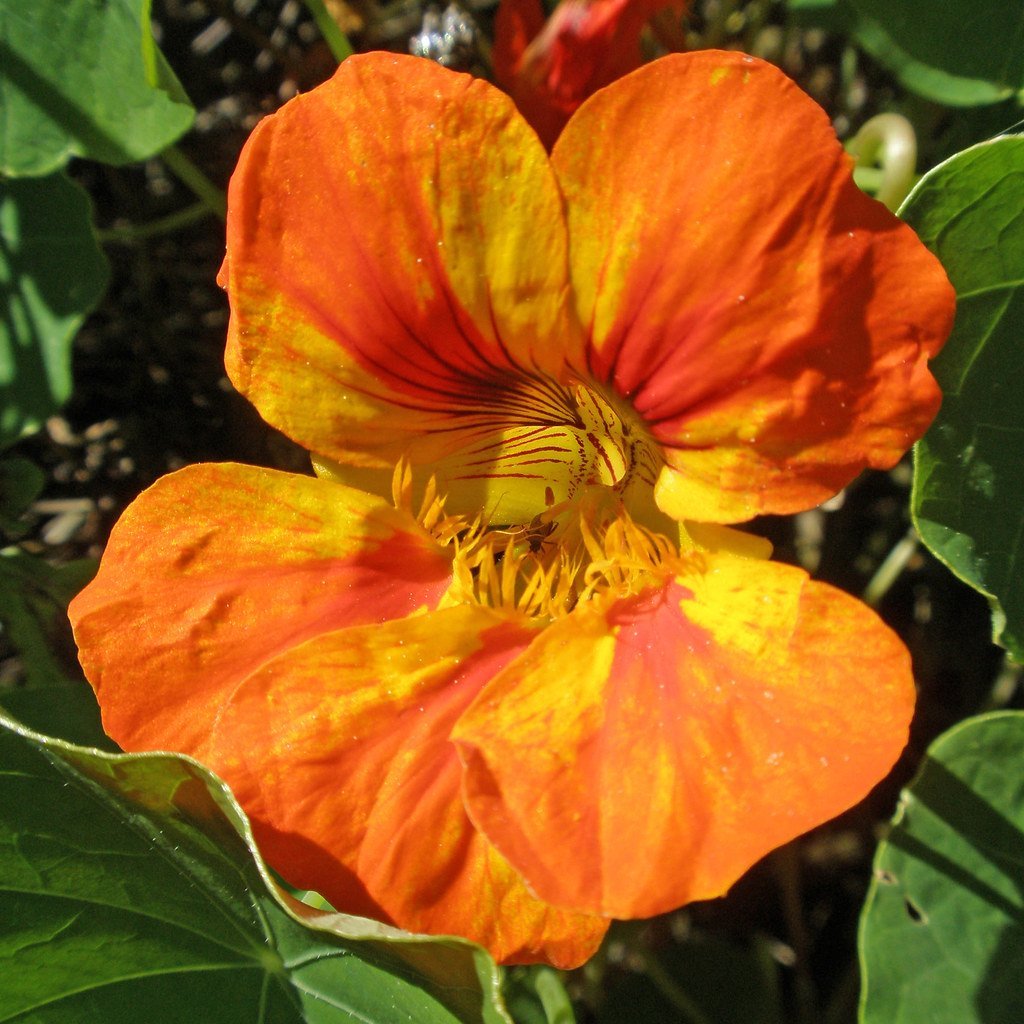
Nasturtiums are one of the most cleverly useful plants you can grow, and honestly, they don’t get nearly enough credit. The nasturtium is considered the queen of flowers to use for pest control. It is thought not only to deter pests but also act as a “trap crop” for pests who prefer its taste over your prized vegetables.
The trap crop concept works brilliantly in practice. You’re essentially growing a sacrificial plant that pests find irresistible, drawing them away from your valuable crops. Luring pests away from vulnerable crops through trap cropping means growing a sacrificial crop that can draw insects away from the plants you’d like to protect.
Known for its versatility as a companion plant, nasturtiums can be used in vegetable beds, flower beds, and container gardens for natural pest control. They’re also edible, easy to grow from seed, and they flower prolifically all season long. Few plants offer this kind of return on investment for the organic gardener.
13. Invite Birds and Natural Predators Into Your Garden
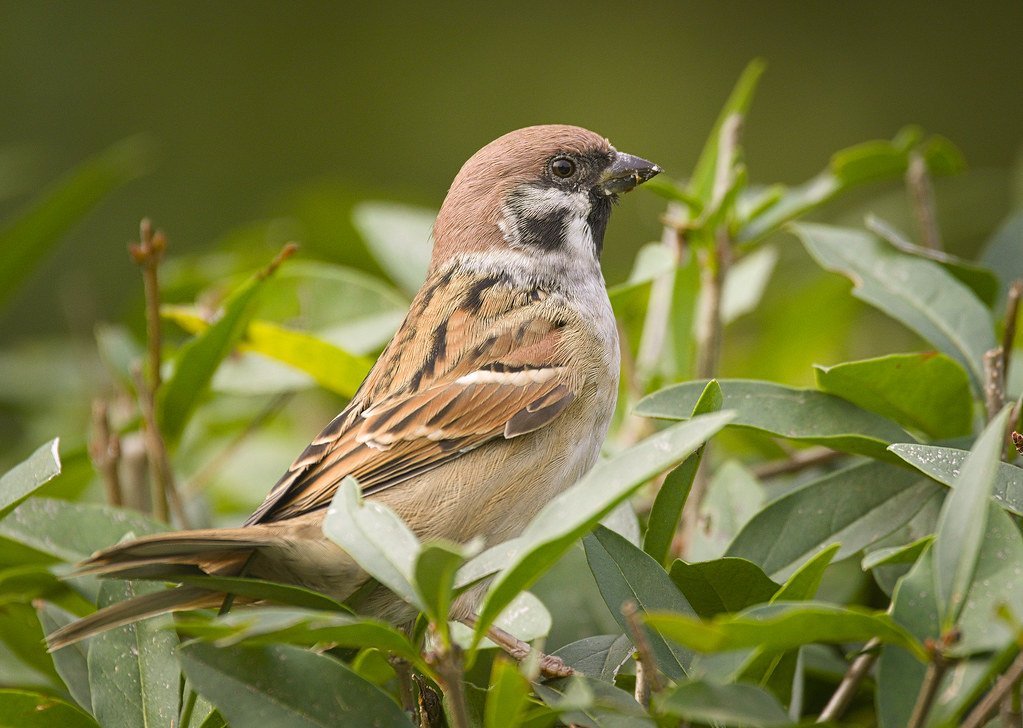
Step back and think about your garden as a tiny ecosystem rather than just a patch of plants. Every ecosystem has a food chain, and every single creature that preys on your plants has something bigger that hunts and eats it too. It’s called the food chain. A little research can help you identify your pest and then the natural predator that feeds on it in the wild.
Birds, in particular, are extraordinarily efficient pest hunters. A single pair of nesting birds can remove thousands of caterpillars, beetles, and slugs from a garden throughout a single season. Adding a bird fountain or feeder can draw in more birds to take care of slugs, snails, and caterpillars.
This approach is essentially permaculture. It’s creating a little ecosystem in your small garden space, taking a more holistic approach to pest control, the way that nature intended. Be patient. Once the habitat is established, nature will fill it with exactly the helpers your garden needs.
14. Use Coffee Grounds as a Barrier and Soil Enricher

If you drink coffee every morning, you’re throwing away a genuine garden resource. Used coffee grounds are a zero-waste pest deterrent that also benefits your soil. Used coffee grounds serve as an excellent homemade garden pest repellent. This zero-waste solution creates both a physical and chemical barrier that deters common garden invaders. The abrasive texture of the grounds is unpleasant for soft-bodied pests like slugs and snails to crawl over, while the residual caffeine and acidity act as natural deterrents for ants and other insects.
Beyond pest control, this method enriches your garden by adding valuable organic matter and nitrogen to the soil as the grounds decompose. It’s a popular technique in organic vegetable gardens, often used around the base of tomatoes and peppers. Many hosta growers also rely on a ring of coffee grounds to protect their plants’ broad leaves from being devoured by slugs.
I know it sounds crazy, but your morning cup of coffee is pulling double duty. Simply scatter a generous ring of used grounds around the base of vulnerable plants after watering. Reapply weekly or after rain. It costs absolutely nothing extra if you already brew coffee at home, making it one of the most accessible natural pest deterrents available to any gardener.
Conclusion: A Garden That Works With Nature, Not Against It
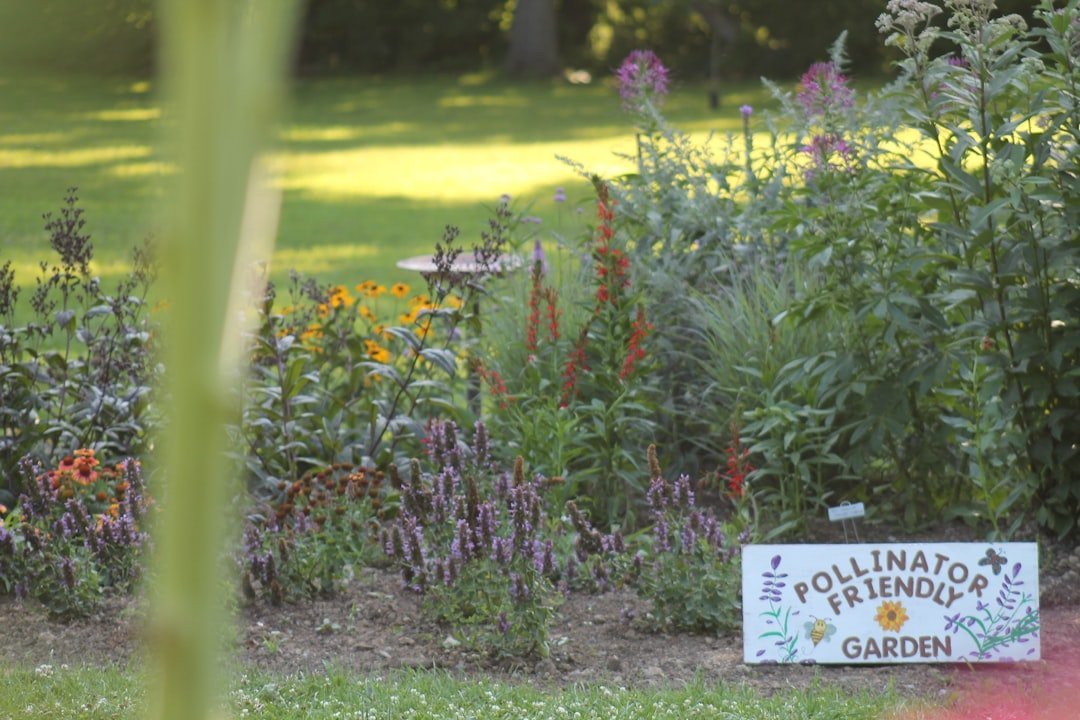
The shift toward natural pest control isn’t just a trend. It’s a recognition that gardens are living ecosystems, not battlegrounds. Homeowners and garden managers are increasingly seeking solutions that are tough on pests but gentle on the planet, and these methods work in harmony with your local ecosystem to protect your property, offering long-term solutions by addressing the root cause of infestations rather than just the symptoms.
None of these tips require expensive equipment or specialist knowledge. A spray bottle, some garlic, a packet of marigold seeds, and a little patience can carry you a remarkably long way. By embracing DIY and natural methods, you not only save money but also contribute to a healthier environment for your family, pets, and beneficial insects like pollinators.
Start with just two or three of these strategies this season. Observe the results. Build from there. The gardeners who find the most peace in their plots are never the ones fighting hardest against nature. They’re the ones who’ve learned to listen to it. Which of these tips are you going to try first?

Besides founding Festivaltopia, Luca is the co founder of trib, an art and fashion collectiv you find on several regional events and online. Also he is part of the management board at HORiZONTE, a group travel provider in Germany.
