

For any feedback please reach out to info@festivalinside.com
- 10 Outfits That Make You Look Put Together in Minutes - March 27, 2026
- 15 Famous Authors Who Also Excelled in Unexpected Athletic Pursuits - March 27, 2026
- 10 Fashion Trends Everyone Is Talking About Right Now - March 27, 2026
Imagine cozy bedtime stories twisted into nightmares of betrayal, mutilation, and revenge. , Jacob and Wilhelm, roamed German villages in the early 1800s, scribbling down oral tales from peasants meant for adults, not wide-eyed kids. These raw folklore gems brimmed with gore and grim morals, far from the sugar-coated Disney dreams we know today.
Over years, the Grimms polished their collection for young readers, dialing back some horrors, but echoes of the originals still chill. Disney swooped in later, waving magic wands to erase blood and add songs. Let’s uncover 13 twisted tales that reveal the shadowy heart of these stories.
The Mouse, the Bird, and the Sausage
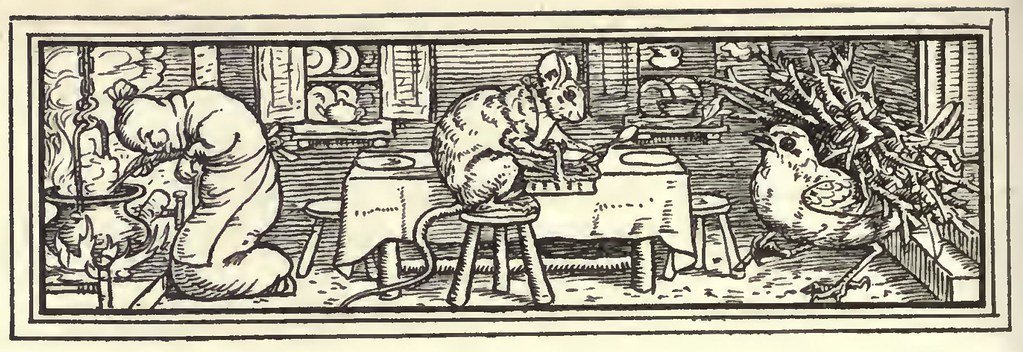
A mouse, bird, and sausage share a oddly perfect household, each with a vital role that keeps them thriving. The bird fetches wood, the mouse salts and sets the table, while the sausage stirs the pot into a meal. Suspicion creeps in when the bird demands equal chores, unraveling their harmony into tragedy.[1]
The sausage gets devoured by a dog, the mouse boils herself in despair, and the bird drowns hauling water alone. Modern retellings often skip this domestic doom, framing it as a light fable on teamwork. Yet the original hammers home a brutal truth: meddle with what works, and everything collapses.[1]
Cat and Mouse in Partnership
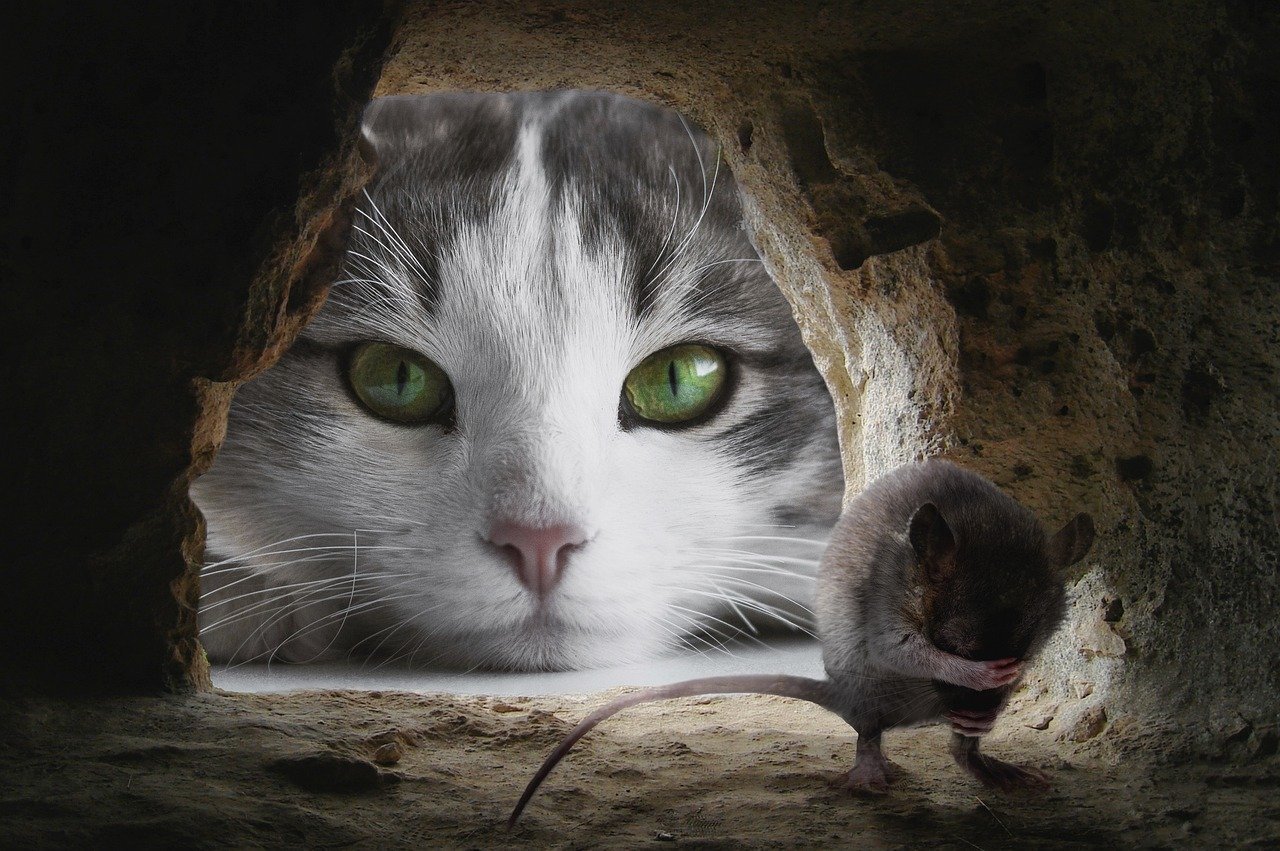
Picture a cat and mouse pooling resources for winter, stashing fat in a church pot like trusted roommates. The cat spins lies about godchildren to sneak bites, naming them Top-off, Half-done, and All-gone. Trust shatters when the mouse discovers the empty pot, sealing her fate in the cat’s jaws.
This bleak partnership exposes raw betrayal, with the cat’s gluttony devouring friendship. Later versions soften the predation, turning it whimsical, but the Grimm core stays savage. Here’s the thing: it warns against false allies in a world quick to pounce.[1]
The Juniper Tree

A jealous stepmother lures her stepson to his death with a locked apple chest, beheading him as he reaches inside. She butchers the boy into stew, force-feeds it to the father, and tricks her daughter into silence. Bones buried under a juniper tree spark a supernatural twist, birthing a vengeful bird.
The bird gifts gold and shoes to the innocent sister, then crushes the stepmother with a millstone, reviving the boy for a eerie family feast. Disney never touched this cannibalistic horror; even Grimms’ later editions recoiled slightly. It grips with filicide’s chill, unsoftened in spirit.[1][2]
Cinderella

Ever wonder why the slipper fits only one? In Grimm’s Aschenputtel, stepsisters hack off toes and heels to cram into gold, blood betraying their deceit as birds alert the prince. A tree of wonders aids the ash-covered girl, but vengeance waits at the wedding.
Doves peck out the sisters’ eyes, leaving them blind beggars, while Cinderella weds happily. Disney swaps gore for forgiveness and glass slippers, erasing mutilation entirely. This original pulses with visceral justice, a far cry from pumpkin coaches and mice choirs.[1][2]
Hans the Hedgehog
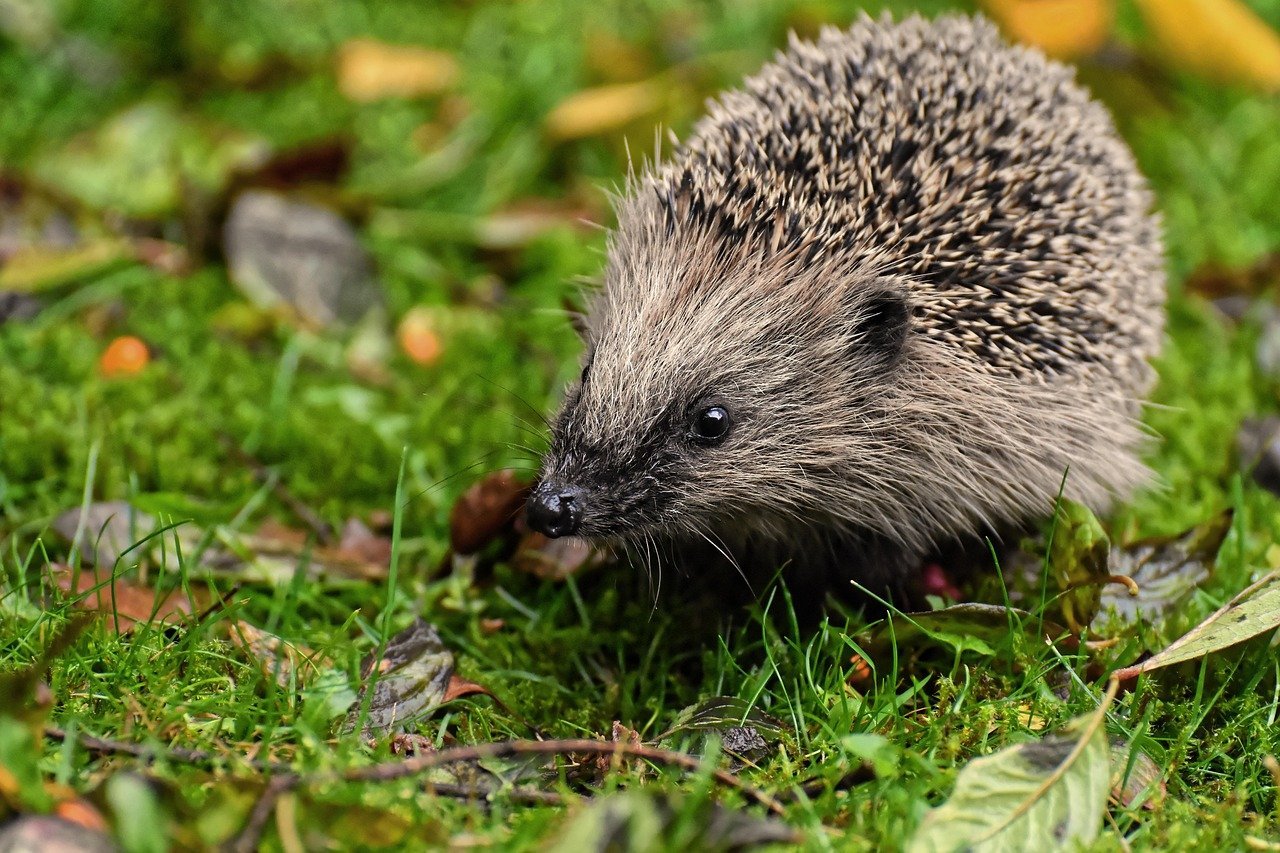
A desperate couple births a hedgehog-boy hybrid, shunned and stove-bound until he demands pipes and a saddled rooster to roam. Playing haunting tunes from treetops, Hans guides lost kings, claiming their daughters as brides. The kinder princess endures his spiny nights.
Love sheds his skin, revealing a prince who forgives his past shame. Modern tales ignore this monstrous birth and forced unions, opting for pure fantasy. The Grimm version confronts ugliness head-on, blending horror with redemption’s thorn.[1]
Rapunzel
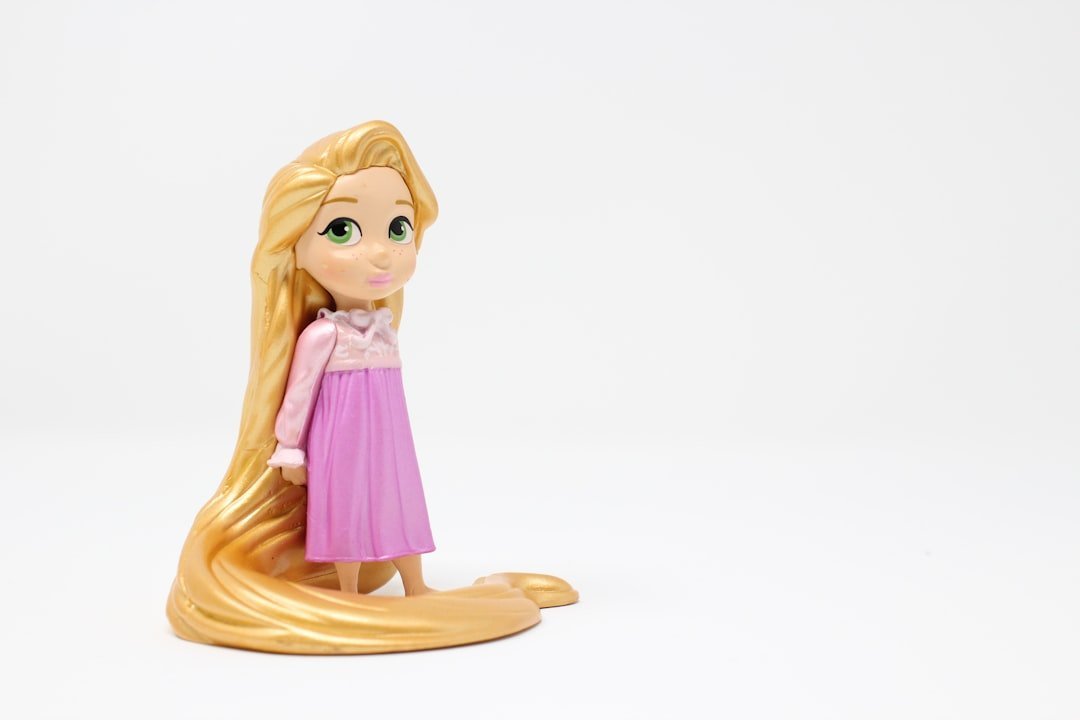
A rampion-craving mother sparks doom: husband trades their baby to witch Gothel, who towers Rapunzel hair-high. A prince climbs for secret trysts, impregnating her before discovery. Banished to desert with twins, Rapunzel wanders as Gothel blinds the prince with taunts.
Tears heal his sight for a fairy-tale end, but early editions hinted explicit “joy.” Disney prunes pregnancy and gore, focusing on hair and song. This climb reveals isolation’s terror and passion’s price.[1][2]
The Three Snake-Leaves
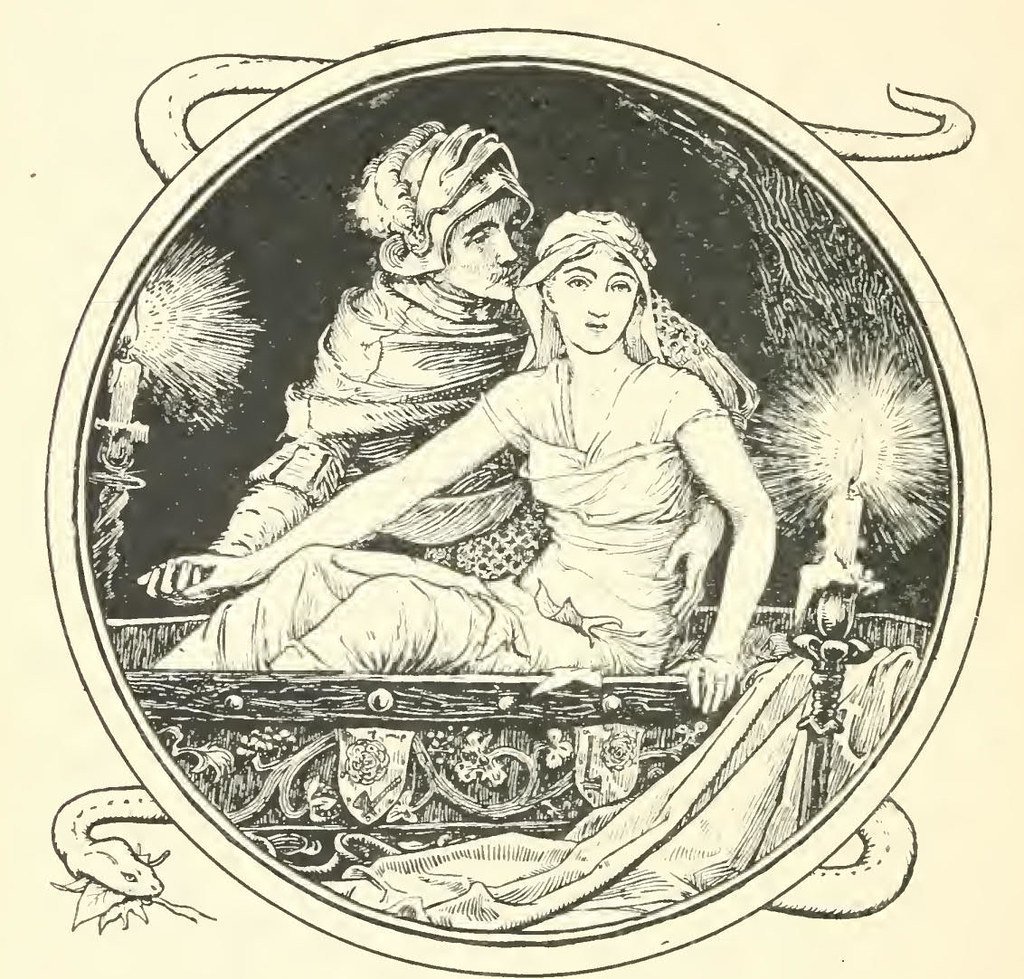
A fearful princess vows burial alive with her spouse; death tests it when she’s entombed, revived by magic leaves from slain snakes. Ungrateful, she plots with a lover to drown him at sea. Rescued, her treachery sinks her ship eternally.
Greed twists love into murder, unpunished until exposure. Later adaptations bury this necromantic betrayal, favoring loyalty. I know it sounds wild, but it skewers fickle hearts ruthlessly.[1]
The Ungrateful Son
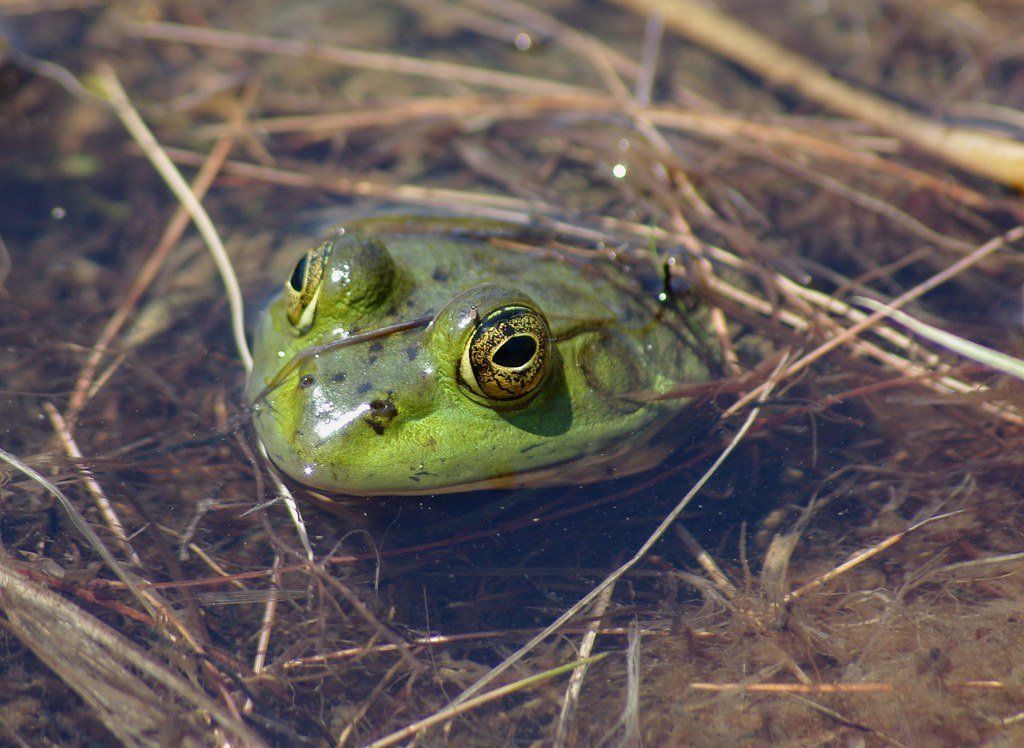
A son hides chicken from his frail father, only for it to morph into a frog glued to his face forever. Simple greed births grotesque curse, no mercy shown. This stubby tale vanishes in sanitized books, deemed too petty-horrific.
Modern spins add whimsy or omit entirely, missing the sting of ingratitude’s slap. It packs a punch: disrespect elders, wear the shame.[1]
Rumpelstiltskin
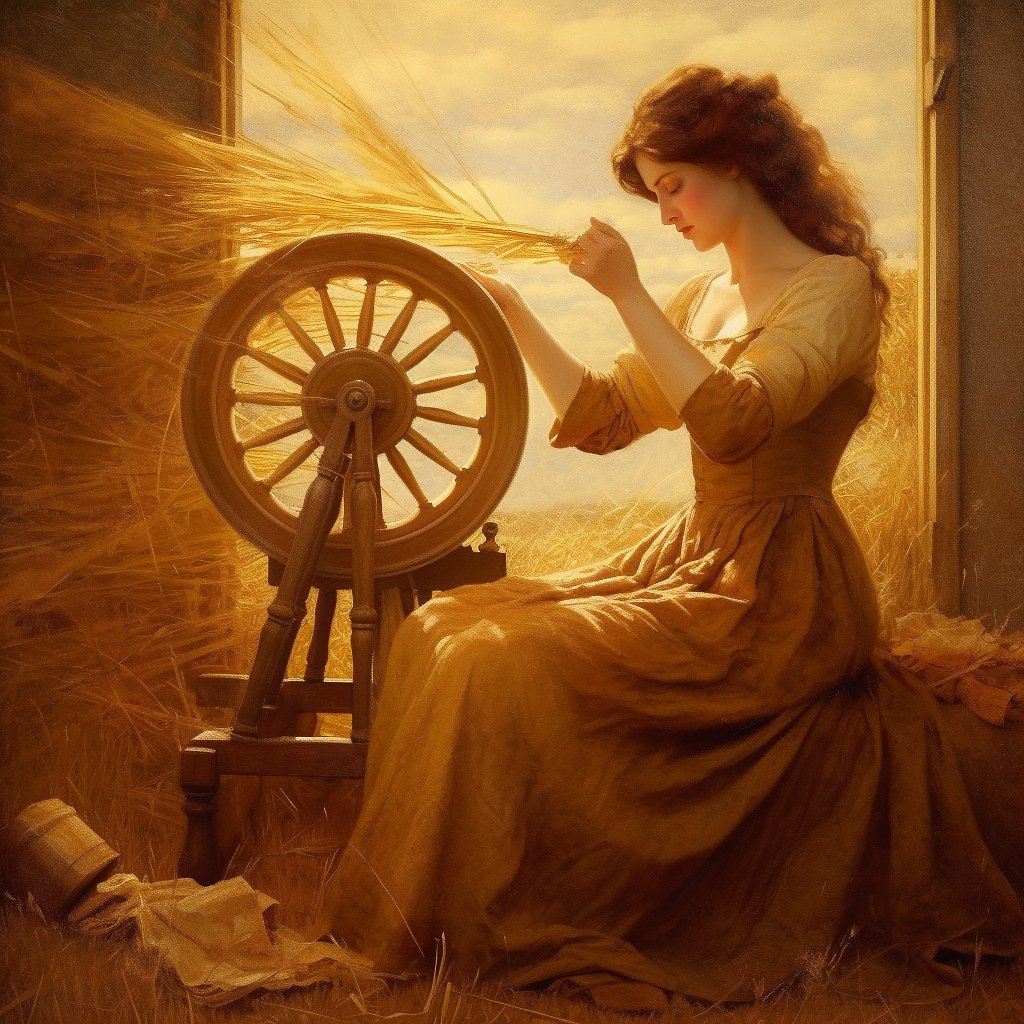
A miller’s boast traps his daughter spinning straw to gold for a greedy king, bartered thrice to an imp. Firstborn owed unless naming him; overheard as Rumpelstiltskin, he rips himself apart in fury. No dance – just demonic rage.
Disney lightens the imp’s end to a hole-stomp, dodging gore. The original throbs with deal-breaking dread, a name’s lethal power. Let’s be real: ambition devours the boastful.[1]
The Strange Feast

Blood sausage invites liver sausage to a bizarre dinner amid fighting utensils and a wounded monkey. A knife’s threat reveals cannibal intent; escape averts horror. This surreal sausage saga baffles with domestic menace.
Few retellings survive; most fade it out for clarity. Yet it simmers with oddball paranoia, like a fever dream of friendship.[1]
Mother Holle
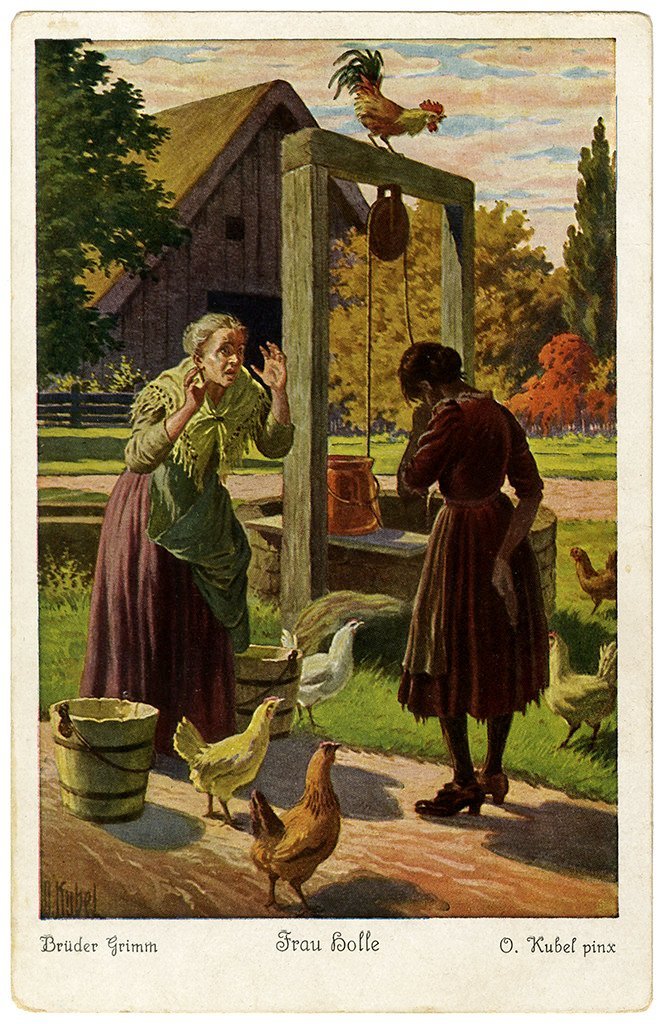
Diligent daughter aids bread, trees, and crone Holle, showered in gold; lazy sister mimics, earning sticky pitch forever. Effort’s reward gleams harsh. Disney-like morals persist, but pitch’s permanence bites deeper.
Original underscores idleness’ trap without escape. Hard work pays, sloth sticks – simple, savage.[1]
The Death of the Little Hen
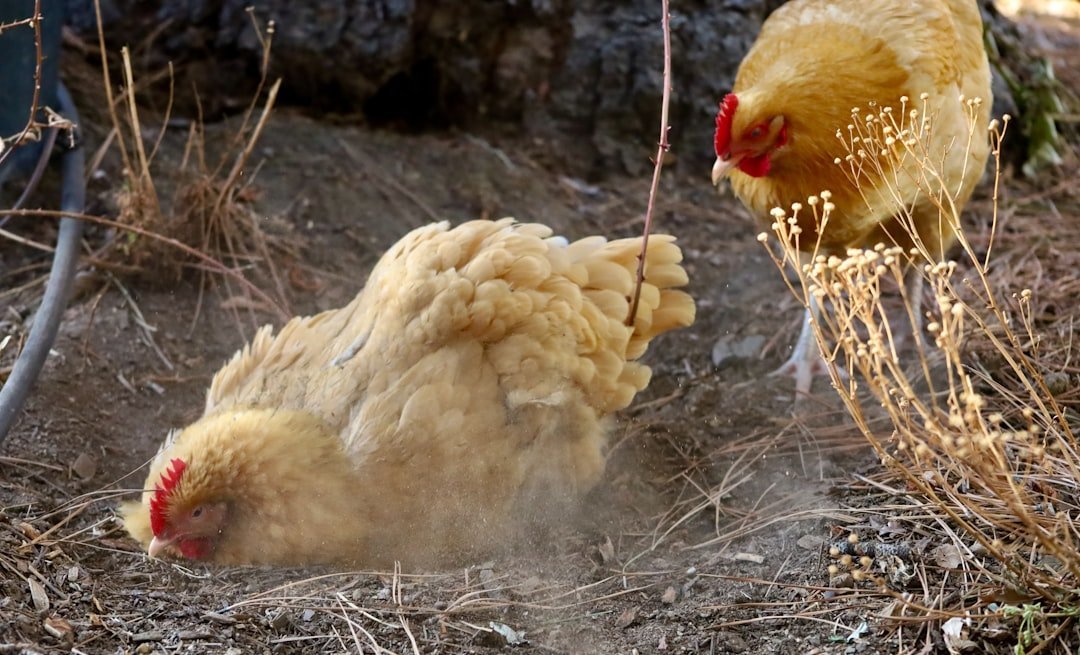
Hen chokes on unshared nut; cock’s frantic quests for water delay burial amid cascading drownings. Grief kills him too. Chain-reaction woe from selfishness snowballs absurdly.
Omitted in kids’ books, this absurd tragedy warns sharing’s lack. Like dominoes of doom, it topples all.[1]
The Girl Without Hands

Miller deals daughter to devil for riches; purity thwarts him until father severs her hands. Royal love, false accusations, exile – yet faith regrows limbs after seven years. Devil’s defeat crowns perseverance.
Grimm’s brutality fades in bows, but endurance shines. This odyssey mirrors life’s hacks, healing slow.[1]
Preserving Shadows: The Legacy of Grimm Folklore
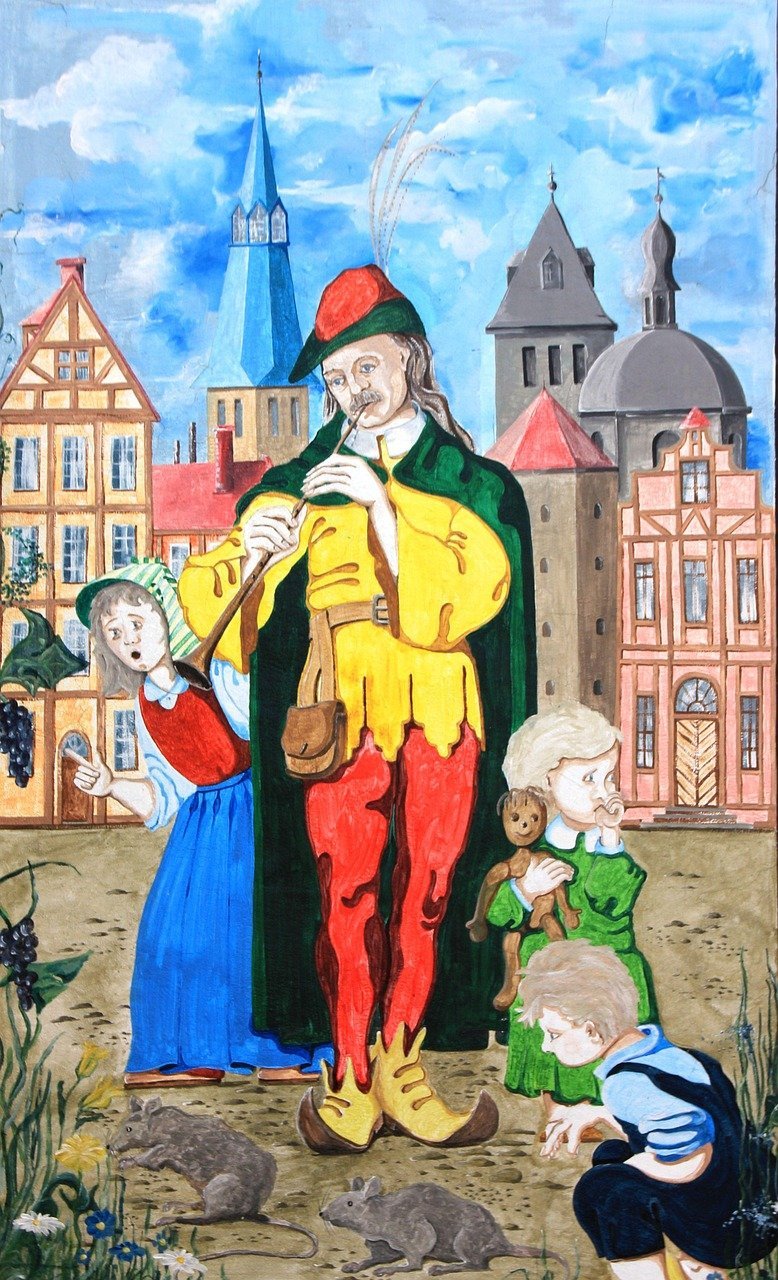
These tales hoarded cultural dreads – abandonment, betrayal, retribution – mirroring peasant struggles long before censors arrived. Softened for nurseries, they still whisper warnings through cracks. Folklore endures as society’s dark mirror, teaching survival’s bite.
What twisted moral hits hardest for you? Share below – these stories thrive on retelling.[1]

Christian Wiedeck, all the way from Germany, loves music festivals, especially in the USA. His articles bring the excitement of these events to readers worldwide.
For any feedback please reach out to info@festivalinside.com
