

For any feedback please reach out to info@festivalinside.com
- 12 American Novels Everyone Should Read - March 30, 2026
- 10 Literary Characters Who Are More Famous Than Their Authors - March 30, 2026
- 13 Films That Were So Controversial, They Sparked National Debates - March 30, 2026
Cinema has always had a complicated relationship with comfort. From the very earliest flickering images on a screen, filmmakers have used their medium to poke, provoke, and in some cases downright terrify the societies watching. Movies are a mirror. Sometimes what stares back is ugly, complicated, or deeply unsettling. And when that happens? People talk. Loudly.
Honestly, I think that’s exactly what film is supposed to do. The stories that change us, the ones we can’t shake loose, are rarely the ones that play it safe. They’re the films that walk right into the culture war and sit down uninvited. The thirteen films below didn’t just entertain. They ignited something. Some sparked protests in the streets. Others dragged politicians into the debate. A few even changed laws. Be surprised by how far the fallout actually reached.
1. The Birth of a Nation (1915) – The Film That Rewrote History and Revived Hate
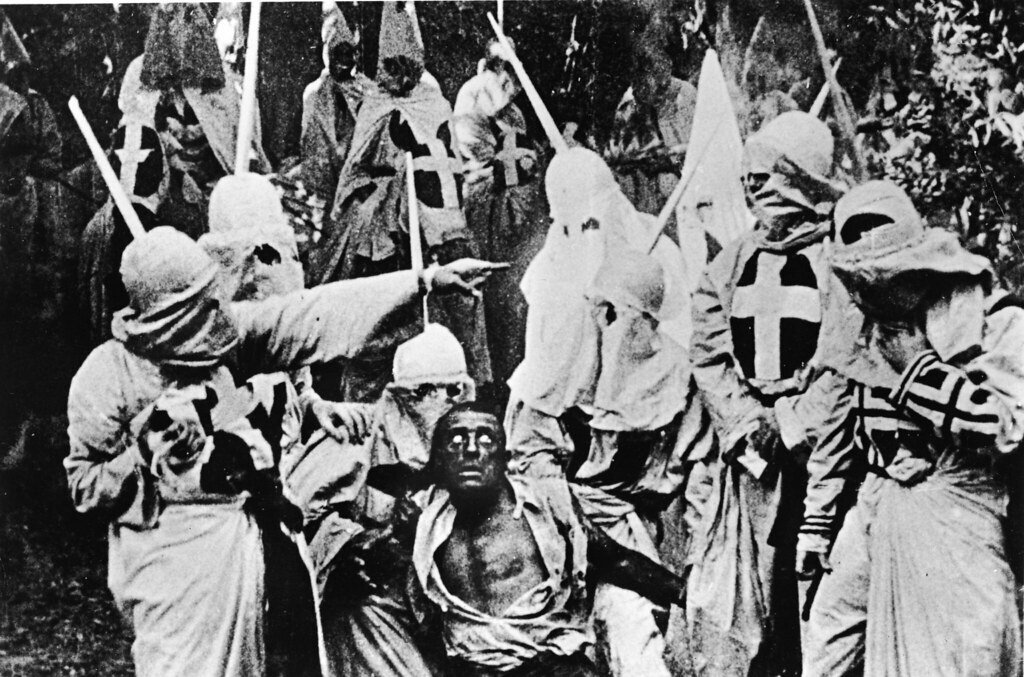
If you want to understand how a single film can shake an entire nation to its core, start here. The Birth of a Nation is one of the most significant and controversial films in American history. Directed by D.W. Griffith, it was a landmark in the early development of cinema due to its technical innovations and large-scale narrative. Yet the film has also been heavily criticized for its glorification of white supremacy and its deeply racist portrayal of African Americans. Let’s be real – this wasn’t just a bad movie. It was an active threat.
Though popular among white audiences at the time of its premiere, the film depicted horrific stereotypes of Black men and portrayed the Ku Klux Klan as a noble and necessary force. The public response was immediate and divided along the sharpest of lines. Civil rights organizations such as the recently formed NAACP challenged the film’s portrayal of African Americans and unsuccessfully attempted to have it banned or censored.
Some local governments even tried to block screenings outright. Nevertheless, The Birth of a Nation was a massive box office success, possibly because of prominent public figures endorsing it. The real world impact was also what made this movie controversial, with the film playing a role in the resurgence of the KKK in the following years, where screenings were reportedly used to attract new members.
The right to exhibit it was challenged at least 120 times between 1915 and 1973, according to film scholar Janet Steiger. More than a century later, it remains the most debated film in American history. A film can be a technical masterpiece and a moral catastrophe at exactly the same time. This one proved it.
2. A Clockwork Orange (1971) – Stanley Kubrick’s Violent Vision That He Himself Withdrew
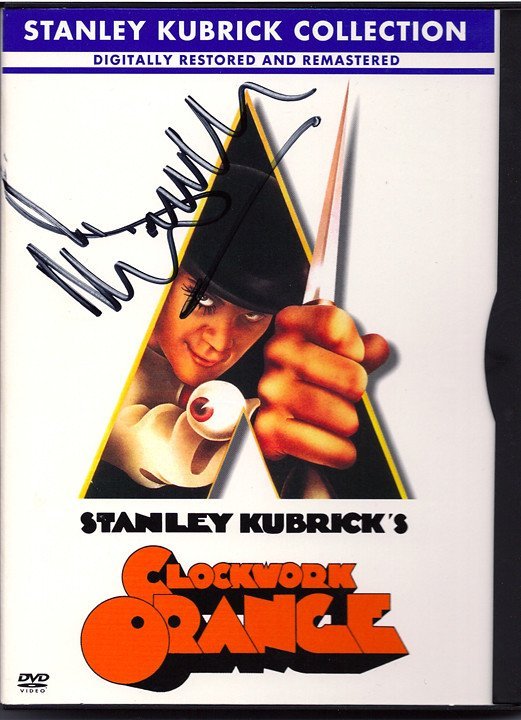
There are films that disturb you and films that haunt you. Stanley Kubrick’s A Clockwork Orange does both, simultaneously. Directed by Stanley Kubrick, this film was controversial for its graphic depictions of violence and sexual assault. It sparked debates about the line between artistic expression and gratuitous violence. The debate was not merely academic. It was visceral and national.
Its unflinching portrayal of violence and psychological manipulation led to bans in countries like Ireland and Singapore. In the UK, Kubrick himself requested its withdrawal from cinemas after a series of alleged copycat crimes and mounting public outrage. The film’s disturbing imagery and moral ambiguity continue to spark debate on the limits of artistic freedom and the responsibilities of filmmakers.
Here’s the thing that makes this story uniquely strange: a director voluntarily silencing his own work. That almost never happens. Kubrick reportedly made the decision after his family received threats. The film remained unavailable in Britain for nearly three decades, only returning after Kubrick’s death in 1999. Despite its notoriety, the film became a touchstone for the horror genre and a spark for debates about what should be shown on screen, with its legacy enduring as an icon of transgressive cinema, central to ongoing discussions about film ratings, censorship, and the cultural limits of fear.
3. The Last Temptation of Christ (1988) – Faith, Fiction, and a Cinema Set on Fire
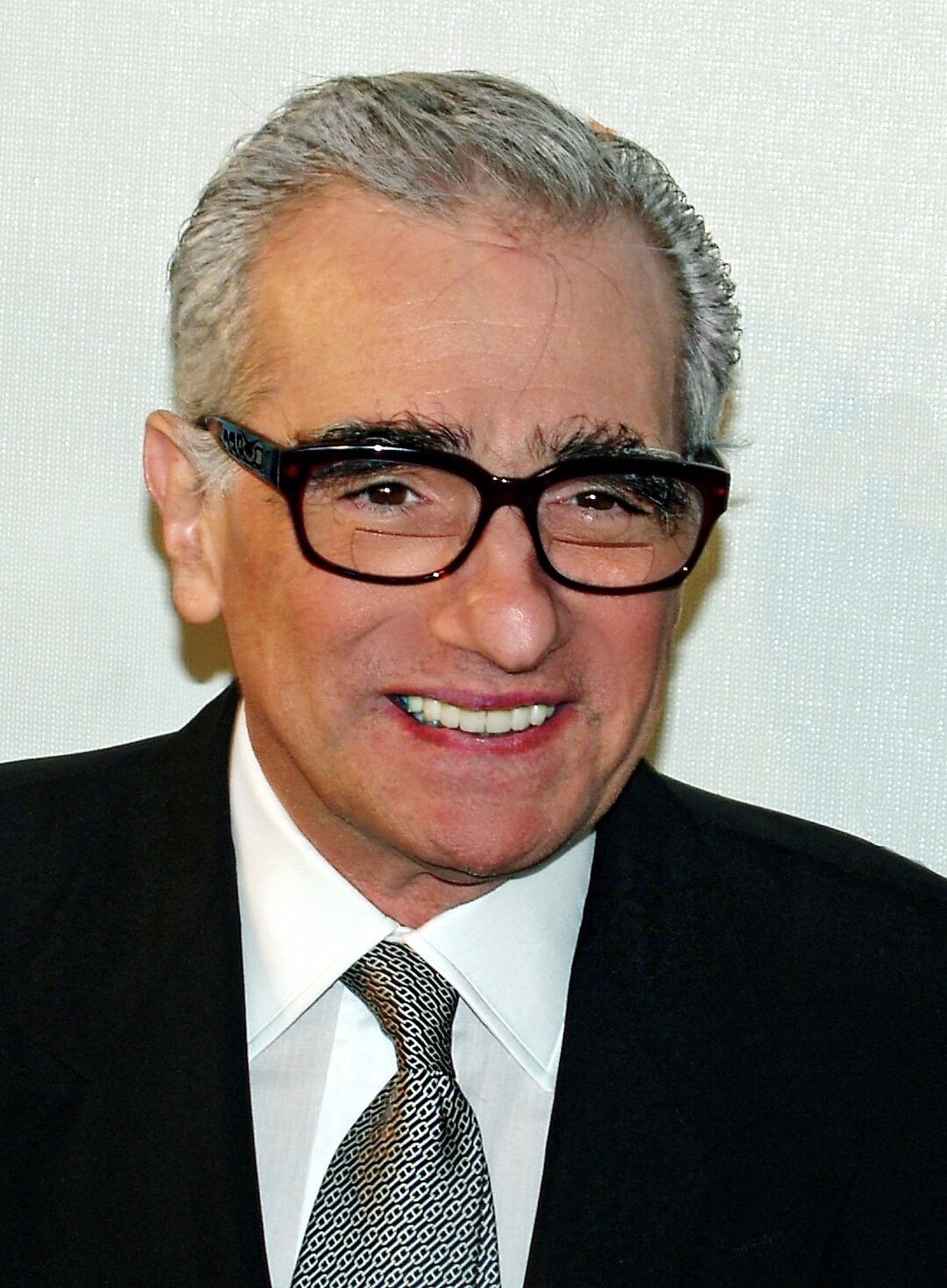
Martin Scorsese has never been a filmmaker afraid to court controversy. Still, nothing he made before or since quite reached the level of fury that The Last Temptation of Christ unleashed. Directed by Martin Scorsese, this film was controversial for its portrayal of Jesus Christ. It depicted Christ experiencing human temptations, including sexual desires, which offended many religious groups and sparked protests.
The Last Temptation of Christ was originally shelved in 1983 because of protests, but was eventually rereleased years later. Boycotts were organized, Scorsese received death threats, and a theater in Paris was famously set on fire while it was screening the film, injuring people inside. Because of the intense backlash, a disclaimer was included stating that the film was a ‘fictional exploration’ and wasn’t based on the Gospels.
Religious groups condemned the film for its fictionalized elements, leading to bans in countries such as Greece and Turkey. Think about that for a moment. A work of fiction, clearly labeled as such, caused a theater to be burned down. Despite the controversy, Scorsese received an Academy Award nomination, and the film remains one of the most talked-about and debated religious movies ever made.
4. Natural Born Killers (1994) – When a Satire Became a Scapegoat
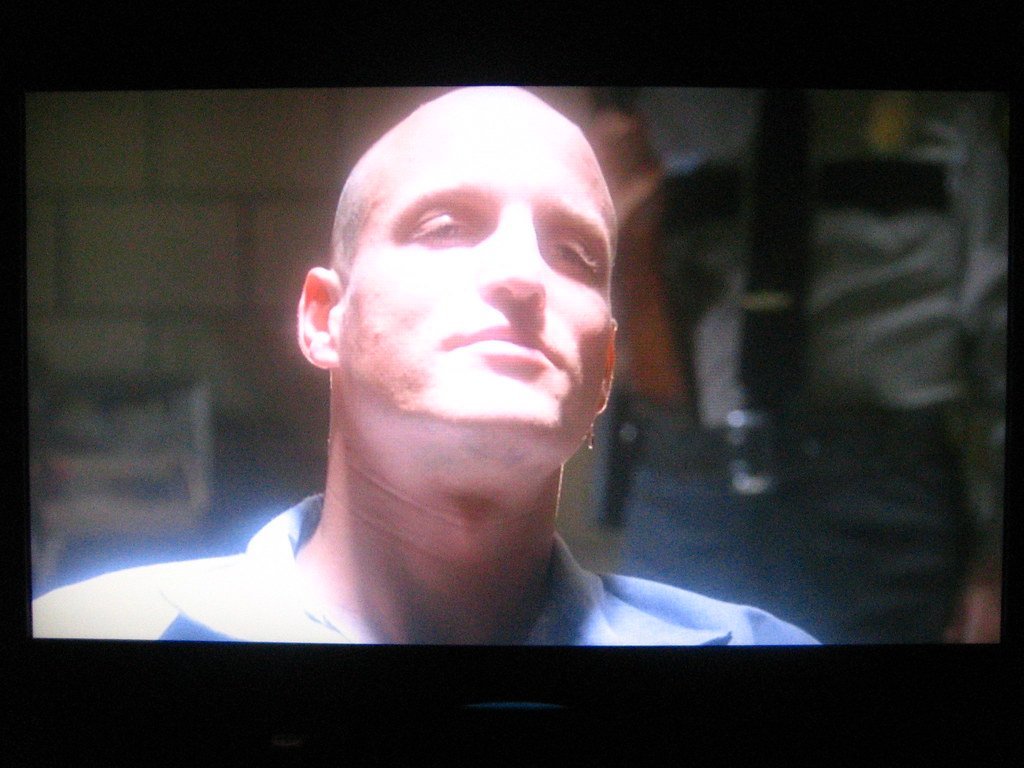
Oliver Stone’s Natural Born Killers was released in August 1994 amidst expectations that its storyline, about a serial-killing young couple named Mickey and Mallory Knox, would create another media furor. It absolutely did. The film was meant as a savage satire of media’s obsession with celebrity criminals. What it became was a national lightning rod for debates on violence, art, and responsibility.
The film managed to spark a lively critical debate over the merits of its boldly experimental visual design, as well as a series of high-profile condemnations from public figures such as Senator Bob Dole and popular writer John Grisham regarding its high level of on-screen violence. Several copycat murders in at least two different countries were also blamed on the film’s supposed detrimental influence on unstable viewers.
Natural Born Killers sparked debates about the ethics of showing violence on screen. The film was allegedly linked to several copycat crimes, including school shootings, leading to lawsuits against the filmmakers. While there is no concrete evidence that violent movies directly cause real-life violence, the cultural consensus remains divided on the issue. It’s a debate that has never really ended. Every time a new violent film sparks controversy, someone mentions Natural Born Killers. That alone tells you everything about its lasting cultural weight.
5. The Passion of the Christ (2004) – The Most Divisive Religious Film Ever Made
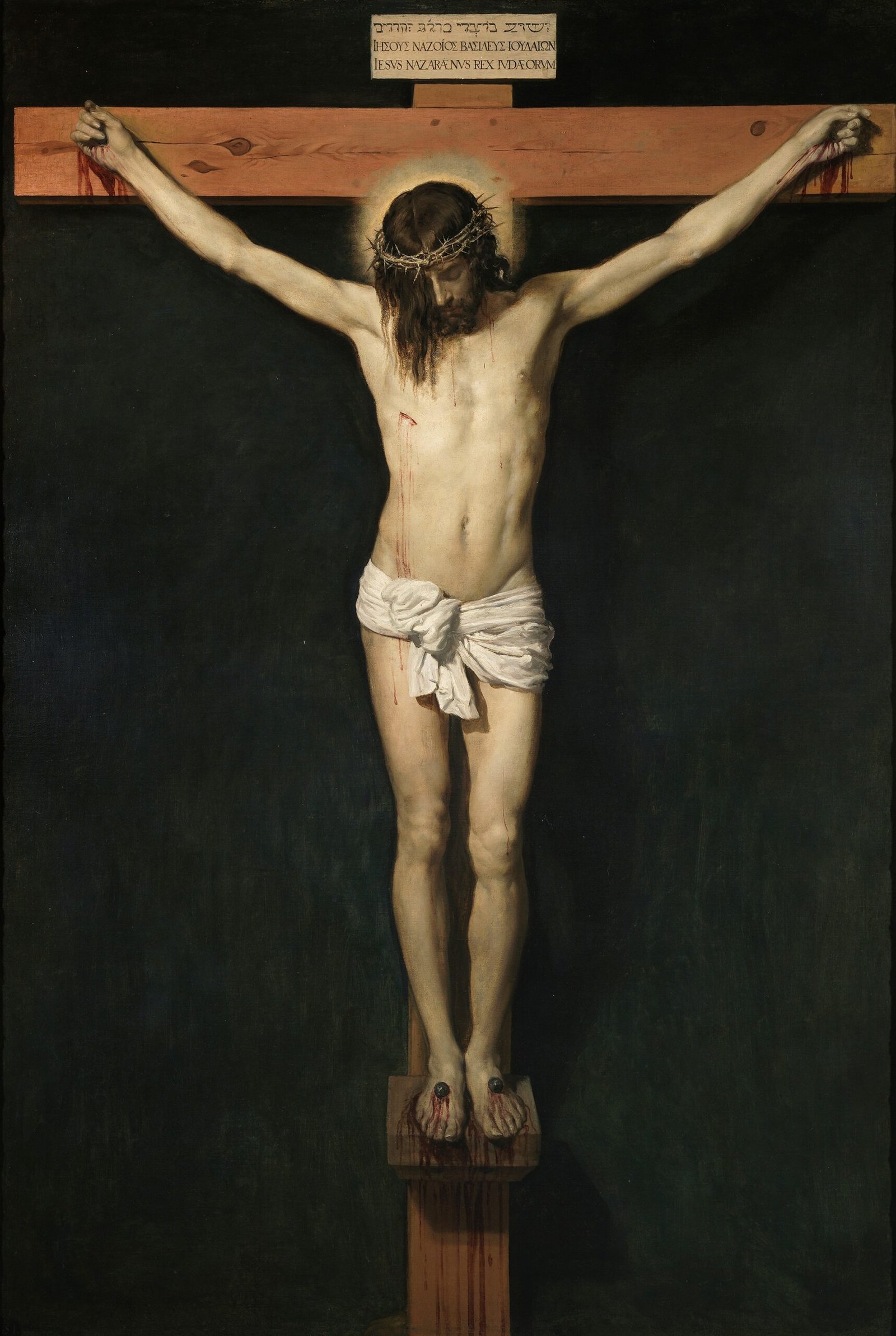
Mel Gibson’s retelling of the crucifixion of Jesus Christ was a cultural earthquake. Directed by Mel Gibson, this retelling of Christ’s crucifixion sparked accusations of anti-Semitism and excessive violence. While religious groups praised its faithfulness to scripture, others criticized its graphic brutality, leading to intense debates in both spiritual and secular communities.
The film divided people in a way few movies ever have. On one side: millions of devout Christians who saw it as a profound and spiritually necessary depiction of sacrifice. On the other: scholars, civil rights groups, and film critics who argued it went dangerously far. The graphic nature of the violence was unlike anything mainstream cinema had produced. Think of it like a theological debate being conducted at maximum volume, inside every living room in America at once.
Although the movie wasn’t meant to be explicitly provocative, it sparked controversy among religious groups who viewed it as offensive and believed it crossed a line. The movie was banned or censored in several countries, and is still restricted in some countries to this day. Gibson’s film grossed nearly $612 million worldwide, making it one of the most commercially successful independent films ever made, which only amplified the debate over whether the controversy had been cynically manufactured to sell tickets.
6. Fahrenheit 9/11 (2004) – Documentary as Political Firebomb
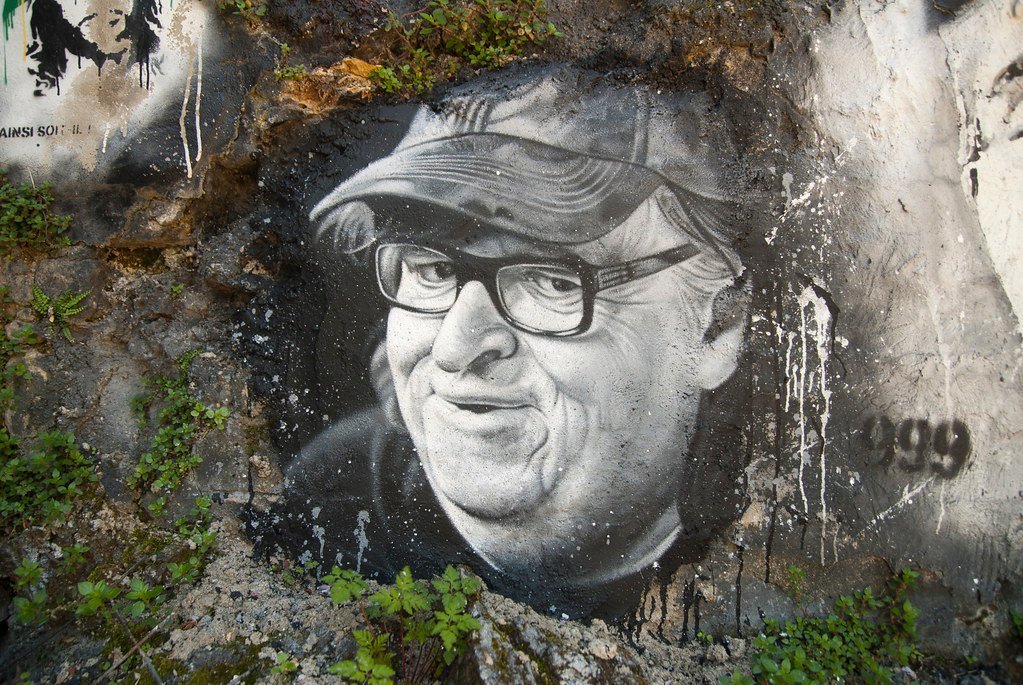
Michael Moore has never been subtle. Fahrenheit 9/11 was not designed to be. Directed by Michael Moore, this documentary film criticized the presidency of George W. Bush and the Iraq War. It was controversial due to its political nature, sparking debates about the role of documentaries in shaping public opinion and the ethics of political filmmaking.
Released in the thick of the 2004 presidential election cycle, the film felt less like cinema and more like an act of political warfare. Supporters called it a necessary reckoning. Opponents called it propaganda dressed as journalism. The film went on to become the highest-grossing documentary in history at the time of its release, which tells you just how hungry the public was for that conversation.
Fahrenheit 9/11 could have influenced election attitudes. Whether it actually shifted votes remains debated by political scientists to this day. It’s hard to say for sure, but the timing, the fury, and the scale of its reception made it something beyond a movie. It was a cultural referendum on the Bush administration, packaged in two hours of film.
7. Brokeback Mountain (2005) – A Love Story That Divided a Nation
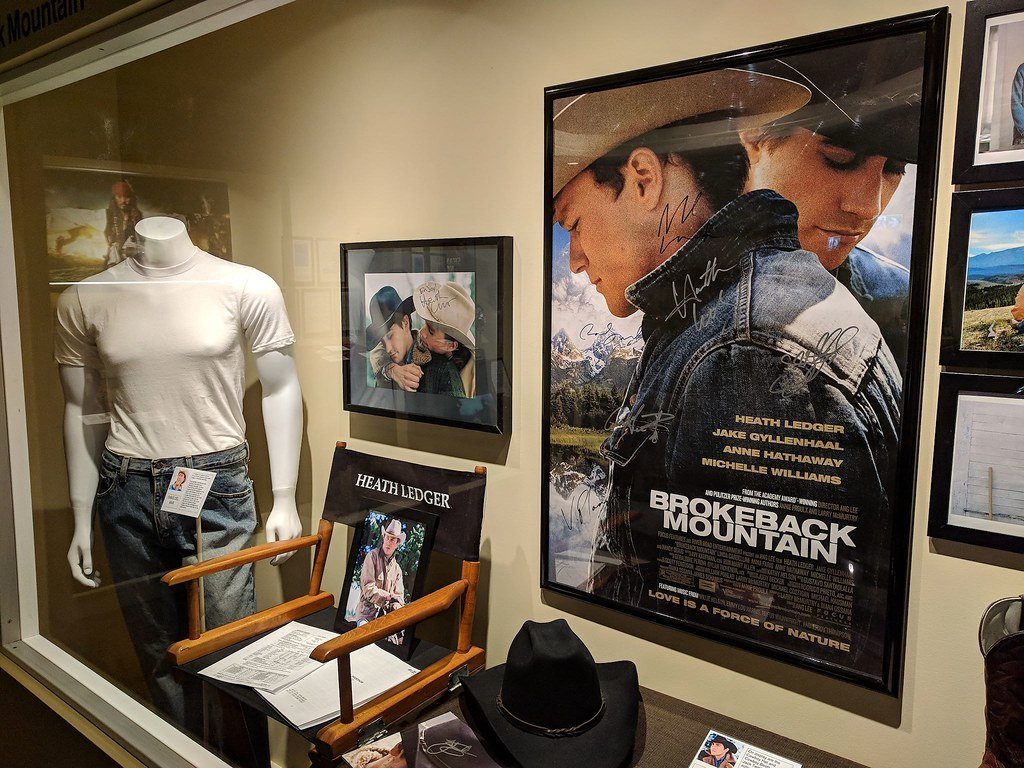
Ang Lee’s quiet, devastating love story between two men in Wyoming hit the culture like a thunderclap. It was released in 2005 during heated national debates over same-sex marriage, civil unions, and LGBT rights in the U.S. Its timing could not have been more electric. Or more dangerous, depending on which side of the debate you stood on.
The central depiction of a long-term, romantic and sexual relationship between two men challenged prevailing norms about masculinity, marriage, and heterosexuality, especially in conservative communities where the story is set. The film avoided caricature and sensationalism, treating the relationship as ordinary, intimate, and tragic, which made its challenge to norms harder to dismiss.
Ang Lee’s Brokeback Mountain became a cultural touchstone for its sensitive depiction of same-sex love, but it also drew fierce backlash. The film was banned or censored in several countries, including China and parts of the Middle East, and faced protests in the United States. These reactions underscore the persistent challenges and controversies surrounding LGBTQ representation in mainstream cinema, even in the 21st century. The film won the Palme d’Or at Venice and dominated awards season, which only deepened the cultural argument. Brokeback Mountain was a film. It was also a battleground.
8. Cannibal Holocaust (1980) – So Realistic, the Director Was Arrested for Murder
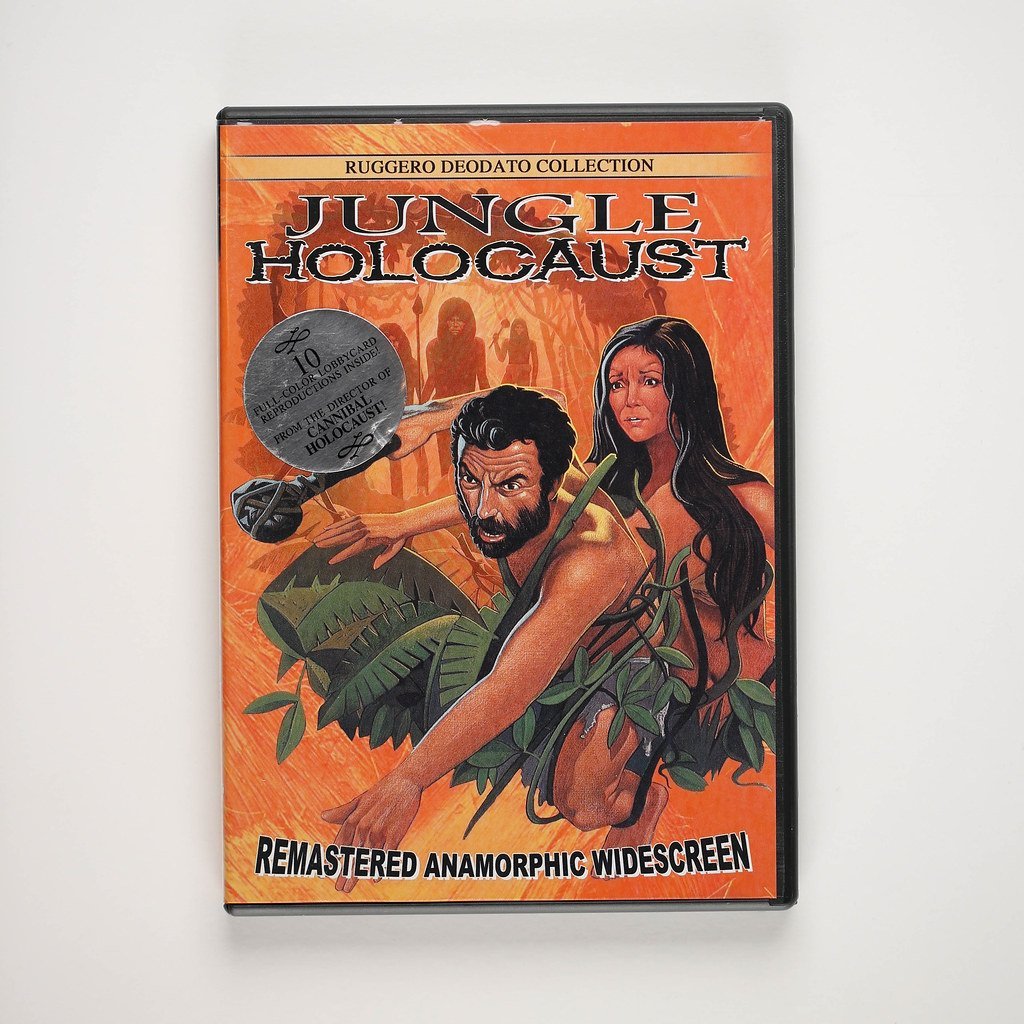
I know it sounds crazy, but the director of this film was actually arrested because authorities believed he had genuinely killed his actors on camera. When Italian director Ruggero Deodato released the found-footage film Cannibal Holocaust, audiences were shocked by the movie’s graphic depictions of violence and gore. So were Italian authorities, who arrested Deodato amid accusations that the director had actually murdered the film’s stars. Though Deodato’s name was eventually cleared, Cannibal Holocaust is allegedly banned in 50 countries and still considered one of the goriest movies ever made.
Banned in over 50 countries, the film’s graphic violence and scenes of actual animal cruelty ignited global outrage. Its documentary-style presentation blurred the line between fiction and reality so convincingly that Deodato was arrested on obscenity charges and had to prove his actors were still alive. This notorious film continues to fuel heated debates about media ethics, censorship, and artistic responsibility.
The debate this film generated was not simply about taste or artistic merit. It was about something more fundamental: where exactly is the line between cinema and crime? That question has never quite gone away. Cannibal Holocaust remains, to this day, one of the most argued-over films in existence, a grotesque litmus test for every conversation about what cinema is allowed to show.
9. JFK (1991) – Oliver Stone’s Conspiracy That Reached Congress
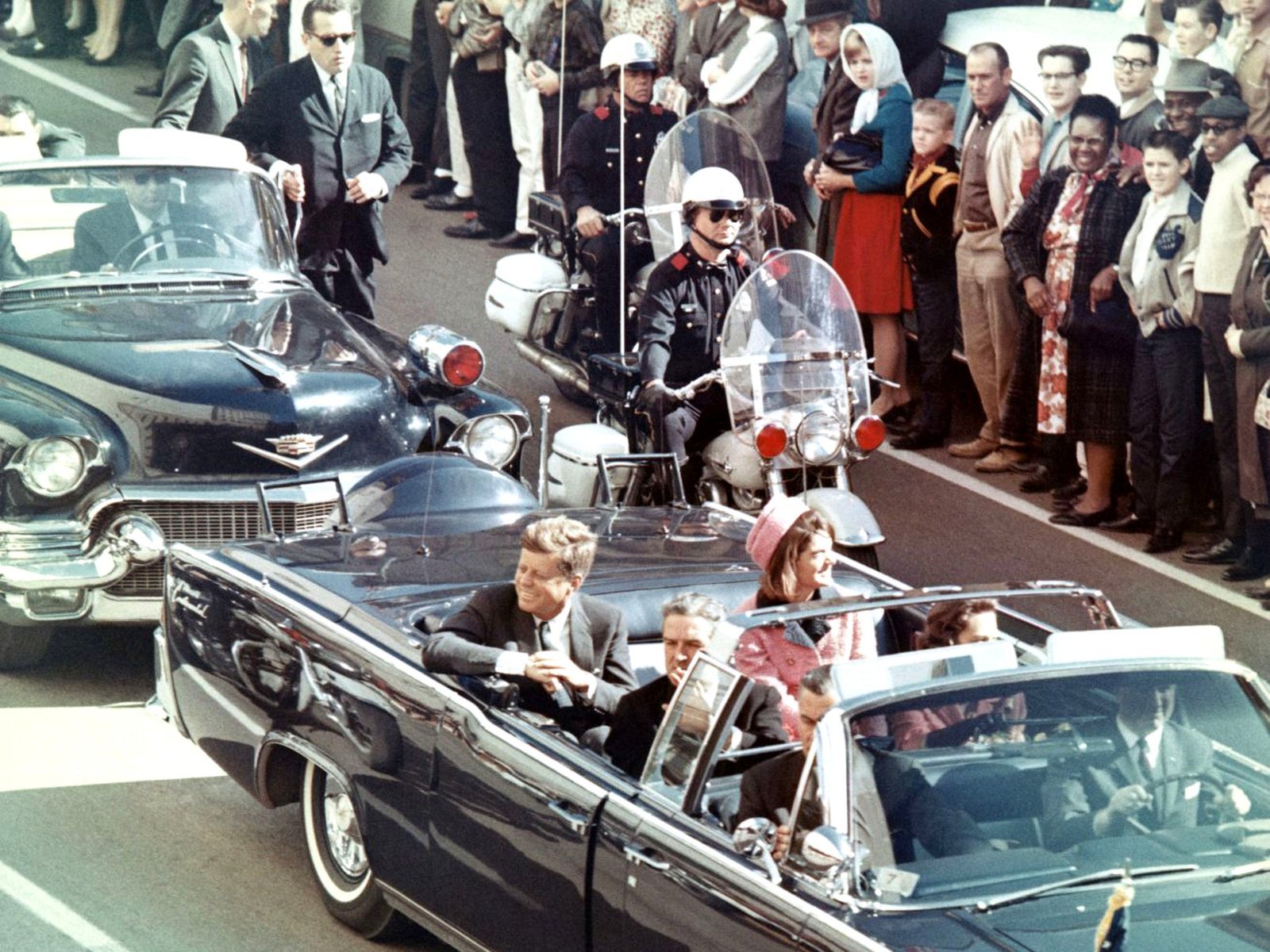
Oliver Stone has a gift for making films that governments find uncomfortable. JFK, his sprawling 1991 reconstruction of the Kennedy assassination, did not just make people uncomfortable. It made lawmakers nervous. The film presented a theory of a wide-reaching government conspiracy behind Kennedy’s murder, delivered with such cinematic conviction that millions of viewers left the theater believing every word of it.
The public reaction was extraordinary. The film reignited a national conversation about government transparency and the legitimacy of the Warren Commission’s findings. JFK led to the JFK Records Act, a precursor that led to the publication of declassified documents. That is an almost unheard of outcome: a Hollywood drama directly influencing legislation. The line between entertainment and civic action had never felt thinner.
Critics of the film accused Stone of dangerous mythologizing, of presenting speculation as historical fact to audiences who lacked the context to separate the two. Supporters argued it was exactly the kind of provocative storytelling that a democracy needs. Both sides had a point. Honestly, that tension is what makes JFK one of the most genuinely important controversial films ever made.
10. Zero Dark Thirty (2012) – A War on Terror Film That Became a Political Battlefield
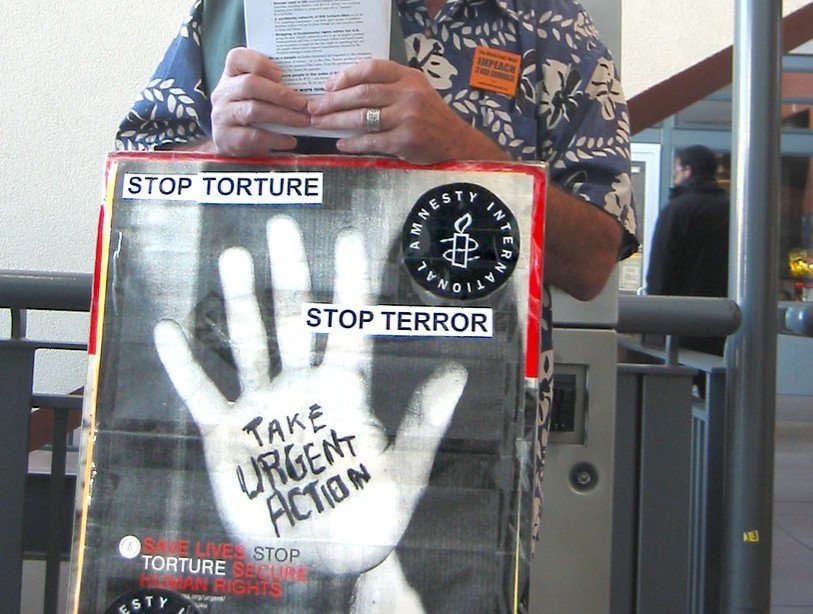
A fictional adaptation of the CIA’s hunt for Osama bin Laden, the blockbuster film Zero Dark Thirty presents a number of important ethical questions. Along with a renewed debate surrounding torture and enhanced interrogation techniques, the movie also sparked a discussion over the ethical responsibilities of filmmakers.
The film quickly found itself caught up in the 2012 Presidential election thanks to many outspoken Republicans who accused it of supporting Obama’s re-election. Some even believed that Bigelow and her team were given classified information by the Obama administration while crafting the story. Others, including the director of the CIA, fiercely and publicly criticized the movie’s seeming pro-torture leanings, with some calling it both propagandistic and historically inaccurate. Finally, the families of some 9/11 victims attacked the film for including voice recordings of their deceased loved ones without consent.
The scrutiny reached the Senate Intelligence Committee, where Chairman Dianne Feinstein and Senators John McCain and Carl Levin blasted the movie and requested that U.S. distributor Sony Pictures furnish a disclaimer. They subsequently demanded hearings to see if the CIA had deliberately misled the filmmakers. A film about a decade-old military operation had managed to spark a genuine political crisis. That is rare. That is power.
11. The Interview (2014) – When a Comedy Almost Started an International Incident
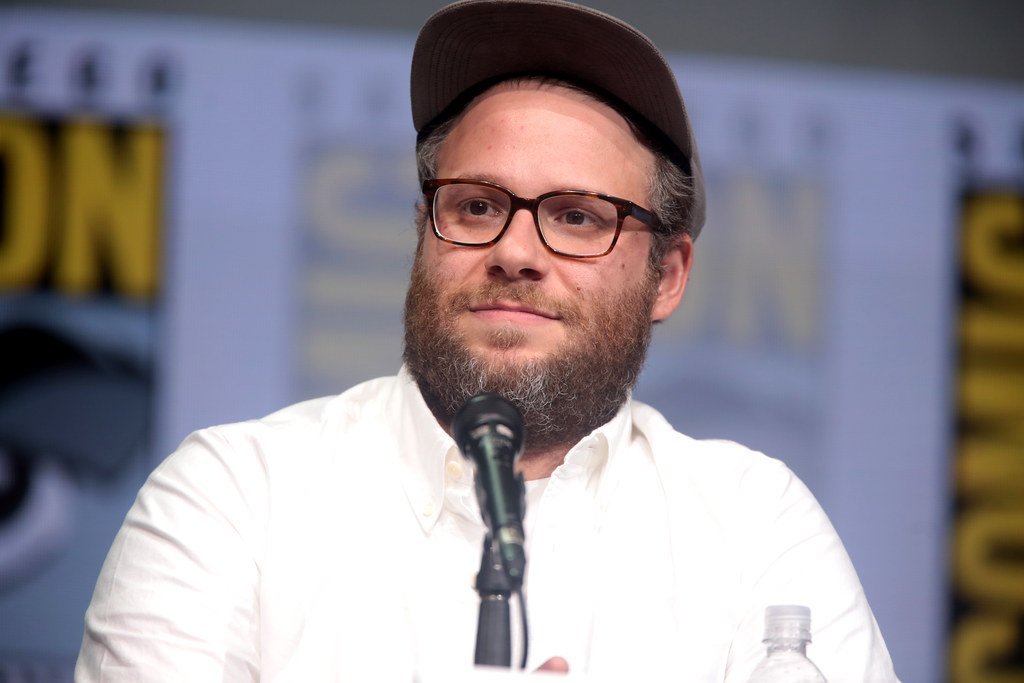
Directed by Evan Goldberg and Seth Rogen, this comedy film depicted a fictional plot to assassinate North Korean leader Kim Jong-un. It sparked international incidents, including cyberattacks on Sony Pictures, and raised questions about the boundaries of satire and freedom of expression in the digital age.
The political plotline was destined to ruffle feathers, but then The Interview became the subject of the infamous 2014 Sony Pictures hack. The general consensus around Hollywood is that North Korea hacked the studio in reaction to The Interview. The scale of that corporate breach was staggering. Thousands of private emails leaked. Entire film projects were disrupted. All because a Seth Rogen comedy decided to satirize a living dictator.
The fallout turned into a full-throated national debate about artistic freedom, corporate cowardice, and the limits of satire in a geopolitically fragile world. When Sony initially pulled the film from release, the backlash from politicians, filmmakers, and civil liberties advocates was immense. President Obama himself publicly criticized the decision. The film was eventually released, making The Interview one of the very few comedies in history to provoke an international diplomatic incident.
12. Joker (2019) – A Supervillain Film That Put America’s Gun Violence Crisis Front and Center
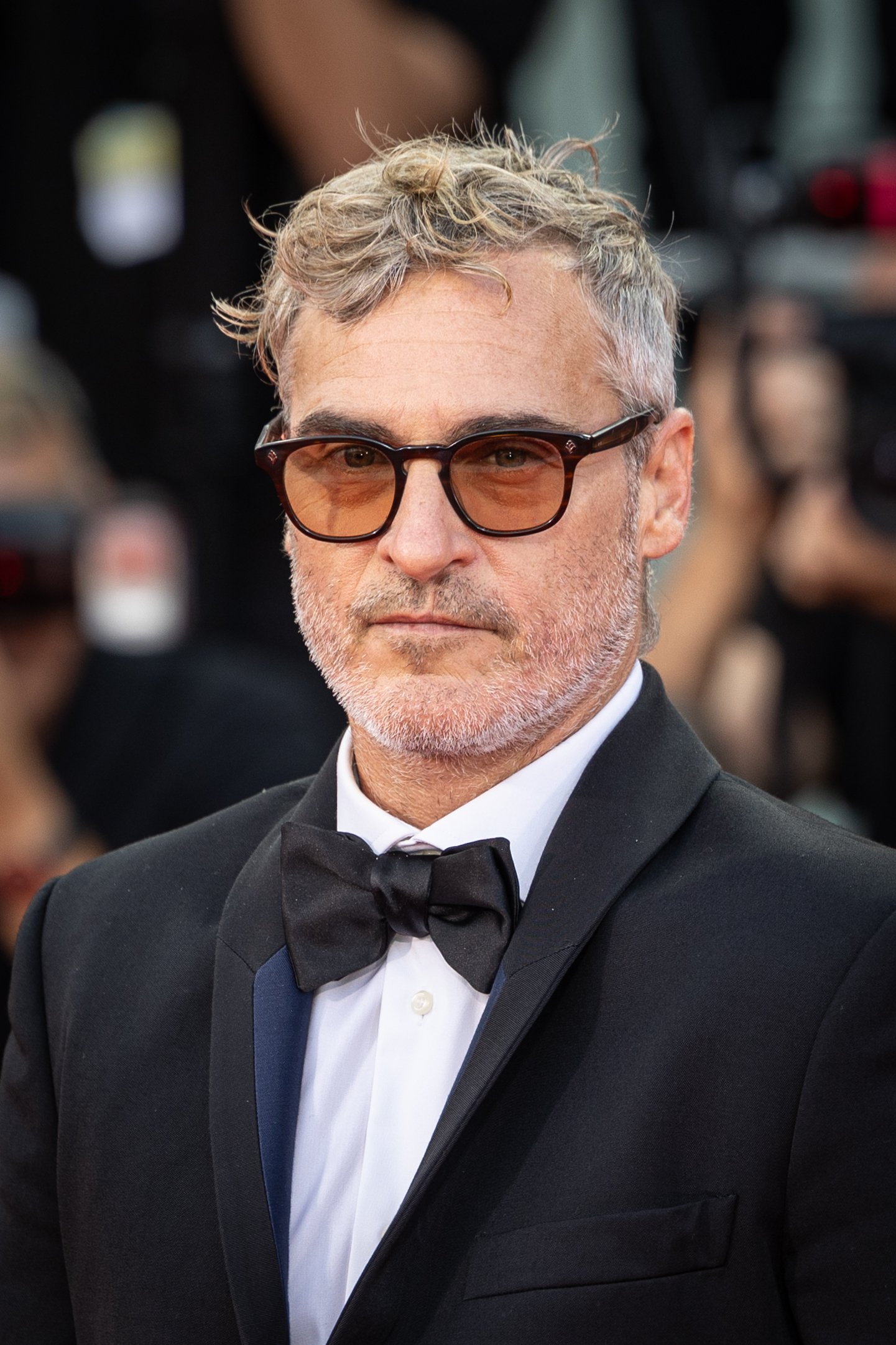
Starring Joaquin Phoenix as the titular Batman villain, Joker courted controversy months before its release. The movie depicts Phoenix’s murderous antihero as a troubled aspiring comedian, a sympathetic portrayal that sparked widespread concerns of copycat criminals targeting movie theaters, echoing the 2012 Aurora shooting, when a man dressed as the Joker opened fire on a crowd of moviegoers.
Though several theaters canceled showings and others employed heightened security measures, Joker grossed more than $1 billion at the global box office and failed to inspire a wave of criminal acts. Still, the conversation it ignited was genuine and urgent. America was already deep in a reckoning over mass shootings and mental health, and here was a film that treated its murderous protagonist with empathy rather than condemnation.
Todd Phillips’ origin story of the infamous Batman villain sparked fears of inciting violence and glorifying lone-wolf aggression. Despite the controversies, it earned critical acclaim and became a cultural phenomenon, sparking ongoing conversations about mental health and societal alienation. Whether you viewed Joker as a dangerous glorification or a courageous portrait of a broken society says a lot about how you see America itself. That ambiguity is exactly what made it so combustible.
13. Cuties (2020) – A Coming-of-Age Film That Ignited a Culture War
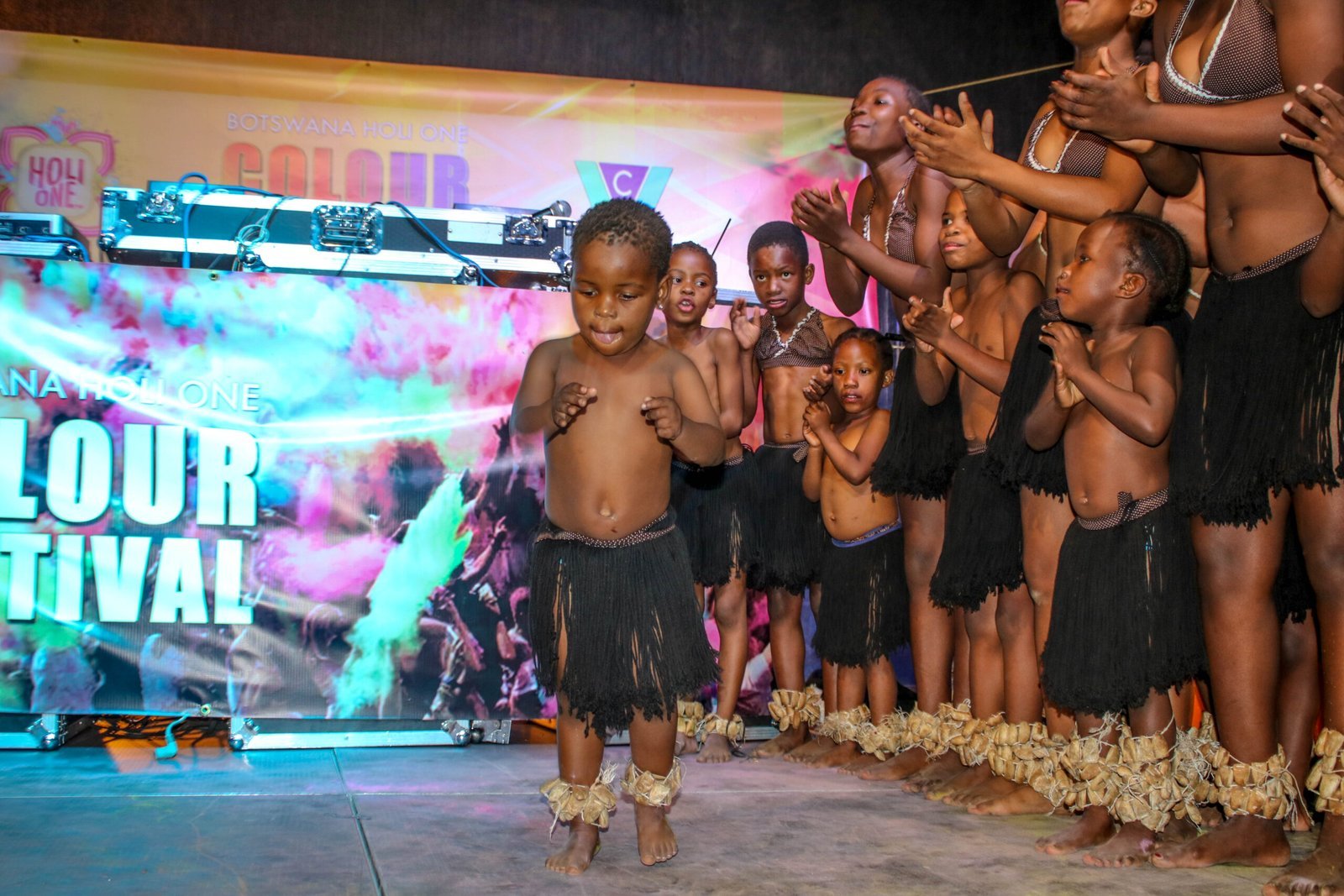
Cuties, the debut film from French Senegalese director Maïmouna Doucouré, is the coming-of-age story of an 11-year-old girl who joins a school dance group. Although the film won a directing award at Sundance Film Festival in 2020, a picture later put out by Netflix generated much concern over the sexualization of young girls in the film.
Cuties was a coming-of-age story about a girl from a conservative Muslim family who joins a dance troupe, which somehow snowballed into the filmmaker receiving death threats at the same time online petitions demanded the film be removed from Netflix while thousands cancelled their subscriptions. Representatives for Netflix were even called before Congress. Much of the outrage came from people who had not seen the film. Many critics argued the controversy spectacularly missed the point of what the director was actually trying to critique.
It wasn’t her intention, but Doucouré had nonetheless become a key figure in the ongoing debate about film and television content potentially over-sexualising minors. The irony is painful and instructive. A film designed to criticize the hypersexualization of children was itself accused of the very thing it was condemning. It became a Rorschach test for a polarized society, with each side seeing exactly what they feared most.
The Enduring Power of Cinema to Make Us Uncomfortable
Here’s what all thirteen of these films share: they didn’t just play on screens. They played out in the streets, in parliaments, in living rooms, and in court cases. Although cinema is intended to entertain, it is always at its best when it opens the door to wide-ranging debate, discussion, and conversation over the events audiences have just witnessed on screen. One of the finest factors of going to the movies is chewing the fat about the film afterwards. Sometimes those conversations aren’t the easiest ones to have, with plenty of features both fictional and documentary exposing secrets, agendas, and incidents that had been swept under the rug.
A 2015 study found that films originally considered controversial became more mainstream over a period of 40 to 50 years. What shocks one generation becomes the classic studied by the next. The boundaries of cinema are always shifting, always being tested, and always revealing something uncomfortable about the society doing the watching.
The most honest mirror is the one that shows us something we didn’t want to see. Great controversial cinema doesn’t start arguments for the sake of it. It starts the arguments we were already having, just louder. The question worth sitting with is this: which films being made right now will be on this list in twenty years? What are we refusing to look at today?

Christian Wiedeck, all the way from Germany, loves music festivals, especially in the USA. His articles bring the excitement of these events to readers worldwide.
For any feedback please reach out to info@festivalinside.com
