


For any feedback please reach out to info@festivalinside.com
- 10 Surprising Hobbies of Famous Historical Leaders You Never Knew About - April 13, 2026
- 12 Unforgettable Literary Rivalries That Fueled Iconic Works - April 13, 2026
- 10 Classic Albums That Defined the Sound of the 60s and 70s - April 13, 2026
Writers are not, as a rule, easy people. They observe closely, feel deeply, and care enormously about ideas that most of the world moves past without a second glance. Put two of them in the same literary orbit, and the results can be explosive. Sometimes that friction produces bitterness, wounded pride, and wasted years. Other times, it sparks something far more valuable: urgency, ambition, and work that neither writer might have produced alone.
The history of literature is threaded through with rivalries that sharpened pens and deepened purpose. Some started as friendships that curdled. Others were purely about aesthetics, a genuine disagreement over what literature is for and how it should be written. A few ended in duels, literal or figurative. What nearly all of them share is a strange, productive electricity. The twelve that follow are among the most consequential.
Ernest Hemingway vs. F. Scott Fitzgerald: The Lost Generation’s Great Friction
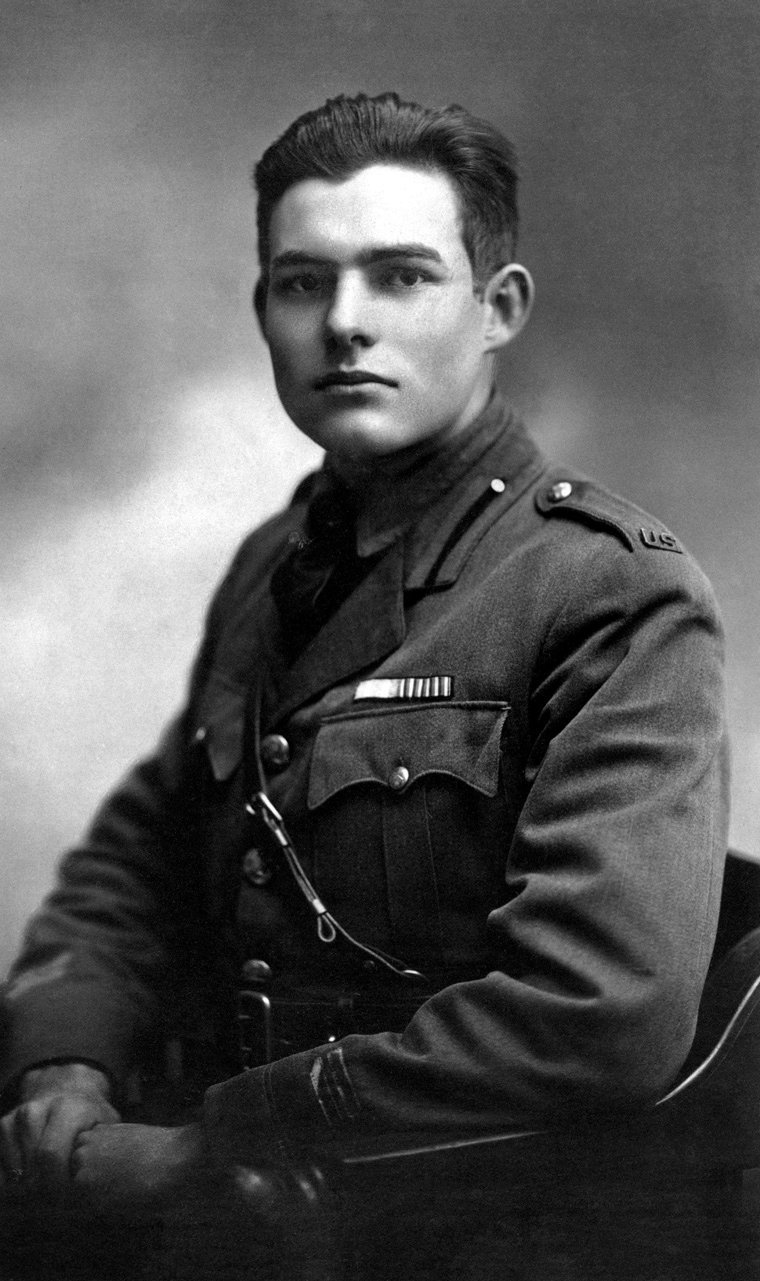
Literary history’s most famous frenemies met in 1925, and soon became friends. Fitzgerald even sang Hemingway’s praises to the influential editor Maxwell Perkins, helping to jump-start his career. Apart from placing him with Scribner’s, Fitzgerald gave Hemingway money when he needed it, lent the family his Riviera villa when their little son was sick, and personally rushed to help when Hemingway needed emergency funds. It was an act of uncommon generosity between two rivals.
Hemingway wasn’t particularly grateful, and soon began badmouthing Fitzgerald. Tempers frequently flashed over their criticisms of each other’s works: Hemingway’s attack on “Tender Is the Night” and Fitzgerald’s suggested revisions for “A Farewell to Arms” are just two examples of their aggressive posturing, which stretched into long literary skirmishes. Even more than their respective writings and celebrated social blunders, the friendship ultimately floundered over the question of reputation. The tension between them, one rising and one fading, gave both writers a mirror they couldn’t look away from.
Vladimir Nabokov vs. Edmund Wilson: A Translation War That Ended a Friendship
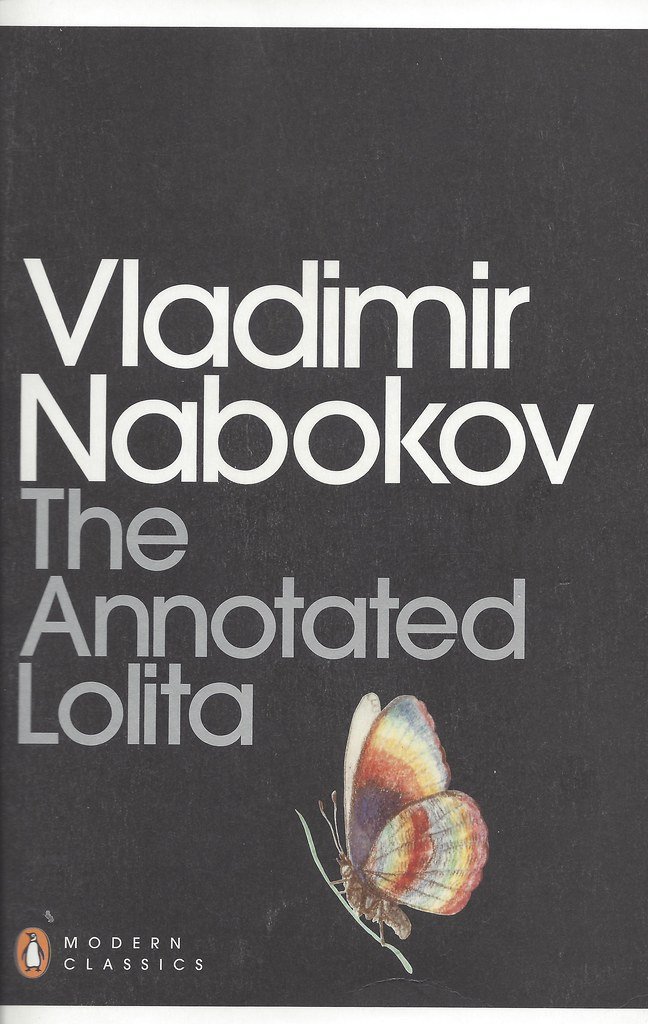
What began as a warm friendship between Vladimir Nabokov and Edmund Wilson eventually flamed into a feud. Nabokov was initially the less successful of the two. In 1940, Wilson was a prominent and well-connected literary critic, while Nabokov was an obscure émigré who had published some fiction in Russian. Wilson helped open literary doors in America for Nabokov, and for years their friendship was one of the most intellectually alive in mid-century letters.
When Vladimir Nabokov’s translation of Pushkin’s masterpiece “Eugene Onegin” was first published in 1964, it ignited a storm of controversy that famously resulted in the demise of Nabokov’s friendship with critic Edmund Wilson. In his review, Wilson claimed that the translation was “uneven” and “banal,” criticizing Nabokov’s overwrought and occasionally inaccurate vocabulary. Nabokov fired back that Wilson was a “commonsensical, artless, average reader.” Rejoinders and rebuttals spread from the New York Review to Encounter and the New Statesman, turning what had been a private competition into a very public war of intellects.
William Wordsworth vs. Samuel Taylor Coleridge: Collaboration Turned Contested Legacy

“Lyrical Ballads,” a collection of poems by William Wordsworth and Samuel Taylor Coleridge, was first published in 1798 and is generally considered to have marked the beginning of the English Romantic movement in literature. Wordsworth and Coleridge set out to overturn what they considered the priggish, learned, and highly sculpted forms of 18th-century English poetry and to make poetry accessible to the average person via verse written in common, everyday language. The collaboration was genuinely revolutionary, but its terms were never quite equal.
The first edition was published anonymously, though later editions credited the collection to “W. Wordsworth.” In the preface of these later editions, Wordsworth refers to Coleridge merely as “a Friend,” thereby acknowledging those poems penned by Coleridge. Encountering one another first through each other’s work, they built a friendship drawing inspiration from their shared ambition. As Wordsworth’s stardom rose, so too did his ambition. The relationship between the two was never again as close as during the time “Lyrical Ballads” was written, and the friction of that drifting apart drove each poet toward increasingly independent and distinct bodies of work.
William Faulkner vs. Ernest Hemingway: The War Over Prose Style
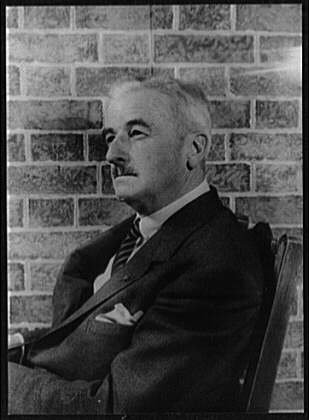
Catalog: http://lccn.loc.gov/2004662864
Image download: http://cdn.loc.gov/master/pnp/van/5a51000/5a51900/5a51969r.jpg
Original url: https://www.loc.gov/pictures/item/2004662864/, Public domain)
Never one to shy away from conflict, Hemingway sparred effectively with another literary giant. After William Faulkner said of Hemingway that “he has never been known to use a word that might send a reader to the dictionary,” Hemingway responded with trademark bluntness: “Poor Faulkner. Does he really think big emotions come from big words?” The exchange crystallized one of the central debates of 20th-century American fiction: simplicity versus complexity, the stripped sentence versus the sprawling one.
Hemingway was a literary heavyweight sure of his abilities as a novelist. His confidence in his literary superiority was implicit in the fact that he wrote to William Faulkner in 1947, praising him but also dishing out plenty of writing advice outlining how he might improve. The rivalry was, at its core, a philosophical argument about what fiction owes its reader. Both men produced masterworks while essentially defining themselves in opposition to each other, and American literature is richer for that productive antagonism.
Voltaire vs. Jean-Jacques Rousseau: Enlightenment at War with Itself
![Voltaire vs. Jean-Jacques Rousseau: Enlightenment at War with Itself ([1]; photographer: Gérard Blot, Public domain)](https://festivaltopia.com/wp-content/uploads/2026/04/1776080025267_1776080016046_maurice_quentin_de_la_tour-2c_portrait_de_voltaire_-2817.jpeg)
The conflict between Voltaire and Rousseau in France would erupt whenever either of them published a major work, beginning with Voltaire’s criticisms of Rousseau’s “Discourse on Inequality.” The two men represented genuinely incompatible visions of human nature and civilization. Voltaire believed in reason, progress, and the refining power of culture. Rousseau distrusted all of it and mourned what civilization had cost humanity.
Their rivalry was not merely personal. It was a war of ideas that shaped how Europe thought about freedom, society, and the moral responsibilities of the writer. The pressure each applied to the other’s arguments forced both to sharpen and extend their thinking, pushing Voltaire’s satirical work toward greater urgency and driving Rousseau’s confessional writing into genuinely new psychological territory. The tension between their worldviews arguably defined the intellectual fault lines of the French Revolution.
Lord Byron vs. John Keats: Class, Contempt, and Competing Romantics

As such, use of this image in the jurisdiction of the claimant or other countries may be regarded as copyright infringement. Please see Commons:When to use the PD-Art tag for more information., Public domain)
Byron was an aristocrat and a recognized poet, whereas Keats was a middle-class writer with financial difficulties whose poems were often attacked by the literary press, which made him jealous of Byron’s success. The gap between them was social as much as literary. To Byron, Keats’s rejection of poets such as Alexander Pope was unforgivable, leading him to attack the aestheticism of Keats’s poems. Keats, for his part, was acutely aware of the difference in how the world received them both.
Keats died of tuberculosis at only 25, and some of his friends, including Percy Bysshe Shelley, claimed that his death had been hastened by the stress caused by negative reviews of his work. Byron found that hilarious. His mockery extended beyond Keats’s death, surfacing in his epic poem “Don Juan.” The contrast they presented, one poet embraced by society and one ignored by it, gave both writers something to push against. Keats’s fierce, almost defiant commitment to beauty feels partly shaped by the knowledge that the literary establishment had not made room for him.
Ben Jonson vs. John Marston and Thomas Dekker: The Elizabethan Stage War
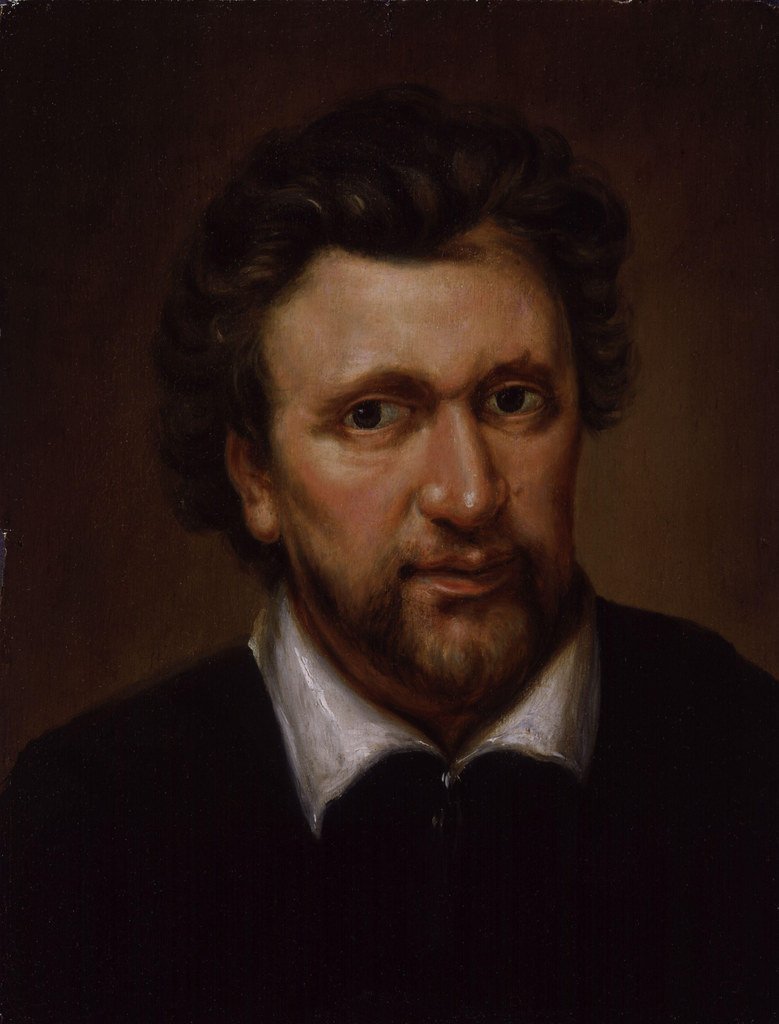
Most critics see the so-called Poetomachia as a mixture of personal rivalries and serious artistic concerns: “a vehicle for aggressively expressing differences in literary theory, a basic philosophical debate on the status of literary and dramatic authorship.” Until 1604, Marston and Jonson depicted each other in their plays, each escalating his attacks on the other’s literary abilities. In “Poetaster” (1601), Jonson insinuated that Marston was not only a failed playwright but a plagiarist too, putting him onstage as a character with red hair and small legs who was constantly resorting to pretentious expressions.
In the same play, Jonson dragged Thomas Dekker into the conflict. Dekker responded by nicknaming Jonson “the humorous poet” in “Satiro-mastix” (1601). Marston and Jonson eventually reconciled, and Marston even dedicated “The Malcontent” (1604) to Jonson. What makes this rivalry so interesting is its transparency: the insults were performed on public stages for paying audiences. The competition sharpened the craft of everyone involved and produced some of the most satirically charged drama of the Elizabethan era.
Lillian Hellman vs. Mary McCarthy: Defamation, Courts, and the Limits of Truth
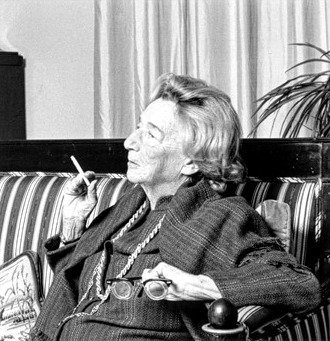
Mary McCarthy characterized playwright Lillian Hellman as “tremendously overrated, a bad writer, and a dishonest writer,” adding “every word she writes is a lie, including ‘and’ and ‘the.'” What followed was a ferocious legal battle. A few weeks after the episode aired on national television, Hellman sued McCarthy for $2.25 million, claiming defamation. The lawsuit was one of the most sensational in American literary history.
The feud raised genuine questions about what writers owe each other and what they owe the truth. Hellman’s memoirs had long been disputed for their factual accuracy, and McCarthy’s attack, however intemperate, was partly rooted in that concern. A few instances in literary history resulted in physical violence, and on occasion involved litigation, as in the dispute between Lillian Hellman and Mary McCarthy. The case, ultimately unresolved due to Hellman’s death in 1984, left both writers’ legacies permanently entangled.
Gore Vidal vs. Norman Mailer: The Feud That Became Performance
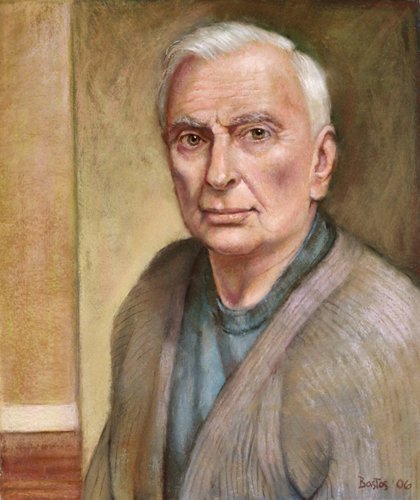
Gore Vidal and Norman Mailer, two of mid-20th century America’s most outspoken writers, shared a complicated mix of respect and rivalry. Their feud reached its peak in the 1970s, after Vidal’s sharp critique of Mailer’s work on the women’s movement. In 1971, Gore Vidal compared Norman Mailer to Charles Manson in a review. When the two writers were guests on the same episode of The Dick Cavett Show, Mailer punched Vidal in the hospitality room, then brought up the review again on live television.
Six years later at a party, Mailer threw a drink in Vidal’s face and followed it with a punch. Vidal is said to have responded, “Norman, once again words have failed you.” The line became legendary, and in some ways it summarizes the entire dynamic: Vidal’s wit consistently outlasted Mailer’s aggression. Their battles highlighted the drama of public intellectual life and the intense egos behind great art, showing how personal conflict can shape cultural conversation and legacy.
Dostoevsky vs. Turgenev: Russian Giants at War
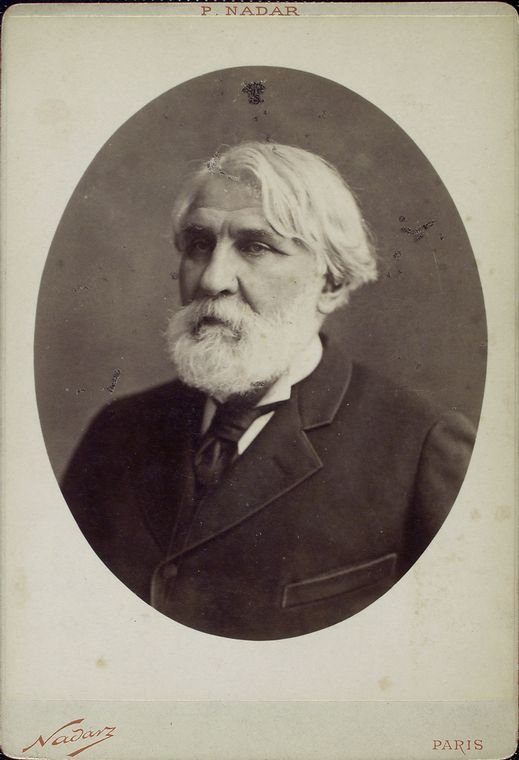
Tucker Collection, Public domain)
Despite shared aesthetic and political ideals, Fyodor Dostoevsky and Ivan Turgenev quarreled for years, with no less at stake than literary greatness. Although the contest worked itself out through literature, with Dostoevsky satirizing Turgenev in his novel “The Possessed,” it would reach a much more material climax. In 1861, Tolstoy challenged Turgenev to a duel, a reminder that 19th-century Russian literary rivalry sometimes came very close to drawing blood.
Dostoevsky’s caricature of Turgenev in “The Possessed” stands as one of the most pointed satirical portraits one major novelist ever made of another. He depicted a thinly veiled version of Turgenev as a man who had abandoned his Russian roots for European affectation, a charge that cut to the heart of their philosophical disagreement. The rivalry forced each writer to defend and articulate his vision of Russian identity, of suffering, and of what literature was obligated to do in a morally broken world.
Marcel Proust vs. Jean Lorrain: When a Bad Review Leads to a Duel
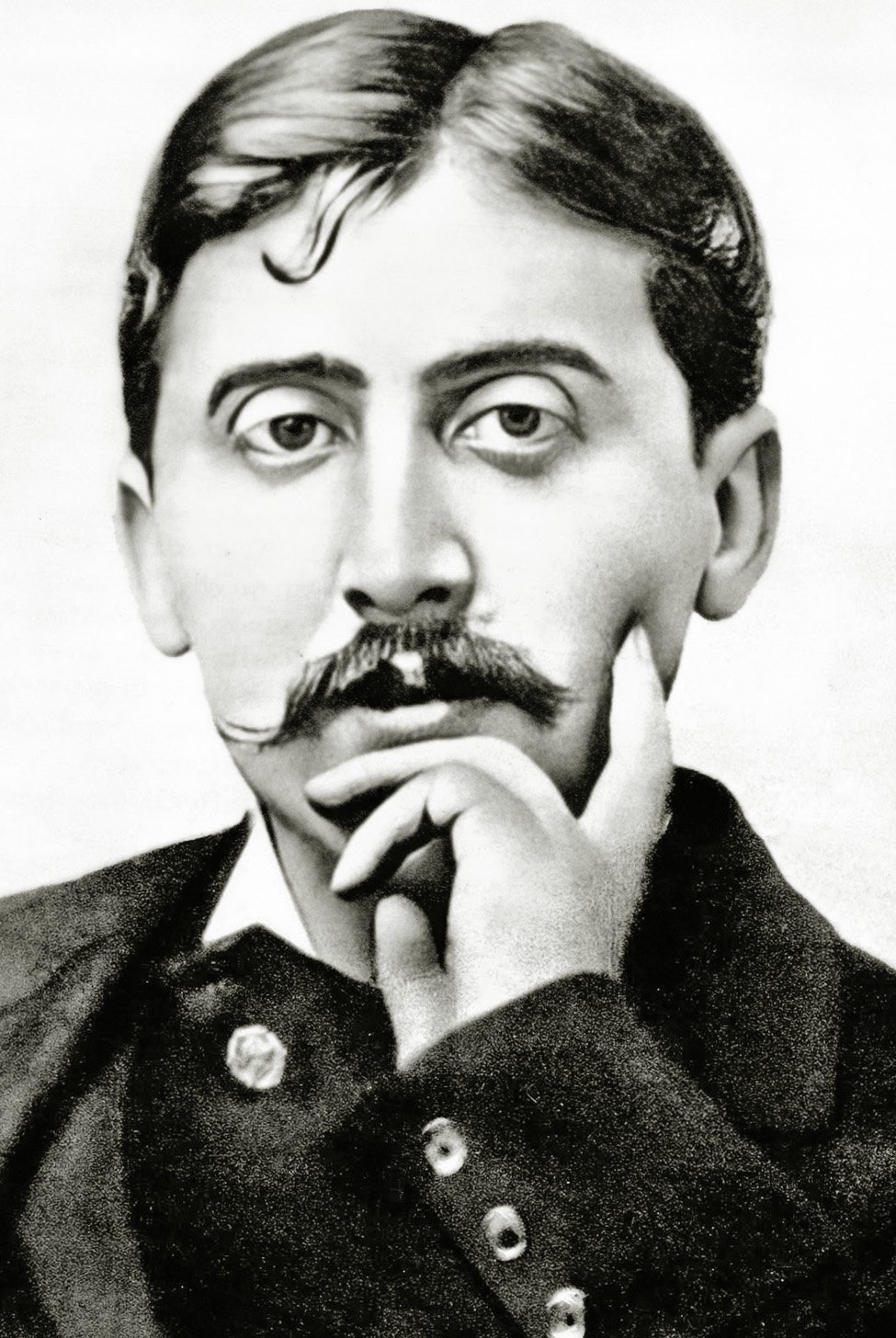
Jean Lorrain wrote an unfavorable review of Marcel Proust’s “Pleasures and Days” in which he insinuated that Proust was having an affair. Proust challenged Lorrain to a duel. The two writers exchanged shots from twenty-five paces on 5 February 1897, and neither was hit by a bullet. It remains one of the more extraordinary episodes in French literary history, a reminder that personal honor and artistic reputation were once considered the same thing.
The duel changed nothing in practical terms, but it signaled something important about Proust. He was not, as Lorrain apparently assumed, someone who could be mocked with impunity. The humiliation of that early critical attack, the insinuation that his debut work was more social posturing than literature, very likely hardened Proust’s resolve. He spent the next two decades producing “In Search of Lost Time,” a work of such uncompromising ambition and psychological depth that it permanently settled any question of his seriousness as a writer.
Paul Theroux vs. V.S. Naipaul: The Mentor Who Sold His Books
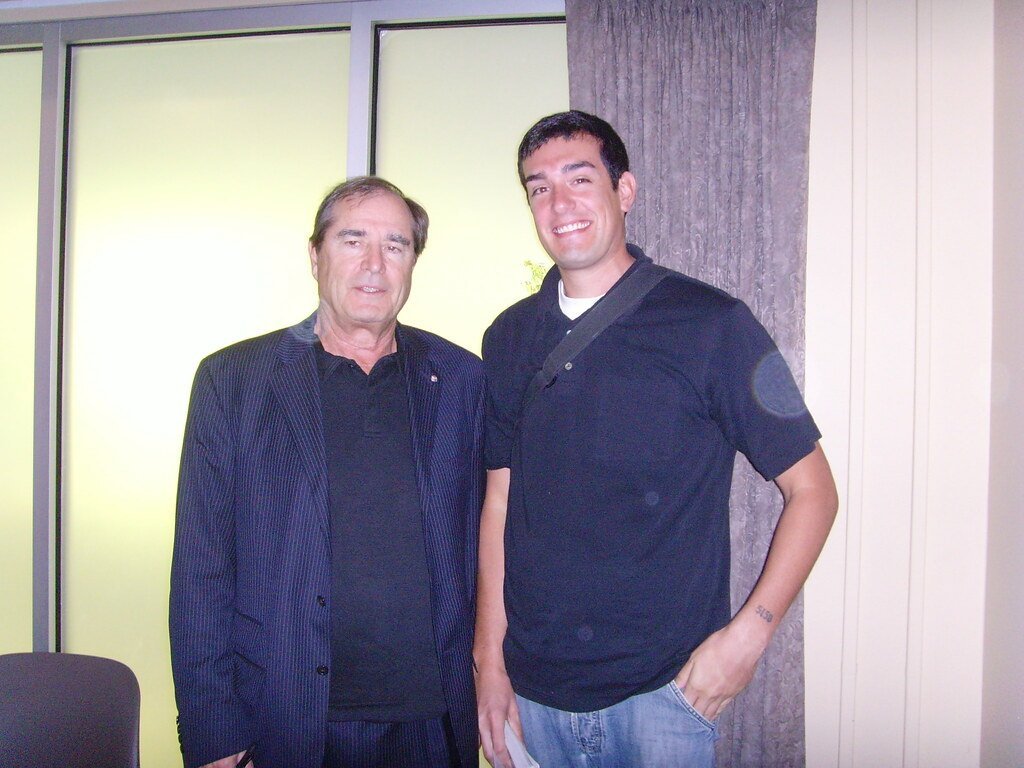
Paul Theroux and V.S. Naipaul met in 1966 in Kampala, Uganda. Their friendship cooled when Theroux criticized Naipaul’s work. Later, Theroux took offense when he found books he had inscribed to Naipaul offered for sale in a rare books catalog. Naipaul’s biographer claimed that Naipaul belittled Theroux’s writing. The inscribed books became a symbol for everything that had gone wrong between them: the careless disposal of a friendship that had once mattered.
In 1998, Theroux portrayed Naipaul in an unattractive light in his memoir “Sir Vidia’s Shadow,” saying that “his rejection of me meant I was out of his shadow” after a public snub. The feud lasted fifteen years, until the writers were reconciled at the 2011 Hay Literary Festival, although there is some speculation that the reconciliation was engineered by their agents and publishing houses. Whatever the truth of that reconciliation, Theroux’s memoir stands as a remarkable document of literary discipleship gone wrong, an unflinching examination of admiration that curdled into something else entirely.
Rivalry as a Creative Force: A Closing Thought
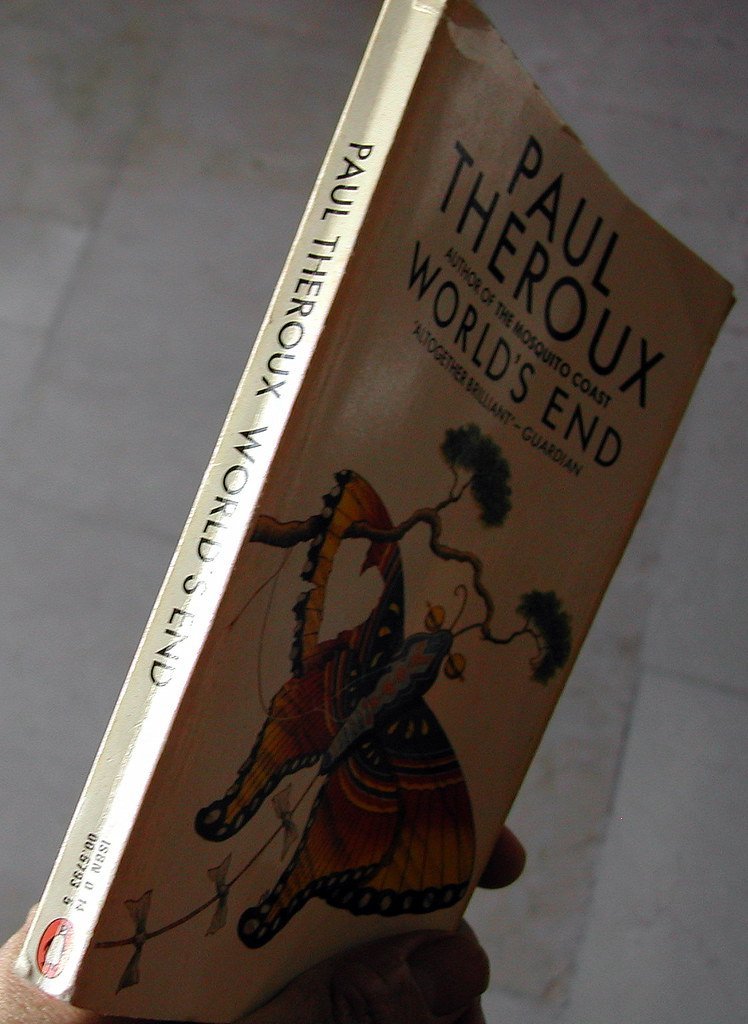
What these twelve rivalries share, underneath the ego and the grievance, is a kind of relentless attention. Each writer tracked the other closely, measuring, responding, pushing back. That heightened awareness of a competitor’s strengths and weaknesses tends to do something useful: it raises the stakes. Work produced under those conditions often carries a sharper edge and a more defined sense of purpose.
Not every rivalry produces great art. Some consume the very energy that might have gone into writing. Book lovers recognize that having the upper hand in the court of public opinion can shape a writer’s legacy, and that such squabbling might be a factor in whose novel is read a hundred years from now, and whose name is effectively forgotten.
The most enduring lesson from this history may be the simplest one. The writers who channeled their rivalries into the work, rather than into the feud, are the ones we still read. The argument on the page outlasts every argument in the room.

Christian Wiedeck, all the way from Germany, loves music festivals, especially in the USA. His articles bring the excitement of these events to readers worldwide.
For any feedback please reach out to info@festivalinside.com
