

For any feedback please reach out to info@festivalinside.com
- 10 Massive Books Worth Every Last Page - April 12, 2026
- The Most Misunderstood Song Lyrics - April 12, 2026
- The Comfort of Music: Ten Relaxing Classical Pieces - April 12, 2026
Japan rewards curious, open-minded travelers more than almost any other destination on earth. Its cities are clean, its trains run on time to a degree that can feel almost theatrical, and the level of consideration people extend to one another in public spaces is genuinely striking. That sense of collective harmony doesn’t happen by accident. It’s the product of deeply embedded social customs, many of which go unwritten but are quietly expected of everyone, visitors included.
Japanese society operates on a set of “unwritten rules” that people expect you to follow, and these rules are considered common sense – one of the reasons society lives in such peaceful harmony. None of this means travelers need to be anxious or overly formal. As a foreign tourist, locals do not necessarily expect you to know all the intricacies and nuances of Japanese culture. Nonetheless, there are some common practices to keep in mind in order to navigate Japanese society as seamlessly as possible. The twelve guidelines below cover the most important ones.
1. Never Wear Your Shoes Indoors
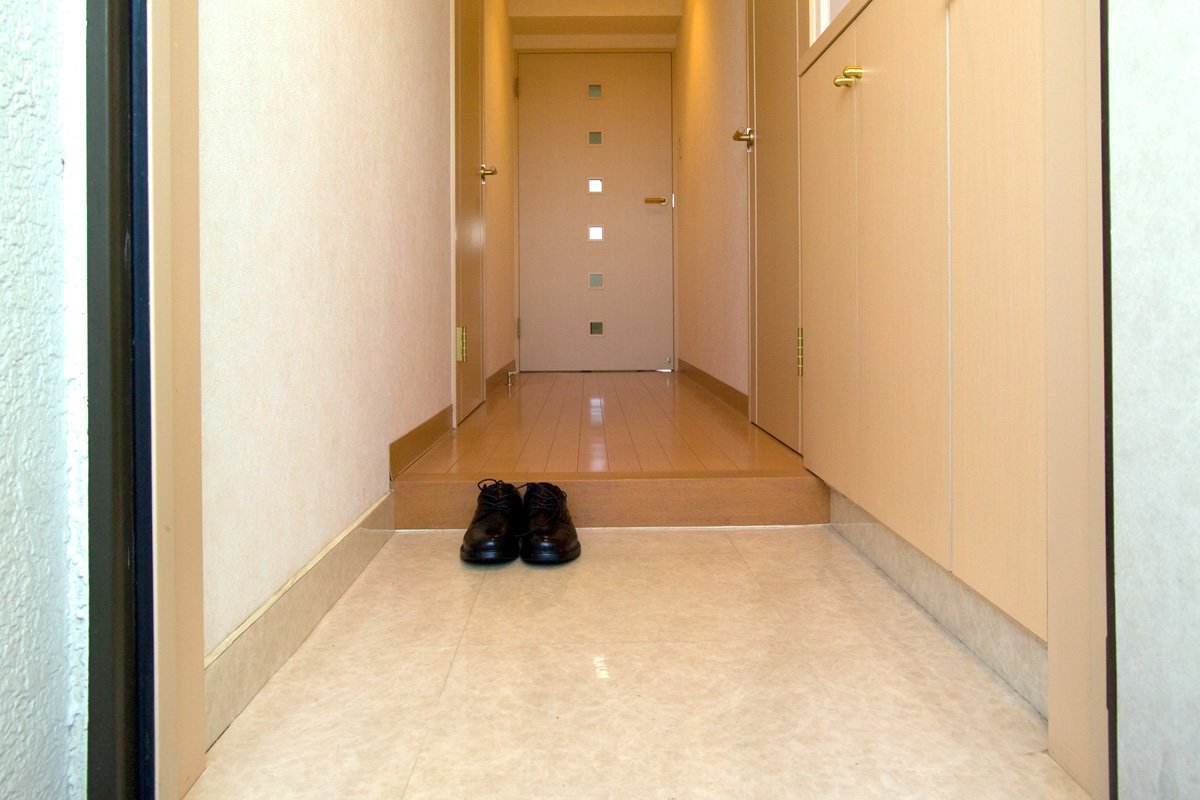
If you’re visiting a Japanese home, your shoes should be immediately removed once you’re through the door. “Outdoor” shoes are considered unclean, and for this reason, they’re replaced with “indoor” slippers at the entranceway. This no-shoe rule also extends to traditional ryokan hotels, some public spaces like temples and shrines, fitting rooms, and schools and hospitals.
The golden rule is that you should take your shoes off whenever you come to a change of level within a building, and you should never wear shoes on tatami mats. If you’re not sure, just look out for other pairs of shoes lined up and you’ll get the idea. There’s a layered system to this too. Another important rule is to exchange your “indoor” slippers for the special “toilet” slippers when using the toilet. Forgetting to swap back out is one of those small but mortifying moments that locals will actually notice.
2. Never Stick Your Chopsticks Upright in Rice
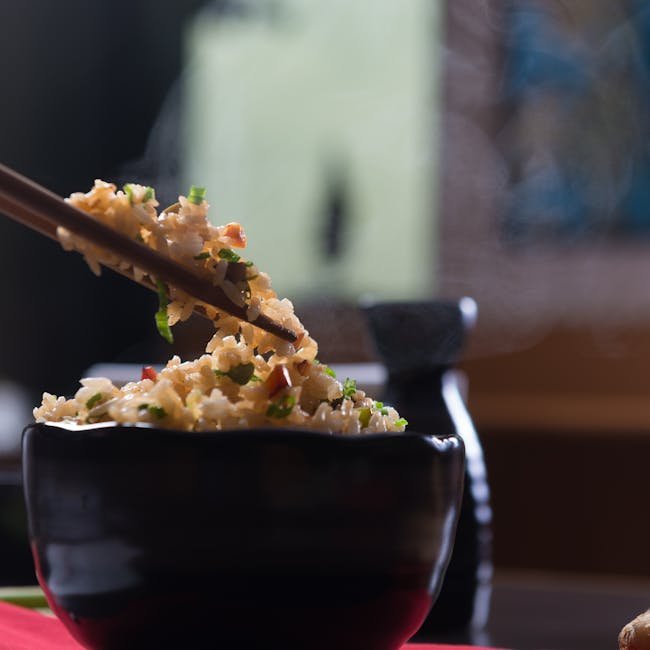
Chopsticks are a common eating utensil in Japan, but there are a few rules to follow when using them. Never stick your chopsticks vertically in your bowl of rice – this resembles a funeral ritual. If you need to put them down, always use the chopstick holder next to your plate. Avoid using your chopsticks to pass food to someone else’s chopsticks, as this is another taboo.
Sticking your chopsticks upright in a rice bowl is a practice reserved for funeral rituals. On the same token, you won’t want to directly pass food from your set of chopsticks to another’s, which mimics a well-known custom at Buddhist burials. These associations with death and mourning run deep in Japanese culture, and committing either of these acts at a dinner table will almost certainly make those around you uncomfortable, even if they’re too polite to say so.
3. Never Tip at Restaurants or Hotels
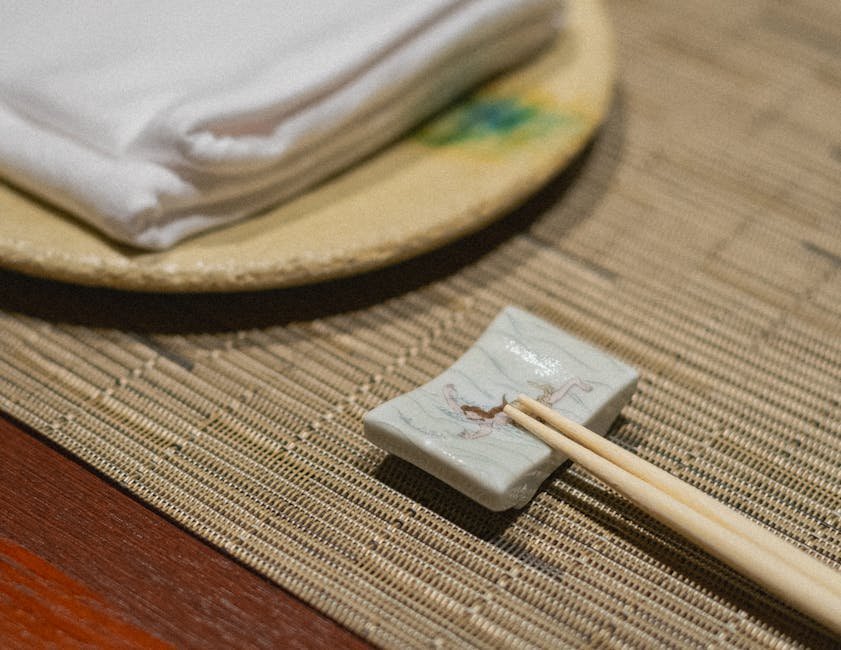
Unlike in the U.S. where tipping is mandatory, Japan does not have a tipping culture, and leaving a gratuity may even be taken as an insult. This surprises many Western travelers, particularly those from countries where tipping is so ingrained it feels almost automatic. In Japan, excellent service is simply the standard – it doesn’t carry the expectation of an additional financial reward.
Staff members may actively try to return money left behind, not out of false modesty, but because keeping it genuinely feels wrong to them. In Japan, both hands are always used when giving and receiving things, including small objects like business cards. When paying at a shop or cafe, it’s common to place the money on the small tray next to the cash register instead of handing it directly to the cashier. Respect the transaction as it’s meant to work, and leave any extra yen in your pocket.
4. Never Eat While Walking
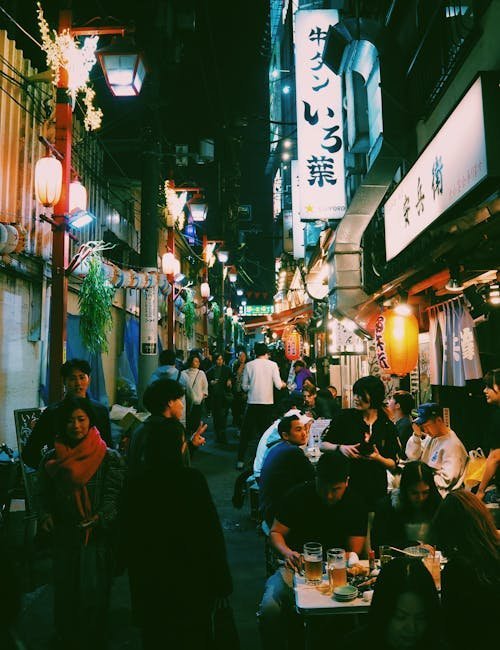
Eating while you walk should be avoided, particularly in busy areas such as the train station or congested streets. You can slow down the traffic and leave a trail of crumbs in your wake. It might feel harmless, especially when you’re holding a freshly bought snack from a convenience store or a festival stall. In Japan, though, mealtimes are treated with a level of mindfulness that extends even to casual snacking.
The expectation is that you stop, find a spot, eat, and then continue on your way. When buying a snack from one of the stalls, vendors will often tell you to stand on the side to eat it instead of walking with it. Street food zones near markets and festivals are sometimes exceptions, but as a general rule, if you see locals eating standing still rather than on the move, follow their lead.
5. Never Make Noise on Public Transport
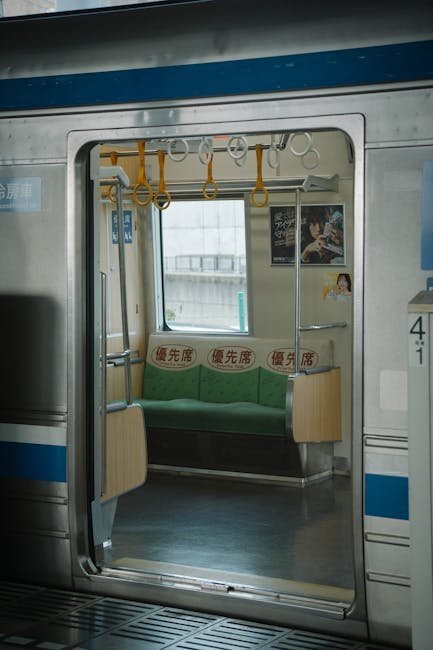
Trains and buses are deliberately relaxing in Japan, as their work-heavy culture of long hours and late nights requires many to spend lots of time on public transport and at train stations. As such, noise is kept to a minimum to allow people time and space to breathe. This is not just polite preference – it’s a deeply held social norm.
Loud conversations, playing music without headphones, or taking calls on the train will make you stand out. Even if you see someone else talking loudly, it’s best to remain quiet to avoid any awkward stares or comments. Phone calls are widely understood to be off-limits on trains, and most Japanese commuters will switch to silent mode without a second thought. Keep your voice low, your music to yourself, and enjoy the unusual calm of a rush-hour train that somehow still feels peaceful.
6. Never Blow Your Nose in Public
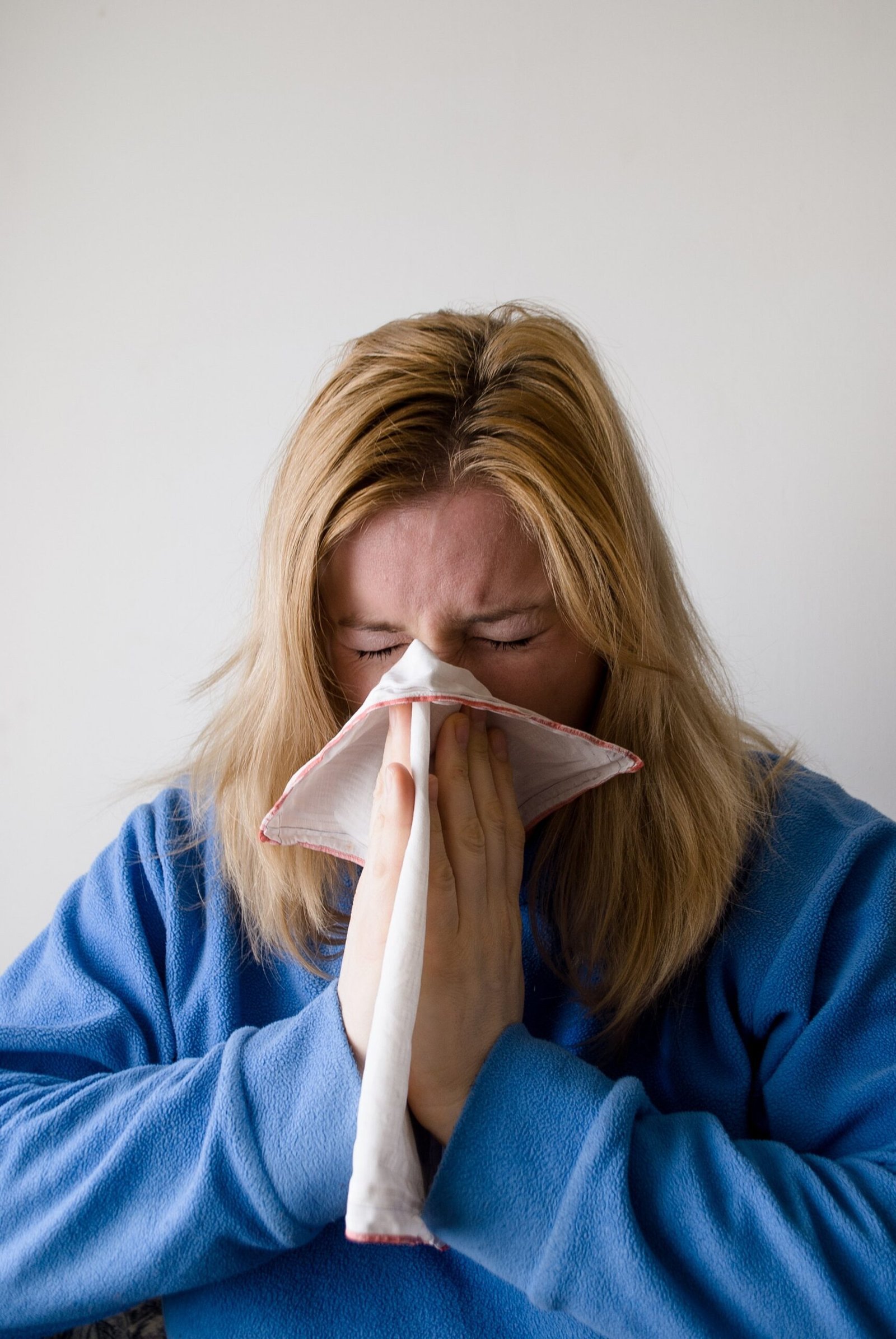
Blowing your nose in public in Japan is considered to be uncouth and will result in strong disapproval from the locals. Find a bathroom or another private place if you have to attend to a runny nose. This one genuinely catches people off guard, especially travelers dealing with seasonal allergies or a winter cold. What’s considered a perfectly routine act in many Western countries reads as quite rude in Japan.
Blowing your nose in public is considered impolite in Japan since it can cause discomfort for those around you. Move to a private area or the restroom if you need to blow your nose. To avoid bringing attention to yourself, you can also use a tissue to dab at your nose discreetly. If you’re prone to allergies or traveling during colder months, carrying a good supply of tissues and excusing yourself quietly is the considerate way to handle it.
7. Never Litter or Leave Trash Behind
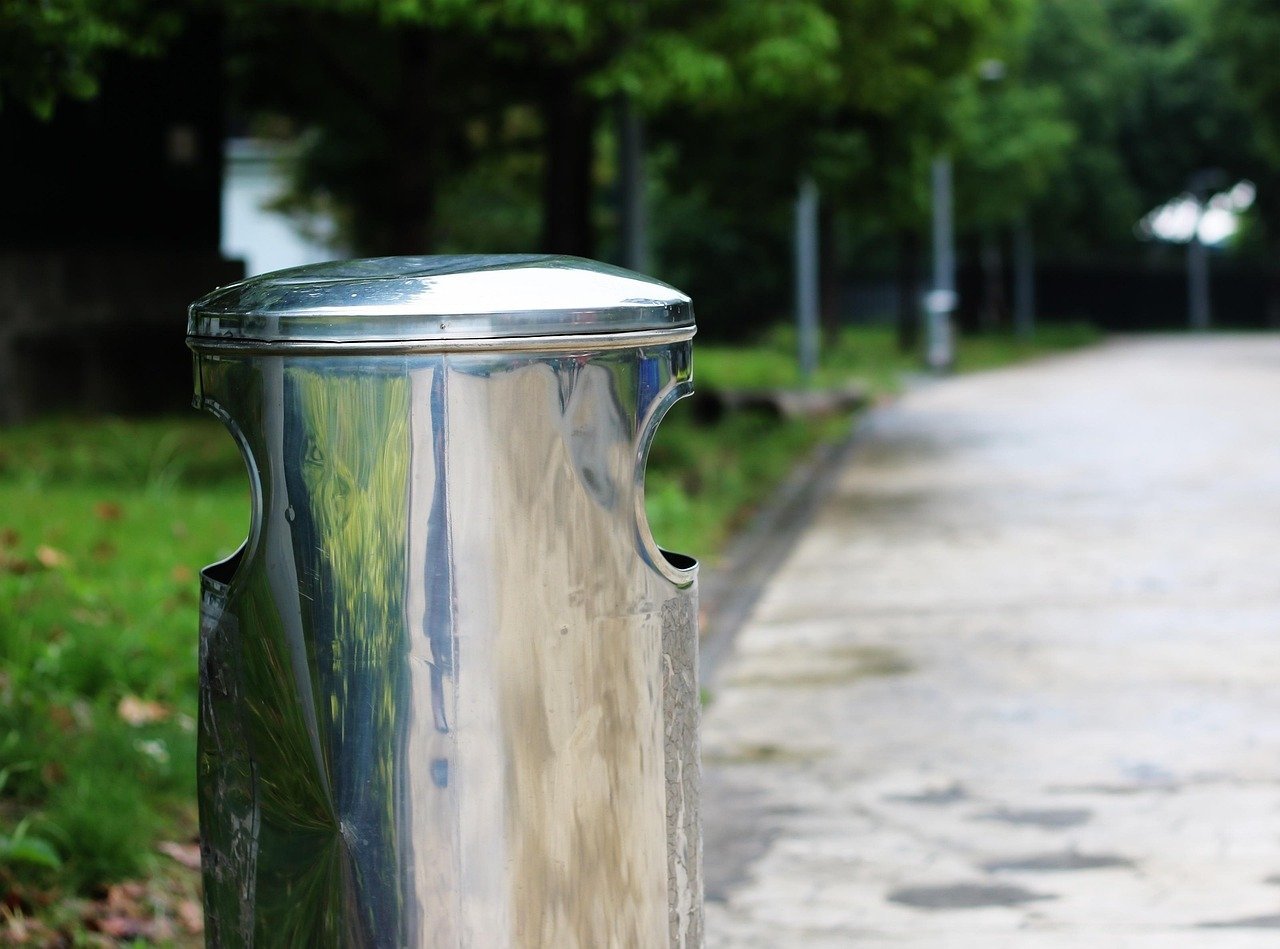
Japan is constantly earning praise for its remarkable cleanliness, despite the abject lack of public garbage bins. Foreigners are often astounded to learn that locals are, in fact, taking their rubbish home and disposing of it themselves. Walking through a busy city like Tokyo or Kyoto and finding almost no litter whatsoever is one of those quietly impressive things that visitors remark on almost universally.
Despite Japan’s reputation for cleanliness, garbage bins are relatively scarce in many public places. Travelers may finish a drink or snack and turn around to find there’s nowhere to throw the wrapper or bottle away. Because of this, locals may hold on to their trash until they get home or find an appropriate place to dispose of it. Pack a small bag in your daypack specifically for holding waste. It’s a tiny inconvenience that keeps you aligned with one of the things Japanese people quietly take real pride in.
8. Never Ignore Onsen Etiquette
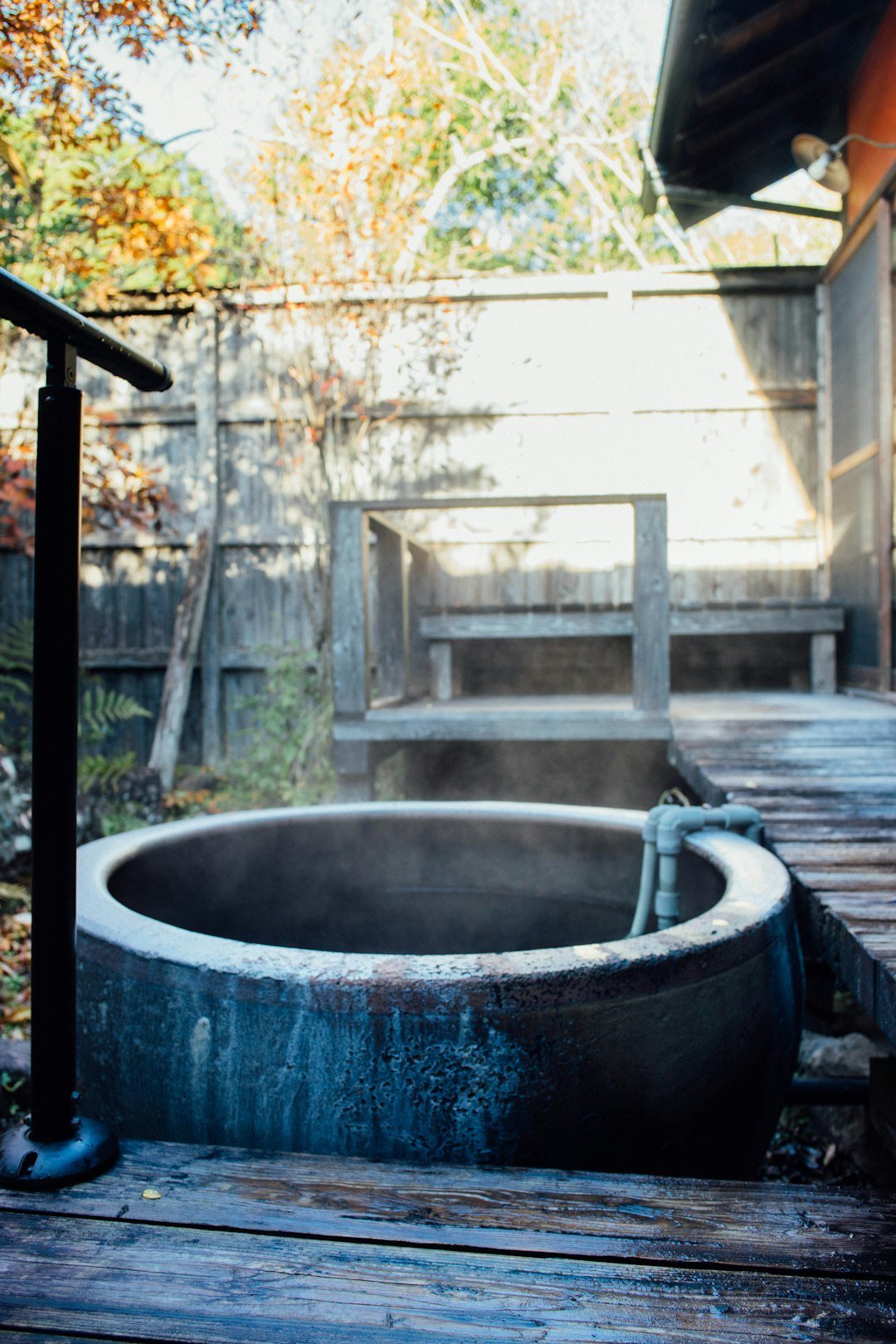
The main thing to keep in mind is that showers are for cleansing, whereas baths are therapeutic and should be kept as pure as possible. This means that nothing but your meticulously cleaned, naked body should be entering the water. Onsen and bath houses will have several sit-down showers upon entering the bathing area, typically equipped with stools, soap, and shampoo. Guests are required to get as clean as possible before entering the bath itself.
Other rules apply to the onsen: bathing suits are not allowed, hair should be tied up to keep it out of the bath water, never let your towel touch the water, and don’t swim in the onsen. Tattoos are another consideration worth checking in advance. Those with tattoos may not be allowed entry to public baths, however, ryokan (traditional Japanese inns) will often have private baths where this policy does not apply. Knowing these rules ahead of time saves genuine embarrassment at the door.
9. Never Point Directly at People or Things
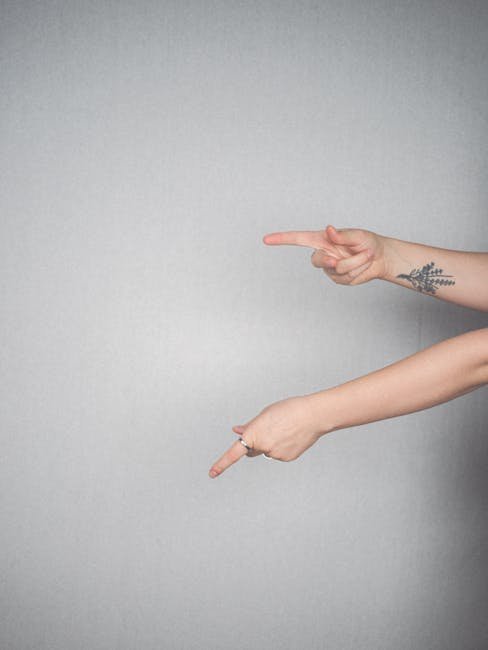
Pointing fingers directly at someone is considered impolite in Japan due to its confrontational and disrespectful nature. It singles out individuals and can cause discomfort. Japanese culture emphasizes indirect communication and maintaining harmony. This also extends to pointing at objects you want in a shop or store, which can come across as demanding and disrespectful to the person serving you.
Pointing with your finger in Japan is seen as aggressive and impolite. For example, at convenience stores, don’t point at what you want. Instead, use an open hand with the palm facing down to indicate direction or draw attention to something. This polite gesturing aligns with Japanese cultural emphasis on respect and harmony. It’s a small adjustment in body language that most people pick up quickly once they’re aware of it.
10. Never Be Disrespectful at Temples and Shrines
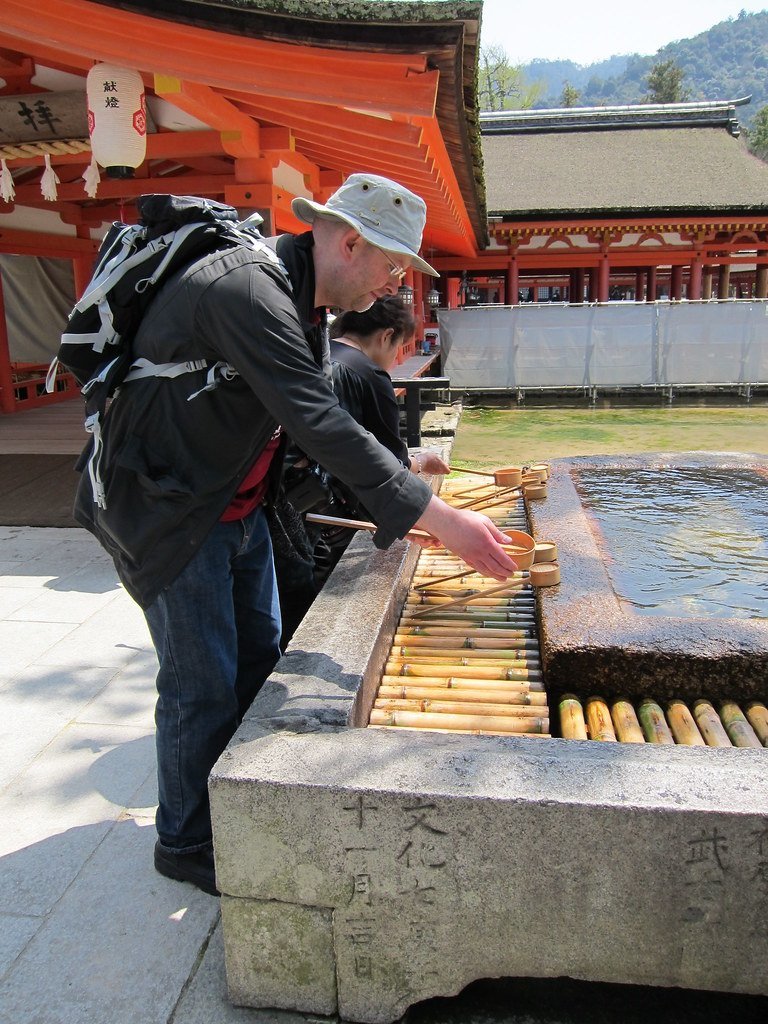
Rushing through sacred spaces or ignoring etiquette is a common tourist mistake. These are still functional and sacred religious grounds, and thousands of local people visit every day for prayer, which they don’t want to be interrupted by tourists looking for a photo opportunity. Treating a working shrine like a photo backdrop is one of the more tone-deaf things a visitor can do, and it has become an increasingly visible problem in popular destinations like Kyoto.
Remove your shoes when required, follow proper cleansing rituals at water basins, and maintain a reverent tone rather than treating sacred spaces as mere tourist attractions. When it comes to photography, most Japanese etiquette falls under the realm of common sense. Do not take others’ photos without permission, including those in traditional attire, unless at a designated event for such purposes. Many shops and museums will also have ample signage indicating where photography is or isn’t permitted. When in doubt, put the camera down and simply observe.
11. Never Pour Soy Sauce on Your Rice
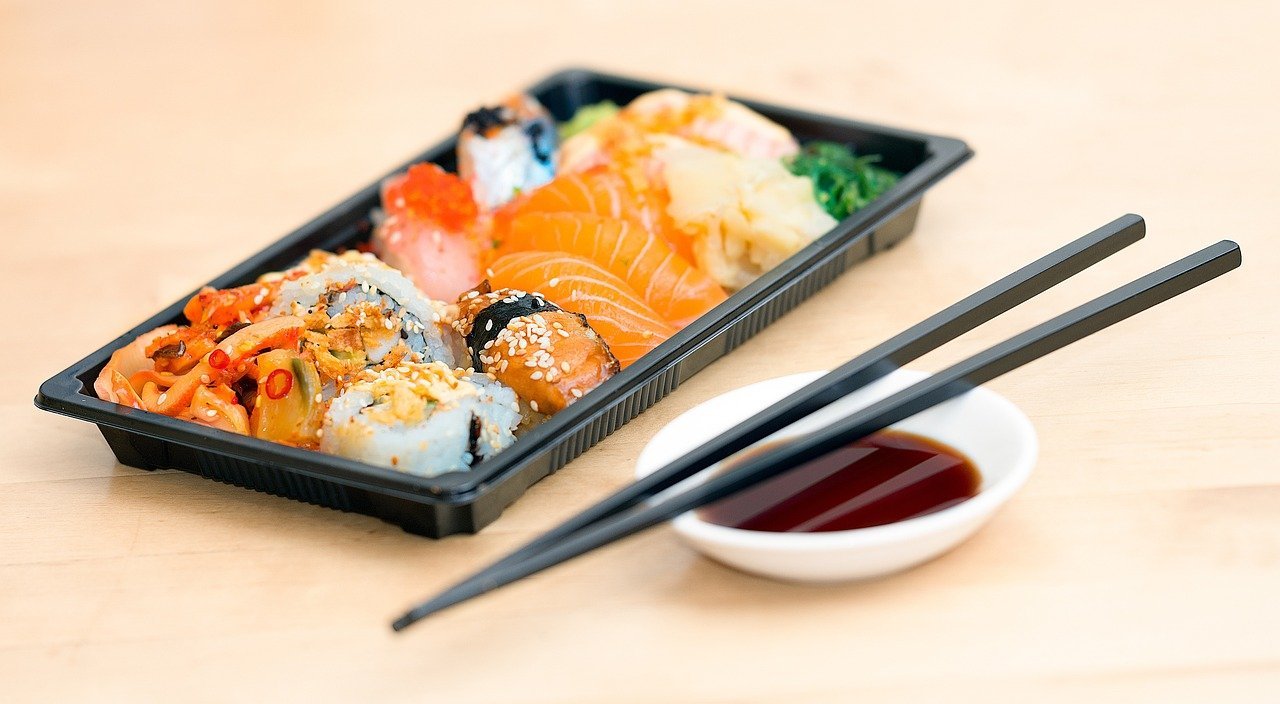
Never pour soy sauce over rice. Japanese rice is considered good tasting, and while other foods may be added atop the rice for flavor combinations, it should never be adulterated with soy sauce, an act considered an affront by most Japanese. It’s one of those instinctive things many Western diners do without thinking, especially when soy sauce is sitting right on the table.
Always pour soy sauce into the small dish provided specially for this, not directly on your rice or other food. Then, use your chopsticks to dip the sushi or sashimi in the sauce. The small condiment dish serves a purpose beyond just convenience – using it correctly signals that you understand and respect the food you’re being served. Japanese cuisine is thoughtfully constructed, and that extends to how the condiments are meant to interact with each dish.
12. Never Pour Your Own Drink in a Group Setting
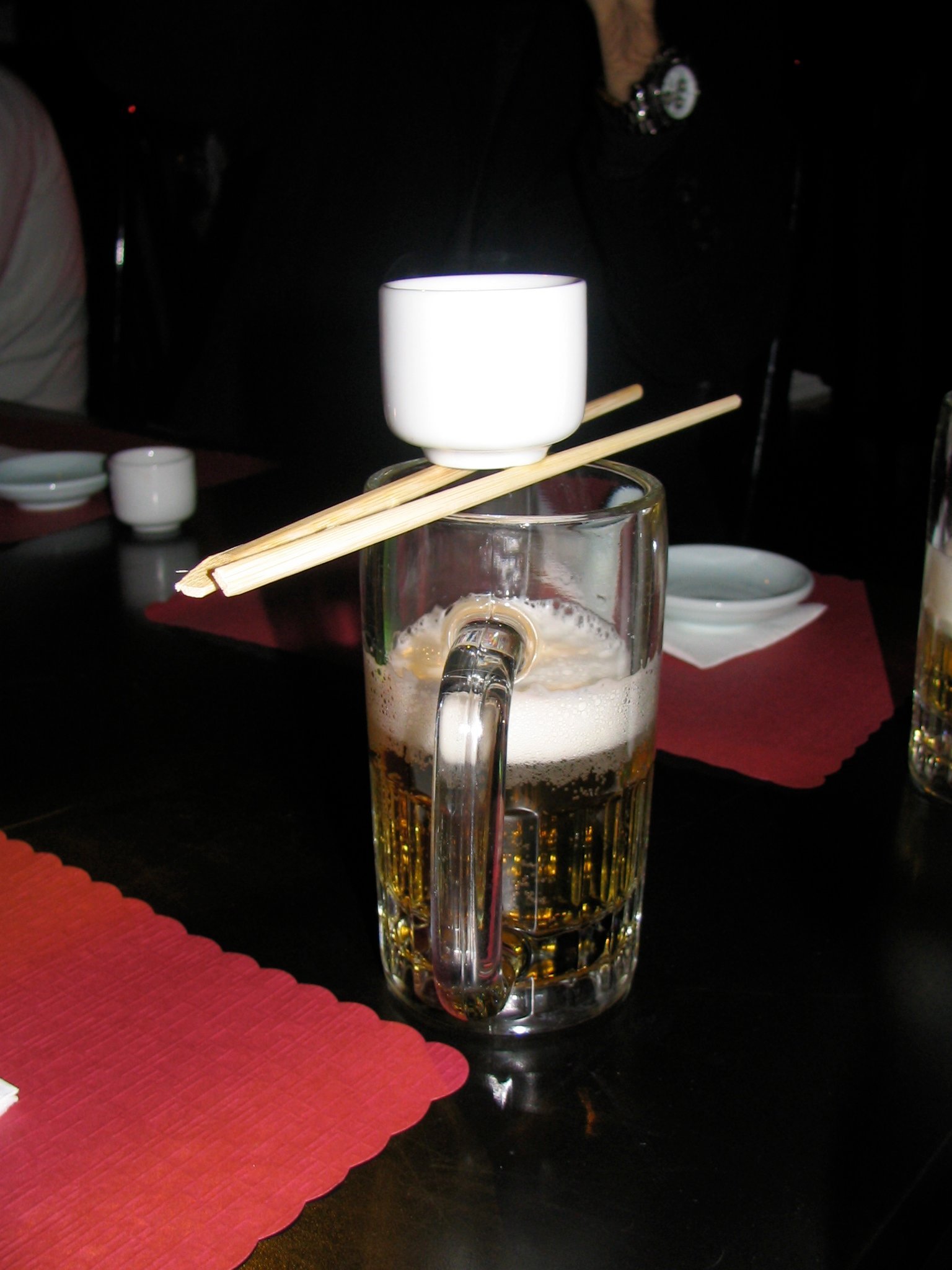
In Japan, the practice of not pouring your own drink is deeply rooted in social etiquette, especially in group settings or formal gatherings. This tradition is more than just a social rule – it reflects values of respect, hospitality, and interpersonal connection. When your glass is empty, someone in the group will often notice and pour your next drink. Reaching for the bottle and filling your own glass, while instinctive in many cultures, can come across as a bit self-focused in Japan.
When socializing with friends or colleagues, refill each person’s glass once empty but not your own, which is considered rude. After you’ve finished serving your companions, they will do the same for you. A bottle is always held with both hands when pouring. It creates a small but meaningful loop of mutual attentiveness – everyone looks after everyone else. Once you understand the spirit behind it, it’s actually a rather lovely way to share a meal.
A Final Word on Respectful Travel
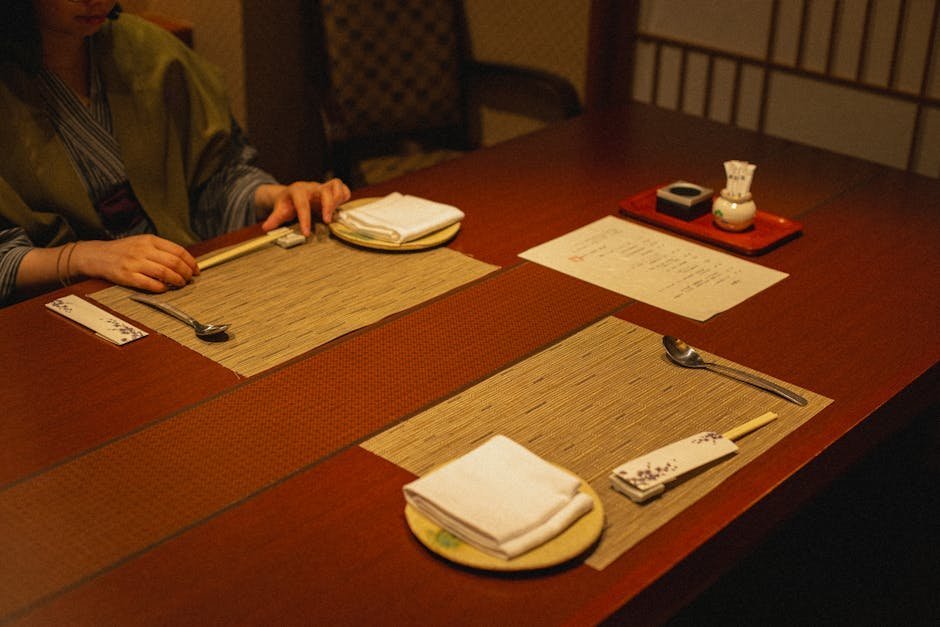
Proper manners and consideration towards others are highly valued in Japan, and misbehaving tourists are increasingly causing friction. That’s worth taking seriously, not out of fear of judgment, but out of genuine respect for a country and culture that has a great deal to offer precisely because its social fabric is so carefully maintained.
In Japan, there is a vital social skill known as kuuki ga yomeru, which literally translates to “reading the air” – the art of sensing the mood, understanding the unspoken needs of those around you, and acting accordingly. You don’t need to master that art before your trip. Awareness of the basics goes a long way.
The customs described here are not arbitrary hurdles. They reflect real values: community, cleanliness, restraint, and mutual care. Travelers who approach Japan with that understanding tend to leave with something more than photographs. They leave with a genuine sense of having been somewhere, and having handled themselves well in it.

Christian Wiedeck, all the way from Germany, loves music festivals, especially in the USA. His articles bring the excitement of these events to readers worldwide.
For any feedback please reach out to info@festivalinside.com
