

- 10 Classic Albums Everyone Should Listen To Before They Die - March 9, 2026
- The 5 Most Affordable U.S. Cities Where Quality of Life Is Surprisingly High - March 9, 2026
- 7 Fashion Trends From the Past That Are Making a Major Comeback - March 9, 2026
The Father’s Heart-Wrenching Farewell

Eric Clapton’s “Tears in Heaven” feels like a gentle, melancholic ballad when you first hear it. The soft guitar and tender vocals create an atmosphere of peaceful reflection. But once you learn that Clapton wrote this song after his four-year-old son Conor tragically fell from a 53rd-floor apartment window in 1991, every note transforms into something far more devastating. The lyrics become a father’s desperate attempt to process unimaginable grief. What once sounded like abstract sadness now reveals itself as one of music’s most personal and painful expressions of loss.
A Business Breakup Disguised as Romance
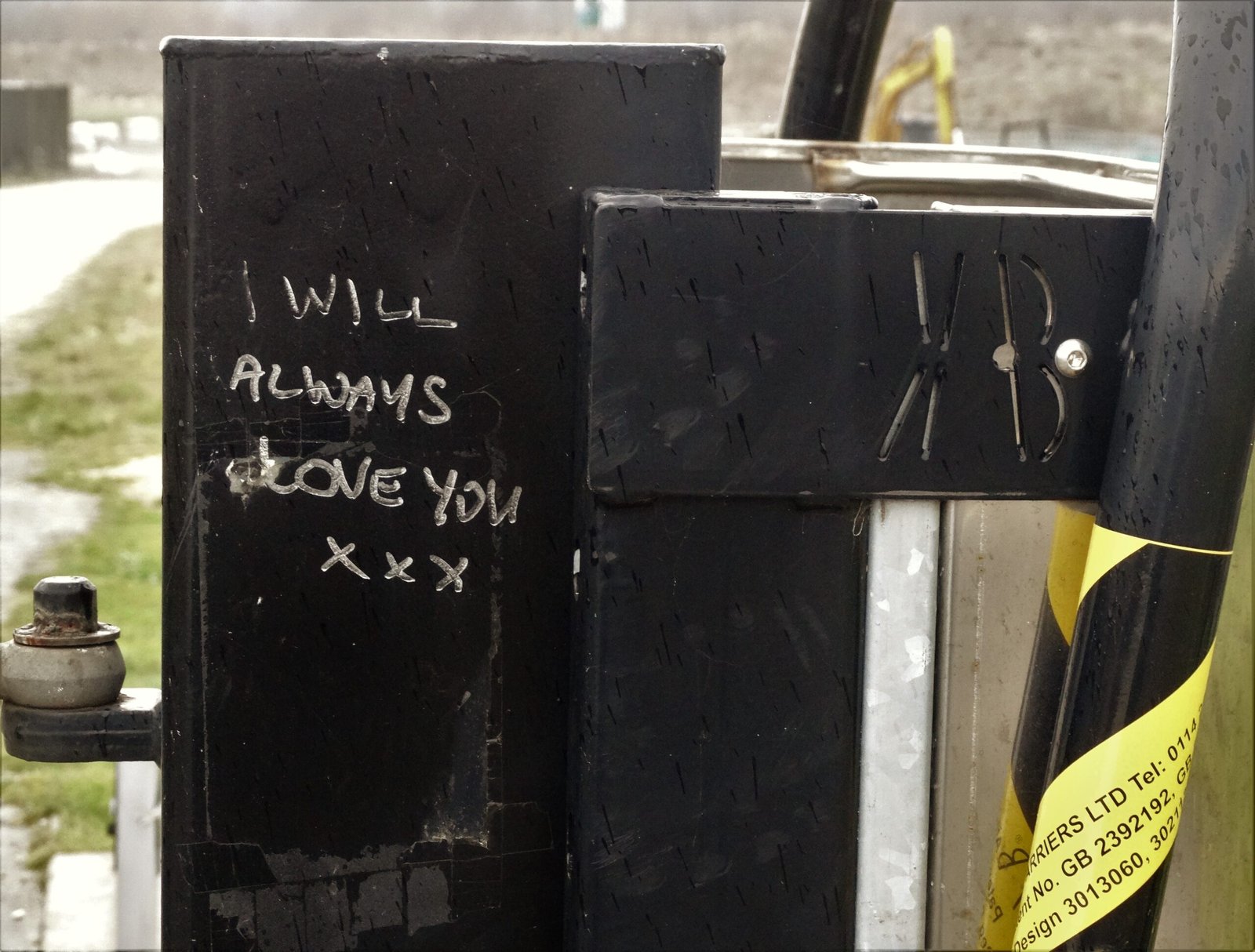
Whitney Houston’s powerhouse version of “I Will Always Love You” made it sound like the ultimate romantic declaration. Most people assume it’s about passionate, eternal love between partners. However, Dolly Parton originally wrote this song in 1974 as a farewell to her business partner and mentor, Porter Wagoner. She was leaving their professional relationship to pursue a solo career, and the song was her way of expressing gratitude while asserting her independence. Suddenly, those soaring vocals take on a completely different meaning – it’s not romance, but respect mixed with the bittersweet pain of moving on professionally.
When Deodorant Becomes a Battle Cry
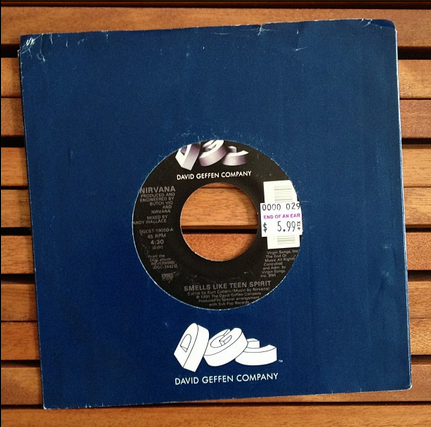
Nirvana’s “Smells Like Teen Spirit” sounds like the perfect anthem for rebellious youth, capturing the angst and energy of an entire generation. The title itself seems poetic and meaningful, suggesting the essence of teenage rebellion. Kurt Cobain’s friend actually spray-painted “Kurt smells like Teen Spirit” on his wall as a joke, referencing the deodorant brand. Cobain had no idea Teen Spirit was a deodorant – he thought his friend was making a profound statement about youthful energy. This accidental inspiration adds a layer of irony to what became grunge’s most iconic song.
Dance Beats Hide a Dark Secret
Foster the People’s “Pumped Up Kicks” became a summer hit with its infectious beat and catchy melody. People danced to it at parties, hummed it in their cars, and added it to feel-good playlists. The upbeat production masks some of the darkest lyrics in modern pop music – the song is told from the perspective of a troubled teenager planning a school shooting. Mark Foster wrote it to explore the psychology of youth violence and the warning signs society often ignores. Once you know this, the cheerful instrumentals create a chilling contrast that makes the song infinitely more disturbing.
From Vampires to Power Ballad Glory

Bonnie Tyler’s “Total Eclipse of the Heart” sounds like the ultimate dramatic breakup song, full of passion and heartbreak. The theatrical vocals and emotional intensity suggest a love affair gone wrong. Jim Steinman originally wrote this song for a vampire-themed musical called “Dance of the Vampires.” The “eclipse” represents a vampire’s struggle between love and their dark nature, not just romantic turmoil. This gothic origin story adds a supernatural element that makes Tyler’s over-the-top delivery suddenly make perfect sense. The drama isn’t just about love – it’s about eternal darkness and forbidden desire.
A Civil Rights Anthem Disguised as Nature

The Beatles’ “Blackbird” appears to be a simple, beautiful song about a bird learning to fly. Paul McCartney’s gentle acoustic guitar and soft vocals create an atmosphere of hope and freedom. McCartney wrote this song specifically in response to the Civil Rights Movement in America, with the “blackbird” symbolizing African American women fighting for equality. The “broken wings” represent the barriers and oppression they faced, while “learning to fly” celebrates their strength and determination. This context transforms a seemingly innocent nature song into a powerful statement of solidarity and encouragement during one of America’s most turbulent periods.
The Stalker’s Serenade
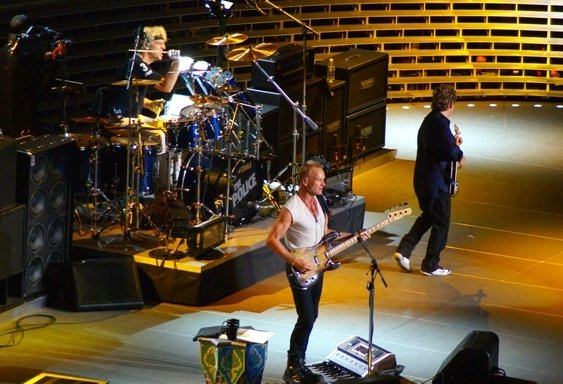
The Police’s “Every Breath You Take” has been played at countless weddings and romantic occasions. Its smooth melody and Sting’s crooning vocals make it sound like a devoted love song. Sting wrote this during his messy divorce, and it’s actually about obsession, surveillance, and possessive control rather than love. The line “I’ll be watching you” isn’t romantic devotion – it’s creepy monitoring of an ex-partner’s every move. Once you understand this, the song becomes deeply unsettling, like a musical restraining order. It’s remarkable how many couples have danced to what is essentially a stalker’s anthem.
Sacred Meets Profane in Poetic Complexity

Leonard Cohen’s “Hallelujah” gained massive popularity through Jeff Buckley’s haunting cover version, leading many to interpret it as a spiritual love song. The word “hallelujah” suggests religious praise, but Cohen’s lyrics weave together biblical references with raw human desire. He drew inspiration from the story of King David and Bathsheba, exploring how physical passion intersects with spiritual longing. The song examines the tension between sacred and profane love, making it far more complex than a simple hymn. Cohen spent years perfecting dozens of verses, creating a meditation on faith, doubt, and human imperfection that goes way beyond conventional spirituality.
Freddie’s Inner Battle Set to Music

Queen’s “Bohemian Rhapsody” sounds like pure theatrical genius, with its operatic sections and dramatic shifts. Most listeners get caught up in the musical complexity and Freddie Mercury’s incredible vocal range. Mercury rarely explained the song’s meaning, but many believe it reflects his internal struggles with his sexuality and identity during the 1970s. The cryptic lyrics about killing a man and facing Beelzebub may represent Mercury’s battle with societal expectations and personal truth. This interpretation adds emotional weight to every section, from the gentle piano opening to the explosive rock finale, making it feel like a musical autobiography of inner turmoil.
College Insecurity Becomes Universal Anthem

Radiohead’s “Creep” sounds like a general expression of social awkwardness and unrequited love. Thom Yorke’s raw vocals and the song’s self-deprecating lyrics resonated with millions of listeners who felt like outsiders. Yorke actually wrote this about a specific experience during his college years when he became infatuated with someone he considered completely out of his league. He would follow this person around, feeling invisible and inadequate, which inspired the song’s themes of unworthiness and alienation. Knowing this personal backstory makes the lyrics hit harder – it’s not just abstract angst, but genuine vulnerability from someone reliving their most embarrassing moments.
A Mother’s Rage Against Senseless Violence

The Cranberries’ “Zombie” combines haunting melodies with aggressive instrumentation, creating what seems like a general anti-war protest song. Dolores O’Riordan’s powerful vocals and the repetitive “zombie” chorus suggest commentary on mindless violence. O’Riordan wrote this song specifically in response to the 1993 IRA bombing in Warrington, England, that killed two young children. The “zombie” represents people who perpetuate cycles of violence without thinking about the innocent victims. This specific tragedy transforms the song from abstract political commentary into a mother’s furious grief over children killed by terrorism, making O’Riordan’s emotional delivery even more powerful and urgent.
Childhood Loss Masquerading as Romance

Evanescence’s “My Immortal” sounds like an intense breakup ballad, with Amy Lee’s emotional vocals conveying the pain of lost love. The piano-driven melody and lyrics about wounds that won’t heal suggest romantic heartbreak. Lee actually wrote this song about losing her younger sister when they were both children. The “immortal” refers to how the memory of her sister lives on, while the pain of that loss never truly fades. This backstory completely reframes the song’s emotional intensity – it’s not about a failed relationship, but about the lifelong impact of losing a sibling at a young age.
What seemed like simple melodies and straightforward emotions suddenly become windows into the most profound human experiences when you know what really inspired them. Did you expect these stories to change how you hear these familiar songs?
CEO-Co-Founder
