

- 10 Most Romantic Glamping Getaways In America - April 4, 2026
- These 12 Musical Genres Defined Generations, But Are Now Rarely Heard - April 4, 2026
- These 8 Abandoned Historical Sites Hold More Secrets Than Modern Cities. - April 4, 2026
Shaded garden spots often feel like forgotten corners, where sun-hungry flowers flop or refuse to bloom altogether. Tall trees or north-facing walls cast long shadows, leaving soil damp and dark, challenging even seasoned gardeners. Yet these very conditions mimic lush woodlands, perfect for plants that revel in low light.
Pick the right shade lovers, and you’ll craft a vibrant oasis bursting with color and texture. Imagine ferns unfurling delicately alongside bold foliage and delicate blooms. Let’s dive into these twelve standout plants that promise to banish drabness forever.[1][2]
Hostas
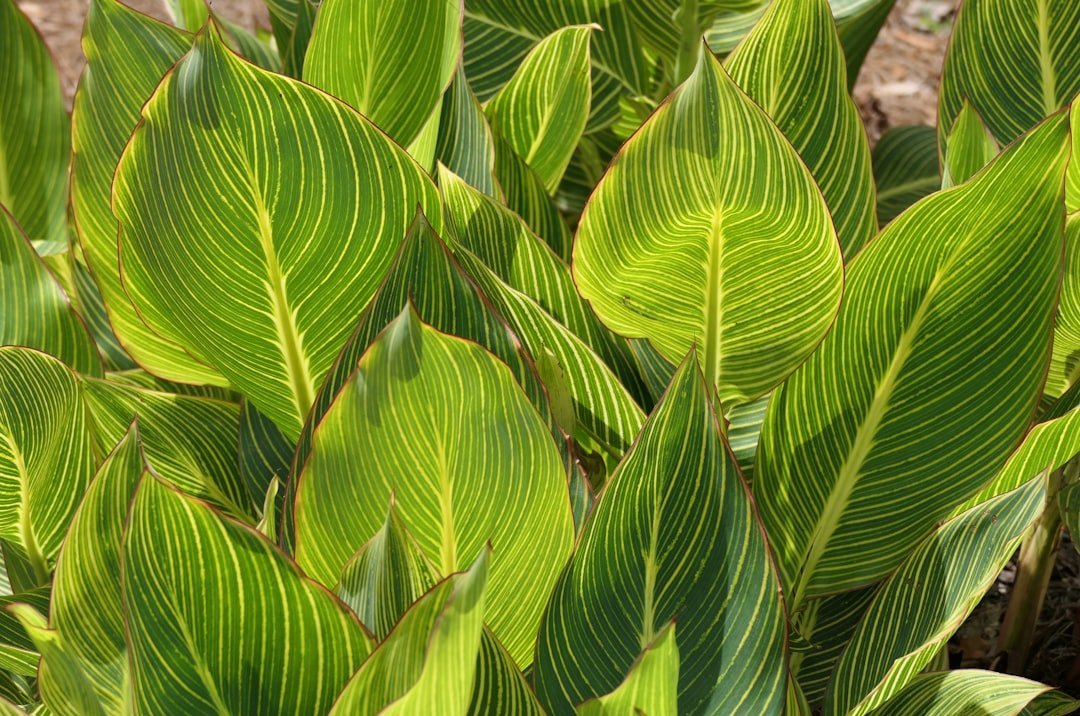
Hostas deliver bold, textured foliage in shades from deep green to variegated blues and golds, forming lush mounds that dominate shady beds. Fragrant lavender or white flowers spike up in summer, but it’s the leaves that steal the show, creating a tropical vibe under trees. These perennials thrive in deep shade, where their thick leaves resist scorching and slugs find less appeal.[1]
Plant in rich, moist, well-drained soil in zones 3-9, keeping soil consistently damp but not soggy. Divide clumps every few years in spring to rejuvenate, and mulch to retain moisture. Honestly, they’re low-fuss workhorses that brighten even the darkest nooks without demanding much in return.[2]
Astilbe
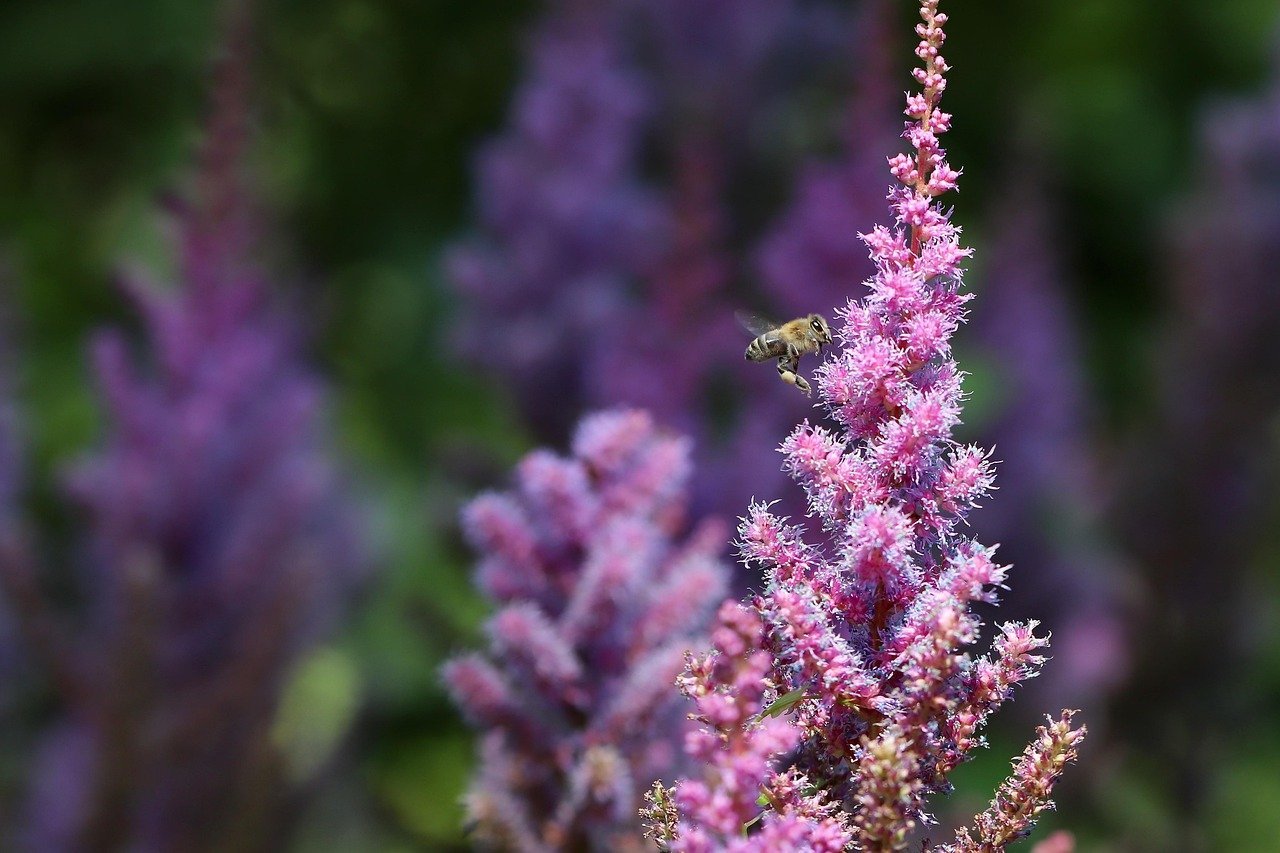
Astilbe bursts forth with feathery plumes in pink, red, white, or violet, hovering above fern-like greenery for a whimsical woodland effect. These perennials add height and movement to shaded borders, especially after spring stars fade. They excel in partial shade, where moist conditions keep the plumes perky and vibrant.[1]
Favor rich, moist soil in zones 4-8, with steady water to prevent wilting. Minimal pruning needed; just cut back spent flowers. Here’s the thing: their drought intolerance makes them ideal for consistently damp shade, turning soggy spots into feather-topped spectacles.
Heuchera (Coral Bells)
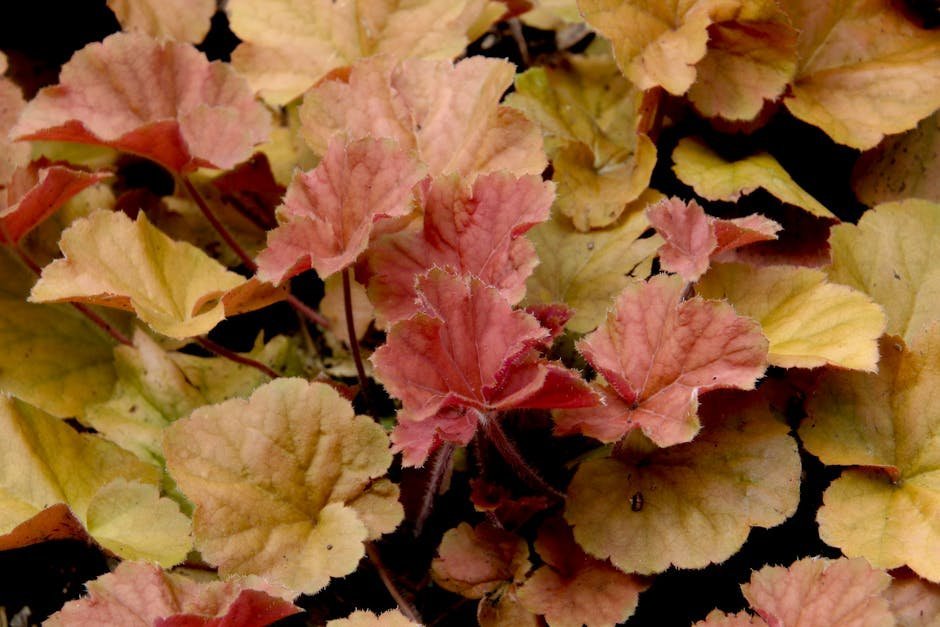
Coral bells boast ruffled foliage in electric lime, burgundy, or silver, topped occasionally by airy pink or white spikes. The leaves provide year-round punch, glowing against green shade companions. Shade tolerance lets colors pop without bleaching, making them edging stars.[1]
Grow in well-drained, humus-rich soil in zones 4-9, with moderate water. Divide every three years if crowded. I think their versatility shines in containers or borders, effortlessly lighting up low-light zones.
Bleeding Heart
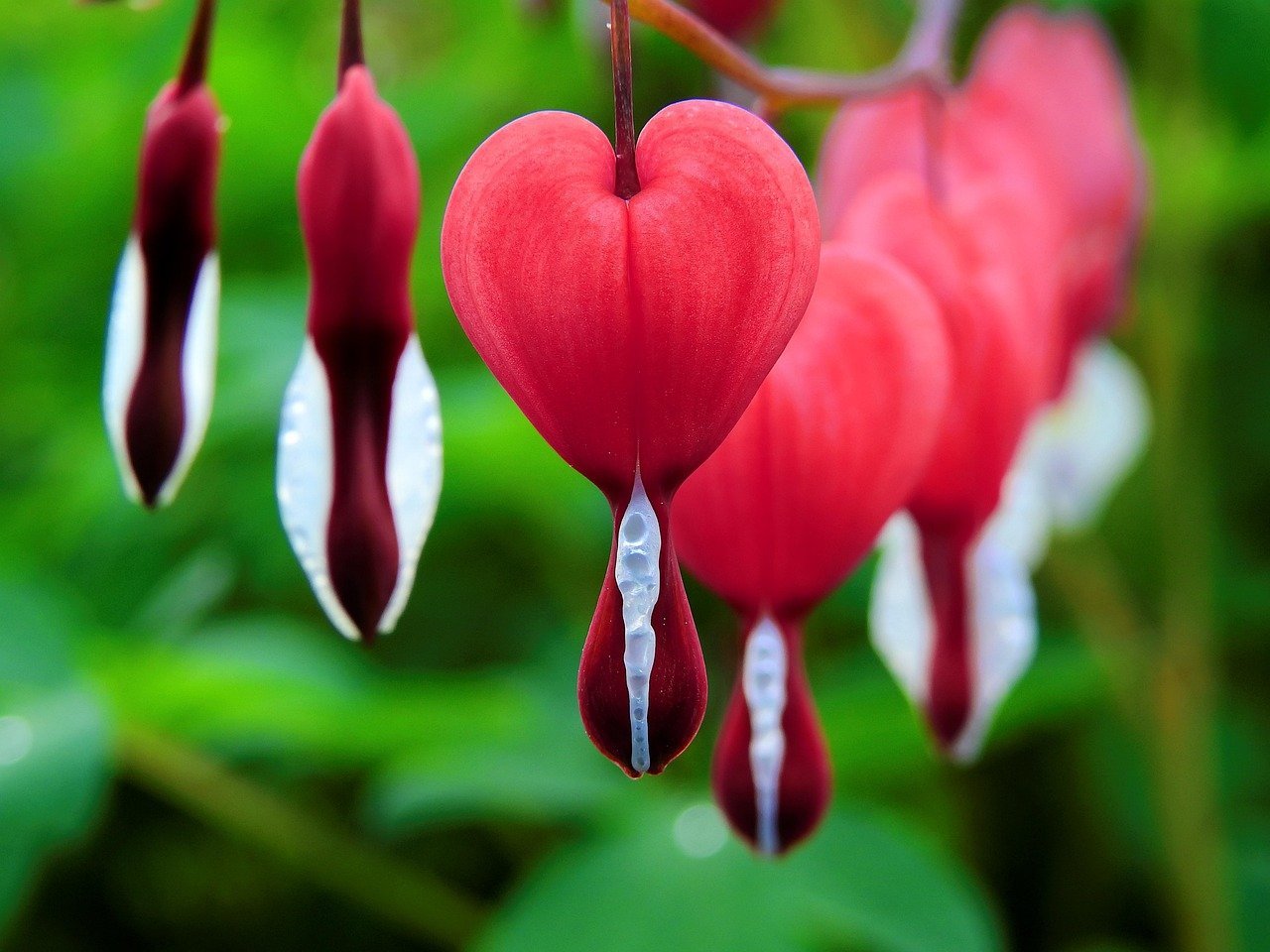
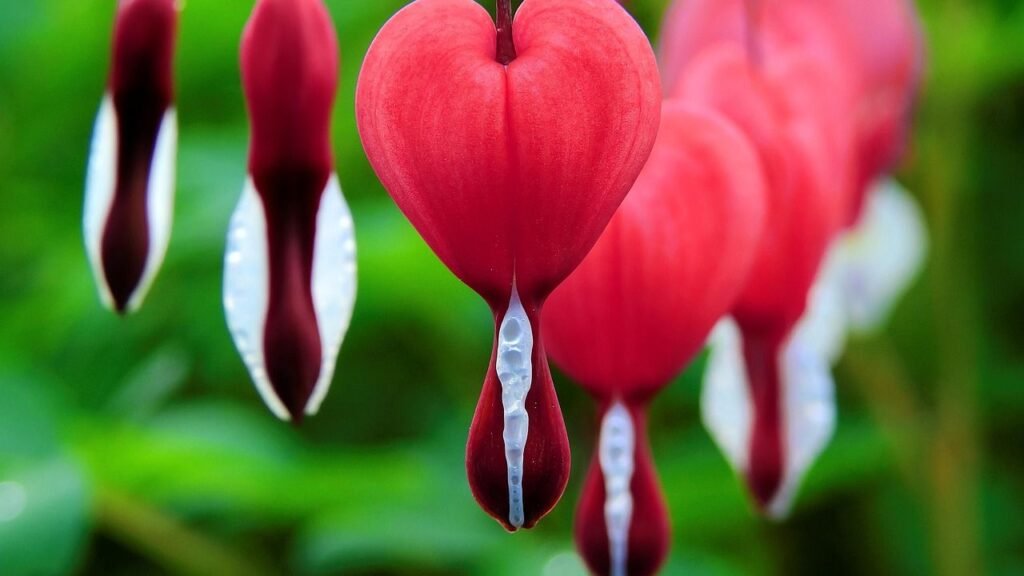
Bleeding hearts dangle heart-shaped pink or white blooms from arching stems, evoking old-fashioned charm in spring. Ferny foliage frames the show before going dormant in heat. Partial shade keeps flowers prolific and stems graceful.[1]
They demand rich, moist soil in zones 3-9; pair with hostas to mask yellowing leaves. Little maintenance beyond watering. These classics transform fleeting shade moments into romantic displays.
Zones 3 to 9 suit most, with medium moisture.
Japanese Painted Fern

Japanese painted ferns unfurl silvery fronds with maroon veins, adding ethereal texture to dim gardens. Growing 12-18 inches tall, they form soft colonies without aggression. Full shade prevents scorching, preserving their painterly hues.[2]
Moist, humus-laden soil in zones 4-8 keeps them happy; prune old fronds in spring. Slow-growing, they’re set-it-and-forget-it gems. Like whispers of silver in the green gloom, they elevate any shady path.
Impatiens
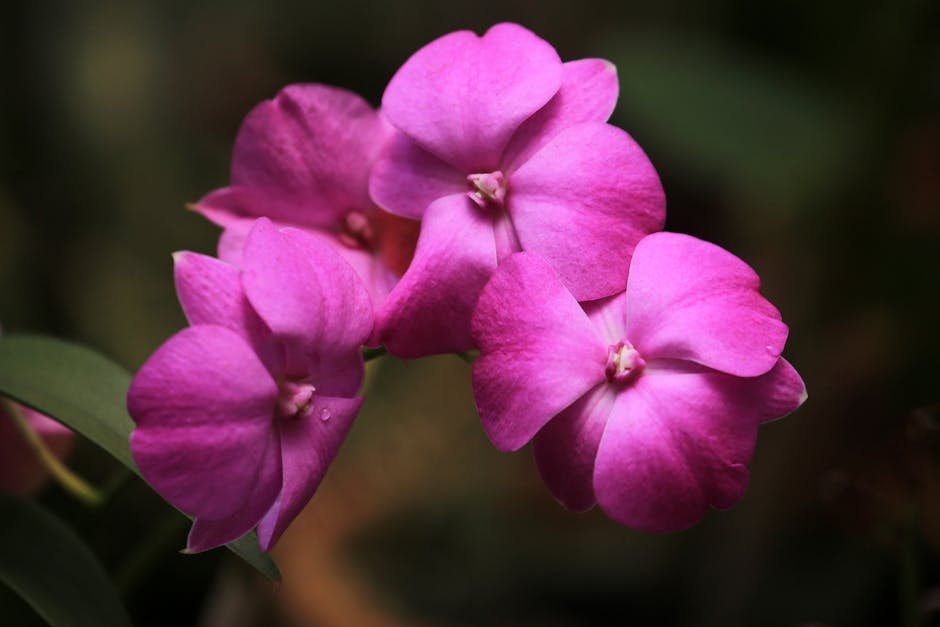
Impatiens explode in pinks, reds, and whites, forming colorful mounds for nonstop summer cheer. New Guinea varieties offer larger blooms and bolder leaves. Full shade fuels endless flowering without legginess.[2]
Rich, moist soil suits these annuals in zones 10-11, or treat as such elsewhere. Pinch for bushiness; disease-resistant types abound now. They’re the quick-fix fireworks for bare shade beds.
Begonias
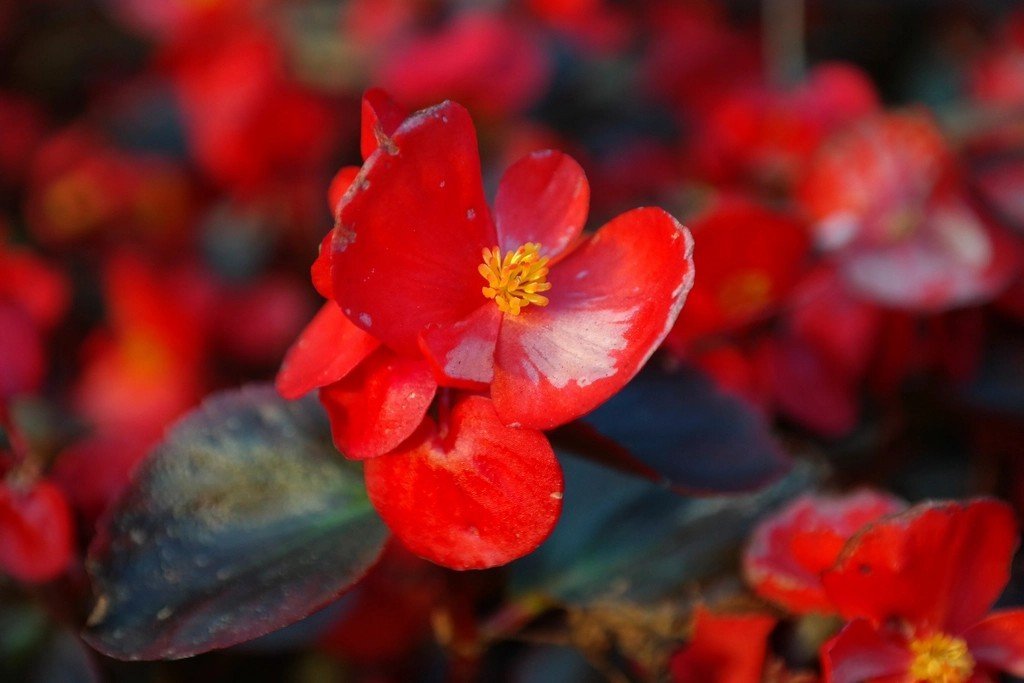
Wax begonias mound with waxy bronze or green leaves and clusters of tiny roses, while tuberous types flaunt huge neon blooms. Versatile for beds or pots, they glow in dappled light. Shade curbs leaf scorch, prolonging the display.[2]
Moist, well-drained soil in zones 9-11; fertilize regularly for blooms. Annual elsewhere, dig tubers for overwintering. Let’s be real, their reliability makes shady patios pop effortlessly.
Brunnera
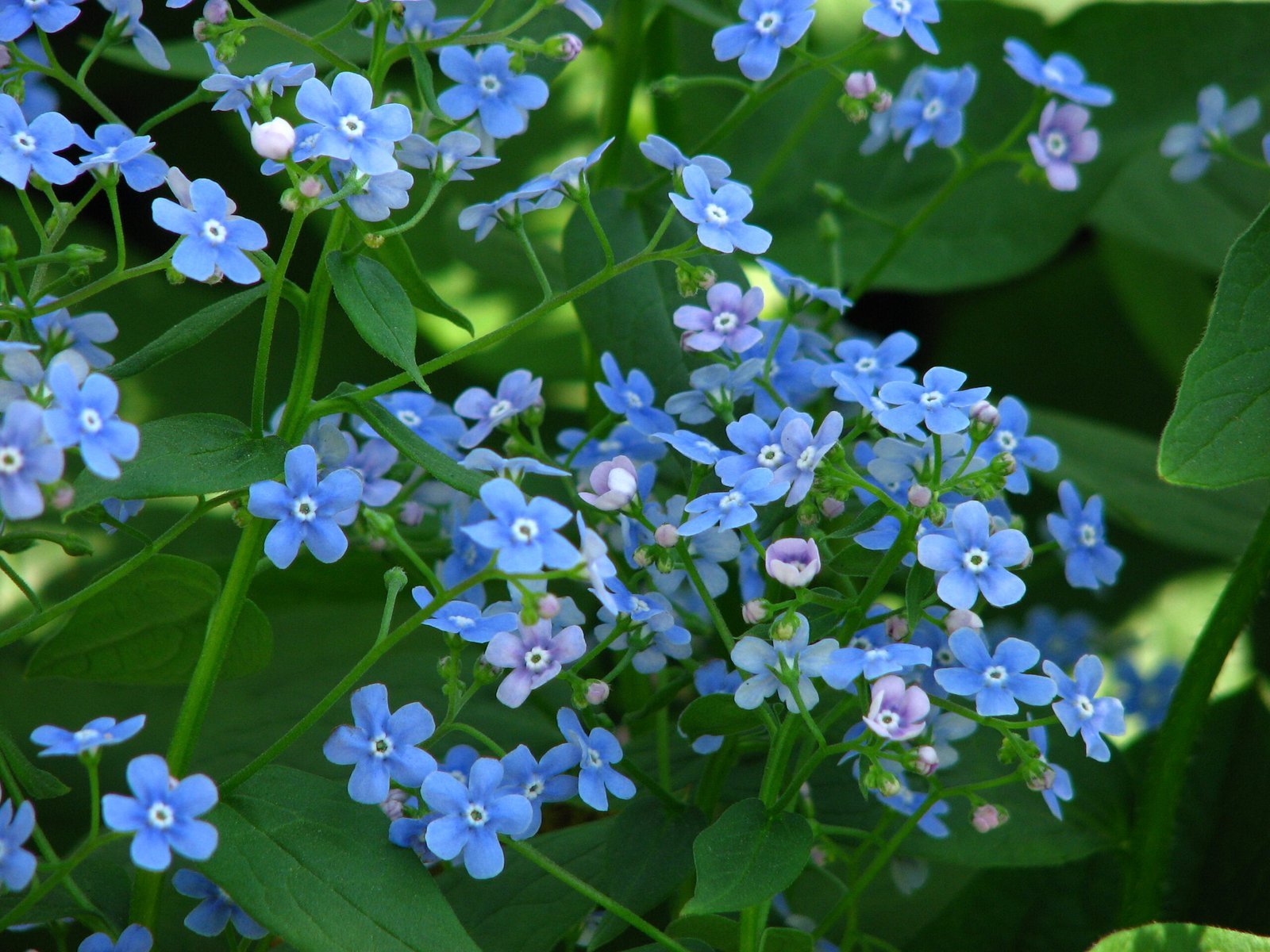
Brunnera sports heart-shaped leaves and forget-me-not blue sprays in spring, mimicking woodland natives. ‘Jack of Diamonds’ upsizes leaves for drama. Full shade preserves delicate color.[3]
Consistent moisture in rich soil, zones 3-7. Low care; deer shy away. It feels like stumbling on a hidden spring blue patch.
Lamium (Deadnettle)
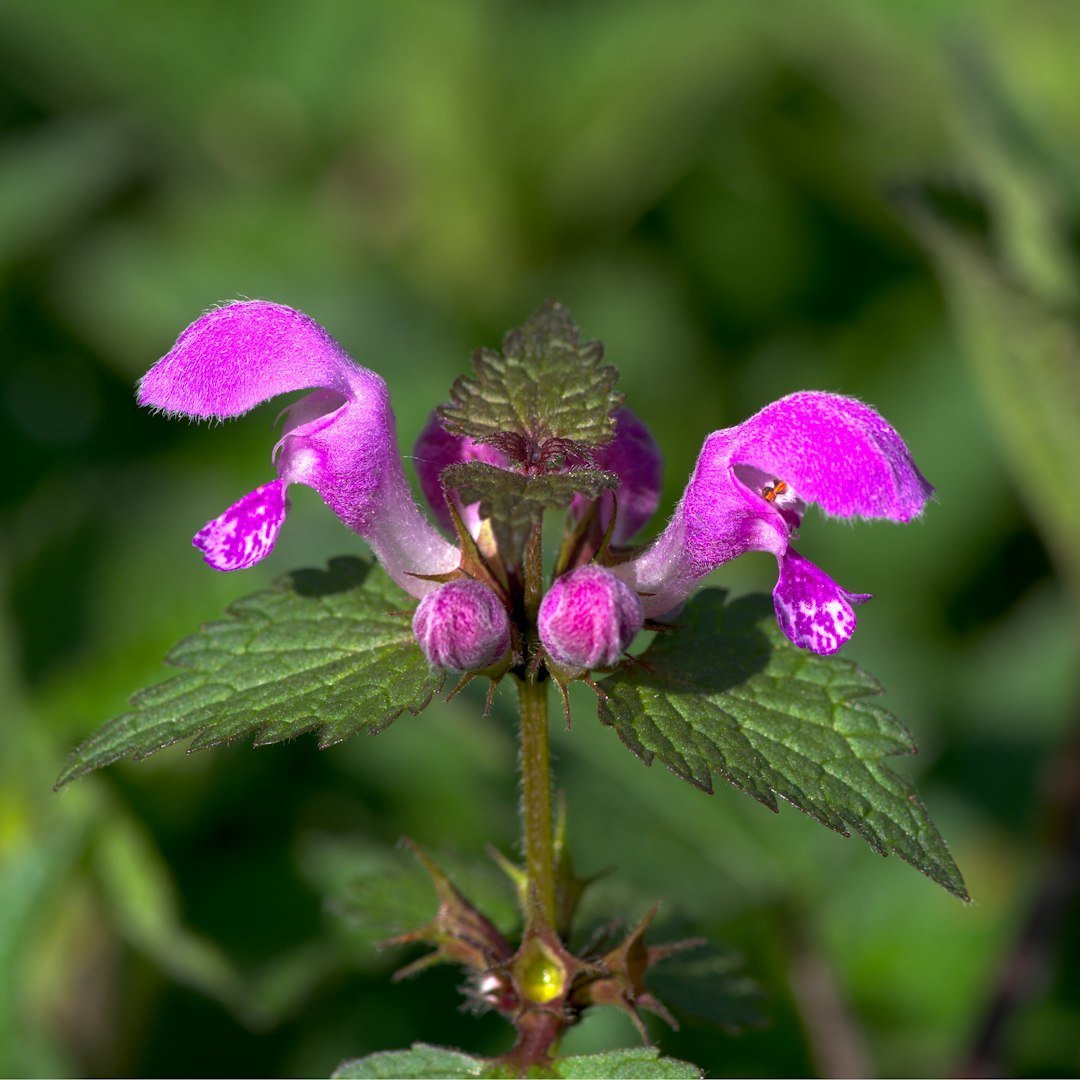
Lamium spreads silver-variegated leaves with pink, lavender, or white blooms, as a tidy groundcover. Quick to fill gaps under trees. Dry shade tolerance impresses.[1]
Any well-drained soil in zones 4-8; shear after bloom. Non-invasive spreader. Punchy contrast for monotonous shade floors.
Hellebores
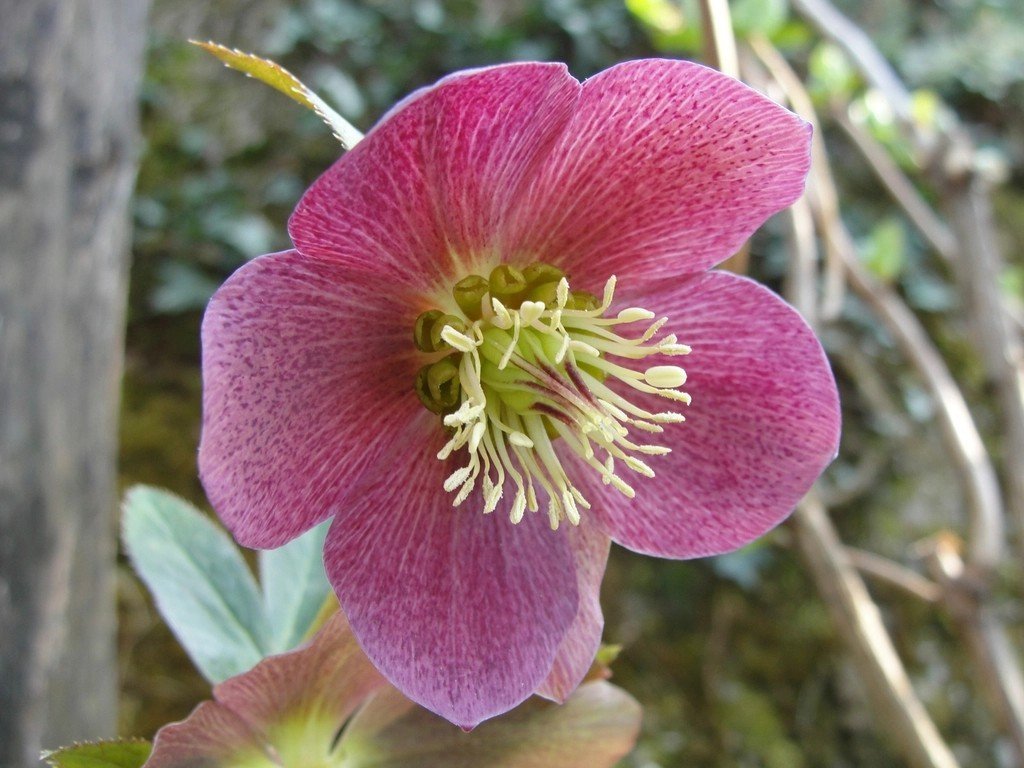
Hellebores nod cup-shaped blooms in winter pinks, whites, or purples above leathery evergreens. Early color defies dormancy. Partial shade suits their woodland roots.[1]
Well-drained, fertile soil zones 4-9; remove old leaves pre-bloom. Deer-resistant toughness. Shocking winter jewels in bare shade.
Foamflower (Tiarella)
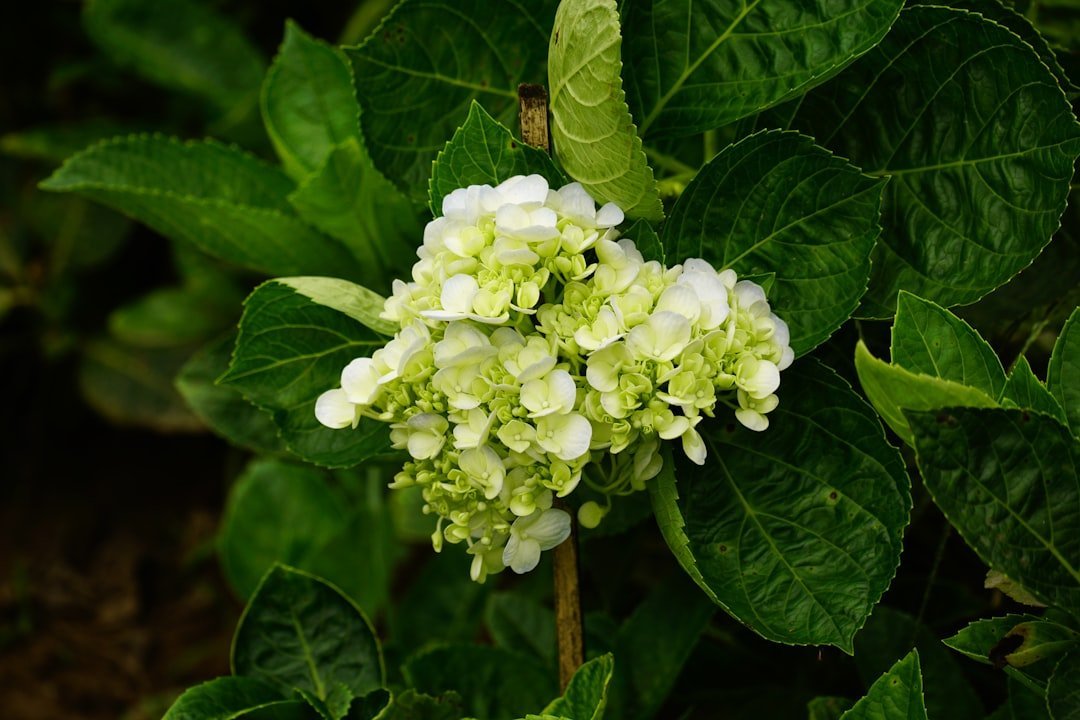
Foamflowers froth starry white spikes over maple-like leaves, ideal low groundcover. Burgundy veins add intrigue. Deep shade boosts foaminess.[1]
Moist, organic soil zones 3-9. Self-spreads gently. Delicate yet tough for textured understories.
Coleus
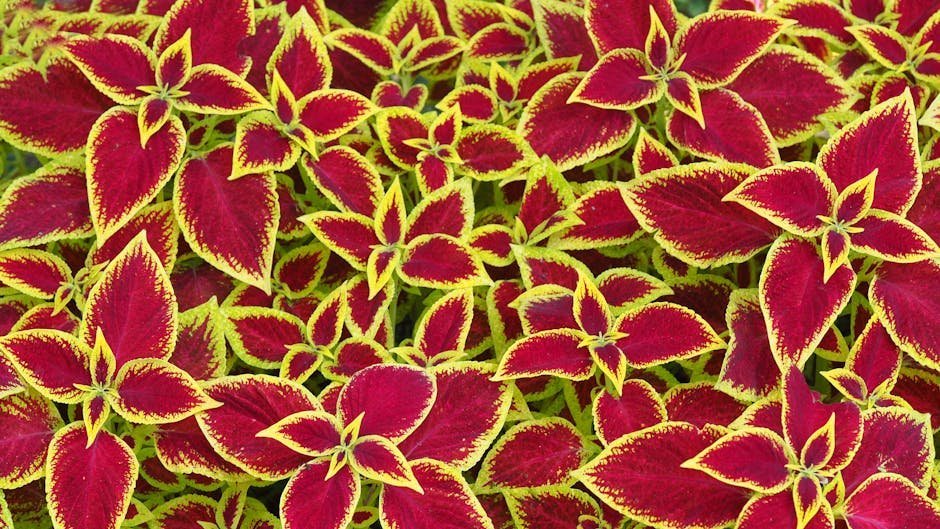
Coleus dazzles with painted leaves in wild patterns, from lime to maroon. Foliage-only focus suits shade. Bold accents without flowers.[1]
Rich, moist soil; annual in most zones. Pinch tips for fullness. Crazy vibrant in forgotten corners.
Bring Your Shade Garden to Life
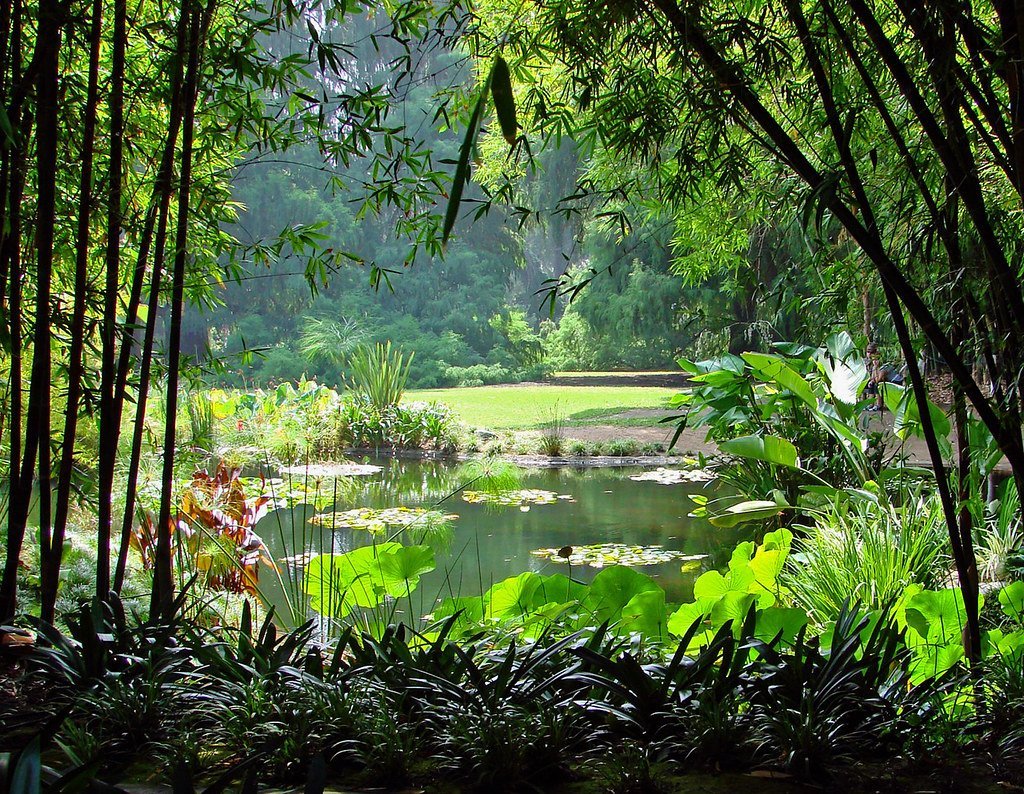
These twelve plants prove shade need not spell boredom; layer them for texture, color waves, and year-round interest. Experiment with combinations, tweaking for your soil and climate. Your garden’s dimmest spots await transformation into lush retreats.
What shade challenger will you tackle first? Drop your plans in the comments – we’d love to hear.
CEO-Co-Founder
