

For any feedback please reach out to info@festivalinside.com
- 12 Iconic Musicians Who Vanished From the Spotlight – And Where They Are Now - March 24, 2026
- 8 Music Festivals From the Past That Defined a Generation - March 24, 2026
- Billboard’s Top 10 Greatest Pop Stars of the 21st Century - March 24, 2026
Winning an Olympic medal is supposed to be the pinnacle of an athlete’s career. Years of sacrifice, early mornings, grueling training, and everything in between – all of it funneled into a few brief moments on the world’s biggest stage. Yet for some, that moment of glory doesn’t last. Sometimes it unravels quietly. Other times it explodes in international scandal.
The vast majority of stripped Olympic medals, well over ninety percent, are the result of doping infractions. These violations are often discovered well after the fact, and can result in the stripping of medals many years after they were originally awarded. Drug testing began in 1968, however it was rare for athletes to be stripped of medals before the establishment of the World Anti-Doping Agency in 1999. This was not due to the absence of doping, but rather because the doping and concealment techniques were usually more advanced than the testing methods. Honestly, the sheer scale of it is staggering. From sprinters to weightlifters, cyclists to gymnasts, no sport has been entirely immune. Let’s dive in.
1. Jim Thorpe – The First and Most Tragic Case
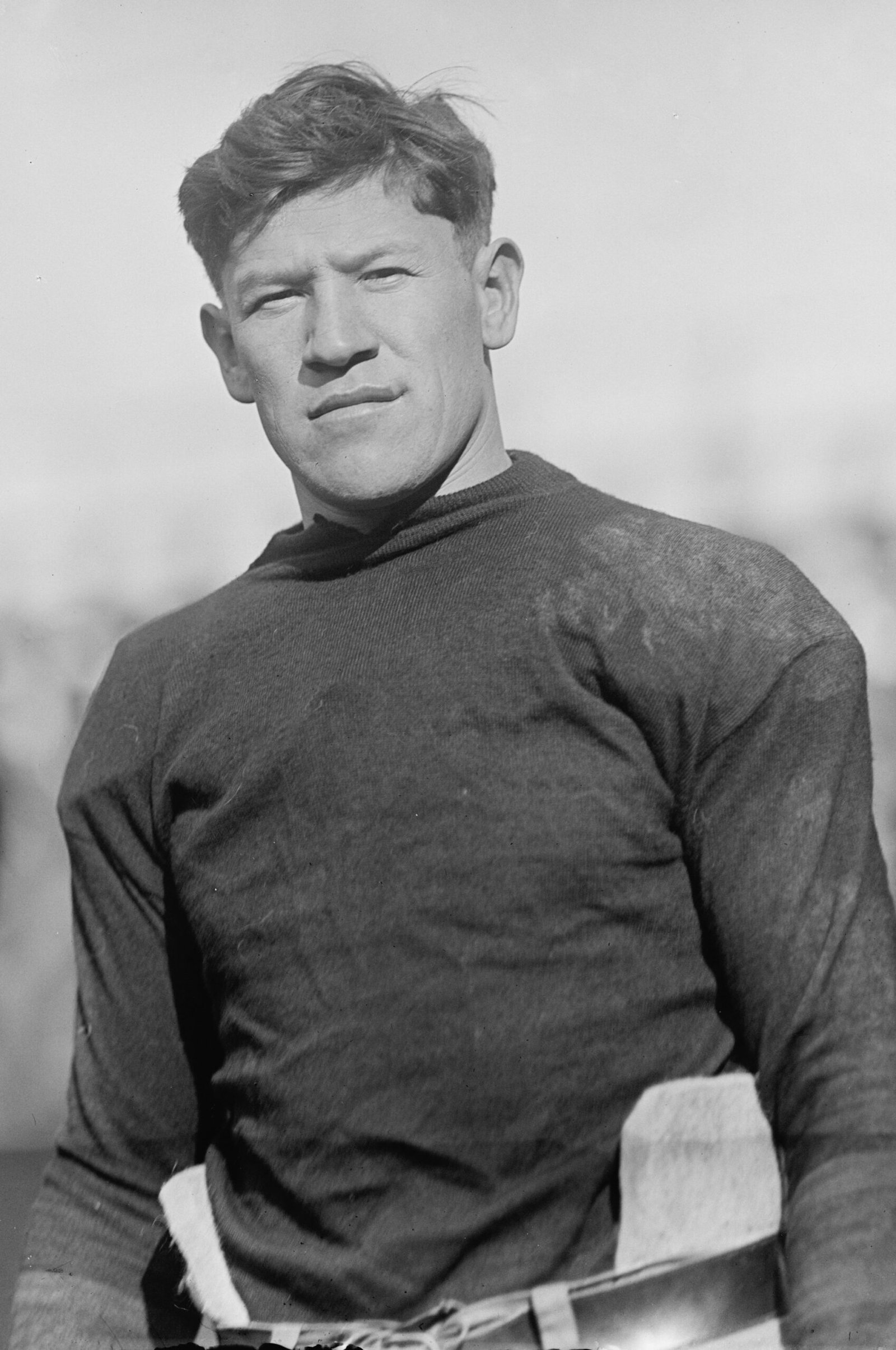
Jim Thorpe was known as one of the greatest athletes of his time and made history after becoming the first Native American to secure an Olympic gold medal for the United States during the 1912 Stockholm Olympics. He took gold in both the pentathlon and decathlon in 1912, but was stripped of these medals when it came to light that he had taken a semi-professional baseball contract in the past, earning just two dollars per game. Two dollars. Let that sink in.
The quick condemnation of Thorpe lacked due process, and his violations were not discovered until six months after the Olympics, well past the 60-day deadline for filing a letter of opposition according to the rules at the time. On July 15, 2022, the 110th anniversary of Thorpe’s decathlon gold medal, the IOC announced that it would reinstate Thorpe as the sole winner of the 1912 Olympic pentathlon and decathlon. Thorpe himself passed away in 1953, never seeing justice fully served. It remains one of the most haunting stories in Olympic history.
2. Ben Johnson – The Race That Shook the World

Probably the most infamous drug scandal in Olympic history involved Canadian sprinter Ben Johnson, marring one of the signature events of the Summer Games – the 100-meter dash. Johnson set a record time of 9.79 seconds when he won gold in the 100-metre sprint at the 1988 Summer Olympics. But just three days after the race, the Olympic Doping Control Center found that his urine sample contained the anabolic steroid stanozolol.
Johnson was disqualified, had his gold medal stripped away and his record time erased from history. An investigation revealed that Johnson’s coach, Charlie Francis, and a doctor were systematically providing steroids to Johnson, and Johnson later testified under oath that he had taken steroids throughout his training and career. In 1993, Johnson failed a second drug test, which turned up an elevated testosterone-to-epitestosterone ratio, and the International Amateur Athletic Federation banned him for life. The fall from grace was as spectacular as the race itself.
3. Marion Jones – Five Medals, One Devastating Confession

American sprinter Marion Jones was the golden girl at the 2000 Olympics in Sydney, where she became the first woman to win five track-and-field medals at a single Games. Allegations of steroid use had long followed Jones, and in 2003 she was implicated in a federal investigation involving illegal steroid distribution by a laboratory named BALCO. Jones denied the claims, but in 2007 she pleaded guilty to lying to federal investigators about her drug use and admitted to having taken steroids.
She pleaded guilty in the U.S. District Court for the Southern District of New York to making false statements in two separate cases, one being the investigation of the Bay Area Laboratory Co-operative and another being a check-counterfeiting scheme. Ultimately, Jones served six months in a federal prison. In the aftermath of her guilty plea, the International Olympic Committee officially stripped Jones of all her Olympic medals and records on December 12, 2007. It was a shocking fall for one of the most decorated female sprinters of her generation.
4. Lance Armstrong – Cycling’s Greatest Fraud

During the 2000 Sydney Olympics, Lance Armstrong snagged the bronze medal after he finished third in the men’s individual road cycling time trial. For years he was considered an untouchable icon of sport. His seven Tour de France titles from 1999 to 2005 were revoked in 2012 after years of suspicion culminated in the exposure of an elaborate, multifaceted doping scheme within Armstrong’s U.S. Postal Service team.
In light of that evidence, in 2013, the International Olympic Committee nullified the bronze medal Armstrong won for the men’s road time trial at the 2000 Summer Olympics in Sydney, Australia. Armstrong not only had his Olympic medal taken away but also his Tour de France titles and other accolades earned since 1998. The scale of his deception was staggering, and it permanently reshaped how the cycling world views the era he dominated.
5. Tyler Hamilton – Blood Doping and a Delayed Reckoning
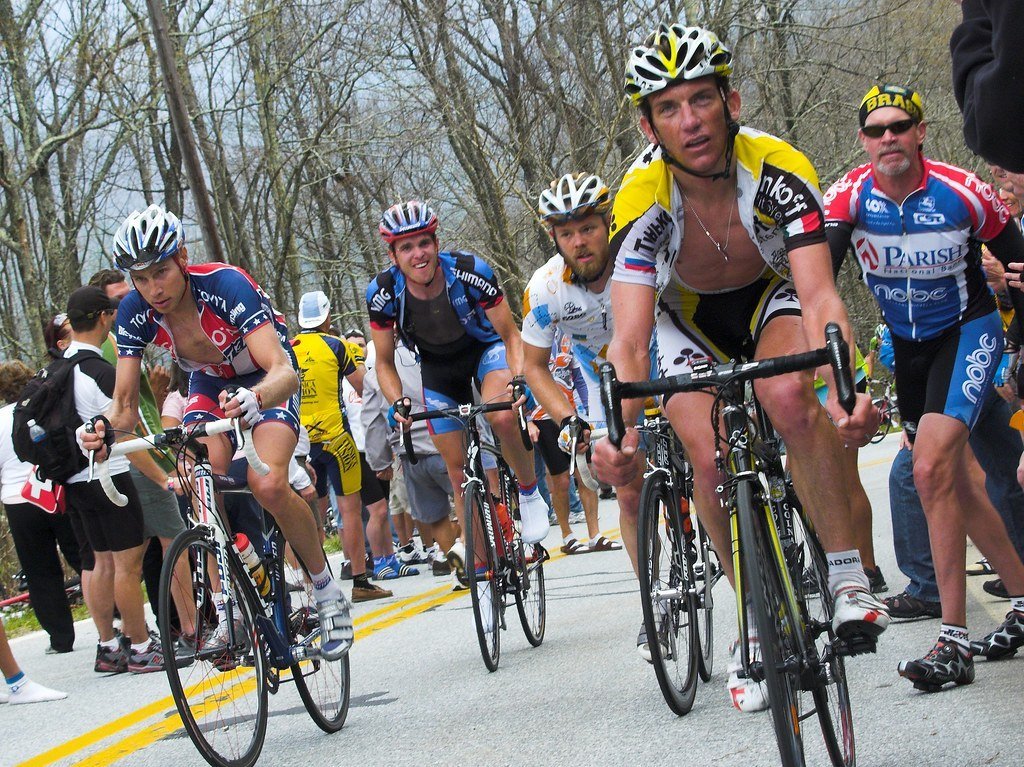
At the 2004 Summer Olympics in Athens, Hamilton won the gold medal in the men’s individual time trial. That medal was placed in doubt on September 20, 2004, after he failed a test for blood doping, specifically receiving blood transfusions to boost performance. Bizarrely, he was initially allowed to keep the medal because the backup sample had been accidentally frozen, making it impossible to test.
The International Olympic Committee formally stripped American former professional cyclist Tyler Hamilton of the 2004 Athens Olympics time trial gold medal, removing his name from the result sheet in reaction to his admission to doping during his career. After serving a two-year suspension, he returned to cycling but tested positive again for a banned substance in 2009 and was banned for eight years. When Hamilton finally did win that gold medal, he later admitted it didn’t feel remotely like it was supposed to. Sometimes the conscience speaks louder than any test.
6. Rick DeMont – The Swimmer Betrayed by His Own Medication
![6. Rick DeMont - The Swimmer Betrayed by His Own Medication ([1], Public domain)](https://festivaltopia.com/wp-content/uploads/2026/03/1774269788630_1774269779164_mike_burton_-28swimmer-29.jpeg)
DeMont originally won the gold medal in the 400m freestyle swimming at the 1972 Olympics, but the International Olympic Committee stripped him of his gold medal after his post-race urinalysis tested positive for traces of the banned substance ephedrine contained in his prescription asthma medication, Marax. This case is different from the others, and it still stings to this day.
DeMont had previously declared he was taking the medication on his medical forms, but the U.S. Olympic Committee had not cleared it with the IOC’s medical committee. DeMont was subsequently barred from competing in additional events at the 1972 games. The United States Olympic Committee recognized his gold medal performance in 2001, but only the IOC has the power to restore his medal, and it has, as of 2024, refused to do so. It remains one of the most unjust outcomes in Olympic history. The man declared his medication and was punished anyway.
7. Ben Johnson’s 1988 Race Co-Conspirators – The “Dirtiest Race” Field

The 100-meter event at the 1988 Seoul Games has been called the “dirtiest race” because of drug use by the competitors. While Johnson’s fall was the loudest, he was far from alone. A CBC radio documentary stated that 20 athletes tested positive for drugs but were cleared by the IOC at this 1988 Seoul Olympics. An IOC official noted that endocrine profiles done at those games indicated that 80 percent of the track and field athletes tested showed evidence of long-term steroid use, although not all were banned.
On 30 September 1989, following Johnson’s admission to steroid use between 1981 and 1988, the IAAF rescinded his world record from the 1987 World Championship Final and stripped Johnson of his World Championship gold medal, which was also awarded to Lewis, who initially finished second. The ripple effect from that one race in Seoul reshaped anti-doping policy for decades. It exposed a culture of cheating that had been hiding in plain sight.
8. Dong Fangxiao – The Age Deception
Dong Fangxiao competed in the 2000 Sydney Summer Olympics, where her gymnastics team won a bronze medal for China. However, it was later revealed that she was only 14 years old, which was considered underage to compete. Because of that, the team was later disqualified from the games. This is one of the cases where the violation had nothing to do with a substance in someone’s body.
The Chinese female gymnastic team was stripped of their bronze medal after one competitor was found to be underage, with Dong Fangxiao being just 13 years old according to some reports. The minimum age requirement exists for very good reason, both for competitive fairness and for athlete welfare. It’s hard to say for sure how widespread such deception was, but this case made officials look much more closely at age verification going forward. A young athlete bearing the consequences of a system that failed her is never easy to reckon with.
9. Antonio Pettigrew – Admitted Doping That Unraveled a Team
![9. Antonio Pettigrew - Admitted Doping That Unraveled a Team ([1], Public domain)](https://festivaltopia.com/wp-content/uploads/2026/03/1774269791186_1774269780385_us_olympic_4x400_m_team_men_1976.jpeg)
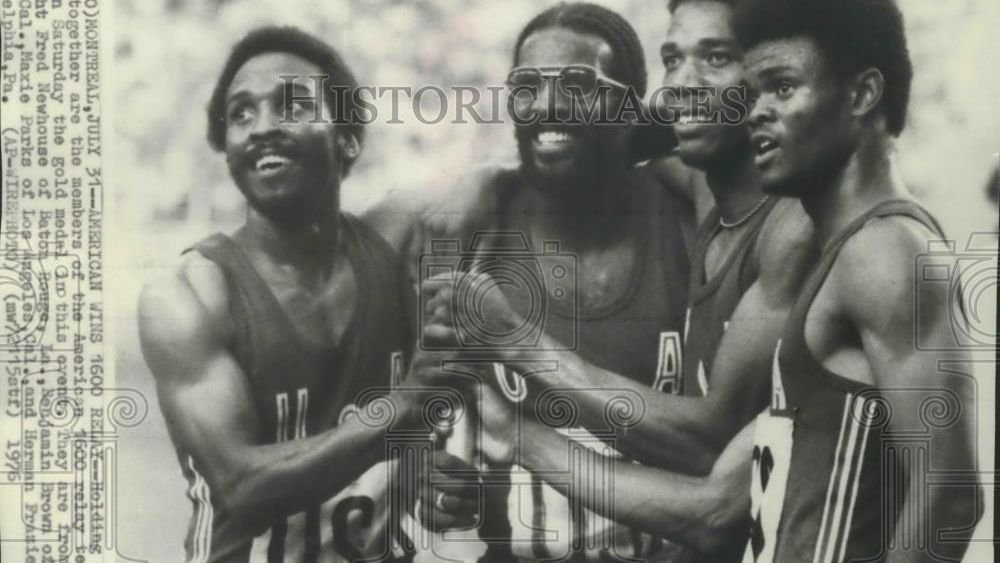
Gold medals for the 2000 Olympic men’s 4×400 metres relay were awarded to the U.S. squad of Jerome Young, Michael Johnson, Antonio Pettigrew, Angelo Taylor, Alvin Harrison, and Calvin Harrison. What followed was a legal and ethical roller coaster that dragged on for nearly a decade. Jerome Young committed a doping offense, so the entire team had their medals taken, but since he didn’t run with the rest of the team in the finals, they got them back.
Later in 2008, Antonio Pettigrew admitted to using performance-enhancers, so the entire team was disqualified again. Here’s the thing about relay teams in doping cases – the guilt of one person cascades into punishment for everyone. Pettigrew later died by suicide in 2010, a tragic and sobering conclusion to a deeply troubled chapter. The medals were never simply about performance; they were about truth, and the truth eventually came.
10. Nadezhda Ostapchuk – When the Coach Becomes the Problem

Nadezhda Ostapchuk is a shotputter from Belarus who competed in the 2012 London Summer Olympics. Her coach admitted to spiking her food with a banned substance because he thought it wouldn’t be in her system by the time of her drug tests. She won a gold medal but failed her drug test, resulting in her being disqualified from the Games, receiving a one-year ban, and her medals being stripped from both the 2012 and 2008 Games.
This case opens up one of the most uncomfortable questions in sports: what happens when the athlete isn’t the one making the decision to cheat? The rules are fairly clear that the presence of a banned substance in the body is the violation, regardless of how it got there. The 2008 Olympics in Beijing ended in disaster for the Belarusian Olympic team after six different athletes . In 2008 alone, Belarus lost one gold, two silver, and three bronze medals. The country’s doping culture stretched far beyond any single athlete.
11. Kim Jong-su – The Shooting Scandal at Beijing 2008
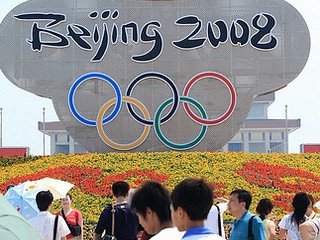
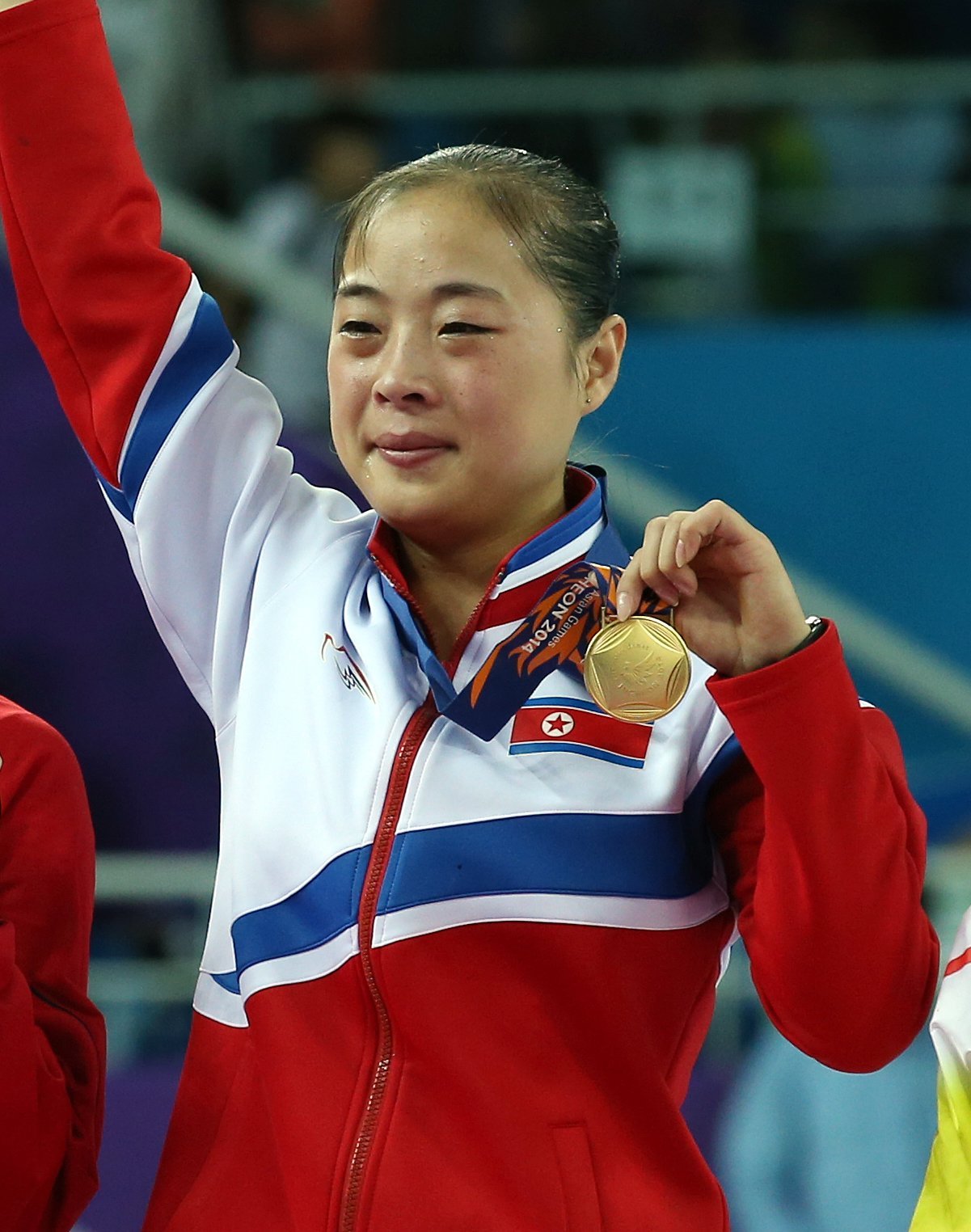
One of only 59 medalists from North Korea in the history of the Olympic Games, Kim Jong-su had both his bronze and silver medals stripped from him in the shooting events of the 2008 Beijing Olympics. It was found that Jong-su had propranolol in his system, which is a beta blocker designed to reduce trembling. In shooting sports, the slightest shake of a hand can mean the difference between gold and nothing. So the temptation to use a drug that reduces trembling is deeply understandable, even if it remains completely against the rules.
Propranolol is prescribed to treat heart conditions and anxiety, but in the world of precision sports like archery and shooting, it functions as a performance enhancer in the most direct sense possible. The International Olympic Committee is the governing body of the Olympic Games and, as such, can rule athletes to have violated regulations of the Games, for which athletes’ Olympic medals can be stripped. North Korea’s rare Olympic moment turned into an embarrassment on the international stage, and Kim Jong-su departed Beijing with nothing.
12. Ara Abrahamian – Protest on the Podium
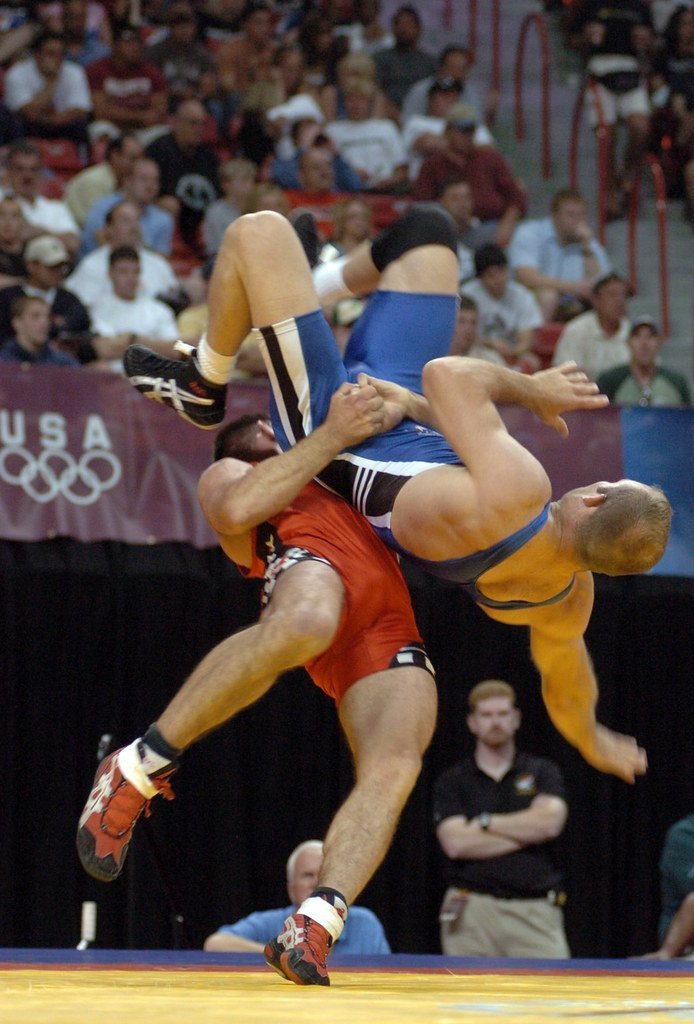
Ara Abrahamian is an Armenian-Swedish wrestler who competed in the 2008 Beijing Summer Olympics. After disputing the judge’s ruling during a semi-final match, he won a bronze medal but took it off during the ceremony, placed it on the mat, and left. The International Olympic Committee then stripped him of the medal and banned him for life. This is one of the most unusual cases on this entire list, because no drug was involved. Just raw, public defiance.
The International Olympic Committee ruled that Abrahamian’s actions violated the spirit of fair play and were described as a political demonstration. You can sympathize with an athlete who genuinely believes he was wronged by officials. The frustration is understandable. Still, the Olympic podium is not a protest stage, and the IOC made that abundantly clear. The ban-for-life penalty, however, struck many observers as disproportionate, and Abrahamian’s case sparked real debate about how far an athlete’s right to expression extends in the Olympic arena.
Conclusion: The Price of Integrity
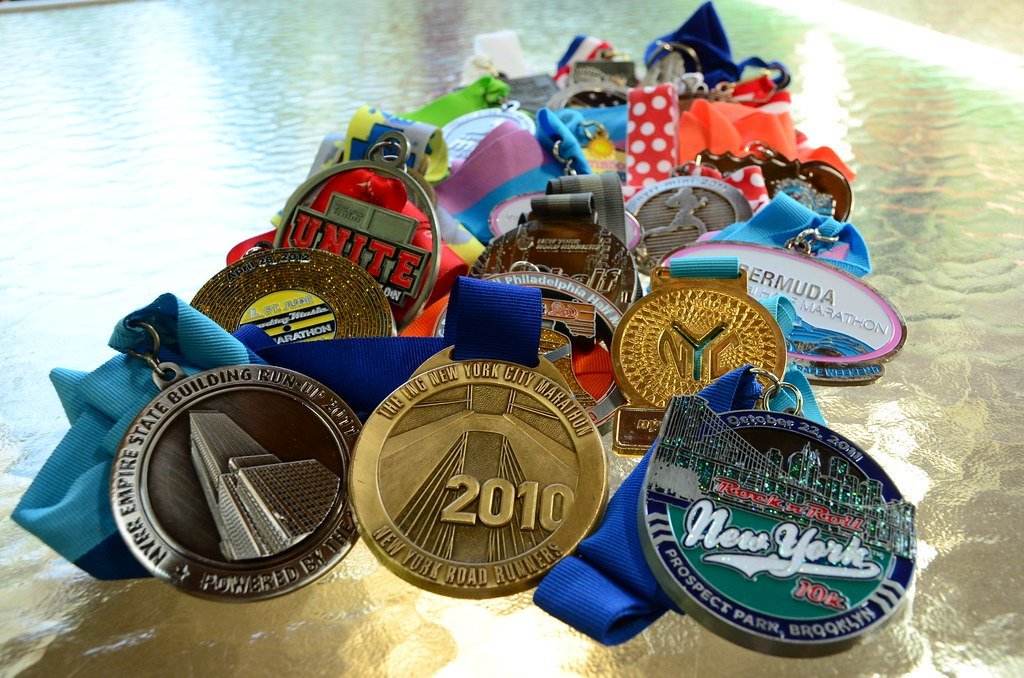
There is something deeply uncomfortable about watching a life’s work get taken away, whether it happens on a podium in real time or in a quiet administrative office years later. From November 1905 to November 2025, a total of 163 medals have been stripped, with the vast majority of these occurring since 2000 due to improved drug testing methods. That number alone tells a story about how far testing has advanced, and how much was happening in sports before the tools existed to detect it.
Using state-of-the-art testing techniques on athletes’ stored samples from Olympic Games dating back to Beijing 2008, cheaters are being found out with their medals going to clean athletes. Over 1,500 retested samples from Beijing and London 2012 have resulted in more than a hundred athletes sanctioned, with medals going to the real winners. The system is not perfect, and some cases remain genuinely tragic. Others are clear-cut examples of calculated fraud. The hardest part is that clean athletes spent years wondering why they came second – and many never received their medals on a podium at all.
Integrity in sport is not just a nice sentiment. It’s the entire point. Without it, the race means nothing, the medal is hollow, and the whole spectacle collapses. Every case on this list, no matter how complex, is ultimately a reminder of why the rules exist in the first place. What would you have done – competed clean and finished fourth, or made the podium under a shadow you’d carry forever?

Christian Wiedeck, all the way from Germany, loves music festivals, especially in the USA. His articles bring the excitement of these events to readers worldwide.
For any feedback please reach out to info@festivalinside.com
