

For any feedback please reach out to info@festivalinside.com
The music industry has always had a complicated relationship with age. It worships youth, packaging it, selling it, and discarding it the moment a wrinkle appears. Yet, history keeps delivering a beautiful contradiction: some of the most enduring and emotionally resonant musical careers didn’t explode until their creators had already lived through half a century of life. That changes everything about how we think of ambition, talent, and timing.
There’s something almost radical about the idea that a person can spend decades in obscurity, working odd jobs or grinding away in the background, and then suddenly emerge as a force that the world can’t ignore. Starting your music career later in life can bring unique advantages. With years of life experience under your belt, you bring depth and richness to your music that younger artists can only aspire to. Honestly, I think that’s the real secret these artists share. Let’s dive in.
1. Leonard Cohen – The Poet Who Found His Biggest Moment at 50
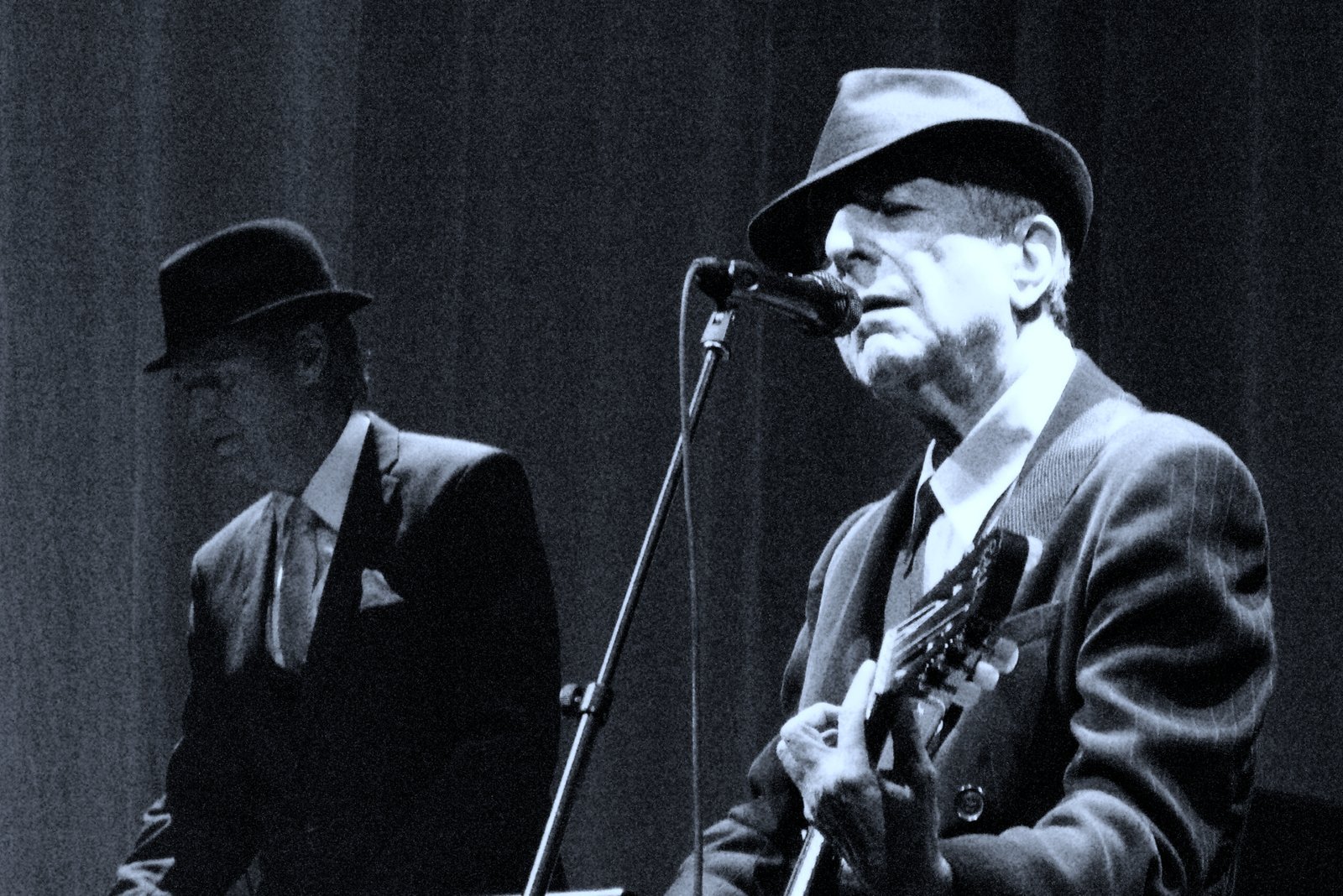
Leonard Cohen is one of those rare figures who existed in multiple artistic worlds before music finally became his home. Before becoming a legendary singer-songwriter, Cohen was a successful poet and novelist. He didn’t release his first album until he was 33 years old, but his introspective lyrics and deep, gravelly voice made him an instant icon. That alone is remarkable. Still, it wasn’t enough.
His story took an even more extraordinary turn when he was well into his fifties. It would not be until the age of 50 that he wrote and released his most famous song, “Hallelujah.” The tune, a triumph at the time, remains a beloved song in songwriting circles. To think that the song most associated with Cohen, the one covered by nearly every artist alive, came at the half-century mark is almost unbelievable. His music and writing have been hugely influential throughout the industry and his song “Hallelujah” has become one of the most performed songs, by almost 200 artists in many languages and is covered on a regular basis to date.
2. Charles Bradley – The Screaming Eagle Who Waited 62 Years
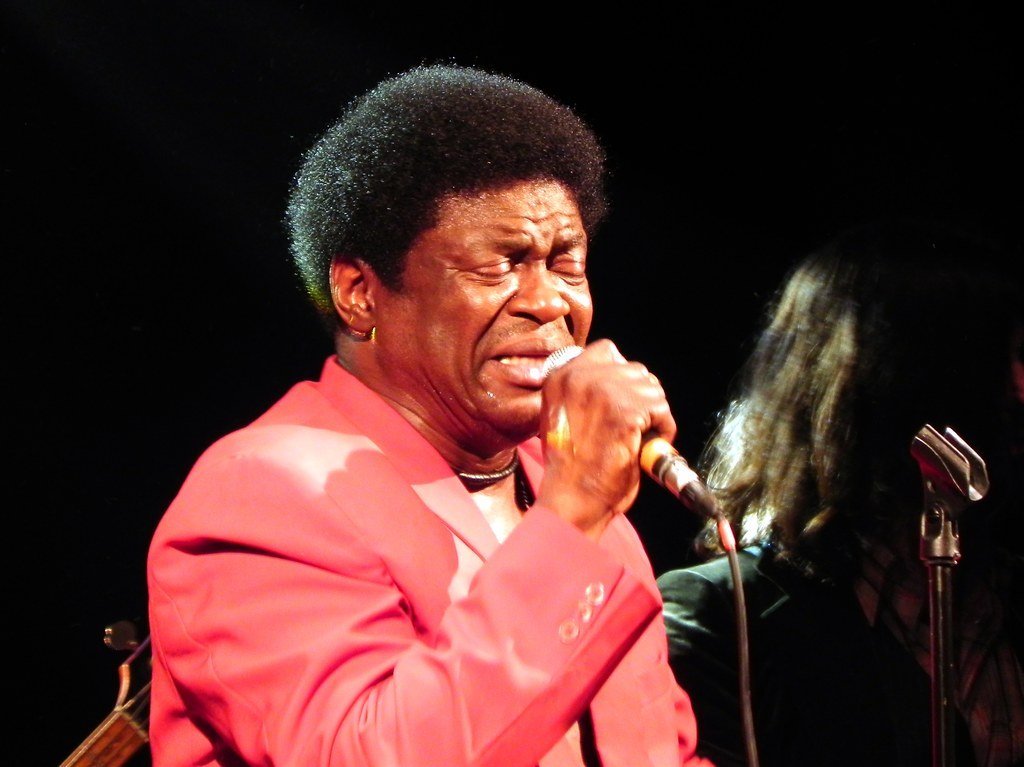
Few stories in music are as raw and deeply human as that of Charles Bradley. Known as the “Screaming Eagle of Soul,” Bradley didn’t release his first album until he was 62 years old. He spent most of his life working odd jobs and performing as a James Brown impersonator. Decades of hardship didn’t silence him. They fueled him.
He was discovered by Gabriel Roth, the co-founder of Daptone Records, while performing as a James Brown tribute artist under the name “Black Velvet.” Bradley’s debut album, “No Time for Dreaming,” was released in 2011. His breakthrough came with the release of that album, capturing the attention of global audiences and critics alike through his evocative performances. Bradley’s subsequent rise to recognition, further bolstered by albums like “Changes,” exemplifies how genuine talent and heartfelt expression can resonate widely, even when success arrives later than expected. Despite facing obstacles like poverty and homelessness, Bradley’s passion for music never wavered.
3. Susan Boyle – The Voice That Silenced a Room
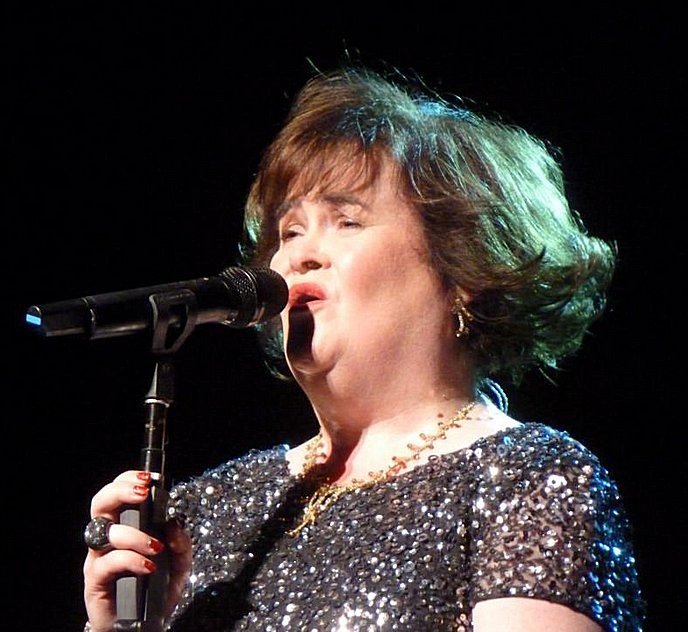
There are moments in pop culture that feel genuinely impossible to script. Susan Boyle’s audition on Britain’s Got Talent in 2009 is one of them. Boyle was 47 at the time of her audition, and her stunning performance of “I Dreamed a Dream” from Les Miserables quickly went viral, earning her millions of fans around the world. The contrast between the crowd’s skepticism and the power of her voice was the stuff of legend.
Boyle, the Scottish singer became an overnight sensation at age 47 after auditioning for “Britain’s Got Talent.” Before then, she had never performed professionally and had been caring for her elderly mother for years. That context makes everything about her rise even more staggering. Despite initially being dismissed by the judges and the media, Boyle went on to release multiple successful albums and is widely regarded as one of the most successful reality show contestants of all time. Let’s be real, nobody saw that coming. Nobody.
4. Louis Armstrong – The Legend Who Still Hit Number One at 63
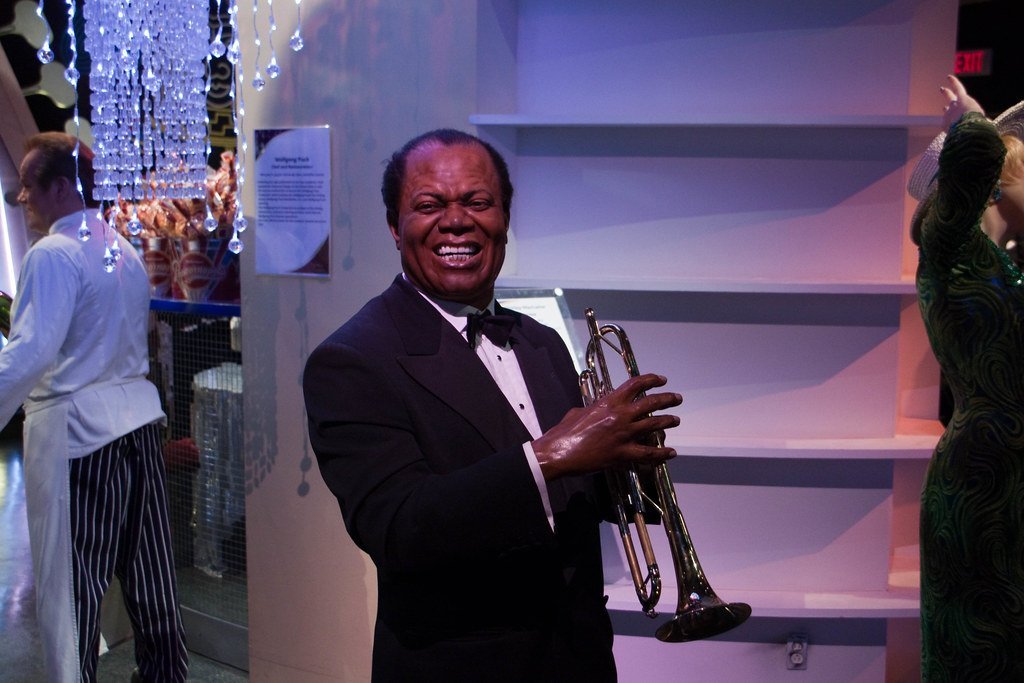
Louis Daniel Armstrong, nicknamed “Satchmo,” “Satch,” and “Pops,” was an American jazz and blues trumpeter and vocalist. Among the most influential figures in jazz, his career spanned five decades and several eras in the history of the genre. Yet even for a man of his stature, his greatest commercial moment arrived shockingly late.
In 1964, Armstrong knocked The Beatles off the top of the Billboard Hot 100 chart with “Hello, Dolly!,” which gave the 63-year-old performer a U.S. record as the oldest artist to have a number one song. Think about that for a second. The Beatles, at the absolute height of Beatlemania, and it was a 63-year-old jazz man who dethroned them. It also earned Armstrong his only Grammy Award for Best Male Vocal Performance. This newfound popularity introduced Armstrong to a new, younger audience, and he continued making both successful records and concert appearances for the rest of the decade.
5. Seasick Steve – The Hobo Bluesman Who Conquered Britain in His 50s
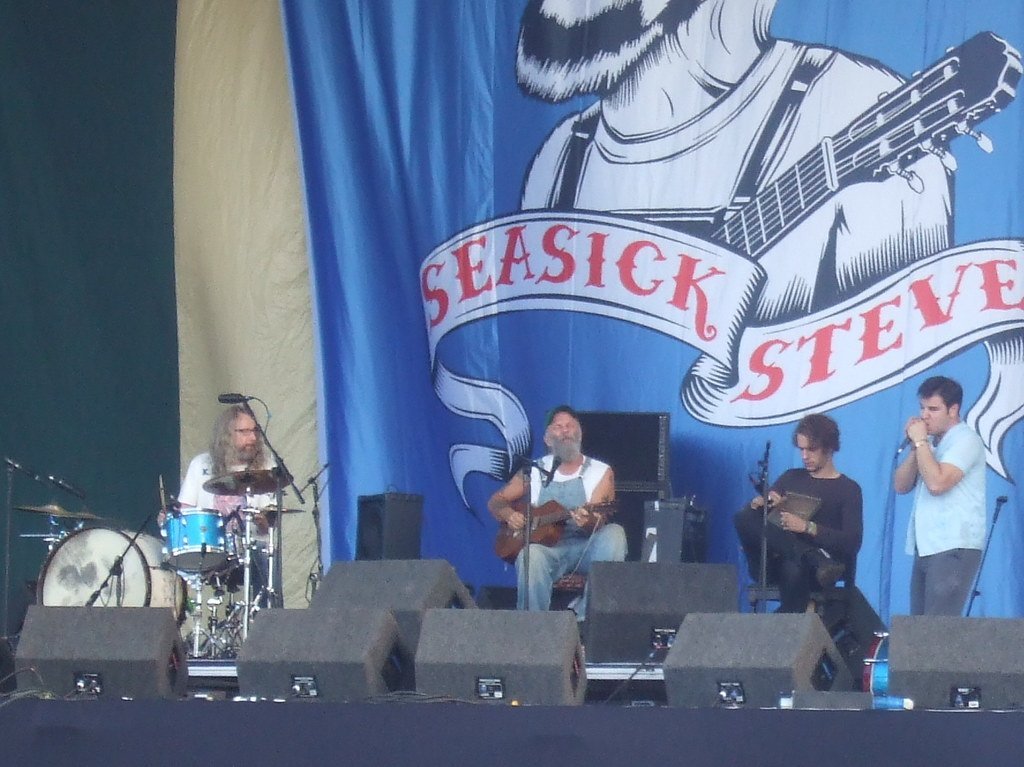
Imagine spending decades drifting, working as a session musician, a recording engineer, and a busker on the Paris metro, only to become a festival headliner in your mid-fifties. That’s Seasick Steve. Known professionally as Seasick Steve, he is an American blues musician renowned for his raw, roots-oriented performances that blend country blues, folk, and rock elements, often delivered with foot-stomping rhythms and accompanied by custom-built or improvised instruments like his signature three-string guitar, the “Trance Wonder.”
He achieved his breakthrough, initially in the UK, at the end of 2006 when he appeared on Jools Holland’s annual Hootenanny as Seasick Steve. He had performed in several bands, such as Shanti and Crystal Grass, and worked as a recording engineer and producer for artists like Modest Mouse and John Lee Hooker. That’s an extraordinary resume, all of it hidden in the background for most of his life. Steve has released over a dozen albums, and his music has been featured in films and TV shows. In 2011, Seasick Steve was awarded the MOJO magazine award for “Best Breakthrough Act.” His unconventional instruments, like a one-stringed guitar made from a hubcap, earned him a dedicated fanbase.
6. Sharon Jones – Soul Sister Who Got Her Grammy Nomination at 58
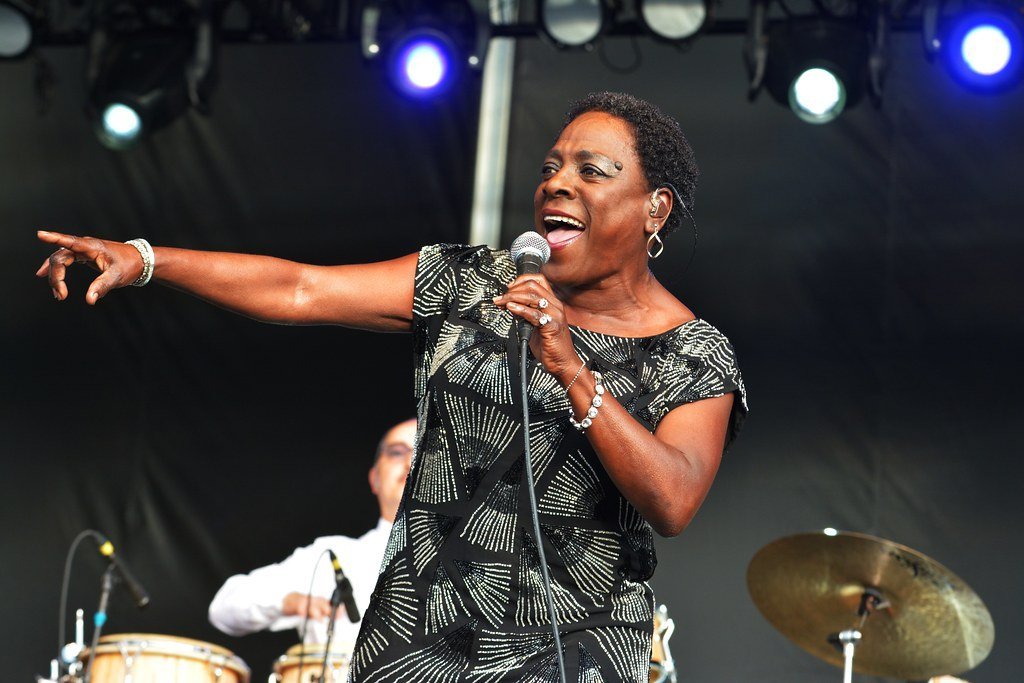
Sharon Jones spent years being told she was too old, too heavy, and too Black to make it in mainstream music. She ignored every word. Jones didn’t become a full-time musician until she was in her 40s. She worked as a corrections officer at Rikers Island prison and sang backup vocals for various artists before finally being discovered by Daptone Records.
She went on to front the popular funk and soul band Sharon Jones and The Dap-Kings until her death in 2016. Her dynamic voice and stage presence earned her the nickname “The Female James Brown.” Sharon gained a dedicated following and performed on stages around the world, including at major festivals like Coachella and Bonnaroo. Soul and funk singer Sharon Jones received her first Grammy nomination at 58 years old. Her band collaborated with Mark Ronson, served as a backing band on Amy Winehouse’s “Back to Black” album, and released eight of their own studio albums. She was a force of nature. Full stop.
7. Scatman John – Jazz Musician Turned Unlikely Pop Star
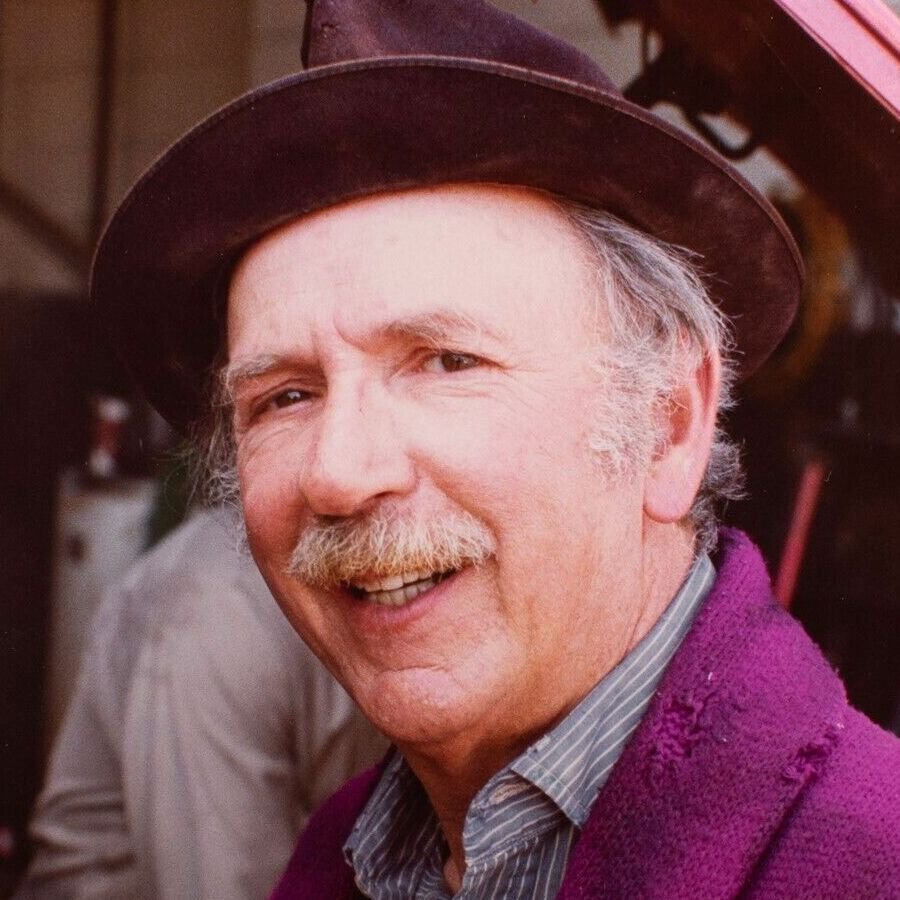
Here’s one people often forget. Scatman John had spent his entire adult life as a jazz musician, working clubs and surviving, not thriving. He had struggled with a severe stutter his whole life, something that made singing itself an act of genuine courage. Then, well into his fifties, everything shifted.
Scatman John turned to Europop in his 50s after a long jazz career. He became a hit in Japan with other songs, including some in their language. His 1994 single “Scatman (Ski-Ba-Bop-Ba-Dop-Bop)” became a massive international hit, reaching the top ten in over a dozen countries. It’s one of those stories that feels almost too cinematic, a man who overcame his stutter to become a beloved vocalist. He turned his greatest vulnerability into his most distinctive artistic signature.
8. Tuli Kupferberg – The Counterculture Poet Who Co-Founded The Fugs at 40+
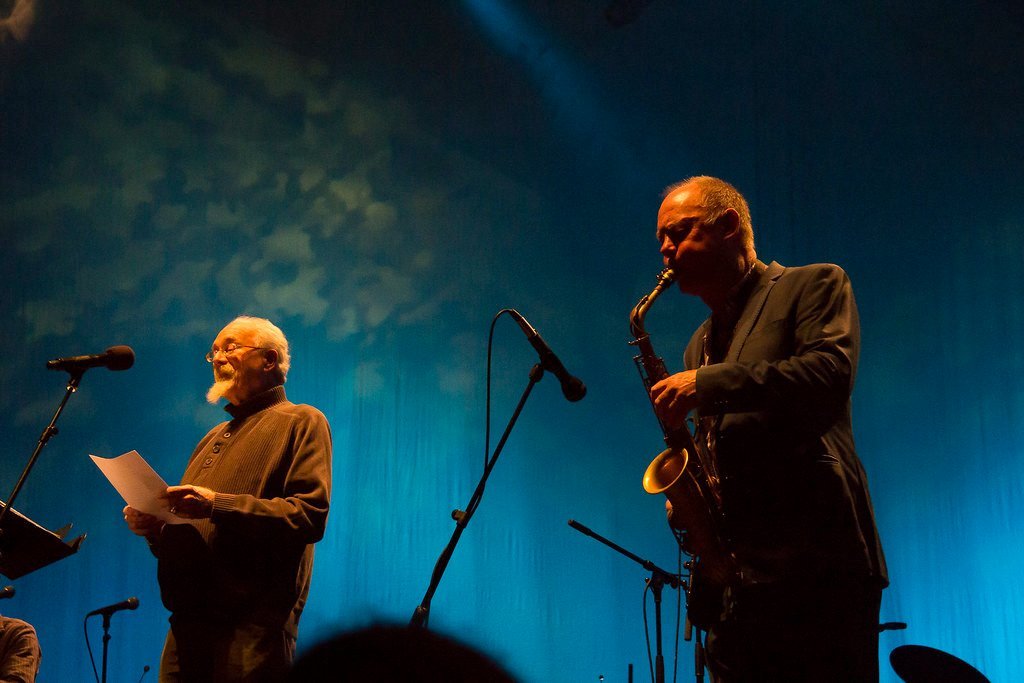
Tuli Kupferberg isn’t exactly a household name, but his story belongs in every conversation about late musical blooming. A poet and activist at heart, he pivoted into music at a point when most people are already considering it too late to start. At the age of 40, Tuli Kupferberg embarked on a remarkable journey by co-founding The Fugs, a band that would leave an indelible mark on the 1960s counterculture. This late start in his musical endeavours defied conventional timelines for success. The Fugs, known for their avant-garde style, seamlessly blended rock, folk, and spoken word poetry, which resonated with the era’s social upheaval.
Kupferberg’s lyrics often addressed controversial topics, aligning with the counterculture movement. Despite not achieving traditional commercial success, The Fugs gained significant notoriety through performances at art and music festivals, influencing the underground music scene. His legacy is one that proves you don’t need a number one hit to leave a permanent imprint. Sometimes influence is the ultimate success metric, and by that measure Kupferberg stands enormous.
9. Othar Turner – The Fife Player Who Recorded His Debut at 89

If Scatman John and Charles Bradley feel like extreme examples, Othar Turner makes them look like early birds. As one of the musicians who started late, Turner recorded his debut album, “Everybody Hollerin’ Goat,” at 89. His late start in music did not deter him from becoming an influential performance artist. His work emphasised the preservation of Mississippi Hill Country music, blending traditional African American folk with modern sounds.
His first album, “Everybody Hollerin’ Goat,” recorded later in life, introduced the music world to his unique fife and drum style, deeply rooted in the North Mississippi Hill Country tradition. I honestly find it difficult to wrap my head around this. Most people think of 89 as a time to rest. Turner was releasing debut records, performing at festivals, and building a new audience. Despite the late start, his hard work and dedication led to performances at various festivals, garnering recognition and acclaim. Turner’s journey underscores that age is not a barrier to artistic expression or success, inspiring others to pursue their passions, regardless of their years.
10. Little Jimmy Scott – Rediscovered at 64
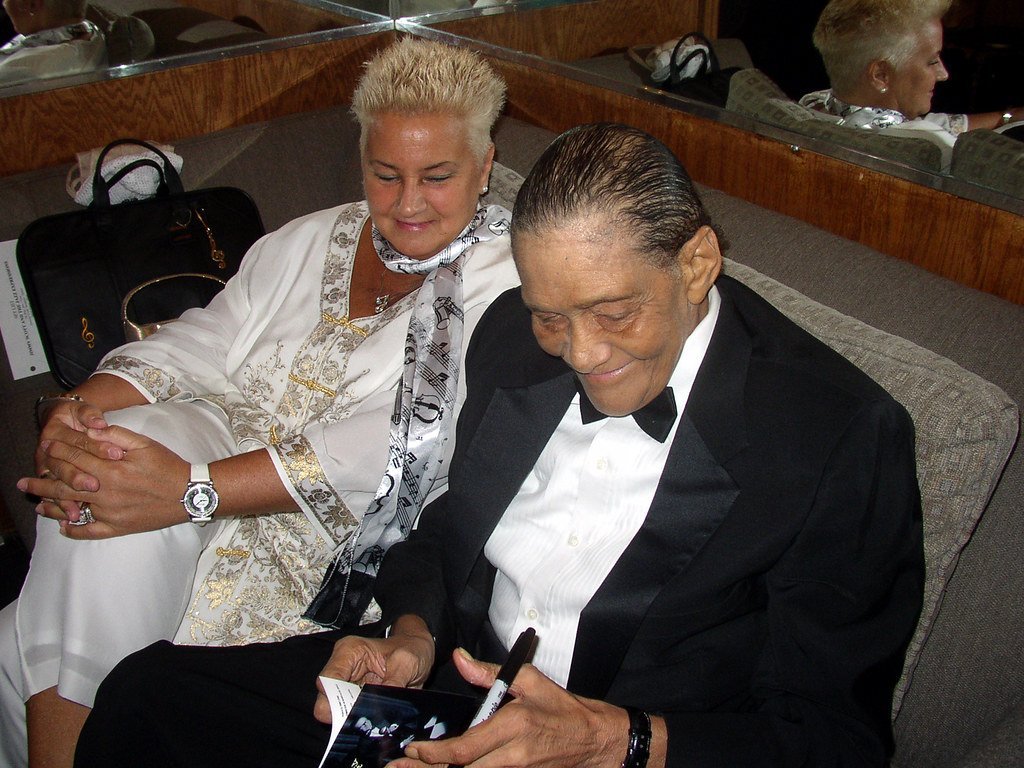
The music industry has a long and frustrating history of overlooking artists who don’t fit a certain mold. Little Jimmy Scott, known for his extraordinary falsetto, was ignored for decades. Then came one of the most moving comeback stories in jazz and soul history. Little Jimmy Scott’s extraordinary return to the limelight at age 64 serves as a compelling narrative of perseverance and rediscovery in the music world. Known for his distinctive falsetto and emotional delivery, Scott’s music career faced decades of obscurity before he was rediscovered.
This resurgence was marked by his feature in the 1996 film “The Last Waltz” and the critically acclaimed album “Holding Back the Years,” which captivated a new generation with its deep emotional resonance. His voice, decades in the making and seasoned by a lifetime of disappointment and hope, carried a weight that younger singers simply couldn’t replicate. Sometimes the world just isn’t ready for certain voices until the right moment arrives. Scott proved that patience, even forced patience, can eventually become its own kind of triumph.
11. Bonnie Raitt – Twenty Years Before Her Breakthrough
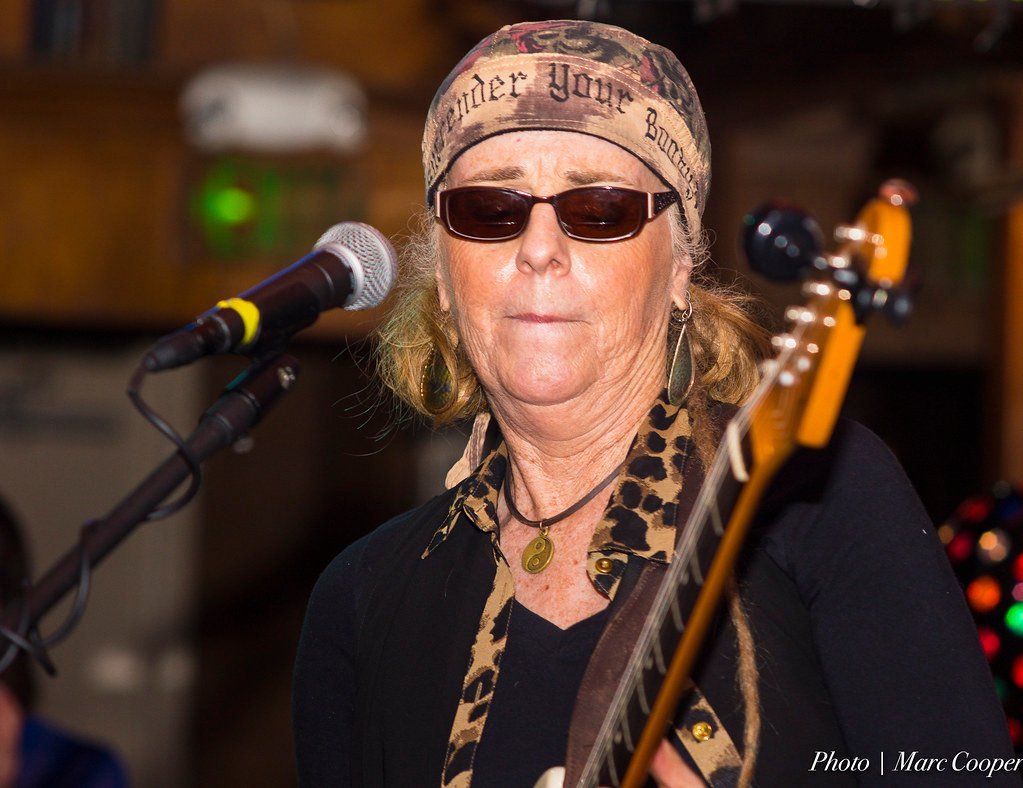
Here’s the thing about Bonnie Raitt: she was already good for twenty years before the world decided to pay proper attention. Bonnie Raitt had been making music for nearly 20 years before her breakthrough with her 10th album, “Nick of Time.” She was in her early 40s at the time of the record’s release and has since skyrocketed into legendary status. Two decades of effort before the turning point arrived. That’s a kind of persistence most people can’t even imagine sustaining.
What makes Raitt’s story particularly compelling is that she didn’t change herself to achieve success. She simply kept going until the world caught up with her. Bonnie Raitt played around Philadelphia for years before she released her first commercially successful album at age 40. Her “Nick of Time” won the Grammy for Album of the Year in 1990, and the recognition came like a flood after a very long drought. She is proof that perseverance isn’t just a cliche, it’s a genuine career strategy that, when paired with authentic talent, eventually demands to be noticed.
12. Seasick Steve’s Spiritual Twin: The Story of Late Bloomers in Blues
![12. Seasick Steve's Spiritual Twin: The Story of Late Bloomers in Blues (Môsieur J. [version 9.1], Flickr, CC BY 2.0)](https://festivaltopia.com/wp-content/uploads/2026/03/1774369406917_1774369395747_3996533484_d9f1ac0a76_b.jpeg)
It’s worth stepping back and recognizing a broader pattern in blues music specifically. There are 50-year-olds dusting off their guitar, reconnecting with their soul and deciding to finally pursue a career they can believe in. The blues has always been a genre where age adds credibility rather than eroding it. The genre almost demands lived experience in a way that pop music rarely does.
Perhaps the greatest benefit of starting your music career late in life is the joy and fulfilment it brings. There’s nothing quite like the thrill of creating something that moves people, and when you pursue your passion for music, you tap into a wellspring of creativity that can enrich every aspect of your life. Every artist on this list understood that on some level, whether consciously or not. They created because they had to, not because a label told them to. And that’s a distinction you can hear in every single note. These musicians’ stories serve as a powerful reminder that it’s never too late to pursue your musical dreams. Whether you’re in your twenties or your sixties, the journey of learning an instrument and making music is a rewarding one.
The Takeaway: Age Is the Wrong Metric
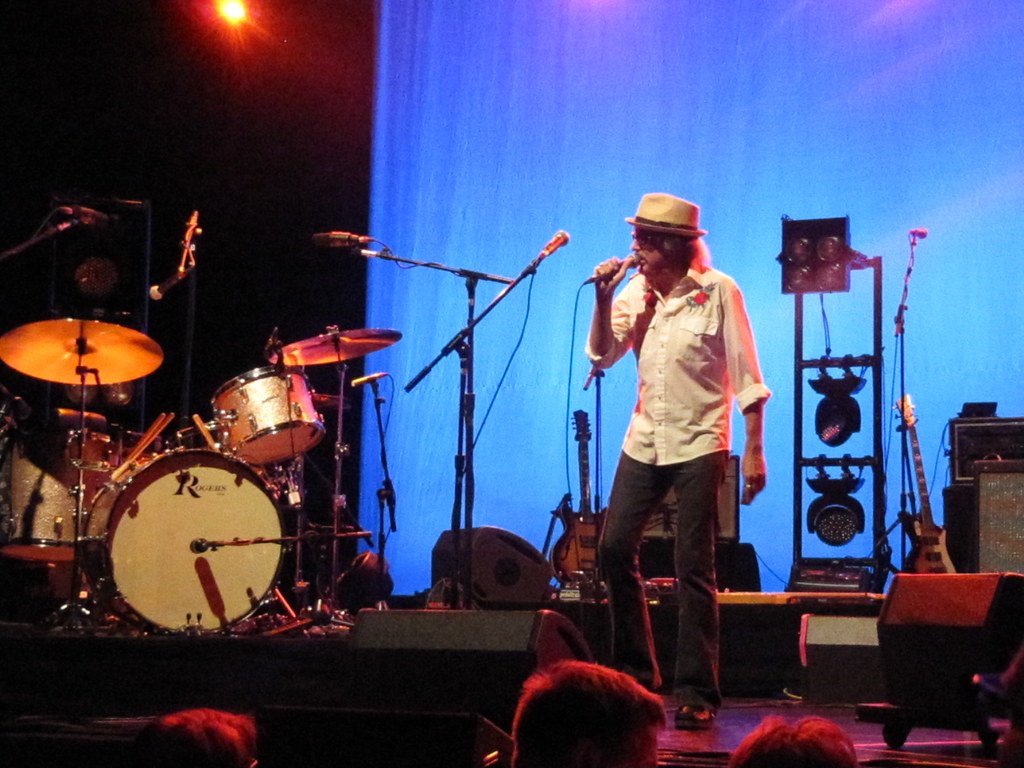
Every single artist on this list defied an industry that told them their moment had passed, or in some cases, had never even arrived. These musicians have shown that it’s never too late to achieve success in the music industry. With talent, hard work, and perseverance, anyone can achieve their dreams, regardless of their age. That’s not a motivational poster. That’s a documented, verifiable pattern.
The real lesson here isn’t just about music. It’s about creative persistence as a life philosophy. Charles Bradley spent decades in poverty and obscurity, and still made an album that moved people to tears. Othar Turner picked up a fife in his eighties and introduced an entire tradition to a generation that had never heard it. These aren’t exceptions to the rule. They are the rule, if you’re patient enough to let it unfold.
In a culture obsessed with overnight success and teenage prodigies, perhaps the most radical act is simply to keep going. To show up at 50, at 60, at 89, and insist that your voice deserves to be heard. So here’s a question worth sitting with: if these artists had listened to the world when it told them they were too old, which songs would we never have heard?

Christian Wiedeck, all the way from Germany, loves music festivals, especially in the USA. His articles bring the excitement of these events to readers worldwide.
For any feedback please reach out to info@festivalinside.com
