Every legendary band has a tidy origin story, and almost every one leaves somebody out. Behind the posters and platinum plaques are drummers, bassists, and guitarists who were in the room early and gone before the world showed up.
The twelve exits below range from firings to quiet resignations to mutual partings, and each is told as it actually happened. Some of these musicians walked away on their own terms. Others were shown the door right before everything changed. The first one involves a band you probably think had its lineup locked from day one.
#12 – Tony Chapman Left the Rolling Stones Before Charlie Watts Took the Stool
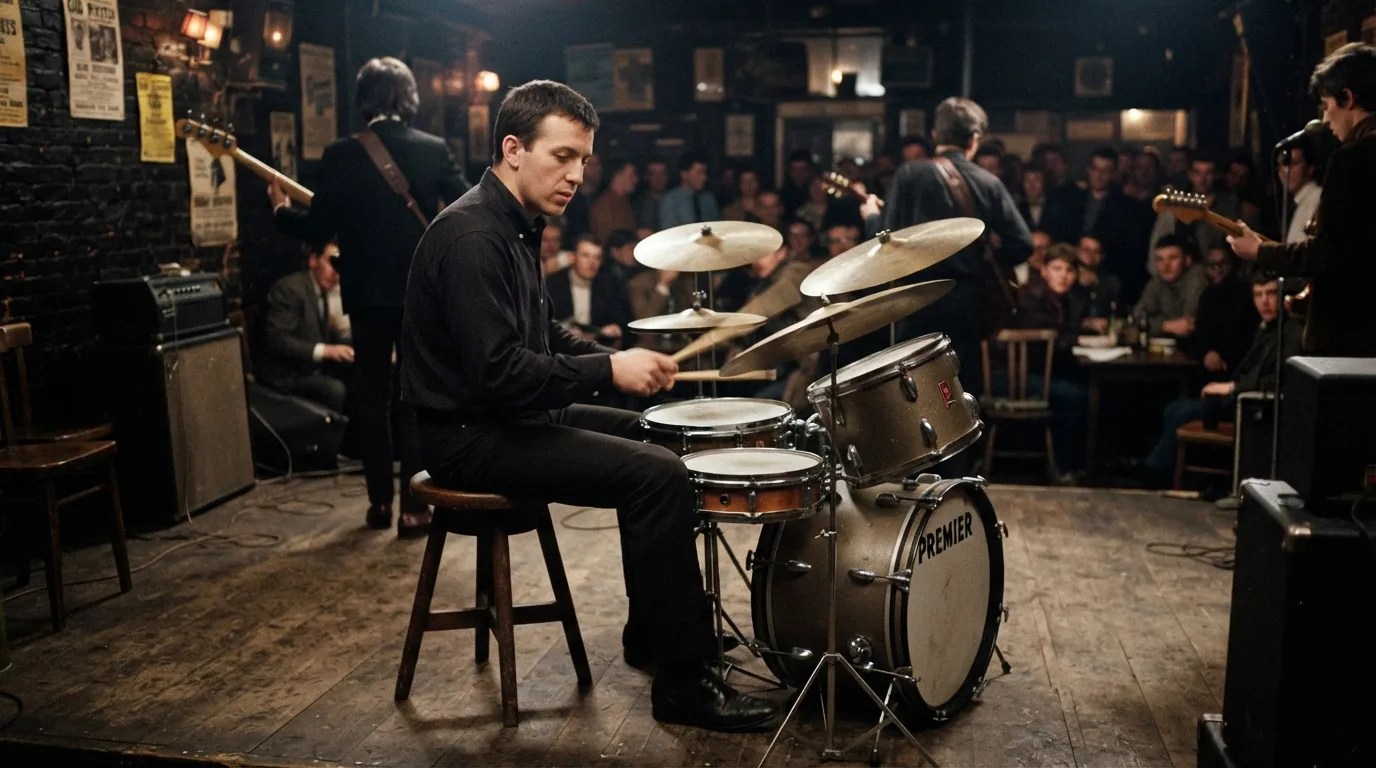
Before Charlie Watts became the steady heartbeat of the Rolling Stones, the drummer was Tony Chapman. He played with the band in its earliest days in 1962, back when it was still a young London blues outfit chasing gigs.
Chapman is often credited with helping bring bassist Bill Wyman into the group. By January 1963, though, Watts had taken the drum stool, and Chapman was out of the picture.
The Stones signed with Decca and released their debut single, “Come On,” within months. Chapman helped open the door to the classic rhythm section, then missed the whole ride it powered.
#11 – Barbara Martin Left the Supremes Before the Hits Arrived
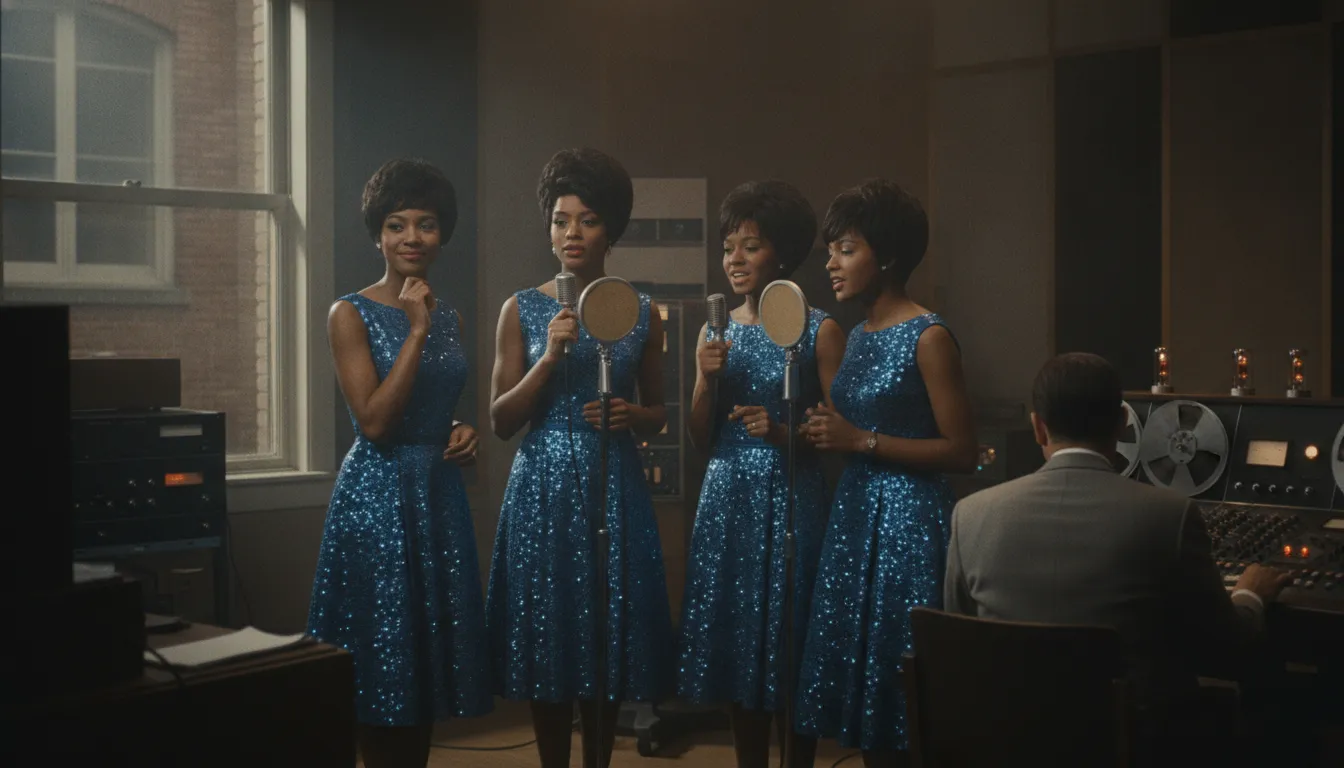
The Supremes were once a quartet. Barbara Martin sang with the group when it signed to Motown in 1961, alongside Diana Ross, Mary Wilson, and Florence Ballard.
She left in 1962 for family reasons, while the group was still searching for its first real hit. The remaining trio was already on its way to becoming Motown’s signature girl group.
Their run of number-one singles began in 1964, and nobody remembers the quartet era. Martin stepped away at the quietest moment in the group’s story.
#10 – Larry Van Kriedt Played Bass in AC/DC’s Earliest Days
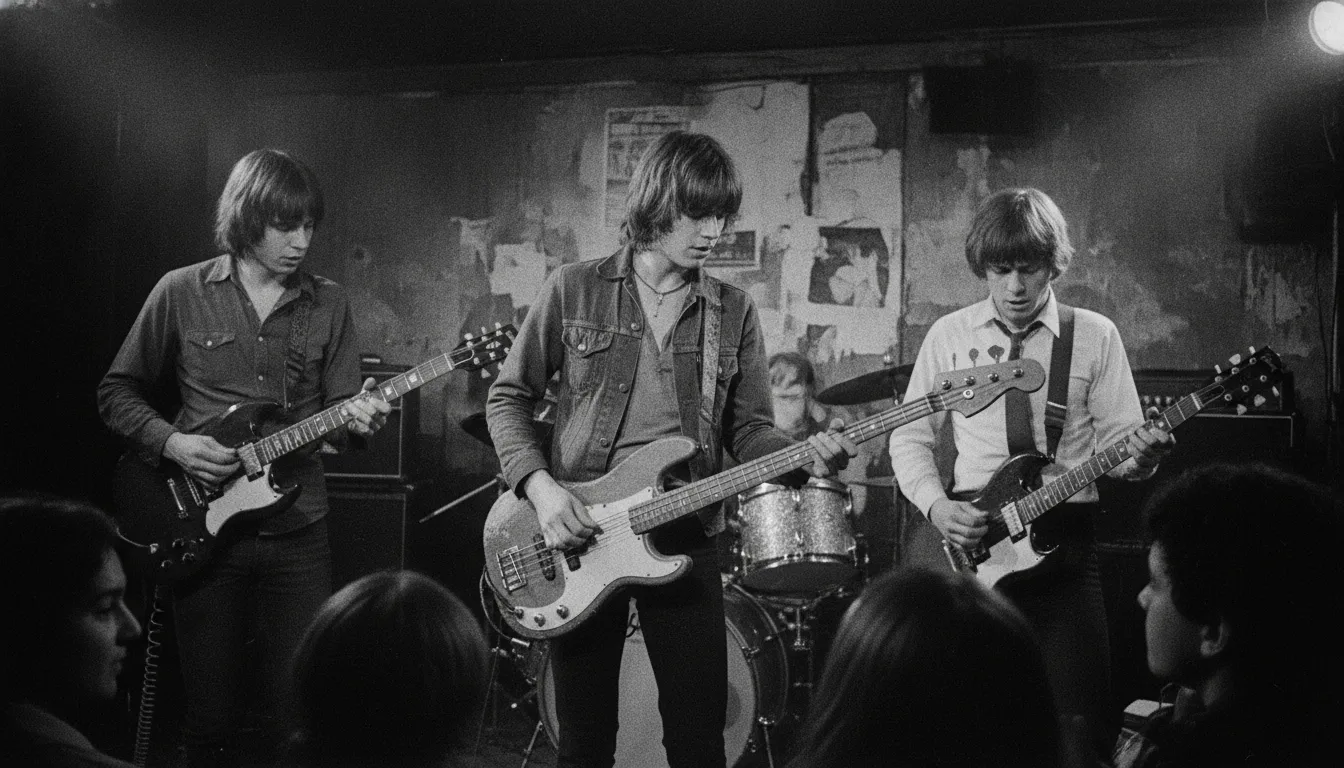
Long before stadium shows and “Back in Black,” AC/DC was a fresh Australian band, formed in 1973 by Malcolm and Angus Young. Larry Van Kriedt was the bassist in that first lineup.
He was gone within the band’s first year. AC/DC went through several bass players before landing on the ones who played on its biggest records.
The band’s debut, High Voltage, arrived in 1975, and Back in Black followed in 1980. Van Kriedt left before any of it took shape.
#9 – Dik Evans Left Before U2 Became U2
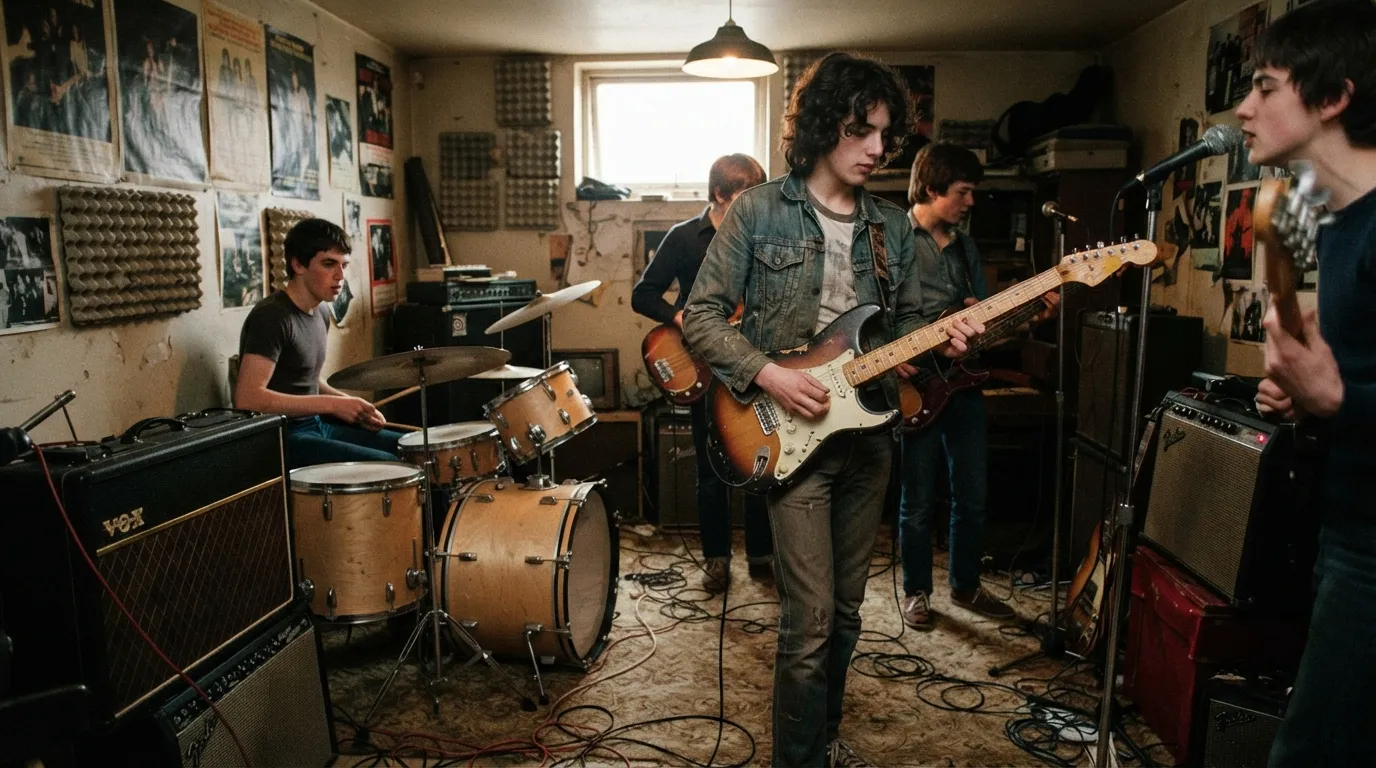
Here is a U2 detail casual fans often miss: there was a fifth member. Dik Evans, older brother of The Edge, played guitar in the band’s earliest incarnation, which started in 1976.
He left in 1978 to join the Virgin Prunes, another Dublin band, and U2 settled into the four-piece the world knows. The Edge stayed on as the group’s guitarist.
Fast Facts
- U2 began in Dublin in 1976.
- Dik Evans left in 1978 and joined the Virgin Prunes.
- The four-piece that remained: Bono, The Edge, Adam Clayton, and Larry Mullen Jr.
- Their debut album, Boy, arrived in 1980.
U2 released Boy in 1980 and War in 1983 and turned into an arena band. Dik’s exit happened while they were still teenagers rehearsing in Dublin.
#8 – Hiro Yamamoto Left Soundgarden Before the Grunge Explosion
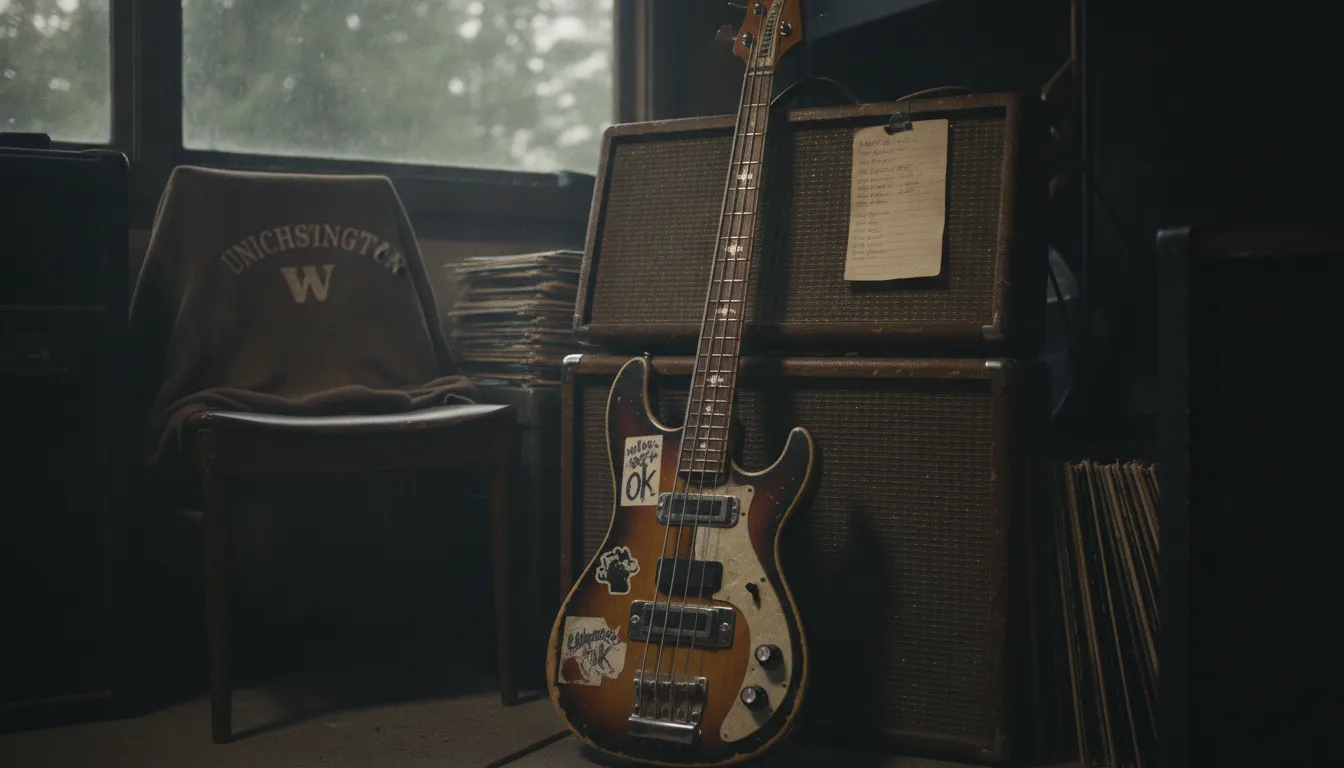
Hiro Yamamoto co-founded Soundgarden in 1984. He played bass on early releases, including Ultramega OK and Louder Than Love.
Soon after that second album, in 1989, he left the band and went back to school. Ben Shepherd took over on bass.
Soundgarden then released Badmotorfinger in 1991 and Superunknown in 1994, the records that made them one of the defining bands of the Seattle sound. Yamamoto helped build the foundation, then left before the payoff.
#7 – John Kiffmeyer Left Green Day for College
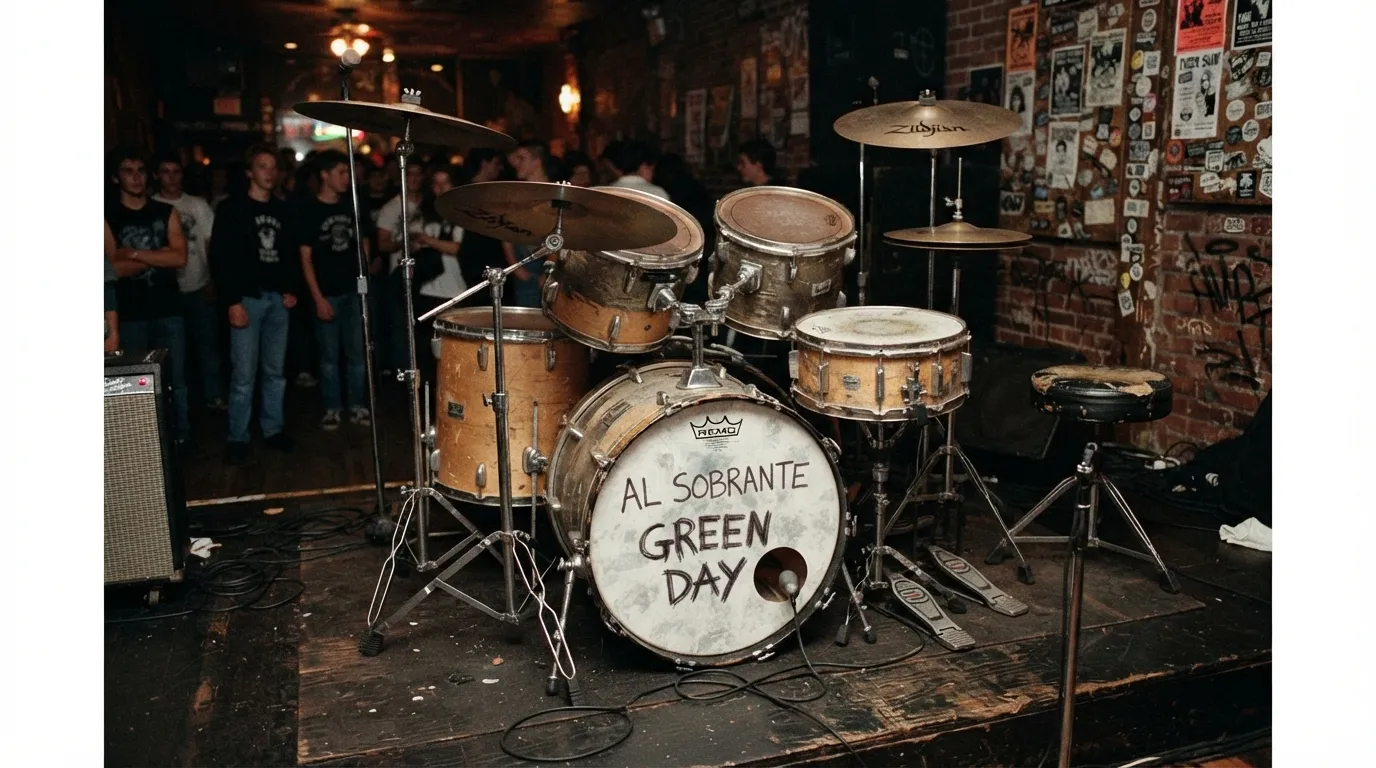
John Kiffmeyer, known as Al Sobrante, drummed for Green Day through its first shows and independent releases around the East Bay punk scene. In 1990, he left to attend college.
Tré Cool took over the drum kit. Four years later came Dookie, the 1994 album that turned Green Day into a multi-platinum pop-punk phenomenon.
Kiffmeyer wasn’t pushed out, and he left well before the band got big. He chose school over a band that was still a local punk act.
#6 – Scott Raynor Was Replaced in Blink-182 Before Enema of the State
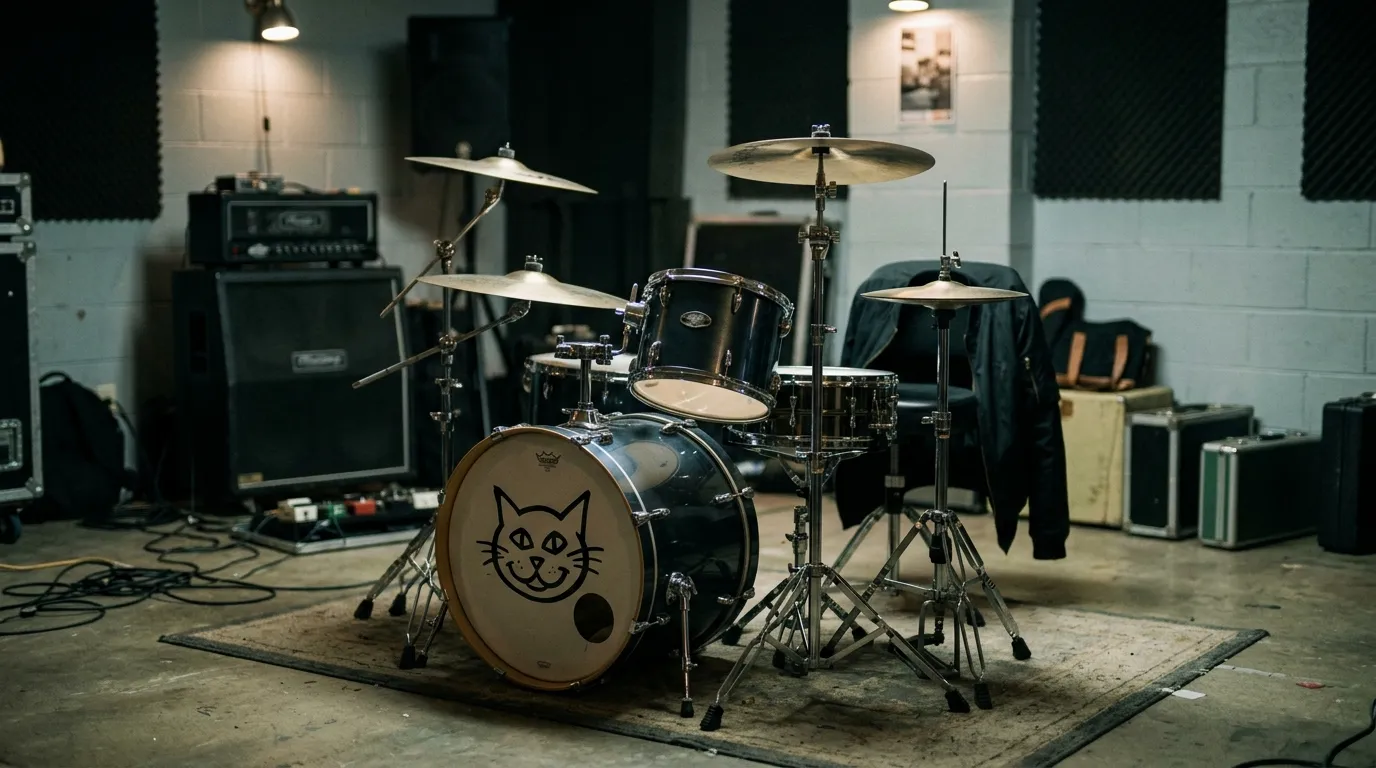
Scott Raynor was the drummer on Blink-182’s first two albums, Cheshire Cat and Dude Ranch. In 1998, the band parted ways with him after his struggles with alcohol led him to rehab.
Quick Compare
- Raynor era: Cheshire Cat (1995) and Dude Ranch (1997).
- Turning point: the 1998 lineup change.
- Barker era: Enema of the State (1999).
Travis Barker came in as his replacement. In 1999, Enema of the State turned Blink-182 into one of the biggest pop-punk bands in America.
Raynor helped build the band’s early sound, and Barker’s drumming became a major part of what made the later records hit so hard.
#5 – Jason Cropper Left Weezer in the Middle of Making the Blue Album
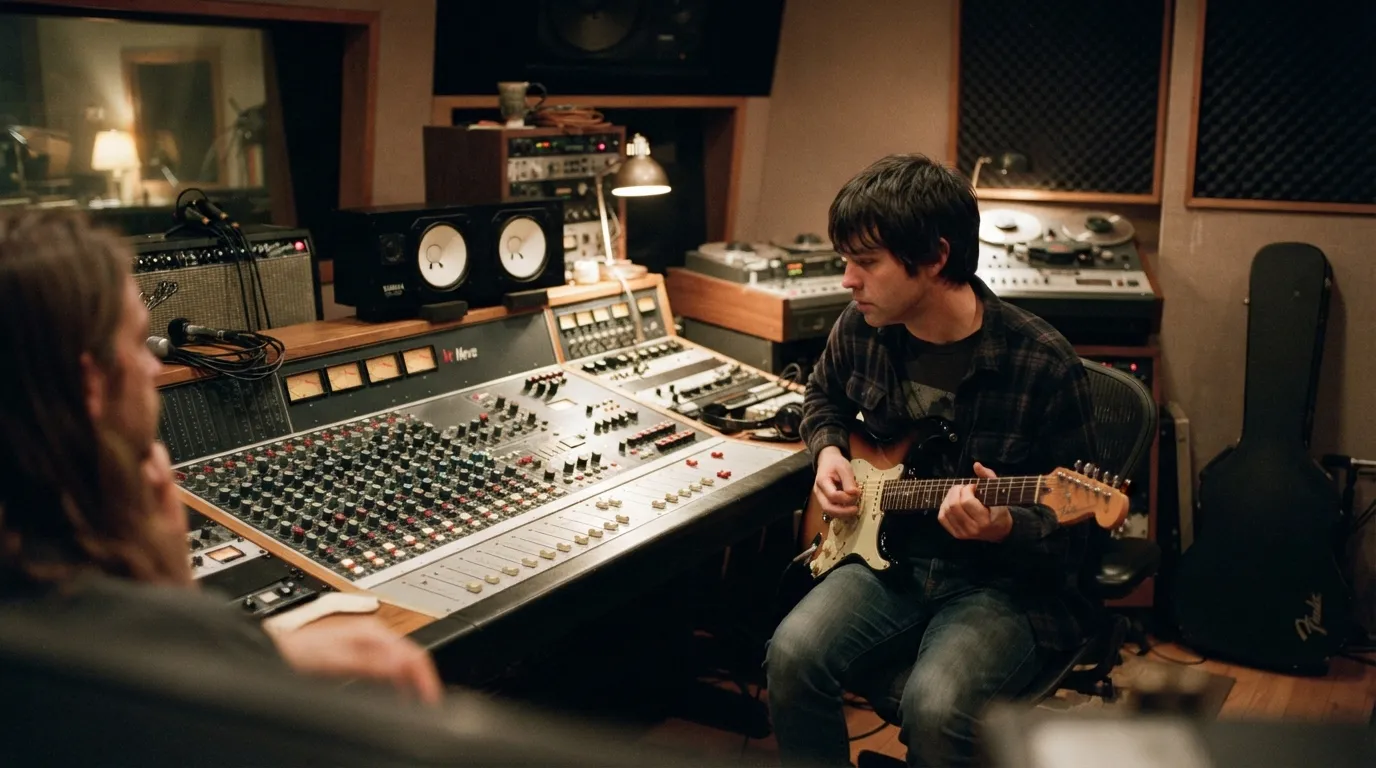
Jason Cropper played guitar in Weezer’s early lineup and was part of the band as it began recording its debut in 1993. He left during those sessions.
Brian Bell joined as guitarist, and the band finished the album. The self-titled debut, known as the Blue Album, came out in 1994.
“Buddy Holly” turned Weezer into an instant success. Cropper was there for the early work and gone before the hit.
#4 – Doug Hopkins Wrote “Hey Jealousy,” Then Was Fired From Gin Blossoms
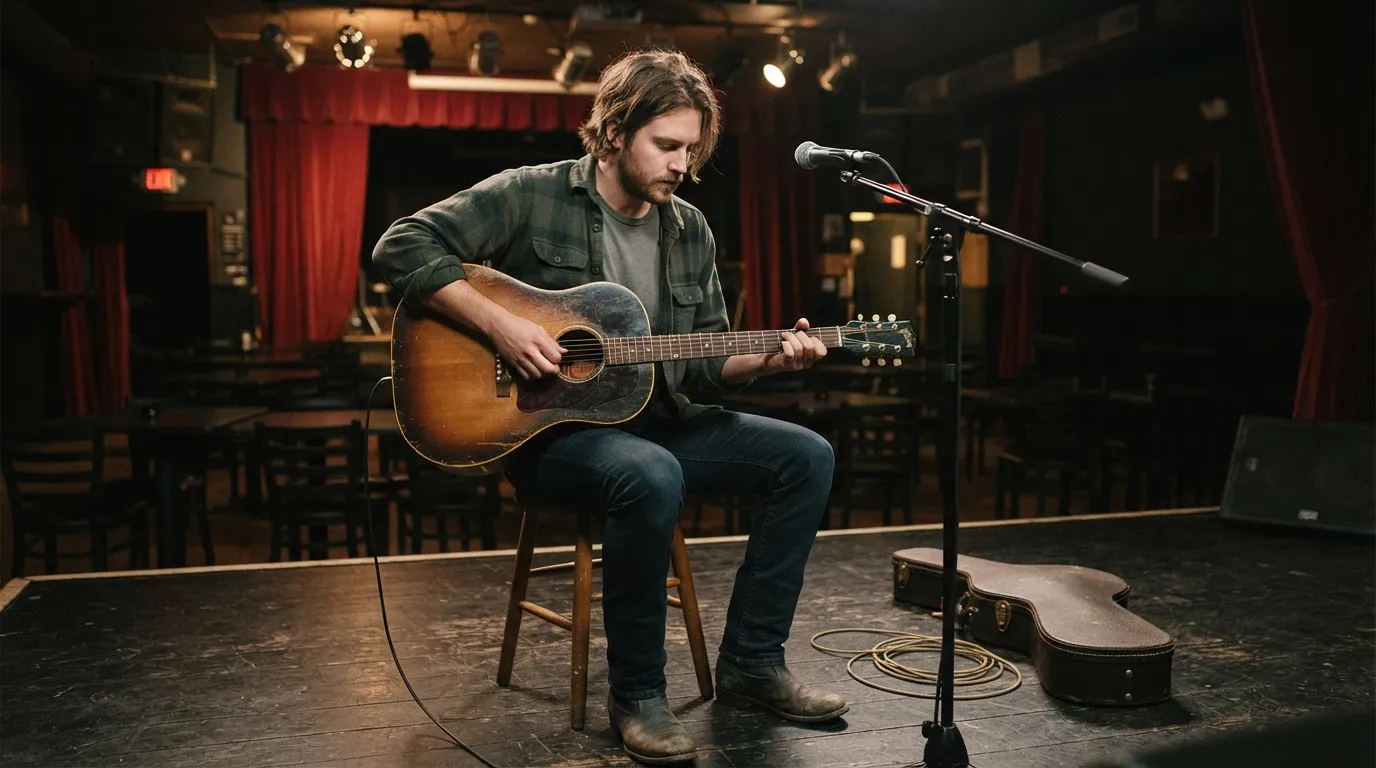
Doug Hopkins co-founded Gin Blossoms and wrote some of its best-known songs, including “Hey Jealousy.” The band fired him in 1992 because of his alcohol problems.
Worth Knowing
- Hopkins also wrote “Found Out About You,” another signature Gin Blossoms song.
- He was fired in 1992, the same year New Miserable Experience was released.
- The album became a multi-platinum success in 1993.
- Hopkins died in December 1993.
The album, New Miserable Experience, came out later that year and became a multi-platinum success in 1993. The songs Hopkins wrote helped make the band a radio fixture.
He died in December 1993, while the band’s songs were still all over the radio.
#3 – Chad Channing Left Nirvana Before Nevermind
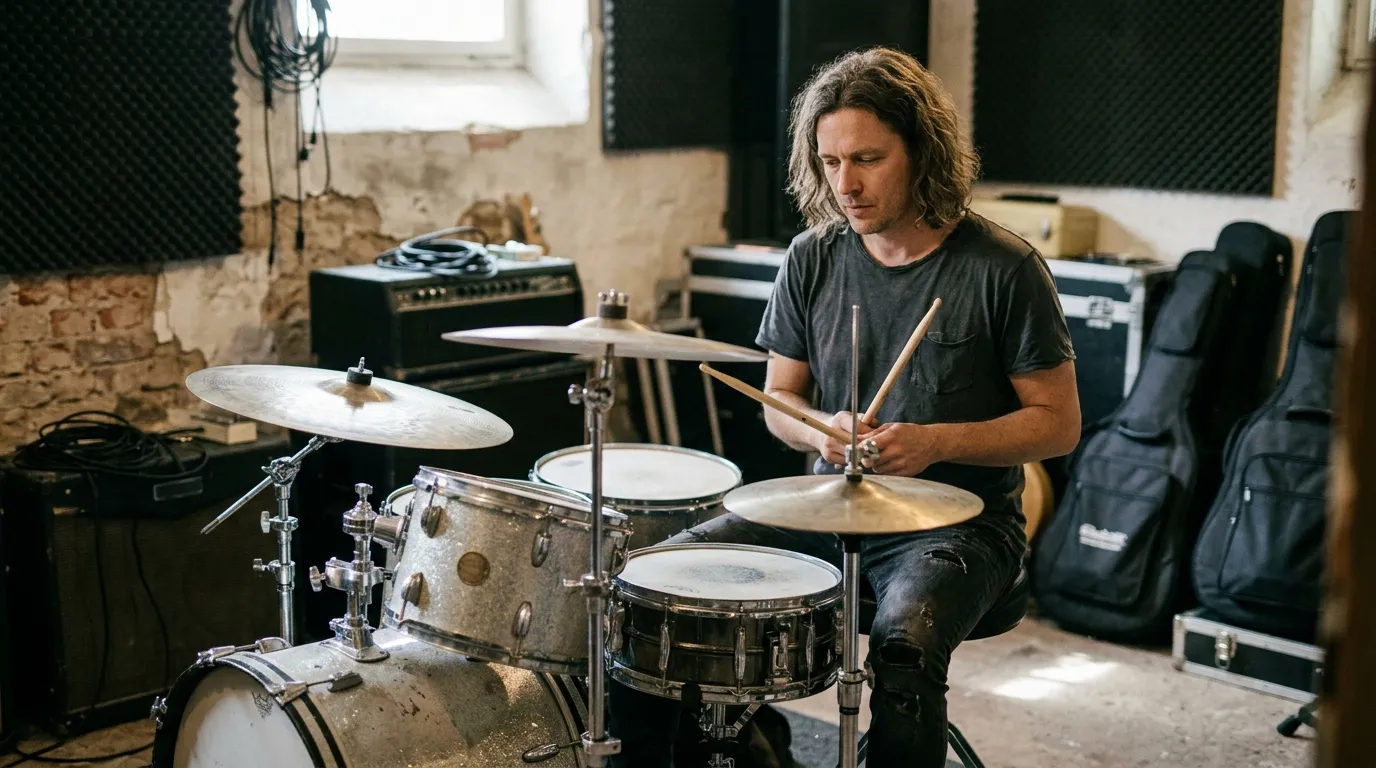
Chad Channing played drums on Nirvana’s debut album, Bleach, and on some early sessions. In 1990, he left the band amid creative friction.
Dave Grohl joined, and Nirvana recorded Nevermind in 1991. The album took the band, and the Seattle sound, from the underground to the world stage.
Channing played a role in the band’s early story, but he missed the album that made it famous.
#2 – Dave Mustaine Was Fired From Metallica Before Kill ‘Em All
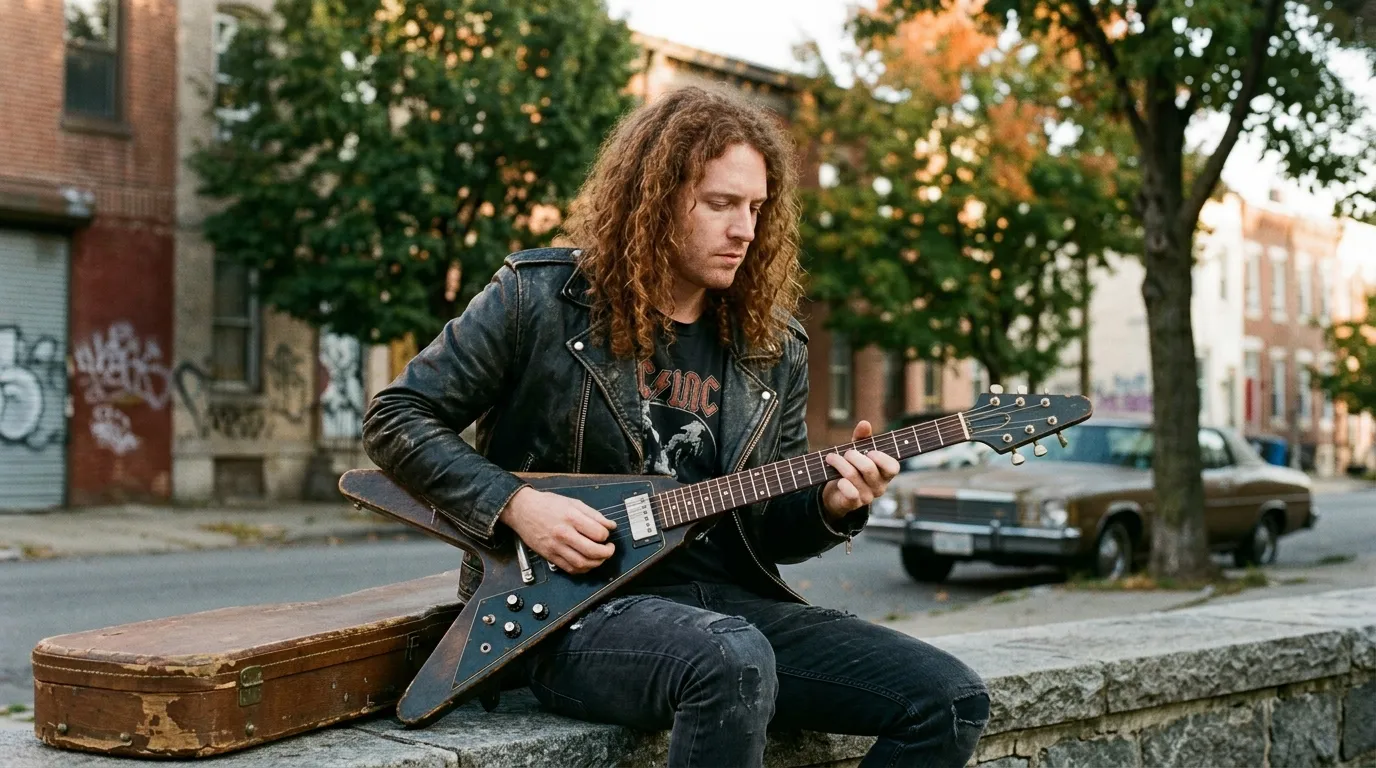
Dave Mustaine was Metallica’s original lead guitarist, and his time in the band lasted from 1981 until 1983. Then the band fired him over drinking and violent behavior.
Kirk Hammett took his place, and Metallica recorded its debut, Kill ‘Em All, shortly after. Albums like Master of Puppets followed and made the band a giant of heavy metal.
Mustaine formed Megadeth, and that band built its own huge career.
#1 – Pete Best Was Dismissed From the Beatles Weeks Before “Love Me Do”
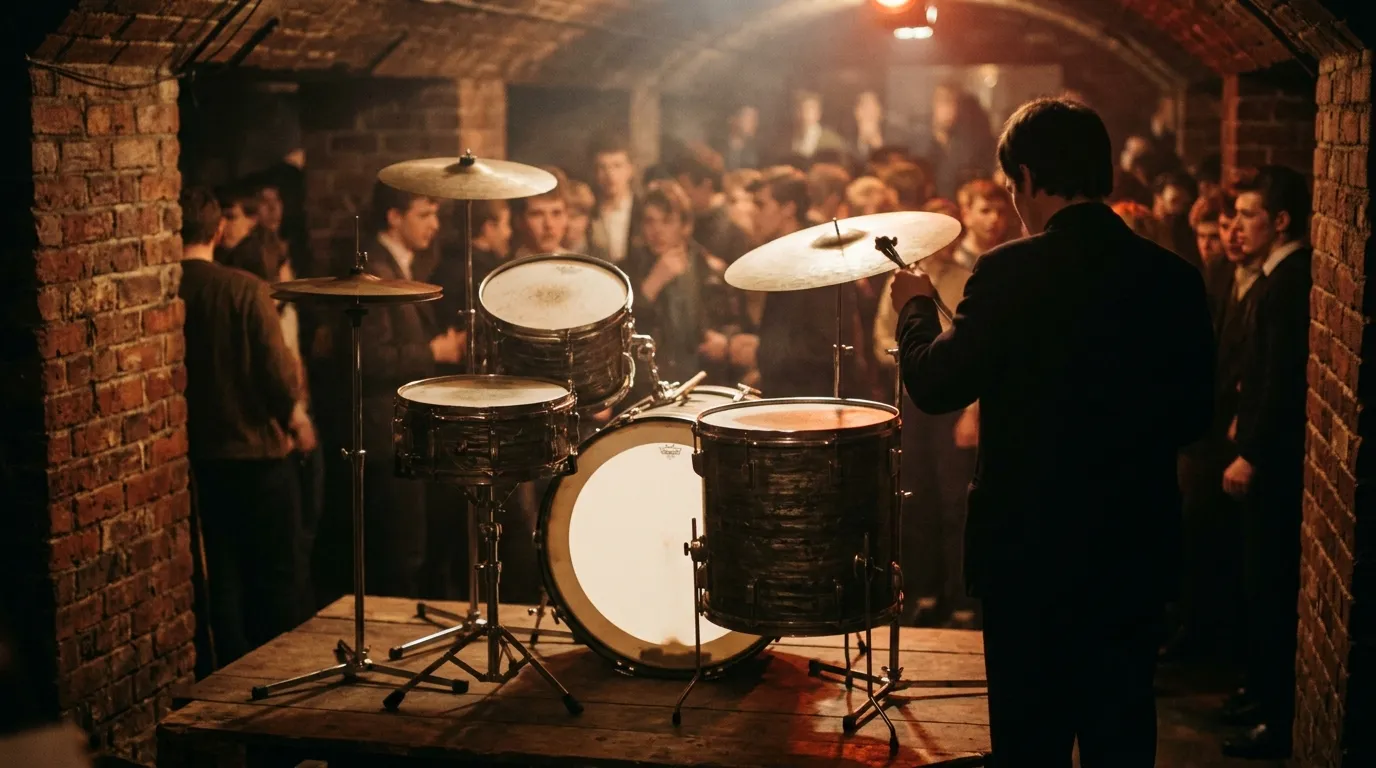
Pete Best was the Beatles’ drummer through the Hamburg residencies and the early Liverpool gigs. In August 1962, manager Brian Epstein told him he was out.
The decision came from the band itself, and producer George Martin had already voiced doubts about Best’s drumming. Ringo Starr joined within days.
At a Glance
- August 1962: Best is dismissed and Ringo Starr joins.
- September 1962: the Beatles record “Love Me Do.”
- October 1962: the single is released.
- 1963: Beatlemania takes off.
The Beatles recorded “Love Me Do” the following month, and Beatlemania exploded in 1963. Best was out of the band before any of it began.
Look at these twelve stories together and the pattern is not that the departed were wrong. Some were fired, some quit for school or family, and some just parted ways at the wrong moment. A few went on to success elsewhere, and others stepped out of the spotlight.
The lesson is how thin the line is between a footnote and a legend. All of them stood at the edge of a breakthrough, and for each one, the door closed just before the world walked through it.