

- 9 Historical Mysteries That Still Baffle Experts to This Very Day - April 5, 2026
- 15 Legendary Authors Whose Personal Lives Were as Gripping as Their Novels - April 5, 2026
- Top Tips to Experience the 2026 California Superbloom - April 5, 2026
Some books entertain. Others quietly rearrange the furniture of your mind, so that when you return to your old life, it just doesn’t fit quite the same way. The novels on this list belong to the second category. They were across centuries and continents, and they share one thing in common: readers tend to describe life as “before” and “after” encountering them.
This is not an exhaustive ranking, and I’ll be honest, any attempt to rank novels this transformative feels a little reductive. What this list does instead is spotlight twelve extraordinary works that have been recognized by literary scholars, cultural critics, and legions of ordinary readers as genuinely world-shifting. Some of them will challenge you. A few might make you cry. All of them are worth your time. Let’s dive in.
1. Beloved by Toni Morrison (1987)
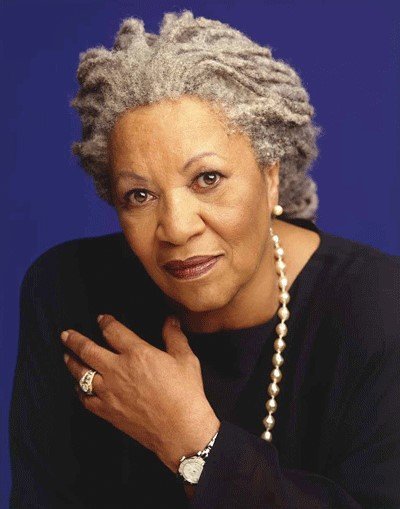
Toni Morrison’s heart-wrenching novel Beloved is not for the faint of heart. One of the most decorated novels published in the last hundred years, it won numerous awards including the Pulitzer Prize. A brutal tale that attempts to explore the traumatic African American experience in the post-Civil War era, Beloved also touches upon themes of motherhood, history, and humanity. The transformative power of Morrison’s novels is evident in their ability to engage readers in critical discussions about pressing social issues, with academic analysis underscoring that Morrison’s work is a poignant critique of social norms that suppress and limit the freedom of Black women while vividly portraying the psychological and social impact of such oppression. Today we might call that intergenerational trauma. In Beloved, Morrison describes it for readers in less clinical terms, while tacitly showing how the rhetoric of racism has been reinvented repeatedly in American politics. Regarded as the most widely read African American public intellectual of the last half century, Morrison exerted profound influence as a writer, critic, editor, teacher, and scholar, and she changed the face of literature and literary criticism in the US, if not worldwide.
2. The Handmaid’s Tale by Margaret Atwood (1985)
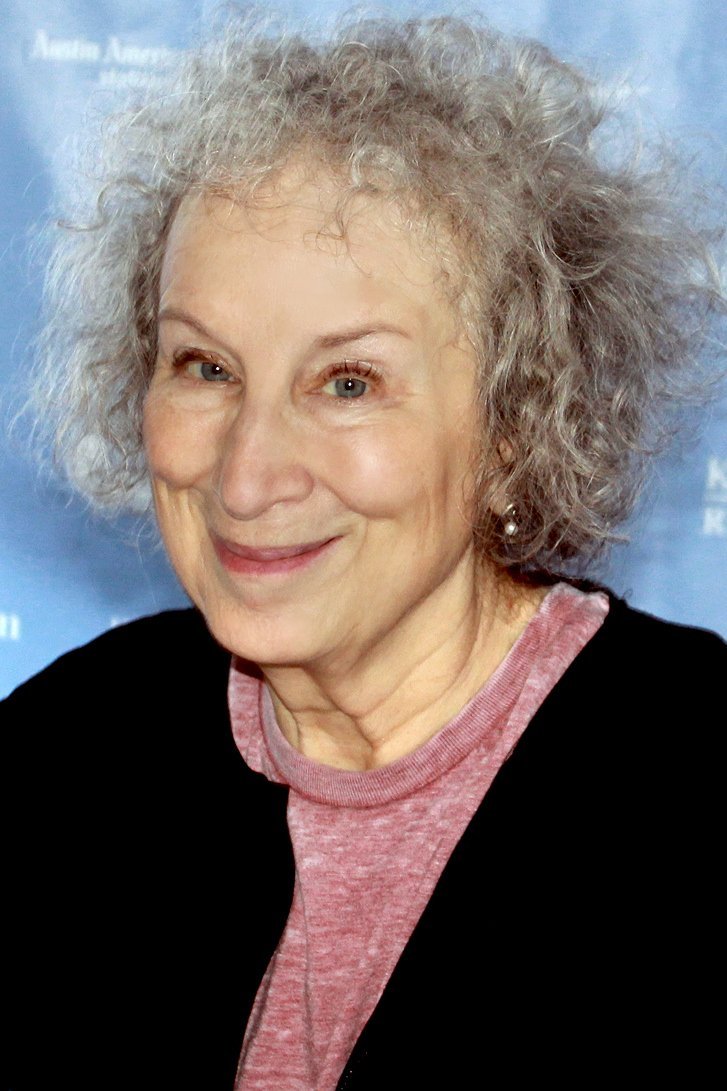
Set in Gilead, a totalitarian version of New England in the United States, the novel envisions a patriarchal society where women are stripped of autonomy and reduced to their reproductive functions. Inspired by real historical events, such as the communist reign in Romania and battles over female rights in America in the 1980s, Atwood’s fictional world was once a terrifying “what if.” In The Handmaid’s Tale, Atwood presents a chilling vision of a future society where women are subjugated and stripped of their rights in the name of religion and tradition. Her novel serves as a powerful warning against the dangers of extremism and the consequences of complacency. Atwood’s exploration of dystopian themes and her influence on the genre have made her a literary icon, inspiring countless readers and writers to challenge their perspectives. The Handmaid’s Tale was never just a work of fiction for many women around the world. For some, its dystopian reality is lived.
3. Frankenstein by Mary Shelley (1818) and Wide Sargasso Sea by Jean Rhys (1966)
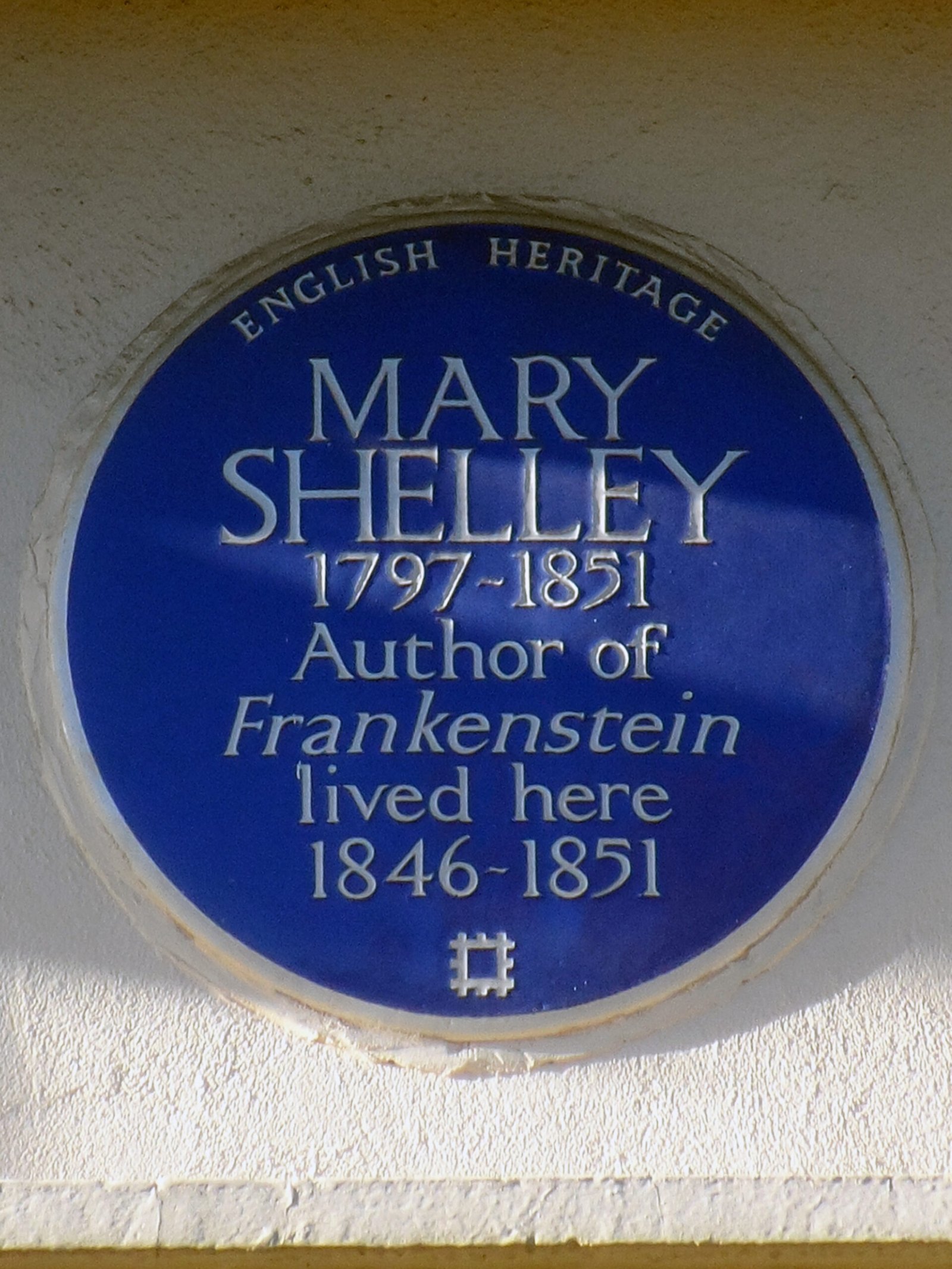
Frankenstein: Or, the Modern Prometheus is not only one of the most important novels ever written by a woman, it is one of the most important novels ever written, period. A classic that has had an immeasurable influence on the development of literature, in particular the genres of horror and Romanticism, and has been adapted into more movies, plays, and television series than one can count. A truly historic text, Frankenstein also contributed to the development of the gothic and science fiction genres and is increasingly read as a proto-feminist novel. Wide Sargasso Sea operates as a kind of radical companion piece, giving voice to the silenced, colonized woman behind a famous locked door. Wide Sargasso Sea by Jean Rhys depicts Antoinette Cosway, a sensual and protected young woman who is sold into marriage to the prideful Mr. Rochester. Rhys portrays Cosway amidst a society so driven by hatred, so skewed in its sexual relations, that it can literally drive a woman out of her mind.
4. To Kill a Mockingbird by Harper Lee (1960)
![4. To Kill a Mockingbird by Harper Lee (1960) (White House photo by Eric Draper via [1], Public domain)](https://festivaltopia.com/wp-content/uploads/2026/03/1773048114068_1773048096962_harper_lee_medal.jpeg)
Harper Lee’s To Kill a Mockingbird has been voted the most life-changing novel written by a woman, after the Baileys Women’s Prize for Fiction asked book lovers to nominate their favorites. Harper Lee’s masterpiece is undoubtedly one of the most significant contributions ever made to literary history. It is the powerful story of race relations and childhood innocence in a small Alabama town. Seen through the eyes of young Scout Finch, the novel uses the moral simplicity of childhood to expose the profound cruelty of racial injustice in the American South. The purpose of the novel is to demonstrate the hardships that are met when ignorance and tradition bring about the influence of sexism, racism, and genuine prejudice to the general public.
5. Jane Eyre by Charlotte Brontë (1847)
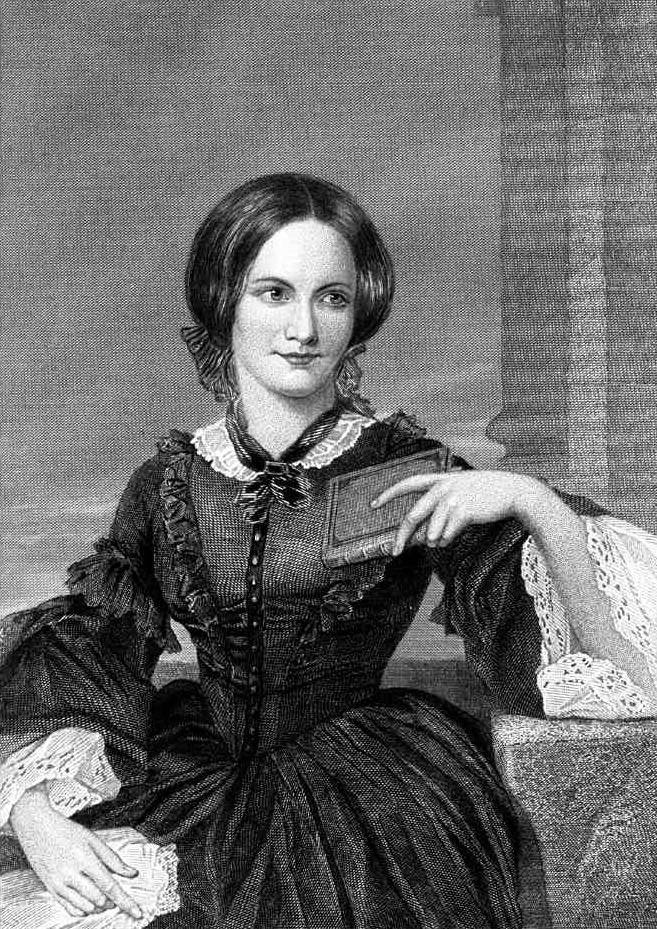
The novel follows the life of Jane Eyre, an orphan who is mistreated by her relatives and sent to a charity school. As she grows up, Jane becomes a governess at Thornfield Hall, where she falls in love with the brooding and mysterious Mr. Rochester. However, she soon learns of a dark secret in his past that threatens their future together. The story is a profound exploration of a woman’s self-discovery and her struggle for independence and love in a rigid Victorian society. Honestly, what makes Jane Eyre so enduring is not the romance, as sweeping as it is. It is Jane herself: plain, poor, and absolutely unyielding in her sense of self-worth. In Jane Eyre, Jane does not conform to the stereotype that men are tough and independent while women are soft and dependent.
6. Pride and Prejudice by Jane Austen (1813)
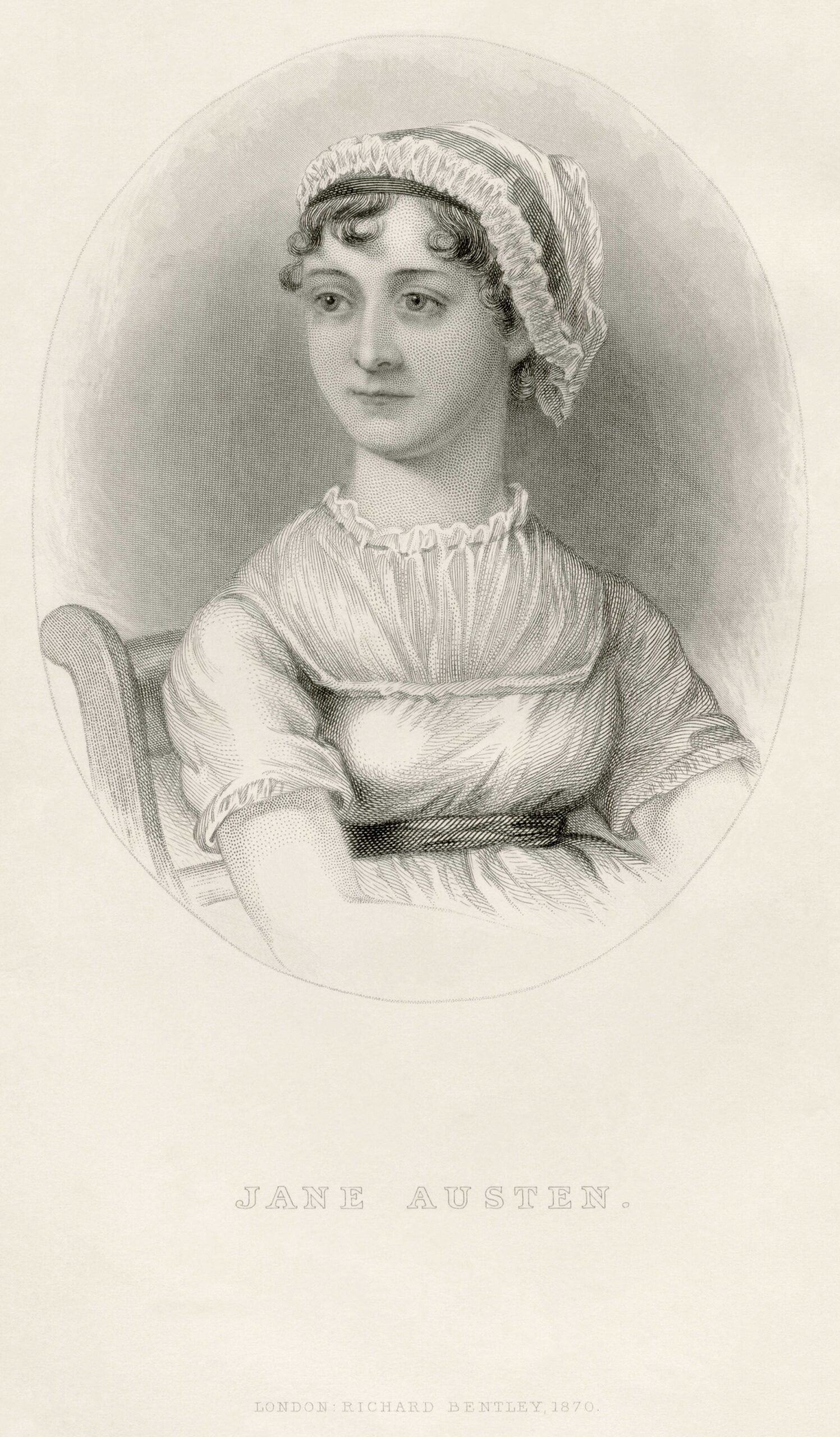
Pride and Prejudice, Jane Austen’s most beloved novel, follows the clever and kind but “obstinate, headstrong” young woman Elizabeth Bennet and her four sisters as they navigate the intricacies of English society in the Regency period. Jane Austen was one of the earliest female writers to produce works that critiqued and commented on the British landed gentry, focusing on plots that explored the dependence of women on marriage, or women who were in the pursuit of economic security. Many of Austen’s works were published anonymously, meaning that she enjoyed little fame during her life. It was after her death that she gained far more status as a writer, with her six full-length novels rarely having been out of print. Think of Pride and Prejudice as the original slow burn: witty, precise, and quietly radical about what women deserve from the world.
7. Their Eyes Were Watching God by Zora Neale Hurston (1937)
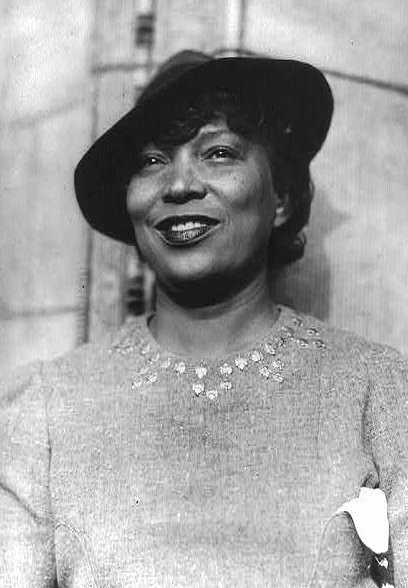
Throughout the novel, Janie wants independence and freedom. In her two earlier marriages with Mr. Killicks and Mr. Starks, she experiences that patriarchy withholds freedom and independence. Femininity, the novel shows, had no place in the society Janie was born into. Hurston’s work coincided historically with the Harlem Renaissance, though she is actually known for diverging with the politics and ideologies of many writers of the movement. The novel is also about freedom and empowerment, a young Black woman’s awakening to sexuality, love, and her self-worth, and about sisterhood, loss, family, friendship, redemption, forgiveness, faith, religion, God, and Africa. It sounds like a lot because it is a lot, and Hurston delivers all of it with a lyricism that reads less like prose and more like music.
8. The Color Purple by Alice Walker (1982)
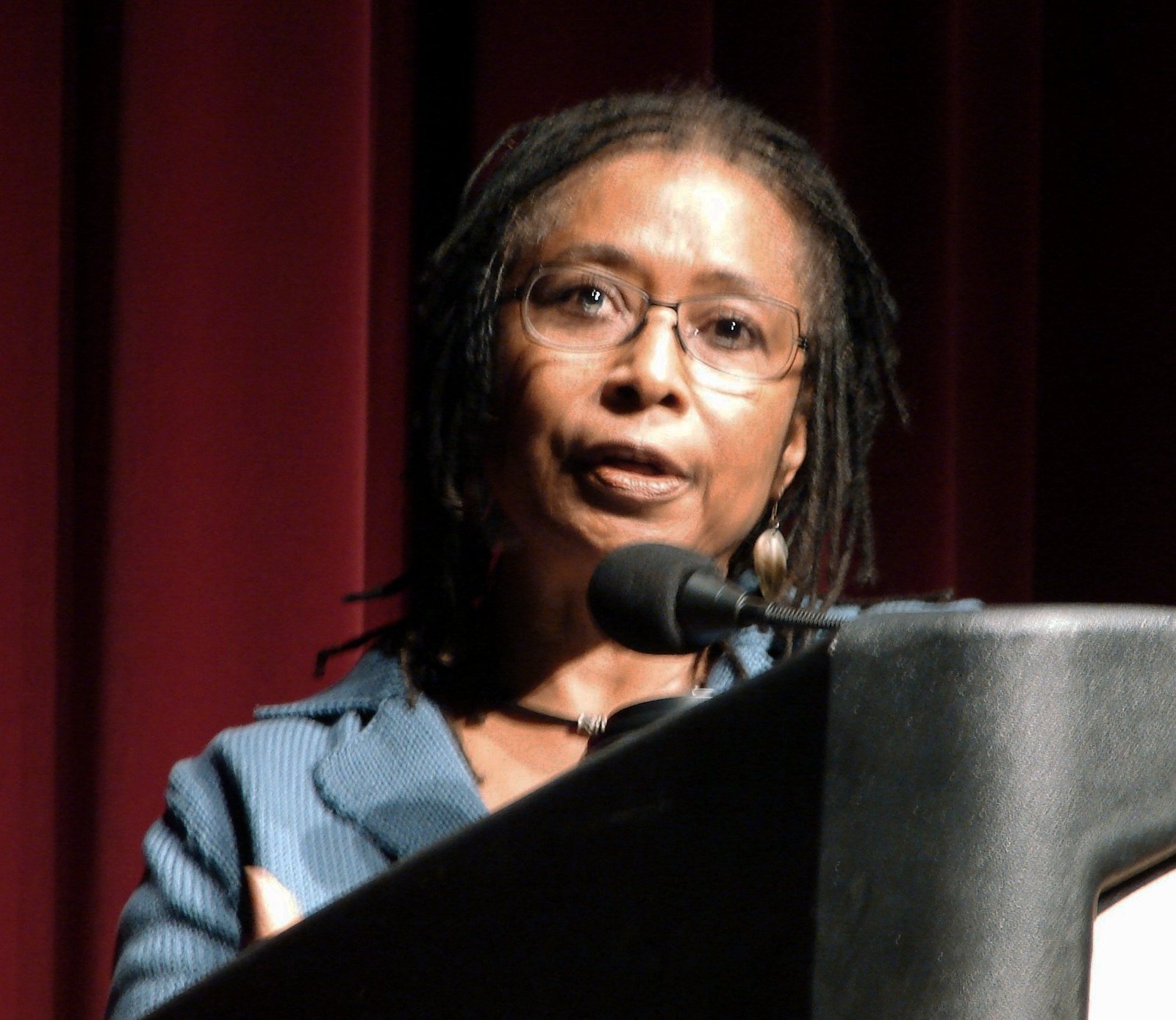
Published to unprecedented acclaim, The Color Purple established Alice Walker as a major voice in modern fiction. This is the story of two sisters, one a missionary in Africa and the other a child wife living in the South, who sustain their loyalty to and trust in each other across time, distance, and silence. Beautifully imagined and deeply compassionate, this classic novel of American literature is rich with passion, pain, inspiration, and an indomitable love of life. The Color Purple has been challenged by parents and banned in schools across the US multiple times since its publication. Objections to the book include its depictions of homosexuality, rape, incest, domestic violence, race relations in the South, and its references to organized religion. That it has survived every ban attempt is a testament to its power.
9. Little Women by Louisa May Alcott (1868)
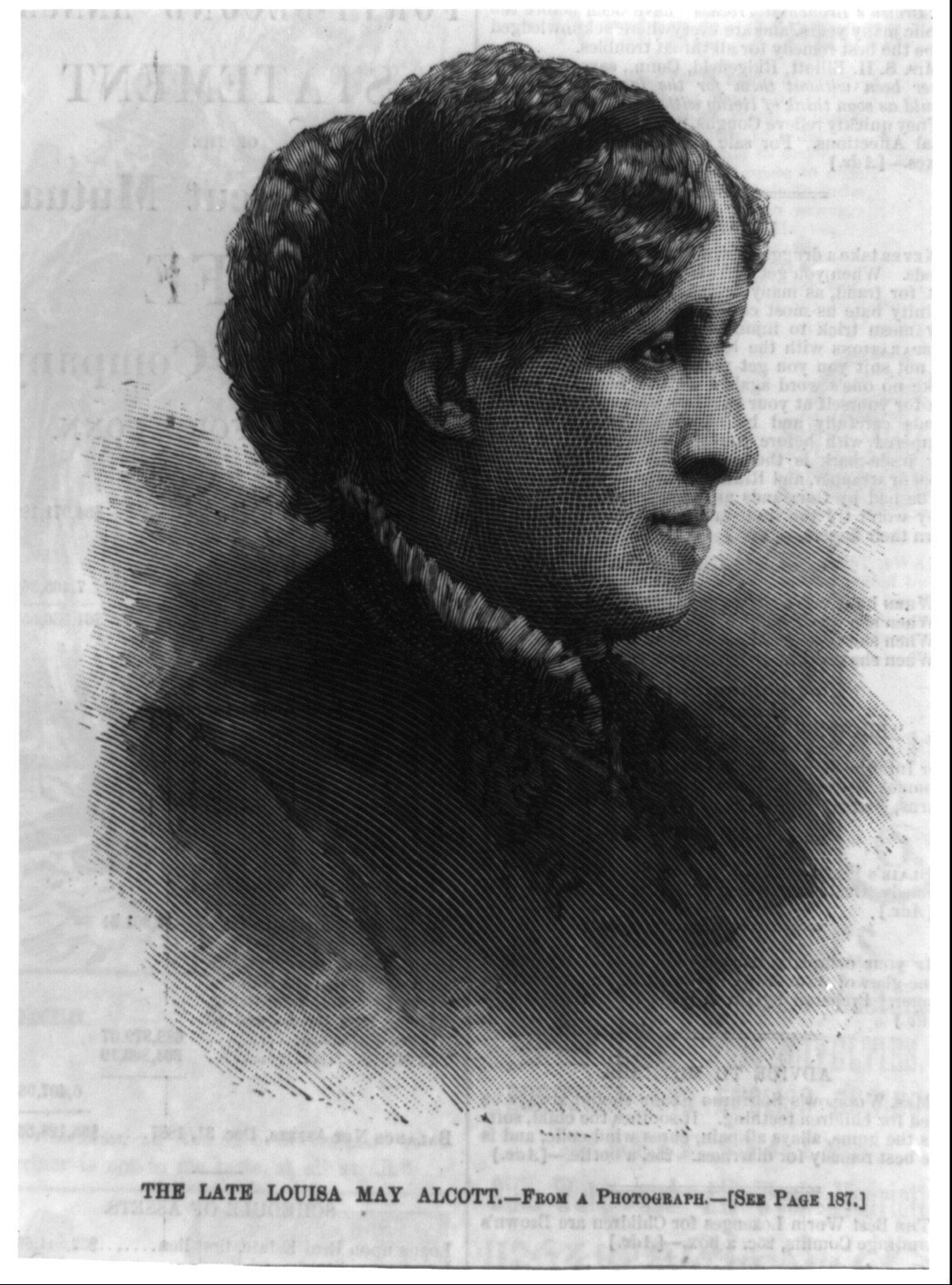
Little Women is a coming-of-age novel following the lives of four sisters and their journey through genteel poverty as children into womanhood. Published in 1868, it was Alcott’s first major literary success, after having written for the Atlantic Monthly from 1860. Once a popular household name with her debut novel, Alcott became an active member of various abolitionist and feminist reform movements, including working towards women’s suffrage. Generation after generation of young readers have found themselves in Jo March, the restless, word-hungry sister who refuses to be contained by convention. That identification is not a coincidence. It is the book’s entire point.
10. Mrs. Dalloway by Virginia Woolf (1925) and A Room of One’s Own (1929)
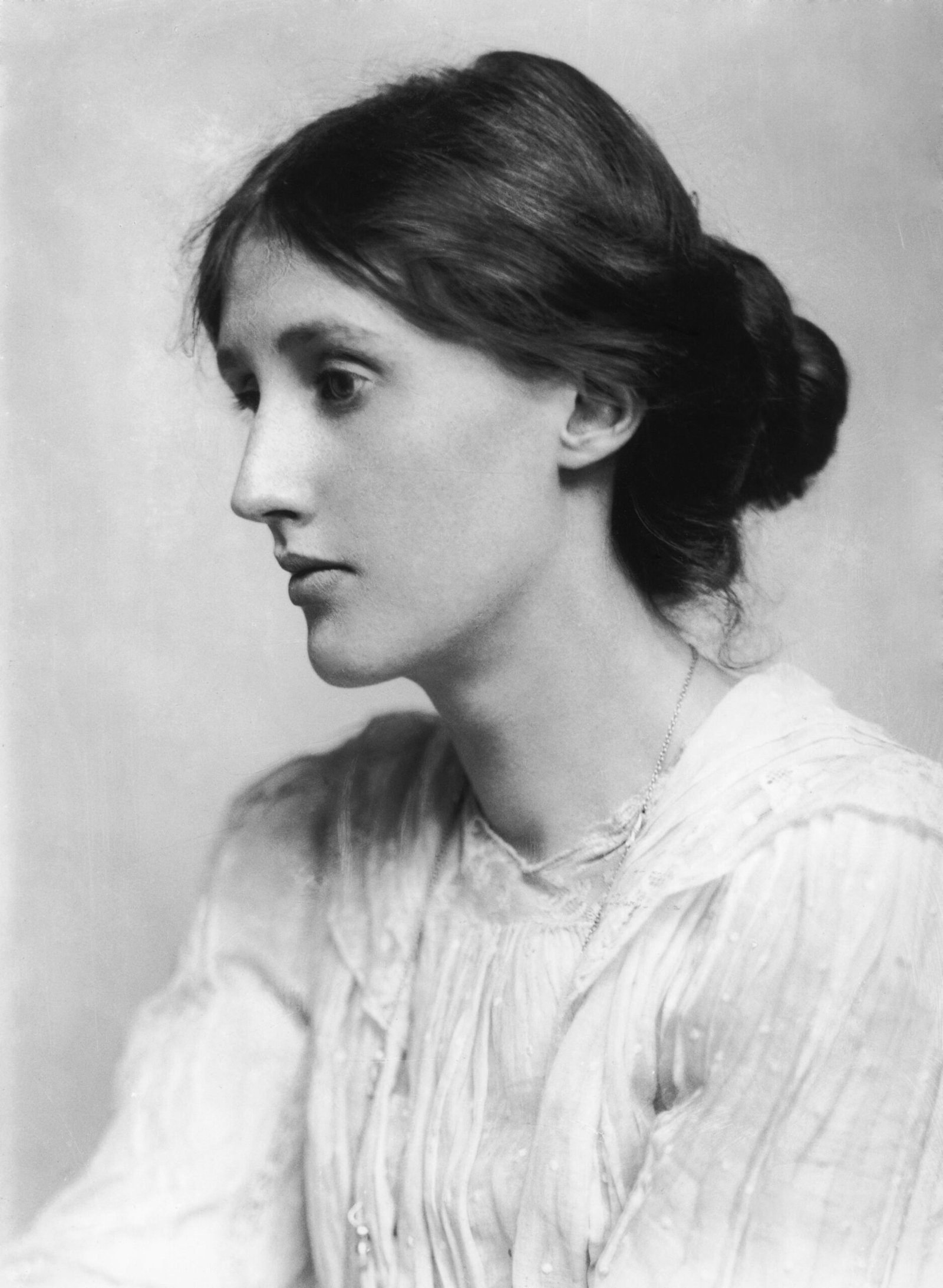
Mrs. Dalloway chronicles a day in the life of Clarissa Dalloway, a high-society woman in post-World War I England, as she prepares for a party she is hosting that evening. Throughout the day, she encounters various characters from her past, including a former suitor and a shell-shocked war veteran. The narrative jumps back and forth in time and in and out of different characters’ minds, exploring themes of mental illness, existentialism, and the nature of time. Considered to be one of the most modernist authors of her period, Woolf not only challenged the social injustices placed on women in the early 1900s, but also tested and embedded different literary devices into the modern lexicon of creative writing. Woolf is considered a pioneer in the use of stream of consciousness as a narrative device, especially in A Room of One’s Own. Together, these two works form a one-two punch that changed what it meant for a woman to write, think, and take up space.
Conclusion: Why These Books Still Matter
It’s hard to say for sure what makes a novel truly “life-changing,” but these twelve books share something identifiable: each one gives language to a feeling or experience that was previously wordless. That moment of recognition, of someone having named the unnamed, is genuinely transformative. It is the reason readers return to these books across decades, and why literary scholars continue to analyze their cultural weight. Influential female authors like Harriet Beecher Stowe, Virginia Woolf, and Alice Walker have used their literary talents to tackle pressing social issues of their time. From the horrors of slavery to gender inequality and the exploration of African American heritage, their works have left a lasting impact on society and continue to inspire readers to challenge their own perspectives and beliefs. The truest measure of a great novel is not a prize or a bestseller list. It is whether you close the last page and find the world slightly, irreversibly different. Did any of these novels do that for you? Tell us in the comments.
CEO-Co-Founder
