

- 10 pop stars who passed away too soon. - April 10, 2026
- 12 Great Debut Albums That Made Music History - April 10, 2026
- 12 Legendary Fashion Items That Defined an Entire Generation - April 10, 2026
Clothes do more than cover us. At certain moments in history, a single garment or accessory becomes something far larger than itself – a shorthand for who you are, what you believe, and which side of the cultural divide you stand on. The right pair of jeans, the right sneaker, the right silhouette at the right time can crystallize an entire era into something you can hold in your hands.
Some fashion pieces are remembered for their beauty. Others endure because they captured a moment that shifted culture or public perception. Whether worn on screen, on stage, or in the streets, the garments that truly last become symbols of power and, at times, rebellion. What follows are twelve items that did exactly that – each one carrying a generation’s worth of meaning stitched into its seams.
1. Levi’s 501 Jeans: The Original Blueprint
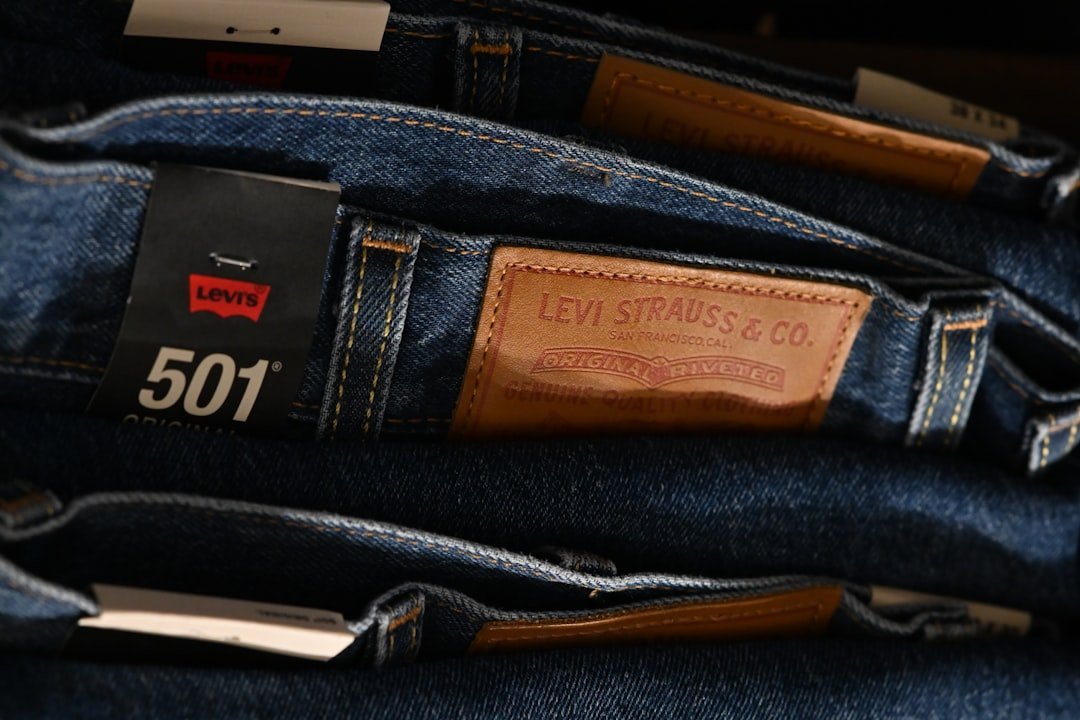
The 501 is the first pair of blue jeans ever made and the literal blueprint of every other pair in existence since. They are, undoubtedly, the most universal and democratic item of clothing in the world, uniting Hollywood icons and rock ‘n’ roll legends, hippies and boy bands, politicians and protestors, teenagers and tech tycoons alike. The story begins in 1873, when tailor Jacob Davis and dry-goods merchant Levi Strauss patented a system of copper riveting that made workwear stronger than anything that had come before.
By the time the 1960s arrived, the 501 was much more closely associated with rebels, artists and young people than its roots in workwear, something reinforced by pop culture thanks to placements on Marlon Brando in “The Wild One” and James Dean in “Rebel Without a Cause.” In the 1960s and 1970s, the 501 made a mark in rock and roll history, with Bruce Springsteen, Bob Dylan, Debbie Harry, Neil Young, Freddie Mercury, The Ramones, and Patti Smith all wearing the silhouette, often with customizations, rips, tears, and a naturally worn-in aesthetic. Few garments have traveled so far from their origin without losing a trace of what made them matter.
2. The Little Black Dress: Chanel’s Quiet Revolution
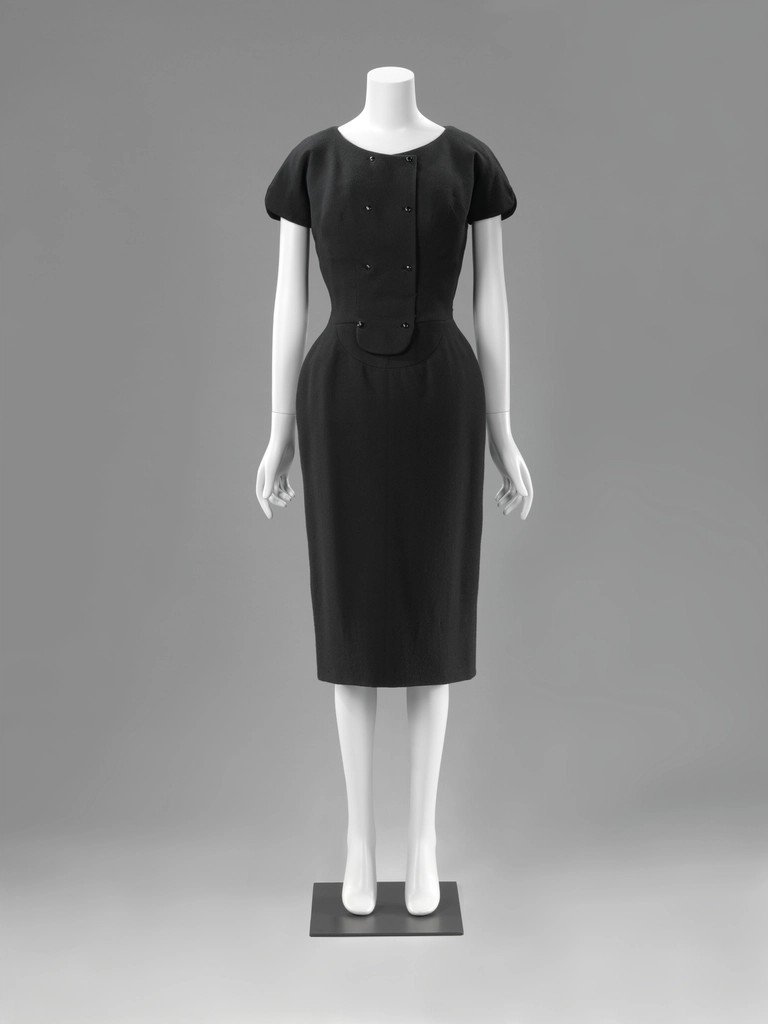
In 1926, Coco Chanel introduced the world to the little black dress with a design published in Vogue. The dress was a simple sheath of black crêpe de Chine, with long sleeves and a modest hemline that fell just below the knee. The style democratized fashion, as any woman could afford to look chic. It also marked a significant moment of liberation, as the little black dress helped to free women from dictated dress codes and the restrictive, traditional clothing of the previous century.
The 1950s and 1960s saw the little black dress gain status through the silver screen. Audrey Hepburn’s appearance in the sleek black Givenchy dress in “Breakfast at Tiffany’s” solidified the LBD as a symbol of sophistication and glamour. Hollywood stars embraced it, and silhouettes became more sensuous, incorporating popular cinched waists and low necklines of the era. This helped embed the little black dress firmly in popular culture. It remains one of the rare garments that belongs to every decade rather than just one.
3. The Power Suit: Dressing for the Corner Office
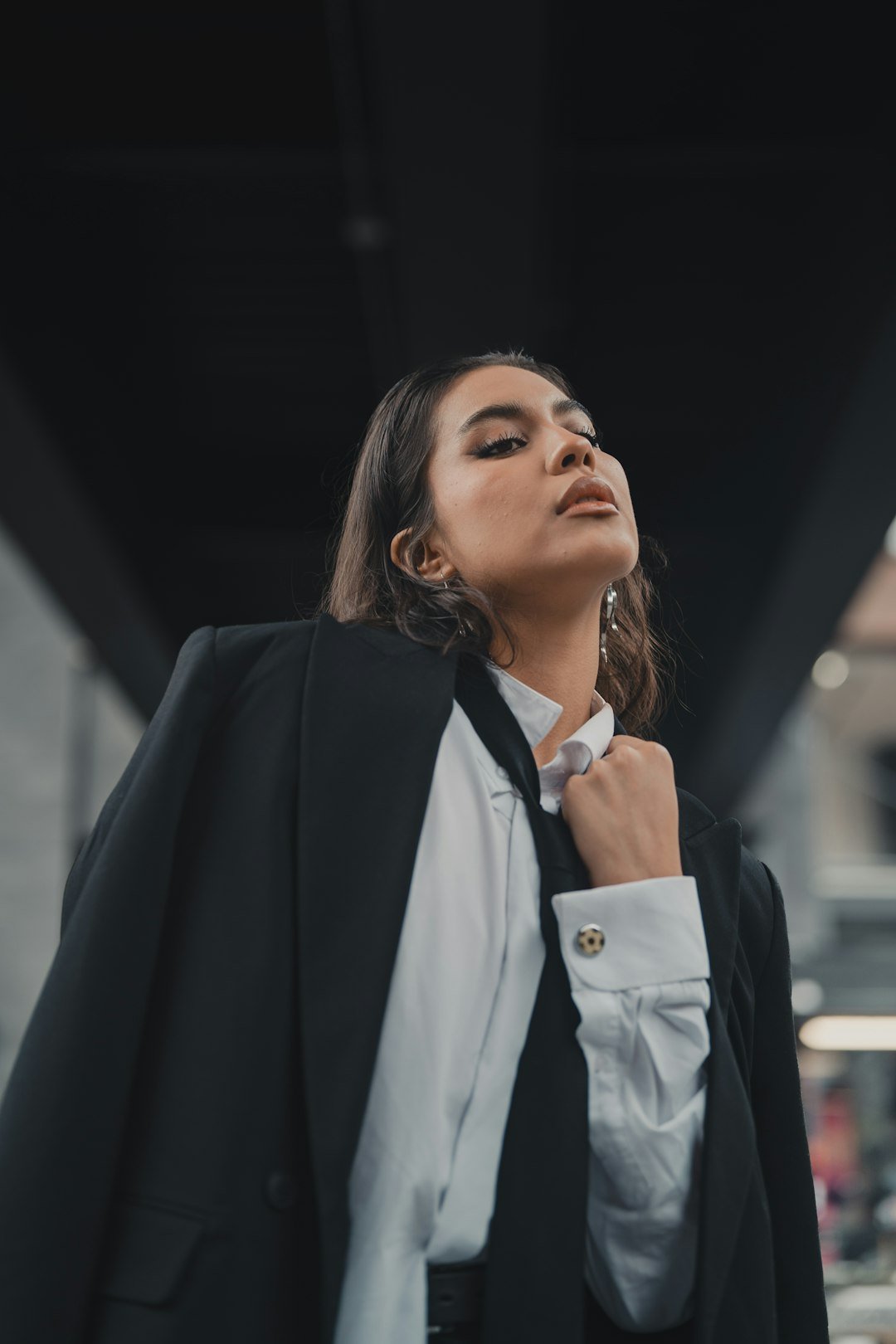
Power Dressing is a fashion style that emerged in the late 1970s and became a defining aesthetic of the 1980s, characterized by clothing designed to project authority, competence, and confidence in professional environments. The trend was primarily adopted by a new generation of women entering male-dominated corporate and political fields, who used fashion as a tool to establish their seriousness and equality. This wasn’t just a stylistic choice. It was a strategic one.
The quintessential garment of the style was the power suit, which featured sharp tailoring and, most iconically, wide padded shoulders. This silhouette deliberately mimicked the traditionally masculine shape of a man’s suit jacket, creating a visual expression of strength and ambition. The 1980s saw the rise of power dressing, fueled by the burgeoning feminist movement and women entering the workforce in greater numbers. Designers like Donna Karan and Azzedine Alaïa created structured, body-conscious versions that exuded confidence and authority. The exaggerated shoulders and bold silhouettes of the decade aligned with an ethos of ambition and empowerment.
4. Converse Chuck Taylor All Stars: The Shoe That Belonged to Every Subculture
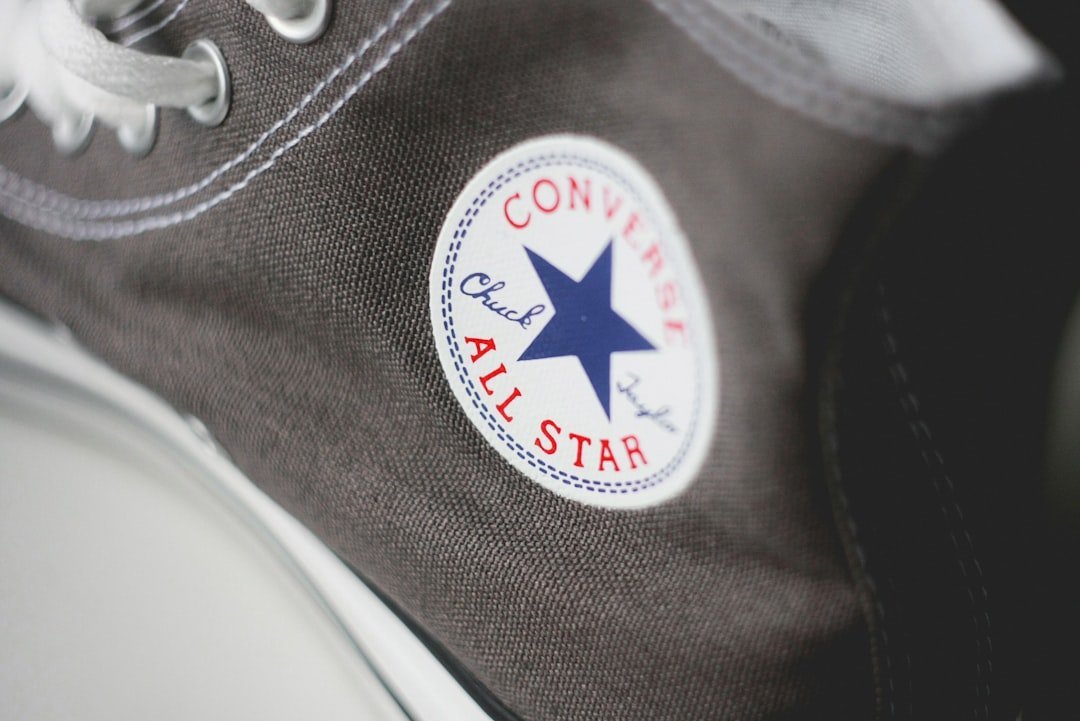
The Converse Chuck Taylor All-Star was launched on the basketball courts of 1917. While initially a plain canvas sneaker, the shoe became famous in 1922 when basketball player Chuck Taylor suggested crucial design improvements. His refinements, including enhanced ankle support and a more flexible sole, helped the shoe grip the basketball market. What happened next, nobody could have planned.
A look back at the 20th century’s most defining pop-culture moments speaks to the popularity of Converse. Through the 1970s, the sneakers were the uniform of the New York punk scene, while in the 1980s, they became the footwear of choice for anti-establishment rap groups like N.W.A. This openness to interpretation lent the shoe a rare cross-generational, cross-genre appeal, spanning from Los Angeles gang culture to Seattle grunge kids. It came to occupy a rare space in the world of fashion, having touched on multiple subcultures while managing to transcend fleeting trends.
5. The Mini Skirt: Hemline as Manifesto
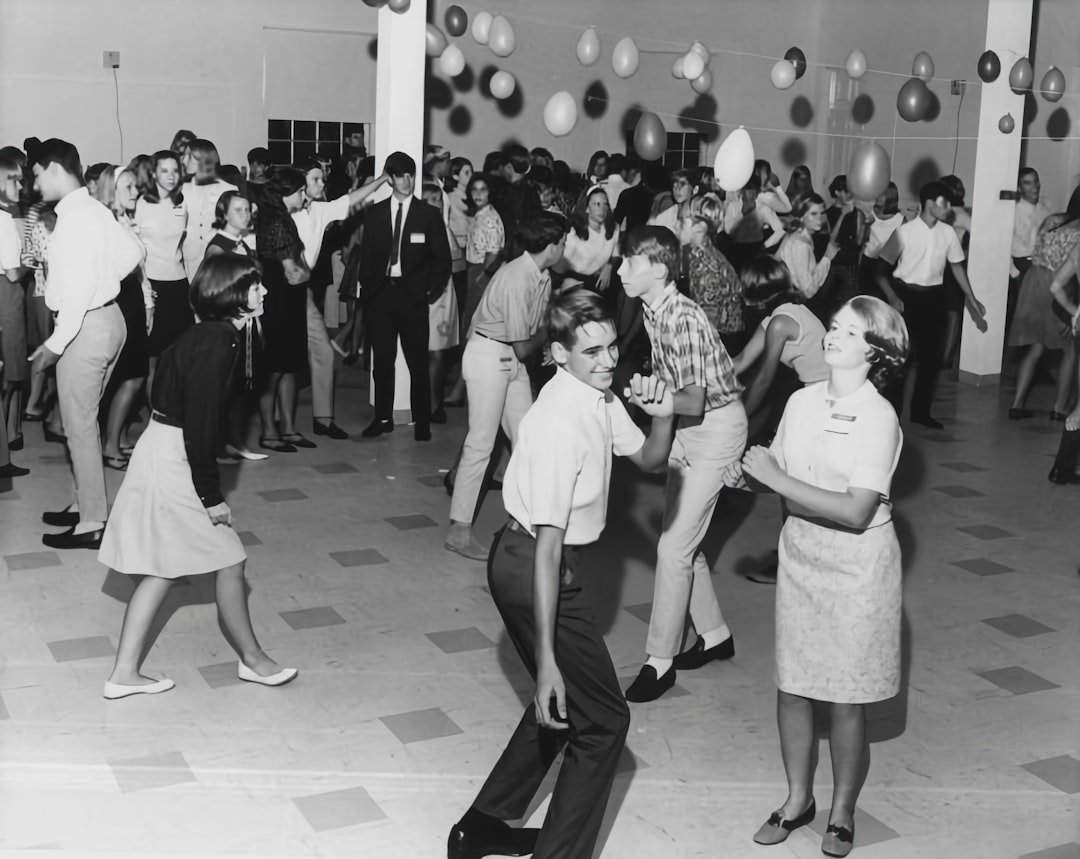
The mid-1960s became known as the “Swinging Sixties,” a cultural phenomenon focusing on youth, spotlighting music and fashion. Designers like Mary Quant, André Courrèges, Pierre Cardin, and Paco Rabanne were among the first to understand the needs of modern women by creating clothes that felt liberating, daring, and fun while staying practical, and often they questioned conventional gender norms. The mini skirt sat at the center of all of it.
Mary Quant made her contribution to the sexual liberation of women with trousers and hotpants, as did Yves Saint Laurent when he invented the first tuxedo for women. The mini skirt wasn’t simply a fashion item. It was a declaration that young women could decide for themselves how much skin to show, and on whose terms. Its impact on fashion, politics, and social conversation was immediate and lasting, and it still sparks the same debates it always did.
6. The Leather Jacket: Rebellion Made Wearable

Few garments carry a harder edge than the leather jacket. Its cultural biography stretches from World War II military aviators to the motorcycle gangs of postwar America, eventually landing on the backs of rock stars and punk icons who would carry it into the mainstream. The rebel spirit of the 1950s found its perfect expression in denim and leather, as the younger generation embraced them as a means to rebel against the conformity of the era. Actors like James Dean and Marlon Brando popularized the image of the rebellious youth, with their iconic roles cementing the association between leather and a defiant attitude.
By the 1970s and 1980s, the leather jacket had passed through the hands of punk, then new wave, then heavy metal, picking up associations at every stop. The Ramones wore it. Debbie Harry wore it. Eventually it became so coded with cool that high fashion adopted it wholesale. Today it sits equally comfortable on a runway and a sidewalk, which is perhaps the truest measure of a generational icon.
7. The Air Jordan I: When a Sneaker Became a Cultural Event
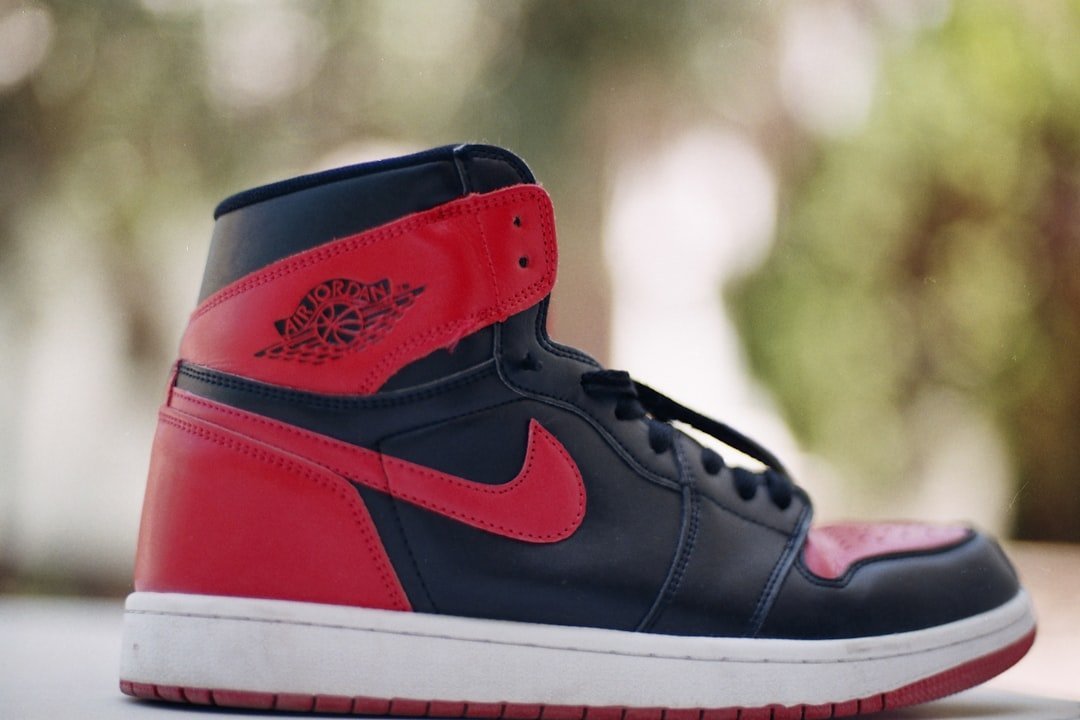
The Air Jordan changed footwear forever. In 1984, Nike created this revolutionary basketball shoe for Michael Jordan, launching a product that transcended its athletic origins to reshape culture itself. When the NBA banned the original Air Jordan I for breaking uniform rules, Nike paid $5,000 each time Jordan stepped onto the court, a calculated investment that captured public attention. The strategy was almost absurdly effective.
First-year sales reached $126 million, dwarfing Nike’s initial projection of $3 million over three years. The Air Jordan didn’t just sell a shoe. It invented the idea of the sneaker as a collectible, a status symbol, and a cultural artifact all at once. The sneaker resale market, the idea of a “drop,” the concept of camping overnight for a shoe release – all of it traces a direct line back to that first pair of black and red Jordans in 1984.
8. The Band T-Shirt: Wearing Your Allegiances
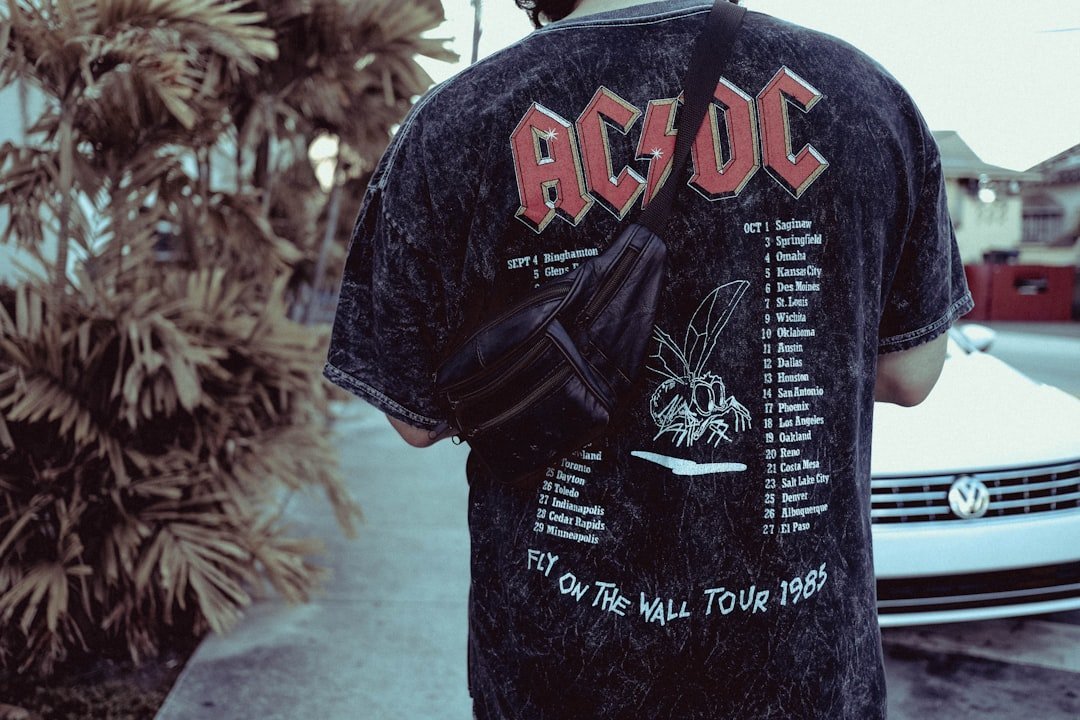
There is a particular kind of social shorthand in the band T-shirt that no other garment quite replicates. Wearing one in public is an invitation, a statement, and sometimes a dare. The simple cotton shirt moved from military utility to cultural touchstone, worn by icons like James Dean, who made it a symbol of youth rebellion. When rock culture arrived in force during the late 1960s and 1970s, the printed tee became the medium through which fans declared loyalties.
By the 1980s and 1990s, band shirts had moved beyond fandom into fashion. Concert merchandise became collectible. Vintage rock tees became sought-after items. Today, wearing a band shirt from a group you’ve never heard of is practically its own subculture, which is both a testament to and a gentle irony of the original item’s power. The genuine article – worn thin at the collar, bought at the venue – still carries a weight that no mass-produced reprint can replicate.
9. Ray-Ban Aviator Sunglasses: From Cockpit to Cultural Currency
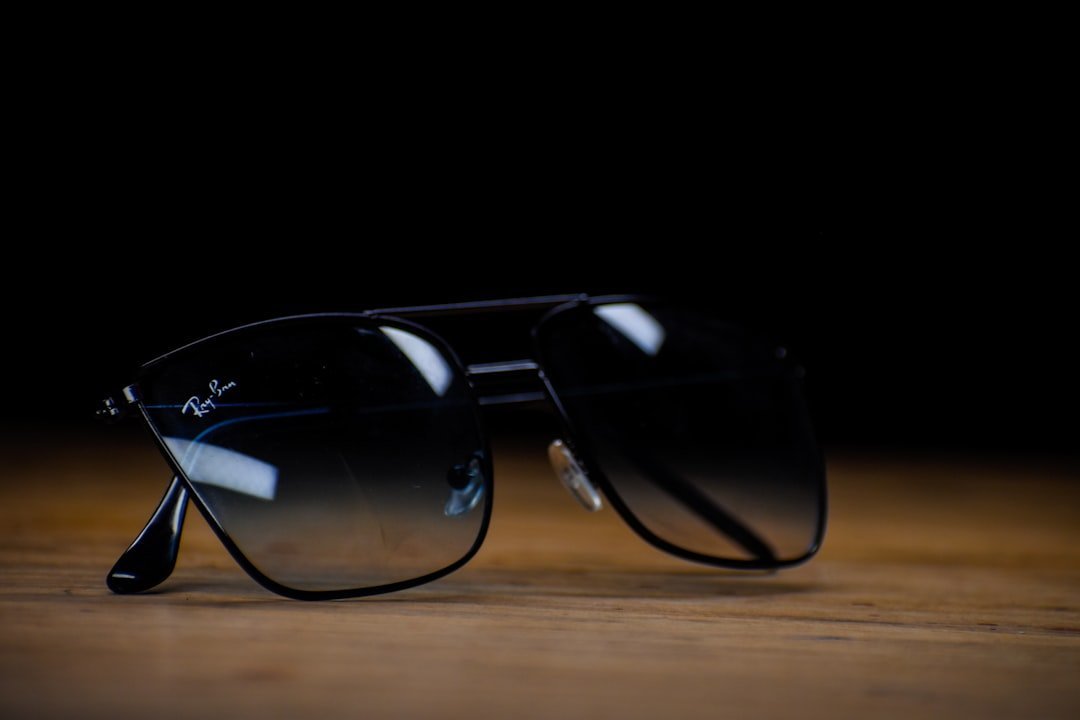
Ray-Ban Aviator sunglasses emerged from military necessity in 1937 when Bausch & Lomb designed them to shield U.S. pilots’ eyes at high altitudes. A 1944 photograph of General Douglas MacArthur wearing the distinctive teardrop lenses in the Pacific theater transformed them from military equipment into a coveted civilian accessory. The leap from function to fashion happened with remarkable speed.
The sunglasses’ cultural impact deepened through the decades as they adorned the faces of influential figures – Michael Jackson’s signature look relied on them, while Tom Cruise’s role in “Top Gun” cemented their connection to both aviation and celebrity style. What the Aviator accomplished was something very specific: it turned protection into personality. The shape became immediately readable as a certain kind of effortless authority, and generations have reached for that quality ever since.
10. Bell-Bottom Jeans: The Shape of a Decade
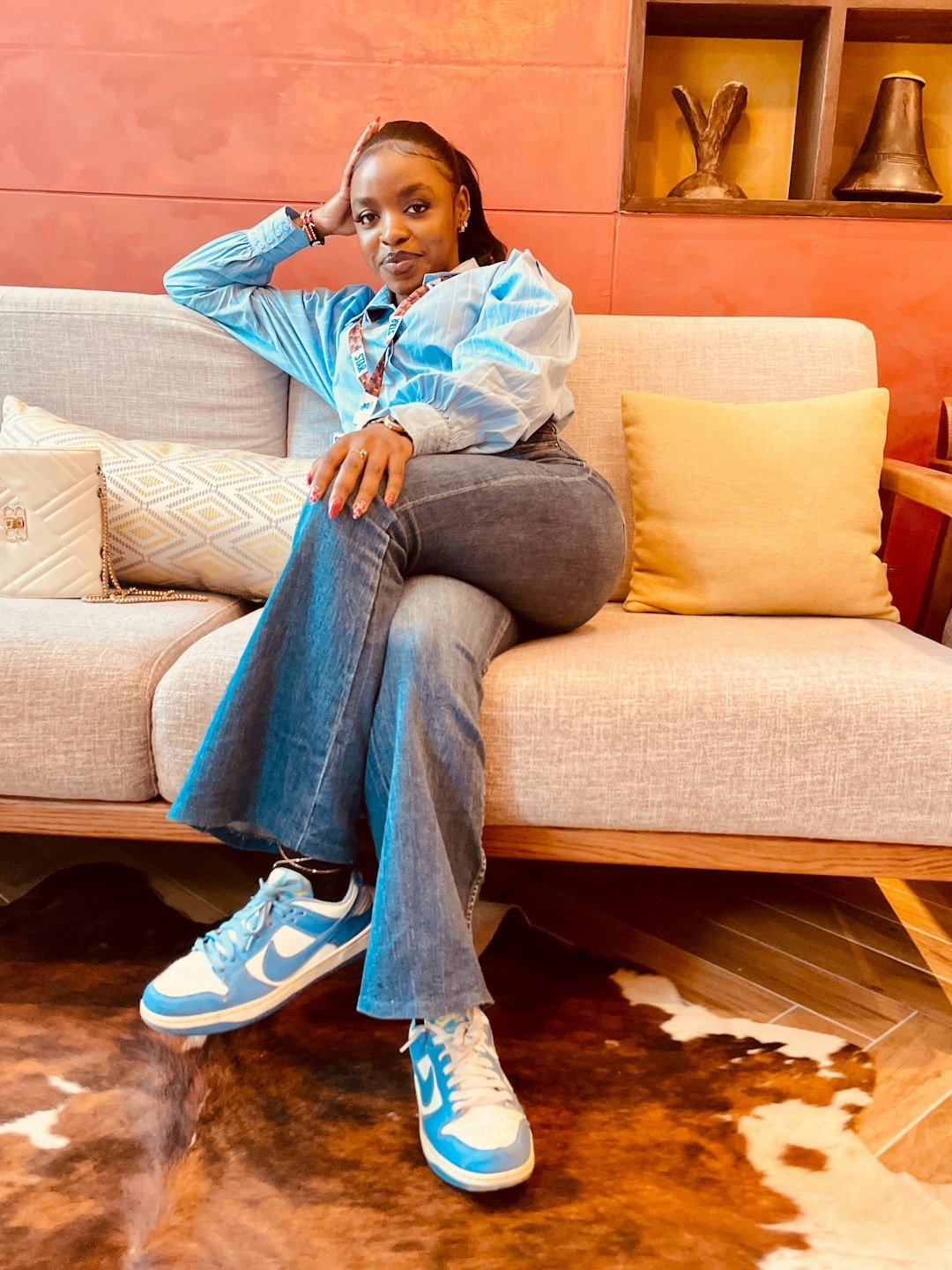
As the 1960s ushered in the era of the counterculture and the hippie movement, denim took on a new role as a symbol of free-spiritedness and personal expression. The introduction of bell-bottom jeans, with their wide flared legs, became a defining fashion statement of the decade, reflecting the era’s embrace of individual freedom and nonconformity. You could spot a generation simply by the width of their trouser leg.
Bell-bottoms were eventually absorbed into the 1970s disco era, where they widened further still and found a home on dance floors and in polyester blends. Their fall from fashion in the early 1980s was swift and decisive. Their revival in the 1990s and again in the 2020s confirms something about how fashion works: the further a silhouette falls from favor, the more charged with nostalgia it becomes when it returns. Bell-bottoms never just signal a style preference. They signal an entire emotional era.
11. The Trench Coat: A Century of Reinvention
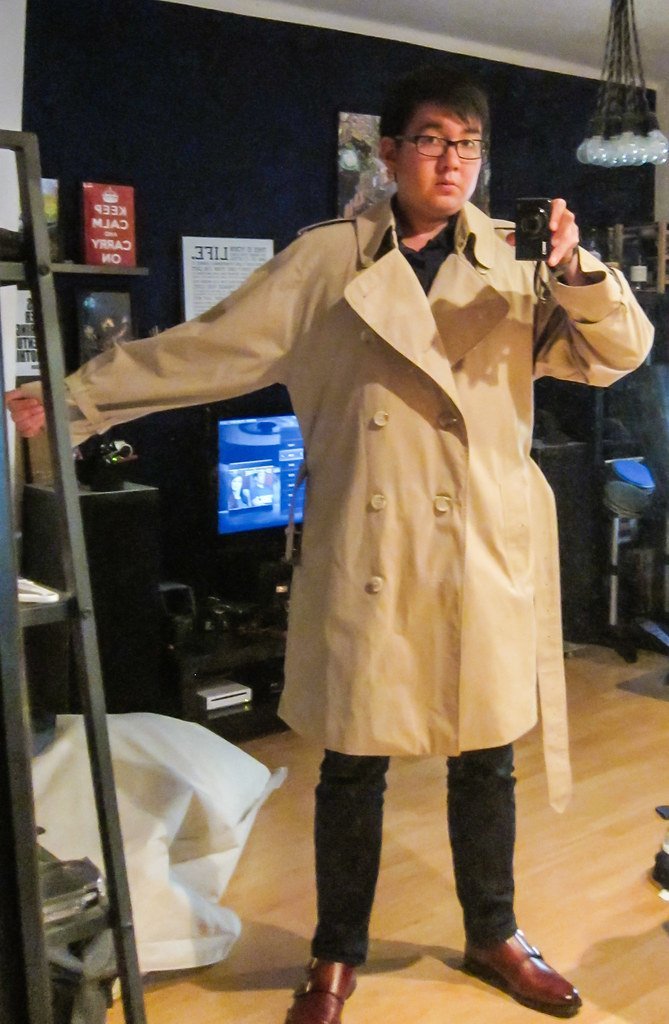
Originally designed for British officers during World War I, the trench coat entered civilian life carrying the quiet authority of its military origins. Burberry’s version became synonymous with a certain kind of restrained, practical elegance that felt appropriate across wildly different social contexts. By the mid-20th century, it had become the default coat of film noir detectives, European intellectuals, and anyone who wanted to project a certain composed mystery.
Designers who shaped archive fashion did so because their collections didn’t just follow trends, they created them. Each one pushed boundaries and influenced entire generations of style. The trench coat follows that principle as well as any item in fashion history. It has been reinterpreted by virtually every major designer, worn by figures as different as Humphrey Bogart and Kate Moss, and it continues to appear in contemporary collections without ever looking borrowed or nostalgic. That kind of longevity is genuinely rare.
12. The Marilyn Monroe Rhinestone Gown: A Single Dress, a Permanent Image
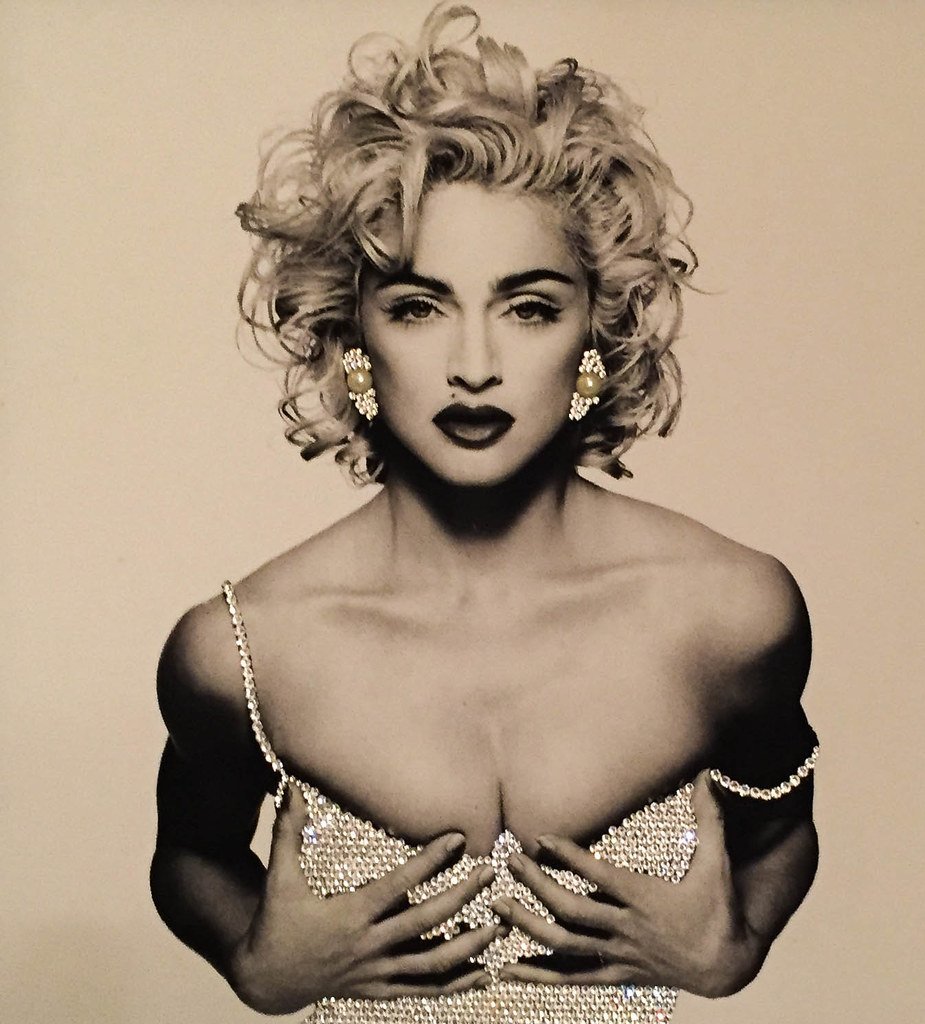
One of the most controversial dresses to land at the intersection of fashion, politics, and celebrity is the sheer dress Marilyn Monroe wore to sing “Happy Birthday, Mr. President” to John F. Kennedy in May 1962. Designed by Jean Louis from an original sketch by a young Bob Mackie, the figure-hugging gown was crafted from flesh-coloured silk soufflé gauze and embroidered with more than 2,500 rhinestones, creating the illusion that Monroe was almost naked beneath the lights.
The dress was so tightly fitted that she reportedly had to be sewn into it. It would also become one of Monroe’s final public appearances before her death just three months later, further cementing the dress as a symbol of American cultural history. Controversy surrounding the dress resurfaced again in 2022, when Kim Kardashian briefly wore the dress on the Met Gala red carpet under strict supervision, reigniting debates around preservation and fashion history. Few single garments have provoked conversation across six decades with anything close to that persistence.
Fashion as a Mirror, Not Just a Wardrobe
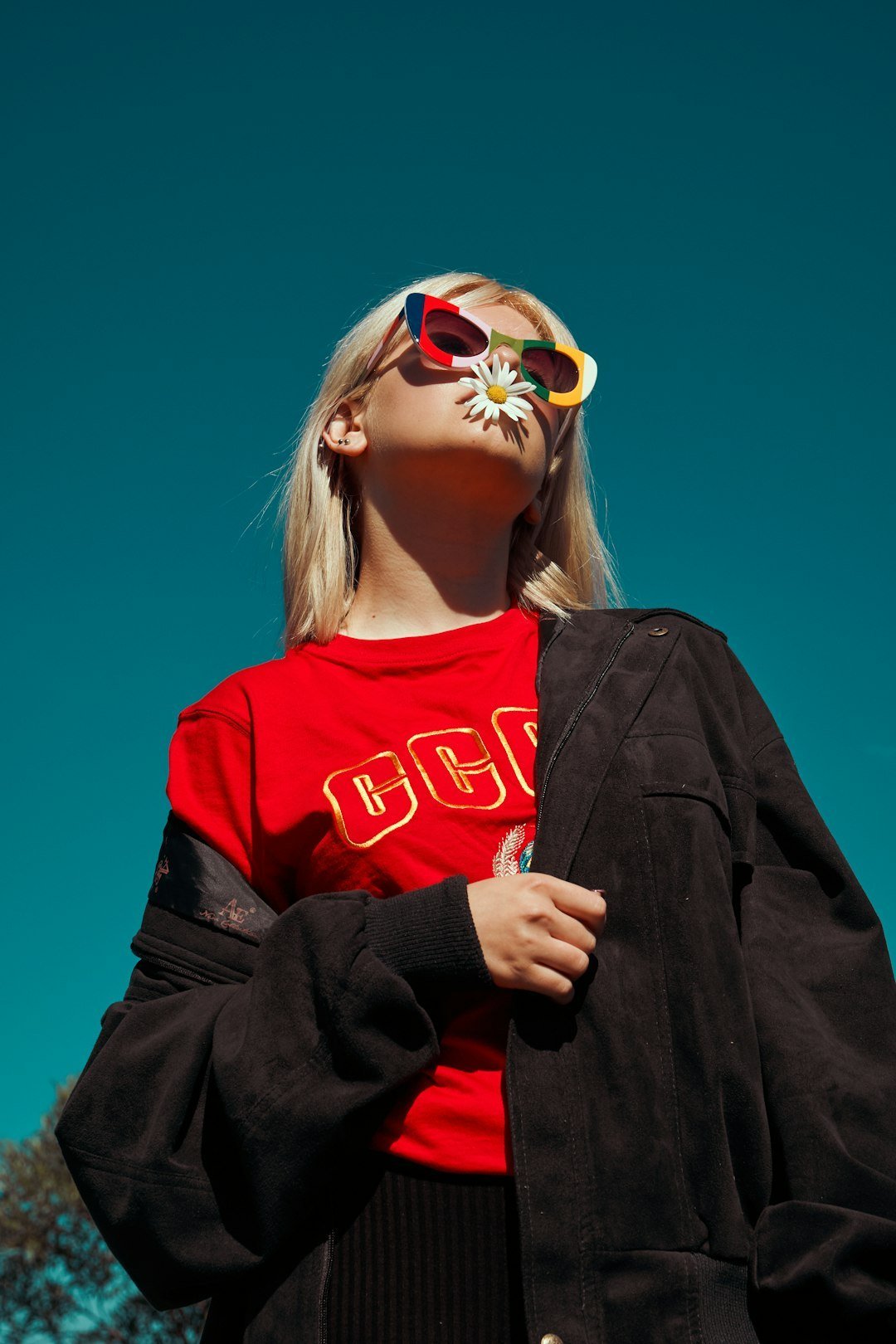
Looking across these twelve items, a pattern becomes clear. None of them became legendary by accident, and none of them stayed legendary simply because they were well-made. What we wear is more than just material sewn together to protect us. Our clothes are a signifier of our identity and culture. Communities have used clothing as a means to communicate status, celebrate important events, and show unity.
From the vibrant saris of India to the intricate kimonos of Japan, traditional clothing is a captivating portal to the rich heritage of every culture. These garments are more than just threads and fabrics – they are vessels of history, symbolism, and the very essence of a society’s values and beliefs. The same is true for denim and rhinestones and rubber soles.
Each generation thinks it’s the first to use clothes this way. It isn’t. What changes is the specific vocabulary: the silhouette that signals freedom, the fabric that means rebellion, the logo that marks belonging. The deeper impulse, to say something true about yourself through what you wear, is as old as clothing itself. That’s what makes these twelve items more than fashion. They’re evidence.
CEO-Co-Founder
