
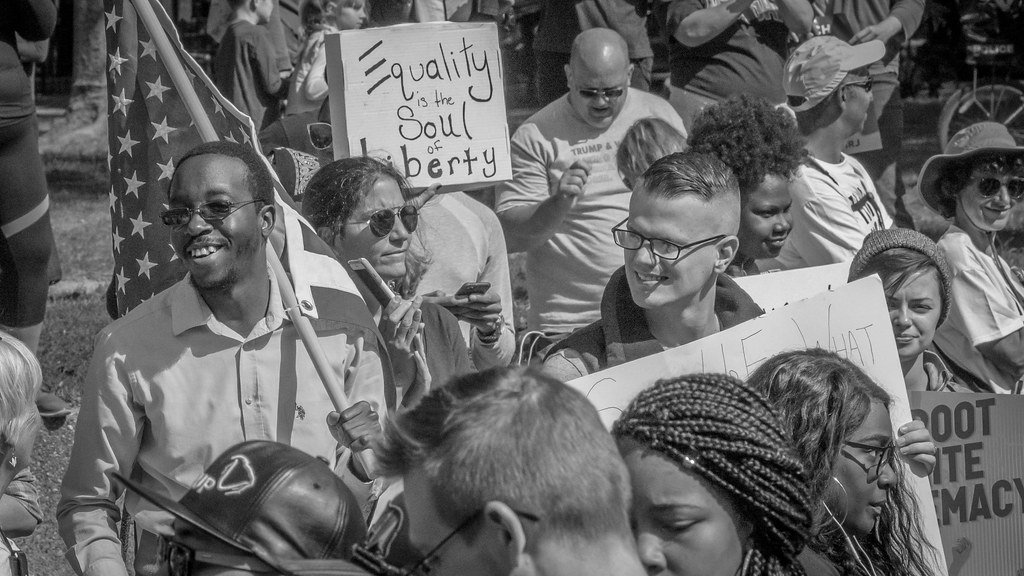

- 12 Iconic Protest Songs That Shaped History and Still Resonate Today - March 12, 2026
- 15 Movie Soundtracks That Are Better Than the Film Itself - March 12, 2026
- The 5 Most Expensive US Cities to Live In (and Why People Still Flock There) - March 12, 2026
There is something deeply human about the urge to set injustice to music. Before the internet, before the 24-hour news cycle, before social media outrage had a name, people sang. They sang in cotton fields and coal mines, on march routes and in prisons, in smoky nightclubs and at open-air rallies with hundreds of thousands watching. Music has always been where the unspeakable found its voice.
Protest songs typically serve to address some social, political, or economic concern through the means of musical composition. Throughout history, musicians have used their art as a tool for inspiring change and shed light on social issues and global injustices, from the original protest songs of the civil rights movement to charity singles raising money for those in need. That tradition continues today with artists such as Kendrick Lamar, Beyoncé, Stormzy, and H.E.R., who continue to harness the power of music to protest inequality, promote peace, equality, and human rights. From haunting jazz ballads in 1939 to hip-hop anthems chanted in city streets in 2015, twelve songs stand out as true monuments of musical resistance. Get ready to be surprised by how deeply these tracks changed the world.
1. “Strange Fruit” – Billie Holiday (1939)
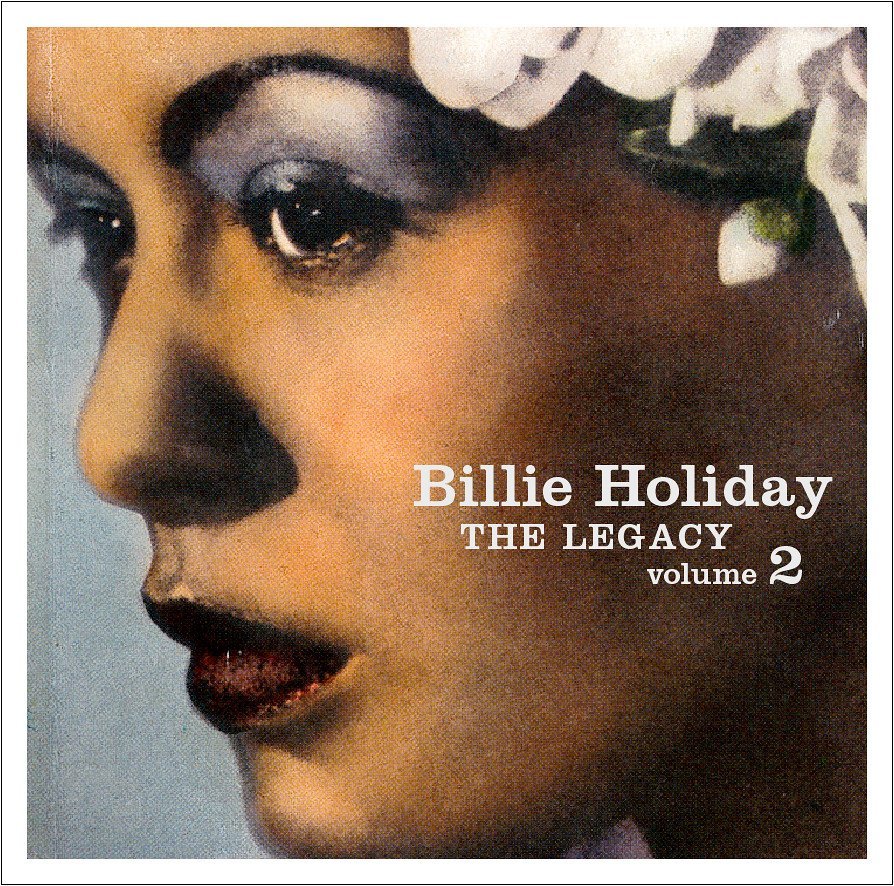
Few songs in the history of recorded music carry the kind of moral weight that “Strange Fruit” does. It is a song written and composed by Abel Meeropol and recorded by Billie Holiday in 1939, with lyrics drawn from a poem published in 1937. The song protests the lynching of African Americans with lyrics that compare the victims to the fruit of trees. Written by a white, Jewish high school teacher from the Bronx and a member of the Communist Party, Abel Meeropol wrote it as a protest poem, exposing American racism, particularly the lynching of African Americans. The sheer audacity of performing such a song in 1939 America is almost impossible to overstate.
The song was described as “a declaration of war” and “the beginning of the civil rights movement” by Atlantic Records co-founder Ahmet Ertegun. Holiday approached her recording label, Columbia, about the song, but the company feared reaction by record retailers in the South. When Holiday’s producer John Hammond also refused to record it, she turned to her friend Milt Gabler, owner of the Commodore label. Holiday sang it for him a cappella and moved him to tears. It became known as a powerful protest anthem that irked the conservative US government, and the response was swift, as racist Federal Bureau of Narcotics commissioner Harry Anslinger made it his personal mission to destroy the singer and shut down her message. In 1999, Time magazine named it “Best Song of the Century.”
2. “Blowin’ in the Wind” – Bob Dylan (1962)
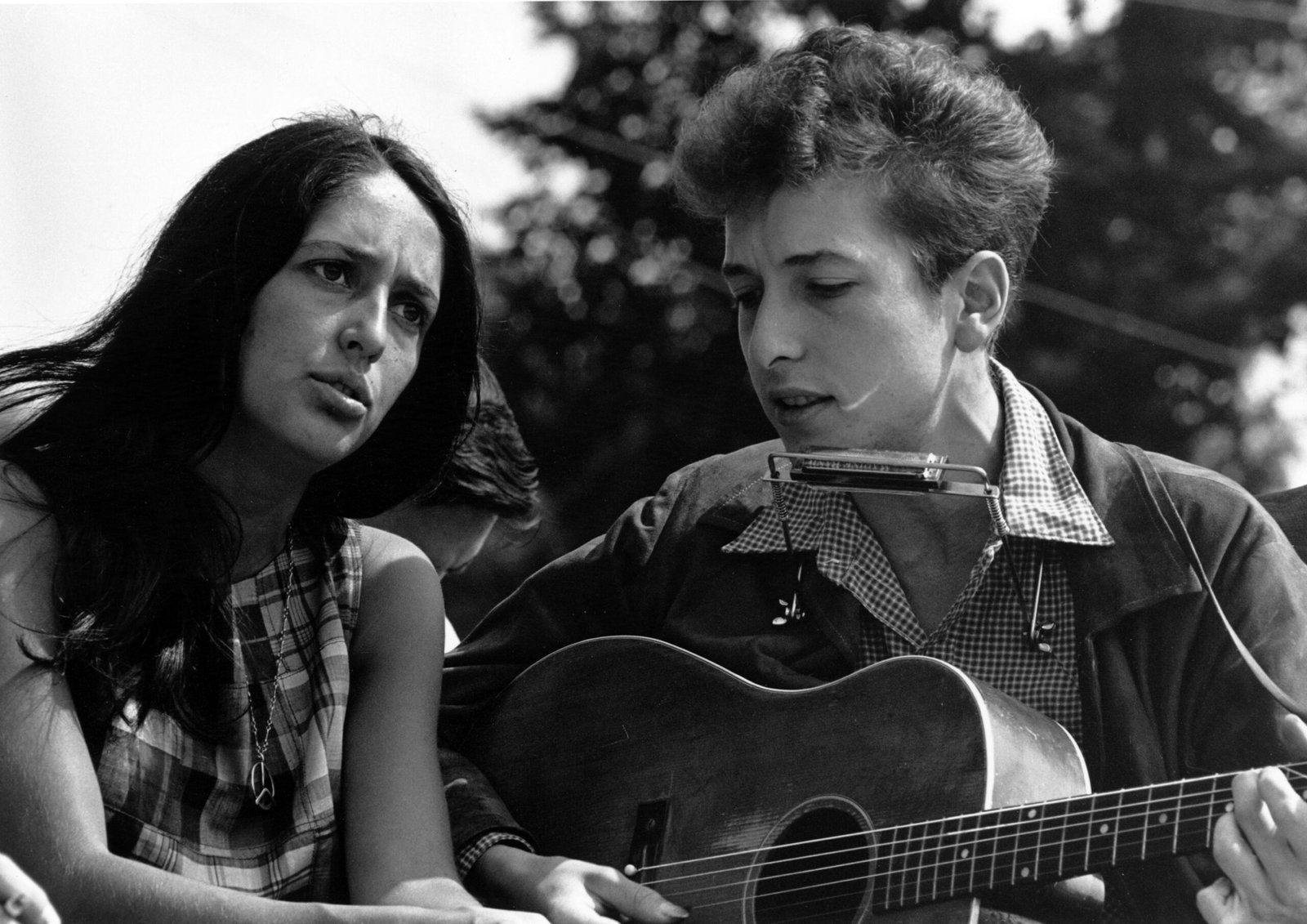
Honestly, it’s hard to imagine the 1960s without this song. Written by Bob Dylan in 1962, it was released as a single and included on his album The Freewheelin’ Bob Dylan in 1963. It poses a series of rhetorical questions about peace, war, and freedom. By avoiding specifics, Dylan’s three verses achieve a universal quality that makes them open to various interpretations and allows listeners to read their own concerns into the lyrics. That ambiguity, I think, is precisely why it endured.
The song quickly became an anthem of the civil rights movement then reaching its peak. Dylan sang it himself at a voter registration rally in Greenwood, Mississippi, in the spring of 1963. Peter, Paul and Mary performed it on the steps of the Lincoln Memorial in August of that year, a few hours before Martin Luther King delivered his “I have a dream” speech. Sam Cooke said the song inspired him to write his civil rights anthem “A Change is Gonna Come” one year later. In 1994, the song was inducted into the Grammy Hall of Fame. In 2004, it was ranked number 14 on Rolling Stone magazine’s list of the “500 Greatest Songs of All Time.”
3. “We Shall Overcome” – Pete Seeger and Civil Rights Tradition
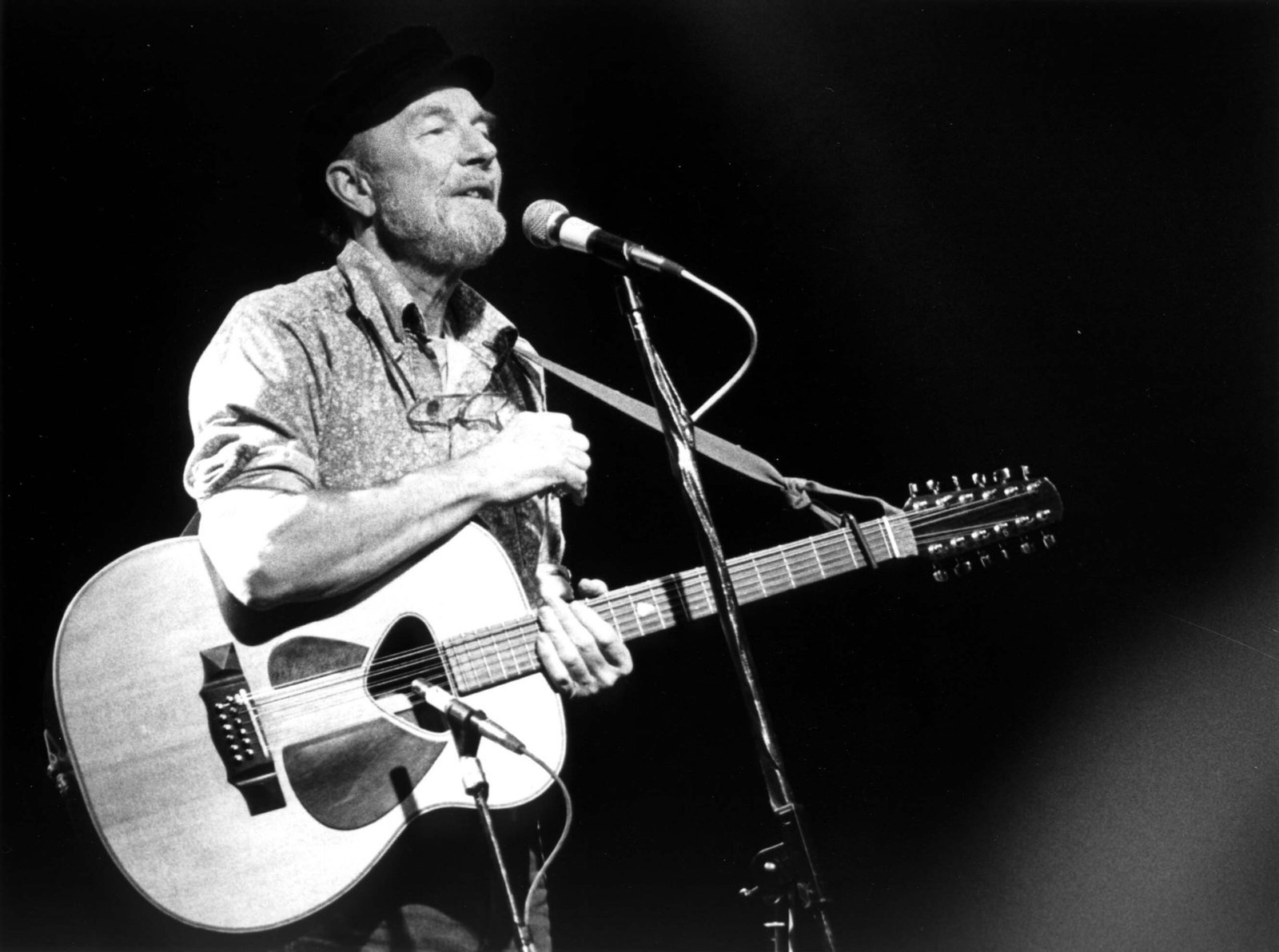
Some songs don’t belong to any one artist. They belong to a movement. Songs like “We Shall Overcome” have played pivotal roles in mobilizing people, shaping public opinion, and cementing the legacies of civil rights, anti-war, and other cultural movements around the world. Rooted in Black gospel and union traditions, it became the defining anthem of the American civil rights movement. Pete Seeger, who helped popularize it in the late 1940s and 1950s, understood something essential: that a simple, slow, communal song could hold people together under unimaginable pressure.
From gospel hymns of the Civil Rights Movement to folk anthems of the Vietnam War era to the popular music of today, music can power movements for change. “We Shall Overcome” was sung at marches, sit-ins, and vigils across the American South during some of the most violent chapters of the civil rights struggle. Its power was never in technical brilliance. It was in the communal act of singing it together, voices shaking, standing defiant in the face of hatred. As one activist put it, comparing Kendrick Lamar’s later anthem to this legacy: “Like ‘We Shall Overcome’ in the 60s, folks were in the streets literally saying the words as a protest chant.” The song proved that protest music doesn’t need complexity. It needs truth.
4. “A Change Is Gonna Come” – Sam Cooke (1964)
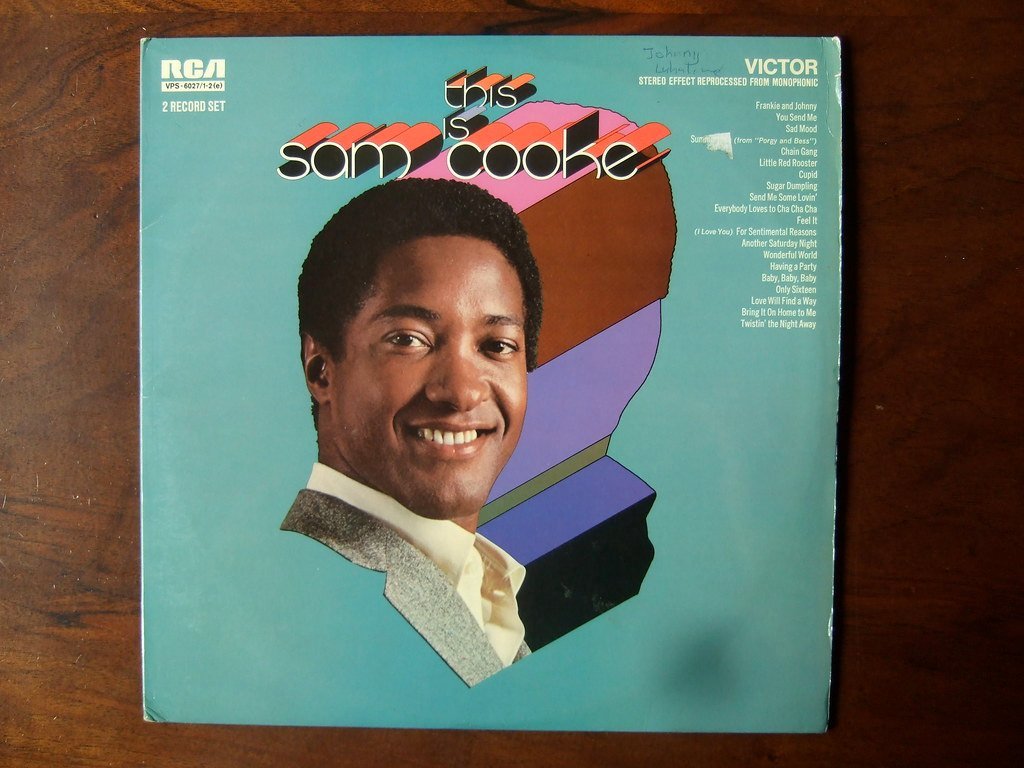
This early 1964 track was a departure for Sam Cooke, who hadn’t previously addressed the Civil Rights Movement in his music. The times were changing and he’d been inspired both by Dylan’s “Blowin’ in the Wind” and Dr. Martin Luther King’s “I Have a Dream” speech. Cooke wrote the song after his band was turned away from a whites-only motel in Louisiana. That personal humiliation lit a fire. The result is one of the most emotionally devastating recordings in American history.
Cooke had mixed feelings about the song, only performed it live once and resisted manager Allen Klein’s efforts to make it a single. Yet the song outlived his personal hesitation by decades. Released just weeks before Cooke’s tragic death in December 1964, it carries an eerie, prophetic weight. The combination of orchestral soul and raw, confessional lyrics made it something different from anything the civil rights movement had heard. It wasn’t just a protest song. It was a spiritual reckoning. Artists from Aretha Franklin to Seal have since covered it, and its place in the cultural canon remains absolutely unshakeable.
5. “Say It Loud – I’m Black and I’m Proud” – James Brown (1968)
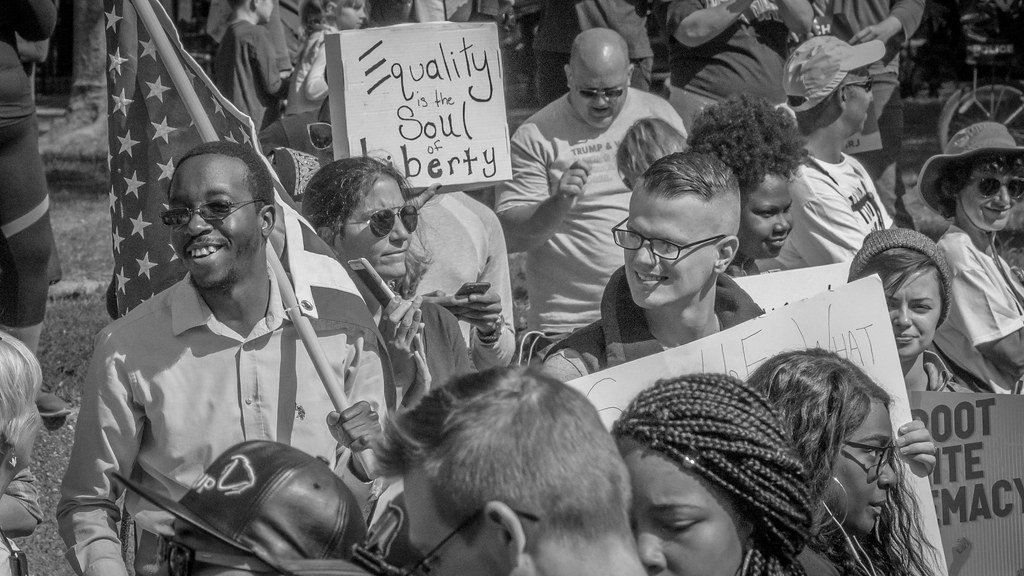
Though he’d changed the face of black music a few times by 1968, that year’s “Say It Loud – I’m Black And I’m Proud” was the first song on which James Brown made an overt statement on civil rights. The tone of the civil rights movement had so far been one of a request for equality. Brown, however, came out defiant and proud: he wasn’t asking politely for acceptance; he was totally comfortable in his own skin. It was a seismic shift in tone.
The song went to No. 10 on the Billboard charts and set the blueprint for funk. Like later Stevie Wonder classics of the 70s, it was a political song that also burned up the dancefloor; an unapologetic stormer that would influence generations. Think about that for a moment. At the height of the assassinations of Martin Luther King Jr. and Robert F. Kennedy, during a year of riots and despair, James Brown gave Black America permission to celebrate itself. It wasn’t just music. It was a psychological declaration of independence. The song essentially rewired the emotional language of the Black freedom movement.
6. “What’s Going On” – Marvin Gaye (1971)
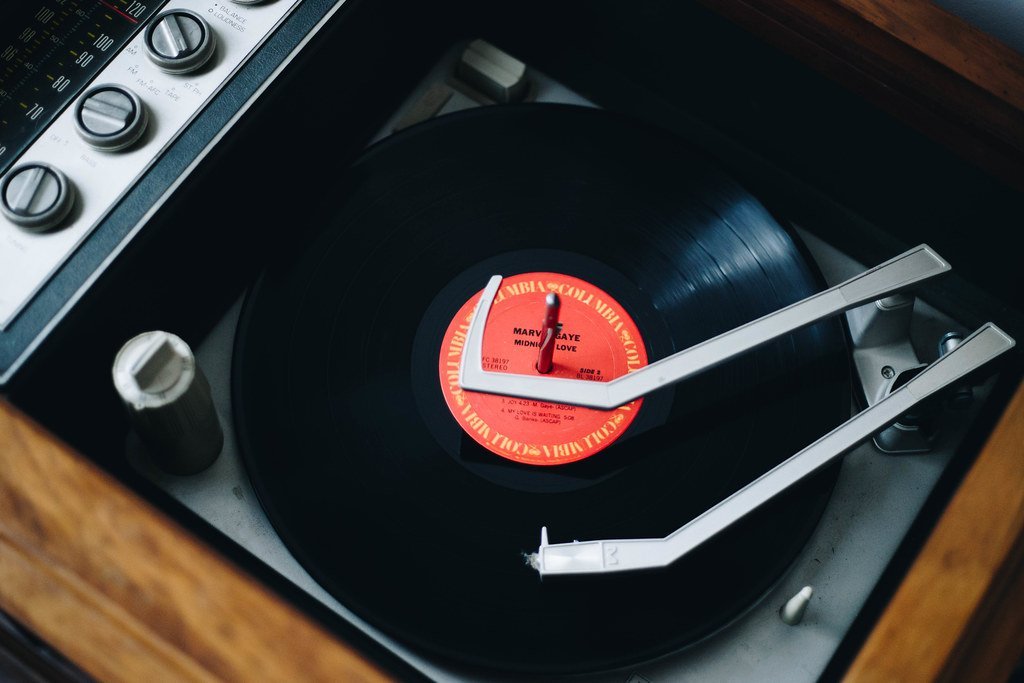
Obie Benson of Marvin Gaye’s fellow Motown group The Four Tops was present at the University of California in Berkeley when he saw police attacking anti-Vietnam War protesters. He wrote a song about the incident, but it was a bit near the knuckle for his own group and it was quickly adapted and adopted by Marvin Gaye. The singer used the bewildered, baffled track to kick off his socially-conscious album of 1971. It was the sound of a man sincerely asking the world: what is happening to us?
The title track of Marvin Gaye’s 1971 opus is lyrically as relevant now as it was at the height of the Vietnam War. The album explored police brutality, the environment, poverty, and drug addiction with a tenderness that no Motown record had dared to before. Gaye initially faced resistance from the label, but he pushed through, and the result was one of the most important concept albums ever made. Here’s the thing about “What’s Going On”: it doesn’t scream at you. It speaks gently, almost mournfully, which somehow makes it even harder to ignore. Its legacy keeps expanding.
7. “Sunday Bloody Sunday” – U2 (1983)
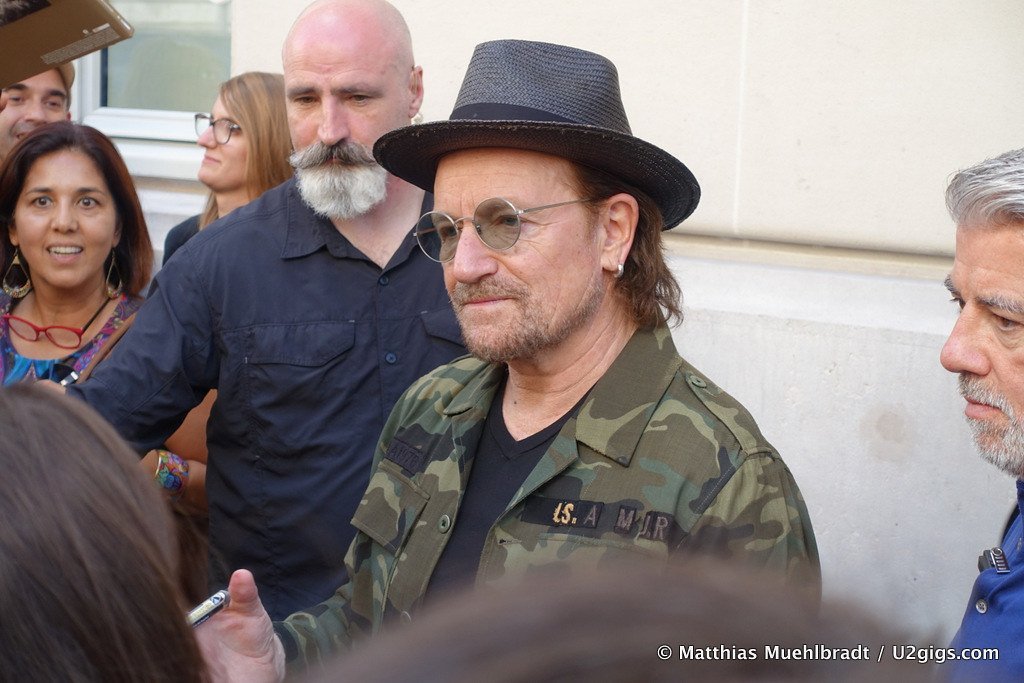
The Bloody Sunday incident became notorious for increasing membership of the burgeoning IRA and was one of the key moments in “The Troubles.” Both John Lennon and Paul McCartney wrote songs in the immediate aftermath, but it was Dublin band U2 who penned the definitive protest eleven years later. “Sunday Bloody Sunday” was the opening track on the band’s third album War and was most famously performed at Live Aid. In a career already defined by ambition, it was still a bold move.
Bono was keen to emphasize that the track was “not a rebel song,” but a humanitarian plea against the killing that continued throughout the decade and beyond. That distinction matters enormously. The song doesn’t glorify any side in the conflict. It mourns. It demands that violence stop. That refusal to be partisan is probably why the song has aged so well. It’s not a product of one political tribe. It’s a human cry against the cycle of sectarian murder. On the 50th anniversary of the Bloody Sunday event, Bono and The Edge performed a special acoustic version of the song, demonstrating its enduring relevance decades later.
8. “Free Nelson Mandela” – The Specials (1984)
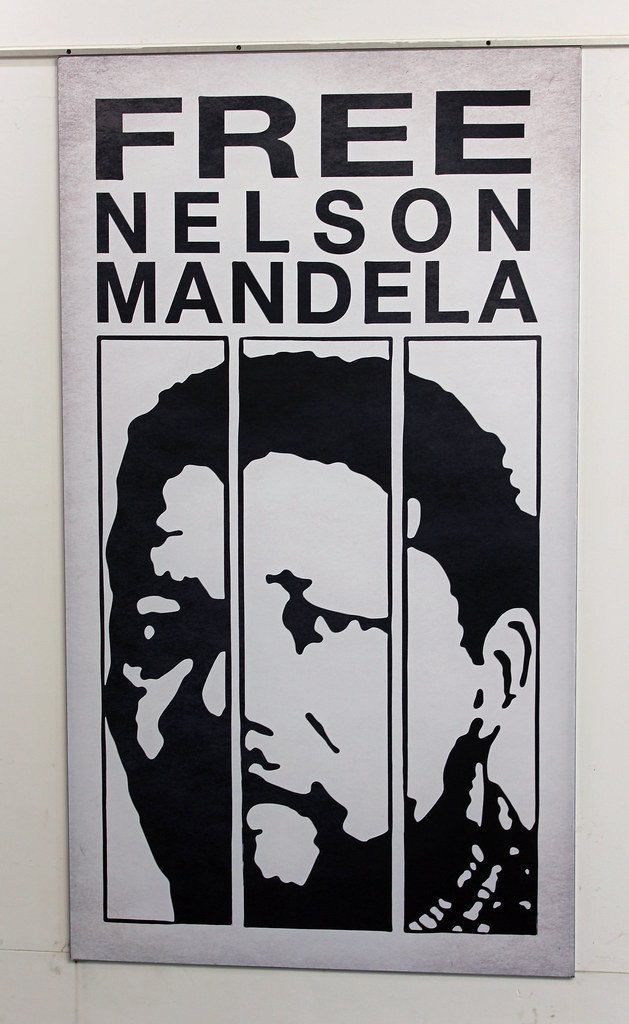
Proving that political songs can simultaneously sway hips and broaden minds, Jerry Dammers’ “Free Nelson Mandela” was a joyous-sounding, upbeat dancefloor hit that became the unofficial anthem for the international anti-apartheid movement. It’s almost paradoxical. The song sounds celebratory. Yet the message was devastating in its clarity. It’s remarkable that a song with such an uncompromising, clear political message was a hit, but in the UK, it reached No. 6 in the charts while becoming immensely popular elsewhere in the world, including South Africa.
When the song was released, Mandela had already been in prison for 20 years on charges of sabotage and attempting to overthrow the South African government. The song claimed its place among the best protest songs of the 80s, raising both Mandela’s profile and his cause, reaching those who might not have been engaged enough with world issues to be familiar with his story, inspiring them to learn more. There is a lesson buried here for every activist: sometimes joy is the most powerful political weapon you have. A song that makes people dance can reach hearts that a stern pamphlet never could. Mandela was released in 1990, and while no one credits a single pop song for that outcome, “Free Nelson Mandela” kept the world watching and caring.
9. “Fight the Power” – Public Enemy (1989)
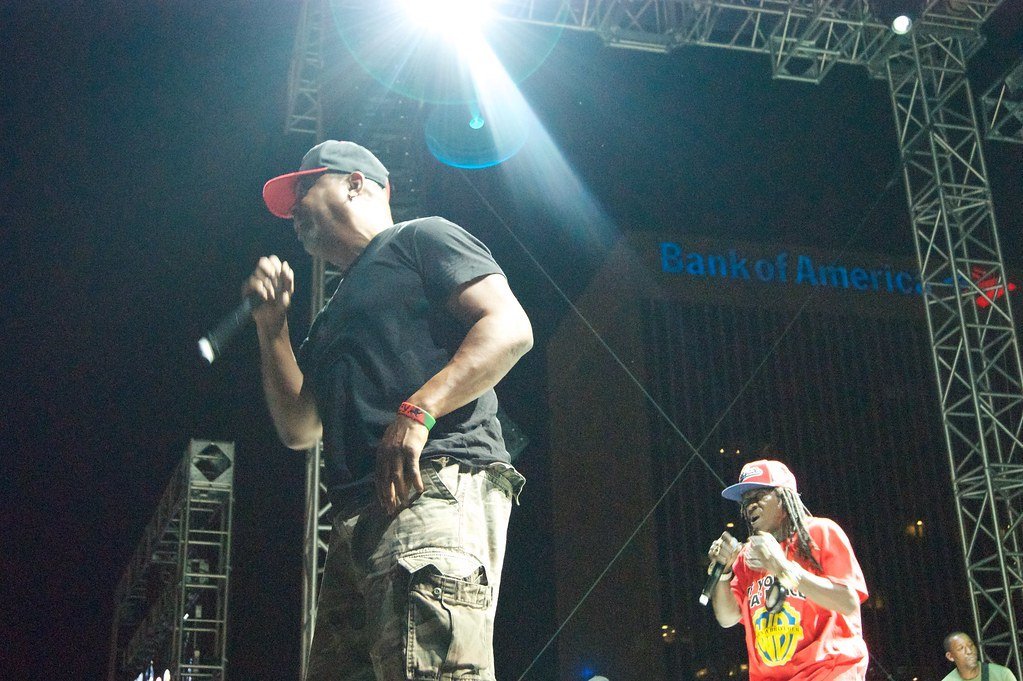
The song’s explosive collage of funk, noise and incendiary beats provided a backdrop to immediately iconic lyrics from main man Chuck D and co. Chuck acknowledged that the song was their most important, playing a huge role in capturing the social and psychological struggles facing young black Americans at the time. Released as the theme to Spike Lee’s film “Do the Right Thing,” the track hit American culture like a wrecking ball. It was confrontational in a way that made some people deeply uncomfortable, which was precisely the point.
The rap superstars recorded this song for Spike Lee’s tale of urban racial tension, “Do the Right Thing,” but it became a huge track in its own right when included on their album Fear of a Black Planet. “Elvis was a hero to most / But he never meant sh*t to me,” declaims Chuck D, knocking down one of America’s cultural icons. Let’s be real: that line was a grenade. Public Enemy didn’t want comfort. They wanted reckoning. The song remains a defining artifact of late-1980s Black consciousness and a blueprint for hip-hop’s capacity to carry serious political content with sonic force.
10. “Killing Me Softly” and the Nina Simone Legacy – “Mississippi Goddam” (1964)
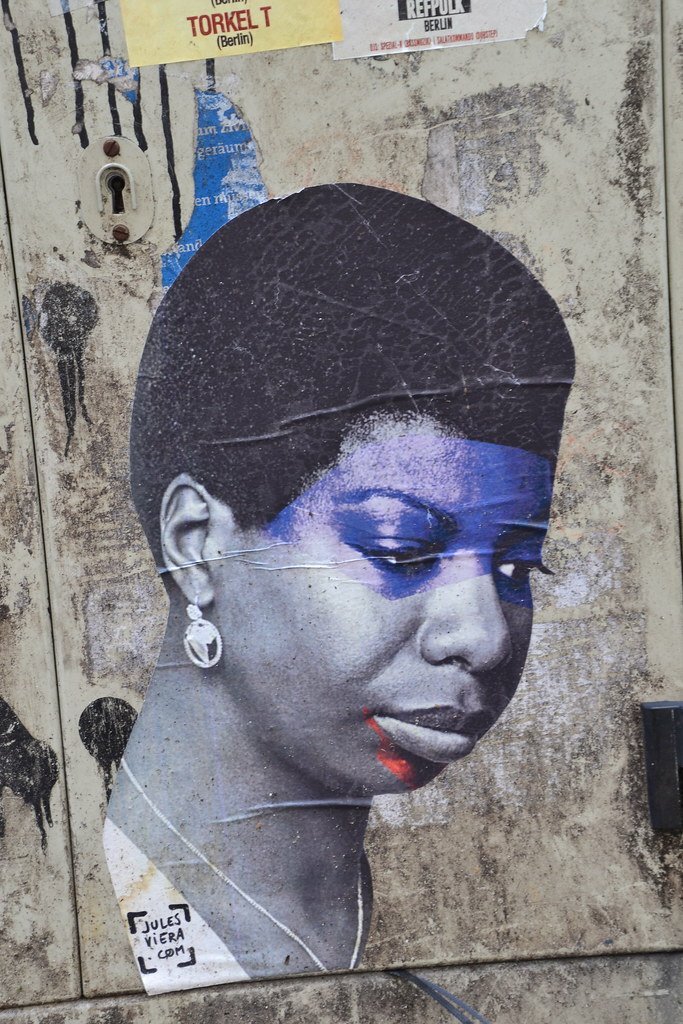
Nina Simone rarely gets enough credit in conversations about protest music, and that, honestly, is a frustration. These songs transcend genres and generations, from Billie Holiday’s haunting anti-lynching song “Strange Fruit,” to Nina Simone’s “Mississippi Goddam,” sung as a reaction to the murder of Civil Rights leader Medgar Evers and the 16th Street Baptist Church bombing, to James Brown’s jubilant “Say it Loud – I’m Black and Proud.” Simone’s “Mississippi Goddam” was explosive in its fury. She wore her rage openly, without apology, at a time when Black women artists were expected to remain decorative and unthreatening.
The song was recorded live in 1964 and distributed to radio stations across the South, many of which simply snapped the records in half and mailed the pieces back to her label. That level of institutional resistance tells you everything you need to know about how powerful the song was perceived to be. Simone occupied a unique space: a classically trained pianist with the soul of an activist, she used her artistry as a scalpel. During the civil rights era, Nina Simone’s stirring 1965 cover of “Strange Fruit” became fully widely known, where her understated vocals grow louder throughout the song until she bellows through the piano chords, angry, mournful, and vulnerable. Her entire catalog was an act of radical Black self-assertion decades before it had a mainstream name.
11. “The Times They Are A-Changin'” – Bob Dylan (1964)
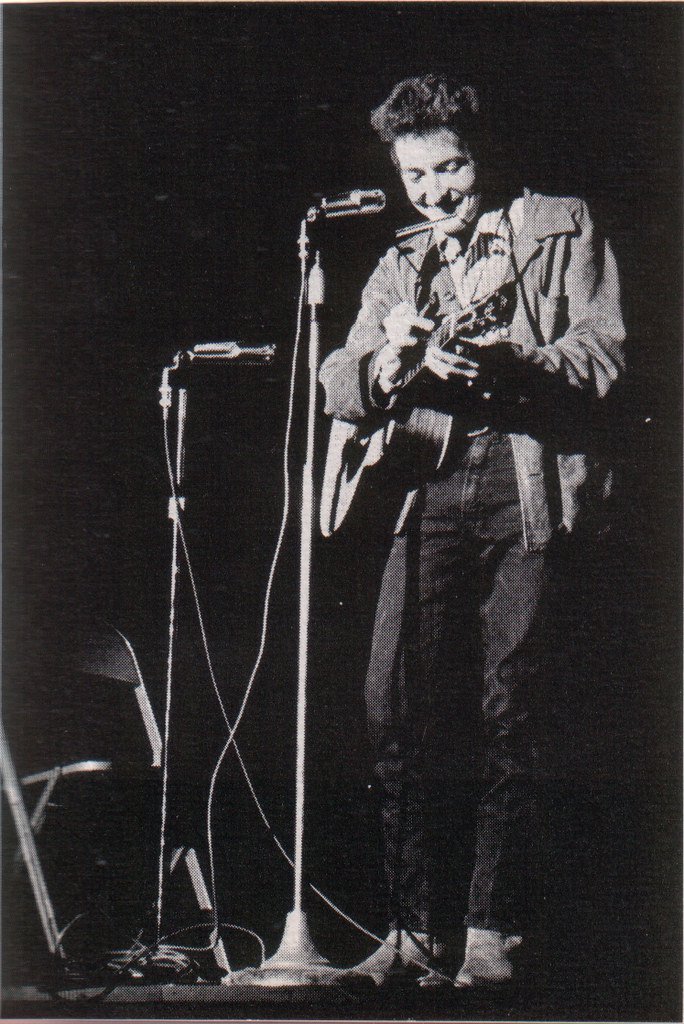
Bob Dylan’s “The Times They Are A-Changin'” echoed through college campuses, urging young people to rise against injustice. Released in January 1964, it was Dylan at his most deliberately prophetic. Where “Blowin’ in the Wind” asked questions, this song issued commands. It addressed politicians, parents, senators, and writers directly, essentially telling an older generation that the world was leaving them behind. Dylan’s songs became anthems for a generation of young Americans who were fighting for racial equality and social justice. Dylan’s music provided a voice for the civil rights movement, reflecting the hopes and fears of a generation of activists.
The 1960s was a fertile era for the genre, especially with the rise of the Civil Rights Movement, the ascendency of counterculture groups such as “hippies” and the New Left, and the escalation of the War in Vietnam. The protest songs of the period differed from those of earlier leftist movements, which had been more oriented towards labor activism, adopting instead a broader definition of political activism commonly called social activism, incorporating notions of equal rights and of promoting the concept of “peace.” Dylan essentially wrote the soundtrack for that entire shift. Over a short period of less than three years, Dylan wrote about two dozen politically oriented songs whose creative lyrics and imagery reflected the changing mood of the postwar baby-boom generation and the urgency of the civil rights and antiwar movements. It’s a staggering creative output, and “The Times They Are A-Changin'” remains its loudest anthem.
12. “Alright” – Kendrick Lamar (2015)
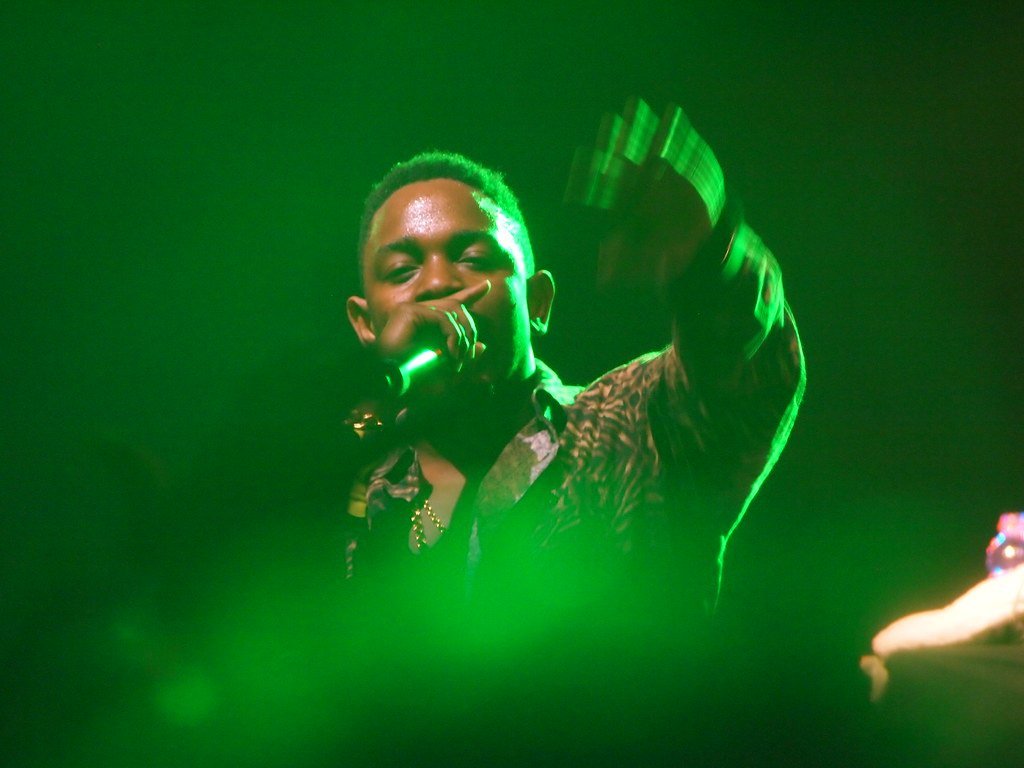
A song by American rapper Kendrick Lamar featured on his third studio album, To Pimp a Butterfly, “Alright” expresses ideas of hope amid personal struggles and was co-produced by Pharrell Williams. The artist was inspired to write “Alright” by a trip to South Africa, specifically the cell on Robben Island where Nelson Mandela was imprisoned. It’s a detail that threads this song directly into the global history of resistance. The lyrics speak angrily about police brutality while Kendrick mentions his own struggles with fame and greed. The chorus is uplifting and offers a beacon of hope when things seem to be at their worst.
The song was associated with the Black Lives Matter movement after several youth-led protests were heard chanting the chorus. Publications such as Rolling Stone, People, and Complex noted the song’s importance in the protests, calling “Alright” the “unifying soundtrack” of the movement. Its impact was compared to “We Shall Overcome”: “Like ‘We Shall Overcome’ in the 60s, folks were in the streets literally saying, ‘We gonna be alright, do ya hear me’ and chanting his actual lyrics.” “Alright” received four nominations at the 58th Grammy Awards: Song of the Year, Best Music Video, Best Rap Performance, and Best Rap Song, winning the latter two. In many ways, it proves that protest music did not die with the folk revival. It simply changed clothes.
Why Protest Music Will Never Stop Mattering
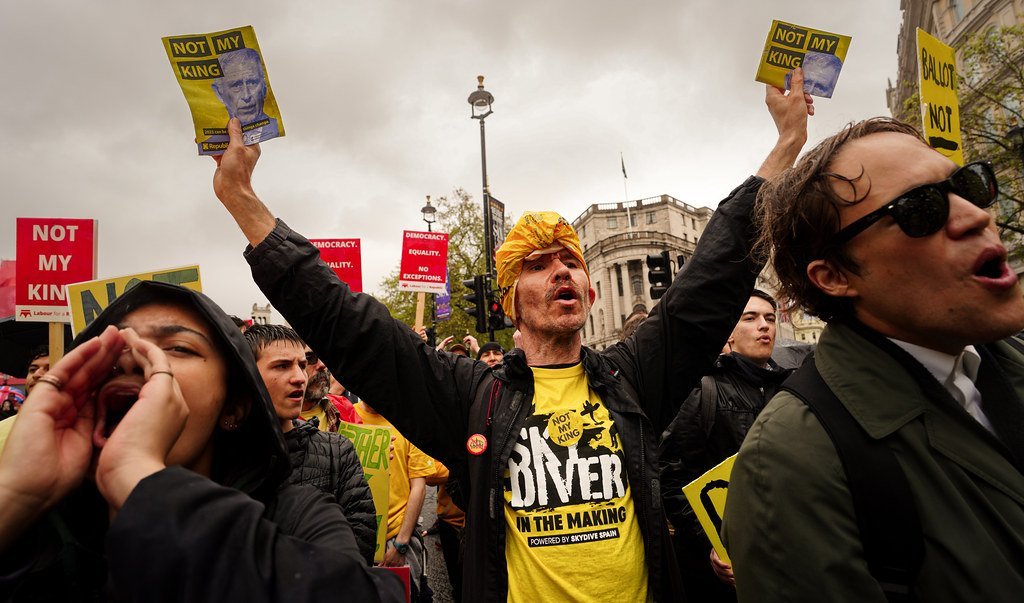
Protest songs do more than just entertain. They provoke thought, inspire action, and create community among those who feel unheard. From civil rights anthems to anti-war ballads, each track tells a story not only about the artist but also about the societal context they inhabit. That is something no tweet, op-ed, or political speech has quite managed to replicate. Music reaches the body before it reaches the brain. It bypasses skepticism and goes straight for the gut.
Looking at these twelve songs together, you notice something remarkable: each one emerged from a specific crisis, yet none of them stayed there. What stands out isn’t just the lyrical content of these songs but how they foster solidarity among listeners across different backgrounds, uniting them under shared ideals or experiences even if they’re continents apart. In every note lies history; within every lyric resides emotion. As long as there is injustice anywhere in the world, someone, somewhere will reach for an instrument and try to say what words alone cannot hold.
The most powerful protest songs are never really finished. They keep finding new crowds, new crises, new generations who need them. From Billie Holiday standing alone in a spotlight in 1939 to Kendrick Lamar bringing entire arenas to their feet in 2015, the thread is unbroken. Which of these songs surprised you most? And which one do you think the world still isn’t ready to truly hear?
CEO-Co-Founder
