

- 12 Iconic Pop Culture Moments That Defined the 20th Century - March 30, 2026
- 10 Must-Read Native American Authors - March 30, 2026
- The Most Beautifully Designed Book Covers in History - March 30, 2026
There is something almost impossible to explain about the way a single cultural moment can fuse millions of strangers together into one shared memory. A televised performance. A movie. A protest festival. A dance move. These are not just entertainment footnotes – they are the threads from which entire generations have been woven. They shape what we believe is cool, what we think is brave, and even who we decide to become.
The 20th century was an extraordinary laboratory for exactly this kind of mass experience. New technology kept handing culture a bigger and bigger megaphone, until the whole world could hear the same beat at the same time. Some of these moments were joyful. Some were shocking. A few were downright controversial. All of them mattered. Here are twelve that changed everything.
1. Elvis Presley on The Ed Sullivan Show (1956)
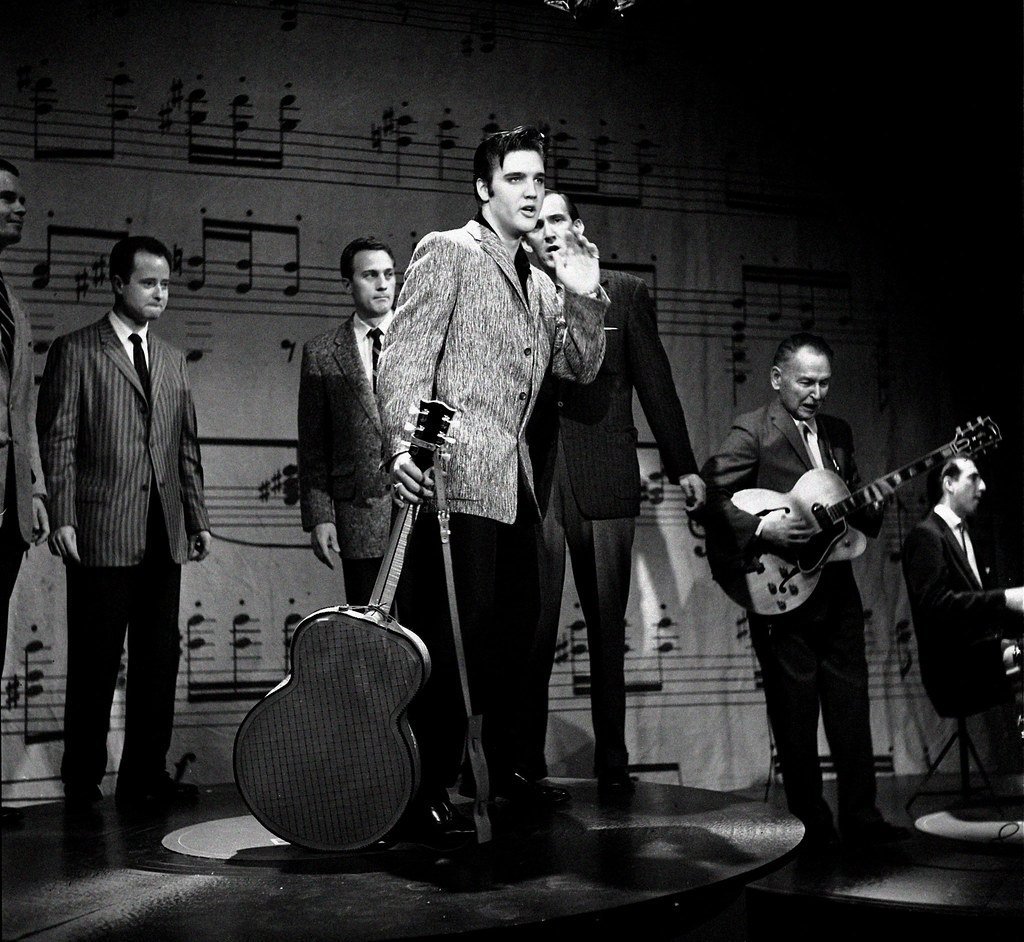
Honestly, it is hard to overstate how seismic this was. On September 9, 1956, Elvis Presley made a significant appearance on The Ed Sullivan Show, which garnered an estimated 60 million viewers, marking a pivotal moment in the acceptance of rock and roll music. Think about that number for a second. In a country of roughly 165 million people, nearly a third of the entire nation was glued to their television sets watching one young man shake his hips.
The show had a 43.7 rating and was viewed by a record 60.71 million people, which at the time represented an 82.6 percent share of the television audience. That latter percentage share remains, to this day, the largest in the history of American television. That is not just a pop culture record. That is a record for all of television, full stop. No one has ever come close.
Elvis Presley’s debut on The Ed Sullivan Show was a cultural milestone that transcended immediate record sales and TV ratings. His dynamic stage presence and rebellious moves broke through the conservative norms of 1950s America, reshaping both his career and the entertainment industry’s relationship with youth culture. This moment inspired generations of musicians, from The Beatles to Bob Dylan, and had a lasting influence on fashion, social attitudes, and the rock scene of the 1960s.
With Elvis’s success, rock and roll entered the mainstream of popular culture, as did the music of African Americans such as Chuck Berry, Little Richard, and Chubby Checker. In England, the Beatles and the Rolling Stones, still searching for their own unique sounds, began their careers by covering songs by Elvis and African American rhythm and blues artists whose race had kept their music off radio stations geared toward white audiences. That is the ripple effect of one television appearance. Wild.
2. The Beatles Conquer America (1964)
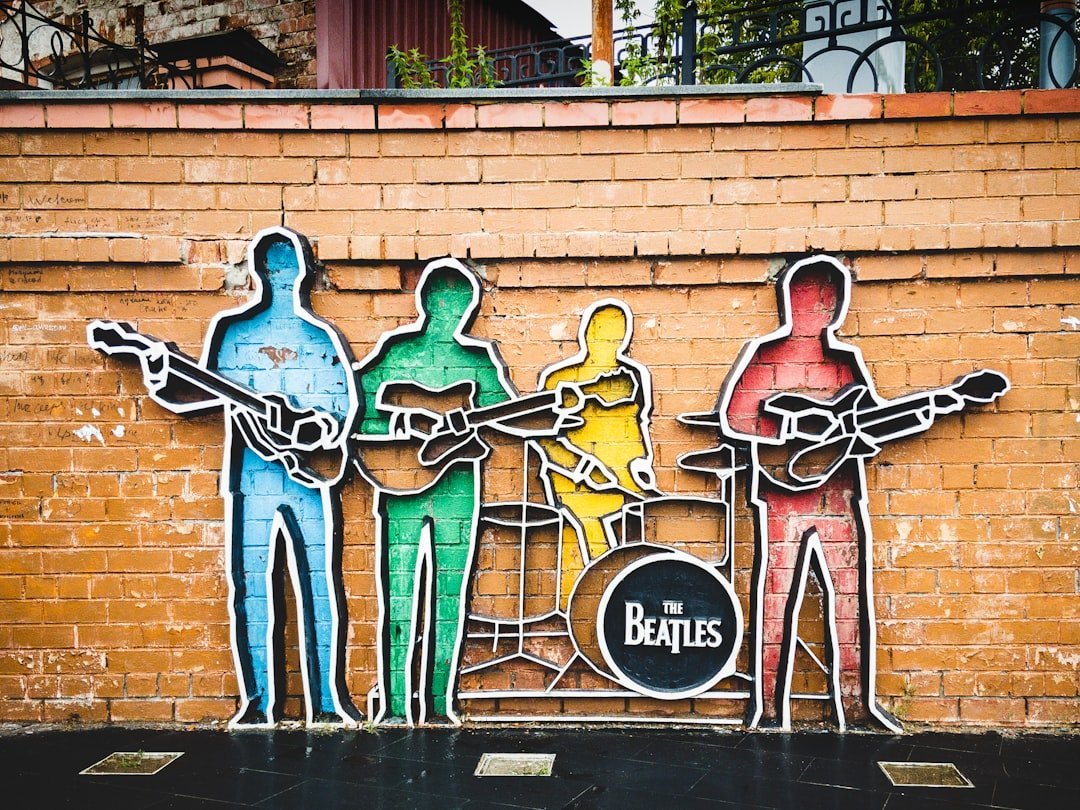
Their first appearance on February 9 was seen by over 73 million viewers and came to be regarded as a cultural watershed that launched American Beatlemania – as well as the wider British Invasion of American pop music – and inspired many young viewers to become rock musicians. For context, this was just months after the assassination of President Kennedy, and the country was still raw with grief. The Fab Four landed in America like a bolt of lightning through a storm cloud.
Commentators have also attributed the Beatles’ Sullivan Show appearances and early Beatlemania as helping to heal the national trauma from the assassination of John F. Kennedy in November 1963. That is a remarkable thing for any band to accomplish. Music as national medicine.
The Beatles’ Sullivan Show appearances catalyzed a run of extraordinary commercial success in the U.S.; the Beatles sold 2.5 million records in the country in the month after the first appearance and by early April became the first act to hold all top five spots in the Billboard Hot 100 chart. Five songs. Five spots. The entire top of the chart. Nothing like it had ever happened before, and nothing quite like it has happened since.
Numerous musical artists have cited the Beatles’ Ed Sullivan Show appearances as their inspiration for becoming musicians, including Billy Joel, Tom Petty, Gene Simmons, Joe Perry, Nancy Wilson, Kenny Loggins, Mark Mothersbaugh, Bruce Springsteen, and Richie Sambora. If you ever wonder why the 1970s and 1980s produced so much brilliant rock music, here is a large part of your answer.
3. The 1920s Jazz Explosion and the Birth of Popular Culture Itself
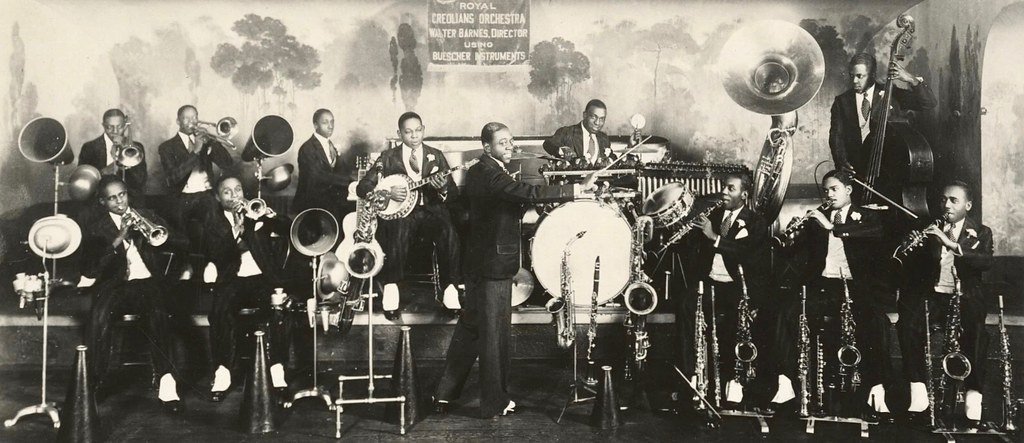
The 1920s, known as the Roaring Twenties, saw an explosion in the development of pop culture, with the emergence of jazz music, flapper fashion, and the Hollywood film industry. It is easy to look backward and underestimate how radical this was. Jazz was not just a new genre of music – it was a whole new way of existing publicly. It was improvised, alive, and thoroughly rebellious.
Think of it like this: before jazz, popular entertainment largely followed strict, formal rules. Then suddenly you had musicians improvising in real time, audiences dancing with strangers, and fashion throwing out the rulebook entirely. The flapper dress alone – short, free, and scandalous to Victorian sensibilities – was a statement louder than any protest march. This was culture rejecting its own past and daring the future to keep up.
One of the earliest forms of pop culture was the serialized novel, which became popular in the 19th century. These novels were published in installments in magazines or newspapers, which reached a wide readership and started to create a shared cultural experience among the readers. But the 1920s took that shared experience and electrified it. Literally. Radio broadcasts carried jazz into living rooms across entire continents. The age of mass culture had truly begun.
4. The Moon Landing (1969)
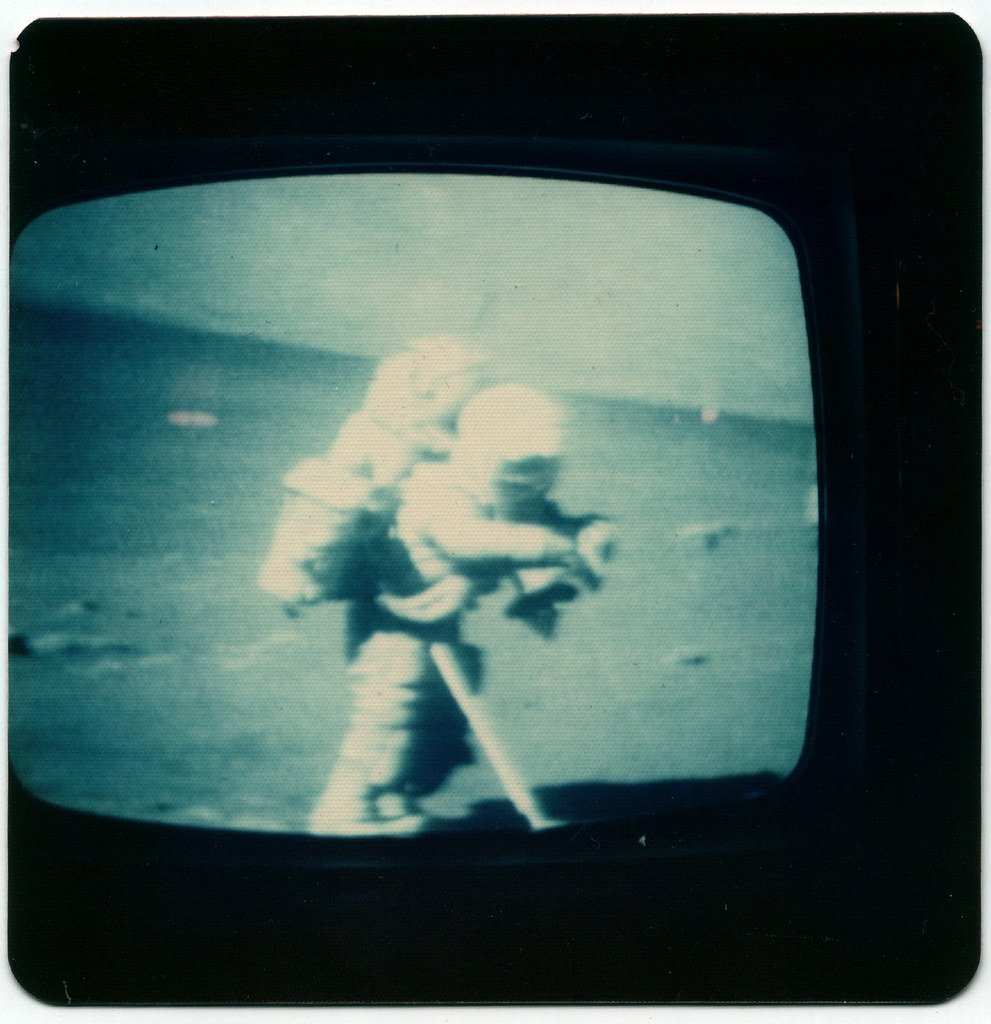
There is a reason that a documentary series about 1969 called it one of the most formative events of the 20th century. Most people know the major details about the July 1969 landing, when Neil Armstrong and Buzz Aldrin made history by becoming the first men to walk on the surface of the moon. Knowing the details and truly feeling the weight of it, though, are two very different things.
This was not just a scientific achievement. It was a shared human experience of almost religious intensity. Hundreds of millions of people around the world stopped whatever they were doing and watched. No sports event, no television finale, no concert had ever unified humanity at quite this scale. It rewired what ordinary people believed was possible.
Footage of the moon landing famously introduced viewers to MTV in 1981, and served as its top and bottom of the hour identifier during the cable channel’s early years. MTV producers used this public domain footage to associate MTV with the most famous moment in worldwide television history. Even a decade later, when a new generation tried to define the idea of “a cultural moment,” they reached for the moon landing. That tells you everything.
5. Woodstock 1969: Music Meets Revolution
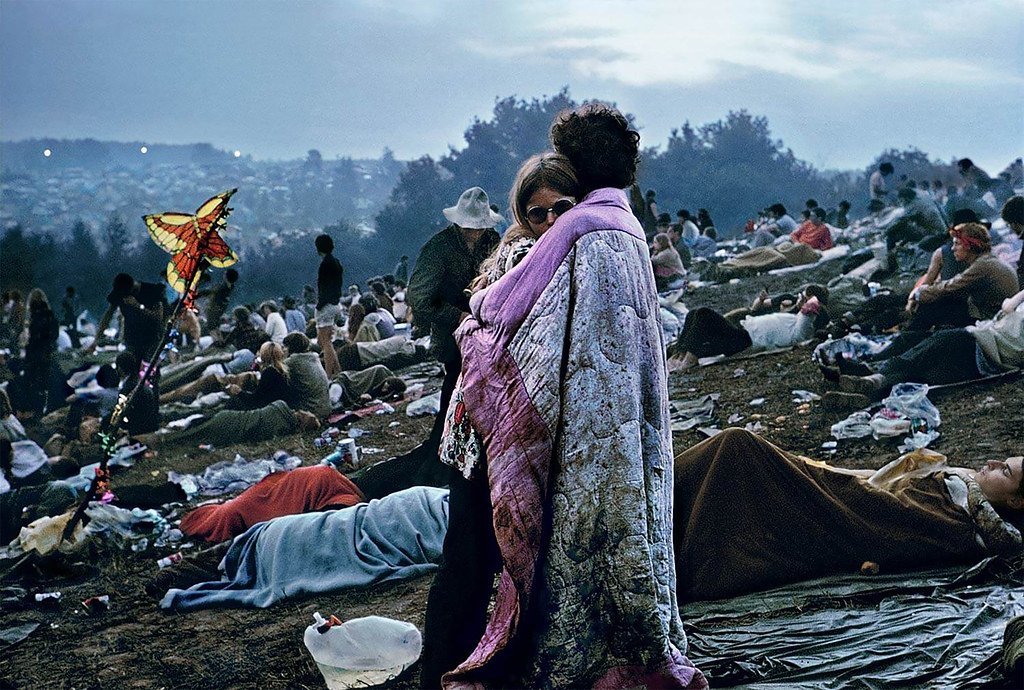
The Woodstock Music and Art Fair, held in August 1969, wasn’t just a concert; it was the defining moment of the 1960s counterculture movement. Over 400,000 people gathered on a farm in Bethel, New York, to celebrate peace, love, and music in an event that symbolized the height of the anti-war movement and the rise of the hippie generation. Woodstock was more than a festival – it was a statement against the Vietnam War, a plea for civil rights, and a celebration of freedom and expression.
Woodstock was the perfect storm in many ways, and the oversaturation of politics in music and in the personal lives of Americans in the 1960s led to one of the greatest displays of music working in harmony with social movements. I think there is something incredibly moving about that. Music was not background noise at Woodstock. It was the argument itself.
While broad definitions are often used to describe the generations since 1969, the term “Woodstock Generation” has taken a special meaning – a description that applies to a group of any age or orientation still committed to the ideals of the 1960s. Moreover, “Woodstock” has become part of the American vernacular, not just as the name of an event, but also a term synonymous with uplifting and inspiring.
This shift toward younger audiences in marketing and cultural experiences helped shape the creation of a wide variety of large-scale youth-focused events that were unheard of before the summer of 1969. Today’s concerts are not only large in size, but also broad in their scope, including events such as the Coachella Valley Music and Arts Festival, Burning Man, Comic-Con, and South by Southwest. All of that traces a line back to one muddy field in upstate New York.
6. The Launch of MTV (1981)

Music and television combined in the launch of the Music Television channel (MTV) in 1981. It revolutionized how music was consumed, with music videos becoming a vital part of an artist’s appeal and reach. It sounds almost quaint now, in an era where every artist posts performances on social media before breakfast. At the time, though, MTV was genuinely revolutionary.
The launch of MTV in 1981 revolutionized the music industry by turning music videos into a primary medium for artists to connect with their audience. The network’s slogan became a rallying cry for a generation, and its impact on both music and television was immediate and profound. MTV didn’t just play music videos; it shaped the tastes and identities of millions of viewers, introducing them to new genres and artists.
Here is the thing about MTV that people forget: it completely changed what it meant to be a musician. Suddenly, looking the part was as important as sounding the part. Suddenly, a song needed a visual identity as much as a melody. It created entirely new career paths – directors, stylists, choreographers – and gave rise to a generation of artists who understood that entertainment was increasingly a visual art form.
7. Michael Jackson’s “Thriller” and the Music Video Revolution (1983)
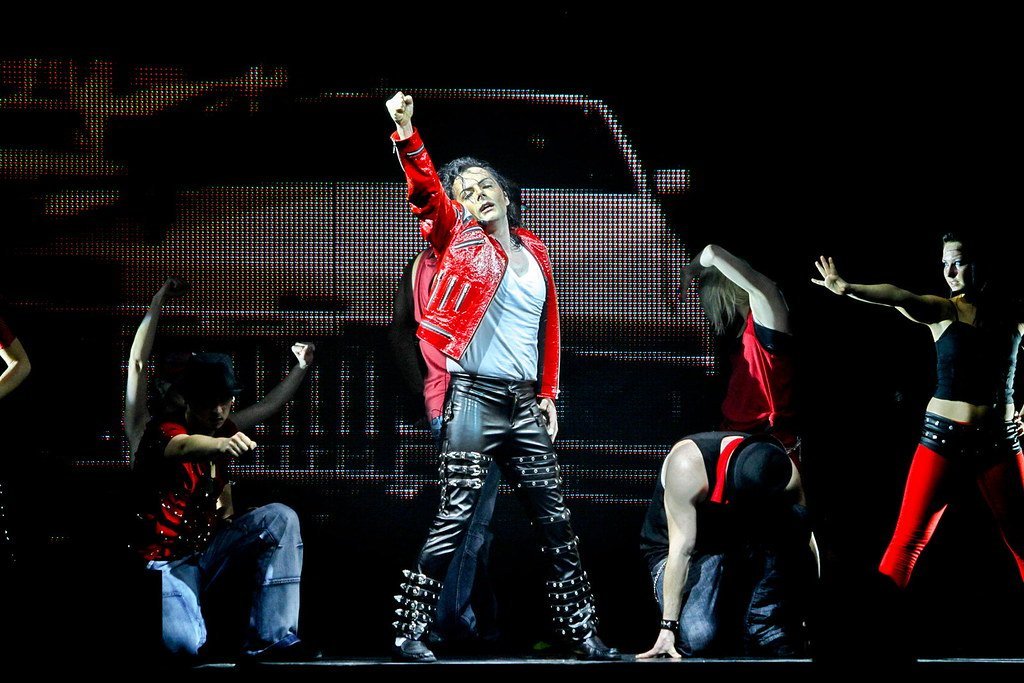
American singer Michael Jackson is widely regarded as one of the most culturally significant figures of the 20th century. Often considered the greatest entertainer of all time, Jackson broke racial barriers in the United States and profoundly influenced the evolution of pop music, earning him the title of “King of Pop”. His Thriller album and its accompanying short film were, without question, his defining cultural weapon.
The “Thriller” video was unusually long at 14 minutes and took the form of a short film presentation. It features Jackson dancing with zombies and cost more than $1 million to produce. The film sealed MTV’s position as a cultural force, helped dismantle racial barriers for black artists, revolutionized music video production, popularized making-of documentaries, and drove the rental and sales of VHS tapes. It has been described as the most influential music video in history.
Beyond breaking ground, it broke records, showing just how far pop could reach: the biggest selling album of all time, the first album to win eight Grammys in a single night, and the first album to stay in the Top 10 charts for a year.
Thriller’s success gave Jackson cultural significance never before attained by an African American in the entertainment industry. One publication described Jackson as the “late 20th century’s preeminent pop icon,” while The New York Times wrote that he was a “musical phenomenon” and that “in the world of pop music, there is Michael Jackson and there is everybody else.” That last line might be the most accurate sentence ever written about pop music.
8. Andy Warhol and the Pop Art Movement (1960s)
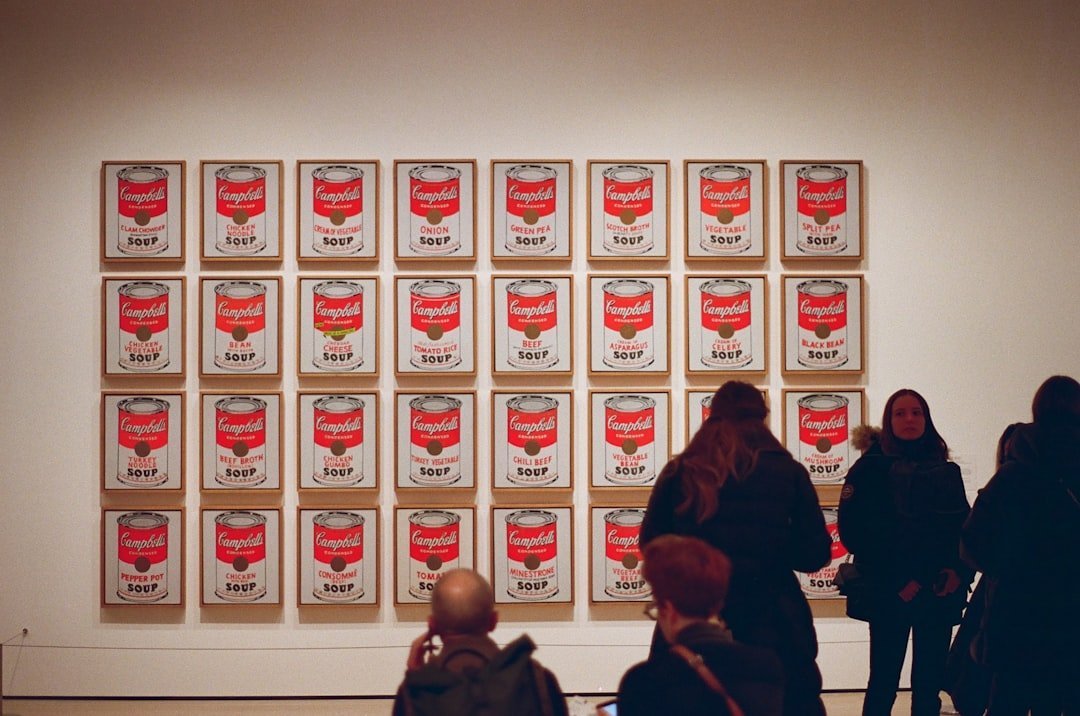
An example of the 1960s counterculture was Andy Warhol. He was a leading figure in the visual art movement known as Pop Art in the 1960s, who made everyday objects like Campbell’s soup cans iconic. Honestly, think about what that means. A soup can. A mass-produced, factory-made soup can, elevated to high art. Warhol was not just making a statement about aesthetics – he was making a statement about capitalism, celebrity, consumerism, and the blurring line between art and ordinary life.
Decade after decade, Marilyn Monroe – one of Warhol’s most famous subjects – keeps showing up in popular culture in different guises. In the 1960s she was Andy Warhol’s silk-screened muse; in the 1980s she inspired Madonna’s career-defining “Material Girl” video. Warhol understood, perhaps before anyone else, that celebrity itself was the art form of the modern age. Everything that came after him – reality television, Instagram culture, influencer branding – exists in the world he imagined first.
9. Marilyn Monroe: The Invention of the Modern Celebrity (1950s–1960s)

She was not just a movie star. She was something entirely new. Just flip through a celebrity magazine: some of-the-moment young starlet or pop singer will be channeling those platinum locks and bright red lips, oozing confidence and glamour. But what is the secret of Marilyn’s enduring appeal? It depends on whom you ask – and that is fitting, because Marilyn, more than other iconic celebrities, was different things to different people.
Monroe essentially invented the template for what a female celebrity could be in the modern era: simultaneously vulnerable and powerful, marketed but authentic, adored and misunderstood. She was a paradox wrapped in sequins. Every generation since the 1950s has found something new in her image, something that speaks directly to the anxieties and desires of its own time. That kind of cultural longevity is extraordinarily rare.
10. The Birth of Hip-Hop (1970s–1980s)
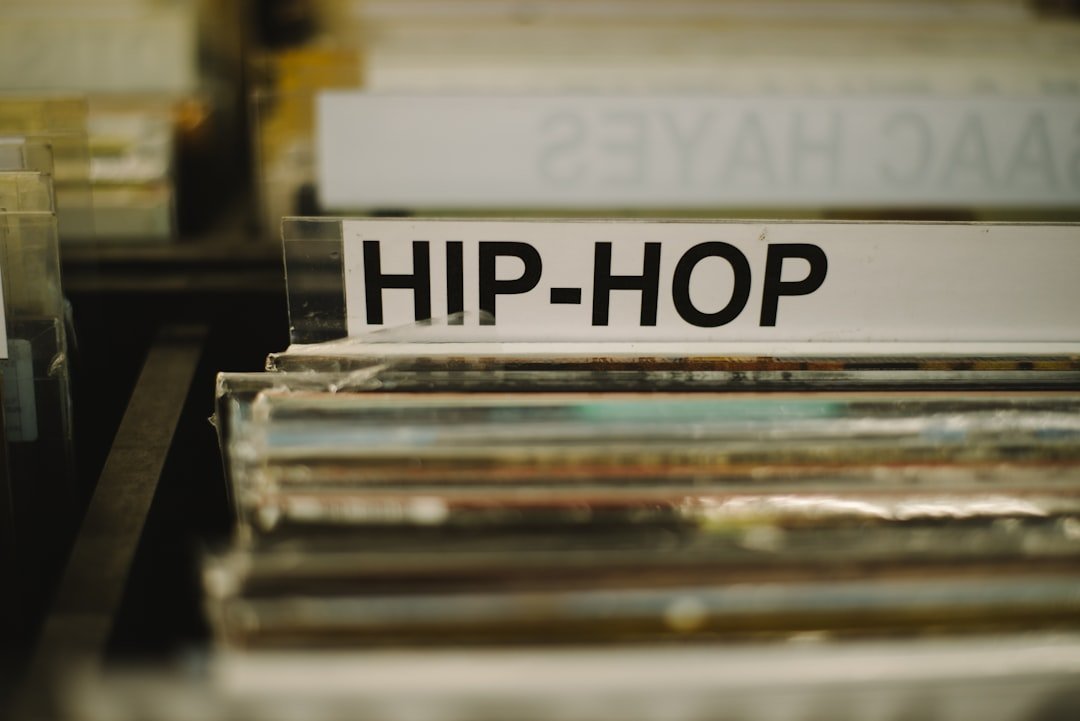
Hip-hop has become a key influence on fashion, language, and lifestyle, with artists like Run-DMC and Tupac Shakur becoming cultural icons. It is hard to say for sure exactly when a movement “begins,” but the birth of hip-hop in the South Bronx during the mid-1970s was one of the most significant cultural events of the entire century. A community with virtually no resources invented an entirely new art form out of turntables, spray paint, cardboard boxes, and sheer necessity.
Hip-hop did not just produce music. It produced a world. New fashion. New language. New attitudes toward authority, identity, and storytelling. It was journalism dressed as dance music. It was protest poetry delivered over drum machines. By the 1980s and 1990s, it had traveled from the South Bronx to Tokyo, São Paulo, Paris, and Johannesburg, carrying with it a message that resonated with young people everywhere: your story matters, and you can tell it yourself.
11. Muhammad Ali: The Athlete as Cultural Titan (1960s–1970s)
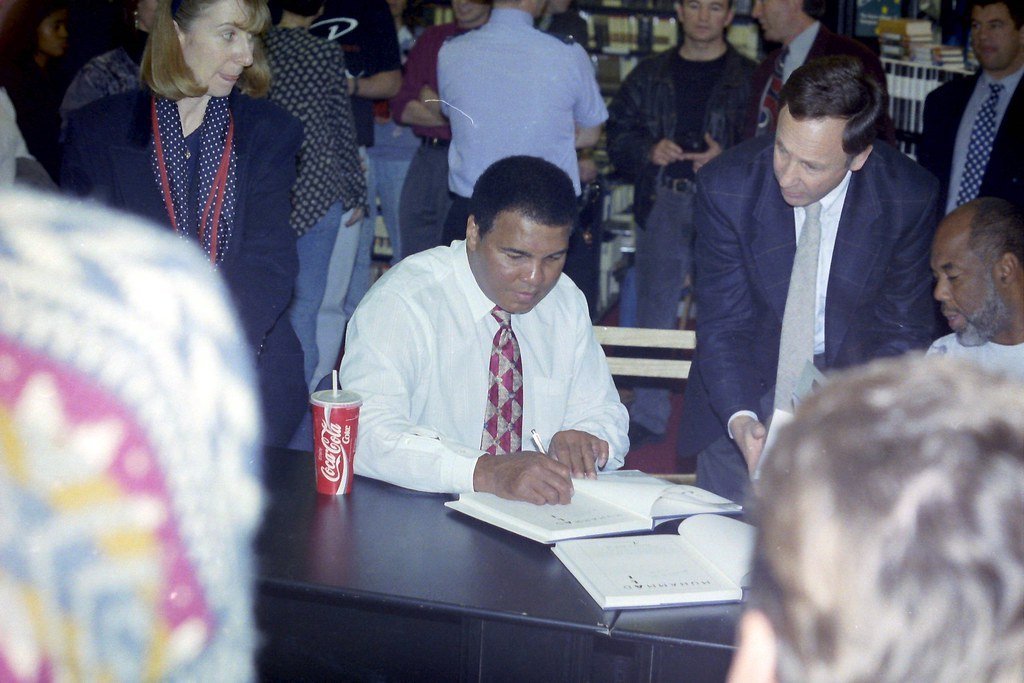
1974’s “Rumble in the Jungle” has been dubbed “arguably the greatest sporting event of the 20th century.” It was more than a boxing match. It was theater. It was politics. It was art. Muhammad Ali standing in the ring in Kinshasa, Zaire, against George Foreman was a statement about Black pride, global solidarity, and the defiance of impossible odds. The whole world was watching.
Ali was the first athlete to become a political figure, influential in the civil rights movement, and the first widely considered “more than an athlete.” He is regarded as the greatest boxer of all time. Before Ali, athletes were expected to perform and stay quiet. He refused. He talked, he rhymed, he protested, he converted religions, he went to prison rather than fight in a war he opposed. He essentially invented the concept of the athlete as a full human being with a political voice. Every athlete who has spoken up for a cause since owes something to Muhammad Ali.
12. The Rise of the Blockbuster Film: Star Wars (1977)

Before 1977, movies opened slowly, rolling out in limited theaters over weeks. Then George Lucas released Star Wars and the modern movie industry was essentially born overnight. Lines stretched around city blocks. Children begged for toys months before they even existed. The film did not just attract an audience – it created a tribe. It gave an entire generation a shared mythology, a common language, a sense of belonging to something larger than themselves.
Star Wars also established what we now call the “blockbuster” model – the idea that a single film, backed by massive marketing and merchandise, could become a cultural event rather than just a movie. Everything from Indiana Jones to Jurassic Park to the Marvel Cinematic Universe stands on the foundation that Lucas laid. The advent of cinema in the late 19th and early 20th centuries had originally revolutionized pop culture. Being able to watch recorded video in public offered a new form of entertainment that was accessible to the masses. Star Wars took that accessibility and transformed it into a communal ritual, the kind that families still pass down like heirlooms.
A Reflection: How These Moments Echo Forward
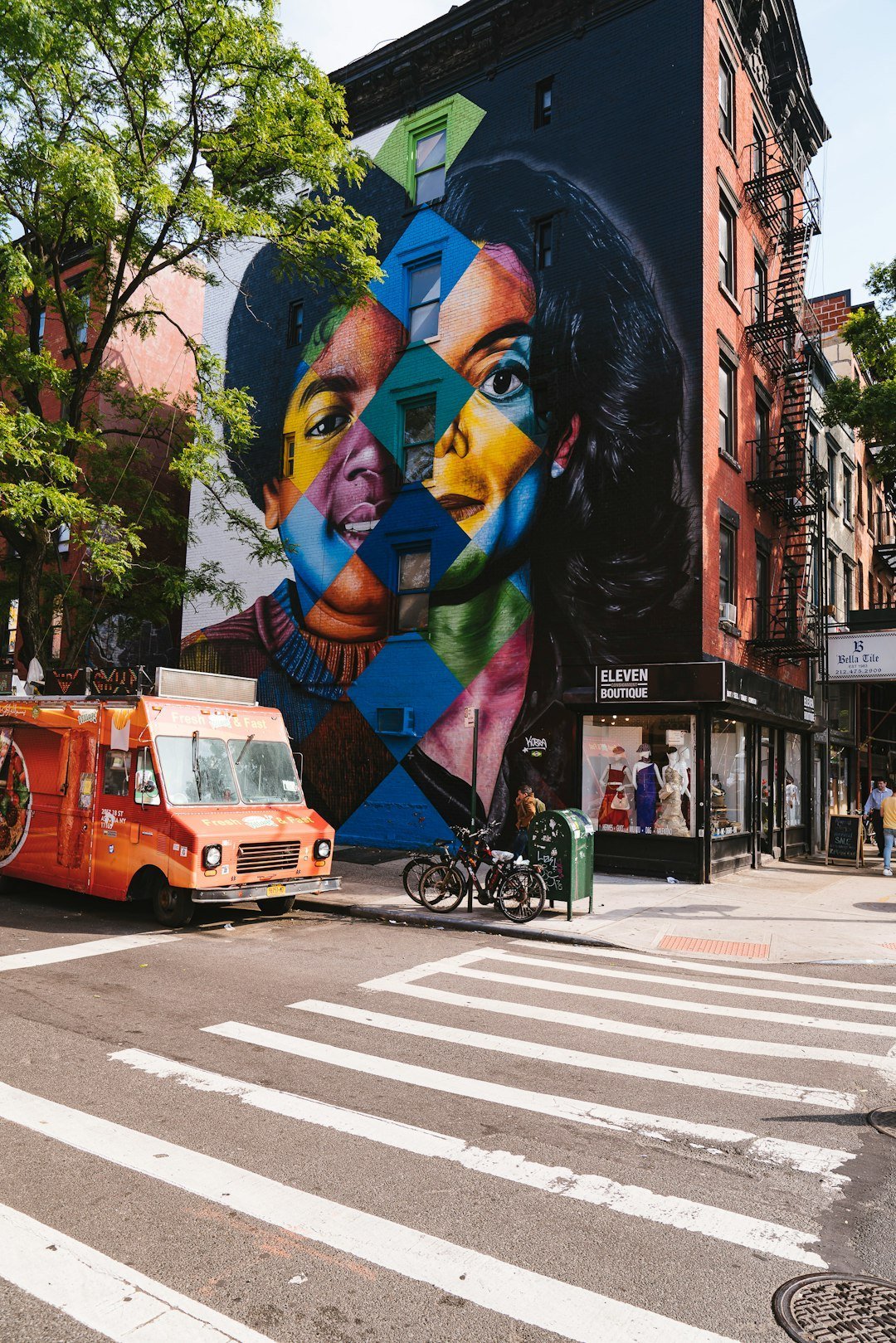
Looking back across these twelve moments, a clear pattern emerges. None of them happened in isolation. Each one fed the next, borrowed something from its predecessor, and planted seeds for what would come after. Pop culture, short for “popular culture,” encompasses the ideas, perspectives, attitudes, images, and other phenomena that are within the mainstream of a given culture. It is particularly focused on Western culture of the early to mid-20th century and the emerging global mainstream of the late 20th and early 21st century.
What is perhaps most striking – and honestly, a little humbling – is how often these defining moments were born from defiance. Elvis was too shocking. The Beatles were too loud. Woodstock was too chaotic. Hip-hop was too raw. Muhammad Ali was too outspoken. The greatest cultural milestones of the 20th century were almost always the things that made polite society nervous at first.
Since tastes and preferences change over time, the kinds of entertainment that were popular at one time are very different from those just ten years later. When studying how pop culture changes over time, it is often best to study the influence of mass media and how this collection of ideas permeated the everyday lives of people in society. The moments on this list did far more than that. They did not just permeate everyday life – they rewrote it.
We are the sum of these memories, whether we lived through them or inherited them. The real question worth sitting with is this: which moments happening right now will future generations look back on with the same astonishment? What do you think about it? Let us know in the comments.

Besides founding Festivaltopia, Luca is the co founder of trib, an art and fashion collectiv you find on several regional events and online. Also he is part of the management board at HORiZONTE, a group travel provider in Germany.
