

For any feedback please reach out to info@festivalinside.com
- 13 Historical Events You Thought You Knew – But Got Completely Wrong - March 29, 2026
- 12 Iconic Phrases From Movies Everyone Still Quotes - March 29, 2026
- The 15 Most Iconic Movie Soundtracks That Shaped a Generation. - March 29, 2026
There is something almost magical about the way a handful of words, spoken in just the right moment by just the right actor, can escape the screen and live inside our conversations for decades. We use them at dinner tables, in office emails, on social media. We drop them without thinking, sometimes not even knowing where they came from. That is the strange, quiet power of iconic movie dialogue.
Not every great film produces a great quote. Plenty of masterpieces come and go without leaving a single memorable line behind. What separates the unforgettable from the forgotten is something harder to pin down than good writing alone. It is timing, delivery, context, and a kind of accidental resonance with something deeper in human experience. So let’s dive in and explore the twelve phrases that refused to stay in their films.
“Frankly, My Dear, I Don’t Give a Damn” – Gone with the Wind (1939)
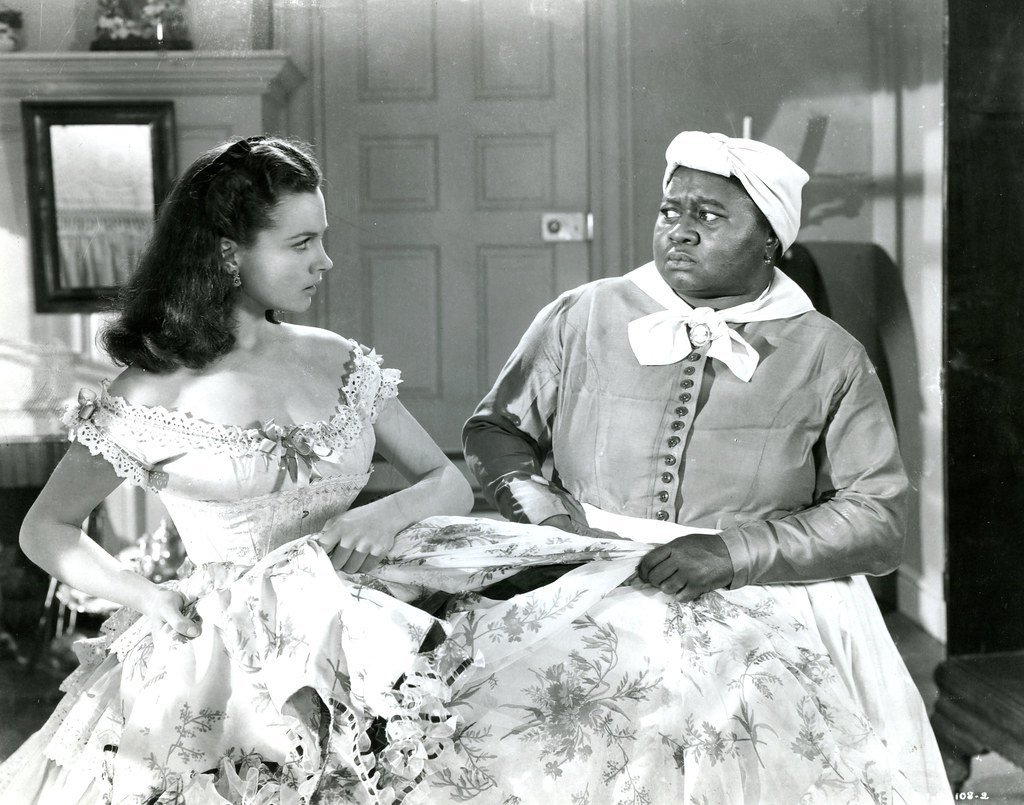
A jury of 1,500 film artists, critics, and historians selected this line, spoken by Clark Gable as Rhett Butler in the 1939 Civil War epic Gone with the Wind, as the most memorable American movie quotation of all time. It comes at the end of a four-hour film, in the final seconds of a crumbling romance, and lands with the devastating weight of everything that came before it. Rhett has simply had enough, and the whole world felt that resignation.
Honestly, the brilliance of the line is its total lack of drama. It does not shout or plead. It just walks away. Some lines of dialogue transcend the films that contain them, entering the permanent vocabulary of a culture, and this one became a touchstone for expressing complex emotions and creating instant cultural connection. In 2026, people still say some version of it whenever they want to signal that they are truly, finally, done.
“Here’s Looking at You, Kid” – Casablanca (1942)
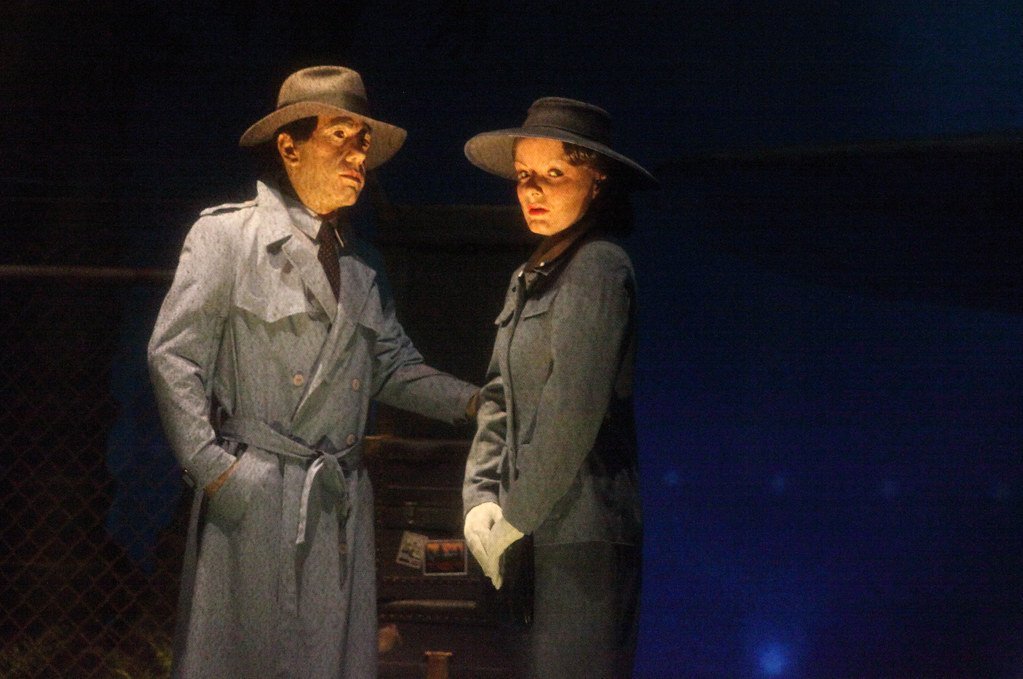
In the classic film Casablanca, Humphrey Bogart’s character Rick Blaine utters this iconic line to Ingrid Bergman’s Ilsa Lund. The quote’s nostalgic charm and heartfelt sentiment have made it a timeless expression of affection, and it continues to be used in various contexts, from romantic gestures to heartwarming friendships. It is the kind of line that sounds like an entire relationship compressed into five words.
Casablanca is the film with the most quotes in the AFI’s top 100, with six entries, whittled down from ten. Three of those lines are delivered on the foggy tarmac where Humphrey Bogart and Ingrid Bergman say goodbye with iconic panache. The line has been referenced and parodied in countless films, TV shows, and songs, with its cultural impact evident in how it is used to signify a mix of affection and resignation. There is something almost impossibly romantic about it, even taken entirely out of context.
“I’ll Be Back” – The Terminator (1984)
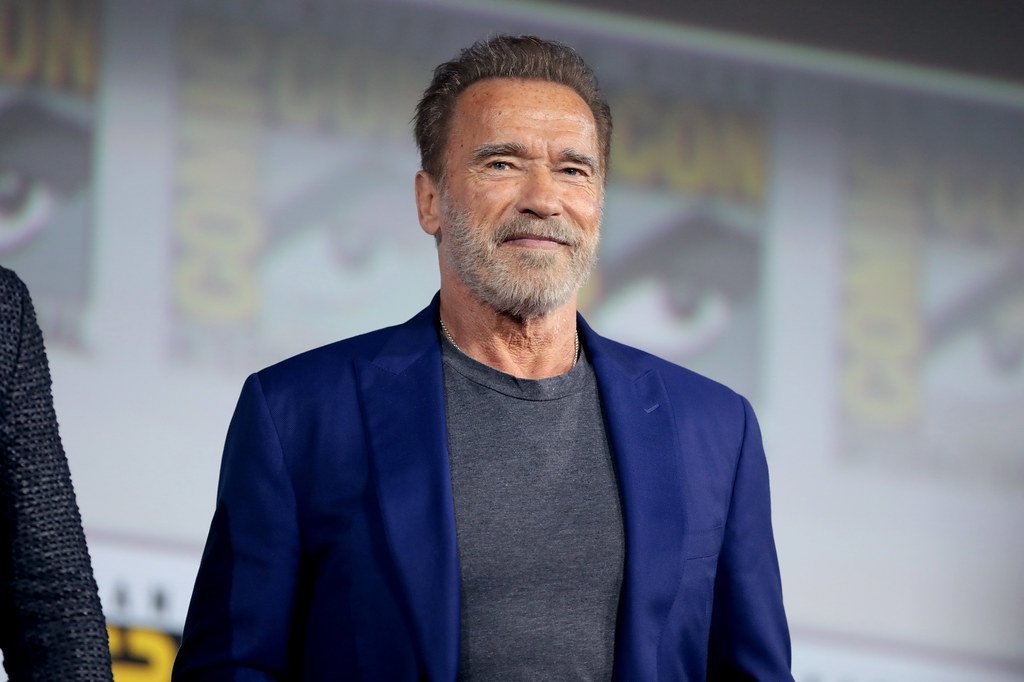
Arnold Schwarzenegger’s famous line from The Terminator is short, simple, and unforgettable. It has become one of the most quoted lines in cinema history, often used to convey determination, threat, or just a promise of return, with its cultural impact evident in its widespread use in various contexts from political campaigns to sports commentary. Three words. Zero ambiguity. Maximum impact.
When Arnold Schwarzenegger delivered his famous line in The Terminator, he didn’t just promise a return; he became an emblem of resilience and determination for countless fans. What makes this one fascinating is how it works in almost any tone: threatening, comedic, nostalgic, triumphant. These one-liners forge connections as shared cultural references, and when someone says “I’ll be back,” it isn’t merely recalling an action movie; it evokes camaraderie among fans who appreciate cinematic history together.
“You Talkin’ to Me?” – Taxi Driver (1976)

Taxi Driver’s iconic “You talkin’ to me?” was improvised by Robert De Niro and almost didn’t make it into the film. The script from Paul Schrader simply indicated that Travis Bickle talks to himself in the mirror. One of the most iconic Robert De Niro lines of his career was entirely improvised. The Taxi Driver script simply said “Travis talks to himself in the mirror,” and director Martin Scorsese simply left the camera running and let De Niro go.
Filming for Taxi Driver had fallen behind schedule, and producers urged De Niro to move on from the scene, but Scorsese did not oblige. He fought to keep rolling. When Colbert asked Scorsese, “So if you had stayed on schedule, there would be no, ‘You talkin’ to me’?”, Scorsese replied simply, “That’s right.” Think about that for a second. One of cinema’s most replicated moments nearly vanished because of a scheduling dispute. Cinema history, saved by stubbornness.
“May the Force Be with You” – Star Wars (1977)

The Force from the Star Wars universe is a touchstone in popular culture. When Han Solo offers these words to Luke Skywalker, it shows that even the cynical space outlaw has faith in the young Jedi. Now the line commemorates Star Wars Day, a celebration for fans on May 4th. The pun is groan-worthy and completely irresistible at the same time.
It became a greeting, a farewell, a blessing, the kind of phrase people say to each other before surgery, before exams, before job interviews. May the Fourth is even an annual holiday now. It works completely outside the film because it means exactly what it sounds like: I hope something larger than both of us is on your side. I think very few lines in any art form have achieved quite that level of practical, daily usefulness.
“I’m Going to Make Him an Offer He Can’t Refuse” – The Godfather (1972)
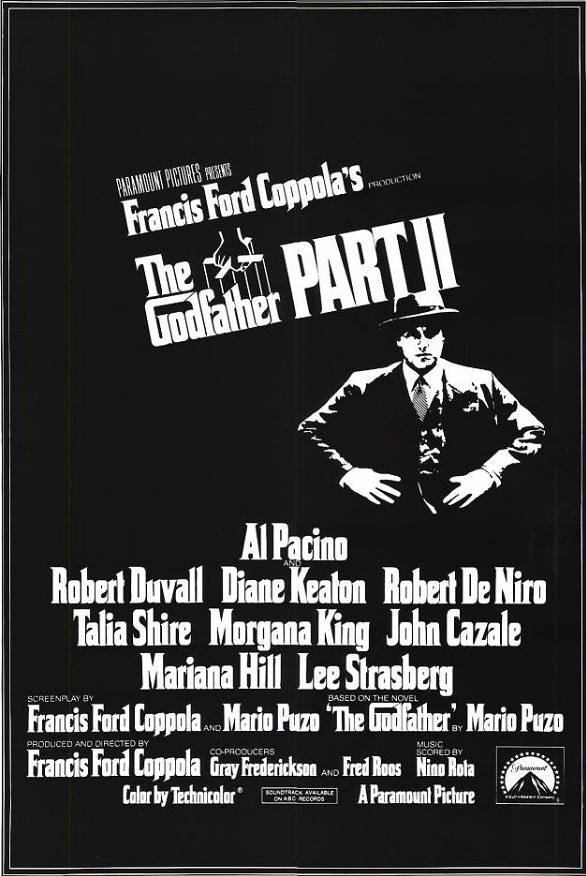
This line from The Godfather is one of the best movie quotes ever written. It captures the entire theme of power and intimidation in a single sentence, which is impressive. Even people who haven’t seen the film recognize it. That last point is key. Cultural penetration so deep that the source film becomes almost irrelevant.
Spoken by Vito Corleone, the line has become synonymous with making someone an irresistible proposal, usually implying a certain level of seriousness and urgency. Think about how often this phrase mutates in everyday speech: in business negotiations, in parenting standoffs, even in memes. It has been so thoroughly absorbed into the language that people use it without a second thought, which is honestly the highest honor any piece of dialogue can receive.
“There’s No Place Like Home” – The Wizard of Oz (1939)
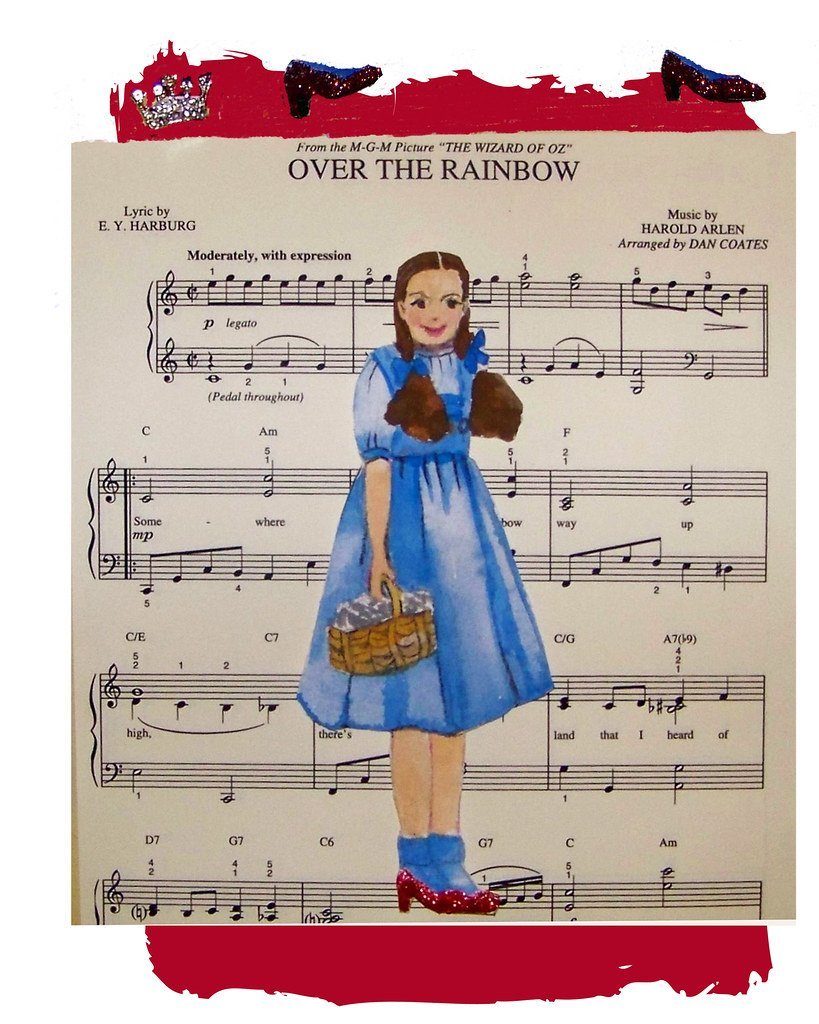
Dorothy’s line in The Wizard of Oz is among the oldest and earliest famous movie quotes, and it remains popular to this very day. What is remarkable is that the original story by L. Frank Baum was itself playing with a much older sentiment. The film took it and made it crystalline, universal, and deeply emotional. Dorothy clicks her heels and says what every homesick person on earth has felt but struggled to put into words.
Uttered by Dorothy as she clicks her heels to return to Kansas, this line has come to express a universal longing for the comfort and familiarity of home, especially after a long or challenging experience. Nearly nine decades later, that longing has not changed at all. Some movie quotes have so thoroughly entered everyday language that many people using them don’t know their cinematic origin. Phrases from films have become standard idioms, have entered dictionaries, and have genuinely altered how English speakers communicate.
“You Can’t Handle the Truth!” – A Few Good Men (1992)
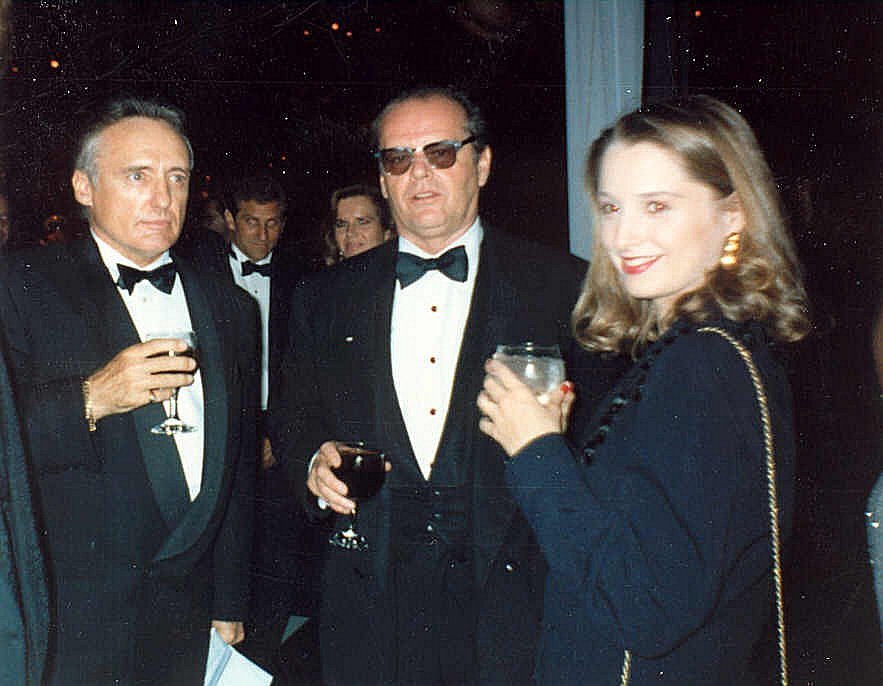
Jack Nicholson’s powerful delivery of this line in A Few Good Men has etched it into pop culture history. The quote speaks to the tension between authority and truth, challenging the status quo and encouraging honesty and transparency. Nicholson does not just say the line. He explodes into it. The courtroom erupts. The audience leans back involuntarily.
The quote speaks to the tension between authority and truth, challenging the status quo, and its impact resonates in debates and discussions about truth and justice to this day. Here’s the thing: it also works as a joke now, which is a sign of true cultural staying power. A phrase that can be used sincerely in a serious debate and also dropped as a punchline at a birthday party has truly arrived. Nicholson probably knew exactly what he was doing.
“Life Is Like a Box of Chocolates” – Forrest Gump (1994)

Tom Hanks’ delivery of this line in Forrest Gump has made it one of the most endearing and widely recognized quotes in film. The phrase captures the unpredictability of life in a simple yet profound way, making it relatable to audiences around the world. The cultural impact of this quote is vast, as it’s often used to express the idea that life is full of surprises, both good and bad, and it has appeared in countless memes, advertisements, and even academic discussions.
In Forrest Gump, Tom Hanks’ character imparts this simple yet profound wisdom. The quote serves as a reminder of life’s unpredictable nature and the importance of embracing its uncertainties, and it has become a go-to saying for those facing uncertain situations or embracing life’s surprises. It is one of those rare lines that sounds both completely naive and genuinely wise at the same time. Like a fortune cookie that actually got it right.
“Houston, We Have a Problem” – Apollo 13 (1995)
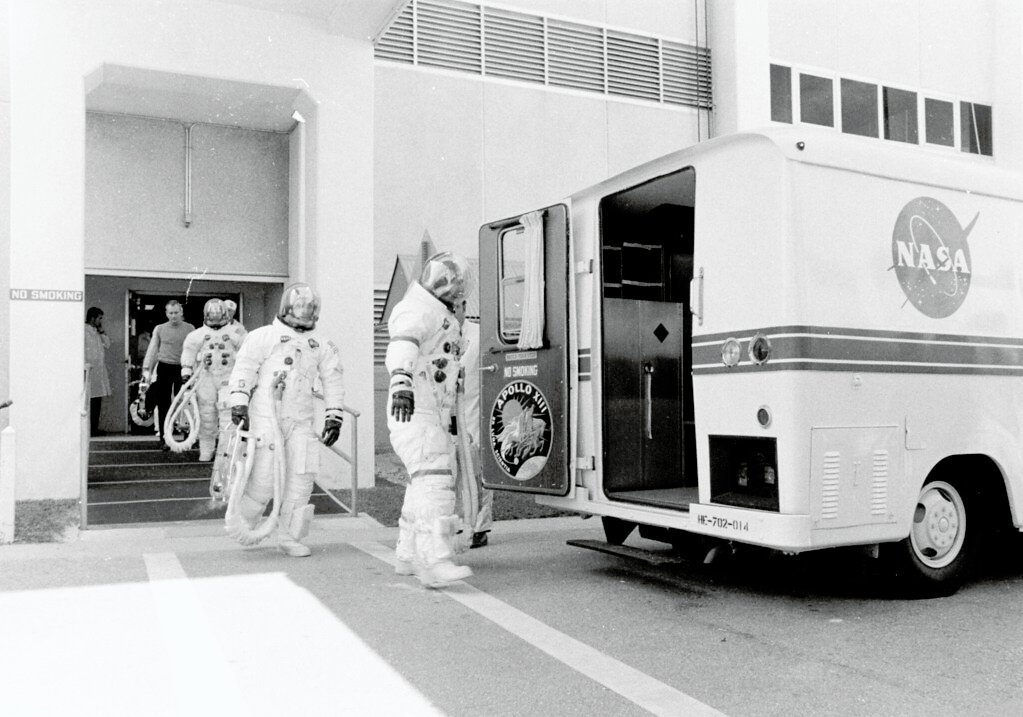
Apollo 13 is based on the 1970 moon landing mission. Astronauts Jack Swigert and James Lovell each said close versions of the famous line, but they expressed it in past tense. The revised line was used earlier in pop culture, but Tom Hanks’ delivery in Apollo 13 as the imperiled astronaut gave the phrase new life. It is a strange case where the movie version of reality replaced the actual documented reality in public memory.
What started as a technical statement in Apollo 13 became one of the most repeated movie quotes. Today, it’s used humorously in so many situations. Basically, people use it as humor when something goes wrong. Your Wi-Fi drops out? Houston, we have a problem. The coffee machine breaks? Houston, we have a problem. It is the universal signal that something has gone sideways, and it will probably be in use for another century at minimum.
“Go Ahead, Make My Day” – Sudden Impact (1983)
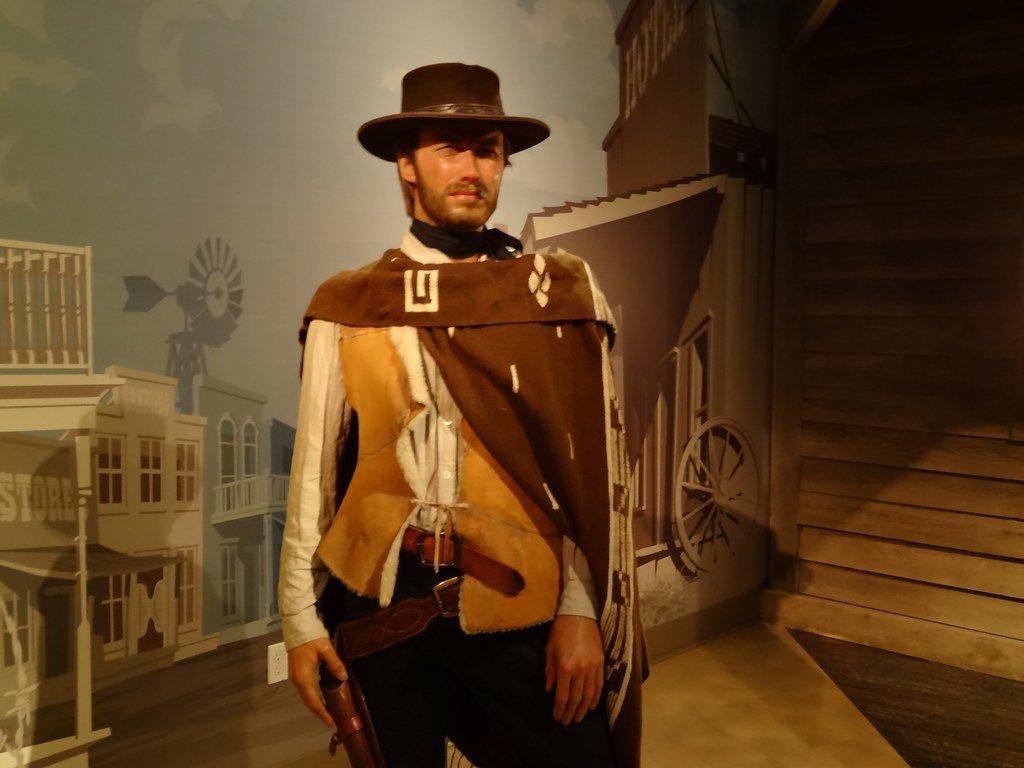
Clint Eastwood’s tough guy cop line became a touchstone of the Reagan era, when the actor-turned-president used it in political speeches to signal the same kind of masculine prowess used in the Dirty Harry movies. That crossover from cinema to actual political rhetoric is extraordinary. A movie line becoming a presidential catchphrase is something that happens maybe once in a generation, if that.
Clint Eastwood’s gritty delivery of this line as Dirty Harry has turned it into a cultural catchphrase used to dare someone to proceed with their actions, often in a confrontational context. The line works because of what it does not say. It is calm. It is almost bored. The threat is all in the subtext, and that controlled menace made it endlessly imitable, from playgrounds to boardrooms to late-night comedy sketches.
“Why So Serious?” – The Dark Knight (2008)
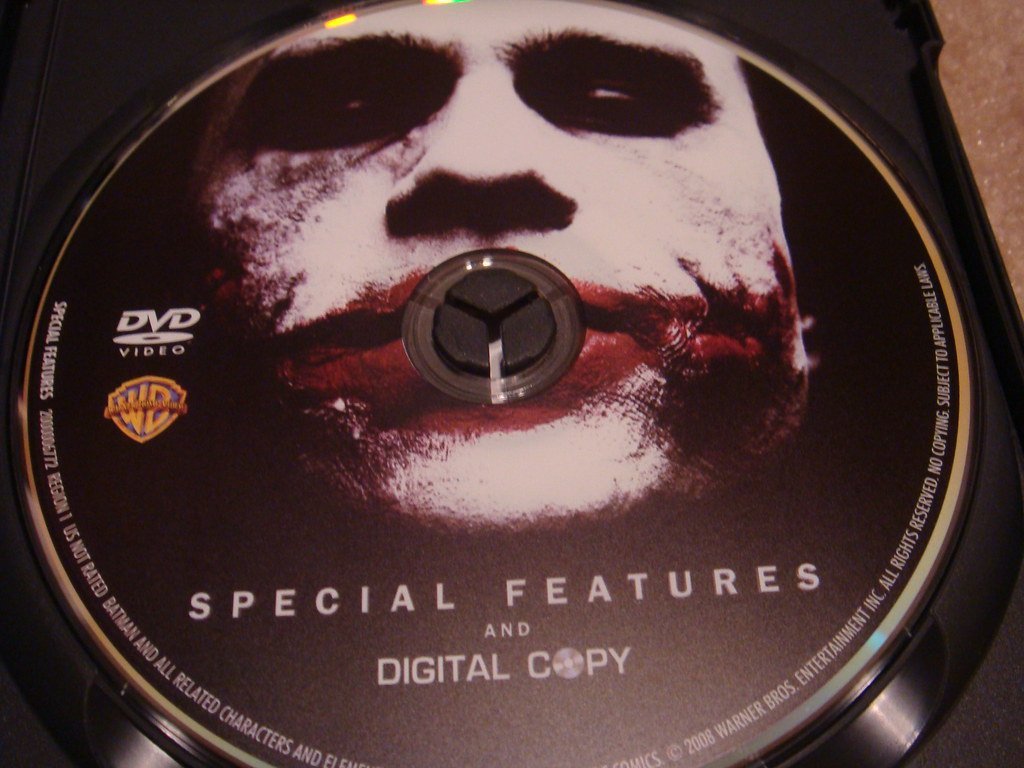
Heath Ledger’s portrayal of the Joker in The Dark Knight left an indelible mark on pop culture, with “Why so serious?” becoming one of the most iconic quotes of the 21st century. It is a strange achievement for a villain’s line to become a universal counterpoint to stress and overthinking, but here we are. The Joker asks it with chaos and menace; the rest of us ask it at ourselves when we’re sweating the small stuff.
The quote works because it carries that unsettling dual meaning. On one hand it is a taunt, a destabilizing weapon. On the other, stripped of its menace, it is genuinely useful advice. There is cultural timing at play with the best of these quotes. Some simply capture the mood of a generation. The Dark Knight arrived at a moment when audiences were hungry for something grittier, more psychological, and more morally complicated than the superhero fare of the era. The Joker became the voice of that hunger, and the line became a shorthand for the whole chaotic philosophy.
Why Certain Lines Outlive Their Films
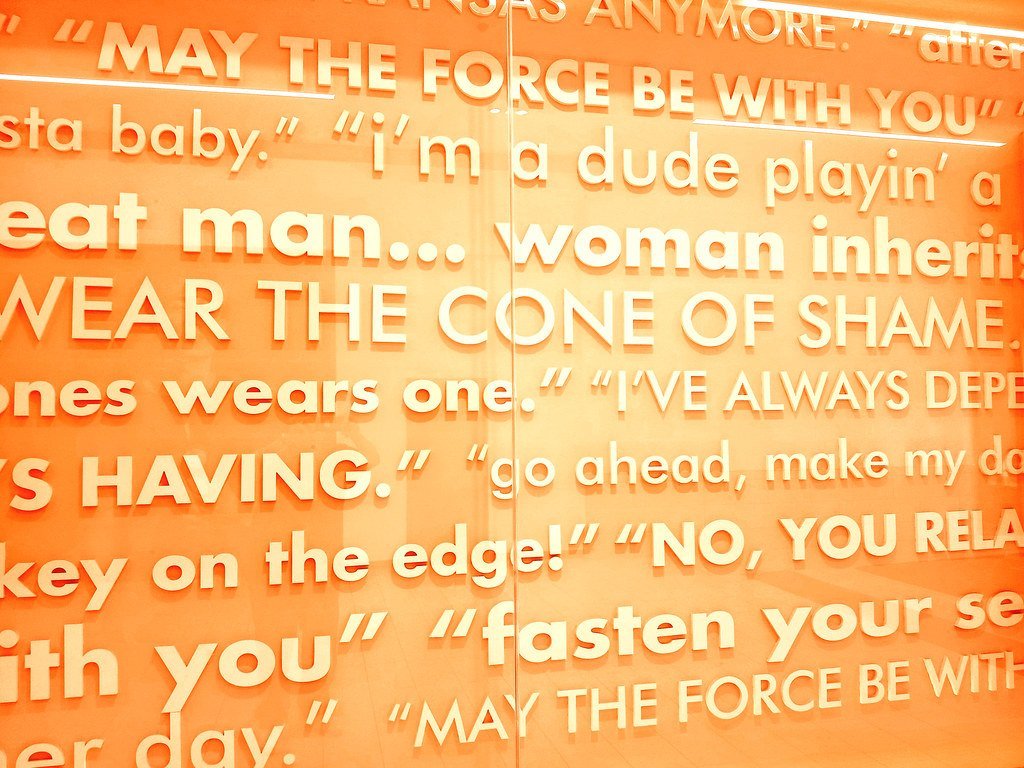
Let’s be real: most movie dialogue is forgettable within a week. What makes these twelve phrases different is something almost impossible to engineer deliberately. True iconic status requires a combination of factors: the line must be both dramatically powerful within its film and independently meaningful outside it. It needs to be quotable, brief enough to remember and repeat, and resonant enough to feel worth repeating.
Many famous movie quotes became legendary because of the actor’s tone, timing, or expression. Writing alone does not do it. When people keep repeating famous quotes from movies, they stop belonging only to the film. They enter language itself. They become tools we reach for to express things we could not quite articulate on our own, which is, honestly, the most beautiful thing cinema can give us.
Unforgettable movie quotes have a way of embedding themselves into our cultural fabric, shaping how we think, speak, and interact with the world. Their impact goes far beyond the films they originate from, influencing art, design, and even everyday conversations. That is the real legacy of great dialogue: not just what it meant in the moment it was filmed, but what it continues to mean every time someone reaches for it, years or decades later, to say something true.
Cinema gives us heroes and villains, worlds and wars, love stories and disasters. Yet what we carry with us long after the credits roll are almost always just words. A few of them. The right ones. Which of these twelve surprised you most? Tell us in the comments.

Christian Wiedeck, all the way from Germany, loves music festivals, especially in the USA. His articles bring the excitement of these events to readers worldwide.
For any feedback please reach out to info@festivalinside.com
