

For any feedback please reach out to info@festivalinside.com
- 12 Iconic Musicians Who Vanished From the Spotlight – And Where They Are Now - March 24, 2026
- 8 Music Festivals From the Past That Defined a Generation - March 24, 2026
- Billboard’s Top 10 Greatest Pop Stars of the 21st Century - March 24, 2026
Fame hits hard, doesn’t it? These artists rode waves of massive success, stadium crowds roaring their names, only to slip away into quieter lives. Why walk from the chaos of tours and headlines? Often, it’s burnout, personal shifts, or just craving normalcy after the grind.
Let’s be real, the music world chews people up. Yet these icons chose peace over applause. Curious about their paths now? Dive into their stories.[1][2]
John Deacon of Queen
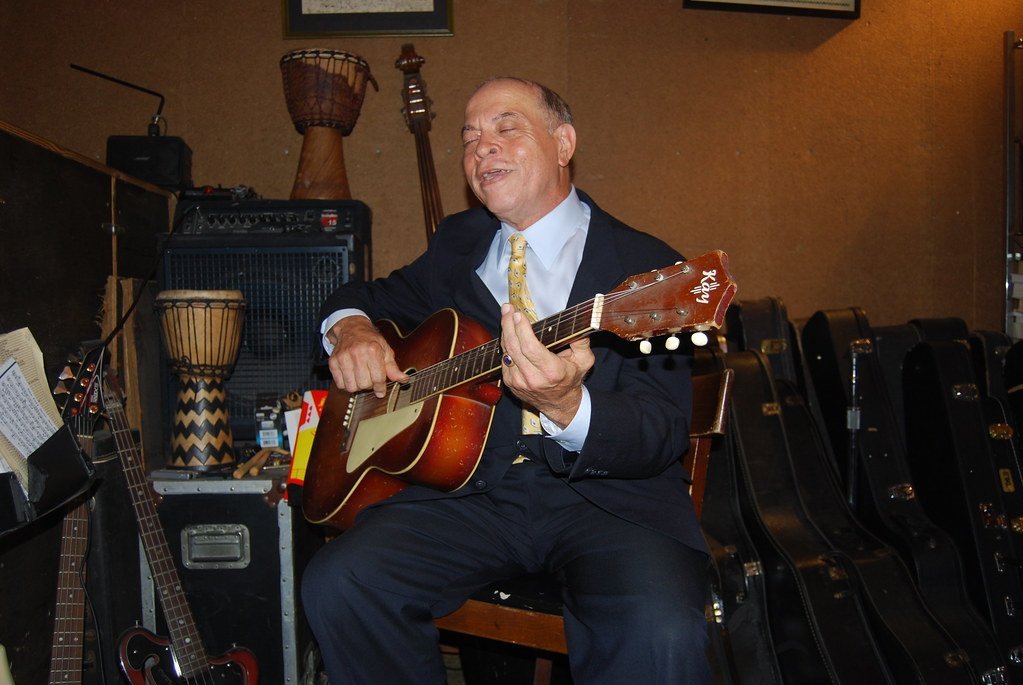
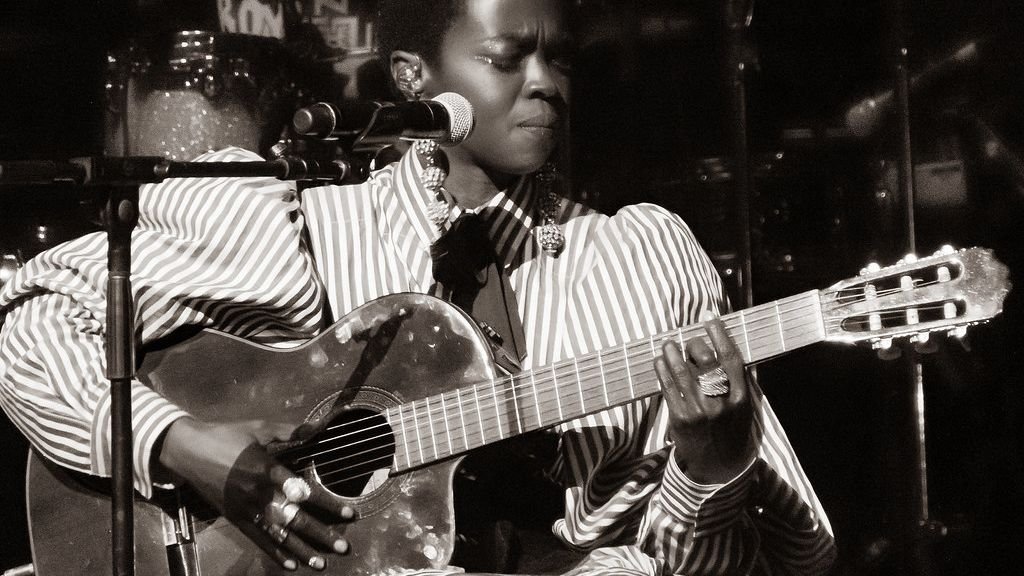
John Deacon anchored Queen’s sound as their bassist through the 1970s and 80s, co-writing monster hits like “Another One Bites the Dust” and “I Want to Break Free.” His steady groove powered anthems that filled arenas worldwide, from Live Aid triumphs to diamond-selling albums. Quiet by nature, he shone in the studio magic with Freddie Mercury and crew.
After Freddie’s 1991 death and Queen’s 1997 tribute show, Deacon vanished from music entirely. He turned down all reunion invites, including We Will Rock You tours. Today, in 2026, he lives reclusively in England, managing royalties from afar and embracing total privacy.[1][3]
Agnetha Fältskog of ABBA
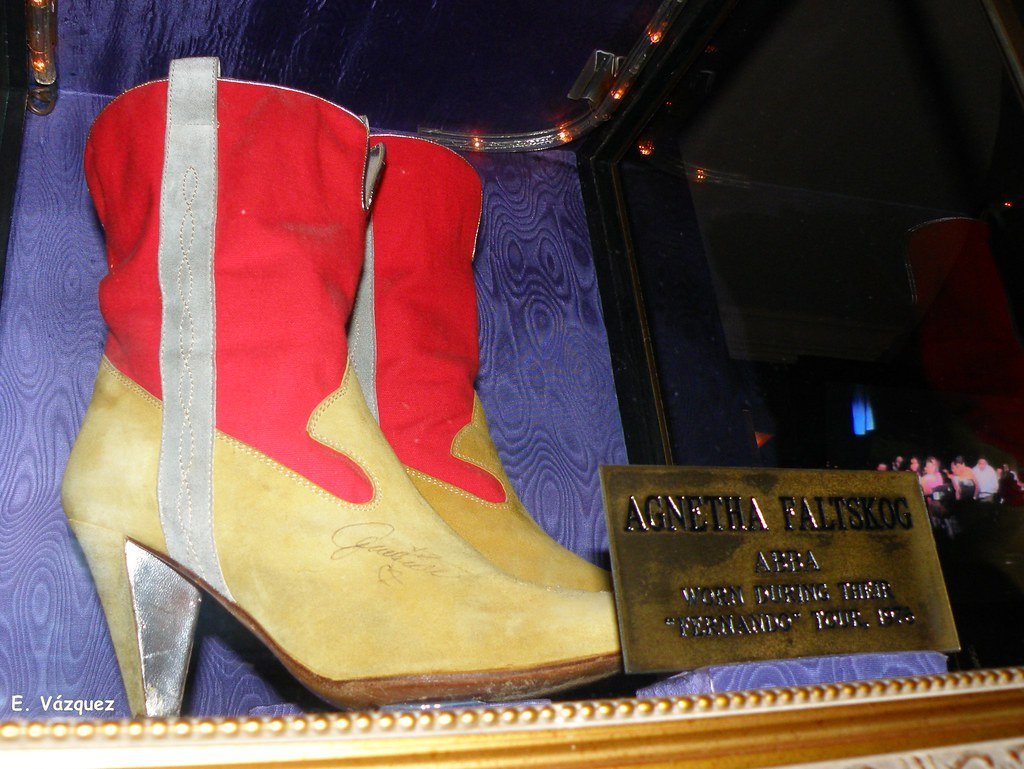
Agnetha Fältskog’s crystalline voice lit up ABBA’s 1970s disco-pop explosion, belting “Dancing Queen” and “Fernando” to billions. The band’s Eurovision win catapulted them to global superstardom, with sold-out tours and endless chart-toppers. She embodied the glamour, yet hints of weariness peeked through the sequins.
Post-1982 ABBA split, she retreated to Sweden’s countryside, dodging reunion hype for decades. Reluctantly joined the 2021 Voyage virtual show, but stays fiercely private. Now a grandmother in 2026, Fältskog savors family life far from spotlights.[1]
Meg White of The White Stripes
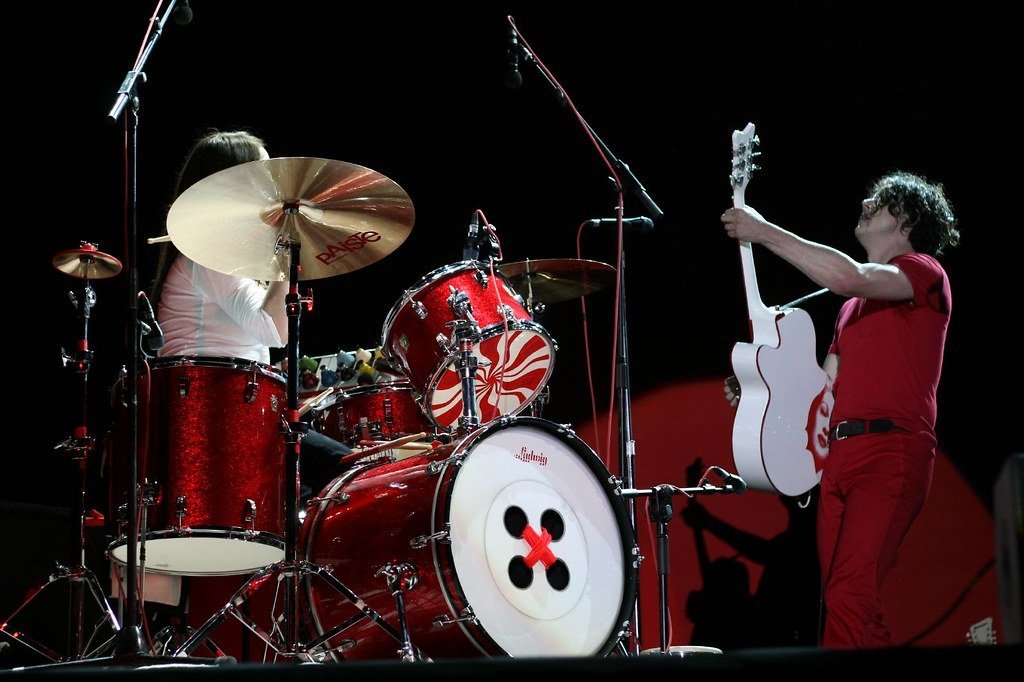
Meg White’s primal drumming fueled The White Stripes’ raw garage rock revival in the early 2000s, pounding through “Seven Nation Army” and Elephant’s raw energy. Jack White’s ex and bandmate, her simple style contrasted his frenzy, selling millions and snagging Grammys. Stadiums shook to their red-white-black minimalism.
Anxiety crushed her touring spirit, leading to the 2011 breakup. She vanished into Detroit’s suburbs, shunning music and public eyes. In 2026, Meg tends a quiet home life, occasionally rumored in upholstery work, but zero performances.[3][4]
Grace Slick of Jefferson Airplane
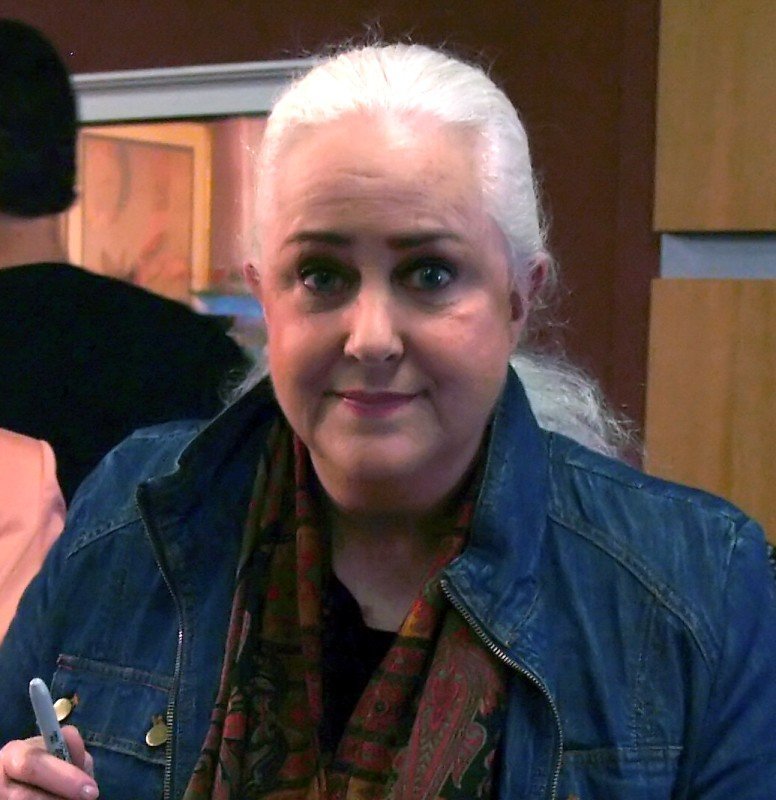
Grace Slick’s fierce vocals defined 1960s psychedelia, howling “White Rabbit” and “Somebody to Love” with Jefferson Airplane at Woodstock and beyond. Her acid-rock edge pushed boundaries, evolving into Starship hits amid counterculture chaos. She was rock’s unapologetic siren.
By 1989, she declared rock for the young and quit touring cold. Switched to painting, with California exhibits showcasing her art. Alive and retired in 2026, Slick draws, writes memoirs, and skips music reunions entirely.[1][3]
Bill Berry of R.E.M.
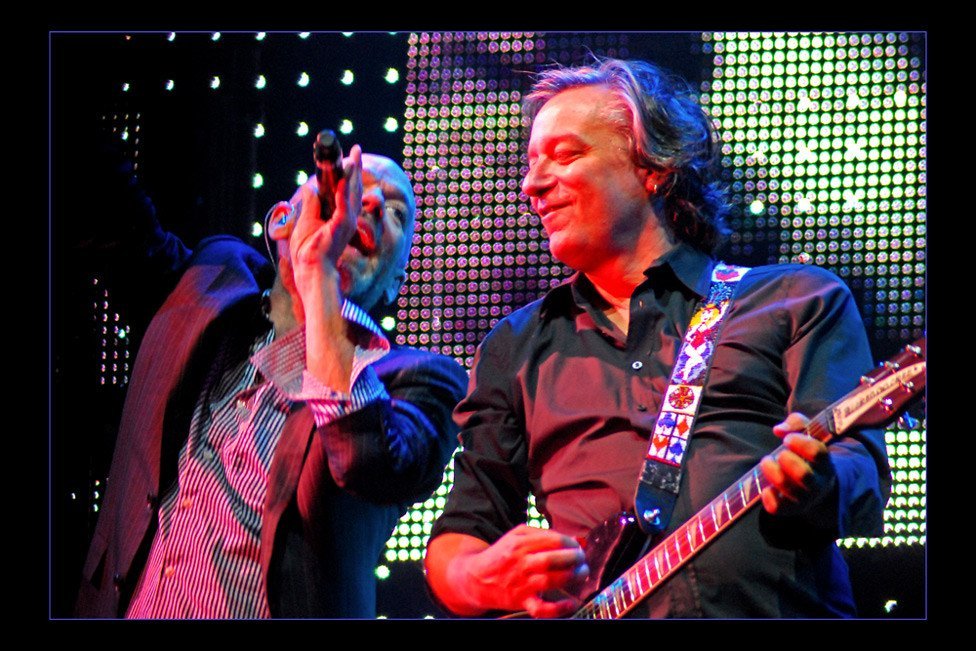
Bill Berry’s solid drumming drove R.E.M.’s alternative rock ascent in the 80s and 90s, from Murmur’s jangle to Monster’s arena roars. Co-founder hits like “Losing My Religion” packed MTV and charts. He grounded the Athens quartet’s quirky evolution.
A 1995 brain aneurysm onstage forced his 1997 exit for farming. Settled in Georgia hay fields, far from fame’s pull. In 2026, Berry farms quietly, popping up rarely for one-off R.E.M. gigs but committed to rural peace.[1]
Jeff Mangum of Neutral Milk Hotel
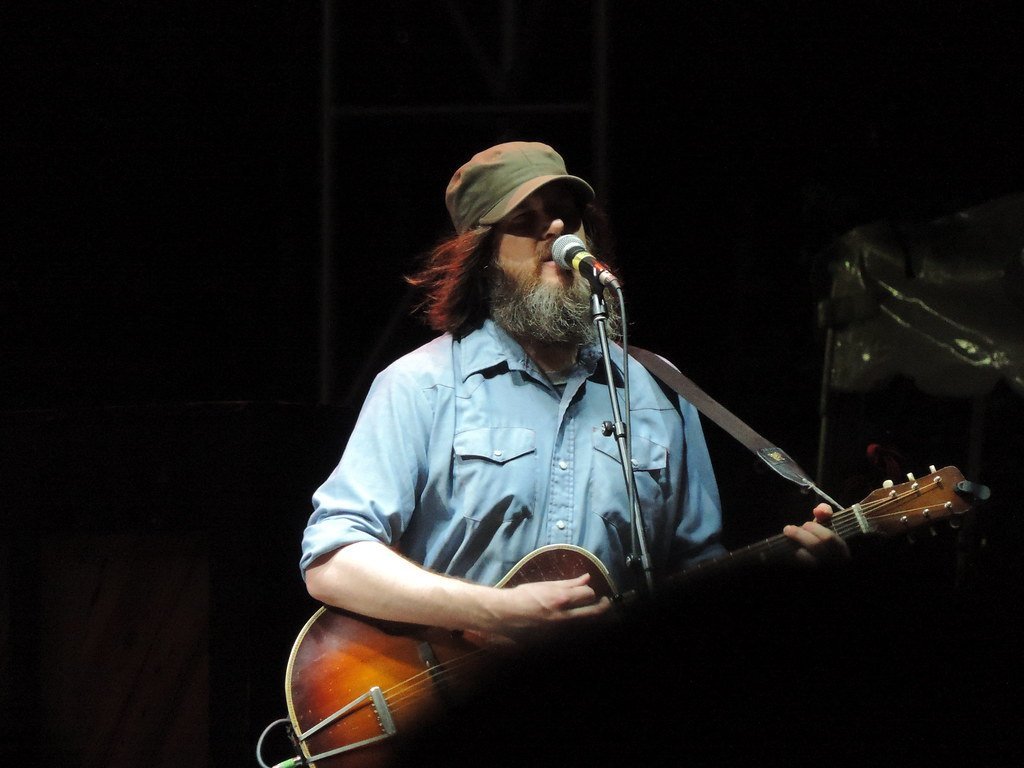
Jeff Mangum’s haunting vision birthed 1998’s In the Aeroplane Over the Sea, Neutral Milk Hotel’s cult indie masterpiece blending folk and surrealism. Posthumous buzz exploded it into legend status, influencing generations. His raw emotion captivated underground hearts.
Fame’s weight overwhelmed him, prompting a post-tour vanishing act. Reclusive for years, he emerged sporadically for solo shows in the 2010s. By 2026, Mangum stays low-key, touring minimally and guarding his solitude fiercely.[1][3]
Paul Simonon of The Clash
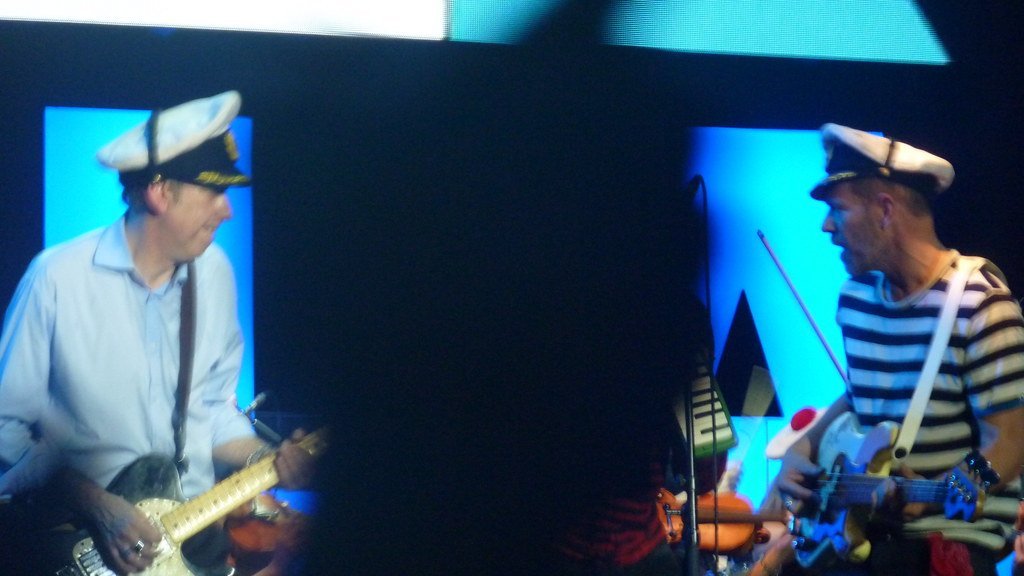
Paul Simonon slapped bass for The Clash’s punk fury in the late 1970s, fueling London Calling’s reggae-punk mashup and global rebellion anthems. His iconic cover art and stage presence screamed attitude. They were the only band that mattered.
After 1980s breakup, he ditched performing for painting full-time. Art shows highlight his visual flair now. In 2026, Simonon thrives as an artist, collaborating rarely on music but far from mainstream glare.[2]
Lauryn Hill
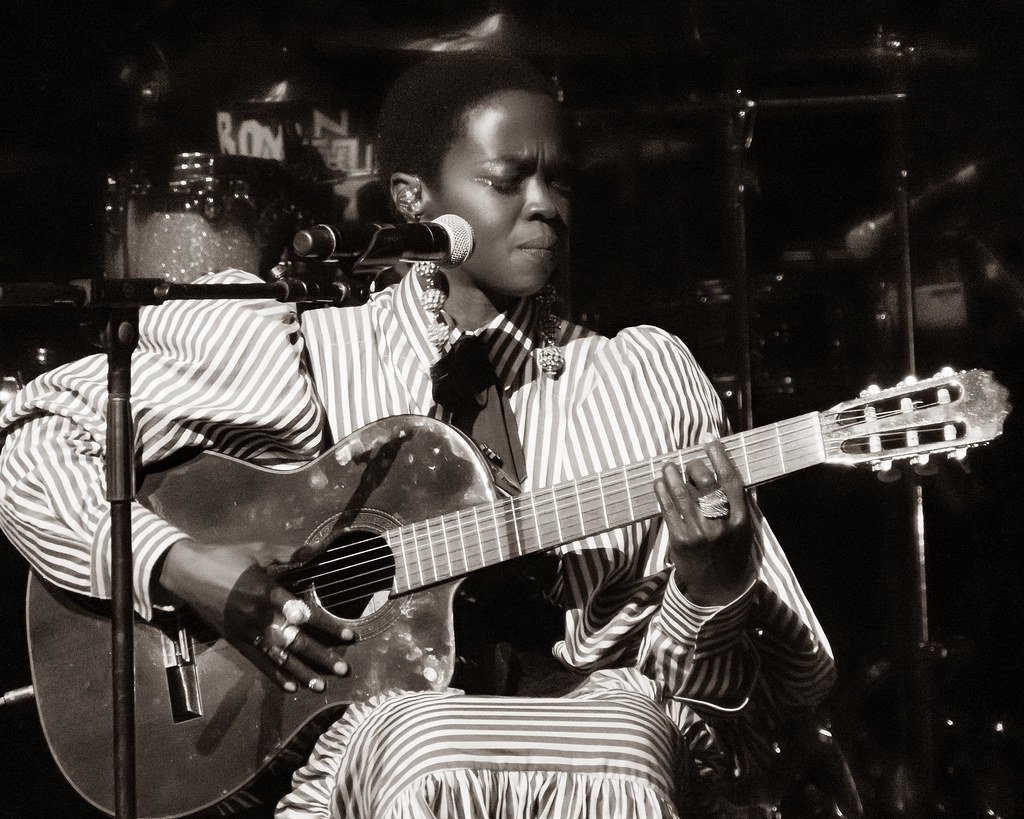
Lauryn Hill exploded with 1998’s The Miseducation of Lauryn Hill, a hip-hop soul triumph earning five Grammys and 20 million sales. Fugees roots plus solo genius made her untouchable. Raw truth in tracks like “Doo Wop (That Thing)” redefined genres.
Industry exploitation and pressure led to retreats, canceling tours for family and faith. Sporadic releases and shows mark her path. Today in 2026, she prioritizes spirituality, performing selectively while raising kids.[2][3]
Cindy Birdsong of The Supremes
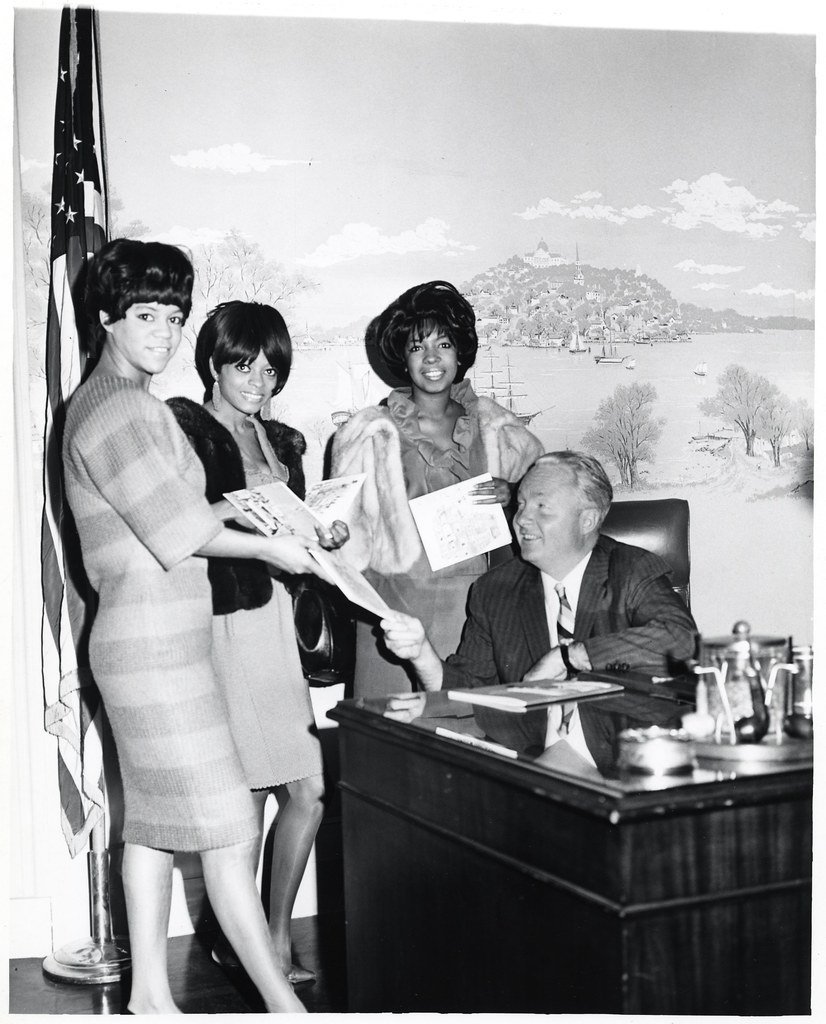
Cindy Birdsong joined The Supremes in 1967, backing Diana Ross on Motown smashes like “Love Child” during their chart dominance. Tight harmonies and glamour defined 60s pop supremacy. She shared the supreme spotlight.
Multiple exits in the 1970s chased stability over endless tours. Chose anonymous normalcy. In 2026, Birdsong lives quietly, fully stepped away from entertainment’s demands.[1][4]
Jeff Baxter of Steely Dan and Doobie Brothers
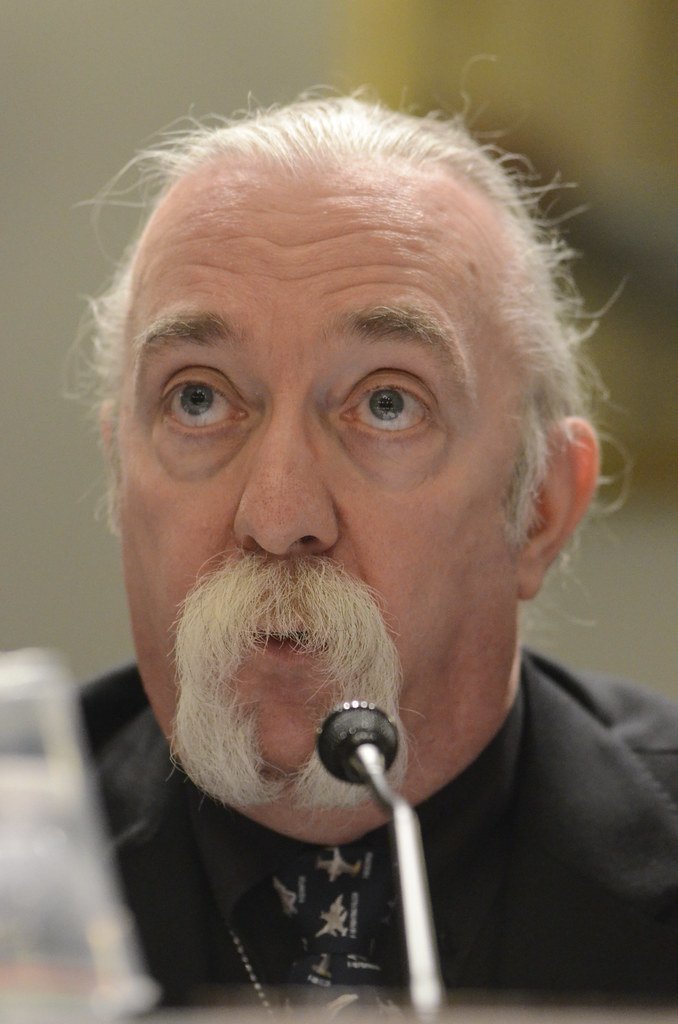
Jeff Baxter’s guitar wizardry lit Steely Dan’s jazz-rock sophistication and Doobie Brothers’ yacht rock hits in the 1970s. Tracks like “Peg” and “What a Fool Believes” ruled radio. Session king turned band staple.
1980s pivot to U.S. government defense consulting sidelined music. Balances national security gigs with occasional jams. As of 2026, Baxter consults primarily, music a side note.[1]
Shuggie Otis
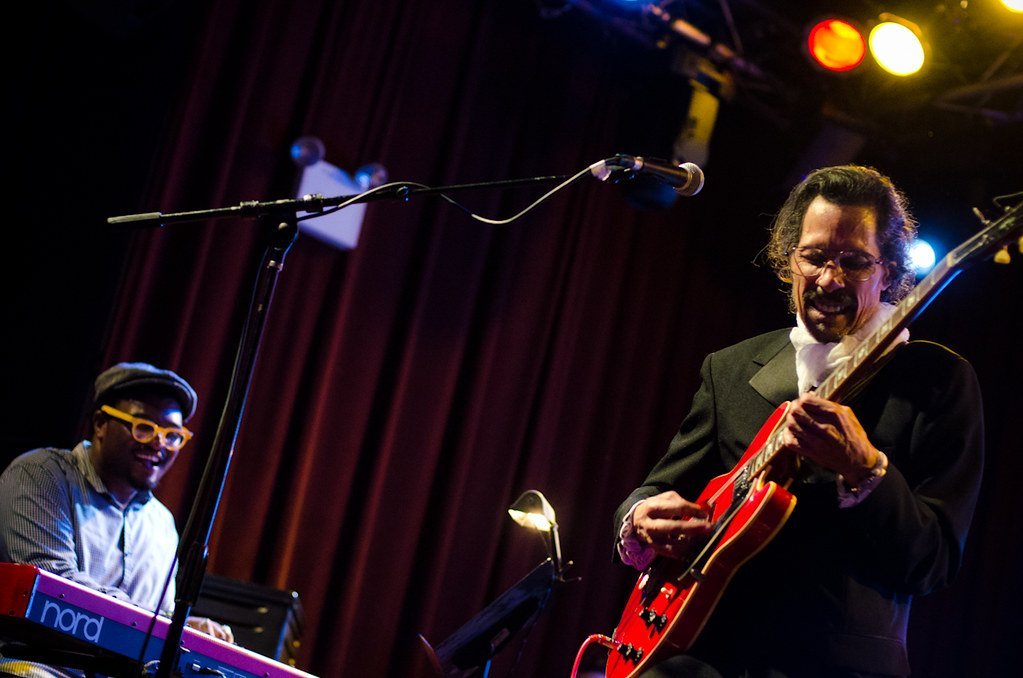
Shuggie Otis dazzled as a teen prodigy, dropping 1974’s Inspiration Information, a funk-soul-psyche gem with “Strawberry Letter 23.” Father Johnny Otis mentored his multi-instrumental genius. Cult acclaim grew decades later.
Industry woes sent him retreating for family focus. Emerged briefly post-reissue hype. In 2026, Otis keeps ultra-low profile, personal projects over fame.[2]
Mary Margaret O’Hara
Mary Margaret O’Hara’s 1988 debut Miss America stunned with avant-garde soul, her wild voice twisting pop norms. Critical darling, cult fave amid 80s gloss. Originality unmatched.
Shunned tours and labels for her terms. Contributes sporadically to others’ work. By 2026, she’s a reclusive cult icon, music on her clock only.[2]

Christian Wiedeck, all the way from Germany, loves music festivals, especially in the USA. His articles bring the excitement of these events to readers worldwide.
For any feedback please reach out to info@festivalinside.com
