


For any feedback please reach out to info@festivalinside.com
For most of pop music’s early decades, a song stood entirely on its own. You heard it on the radio. You either liked it or you didn’t. The idea that a three-to-five-minute audio track might need a visual companion to complete its meaning would have seemed strange, even unnecessary.
Then, in 1981, MTV launched, and suddenly visual storytelling became as important as songwriting. What followed wasn’t a slow evolution. It was a rupture. Within just a few years, directors began treating the music video as a canvas for narrative ambition, character development, and cultural commentary. The best of them stopped being promotional clips entirely. They became short films, cultural events, arguments made in three minutes of moving image.
In the ever-evolving world of music, the power of visual storytelling became just as crucial as the sound itself. Over the years, music videos transcended mere promotional tools, transforming into powerful narratives that shaped cultural moments, inspired fashion trends, and challenged societal norms. The twelve videos below didn’t just capture that shift. They drove it.
Michael Jackson – “Thriller” (1983)
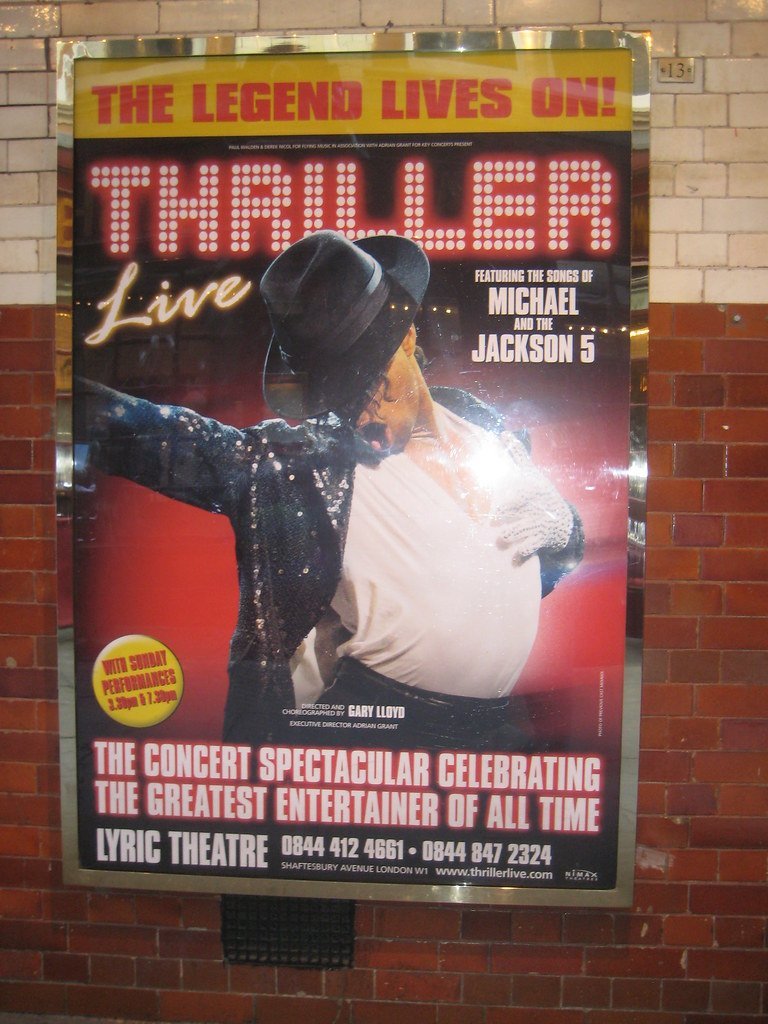
Prior videos had been largely performance-based, but “Thriller” was something else entirely: more cinematic, more ambitious, more deliberately structured as a story. Directed by John Landis, the video had a budget of $500,000 and features Jackson transforming from a 1950s heartthrob in a red leather jacket into a gruesome werewolf and then a zombie. The video runs nearly fourteen minutes, opens with a deliberate parody of 1950s B-movies, and layers multiple narrative threads before arriving at its iconic graveyard dance sequence.
The “Thriller” video sealed MTV’s position as a major cultural force, helped dismantle racial barriers for Black artists, revolutionized music video production, popularized making-of documentaries, and drove rentals and sales of VHS tapes. The Library of Congress described it as “the most famous music video of all time,” and in 2009, it became the first music video inducted into the National Film Registry as culturally, historically, or aesthetically significant. Even in 2026, the zombie choreography is still being performed worldwide.
a-ha – “Take On Me” (1985)
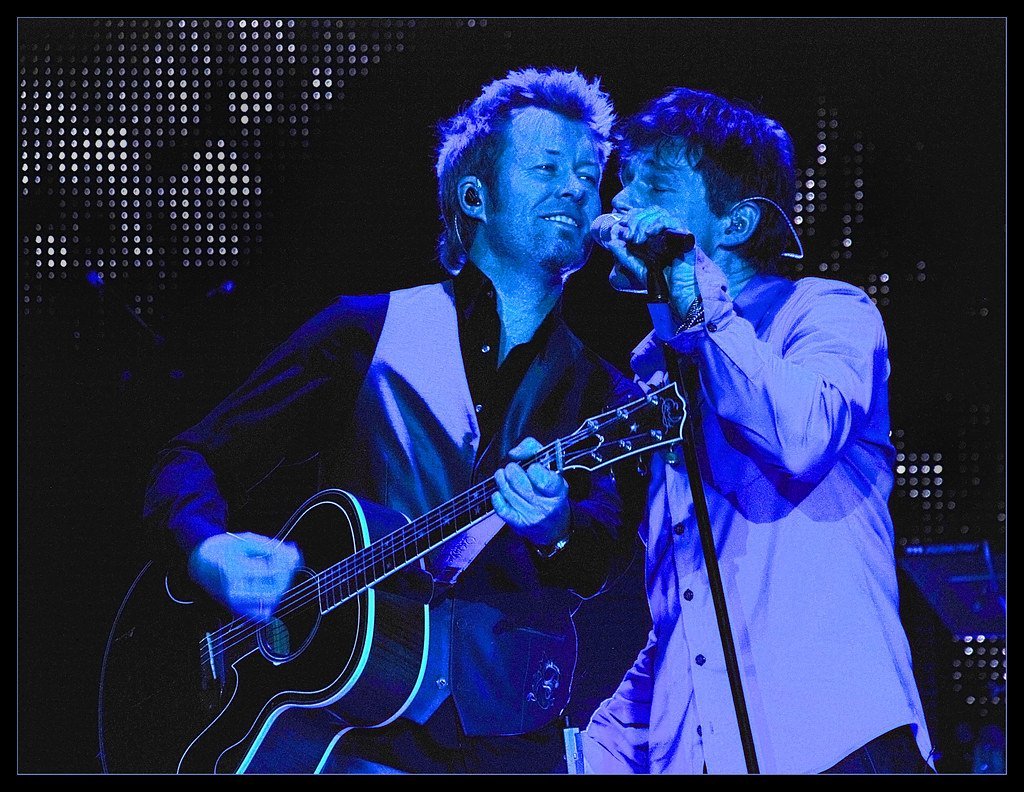
A-ha’s “Take On Me” is one of the most iconic music videos of all time, known for its groundbreaking blend of live-action and animation that revolutionized visual storytelling in the music industry. Directed by Steve Barron, the video features a unique rotoscoping technique, where live-action footage is traced over to create a distinctive hand-drawn animation style. The concept follows a woman pulled inside a comic book where she explores an animated world with a man on the run, and the two eventually end up together in the real world.
Director Steve Barron said the process took many hours and over 3,000 frames to complete, and the painstaking rotoscoping resulted in the video’s signature sketch-like animation, helping it stand out on early MTV. The song wasn’t initially successful, but with more than two billion YouTube views, it proves that innovative music videos can make a hit. The blend of dimensions, fantasy and reality coexisting inside the same frame, gave this video a structural originality that still feels genuinely inventive decades later.
Madonna – “Like a Prayer” (1989)
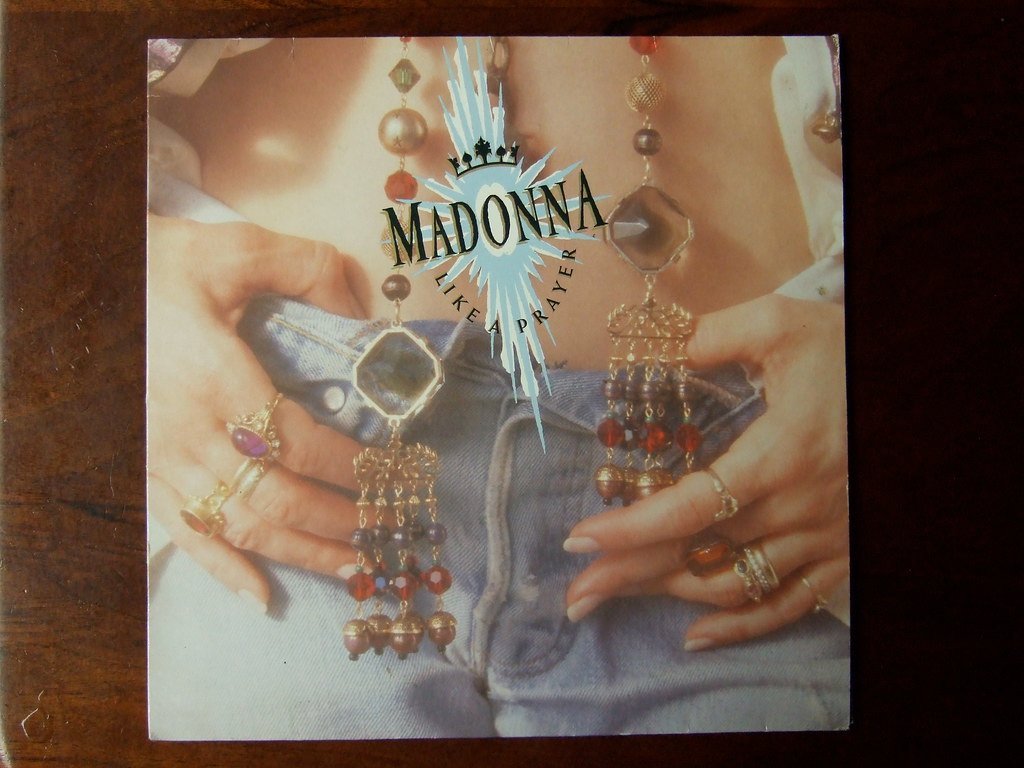
Madonna’s “Like a Prayer” sparked global controversy upon its release with its provocative use of religious imagery. Directed by Mary Lambert, the video features Madonna dancing in front of burning crosses, interacting with religious symbols, and challenging societal norms, which led to boycotts from religious groups. The video tells a story of racial injustice, false arrest, and spiritual redemption, and it did so with a directness that felt genuinely confrontational for 1989.
Despite the controversy, the video was groundbreaking in its boldness and made a strong statement about race, religion, and gender. It pushed boundaries in pop music, helping cement Madonna’s image as an artist unafraid to court controversy while creating conversations around social issues. It remains one of her most talked-about videos. What gives “Like a Prayer” lasting weight isn’t the controversy itself, but the sophistication with which it uses narrative arc, symbolism, and gospel music to deliver a genuinely emotional argument rather than just a provocation.
Sinéad O’Connor – “Nothing Compares 2 U” (1990)
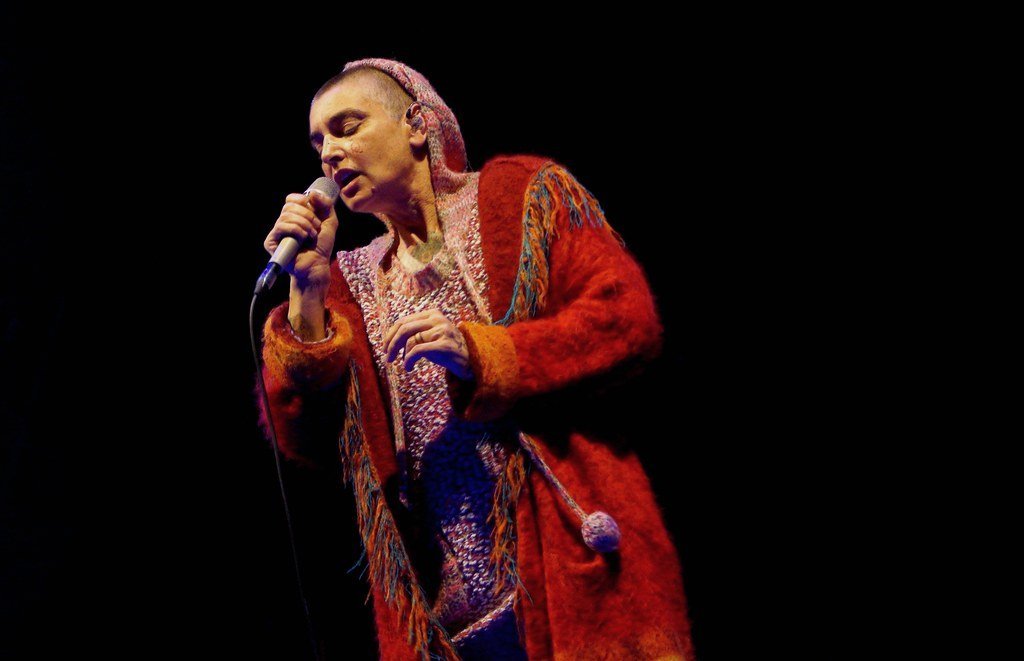
In the evolving landscape of music videos, Sinéad O’Connor’s “Nothing Compares 2 U” stood out for its simplicity and emotional impact. Directed by John Maybury, the video features O’Connor’s expressive face against a black backdrop, delivering the dramatic cover of Prince’s B-side with raw intensity. There are almost no edits. There are no sets, no dancers, no elaborate costumes. Just a face, and what that face reveals.
The video’s minimalist approach, focusing solely on raw emotion, struck a chord with audiences. The single tear that runs down O’Connor’s face became an iconic moment, symbolizing the heartbreak in the song. “Nothing Compares 2 U” is proof that sometimes, less is more when it comes to delivering an emotional impact. The unadorned, no-frills approach propelled the song to global success and earned it Video of the Year. It also quietly made the argument that intimacy, not spectacle, could be the most powerful storytelling tool in the format.
Nirvana – “Smells Like Teen Spirit” (1991)
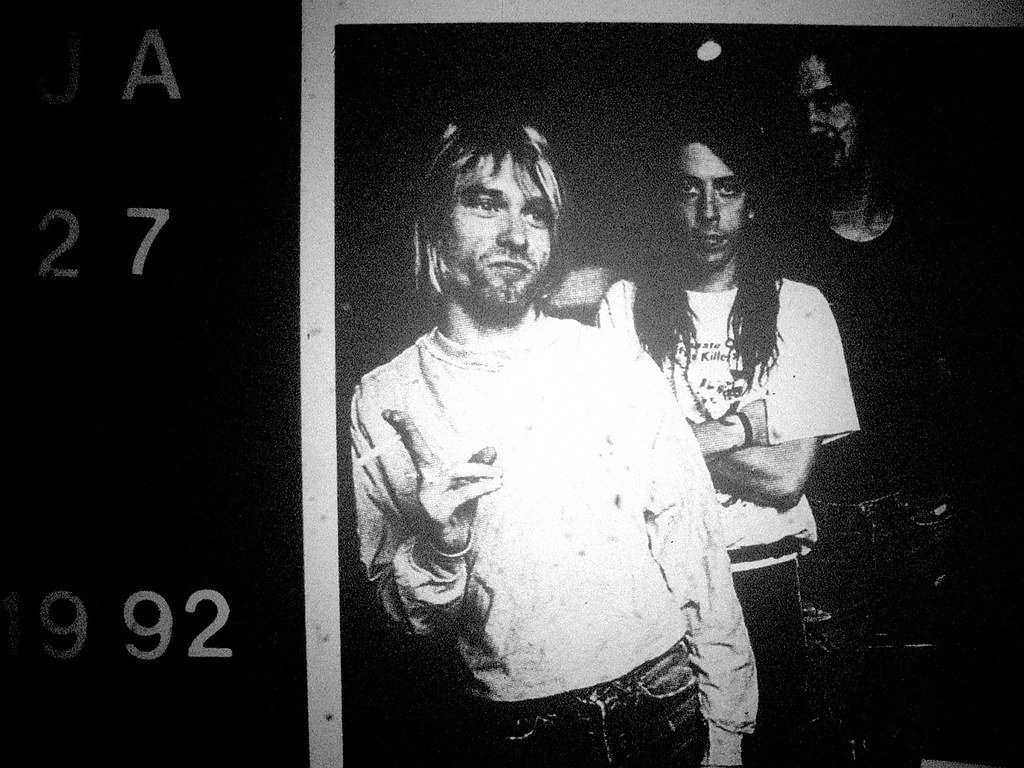
Nirvana’s “Smells Like Teen Spirit” captured the rebellious, anti-establishment spirit of the early 1990s and launched the grunge movement into the mainstream. Directed by Samuel Bayer, the video takes place in a grungy high school gym with a chaotic pep rally that ends in a riot. It was, in every sense, the opposite of glam-era excess. Dirty, fluorescent, and deliberately ugly, it told its story through atmosphere rather than plot.
The video was still powerful enough to all but upend MTV’s regular rotation, all moshing and anarchic cheerleaders and bile-yellow haze, suddenly making Warrant and Winger seem very much a generation ago. The setting of a high school gymnasium was deceptively precise as a narrative choice. It was a space where authority and rebellion occupied the same physical room, and the video’s rising chaos made that tension physical. It treated the format as a cinematic art form rather than a simple marketing ploy, merging musical and filmic pop cultures.
Peter Gabriel – “Sledgehammer” (1986)
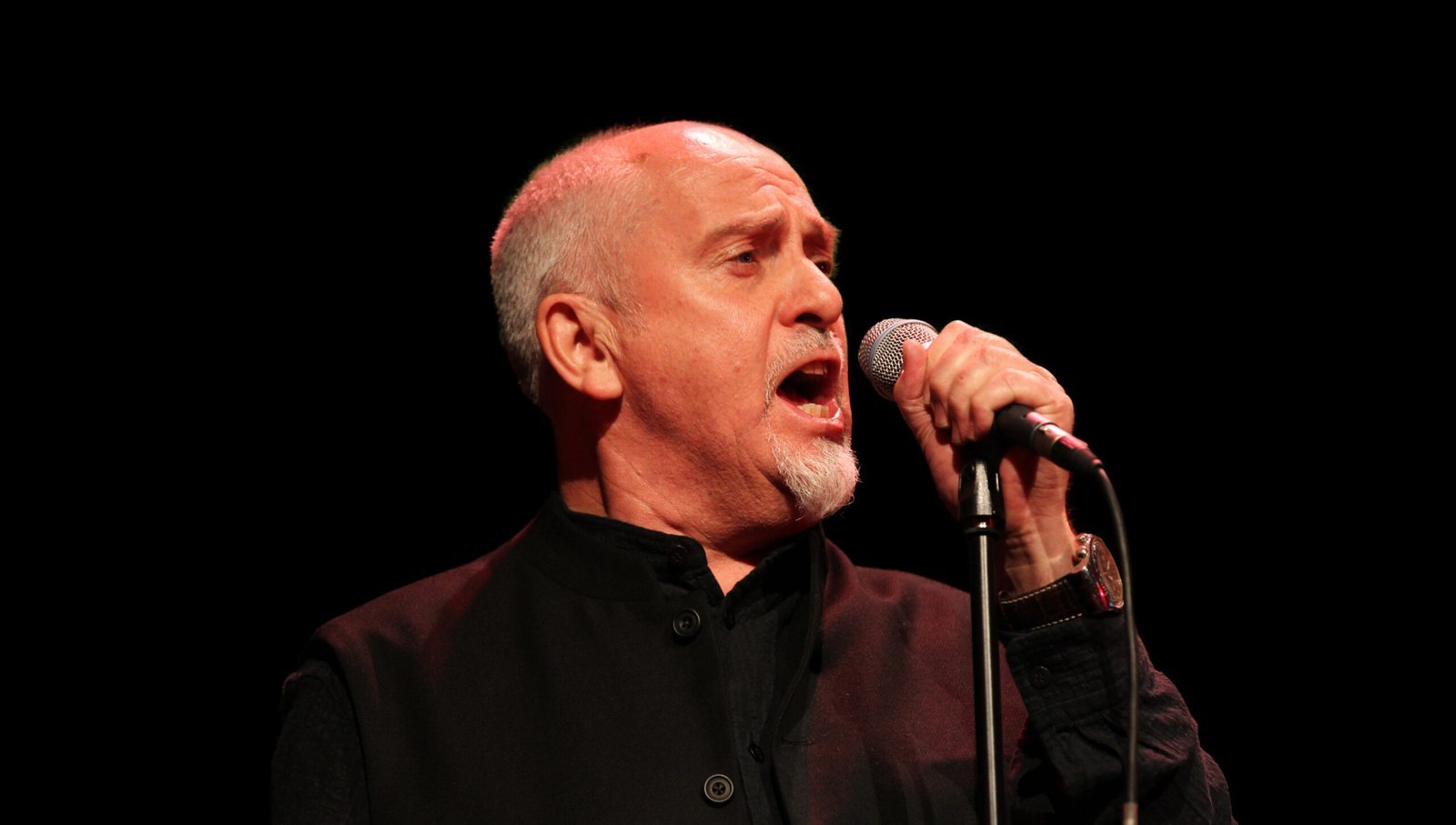
Stephen R. Johnson directed the video for “Sledgehammer,” and it is the direction that has elevated the song to iconic status. Perhaps one of the greatest instances of stop-motion animation, “Sledgehammer” moves through a handful of different looks, styles, and approaches. Gabriel’s face becomes a canvas, transformed by fruit, clay, model trains, and dancing chickens in a sequence that is somehow simultaneously absurd and deeply inventive.
The video won a record nine MTV Video Music Awards in 1987, and its technical achievement was staggering for its era. Each frame required meticulous physical construction and photography. It was a breakthrough in visual storytelling entirely, to the point that the blending of animation and live action still feels incredibly convincing. What makes it hold up is that the visual language of transformation and energy actually mirrors the song’s own swaggering momentum.
Madonna – “Vogue” (1990)
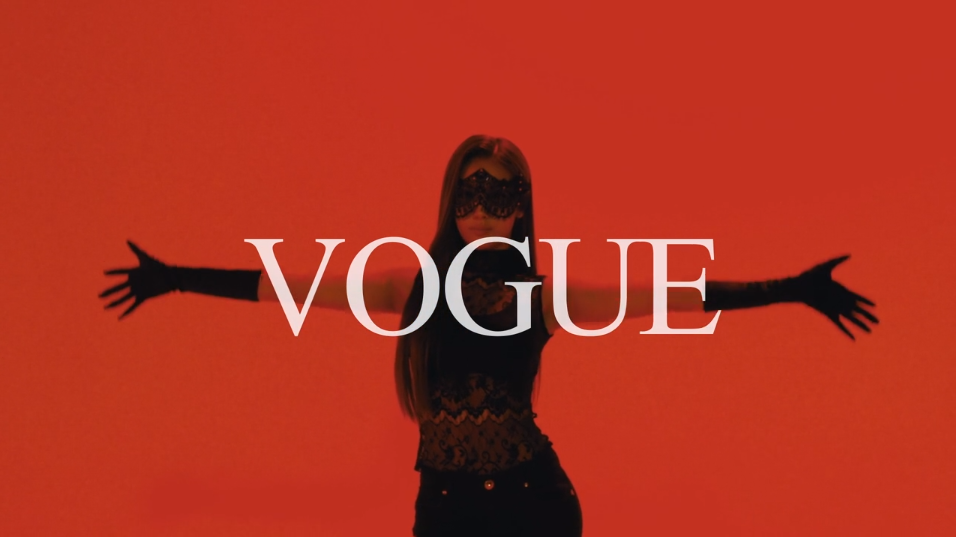
Madonna’s “Vogue,” directed by David Fincher and shot in black and white, portrays Madonna as a legendary blonde bombshell effortlessly executing poses and dance moves. Starting a dance craze, “Vogue” became an enduring piece of pop culture, showcasing Madonna’s ability to push boundaries while creating timeless visuals. The video’s narrative is one of aspiration and glamour, drawn directly from the underground ballroom culture that existed largely outside of mainstream visibility.
Striking poses and paying homage to Black and Latinx ballroom culture, Madonna brought underground beauty to the main stage. The cultural conversation around “Vogue” has grown considerably over the decades, as the origins of vogueing in queer Black and Latinx communities became more widely understood. The video functions both as a tribute and as a cinematic document, preserving an aesthetic vocabulary that might otherwise have remained underground. It remains visually arresting, frame after immaculate frame.
Guns N’ Roses – “November Rain” (1992)
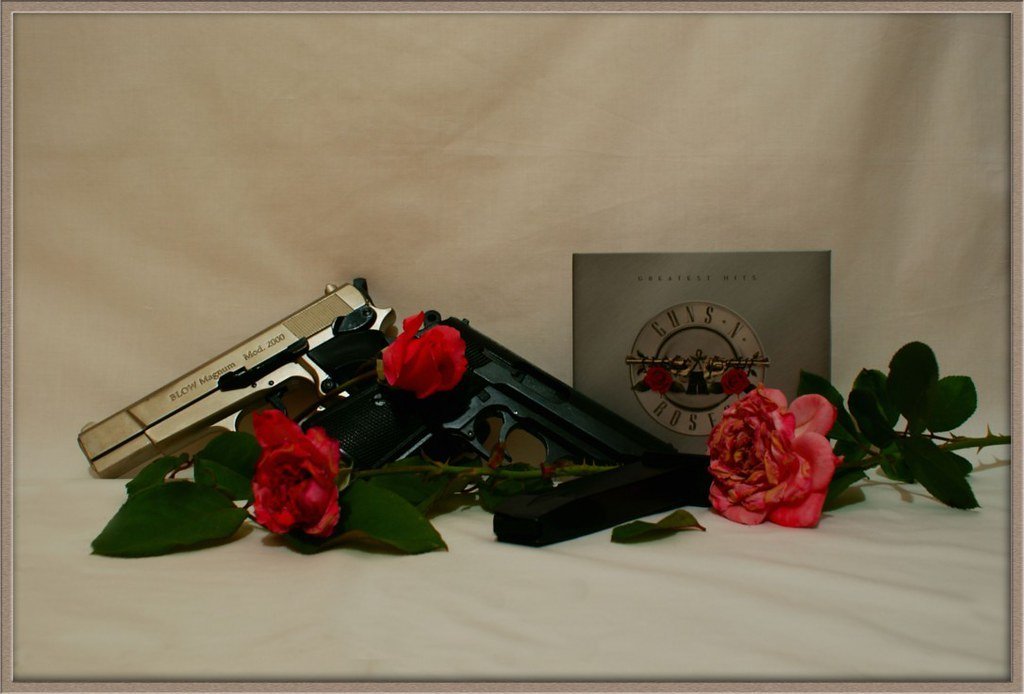
While being one of the most self-aware epic music videos of all time, “November Rain” is still too moving and exquisite to be overcome by cheese or over-theatrics. The shot of Slash soloing outside of a church is a legitimately great image. The narrative involving Axl Rose is done really well, and the story matches the magnitude of Guns N’ Roses and their accompanying orchestra.
At nearly nine minutes long and reportedly one of the most expensive music videos ever made at the time of its release, “November Rain” functions as a short melodrama, tracing the arc of love, loss, and grief through a wedding that ends in tragedy. The ending is a juxtaposition of performance and devastating storytelling: a flurry of emotions bound to grip your heart when reached. It was one of the first music videos to borrow the grammar of cinema without apology, treating pacing, costume, and location scouting with the seriousness of a feature film.
Foo Fighters – “Everlong” (1997)
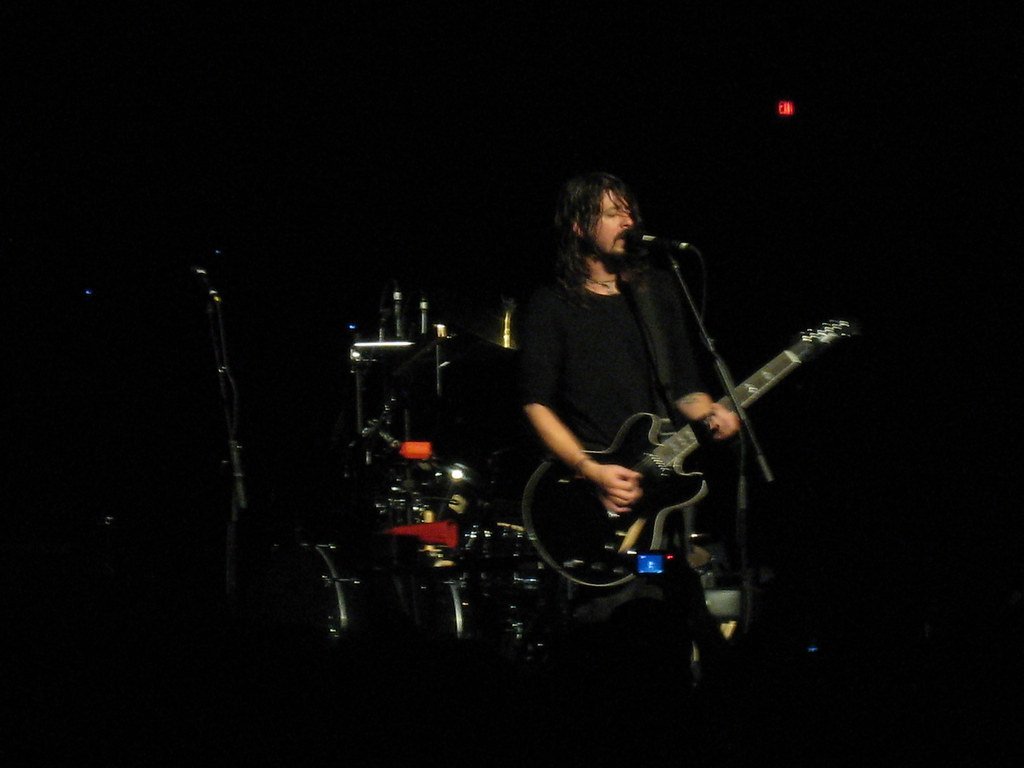
Directed by Michel Gondry, known for his distinctive dreamlike style, the “Everlong” video is a remarkable blend of humor, horror, and fantasy that perfectly complements the emotional depth of the song. The video features lead singer Dave Grohl navigating a series of bizarre dreamlike scenarios, including transforming into a giant hand to fight off attackers and shrinking down to a miniature size. The narrative plays out like a surreal dream, with the boundaries between reality and fantasy constantly shifting.
This inventive use of visual effects and unconventional storytelling techniques made “Everlong” a standout in the music video world, capturing viewers’ imaginations and adding a new layer of meaning to the song. The video’s ability to mix different genres and create a compelling, visually driven narrative was groundbreaking at the time, showcasing how music videos could be a platform for artistic experimentation. Gondry’s instinct for treating dreams as logical systems gave the video a sense of internal consistency despite its chaos, and that quality ages remarkably well.
Beastie Boys – “Sabotage” (1994)
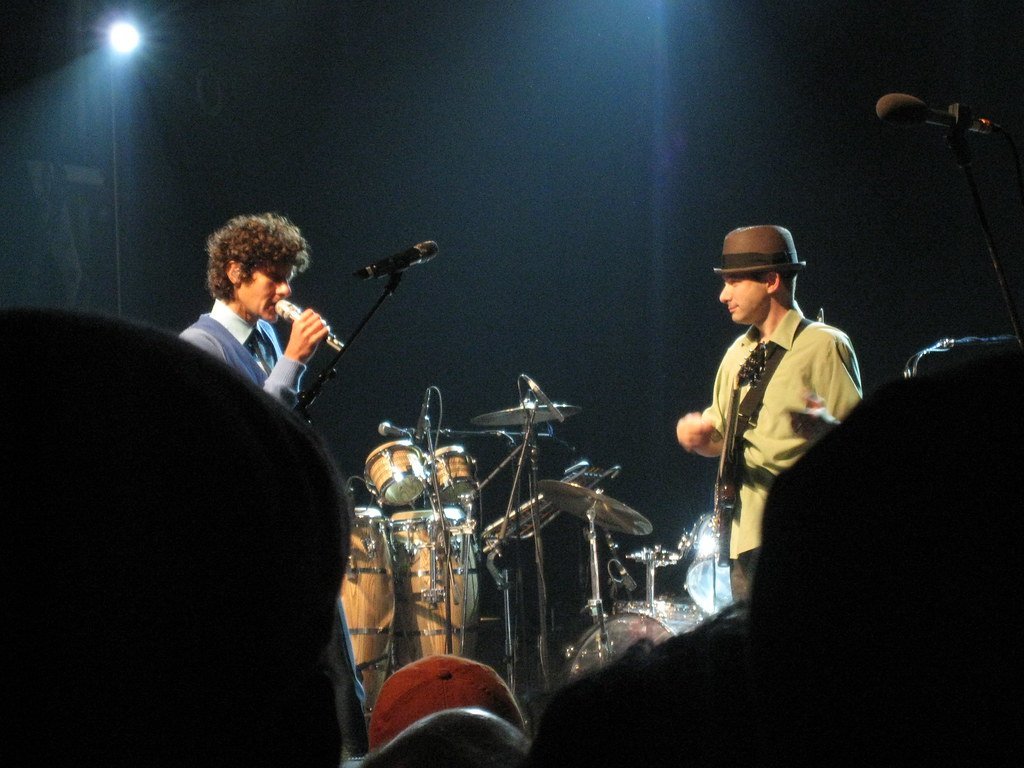
The Beastie Boys’ “Sabotage” video, directed by Spike Jonze, is a loving homage to 1970s cop shows, complete with over-the-top action sequences and cheesy character intros. The video’s fast-paced editing, retro aesthetic, and tongue-in-cheek tone made it an instant classic. Its playful energy captured the raw spirit of the Beastie Boys.
The video helped solidify Spike Jonze as one of the most innovative music video directors of his generation. What makes “Sabotage” narratively interesting is its commitment to its own premise. It doesn’t wink too hard at the audience. The band fully inhabit their absurd 70s-cop-show characters, and the video functions as a genuinely funny, cinematically coherent short piece. It proved that parody and love can occupy the same frame without undermining each other.
Childish Gambino – “This Is America” (2018)
Childish Gambino’s “This Is America” uses stark imagery and jarring contrasts between celebration and violence to tell a complex story about race relations in America. Directed by Hiro Murai, the video’s structure is built on deliberate misdirection. The foreground offers dancing and spectacle. The background, if you’re watching closely, contains something far darker. The meaning is distributed across the entire visual field.
According to The Washington Post’s Sonia Rao, the video ushered in a “music video renaissance,” igniting a trend of boundary-pushing music videos that explore political issues. It challenges viewers not only to watch but also to reflect deeply on societal issues while dancing along with catchy beats. In a format that had sometimes grown comfortable, “This Is America” restored the sense that a music video could be genuinely discomforting, that the experience of watching it might leave you uncertain about what you just saw and what it means.
Beyoncé – “Formation” / Lemonade (2016)
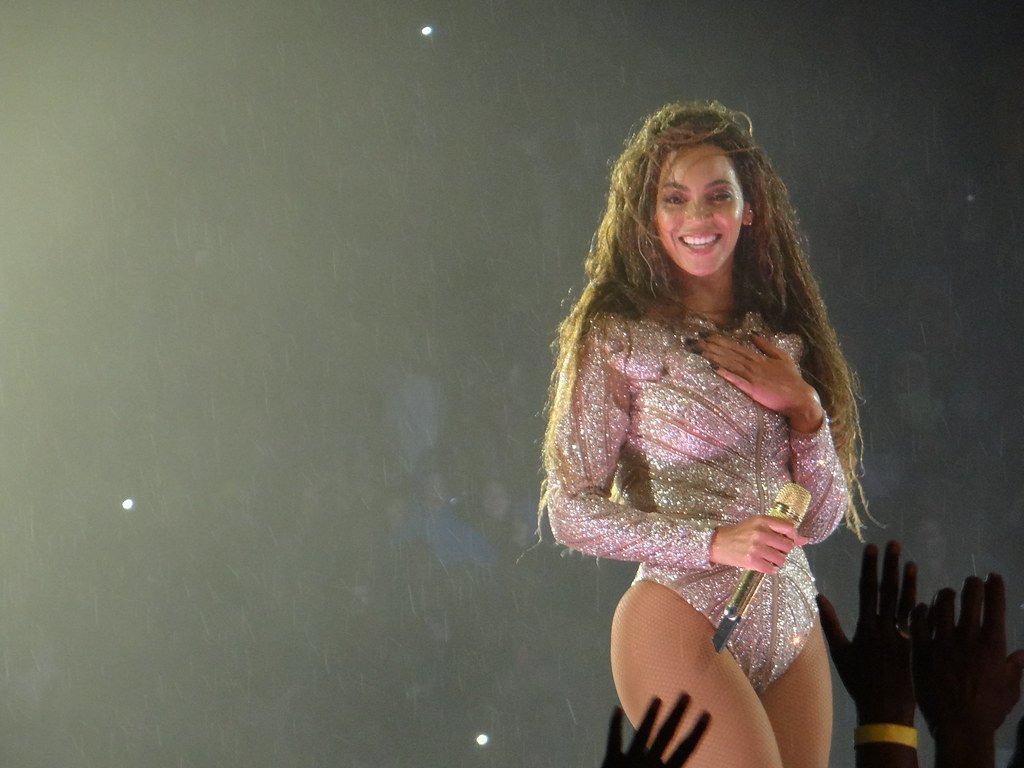
Beyoncé’s Lemonade is a 56-minute film composed of twelve music videos with interludes comprised of spoken-word poetry, concrete sound, and visual tableaux. “Formation,” its closing piece, distills the project’s themes into a single concentrated statement. The video features scenes taking place in an antebellum-style setting, juxtaposed with depictions of modern Black life in post-Katrina New Orleans. It pays homage to the beauty of the Black South while shining a light on racial injustice and police brutality.
Lemonade’s conception, release, and reception undoubtedly set a new standard for pop storytelling. It demonstrated that visual albums could be evolutionary steps forward from traditional music videos. Whereas critics had once written about listening to albums, Lemonade was the first time they started writing about watching albums. Lemonade has been credited with reviving the concept of an album in an era dominated by singles and streaming, and popularizing releasing albums with accompanying films. The scope of its ambition, personal and historical at once, made it something the format hadn’t quite produced before.
The Lasting Weight of the Music Video

There’s a temptation to treat music videos as ephemeral, built for a specific cultural moment and then left to age in place. The twelve videos above resist that framing.
As we look back at these examples, we see how effectively crafted narratives elevate music videos from mere promotional tools into cultural phenomena capable of sparking conversations long after they’ve aired. Whether through emotional depth or thought-provoking themes, the best story-driven music videos continue inspiring artists across genres even today.
Over the years, music videos transcended mere promotional tools, transforming into powerful narratives that shaped cultural moments, inspired fashion trends, and challenged societal norms. From groundbreaking effects to unforgettable choreography, some music videos have redefined the way we experience music, leaving an indelible mark on the industry.
What unites these twelve works, across four decades and radically different aesthetics, is a shared refusal to be merely decorative. Each one made a claim: that the image could do something the song alone could not. That claim, it turns out, holds up extraordinarily well. The best music videos don’t just document an era. They outlast it.

Christian Wiedeck, all the way from Germany, loves music festivals, especially in the USA. His articles bring the excitement of these events to readers worldwide.
For any feedback please reach out to info@festivalinside.com
