

- 10 Best Music Festivals You Need To Visit in 2026 - April 3, 2026
- 12 Iconic American Revolution History Getaways in The US - April 3, 2026
- 10 Things You May Not Know About Mozart - April 3, 2026
There is something almost electric about standing on the same ground where the fate of a nation was decided. The American Revolution was not just a war – it was a radical act of imagination, a moment when ordinary farmers, merchants, and dreamers decided to reshape the world. Today, nearly two and a half centuries later, the places where that story unfolded are still there, waiting to be discovered.
The U.S. National Park Service, state and local governments, and private foundations all help preserve iconic sites from the Revolutionary War so visitors can experience the places that forged America’s identity. These landmarks are not just old buildings or grassy fields. They are living classrooms, emotional anchors, and tributes to a generation that risked everything. Whether you are a lifelong history enthusiast or someone just beginning to explore your national heritage, these twelve destinations will leave a mark on you. Let’s dive in.
1. Independence National Historical Park, Philadelphia, Pennsylvania
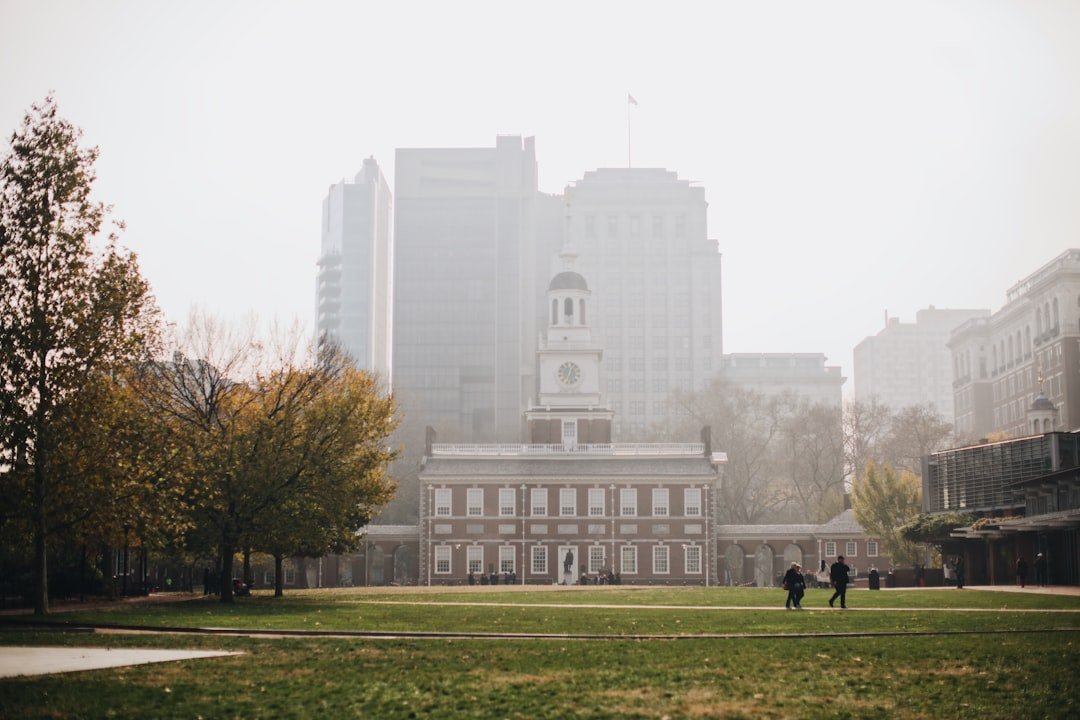
Honestly, if there is one place in the entire country that every American should visit, it is Philadelphia’s Independence National Historical Park. Philadelphia’s Independence Hall is where the Declaration of Independence and the Constitution were signed. Think about that for a second. The same room. The same building. Two of the most consequential documents in human history, born right there.
The former Pennsylvania State House, known as the birthplace of America, is where both the Declaration of Independence and the United States Constitution were debated and signed. During the Revolution, the Pennsylvania legislature allowed the building’s Assembly Room to be used for meetings of the Second Continental Congress and Constitutional Convention. The weight of that history is almost hard to comprehend when you walk in.
Today, visitors can tour the Assembly Room of Independence Hall, view the iconic Liberty Bell, visit the Benjamin Franklin museum, and much more. Home to the iconic Liberty Bell, a symbol of American independence and freedom, the bell, famous for its crack, originally hung in the nearby Independence Hall and is said to have been used to summon citizens for the first public reading of the Declaration of Independence. Few moments in travel feel quite like this one.
2. Boston Freedom Trail, Boston, Massachusetts
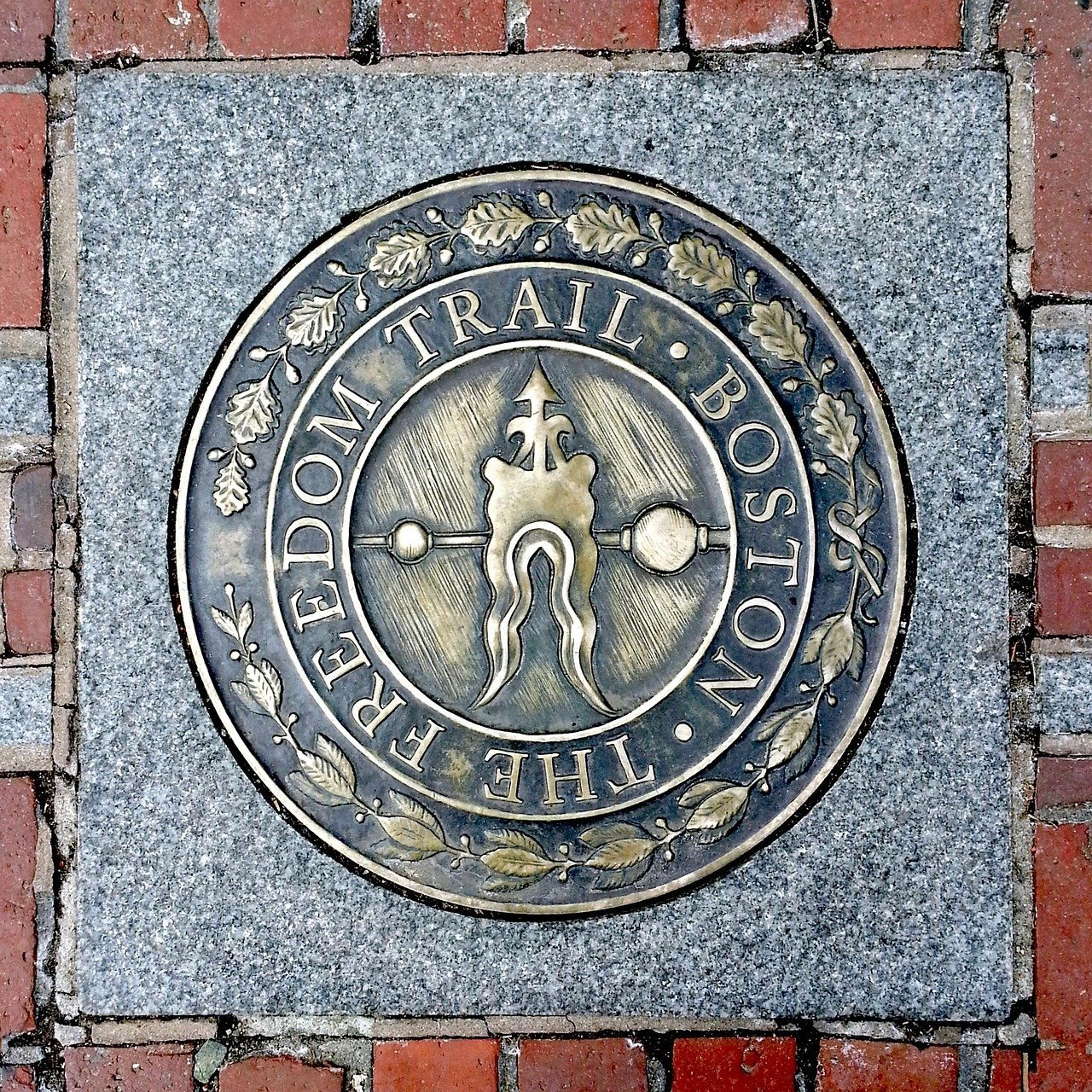
Boston is the kind of city that wears its Revolutionary past proudly, almost defiantly. The Freedom Trail takes visitors through a tour of 16 sites of importance before and during the American Revolution against British rule. Boston played a central role in igniting the American Revolution, and the Freedom Trail helps to tell this story where it actually happened. It is, in my opinion, one of the greatest urban history walks in the world.
The trail is a 2.5-mile trip in which visitors can either follow independently using the red pavement markings around the city, or join one of the selections of guided tours, which last around an hour and a half. Many of these sites also form part of the Boston National Historical Park. The mix of church steeples, burial grounds, and old taverns makes the walk feel genuinely alive.
The Boston National Historical Park’s Freedom Trail guides visitors to 16 sites in the Massachusetts capital city that was a hotbed of revolutionary fervor. Faneuil Hall, known as the “Cradle of Liberty,” was the site of May 1774 protests against Britain’s punishments for the Boston Tea Party. This is where real American fury took shape, and you can still feel it walking those streets today.
3. Valley Forge National Historical Park, Pennsylvania
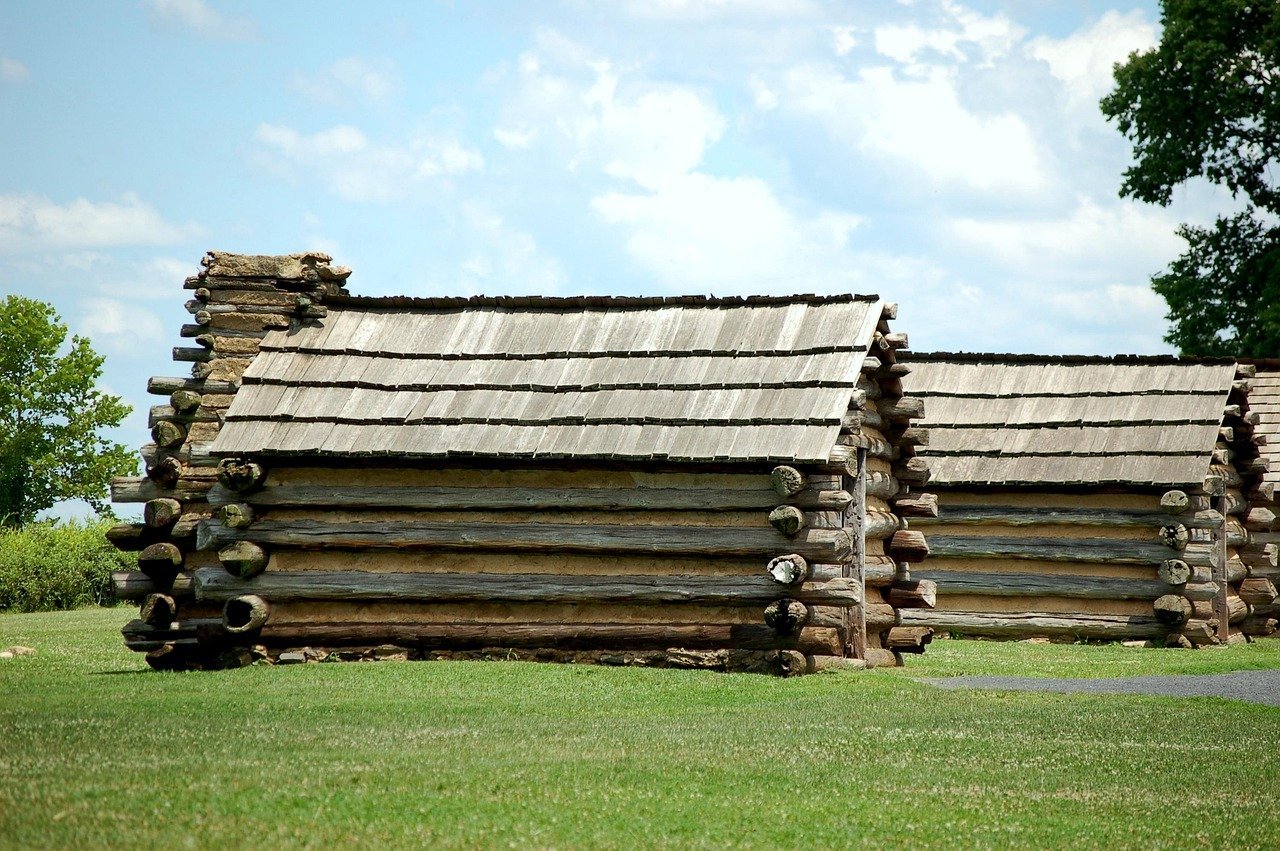
Here’s the thing about Valley Forge – it is not a battlefield, and that is precisely what makes it so powerful. Travel just outside of Philadelphia to visit Valley Forge, where General George Washington and his Continental Army troops set up their 1777-78 encampment and trained during the brutal winter. No dramatic charge. No cannon fire. Just survival, willpower, and the slow forging of a real army.
Valley Forge National Historical Park in Pennsylvania is the site where George Washington and his troops camped during the winter of 1777-78. The winter was especially cold and harsh, but the colonial troops emerged in the spring as an effective and organized army. That transformation – from desperate, starving soldiers to a disciplined fighting force – is one of the most incredible turnaround stories in military history.
The park has been preserved to honor the memory of the people who camped there. Historical tours are given and regular reenactments bring the events of the war to life. Walking through the preserved encampment on a cold winter morning, you start to feel something deep. It is humbling in a way that few tourist experiences can claim to be.
4. Yorktown Battlefield, Virginia
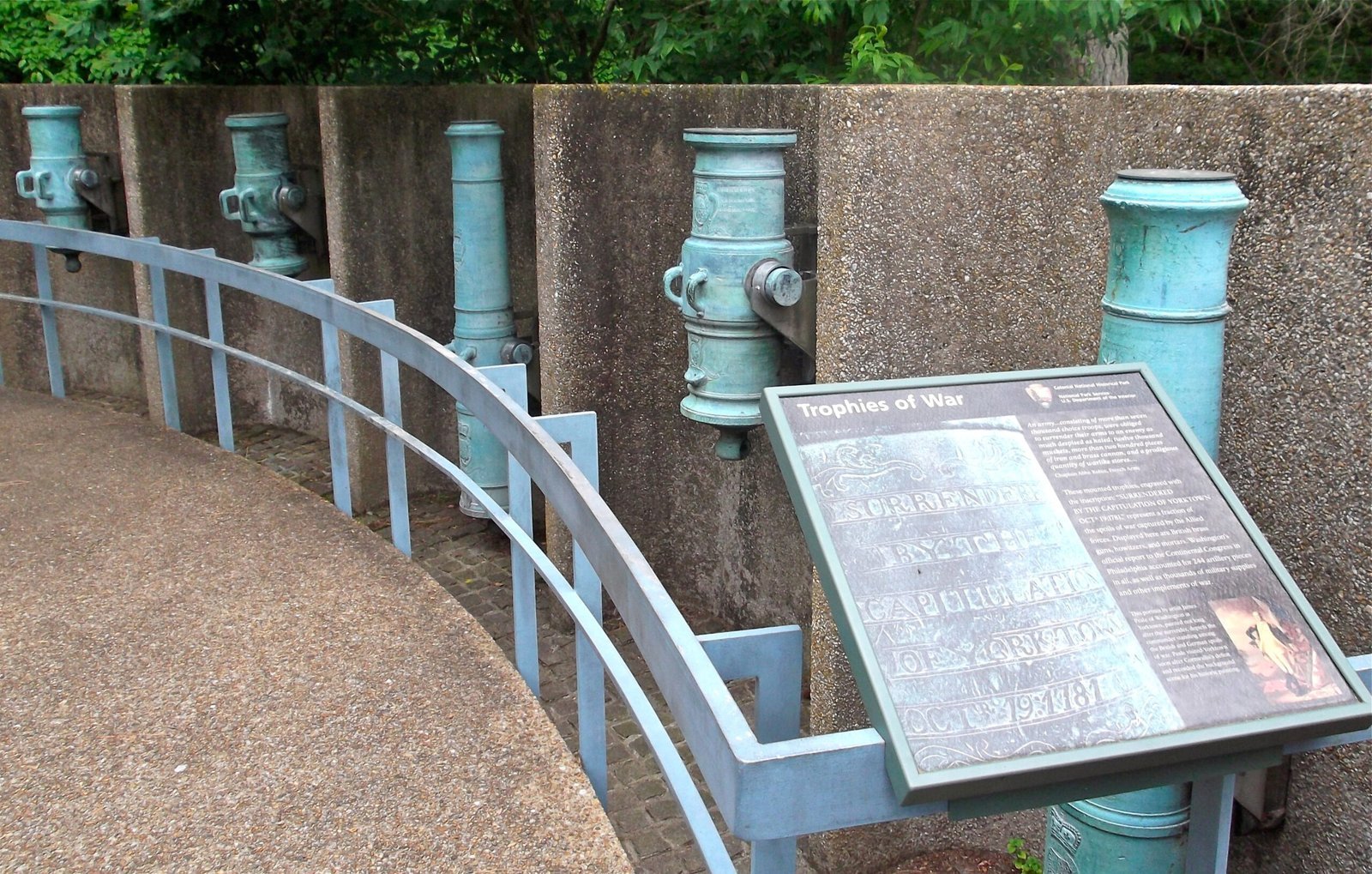
If Independence Hall is where America was born on paper, then Yorktown is where it was won in blood. Yorktown battlefield in Virginia is the location of the final battle of the American Revolution. It was at Yorktown battlefield that, on 19 October 1781, the British surrendered to the combined forces of the French and American armies, under the command of General Washington. This dramatic action marked the end of the war and was the point at which the Americans attained independence.
The Yorktown battlefield is where Washington’s forces compelled the surrender of British General Charles Cornwallis on October 19, 1781, effectively ending the war. Part of the Colonial National Historical Park, the battlefield’s siege lines remain and neighboring homes have cannonballs embedded in the walls. That detail about the cannonballs is almost unreal. You really can see the war frozen in stone.
Visitors to Yorktown Battlefield can learn about the history of the site and the end of the Revolutionary War with tours and exhibitions, including visiting Moore House, where the terms of surrender were agreed. Standing in that field, looking out over the landscape that once echoed with cannon fire, is the kind of experience that genuinely changes how you think about American history.
5. Saratoga National Historical Park, New York
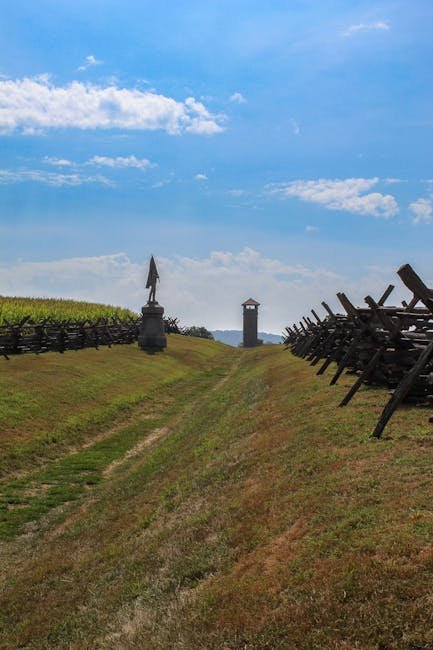
I know it sounds crazy, but many Americans have never heard of Saratoga – and yet it may be the single most important battlefield of the entire war. The 1777 American victory at Saratoga marked a turning point in the Revolutionary War, convincing France to formally ally with the United States. Saratoga National Historical Park preserves this crucial battlefield in upstate New York. Without France’s entry into the conflict, the outcome might have been very different.
At the Battle of Saratoga in 1777, American troops battled and beat a British invasion force, marking the first time in world history that a British Army ever surrendered. This crucial victory secured essential foreign recognition and support, instigated world-wide wars, affirmed United States independence, and changed the face of the world. The global implications of what happened here are staggering.
A nine-mile tour road with interpretive stops guides visitors through the battlefield’s key positions. The park also includes the Schuyler House, home of American General Philip Schuyler, and the Saratoga Monument commemorating the American victory. Ranger programs and living history events regularly bring the battlefield’s significance to life. Few parks in the National Park System offer this kind of richly layered storytelling experience.
6. Fort Ticonderoga, New York
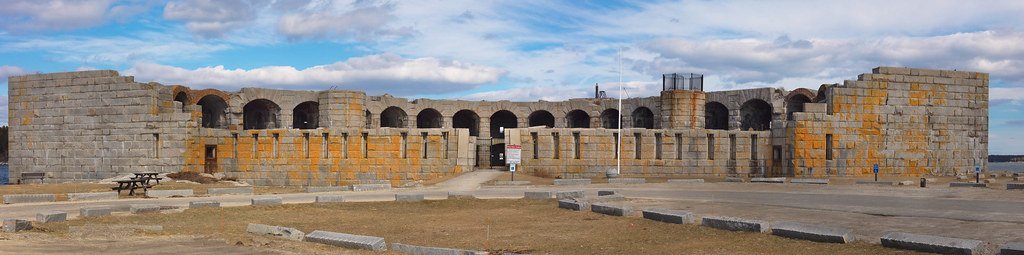
Fort Ticonderoga is the kind of place that redefines what a historic site can actually be. Explore 2,000 acres of America’s most historic landscape located on the shores of Lake Champlain and nestled between New York’s Adirondack and Vermont’s Green Mountains. The setting alone is breathtaking, and the history packed into those grounds is extraordinary.
Fort Ticonderoga, commanding a strategic position between Lake Champlain and Lake George, changed hands multiple times during the Revolution. Its capture by Ethan Allen and Benedict Arnold in 1775 provided Americans with much-needed artillery later used to drive British forces from Boston. The cannons seized here quite literally saved Boston. That ripple effect shaped the entire war.
The central theme of Fort Ticonderoga’s REAL TIME REVOLUTION program is that the Revolutionary War itself changed and evolved. Unlike many other historic sites that interpret a single battle or moment, Fort Ticonderoga represents the collective experiences of an evolving conflict. Here, guests can trace the transformation of the war from a loosely organized set of colonial objectives through the creation of a proto-national army. Today, the restored fort features daily musket and cannon demonstrations, extensive military collections, and living history programs.
7. Lexington and Concord, Massachusetts
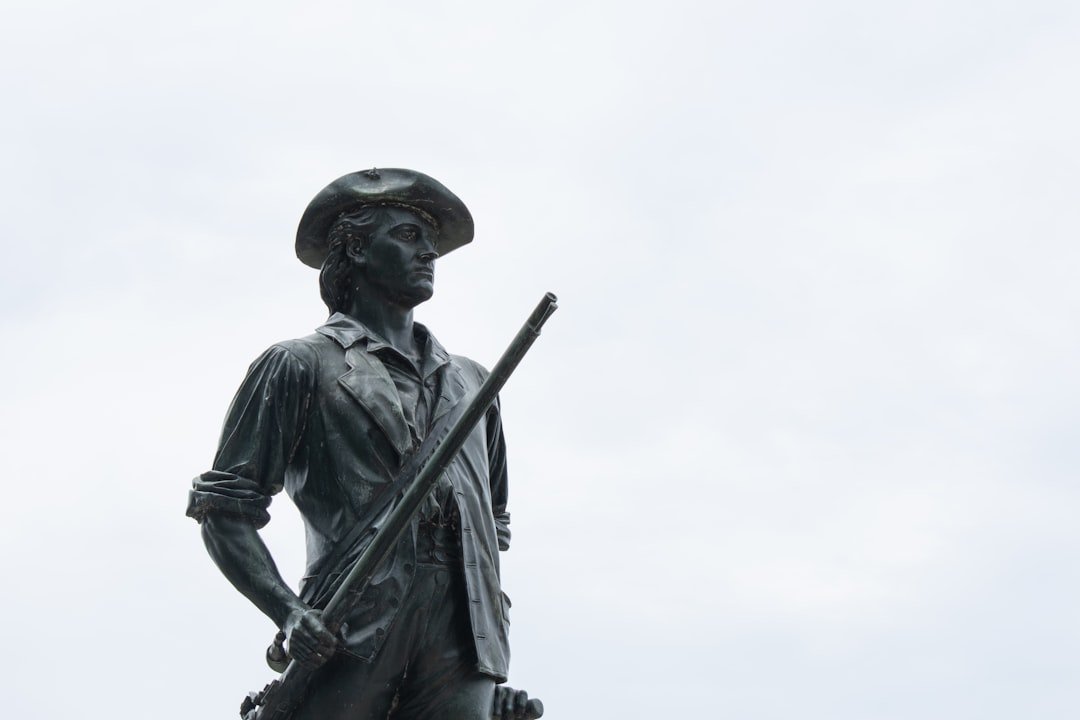
Every revolution needs its spark. The Lexington Battle Green, west of Boston, is where the “shot heard ’round the world” rang out on April 19, 1775, setting off an eight-year war. The first combat of the American Revolution occurred when British soldiers marched to seize colonists’ munitions and found themselves facing off against a volunteer militia known as the minutemen. No one knows who fired the first shot, but there was no going back.
On April 19, 1775, the British marched on Concord, Massachusetts, to seize Patriot arms. At dawn they exchanged fire with militia on Lexington Green and at Concord’s Old North Bridge. Minute Man National Historical Park preserves much of the Battle Road between the two towns, scene of a running battle between Patriot militia and retreating British regulars.
Within the park you’ll find historic American landmarks and monuments related to the first battle of the American Revolution, such as Concord’s Old North Bridge, the Battle Road Trail, and the Grave of British Soldiers. Hiking the Battle Road Trail, with the autumn leaves falling and the quiet woods surrounding you, feels like walking straight into the pages of history.
8. Colonial Williamsburg, Virginia
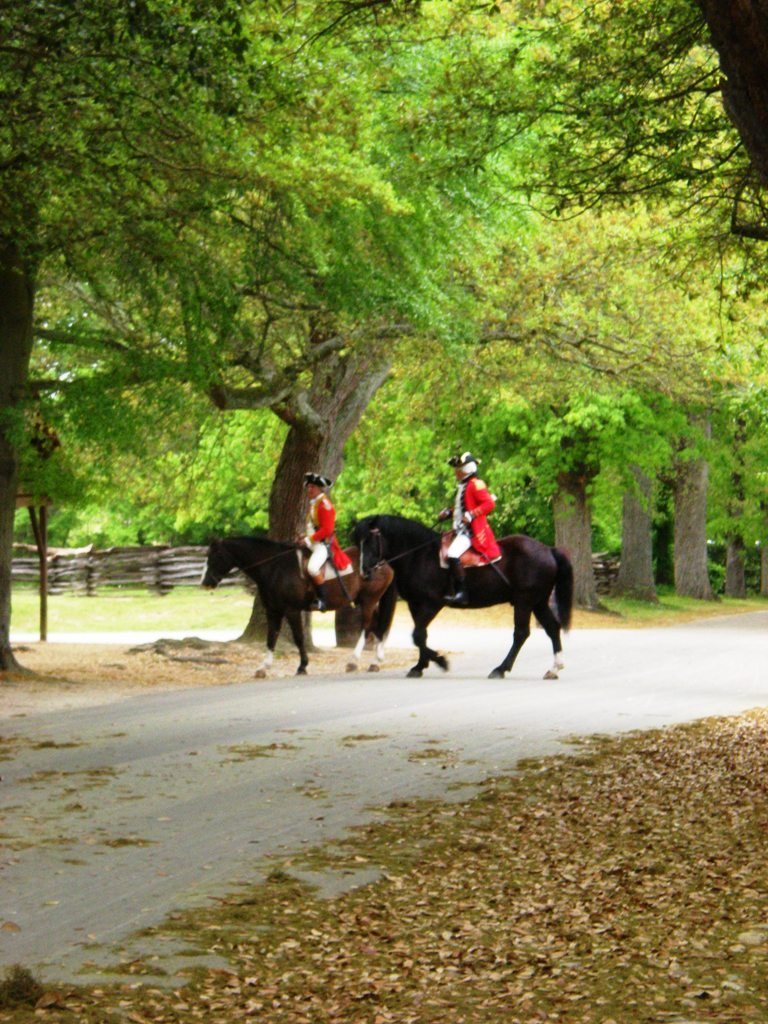
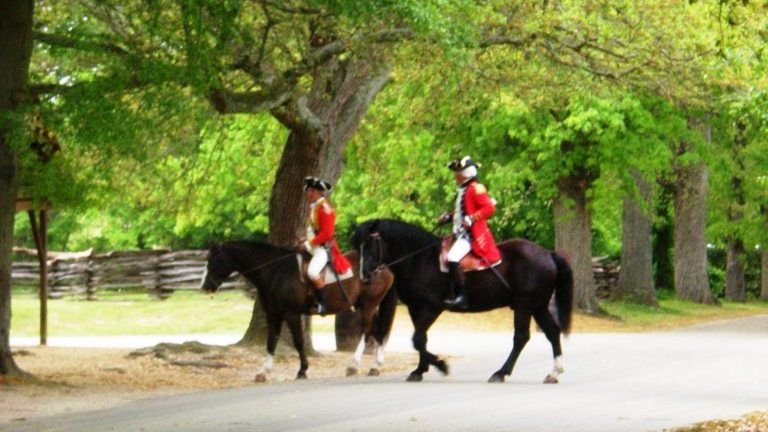
Colonial Williamsburg is not just a museum – it is a fully immersive time machine. Colonial Williamsburg, America’s largest living history museum, recreates Virginia’s colonial capital during the Revolutionary era. With over 300 acres of restored buildings, this immersive site brings 18th-century life into sharp focus. Think of it like stepping into an 18th-century snow globe, except everything around you is real.
Costumed interpreters debate the merits of independence in the streets and demonstrate colonial crafts and trades. Visitors can witness the reading of the Declaration of Independence at the Capitol building and explore how the revolution affected all segments of society, from gentry to enslaved people. That last part matters deeply. Williamsburg does not shy away from the complicated truths of colonial life.
The world’s largest living history museum, depicting life in an 18th-century American town, includes hundreds of restored or reconstructed buildings, with costumed interpreters demonstrating daily colonial life and crafts. Visitors can engage in interactive experiences, explore historic buildings, and learn about the diverse experiences of its residents during the era of the American Revolution. This is the kind of place families revisit year after year, and each time they seem to discover something new.
9. Mount Vernon, Alexandria, Virginia
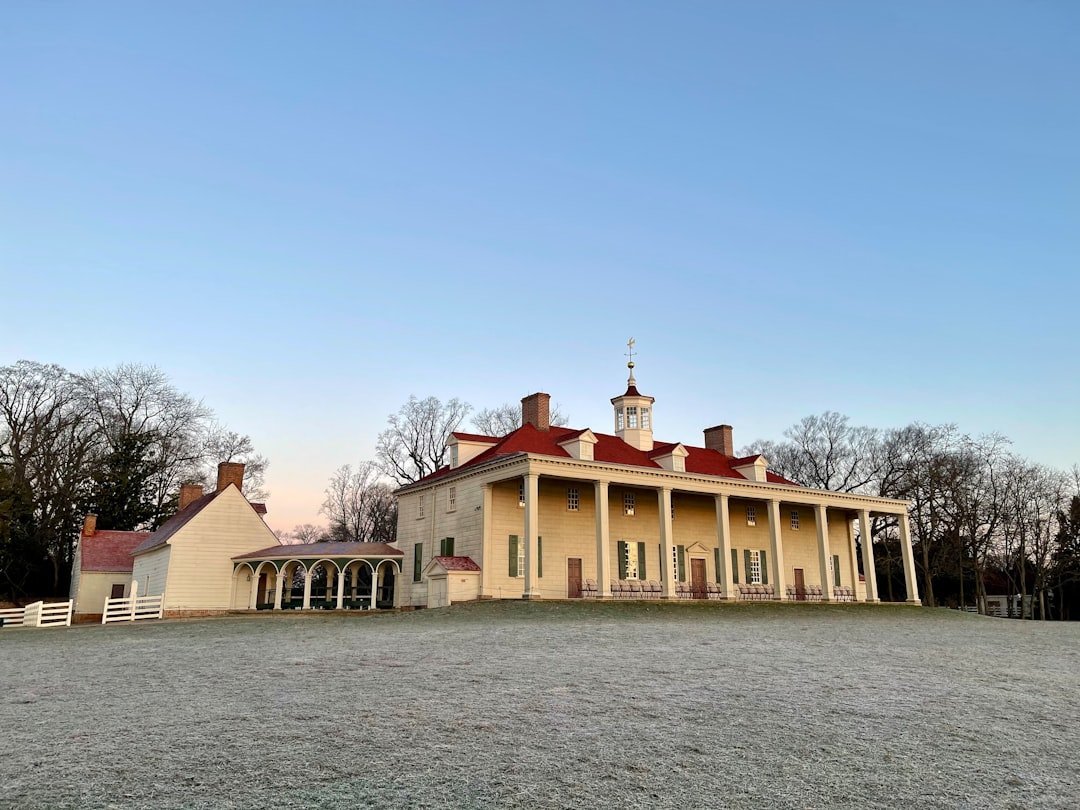
George Washington is one of those figures whose legend can sometimes feel more mythological than human. Mount Vernon brings him down to earth in the most compelling way. Washington, commander in chief of the Continental Army and the first U.S. president, is buried at his Mount Vernon estate in Virginia. The war kept Washington away from home, but he met briefly at Mount Vernon in September 1781 with the general and French Commander Rochambeau to plan operations against British forces stationed at Yorktown. The Mount Vernon Ladies’ Association runs the estate, which includes a museum, the reconstructed farm, and Washington’s tomb.
The Donald W. Reynolds Museum and Education Center features interactive exhibits about Washington’s role in the Revolution, including his transformation from colonial gentleman to revolutionary leader. The “Be Washington” interactive theater allows visitors to face the same decisions Washington confronted during pivotal Revolutionary War moments. That interactive concept alone is worth the trip. It’s genuinely humbling.
At Mount Vernon, the Revolutionary War Weekend immerses visitors in the 18th century. The former home of George Washington serves as the backdrop for this engaging event. Reenactors in period uniforms conduct military drills, bringing the strategies and stories of the Revolution to life. It’s a unique opportunity to connect with history at the very place where Washington lived and led.
10. Fraunces Tavern Museum, New York City, New York
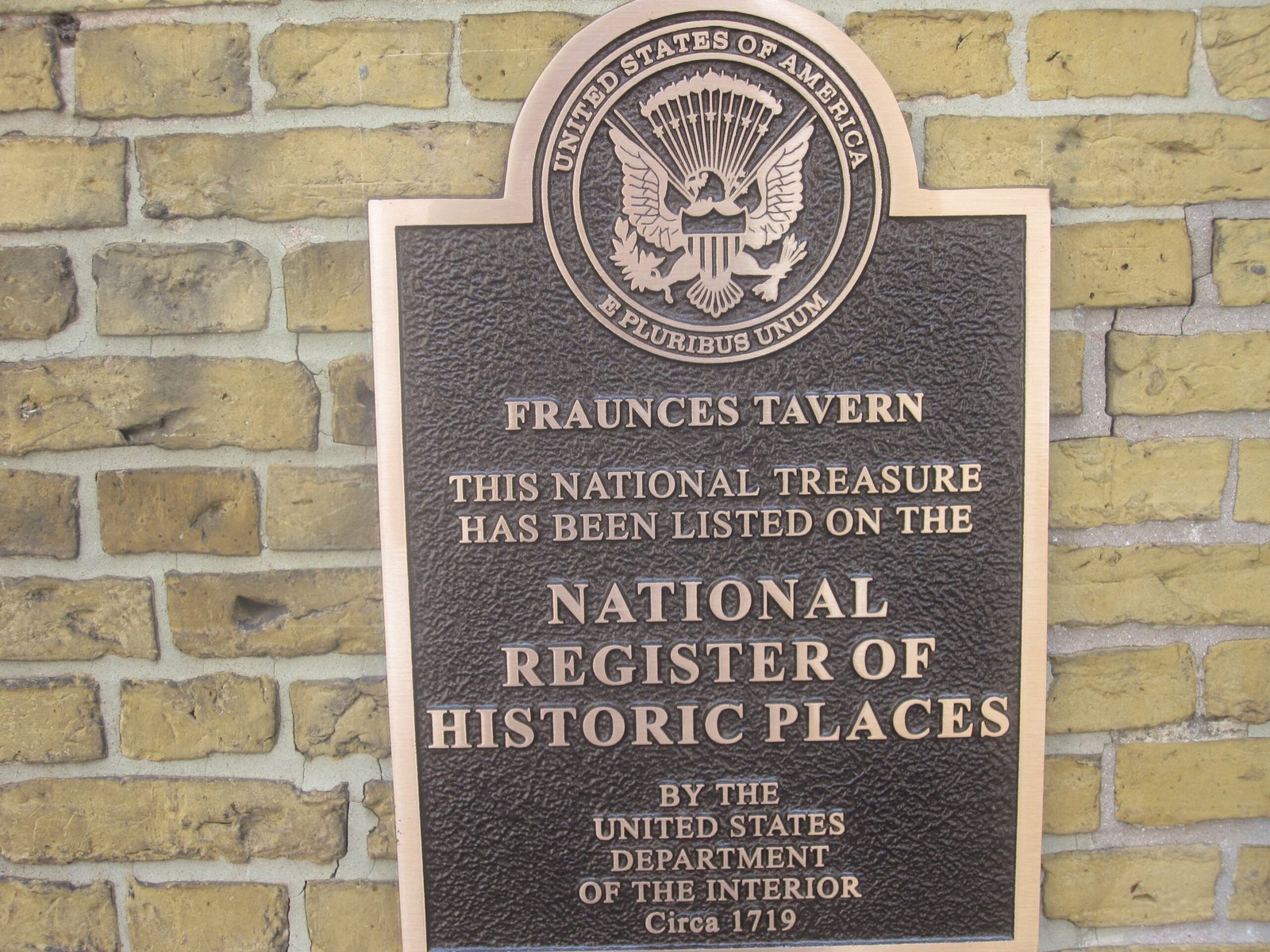
Lower Manhattan is full of skyscrapers and tourists rushing from one attraction to the next. But tucked quietly on Pearl Street is a building older than the country itself. Built by the De Lancey family in 1719, 54 Pearl Street has been a private residence, hotel, and one of the most important taverns of the Revolutionary War. Remarkably, it still stands.
Before the war, Fraunces Tavern served as a meeting place for the Sons of Liberty. Once the British Army left, it was the site where, in late 1783, General George Washington was honored at a banquet celebrating the British Army evacuation and, days later, where Washington bid farewell to his officers. On December 4, 1783, General George Washington bid an emotional farewell to his officers at the end of the Revolutionary War in the Long Room at Fraunces Tavern.
Visitors can explore period rooms, including the famous Long Room where George Washington bid farewell to his officers. The collection includes artifacts, documents, and artworks that help illustrate the story of America’s fight for independence. The tavern is a part of the NYC Revolutionary Trail, New York Freedom Trail, and the American Whiskey Trail. Honestly, sitting in this building over a meal and a drink while absorbing centuries of history is one of New York’s most underrated experiences.
11. Kings Mountain National Military Park, South Carolina

Here is a battle that most people have never heard of, yet its outcome arguably saved the Revolution in the South. On October 7, 1780, frontiersmen destroyed a British force sent to subdue them in a fierce battle on isolated King’s Mountain, just south of the border between North and South Carolina. Kings Mountain National Military Park preserves the rugged setting of this turning point in the war in the South.
At Kings Mountain, you can learn about an hour-long battle which changed the course of the Revolutionary War. It is recommended to begin your adventure at the Visitor Center, where you will be treated to a 26-minute film which provides a historical overview of the battle and its importance. There’s also an exhibit area where you will learn more about why the battle happened, who the Overmountain Men were, and how the outcome of this battle helped to change the course of the war.
Then, when you feel like you’ve had enough indoor history, there’s a 1.5-mile battlefield trail you can walk. This 3,945-acre park commemorates the 1780 battle between colonialists – Patriot vs. Loyalist with no British involved. That detail alone flips most people’s assumptions about the Revolution upside down. It was, in many ways, also an American civil war.
12. Washington Crossing Historic Park, Pennsylvania and New Jersey
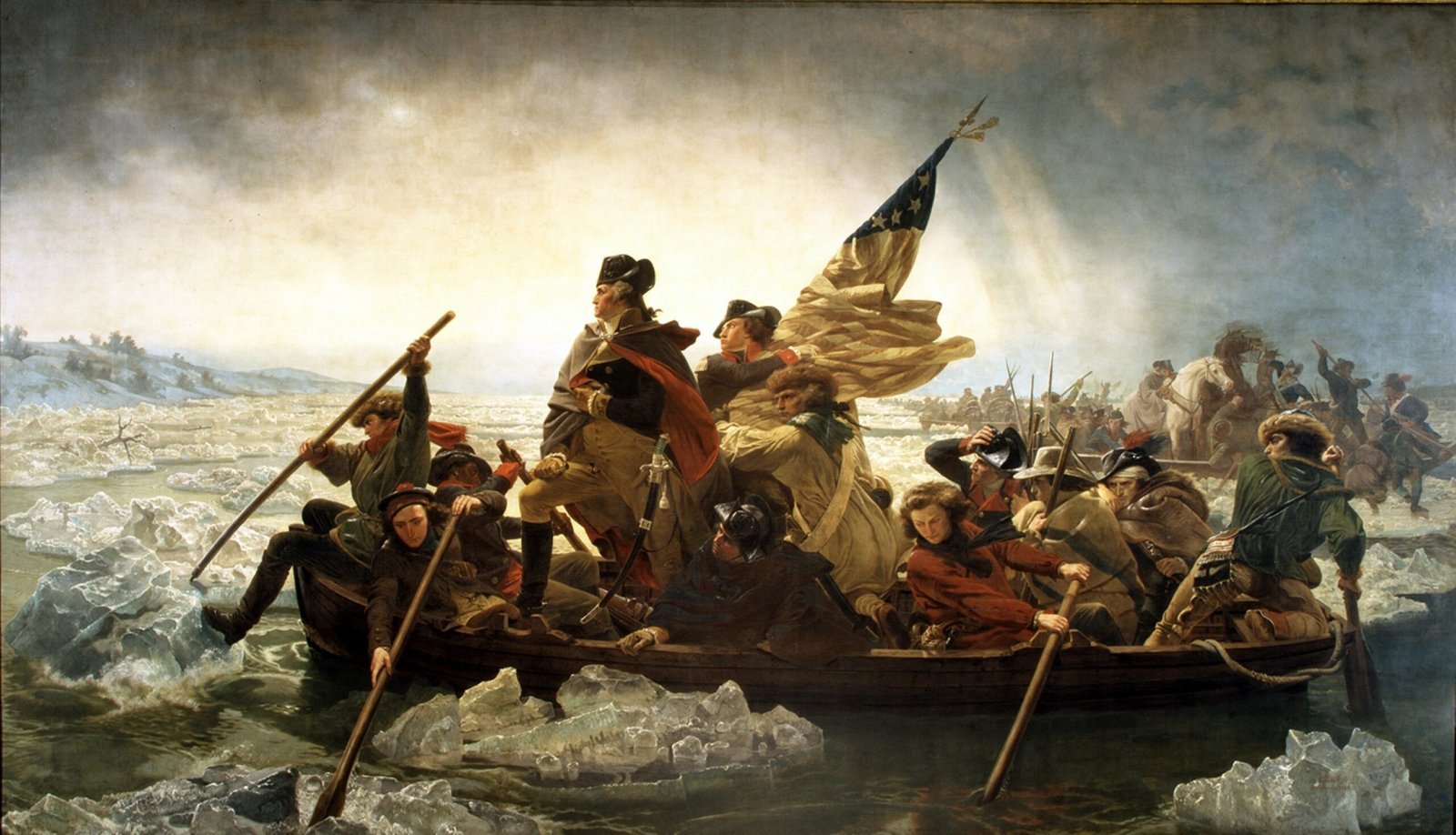
Few moments in American military history carry the dramatic power of Christmas night, 1776. Washington crossed the Delaware River on Christmas night 1776 in a raging snowstorm. On the next day, he won the Battle of Trenton, New Jersey. The audacity of that crossing, in brutal winter conditions against a sleeping enemy, is the stuff of legend.
Washington Crossing State Park is the famous spot where George Washington and his men snuck across the Delaware River on Christmas night 1776 to surprise the British at Trenton and Princeton. Washington Crossing State Park is located on the Pennsylvania and New Jersey border. Henry Knox was in command of the crossing, the same officer who had dragged the artillery from Fort Ticonderoga for the successful siege of Boston. Among the men who managed the boats in the dangerous river crossing, amid floating cakes of ice, were the mariners in Colonel John Glover’s Massachusetts regiment, which included blacks, American Indians, and whites.
The park today offers trails, historic buildings, and interpretive programming that bring this pivotal night back to vivid life. Every year around the Christmas holidays, a dramatic reenactment of the crossing draws crowds to the riverbank. It is cold, it is festive, and it is deeply moving. Standing there on the bank of the Delaware, looking across the dark water, you realize how desperate and brave that crossing truly was. Would you have climbed into that boat?
The Case for Heritage Travel: Why These Sites Still Matter
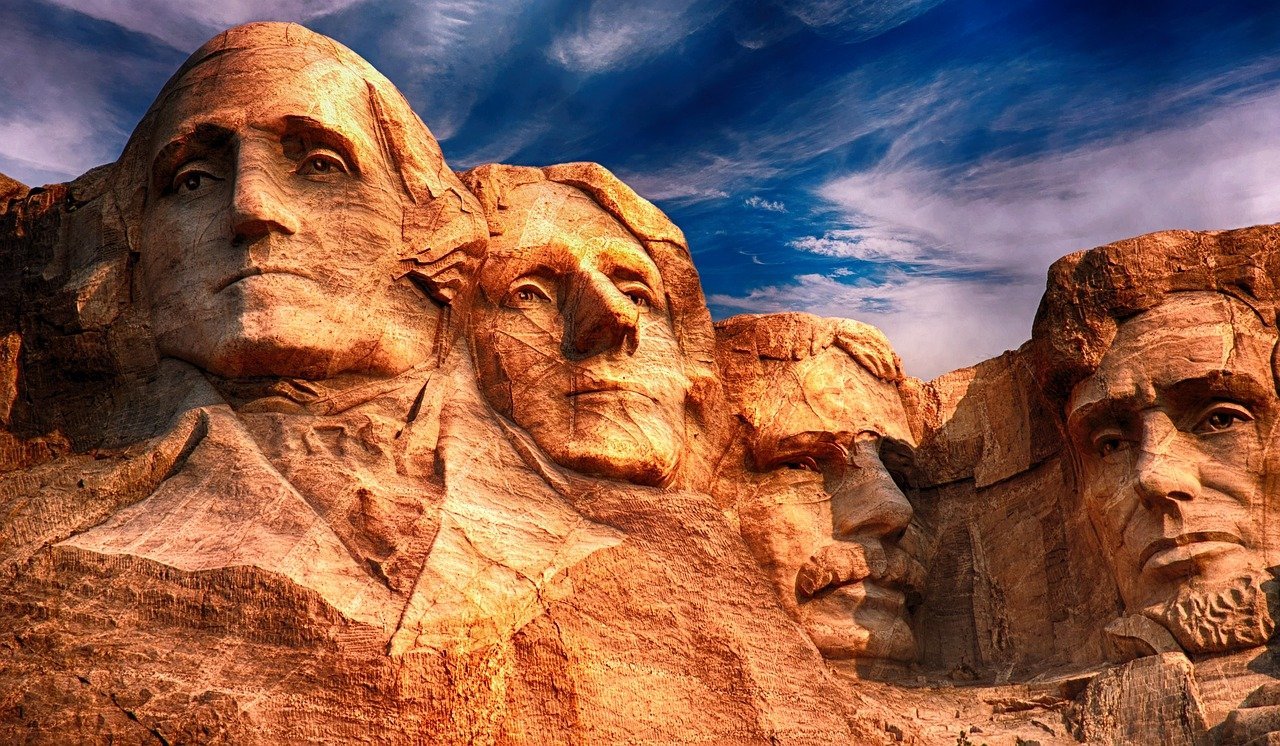
There is a word that gets thrown around a lot in travel circles: “transformative.” Most of the time, it’s overused. Here, though, it fits. Go beyond the history books and discover the American Revolution for yourself. The defining moments of our nation’s birth are preserved in the historic streets, battlefields, and meeting houses waiting to be explored. No documentary, textbook, or film can replicate the feeling of actually being there.
From battlefields to encampments, meeting houses to museums, these places offer us a chance to rediscover the remarkable men and women who founded this nation and to recognize the relevance of not just what they did, but where they did it. Location is everything. The ground itself carries memory in a way that words simply cannot.
It’s estimated that there are more than 2,000 markers describing meeting sites, battlegrounds, forts, homesites, heroes, and other aspects of the war, many erected by the Daughters of the American Revolution. The preservation effort is remarkable, and it deserves your attention and your footsteps. These twelve destinations represent only the beginning of what is out there to discover. Pack the car, grab a good map, and go find the revolution for yourself. You might be surprised by what you feel when you get there.
CEO-Co-Founder
