

- 12 Hobbies From the 1950s We Should All Bring Back Right Now - March 24, 2026
- The 10 Most Unbelievable Coincidences in Music History That Will Astound You - March 24, 2026
- 15 Hidden Travel Destinations Only Book Lovers Dream Of Visiting. - March 24, 2026
There’s something quietly magical about the 1950s that goes way beyond the poodle skirts and jukeboxes. It was a decade when people actually made things with their hands, gathered around tables to play games, grew food in their backyards, and filled their evenings with creativity instead of scrolling. Life moved at a different pace, and honestly, the hobbies people chose reflected something deeper – a genuine hunger for connection, craftsmanship, and personal satisfaction.
In our hyper-digital world of 2026, where a screen competes for every spare moment we have, the hobbies of the mid-century feel less like nostalgia and more like a survival guide. They were built around slowing down, building community, and producing something real with your own two hands. So let’s dive in, because some of these deserve a proper comeback.
1. Knitting and Crocheting
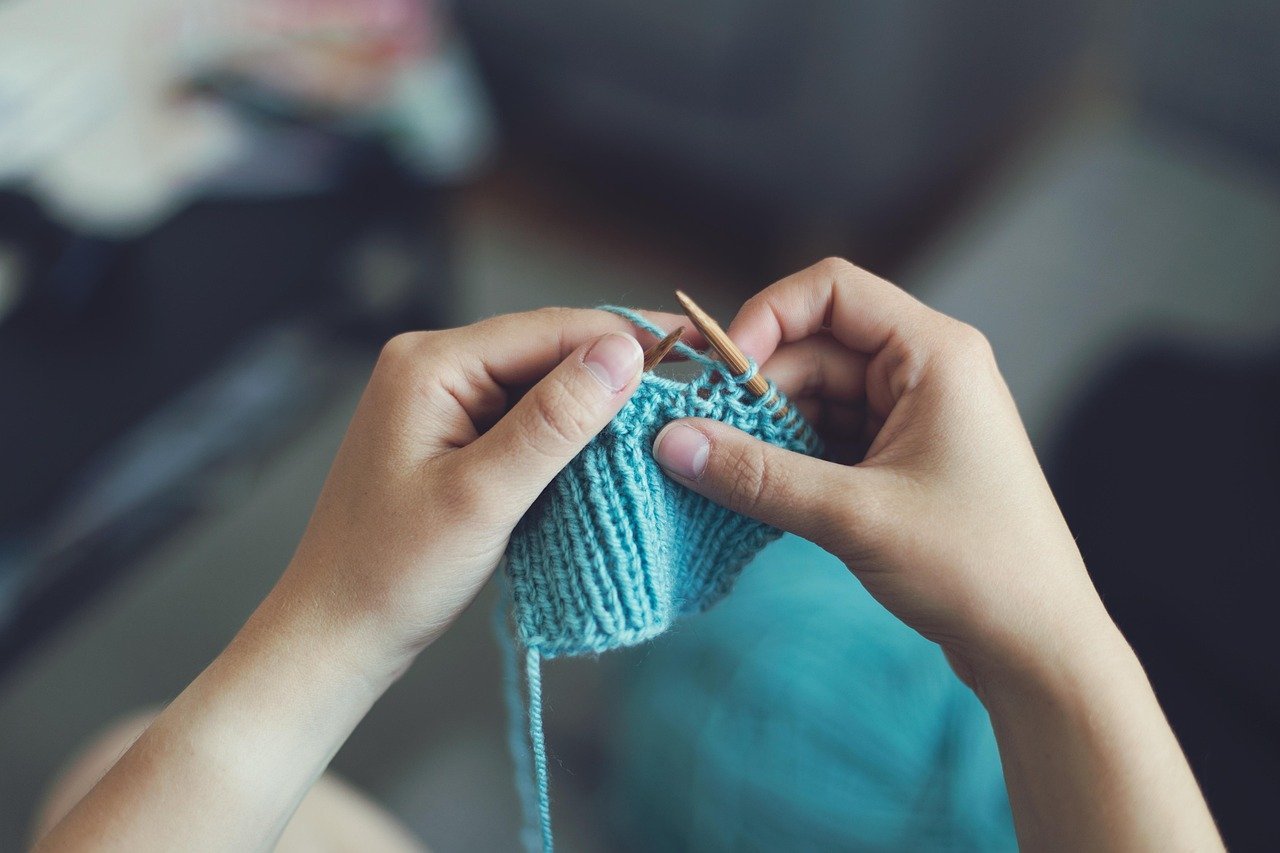
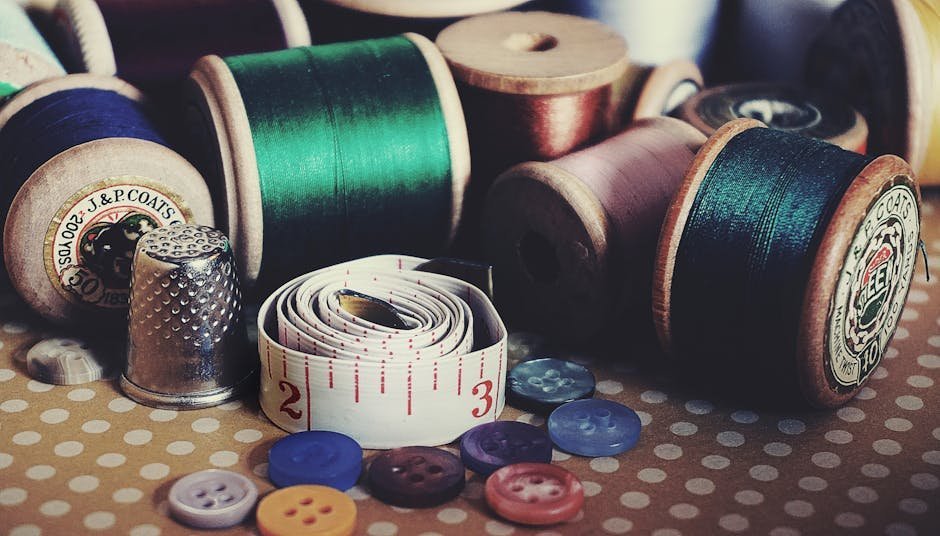
Hobbies for women in the 1950s were often craft-oriented, and embroidery, sewing, knitting, and crocheting were popular choices – skills typically passed down from mothers to daughters. There’s a certain warmth in that image, isn’t there? A skill traveling from one generation to the next, no YouTube tutorial required.
Knitting is a fun and fulfilling skill you can easily get addicted to, with the satisfaction of making something wearable and stylish, whether it’s a bright washcloth or a multicolored winter scarf. In 2026, with fast fashion under growing scrutiny and sustainability on everyone’s lips, making your own clothes and accessories feels almost radical in the best possible way.
2. Model Building
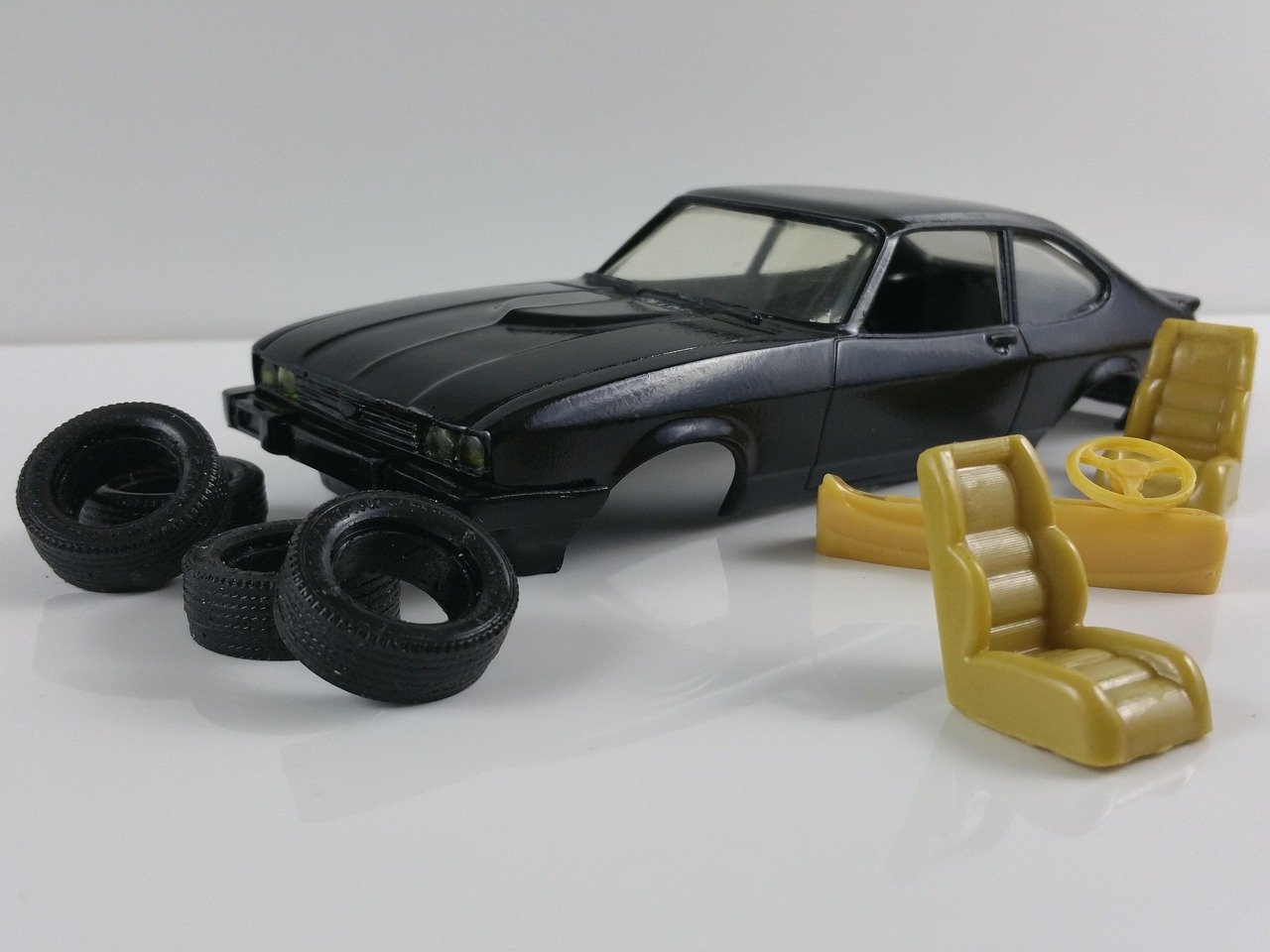
In the 1950s, making things from kits was a hugely popular hobby for boys and men alike. You could build planes and boats out of sturdy pieces, finished products perfectly to scale, each kit coming with adhesive and detailed instructions – a project that could keep someone busy all winter long. It wasn’t just a toy. It was a lesson in patience and precision.
Personality analyses at the time actually suggested that model-builders tended to be emotionally stable and better adjusted than average, with fewer personal conflicts. I think that’s worth pondering. There’s something genuinely grounding about working with your hands toward a tangible, physical result. Model building is one hobby that deserves a serious revival, especially as an alternative to mindless screen time.
3. Home Vegetable Gardening

In an era when suburbs held contests for beautiful houses and lawns, and home life was glorified, the art of crafting and cultivating at home became an obsession for many. Growing your own vegetables was part of that same pride of ownership. A well-tended vegetable patch in the backyard was a status symbol and a practical pleasure combined.
Gardening reconnects us to something fundamental – the rhythms of seasons, the patience of watching something grow, and the very real joy of eating something you planted yourself. Think of it like slow cooking, except the slow part lasts months. In a world obsessed with instant gratification, there’s nothing quite like waiting for a tomato and actually earning it.
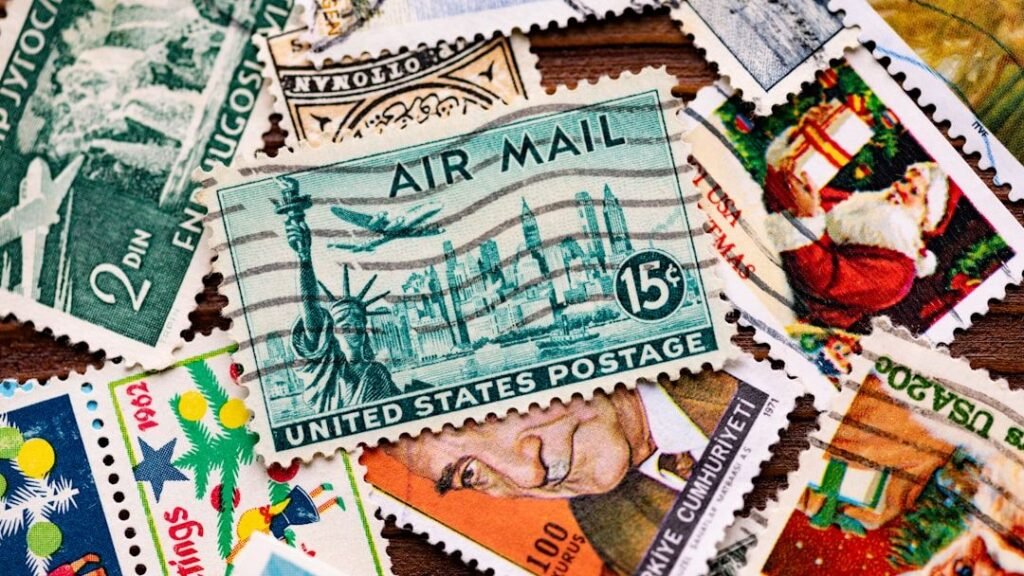
4. Stamp Collecting
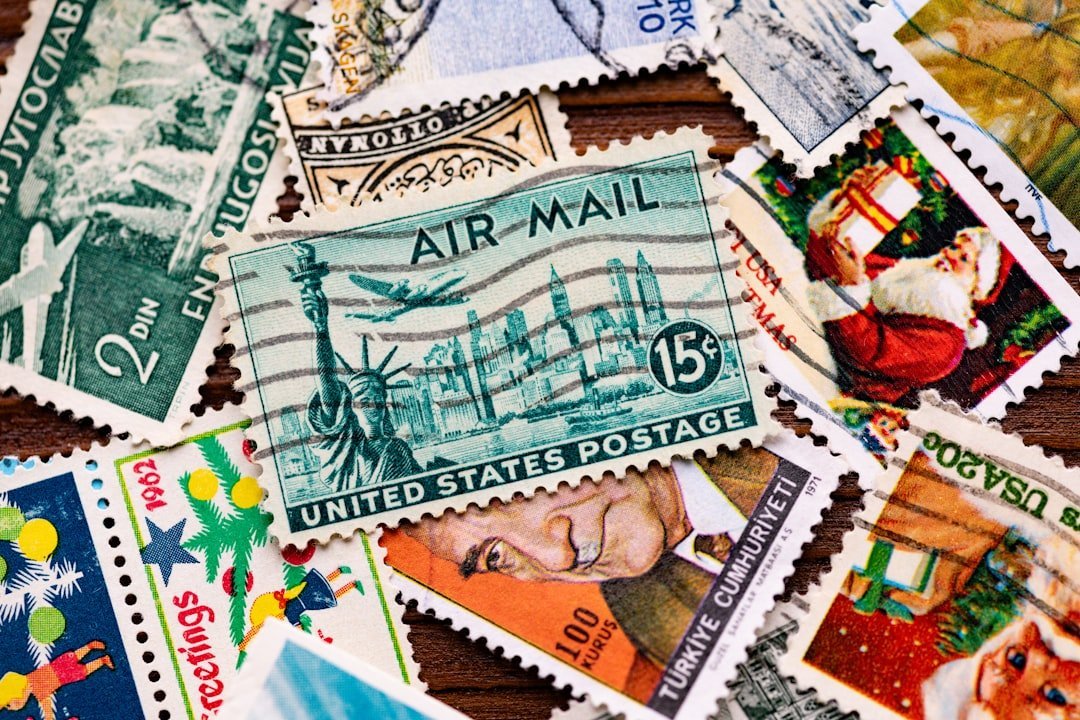
Boys in the 1950s commonly collected stamps as a go-to hobby, poring over albums and trading duplicates with friends. It sounds simple, even quaint. Yet stamp collecting is one of those pastimes that quietly teaches geography, history, and art appreciation all at once, without anyone noticing you’re learning.
Honestly, the appeal hasn’t faded as much as people think. Philately communities still exist worldwide, and rare stamps can carry astonishing value. There’s also a meditative quality to organizing a collection, categorizing, examining tiny details, arranging everything just so. In an age of digital clutter, something deeply satisfying lives in a well-organized physical album.
5. Painting by Numbers
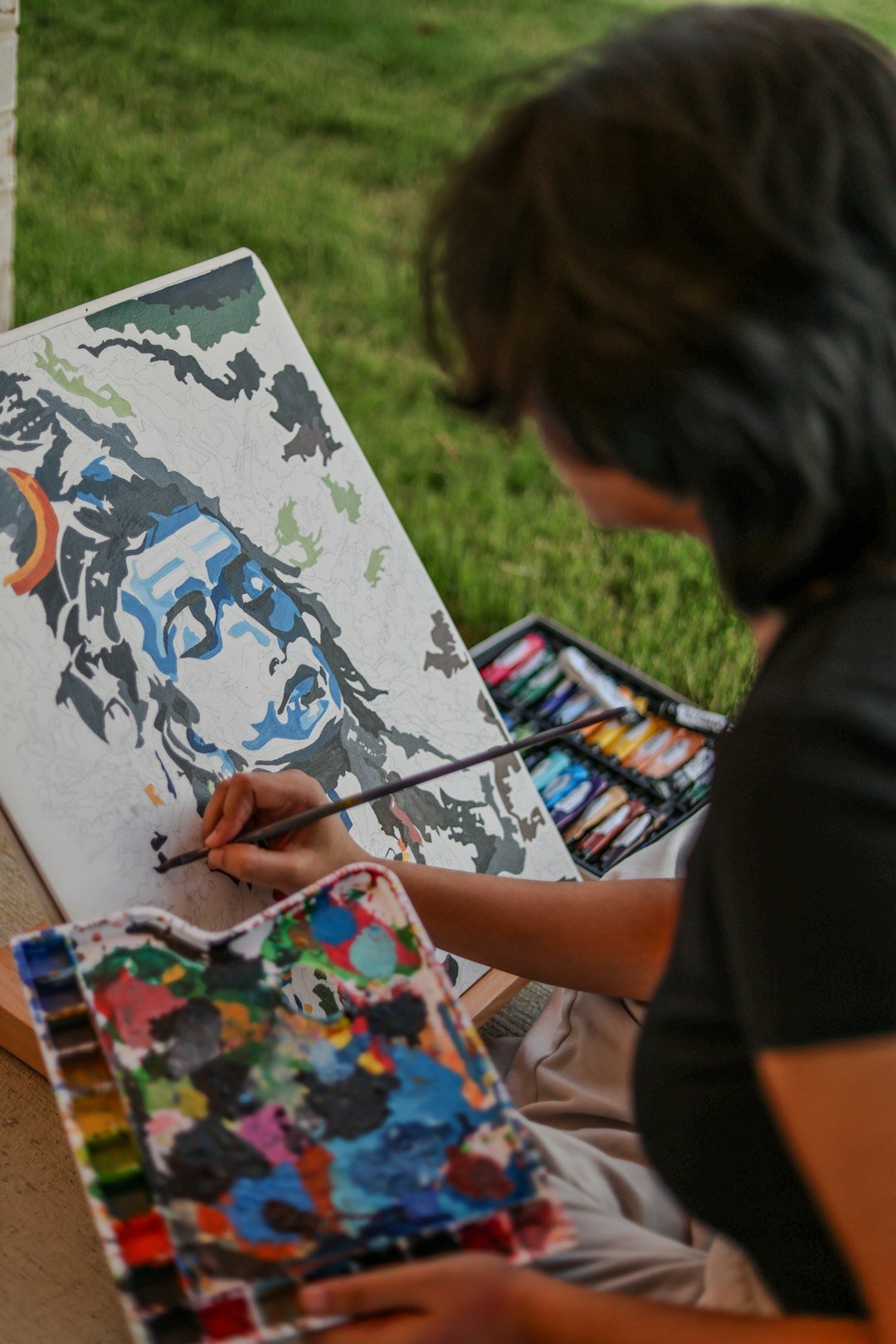
People in the 1950s were commonly given kits for activities like basket weaving, raffia work, plaster model making, painting by numbers, and embroidery as gifts. Painting by numbers, in particular, exploded in popularity because it gave anyone – regardless of artistic skill – the ability to create something beautiful. It was democratic art, and that was genuinely revolutionary.
The concept is almost deceptively simple. A canvas divided into numbered sections, each corresponding to a paint color. You follow the guide, and slowly, something emerges. It’s absorbing, calming, and surprisingly satisfying. Wellness researchers today point to activities like this as effective tools for managing anxiety and promoting mindfulness. The 1950s, it seems, were accidentally ahead of the curve.
6. Amateur Photography
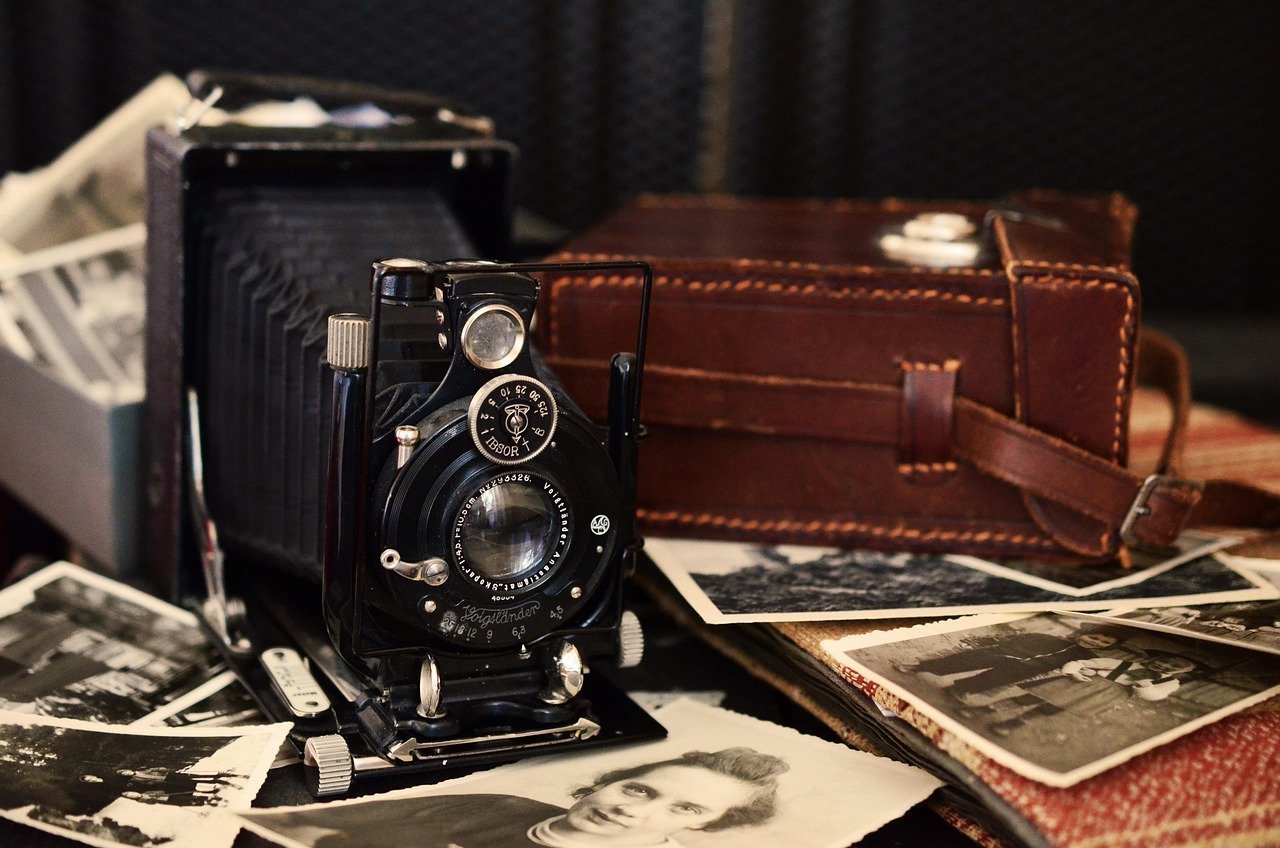
Other popular hobbies in the 1950s included photography with a Box Brownie, the simple, affordable camera that made photography accessible to ordinary families for the first time. People took their time composing shots. They were selective. Film was finite, which meant every click of the shutter felt deliberate and considered.
Here’s the thing: we take more photos today than any generation in history, yet most of them vanish into an unreviewed cloud folder within days. The 1950s approach to photography – careful, intentional, cherished – produced images people actually framed and kept. Trying analog photography today, or even just embracing deliberate digital photography with real intention, is a hobby worth rediscovering for the sheer act of seeing the world more slowly.
7. DIY Home Improvement
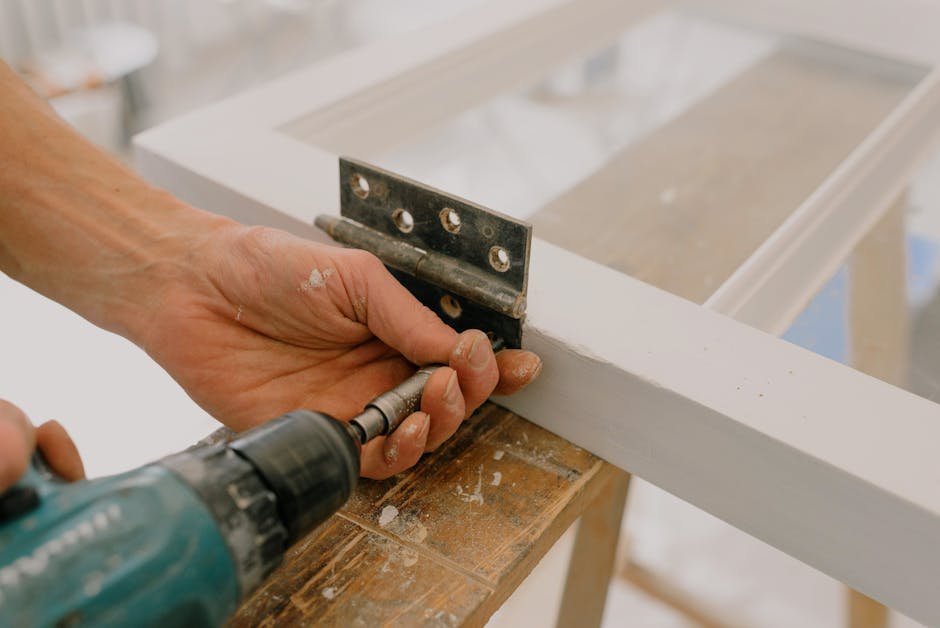
In the 1950s, an estimated over 60 million Americans were involved in handyman-associated hobbies, turning home improvement into one of the defining leisure activities of the decade. While home maintenance and repair were far from new concepts, the 1950s saw them transform into a popular leisure-time hobby with a market worth billions of dollars.
Magazines and other publications for the home handyman arose from this era, with The Family Handyman and Workbench Magazine both founded in the early 1950s and still published today. In 2026, with housing costs sky-high and the sustainability movement pushing people to repair rather than replace, the DIY spirit of the 1950s feels more relevant than ever. There’s also something quietly powerful about fixing your own home. You stop feeling like a guest in it.
8. Embroidery
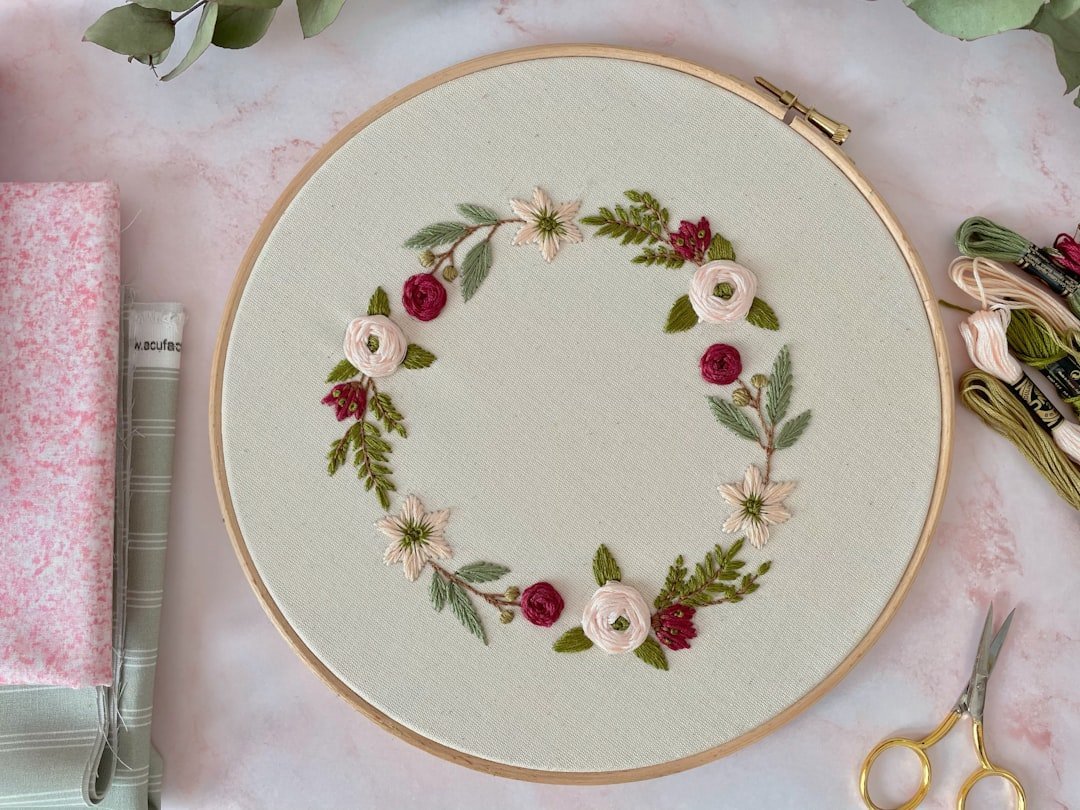
Of all the crafts popular in the 1950s, embroidery stood out as a personal favorite for many, with some enthusiasts still continuing the practice every night while watching TV. It was portable, inexpensive, and endlessly customizable. An embroidery hoop and some thread could turn a plain dish towel into a small work of art.
Embroidery has seen a genuine modern renaissance, and it’s not hard to see why. It’s one of those hobbies that sits perfectly at the intersection of art and meditation. Your hands stay busy, your mind quiets down, and at the end of it all, you’ve made something that will last for decades. In a world of disposable everything, that kind of permanence matters.
9. Jigsaw Puzzles
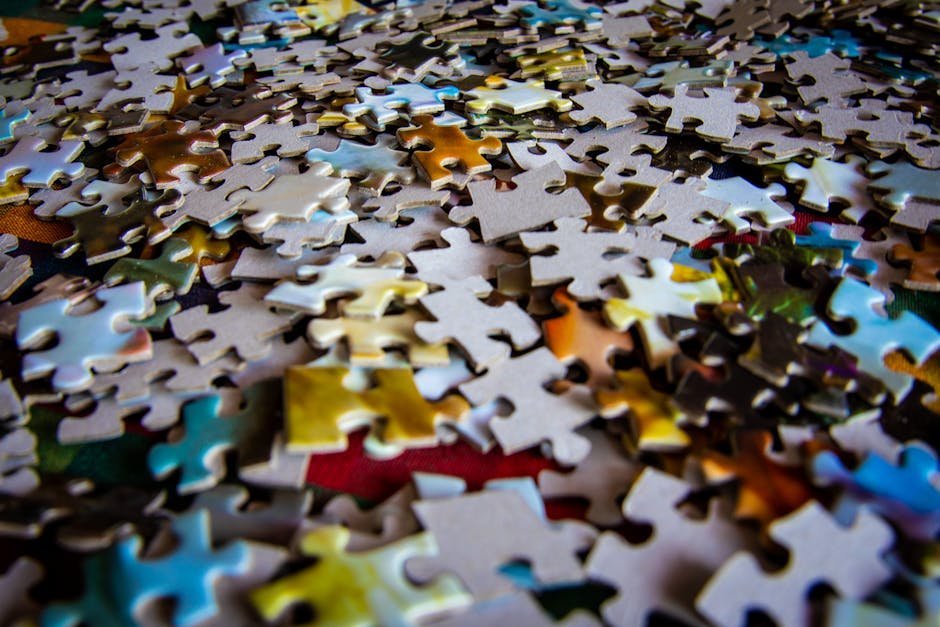
Jigsaw puzzles were a hobby enjoyed by both boys and girls in the 1950s, and TV tray tables were popular at the time partly because if a puzzle fit on one, it could be left out for as long as you worked on it. There was no rush. A puzzle could live on a table for days, with family members dropping by to place a piece whenever they passed.
That casual, unhurried quality is something we rarely experience today. A jigsaw puzzle is one of the few activities that naturally invites other people in – someone walks by, spots a tricky section, and suddenly you’re doing it together. It’s community without any planning required. Let’s be real: that kind of low-stakes, spontaneous togetherness is in desperately short supply right now.
10. Amateur Radio
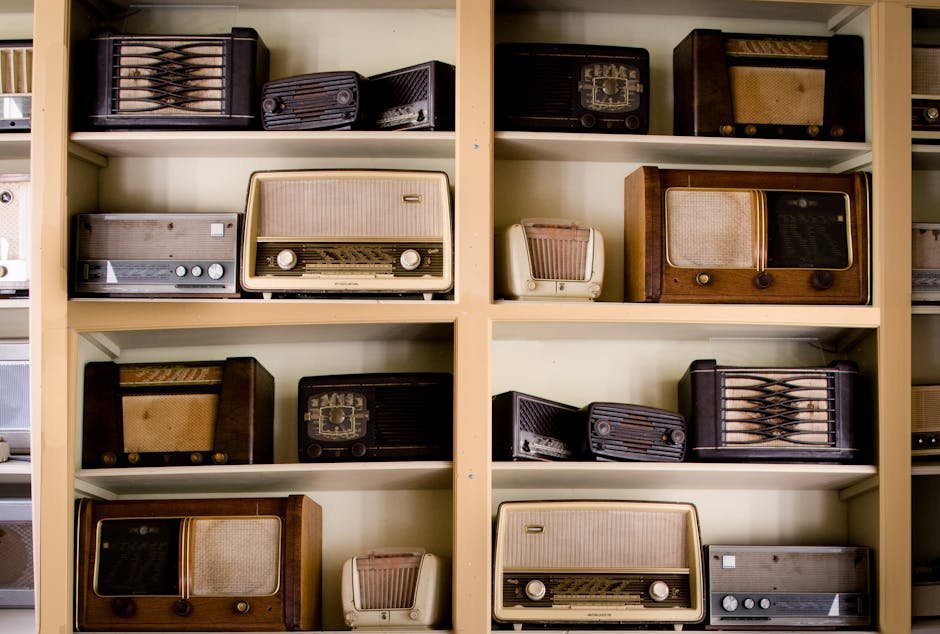
Hobby shows became popular across the country in the 1950s as a way for people to show off what they’d been doing, and also as a place to discover new hobbies and watch demonstrations by local enthusiasts. Amateur radio, or “ham radio,” was one of the most celebrated of those communal, technical hobbies. Operators built their own equipment, learned Morse code, and communicated with strangers across the world, a global internet long before the internet existed.
There’s a kind of magic in contacting a stranger on the other side of the planet using nothing but radio waves and skill. Ham radio operators still exist today in large numbers, and the hobby has a devoted global community. The technical knowledge involved, from electronics to atmospheric science to communication protocols, makes it one of the most genuinely educational pastimes you can pick up at any age.
11. Reading Aloud and Book Clubs

In the 1950s, evenings were not punctuated by phones, tablets, or television in the same way, and people needed to be entertained and occupied, which is where hobbies like reading came in. Reading aloud as a family, or gathering neighbors to discuss a shared book, was a normal, cherished ritual. It was connection through story.
Book clubs never fully disappeared, but the art of reading aloud has nearly vanished. There’s something uniquely intimate about hearing a story read by a human voice – it slows you down, demands attention, and creates a shared experience. Think of it like the difference between watching a film alone on your phone versus sitting with friends in a cinema. The story is the same. The experience is completely different.
12. Ceramics and Home Pottery
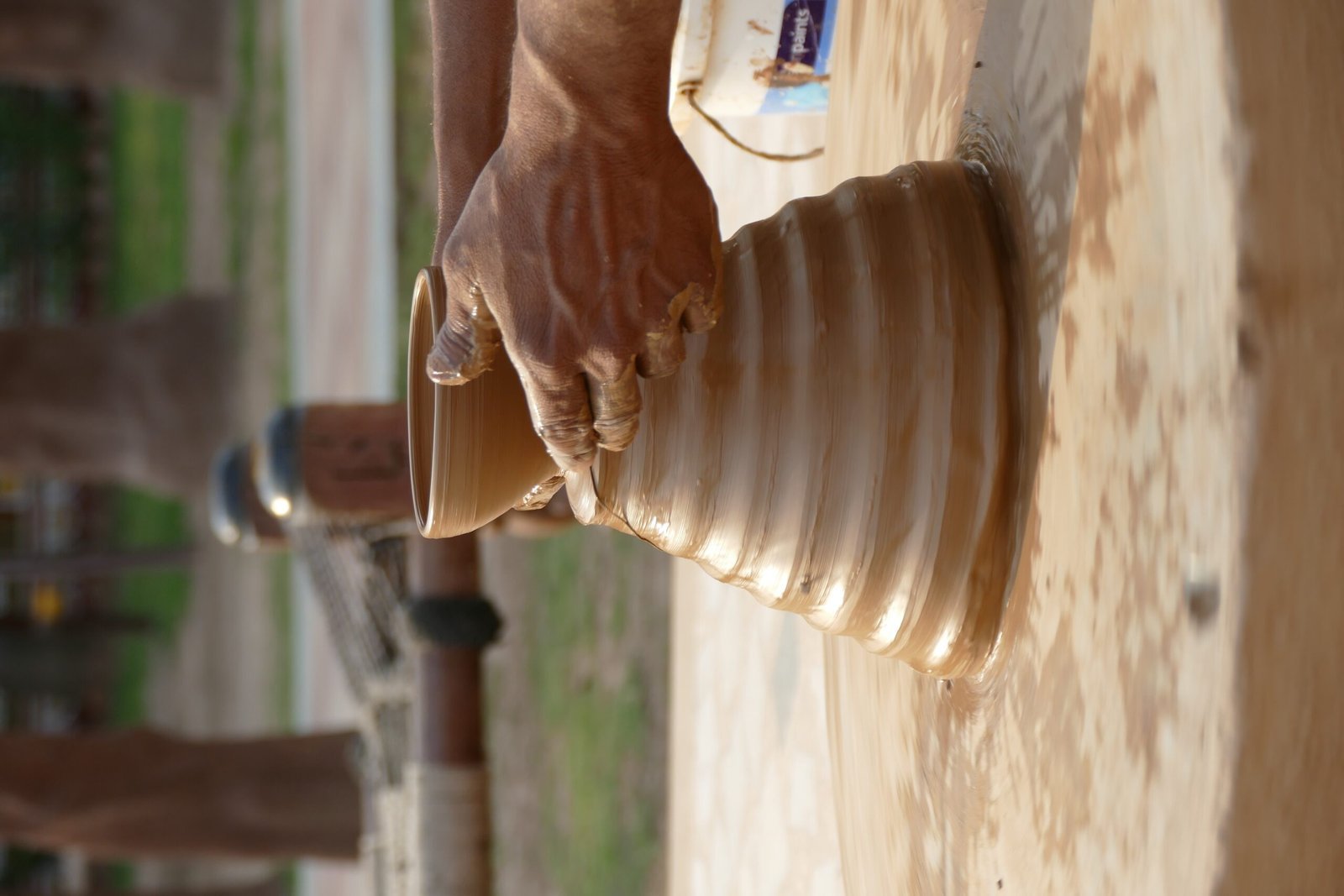
The Montana Winter Hobby Show of 1952 included ceramics and painting, described as a new hobby that had interested many, alongside wood carving, bead and shell crafts, drawing, sculpture, and glass etching. Ceramics, in particular, captured imaginations because it produced something real, functional, and beautiful all at once – a bowl you could actually use at dinner.
Working with clay is a profoundly physical and grounding experience. Your whole attention is required. There’s no multitasking when you’re at a wheel. The result can be imperfect, lopsided, gloriously wonky – and that’s entirely fine. In fact, that’s the point. Ceramics teach you that imperfection has value, a lesson that feels especially important in the age of filtered, polished, curated everything.
Time to Bring It All Back
The hobbies of the 1950s weren’t perfect, and the era certainly wasn’t either. But these pastimes got something fundamentally right that we’re still searching for today: the idea that leisure should involve making, connecting, and being fully present. As one newspaper of the era wisely noted, a hobby need not make sense to anyone else, as long as it gives you a good feeling of individuality and relaxation.
Whether it’s picking up a pair of knitting needles, planting three tomato seeds in a pot on your balcony, or sitting down with a jigsaw puzzle on a Sunday afternoon, the act of choosing a slow, intentional hobby is a quiet act of resistance against a world designed to keep you distracted. That feels worth something. Maybe quite a lot, actually.
So here’s a simple challenge: pick one hobby from this list and try it for just one month. You might be surprised how much you didn’t know you were missing. Which of these would you bring back first? Tell us in the comments.
CEO-Co-Founder
