


- 10 pop stars who passed away too soon. - April 10, 2026
- 12 Great Debut Albums That Made Music History - April 10, 2026
- 12 Legendary Fashion Items That Defined an Entire Generation - April 10, 2026
Music has a strange kind of power. You can hear a song a thousand times, mouth every word in the car, feel something deep in your chest, and still have absolutely no idea what the artist was actually going through when they wrote it. Beneath the polished studio sheen and the radio-friendly hooks, some of the world’s most beloved songs were born from grief, obsession, real fires, unsettling fan letters, and decade-long personal battles.
It’s a bit like loving a painting without knowing the painter’s life story. Once you do, you can never quite look at it the same way again. The songs on this list are ones you’ve almost certainly heard. Some you’ve probably sung at the top of your lungs. But their true origins? That’s another story entirely. Let’s dive in.
1. “Bohemian Rhapsody” – Queen
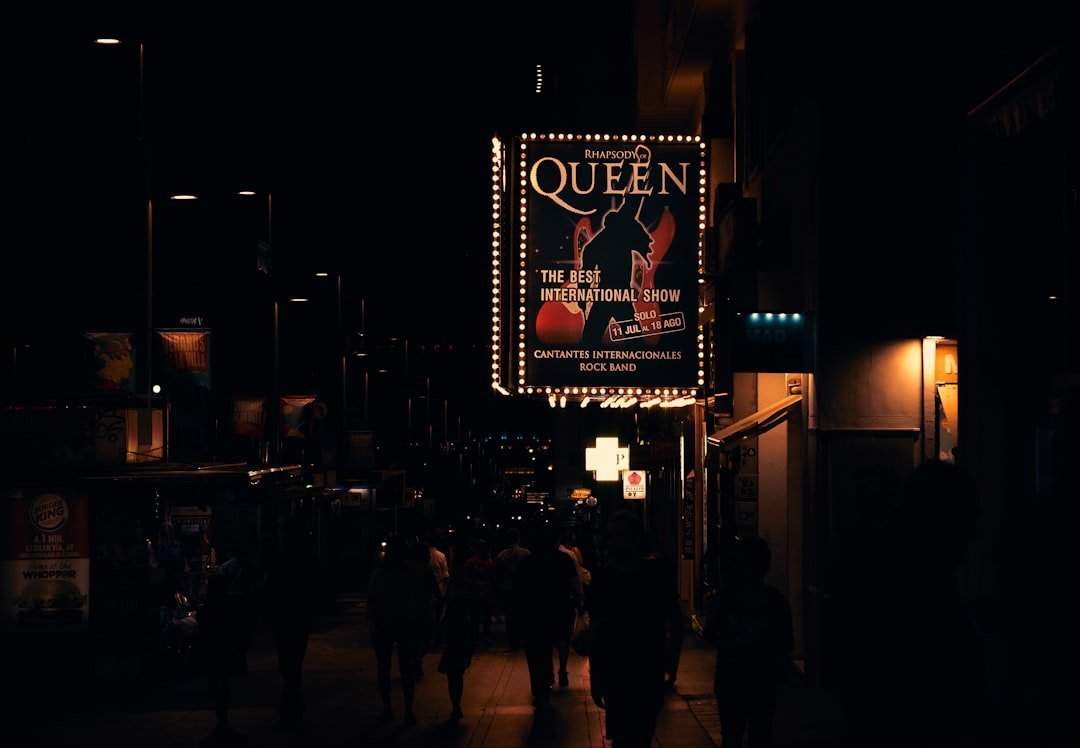
One of the most popular and well-known songs across the world, Queen’s “Bohemian Rhapsody” was released by Freddie Mercury and the band in 1975, leaving the world questioning its meaning. Here’s the thing: it has never officially been explained. Adding to the allure is the inherent mystery in the meaning of the lyrics, and Mercury remained tight-lipped about the song’s meaning his entire life.
The song began life sometime in the late 1960s, when Freddie Mercury was a student at Ealing Art College, and Queen guitarist Brian May remembers the singer giving them the first glimpse of a masterpiece he had at one time called “The Cowboy Song,” perhaps because of the line “Mama… just killed a man.” Born in Zanzibar to a conservative Indian family, the boy who would become Freddie Mercury would have had more than one reason to feel out of place in the world. Many believe the song is an exploration of his identity, his sexuality, and his deeply personal inner world. “Bohemian” reflects an unconventional, free-spirited way of life that rejects societal norms, a term rooted in 19th-century French literature that speaks to those who live outside traditional bounds, often driven by art, passion, and freedom – conveying the sense of embracing one’s individuality even if it means standing apart from the crowd.
2. “Billie Jean” – Michael Jackson
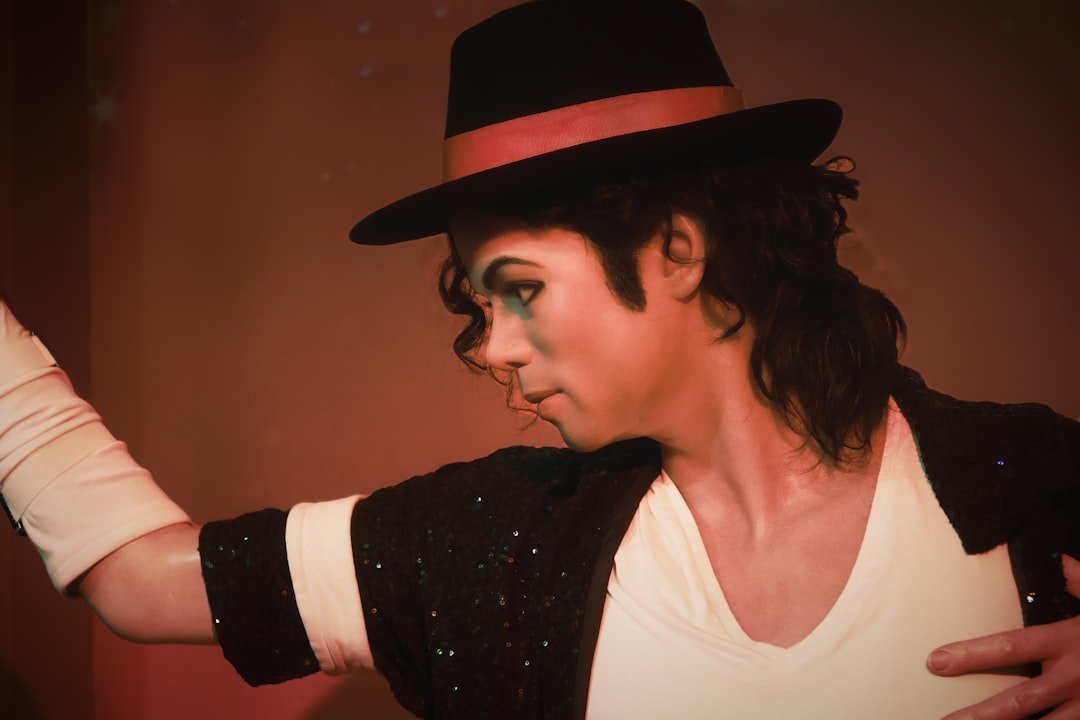
One of Michael Jackson’s most beloved songs has a story behind it that is terrifying. According to legend, Jackson had been receiving letters from a woman who claimed that he was the father of her child – and the letter writer was relentless, constantly proclaiming her love for Jackson while trying to convince him to start a life with her. Jackson was so disturbed by the letters that he often had nightmares about them.
One day, Jackson received a package from the same woman that included a letter, a photo, and a gun. She wanted him to kill himself, and said that she’d kill herself and her baby so that they could be together in another life. The incident inspired Jackson to work through the horror he felt and write a song that addressed the woman indirectly. What you hear as a hypnotic, perfectly grooved dance track is really a man processing genuine psychological terror. Knowing that makes the baseline feel entirely different.
3. “Hey Jude” – The Beatles
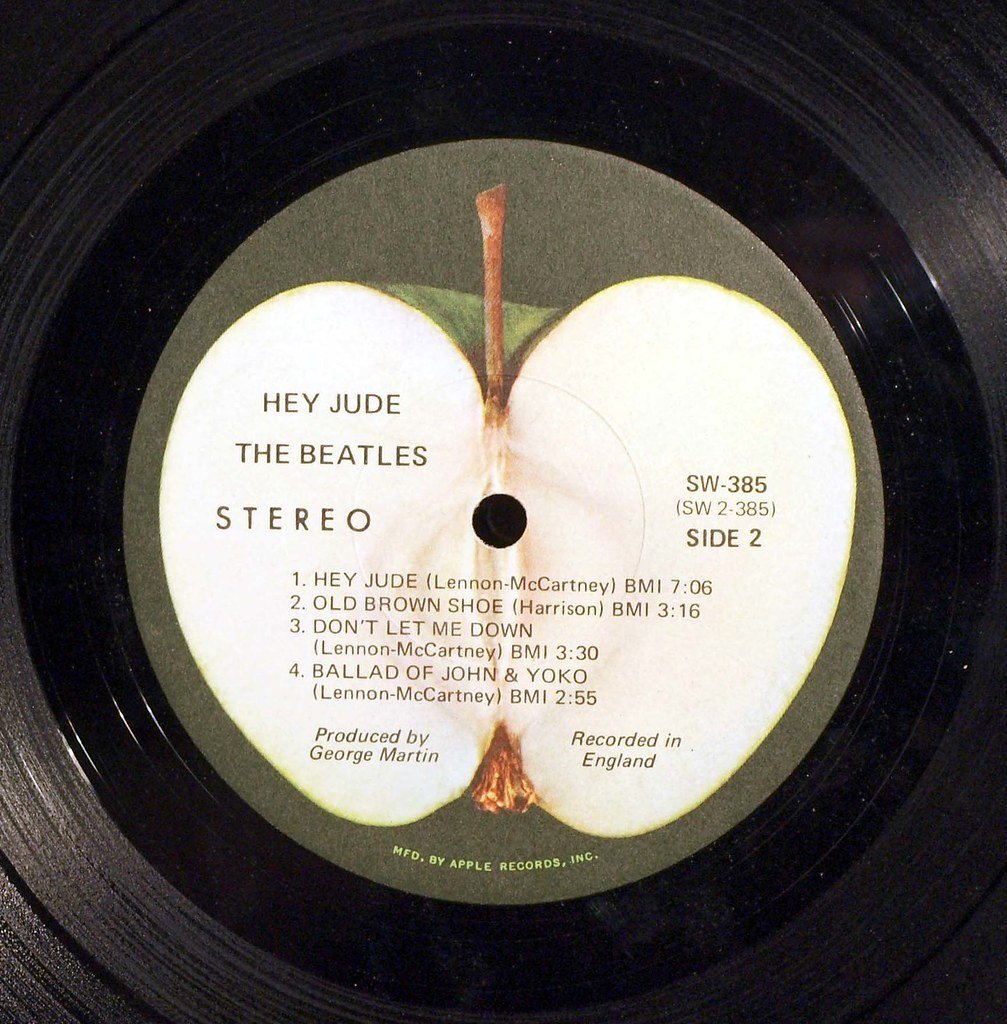
“Hey Jude,” one of The Beatles’ most beloved hits, was originally written by Paul McCartney to comfort John Lennon’s son, Julian, during his parents’ divorce. Originally titled “Hey Jules,” McCartney changed it to “Hey Jude” because it sounded better. Think about that for a second. One of the most anthemic, stadium-filling songs in history started as a lullaby for a sad little boy.
The song, which is one of the longest to ever top the charts, became an anthem of hope and reassurance for many. McCartney reportedly drove to visit young Julian after the separation and wrote the song during that very journey. What began as a deeply personal act of kindness toward a child accidentally became something that would resonate with millions of people going through their own moments of loss and transition. Honestly, that story makes it even more beautiful.
4. “Smells Like Teen Spirit” – Nirvana
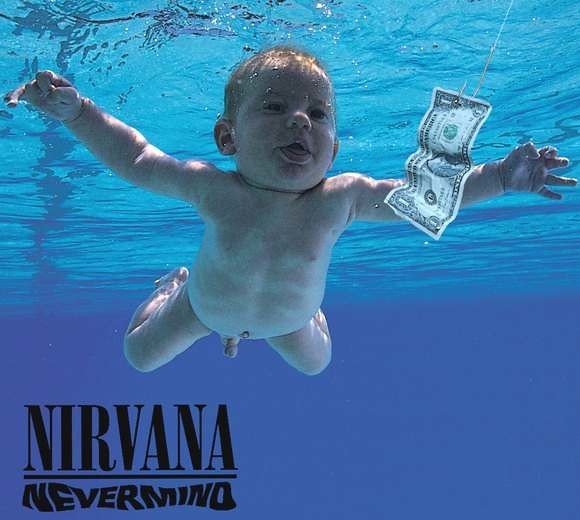
Nirvana’s biggest hit shows you that inspiration can be mined from the most unexpected situations. Back in his pre-Courtney Love days, Kurt Cobain’s friend Kathleen Hanna from the band Bikini Kill would get annoyed at the smell of his girlfriend’s deodorant. She was so incensed by the scent of “Teen Spirit” deodorant that she graffitied “Kurt Smells Like Teen Spirit” all over his room, and upon returning, the Nirvana leader liked what he read and turned it into the title of a ginormous hit song.
After writing the song’s guitar hook, verse, and chorus, he presented it to the band who thought it sounded ridiculous and clichéd. Nobody in the room thought it was destined for greatness. Yet it became the defining anthem of an entire generation, the opening shot of a cultural revolution in music. All because someone scrawled graffiti about deodorant on a wall. You genuinely can’t make that up.
5. “Smoke on the Water” – Deep Purple
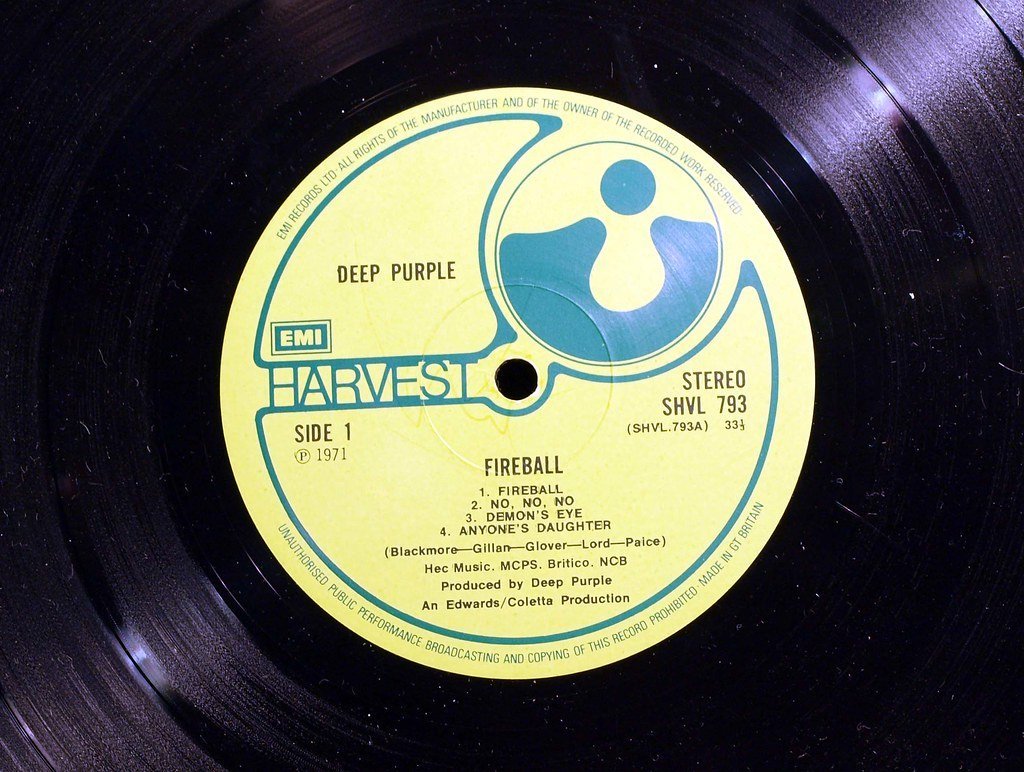
The iconic riff of Deep Purple’s “Smoke on the Water” was inspired by a real fire. The band was in Montreux, Switzerland, to record an album when they witnessed the Montreux Casino catch fire during a Frank Zappa concert. Toward the end of the gig, a flare gun set the wooden roof of the casino on fire, everyone was evacuated including the members of Deep Purple, who retreated to a nearby restaurant and watched as a layer of smoke covered Lake Geneva – hence the “smoke on the water.”
The band had rented a sound truck from the Rolling Stones specifically to record new material that night. Instead, they watched the whole thing burn. What they got out of it was arguably the most recognized guitar riff in the history of rock music. There’s something poetic about turning a disaster into an immortal four-note phrase that every teenager learns on their first guitar.
6. “Piano Man” – Billy Joel
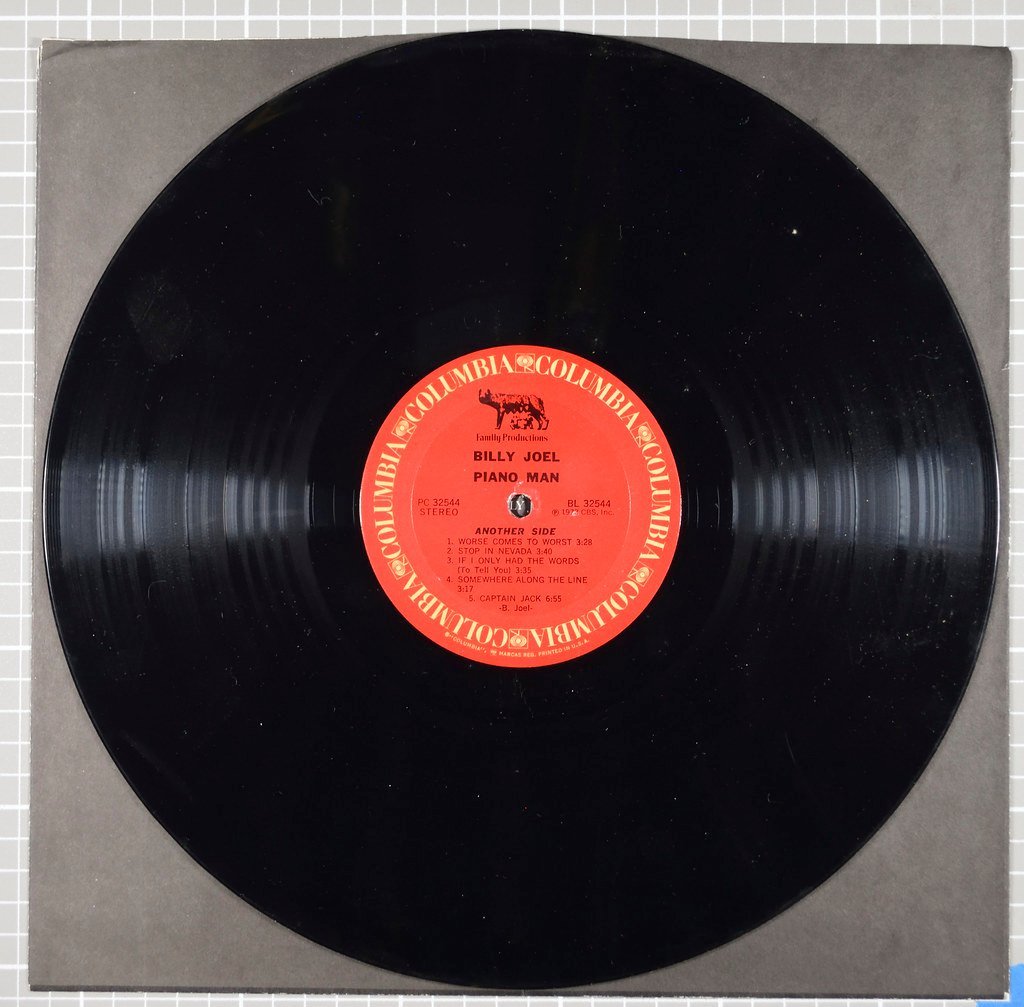
Billy Joel’s signature song “Piano Man” is a semi-autobiographical tale. It was inspired by Joel’s experiences playing piano at The Executive Room in Los Angeles, and the characters in the song are based on real people Joel encountered while working there. The bartender, the waitress, the real estate novelist, the old man making love to his tonic and gin – these were real, breathing human beings Joel observed night after night.
It’s a snapshot of loneliness and quiet desperation, dressed up in a melody so cheerful you might not notice the sadness at first. Joel was struggling financially and professionally at the time, essentially a working bar musician trying to survive. The song became his biggest hit precisely because it captured something universal: people clinging to their dreams in dim-lit rooms, waiting for their lives to start. Few songs tell that kind of truth so gently.
7. “Tears in Heaven” – Eric Clapton
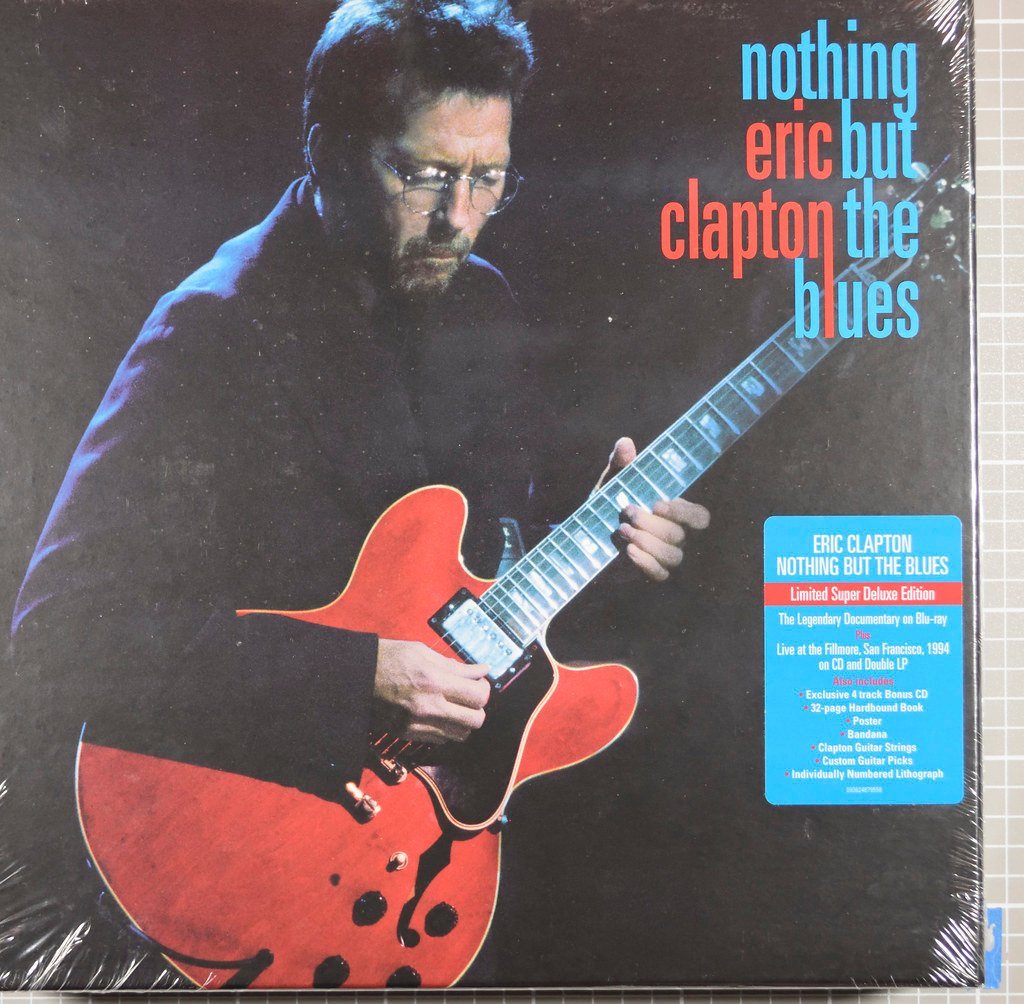
Eric Clapton wrote “Tears in Heaven” as a poignant tribute to his four-year-old son, Conor, who tragically died after falling from a New York apartment building. The song expresses Clapton’s grief and his struggle to come to terms with his loss. There are few examples in popular music of this kind of raw, shattering honesty. Clapton channeled the kind of pain that most people never recover from and turned it into something heartbreakingly tender.
For years Clapton reportedly found the song nearly impossible to perform live without overwhelming emotion. He eventually stopped performing it for a period, feeling the song had served its purpose in his grieving process. When you know the backstory, lines that might have seemed simple and vague transform into something devastating. It’s a song you hear completely differently once you understand the weight behind every word.
8. “Jolene” – Dolly Parton
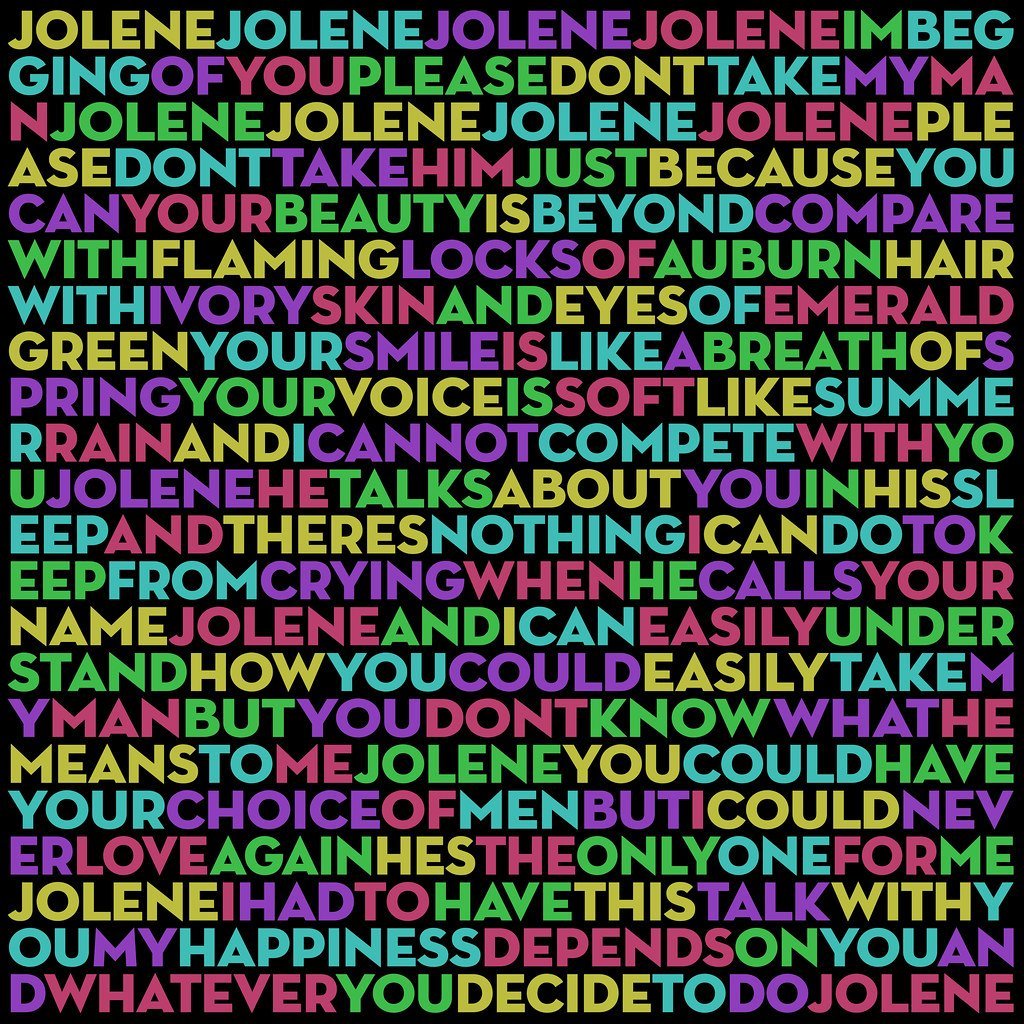
The real-life Jolene who inspired the song was a little less intimidating than many imagine. Early in her career, Parton met a young fan, a girl around age 8 or 9, at one of her shows. When she asked for Parton’s autograph, the star was struck by the girl’s beauty and asked for her name – to which the girl responded, “Jolene,” and Parton told the fan she was going to write a song about her.
To make sure she didn’t forget the name, Parton kept repeating the girl’s name in a singsong way backstage before she got to write it down. That led to the opening line of the hit, which she wrote on the same day as “I Will Always Love You.” So the name of one of the most emotionally charged, pleading songs in country music history came from a child asking for an autograph. The fictional “Jolene” became a femme fatale. The real Jolene was just a little girl at a concert who had beautiful red hair.
9. “I Will Always Love You” – Dolly Parton
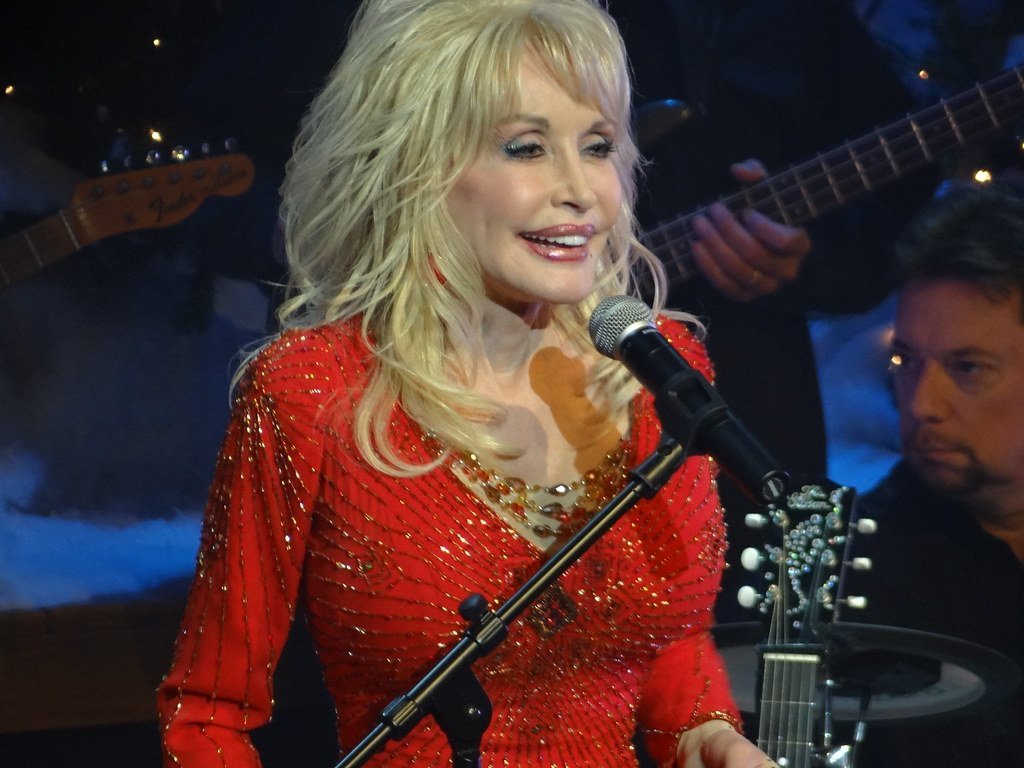
Dolly Parton wrote “I Will Always Love You” as a farewell to her mentor and business partner, Porter Wagoner, when she decided to pursue a solo career. Most people associate the song with Whitney Houston’s iconic cover version and assume it’s a romantic love song. It’s not. It’s a professional goodbye. A bittersweet letter of gratitude and separation between two people who built something together and then had to part ways.
The song was later popularized by Whitney Houston’s cover for the film “The Bodyguard.” Houston’s towering vocal performance reframed the entire emotional landscape of the track for a new generation, and millions heard it as a lover’s lament. Parton has graciously embraced both readings over the years. Still, knowing the original intent adds a whole different dimension – it’s a song about professional loyalty, gratitude, and the courage it takes to walk away from someone who shaped you.
10. “Wake Me Up When September Ends” – Green Day

Green Day’s “Wake Me Up When September Ends” was written by Billie Joe Armstrong about his father’s death. Armstrong’s father passed from cancer in September 1982, and ten-year-old Armstrong allegedly shut himself in his room and told his mother: “Wake me up when September ends.” That single sentence from a grieving child became the emotional core of one of the most quietly devastating rock songs of the 2000s.
For years, many listeners assumed the song was about the Iraq War or some other external event, particularly after a music video tied it to military themes. In reality, it was always deeply personal. The general theme of Green Day’s album “American Idiot” is about not conforming, yet this song doesn’t really fit into that theme at all – and that’s because it was something entirely different, something private and raw hiding in plain sight on a very public, political album.
11. “In the Air Tonight” – Phil Collins
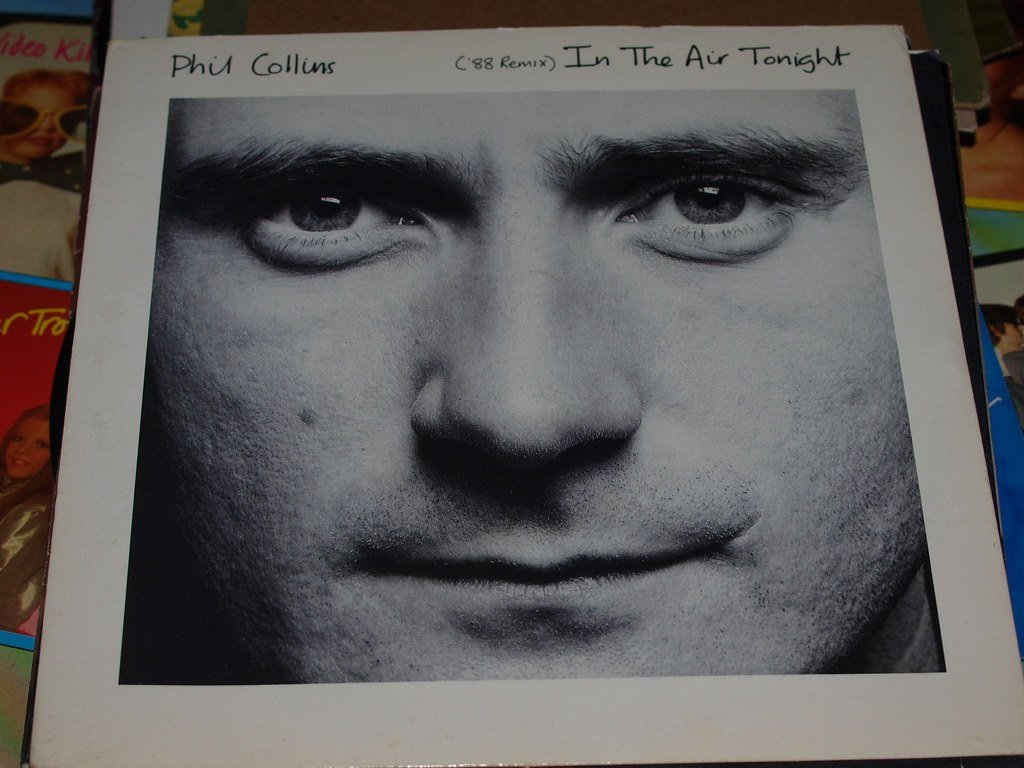
Let’s be real: almost everyone has heard the urban legend about this song. The story goes that Collins watched a man drown and refused to save him, then invited that person to a concert and spotlit him with the song as revenge. It’s dramatic, it’s chilling, and it is completely false. The myth is so ingrained in culture that other artists reference it as if it’s true, but the drowning story is complete fiction.
The song’s lyrics were actually a spontaneous vocal recorded for a guide track and then kept. The drowning imagery was just a metaphor for Phil’s recent divorce. Collins himself explained in an interview with Jimmy Fallon that the song is actually about his divorce from Andrea Bertorelli in 1980. A messy, painful separation became one of the most atmospheric and hauntingly memorable drum intros in music history. Sometimes a myth becomes bigger than the truth, but the truth is quietly more relatable.
12. “Imagine” – John Lennon
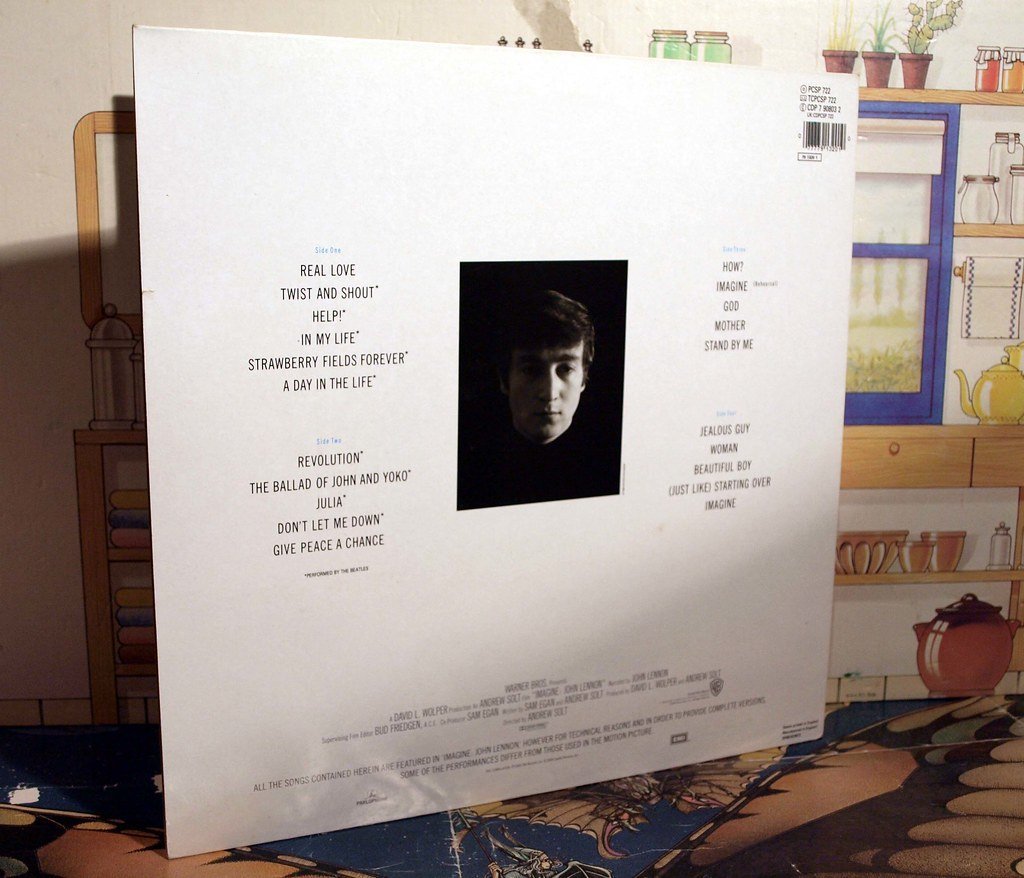
John Lennon’s iconic song “Imagine” is a plea for peace and a utopian world without borders, religions, or possessions. The lyrics reflect Lennon’s hope for a world of unity and harmony, and it has become an anthem for peace movements around the world. That much most people know. What fewer realize is how philosophically the song was influenced by Yoko Ono’s conceptual art work, particularly her book “Grapefruit,” which contained instructional poems asking readers to imagine various states of being.
Like Bob Dylan’s approach to songwriting, the song originated from something deeply personal and raw, distilled into its final form through an intense creative process. Lennon would later acknowledge that Ono deserved significant songwriting credit for the concept behind “Imagine,” something he felt he hadn’t publicly recognized enough during his lifetime. A song the world adopted as a universal anthem was really a collaborative act of personal philosophy between two people the world often misunderstood. That realization changes the way you hear it, every single time.
The Story Behind the Song Changes Everything

There’s something almost magical about learning what really drove an artist to write the song you’ve hummed a thousand times. It’s like reading the diary entry behind a famous painting. The surface stays the same, but the depth beneath it shifts completely.
These twelve songs prove that the most powerful music is rarely as simple as it sounds on the radio. Grief, obsession, divorce, real fires, childhood trauma, fan mail from disturbed strangers – these are the raw materials that became polished, radio-ready anthems. The gap between what a song sounds like and what it actually means is sometimes enormous.
Music, at its best, lets us feel something without requiring us to understand why. But once you do understand why, you can never really unhear it. Next time one of these tracks comes on, you’ll pause, remember the story behind it, and realize the song just got a whole lot more interesting. Which one surprised you the most? Tell us in the comments.
CEO-Co-Founder
