


There is something quietly humbling about sitting down and really thinking about how earlier generations managed their money. No apps, no robo-advisors, no “buy now, pay later” buttons glowing on a screen at midnight. Just discipline, common sense, and a relationship with money that was deeply personal.
Modern financial culture has gifted us extraordinary tools, yet somehow, many of us carry more debt, less savings, and more financial anxiety than the generations before us. According to research cited by the National Bureau of Economic Research, Americans saved nearly a quarter of their income in the 1940s, compared to roughly five percent today. That gap alone should make us stop and ask: what did they know that we’ve lost? The answers, it turns out, are sitting right in front of us. Let’s dive in.
1. Pay Yourself First – Before the Bills, Before the Fun

Previous generations understood the power of saving before spending. Instead of buying non-essentials, they put money into savings first and lived on what was left, ensuring that savings gradually grew rather than being an afterthought at the end of the month. This wasn’t a complicated strategy. It was almost mechanical in its simplicity.
Think of it like filling a gas tank before a road trip, not hoping there’s enough fuel left after every detour. The greatest gift of youth is time, and instilling a saving habit early can help set someone up for decades of compounded potential financial growth. Today, automatic transfers make this principle easier than ever to execute, so there’s genuinely no excuse not to try it.
2. If You Can’t Afford It, Don’t Buy It

If your grandparents couldn’t afford something, they didn’t buy it. No impulse orders, no late-night online shopping sprees. Just good old-fashioned patience and self-control. That sounds almost radical today, doesn’t it? We live in a world engineered to make spending feel frictionless and instant.
Our grandparents followed a simple rule: if they couldn’t afford it, they wouldn’t buy it. They prioritized needs over wants and avoided lifestyle inflation. When you keep expenses low, even as income increases, you save and invest more aggressively. The math on this is brutally honest. Every dollar of unnecessary spending today is a future dollar that will never grow.
3. Track Every Single Penny

Many grandmothers never owned a credit card, paid cash for everything, and tracked every nickel in little paper passbooks. They were meticulous, frugal, and always in the black. We tend to romanticize this image, but honestly, it was just good accounting applied to daily life.
They watched every penny, viewing no expense as too small to consider, and cut back their spending habits whenever necessary. Having a budget is one way to control your finances, and a well-created budget helps prevent debt and allows you to accomplish financial goals sooner. Today, the equivalent is a budgeting app that runs in real time. The tool has changed. The principle has not.
4. Debt Was a Last Resort, Not a Lifestyle

Unlike today’s “buy now, pay later” culture, previous generations saw debt as a last resort, not a lifestyle. That distinction matters enormously. When borrowing was treated as a serious, sometimes shameful step, people thought twice, then three times, before taking on a loan.
Every borrowed dollar limits future freedom. A loan may feel manageable today, but it quietly shapes your choices tomorrow. That is as true now as it was sixty years ago. Grandparents advised avoiding quick cash loan places entirely, warning never to borrow money from these places because the interest rates are outrageously high. The names have changed from pawnbrokers to payday apps, but the trap is identical.
5. Repair It Before You Replace It
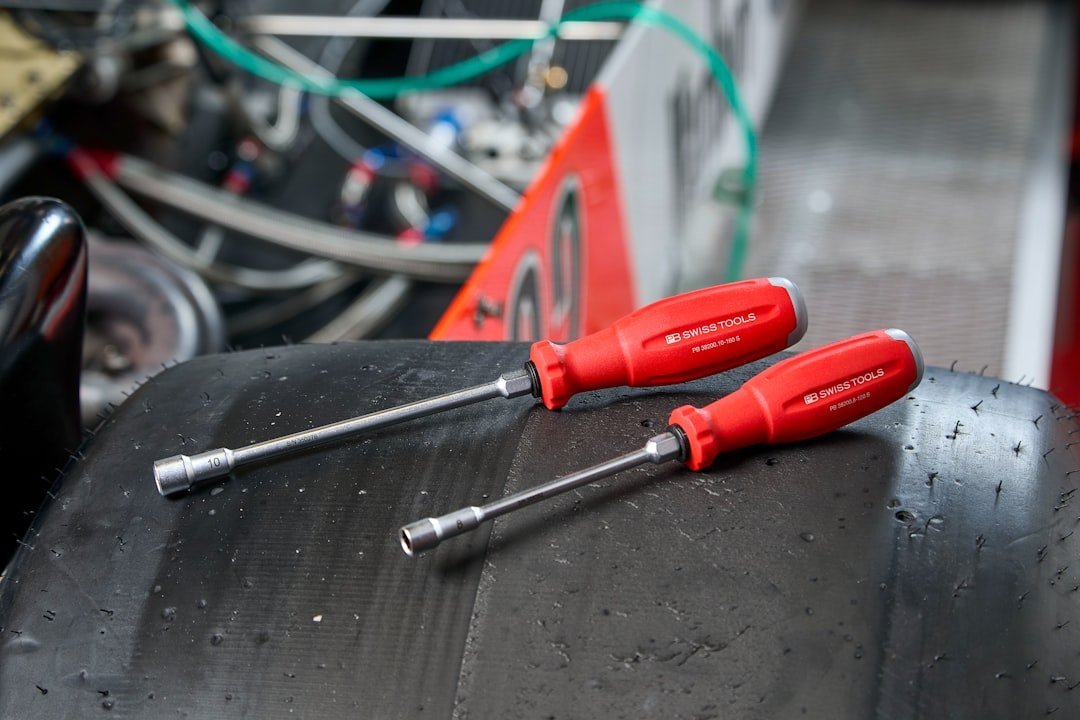
Today, we live in a throwaway culture where it is easy and relatively cheap to replace most things we own. Not so for our grandparents. Every item was considered an investment, and therefore, everything was diligently cleaned, maintained, and repaired. Their stuff lasted forever, and that saved money.
Our grandparents did not throw something out just because it broke. They valued durability and care, whether it was their clothes, appliances, or furniture. A mindset like this cuts waste and saves money in the future. Learning to fix a leaking tap, hem a pair of trousers, or resole a good shoe is not nostalgia. It is a financially rational skill. A grandfather who would spend hours fixing things versus buying new demonstrated that learning a new skill and investing in yourself can pay off.
6. Live Below Your Means, Even When You Don’t Have To

One of the most fundamental habits practiced by financially stable families was living below their means. Despite available resources, they often chose to live modestly and avoid excessive spending, which allowed them to preserve wealth by avoiding lifestyle inflation, allocating more toward savings and investments that compounded over time.
Here’s the thing: lifestyle inflation is sneaky. A raise comes in, and suddenly a bigger apartment feels justified. Then a newer car. Then premium subscriptions nobody uses. Spending money to show people how much money you have is the fastest way to have less money. Grandparents understood this intuitively, probably because they had seen enough hardship to know that prosperity could reverse without warning.
7. Build a Rainy Day Fund Before You Need One

Our grandparents and great-grandparents essentially invented the emergency fund. The idea of saving up for a rainy day is just smart financial strategy. Because they lived through some very lean years, they never allowed themselves to be lulled into thinking that today’s prosperity guarantees tomorrow’s.
Consistent planning, paying down high-interest debt, building emergency funds, and contributing regularly to retirement remain powerful equalizers across generations. An emergency fund is not pessimism. It is the financial equivalent of a spare tire. You hope you never need it. You are deeply grateful when you do.
8. Cultivate Multiple Streams of Income

Grandparents sold eggs, knitted sweaters, and repaired cars. They found ways to make money outside of their primary source of income. Side hustles allowed them to diversify income and enhance financial security, and making money on the side remains entirely possible even in today’s digital age.
Financially resilient families rarely relied on just one source of income. They understood the risks of depending solely on a single paycheck or particular investment and instead cultivated multiple streams of income to provide greater financial stability and flexibility, which allowed them to weather economic downturns and unexpected financial setbacks more effectively. Today, a freelance project, a rental room, or a small online store can fill that same role.
9. Buy Quality Once Instead of Cheap Twice

Grandparents did not follow the latest trends. Instead, they shopped for the best quality, durable items that would last. Buying high-quality clothing, furniture, and tools is beneficial because they do not need to be constantly replaced, and spending a little extra upfront will often save money in the long run.
This philosophy is the direct opposite of fast fashion and cheap electronics that fail after eighteen months. Think of it this way: a well-made cast iron skillet bought in 1965 is still cooking dinner today. A cheap non-stick pan bought last year is already in a landfill. Steady habits like buying durable items, not hacks, quietly fund a freer life.
10. Know Exactly Where Your Money Is Going
Grandparents whose income depended on things outside their control were very frugal, understood exactly where their money was going, and were smart about saving. There was a mentality of evaluating expenses closely and planning carefully for large purchases. This was not optional for them. It was survival.
Grandmothers who did the recordkeeping for the family farm taught younger generations how to balance a checkbook. In 2026, very few people even know what that means. Knowing where every dollar goes sounds tedious, but it is genuinely one of the most powerful financial habits imaginable. You cannot manage what you cannot see.
11. Think Long-Term, Not Just Next Month

Financially stable older families were known for their long-term perspective when it came to financial planning. They prioritized strategies that ensured stability and growth over multiple years, helping them navigate economic downturns, market fluctuations, and other challenges that could threaten their financial security. Building lasting wealth requires thinking beyond the immediate future.
Compared to prior generations, control over time has diminished today. Since controlling your time is such a key to happiness, many people today do not feel much happier despite growth in wealth. Controlling your time is the highest dividend money pays. Long-term thinking is not about being boring. It is about buying back your future freedom, piece by piece.
12. Teach Financial Wisdom to the Next Generation

Decades of financial experience and valuable financial wisdom carry real weight. Passing that knowledge on to younger generations can help them learn good money habits and values, which means sharing not only financial wins but also mistakes that taught important money skills. This kind of intergenerational honesty is rare now, and its absence is costing us.
The core skills of budgeting, saving, borrowing wisely, and investing patiently remain timeless. Financial education started as family advice, evolved into thrift movements and savings banks, then entered classrooms and community programs. Yet somehow, in all that evolution, the kitchen-table conversation between a grandparent and a grandchild remains among the most powerful financial lessons anyone can receive. By learning from the financial lessons passed down through generations, you can gain valuable insights to improve your own money management skills.
Rediscovering What Was Never Really Lost

Honestly, none of these twelve lessons are complicated. They do not require a finance degree, a stock portfolio, or a high income. They require patience, awareness, and a willingness to slow down in a culture that constantly pushes you to speed up and spend more.
While times have changed, the financial habits of earlier generations still hold up, especially when paired with modern tools. The smartphone in your pocket can run the same envelope budgeting system your grandmother used in 1952. The platform changes. The wisdom does not.
The greatest irony is that we have more financial information available today than any generation in history, yet many of us feel less in control of our money than ever. Perhaps the answer was never in a new app or a trending investment strategy. Perhaps it was in the quiet, consistent habits of people who had less, valued more, and built something lasting from both.
What financial habit from this list do you think is most worth reviving? Think about it, and maybe pass the answer on to someone younger than you.

Besides founding Festivaltopia, Luca is the co founder of trib, an art and fashion collectiv you find on several regional events and online. Also he is part of the management board at HORiZONTE, a group travel provider in Germany.
